Roadside Picnic (Across II)

The pictures from this little series Across were taken during a four day road trip from Indiana to California.
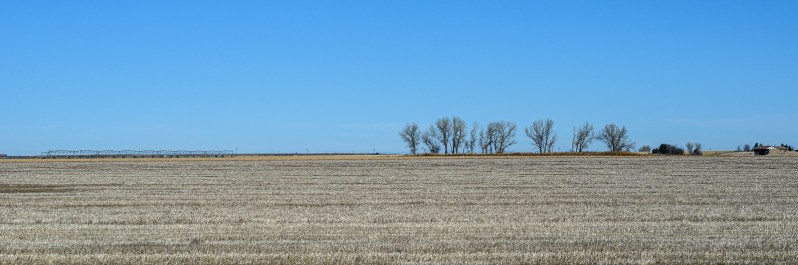
DSC 1300

One would think that the first half or so takes us through a rather featureless landscape. While this is true, the brain starts to focus on the little unusual things that are not just strips of earth and sky.
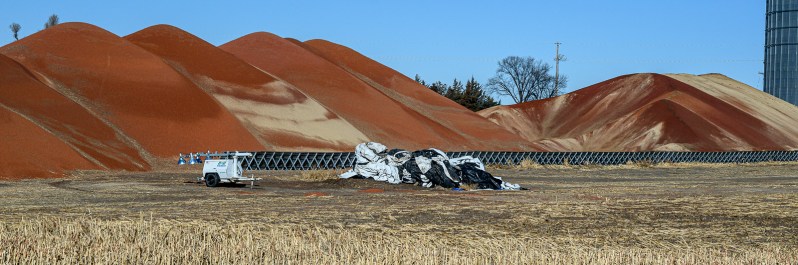
DSC 1285

Trains quickly become a favorite. At least, they move, too.
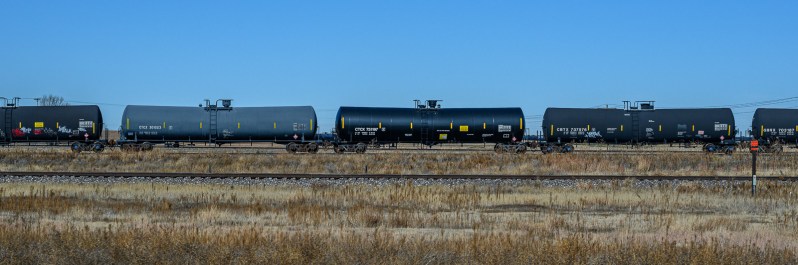
DSC 1325

There are terrible places like meat factories, and other traces of the human condition.
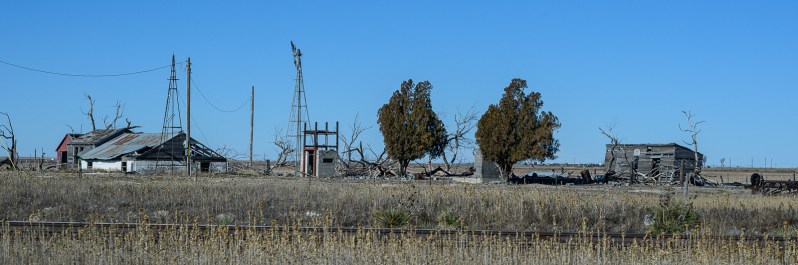
DSC 1363

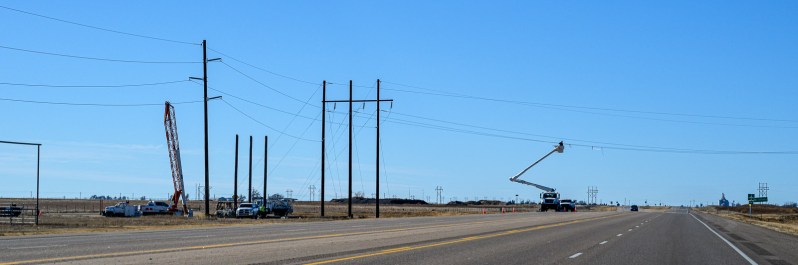
It is amazing to see that traffic works.

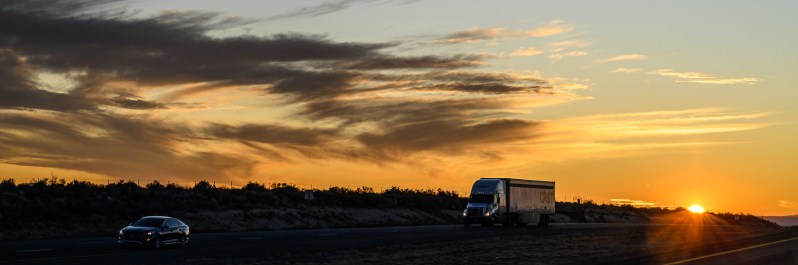
The majority of the drivers are cooperative, even friendly, and the few maniacs can be smiled away and quickly forgotten. Driving is maybe the major education in cooperation and communicative skills the average US person receives these days.
DSC 1351

When automatic cars become reality, where will people learn how to treat each other?
DSC 1385

Nothing to Take (Across I)

Let’s enter here:

DSC 1675

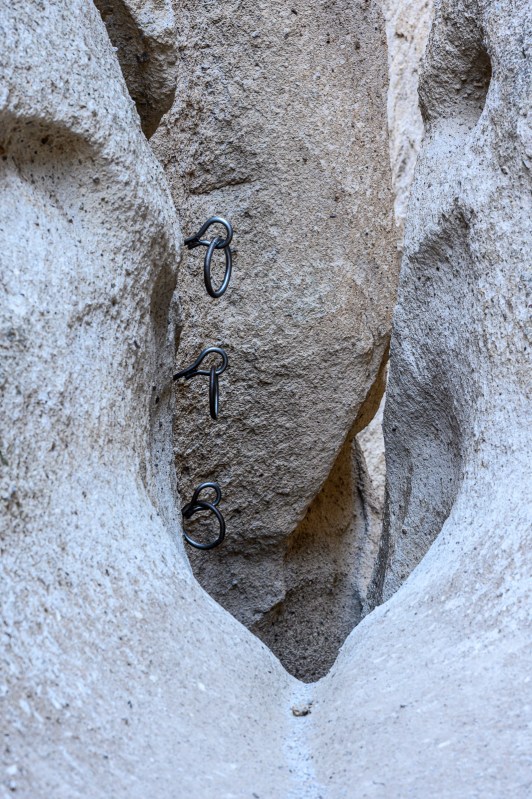
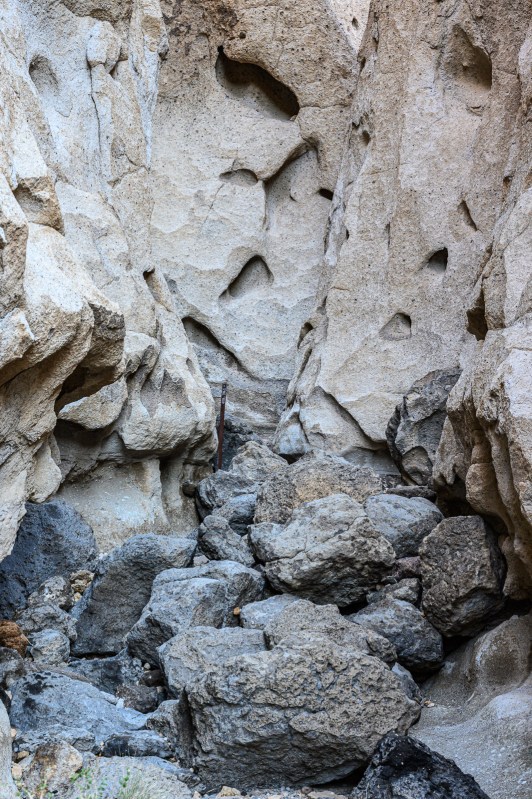
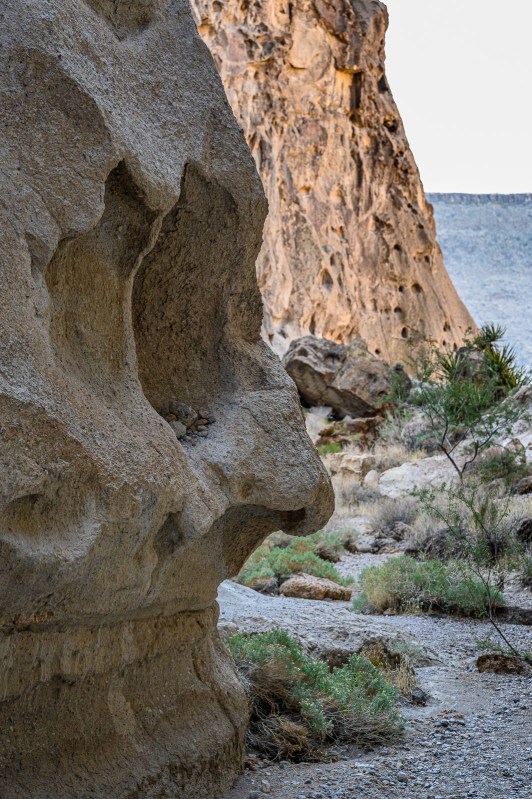
The space we are entering is the Hole-in-the-Wall Rings Trail in the Mojave National Preserve. As a loop trail, it suggests that we are surrounding something by walking this trail. The opposite is the case, the landscape of narrow canyons seems to surround us.

DSC 1684

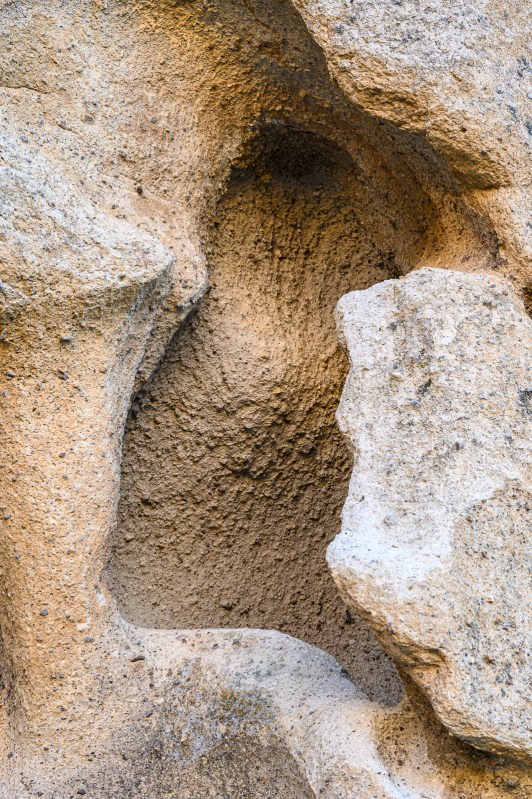
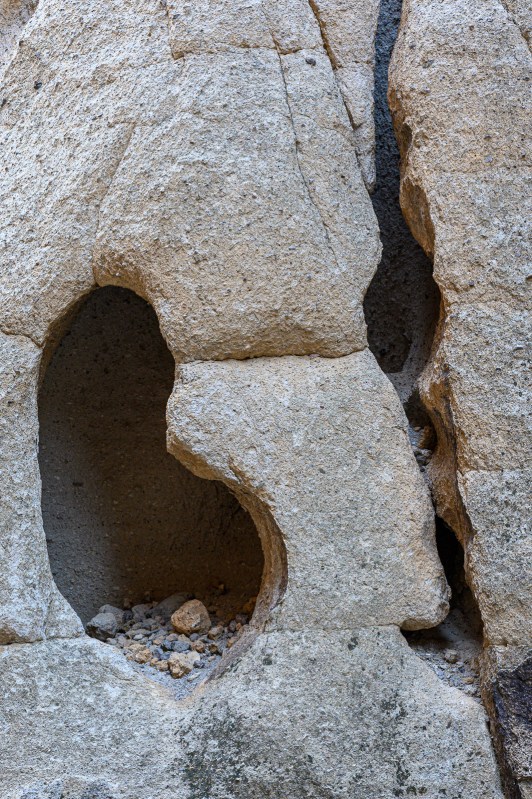
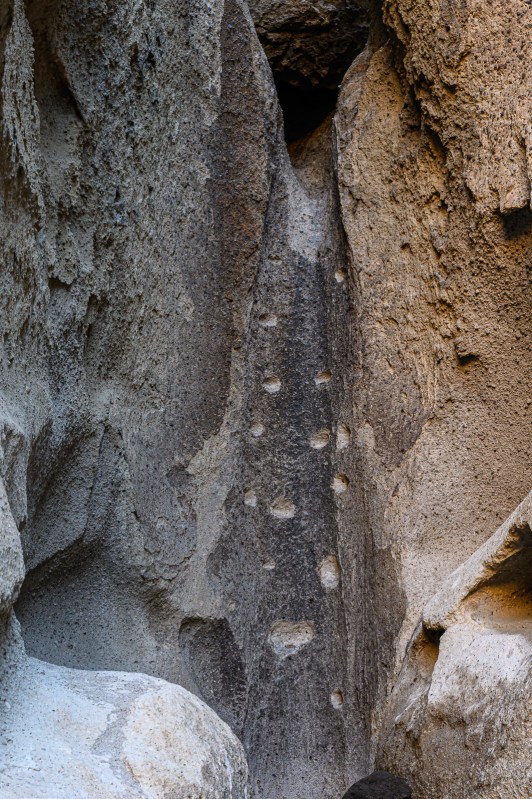
The walls of this enclosure contains molds — for whom?

DSC 1706

We need to be here early in the morning to experience the near total silence. This silence is paradoxical, too: It is not the absence of sound that asks to be filled with sound, it is the sort of silence that invites us to be quiet, too.

DSC 1680

The holes and cracks are signs of what we need most, protection and growth.

DSC 1701


The Mojave is the driest desert in North America. There is nothing here for us to take but beauty. 

It’s time to leave, for now:

DSC 1683

Ascension

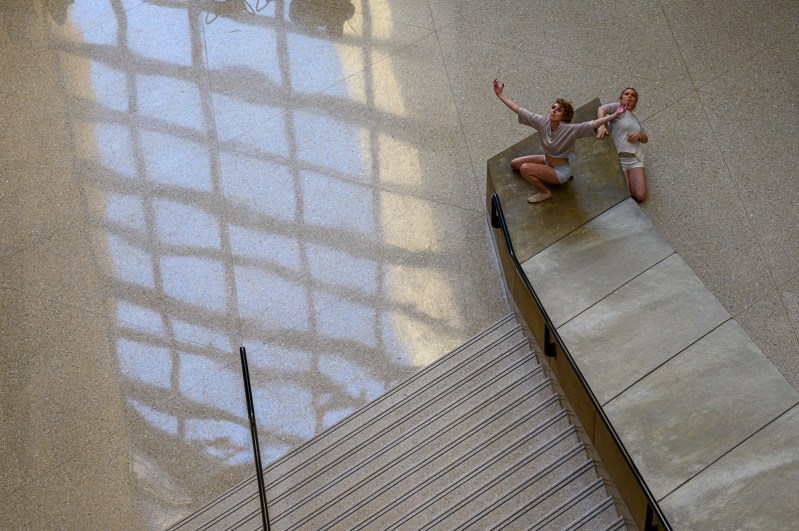
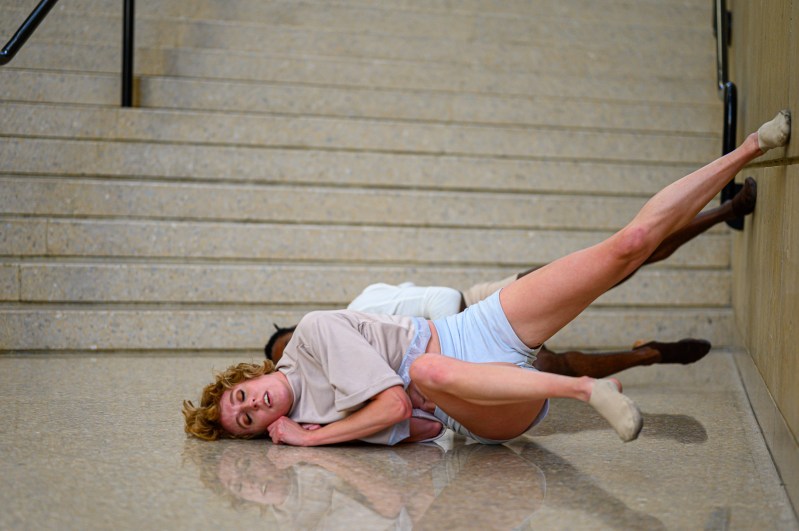
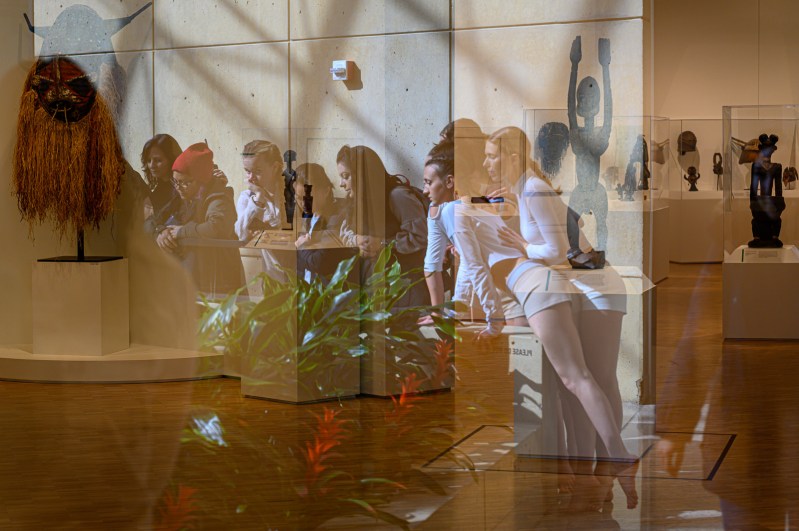
For the reopening of the Eskenazi Museum of Art in Bloomington, Elizabeth Limons Shea created the ballet Ascension to be performed throughout the building.

DSC 1196

The open architecture (designed by I. M. Pei) of the building allows for unusual gestures and views.

DSC 1202

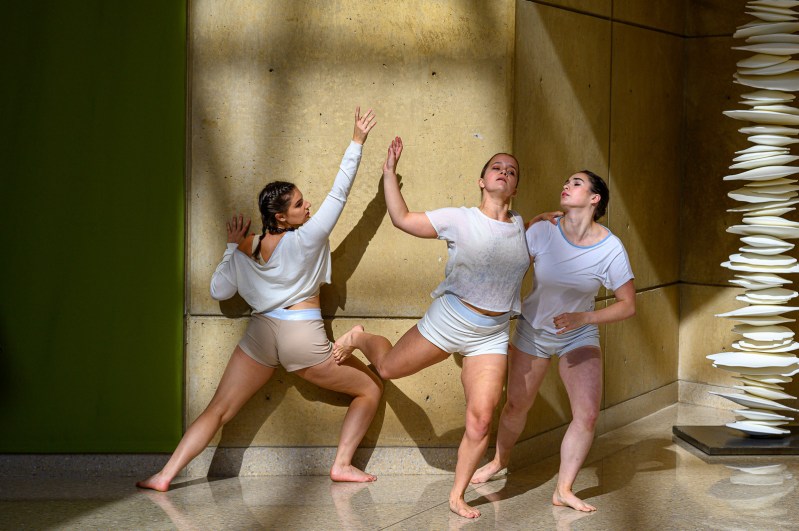
The ensemble consisted of about a dozen dancers, performing in small groups.

DSC 1226

The display of intimacy with each other and the building was quite compelling.

DSC 1243

How much integration is possible? Art, building, performers, spectators, all one?

DSC 1199

Frost (Fall 2019 III)

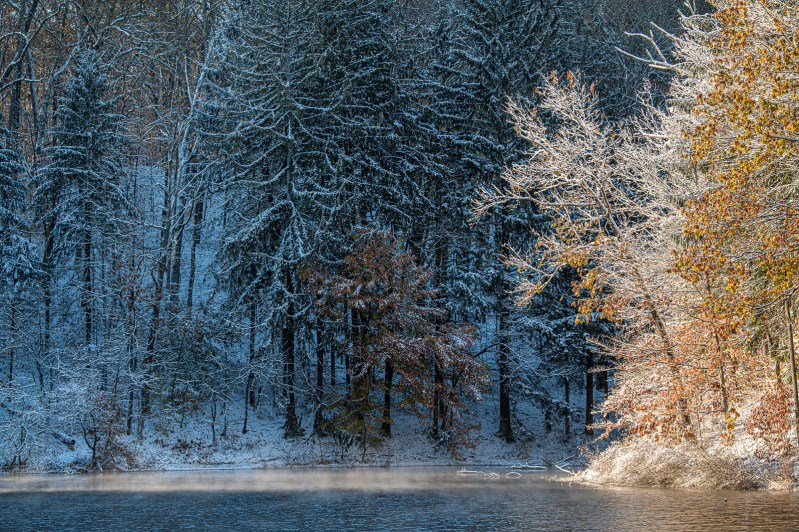
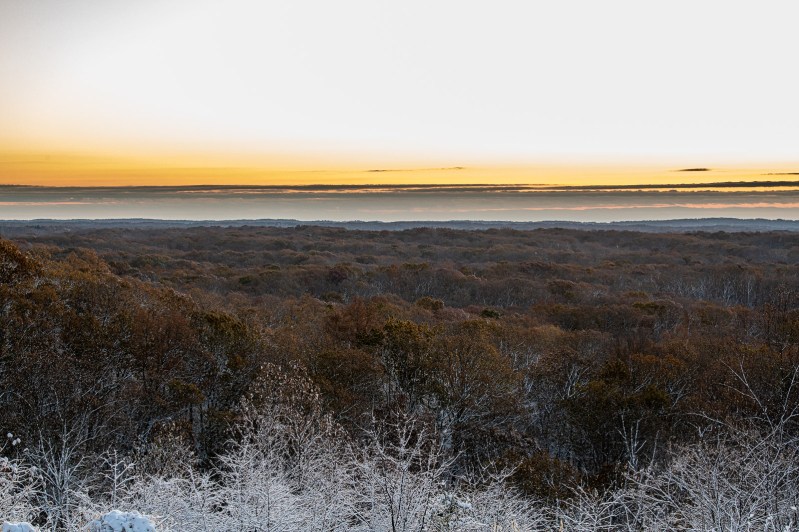
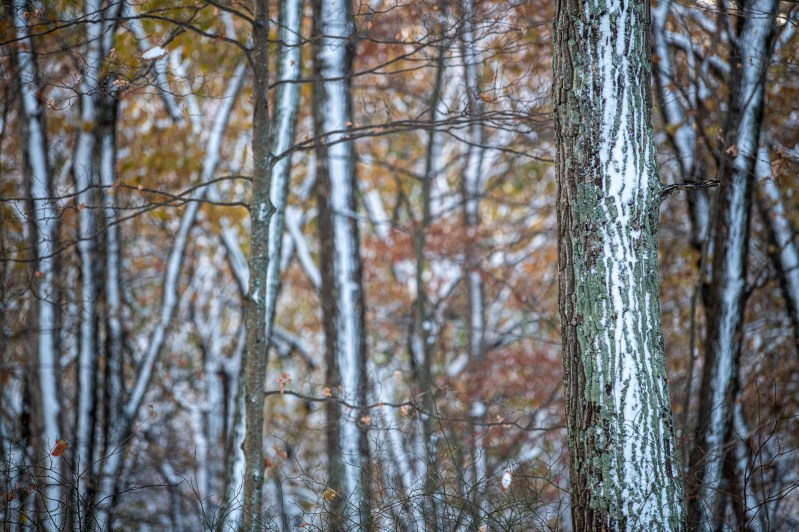
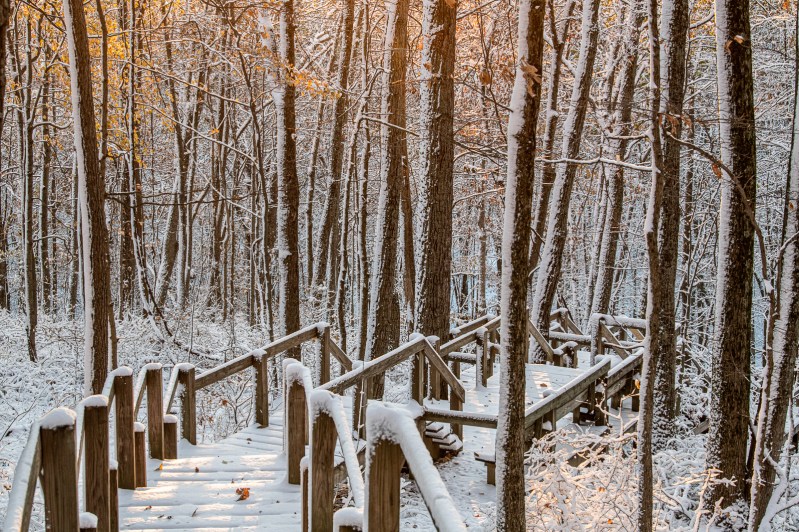
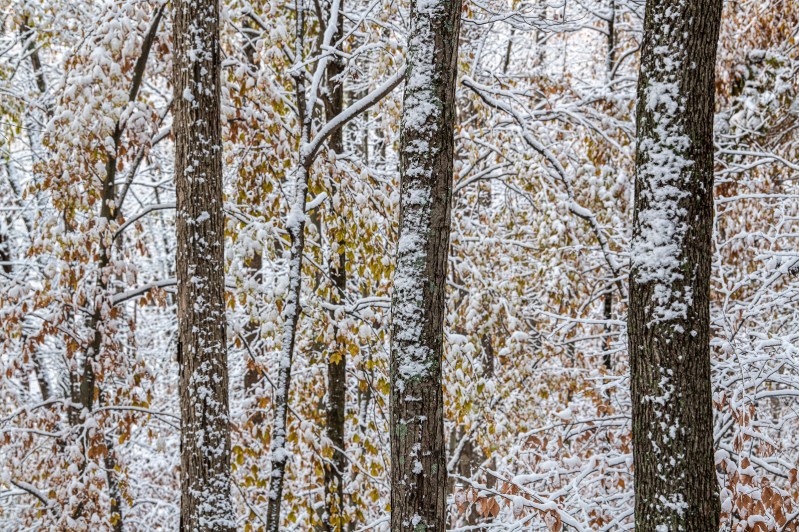
Persistent temperatures below freezing and a fair amount of snow are unusual here in the middle of November.

DSC 2139

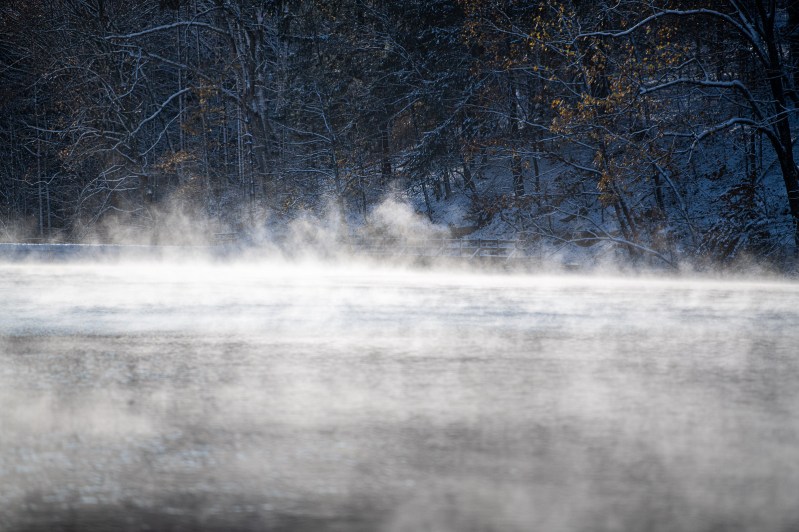
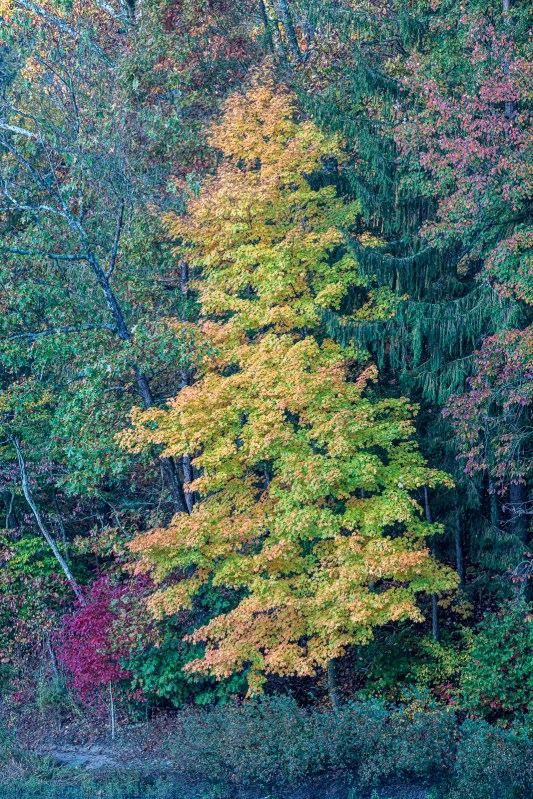
Still green trees are prematurely frozen.

DSC 2129

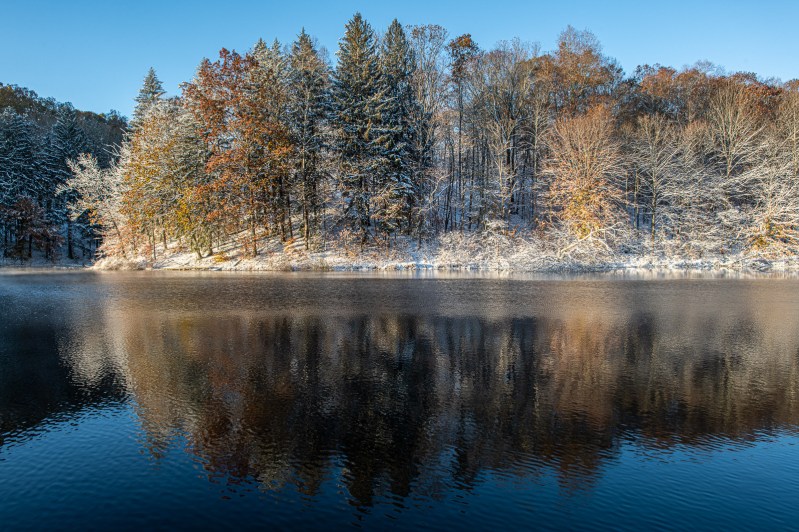
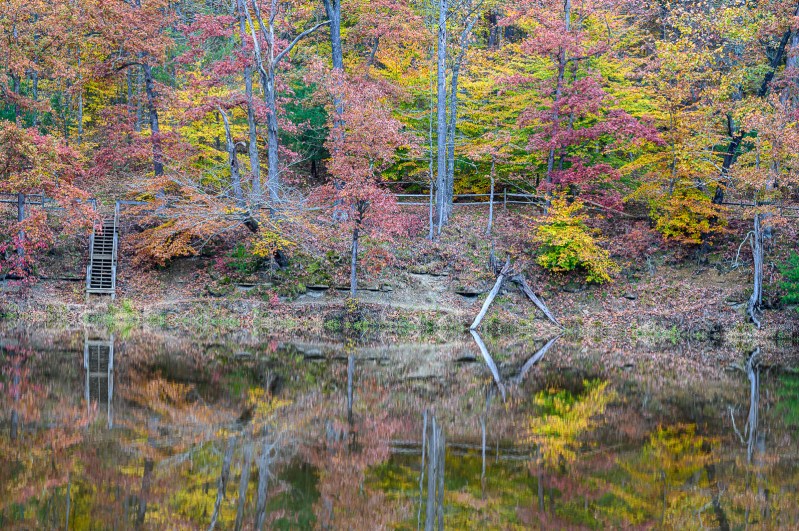
The steep roads were so icy that I decided to take a hike to the Strahl Lake instead of risking a car wreck. Usual this trail is rather bland, but the early snow provided some inspiring views.

DSC 2159

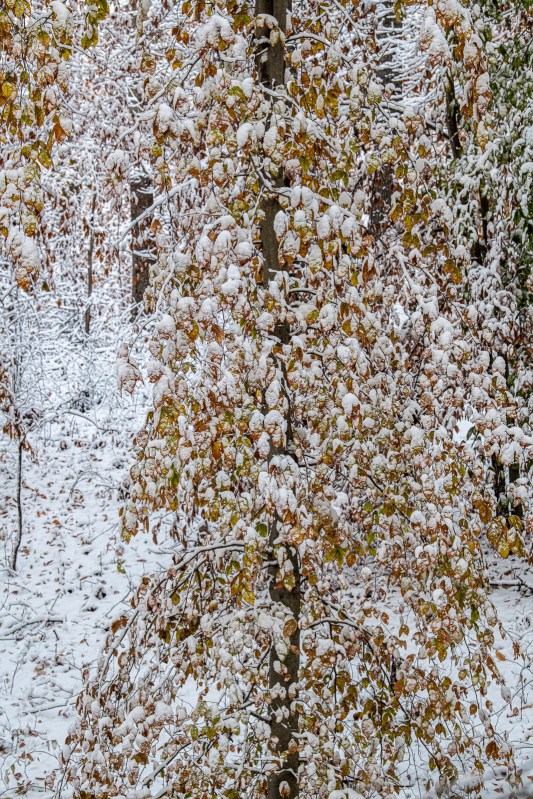
We all should try to show that much color when we are frozen…

DSC 2165

All this will thaw in the next few days, and slowly fade. It tells us that we need to catch the moment when it’s there.

DSC 2169

Preparation (Fall 2019 II)

A week later, after the weather turned cold and a storm went through, the fall is almost over.

DSC 1084

The vibrance is gone, and the mood has changed.

DSC 1092

There is an optimistic sadness in these pictures, that expresses that there are times to come after the times to come.

DSC 1110

Light and Darkness have become one.

DSC 1113

Maybe they are getting ready for one last effort before what promises to be a long winter.

DSC 1096


Silence (Fall 2019 I)

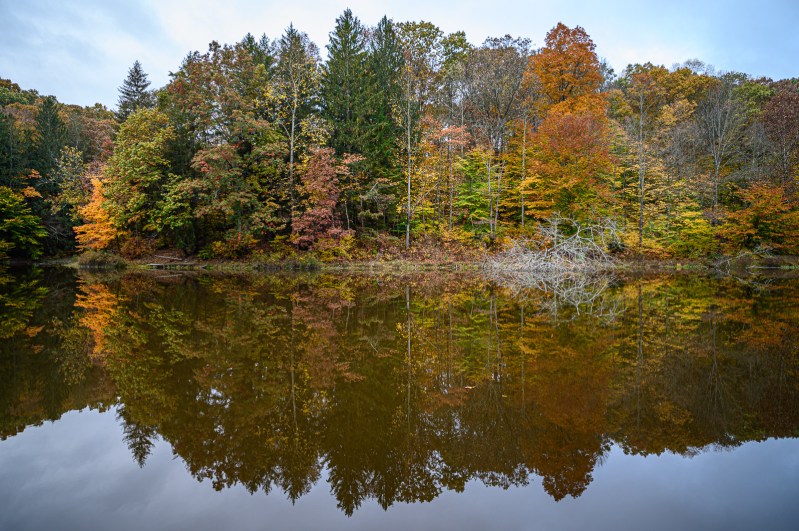
This has been a strange fall season. After a hot and dry summer, many trees seemed to have given up and shed leaves before they turned color. DSC 2072

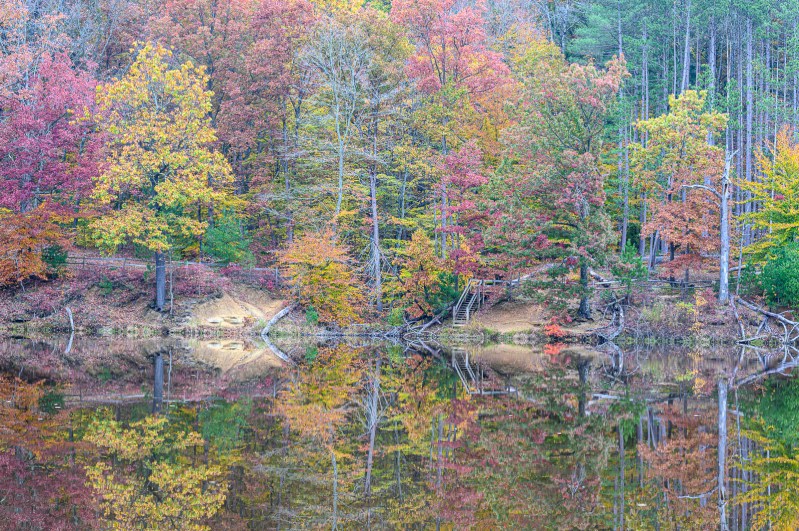
When it finally happened, the intensity was dazzling. 

DSC 2090

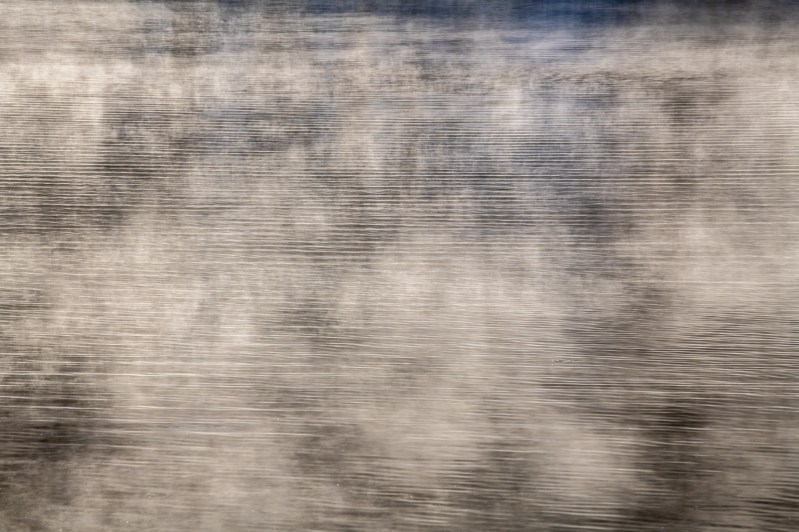
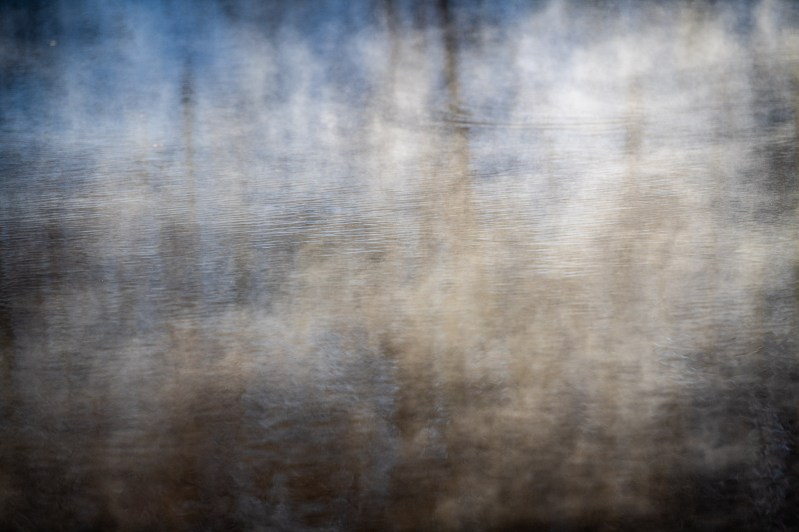
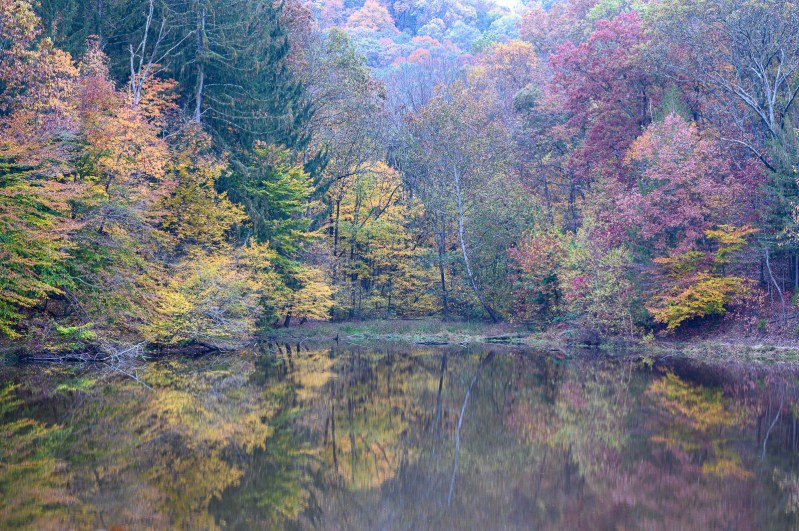
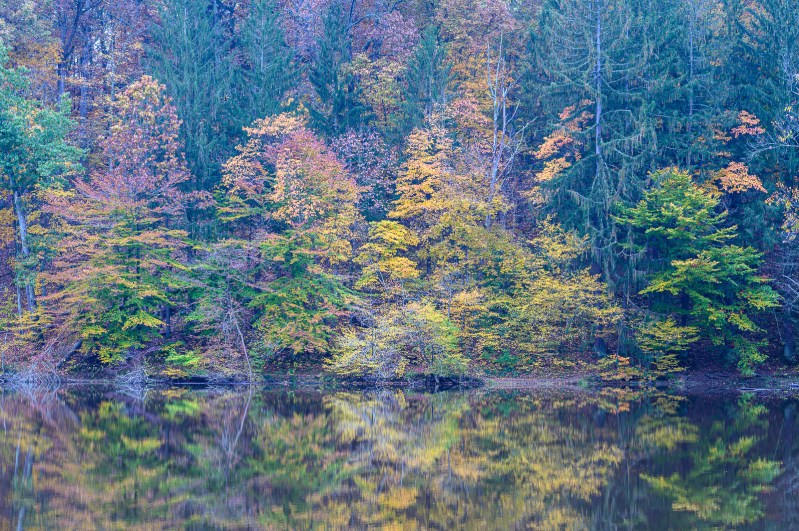
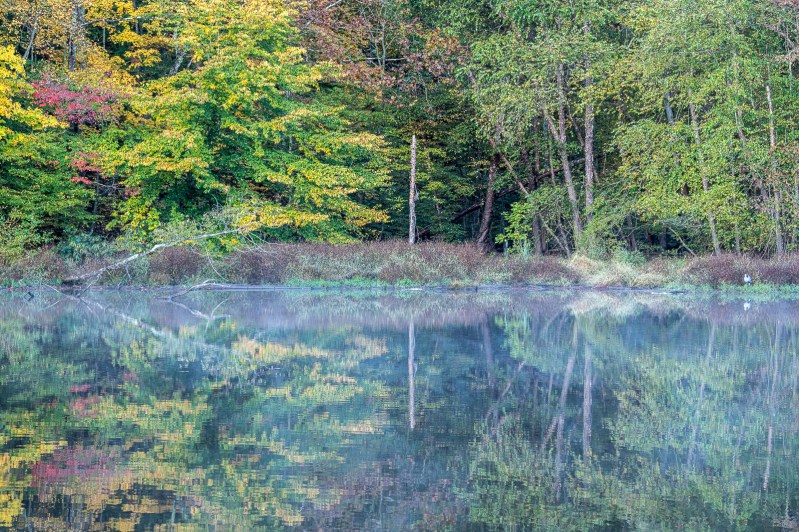
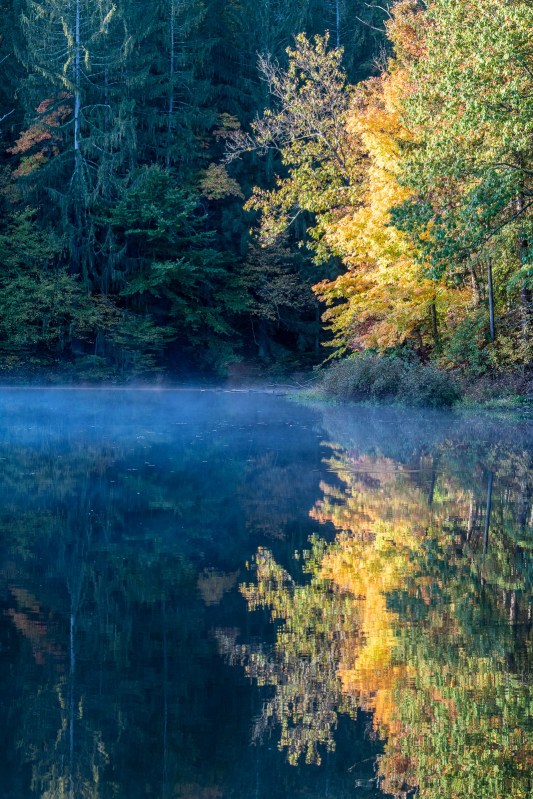
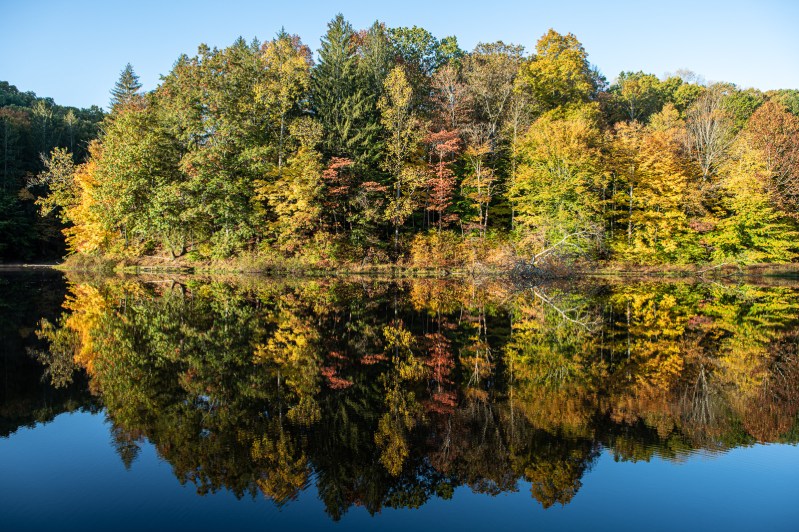
My favorite time and place are the early morning hours at Strahl Lake, where light, darkness, and reflection seem to multiply the silence.

DSC 2086

One should spend an entire night there, like the lone heron in the first picture, becoming one with the landscape.

DSC 2064

This instant change seems dramatic like the mood change of a person from being calm to being upset.

DSC 2104

My first blog post here from almost five years ago shows the same view. The trees have grown, some have fallen, but the place remains visibly the same. Such stability is admirable, given the times.

No Choices?

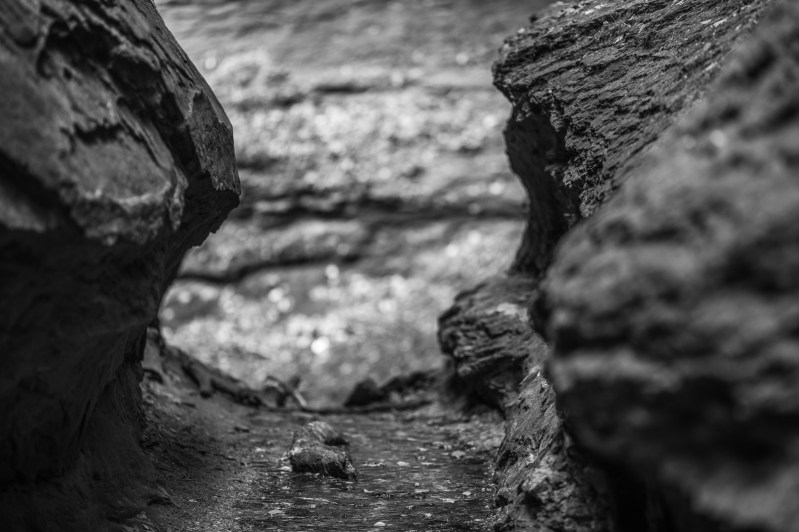
The water that formed the canyon in the Rocky Hollow Nature Preserve in Turkey Run State Park had no choice; it had to follow gravity.

DSC 1988

Following the path the water took backwards is like going back in time and being able to contemplate earlier choices.

DSC 1979

There are places where we seemed to have a choice which only turns out to be a detour. How should we know?

DSC 2006

Worse, there are also places that prevent us from going back further, dead ends of our past, inaccessible parts of our memory, like here in Devil’s Punchbowl.

DSC 2010

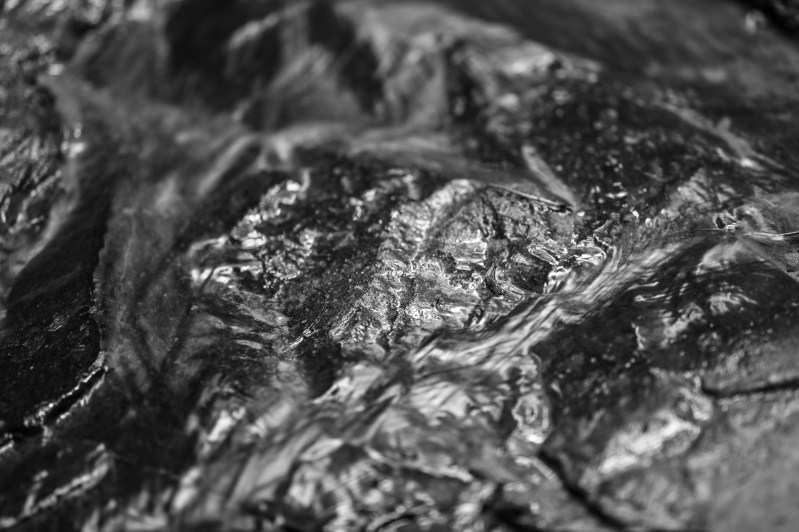
The further we go back, memory is being reduced to form. 

DSC 1994

Does it truly make sense to look into this lifeless past?

DSC 1982

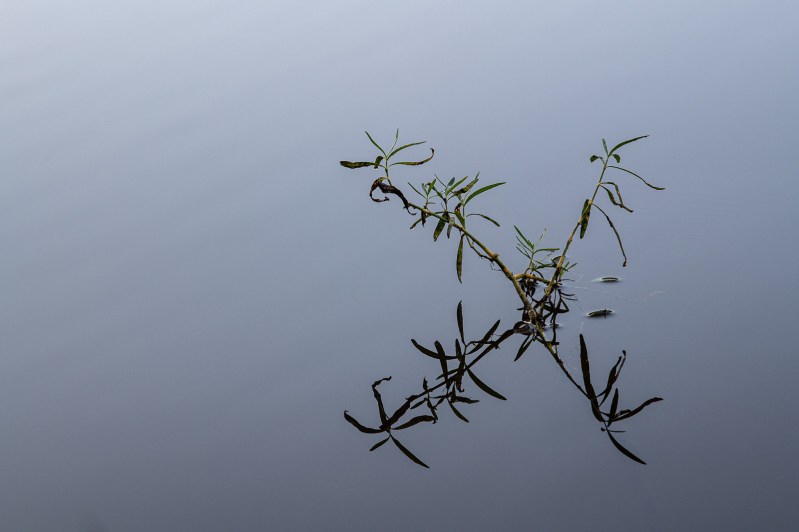
Catch me later, says the leaf.

Fish Have No Feet

While reading Jón Kalman Stefánsson’s novel Fish Have No Feet, which in part takes place in Keflavík, it occurred to me that I never posted my photos from 2017 from there. The book begins with the motto Keflavík does not exist.


DSC 5986


Well, most visitors who come by plane will know that it does in fact exist, and those who are forced to stay near the airport either because they arrive late or because they have to leave early, get a chance to visit. That this is an Icelandic city becomes instantly clear. It presents itself with openness and laconic clarity and always a bit more dedication than strictly necessary.

DSC 5968

The main source of income is documented for eternity,

DSC 5960

the love-hate relationship to the former US army base sublimated in an elegant sculpture,

DSC 5973

the local cave repurposed as the lair of a giantess with a golden heart,

DSC 5999

and comfort is offered to the tired (gigantic?) visitor with a wink.

DSC 5972

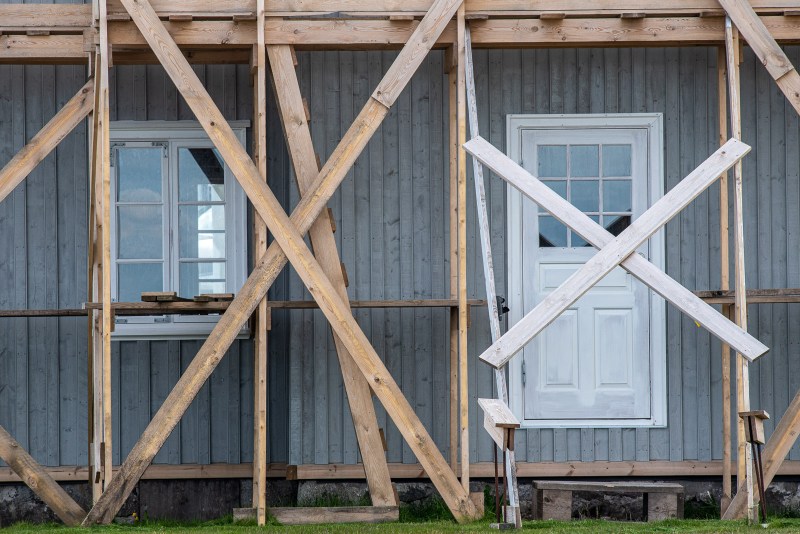
Is it ironic that even the scaffoldings are adorned with an extra touch? I don’t think so. In a country where impermanence due to the forces of nature is everywhere, building something requires an extraordinary belief in the ultimate possibility of permanence.

Desert Flowers

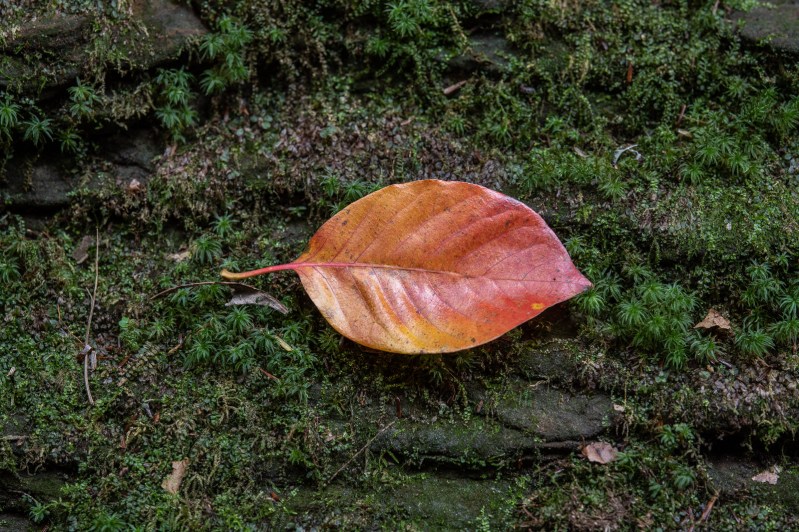
What would life be like if we could thrive only for a few weeks each year?
Cal2000090

If, for the rest of the year, we had to lie dormant in dryness and heat, exposed to wind and relentless rodents that assume everything that’s not rock or sand is edible?

Cal2000116


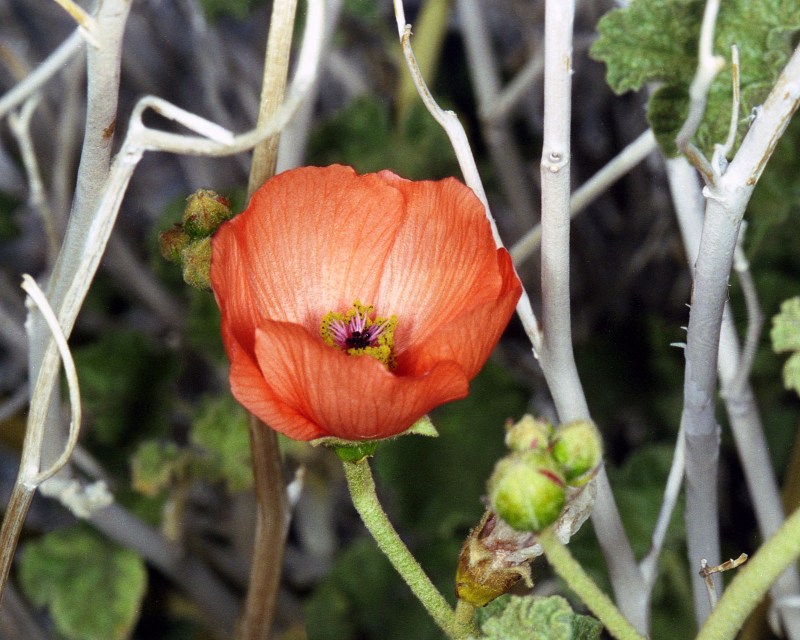
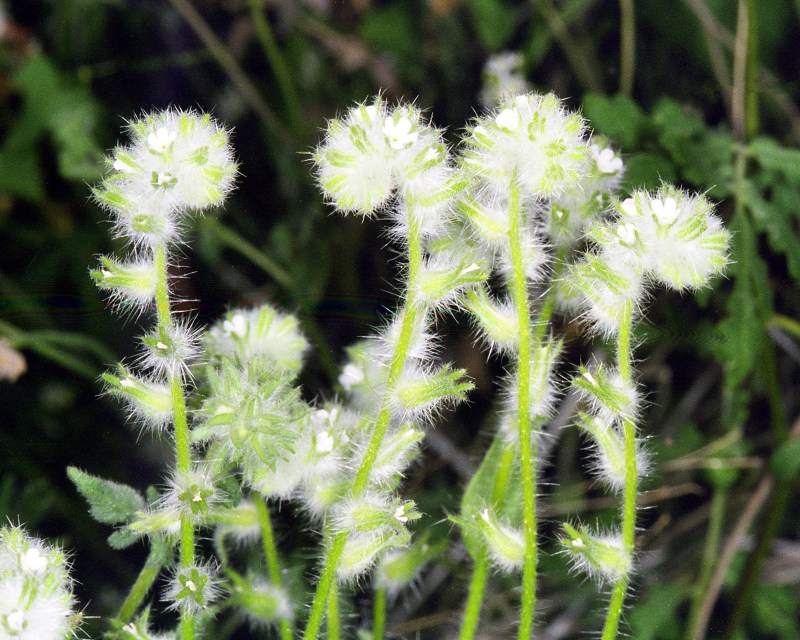
We would do our best to make these few weeks count. All our prickly defenses would make place for a display of attraction.

Cal2000108


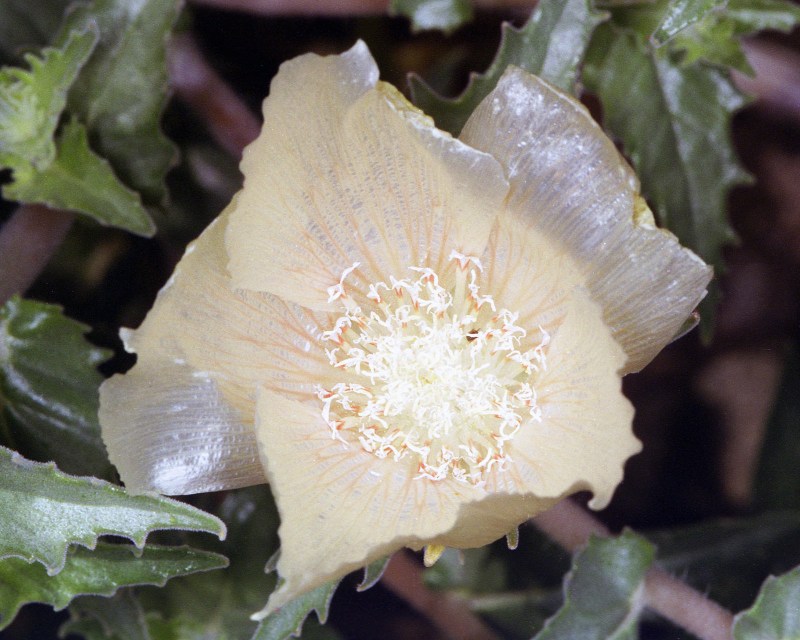
The pictures here were taken early 2001 in the Joshua Tree National Park, at the peak of the wildflower season. All these plants are strangers to me, as I am a stranger to their home, the desert.


Cal2000091


It was still good to be a guest, because even the most alien forms of life can teach us something.

Cal2000079


Persistence, in this case.