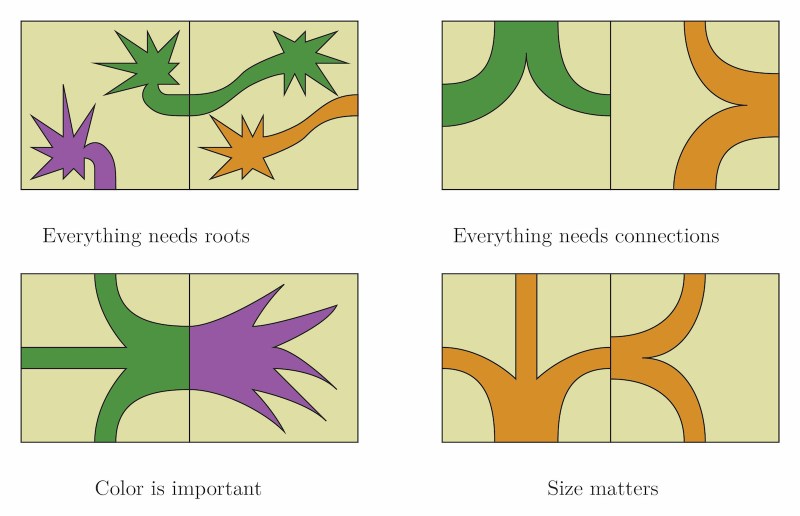
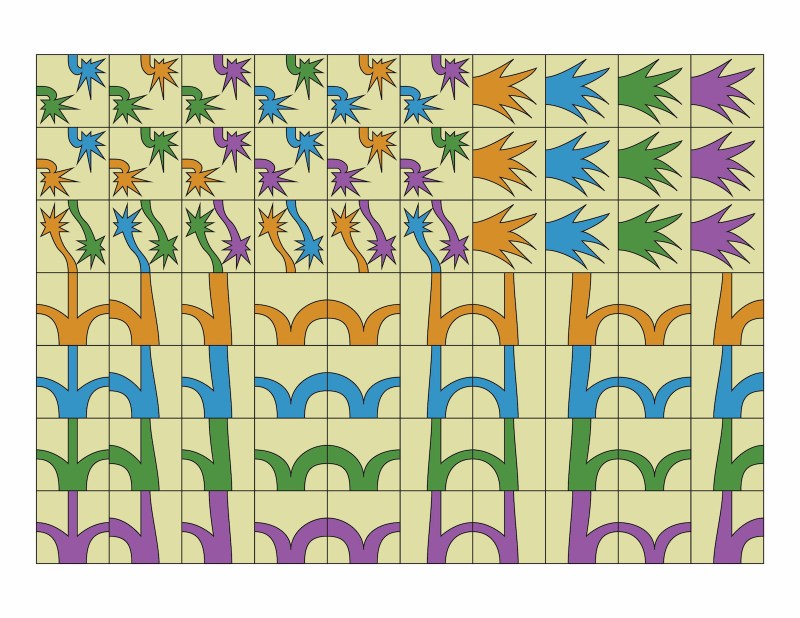
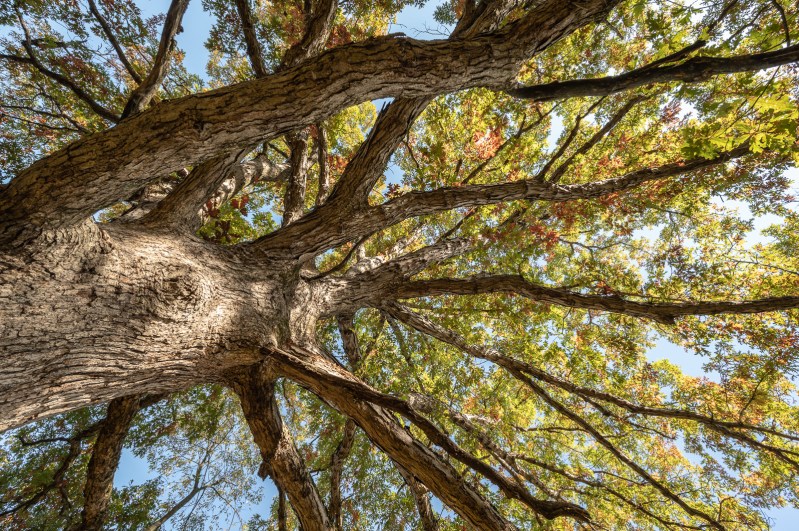
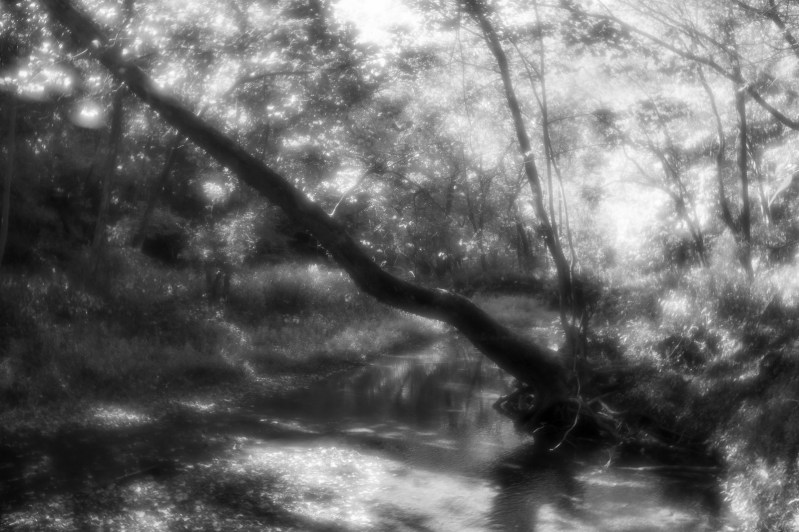
Different Trails (North VII)

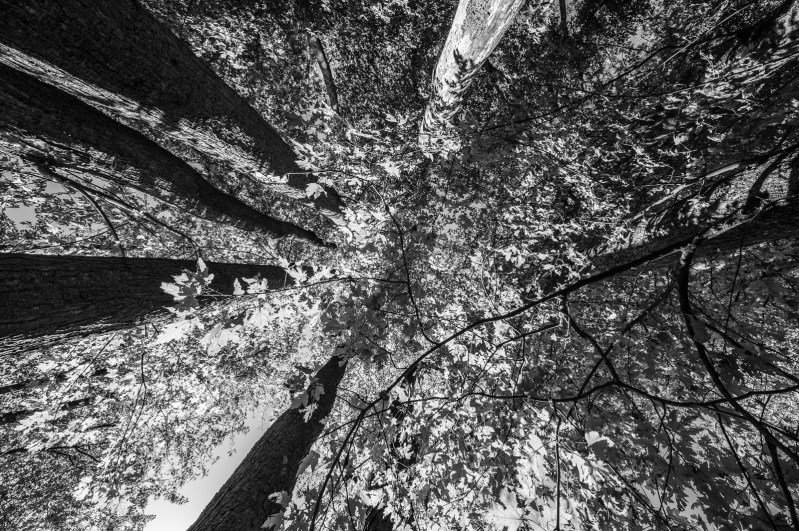
My fourth stop on the excursion north was not planned, I just happened to pass by Cicott Park, named in honor of the owner of a trading post at this place, and decided to have a look.

DSC 5611

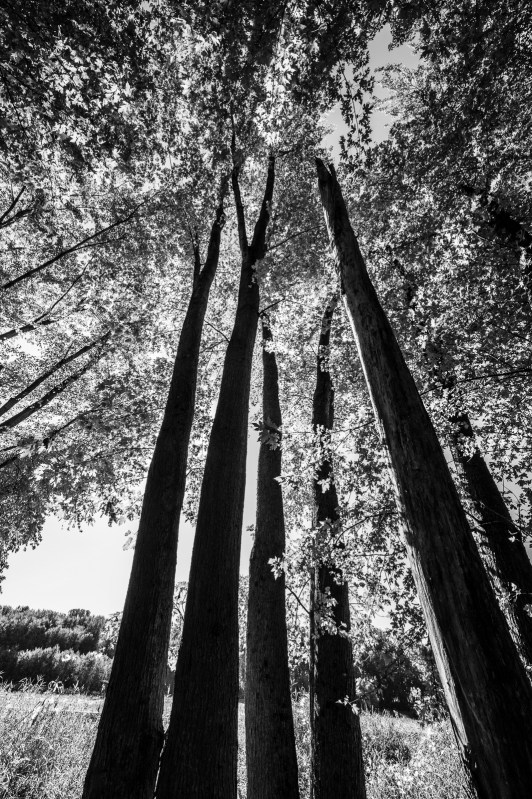
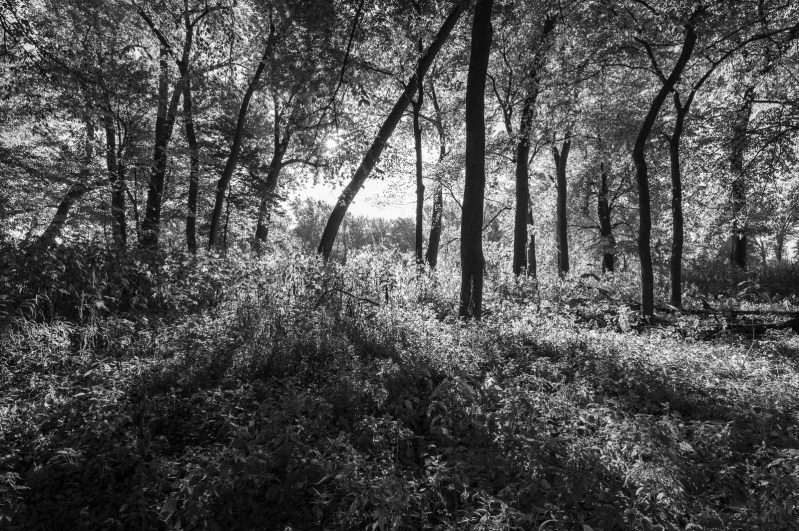
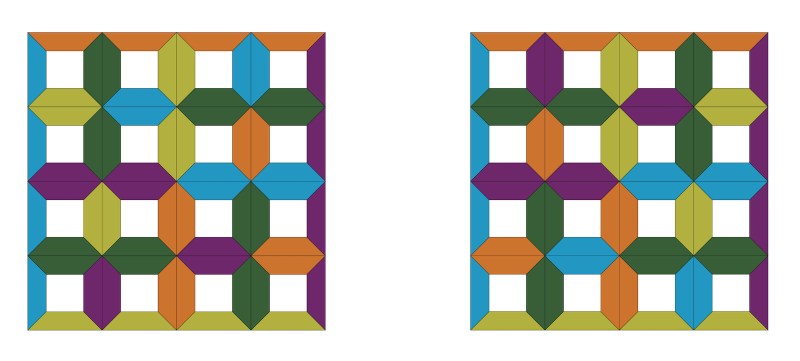
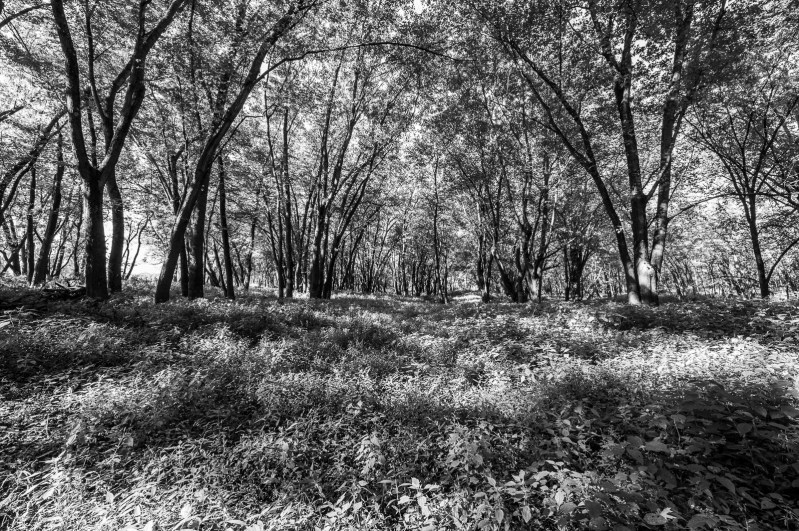
According to the small brochure, the area has never been plowed, and is therefore relatively intact. The two trails lead through a lush forest and give access to the Wabash.

DSC 5619

It was here that I met the first other hiker that day, a local. Despite there being absolutely nobody around, he was wearing a mask, and excused himself right away: He was recovering from chemotherapy and needed to protect his immune system. 

DSC 5613

He also said he was essentially the only person using these trails, and that the town was considering to abandon the place.

DSC 5620

For him, walking here almost daily had acquired a special meaning.

DSC 5604

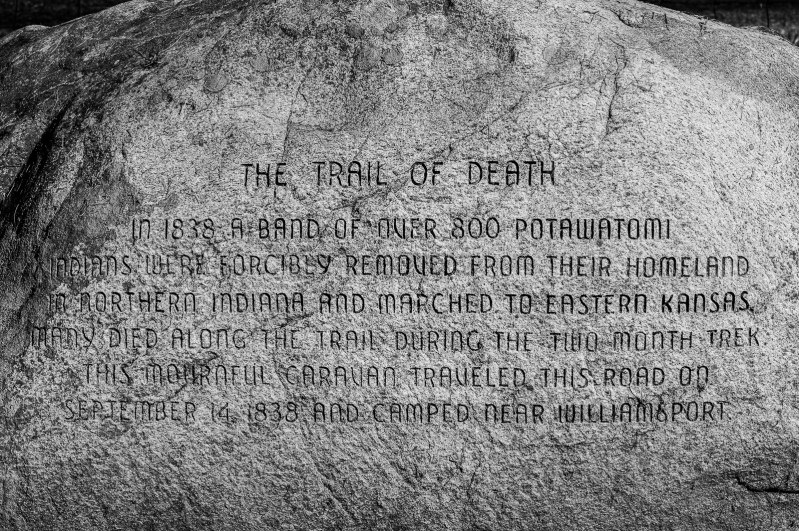
The park also has a Potawatomi Trail of Death historical marker, in memory of the forced removal of over 800 members of the Potawatomi Nation.

Some trails you can only walk once.

Translucent Trominoes (Cooperation Games III)

After the translucent dominoes let’s continue with translucent L-trominoes. There are eight of them:


Trominoes 01

The dark-gray one is a solid tromino, which will be a bit lonely, as it can’t connect to the others.

As before, a region is tiled if either any square is covered by a solid color or by two translucent (gray) squares.

Tromino mono

Let’s begin with a simple puzzle. Above you see an attempt to tile the 5×5 square just with copies of the purple tromino. This is of course impossible, because each purple tromino tiles 1+1/2+1/2 = 2 squares, so it can only tile regions with an even number of squares. Clearly one can tile a 2×2 square, and thus every 2n x 2n square. But can you also tile a say 6×6 square so that the tiles are all connected?

Tromino5x5

Above is an example how you can tile a 5×5 square with two copies of each tromino except the orange and the dark gray one. There is an abundance of tiling problems like this. You usually begin by determining for a set of tiles the total number of squares they will cover, counting each gray piece as 1/2. As all eight trominoes cover 18 full squares, two sets of them should be enough to cover a 6×6 square. One solution is shown below.

6x6 01

This suggests the following cooperative game for two players: Each gets a set of the seven trominoes without the dark gray one, shuffled, and stacked face up. They take turns by either

— placing the top tromino from their stack on a 6×6 board so that the newly placed tromino connects to the network of previously placed trominoes; or
— removing a previously placed tromino from the board so that the network remains connected, and placing it under their pile.

The goal is to leave at the end just room for the two dark gray trominoes. The example above is therefore no solution, because the network has too many components.


Warning (Wenckheim I)

because there could be no mistakes…


DSC 7291

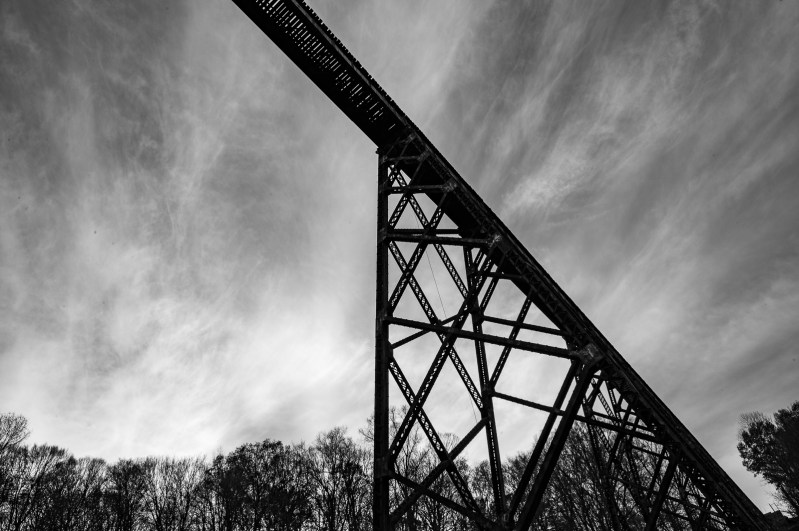
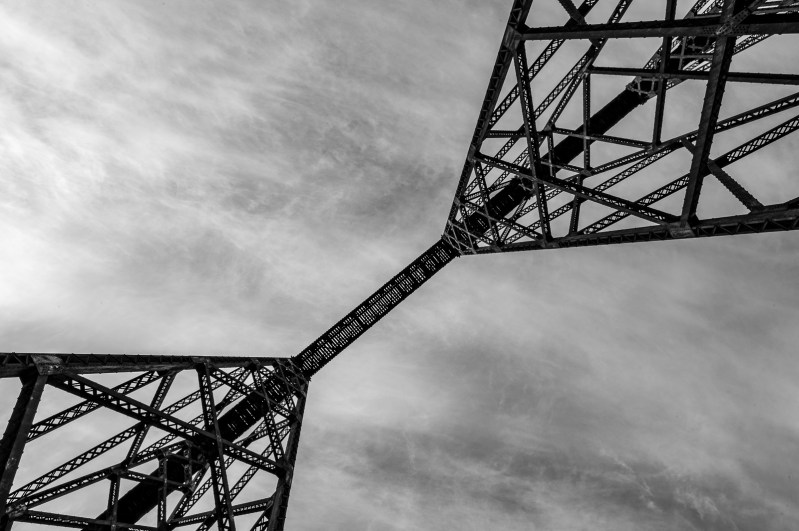
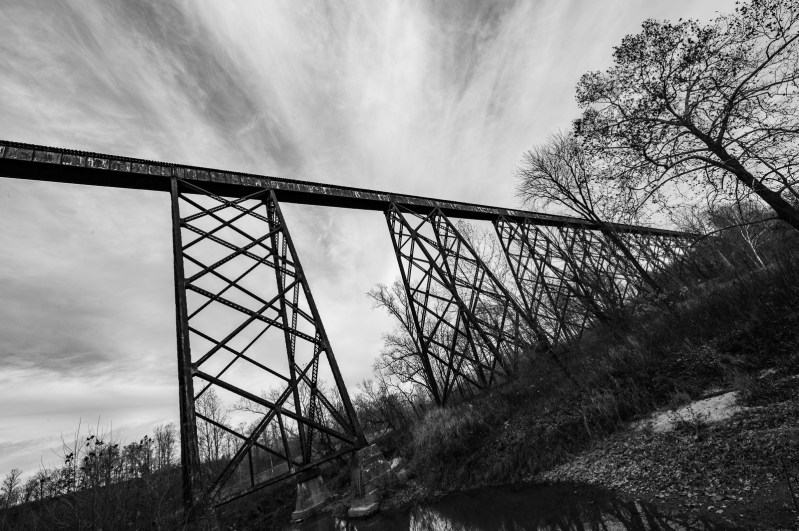
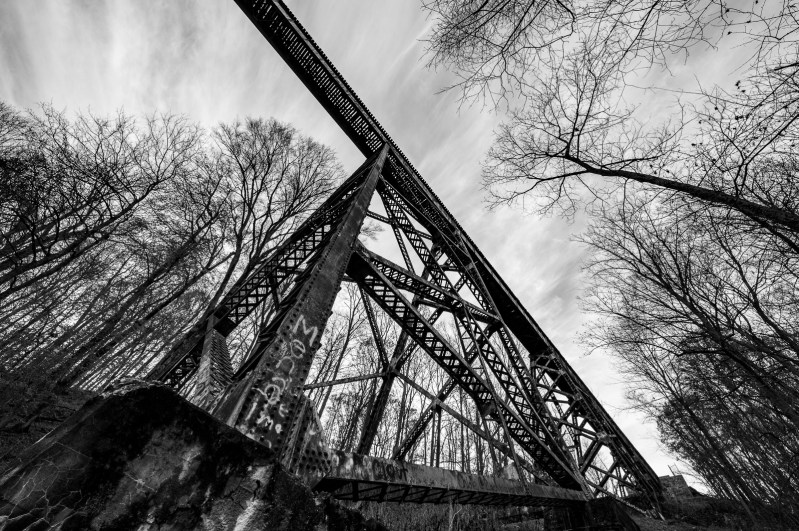
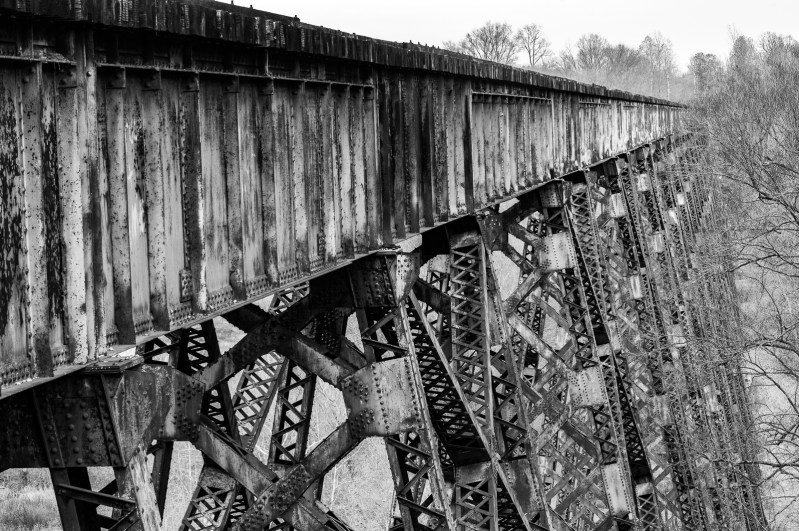
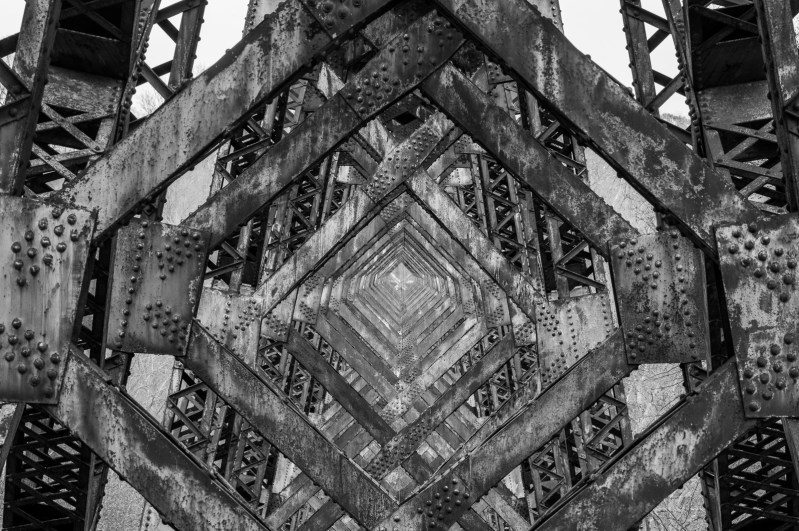
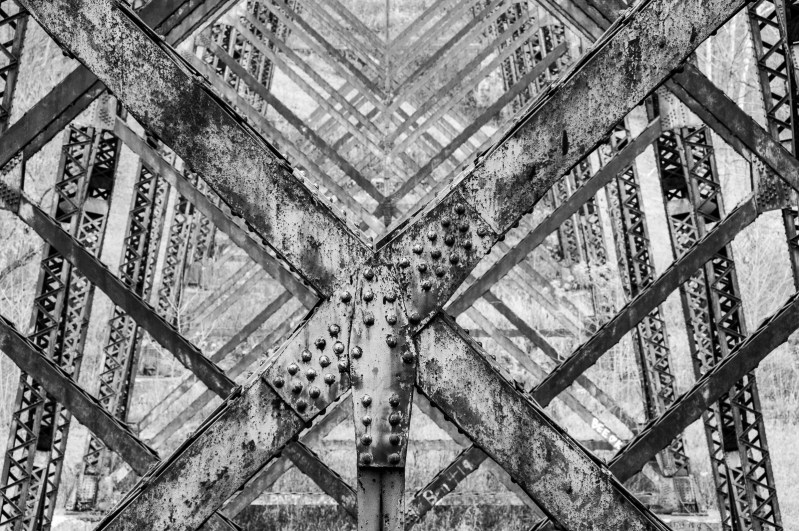
When almost four years ago I congratulated You-Know-Who to his inauguration, I used pictures from the spectacular Tulip Trestle near Solesbury as an illustration. These days I have revisited this place, and it is as imposing as four years ago.

DSC 7293

In the last two years, I have found in László Krasznahorkai’s books consolation for the state of the world and the human soul, and with the imminent beginning of winter, I decided to read his latest (and maybe last) novel Baron Wenckheim’s Homecoming.

DSC 7295

I also decided to do this as an excruciatingly slow read, and I will occasionally accompany my postings here with quotes from this book.

DSC 7301

It begins with a brief chapter titled Warning, where an orchestra conductor imposes himself on his orchestra:

… because there’s only one method of performance here which can be executed in only one way, and the harmonization of those two elements will be decided by me …

DSC 7309

But there is not just pure control, there also is purpose…

… because in reality what awaited them now was suffering, bitter, exhausting, and torturous work, when shortly (as the one single accomplishment of their cooperation, albeit an involuntary one), they would insert into Creation that for which they had been summoned; …

DSC 7316

This brief chapter sums up  how a human being usurps what is not his to claim.

DSC 7333

… because I am the one who, by the truth of God, is simply waiting for all of this to be over.

Translucent Dominoes (Cooperation Games II)

Most tiling problems are strictly segregational, i.e. the tiles are not allowed to overlap. To change this, let’s consider tiles that are partially translucent, so that in order to really tile a part of the plane, one needs to cover it multiple times.

This is the first in a series of posts about partially translucent polyominoes, and we begin with translucent dominoes, of which there are three:
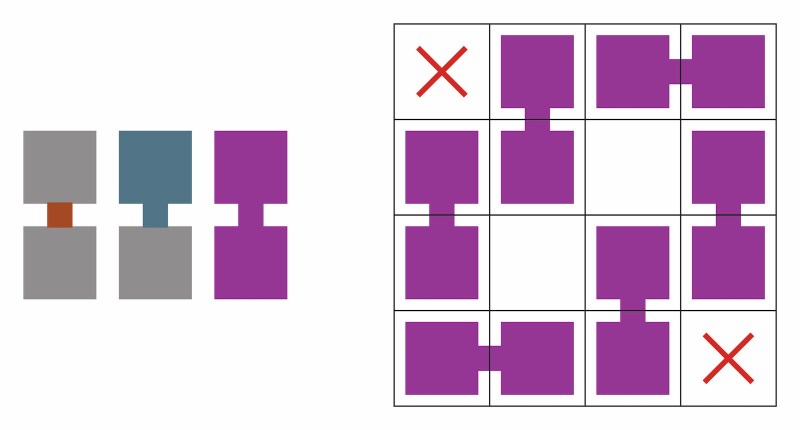
Dominoes 01

The purple one is a regular (non-translucent) domino, and to the right you can see my feeble attempt to tile a 4×4 square of which two opposite squares have been removed (This is of course a very classical puzzle). The other two dominoes have one or two translucent squares, which are shown as gray. This translucency means that in order to properly tile a square with dominoes, we need to cover it either with a single solid color square, or with two translucent (gray) squares, i.e. the gray portions of two dominoes must overlap, like so: Connect 01

The left image shows two fully translucent dominoes that overlap in the middle square, while the left and right squares are still only covered once. By counting the small connector squares you can see how many gray squares sit on top of each other. In the middle is a chain of four dominoes, all gray tiles are doubled. And to the right we have covered the middle gray square three times, which is illegal for now. 

If we use only the blue singly translucent domino to tile, two of them need to overlap to form a single classical (segregational) tromino, so tiling with these dominoes alone is equivalent to tiling with trominoes.

Domino tromino 01

You should try to tile the 4×4 square (with two opposite corners removed as above) with copies of either the singly or the doubly  translucent domino. In both cases, this is impossible (and impossible for larger squares as well, again with opposite corners removed. You will enjoy finding the arguments). Tiling becomes easier when you allow both types of translucent tiles, a simple solution to the 4×4 puzzle is shown below to the right. The left figure gives a hint what limitations you face when you try to tile with the doubly translucent domino alone.
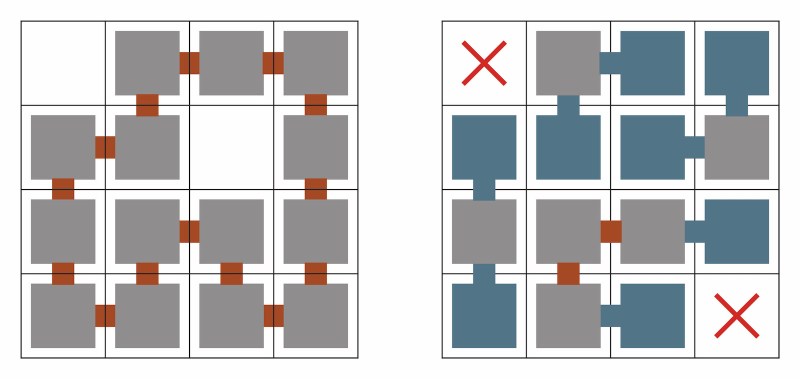
Domino4x4 01

As a cooperative game, start with a 6×6 square, mark a few tiles as forbidden, and then take turns to place translucent dominoes on the board with the goal to tile the board completely, following the translucency rule.

Weed (Cooperation Games I)

It’s time for change.

Weed is a cooperative card game for 1-4 players. There are three different types of cards, in four colors:

Types 01

They can be laid out to grow weeds, like so:

Weed 1 01

When placing the cards, there are a couple of things we shouldn’t do. We won’t:

Nonos 01

Below is a full set of cards, and here a printable pdf.

Cards 01

Now for the game: The players first agree on a board size, like a 6×6 square. As many cards as there are players are placed face down onto the board so that they don’t share an edge, not share an edge with the boundary of the board, and then turned over. The remaining cards are dealt to the players. They take turns to grow weeds, only placing cards that match previously placed cards. For every completed weed the players get one point. For each square of the board that can’t be tiled one point is being subtracted. The goal is to come out positive, of course.

Below is a perfectly completed 6×6 board. Sample 01


Enjoy, and go in peace.

Revelation 7:3 (North VI)

Right next to the Black Rock Barrens Nature Preserve is my third stop on the excursion north, the Weiler-Leopold Nature Preserve.

DSC 5550

It is dramatically different, with a leisurely loop first through tall prairie grass and then through woodland.

DSC 5581

Views are scarce, but colorful in late fall.

DSC 5585

Most impressive are several very tall and old oak trees. 

DSC 5586

Neither time nor space are ours.

DSC 5580

Light and Dark (North V)

Let’s return once more to my fifth stop on the way north, the Portland Arch Nature Preserve.

DSC 5388

The quality of darkness and light changes with contrast and  sharpness. When many shades of gray are present, we perceive them as a guide for depth, assuming that darker colors prefer the background.

DSC 5385

In images with strong contrast, however, the black becomes the substance, and the white the ether, the insubstantial. For some reason, our understanding of an image flips from the rational to the symbolic. We give up on perceiving reality, but instead accept that a more mystical interpretation of what we see is possible.

DSC 5367

This relapse into dualistic-mythological thinking is reinforced when the contours become blurry. We prefer to reject doubt, and are therefore happy to accept our first impression as truth.

DSC 5353

It is difficult to navigate a reality that is perceived like this, as the substance, the dark, to which we could hold on to as real, is at the same time more ominous and frightening, while the light that attracts us will not hold us.

DSC 5345

Black Rock Barrens (North IV)

DSC 5498

While the world waits, let’s continue to the second stop on my excursion North, the Black Rock Barrens Nature Preserve.

DSC 5501In contrast to the nearby Black Rock Preserve, this one features a decent long loop through the preserve, but no rock formations. 

DSC 5510

It does offer the opportunity to get lost in the tall grass. Doing so in the summer will probably result in dangerous blood loss due to insect bites.

DSC 5502

With a bit of effort and luck one can access the Wabash from here, too. It’s just behind the trees up there.

DSC 5538

Lamentate (North III)

 And I was moved to ask myself just what I could still manage to accomplish in the time left to me.

DSC 5705

Thus Arvo Pärt about his composition Lamentate, a piano concerto of sorts, inspired by Marsyas, the enormous sculpture by Anish Kapoor.

DSC 5707

Pärt’s Lamentate is, as the name suggest, not merely a lament but a call to arms, in order create a counterweight to the state of the world. Marsyas does this in its own way, too, in the form of a musical instrument filling all of space.

DSC 5722

The short canyon in Shades State park that leads from Devil’s Punch Bowl to Silver Cascades Falls is such an oversized instrument in its own right, to be played by walking it.

DSC 5732

The beginning is total silence.

DSC 5741

But, even during the worst drought, there is a trickle of water, feeding the fall with bits of sound and hope.

DSC 5743

Four years ago I attempted a prayer.

Lamentate

DSC 5747

Recursion – Solution (Solitaire XXVI)

To keep this week’s frustration to the necessary minimum, here is a discussion of last week’s recursion puzzle:


I first asked to assemble any of the 30 squares whose sides are colored in four distinct colors out of five from four smaller squares so that edge colors match, and we don’t use the square we start with, like so:


Rec2 1 01

As we can see, there are seven different solutions. It doesn’t matter which square you start with, permuting the colors will reduce everything to this example. Next we need to pick one of these seven solutions, and assemble each of the four sub-squares using 16 of the the remaining squares. It turns out that

  1. this is only possible for the fifth solution above;
  2. each subsquare can be assembled in two distinct ways:

Rec2 2 01

But only two of the 16 possible choices satisfies the condition that we are not allowed to reuse squares, namely these two:

Rec2 3 01

Pretty? Now the remaining squares 9 can be, in each case, assembled into a 3×3 square in exactly one way:

Rec2 4 01

Here are a few hints about this: First note that the dark green color has to occur an even number of times, the other colors an odd number each. This forces the other colors to constitute the boundary, so dark green is confined to the interior. A bit trial and error shows that the only green-free square has to be at the center, and the green edges assemble in a pattern as above.