Ultental (South Tyrol II)

Late Summer 1997 I went with my girl friend for a second time to South Tyrol, this time visiting the Ultental near Meran. The valley itself is unremarkable. Its elevation is at about 1500 meters and the steep mountains reach easily 3000 meters and more.

Ultental 7

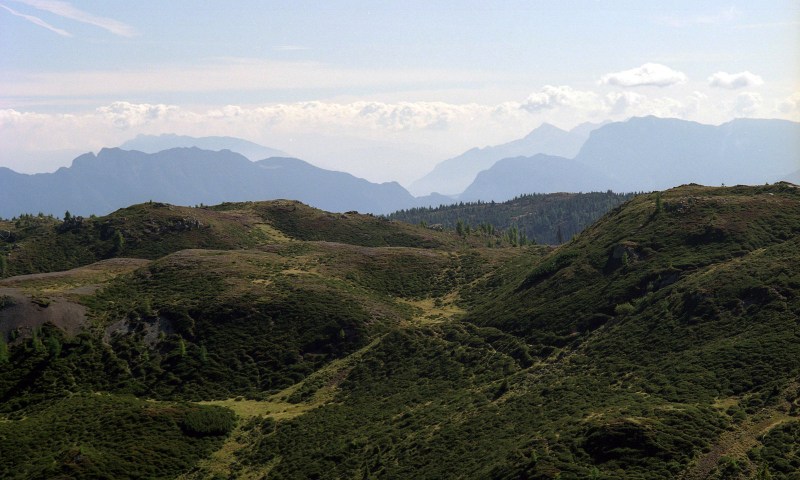
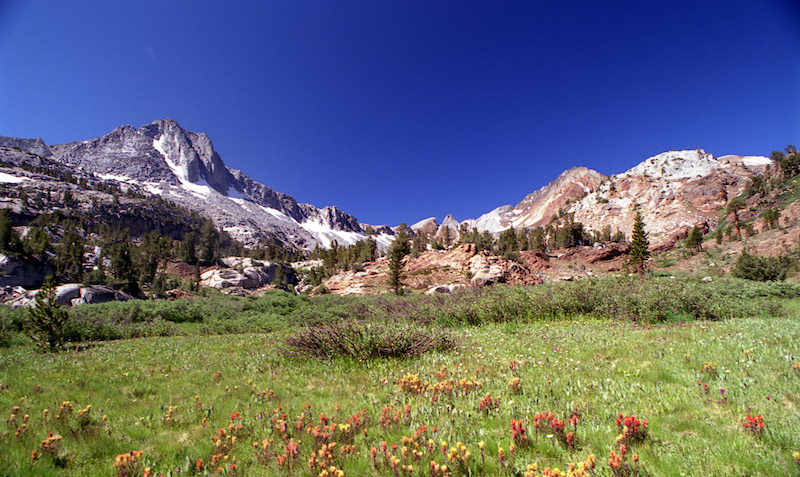
However, at a certain elevation, everything opens up,

Ultental 3

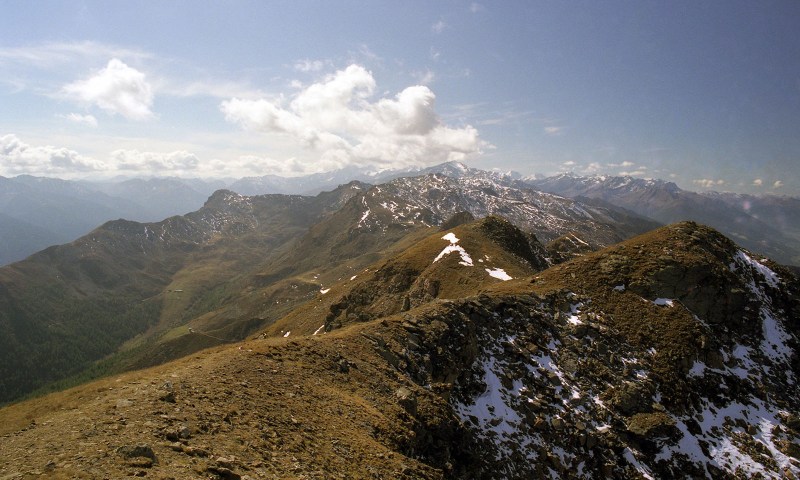
and one has the opportunity for endless ridge walks which are so typical for the mountains of Southern Tyrol.

Ultental 5

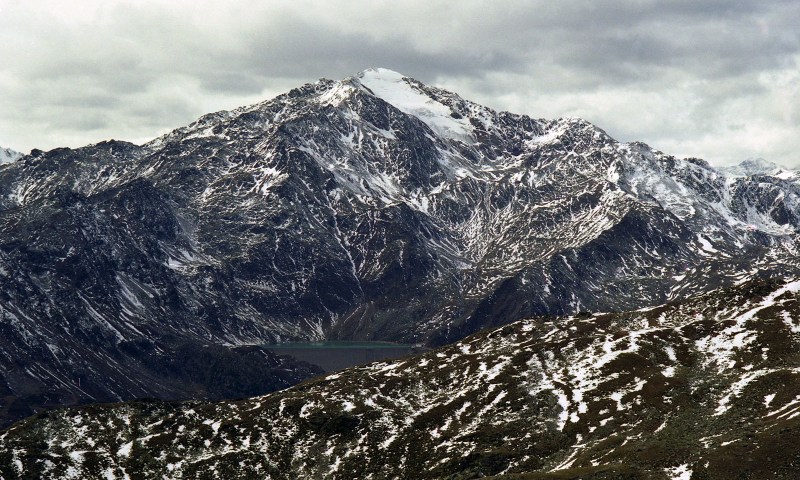
At even higher elevation and after fresh snow fall the landscape becomes truly alpine.

Ultental 10

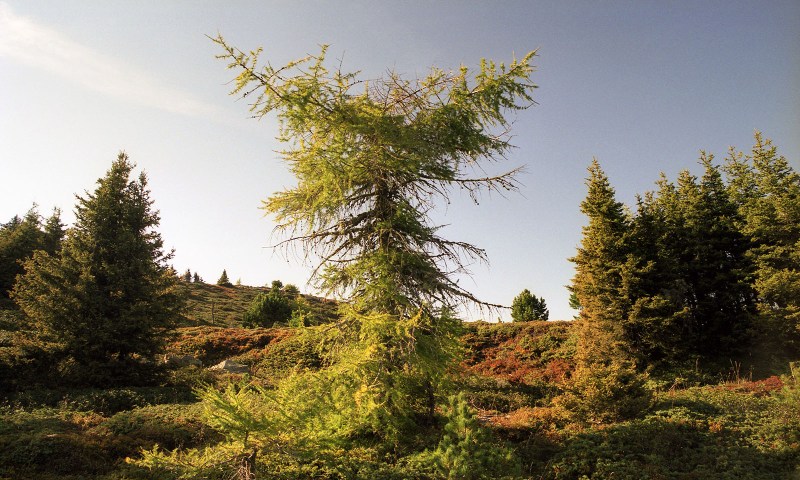
At this occasion (spending the night at a mountain hut), we learned something valuable: Whenever you sleep in a room you are not familiar with, look into all the closets. This is not to foster one’s superstitions, but to find the warm blankets that could have prevented us from shivering through a very cold night.

Ultental 6

Incomplete

Honoré de Balzac’s short story Le Chef-d’œuvre inconnu has as a theme the desperation of the artist Frenhofer over
his disability to complete his masterpiece.

It is an early paradigm for fragmental art where not the completed work is the objective but the fragment deliberately left incomplete.

Bk143

Why do we give up and turn back? This can be because of lack of skills or imminent danger, and it is a sane thing to do.
But it can also be because we reach a point that we realize we should not touch, we reach a realm that is not ours.

Bk111

This happened to me on a long weekend hike on McGee trail in the John Muir Wilderness in the eastern Sierras, in the early summer of 1994.

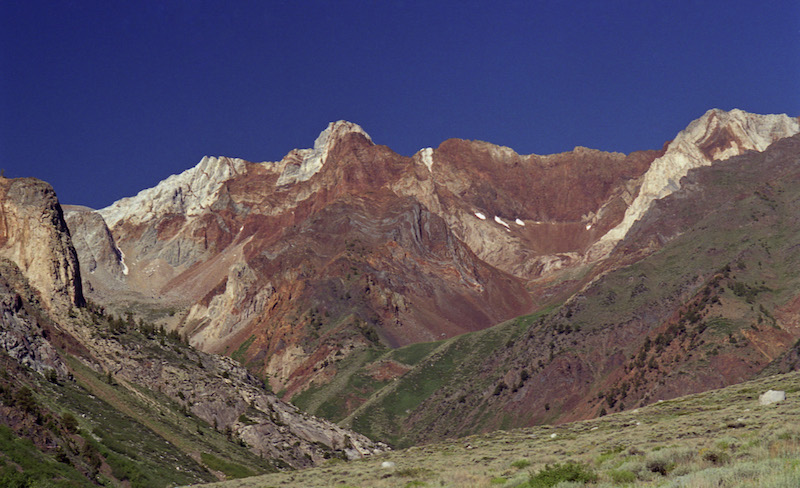
The trail leads at the beginning through lush meadows, but one quickly gains altitude, and the colored mountains like Mount Baldwin here become predominant. It is a magic landscape, both remote and imposing.

Bk121

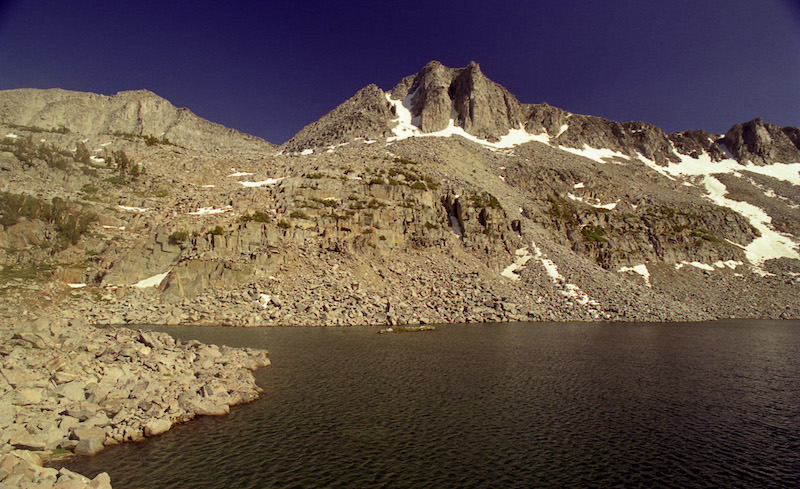
With McGee Lake, nestled below Mount Crocker and Red and White Mountain, we have reached our destination. The vegetation has receded, and being exposed like this makes us restless. After a short break and swim, we scramble on.

Bk141

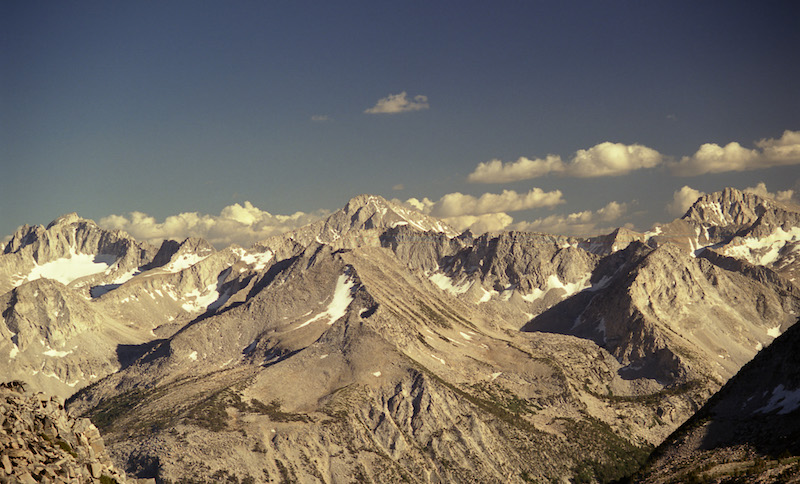
From Hopkins Pass, the view opens up into even more remote regions of the eastern Sierras. The message is clear and double edged: This is utterly beautiful, but we do not belong here. Humbled, we turn back.

The Grand Gulch

Spring Break 1994 took me to Utah. After 24 hours in the car the landscape started to look like Max Ernst would have painted it.

Utah017

The entire week we (a group of eight members of CHAOS) would spend hiking through a large part of the Grand Gulch, a primitive area in the south eastern corner of Utah.

Utah047

This meant packing food for six days, and hoping that there would be enough water.

Utah093

Hiking through a canyon like this can be claustrophobic. After descending to the canyon floor, one is constantly surrounded by unclimbable walls, and the barren vegetation is little consolation.

Utah115

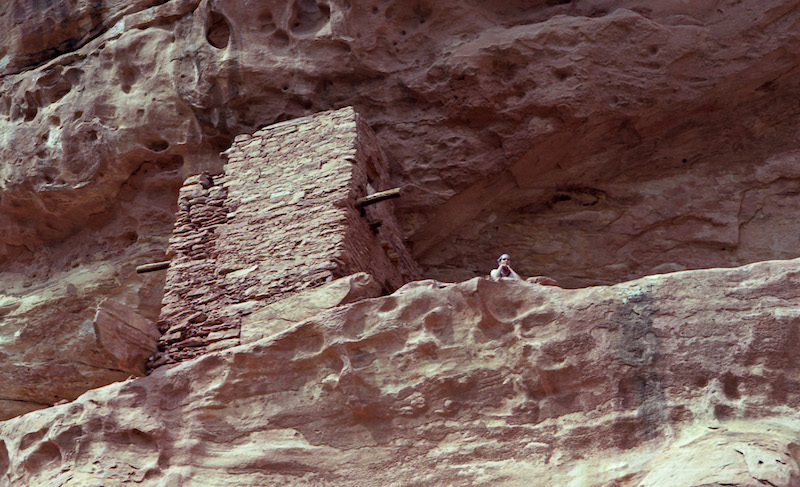
But of course the landscape is full of surprises, with new views at every turn. And then there are the Anasazi ruins.

Utah174

The Ancestral Puebloans (or Anasazi) were a large Native American civilization that disappeared after 1150 CE, likely due to a climate change. Not much is known about them, but in the Grand Gulch one can find their cliff dwellings and pictograms.
There are worse things to leave behind.

Utah198

Studies in Black and White

Turkey Run State Park has maybe three locations that define the park for me. They are both intensely beautiful and unique.
To capture the essence of a place it is often necessary to reduce it, to strip it from some aspects of its appearance. For instance, to distill the structure of a place, it can help to view everything in black and white.

DSC 9796

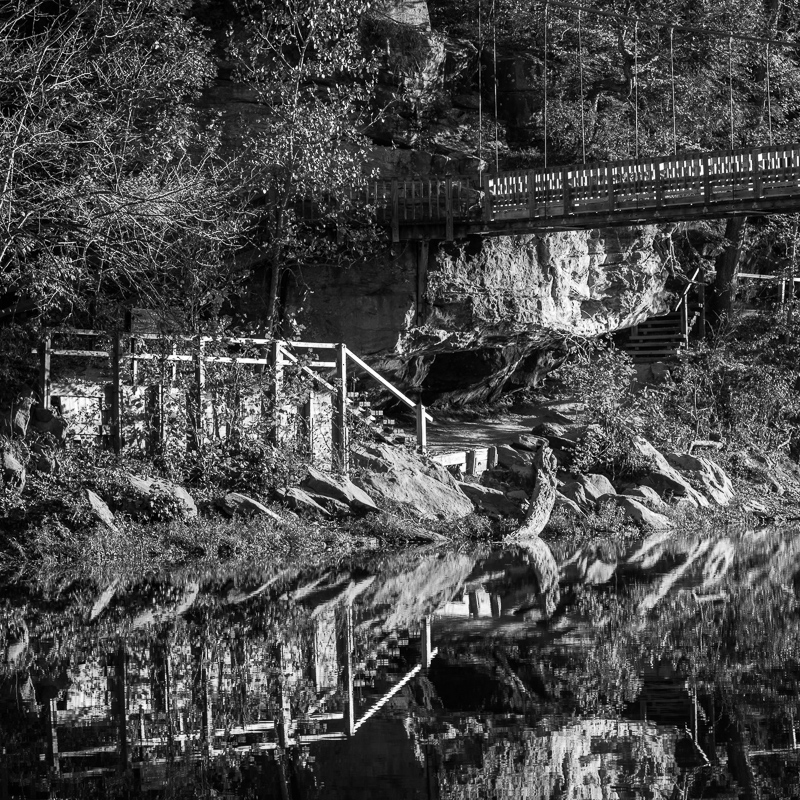
The first of my three places is at the suspension bridge over Sugar Creek. At the right time just after sunrise when the low sun brings the shore to maximal contrast, the wooden structures, rocks, and vegetation become equal contributions to a dazzlingly complex whole.

DSC 9805

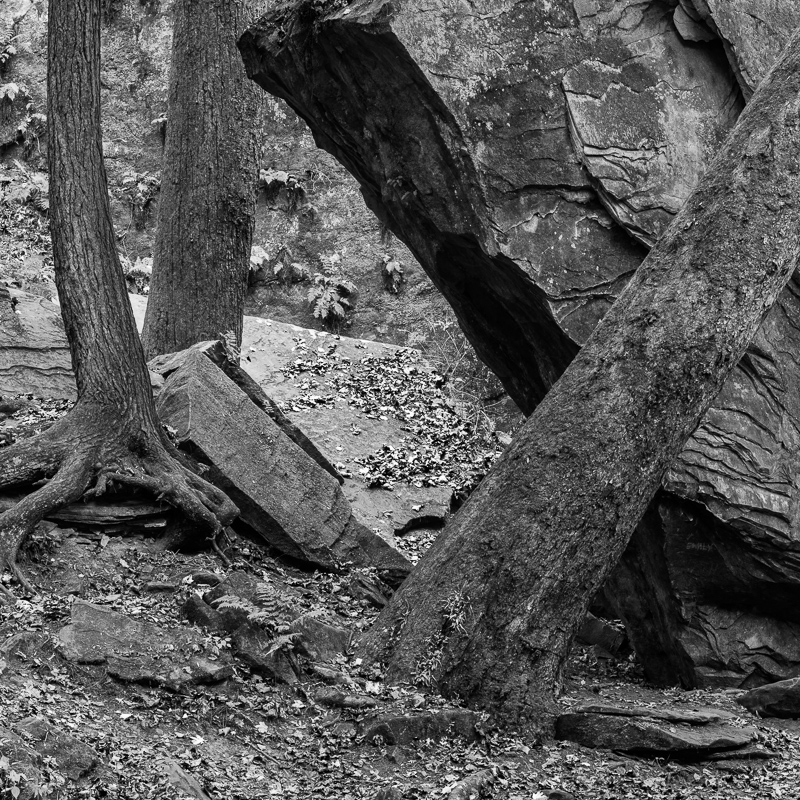
Next there is Wedge Rock. Many times I have tried to capture it in its entirety, but I found it more appropriate to only hint at its size by showing a small portion of it. The three trees cover about as much area in the picture as the rock, and this balance emphasizes the contrast between the two so different main structural elements. On the other hand, they both contribute diagonals to the geometric flavor of the place.

DSC 9824

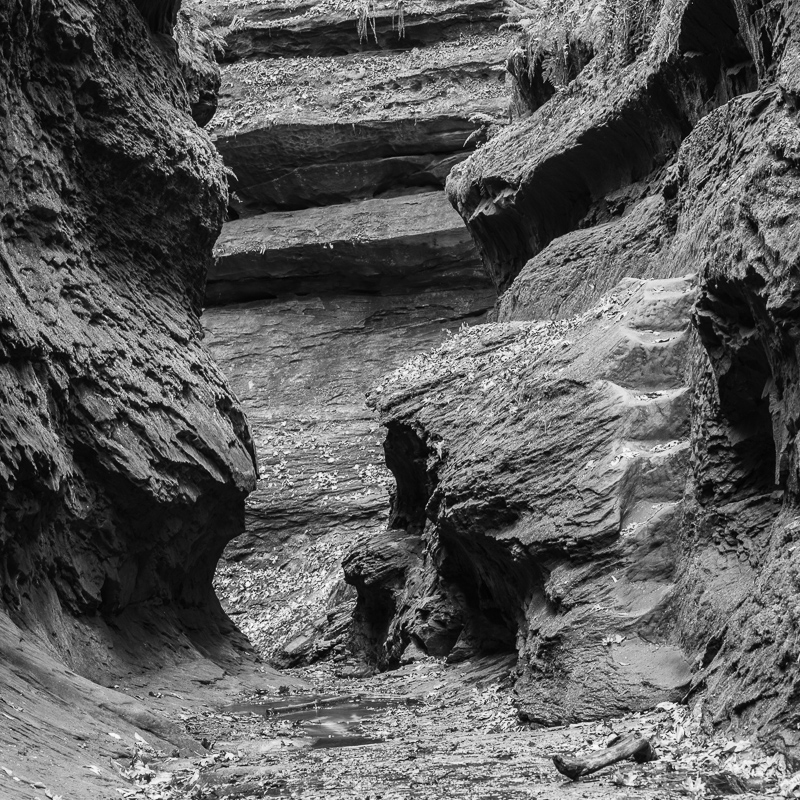
Then, still in Rocky Hollow Nature Preserve, the two main structural elements are the horizontal segments of the steps in the from and the background canyon wall in the back, and the vertical opening between the canyon walls. The function of the steps is not clear from this image. In wetter conditions, the canyon floor will be impassable due to water torrents, and the trail bypasses it on the right side of the wall. In any case, the two paths both give choices without a clear hint where these choices might lead.
The perceived equilibrium between the two choices is a photographic choice: The “heavier” path through the canyon is closer to the center, while the “lighter” steps are further to the side, creating a balance by weight on an imaginary scale. Also the lighter color of the stairs and their unexpected appearance trick the eye into spending equal amounts of time with both elements.

DSC 9785

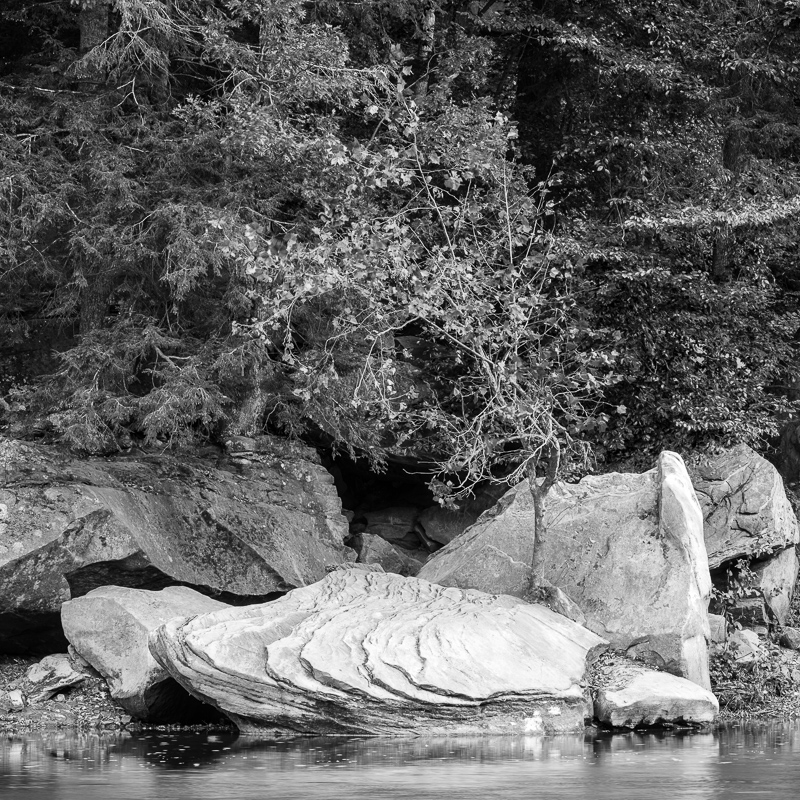
The last picture is from a location that I hadn’t visited until recently. I find this image quite successfully spooky. The two main structural elements, the elegantly layered rocks in the front and the tree that dares to grow inside them both frame a third structural element, the black void just above the rocks. The almost artificial arrangement of rock and tree suggests that there is more to the place, putting a growing question mark into what we might think of as a cave entrance.

The Obscure Object of Desire

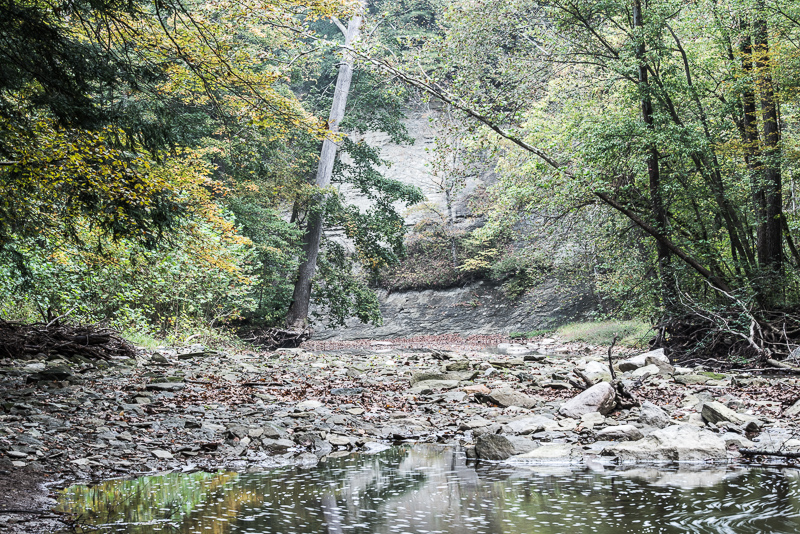
The trails of the Pine Hills Nature Preserve are naturally bordered to the north by the Indian Creek, a tributary to the Sugar Creek. For most of the time, all one can see from here to he west is this triangle riddled view:
DSC 9521

This has become one of my many obscure objects of desire. Fortunately, I am mentally sane enough to have learned that you do not get all what you want in your life, so I have been happy keeping it this way.

Even more fortunately, this fall the water level in the Indian Creek was so low that one could easily get to that strangely suspended tree in the center triangle. So on we go…
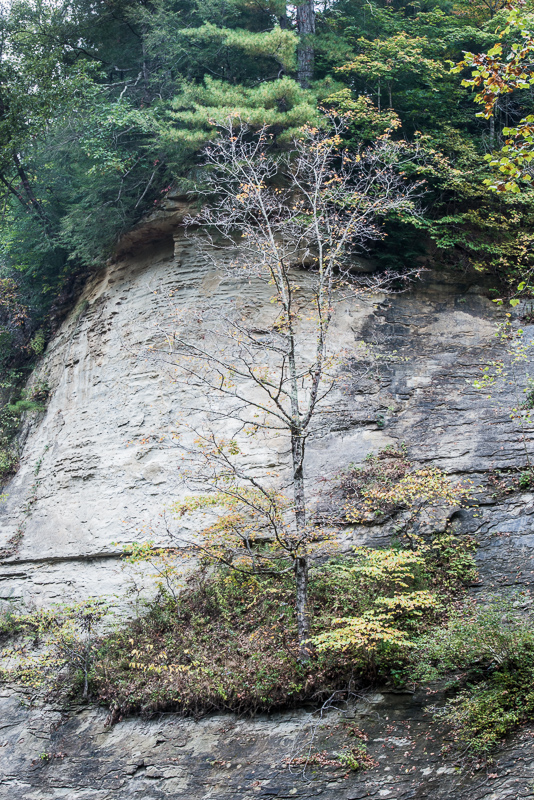
DSC 9526

This tree, growing on a small patch of earth at a nearly vertical cliff is an easy metaphor for too many things. You pick.
For me, almost more surprisingly, the possibility to move forward also opened the possibility for a view back.
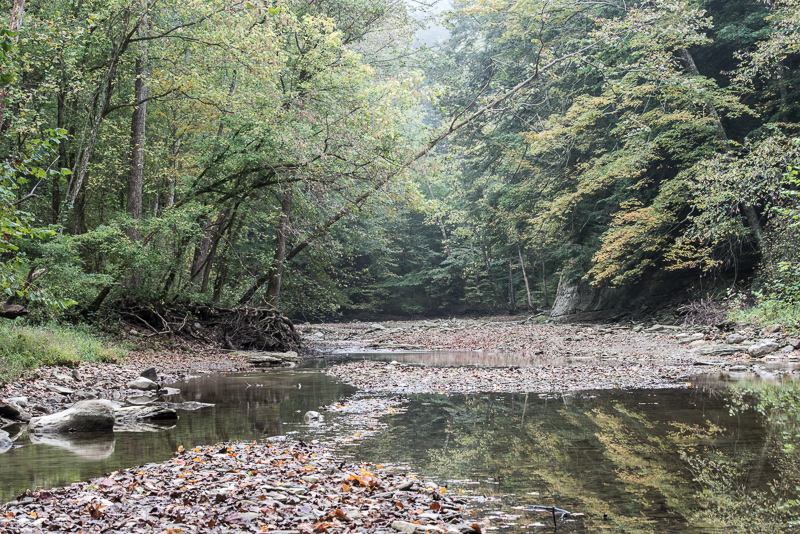
DSC 9527

So maybe, even if we don’t always get what we desire, sometimes we should get it, if only to be able to reflect about the change that just happened.

And on we go. Following an abandoned path along the Indian Creek, we meet another cliff, with Morse code writing on it that appears to tell a story for an audience long gone.
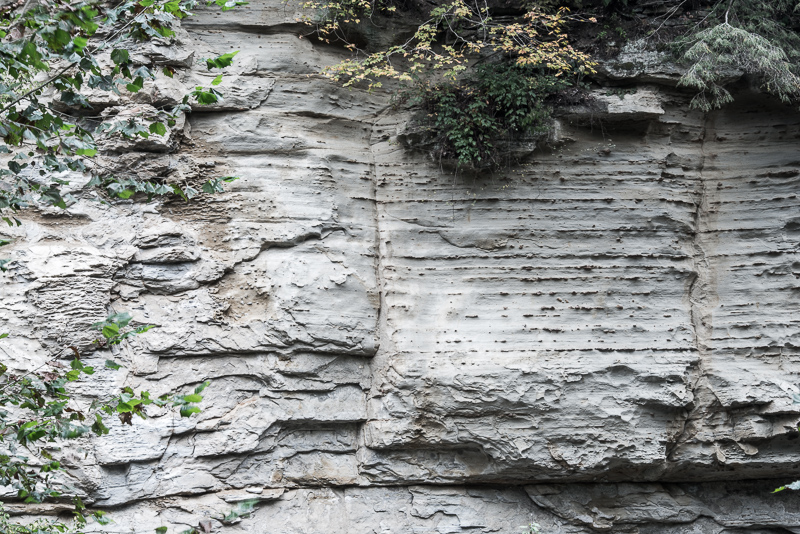
DSC 9537

And on we go, exploring the little piece of new territory. Finally, we arrive at a new border: The Sugar Creek, that connects Turkey Run State Park with Shades State Park.
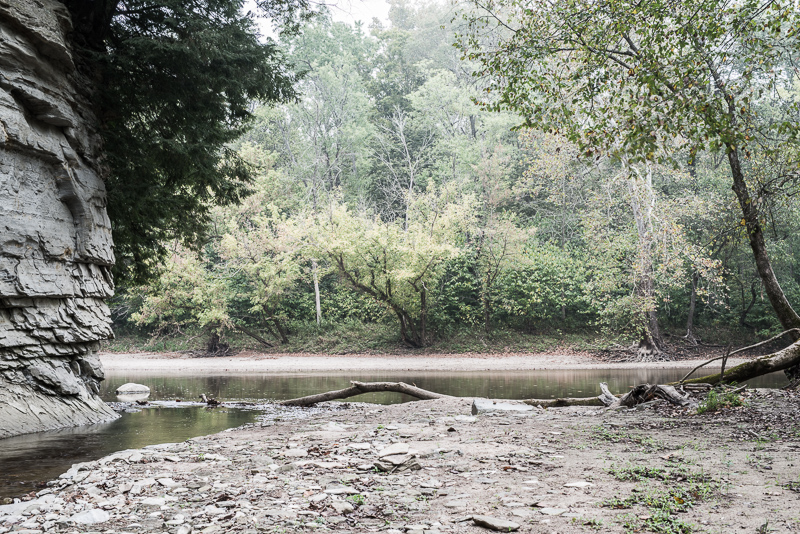
DSC 9574

Also, unreachable from here, a covered bridge that would allow to cross the creek.
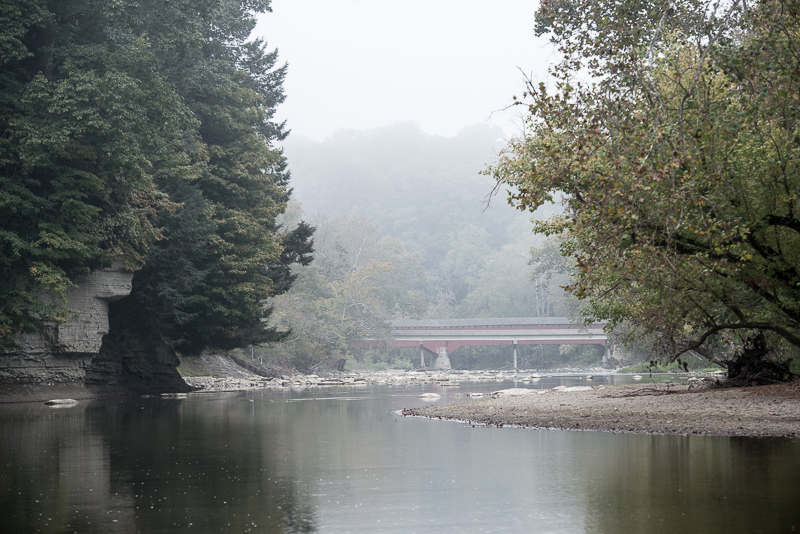
DSC 9562

Indiana doesn’t have a National Park. This whole area, including Shades State Park and Turkey Run State Park, is so full of quietly beautiful places, that it would make an ideal candidate. But maybe it is better to leave this area alone, and hidden, most of the time.
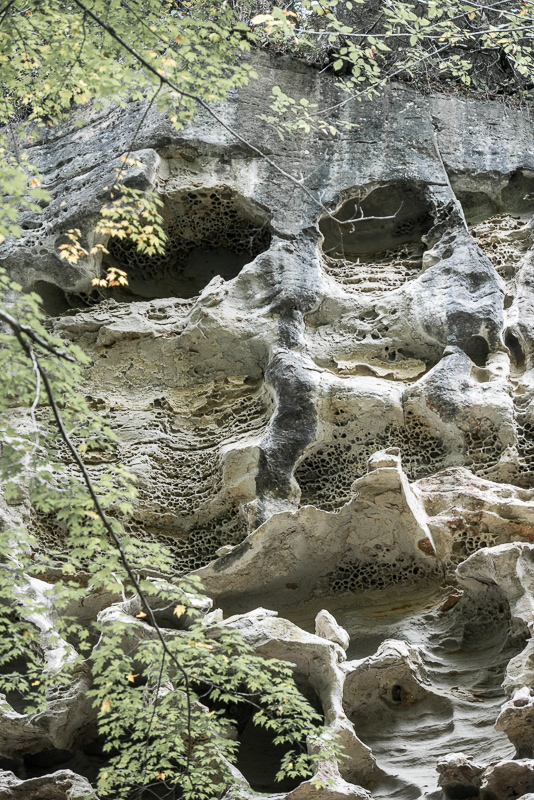
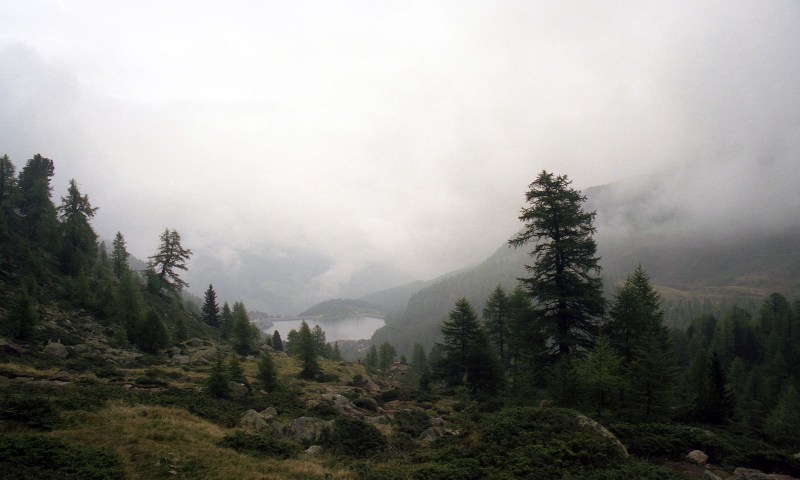
DSC 9617

Pawpaw

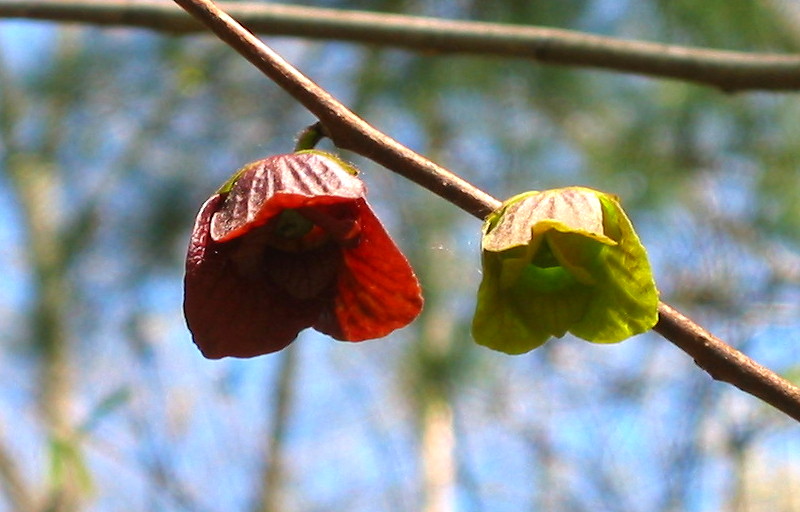
IMG 1335

The Pawpaw tree is one of the more interesting trees that are native to North America.
Pawpaws are small and like shade. In the spring they make small colorful flowers. I don’t know whether its common that differently colored flowers appear on the same tree.
DSC 0889

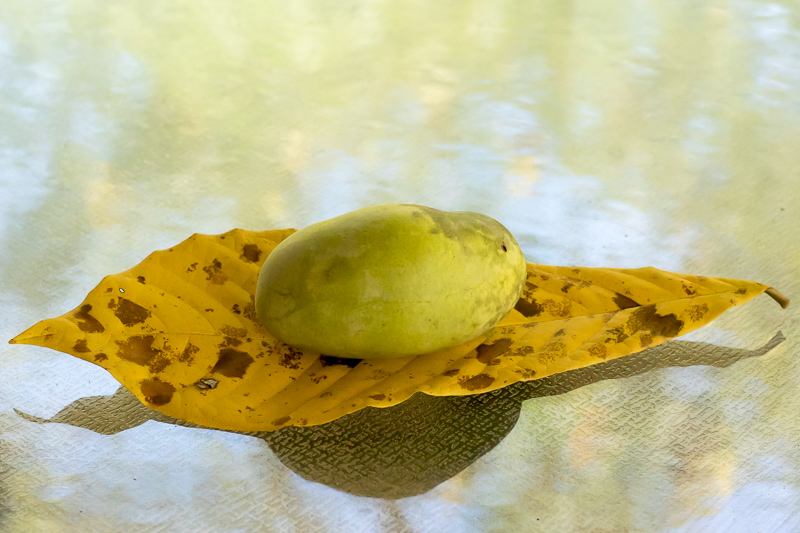
When the big leaves turn yellow, they produce potato sized fruits.
They will not stay long on the trees, as most animals (from squirrel to deer) seem to like them even when not yet ripe. You need to harvest them when they are getting soft and begin to smell.

DSC 0891

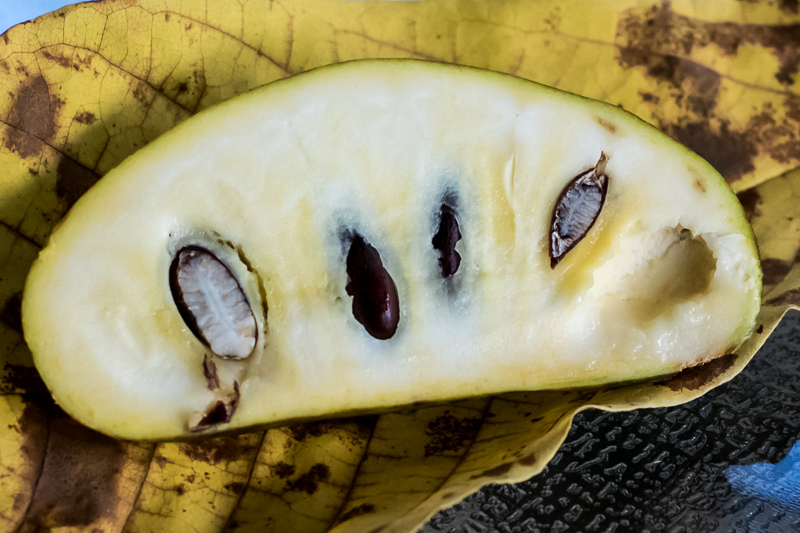
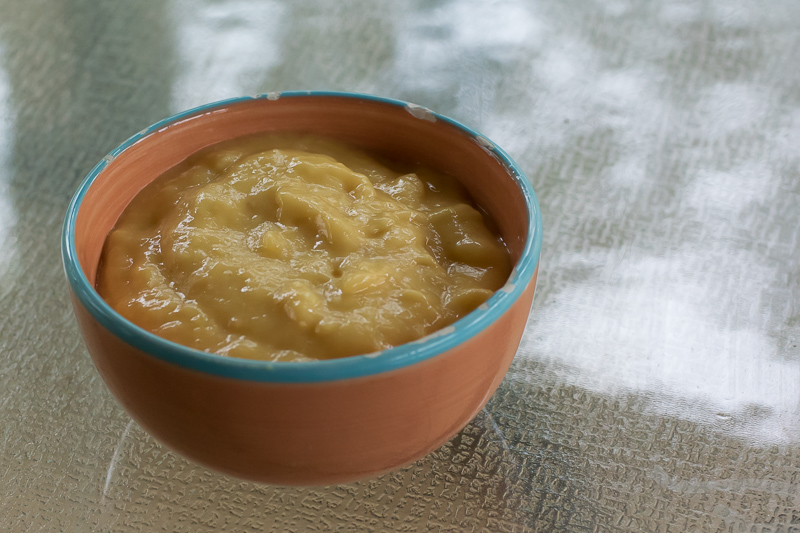
They will not keep fresh for very long, so go ahead and peel them. The easiest way to deal with the large seeds is to eat the fruit in chunks and to spit the seeds out. If you are more patient, you can also remove the seeds, put the fruits into a blender and make a very delicious pulp. The taste is banana like with an exotic touch that is hard to pin down.

DSC 0894

Vegetation (Iceland XIII)

This post is about ignorance. While I like plants, I know next to nothing about them, with the possible exception of cacti.
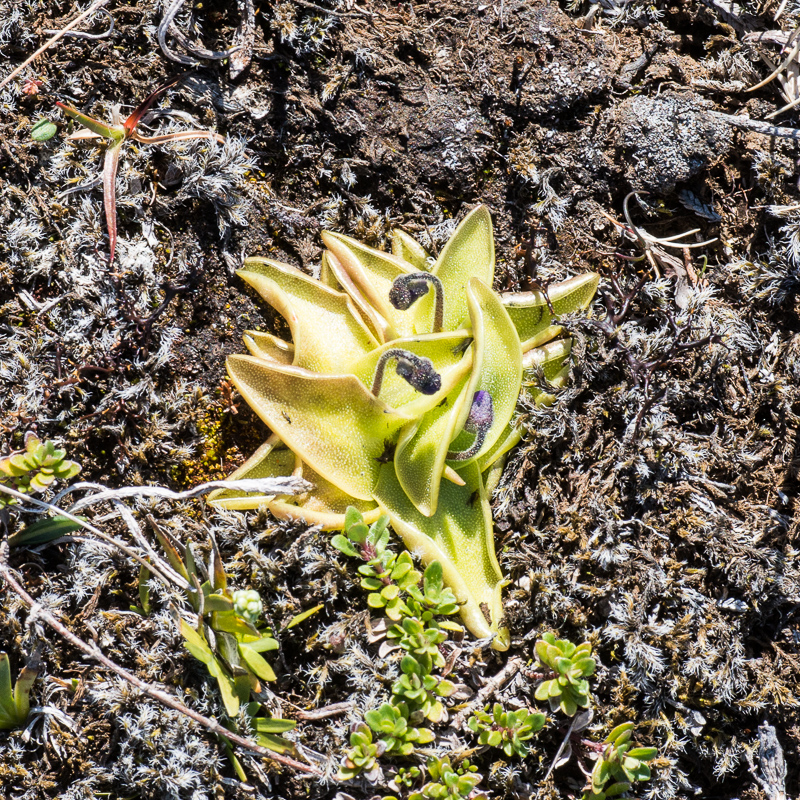
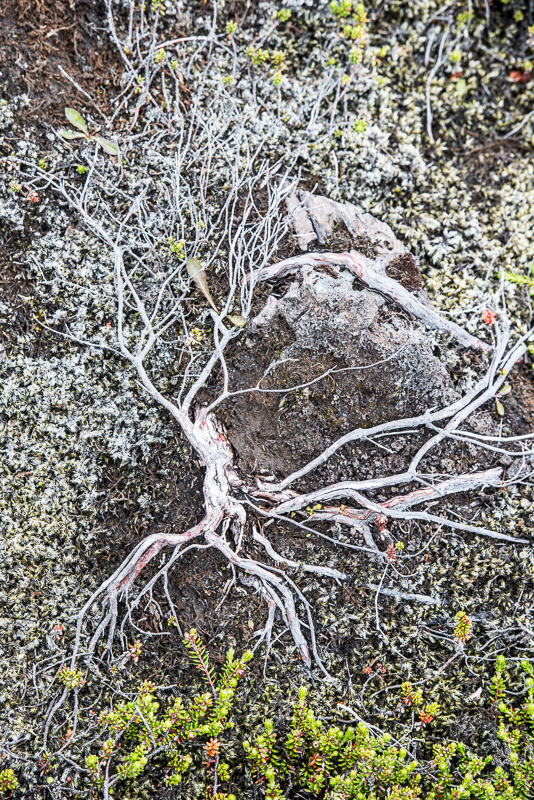
Moreover, I wan not prepared to encounter any interesting plants in Iceland at all. If I get the chance for a second visit, I’ll pack a macro lens. Let’s begin with Pinguicula vulgaris, the common butterwort. This is the second carnivorous plant appearing on this blog.

DSC 7420

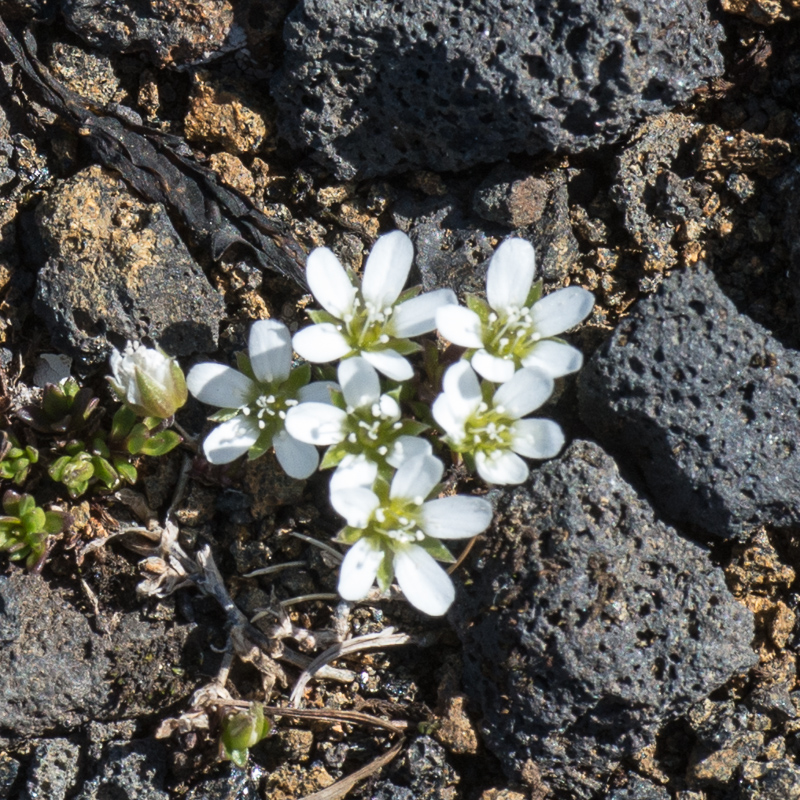
The next one is the minuartia arctica, or the arctic sandwort. The german derivative of the old english wyrte is -wurz, which also appears and connotes with Gewürz, meaning spice. I haven’t tasted any of these.

DSC 7404

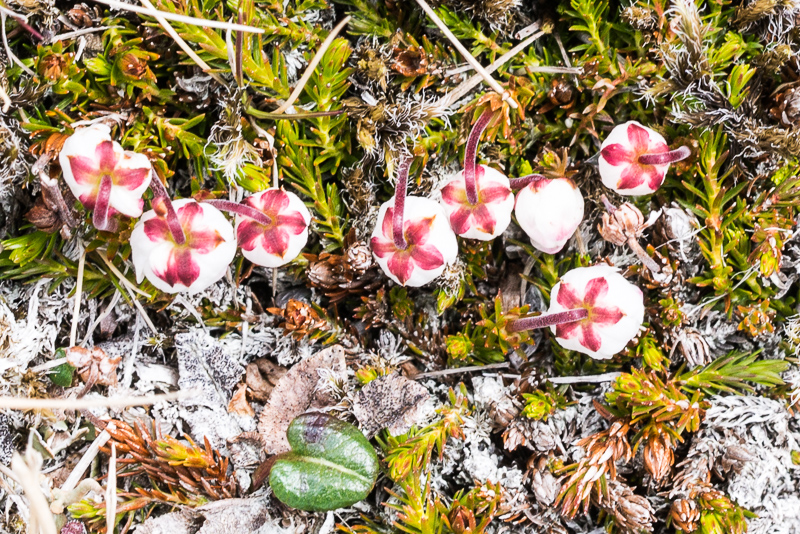
The previous ignorances could be covered up thanks to Google image search. The next one, which I find particularly pretty, I am clueless about. The blossoms were not more then 3-5mm in diameter. Help!
DSC 7615 2

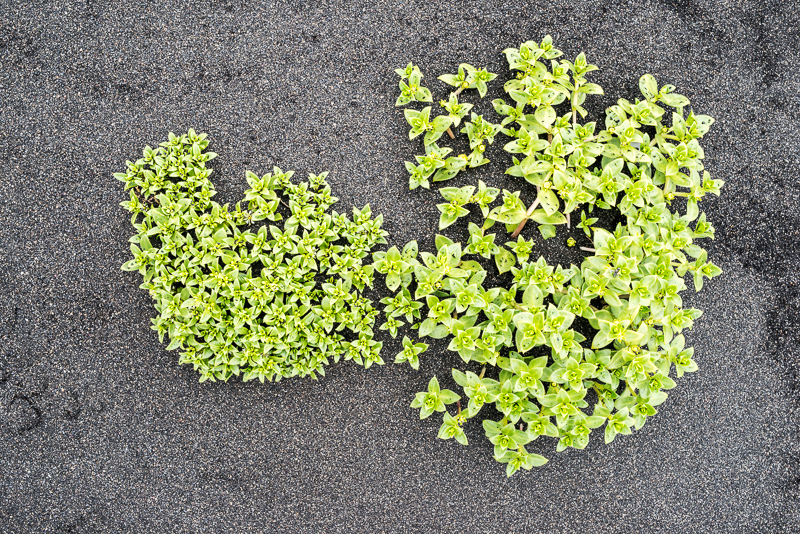
Things get more complicated. Of course, it is not the actual plant is a soulful being that interests me, but rather its idea as a shape forming entity. Like so:

DSC 8141

These grow on the stunning black sand beaches. Because of the harshness of the environment, I suppose, the plants in Iceland are more exposed. While in lusher zones, the abundance of growth (and decay) is also camouflage, here, where there is nowhere to hide, everything becomes subject.

DSC 7895

Clouds (Iceland XII)

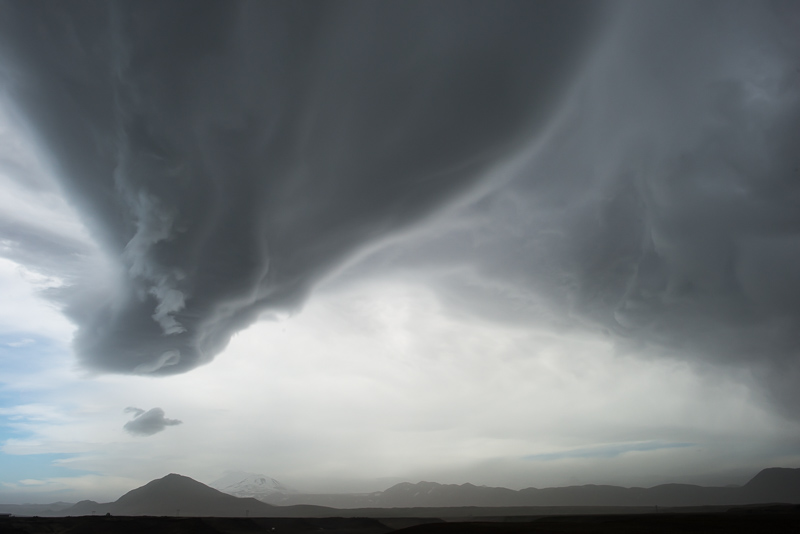
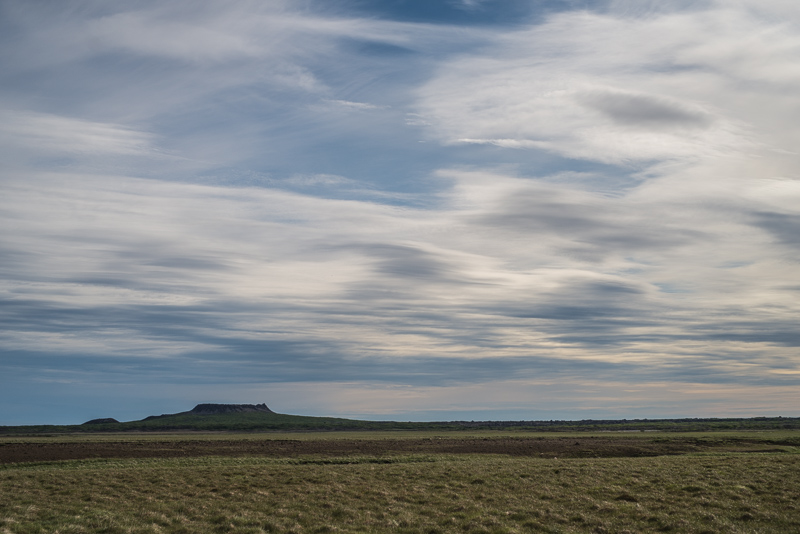
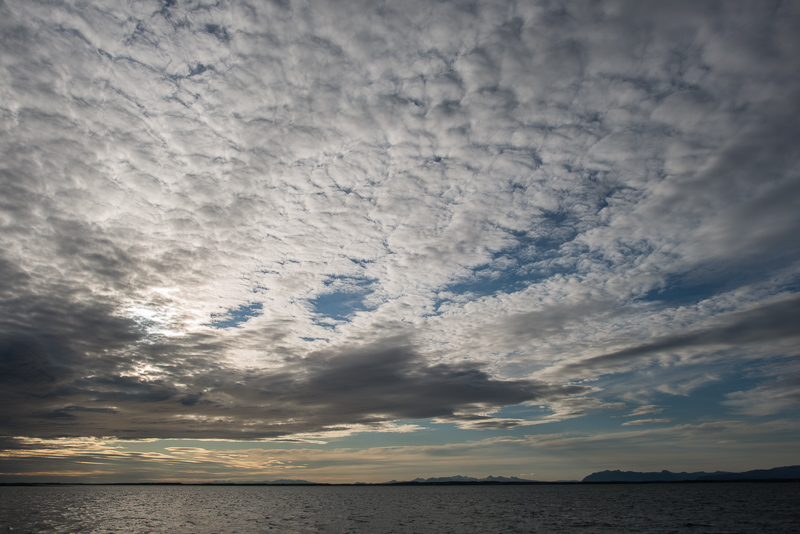
Most places have their own very distinctive appearance of clouds. Landscape painters know this and therefore prefer to live close to the ocean or the mountains. Needless to say, clouds in the midwest are either dull or very dangerous.

DSC 7562

Iceland has both ocean and mountains so that one can expect the best of the best.

DSC 7966

When I was little they told us in school that life forms can be distinguished from lifeless matter by a few criteria: Ability to move, react to the environment, and reproduce. Clouds can do all that.

DSC 8611

So I started thinking that being a cloud might be an interesting way to live.

DSC 8962

Unfortunately, the only cloud based life forms in the near future will most likely be rather virtual.

DSC 8977

Music for the Eyes (Iceland XI)

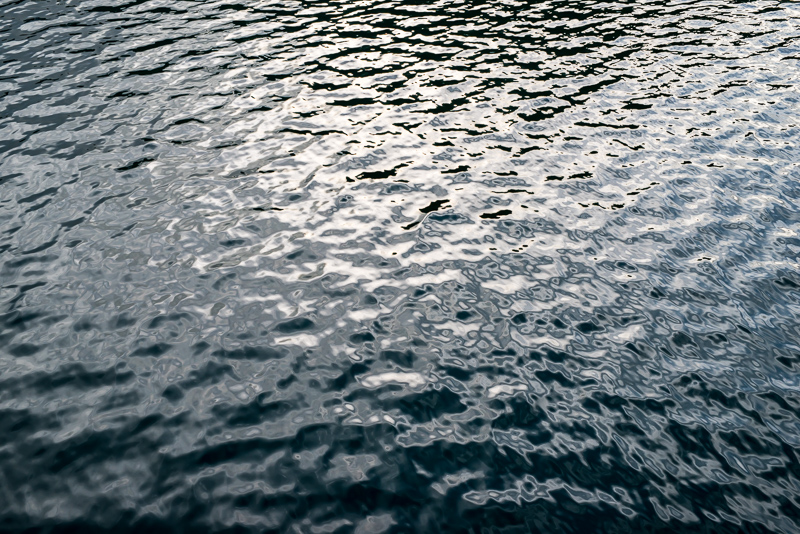
Waves are endlessly fascinating. Iceland, being surrounded by water, has plenty of them. The image below might appear quite ordinary, but for the rather irregular ripples at the bottom right. They were caused by the high frequency vibrations of the motor on the boat from which I took the photo.

DSC 8305

Thanks to a large amount of inland water, you can find more waves virtually anywhere, like here at Geyser, with colorful deposits.

DSC 7444

Just a few feet away, the landscape at your feet changes dramatically, but still offers waves.

DSC 7447

And even without water, you will see waves. After staring at rocky sand

DSC 8570

and lava beds in the large

DSC 7551

or more up close,

DSC 7563

when you finally have enough and look up at the sky…

DSC 8608

There is no escape.