Oscillograms (Arizona III)

DSC 1415

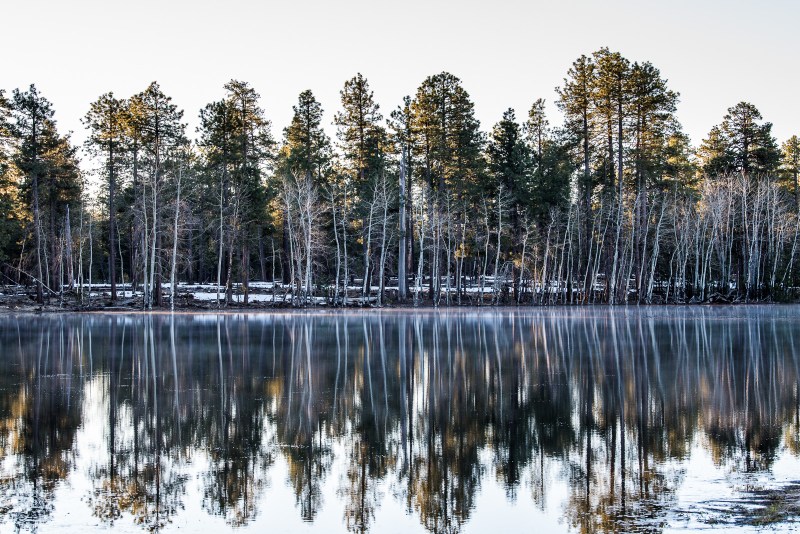
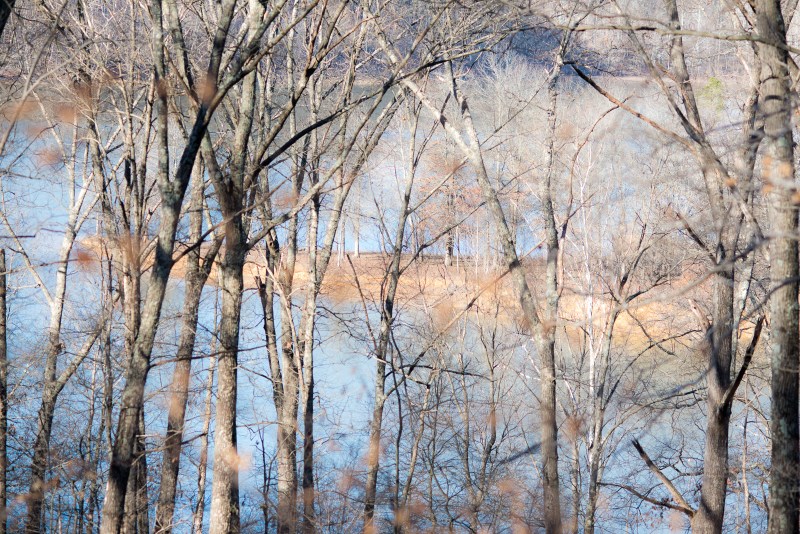
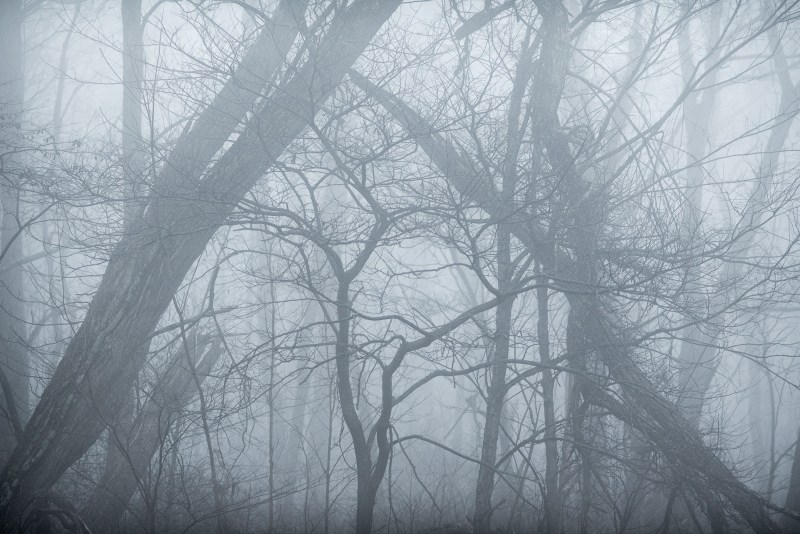
About an hour car drive away from the desert landscape of the Petrified Forest in Arizona, one finds oneself in the large National Forests of Arizona. Change can happen quickly.

DSC 1669

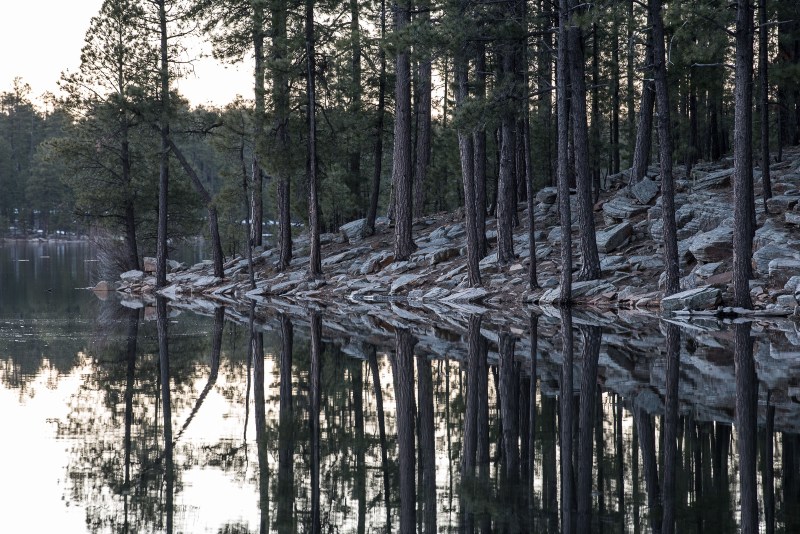
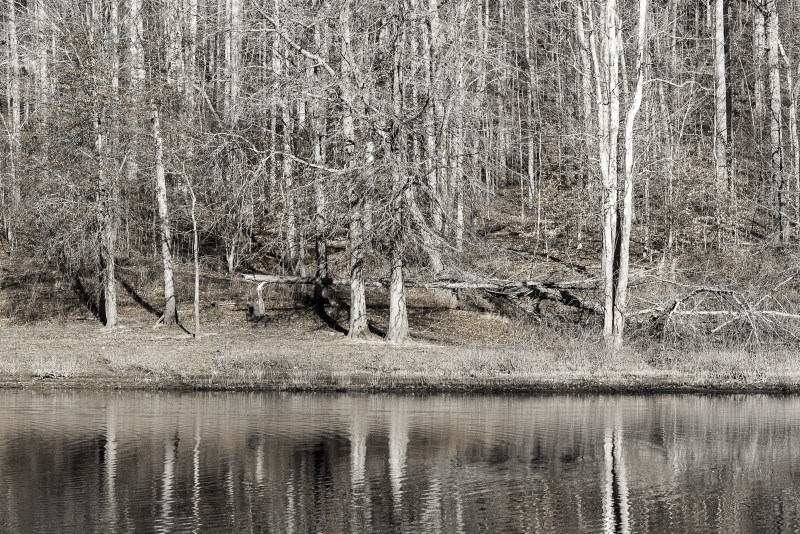
For a little while, melt water from winter snow leaves scenic lakes where tall pines try to protect the smaller birches in early morning light.

DSC 1857

Summer draughts and quickly progressing privatization threaten all this.

DSC 1871

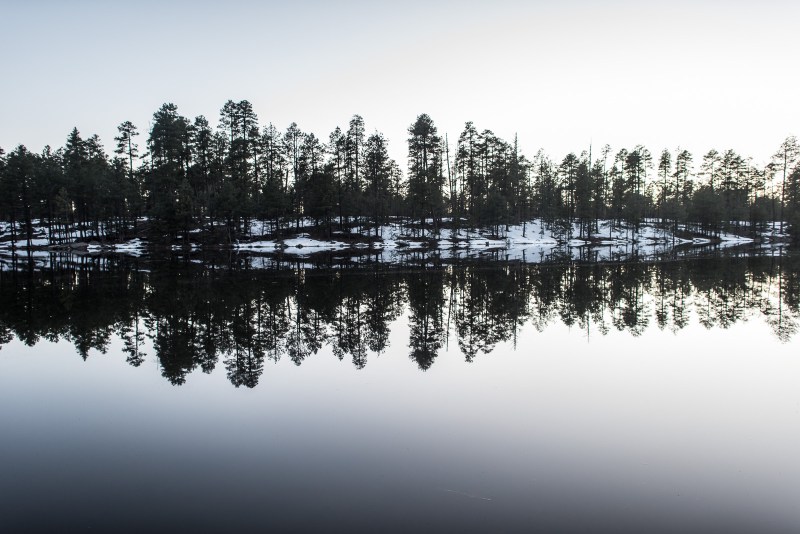
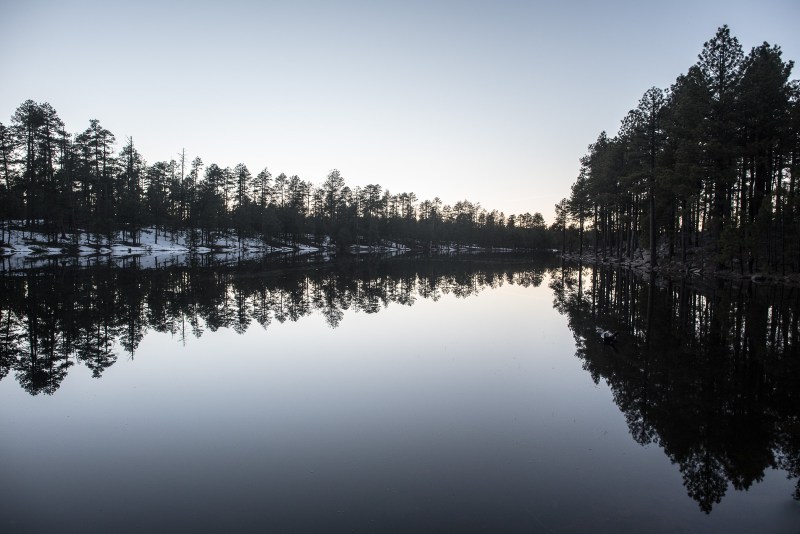
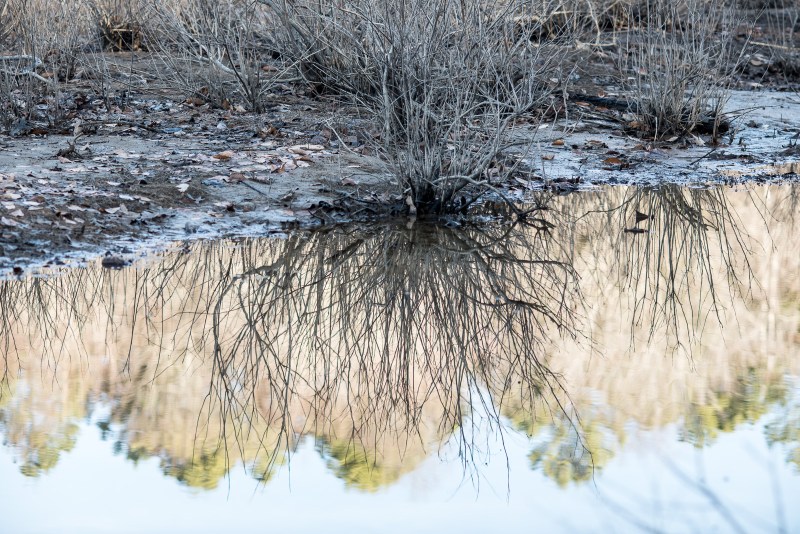
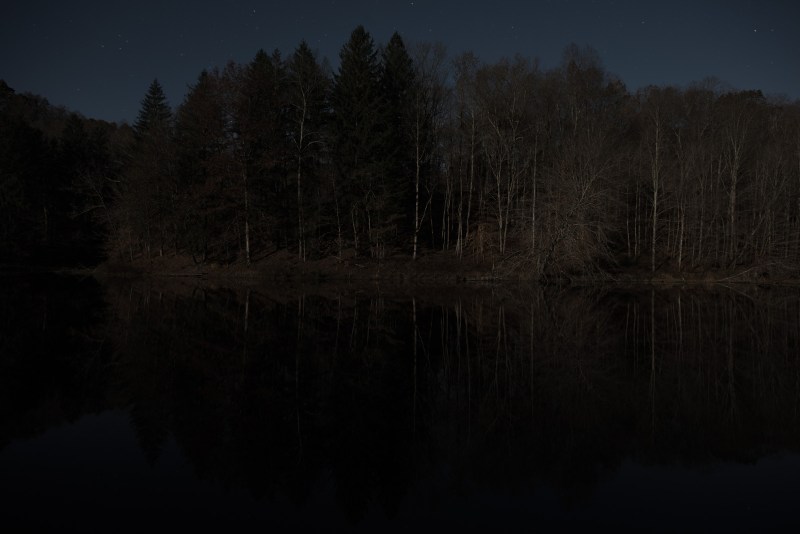
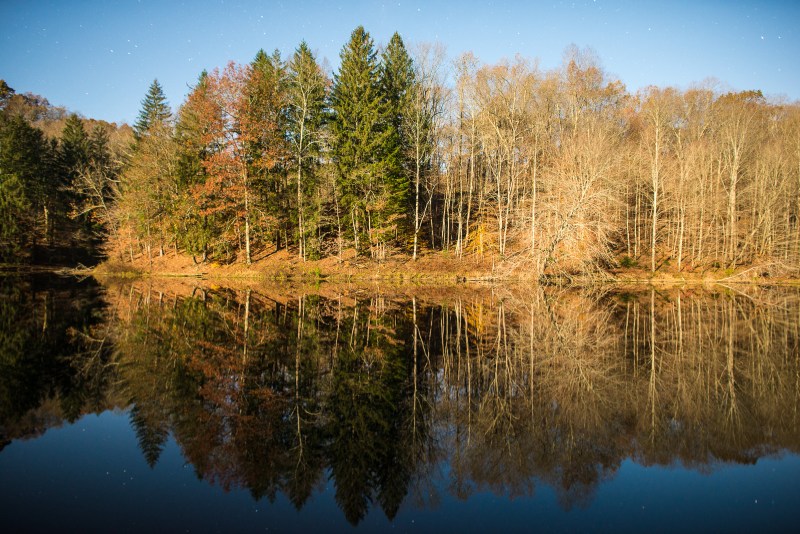
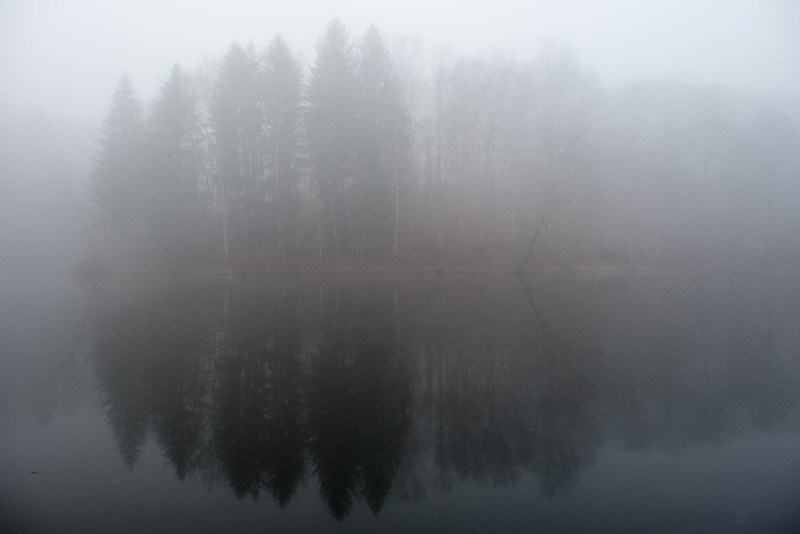
After sunset, when the few humans have retreated into their safe houses and the winds have subsided, the landscape becomes very quiet. The perfect reflections of the resting trees look like oscillograms of unheard cries.

DSC 1861

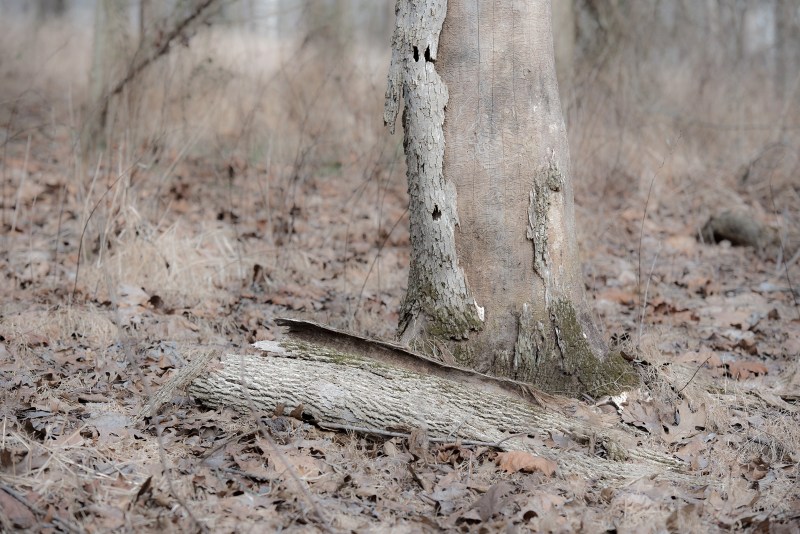
Change happens quickly.

Moonscape (Arizona I)

DSC 1272

My obsession (?) with taking pictures in moonlight is not so much due to a romantic trait of mine, but rather because of my more general fascination with alternate lighting.

DSC 1304

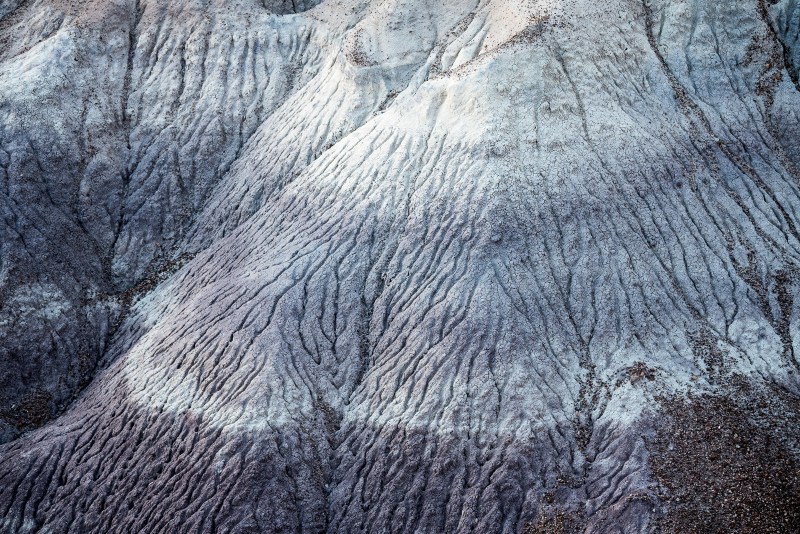
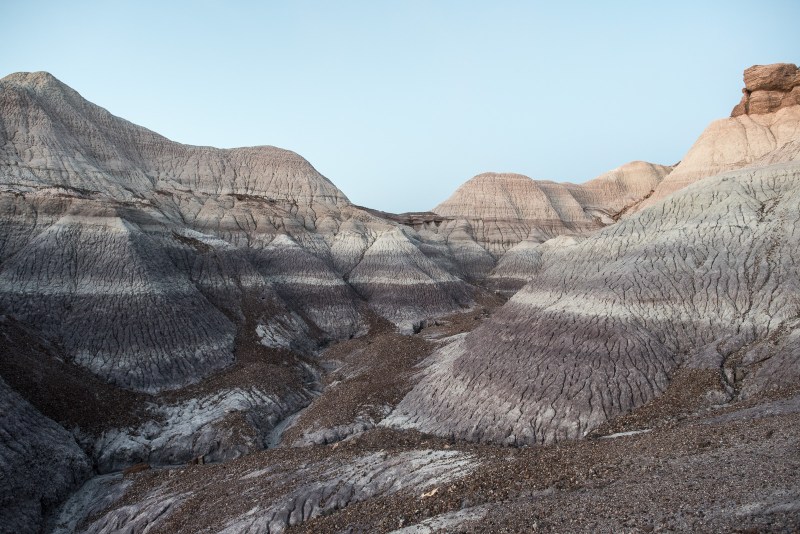
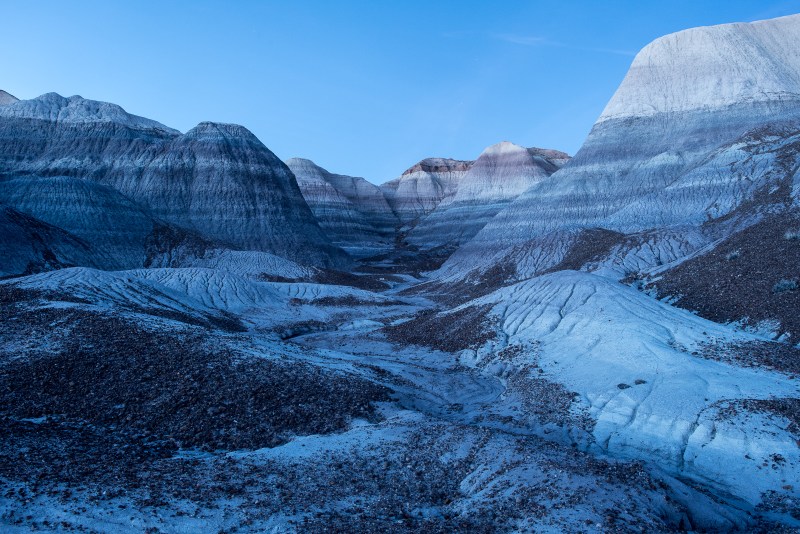
The Blue Mesa of the Petrified Forest National Park is part of the Painted Desert. The eeriness of the landscape increases in the moonlight, which brings out more blue than is really there.

DSC 1322

The pictures here were taken shortly after sunset with rapidly decreasing light and increasing exposure times.

DSC 1349

These last two pictures were taken in almost complete darkness. They show the landscape as we would see them with more sensitive eyes.

DSC 1351

My thanks go to the friendly park rangers who didn’t fine us despite staying after sunset.

Verticality

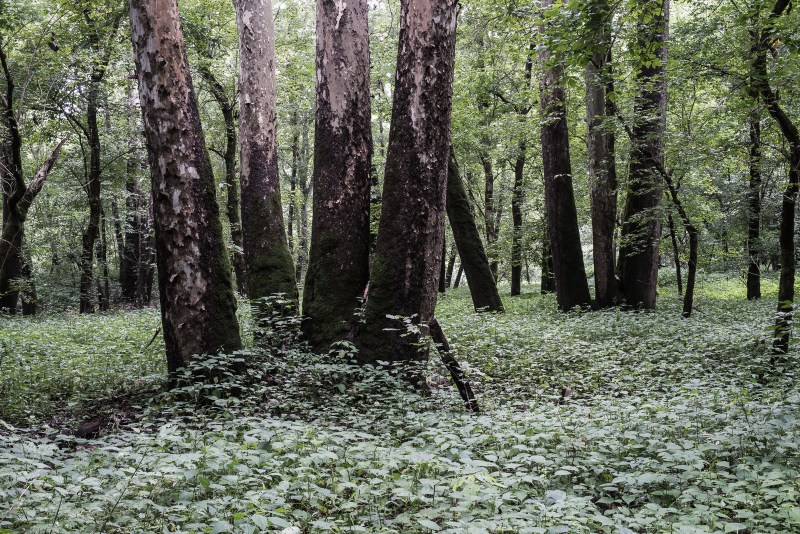
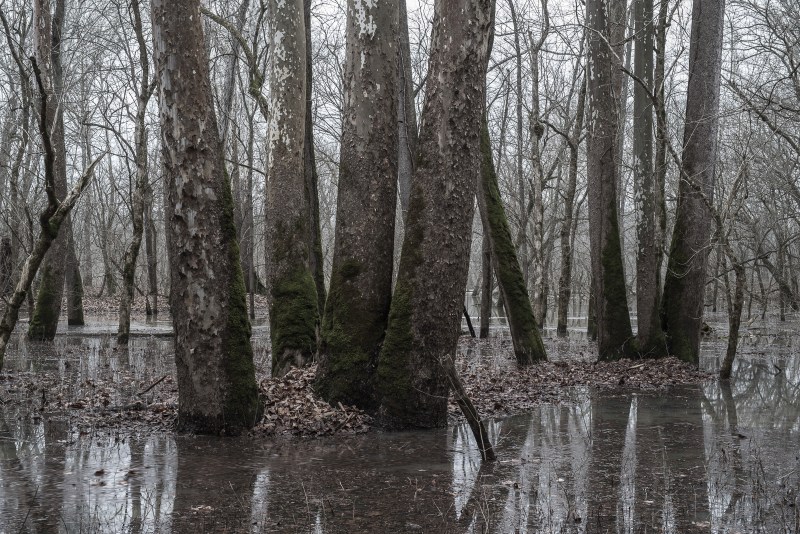
Near where McCormick’s Creek merges into the White River, the area becomes quite swampy and is often flooded. There are two views from a boardwalk trail through this swamp that have caught my attention. The first is a quadruplet of sycamore trees in the foreground.

DSC 4908

Clearly the weeds are about to conquer the world, you might think. Of course, the sycamores know better.

DSC 9061

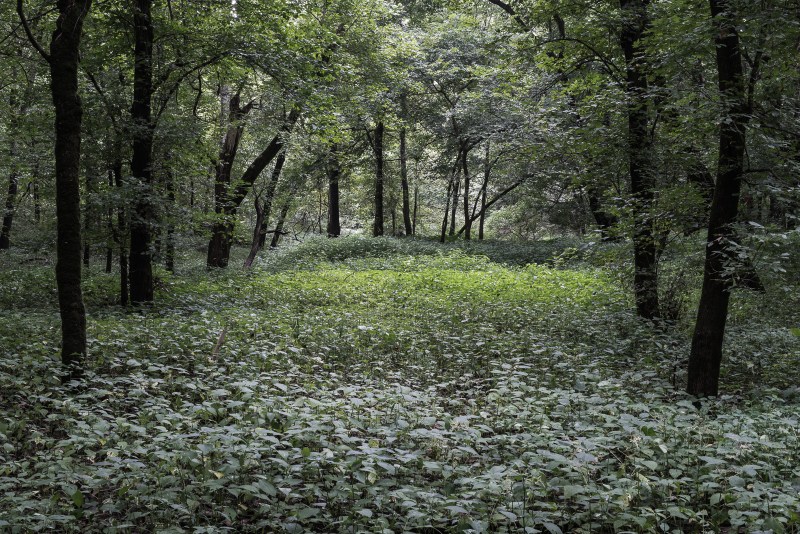
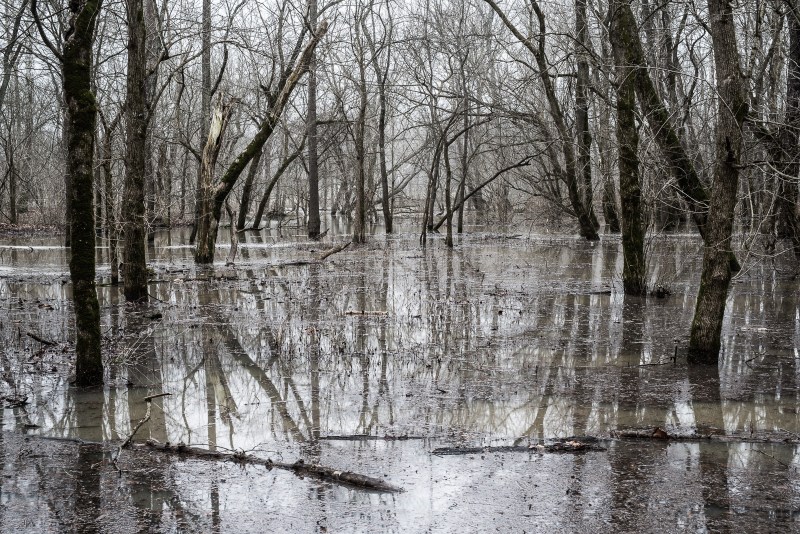
The other spot is a hundred yards further down the board walk, where the view opens up into a stage like space where we wait in vain for a performance to begin.

DSC 4910

But it is us who are lacking the patience: The performance is happening, all the time, mostly without us.

DSC 9060

The Spider

When I was in third grade, my father brought home a beautiful 2 volume edition of Edgar Allan Poe’s short stories, illustrated by Alfred Kubin.
DSC 0203

The genre name Horror Story describes very unsatisfactorily what Poe accomplishes. The conventional horror story utilizes a simple scheme: It wins our trust by first presenting a plausible scenario, and then abuses this trust in order to get away with less plausible events.
DSC 0209

In Poe’s best stories, this is not the case. The horror story is happening in the protagonist’s mind, and we become afraid that this same horror might as well infest our own brains.
DSC 0226

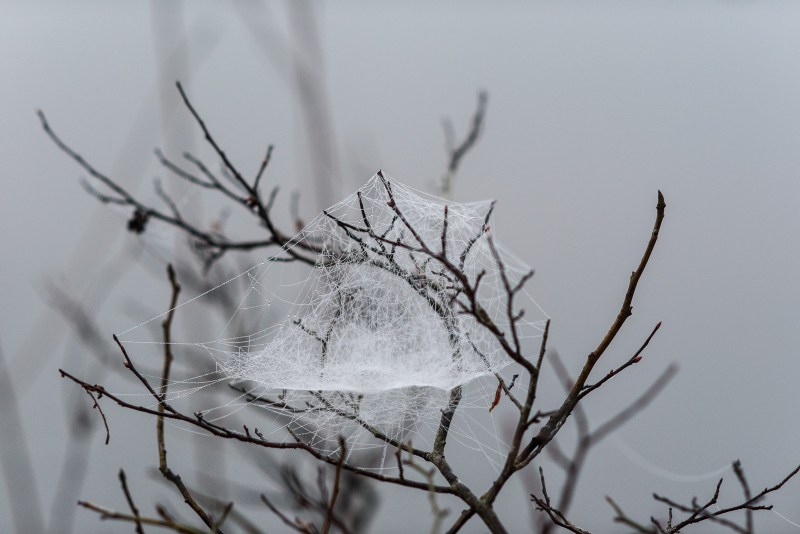
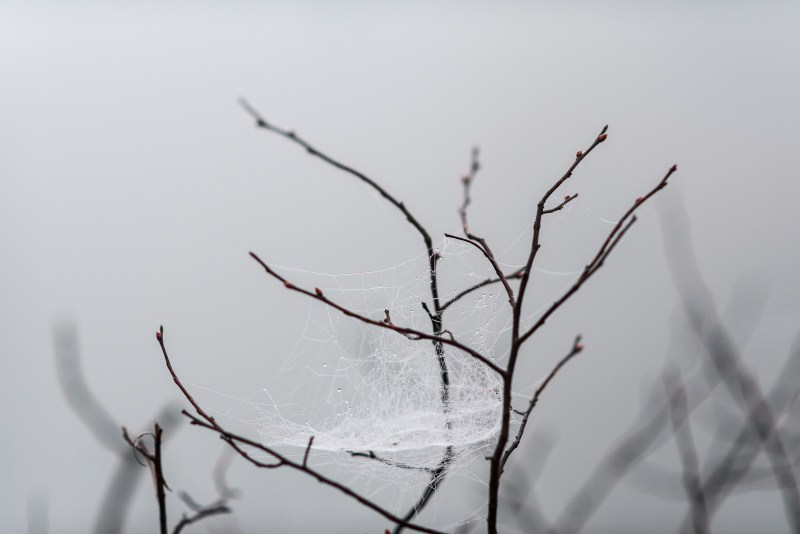
There are a few European stories that achieve the same effect, and one of them is Hanns Heinz Ewers’ story The Spider, from 1915. In it, the tenant of a small apartment starts to play a game with a woman in a window across the street: They make movements with their hands, which the other is supposed to copy. The narrator, whose diary we read, is at first surprised how quickly his neighbor can repeat his own movements, until he realizes that he is in fact, against his own will, only repeating the movements of the neighbor.
DSC 0236

This realization comes too late, obviously. No good horror story can end well. The same is true for Hanns Heinz Ewers himself, unfortunately. Despite having understood the machinations of manipulation, he fell under the spell of  a much larger spider, even though he didn’t share their racial ideology, had conflicting sexual preferences, and his books were banned.
DSC 0228

Pate Hollow Trail

Here are some early morning impressions from hiking the Pate Hollow Trail north of the Painetown State Recreation Area. The mood for the hike is set right at the beginning, thanks to the Little People who built this tree house.

DSC 0142

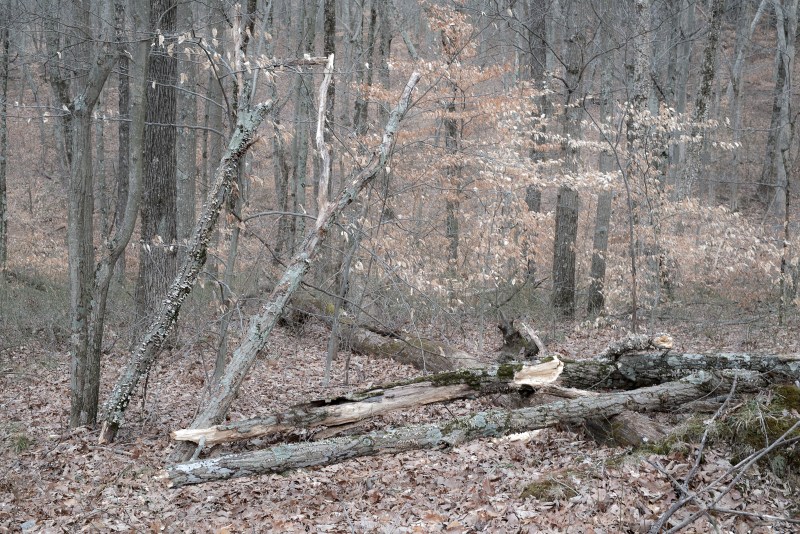
Nothing can go wrong after seeing it. The trail takes about three hours to hike and mostly follows the ridges. You get the usual fare of broken wood, that I always find photogenic.

DSC 0136

The other highlights of the hike are the views of Lake Monroe.

DSC 0167

Nothing dramatic, but a little blue is very welcome. When the trail touches down to the lake front, you can meditate either about structural simplicity of the opposite shore

DSC 0153

or the irritating complexity of simultaneous reflections of frozen weeds and preposterous trees. It is March, after all.

DSC 0155

Brown (Charles Deam Wilderness II)

DSC 0074

Indiana has a fifth season: A good winter brings snow, harsh light and the contrasts that blind your eyes. A good spring brings mild air, green buds, tree blossoms, and wild flowers. But in between, there is at least a month of nothingness.

DSC 0041

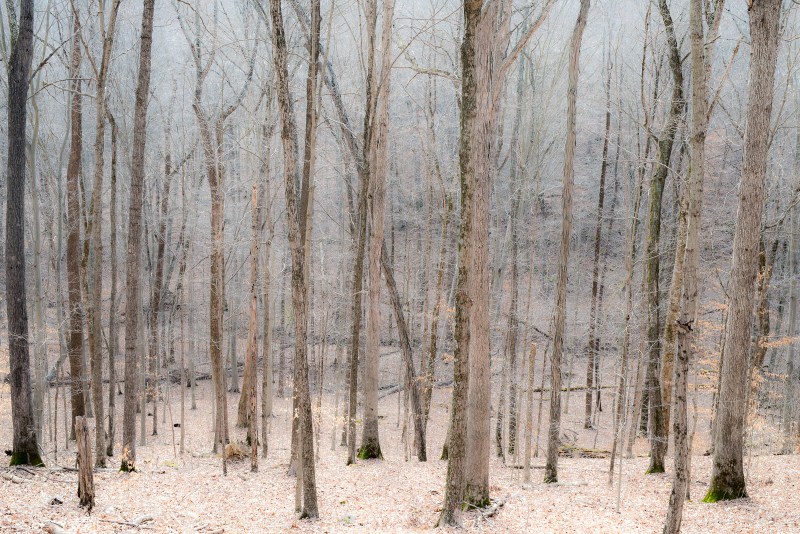
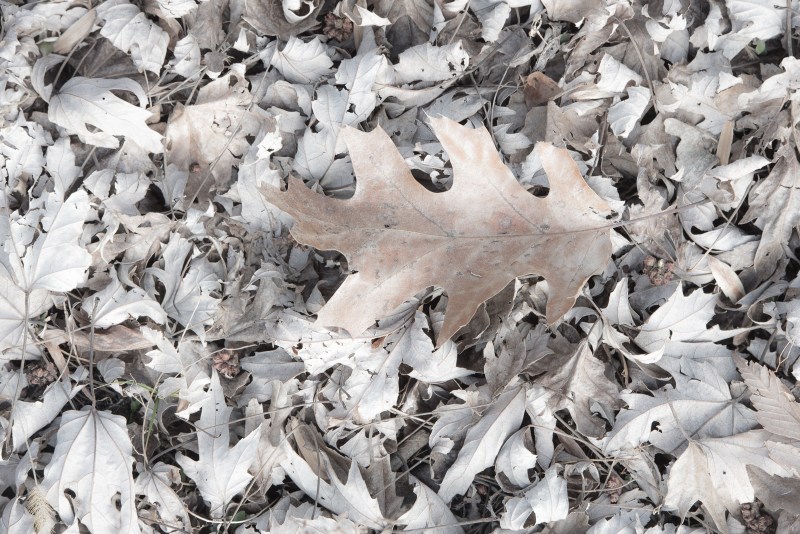
It is the season of decay, and its color is brown. The contrasts of winter light disorient us because they provide information conflicting with the physical landscape. It is almost as if a fourth dimension has been added which we cannot parse. Today, the low contrast of an overcast sky and the muted colors make the contours disappear and appear 2-dimensional.

DSC 0054

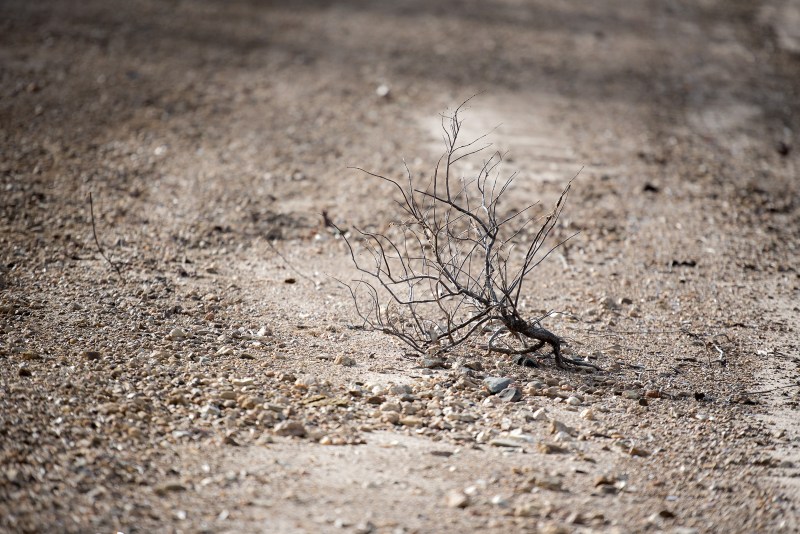
Still, the monotonicity has its appeal, in particular when it is interrupted by an alien intrusion.

DSC 0077

Why should we hate what we are attracted to?

DSC 0093

Joshua Tree

Most people of my generation are familiar with the Joshua tree because of the 1987 album by the band U2. I have been thrilled to hear that they will be on a Joshua Tree tour this year, again.

Berkeley051b

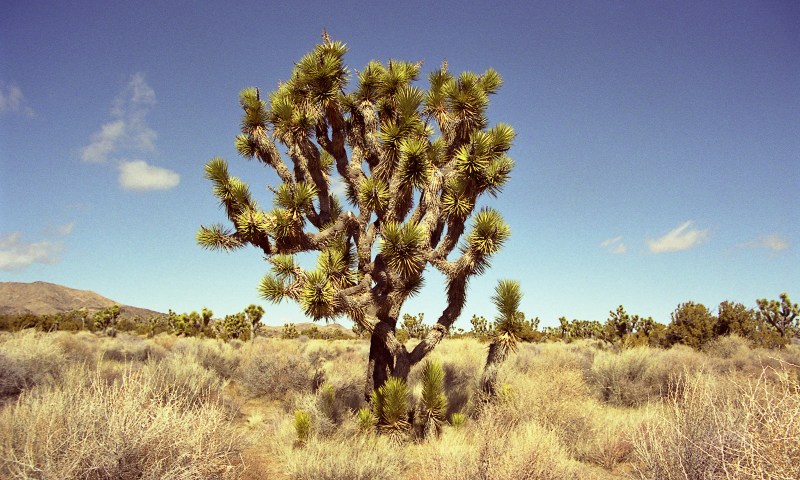
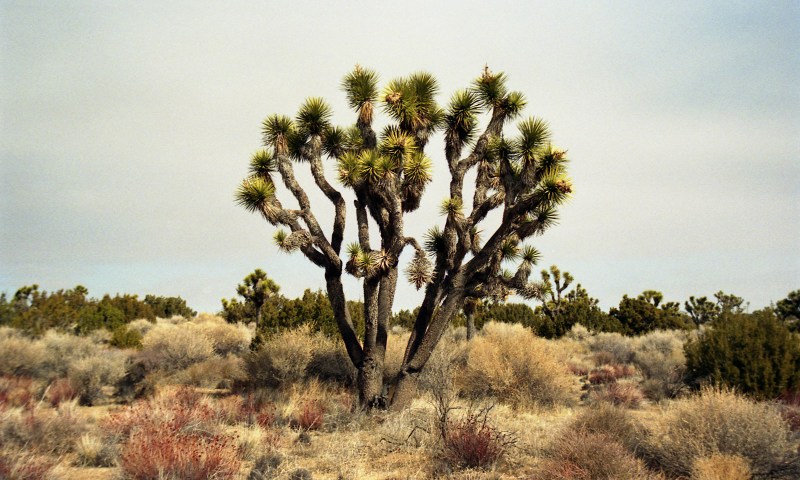
When I visited Joshua Tree National Park in January 1994 for the first time, I became quickly obsessed with finding the most photogenic specimen.

Berkeley086b

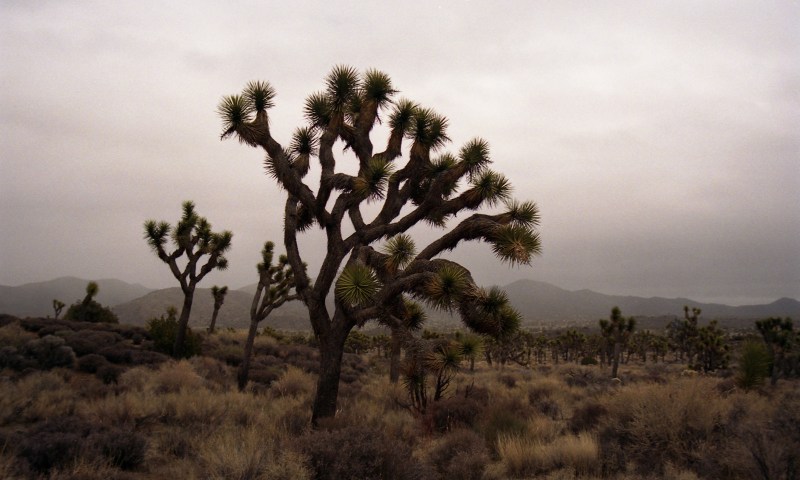
And there are thousands of them, all lamenting the state of the planet, it seems.

Berkeley144b

They are interesting plants – not trees, actually, but yuccas. Being able to spread through seeds or rhizomes, sprouting from their extensive root system, makes them well adapted to desert climate. Otherwise they are not particularly useful, which is probably the reason why they are still around.

Berkeley087b

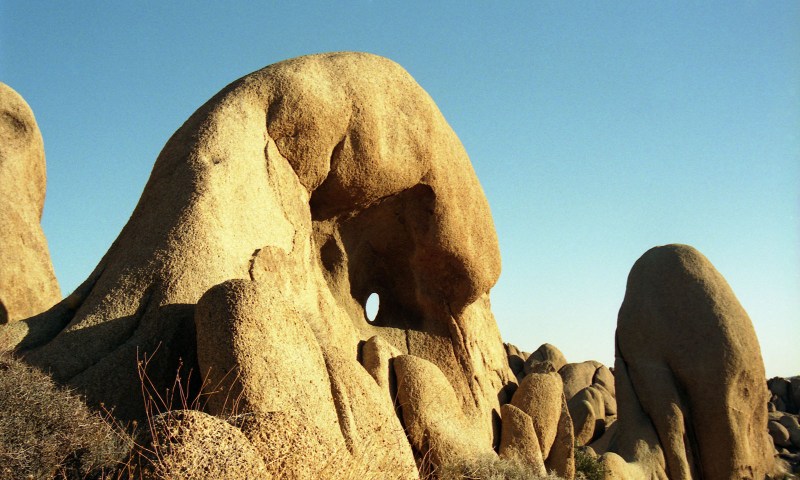
Besides admiring the Joshua trees, there are other things one can do in the park. I, for instance, had liberated a cactus that was held in captivity in a store in Berkeley, and planted it in the desert.

Berkeley118b

We had ideals back then.

Nebelland (Land of Fog)

DSC 8565

Fog is an overused trope. It serves of course as a backdrop for everything spooky, because fog makes us afraid of not knowing. There is also the personal, psychological fog that makes us forget the past or prevents us from seeing clearly into the future, like in Kazuo Ishiguro’s The Buried Giant or Miguel de Unamuno’s Niebla.

DSC 8544

More dramatically, there is the governmentally imposed fog, as in Alfred Kubin’s visionary Die Andere Seite.

DSC 8552

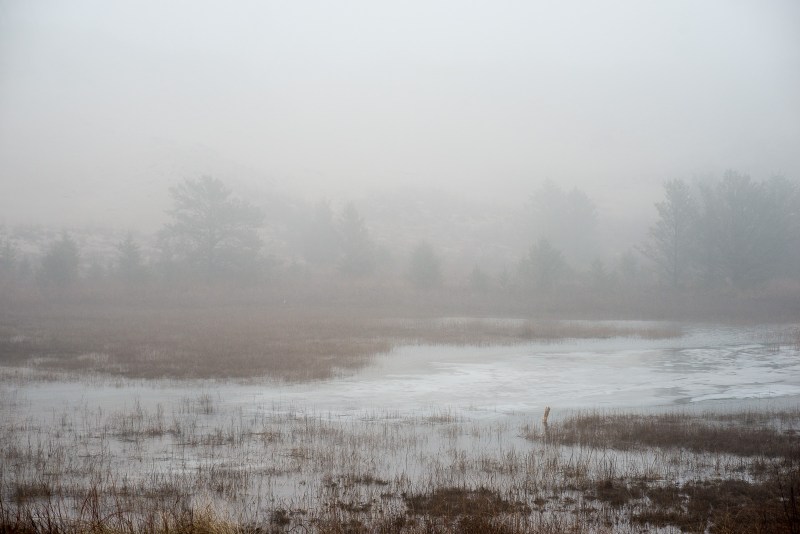
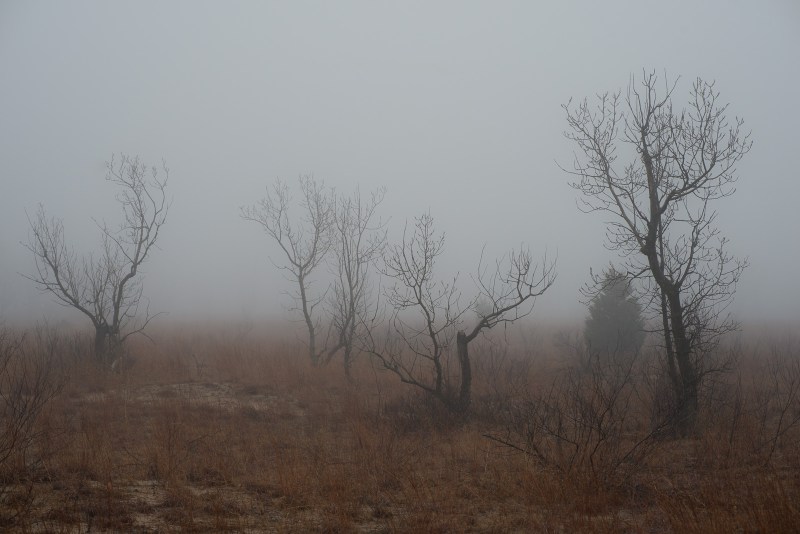
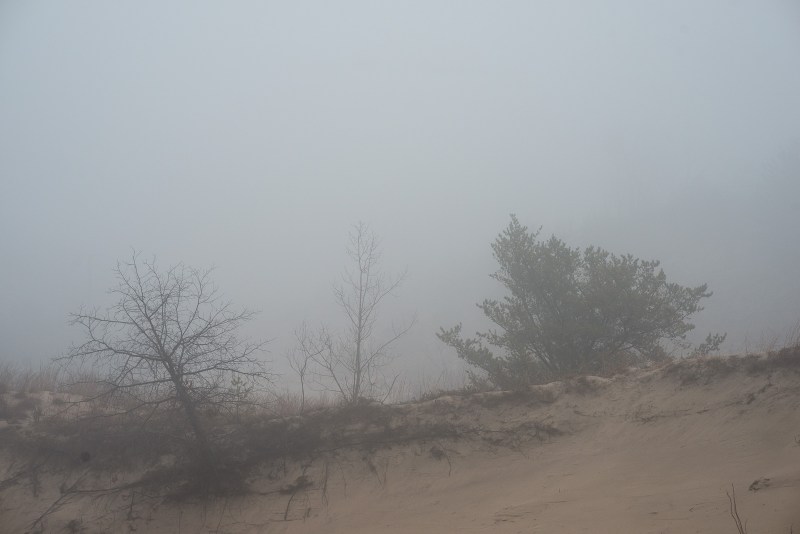
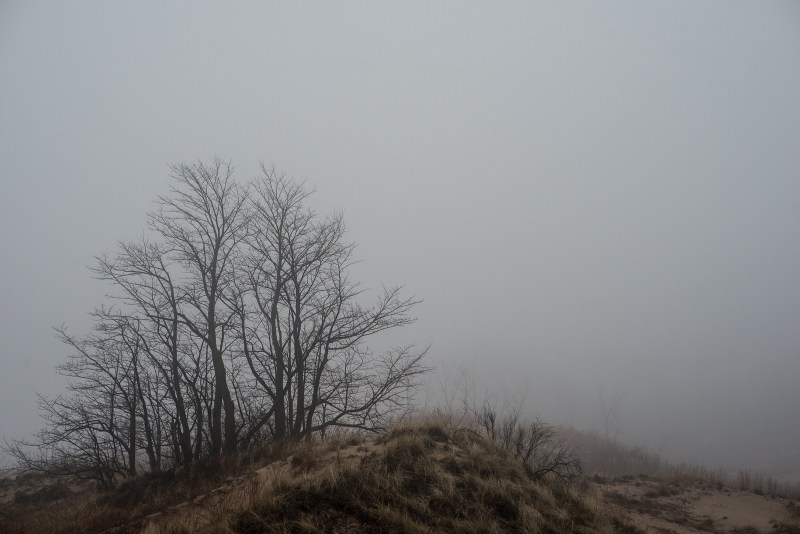
Today’s pictures are from a very recent trip to the Indiana Dunes. A bit of fog helps to hide the view of the industrial port areas north of Gary. This is scenic, too, but I can’t post pictures here, because, alas, the Indiana Administrative Code explicitly forbids to take pictures of the port, even when standing outside the area.

DSC 8540

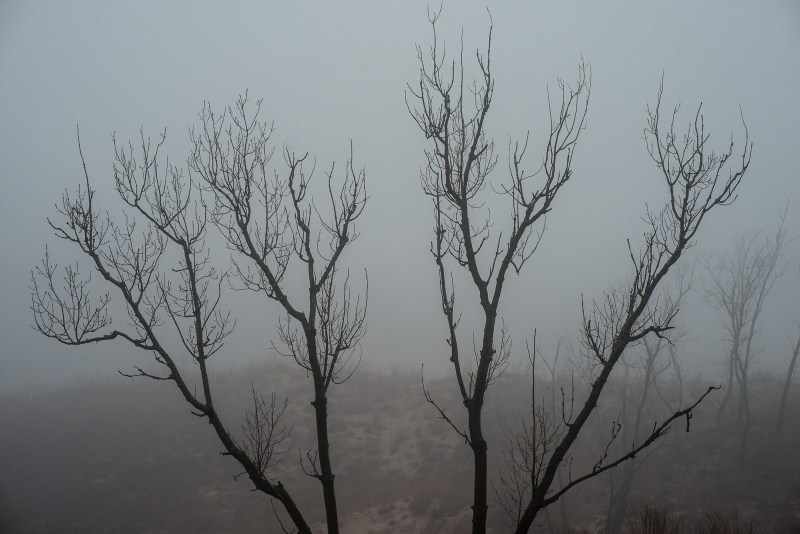
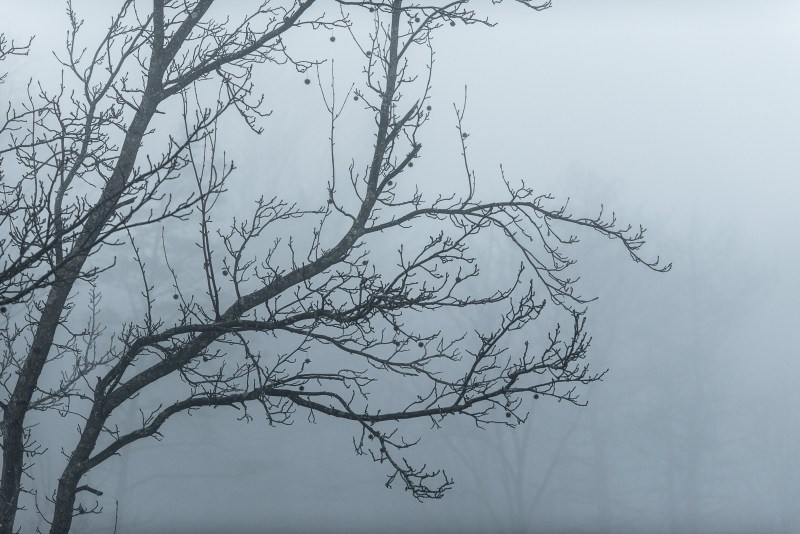
But spreading fog, for whatever purpose, has also the side effect to make the things that remain visible to appear more true to themselves, like the trees here.

DSC 8550

Ingeborg Bachmann, whose thin oeuvre has many references to fog, insisted, while charging her co-writers to become eye-openers for others, that we humans are capable of bearing the truth.

Happy Second Birthday!

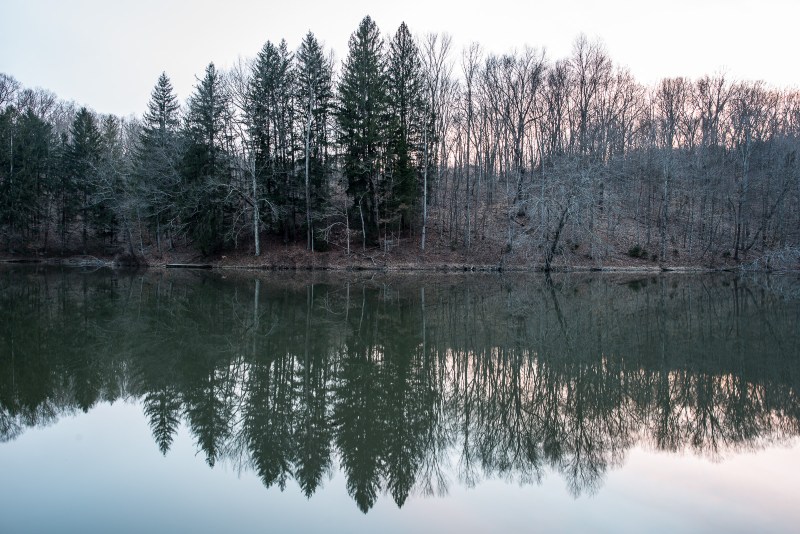
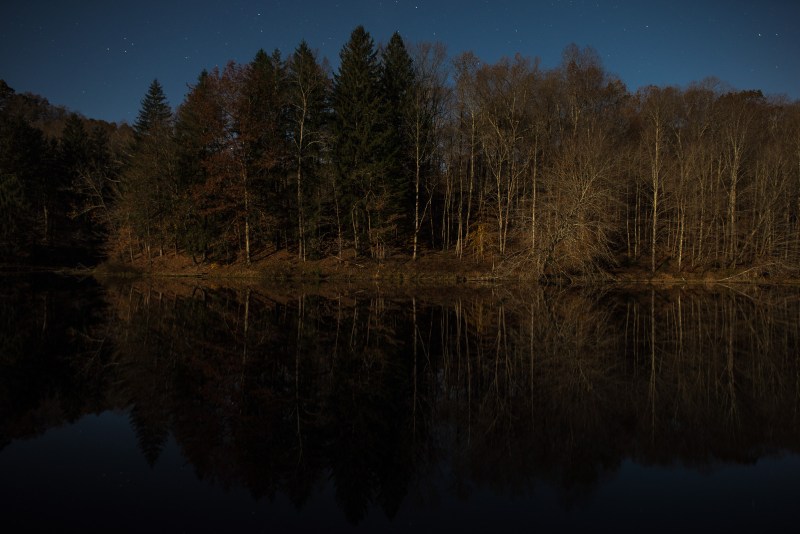
This little blog is now two years old. As a birthday present, here is yet another visit to Strahl Lake in Brown County State Park, this time at a full moon.

DSC 7300

This turned out to be more difficult than I thought, and I tried it twice this year to capture the lake front in moonlight. The image up above shows how dark it really was. Below is a  picture an hour after sunset.

DSC 0821

Of course, the camera allows you to expose as long as you like, capturing more light than real. Below is what the camera thinks it should look like, assuming all images require the same amount of photons on the camera sensor.
If not for the stars, this could be a faded color print of a daylight photo. Eerie.

DSC 7304

Let’s end this year with a little more realism. We will need the light.

DSC 7302

Yoga for the Soul (Treescapes 2)

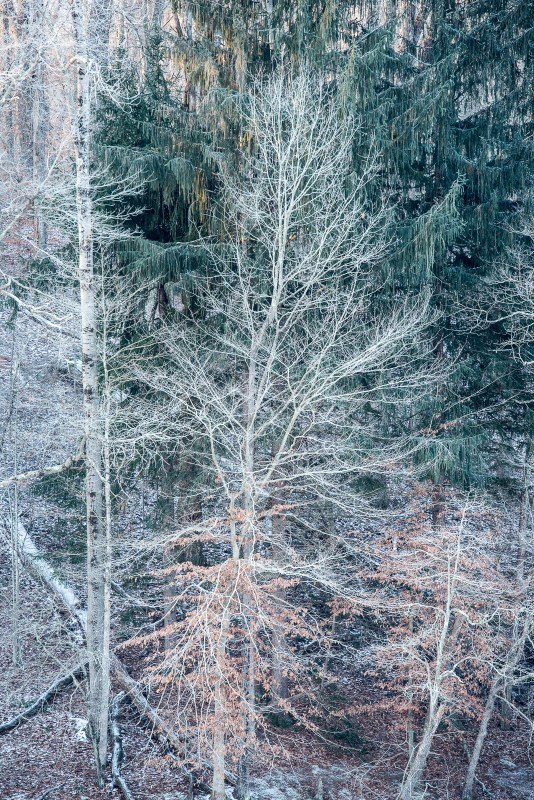
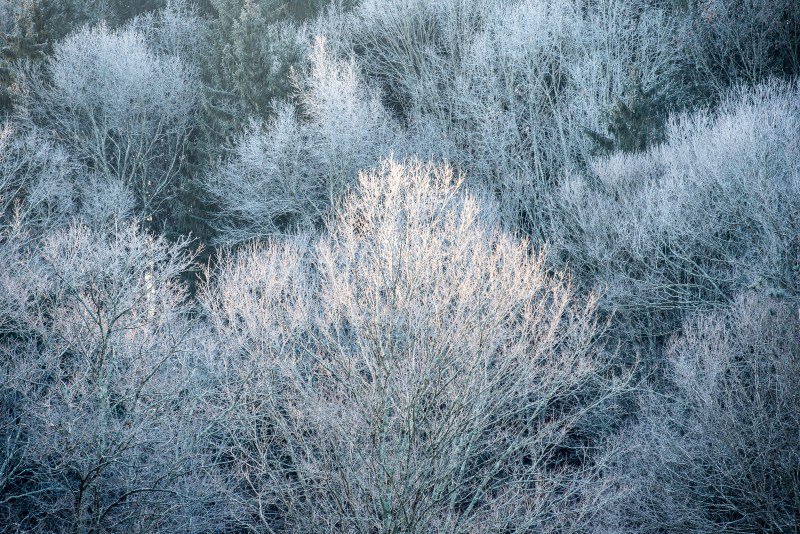
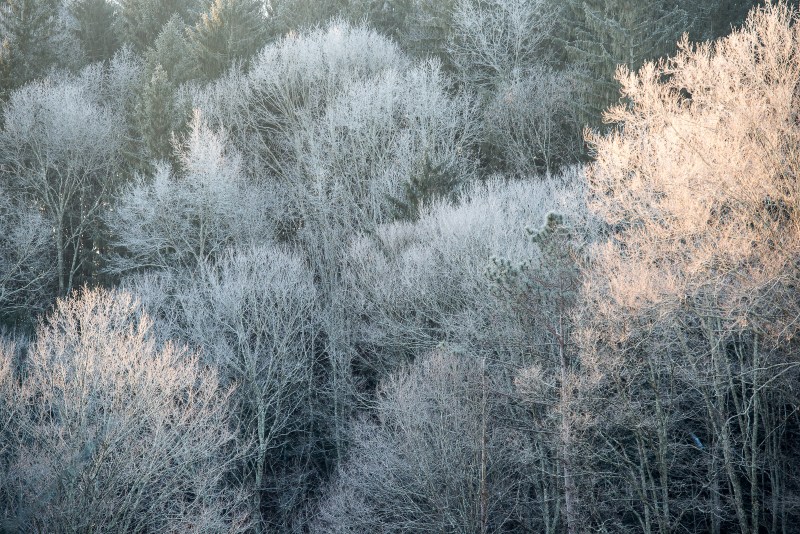
After a light freezing rain I went at sunrise to Brown County State Park to admire the trees. It was very cold, but, as I said before, I enjoy that these days.

DSC 8220

So yes, you can have views even in Indiana. Nothing man made visible here.

DSC 8265

The trees have been temporarily transformed. I am tempted to say that they appear to be frozen, but that is what they are.
DSC 8276

They seem to move even less than usual.

DSC 8259

I wish this would happen to us, too: For a couple of days being forced to stay put, to contemplate and reconsider, and then to be allowed to thaw.

DSC 8267