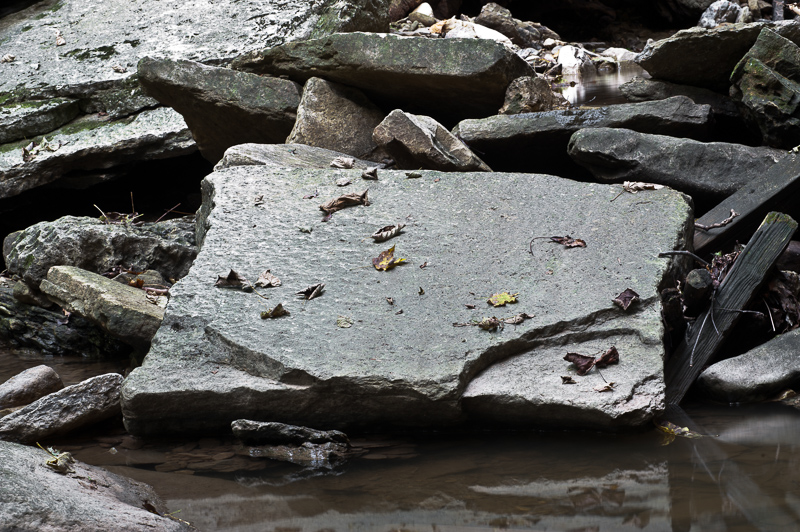
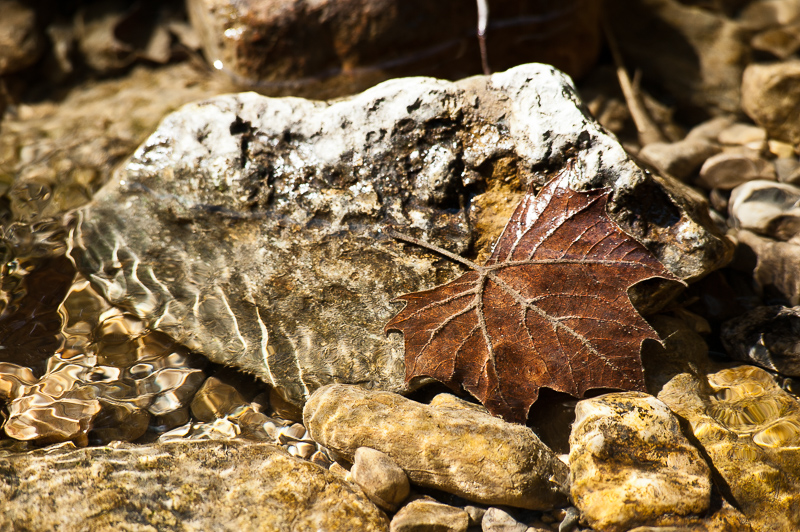
Wood and Water

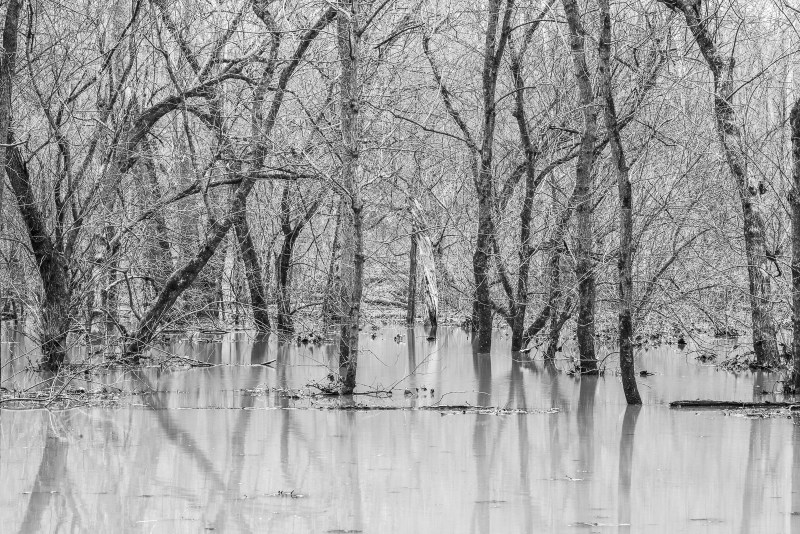
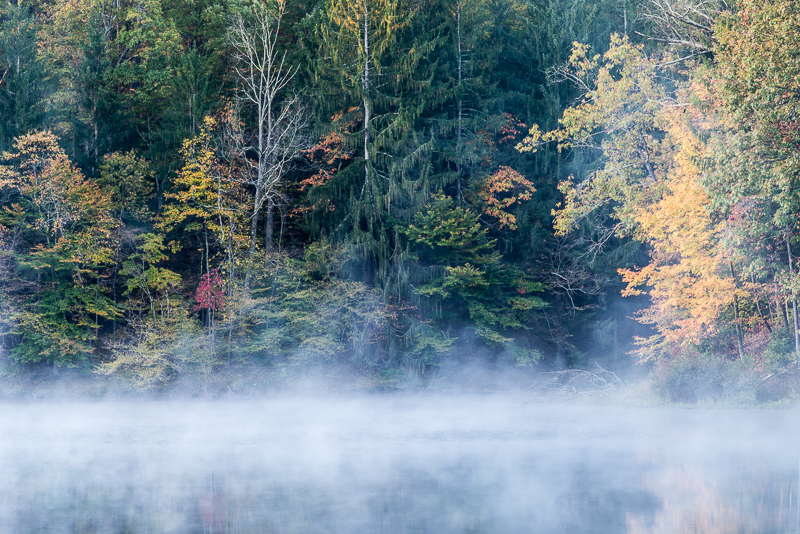
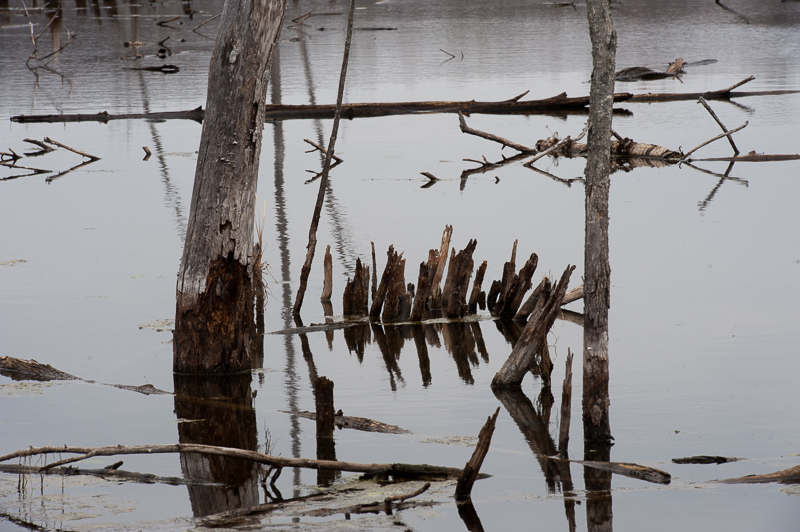
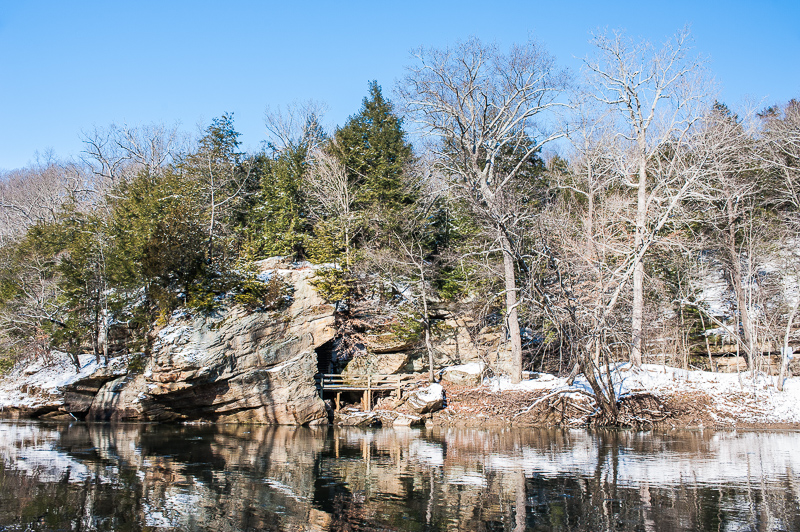
Usually the McCormick’s Creek flows gently into the White River, which itself is during dry summer months reduced to a muddy mess.
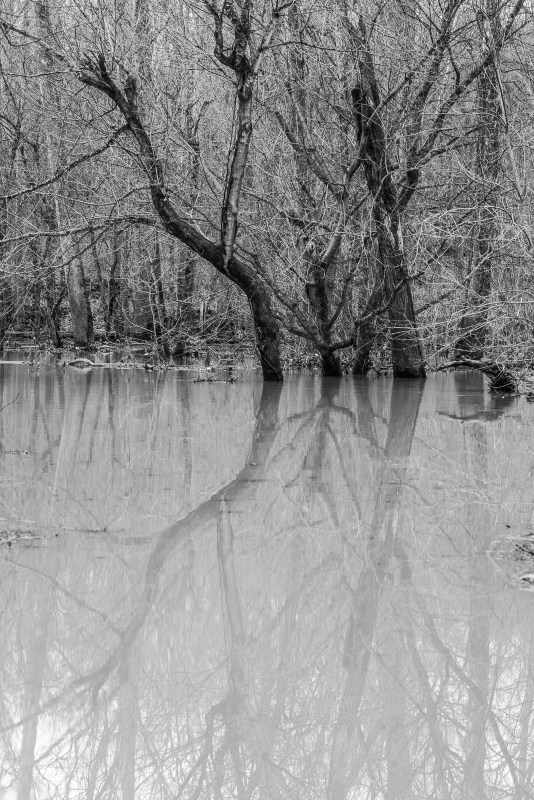
After winter rain storms, the White River floods into the plains, and pushes the McCormick’s creek back, forcing the foam caused by the recent storm to spiral in waiting — for what?

DSC 0963

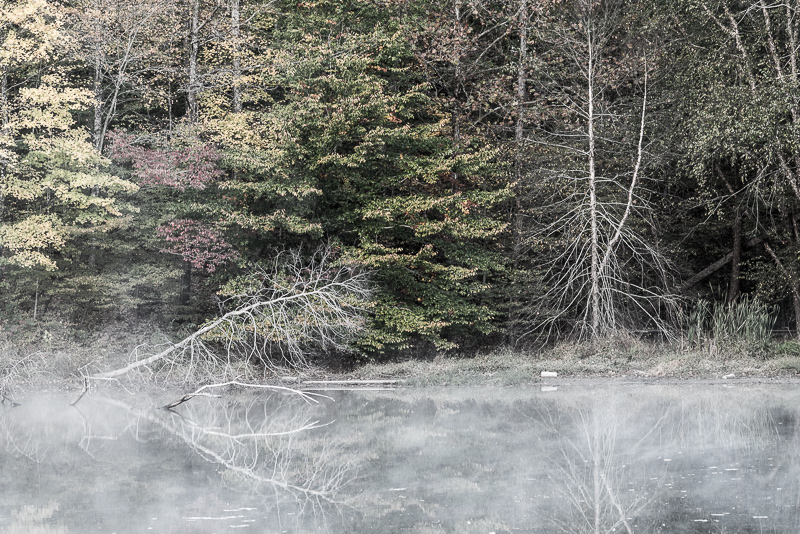
Time like the water has come to an unnatural standstill.

DSC 0285

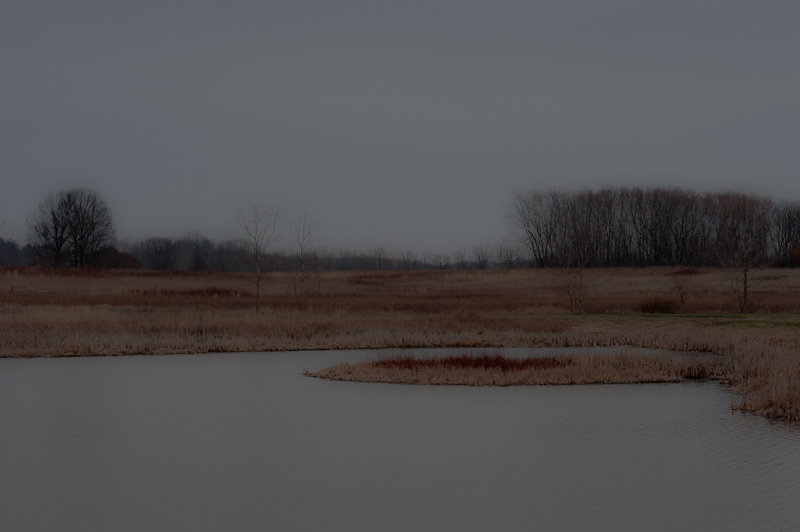
The trees that will teem with life in a few months look tired beyond hope.

DSC 0275

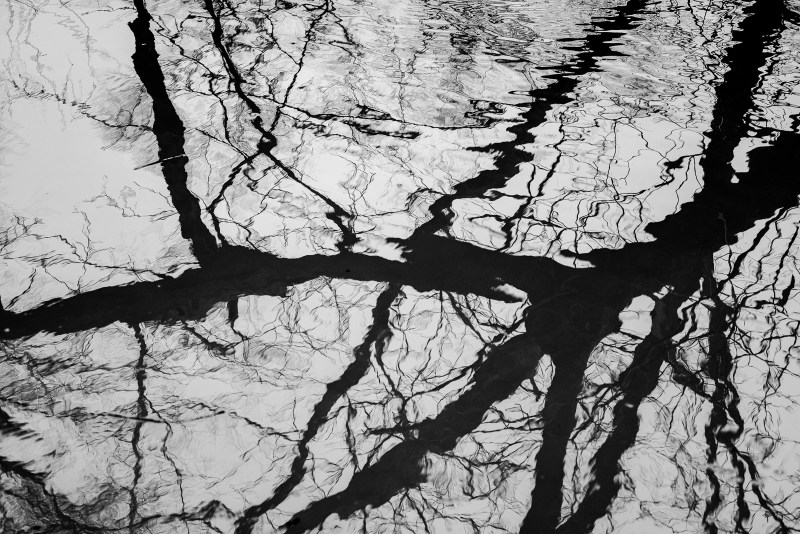
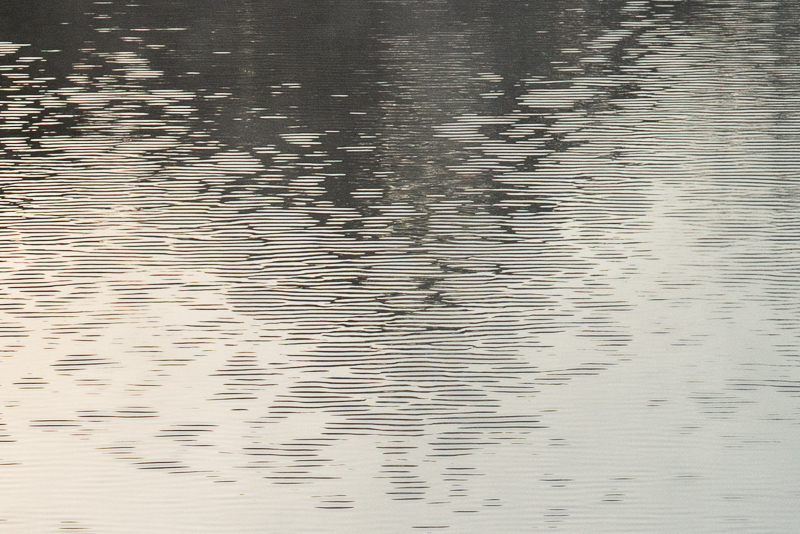
But ripples in the water shake us back to life. We have paused only for a brief moment.

DSC 0272

Happy Birthday

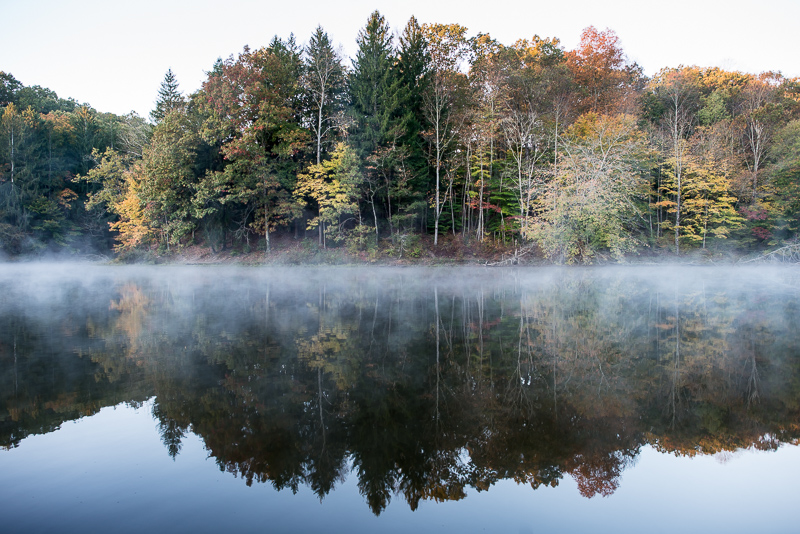
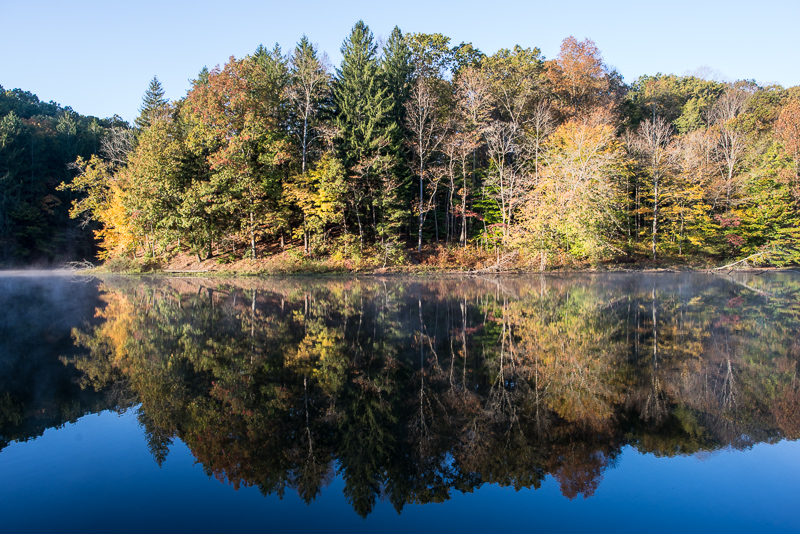
I started this little blog with visual aphorisms one year ago, so maybe this is reason enough to revisit the very first post, by spending one hour at Strahl lake in Brown County State park.

DSC 9869

This one  hour is how long it takes between dawn and the moment when the sun rays touch the lake at the western lake shore.

DSC 9877

The early morning fog awakens and begins to move in ways impossible to capture in a single photograph.

DSC 9881

The wind leaves strange messages on the water.

DSC 9896

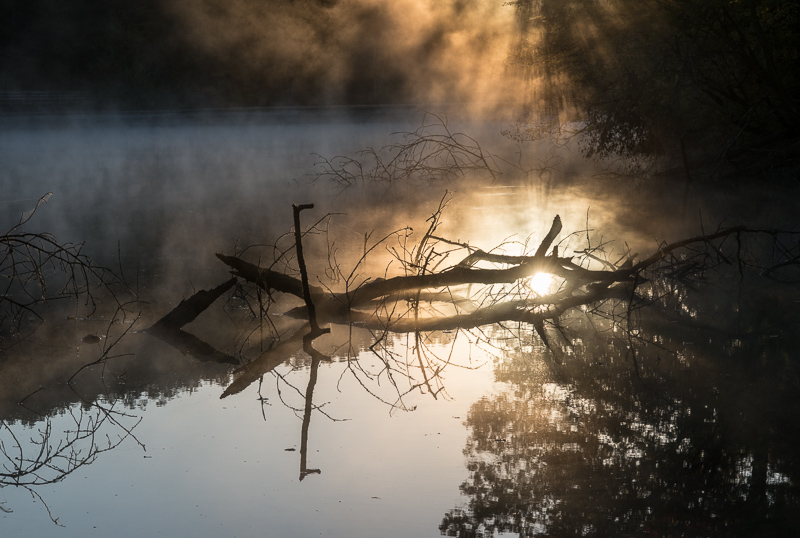
When the sun finally hits the fog, eery hologram like sculptures appear in the lifting fog.

DSC 9897

And then, of course, day is here.

DSC 9912

Studies in Black and White

Turkey Run State Park has maybe three locations that define the park for me. They are both intensely beautiful and unique.
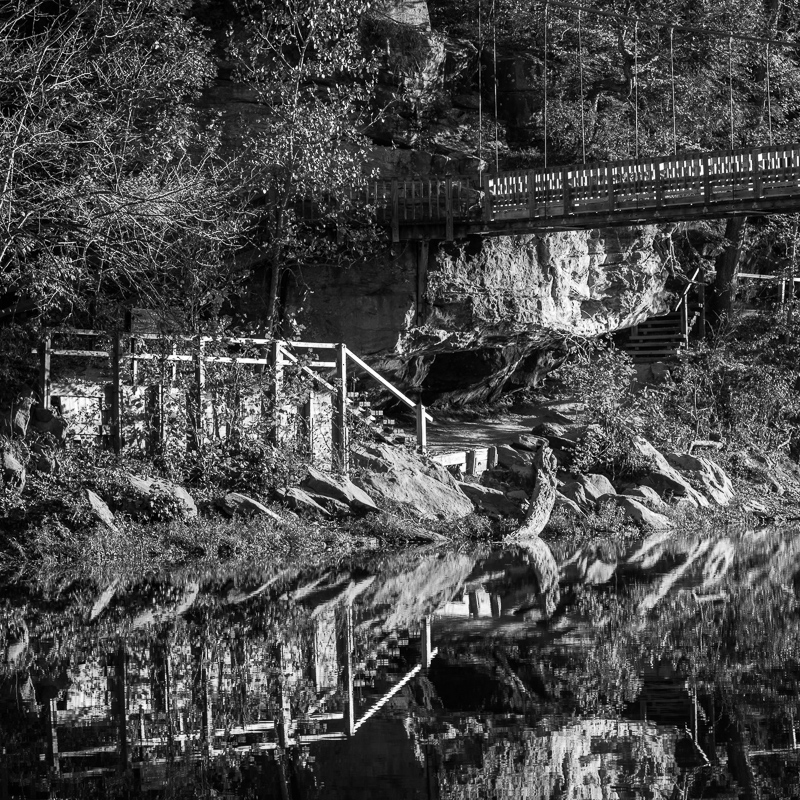
To capture the essence of a place it is often necessary to reduce it, to strip it from some aspects of its appearance. For instance, to distill the structure of a place, it can help to view everything in black and white.

DSC 9796

The first of my three places is at the suspension bridge over Sugar Creek. At the right time just after sunrise when the low sun brings the shore to maximal contrast, the wooden structures, rocks, and vegetation become equal contributions to a dazzlingly complex whole.

DSC 9805

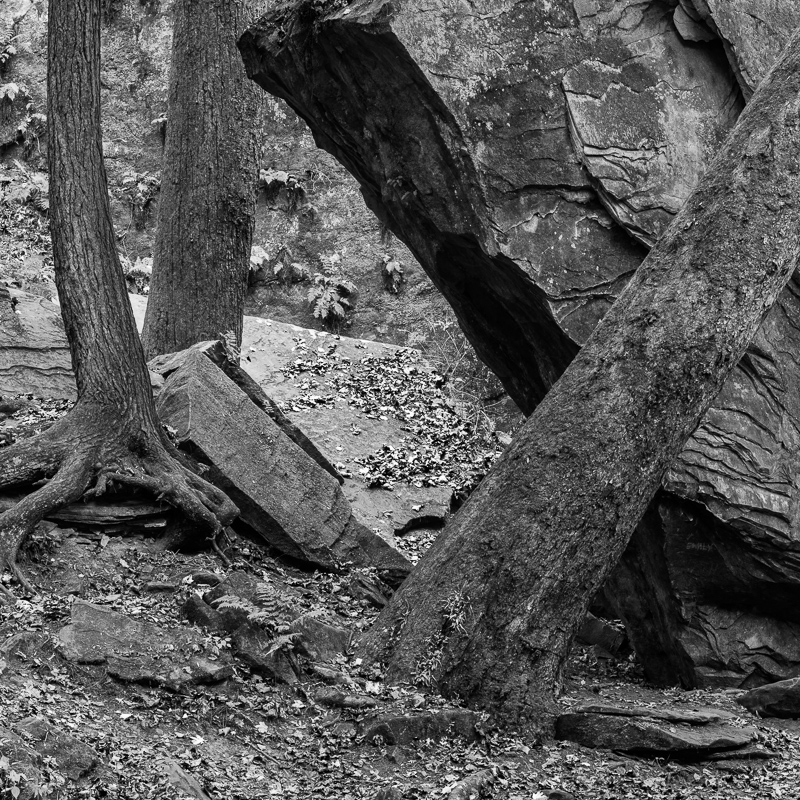
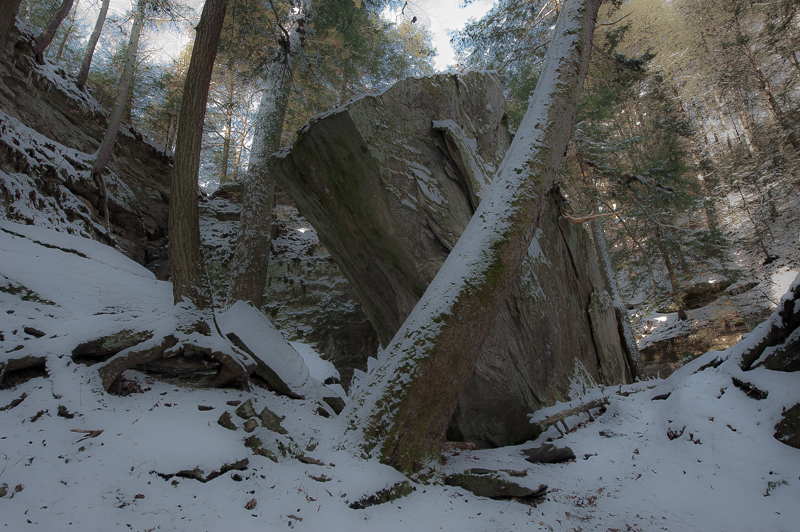
Next there is Wedge Rock. Many times I have tried to capture it in its entirety, but I found it more appropriate to only hint at its size by showing a small portion of it. The three trees cover about as much area in the picture as the rock, and this balance emphasizes the contrast between the two so different main structural elements. On the other hand, they both contribute diagonals to the geometric flavor of the place.

DSC 9824

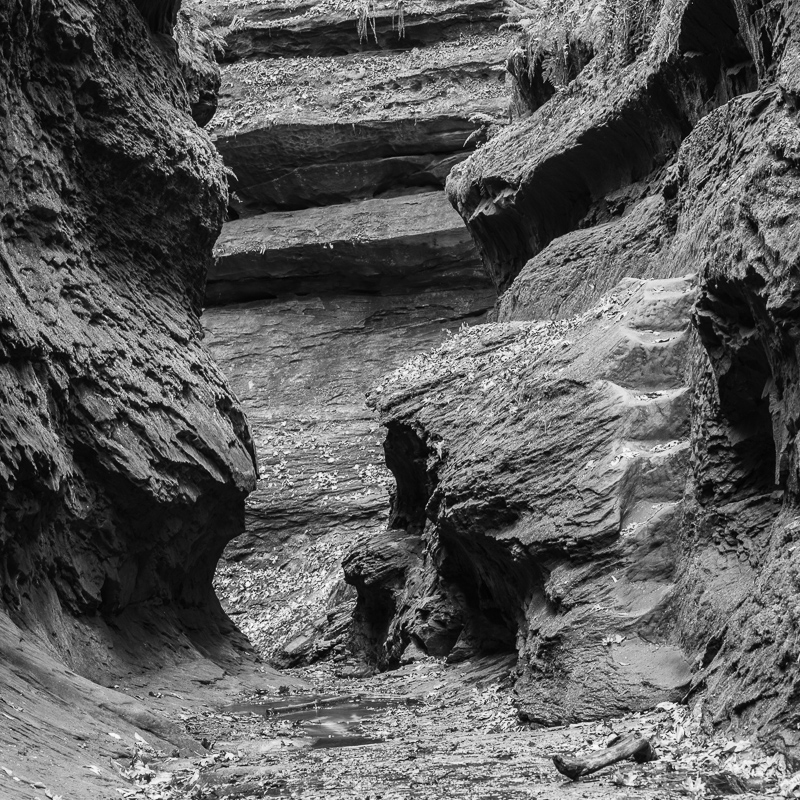
Then, still in Rocky Hollow Nature Preserve, the two main structural elements are the horizontal segments of the steps in the from and the background canyon wall in the back, and the vertical opening between the canyon walls. The function of the steps is not clear from this image. In wetter conditions, the canyon floor will be impassable due to water torrents, and the trail bypasses it on the right side of the wall. In any case, the two paths both give choices without a clear hint where these choices might lead.
The perceived equilibrium between the two choices is a photographic choice: The “heavier” path through the canyon is closer to the center, while the “lighter” steps are further to the side, creating a balance by weight on an imaginary scale. Also the lighter color of the stairs and their unexpected appearance trick the eye into spending equal amounts of time with both elements.

DSC 9785

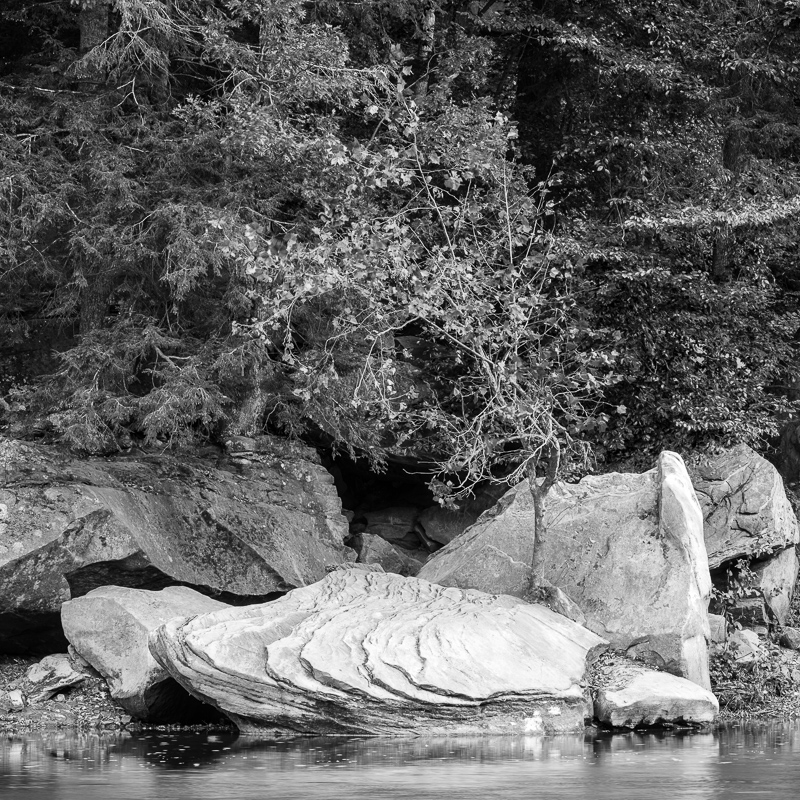
The last picture is from a location that I hadn’t visited until recently. I find this image quite successfully spooky. The two main structural elements, the elegantly layered rocks in the front and the tree that dares to grow inside them both frame a third structural element, the black void just above the rocks. The almost artificial arrangement of rock and tree suggests that there is more to the place, putting a growing question mark into what we might think of as a cave entrance.

The Obscure Object of Desire

The trails of the Pine Hills Nature Preserve are naturally bordered to the north by the Indian Creek, a tributary to the Sugar Creek. For most of the time, all one can see from here to he west is this triangle riddled view:
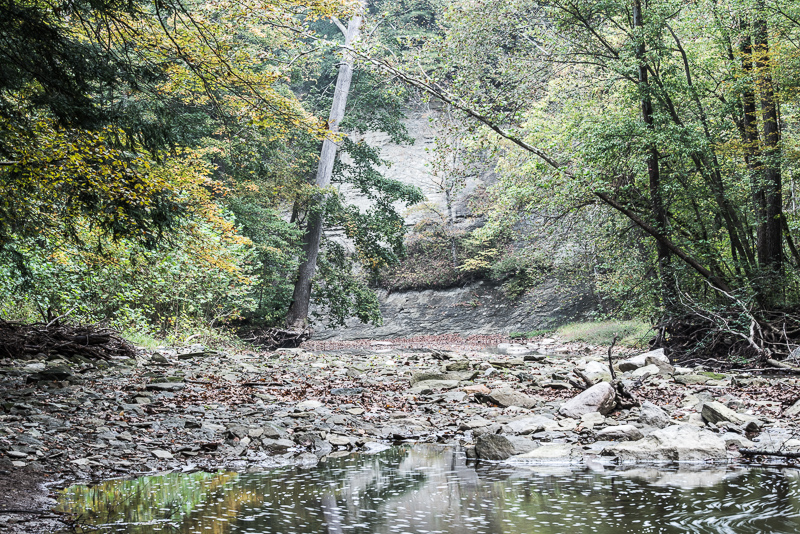
DSC 9521

This has become one of my many obscure objects of desire. Fortunately, I am mentally sane enough to have learned that you do not get all what you want in your life, so I have been happy keeping it this way.

Even more fortunately, this fall the water level in the Indian Creek was so low that one could easily get to that strangely suspended tree in the center triangle. So on we go…
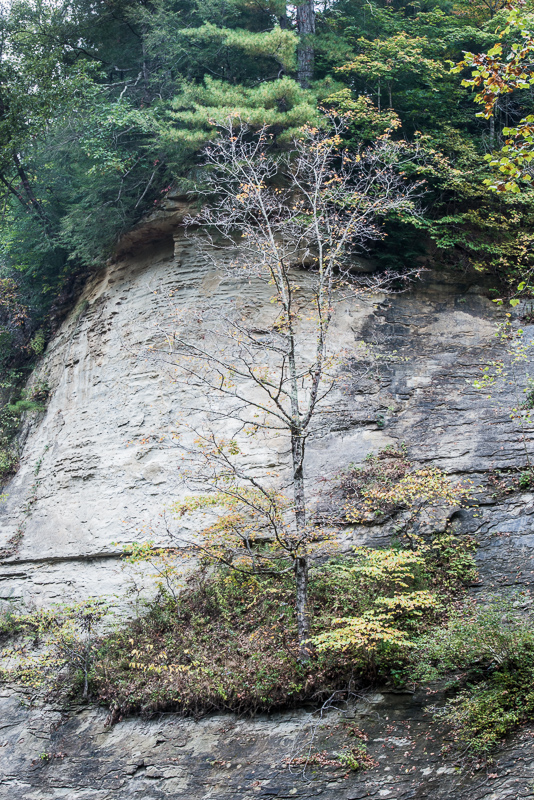
DSC 9526

This tree, growing on a small patch of earth at a nearly vertical cliff is an easy metaphor for too many things. You pick.
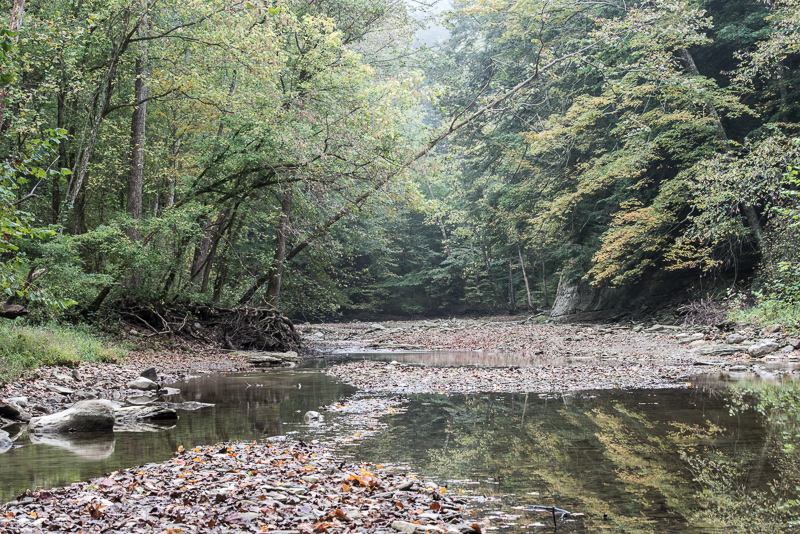
For me, almost more surprisingly, the possibility to move forward also opened the possibility for a view back.
DSC 9527

So maybe, even if we don’t always get what we desire, sometimes we should get it, if only to be able to reflect about the change that just happened.

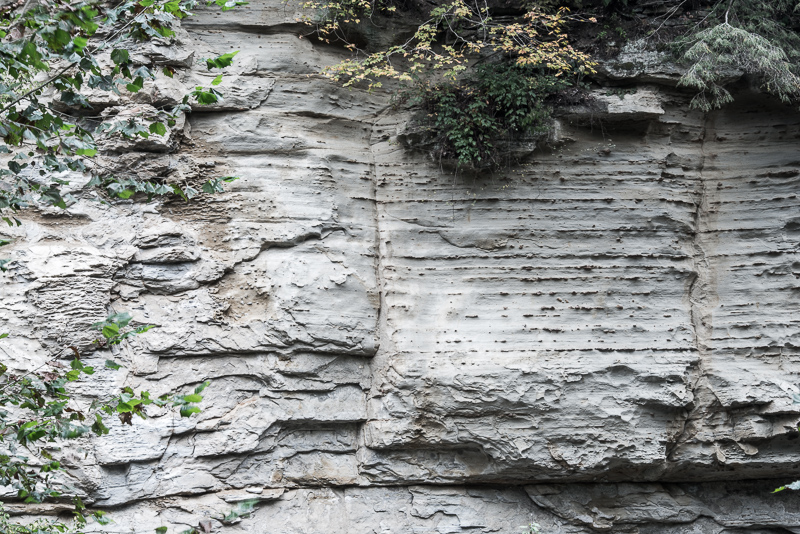
And on we go. Following an abandoned path along the Indian Creek, we meet another cliff, with Morse code writing on it that appears to tell a story for an audience long gone.
DSC 9537

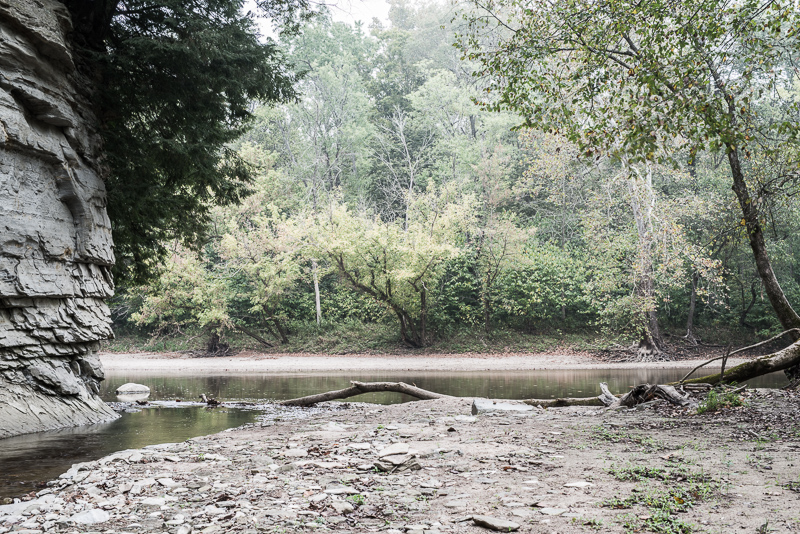
And on we go, exploring the little piece of new territory. Finally, we arrive at a new border: The Sugar Creek, that connects Turkey Run State Park with Shades State Park.
DSC 9574

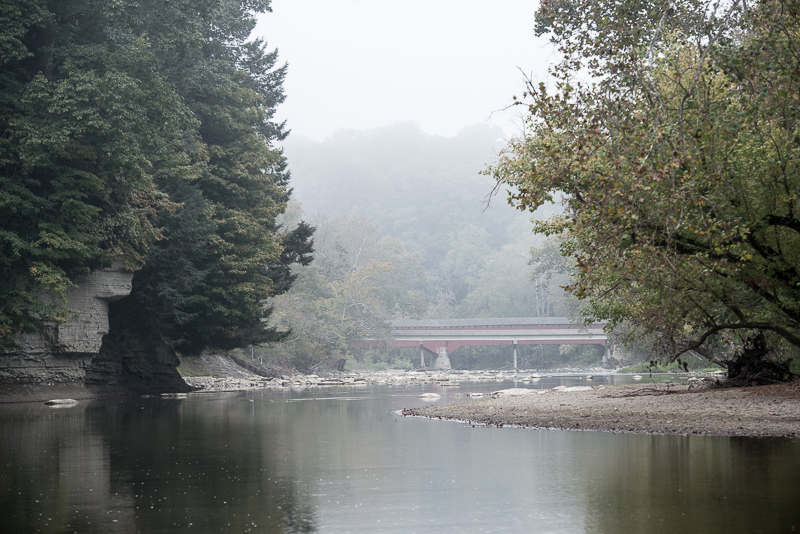
Also, unreachable from here, a covered bridge that would allow to cross the creek.
DSC 9562

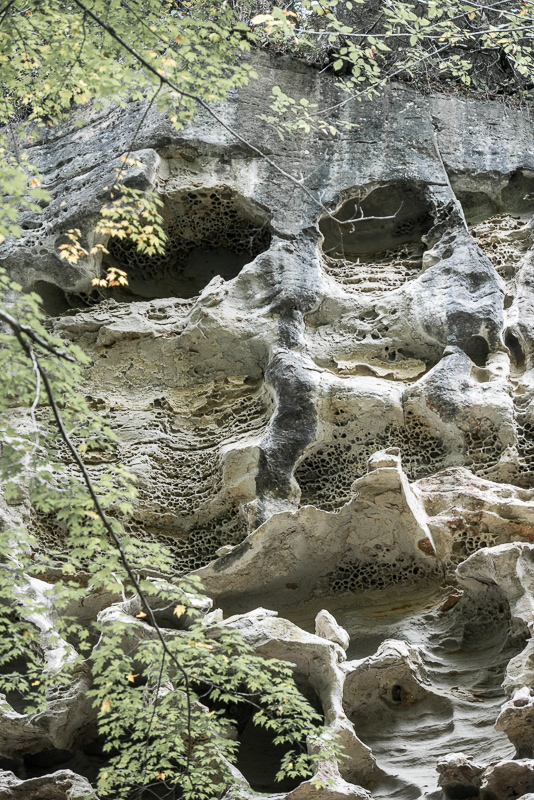
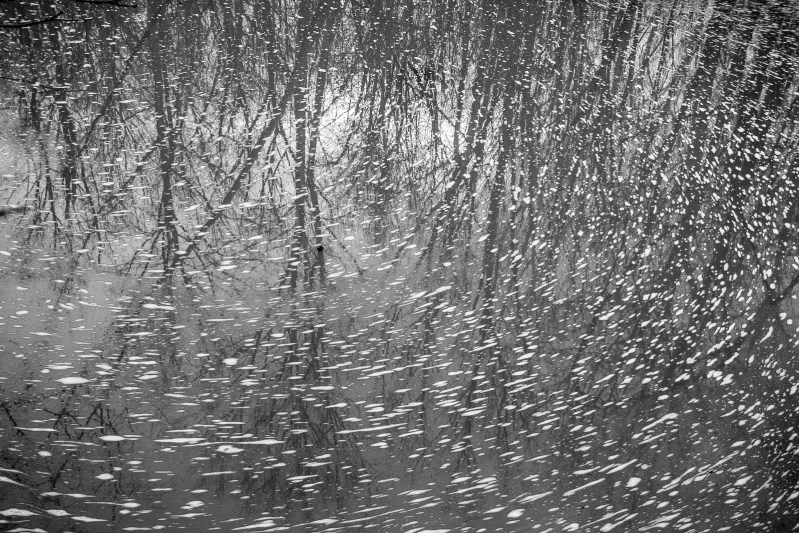
Indiana doesn’t have a National Park. This whole area, including Shades State Park and Turkey Run State Park, is so full of quietly beautiful places, that it would make an ideal candidate. But maybe it is better to leave this area alone, and hidden, most of the time.
DSC 9617

Pawpaw

IMG 1335

The Pawpaw tree is one of the more interesting trees that are native to North America.
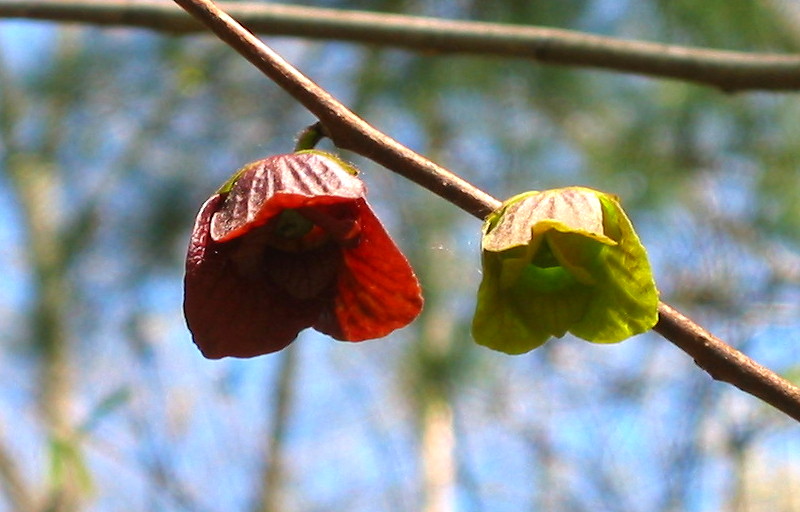
Pawpaws are small and like shade. In the spring they make small colorful flowers. I don’t know whether its common that differently colored flowers appear on the same tree.
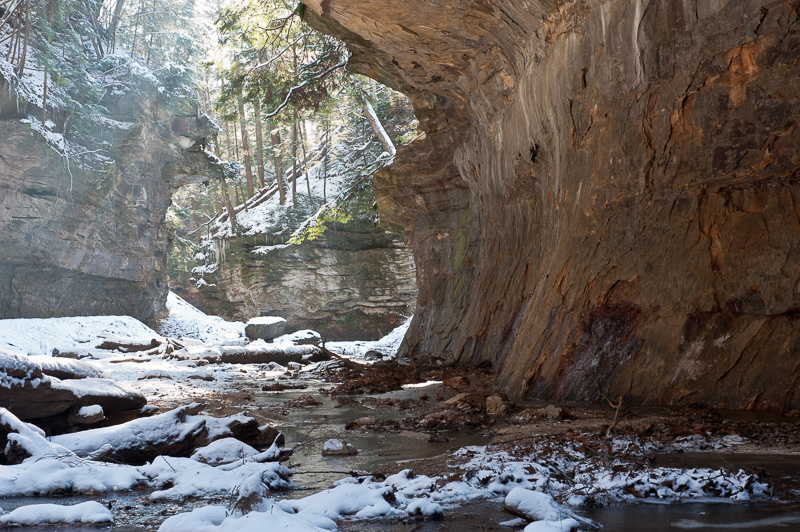
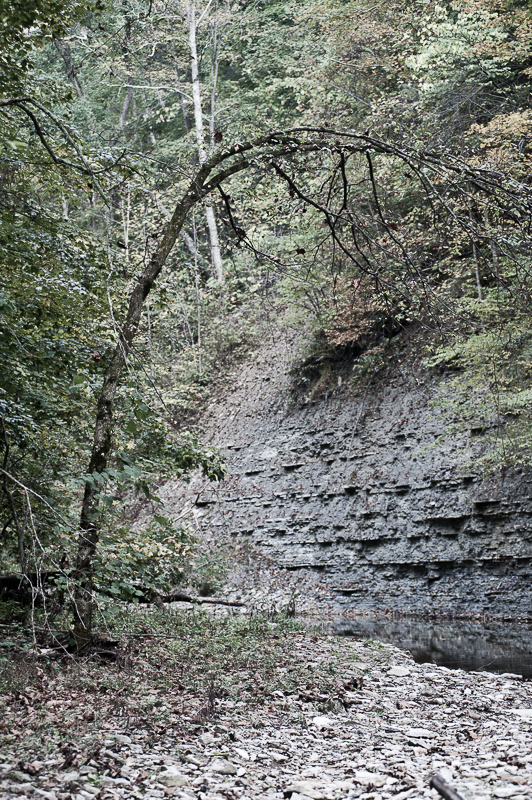
DSC 0889

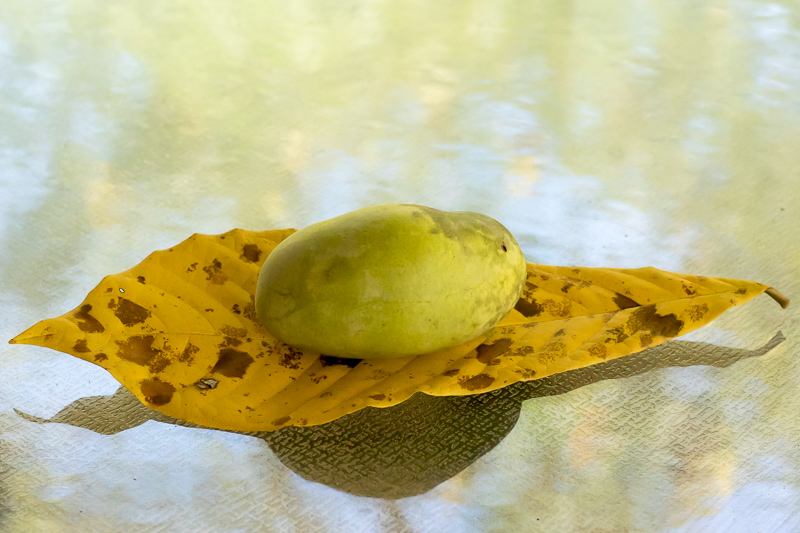
When the big leaves turn yellow, they produce potato sized fruits.
They will not stay long on the trees, as most animals (from squirrel to deer) seem to like them even when not yet ripe. You need to harvest them when they are getting soft and begin to smell.

DSC 0891

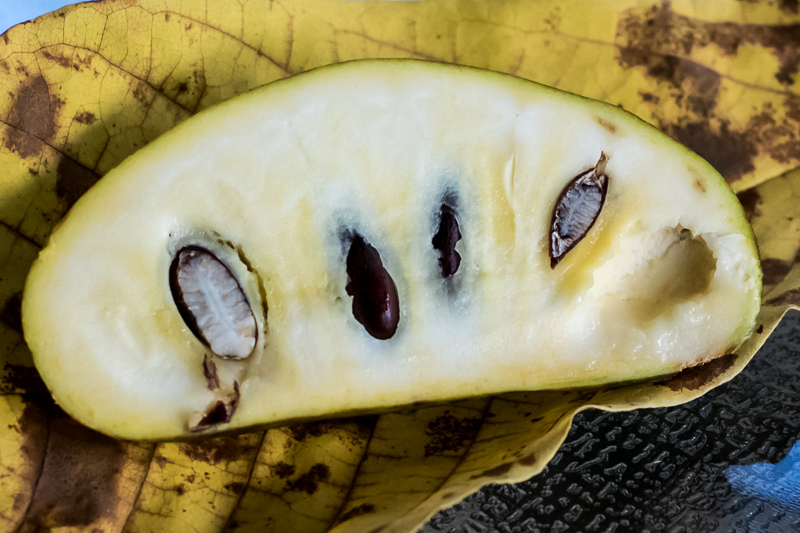
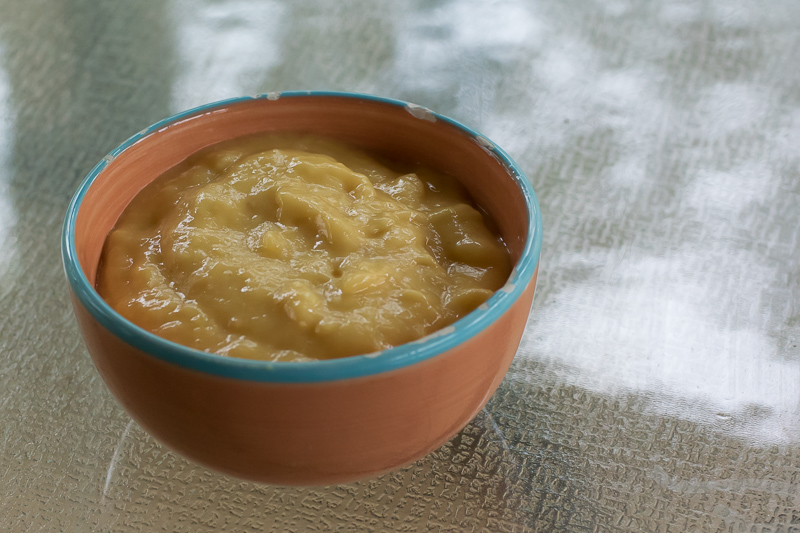
They will not keep fresh for very long, so go ahead and peel them. The easiest way to deal with the large seeds is to eat the fruit in chunks and to spit the seeds out. If you are more patient, you can also remove the seeds, put the fruits into a blender and make a very delicious pulp. The taste is banana like with an exotic touch that is hard to pin down.

DSC 0894

Journey

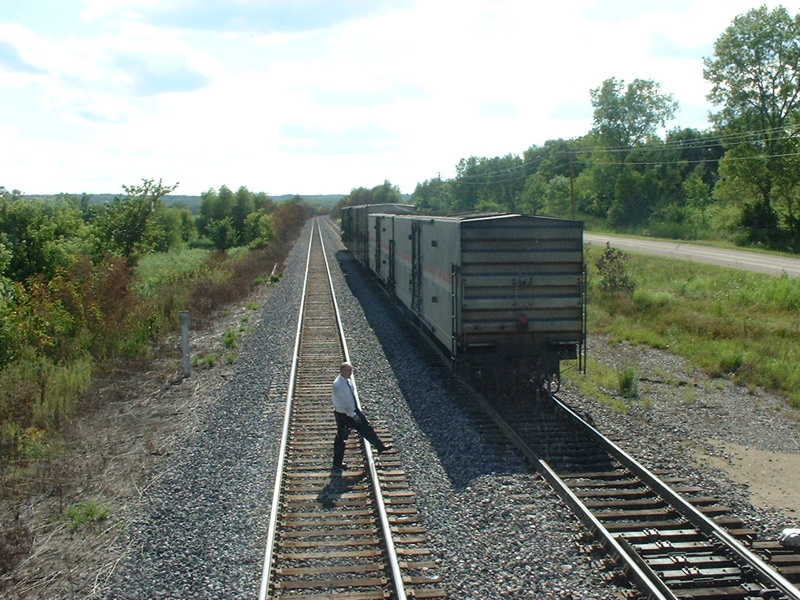
When discussing the options for traveling with a three weeks old baby from California to Indiana, friend Bryce reminded me that while today we view traveling as the unavoidable side effect when to get from A to B, there used to be a more conscious form of travel that one can metaphorize as a journey. Thrilled, we decided to take this trip by train. The idea was to spend two nights in a sleeper car, and the days sightseeing.

DSCF0006

The comfort is minimal, but so are the demands of a three week old.

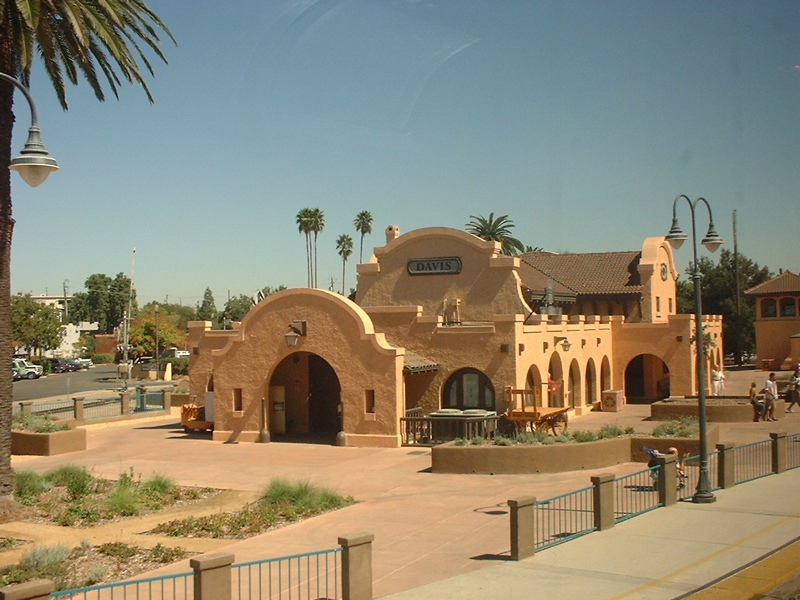
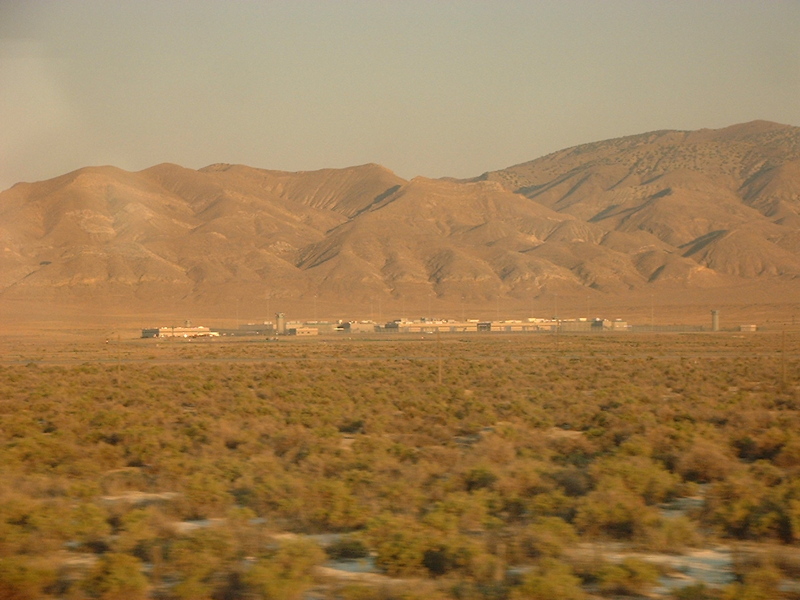
DSCF0021

California becomes Nevada. Notice the difference in architecture and functionality (railway station vs. correctional facility).

DSCF0028

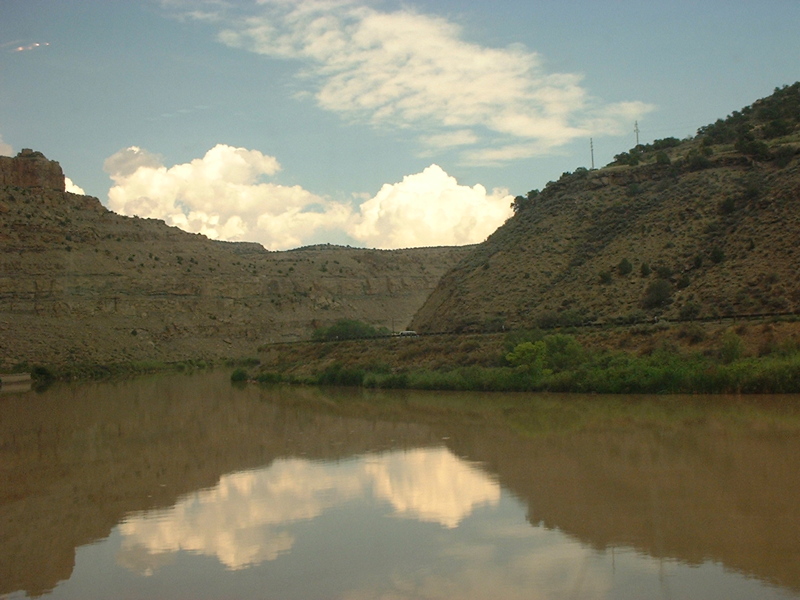
Nevada becomes Utah and Colorado.

DSCF0066

Then, in Iowa, when we start feeling the heat and humidity of summer in the midwest, the power of all passenger cars fail. For hours, the Amtrak personal shuffles the cars in order to put the one with the faulty cable at the end. In vain.

DSCF0076

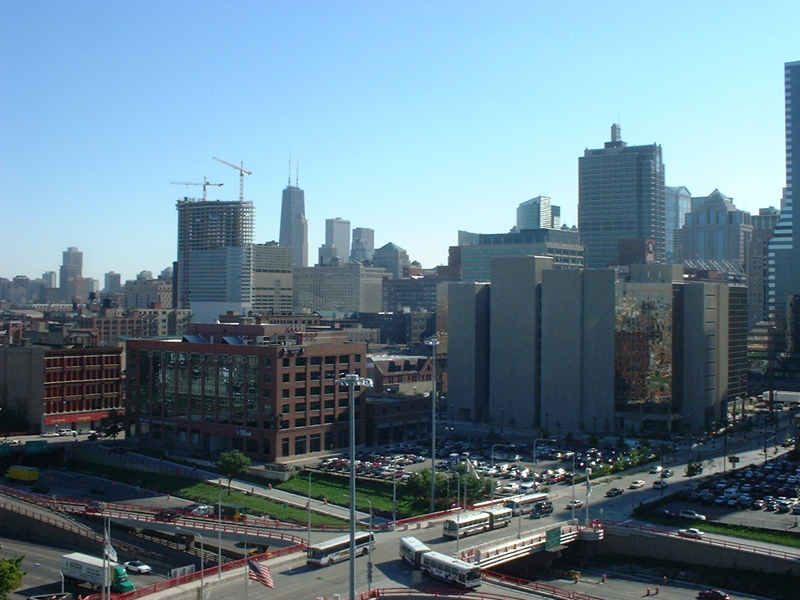
When we arrive in Chicago 8 hours late in the third night, Amtrak pays for a hotel with view.

DSCF0085

We have arrived! Moral: Each journey should result in a story.

Displacement

DSC7018

The meaning of the word Muscatatuck is not clear. According to Michael McCafferty’s book Native American Place Names of Indiana, it has its origins possibly in the Munsee words for swamp and river, or in the Lenape word for clear river. Both these languages were spoken by the Delaware, who migrated through this area in the early 19th century after continuous displacements by European settlers.

DSC7043

These days, the name honors the Muscatatuck National Wildlife Refuge near Seymour. It is indeed a swampy place, and temporary home for many migratory birds.

DSC7047

The pictures here are from a late afternoon visit while the weather was preparing for a storm. This didn’t leave much time for wildlife observations, but the barren landscape itself was well worth it.

DSC7022

Hoping for Cooler Weather

DSC8001

Visiting Turkey Run State Park in winter after snow fall is an expedition I often think of in the hot summer days of Indiana. The snow covered slopes of Sugar Creek look pleasant enough.

DSC7894

But the temperatures drop significantly after entering the Rocky Hollow canyon. This vertiginous view of Wedge Rock is due to the fisheye lens I used here.

DSC7960

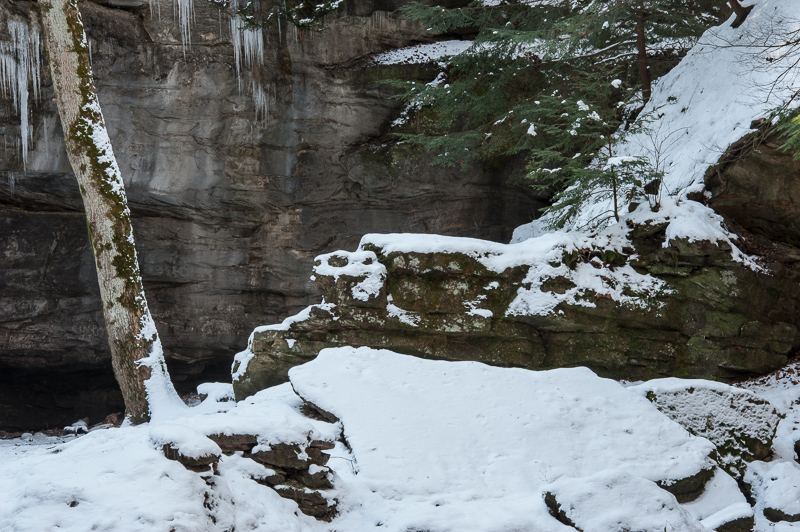
Proceeding further, the walls become covered with icicles.

DSC7918

Ascending into the narrower parts of the canyon and navigating the ice covered walls is impossible without proper gear.

DSC7922

But the way back offers sun shine and hope for warmer days, which is what we came for, isn’t it?

Little Things

DSC 4447

When hiking the rugged trail at the bottom of Clifty Canyon, you are in the shade most of the day.
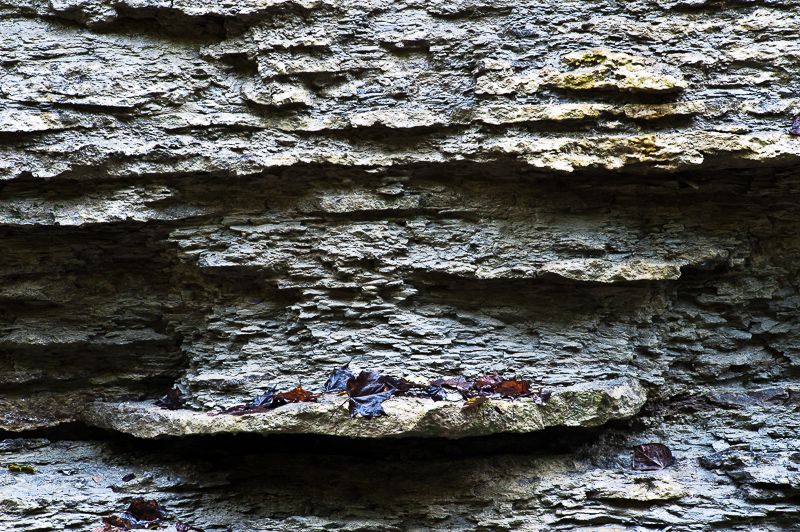
This might make you miss the little things on the way, like this offering of leaves on a ledge of the canyon wall.

DSC 4451

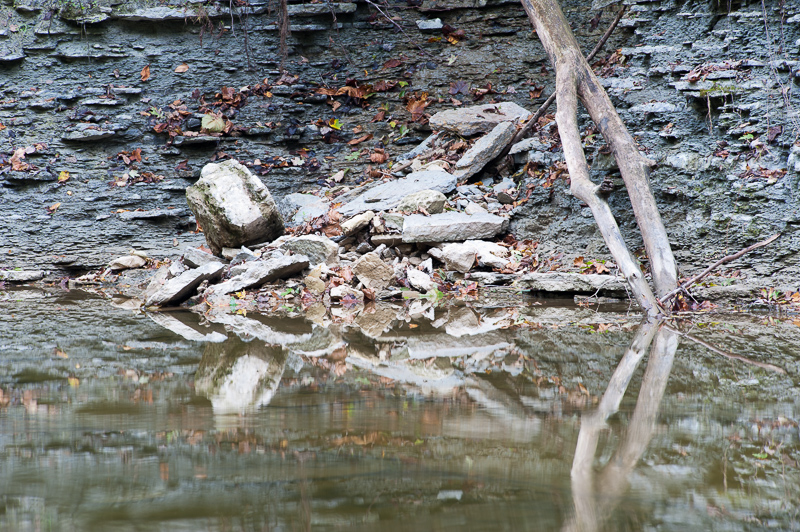
Often, wood and rock combine to natural still lives.

DSC 4449

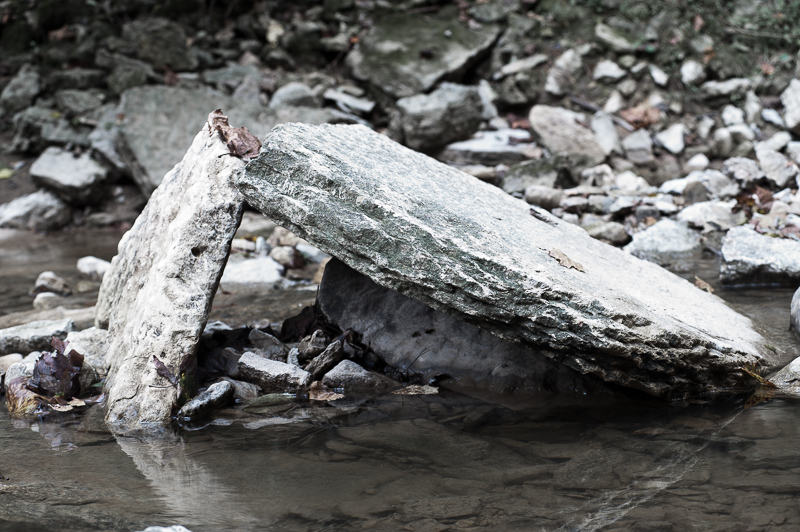
Or rocks make shelter for the little people,

DSC 4470

offer drawing tablets for future artists,

DSC 4532

and resting grounds for the elderly.

DSC 4570