Light

DSC 8296

Darkness is for us humans not just the lack of light. We fear it as an abstraction, as a general absence, as death. 

DSC 8207


And so we have to come to adore light as that what eradicates darkness, that makes us see, and allows us to live.

DSC 8244

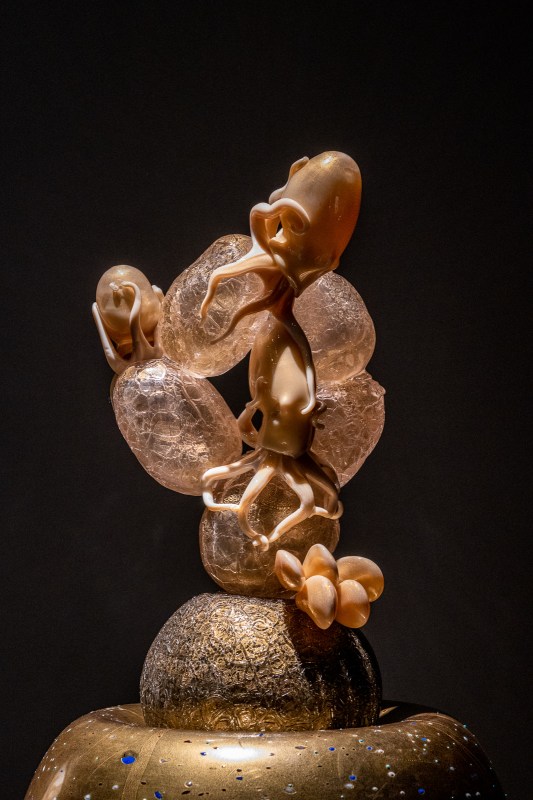
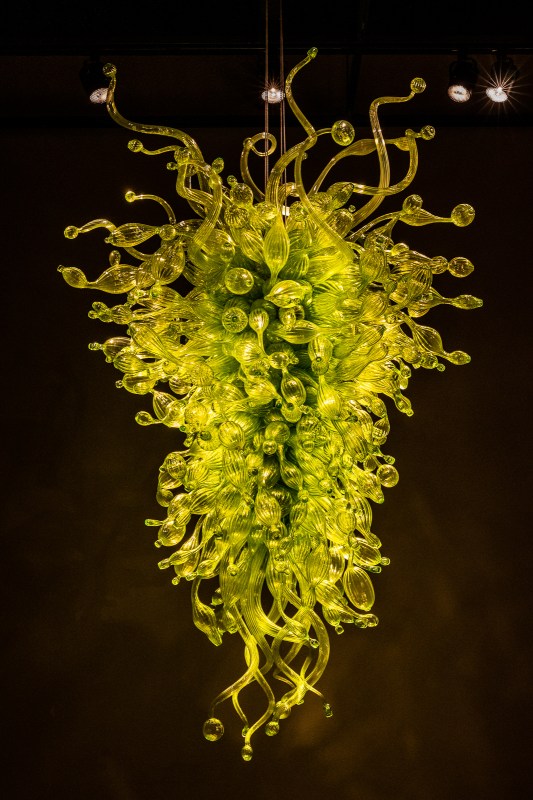
Nothing more seems to celebrate light better than illuminated glass sculptures like the ones here, by Dale Chihuly.

DSC 8216

Having lost its purpose to illuminate something else, light has become the object, an abstraction of its purpose.

DSC 8252

Objects like these don’t exist in nature. It is, as if we have finally left reality behind and can experience light as pure form.

DSC 8243

It is hard to return.

DSC 8260

Dream

DSC 7913

Our imposed order of things gives time a direction, and all else seems to follow. But sometimes, this direction is lost, and certainty fails.

DSC 7880

Uncertainty means chance. Do we belong here?

DSC 7927

 It seems there is another inward structure, more punctual, more concentrated, like a poem, that manifests itself when the flow of time is obstructed.

DSC 8011

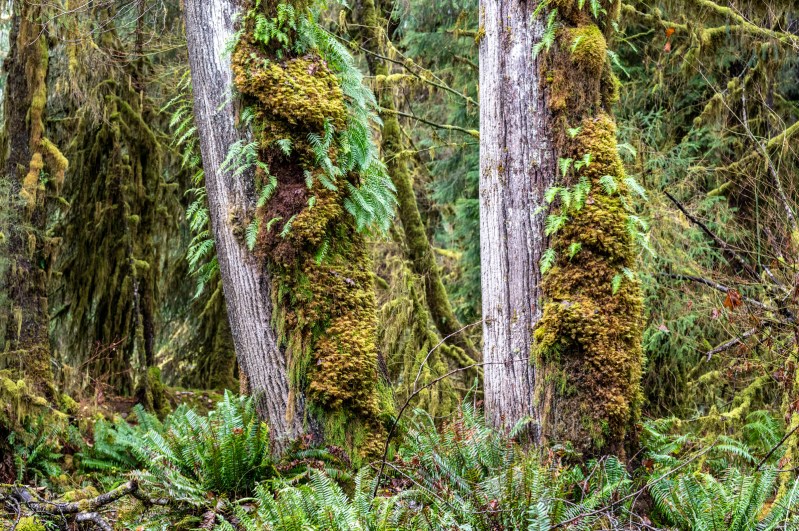
What Paul Celan wrote in his Meridian Speech  — the poem claims itself at its own limits, it calls and retrieves itself from Not-anymore to Still-there to persist without pause — becomes visible in extreme natural environments. In both there is seeking beyond these limits, words there, branches here.

DSC 7917

Is it possible to teach time to walk, to slide sideways?

DSC 7949

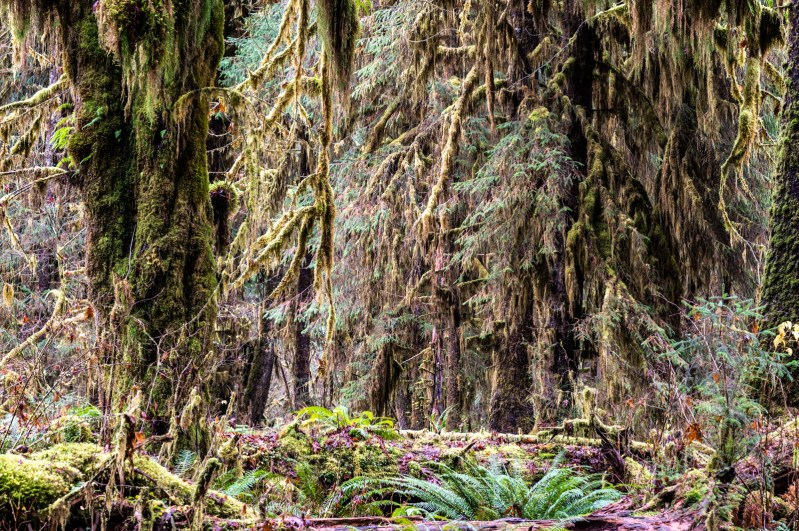
Poems, like dreams, are landmarks that help us to cross what we perceive as darkness of the mind. What seems wild and empty becomes possibility.

DSC 7971

Or do we prefer to sleep in our dreams?

DSC 8071

Big Sur 1993

To celebrate July 2nd, here I have some nostalgic pictures from 1993, scanned and cleaned up from old negatives.

Berkeley242

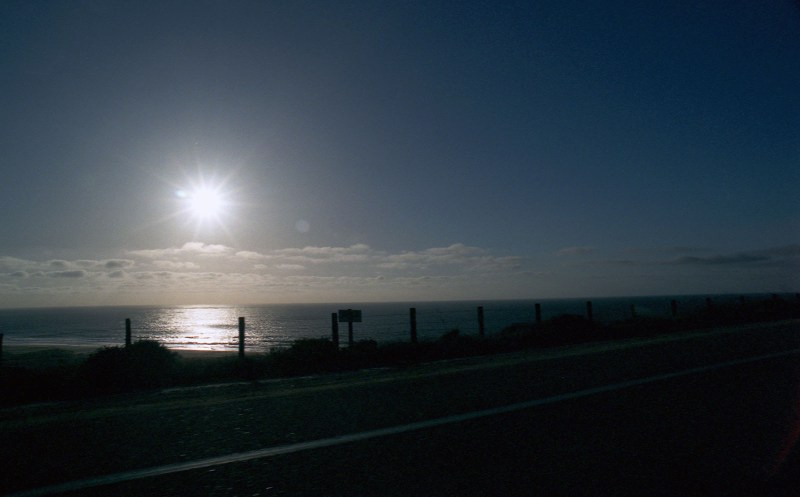
This is how the sun used to hover over the Pacific, seen from Highway 1, near Big Sur, where we were headed.

Berkeley217

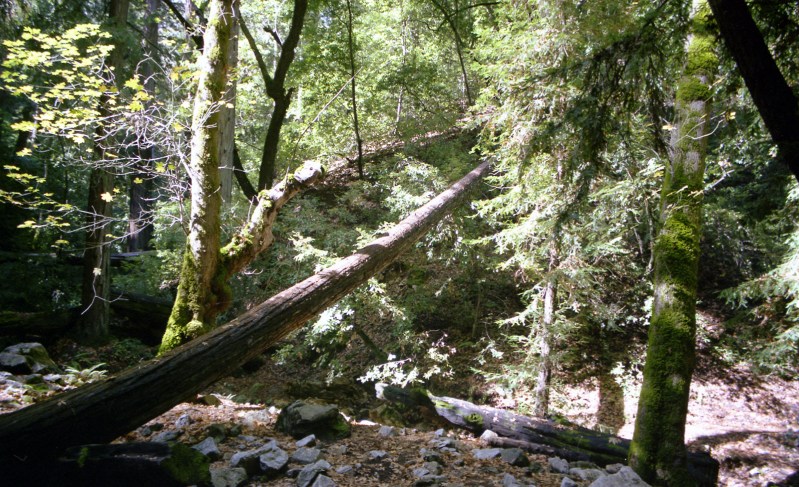
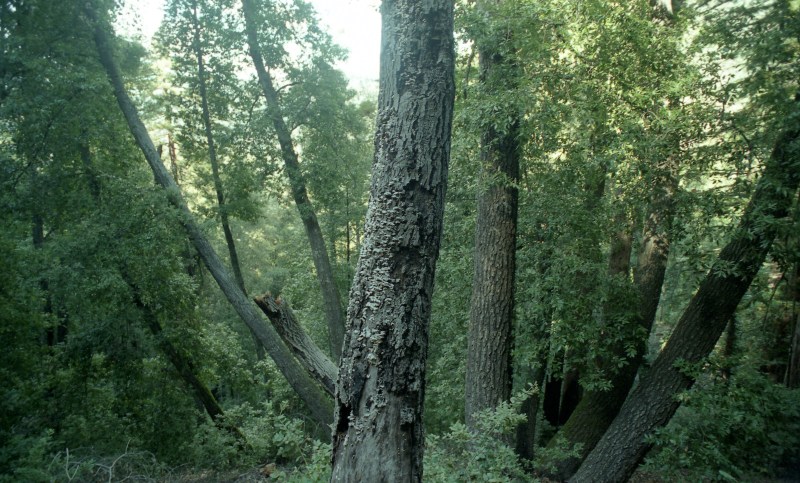
It’s a day hike from the coast to the destination, so it’s good to get going in the morning and take advantage of the morning fog, until you reach the denser woods.

Berkeley218

Trees make bridges or block the way, like everything else.

Berkeley238

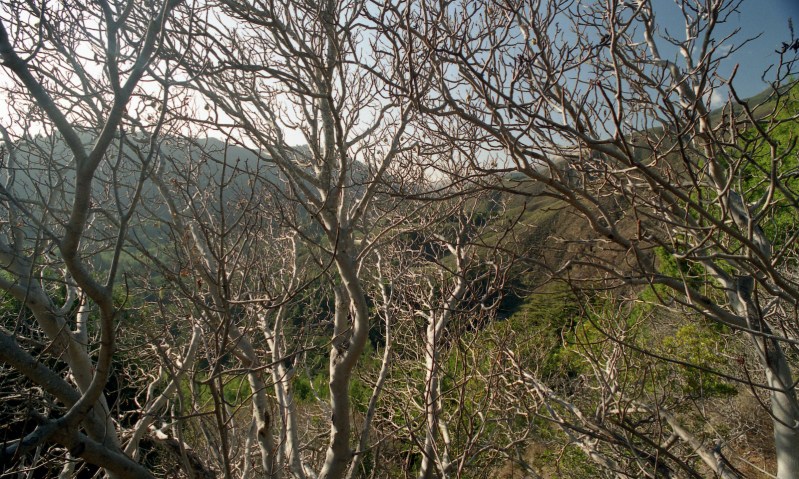
The destination? One of the hot springs hidden in the wilderness. I forgot the name, and I don’t have directions.

I wonder how all this looks today.

Berkeley240

Dr Jekyll and Mr Hyde (Ohio IX)

DSC 5577

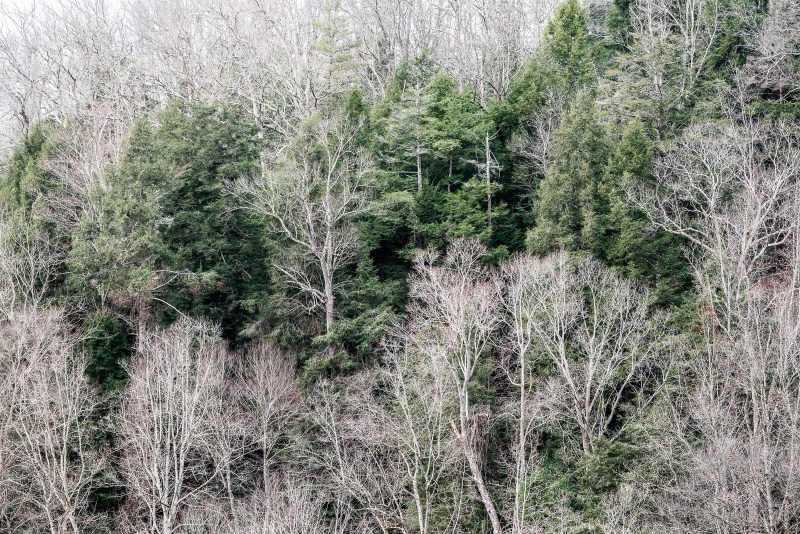
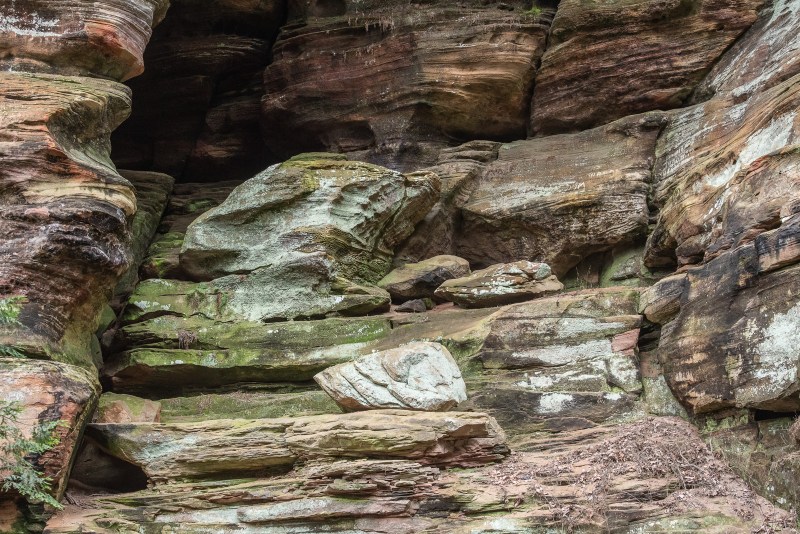
Conkles Hollow is a separate small nature preserve belonging to Hocking Hills State Park, featuring two very different trails. These are like two (very) different aspects of the same person.

DSC 5580

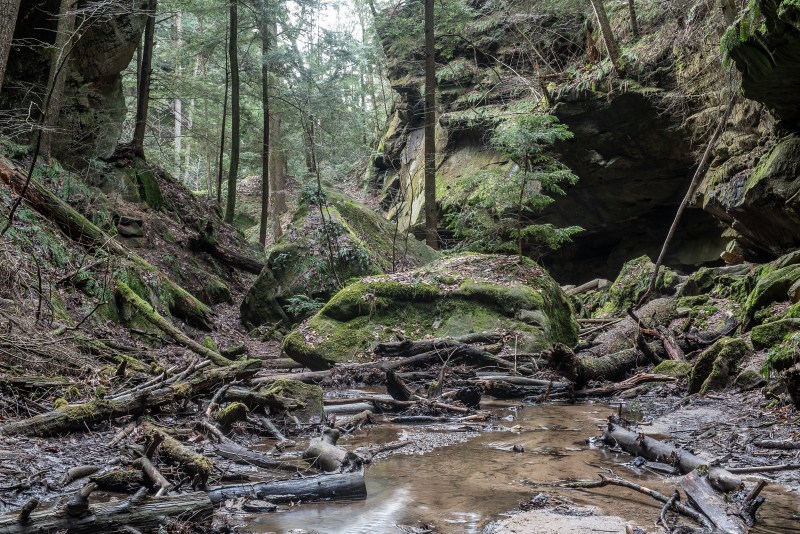
One leads inside a deep and narrow gorge, and is as wild as it gets. Violence and darkness abound.

DSC 5581

The other trail leads up and around, with views of the cliff faces.

DSC 5589

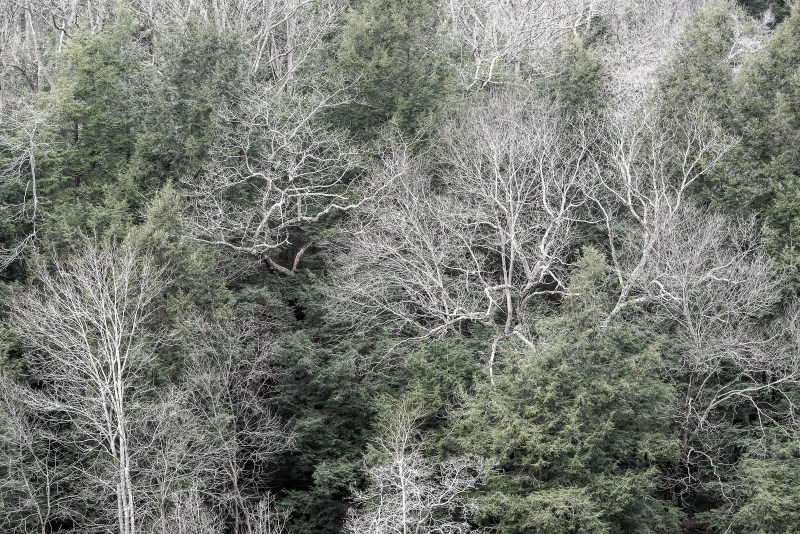
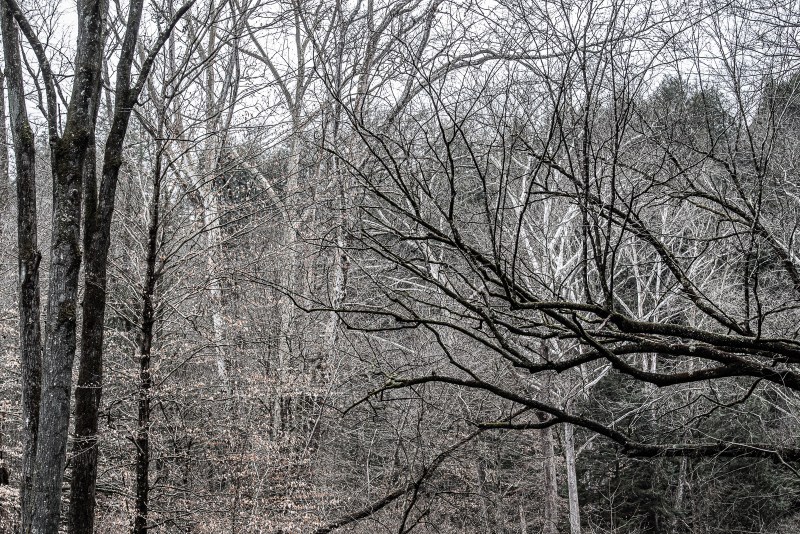
During late winter/early spring, this becomes a study in black, white, and green. This is peace and serenity.

DSC 5599

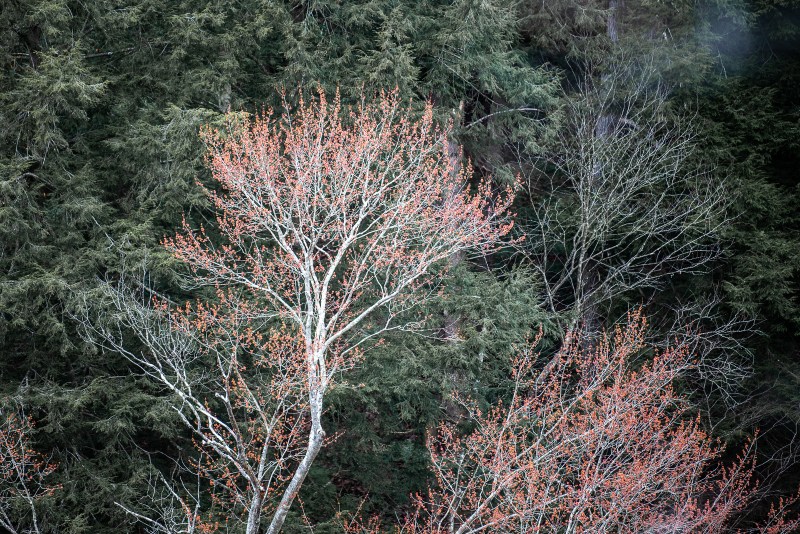
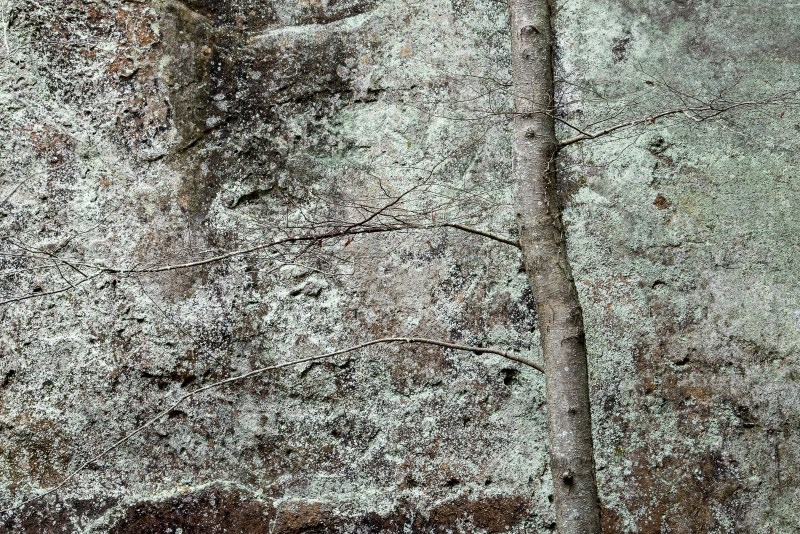
Here, the trees seem to mirror the dramatic dance of the rocks below like dreams, occasionally joined by a counterpoint in red.

DSC 5602

Is this just one place?

The Passing of Time (Ohio VIII)

The longest trail in Hocking Hills State Park is nicknamed Grandma’s Trail, and it’s an 11 mile roundtrip.

DSC 5298

It leads to rather remote regions of the park, making it ideal for self-isolation. The six hours it takes to hike it is an opportunity to contemplate the passing of time, both our own, and the inherent time of the landscape.

DSC 5336

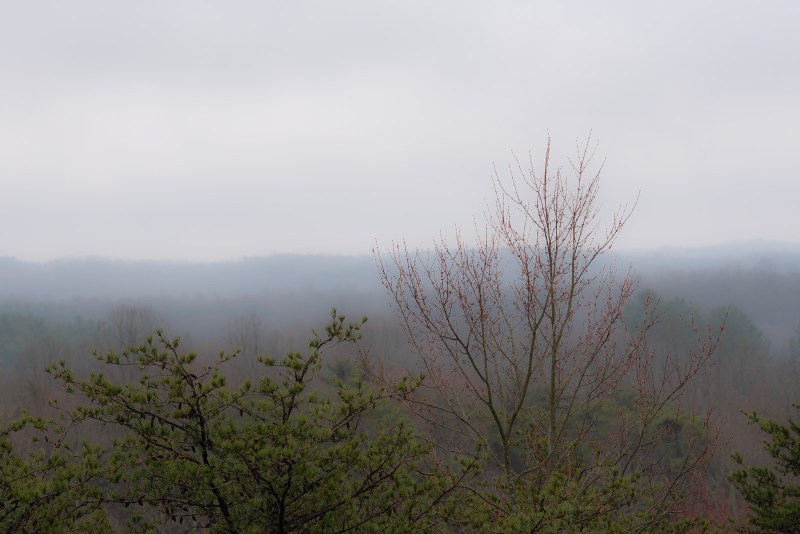
Spatial and temporal distance merge in rare views like the one above (from a fire tower). 

DSC 5320

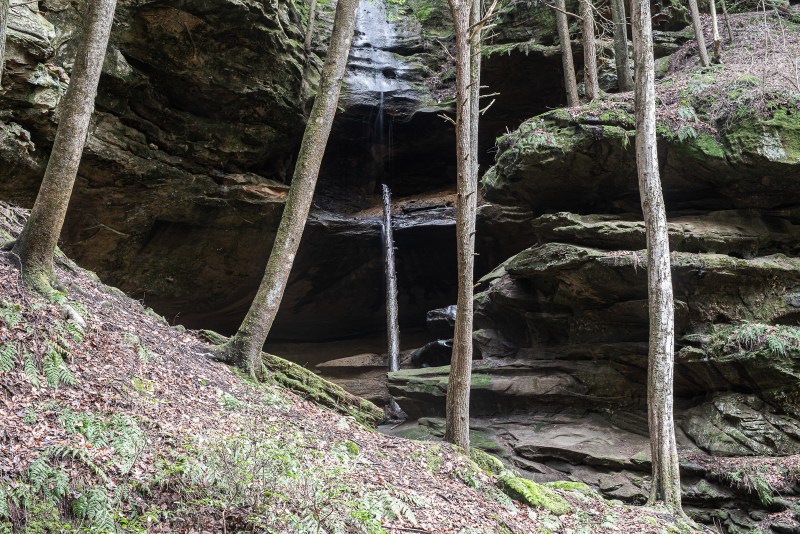
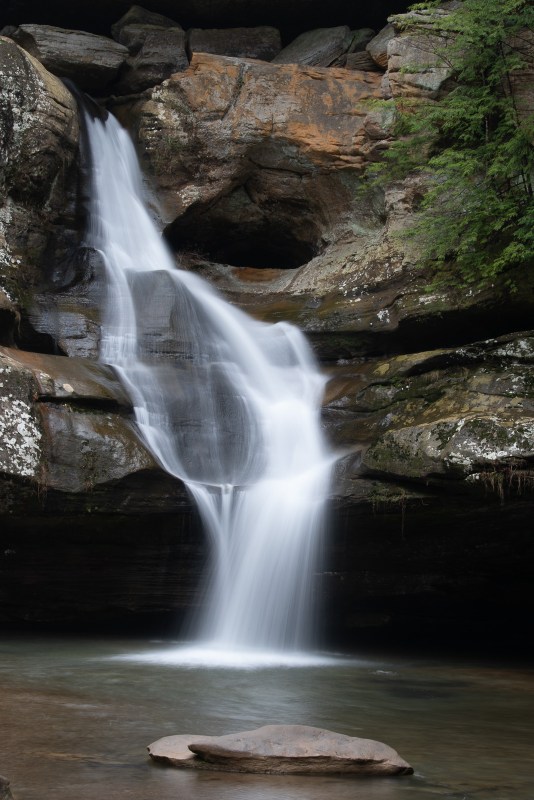
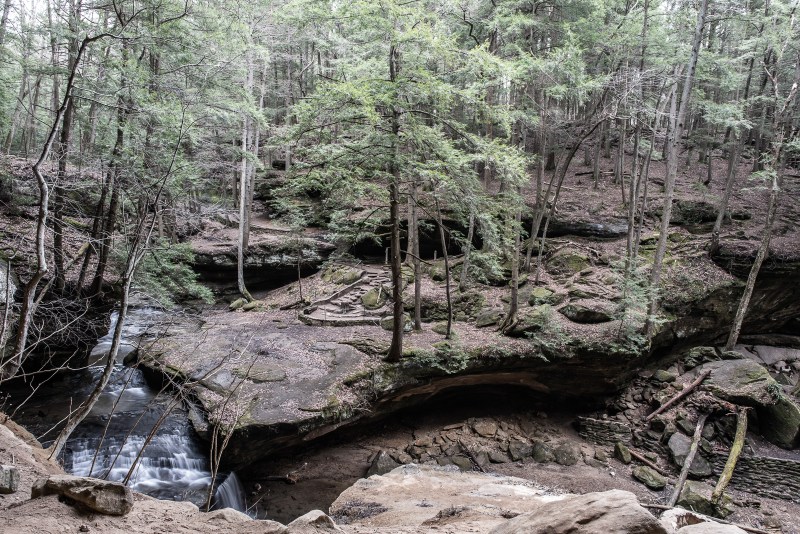
Then there is an abundance of waterfalls and rock faces: Do we want change, or do we want permanence?

DSC 5442

Spectacular views like the one below are rare, reminding us that there is not only passing time, but also meaning.

DSC 5469

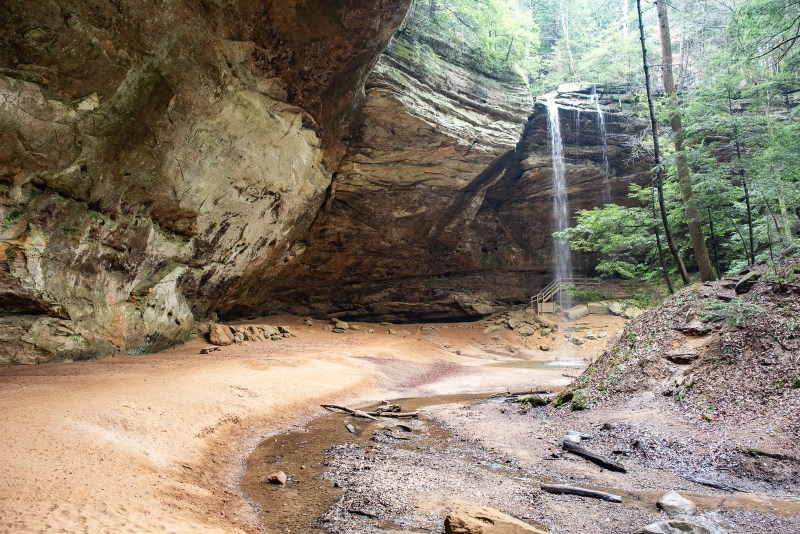
The trail ends at Ash Cave, another large recess cave with a waterfall.

DSC 5368

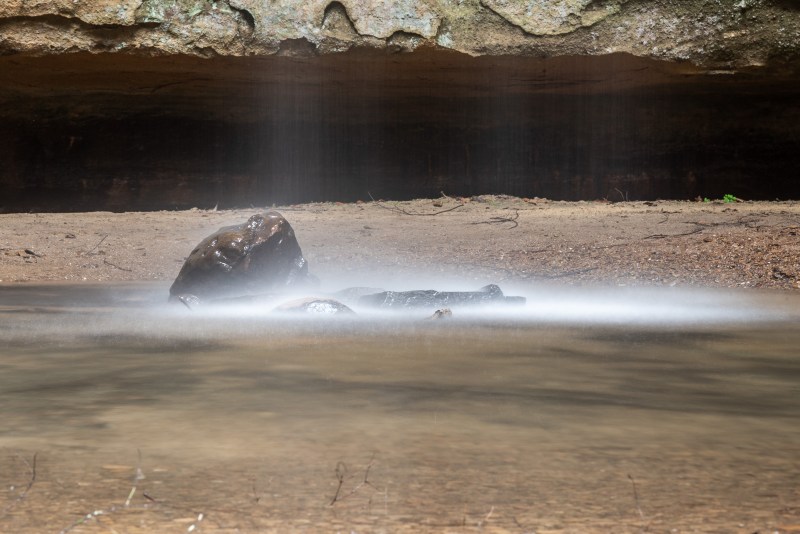
The enormous overhang provides shelter, but is also an ominous threat: How long will it hold?

DSC 5424

Horizontal and Vertical (Ohio VII)

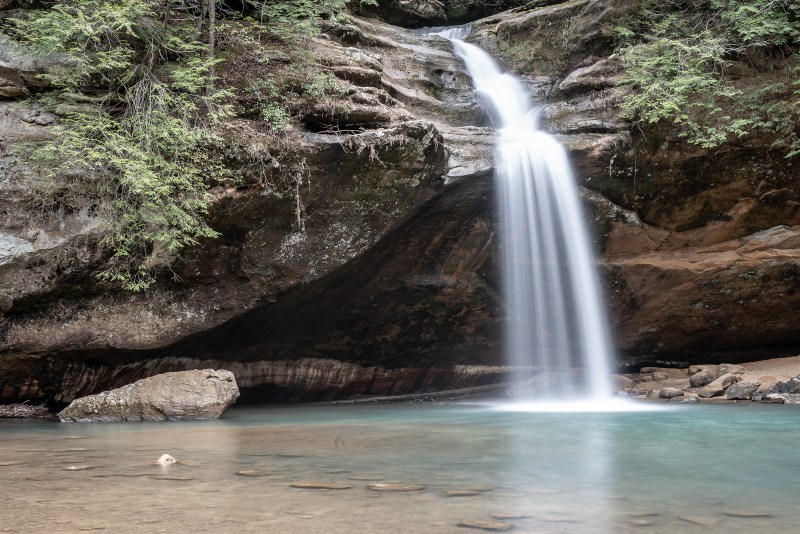
From last week’s Old Man’s Cave, there is a path that takes you along the stream to two different waterfalls. Following either way becomes a meditation on horizontal and vertical motion.

DSC 5272

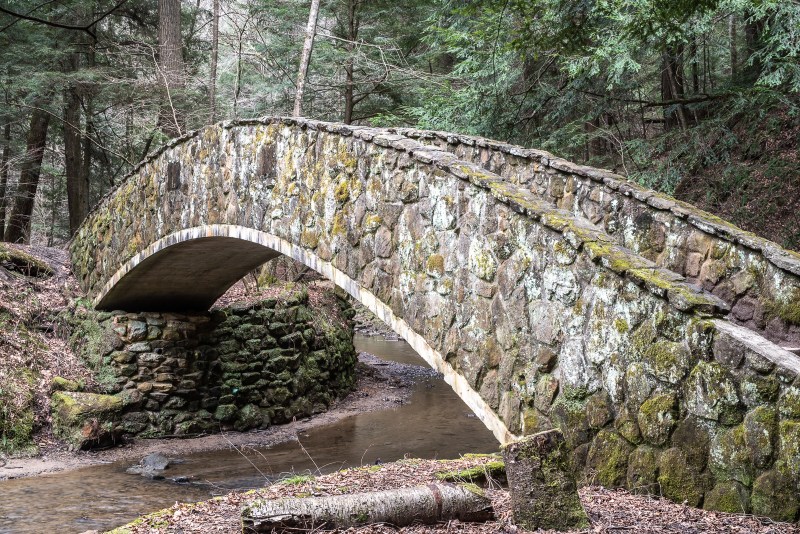
To reach the lower falls, you will need to cross yet another bridge.

DSC 5268

And again one has a choice: continue downstream, or climb the steep cliff for an alternate route back to Old Man’s Cave.

DSC 5274

The upper fall is even more spectacular.

DSC 5296

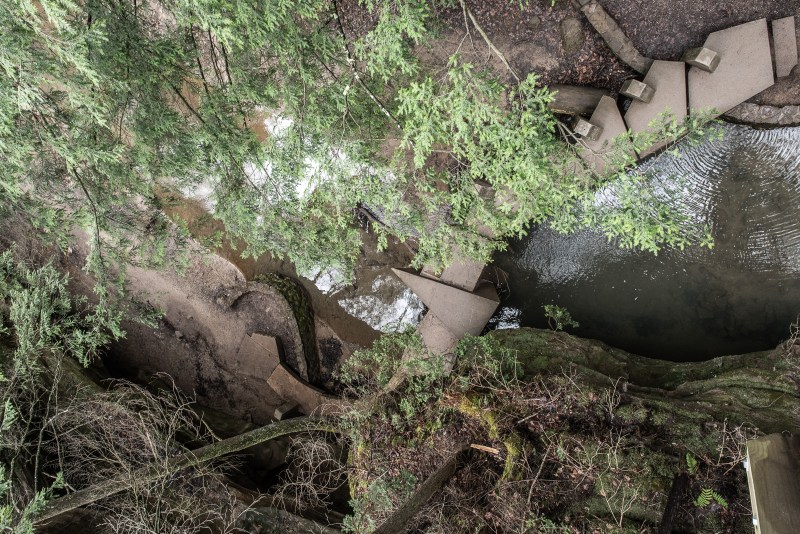
There are more bridges further upstream, including this double bridge at two different levels. This view finally reminds us that we live in a 3-dimensional world. 

DSC 5512

Old Man’s Cave (Ohio VI)

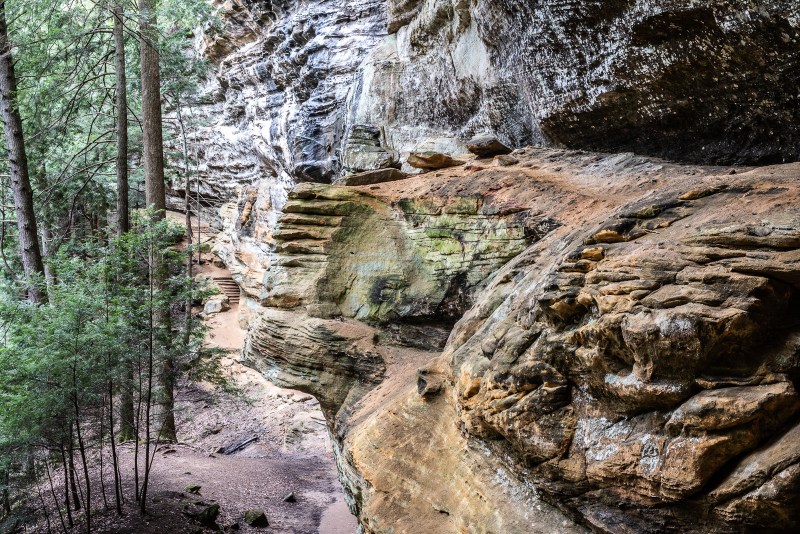
The most prominent feature of Hocking Hill’s State Park is Old Man’s Cave, reportedly the home of a hermit who lived there in the late 17th century. If not for the visitors, this place comes close to my ideal of a place for contemplation.

DSC 5501

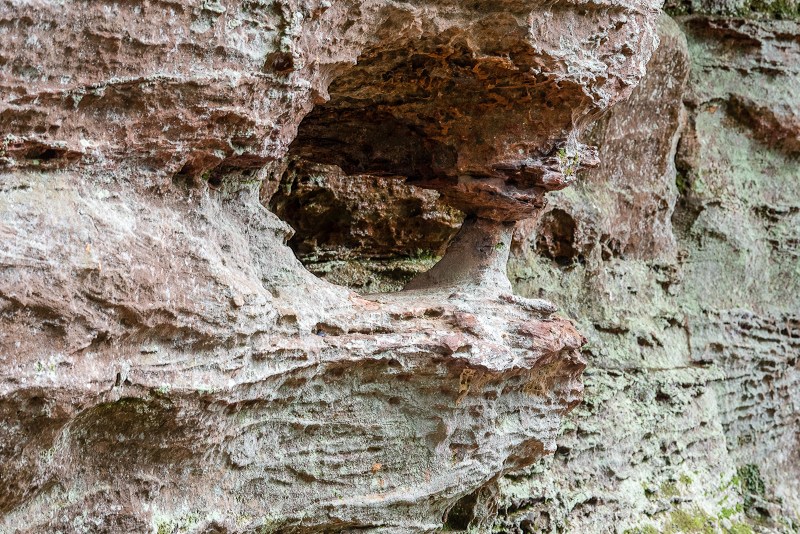
The recess cave itself is very open, like a balcony, and unsuitable for permanent shelter. This is where we stop, free our mind of ourselves, and let the raw landscape take its effect.

DSC 5280

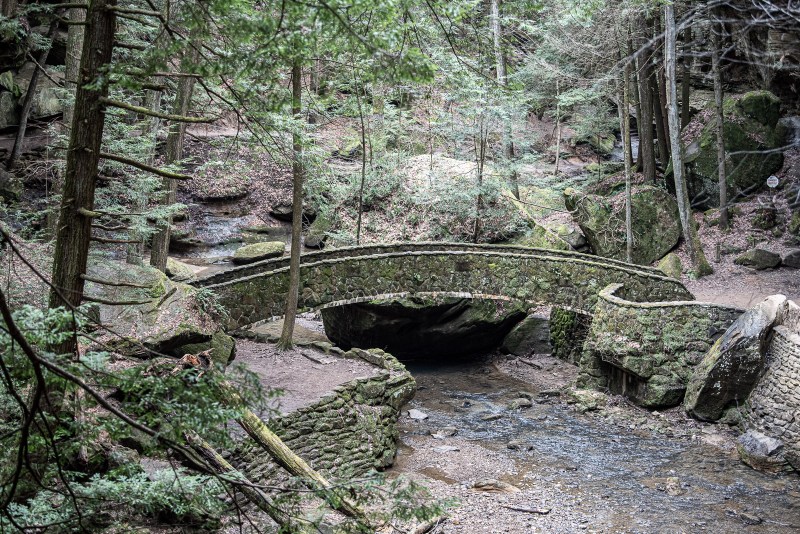
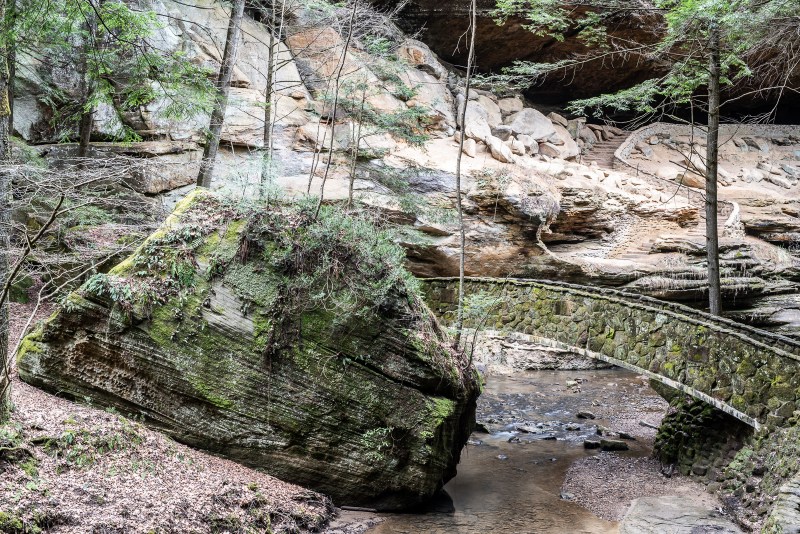
Another view is downstream, towards the bridge. This is the place to contemplate decisions. Three paths meet here. So one has a threefold choice: remain in the cave, or cross the bridge, and then continue either left or right. We will talk about the two latter options next week.

DSC 5244

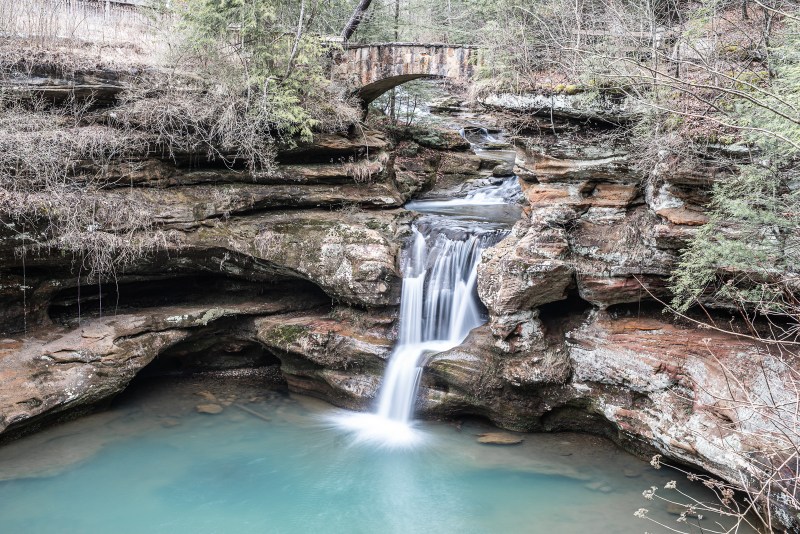
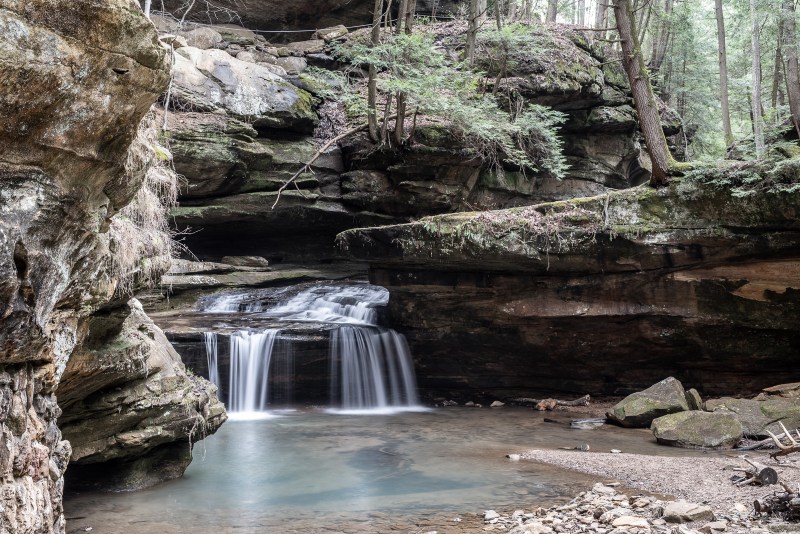
From the bridge itself, one has the view onto a serene waterfall. This is the place to find focus.

DSC 5255

Finally, if we decide to leave, there is always the look back, turning presence into memory.

DSC 5262

The Personal Cave (Ohio V)

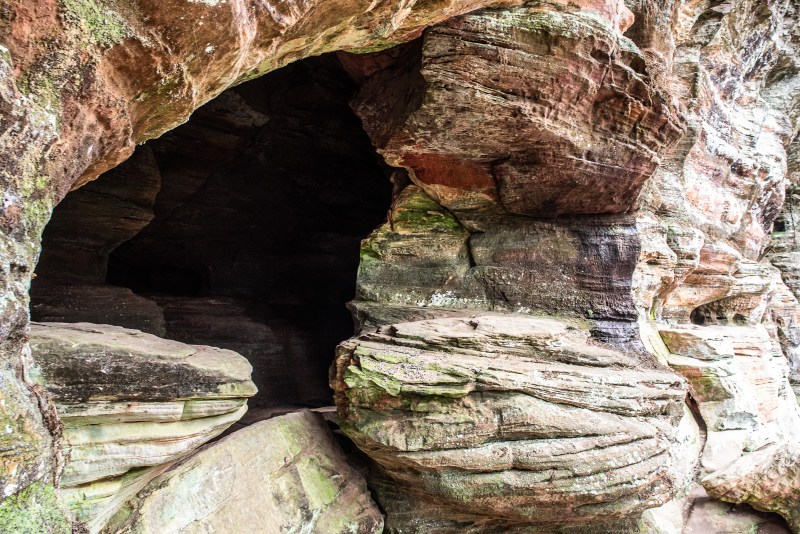
Part of Hocking Hills State Park is Rock House, with two short trails and one main feature, a preview of which you can see en miniature below:

DSC 5518 Edit

A cave from the outside can be a foreboding place. Do we dare to enter?

DSC 5530

The pattern of a cave per se doesn’t appear in Christopher Alexander’s Pattern Language, but there are a Child’s Cave and Secret Place, which relate to it.

DSC 5544

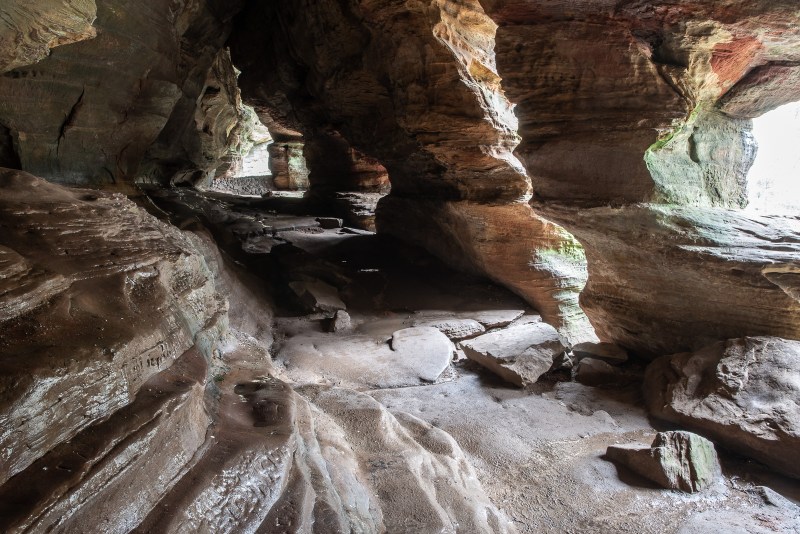
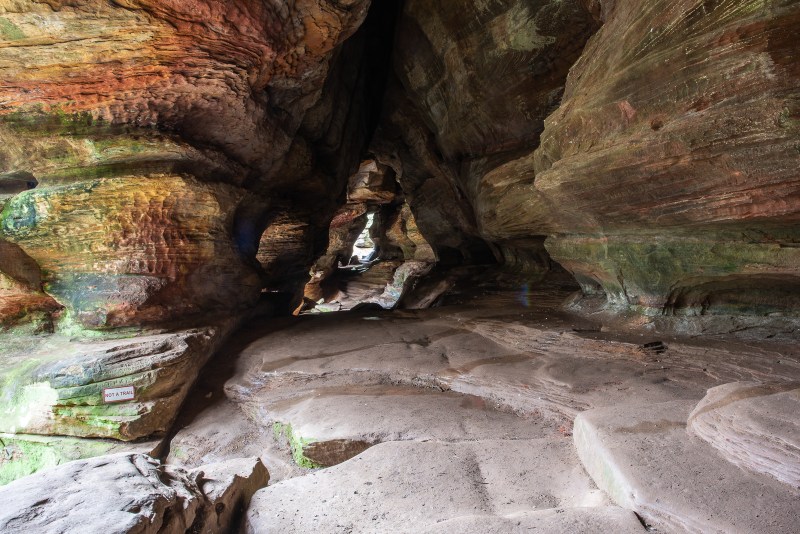
We can uncover the secret of a place only by having the courage to step into it. This is like entering somebody’s private space: When inside, we see the world from a new perspective.

DSC 5546

After a while, the darkness dissipates, and we feel simultaneously protected and protecting.

DSC 5537

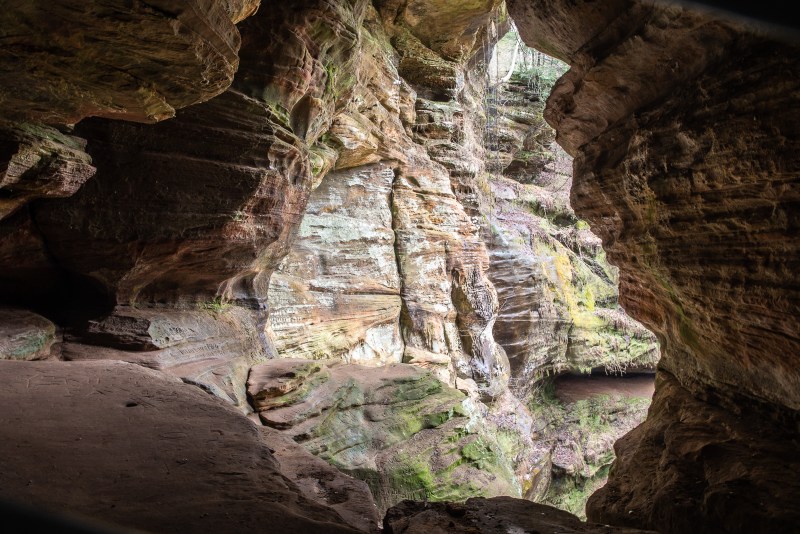
After leaving a cave, something has changed. We will not be afraid anymore.

DSC 5553

Chance Visit (Ohio II)

Sometimes one needs a bit of luck and the right introduction to be admitted to a place.

DSC 4866


My second stop through Ohio was supposed to be John Bryan State Park, but my GPS told me at some point to leave the road. Obedient as I am I did, and ended up at a closed gate for the youth camp ground. When I started walking to explore where I actually was, I met Robert with his two dogs. We bumped elbows, and he explained to me the energy of the springs at this place, pointing vaguely in a direction where I should walk. 

DSC 4897

That turned out to be cross country for a few minutes, until I hit the well established trail system of Glen Hellen Nature Preserve, which I might have missed entirely had I found John Bryan State Park.

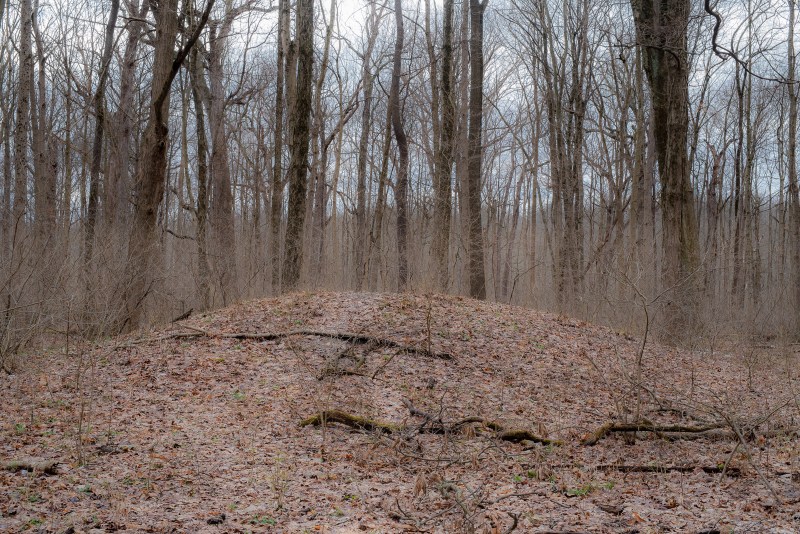
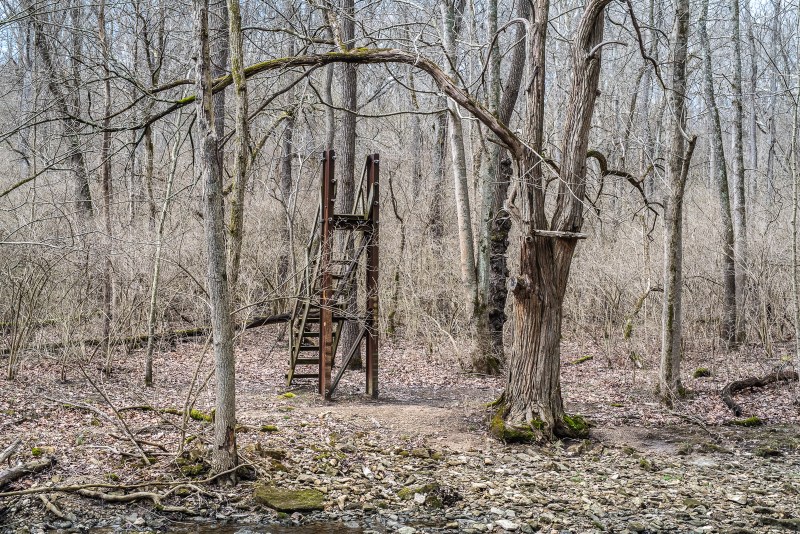
It’s indeed a curious place. Up above is a burial mound, and below the remnants of a bridge, maybe indicating that some chasms shouldn’t be crossed. The stubborn among us will keep trying.

DSC 4854

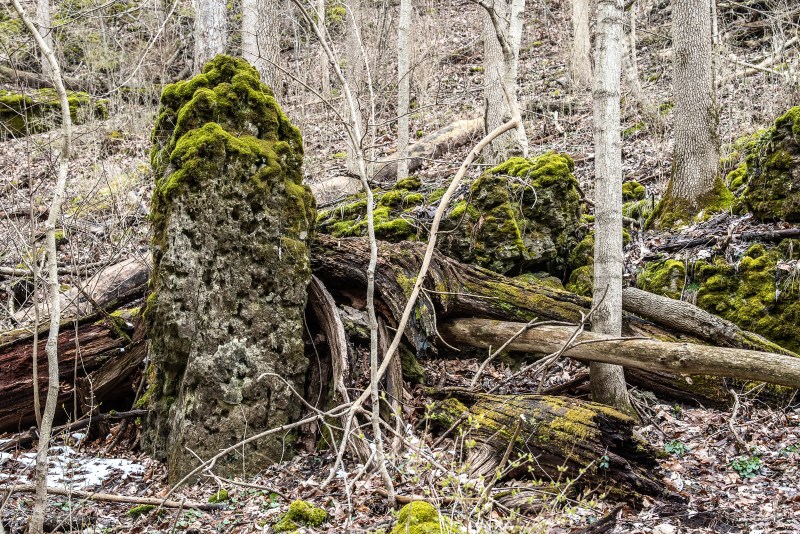
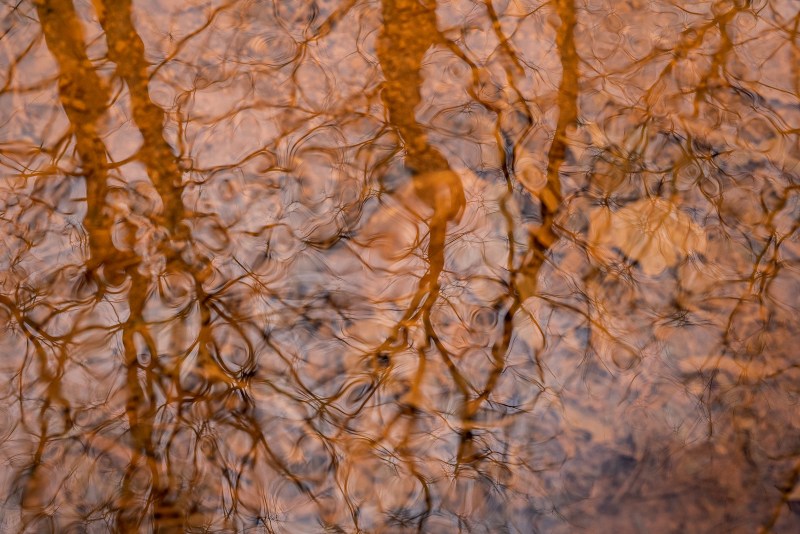
And it is indeed a place with many springs. The most iconic is Yellow Spring, whose orange-yellow color is due to large amounts of iron.

DSC 4887 Edit


The color persists for a while, causing ghostly reflections.

DSC 4876

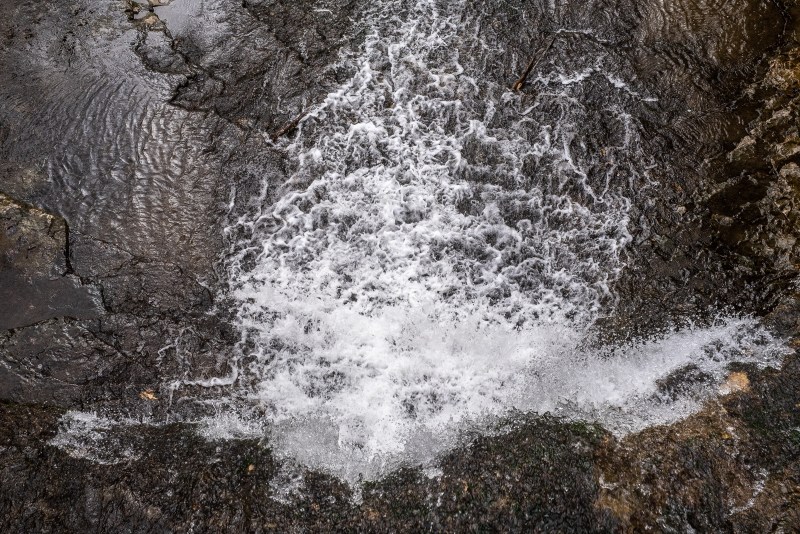
Other springs feed small waterfalls. Four of them are named on the map, but there are more.

DSC 4907

The one below I discovered accidentally, by curiously stepping off the path. I was not the first.

DSC 4917

Erosion (Ohio I)

This blog post is about erosion as a design pattern, or about Terry Tempest Williams’s book of essays with the same name, or about the first stop at Caesar Creek State Park of my four day escape to Ohio, away from human interaction.
DSC 4792

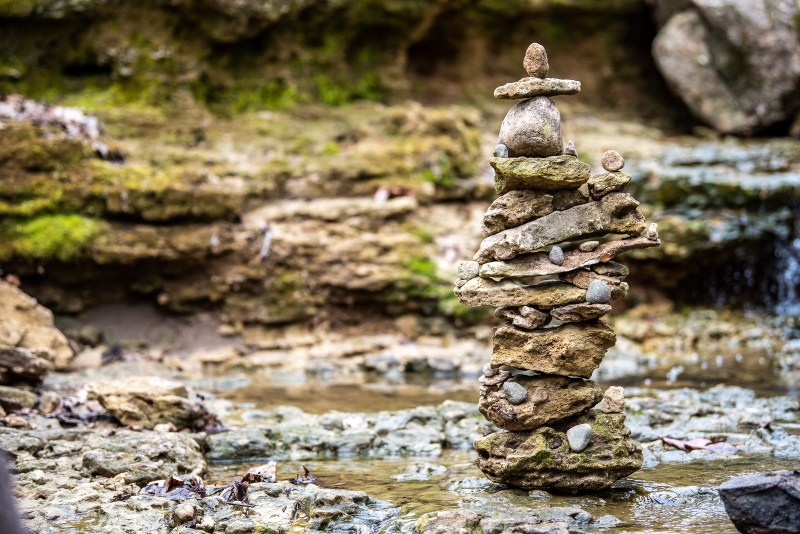
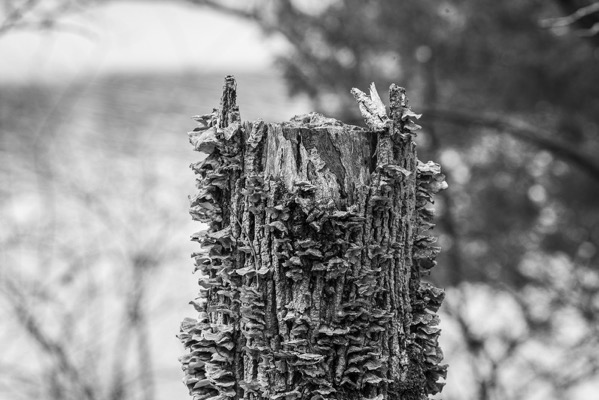
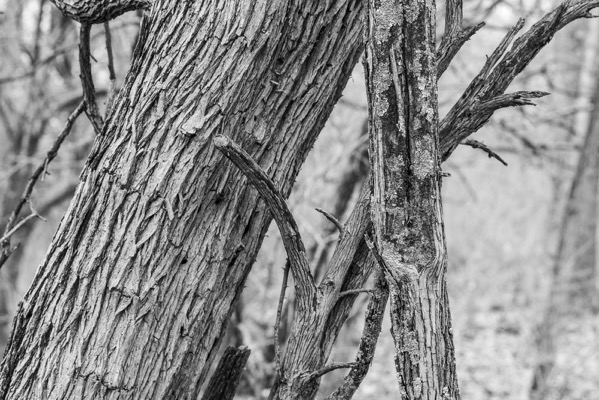
We typically understand erosion as decay, as an increase in entropy, and we can observe it everywhere. This is one of the themes of Erosion, Williams’s very moving book. Erosion happens not only in geological matter, but everywhere: In the laws that should protect us, in our bodies, in our mental states.
DSC 4799

Resistance against this decay appears to be the essence of life. We lean against each other in support, until we break.

Caesar Creek State Park was a random pick for me on the way, and as such a disappointment. There is one long trail around the lake, which one cannot walk, because the bridge is under repair. What is a bridge that cannot be walked?

DSC 4806

But, as keenly observed in Erosion, there is another function of this decay: The creation of soil, of fertile ground for new growth.This becomes heartbreakingly intense in the chapter where Williams recounts the cremation of her brother after his suicide. This book is not an easy read, even for those of us who agree with Williams’s view of things.
DSC 4820

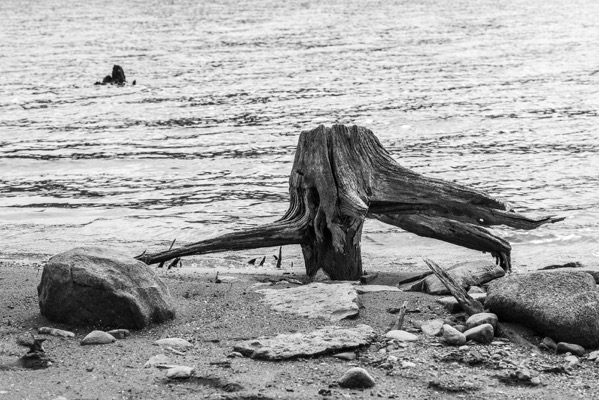
My return from the unwalkable bridge took me along the beach front of Caesar Creek Lake, which is not quite ready for building sand castles.
DSC 4823

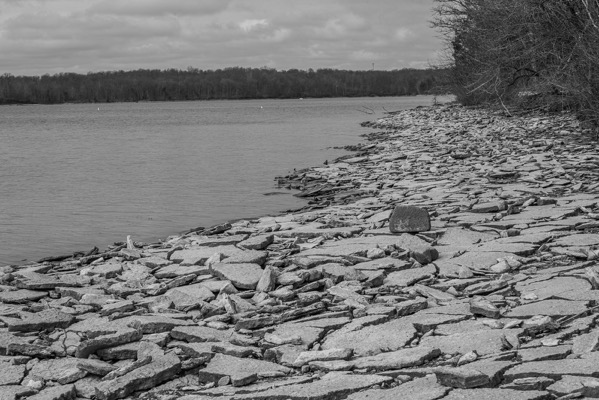
But a closer look at the debris reveals that it is composed of older debris. Fossilesque, I would call that. Sometimes erosion takes a very long time.

DSC 4830

Read the book anyway. It will help you with your own, personal erosion.