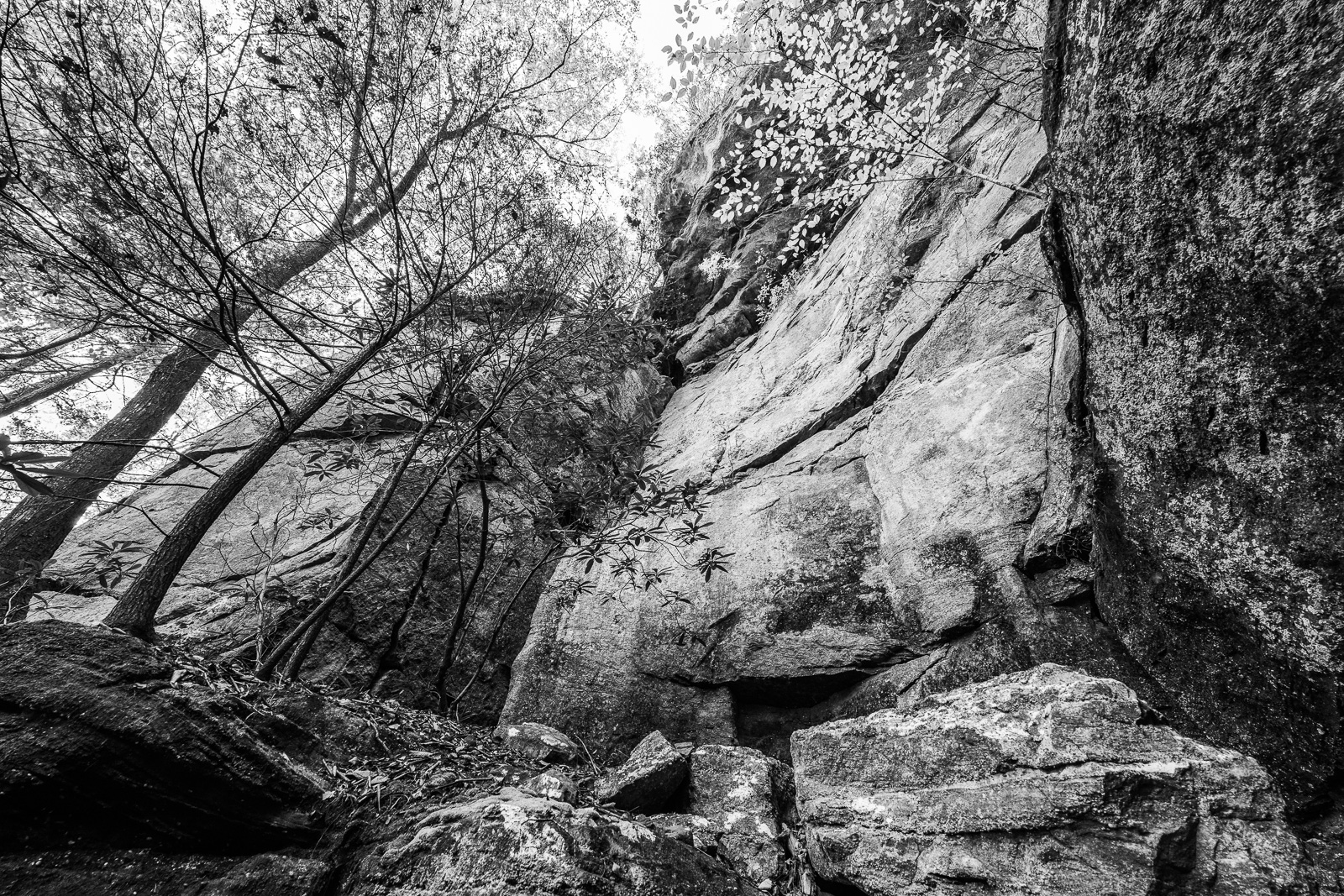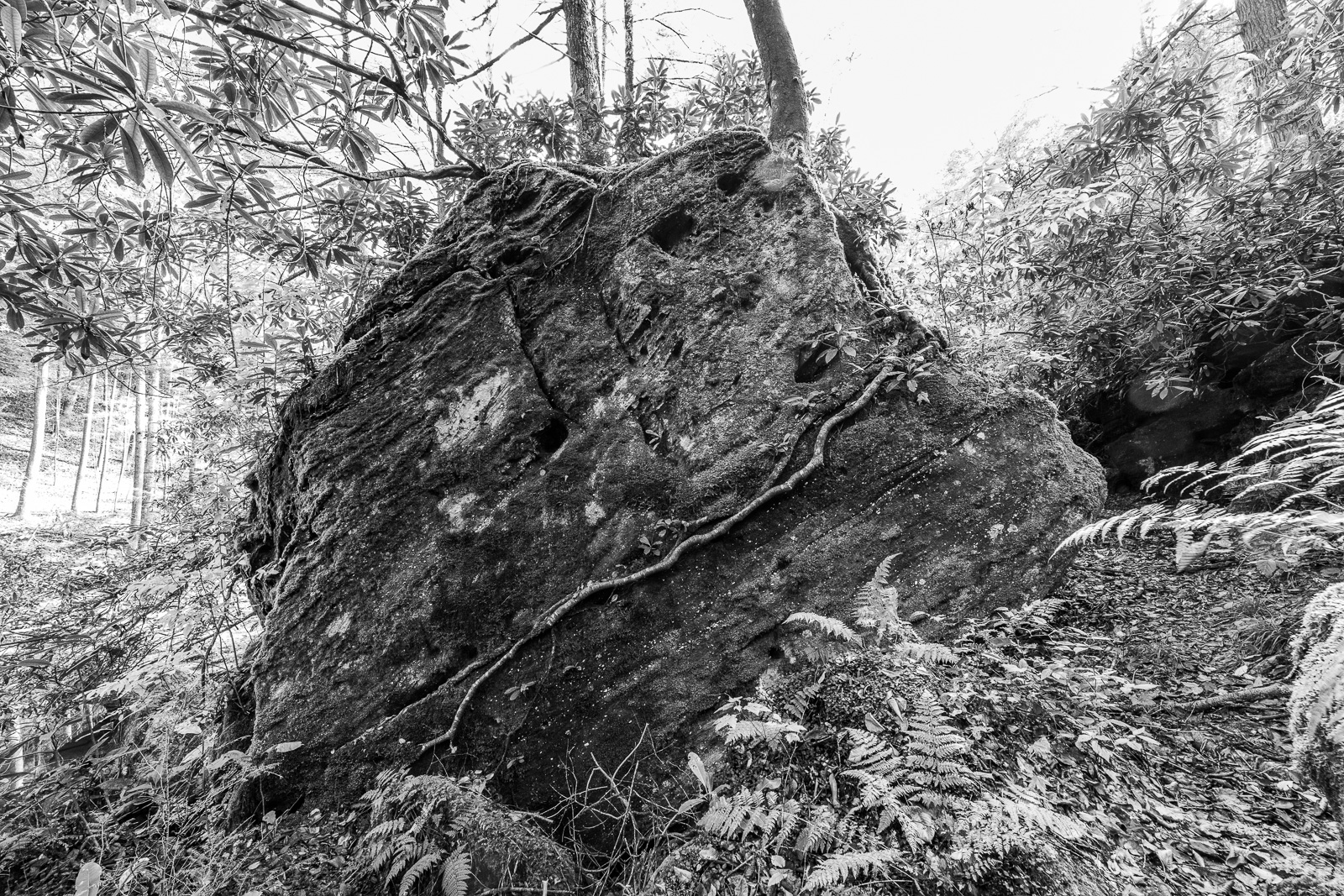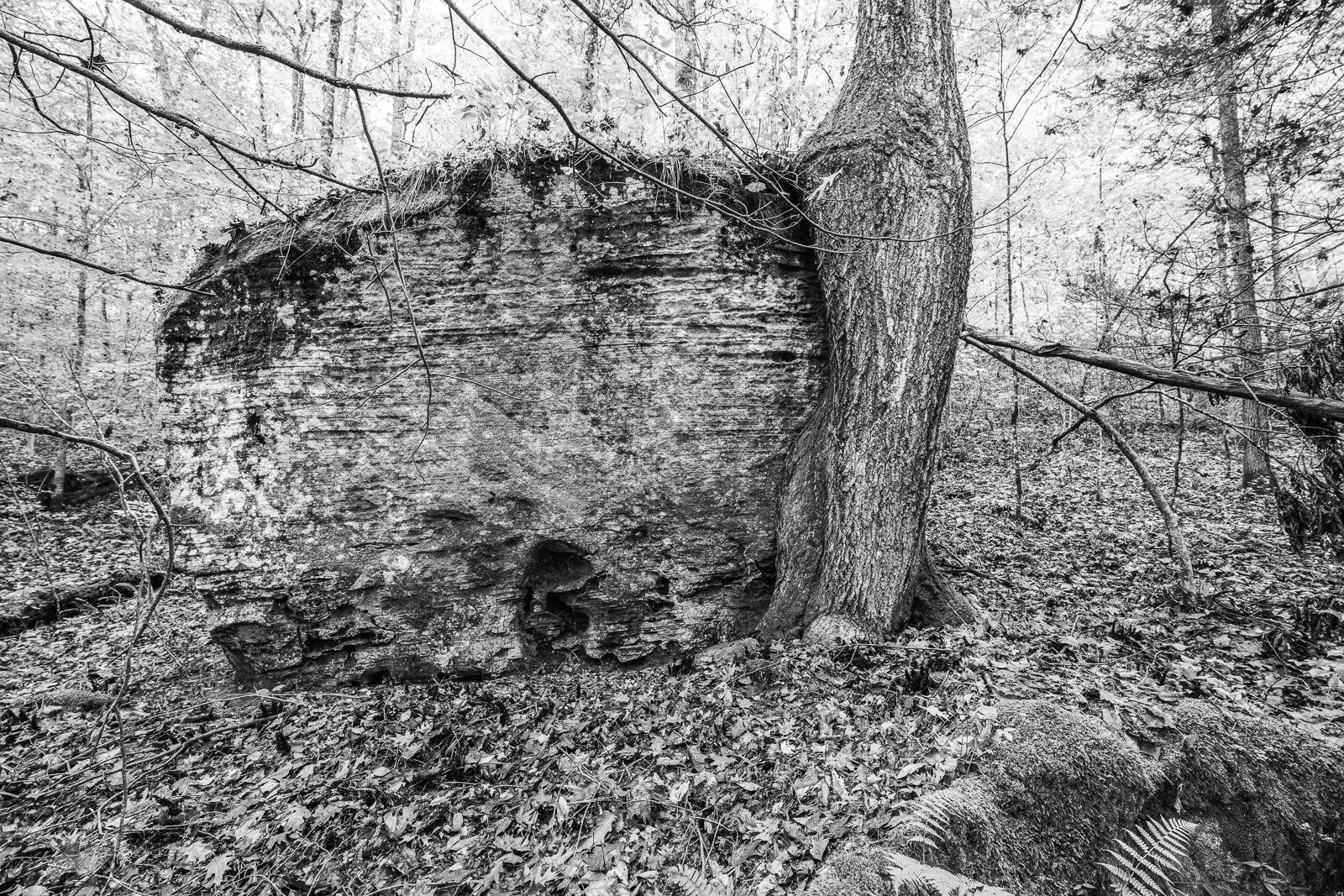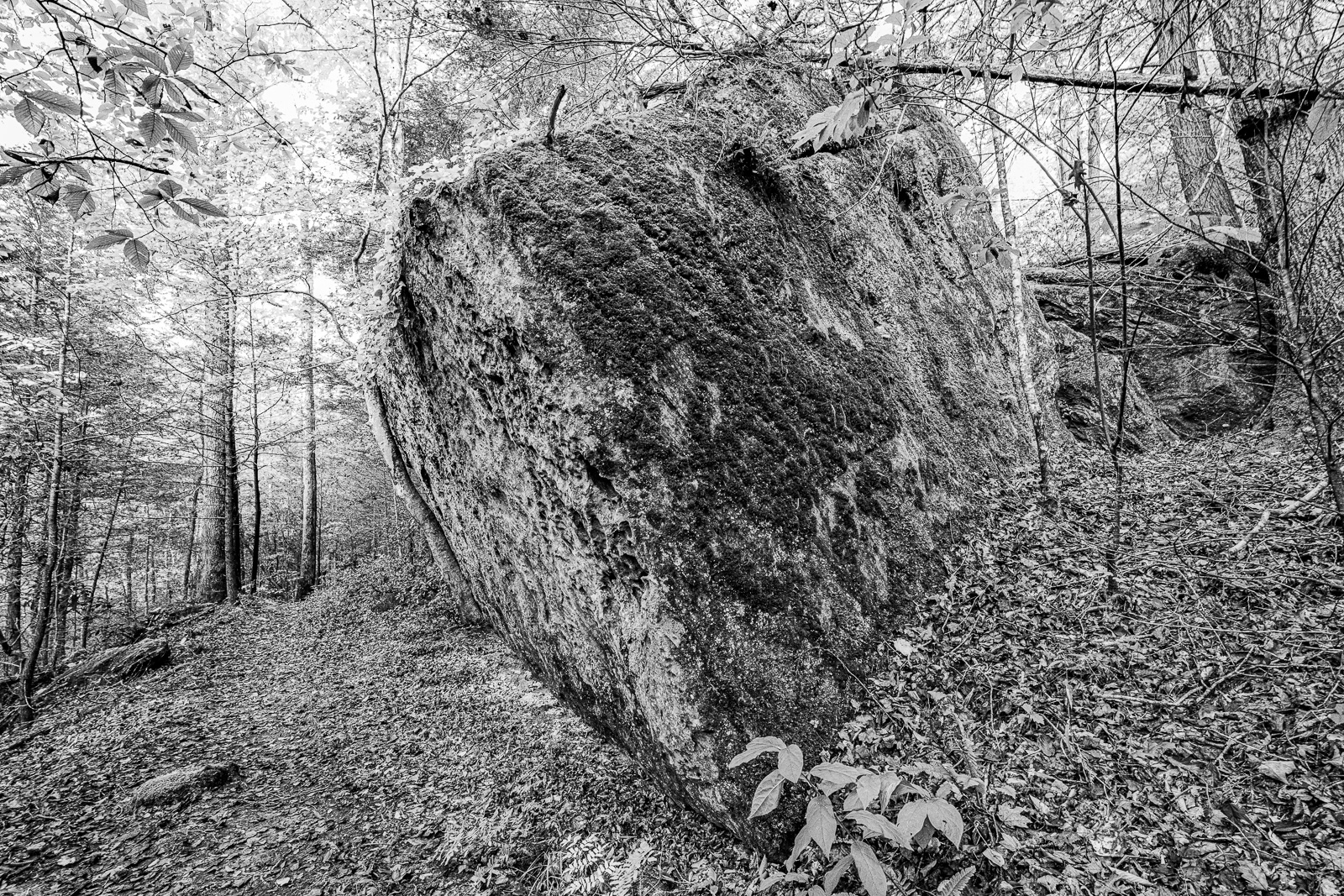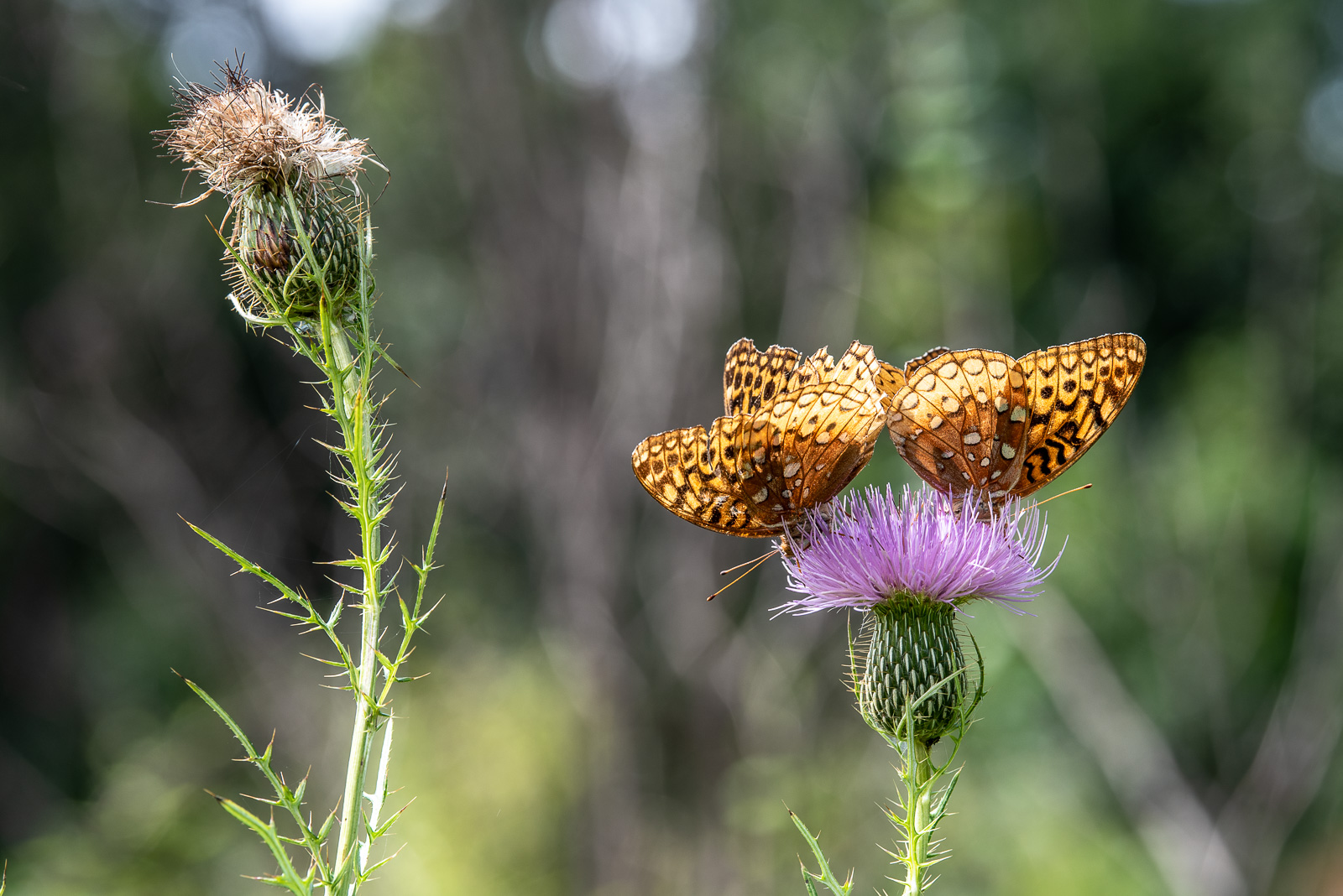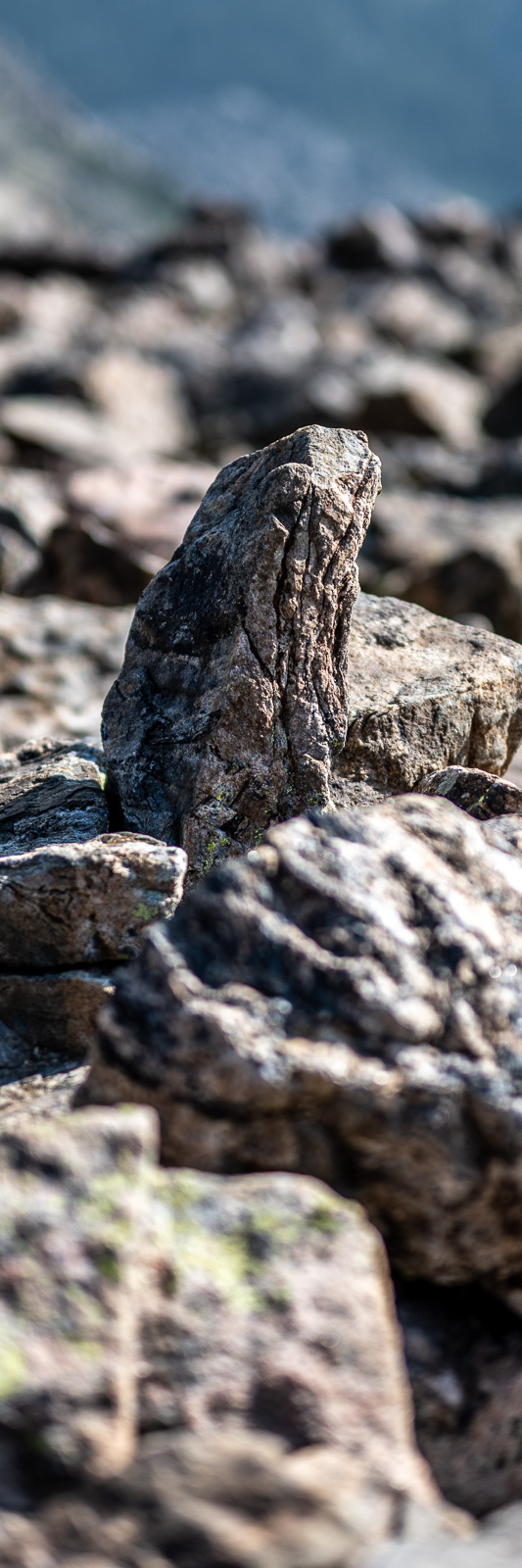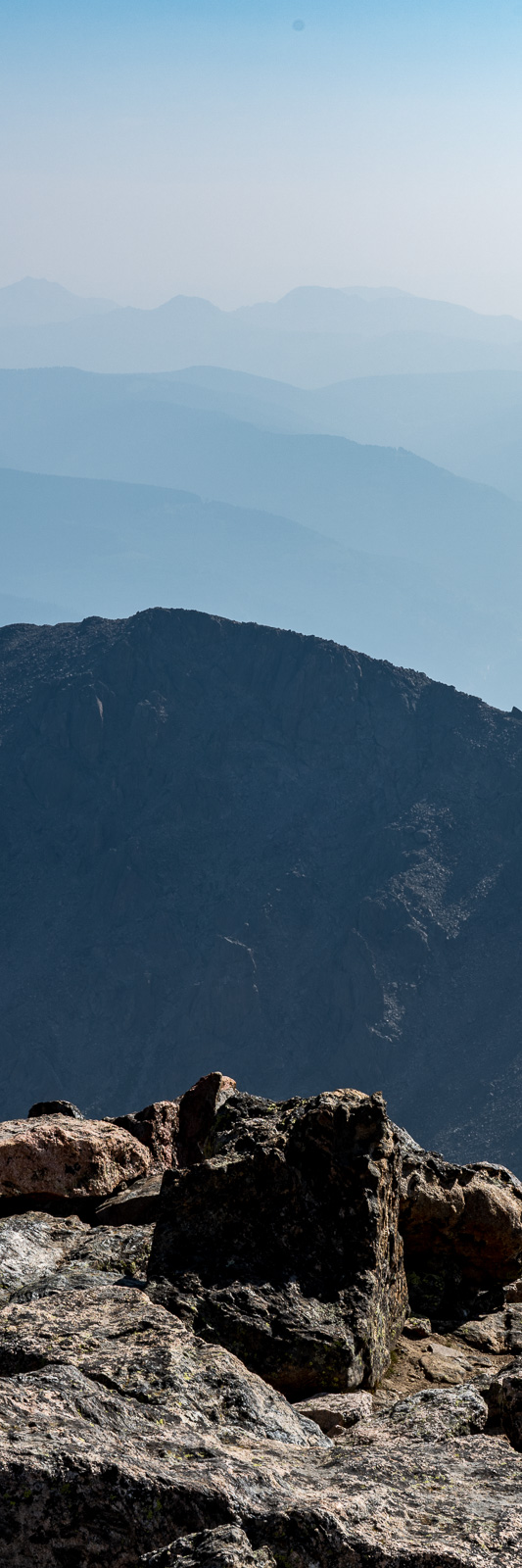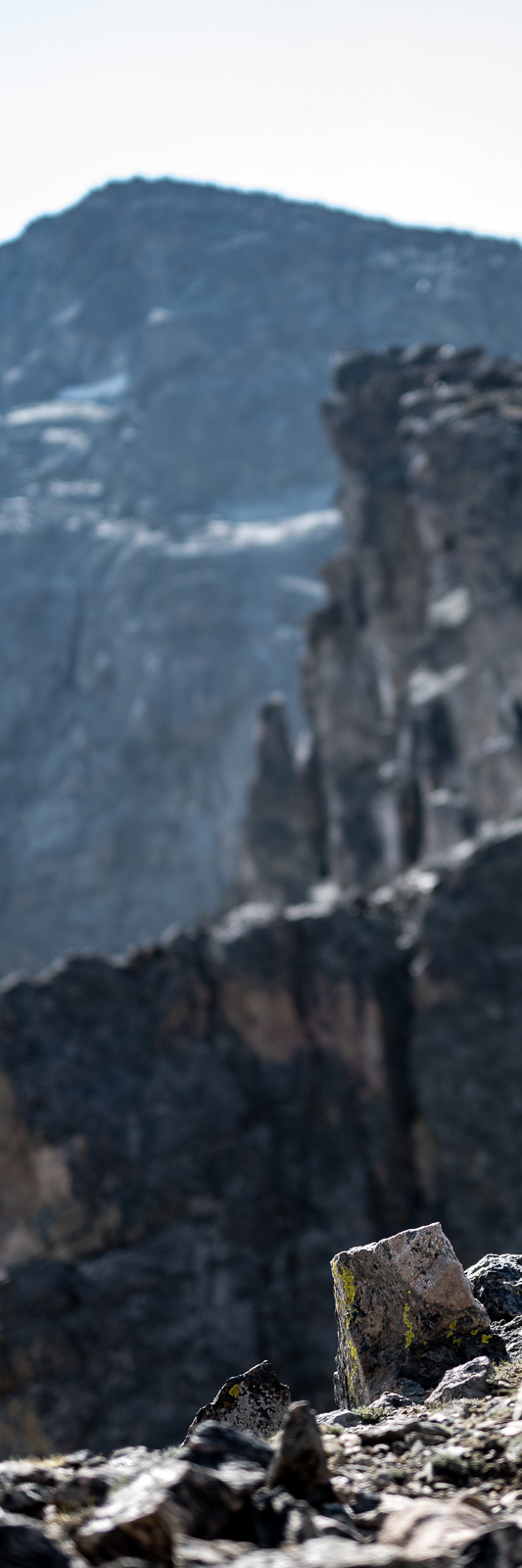
Encounters (Beaver Creek Wilderness III)

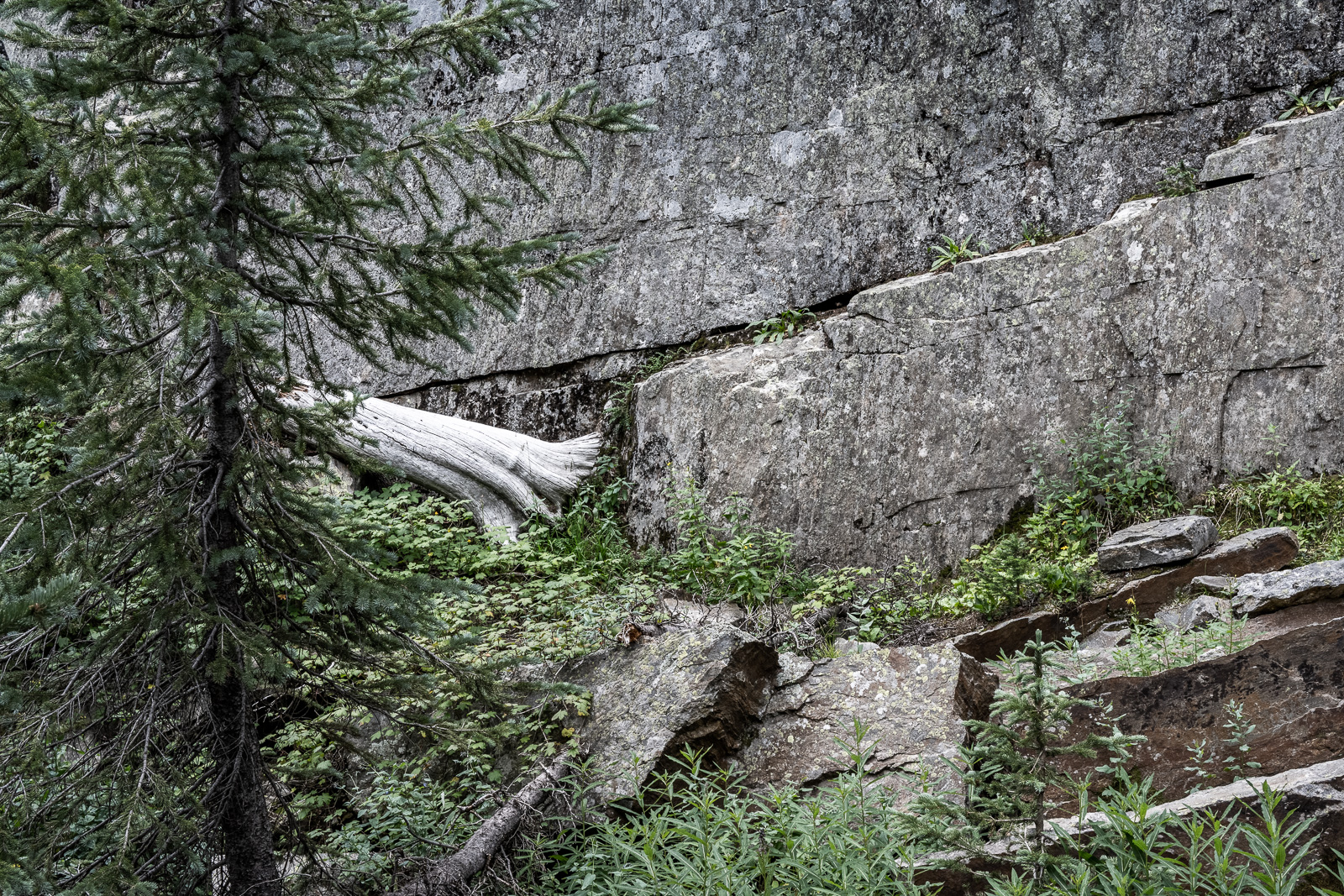
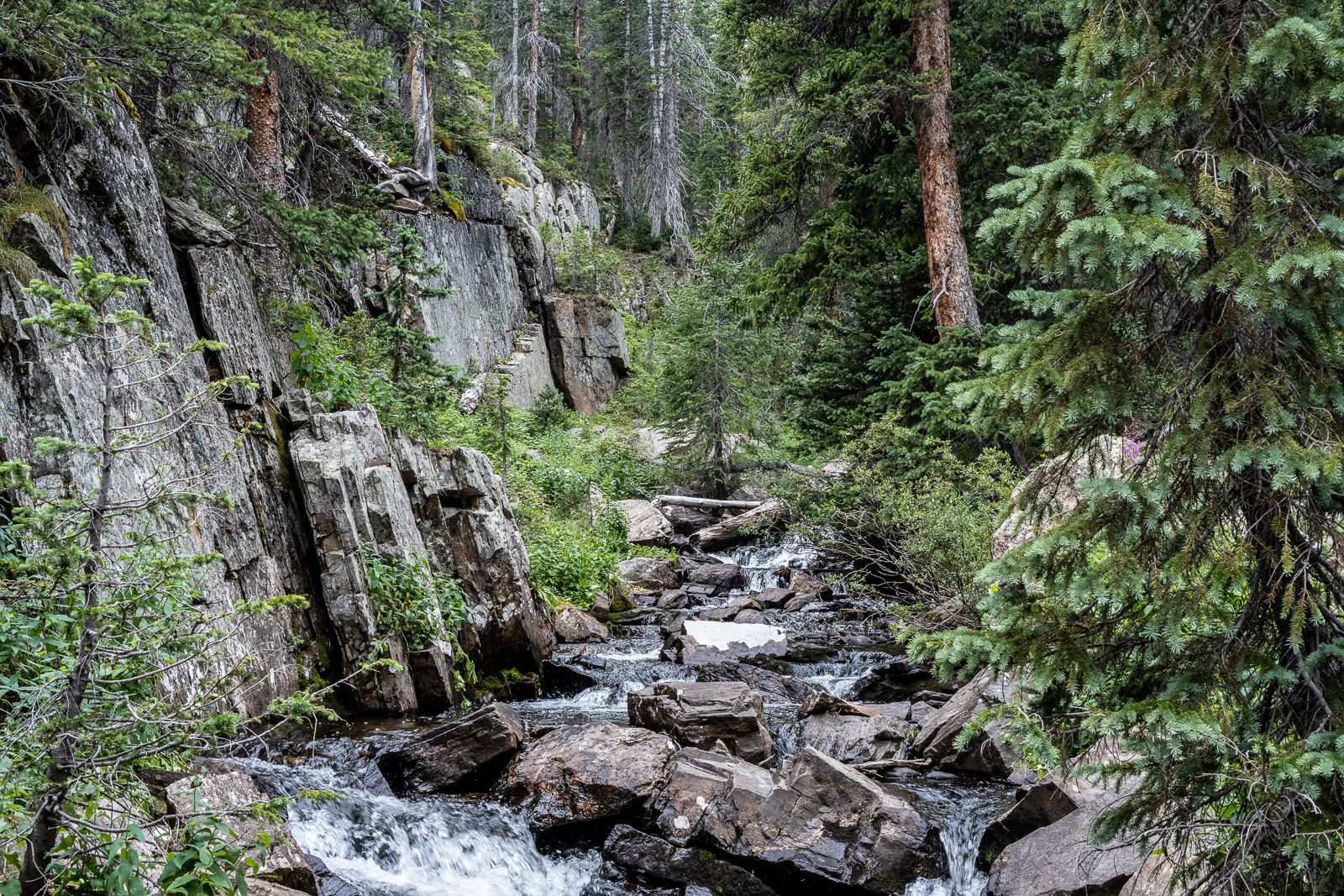
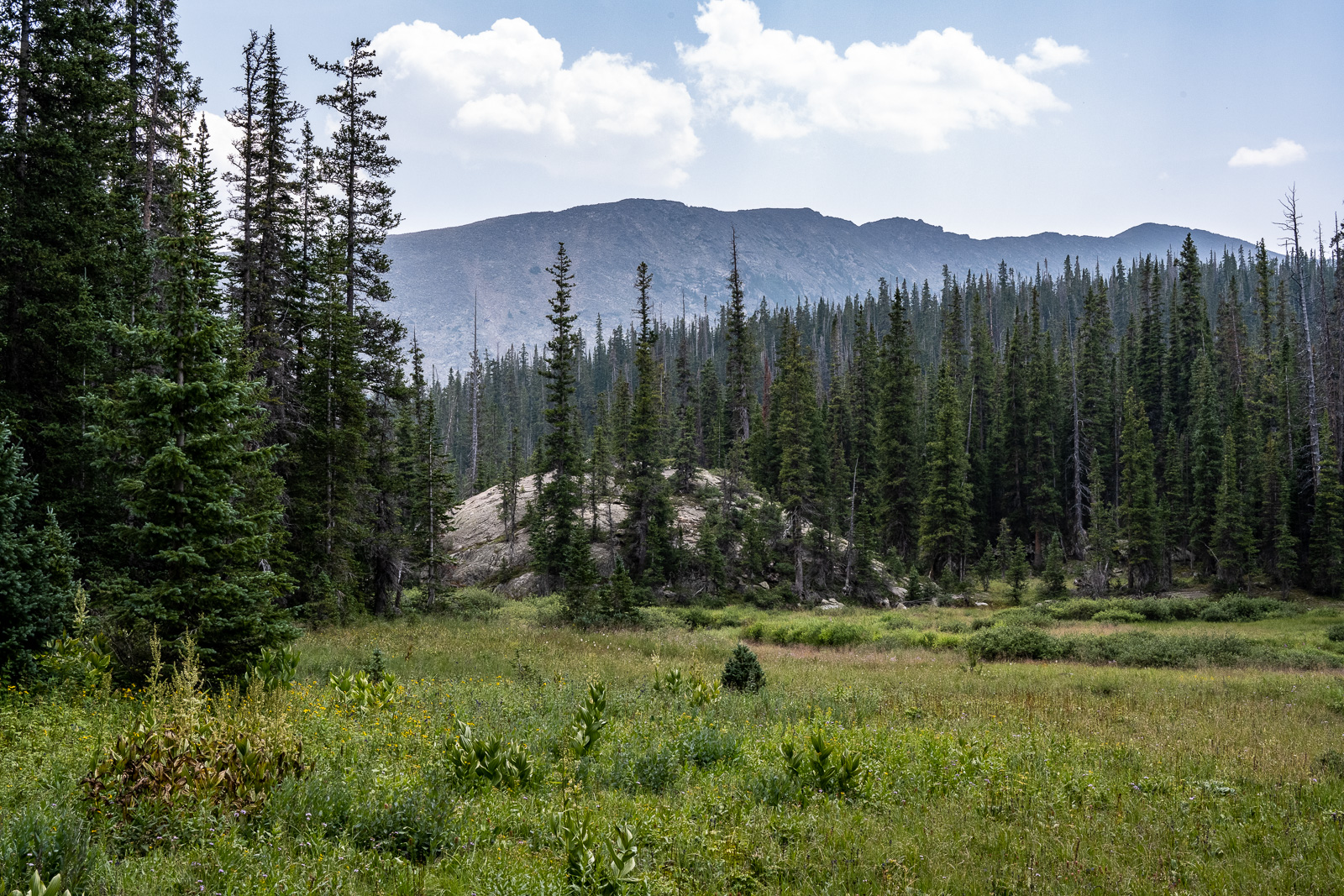
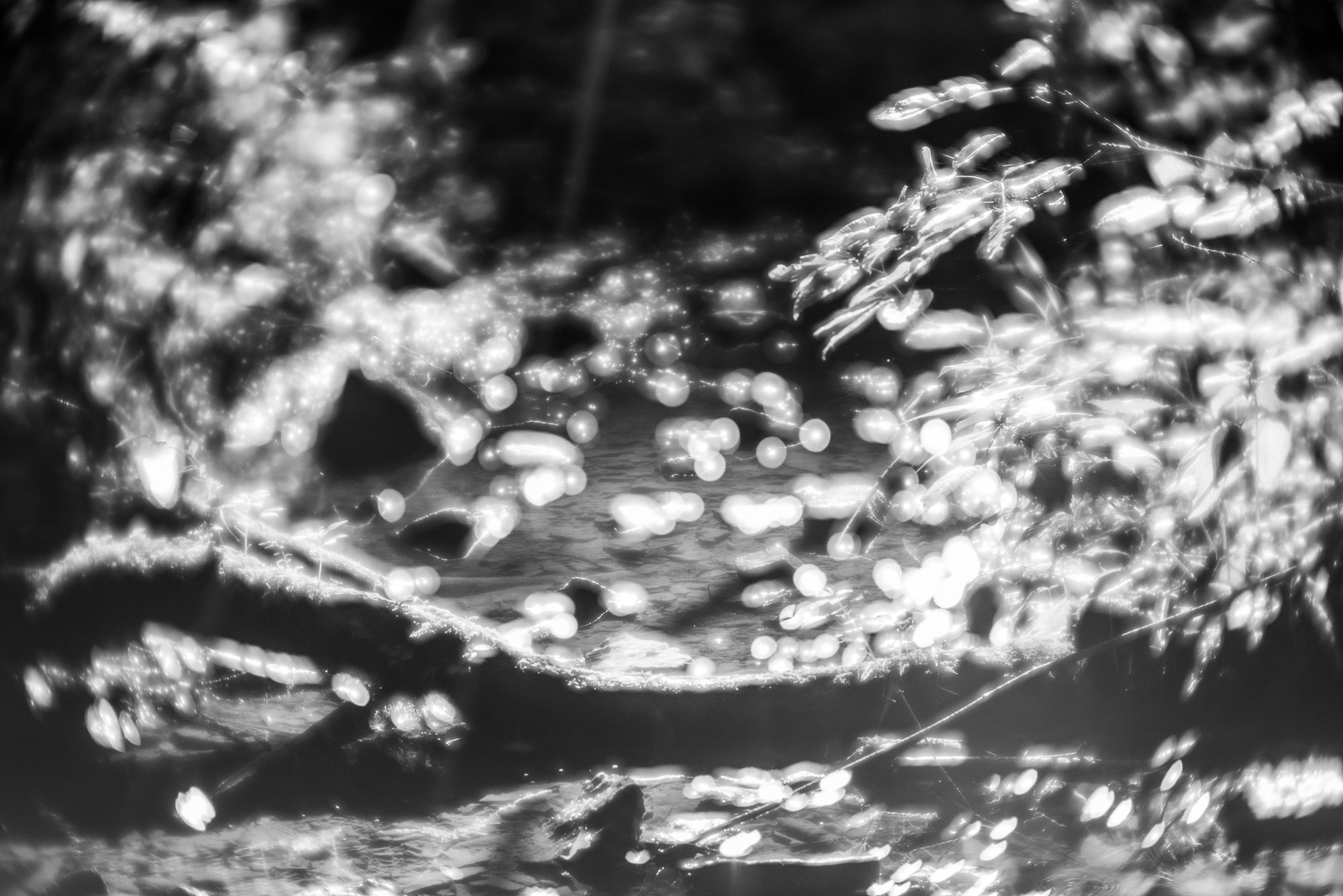
There is more to a landscape – or a life – than the sum of its pieces. So maybe acceptance is not the only way to relate.
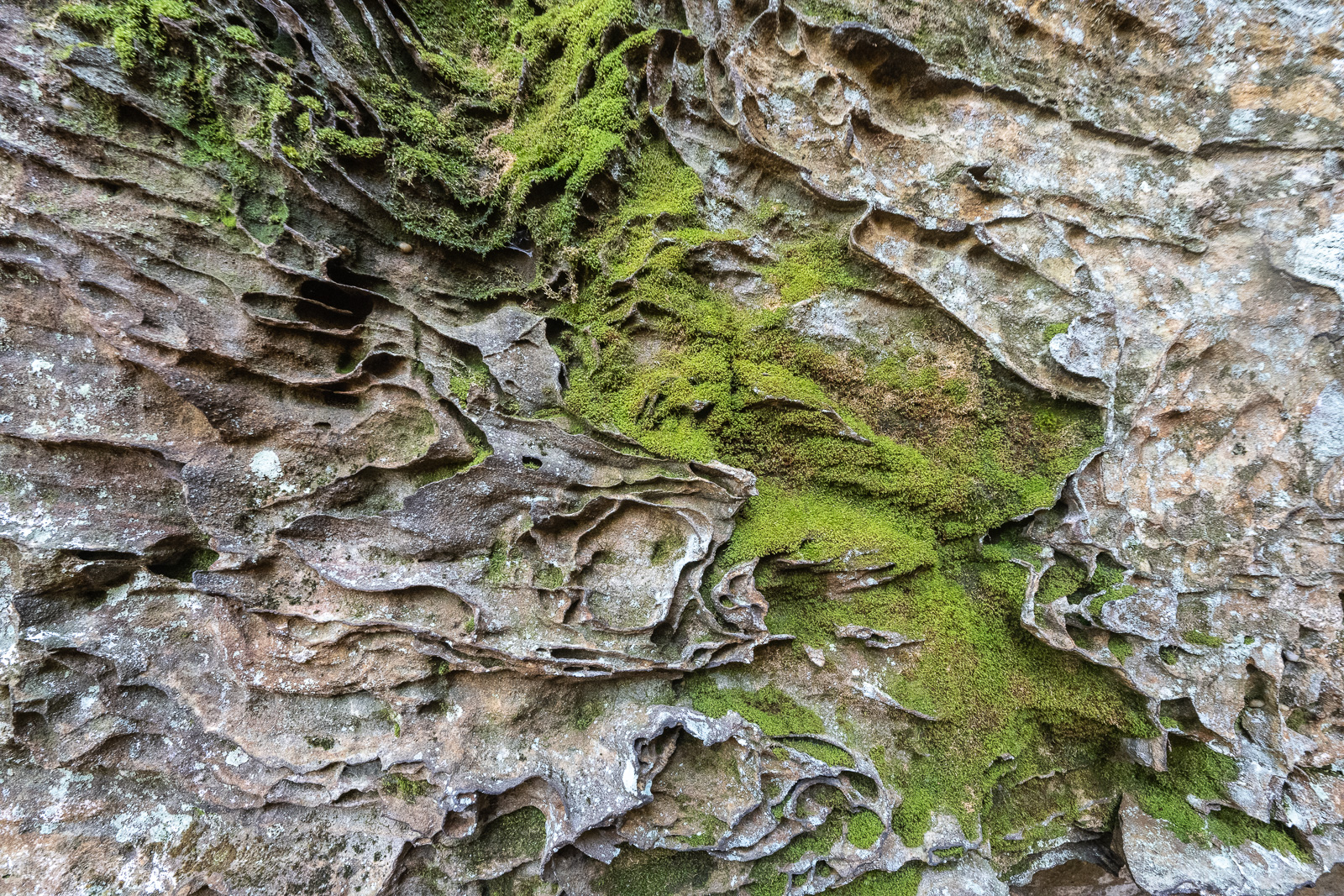
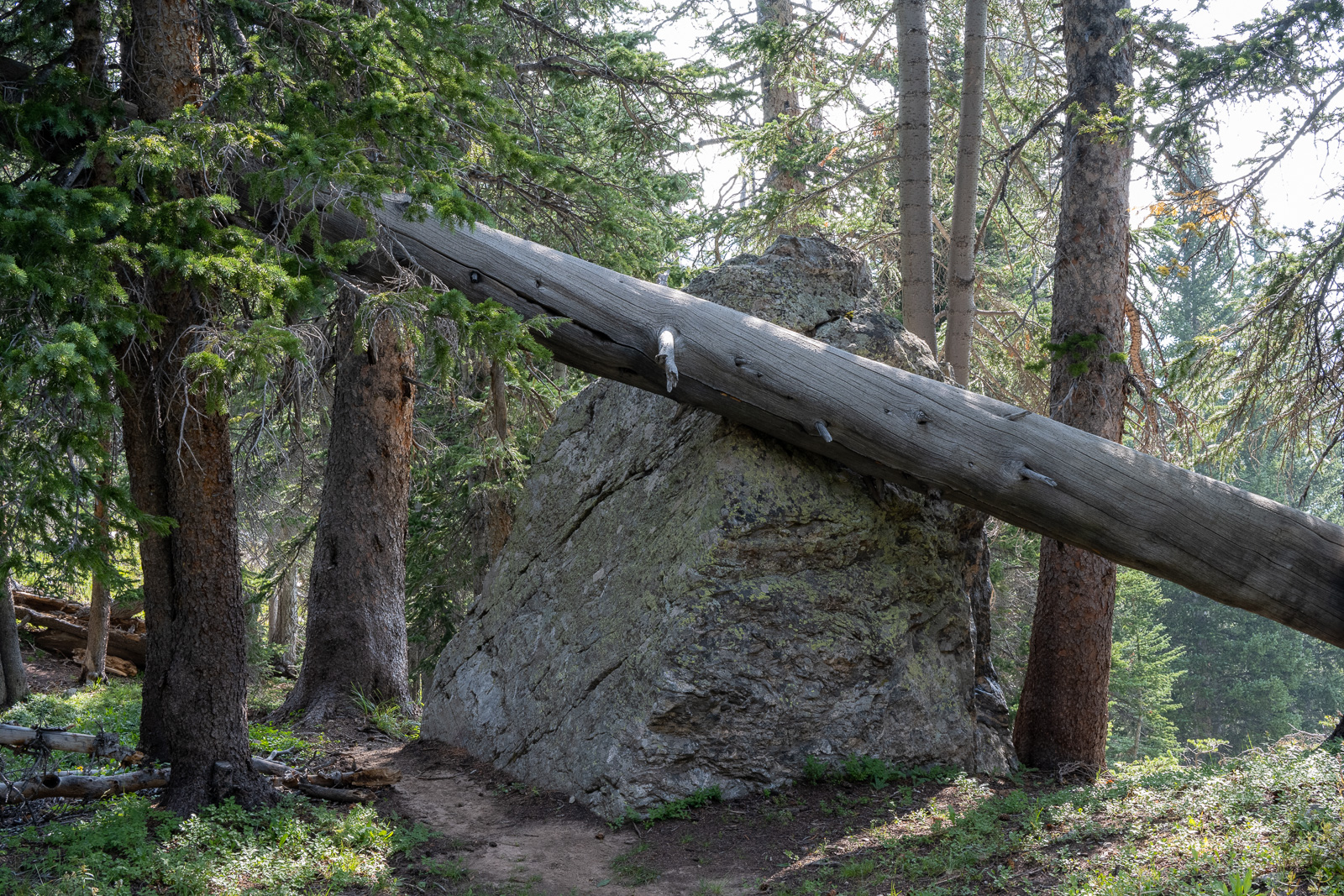
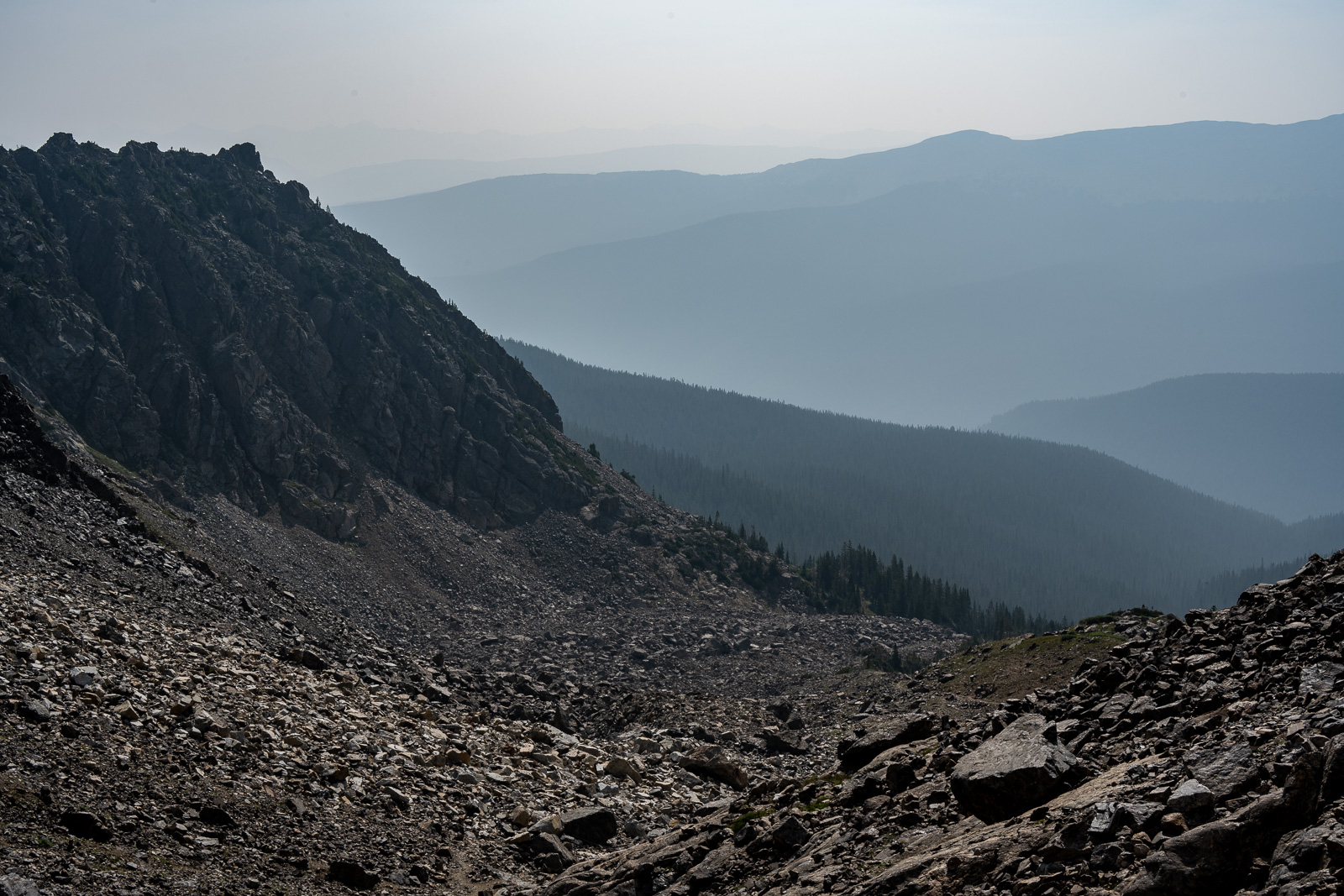
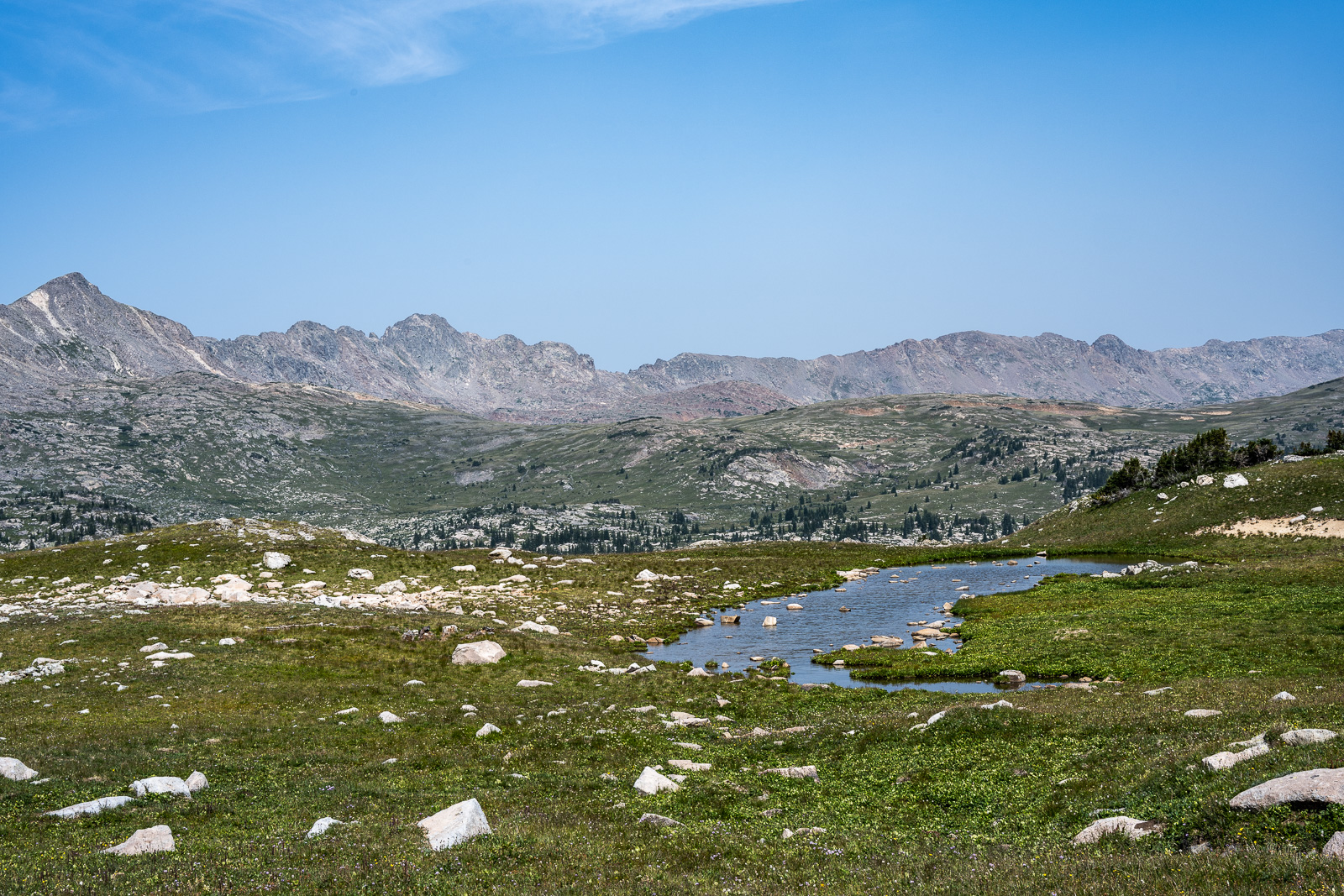
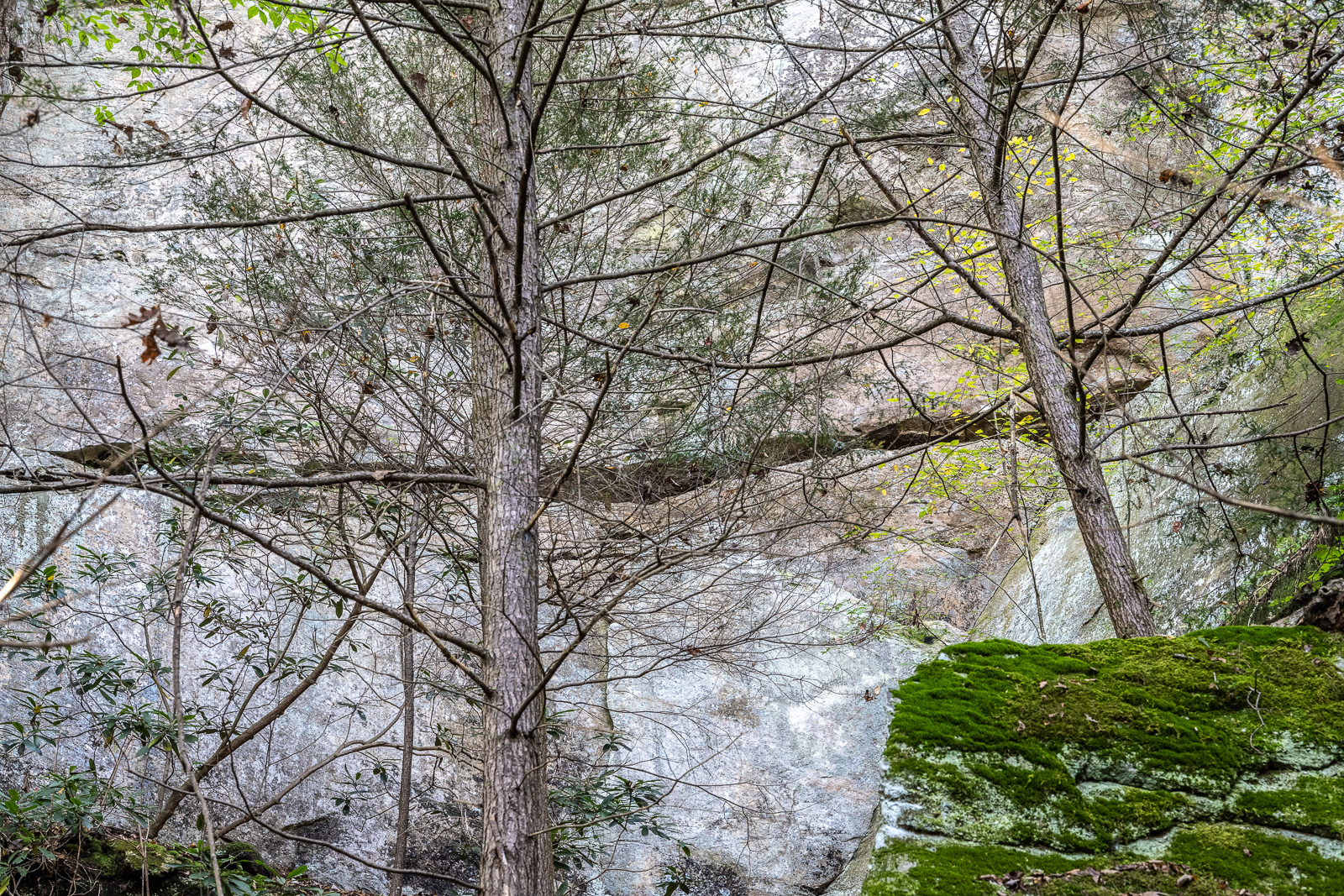
More and more it occurs to me that what really matters is our involvement with the place, or the person. And hence, what I am talking about here is not the place, but my encounters with it.
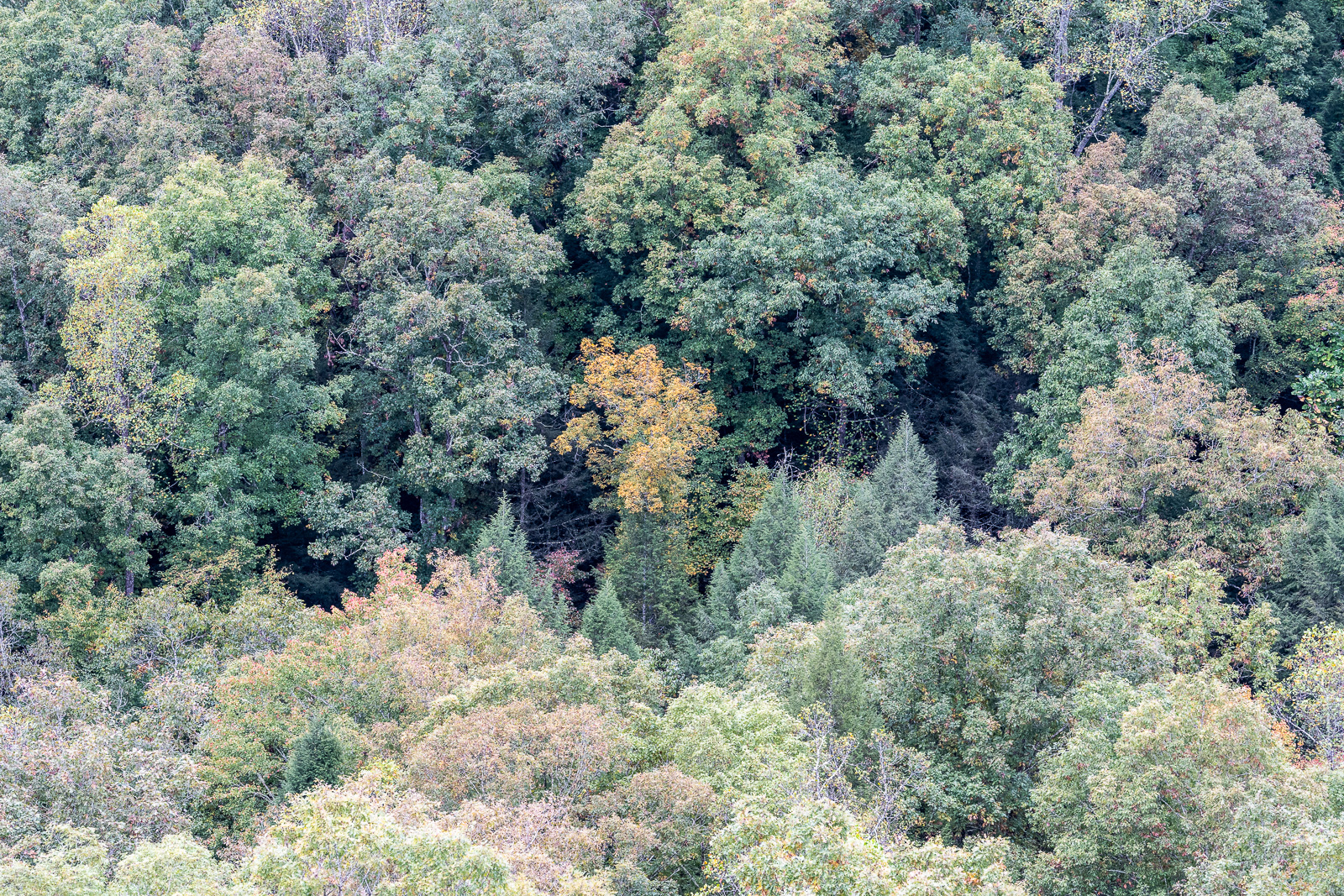
Each picture not only tells the story of such an encounter, but in turn offers the viewer an opportunity for other encounters.

I am not suggesting that there is meaning here, merely an attempt of mutual understanding.
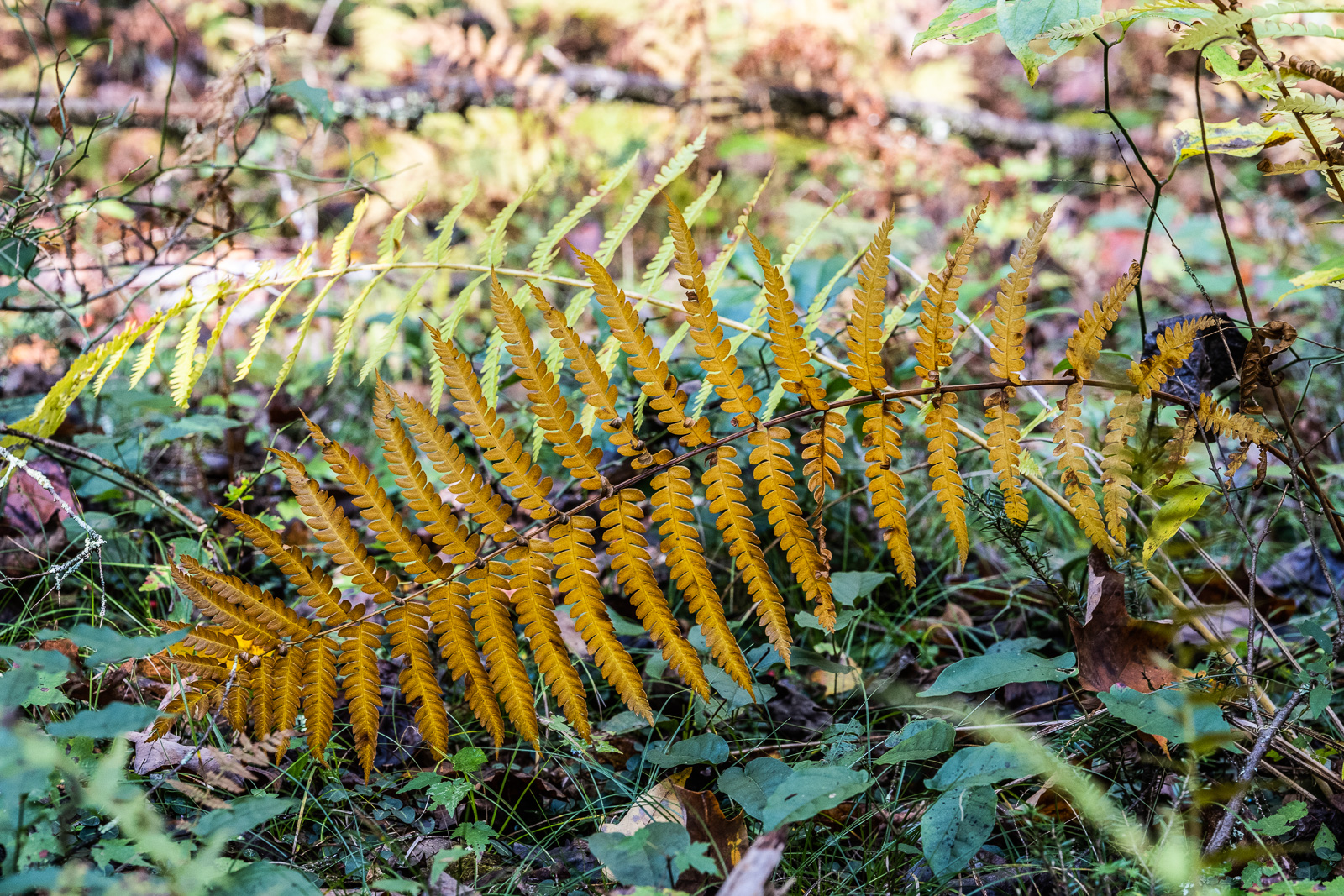
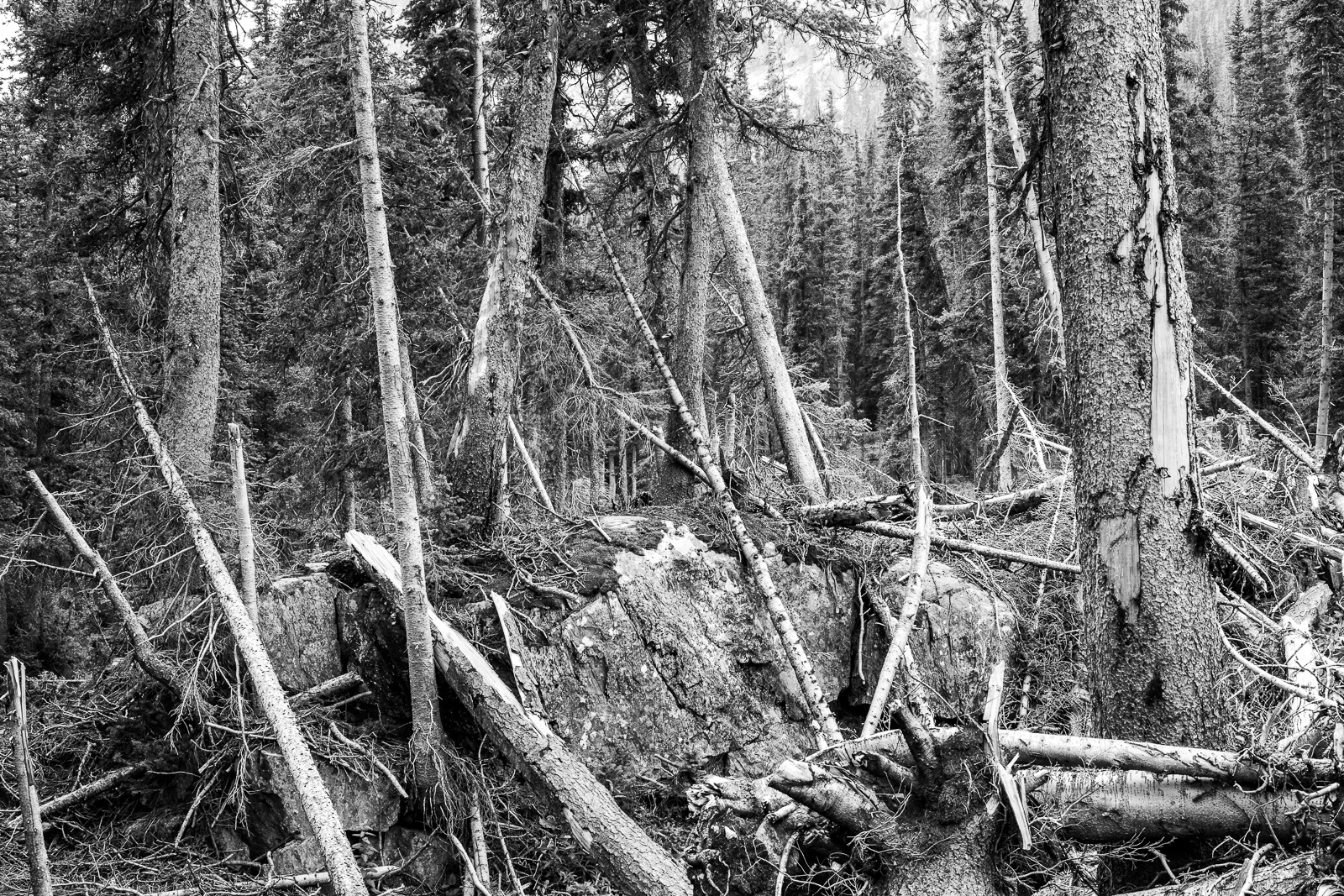
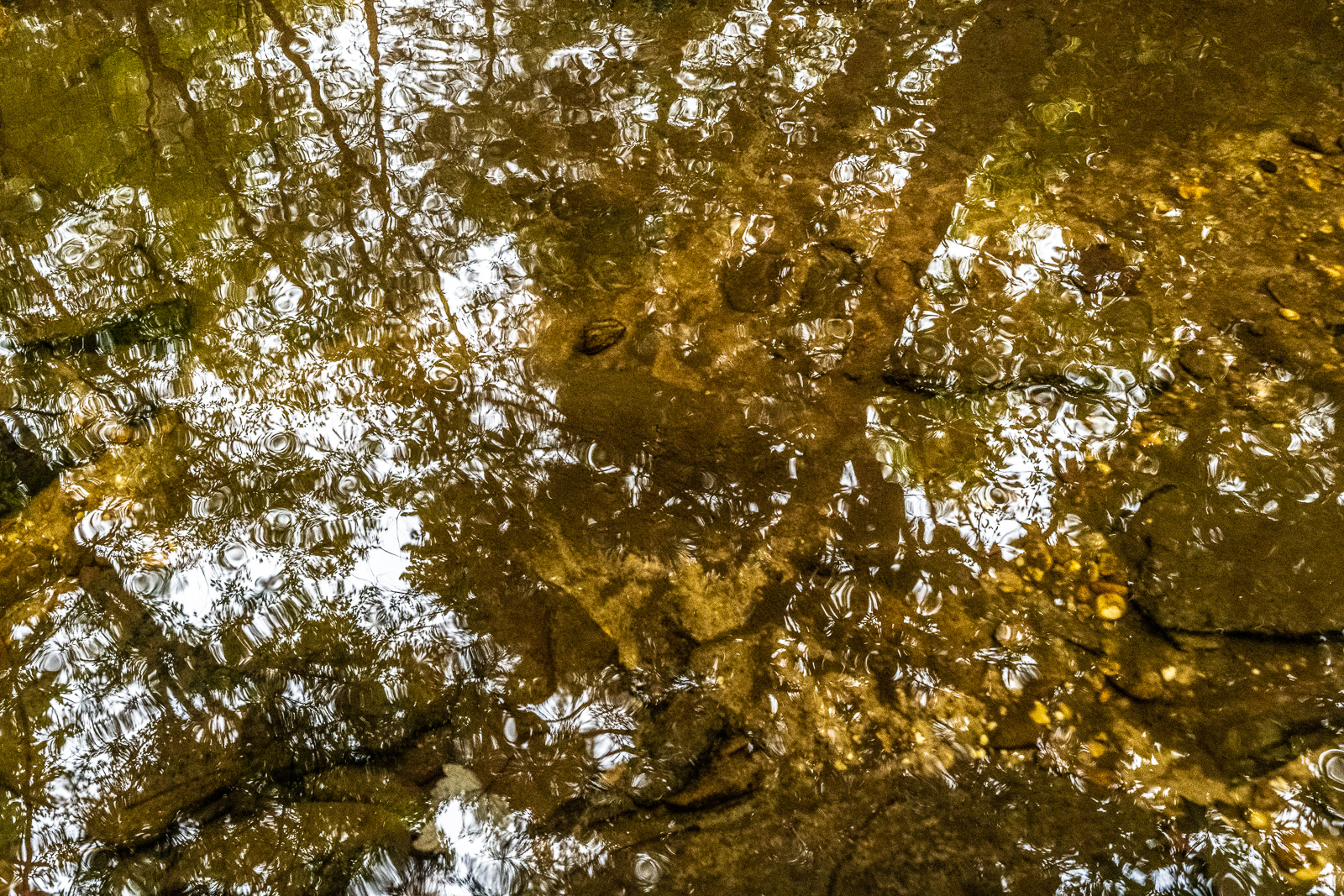
By capturing these moments of dialogue, do we try to capture time itself, be it in its vague state of chaotic flow,
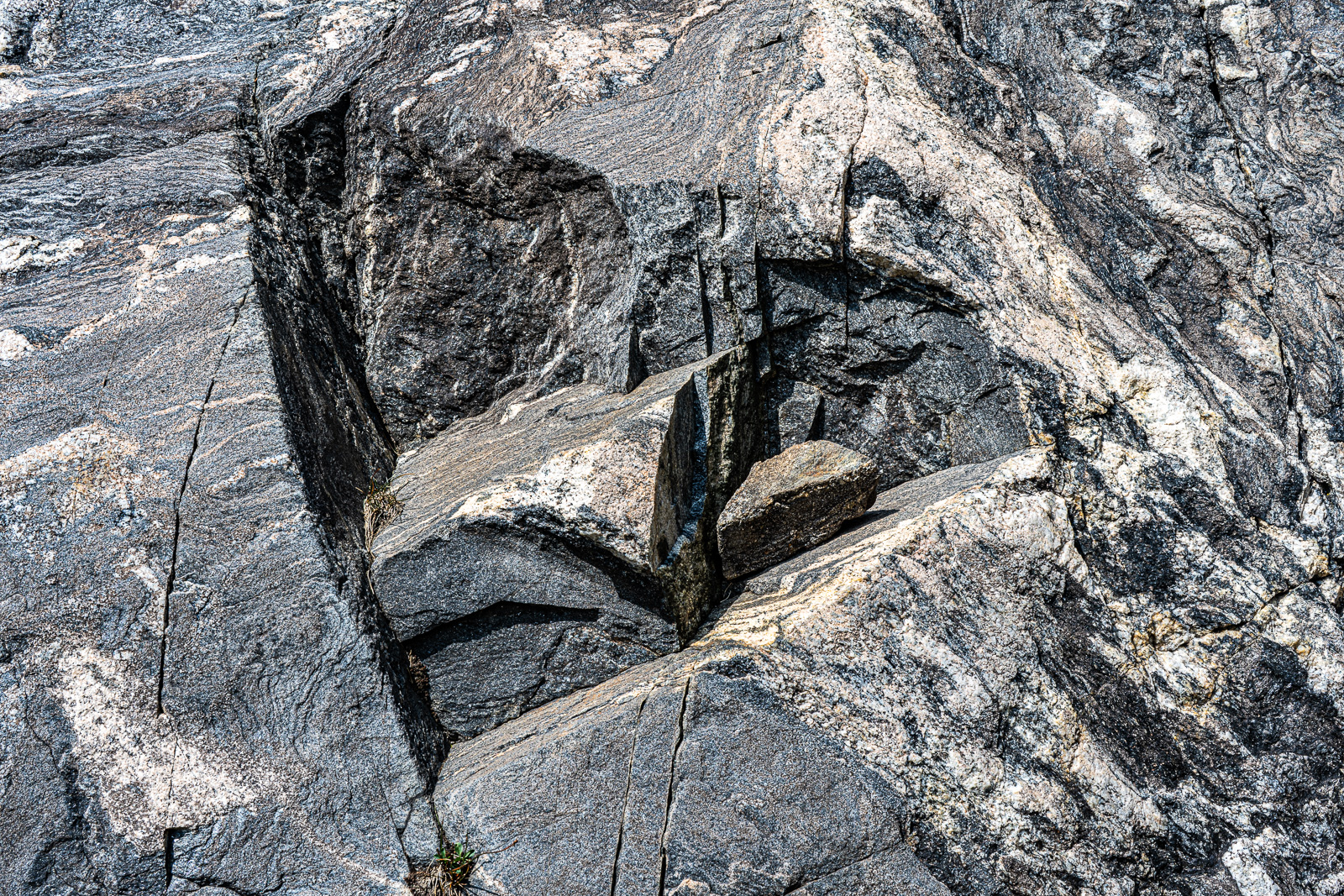
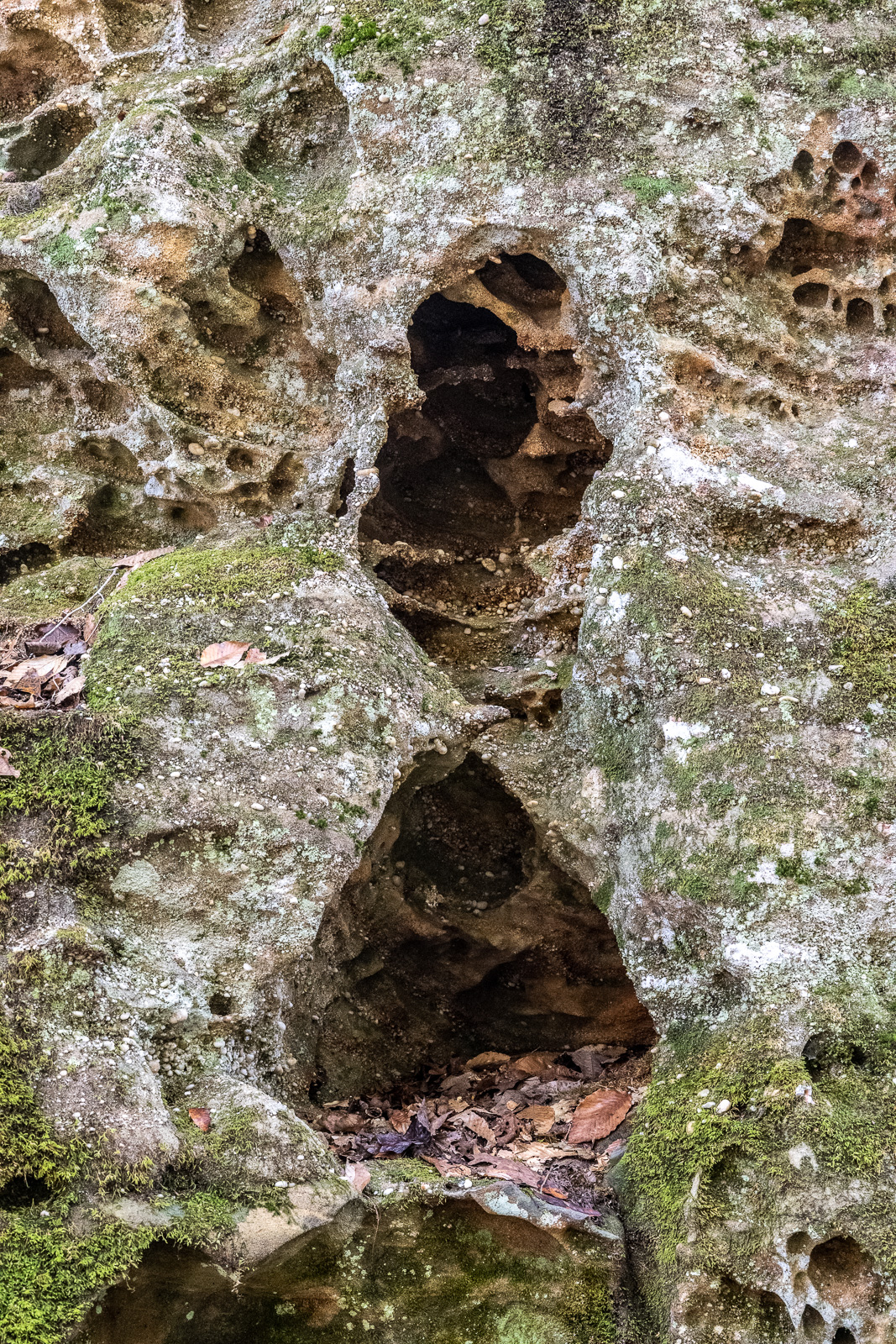
be it in the solid state of a rock face hourglass?
Acceptance (Beaver Creek Wilderness II)

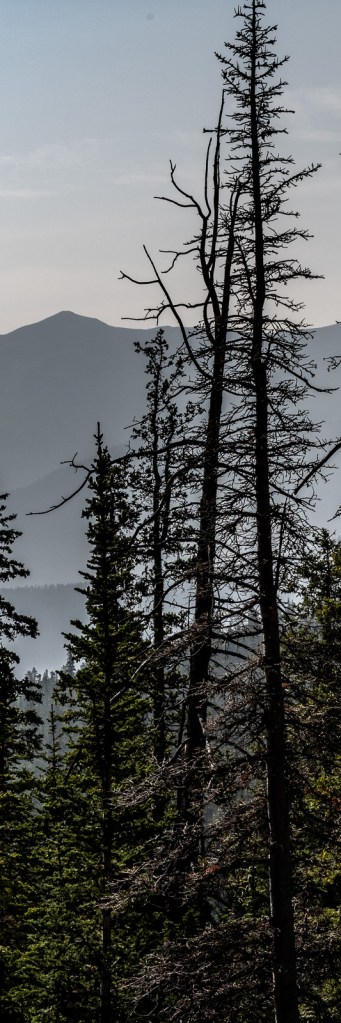
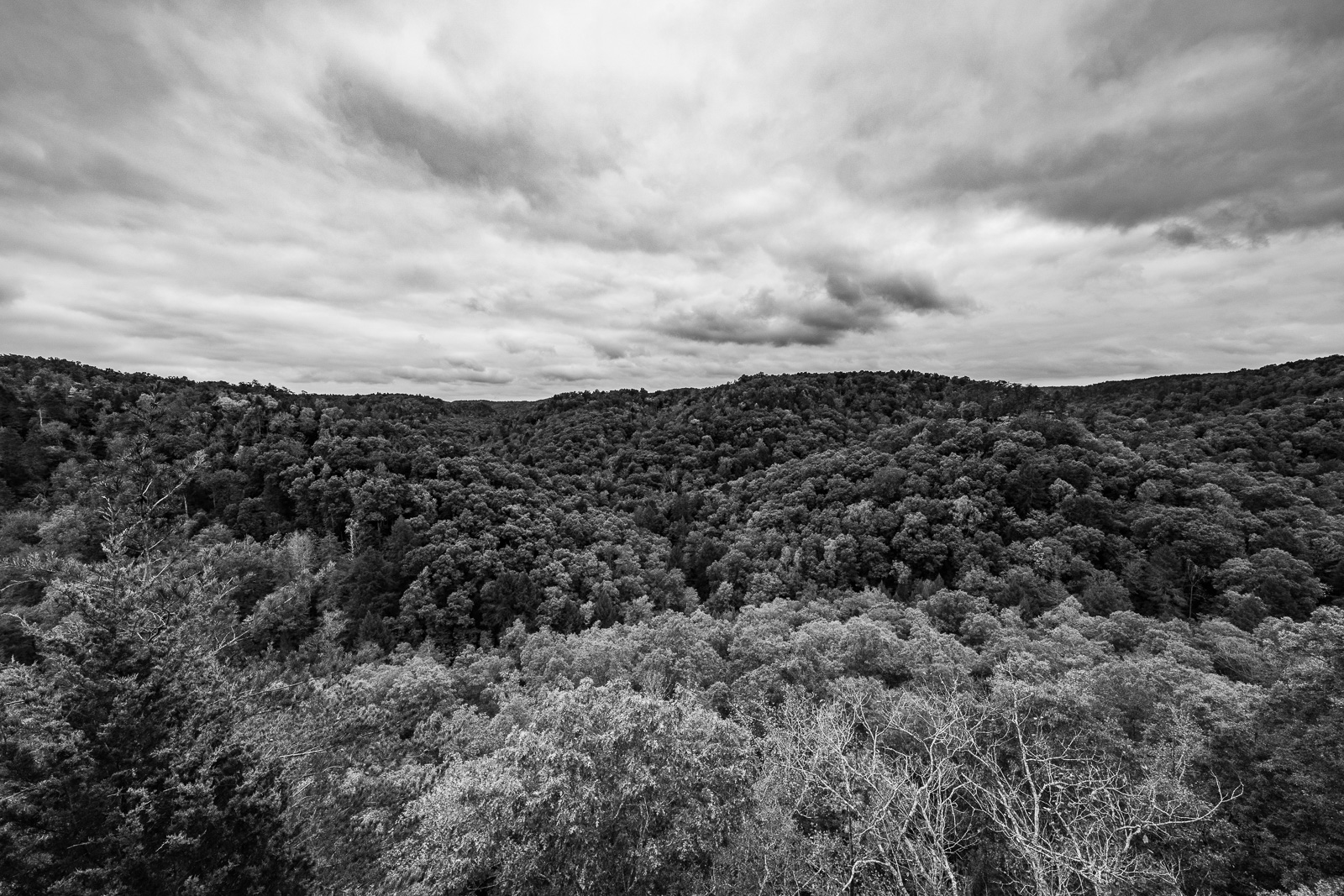
Entering Beaver Creek Wilderness from the Three Forks of Beaver Trailhead has the advantage that you get a view of the area before descending into the gloomy valley.

Signs are rare, trail markings sparse, and the trail itself often unrecognizable. The very humid landscape is subject to continuous transformation due to intense growth and decay, so I was initially grateful to be able to hang on to the rocks.

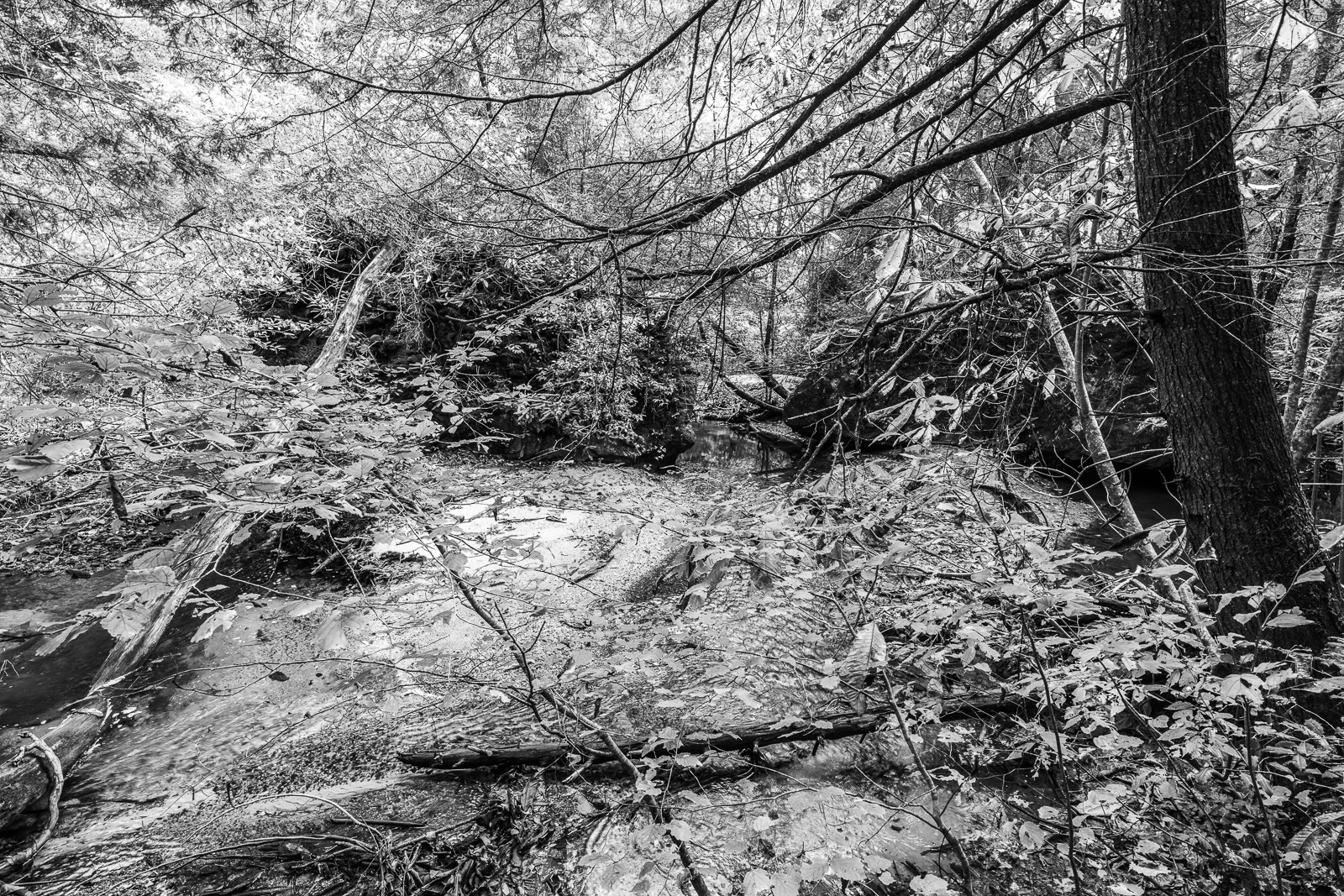
How does one esthetically tame a feral landscape like this? Instead of imposing structure, one approach is to embrace the wild complexity, and let it overwhelm.
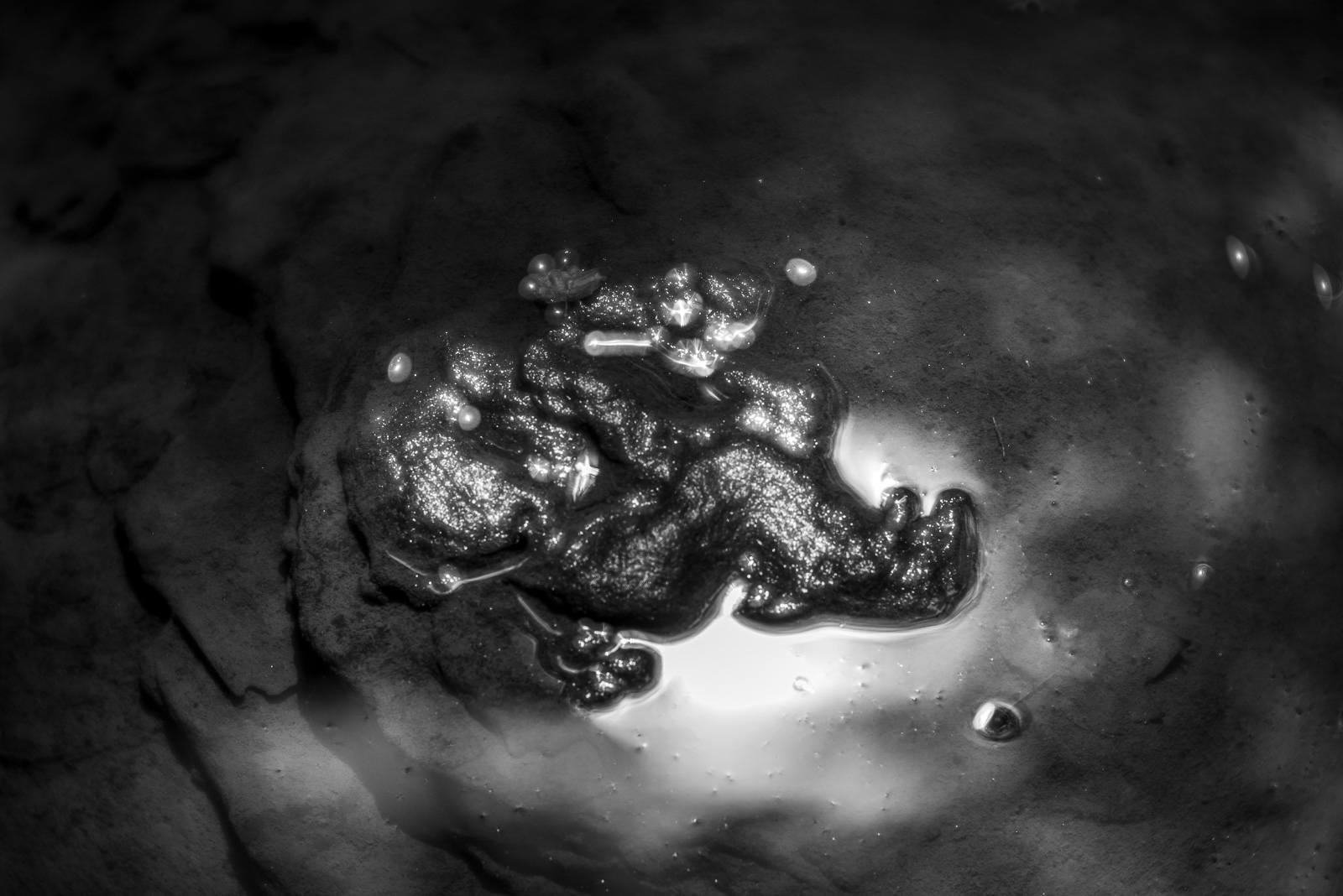
Once you reach the valley bottom, you can follow Middle Ridge Trail along Beaver Creek upstream or downstream; the former offers better campsites (I think).

Hiking downstream has more rock formations, if you desire so.

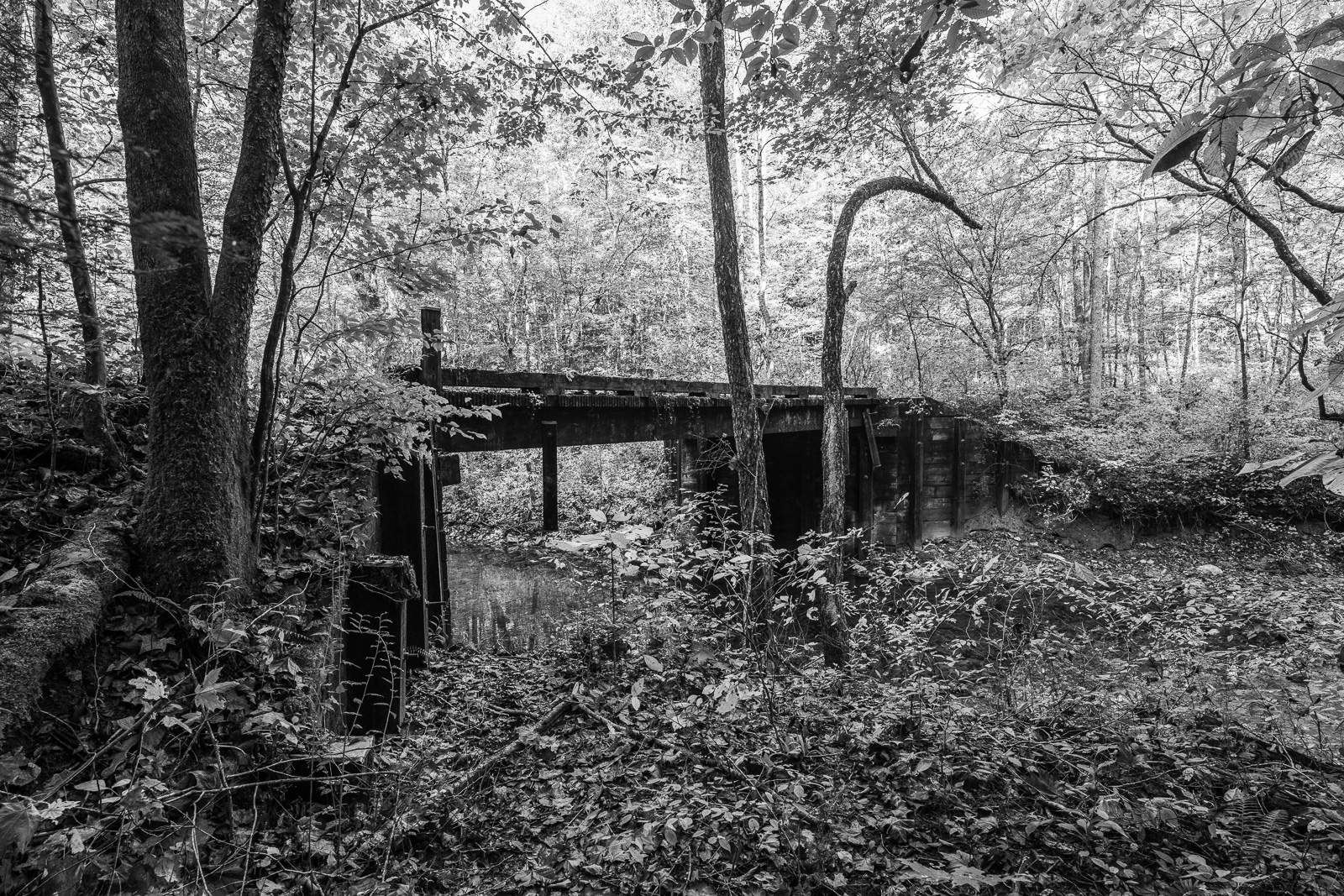
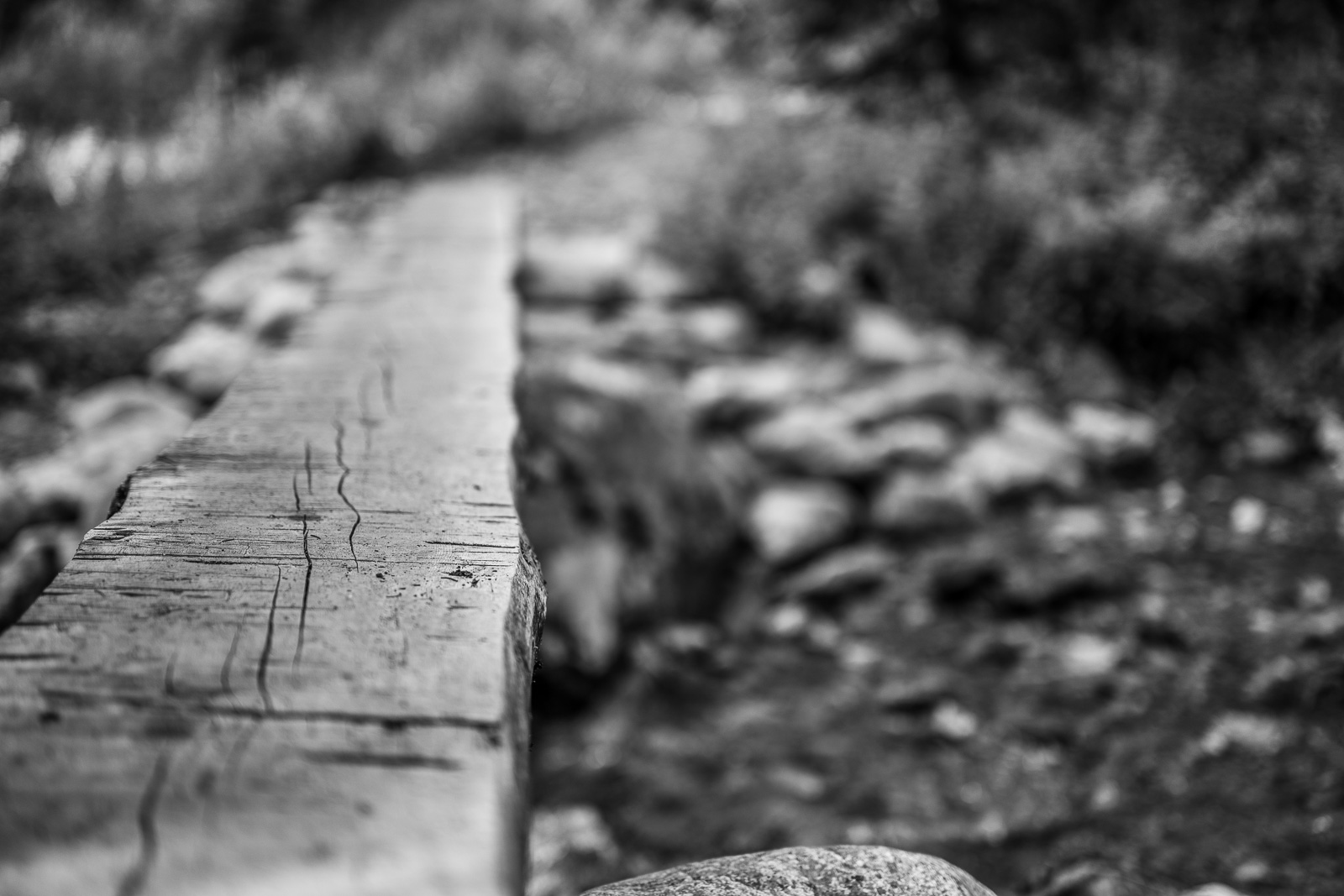
Then, strangely, a rather wide wooden bridge: For what traffic?
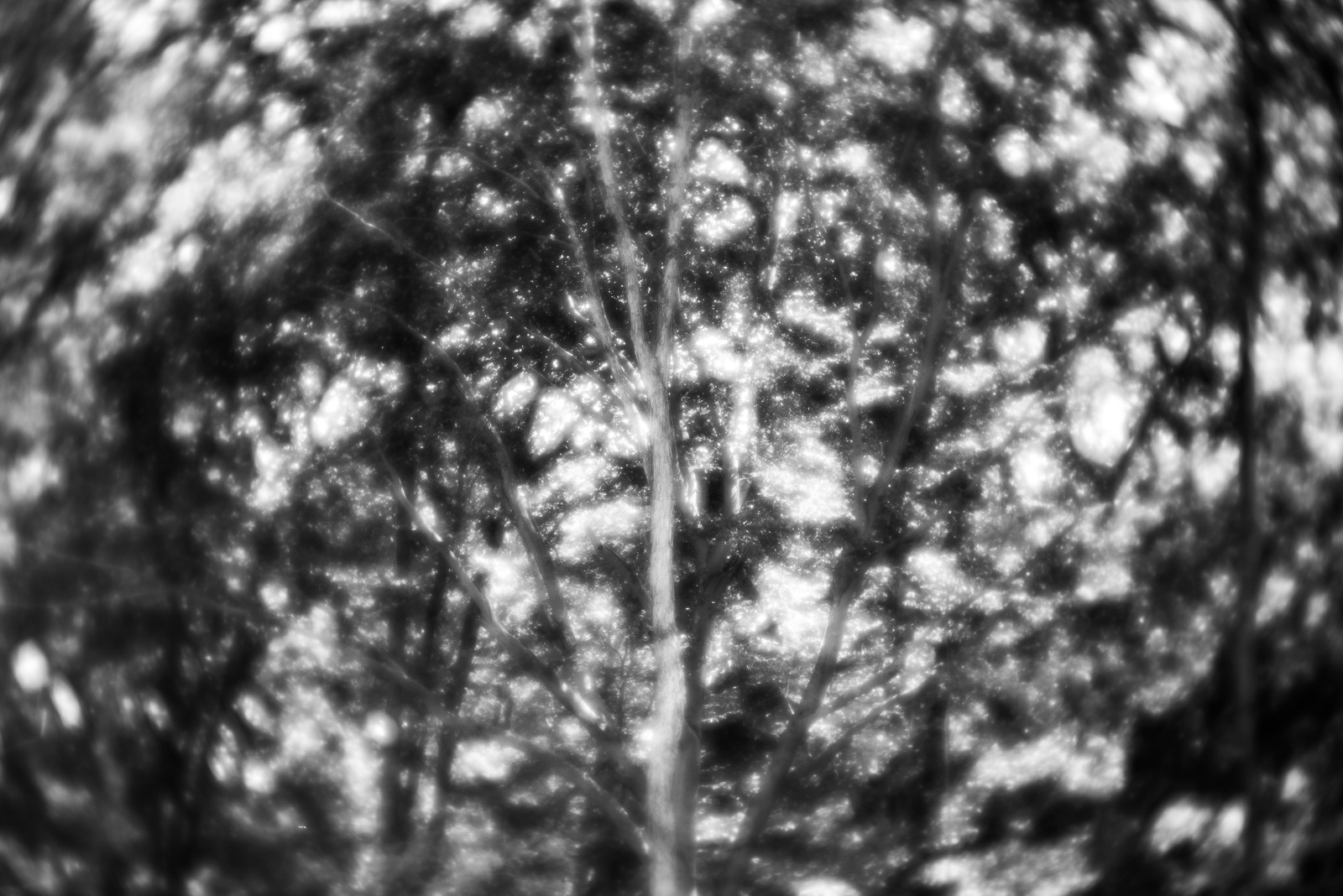
After a while one gets used to the constant slipping in mud, tripping over roots, and breaking off rotten wood when attempting to prevent a fall.

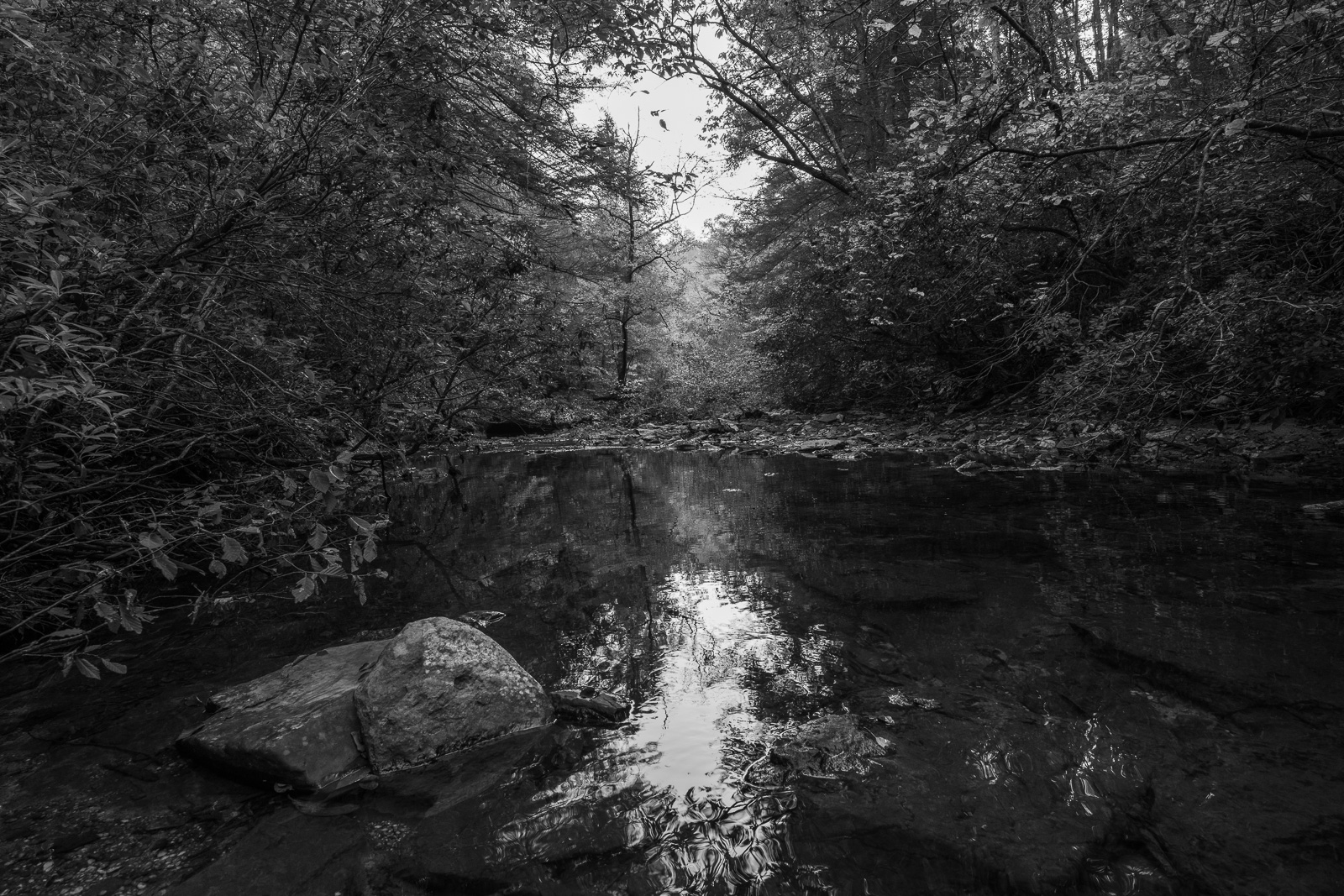
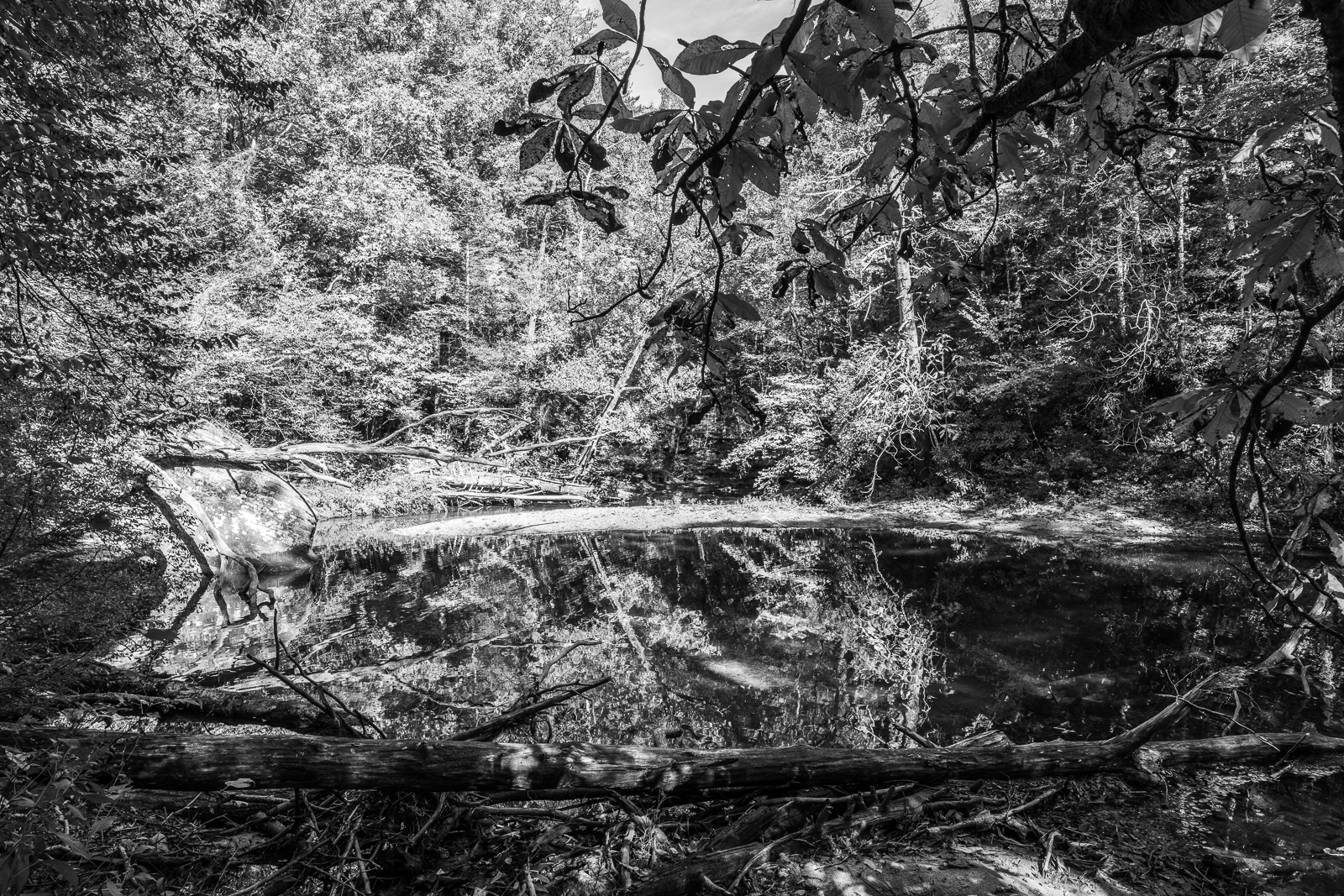
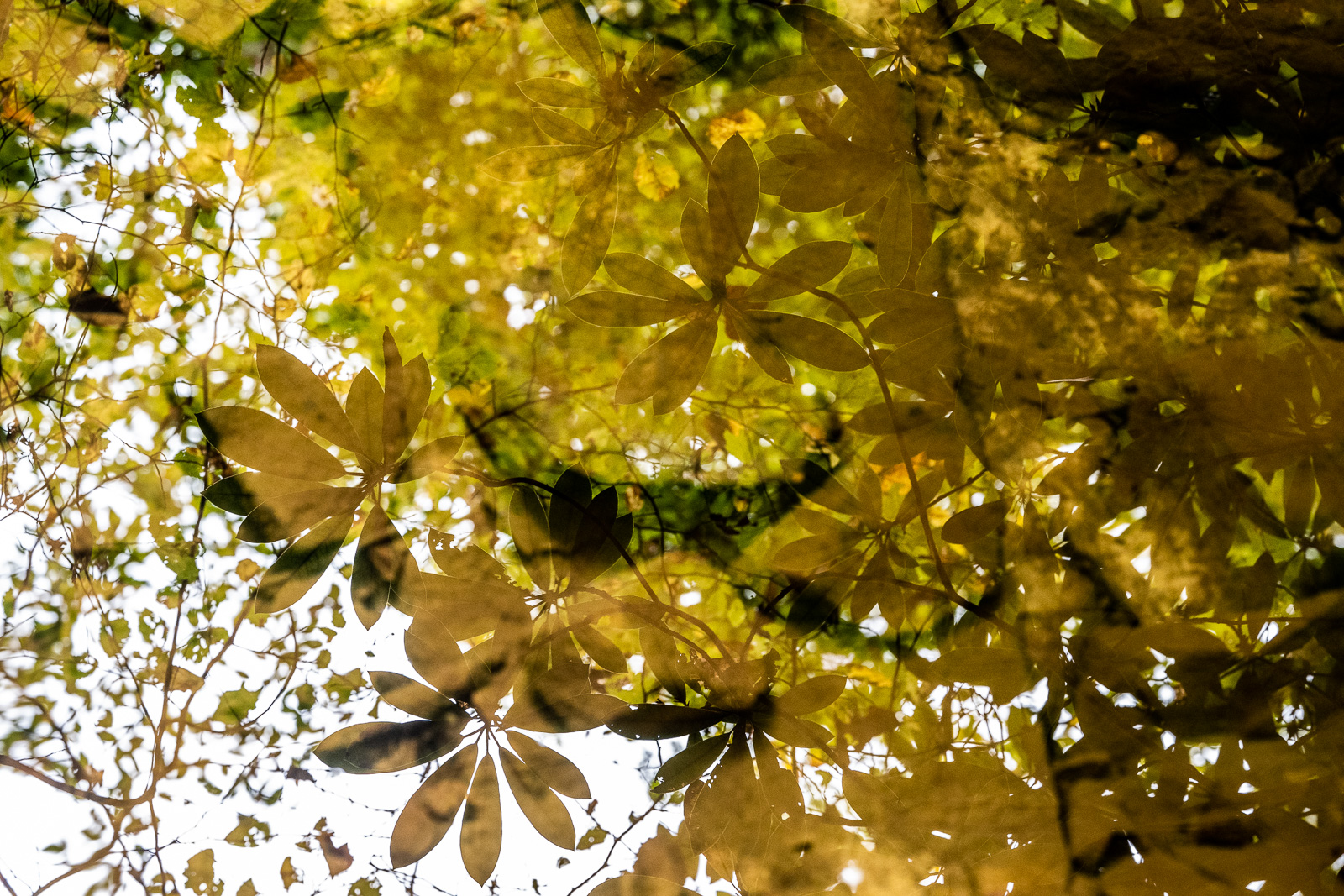
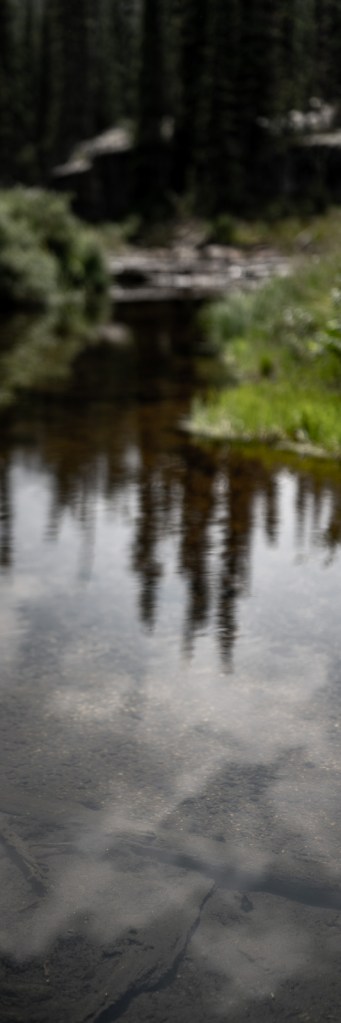
One begins to look away from the rocks and to accept that the transformative power of this place, water, offers reflection, too.

Is this it? Why, is this not enough?

Falling (Beaver Creek Wilderness I)

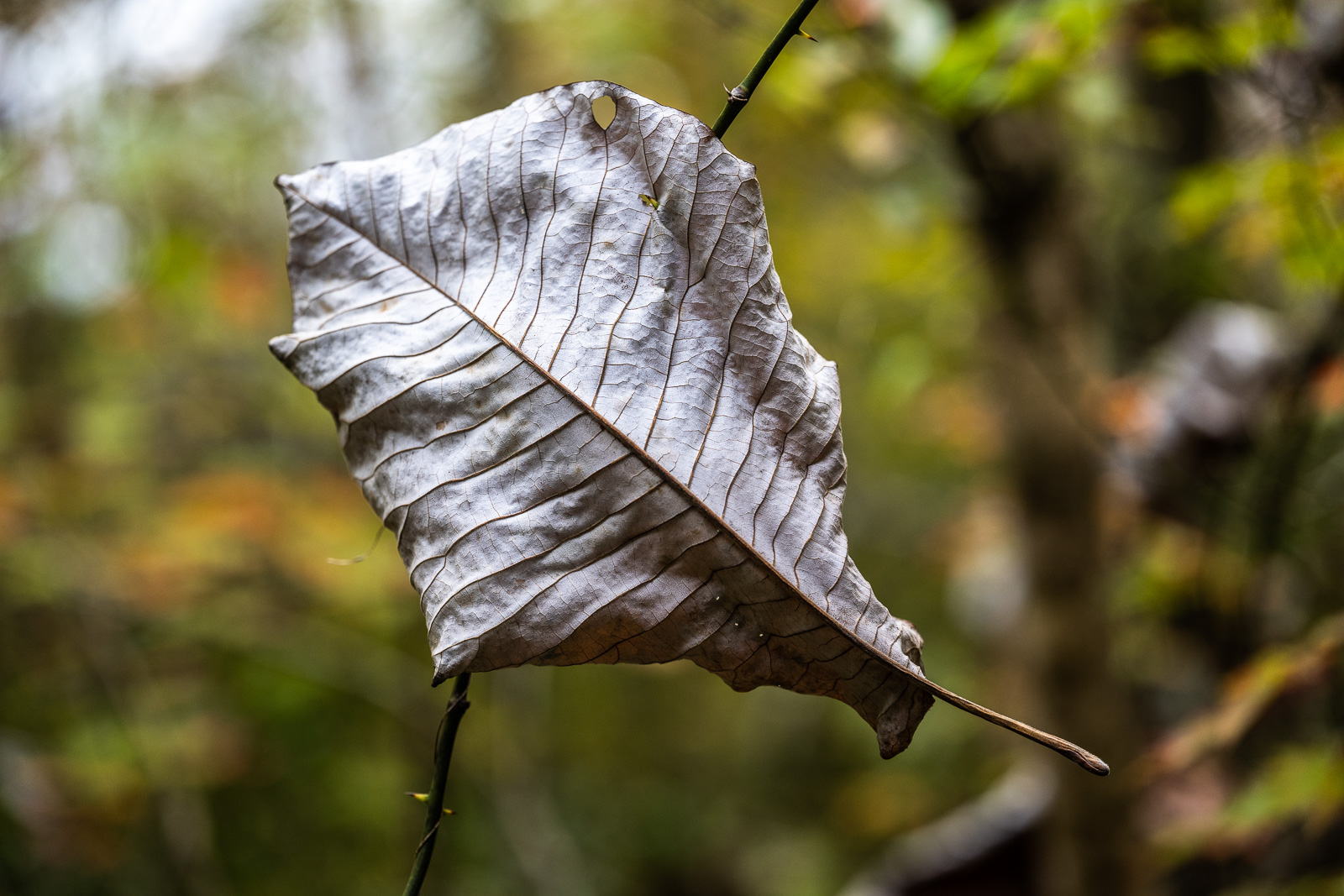
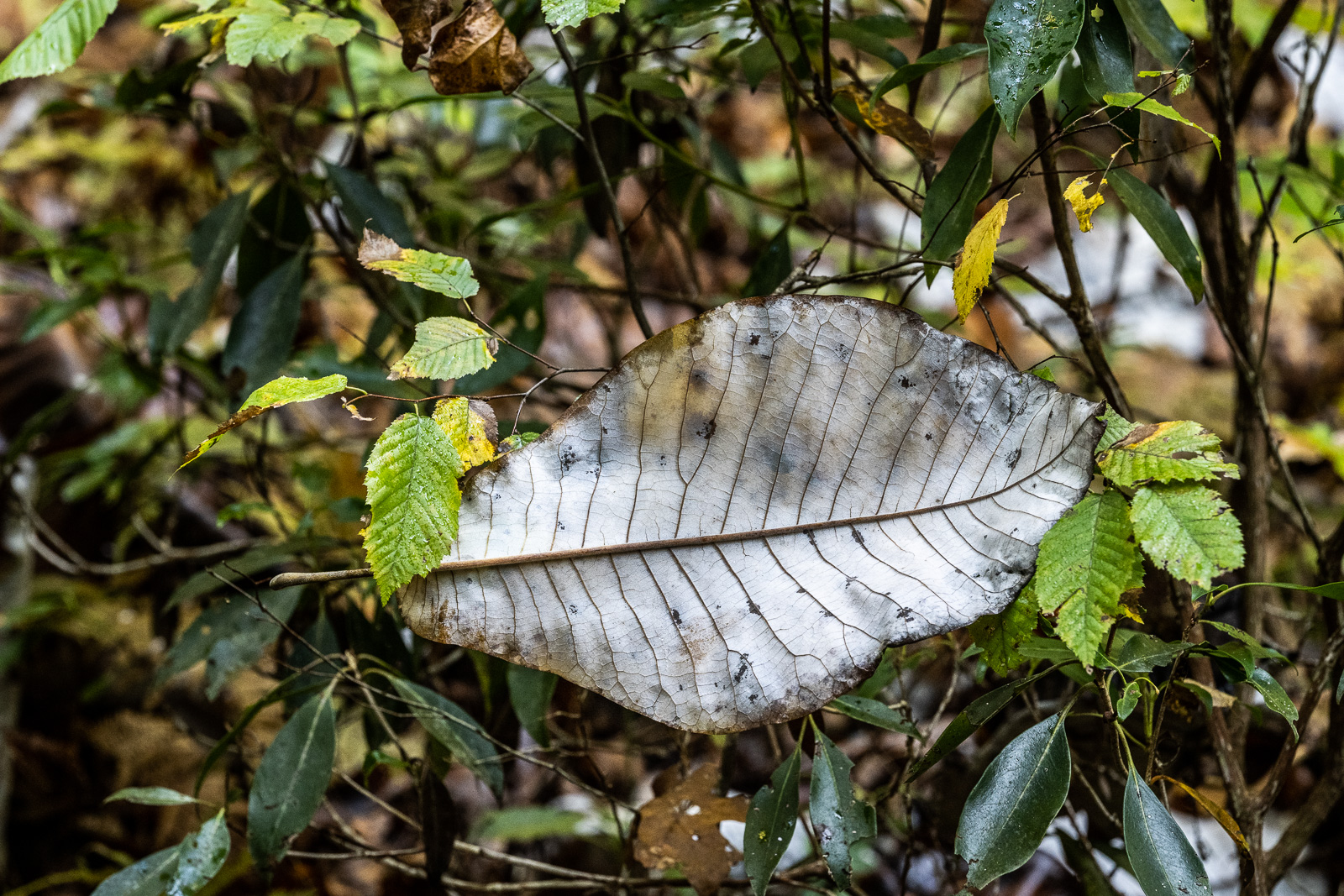
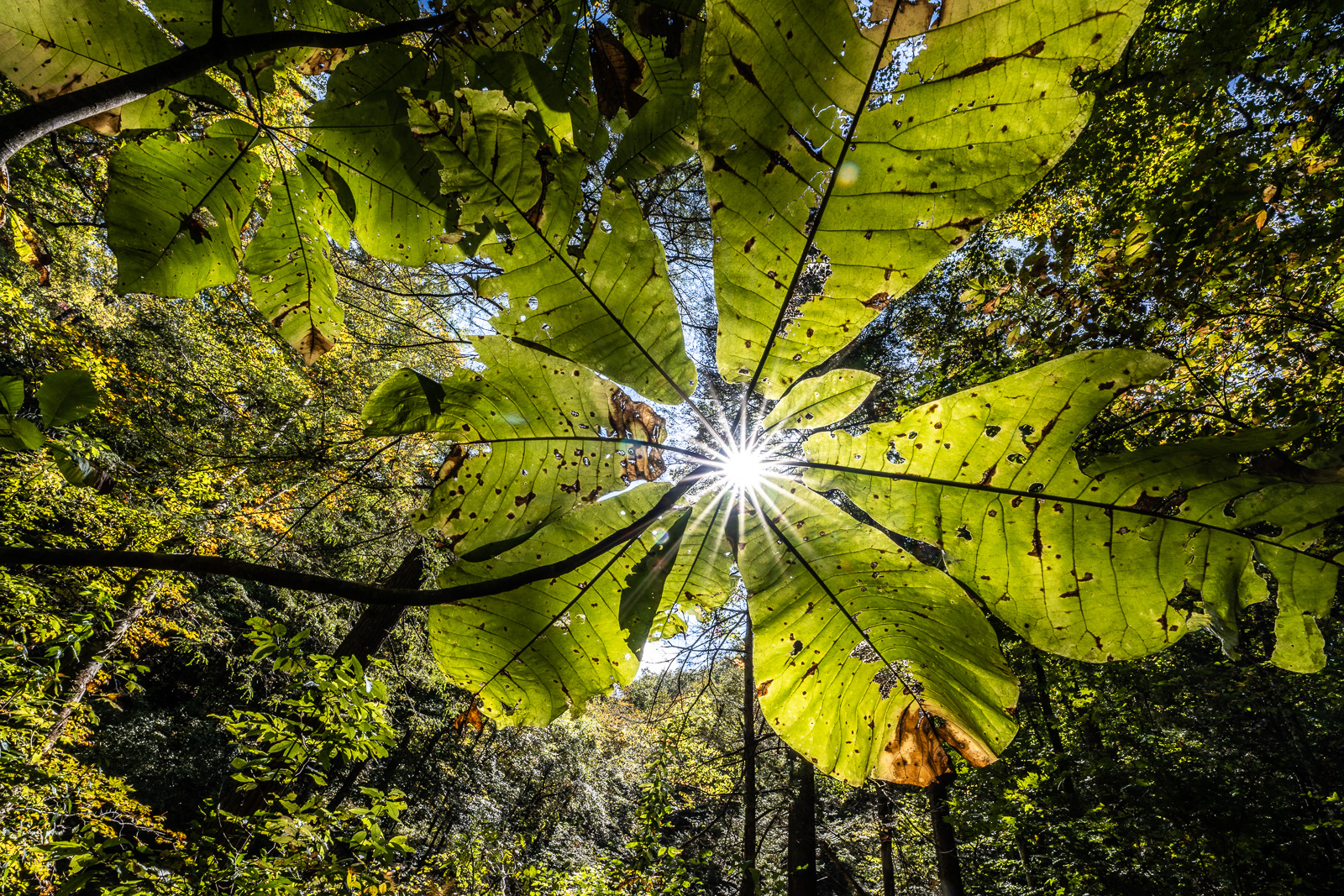
The abundance of Magnolia macrophylla was one of the my favorite attractions in Kentucky’s Beaver Creek Wilderness.

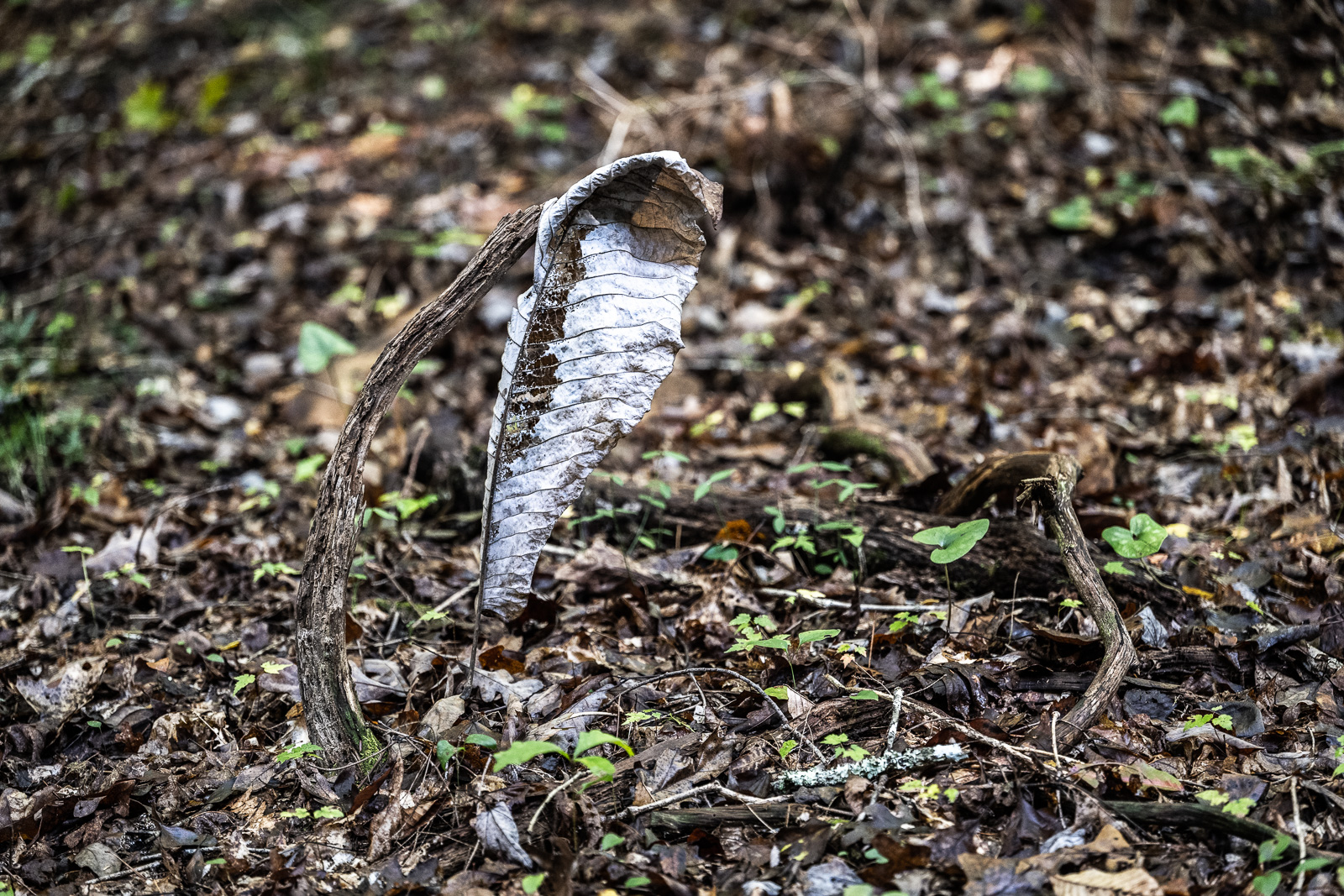
At this time of the year, the giant fallen leaves become an essential part of the ground cover.

Even the Beaver Creek itself is not safe, the unfallen leaves appear as reflections.

Many get stuck among their smaller friends in the process of falling,

or decide to go the last steps of decay just a few inches above ground.

Missouri & Fancy Lakes Loop (Colorado II)

An excellent hike to warm up and adjust to altitude in the Holy Cross Wilderness in Colorado combines the Fancy Lakes and Missouri Lakes trails to a 8.5 mile loop.

The ascent via Fancy Lake is a steady climb without difficulties, and offers plenty of opportunities to contemplate nature, and the nature of loops.

There is the contrast to an In&Out, where you retrace your steps, an undoing — what remains is the memory of having been.

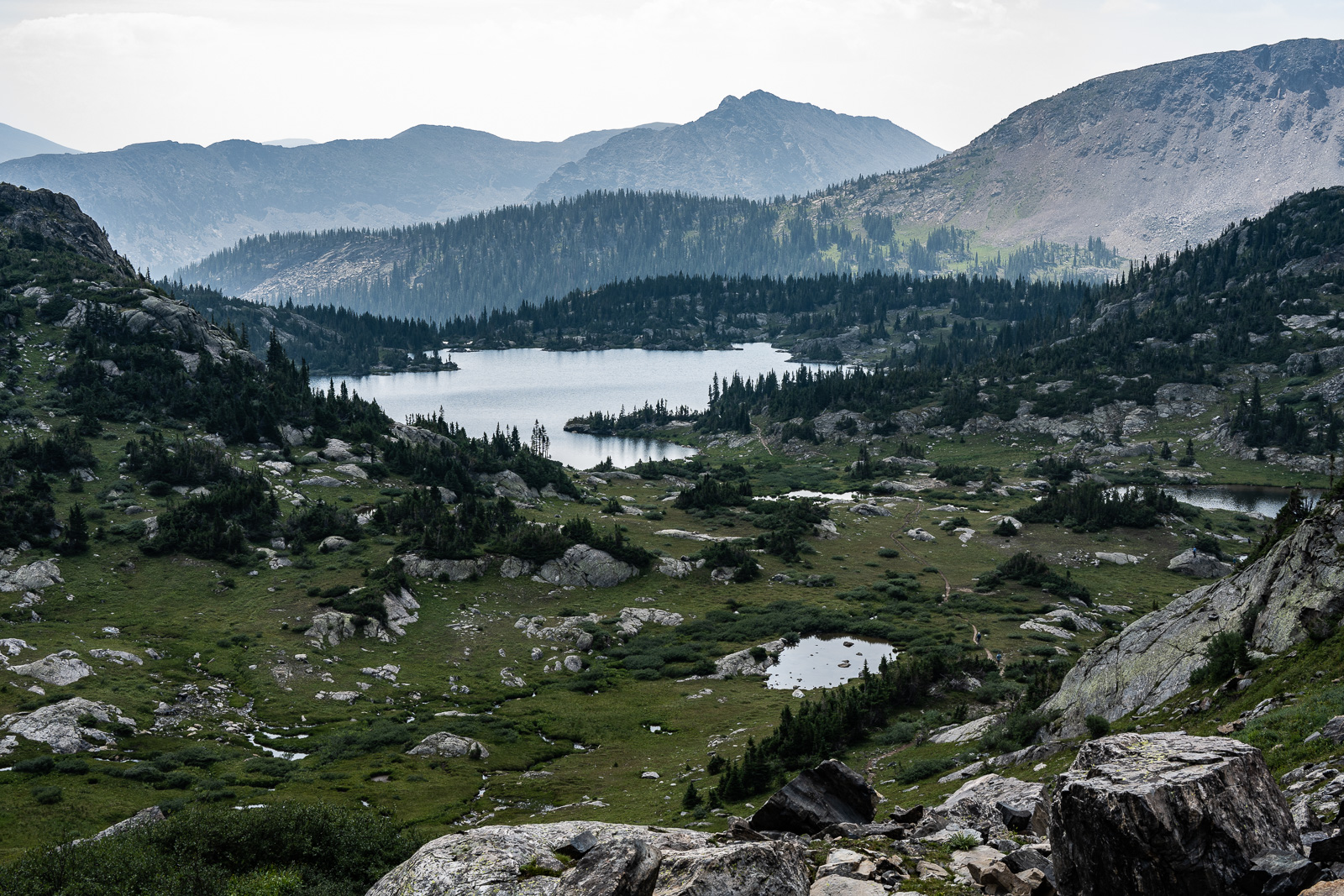
Towards Fancy Pass (at about 12,400 ft) we have climbed above tree level and the look back offers serene desolation, while the other side is an enormous open meadow.

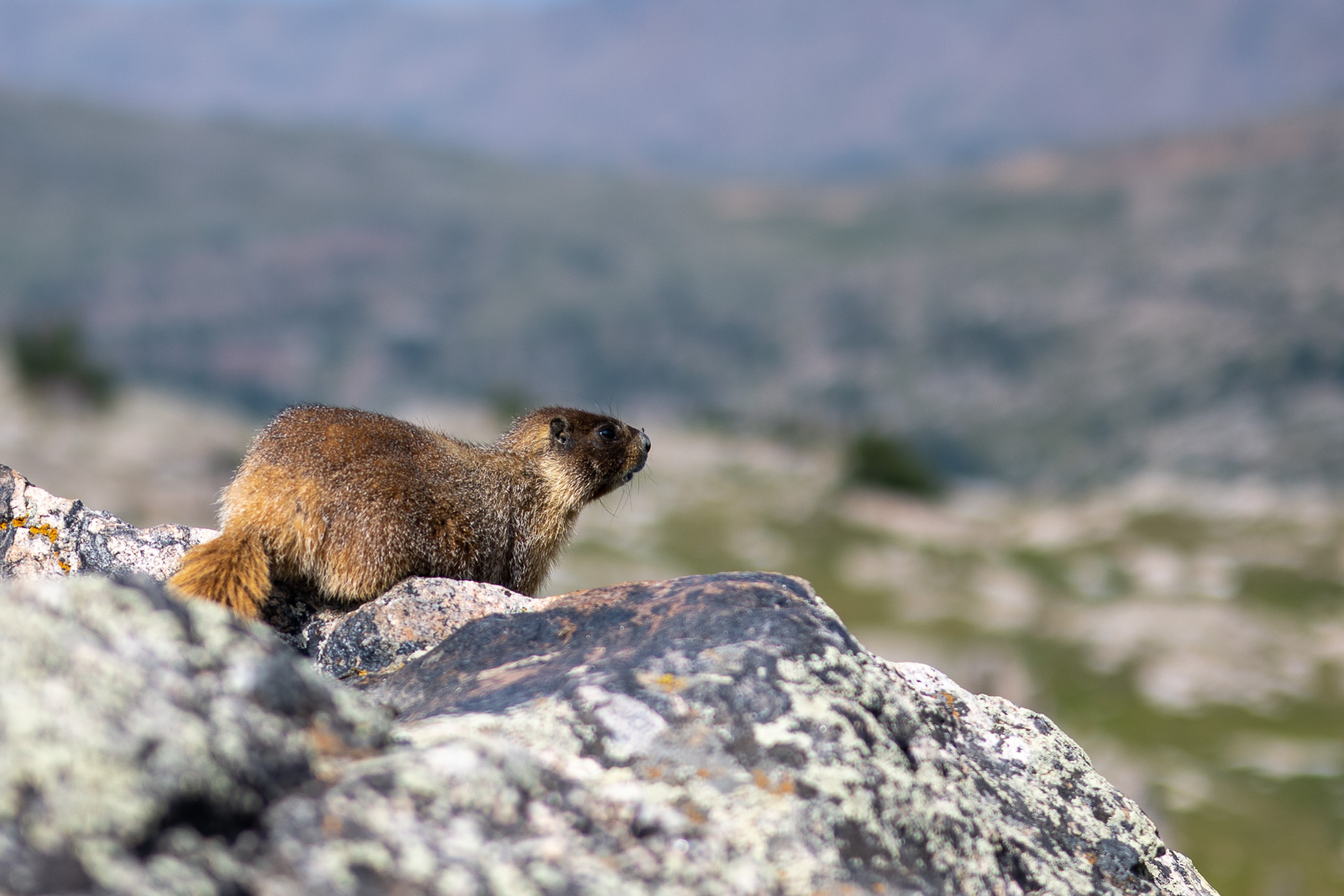
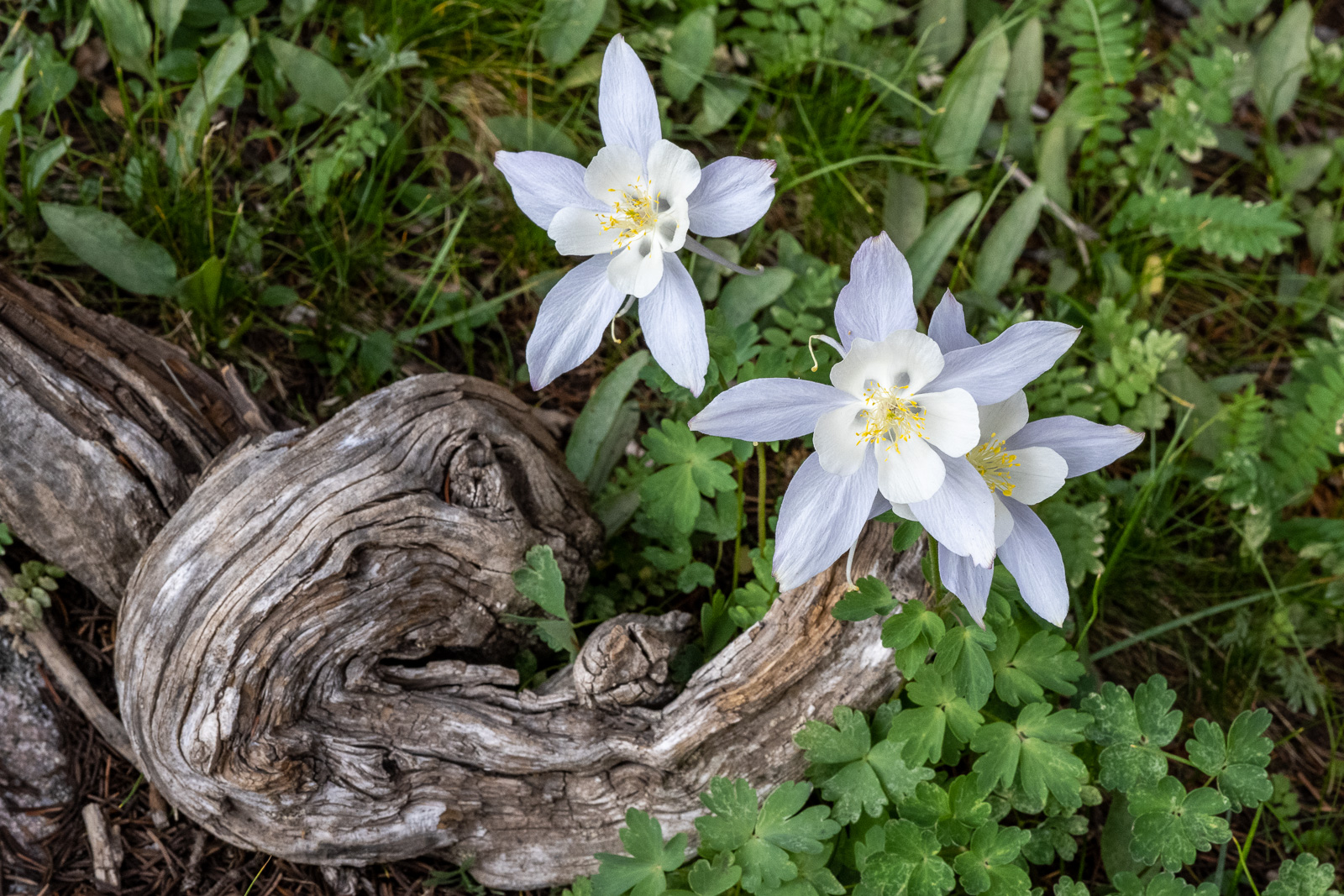
Our non-human animal friends are surprisingly trustful here; maybe they haven’t left paradise yet.

From Missouri pass it’s a long but gentle descent to a chain of a dozen lakes with the same name. again offering time for contemplation.

Why do I like sad faces better than happy faces?

Aren’t they more beautiful, always?

Good loop trails don’t really close. They seem to leave a small gap at the end, like a broken circle, an unfinishing.

We will come back, and try again, and again.

There is beauty in that, too.

Let’s Deal With It

I have written before about Two Lake Trail in southern Indiana, a 13 mile loop.

Here we are at the end of summer, colors haven’t changed yet from uniform green&brown to the fall display of everything.

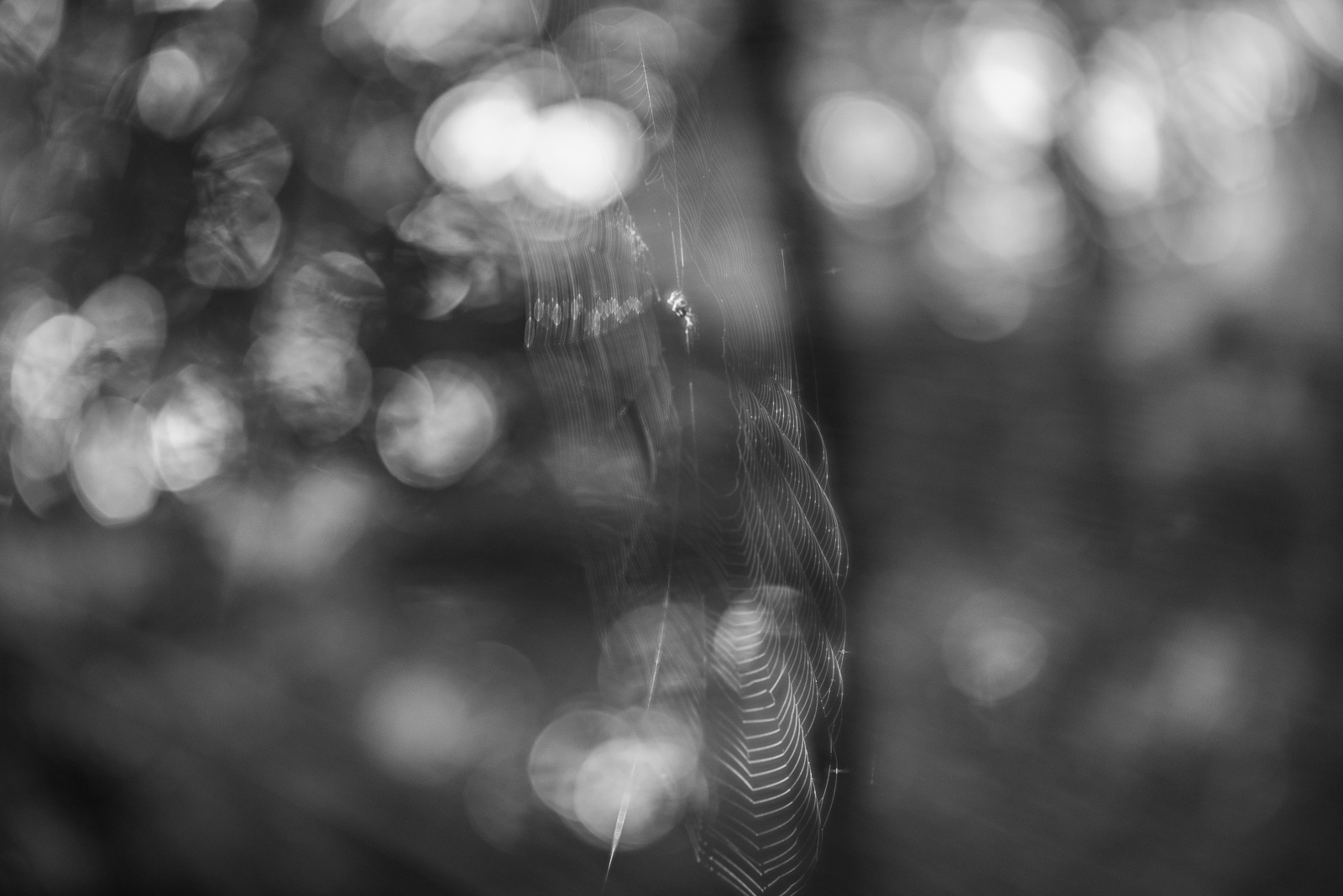
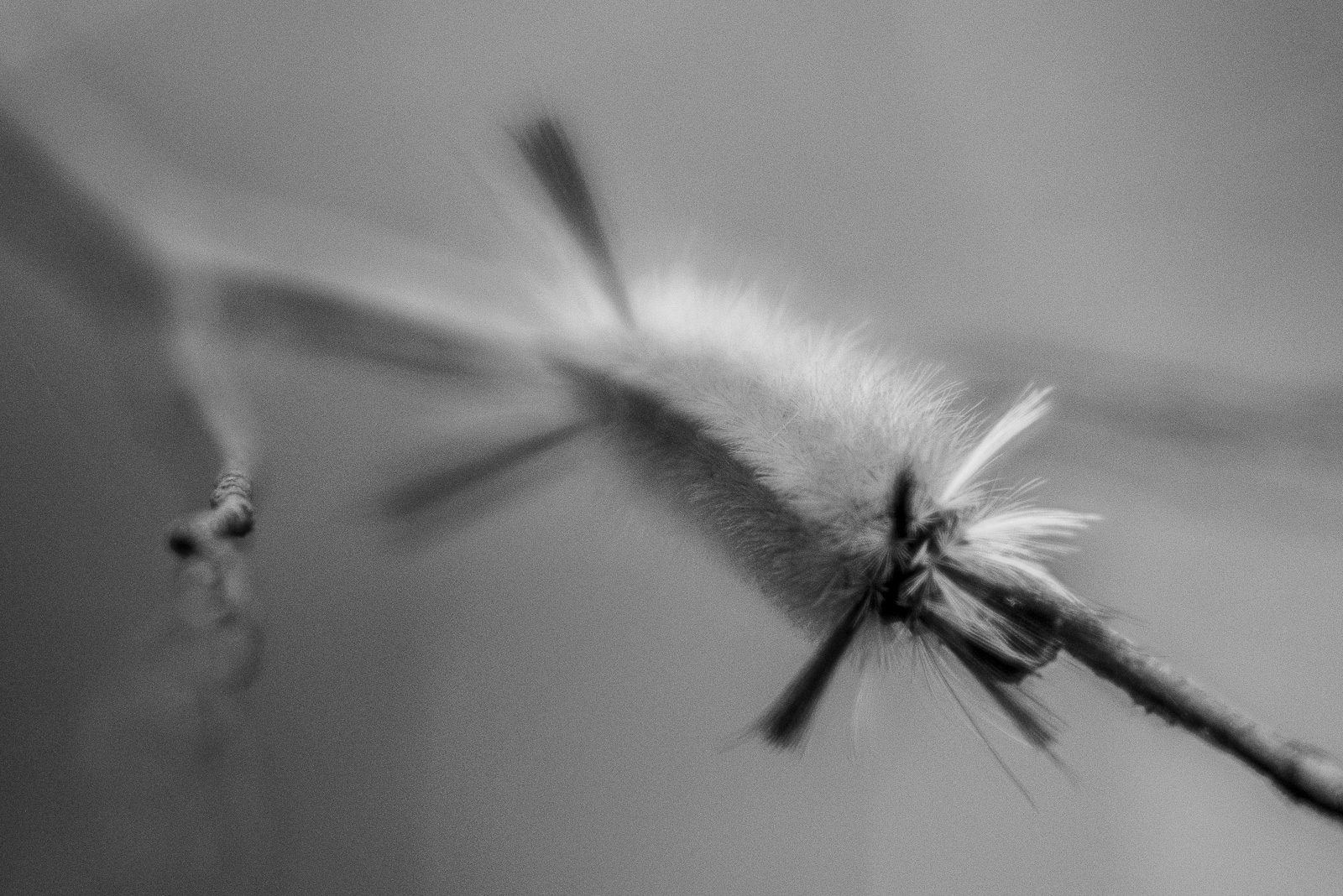
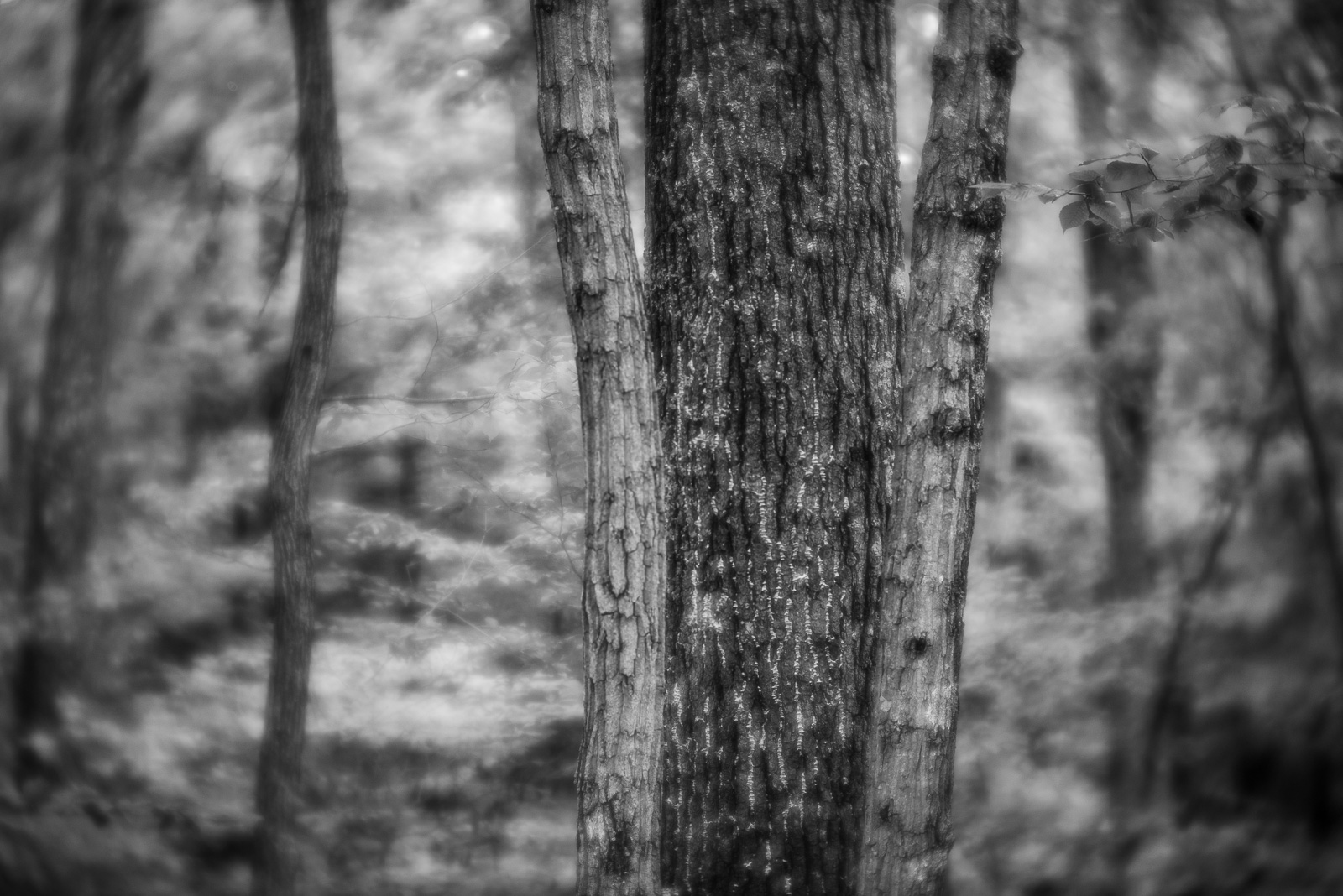
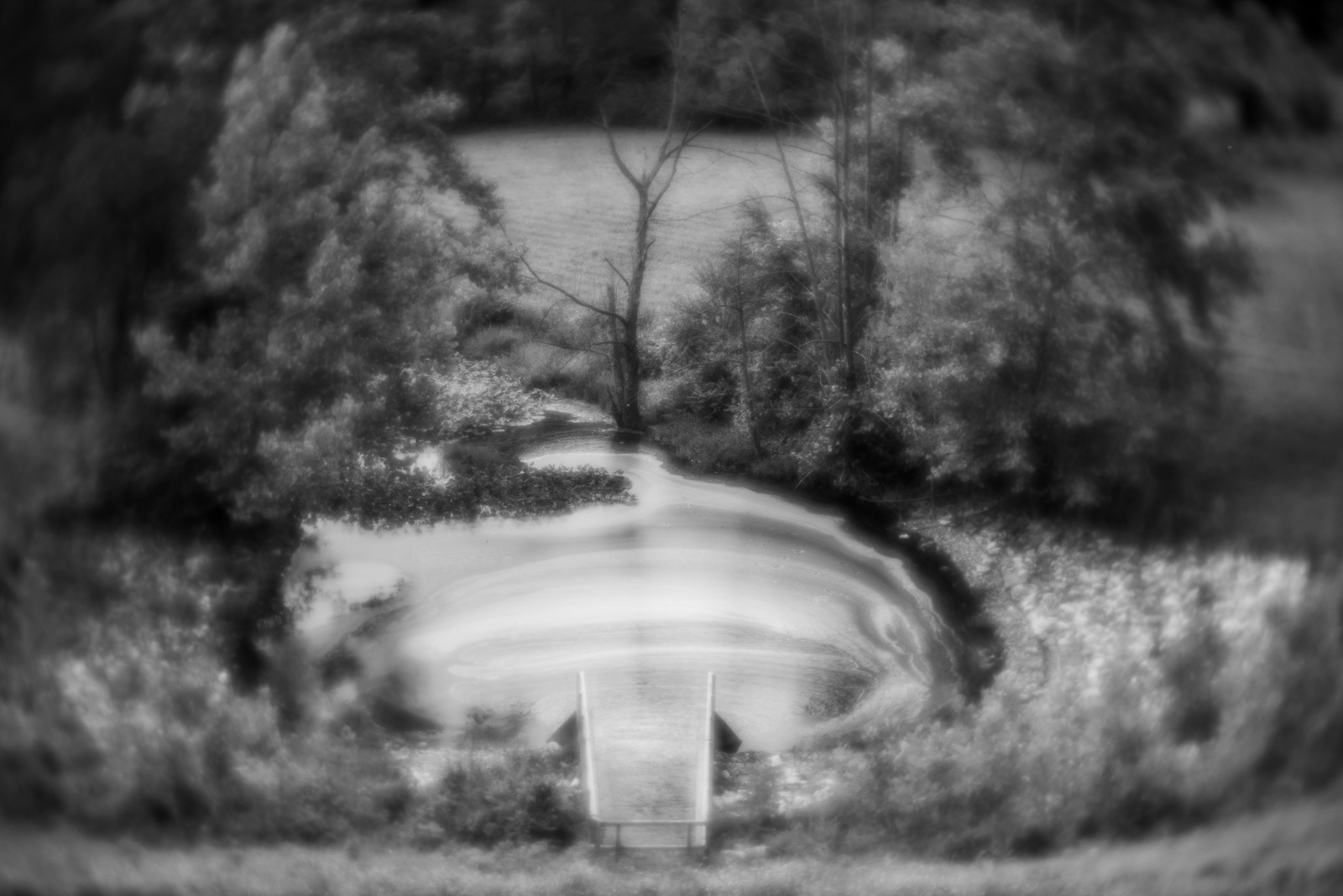
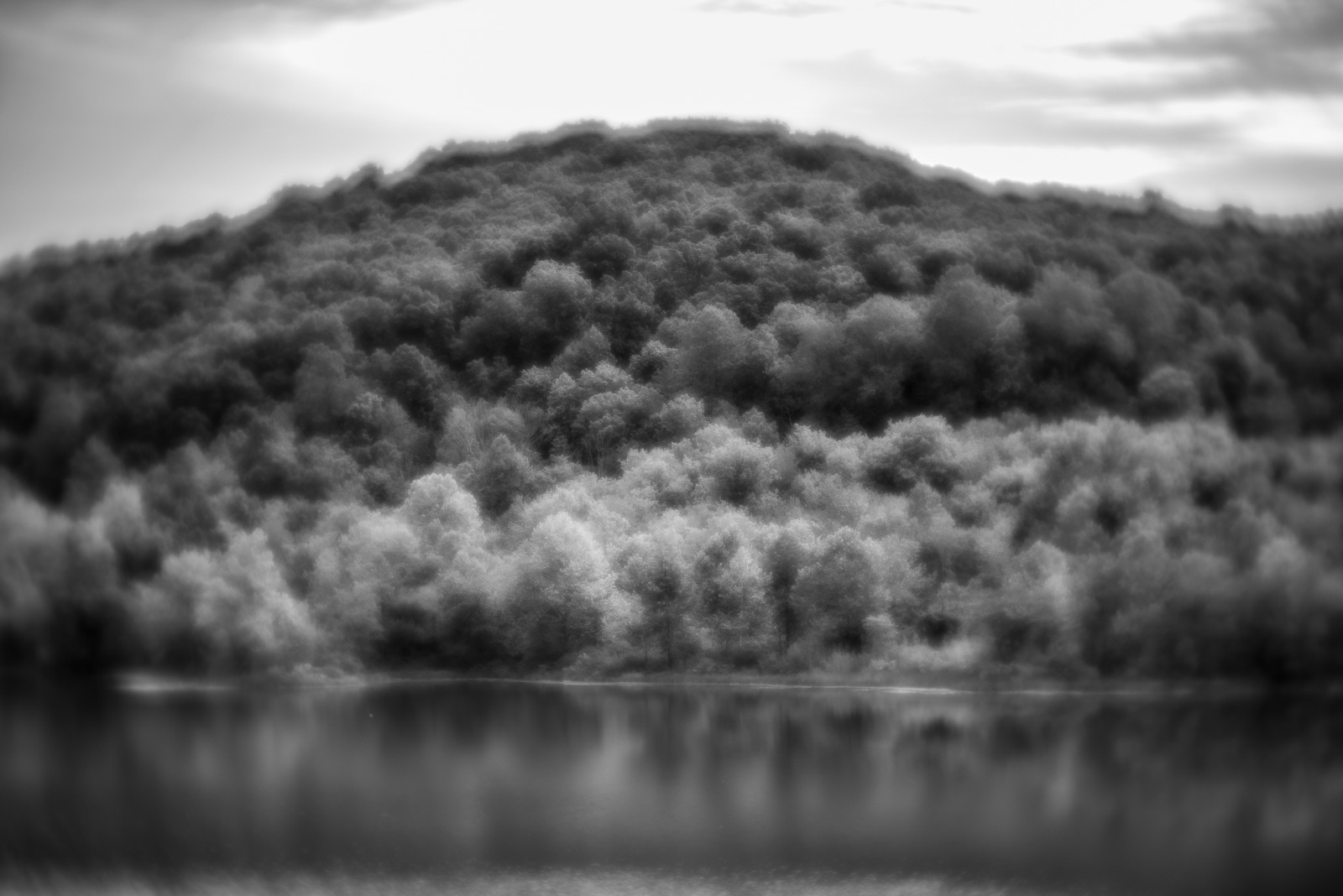
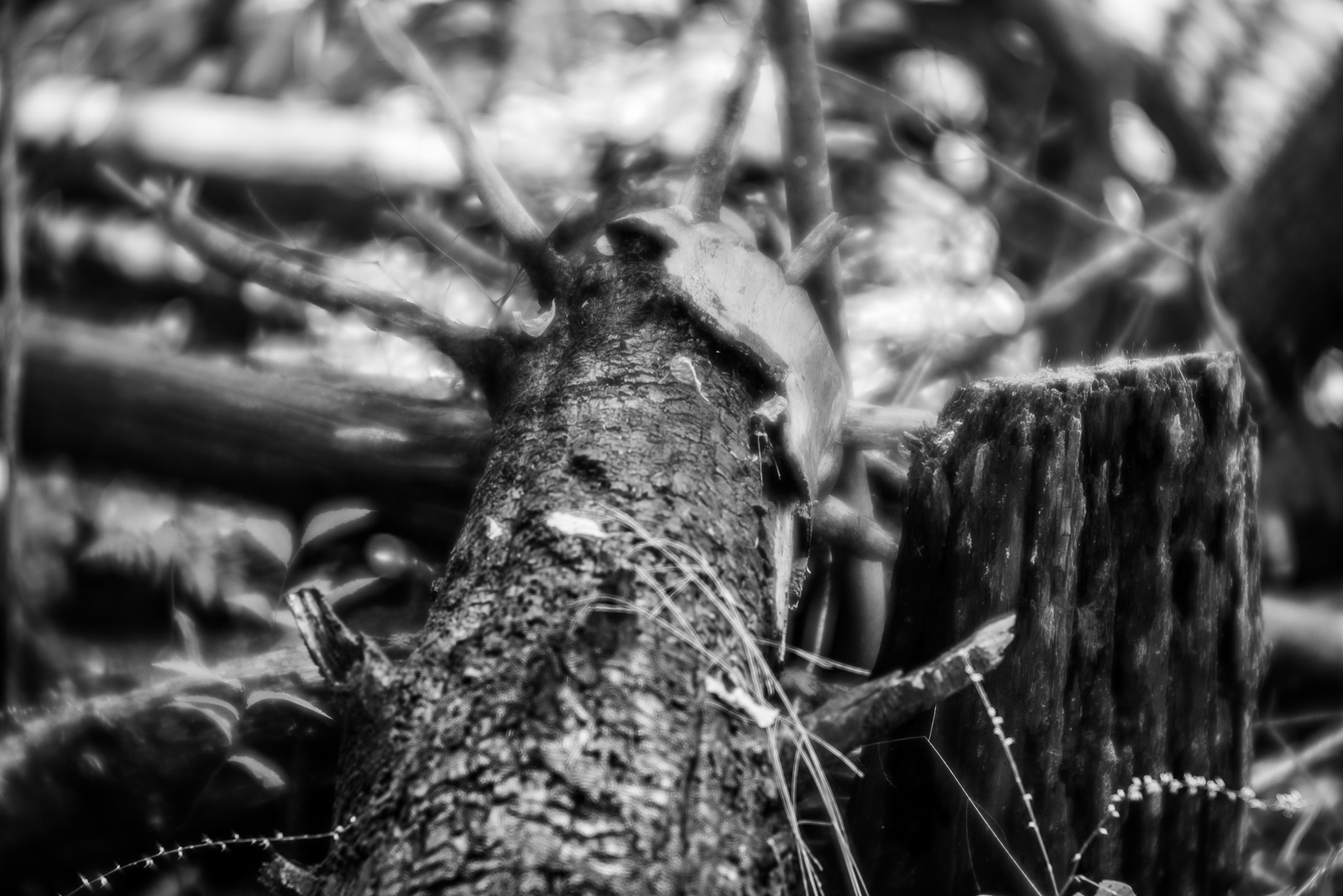
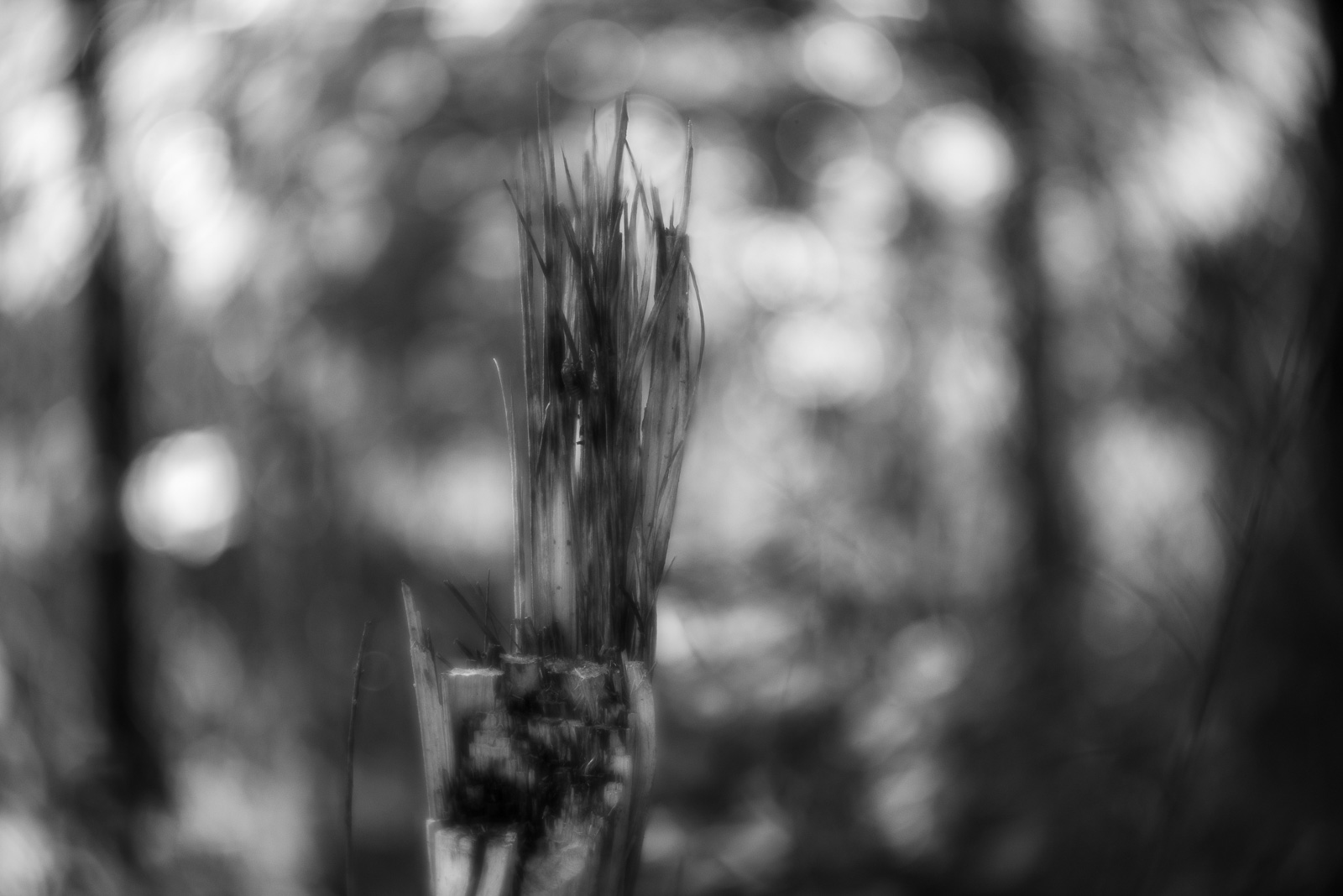
The safest way to deal with this is to ignore the colors. And, while we are at it, also to ignore sharpness and depth of field, as that might reveal how all this here really looks like.

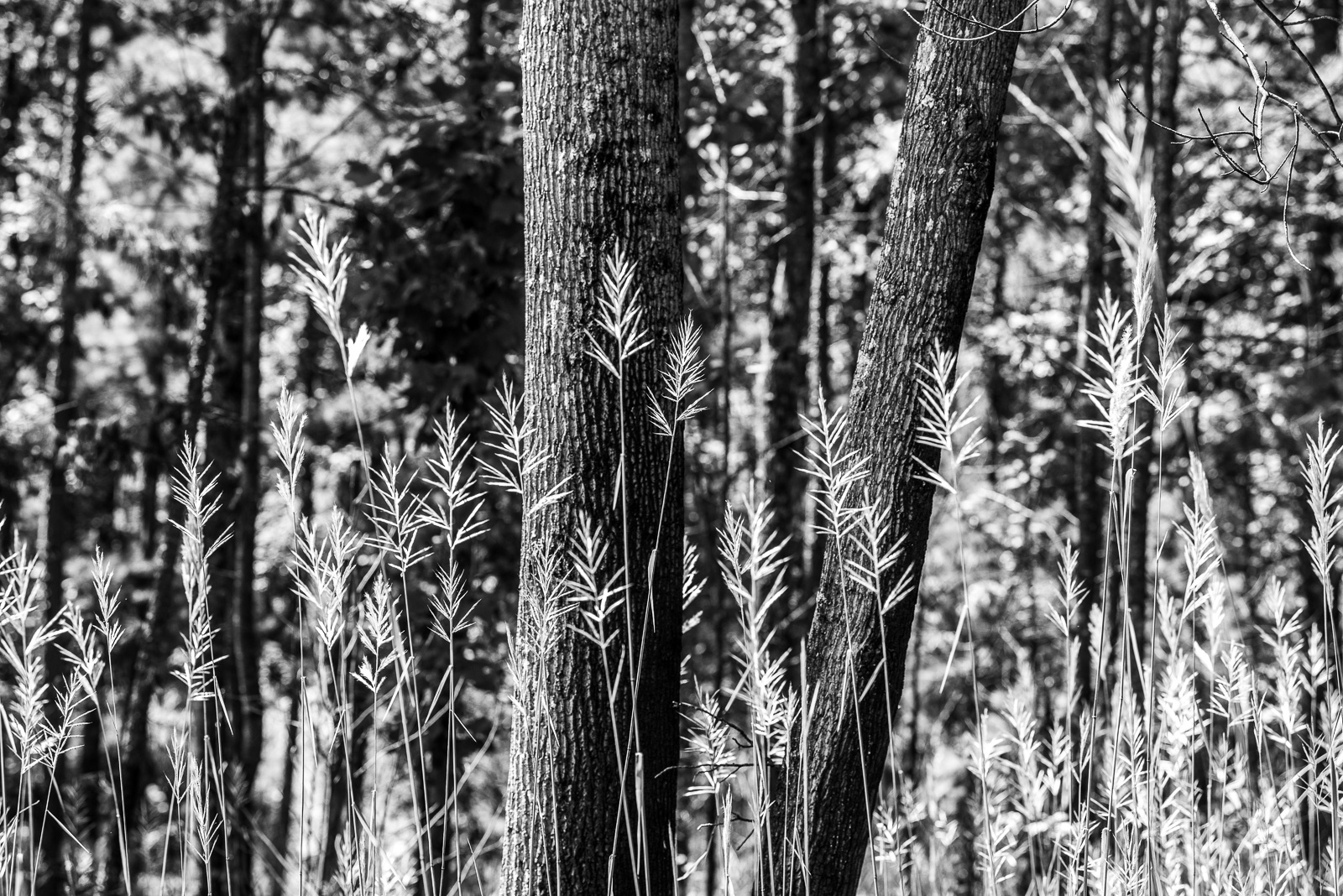
If you remove color and use blurry images, it’s not so bad anymore.

Even the very smelly drainage from one of the two artificial lakes starts to look compelling.

And see, Indiana does have mountains.

What we see here is the esthetics of stuff. With open eyes, such pictures are possible everywhere.

All that really matters are contrasts. Is that what we really want?

Black/White, Vaccinated/Not Vaccinated, is that what we have become?

I had this trail all for myself. Except for the bugs and spiders, of course. Where are my fellow humans?

Maybe it’s time to open my eyes.

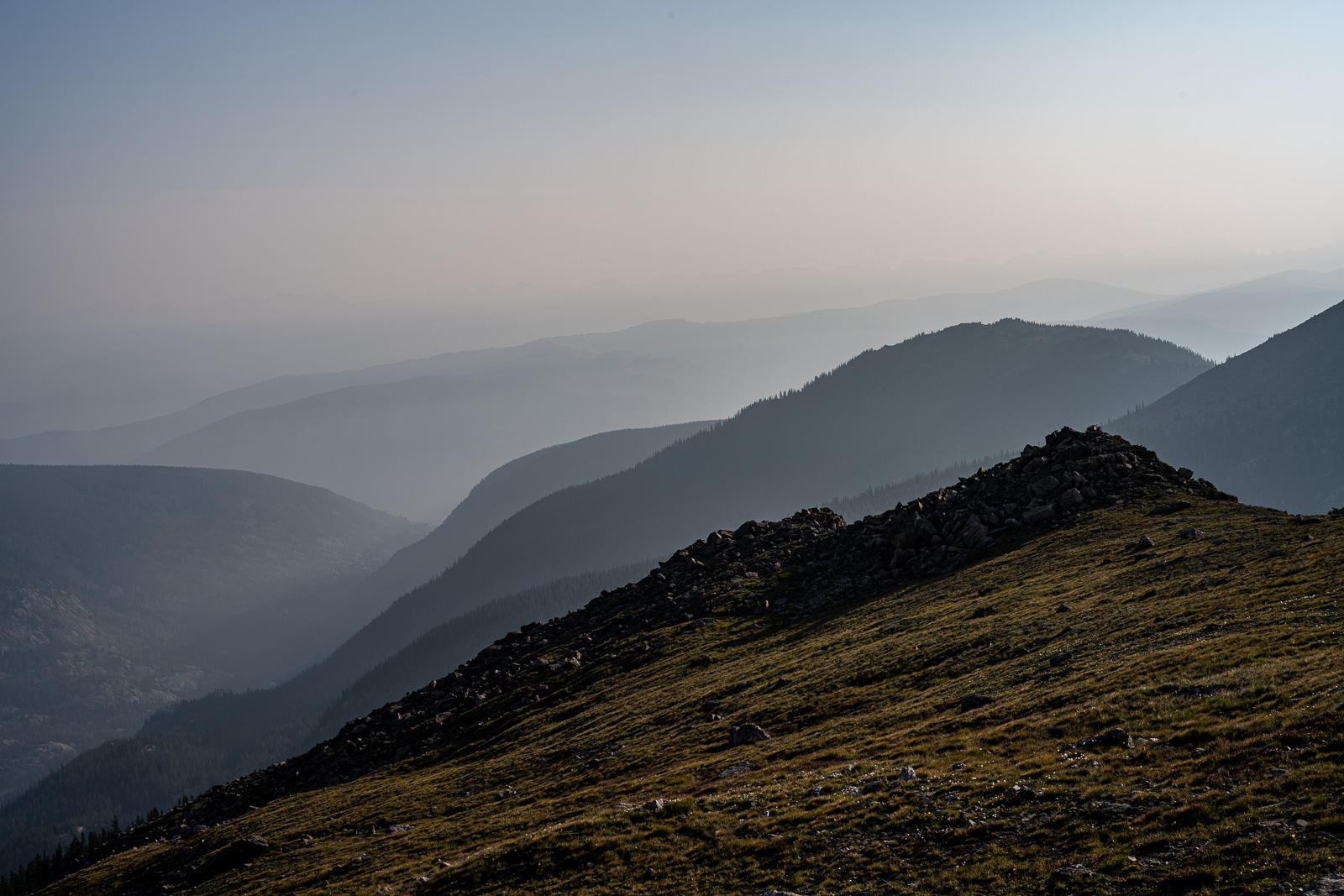
Up (Colorado I)

The standard route to Mount of the Holy Cross begins at Half Moon trailhead and leisurely climbs up to Half Moon pass.

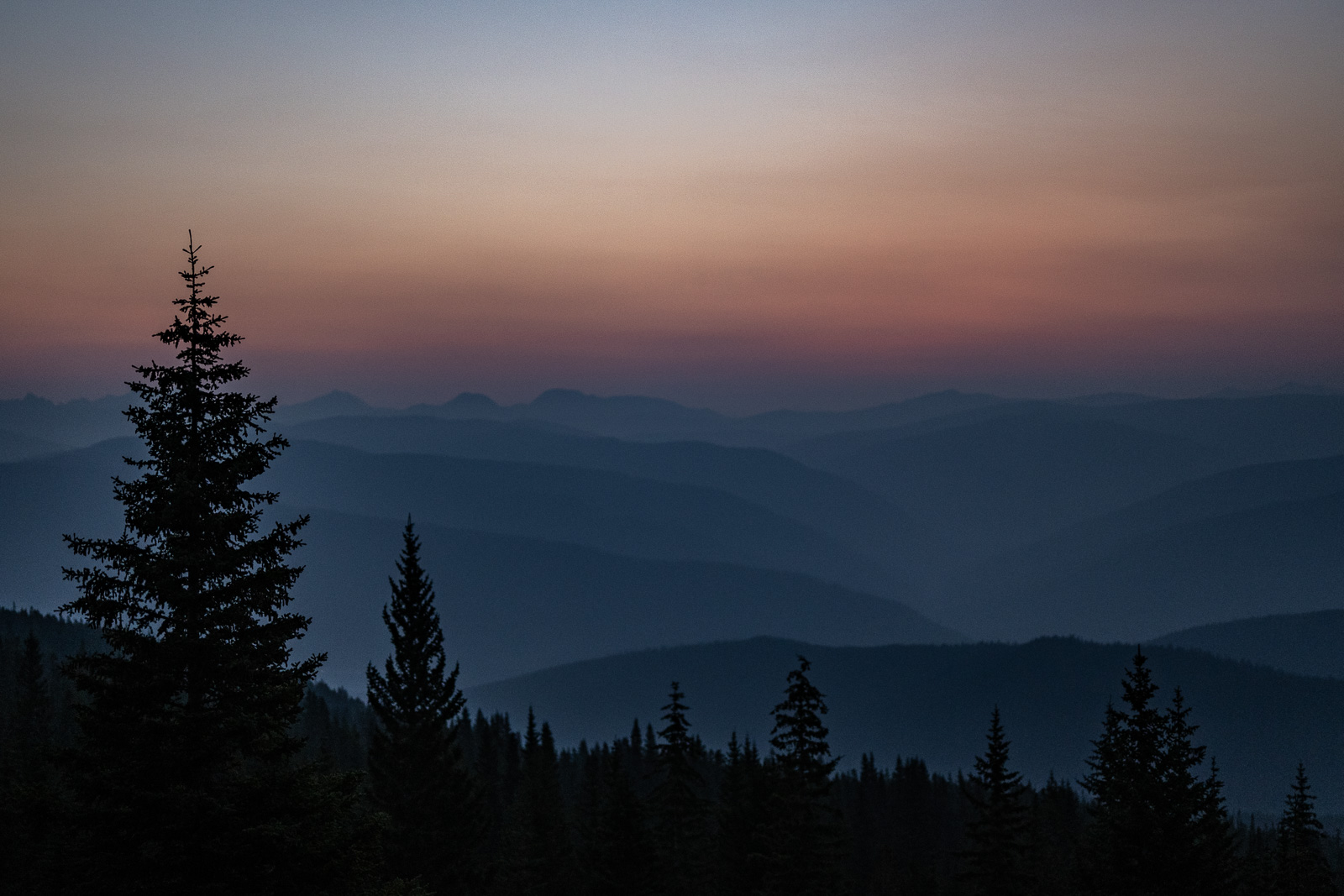
Starting early (5am) gets you to the pass at dawn with magnificent views back.

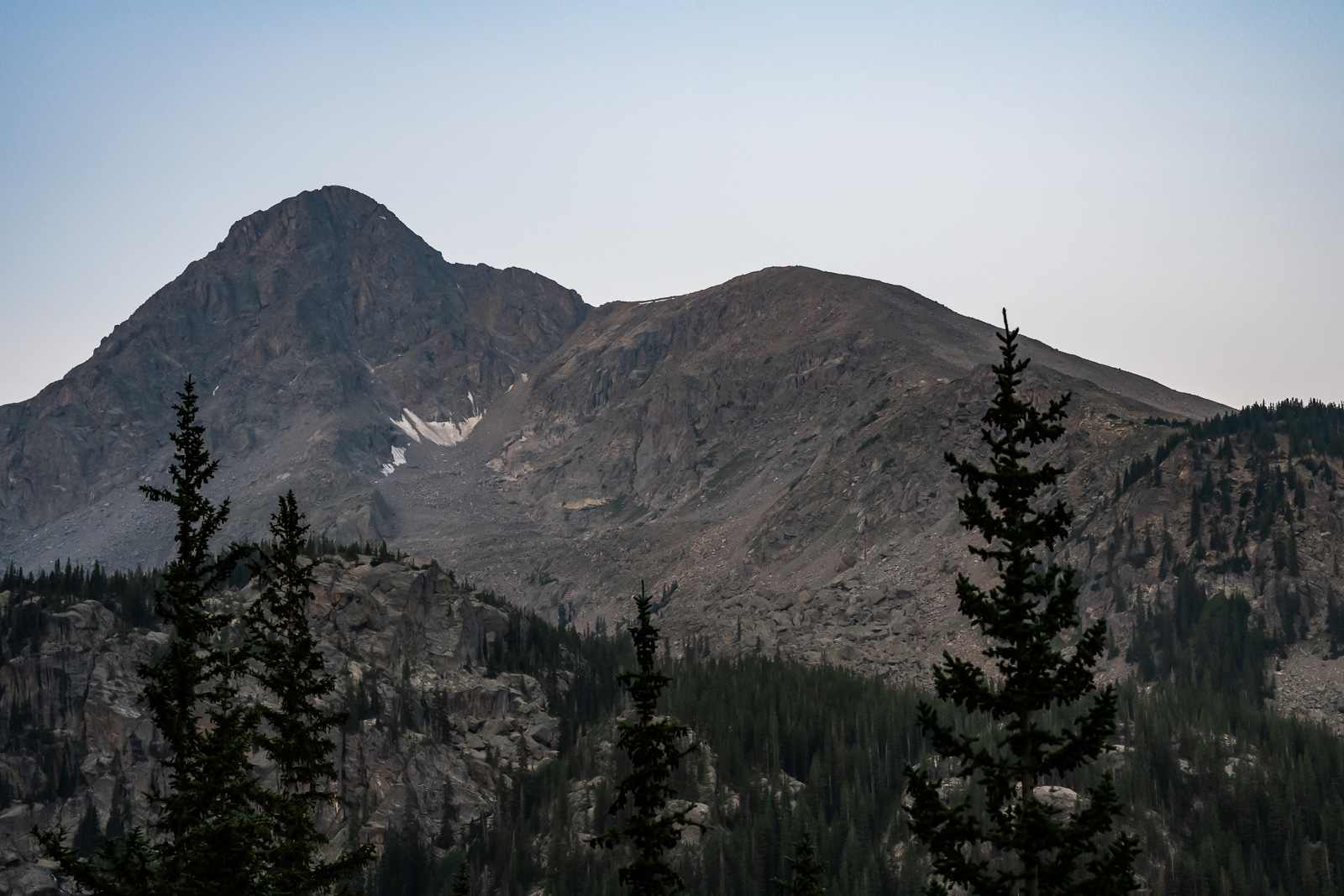
The other side of the pass reveals the mountain and the prospect of a long and steep climb. Before that, you’ll have to descend 1,000 feet, losing almost all you had gained before.

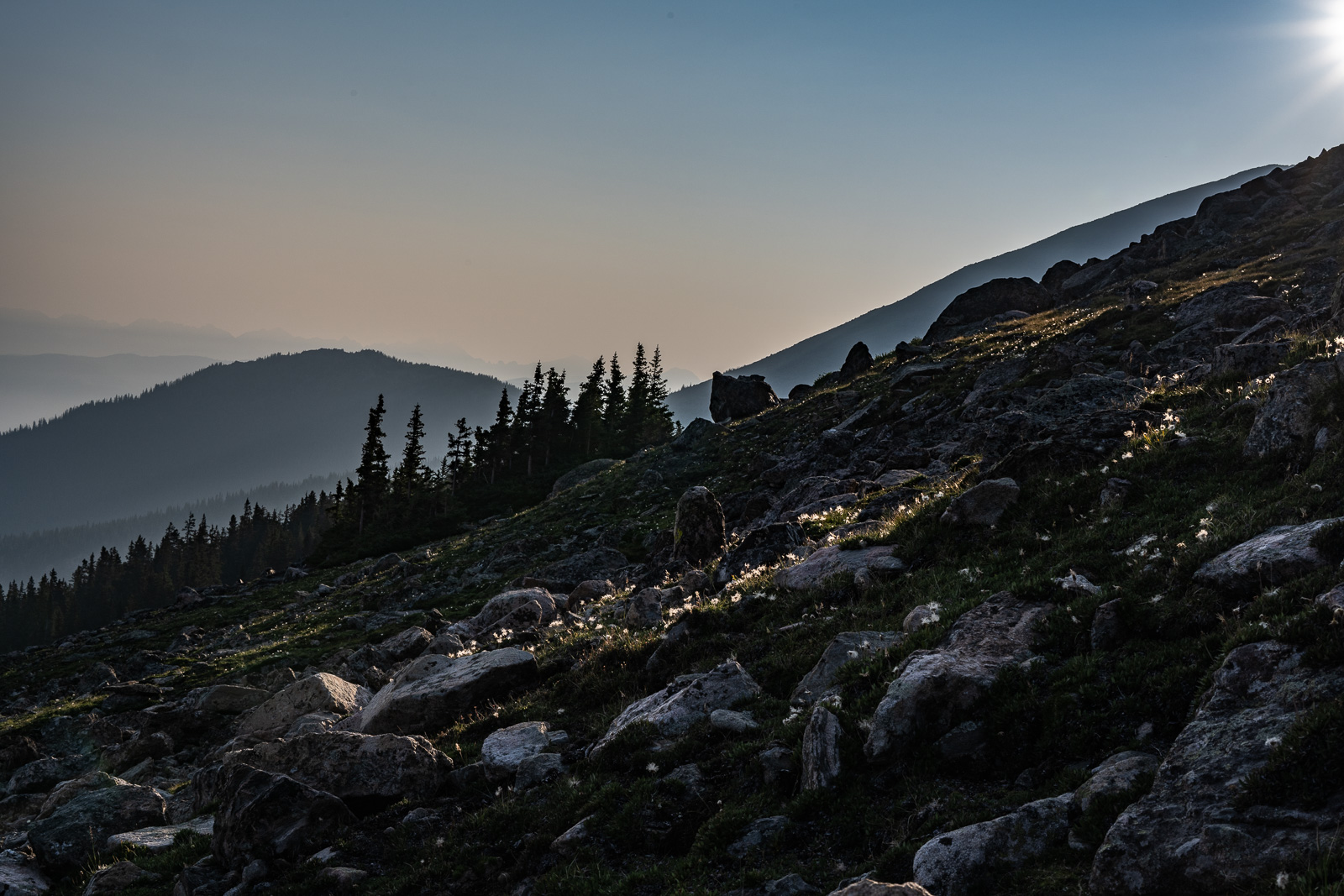
Eat breakfast at sunrise among wildflowers on the north slope.

Despite its harshness, there is vegetation all the way to the top.

Then you begin an eternal climb on a well-maintained trail.

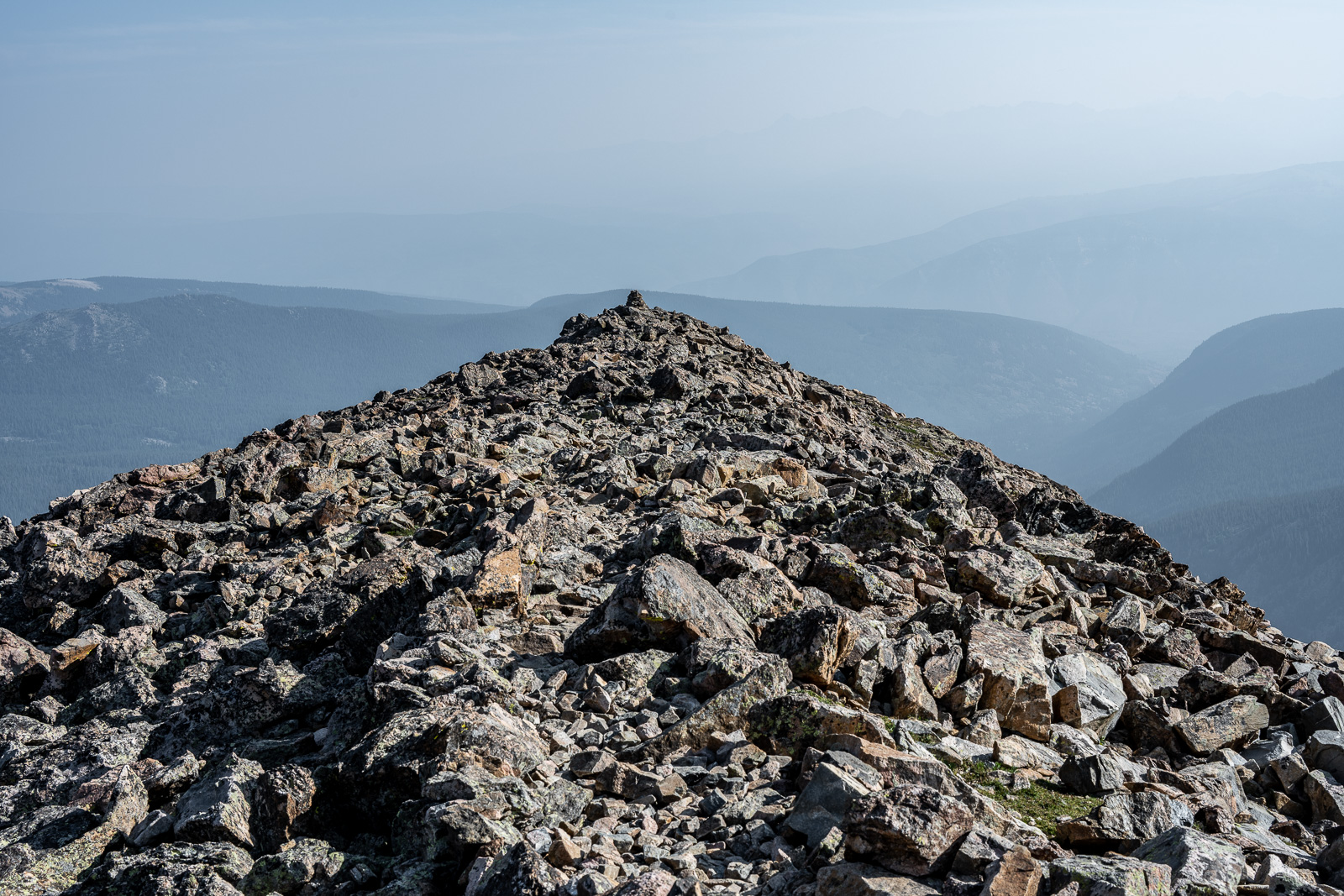
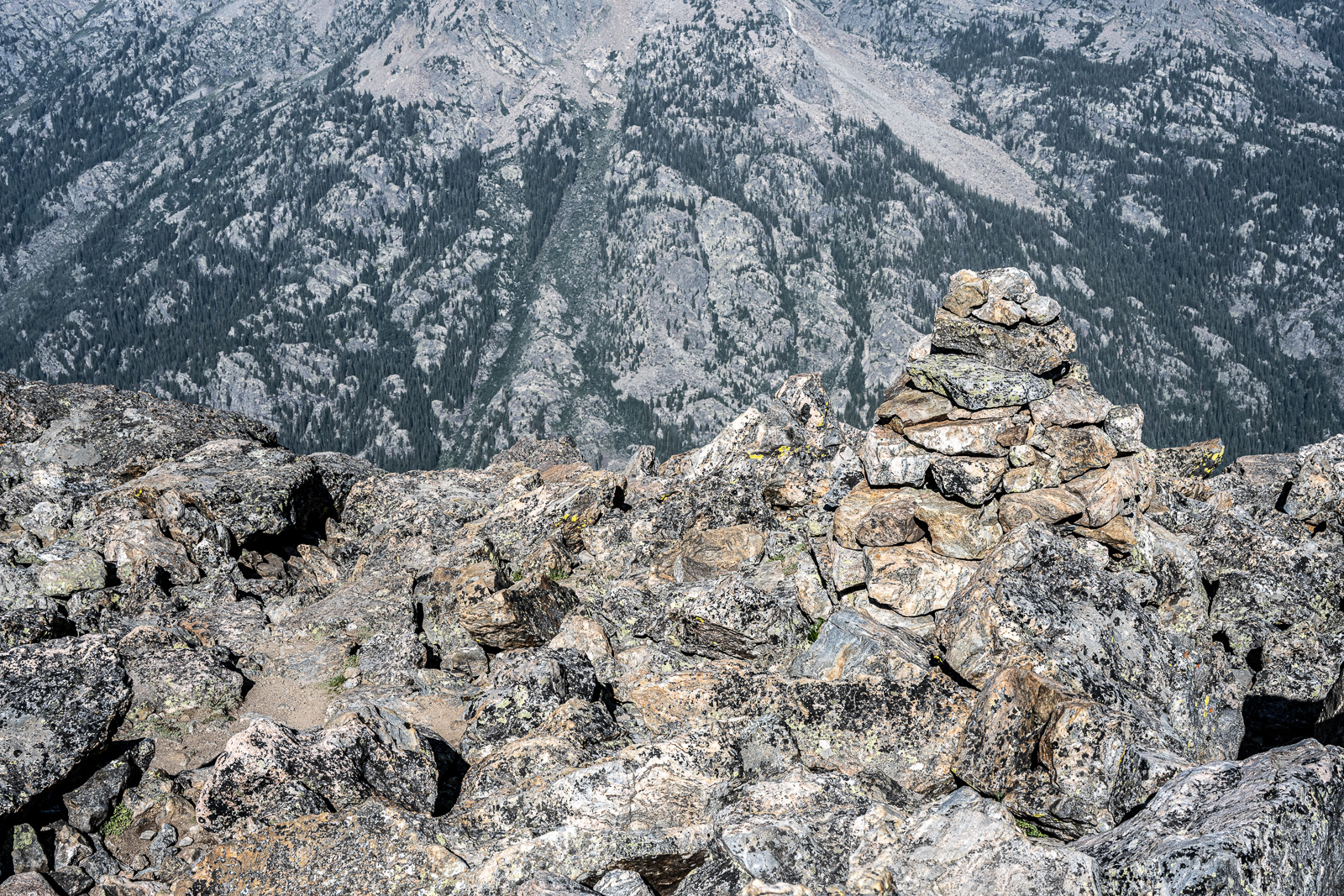
Just before the final & rugged ascent, there is a long and eery horizontal ridge. Nothingness can be beautiful.

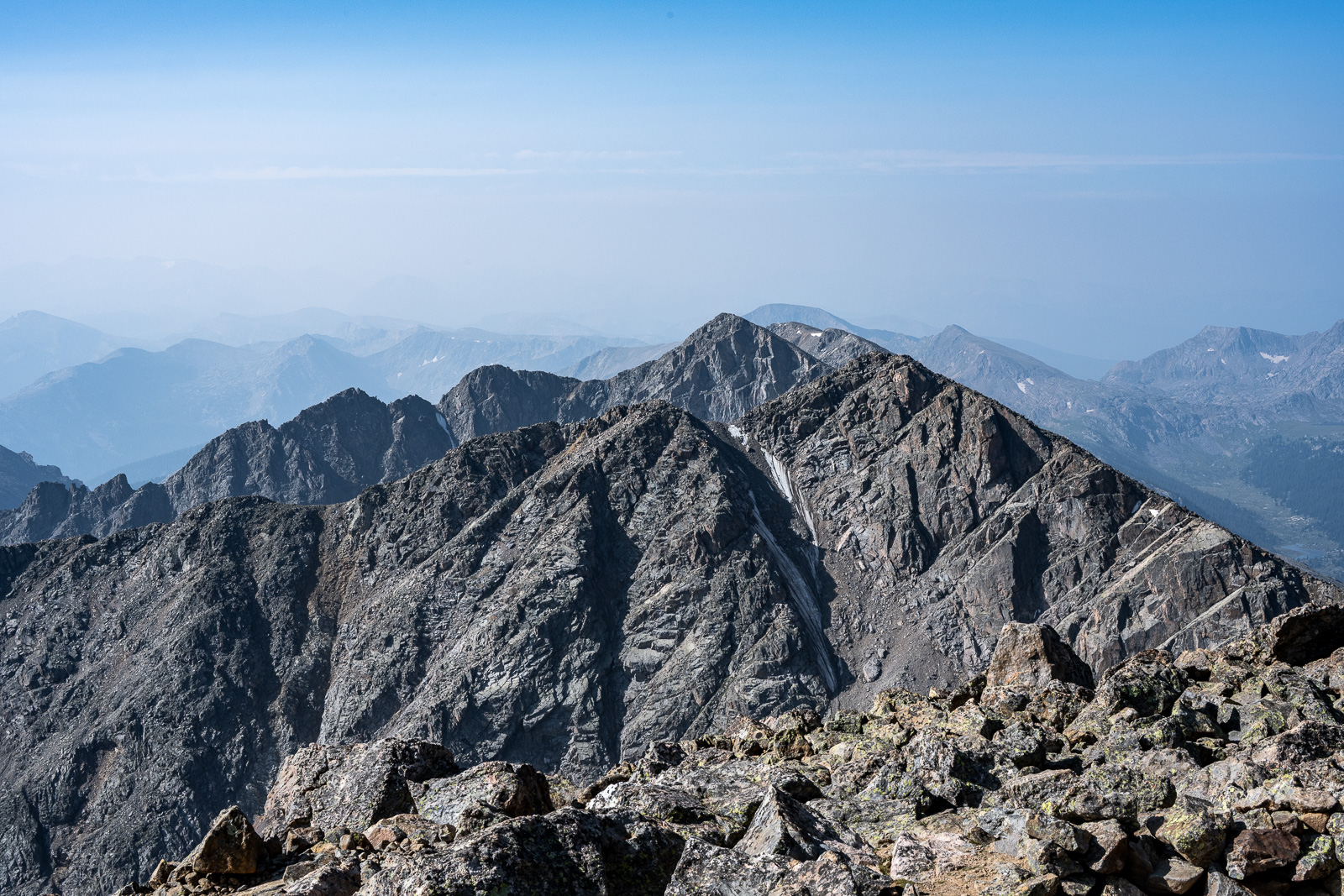
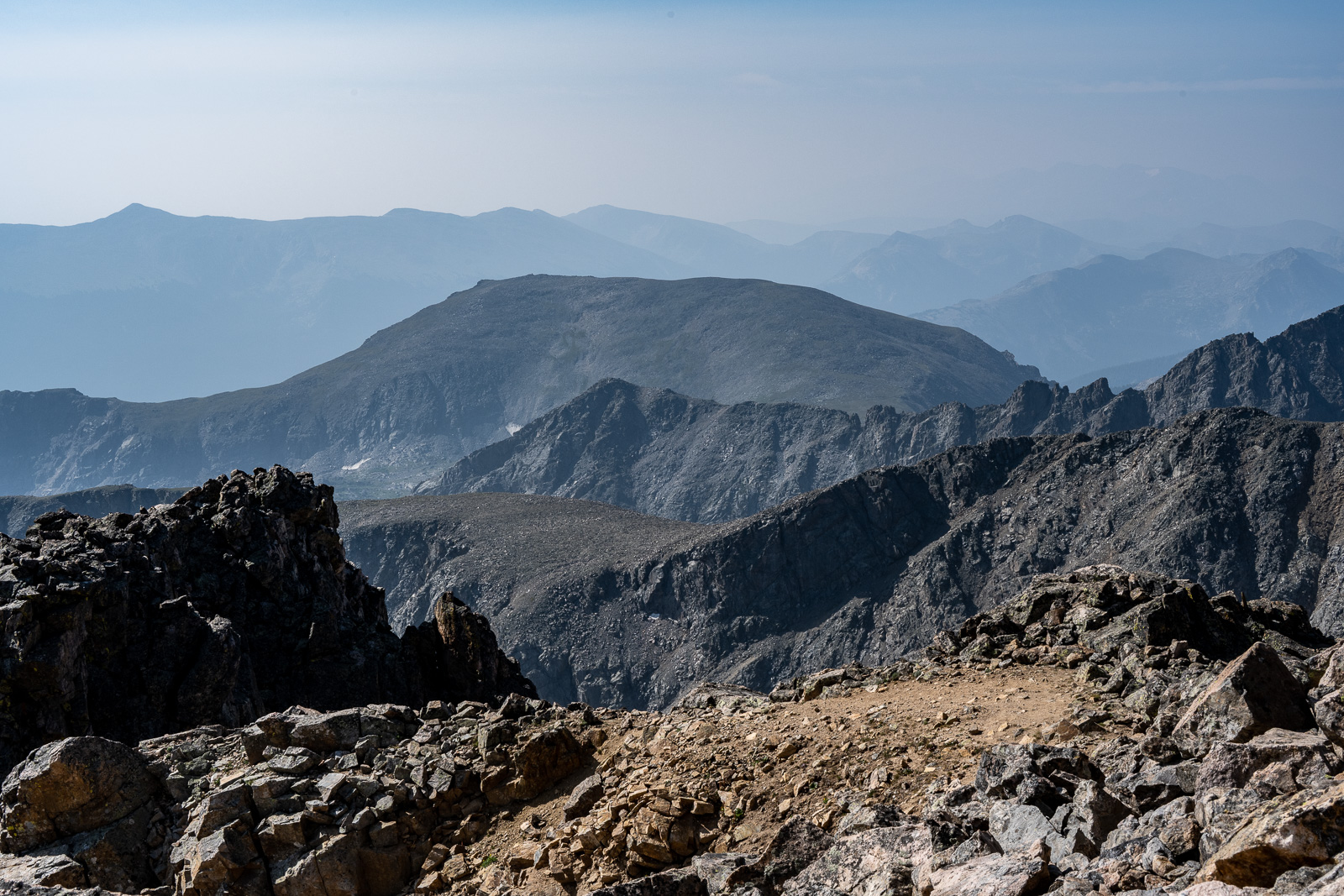
The summit itself is a nice plateau with breathtaking views. If you have breath left.

From here, it all looks very gentle and easy.

On the long way down don’t forget to save some energy to climb up to Half Moon Pass again.

Borders to Canvasses (Devil’s Mountain III)

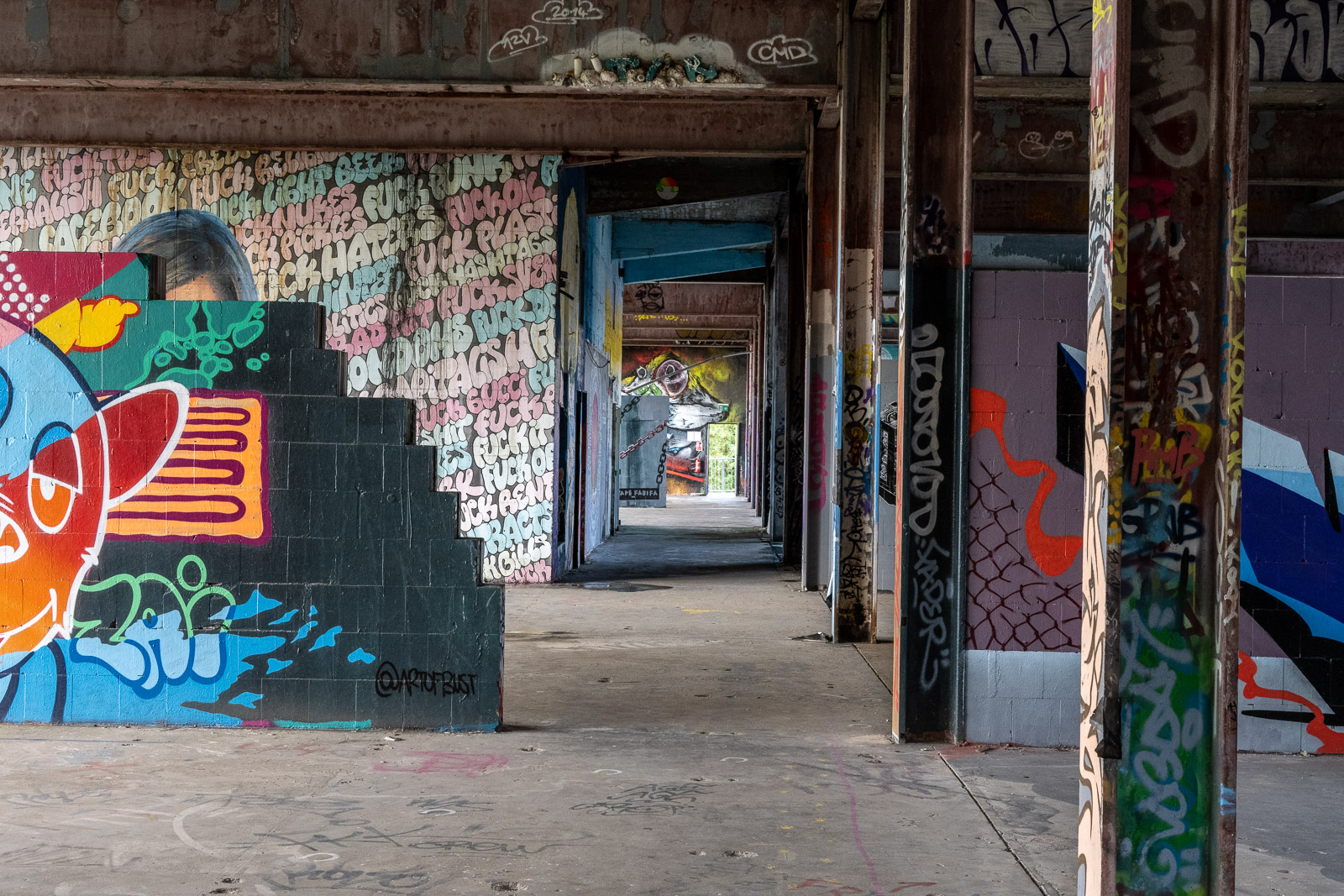
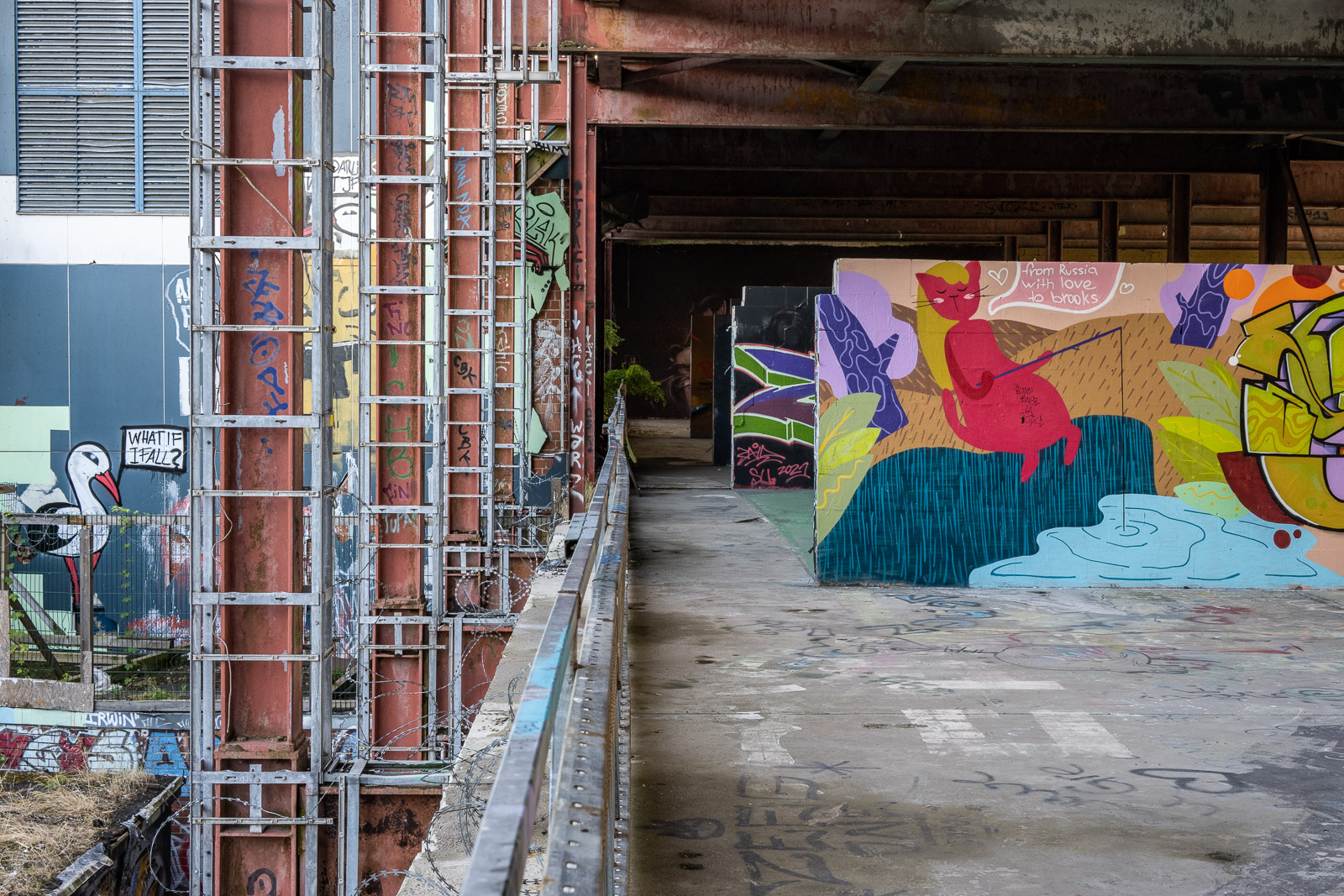
The interior of the four-story building that supports the domes of the former Cold War listening station on the Devil’s Mountain in Berlin is accessible only through two (new) exterior stairwells. Each has a long corridor (without any doors!), and open spaces separated by walls.

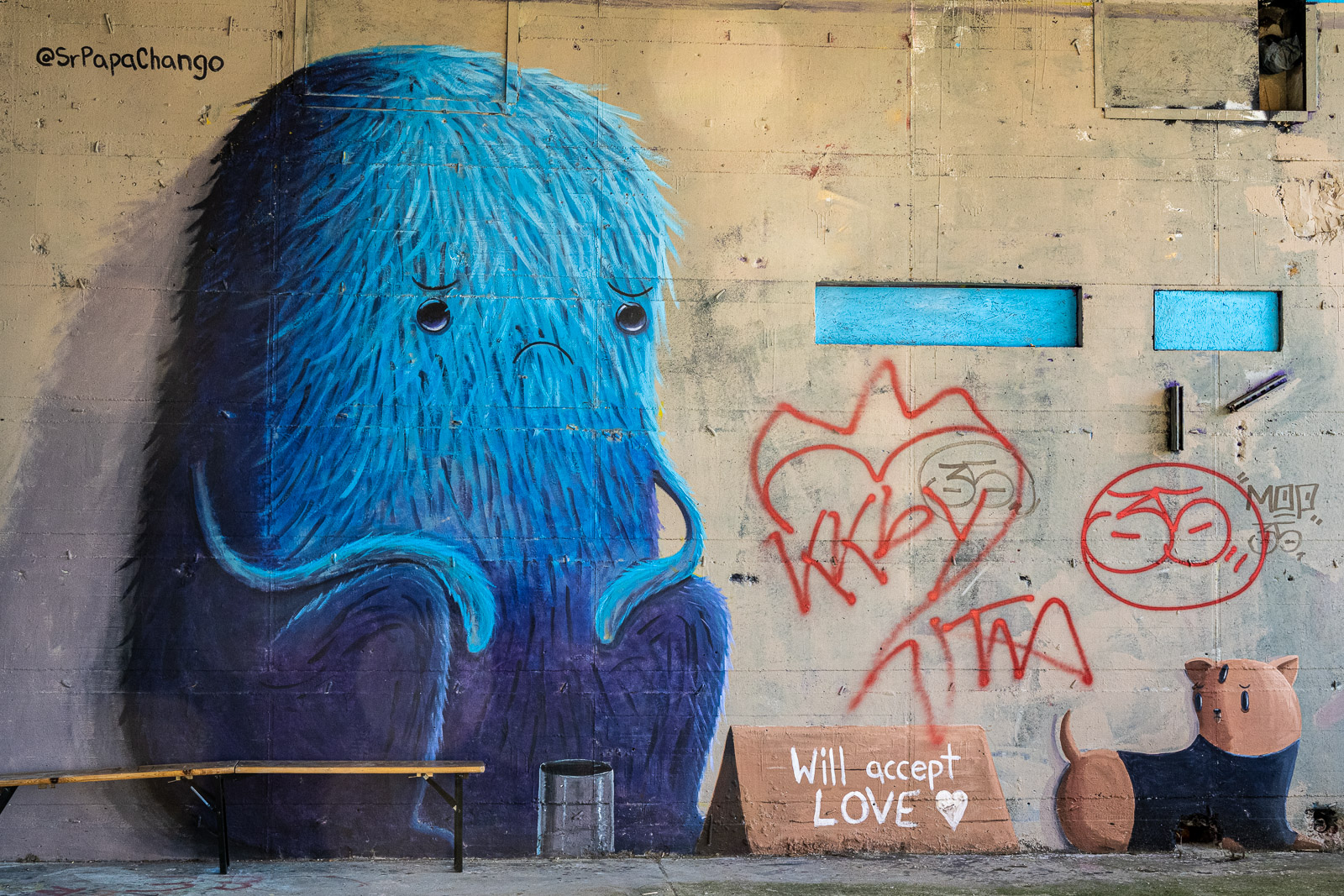
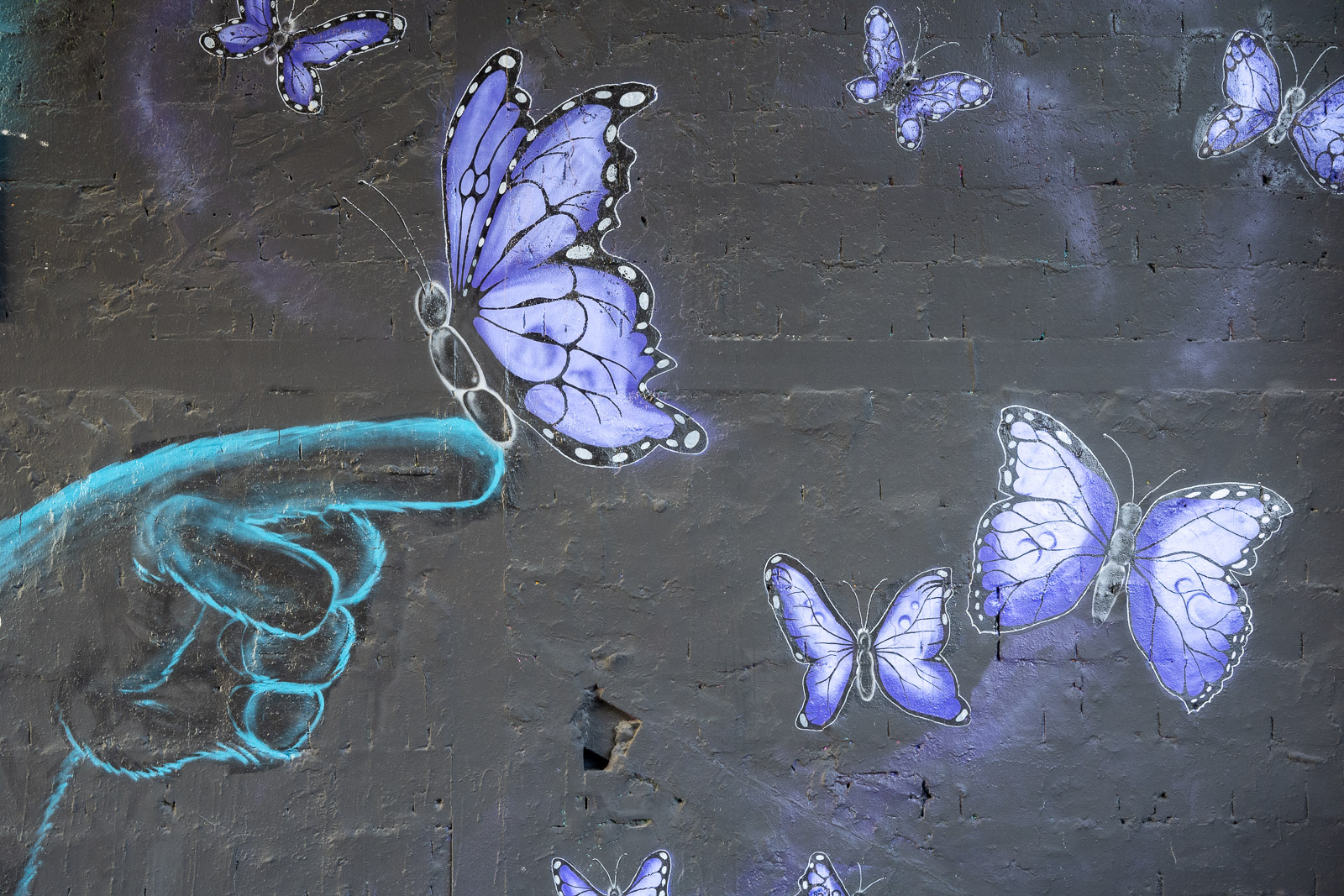
Most of the walls are decorated with the most wonderful graffiti in bright colors.

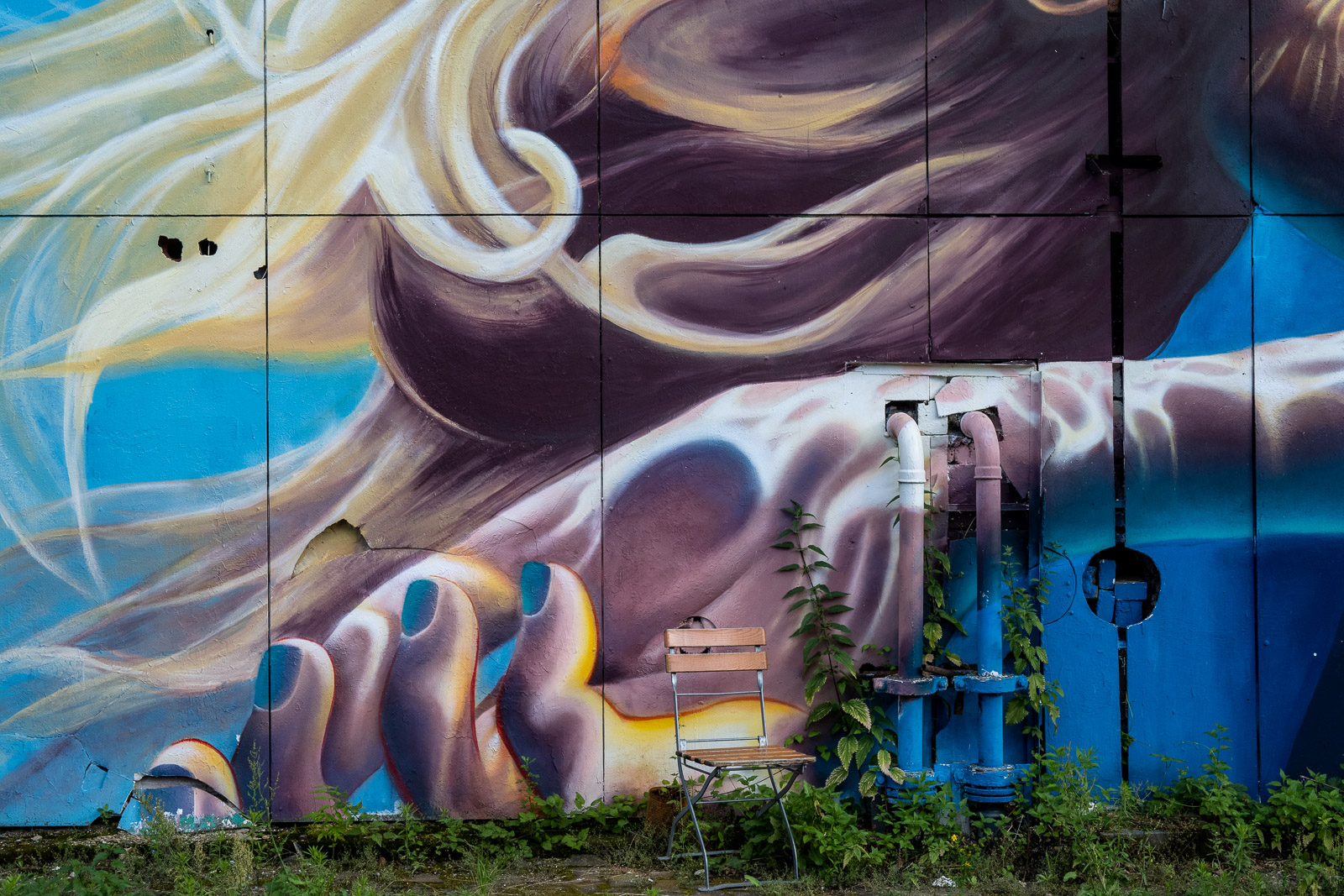
The entire building has become a piece of art.

Views through the ‘windows’ show more building-sized graffitis.

So in a miraculous way, one of the most secretive and locked up places from Cold War Berlin has become an organic landscape of open art.

If only we all could deal with our own borders like this.

Happy Birthday (Chanterelle, Again)

DSC 1251

Another day of heavy rain and warm weather did it, the chanterelles have come out, just in time for my daughter’s birthday, who, alas, just left again.

DSC 1253

My first serious harvest this year was enough for two toasts (with Phantasia, a wonderful local goat cheese, and aragula sprouts),

DSC 1259

as well as a small salad with roasted vegetables.

DSC 1261

Let’s see what else July will bring.

Winter in Summer

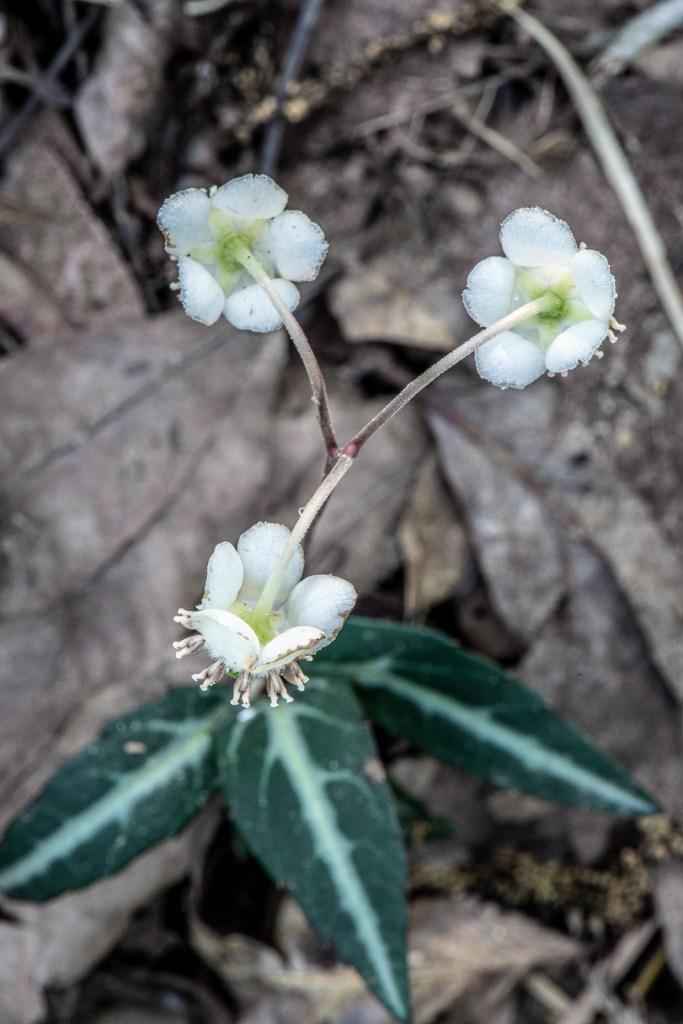
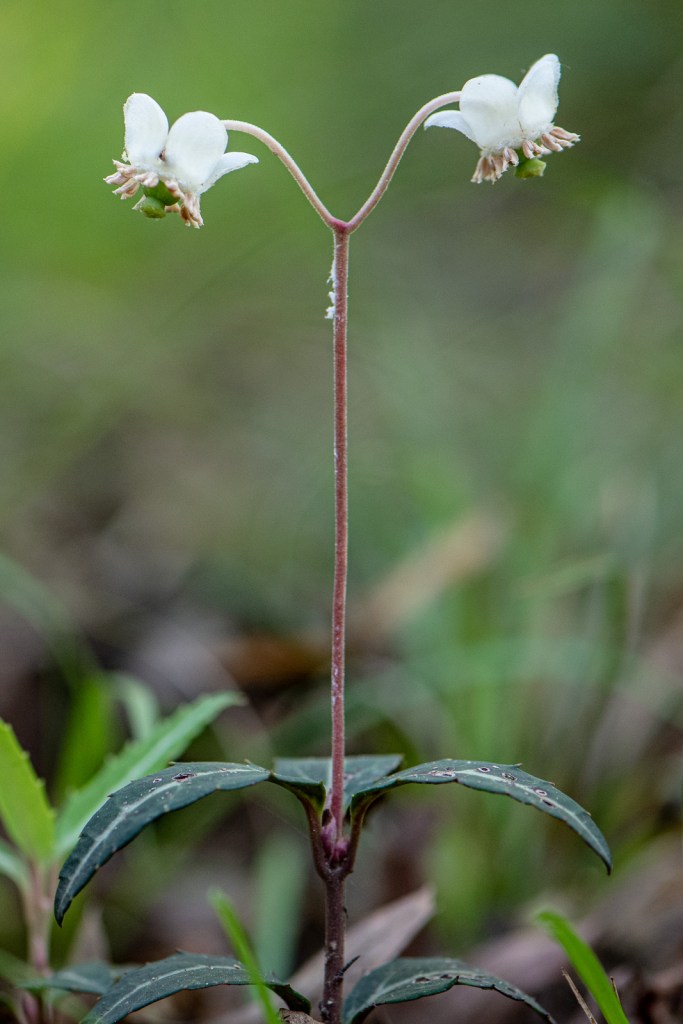
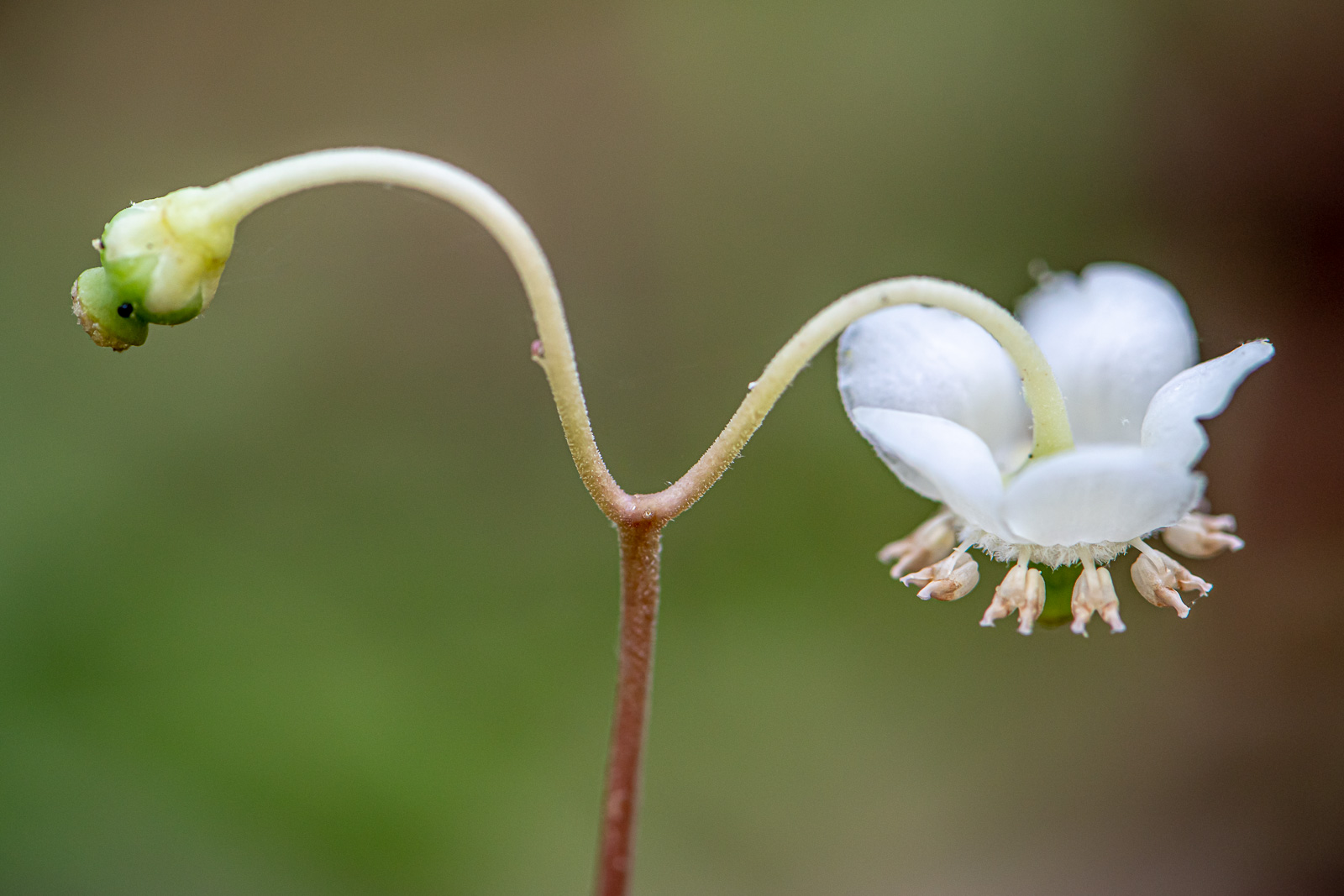
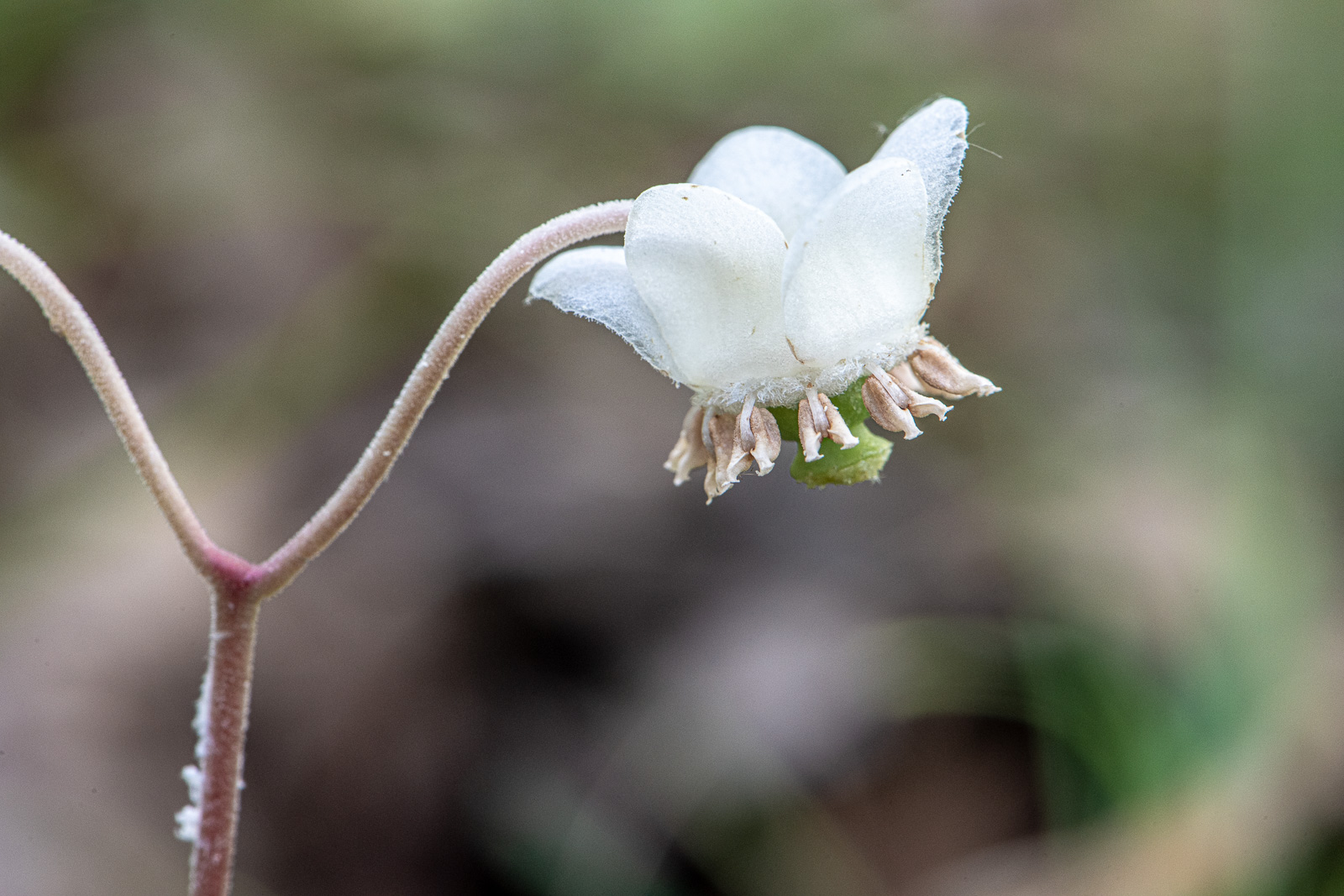
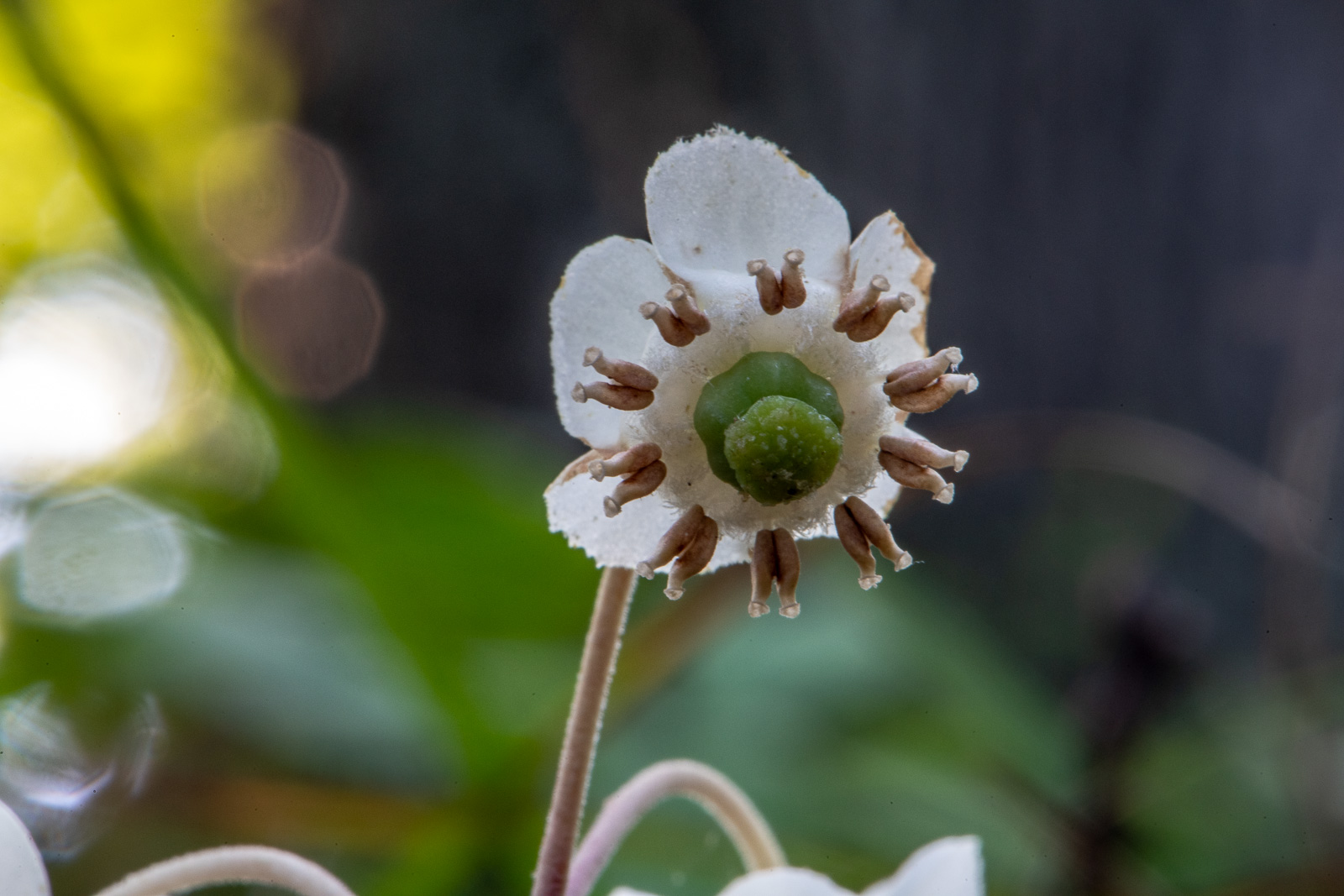
After all the spring wildflowers are gone, there is not much left blooming here. So these little flowers came as a surprise when I found them on my Pate Hollow Trail.

What we have here is Chimaphila maculata, or the Striped Wintergreen (an odd name for a summer wildflower).

Endangered, it says for Indiana.

This has been my first time with this rare misfit, and I hope it is here to stay.

The End of Spring

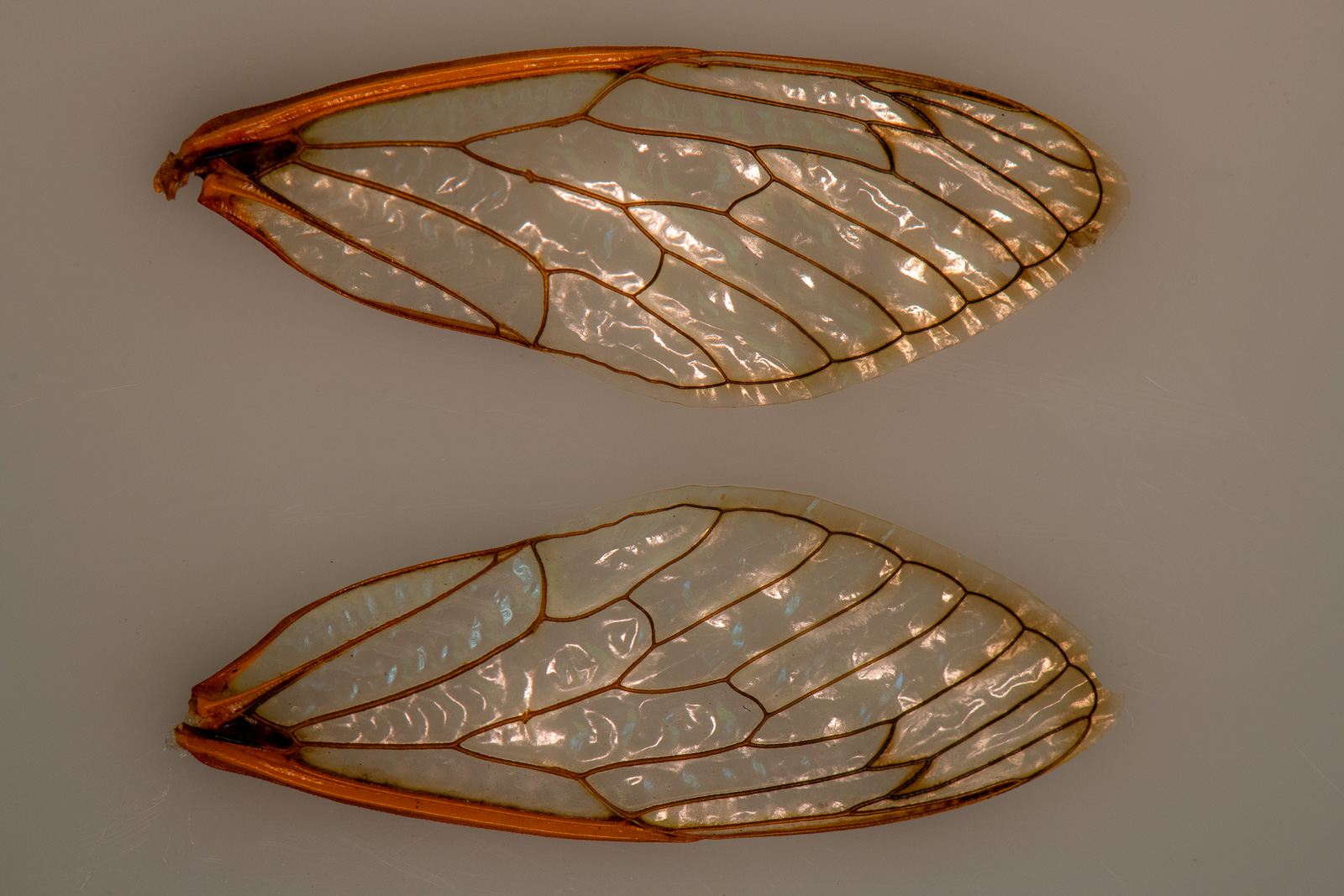
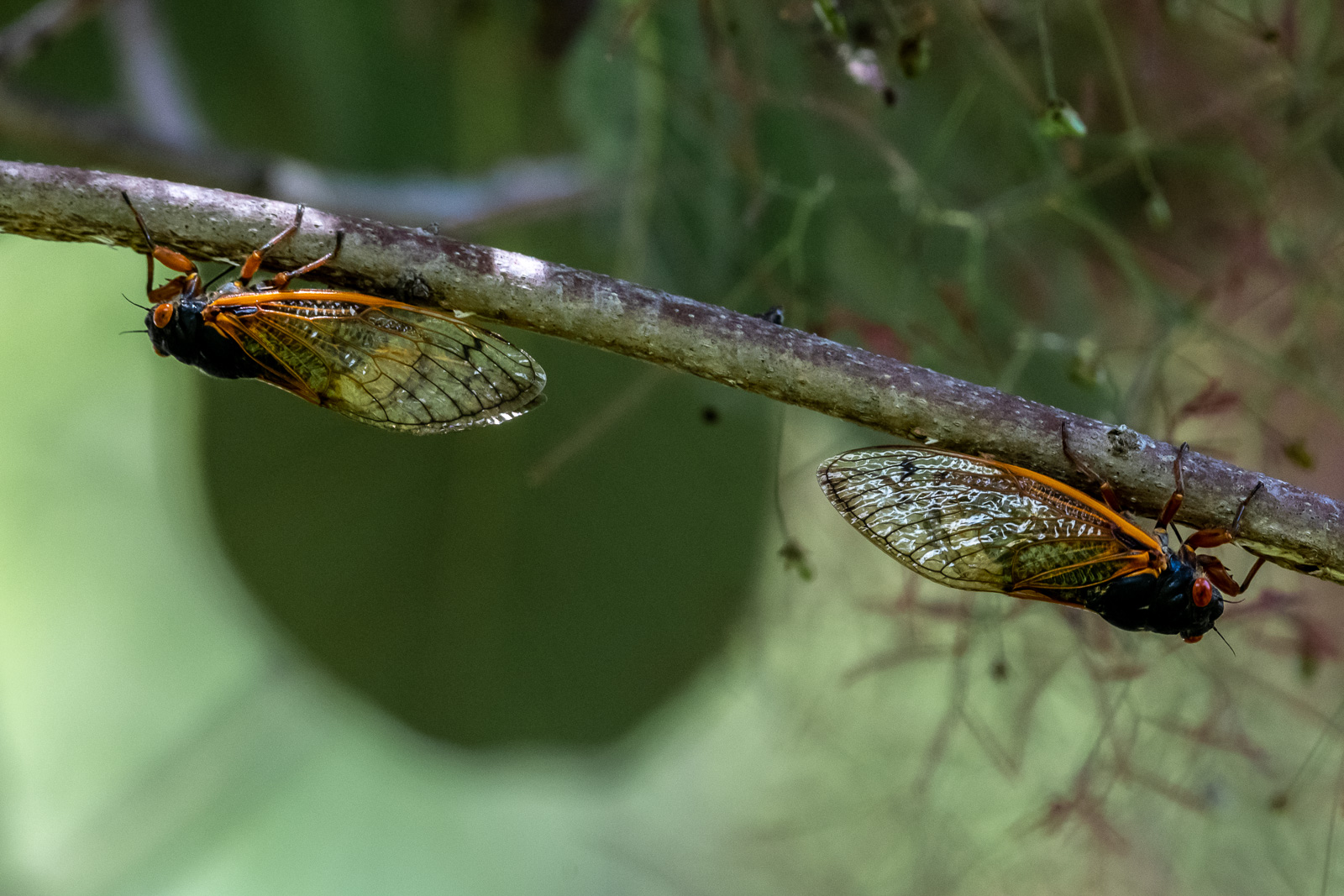
With the end of spring, the Brood X cicadas are finally gone, together with their song.

After 17 years under ground (17 years — a measure of life?) they have emerged for a final dance.

It’s precisely choreographed, and slow.

Who taught them all this?

Then, after a very long embrace, they rest. They now have all the time in the world.

Here are 30 minutes of cicada song, fading into rain at the end.