Browning Mountain

Today I climbed Browning Mountain, with staggering 283 meters the 53rd highest mountain of Indiana according to Wikpedia, while on Peakery’s list it’s at position 57.

DSC 8708

First, one has to find the trailhead, which is located along Combs Road near  Elkinsville, whose inhabitants were displaced in 1964 in order to create Lake Monroe Reservoir. It turned out later that due to a miscalculation of the elevation the town would not flood after all, but too late, alas.
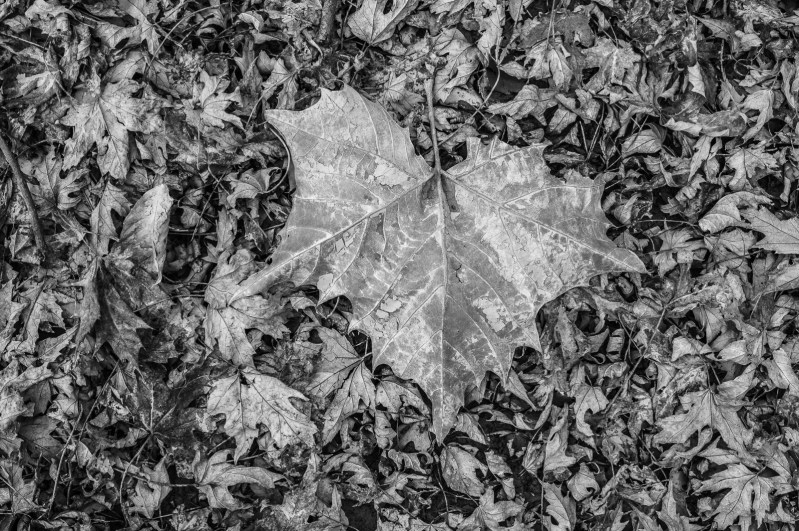
DSC 8705

Google maps takes you to the closed bridge above that crosses Salt Creek below. This place feels like the end of the world.
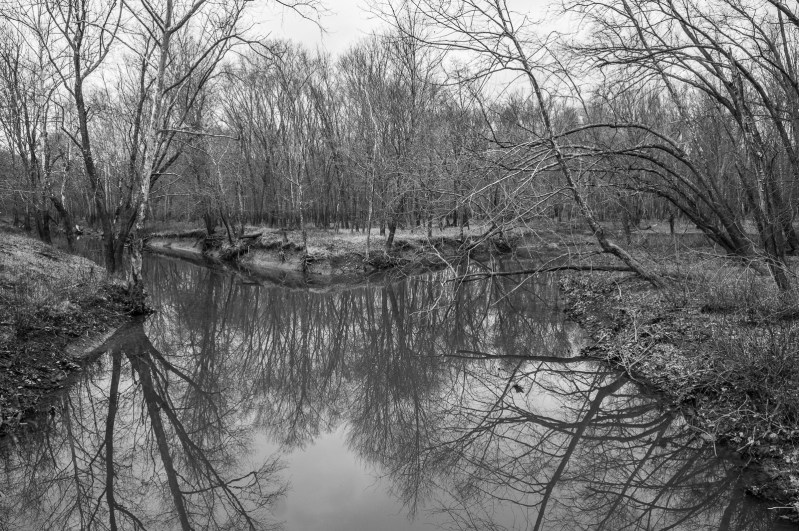
DSC 8713

Topo maps got it right. The trail is easy to follow but not marked (there is another access to this trail via the Nebo Ridge trail).

On top are three highlights. Indiana Stonehenge, a collection of boulders that don’t seem to belong there,

DSC 8739

a large sinkhole (maybe that’s where the boulders were quarried?),
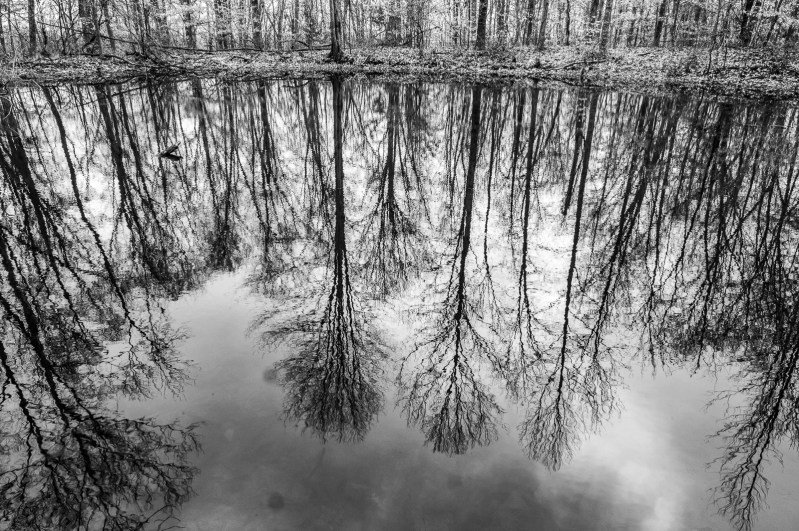
DSC 8747

and the foundation of a home together with a perfectly intact fairly deep well.
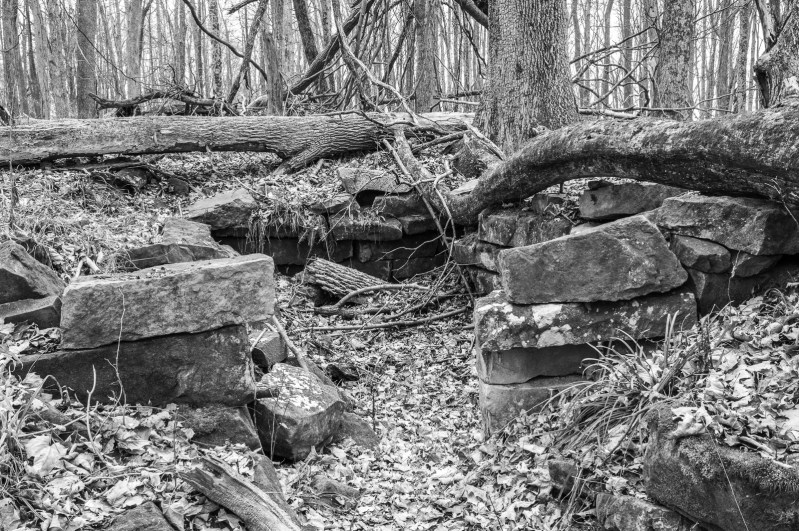
DSC 8765

Apparently stone was cut and used up there, some time in the early 19th century.

DSC 8758

What will remain of us in 200 years?

DSC 8753

Here is the location of the house foundations and well:

Screenshot 2024-09-29 at 10.11.57 PM

Pale, Much too Pale (Wenckheim III – Quarries II)

…it was only the sky that surprised him, because a few strips of this enormous, dark, heavy, and interconnected mass had broken open, so that the light broke through here and there across a few narrow bands, and the rays of light reached down from the heavens to the earth, innumerable thick shimmering rays of light gently spreading out — like an intricate aureole…

DSC 8465 2

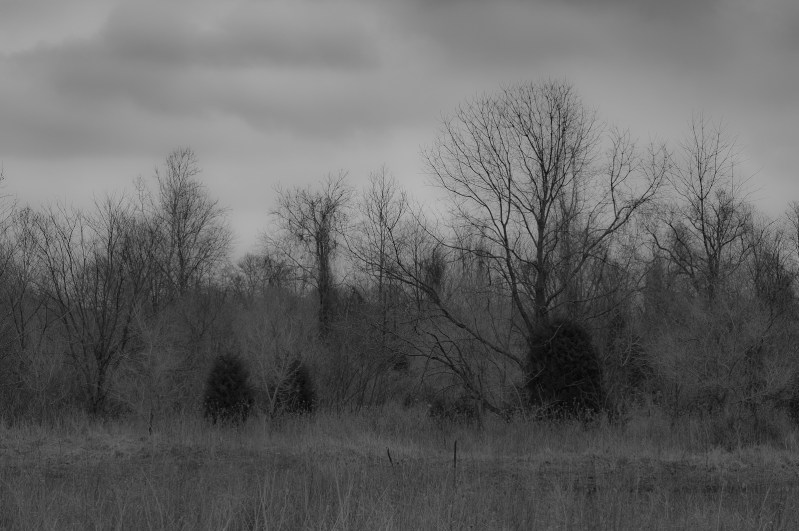
The second chapter in László Krasznahorkai’s Baron Wenckheim’s Homecoming fulfills the title’s promise: Baron Wenckheim returns, by train, through the gloomy Hungarian plains.
DSC 8440

It is not particularly difficult to substitute the (for me currently inaccessible) Hungarian gloominess with what I have at hand, and I chose to seek out an elusive quarry, the Empire Quarry, to obtain appropriate illustration.

DSC 8468

The darkness of this second chapter is broken with the occasional appearance of light, as in the introductory quote, leading eventually to recognition:

…and he just watched as the streaks of light played across the landscape, he just watched, and he couldn’t get enough of this sight, he was happy that he could see what he had never dared hope to see again, he was happy that he could be happy again, he stared and he wondered, his eyes filled with tears, and he thought that indeed now he had come home.

DSC 8462 2

Then, near the end of the chapter, light takes the center stage with a photographer seeking out the perfect conditions for a photo shoot at the Kelety railway station in Budapest where Wenckheim is about to arrive.

DSC 8452

So there is, like here, a convergence of lines, railway lines, light rays, paths, a promise of more to come…

Memory and Imagination

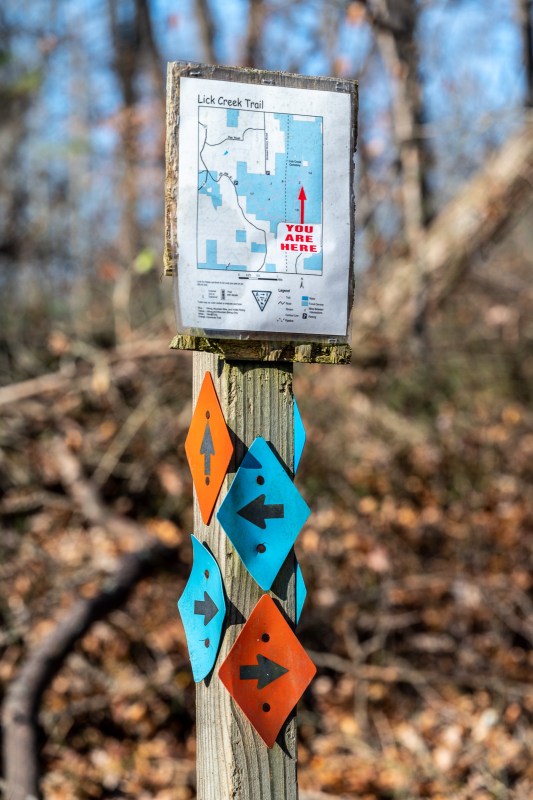
Lick Creek Trail near Paoli is an 8 mile loop for hikers, mountain bikes, and horses. The southern branch is more scenic (and more muddy). Trail markers help to find the way…


DSC 7670

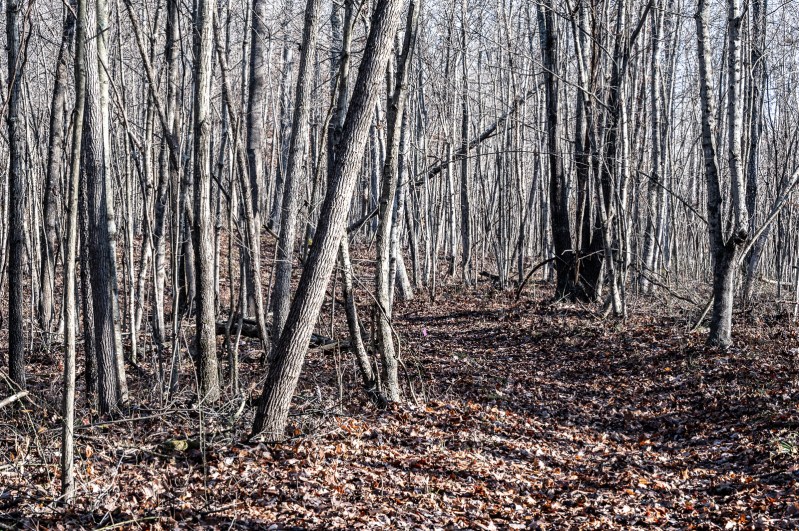
On a late fall day, much of it looks like everything else in Southern Indiana.

DSC 7666

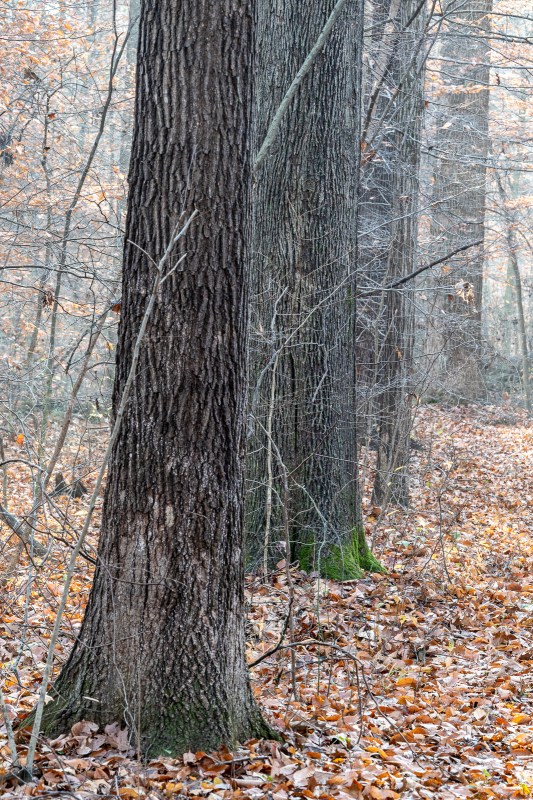
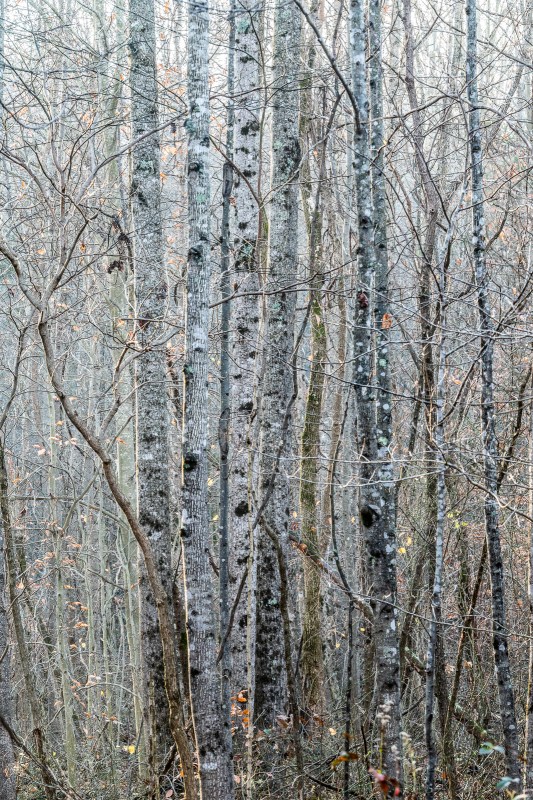
Some trees offer perspective.

DSC 7633

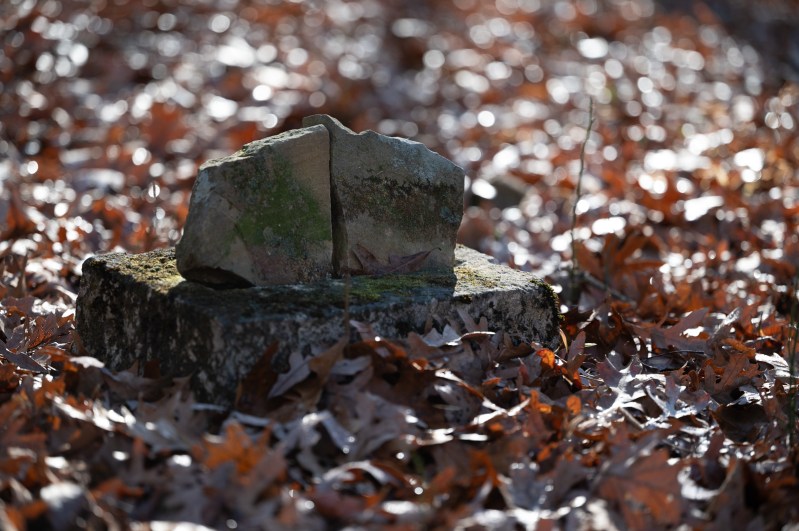
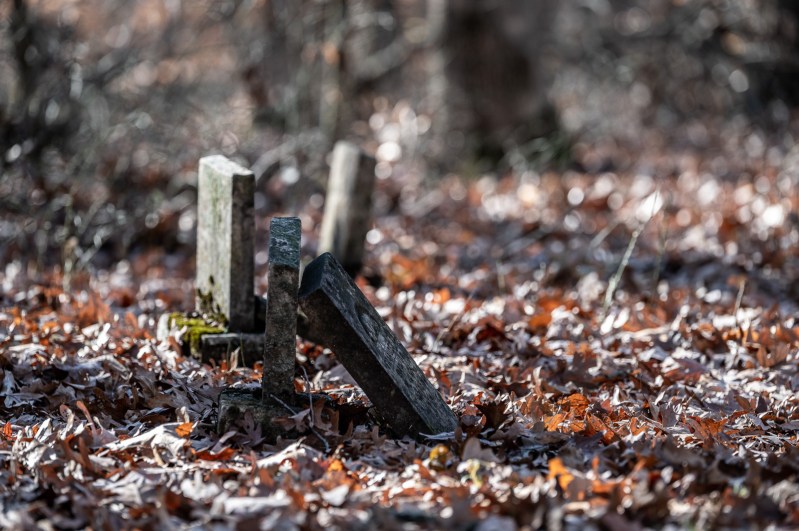
But there is a highlight. Half way, there is a cemetery, which is all that’s left from a 19th century African-American settlement.

DSC 7682

There are just a few tombstones and wooden crosses, and it is hard to imagine what life was like for them.

DSC 7687

It’s a solemn place, reminding us that what others want to remember of us is more important than what we want to be remembered for.

DSC 7635


Praise of the Shadow

… and in the pale light of the shadow we put together a house.

DSC 6968

I usually prefer the early hours for taking pictures, and avoid the harsh daylight.

DSC 6971

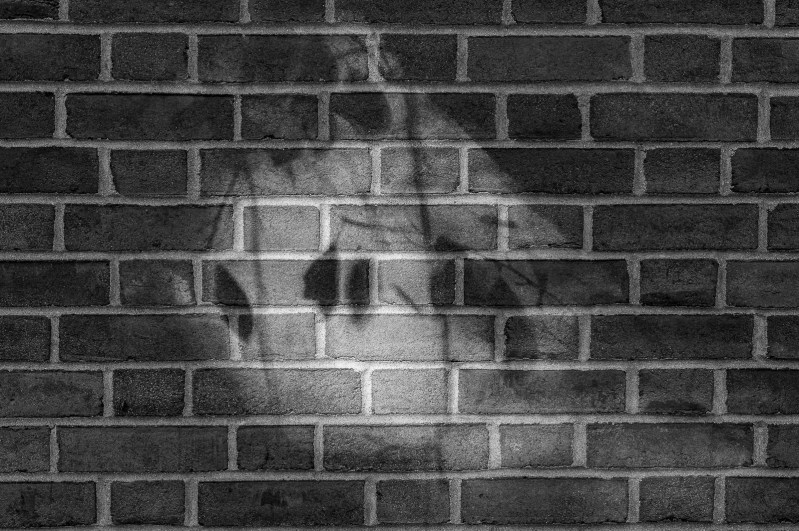
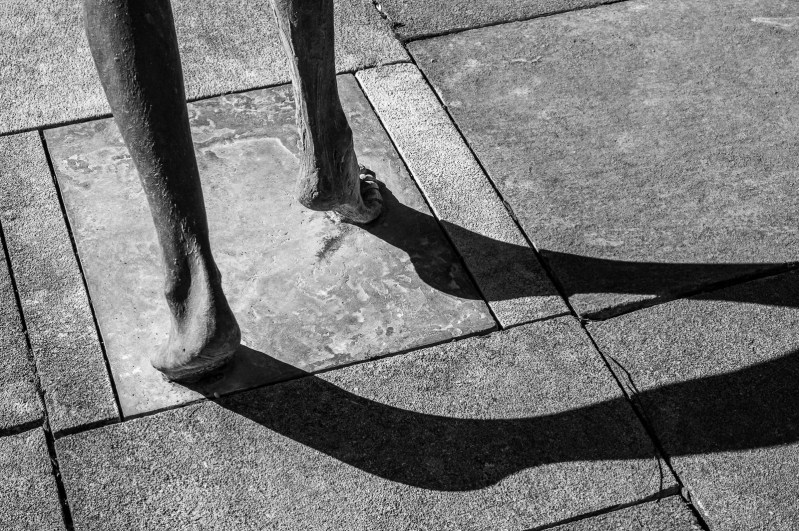
But light allows to objectify darkness, in form of a shadow.

DSC 6987

Sometimes it’s not so much the question what creates the shadow on the wall, but what lies behind the wall.

DSC 6960

The interior (if there is one) should allow cause and effect to coexist.

DSC 7005

Light and shadow are folded together.

DSC 7001

But the gate is always open, which means that ultimately we have to leave again.

DSC 7011

Lugentes Campi (Twin Swamps III)

I promised to return, and this time I came early enough, before sunrise, when the colors are still carried by darkness.

DSC 6758

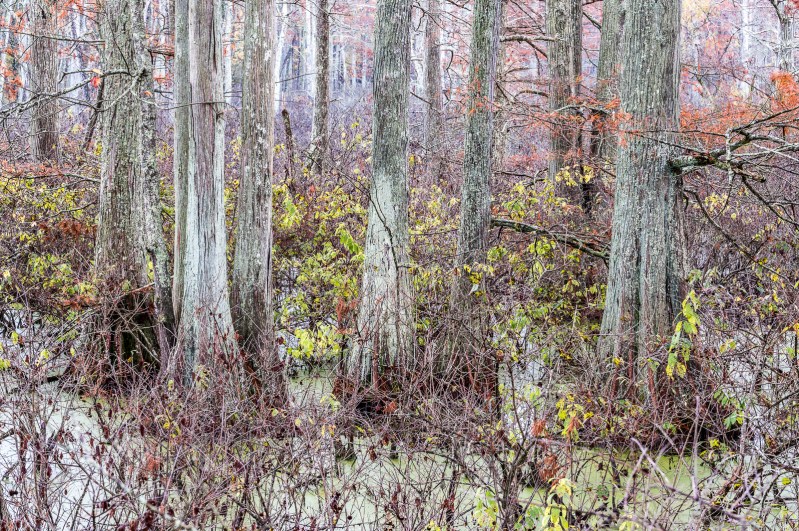
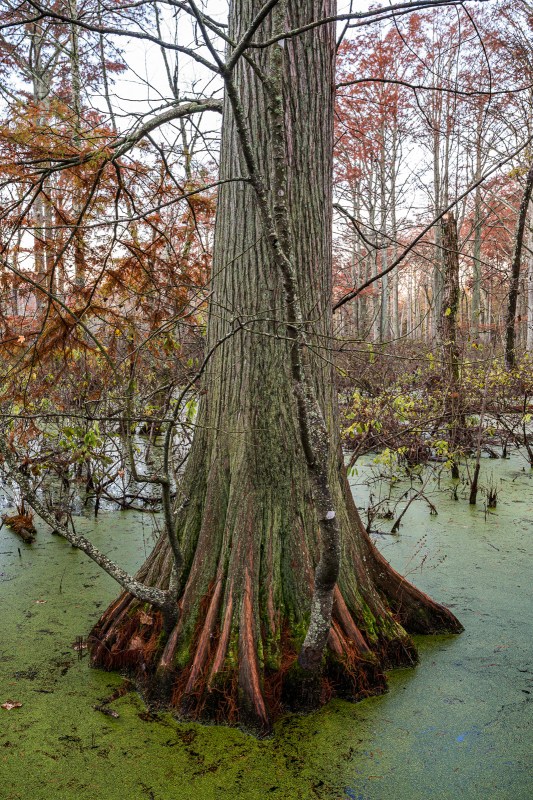
The cypress trees with their robe like stems seem to have been waiting like limp angels.

DSC 6648

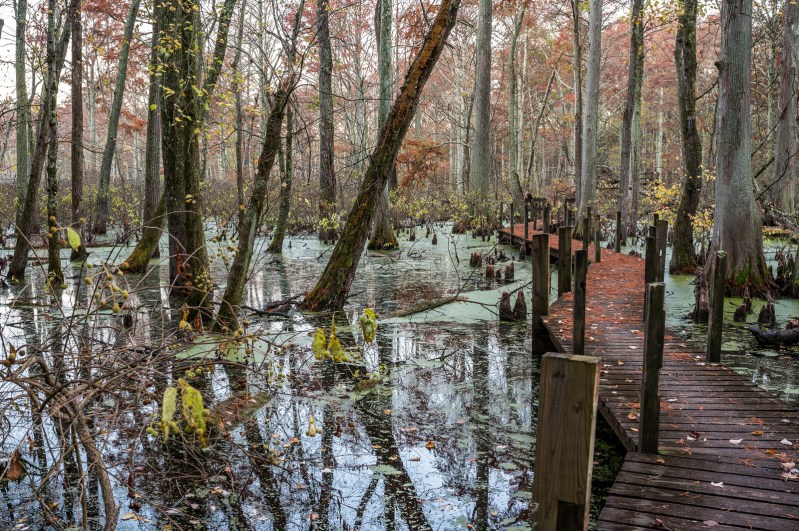
The boardwalk had suffered damage, and the railing had been removed for repair, providing unobstructed views for the adventurous.

DSC 6640

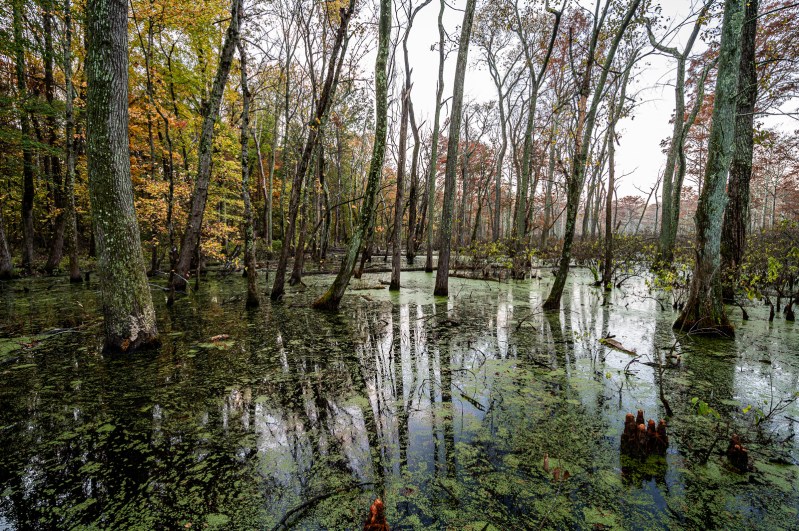
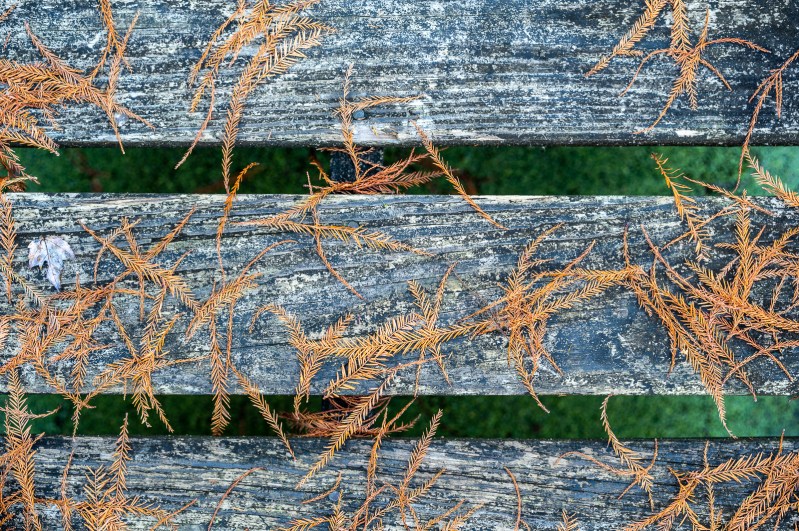
Are there swamp-green and cypress-red? 

DSC 6608

With colors like these, this place belongs elsewhere. 

DSC 6839


Thorn Bush (Wenckheim II)

… and then the thorn and the acacia bushes and a thousand kinds of weeds grew over them, and the Thorn Bush came into being — that’s what the residents of the city called it — as if it were some kind of proper neighborhood or something, …

DSC6577

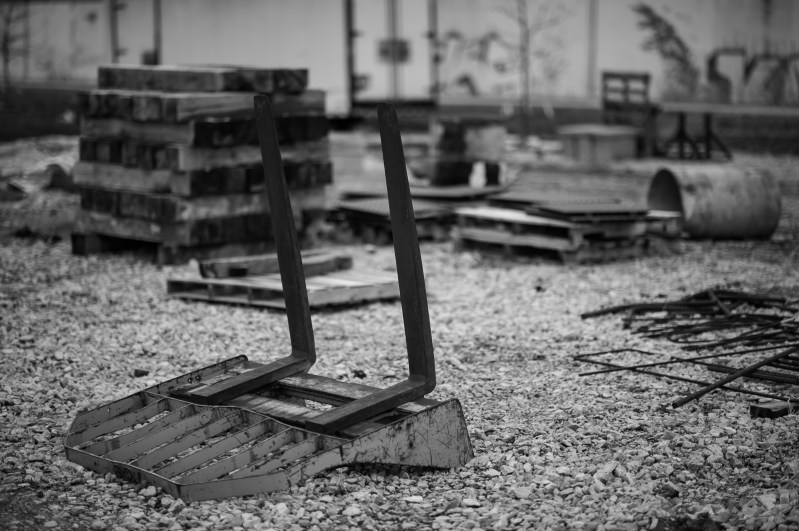
The first chapter of László Krasznahorkai’s novel Wenckheim takes place in Thorn Bush, a derelict district, where the Professor has taken residence, amidst huge piles of styrofoam panels, … that if anyone should come along and pester him, let all and sundry be warned that whomever dared to approach his hut in the Thorn Bush would be shot immediately and without warning.

DSC6592

This chapter is about rejection — the city rejects one of its districts, the Professor reality, his daughter him as her father.

DSC6585

… but even then its reputation was enhanced not by the spice of juicy murders or sexual violence, but rather by being a no-man’s-land in the city, completely left to its own fate, an ownerless piece of land, needed by no one, and about which no one even debated who might need it and how it might be used; it was, accordingly, completely left to itself, …

DSC6602


Places like this give an opportunity for isolation, but the Professors needs go further:

…the basic problem with a window wasn’t a question of this or that practical advantage or disadvantage, but it was the principle of the window that troubled him greatly, and namely not because a window could be gazed into, but because that window could always be gazed out of — …

DSC6607

In the book, this leads to violent escalation, maybe because nobody truly can lock oneself in.

DSC6598

Has every city its own Thorn Bush, has everybody a place of self-abandonment?

DSC6567

The pictures here are from my city, taken 10 years ago, near a defunct railroad line that had been converted into a trail. Since then this area has changed, but this is another story.


Different Trails (North VII)

My fourth stop on the excursion north was not planned, I just happened to pass by Cicott Park, named in honor of the owner of a trading post at this place, and decided to have a look.

DSC 5611

According to the small brochure, the area has never been plowed, and is therefore relatively intact. The two trails lead through a lush forest and give access to the Wabash.

DSC 5619

It was here that I met the first other hiker that day, a local. Despite there being absolutely nobody around, he was wearing a mask, and excused himself right away: He was recovering from chemotherapy and needed to protect his immune system. 

DSC 5613

He also said he was essentially the only person using these trails, and that the town was considering to abandon the place.

DSC 5620

For him, walking here almost daily had acquired a special meaning.

DSC 5604

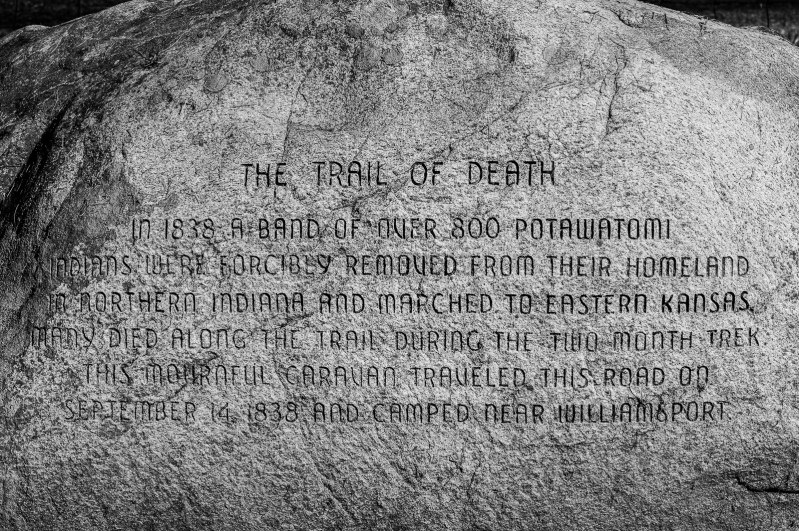
The park also has a Potawatomi Trail of Death historical marker, in memory of the forced removal of over 800 members of the Potawatomi Nation.

Some trails you can only walk once.

Warning (Wenckheim I)

because there could be no mistakes…


DSC 7291

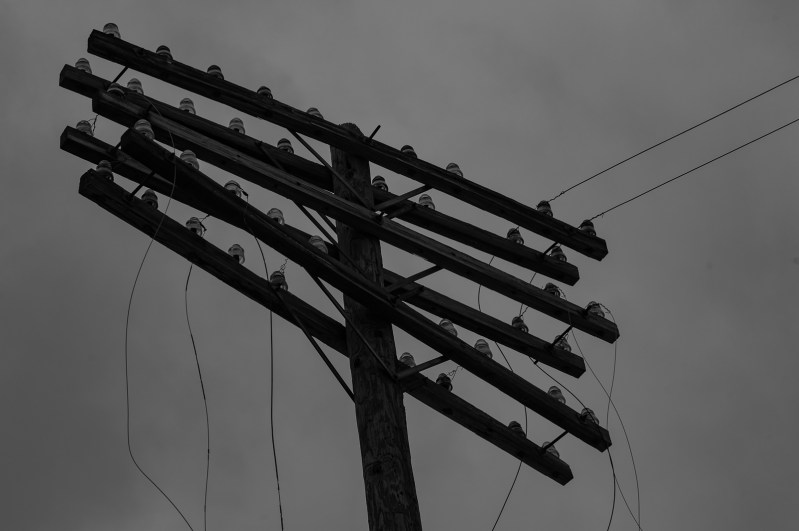
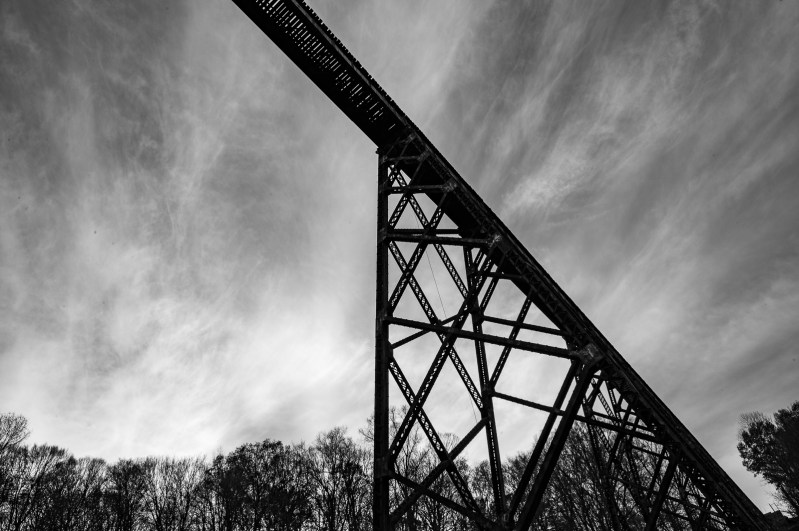
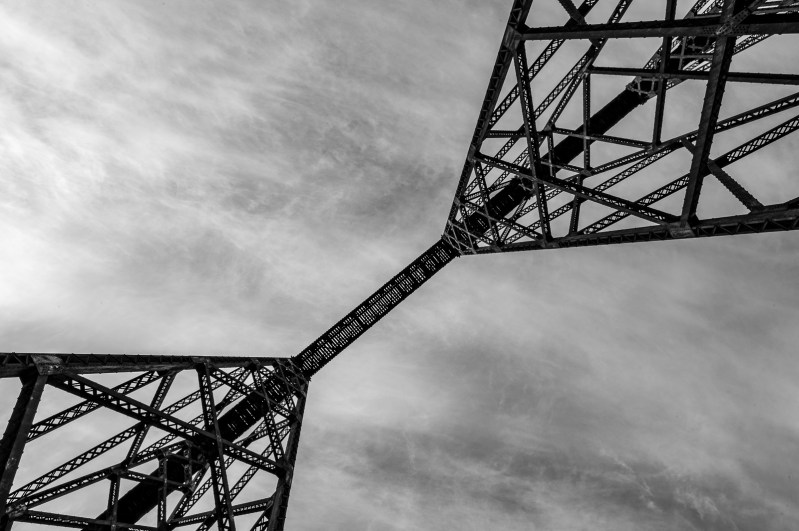
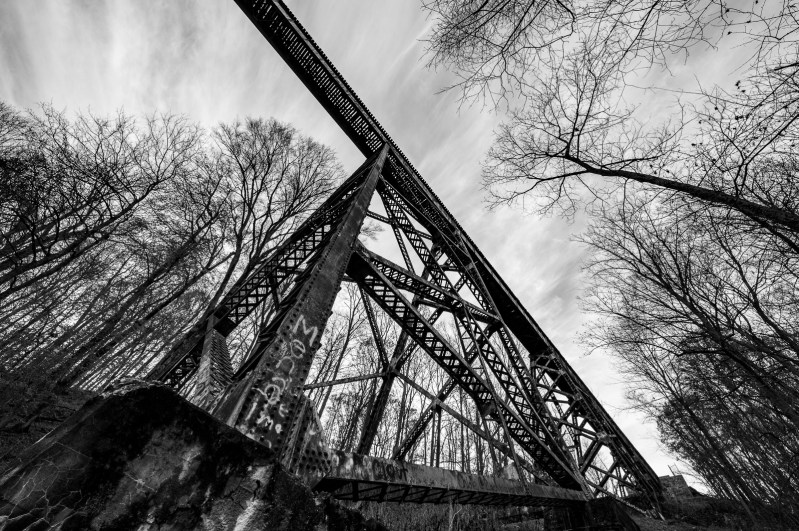
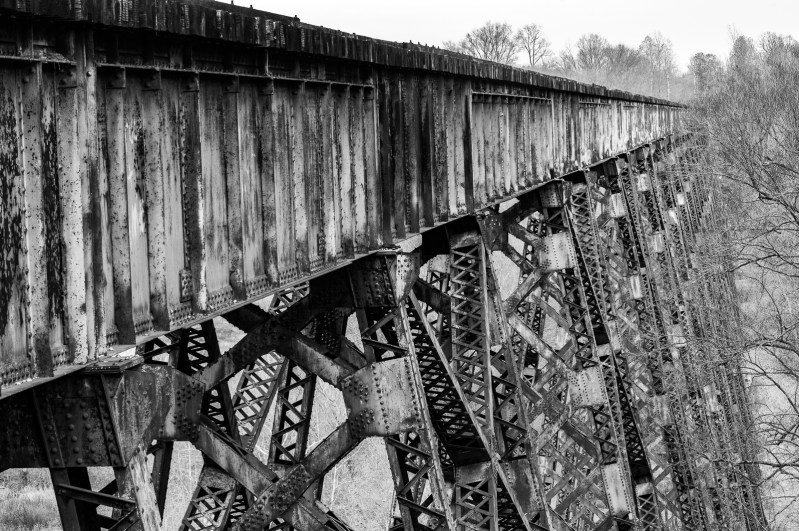
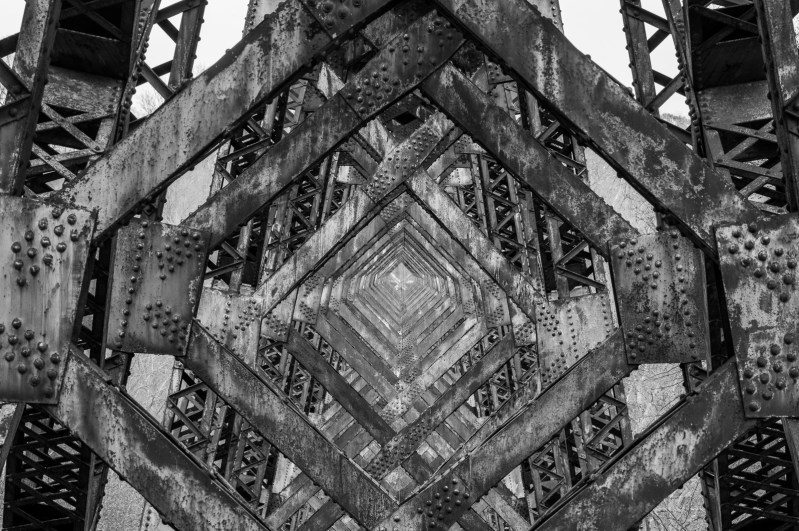
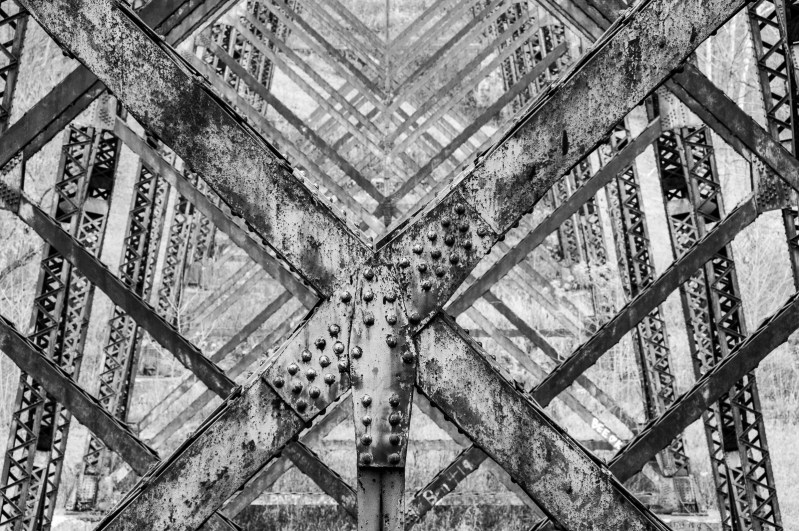
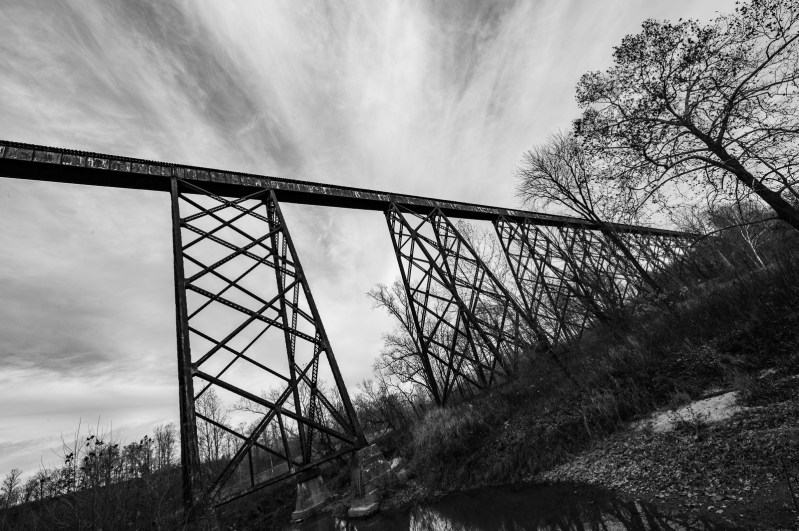
When almost four years ago I congratulated You-Know-Who to his inauguration, I used pictures from the spectacular Tulip Trestle near Solesbury as an illustration. These days I have revisited this place, and it is as imposing as four years ago.

DSC 7293

In the last two years, I have found in László Krasznahorkai’s books consolation for the state of the world and the human soul, and with the imminent beginning of winter, I decided to read his latest (and maybe last) novel Baron Wenckheim’s Homecoming.

DSC 7295

I also decided to do this as an excruciatingly slow read, and I will occasionally accompany my postings here with quotes from this book.

DSC 7301

It begins with a brief chapter titled Warning, where an orchestra conductor imposes himself on his orchestra:

… because there’s only one method of performance here which can be executed in only one way, and the harmonization of those two elements will be decided by me …

DSC 7309

But there is not just pure control, there also is purpose…

… because in reality what awaited them now was suffering, bitter, exhausting, and torturous work, when shortly (as the one single accomplishment of their cooperation, albeit an involuntary one), they would insert into Creation that for which they had been summoned; …

DSC 7316

This brief chapter sums up  how a human being usurps what is not his to claim.

DSC 7333

… because I am the one who, by the truth of God, is simply waiting for all of this to be over.

Revelation 7:3 (North VI)

Right next to the Black Rock Barrens Nature Preserve is my third stop on the excursion north, the Weiler-Leopold Nature Preserve.

DSC 5550

It is dramatically different, with a leisurely loop first through tall prairie grass and then through woodland.

DSC 5581

Views are scarce, but colorful in late fall.

DSC 5585

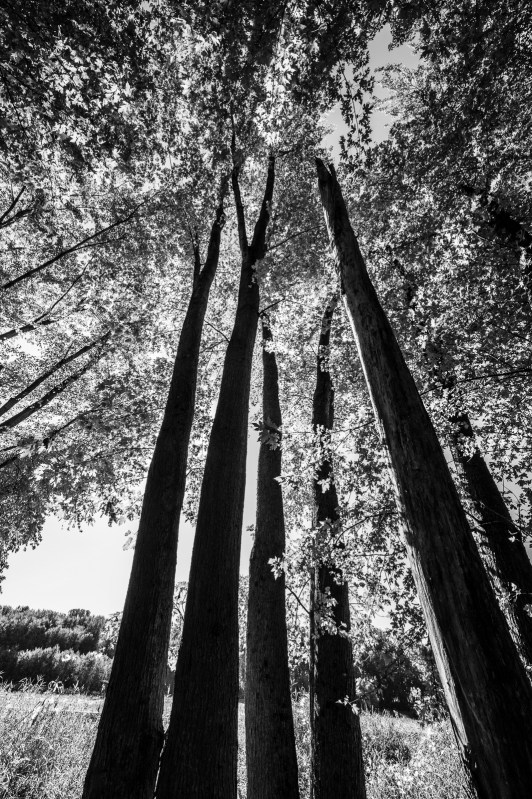
Most impressive are several very tall and old oak trees. 

DSC 5586

Neither time nor space are ours.

DSC 5580

Light and Dark (North V)

Let’s return once more to my fifth stop on the way north, the Portland Arch Nature Preserve.

DSC 5388

The quality of darkness and light changes with contrast and  sharpness. When many shades of gray are present, we perceive them as a guide for depth, assuming that darker colors prefer the background.

DSC 5385

In images with strong contrast, however, the black becomes the substance, and the white the ether, the insubstantial. For some reason, our understanding of an image flips from the rational to the symbolic. We give up on perceiving reality, but instead accept that a more mystical interpretation of what we see is possible.

DSC 5367

This relapse into dualistic-mythological thinking is reinforced when the contours become blurry. We prefer to reject doubt, and are therefore happy to accept our first impression as truth.

DSC 5353

It is difficult to navigate a reality that is perceived like this, as the substance, the dark, to which we could hold on to as real, is at the same time more ominous and frightening, while the light that attracts us will not hold us.

DSC 5345