More Leaves …

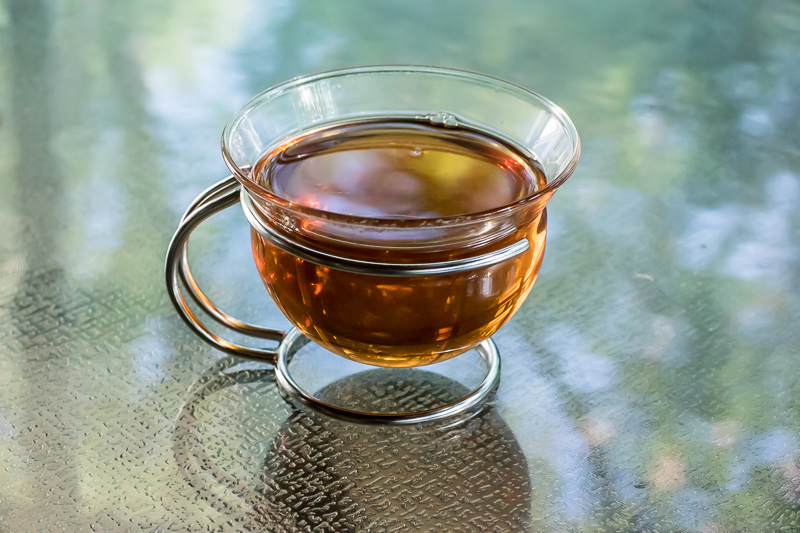
Besides leaves from books, the other kind of leaves that are essential for my well being are tea leaves. This year was an interesting tea year for me. It began, as usual, with First Flush Darjeelings. One of my favorites this year was the the very mild First Flush Imperial from the garden Runglee Rungliot. Wonderful tippy leaves and a bright yellow cup.
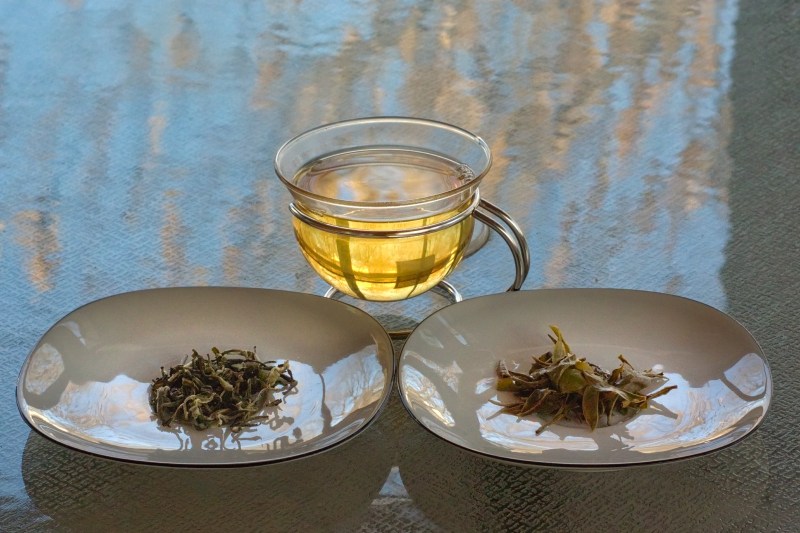
Runglee

Considerably stronger in flavor (papaya) was the Okayti Wonder.
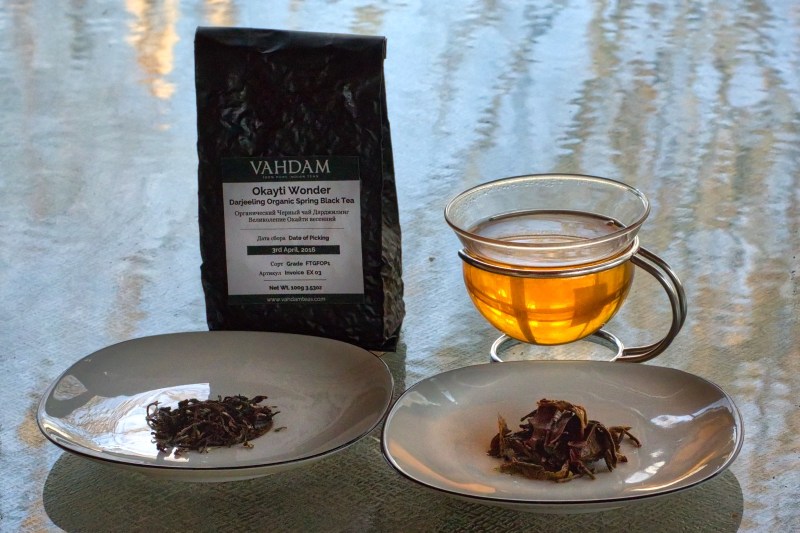
Wonder

A curiosity from the same garden is called Golden Treasure. It came to me from Harney, one of the few consistently good US based distributors. This tea tastes a bit like a good Chinese black tea, with pleasant cocoa flavors, but still a hint of second flush Darjeelings.
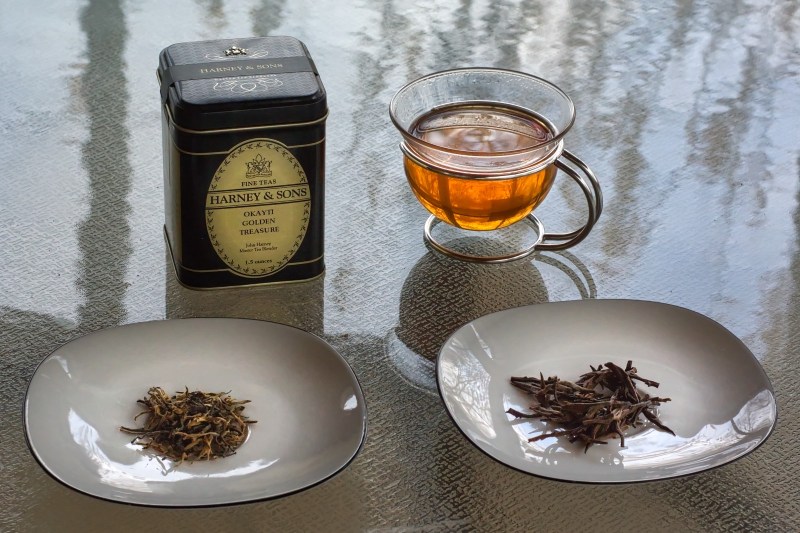
Golden treasure

Then, my afternoon favorite this year, the Himalaya Shangri-La Ruby from Nepal. Its golden leaves are curled, and the dark color of the cup reminds me of strong Assam teas. But the complex taste is milder, with hints of cocoa and cognac. I have never tasted a tea like that. Its sold out now, probably because of me. What I have left will get me through the long winter.
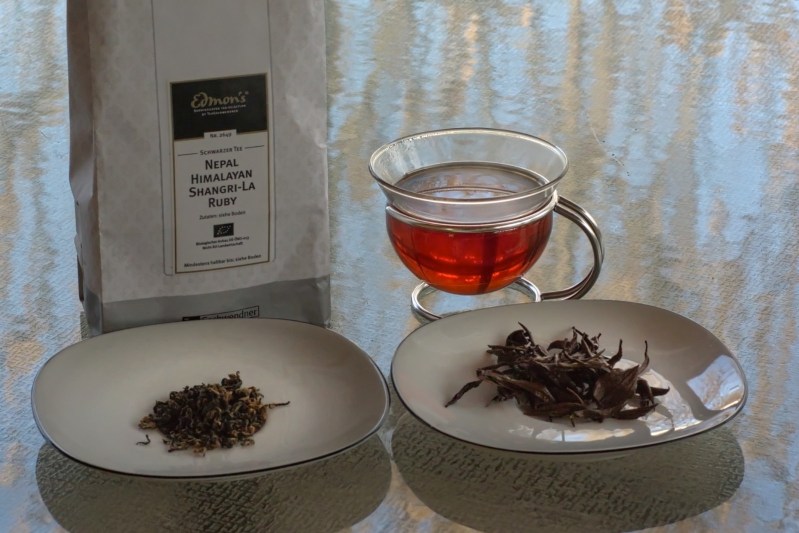
Shangri la

This tea came to me from Germany, via Tee Gschwendner: This a German company with local shops all over Germany that carry an amazing collection of loose tea. After graduating from grocery store loose tea tin boxes, I had been sampling their less expensive teas for several months. One day in Spring changed my life, when they had flown in small samples of the first invoices of that year’s First Flush Darjeeling from a handful of tea gardens. The price for the sample set was more than I would spend on tea in a year.

You know what happened.
Sofia

Sofia

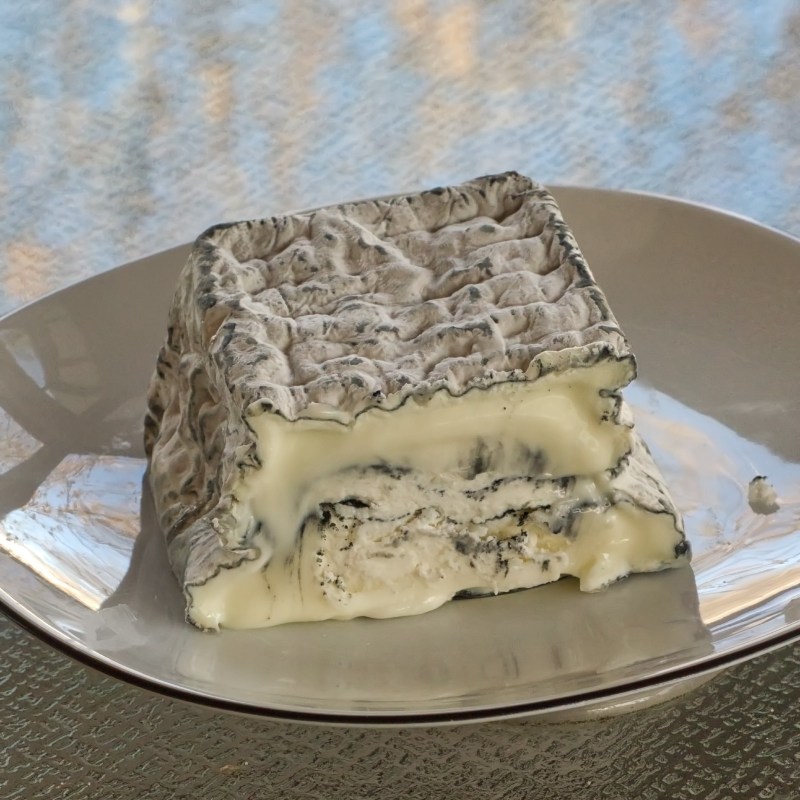
I like local produce. And I like cheese. One of the warnings I got from my European friends was that the people in America would spray their cheese on crackers. While it is true that one can buy something named cheese in spray cans and do whatever with it, this is still a free country, so nobody forces anybody to do so.

Moreover, there is no such thing as the people, and there is tolerance for perfectionist cheese makers. One of them are the family from Capriole Farm in Southern Indiana who make amazing goat cheeses. Above is Sofia, allegedly named after one of their daughters.

Beets

Of course this cheese goes well with good bread (more about that at a later point). I also like minimalist recipes, with a maximum of three ingredients. For instance:

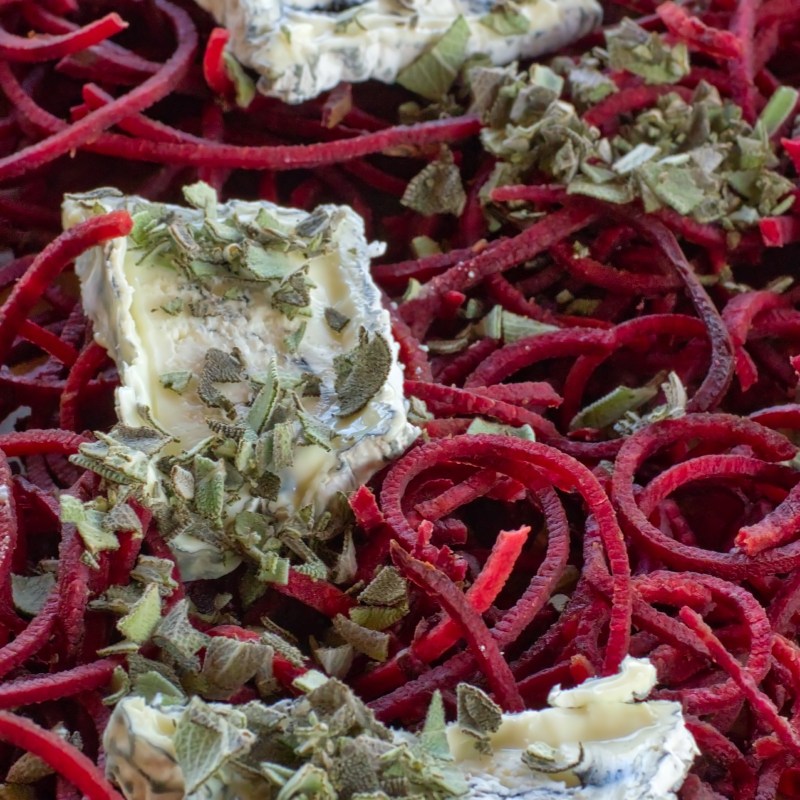
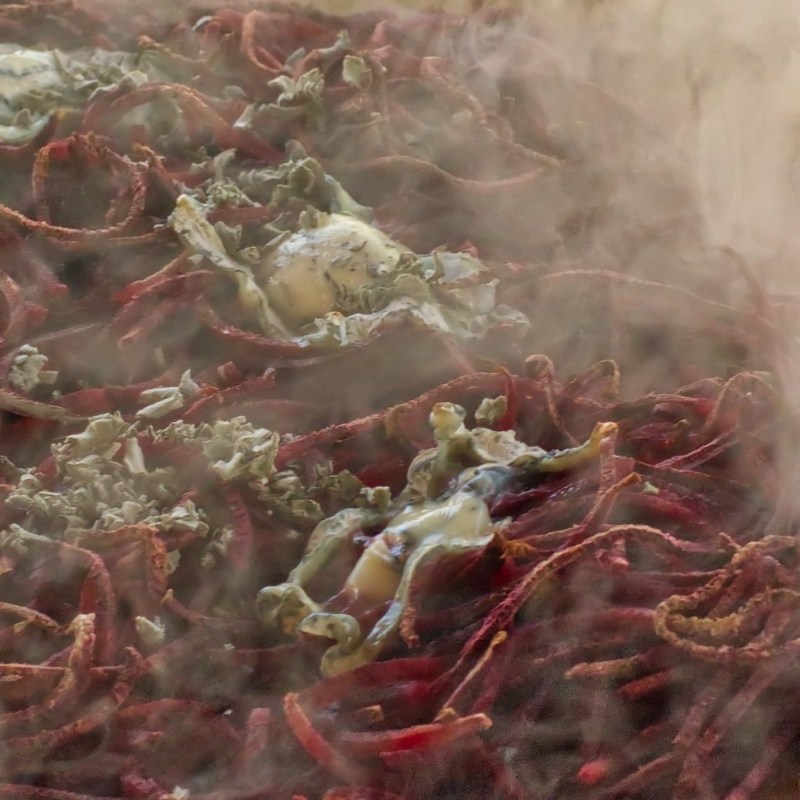
Red beets, goat cheese, sage:
Slice and sliver everything. Bake 15 minutes
at 400 degrees. Serve warm.

DSC 1192

Enjoy.

Gourmet Trip 1993 (Point Reyes I)

My first visit to Point Reyes National Seashore was on the occasion of the CHAOS Fall Gourmet Trip 1993. The rules for these trips are simple: Dress up and bring good food.

Berkeley244

On the way to the camp site you were also supposed to help carry supplementary items like pieces of a portable hot tub.

Berkeley270

After pitching the tents and admiring each other’s costumes, more serious activities would commence.

Berkeley275

There were also opportunities to hunt for more food.

Berkeley266

Which was obviously rather tasty.

Berkeley267

Ahr Valley (Wine Biking II)

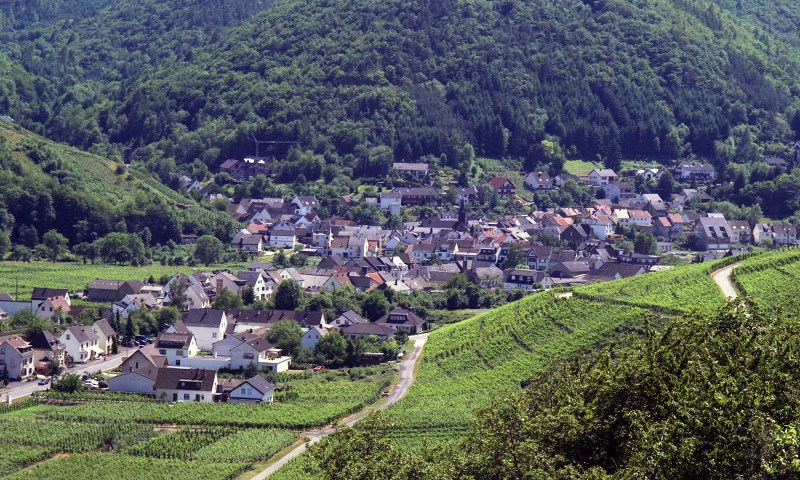
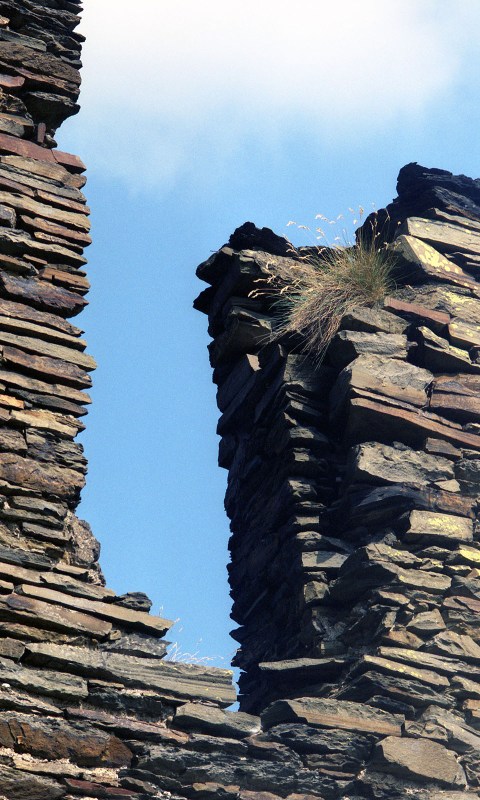
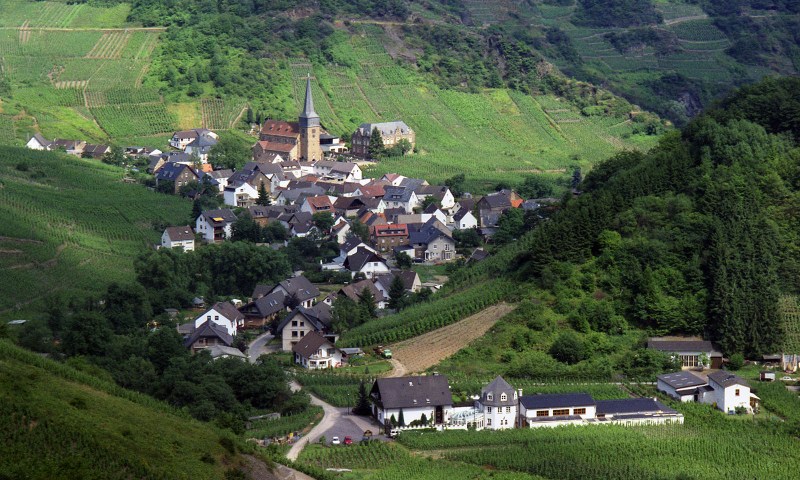
The Ahr valley is about 90 minutes away from Bonn by bike. This valley marks the northern end of the Eifel, a volcanic low mountain range in northern Germany.

Ahr4

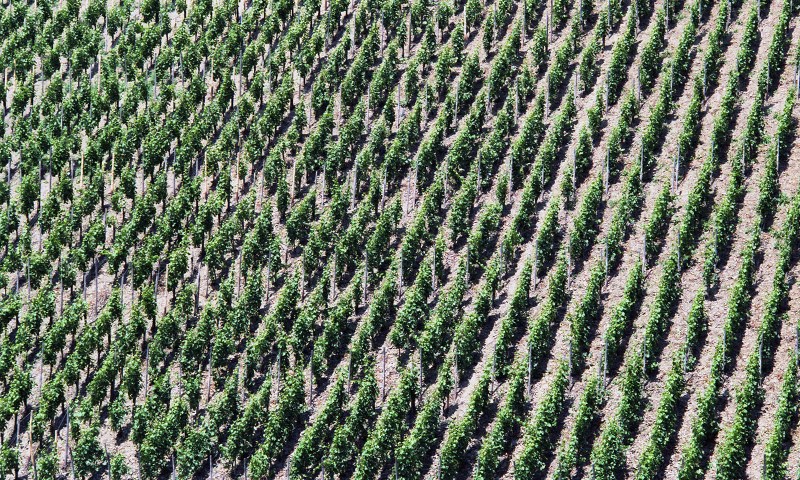
The microclimate and terroir (slate) makes it suitable for growing wine. For many years, tradition and local demand resulted in largely unremarkable sweet Pinot Noirs.

Ahr1

When I came back from California and felt I needed to cultivate my acquired habits also at home, I went on bike rides to the few wine makers who dared to go against the tradition. My favorite was Weingut Kreuzberg, run by a friendly family. The two sons were happy to sell me one or two bottles of their Dernauer Pfarrwingert Auslese, to be carried home by bike.

Ahr2

One day there was excitement: They just had won a price in Berlin for their illegally planted and harvested Cabernet Sauvignon. German wine laws are quite German, indeed. Each region is supposed to grow only their allowed varieties of grapes, and exceptions need a special permission. The Kreuzbergs didn’t get permission, because the wine association didn’t believe that Cabernet would grow in this climate.
Ahr3

The punishment was cynical: The Kreuzbergs had to rip out their Cabernet plants, because they were planted without permission, but were allowed to replant them, because they had proven that Cabernet could actually grow there.

Things have changed since. More quality wines are being produced at the Ahr (among them Cabernet Sauvignon), and the little known wines made by the Kreuzbergs are now sold out faster than it takes to get from Bonn to the Ahr (by bike).

What am I doing here? Applauding the break with traditions and simultaneously lamenting their loss? Silly me.

Russian River Valley (Wine Biking I)

Wine5

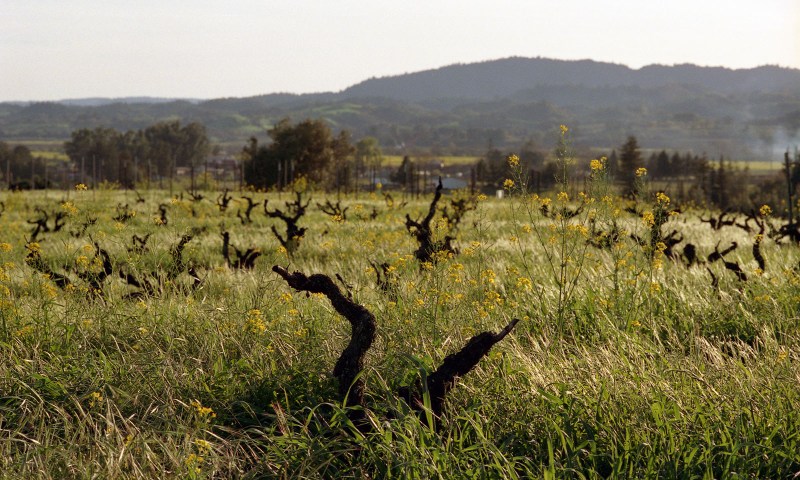
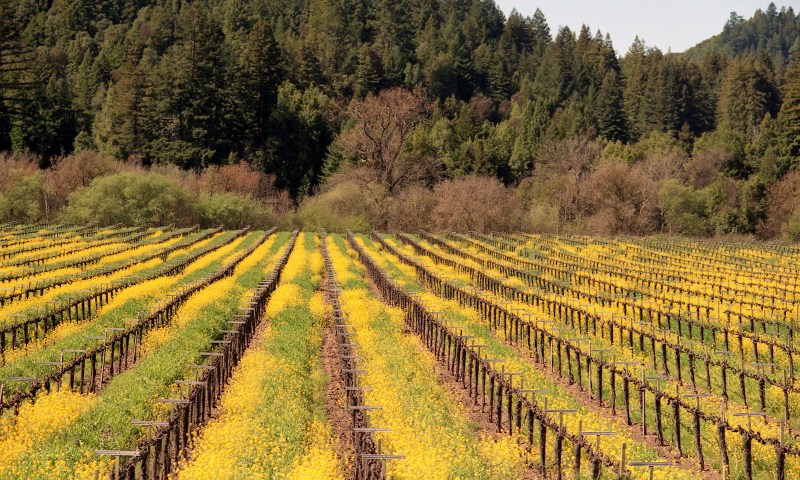
One of the must-sees for tourists in California is Napa. To be honest, the wines are overpriced, and the landscape is underwhelming. Go a bit further north, to the Russian River Valley, and enjoy the scenery by bike.

Wine2

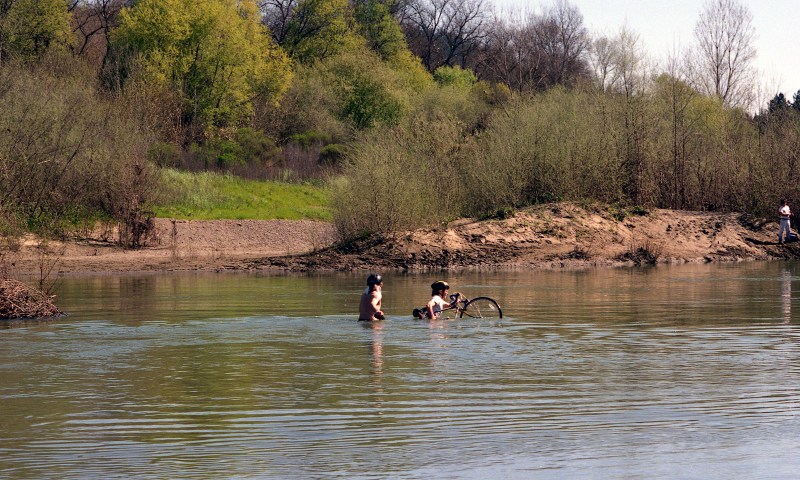
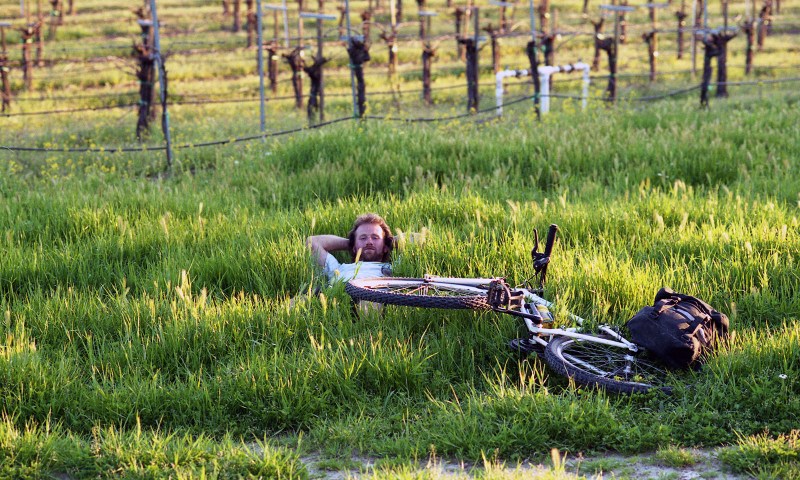
You will know that your are doing this with the right sort of people when they cross the river like this

Wine1

even though there is a bridge and they didn’t have any wine (yet).

Wine6

The winemakers were friendly and let us taste for free even though they knew we would not buy much wine.

Wine4

Herbal Tea

A colleague of mine who grew up in Greece claims that the food in the United States is not as fragrant as in Europe. I don’t know how to argue either way here, I certainly had tomatoes with no flavor at all on both sides of the Atlantic Ocean.

DSC 0922

I also don’t doubt that mass produced food tends to be quite bland everywhere, and local produce can bring out the terroir in any food more easily, most often to its advantage.

DSC 0925

So I blatantly lied when I claimed that the Ultental was unremarkable. Its cuisine is quite remarkable. For instance, there was (is?) a local butcher who carried all kinds of interesting meat that had grown up locally. Yes, I know, but what would life be if we wouldn’t sin once in a while.

DSC 0928

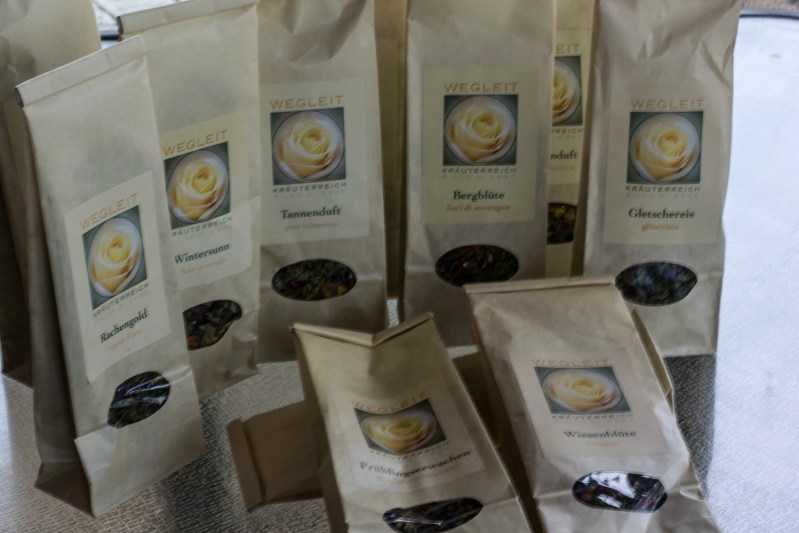
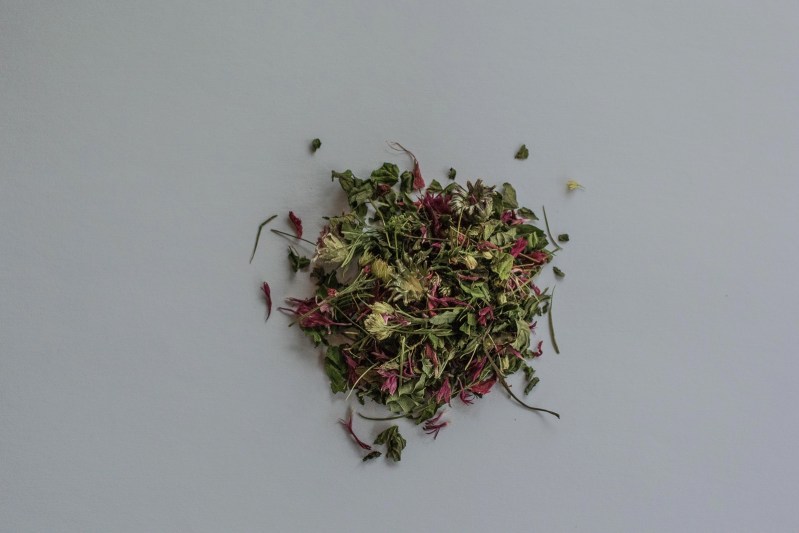
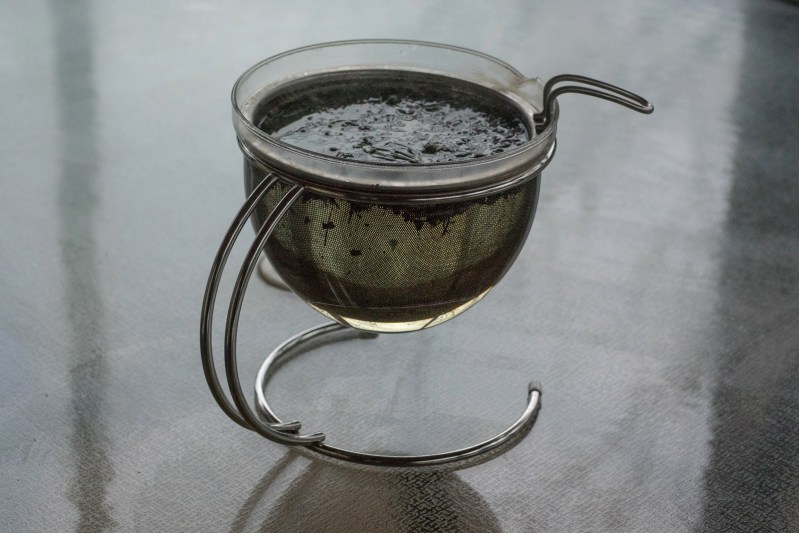
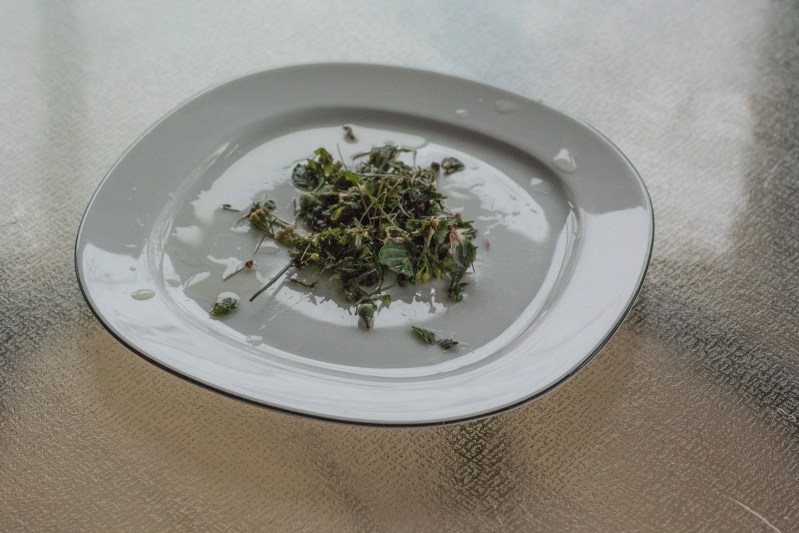
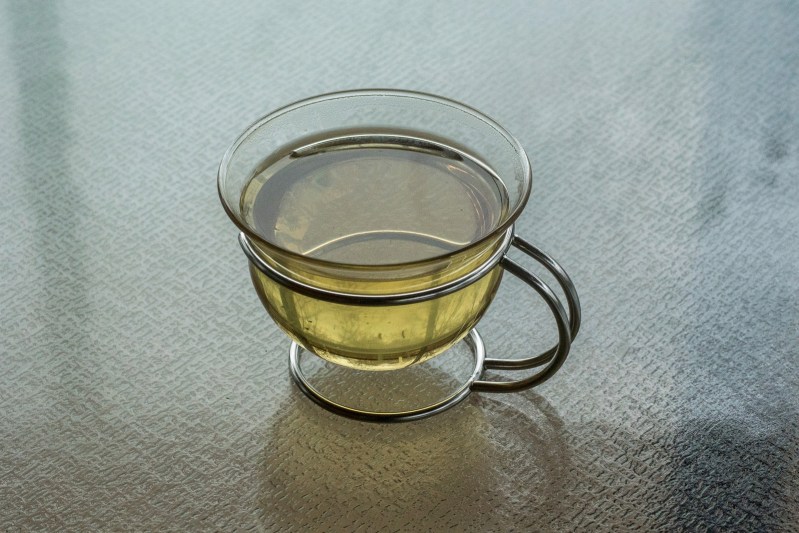
Then there are the local herbal teas with promising names like Gletschereis (Glacial Ice) or Tannenduft (Fir Smell). These were among the most intensely aromatic herbal teas I have ever tasted.
DSC 0930

They were so good that we had to mail-order a truckload of them after we returned to Germany.
DSC 0934

When I revisited the photos from the area about a month ago, I became curious whether these teas would still be available. And yes, thanks to the internet, one can not only find them but also order them (via Germany). And yes, they are still as fragrant as I remember them from over 15 years ago.

Pawpaw

IMG 1335

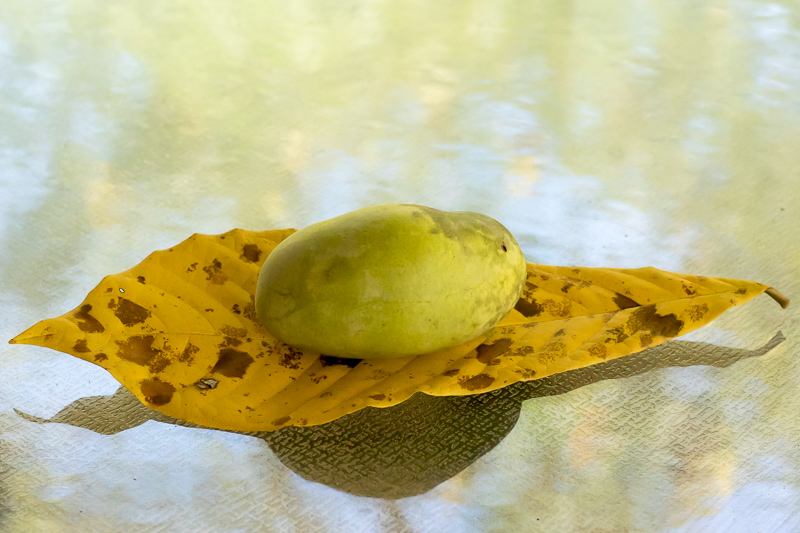
The Pawpaw tree is one of the more interesting trees that are native to North America.
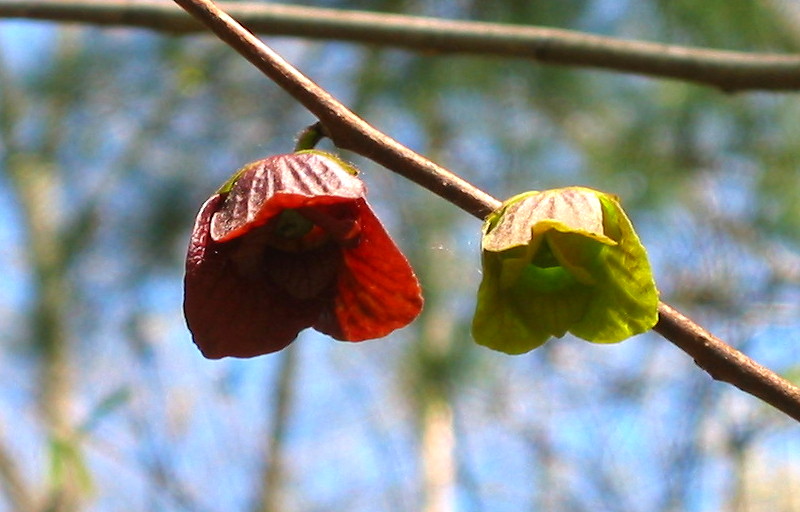
Pawpaws are small and like shade. In the spring they make small colorful flowers. I don’t know whether its common that differently colored flowers appear on the same tree.

DSC 0889

When the big leaves turn yellow, they produce potato sized fruits.
They will not stay long on the trees, as most animals (from squirrel to deer) seem to like them even when not yet ripe. You need to harvest them when they are getting soft and begin to smell.

DSC 0891

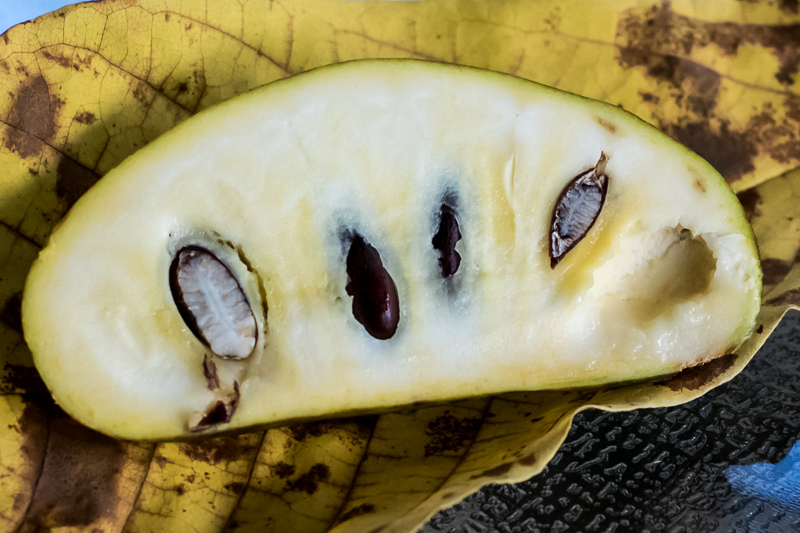
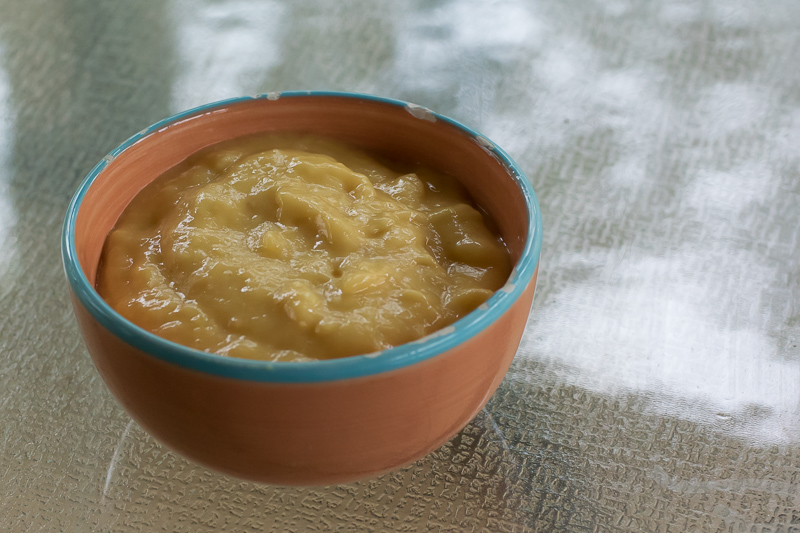
They will not keep fresh for very long, so go ahead and peel them. The easiest way to deal with the large seeds is to eat the fruit in chunks and to spit the seeds out. If you are more patient, you can also remove the seeds, put the fruits into a blender and make a very delicious pulp. The taste is banana like with an exotic touch that is hard to pin down.

DSC 0894

Pflaumenmus

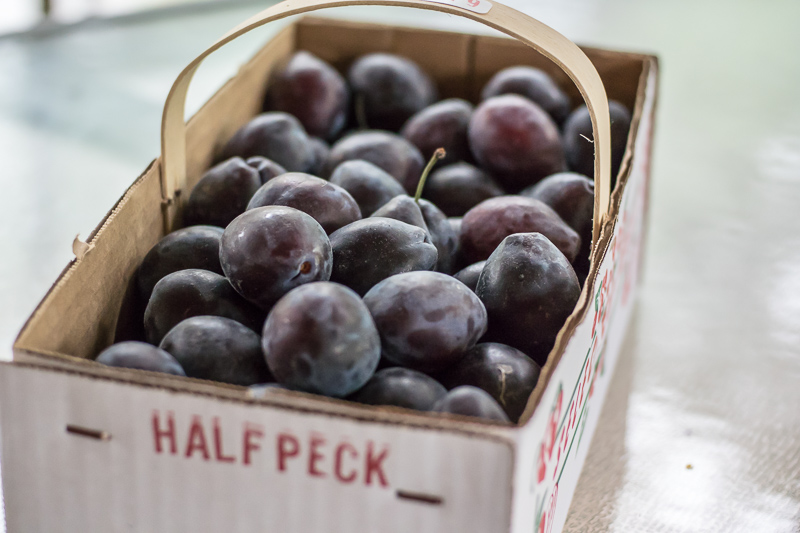
While many fruits and berries are being cultivated or stored so that you can buy them “fresh” year round, some are either too delicate or not popular enough for this treatment. So you have to get them when they are ripe, and find your own means of preservation.

DSC 9502

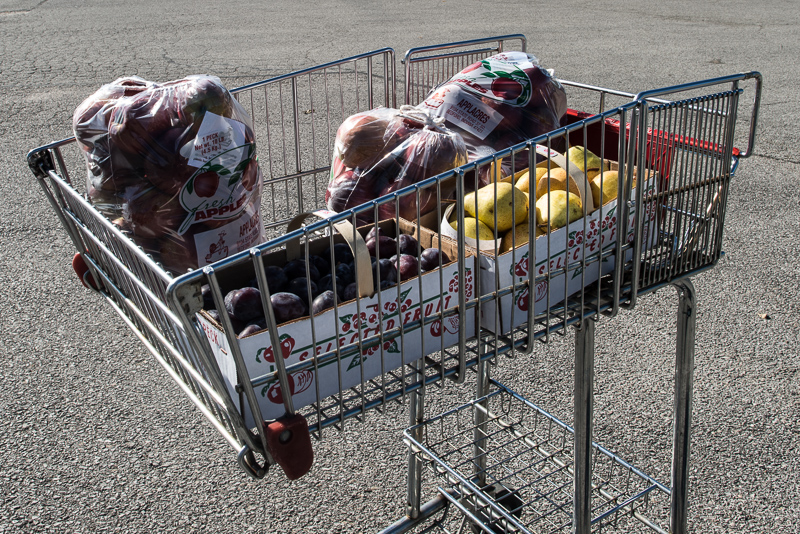
Plums are one such example. My own plum trees lose what little they produce to the greediness of the birds well before they are ready for human consumption, so I have to resort to local stores.

DSC 0858

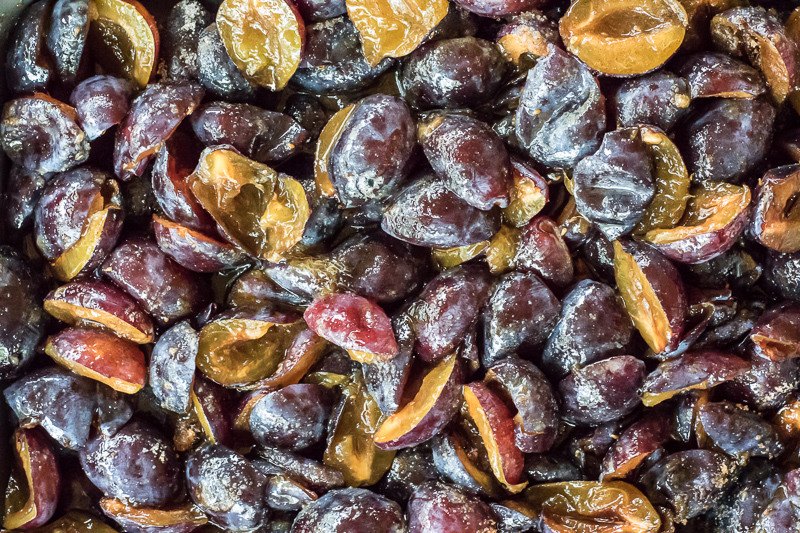
Plums are also interesting, because the American style plum butter is a far cry from what this fruit deserves. Plums are too juicy for the standard ways of jam making. To produce a real mus, they need to be stoned, mixed with sugar (1 cup for 3 pounds), and spices (try cardamom and clover!).

DSC 0862

Let this sit for at least two ours and discard the juice (or dink it, if you like sweet treats).
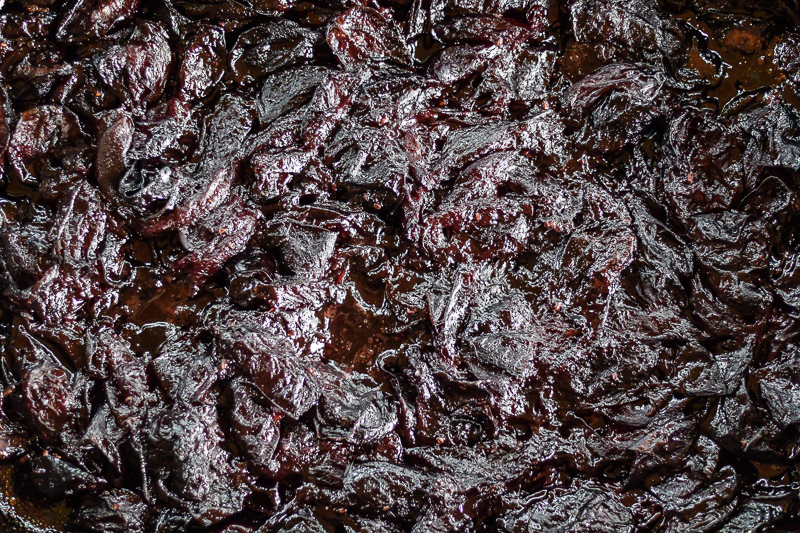
Then put this into a baking dish and bake for at least two hours at 350 degrees Fahrenheit, stirring occasionally. Leave the oven door open for the first 30 minutes to get rid of even more liquid. You want the result to be really gooey. Be warned: 3 pounds of plums make less than a cup of mus.

DSC 0873

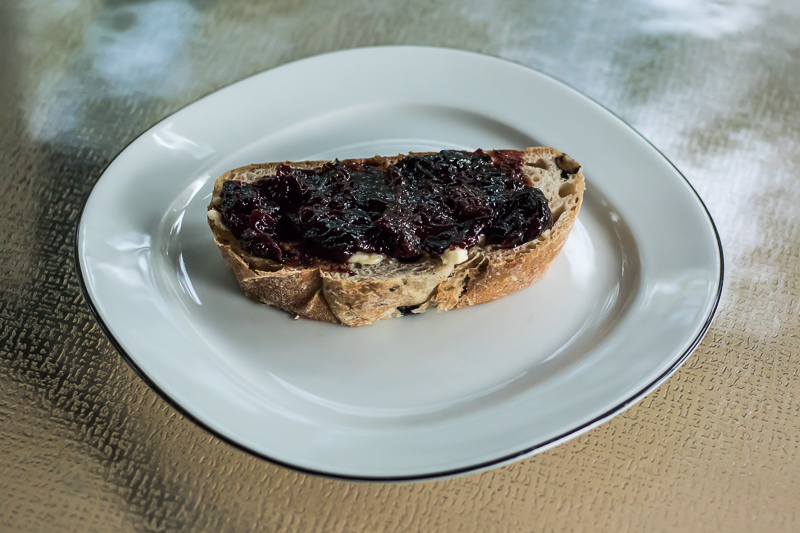
Now all that is needed is good bread.

DSC 0874

How to Cut a Bagel (Annuli II)

Annulus 1

A torus is obtained by rotating a circle around a axis in the same plane. As such, it has two families of circles on it: the ones coming from the generating circle, and the orbits of the rotation. This allows you to slice the torus open using vertical or horizontal cuts, with the cross sections being perfectly round circles,

Torus3a

Of course, when you do this to your bagel, you do not really expect circles. But neither would you expect the bagel to be hollow.

The surprise, however, is that there is yet another way to slice a torus, still with perfectly circular cross sections. These are the Villarceau circles.

Torus2a

Here is how to do it. Looking at a vertical cross section, cut along a plane that’s perpendicular to your cross section and touches the two circles just above and below. The deeper reason for their existence lies in the Hopf fibration of the 3-dimensional sphere; these curves are stereographic images of Hopf circles.

Toruscut

Even more surprising is that there are certain cyclides that have six circle families on them.

Cyclideb

Darjeeling Second Flush

The summer harvest of Darjeeling teas is called Second Flush. While the first flush teas are usually grassier and more delicate, the second flush are darker, fuller, and haven often a musky note.

I enjoy both, typically a first flush in the morning and a second flush in the afternoon. My two tea suppliers from India couldn’t be more different. The one I showed pictures of here packages the tea in aroma sealed bags. The other one has a narrower selection of top quality teas, and more competitive prices.

DSC 0392

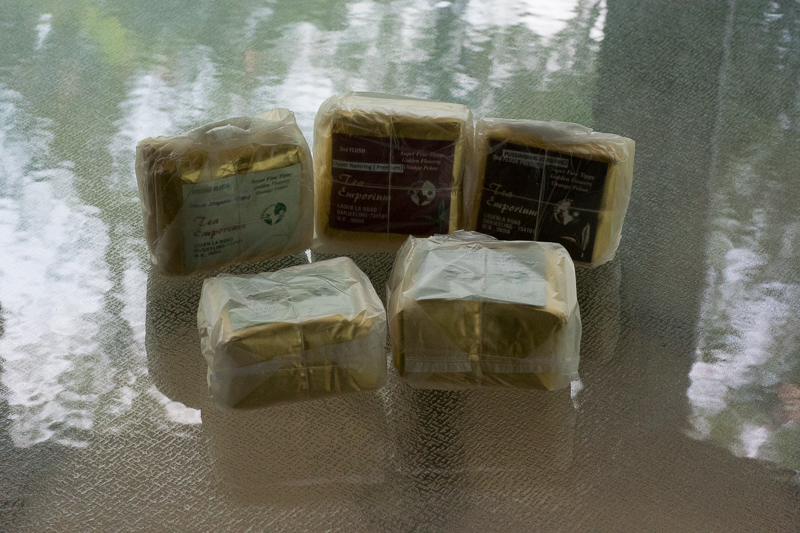
The battered DHL envelope contains a cloth that has been hand sewn together, to contain the individual teas. They are protected by celophane bags,

DSC 0396

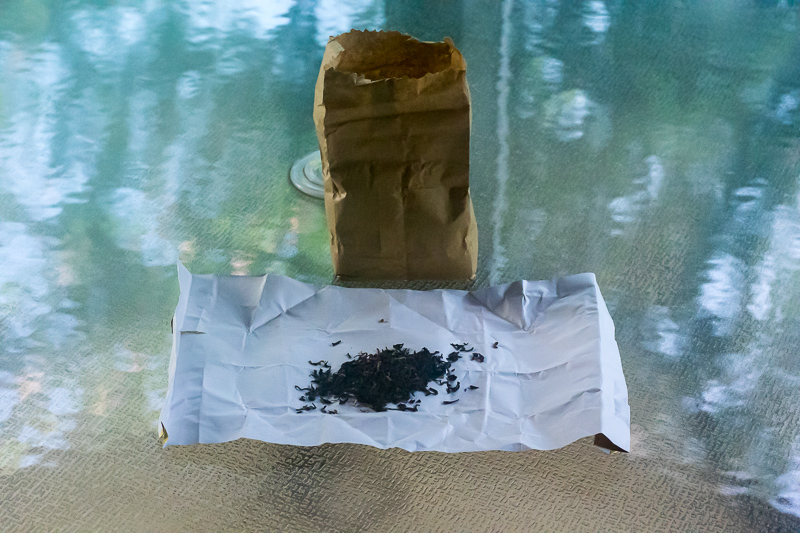
inside of which are brown paper bags, wrapped in reflective foil, and all tied closed with individual strings.
I truly appreciate the care they take at Tea Emporium to protect the goods, and I am sure their down to earth way of doing this is at least as good as vacuum sealed plastic bags.

DSC 0401

Last year’s Second Flush harvest left me a bit disappointed. I found the teas I sampled too musky. This year it looks like we have some solid, full bodied teas again. Up above and below you can see the exceptional Pussimbing Organic DJ-70.

DSC 0408

Unboxing photos of high tech goodies have become popular, but nothing can beat unboxing these teas.