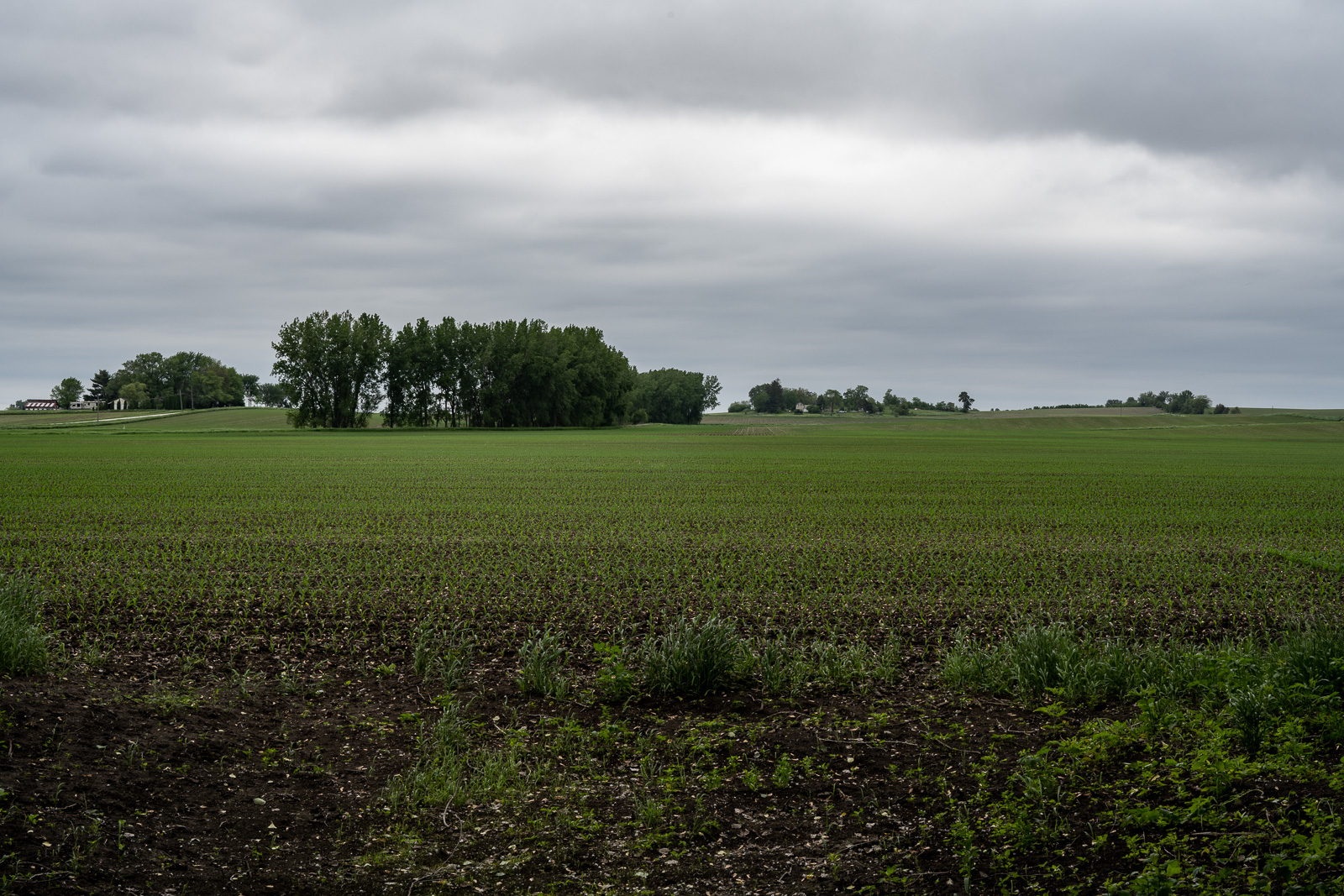
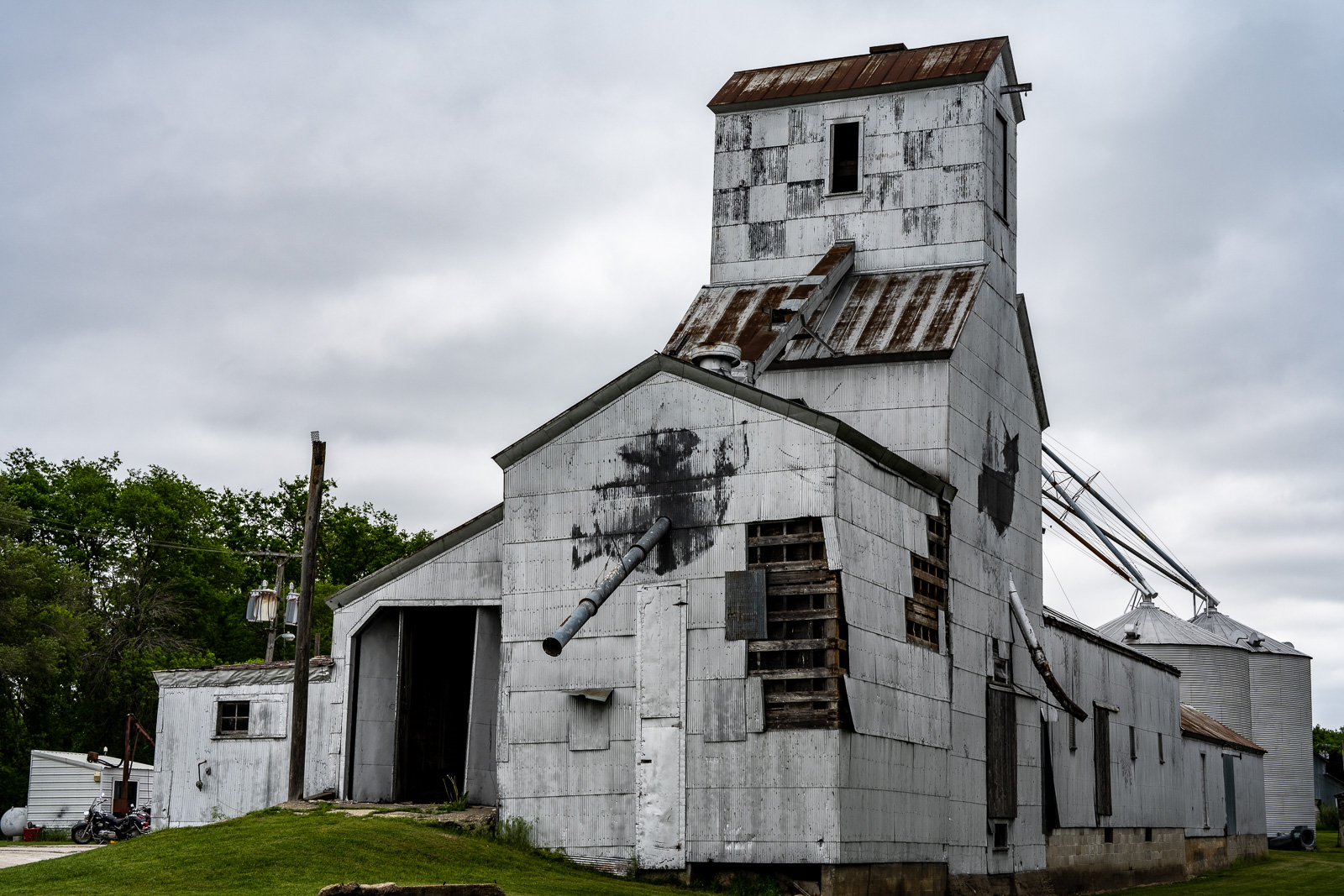
Border Districts (Badlands IX)

The mind is a place best viewed from borderlands

Gerald Murnane, Border Districts

After yesterday’s more technical description of my Sage Creek Valley flight, today an attempt of a second layer.

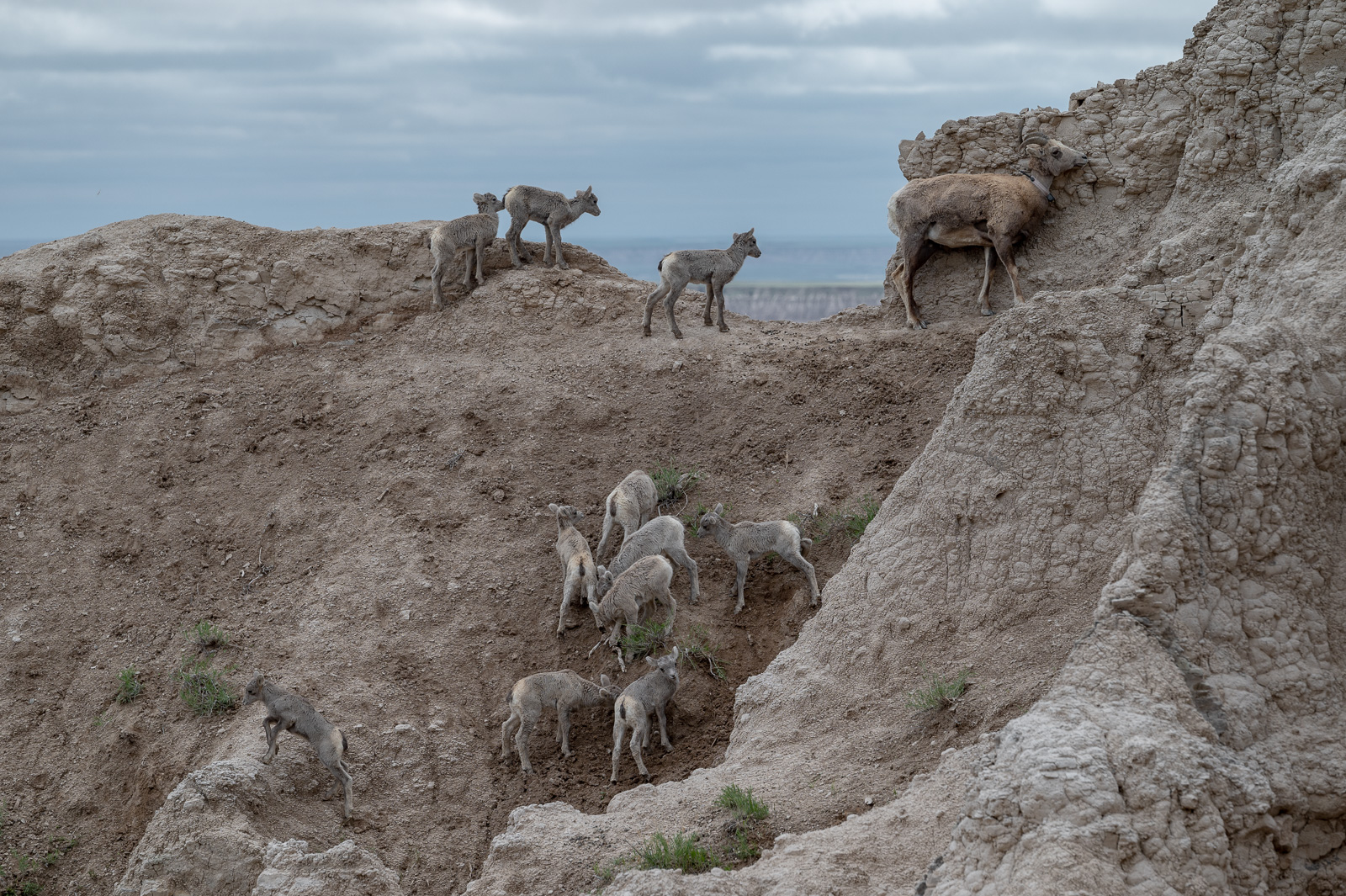
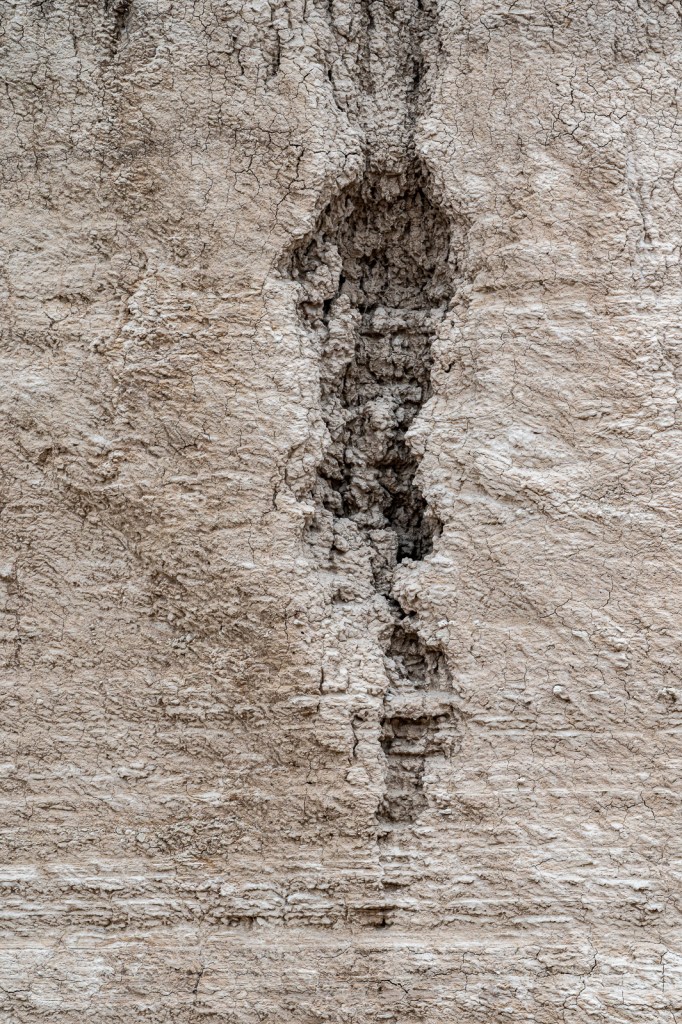
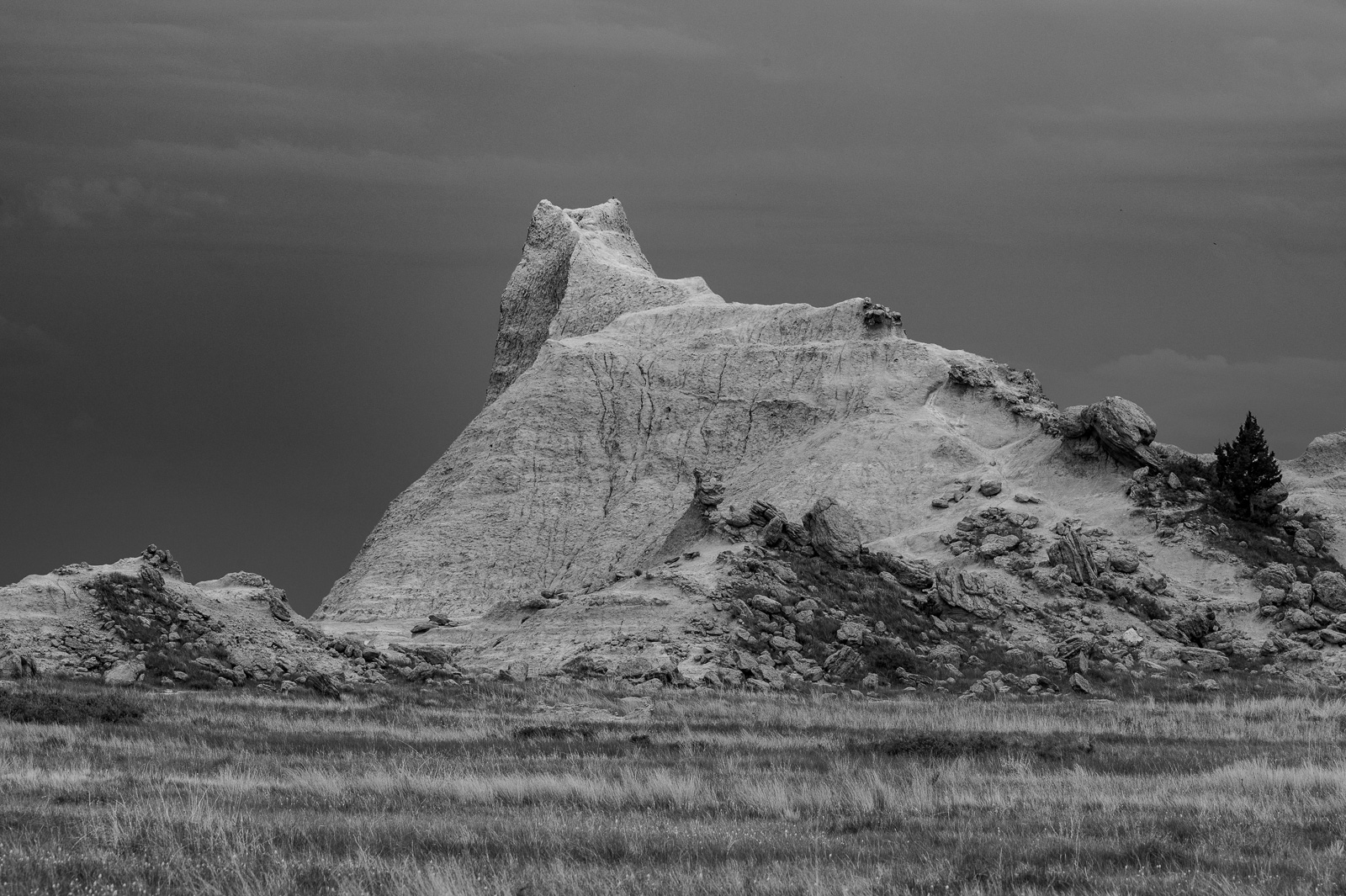
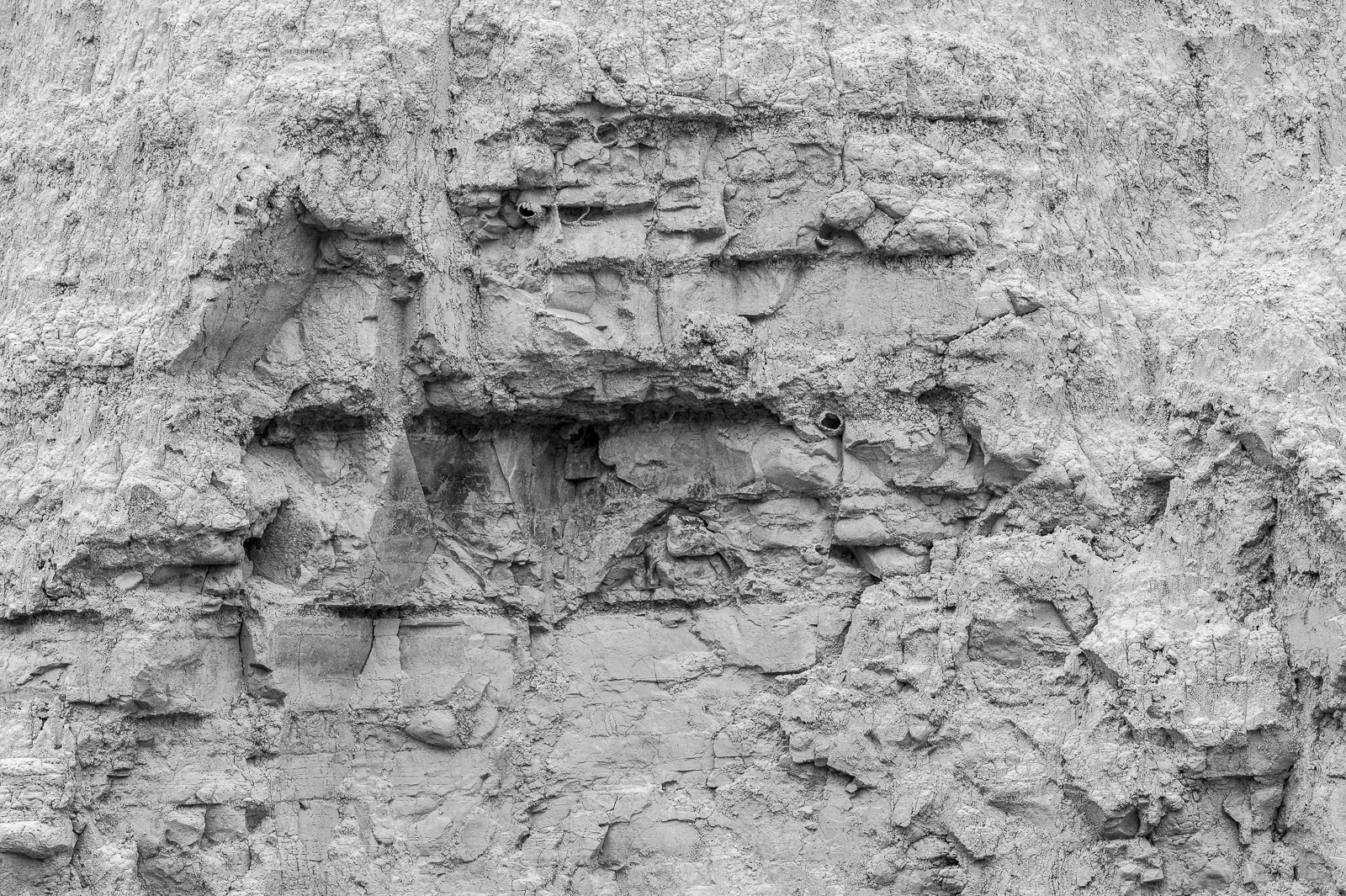
I think about photography as a dialogue — between the features of the subject and my abilities to perceive them.

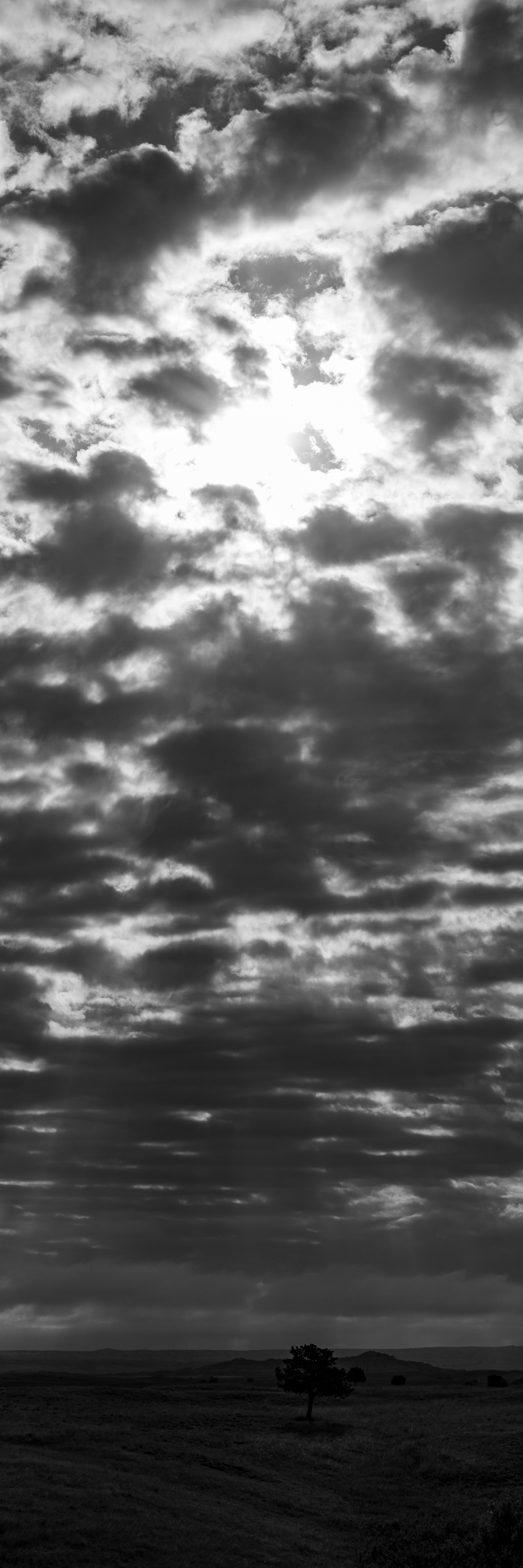
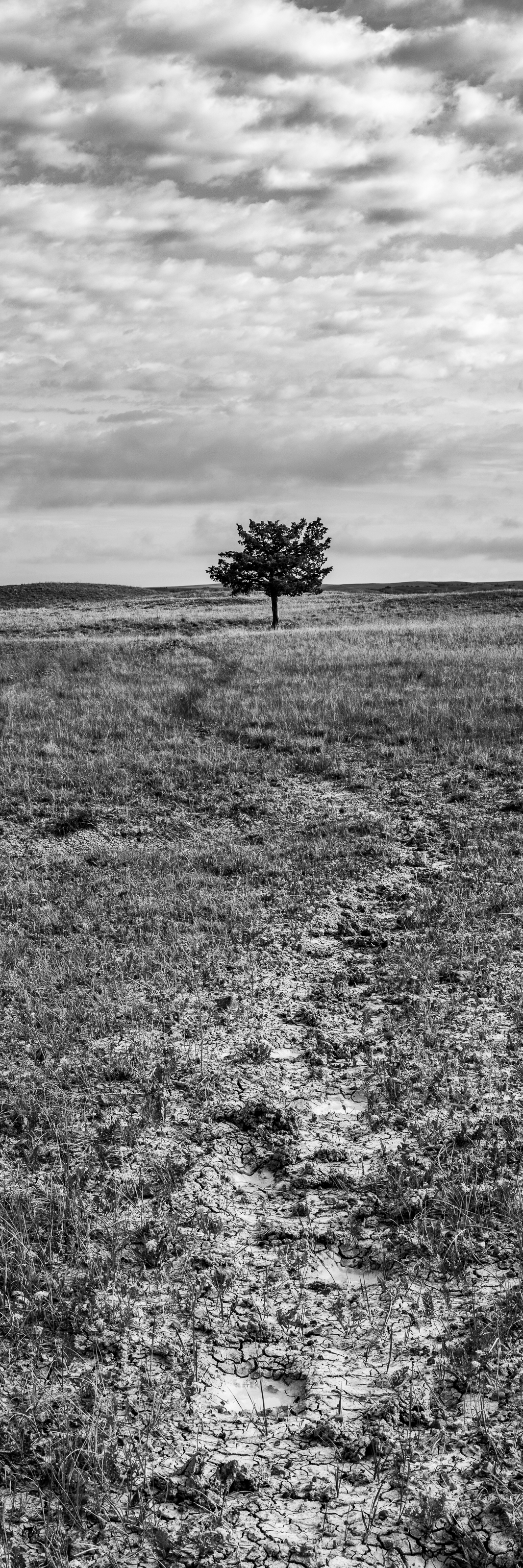
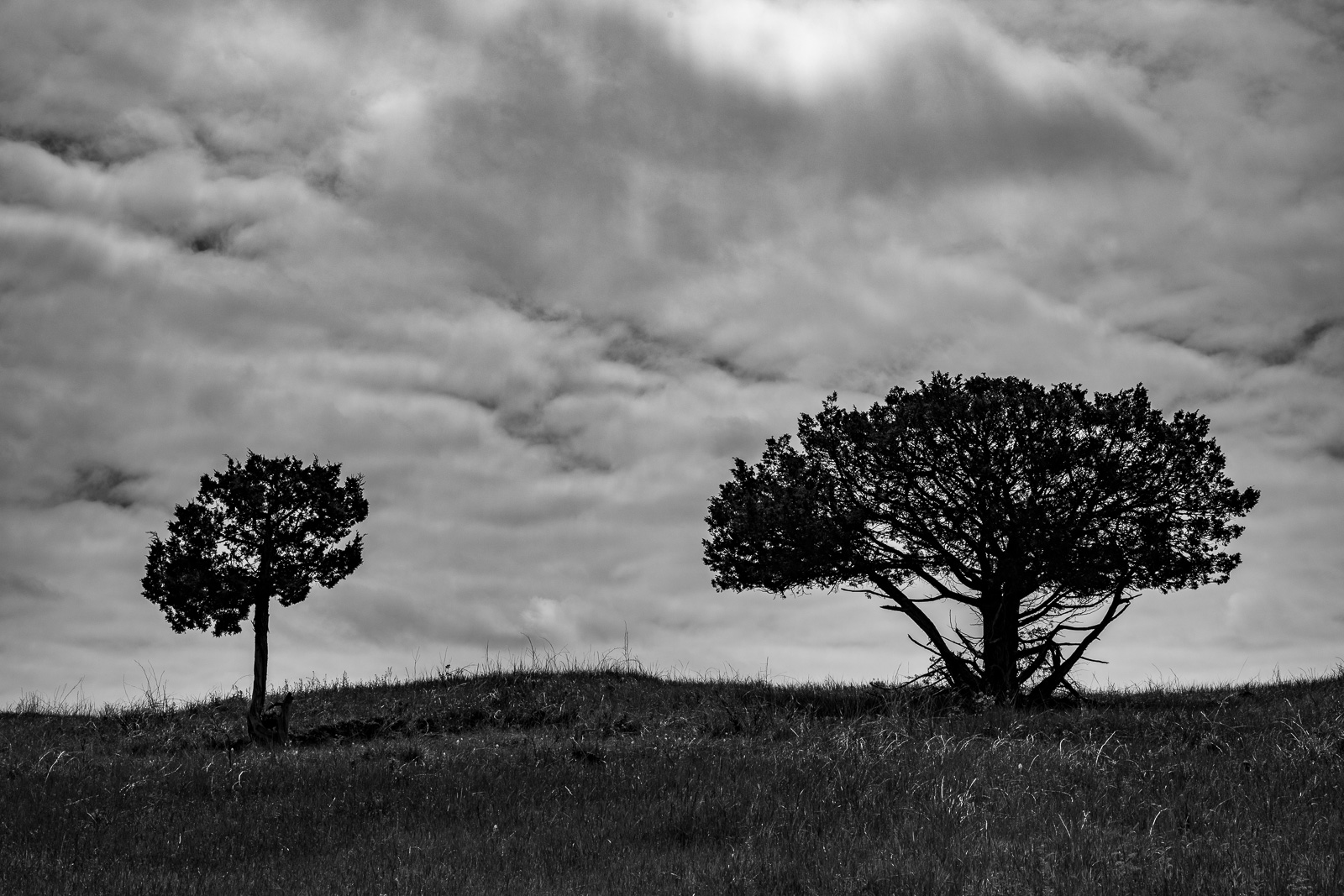
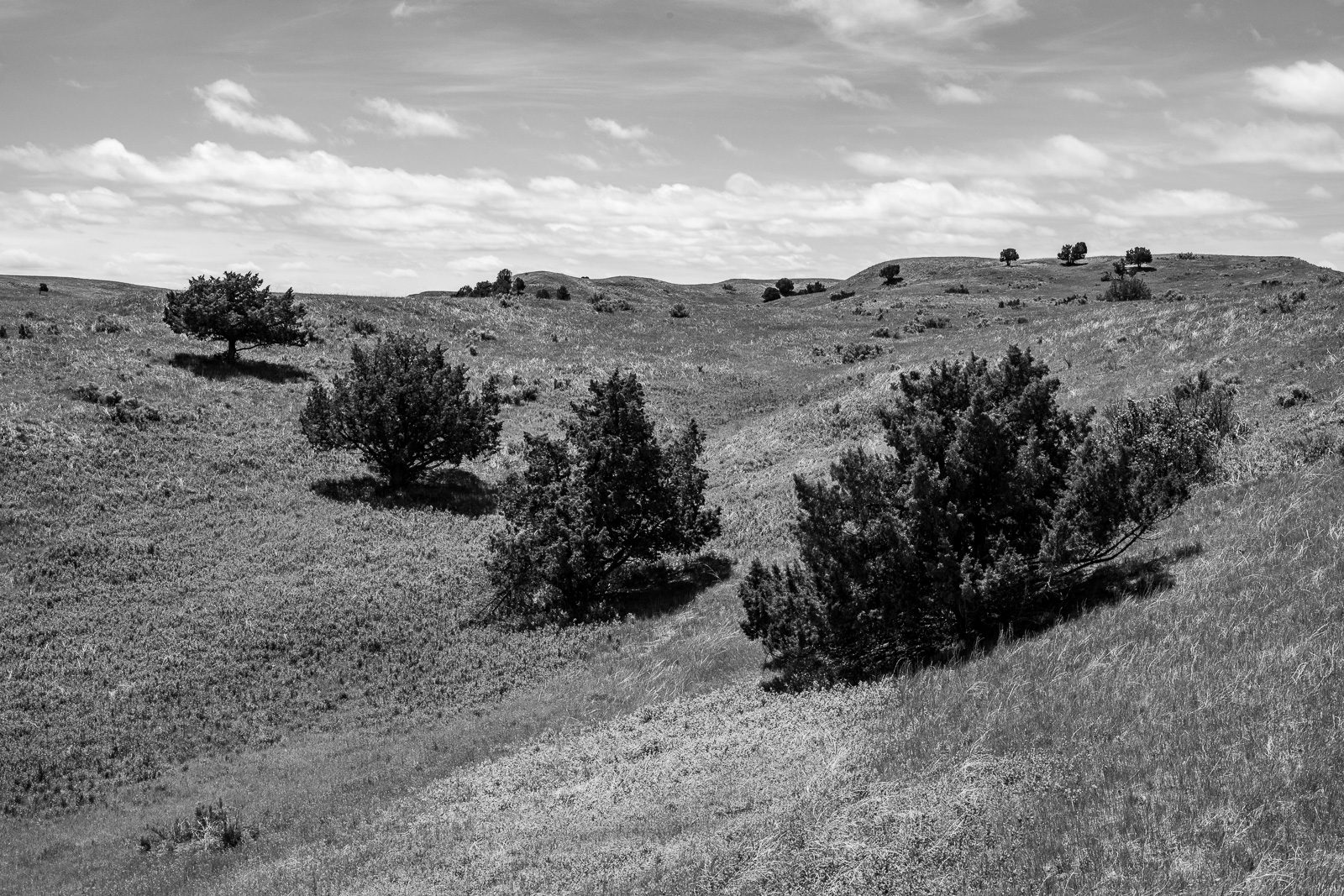
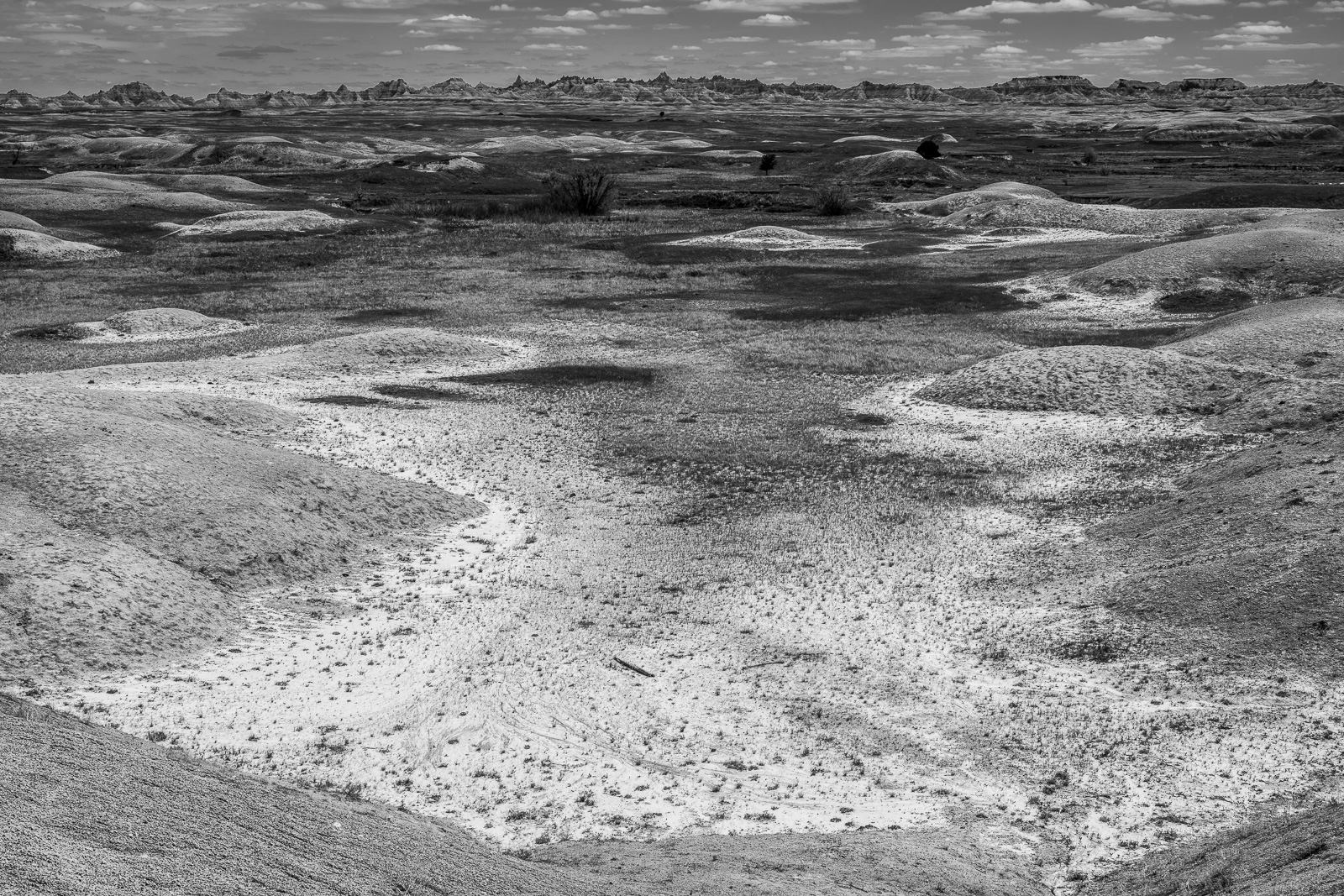
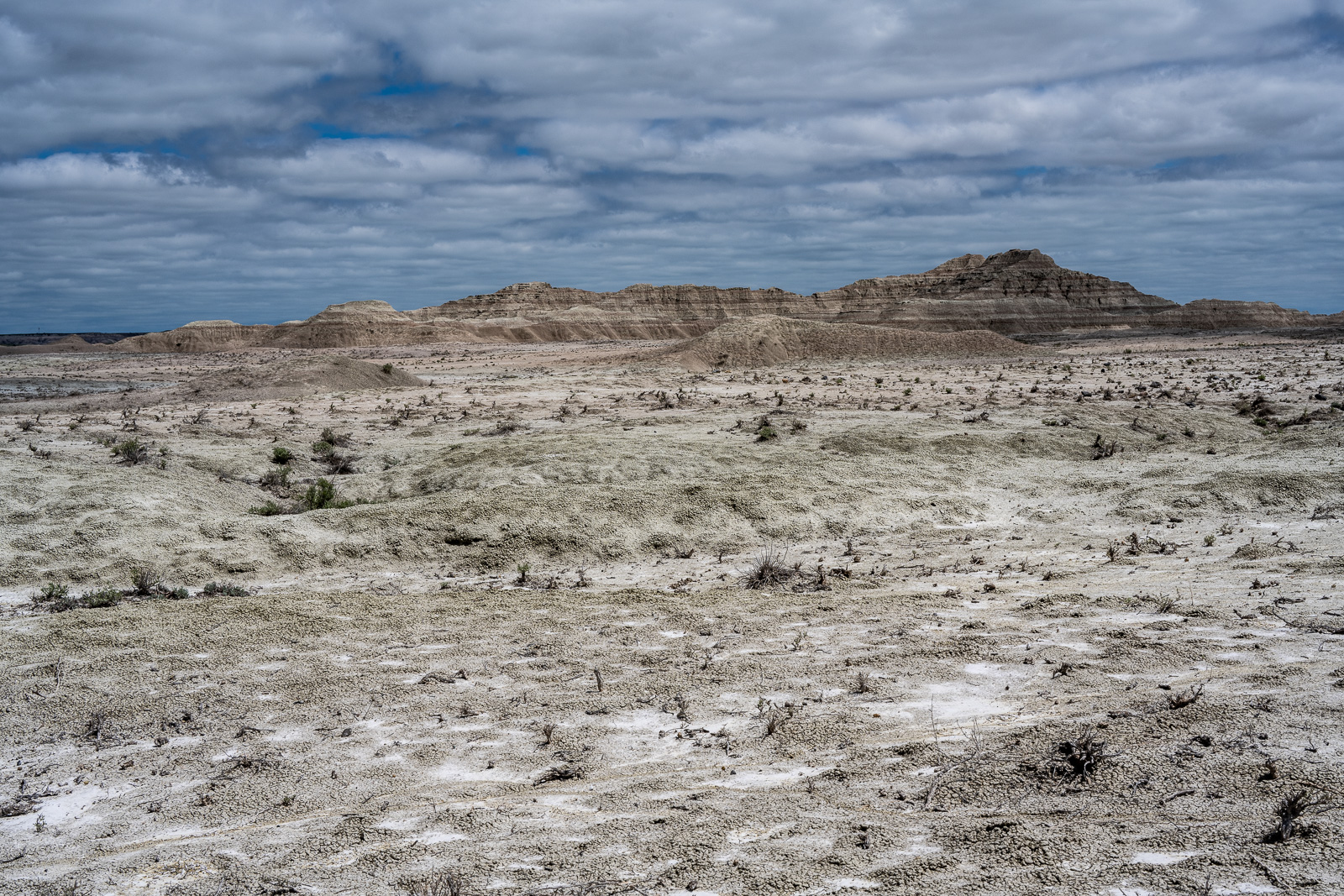
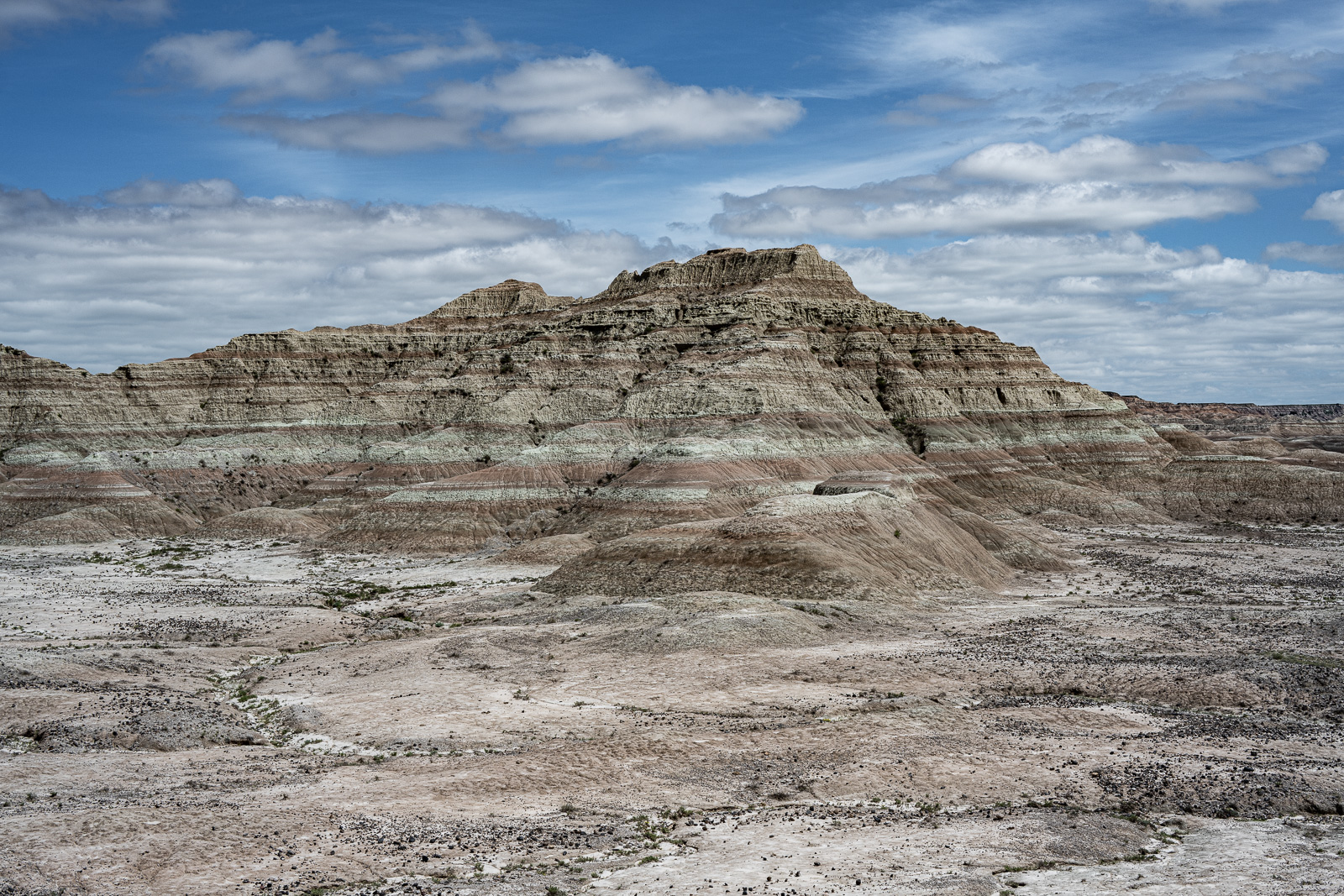
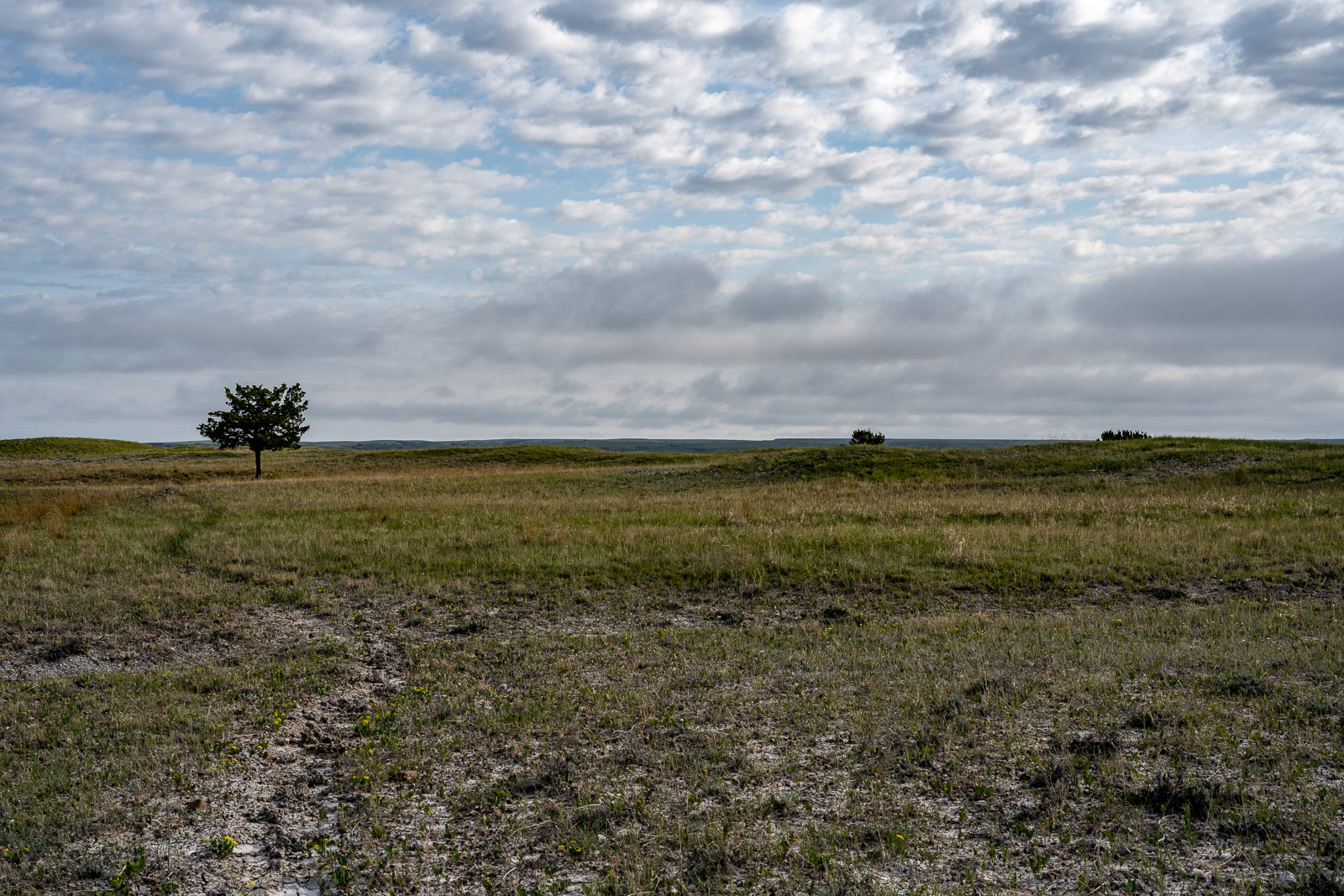
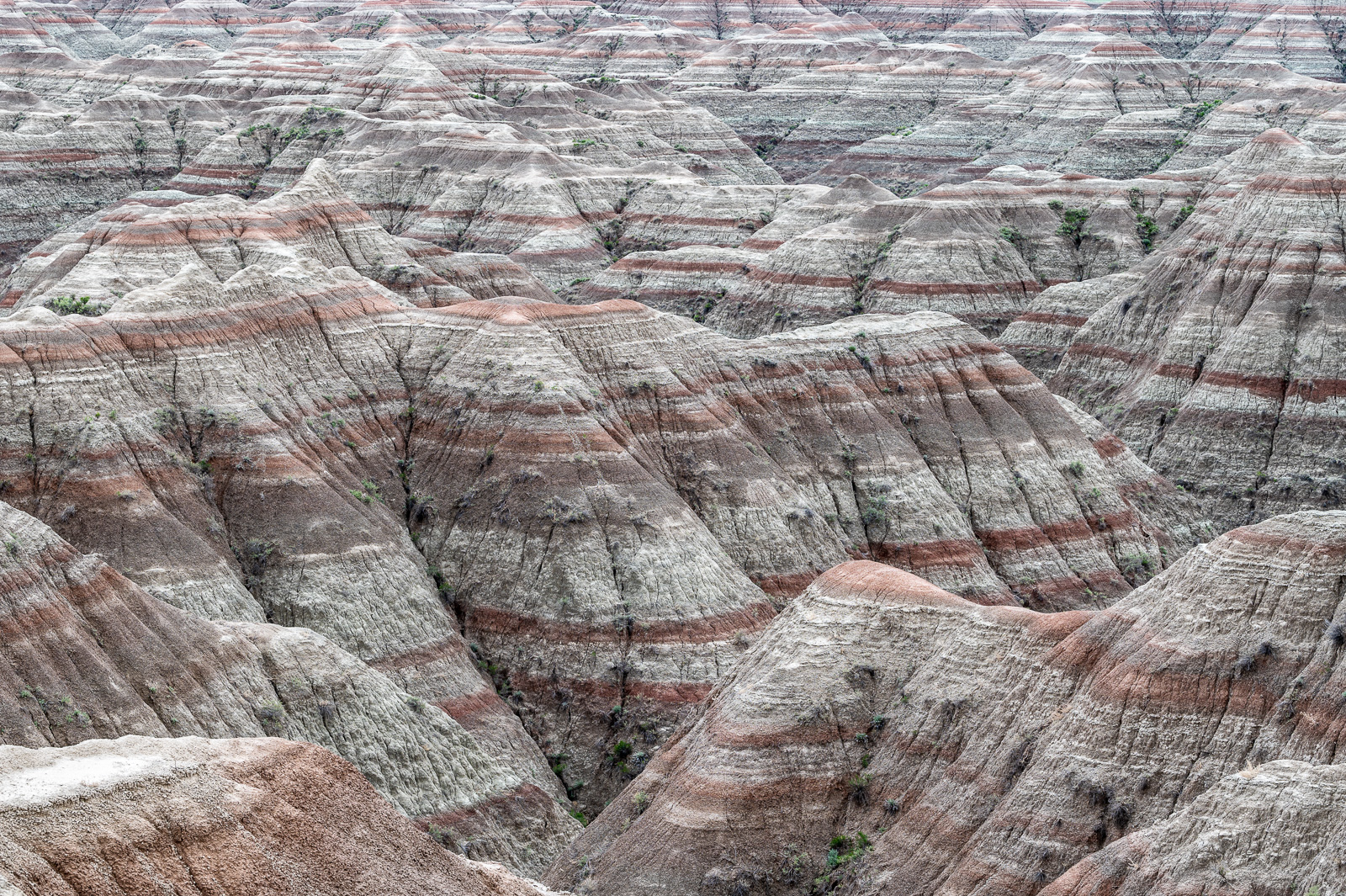
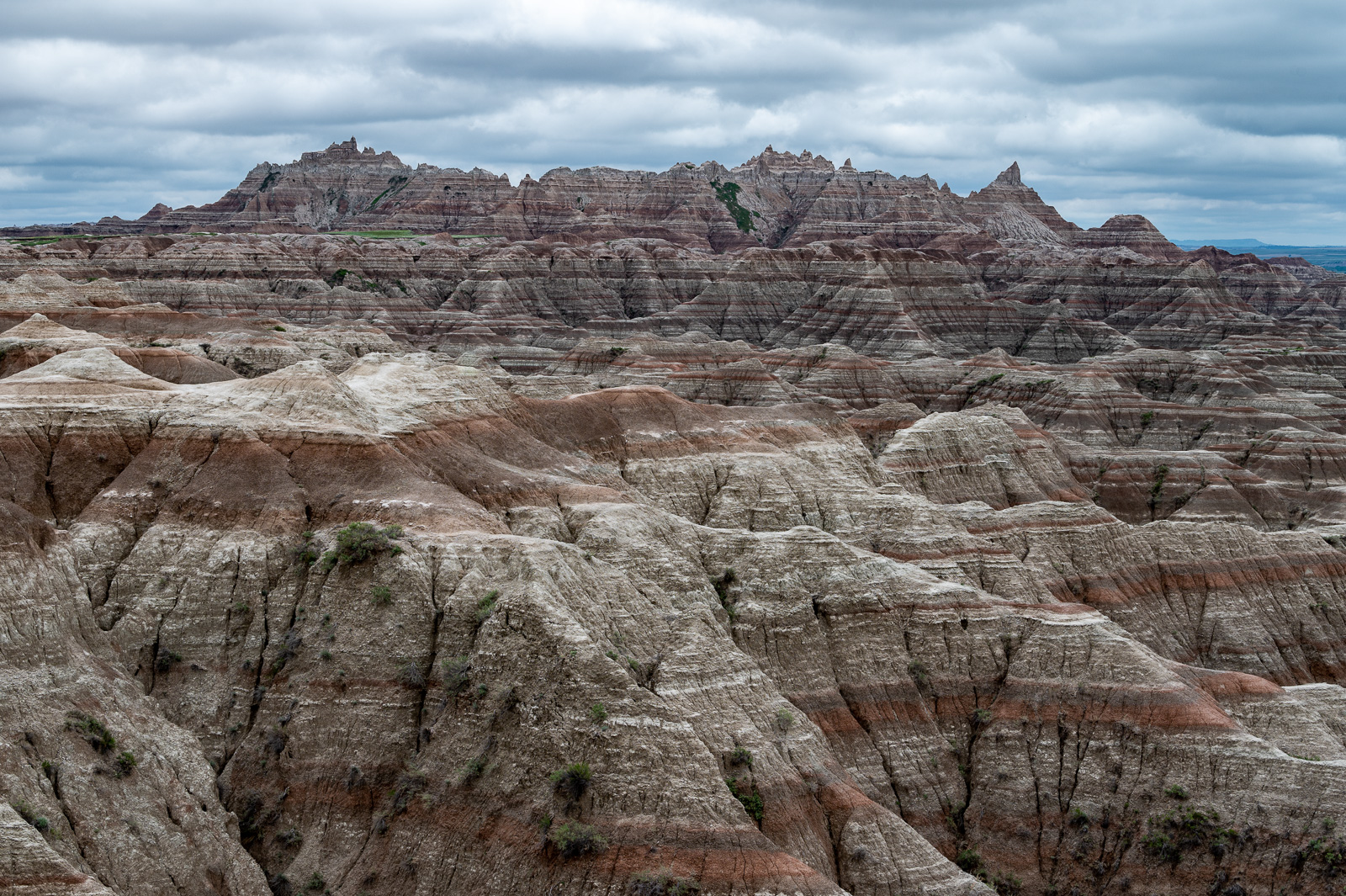
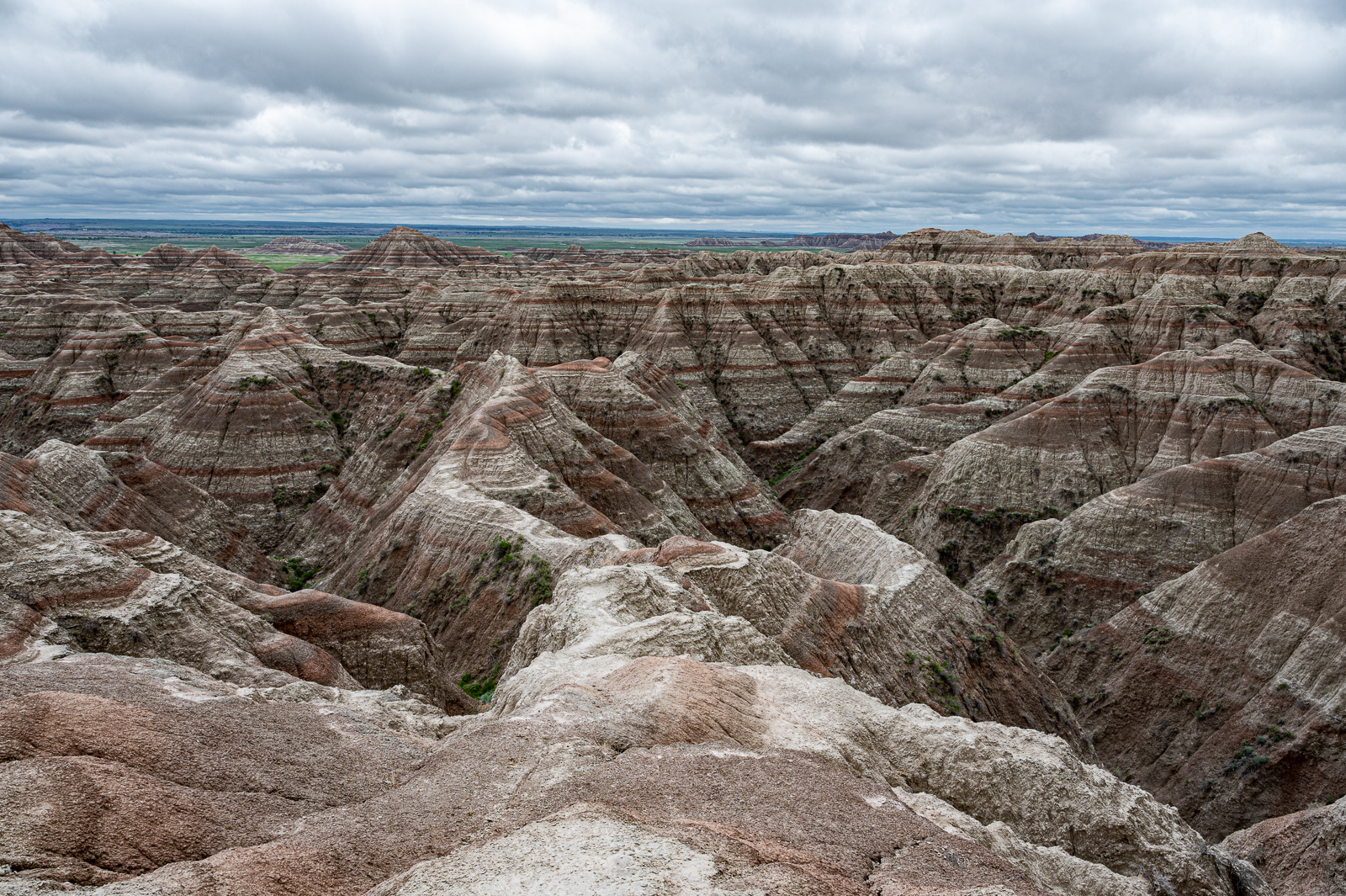
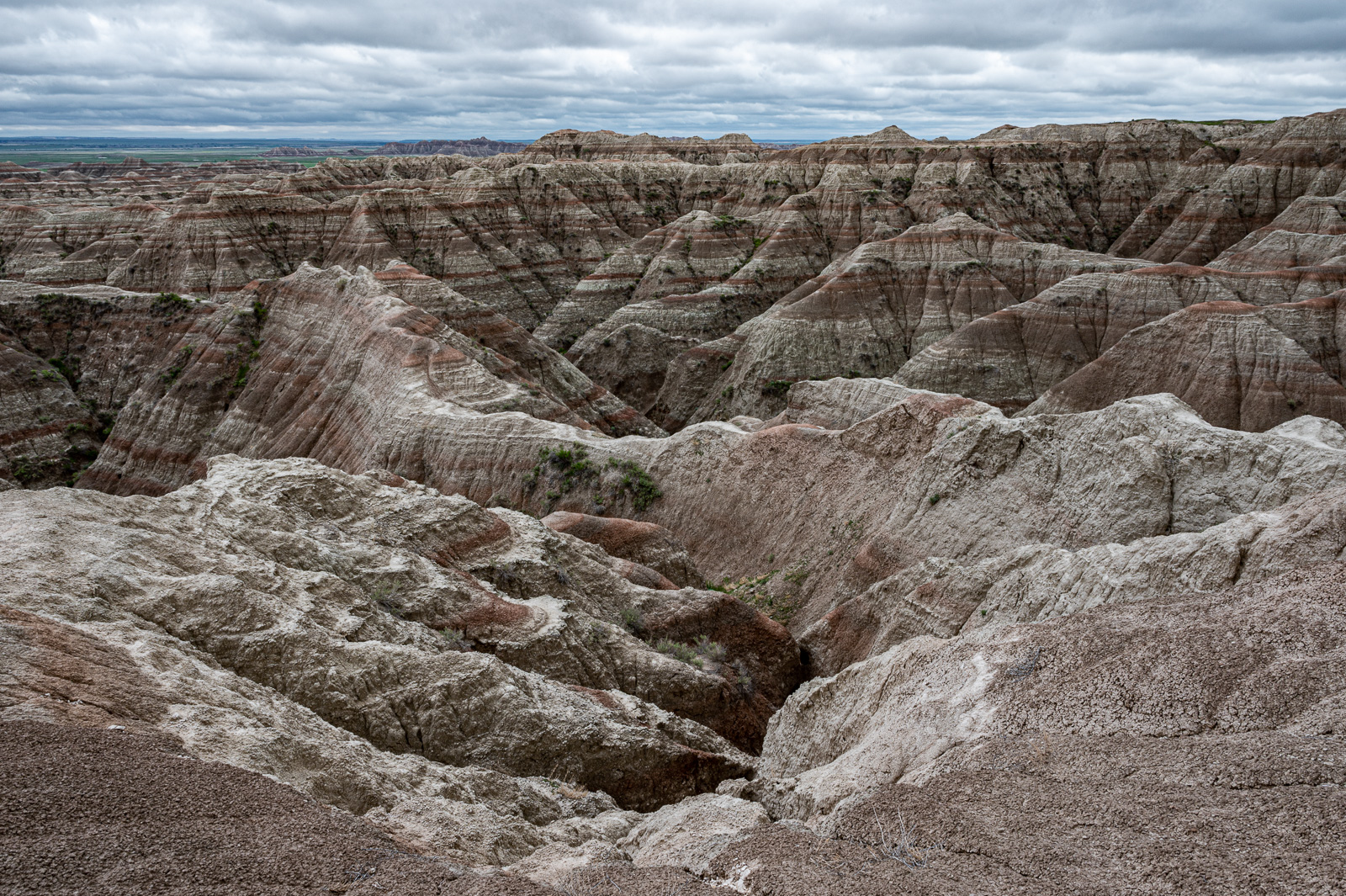
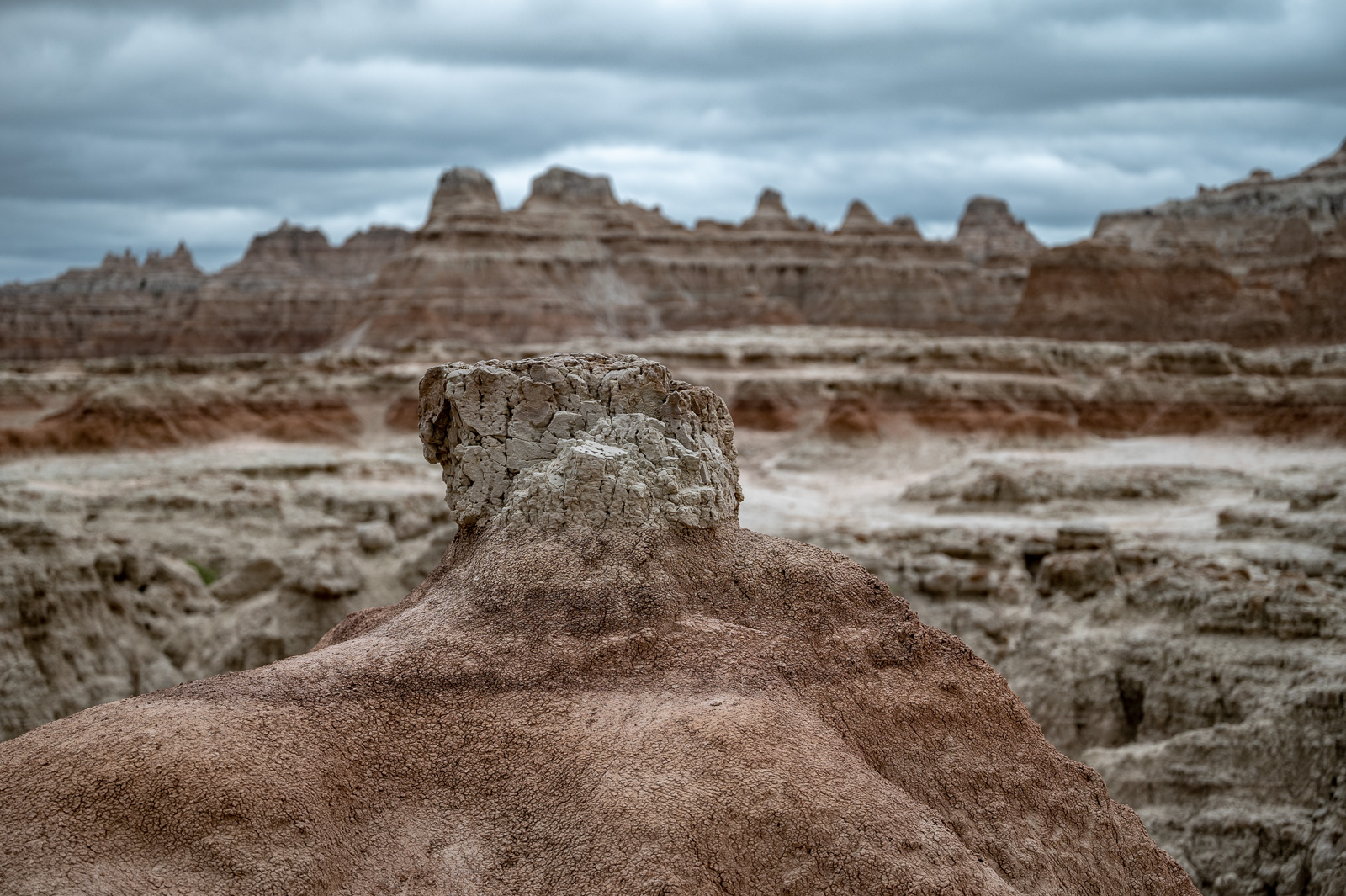
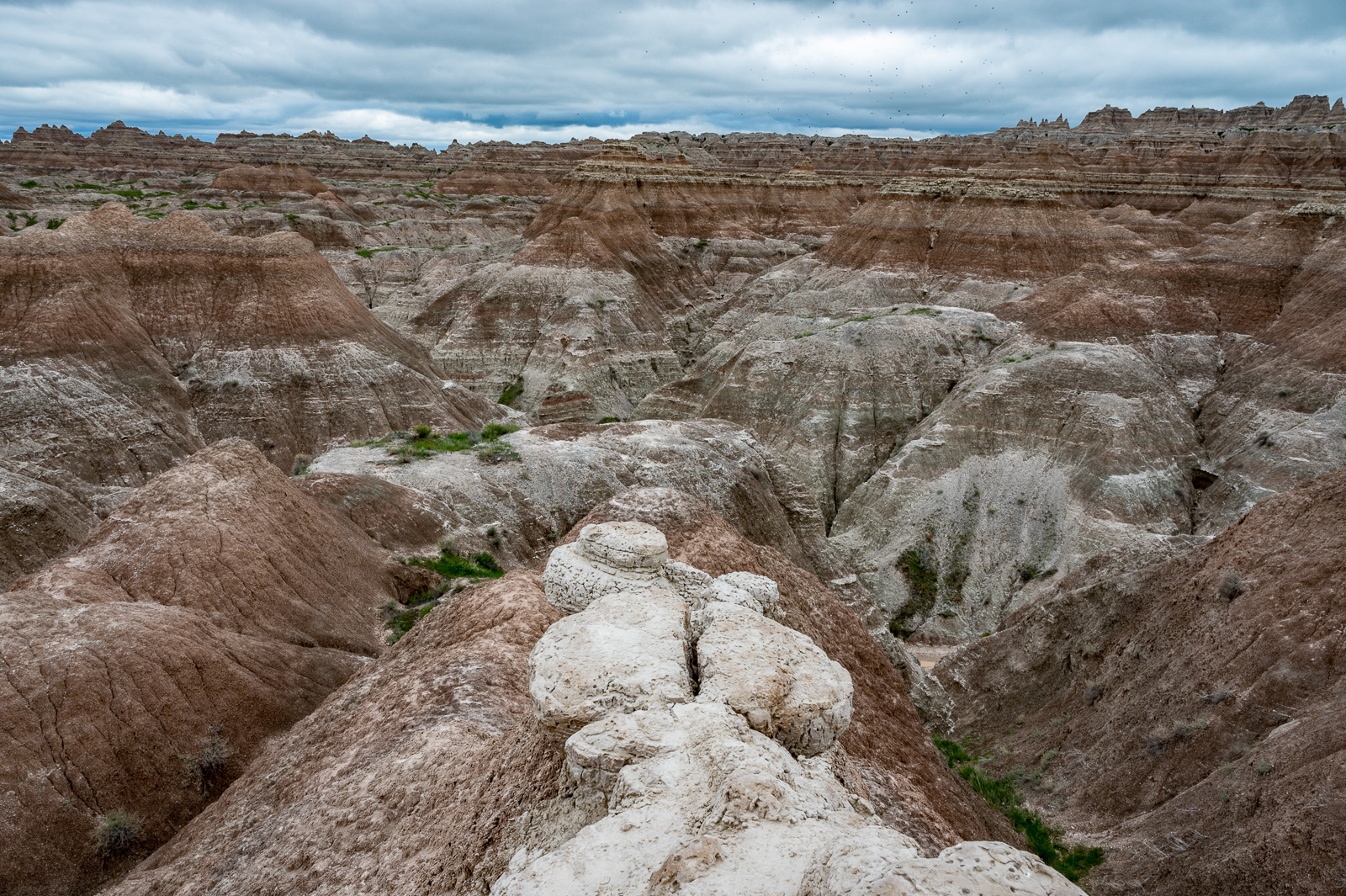
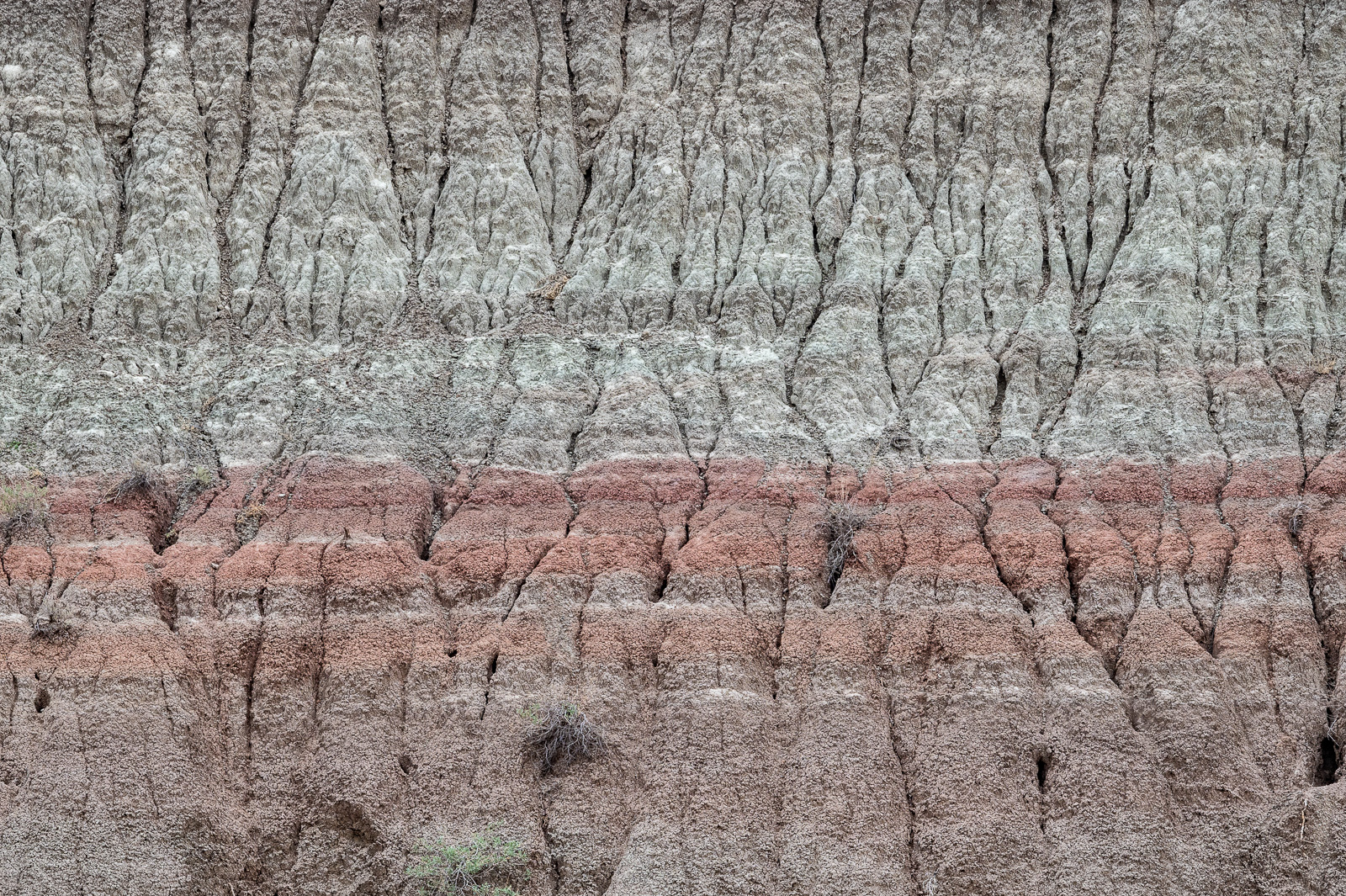
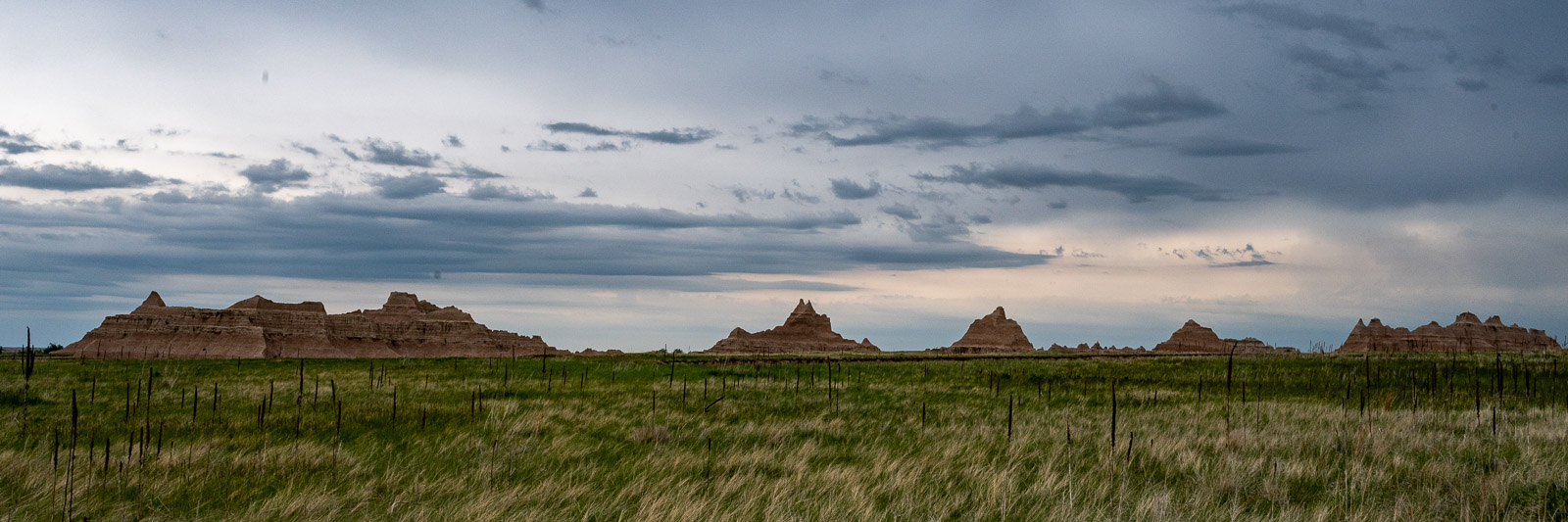
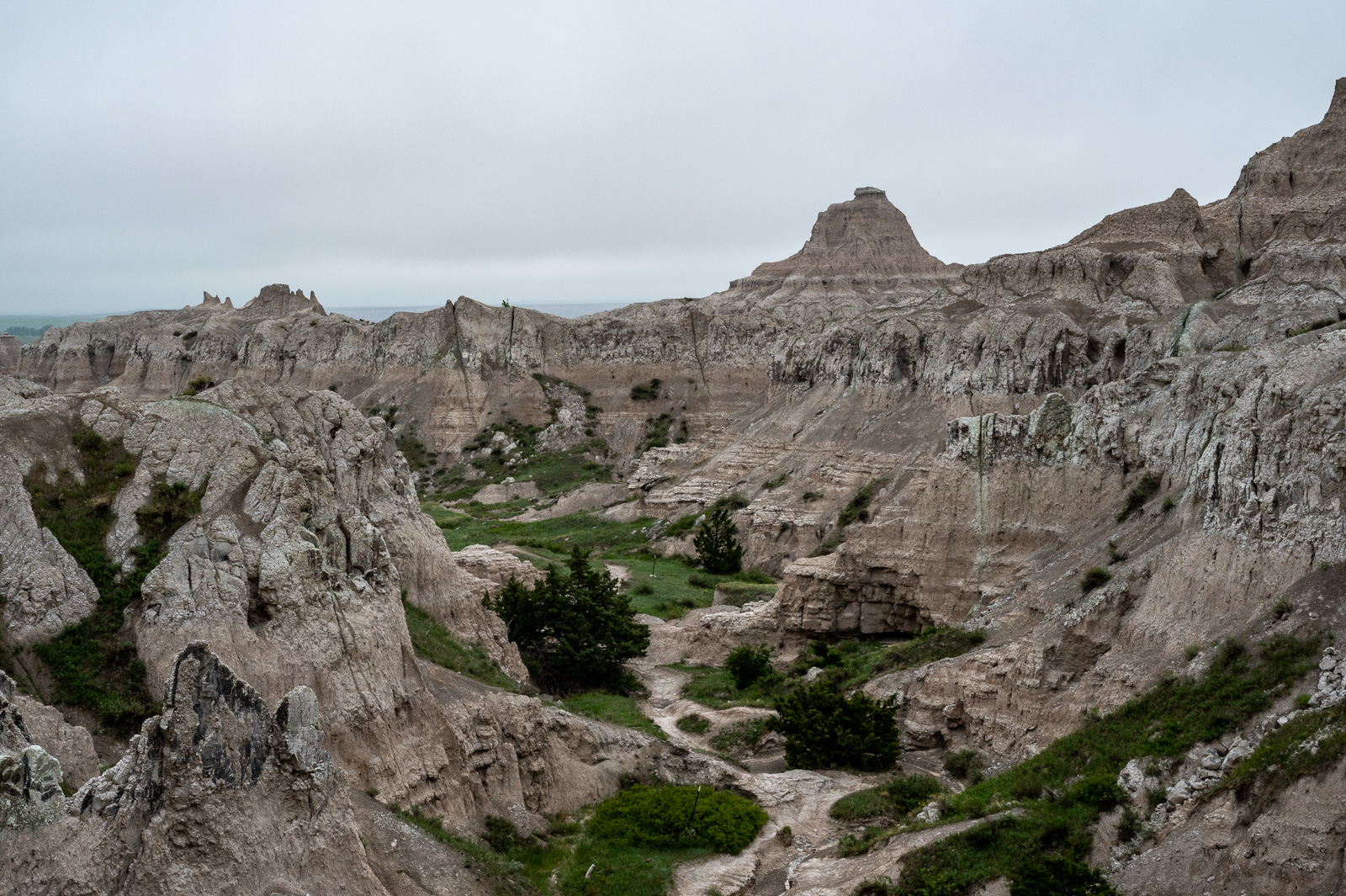
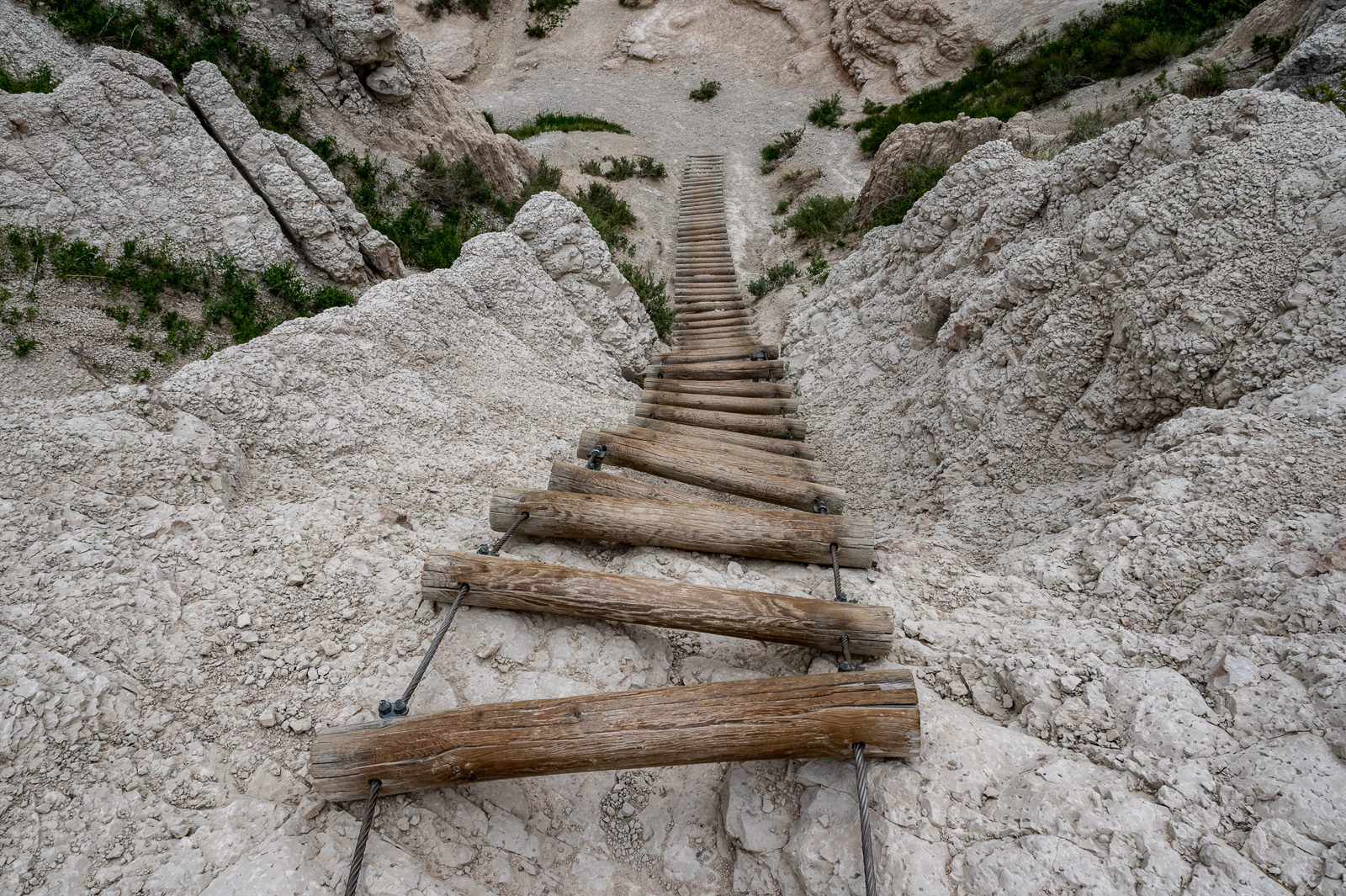
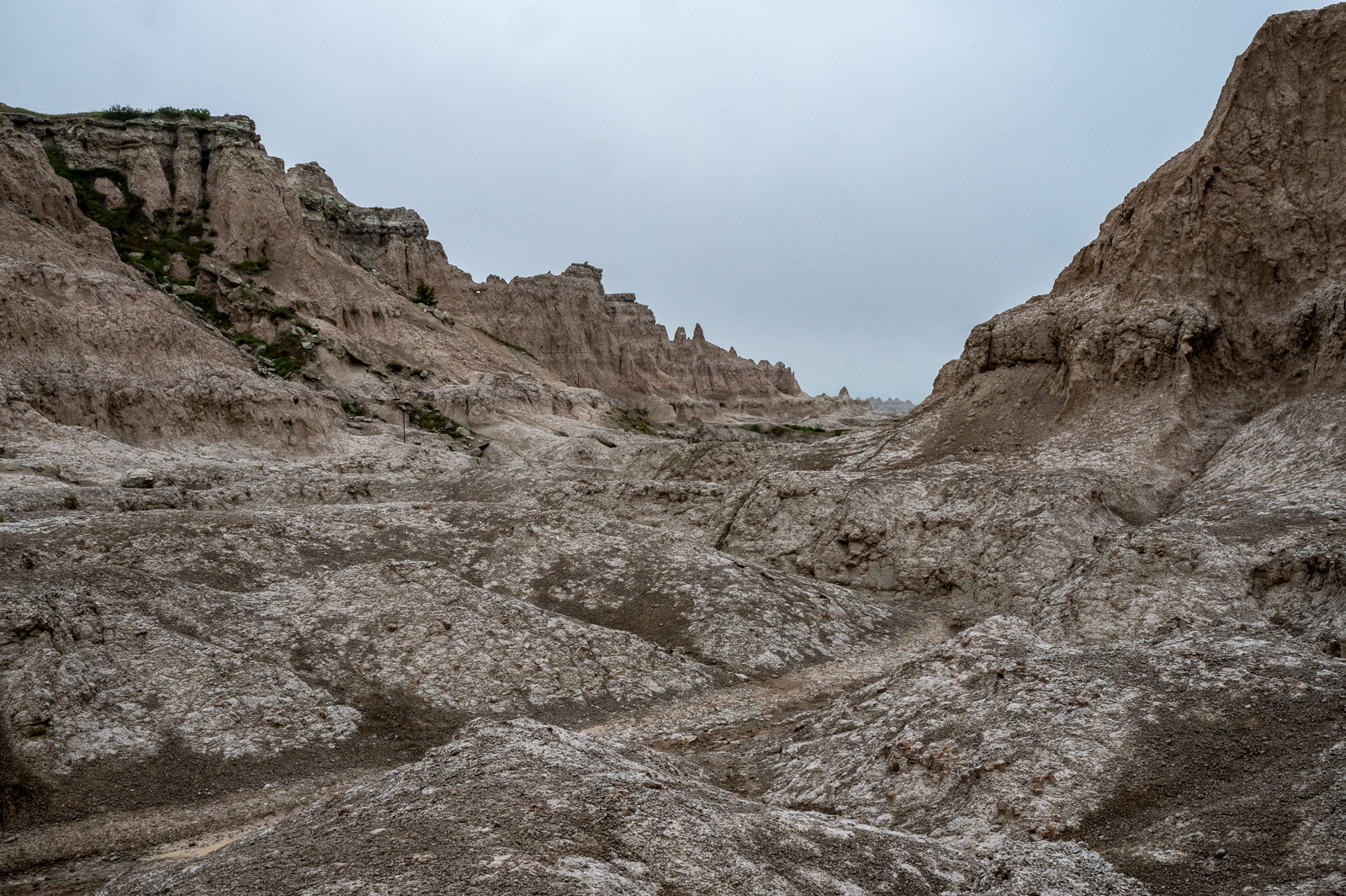
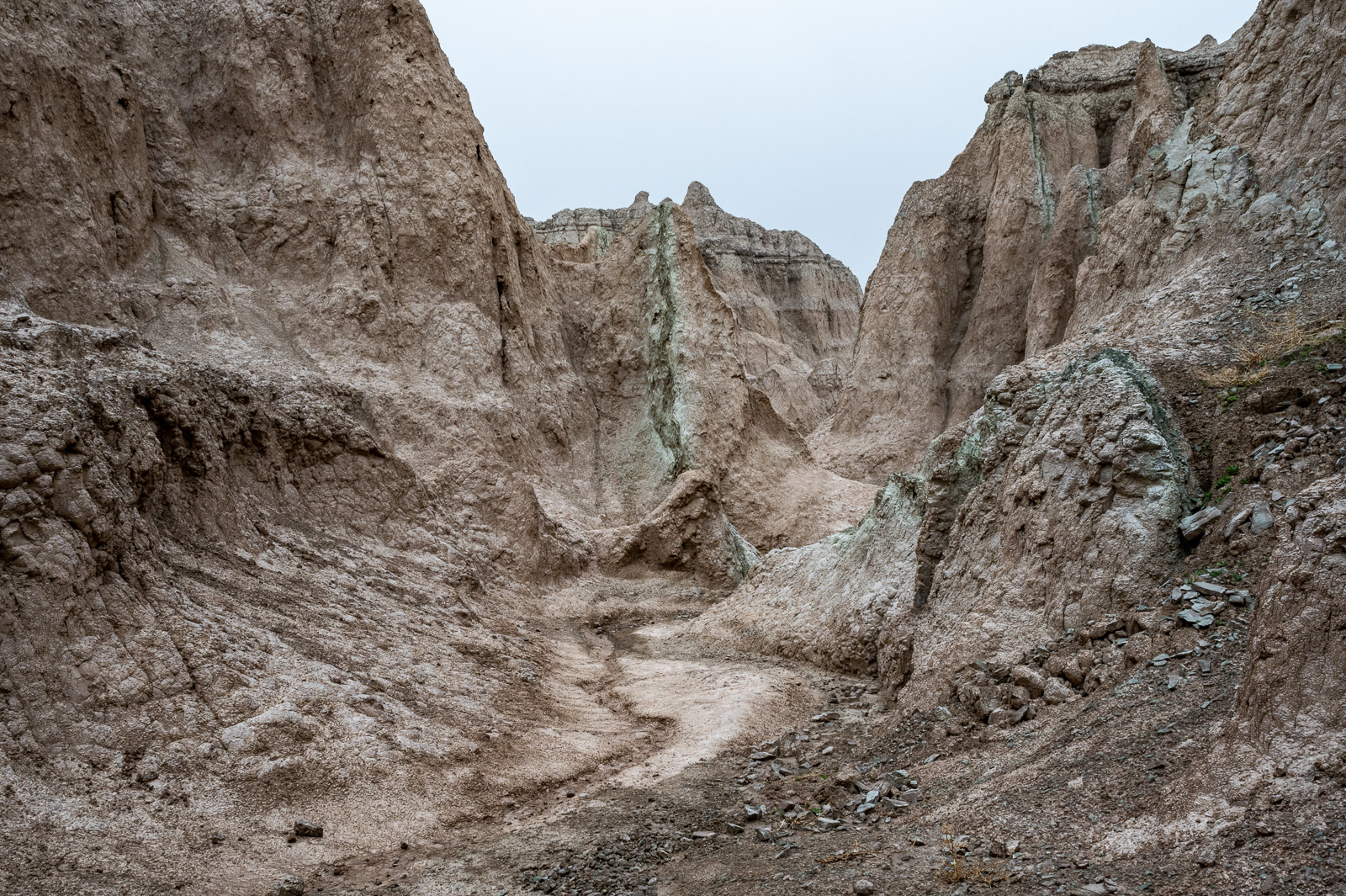
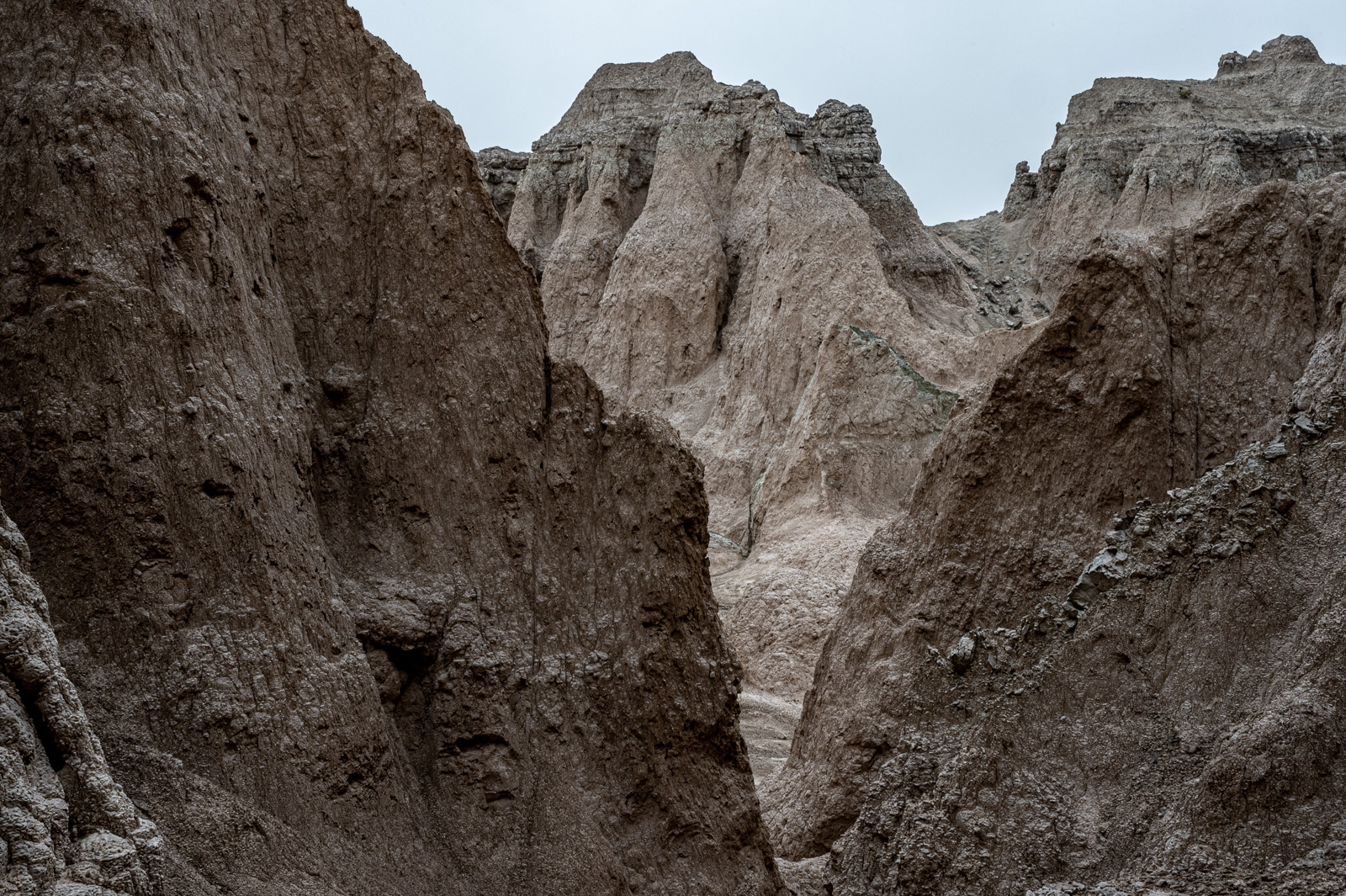
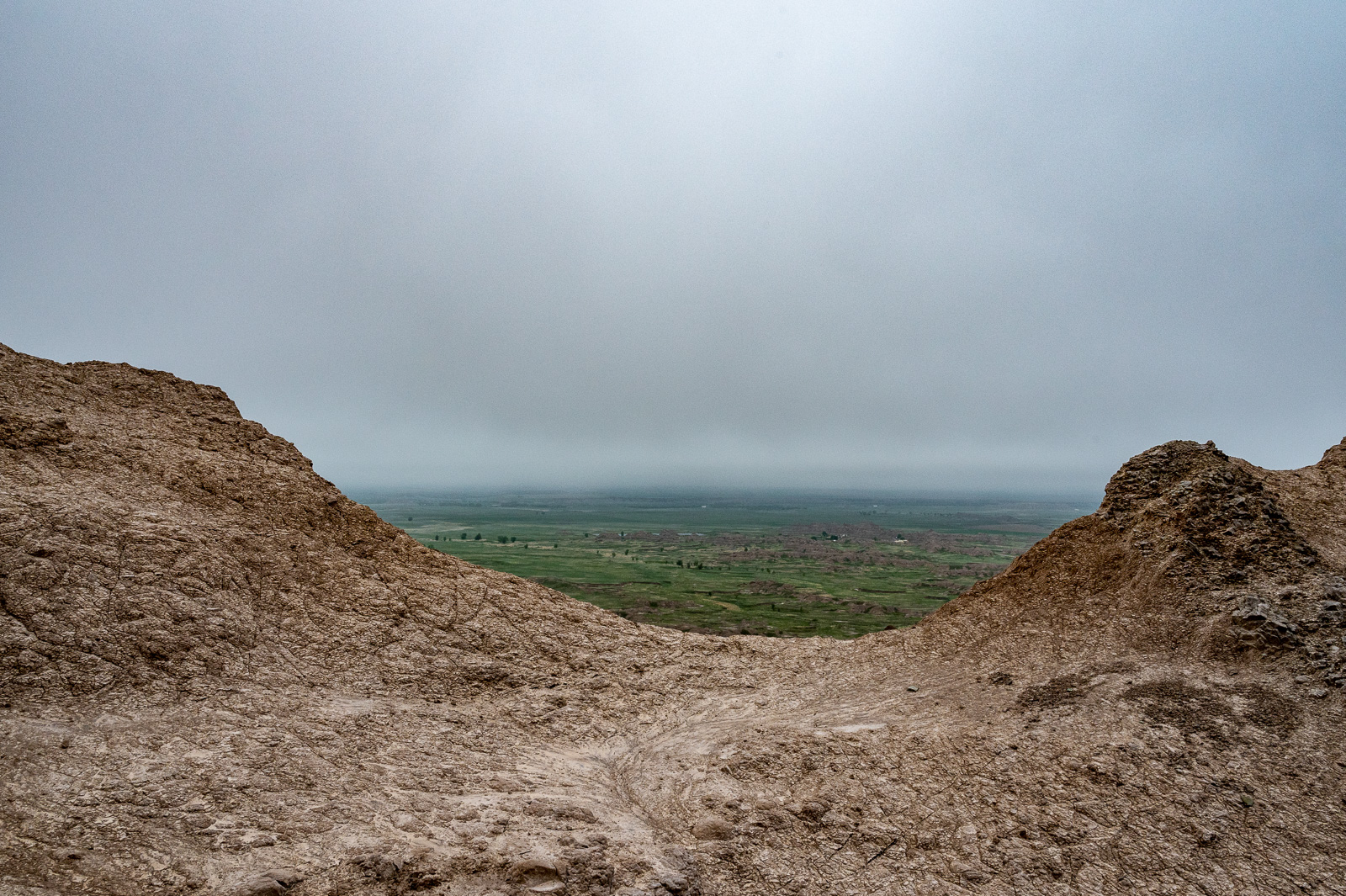
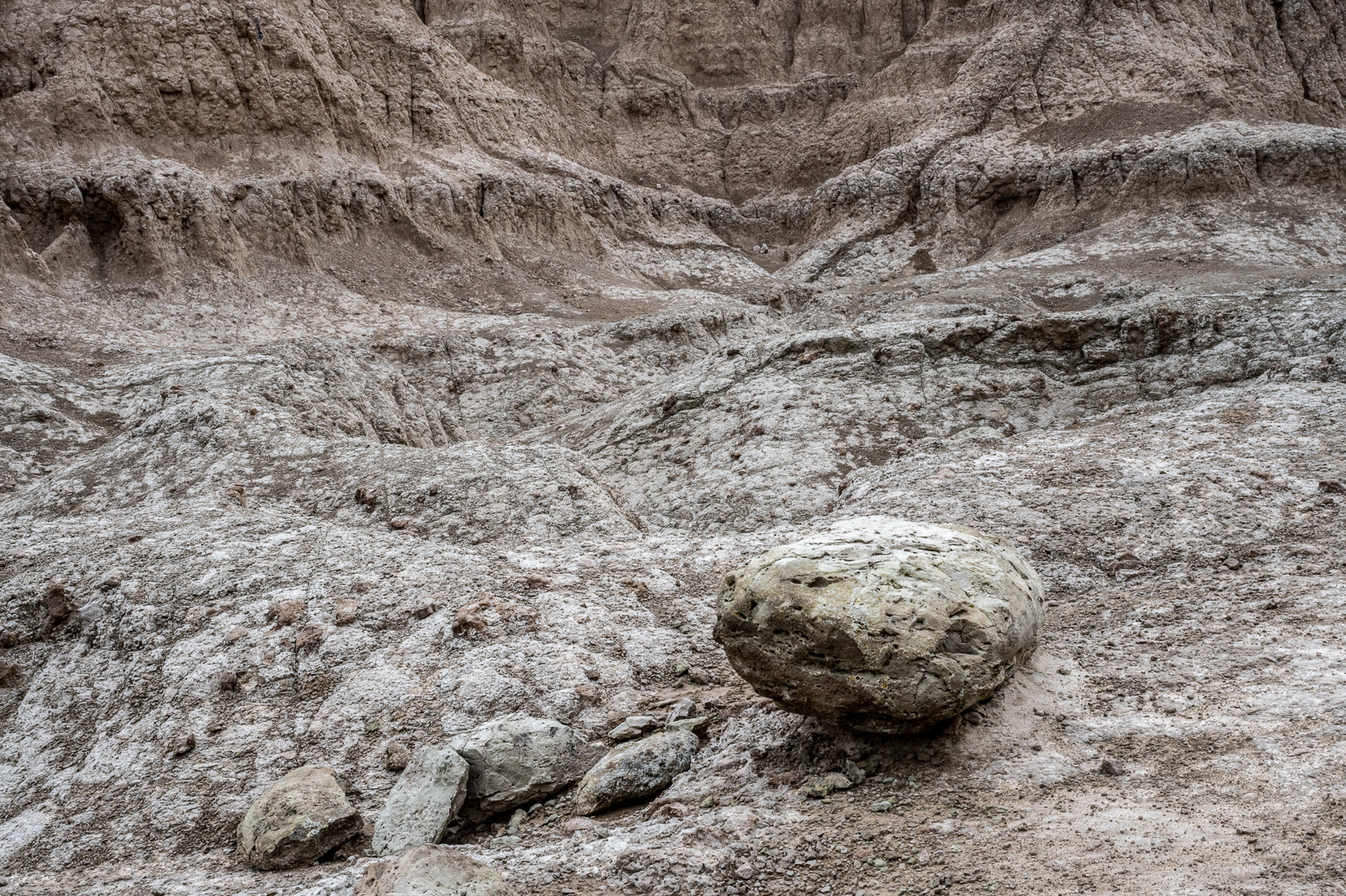
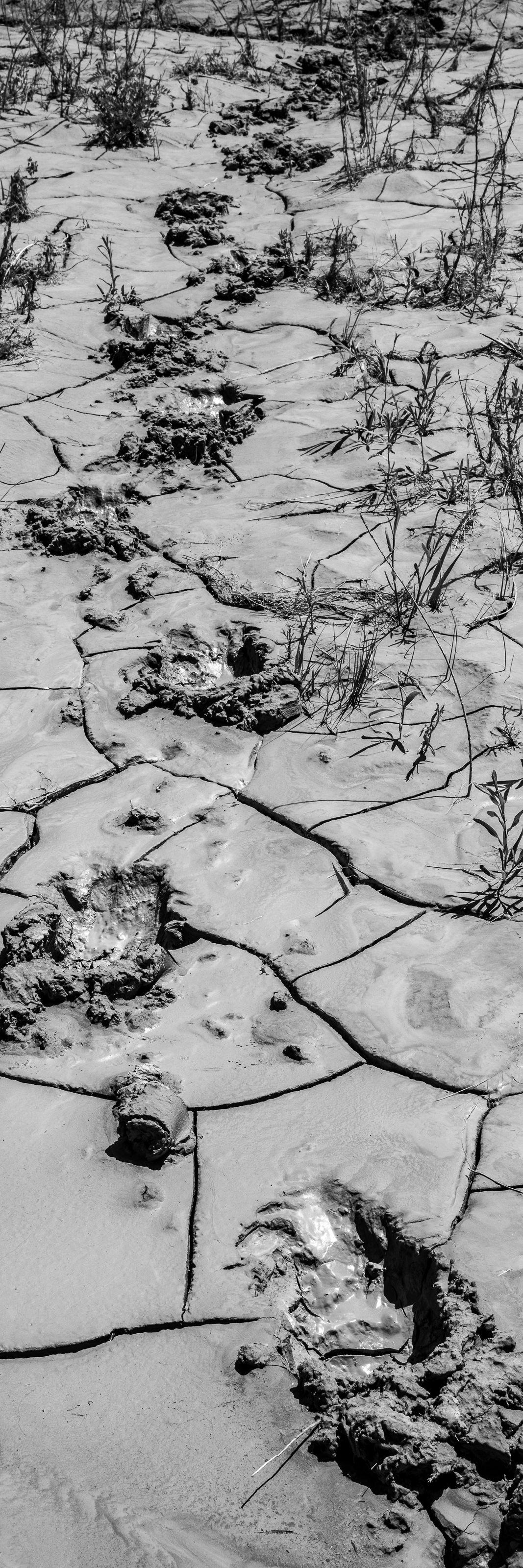
The sparsity of the landscape and its contrasts call for black and white, and this is a good choice, because it also helps emphasizing the occurrences of natural borders.

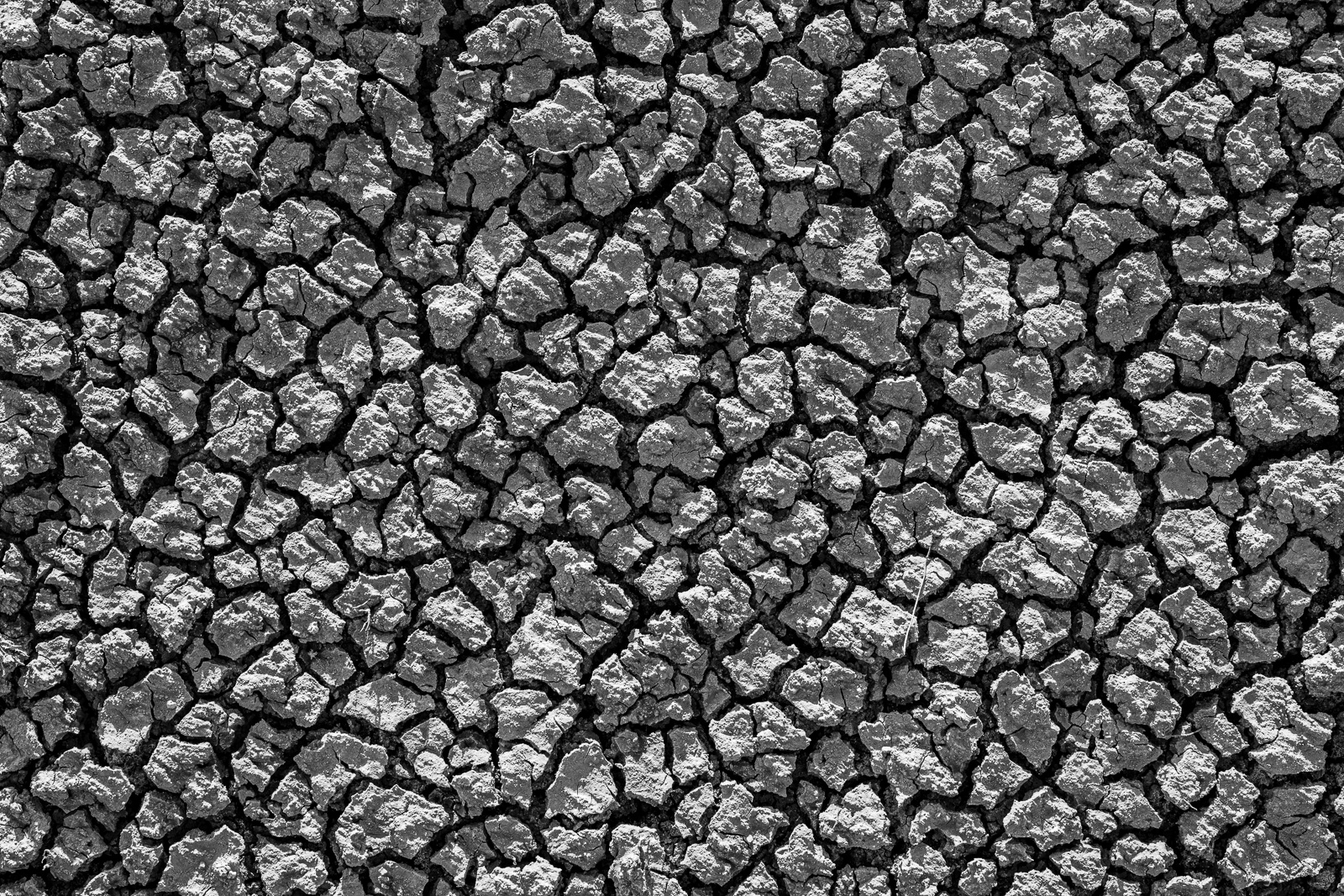
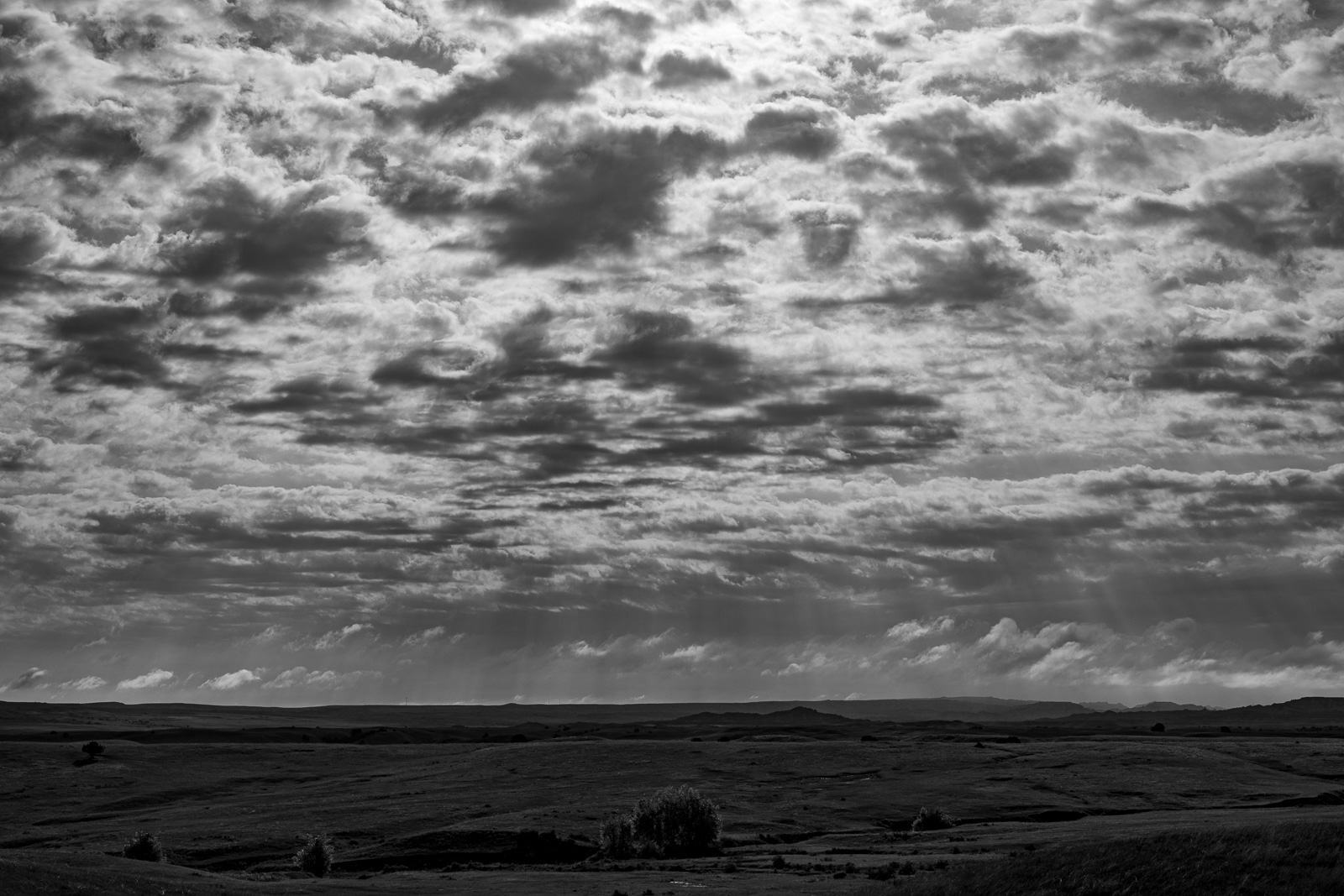
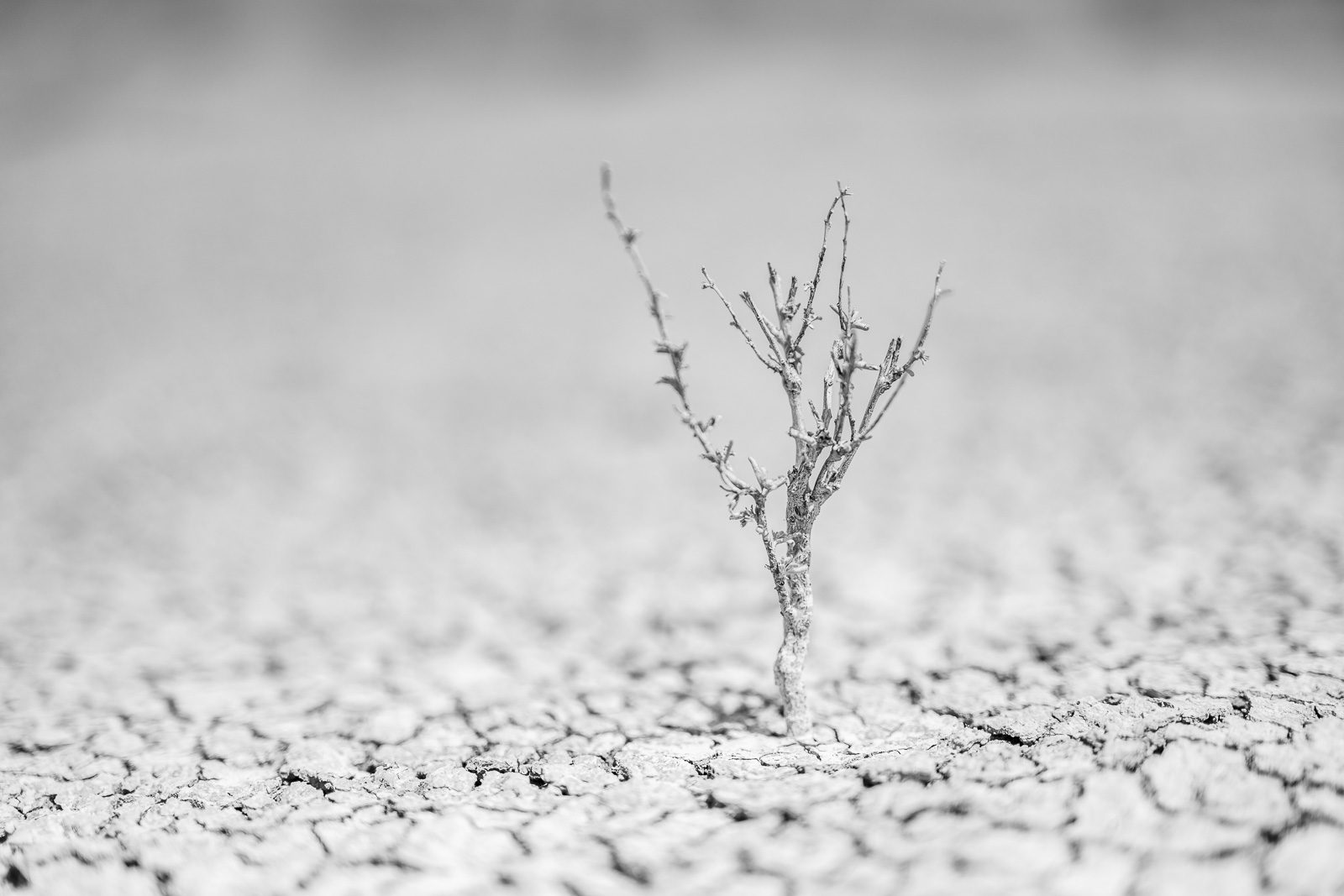
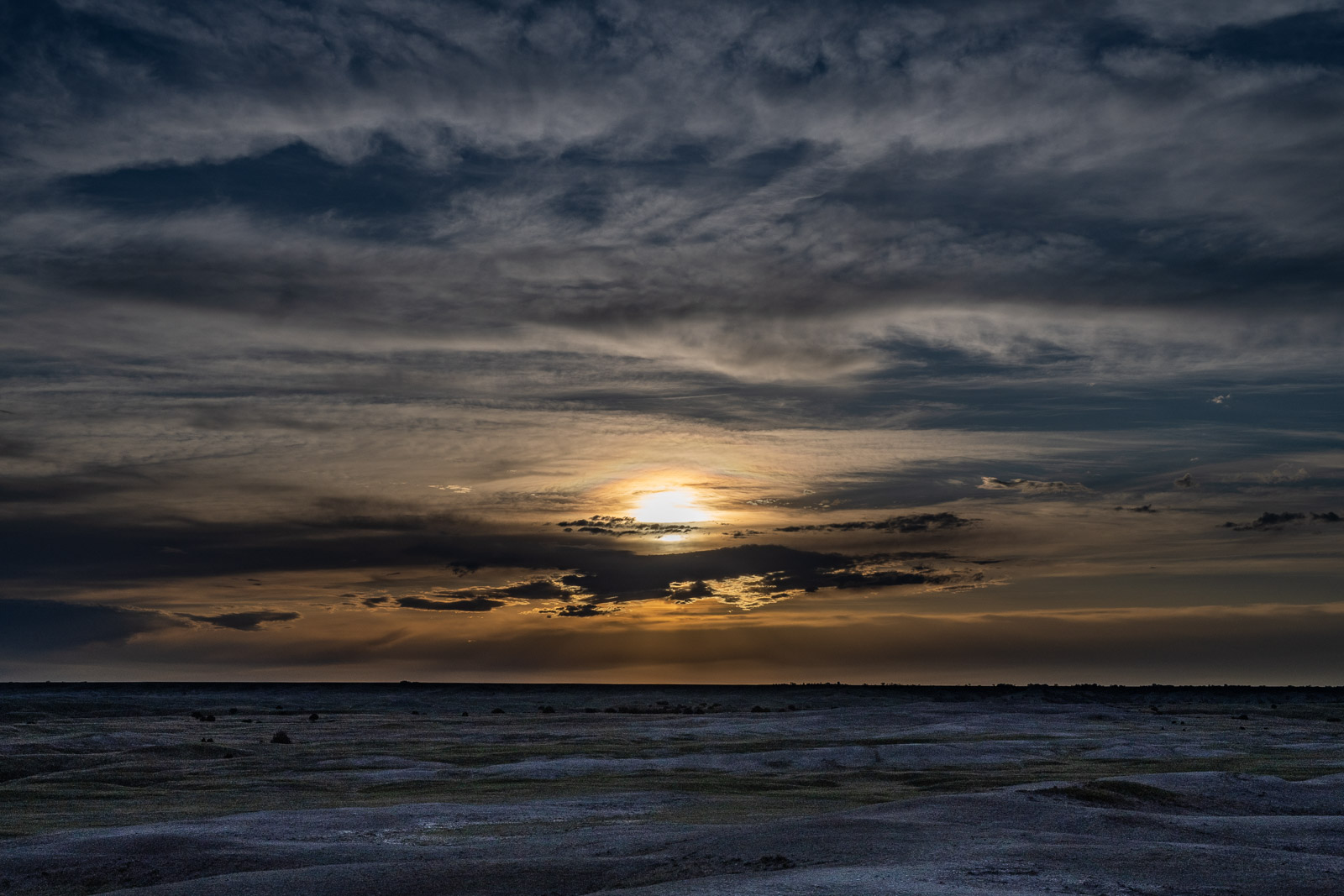
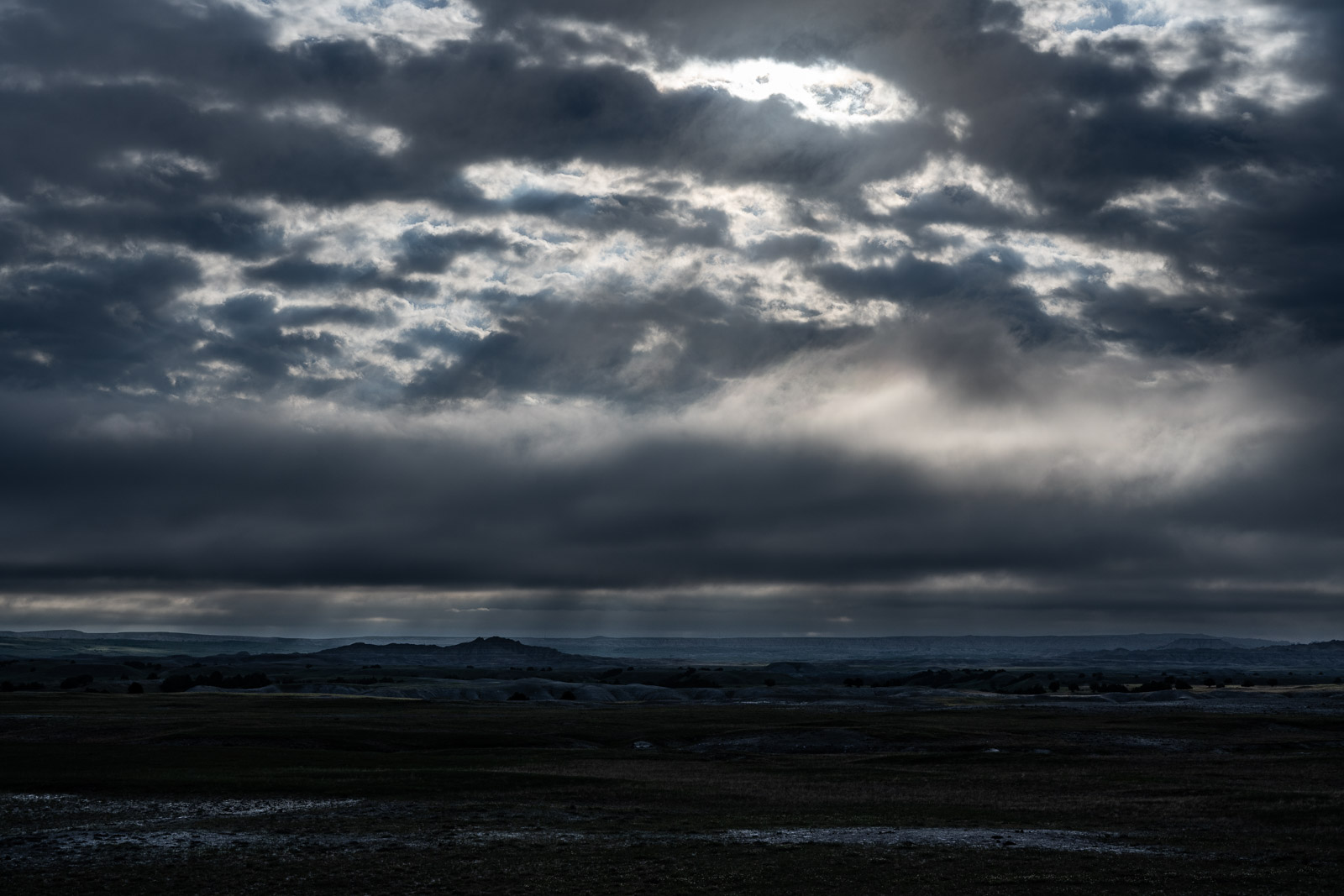
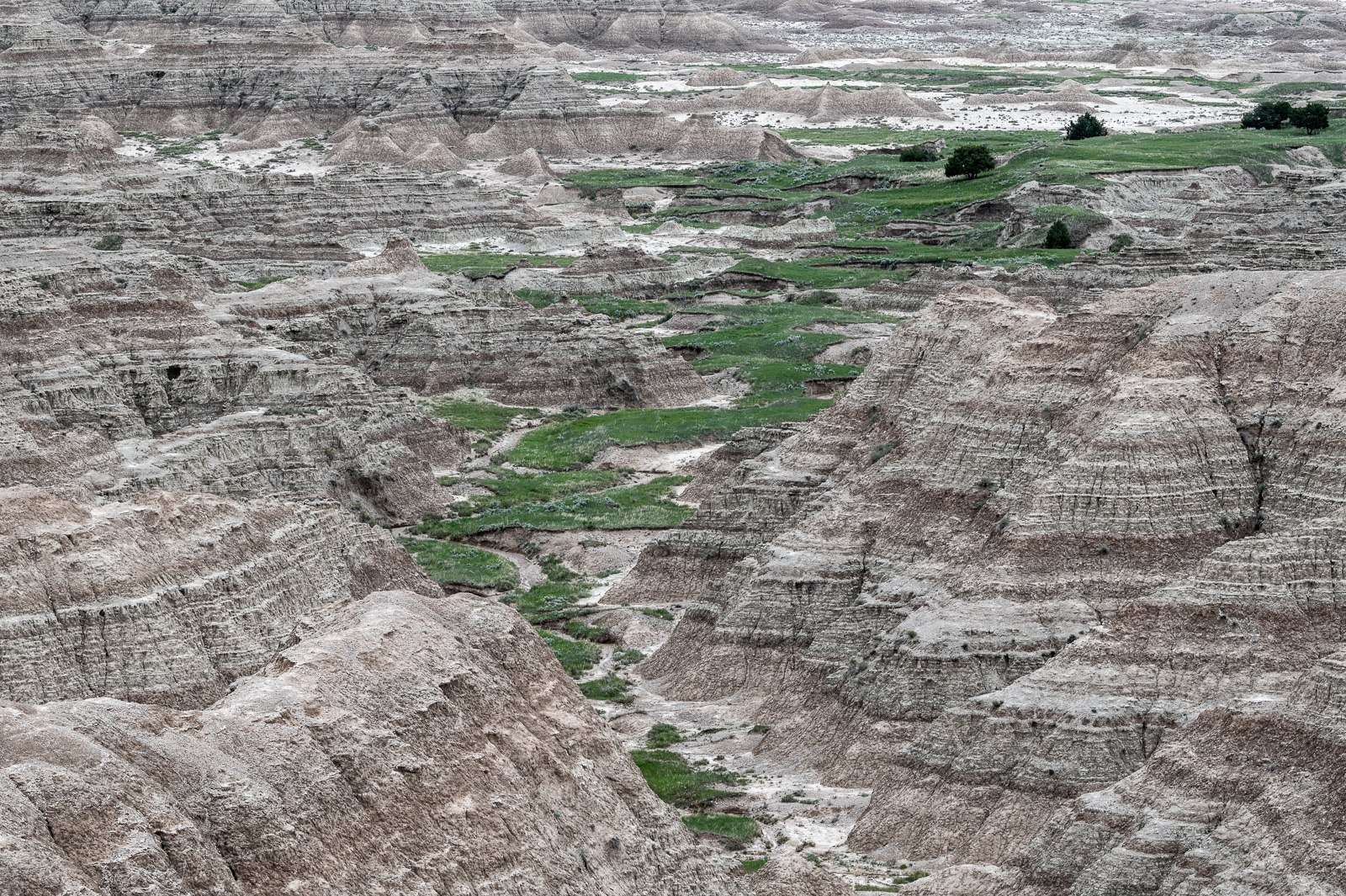
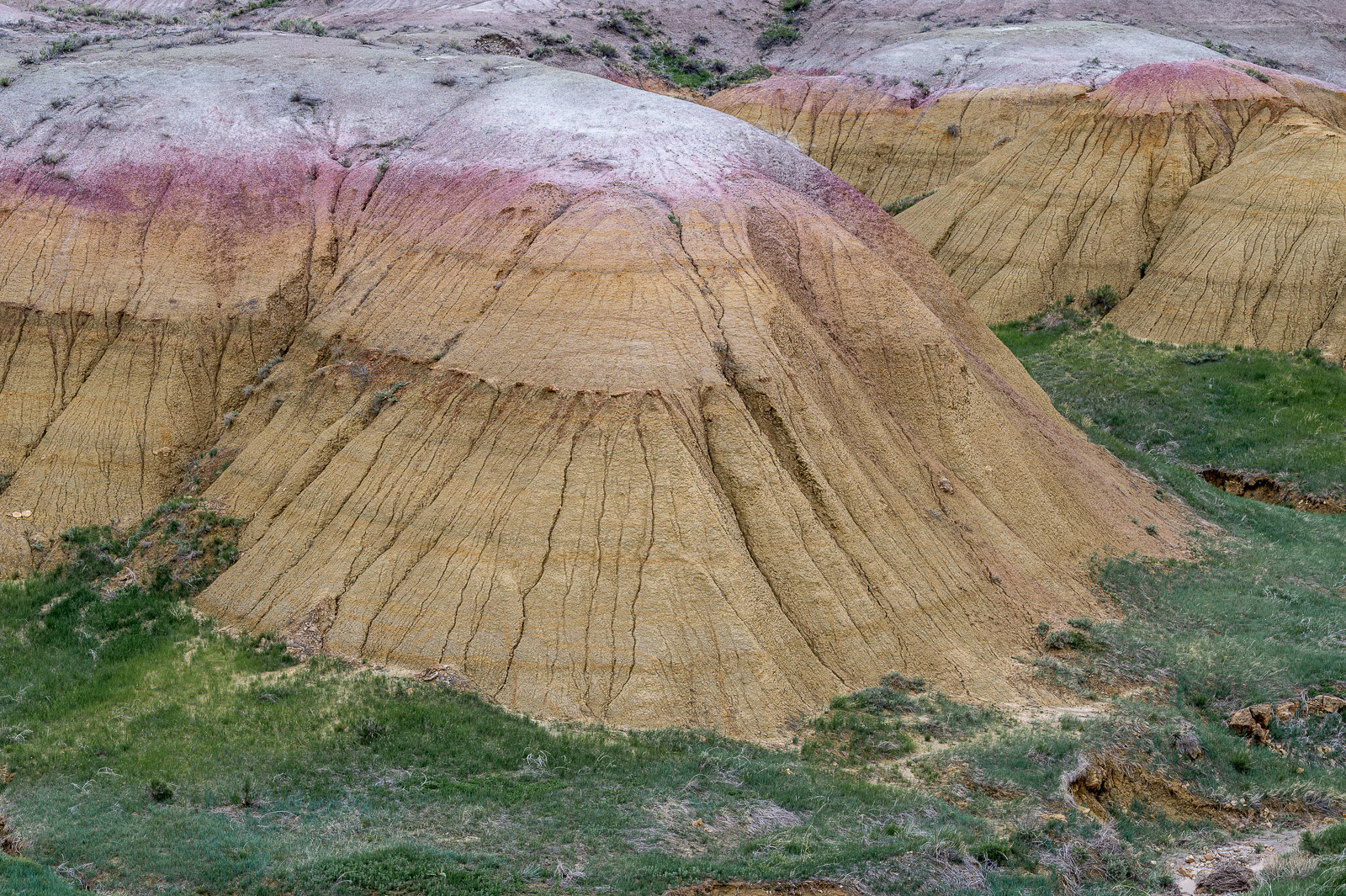
Here the borders occur at different scales and in different contexts, in the texture of the ground, the vast horizons,

and in the transition between grassland and desert.


Sage Creek Valley (Badlands VIII)

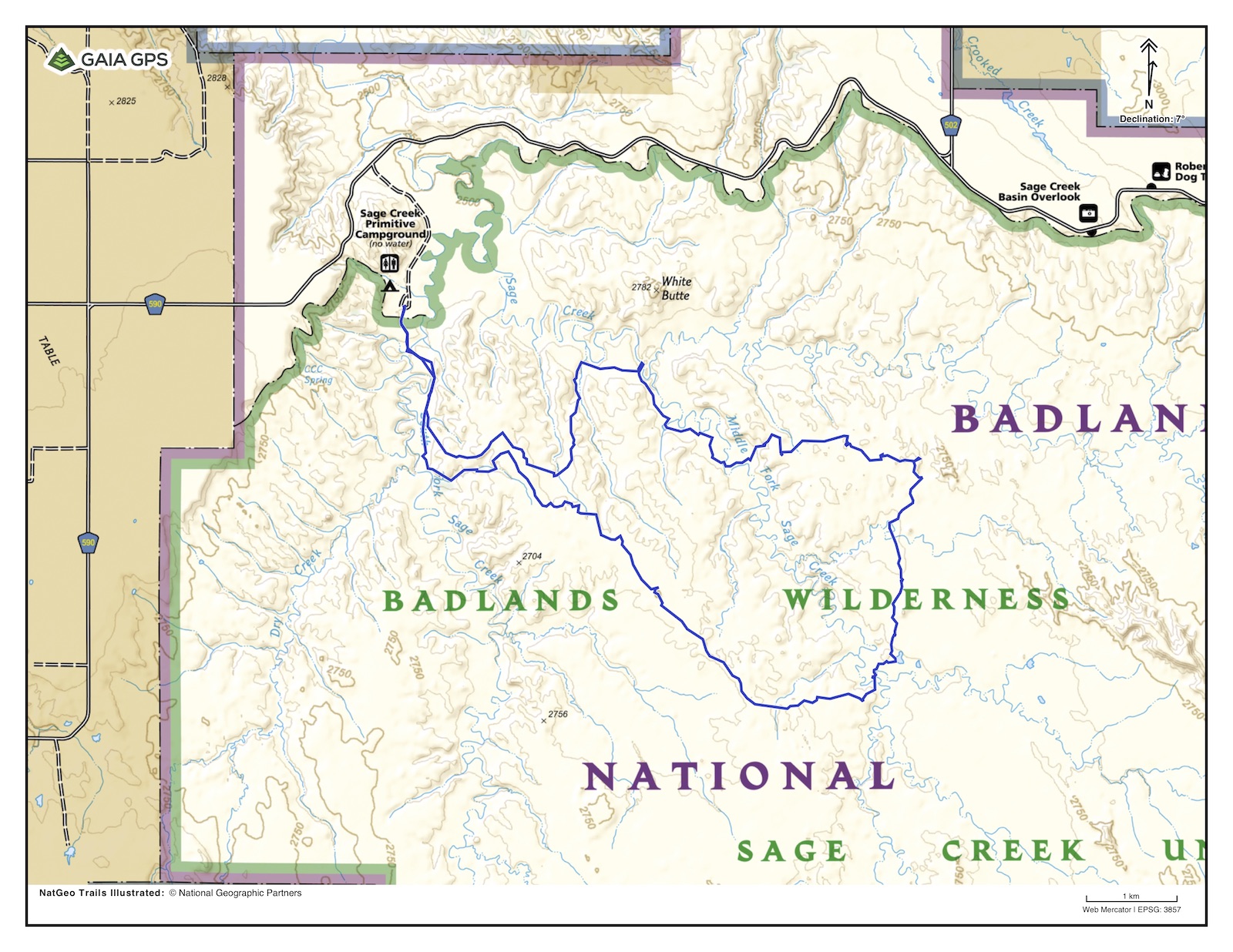
So off I went for an overnighter in the backcountry. My route is above, clockwise, about 12 miles, which one could do in a day, but maybe not with taking as many photos as I did … Here is a first layer.

While there are stream crossings, there is no pumpable water, neither at the campground, nor in the wilderness. For me, that meant carrying 4 liters of water, barely enough for two days.

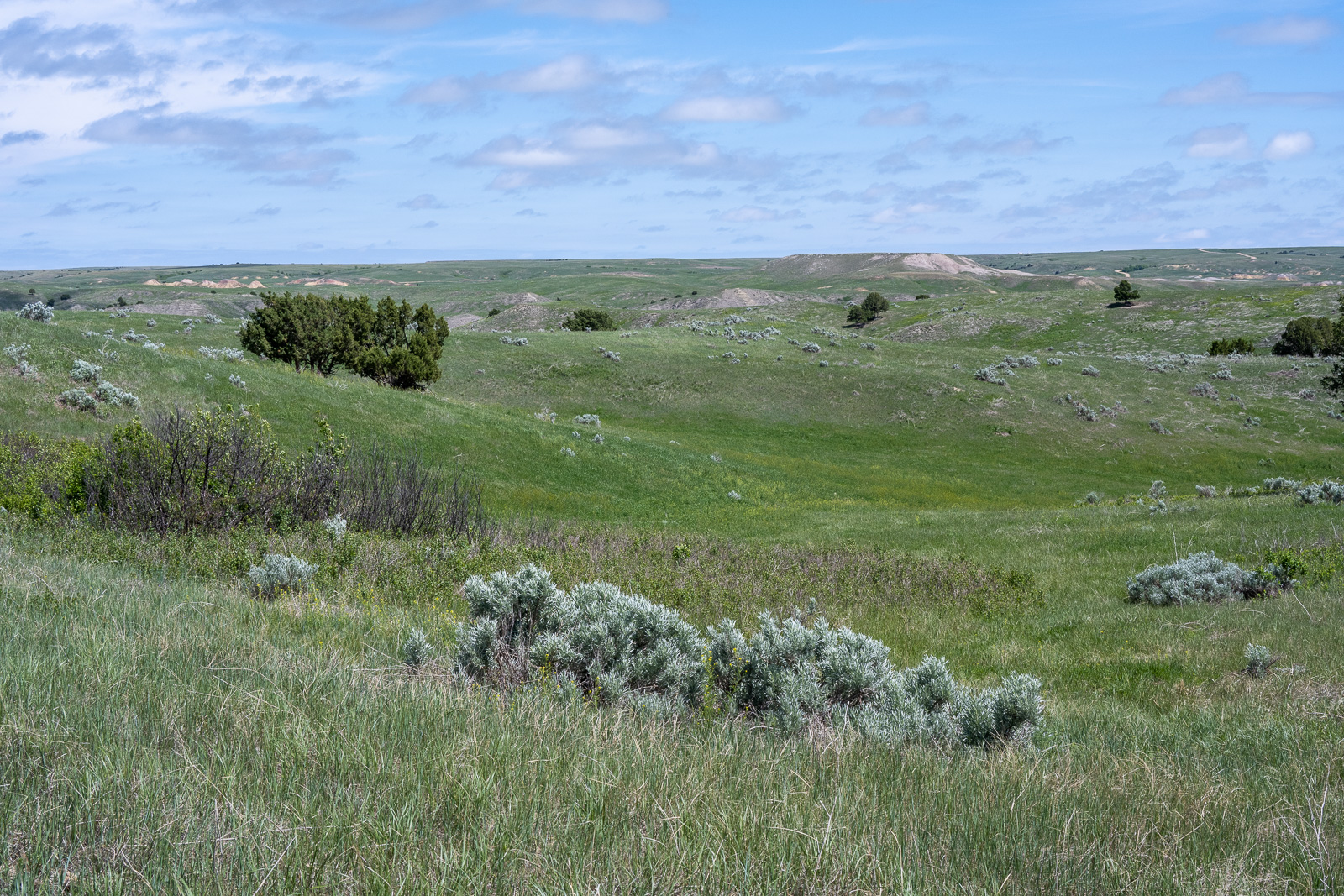
What struck me first was the lush greenness of this region. Where did all the arid rock formations go?

Then there are no trails. What sometimes looks like trails are bison tracks. More about them in a later post.

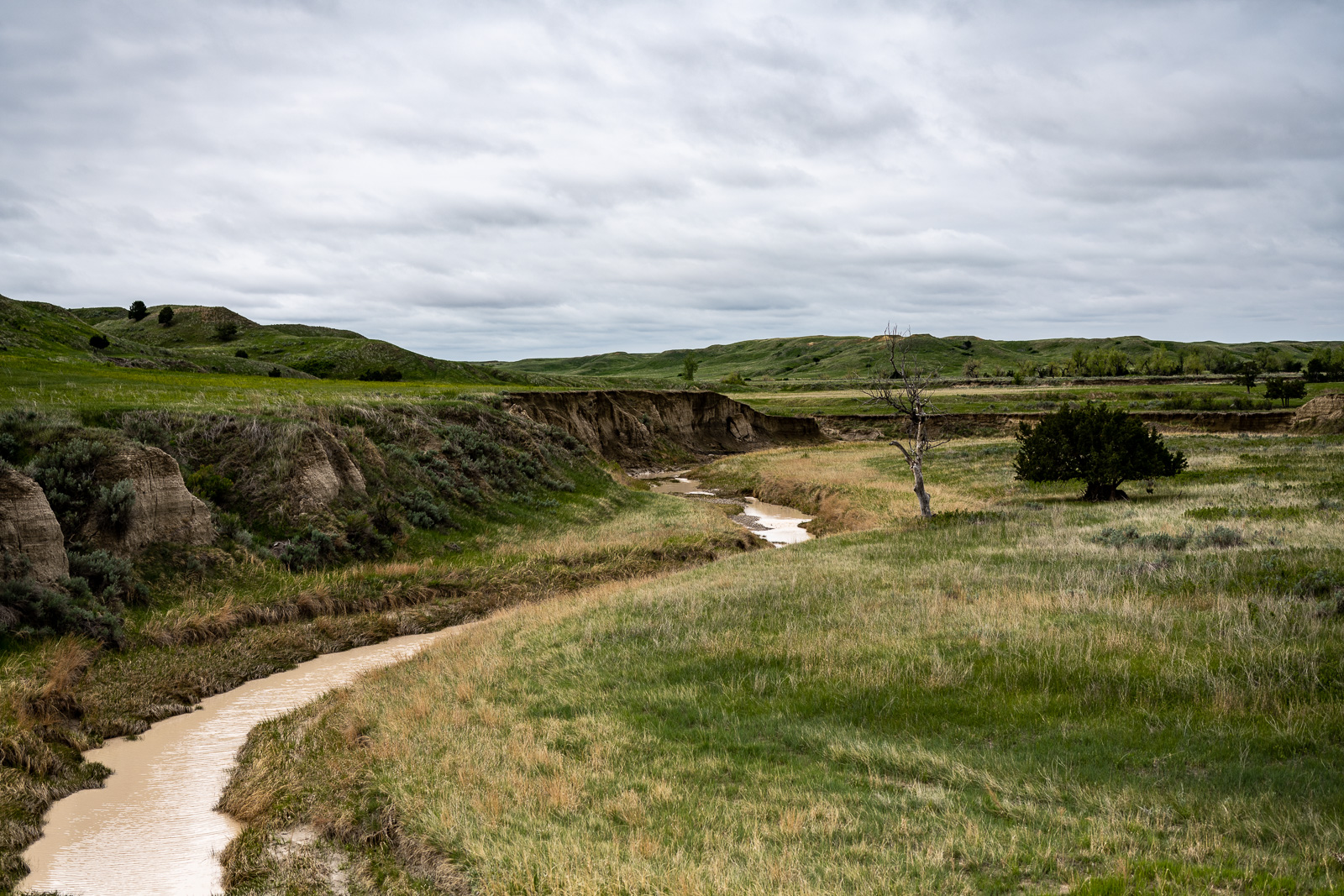
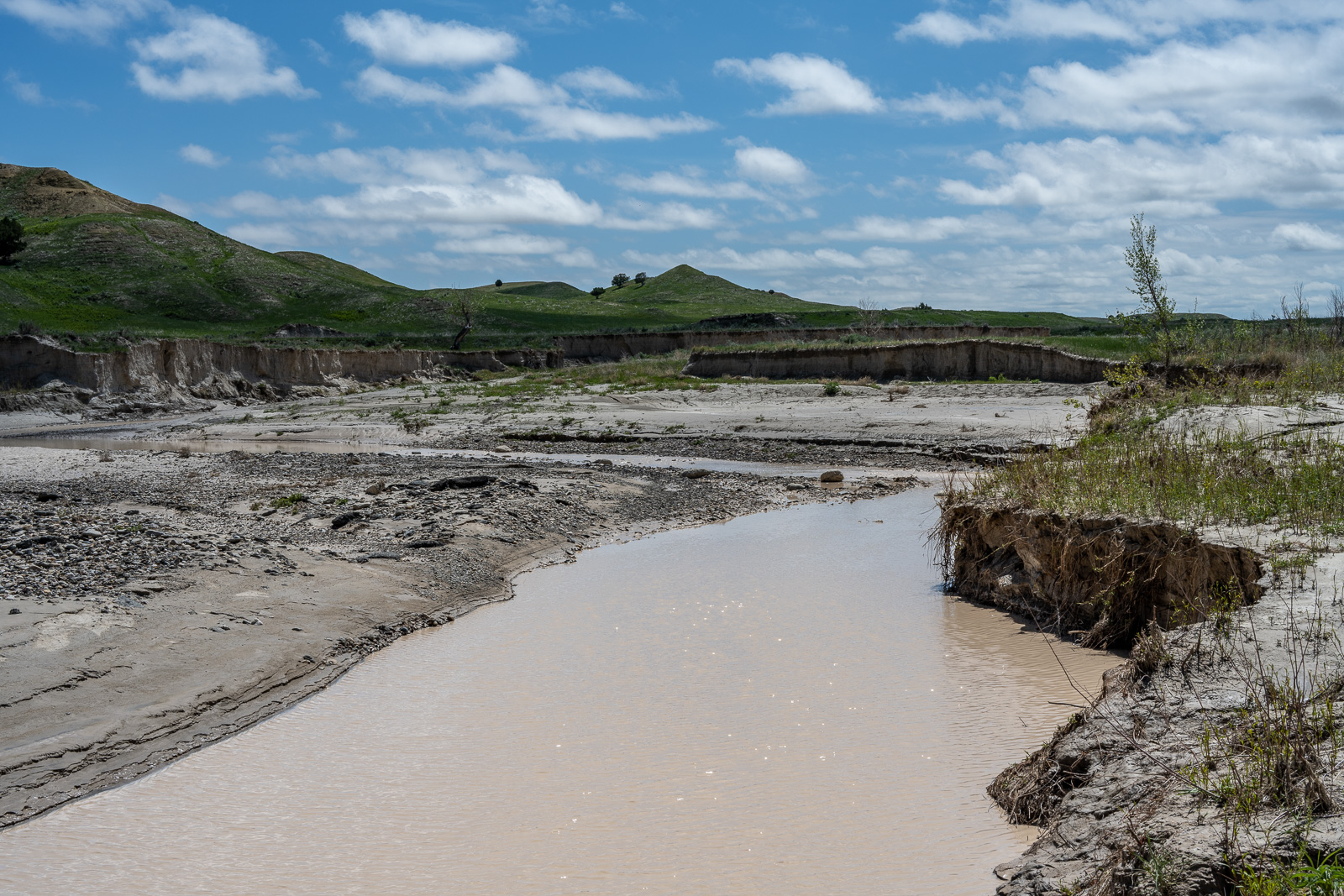
Now I have reached the north fork of Sage Creek, which I didn’t dare to cross. Sinking in ankle deep is ok, but not knee deep without guarantee that it ends there.

So instead I followed the middle fork for a while, crossed when it looked reasonable, and continued east. The landscape underwent some changes soon.

It’s is very tempting to keep going beyond exhaustion. Don’t. Use map, compass, GPS, and set goals. Easy to say.

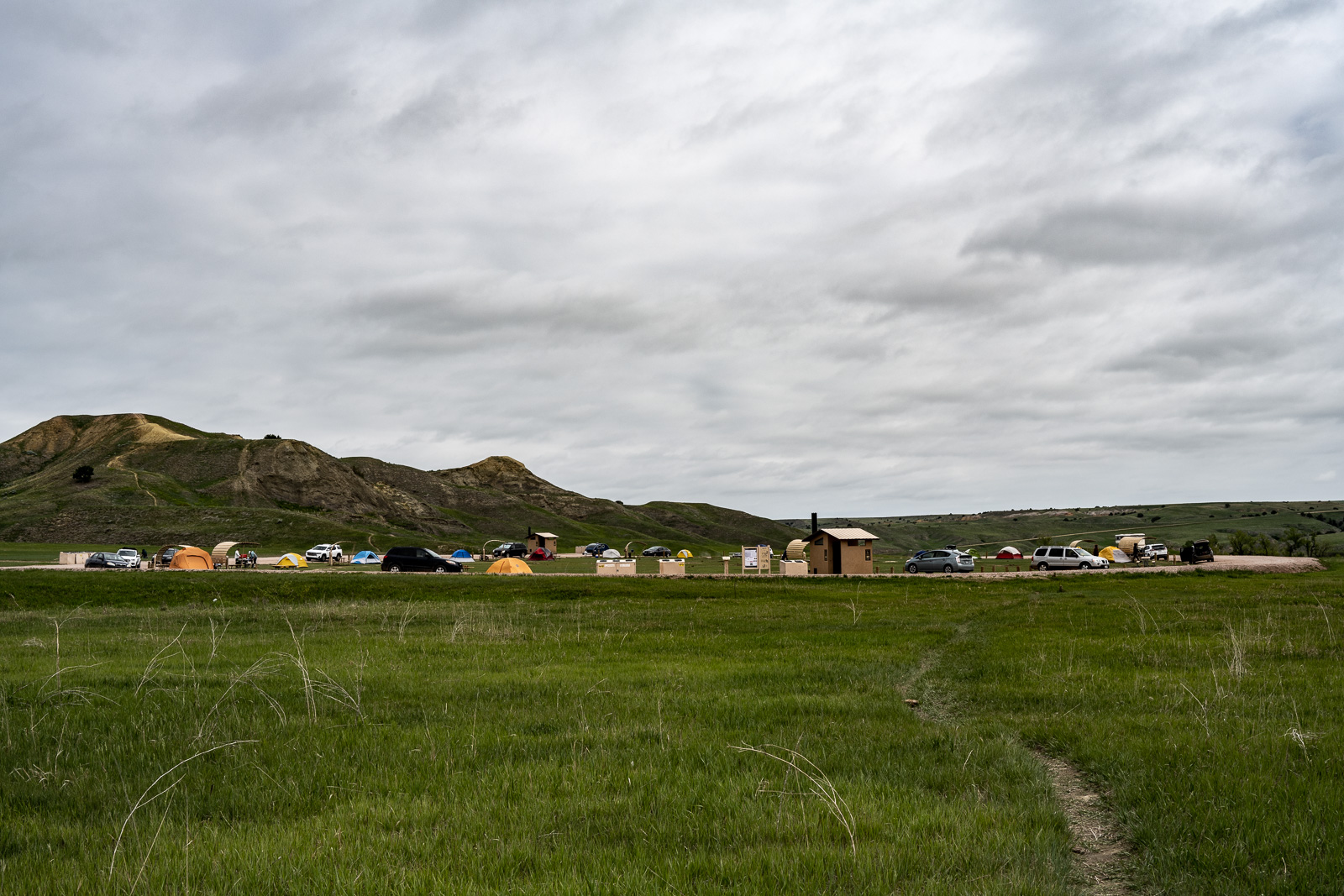
Pitching a tent early gives shelter in the scorching sun and allows to enjoy the sunset. Finding a good spot for a tent in this vast emptiness was surprisingly difficult. I wanted to avoid wind, bison tracks, mud, and tall grass.

The next morning looked a bit gloomy, but I didn’t get any rain.

Time to return. Isolated trees are ideal landmarks, as the bisons obviously know, too. Tomorrow we’ll get the second layer.

Sage Creek Road (Badlands VII)

Today the journey takes you from the town Interior (what a fitting name) to Sage Creek Campground, a convenient door to the Badlands backcountry.

For most visitors, this is a drive-through road, offering stops for spectacular views.

Short hikes are possible here, but the terrain is steep and endless.

The Bighorn Sheep are going on family trips, too.

Then, slowly, the landscape begins to change. You first encounter patches of green,

and then colorful hills

with nuances of yellow.

Then you arrive, grab the backpack, and look back for a moment.

Window and Door (Badlands VI)

Rooms without a view are prisons for the people who have to stay in them.

From Windows Overlooking Life in A Pattern Language by Christoper Alexander et al.

At the Notch trailhead and the Castle Trail trailhead there are two more short trails, the Window and the Door.

These are also obvious architectural design patterns whose lack or presence in a building we much more easily perceive than their lack or presence in ourselves.

Windows offer a protected view, the exchange between inside and outside is virtual, and, like at the Window Trail, there is no safe way to step outside.

The Door is an entirely different story. And what Alexander writes about doors is valid also for our personal doors: Placing the main entrance is perhaps the single most important step you take during the evolution of a building plan.

On the map, the Door trail looks even shorter than the really very short Window trail, but the former does allow us to step outside into a vast landscape.

We instantly encounter unfamiliar heights, dangers, and the fear of getting lost.

So why should we step vvvvv

So why should we step outside? What are the benefits of an encounter with the undesigned?

In essence, I think, this is a form of survival instinct. Life needs protection but doesn’t like confinement.

Tomorrow, we will begin to step outside — — —

Impermanence (Badlands V)

The direct ascent to Saddle Pass is not particularly steep but does become difficult when rain has turned the ground into mud.

Much of the landscape is in fact rather viscose, it flows.

And there is little that attempts resistance.

Curiously, there are not even little ponds where the water stays. Everything disappears, slowly.

All the apparent permanence of this landscape is illusion.

Surprisingly though, this universal giving in acquires an esthetic quality in its abstraction.

Dissolution has become a state.

Medicine Root Trail (Badlands IV)

The Medicine Root Trail offers an alternative return to the Castle Trail from Saddle Pass to the Notch trailhead (and parking lot).

We are getting further away from the larger rock structures, and solitude becomes dominant.

Are these the promised roots?

But then there is the surprising occasional spot of intense color, like here with Oenothera caespitosa (Tufted evening primrose)

or Musineon divaricatum (Leafy wildparsley).

Time to return for today. Tomorrow will be a longer day.

Castle Trail (Badlands III)

After the Notch Trail’s gloomy rock faces it’s time for the Castle Trail, an 11mile long easy hike through serene Badlands scenery. Today we are hiking the first portion, tomorrow we will close the loop by returning on the Medicine Root Trail.

The beginning gives the impression of a Badlands nursery where smaller and younger Badlands rock structures emerge from the ground and grow.

But the further one walks, the more distant they become, tantalizingly so. What is the right distance? Do we always want to stay apart, or do we always want to be near?

Few people walk here during a cloudy afternoon, and there are few signs of civilization.

Trails and phones lines allow for different kinds of connections — what is more important, instantaneity or physicality?

Then the landscape opens up, becoming inviting and forbidding at the same time, another strangely familiar balance.

Could this become home? Now we have reached Saddle Pass — —
Rock Faces (Badlands II)

Let’s walk the Notch Trail once again, adding another layer, that of the spectator.

The richly textured canyon walls allows us to see things that are probably not there.

Some of them seem friendly, others a bit scary.

Sometimes there are only faces, and sometimes entire bodies.

What does this tell us about what we see? Do we have proof now of humanoid alien life forms? Do we have to believe what we see?

Or, rather, what does this tell us about us? Are we seeing these faces only because we don’t want to be alone?

Lastly, a lesson might be learned — that we are maybe not so different from what we are able to see.
Notch Trail (Badlands I)

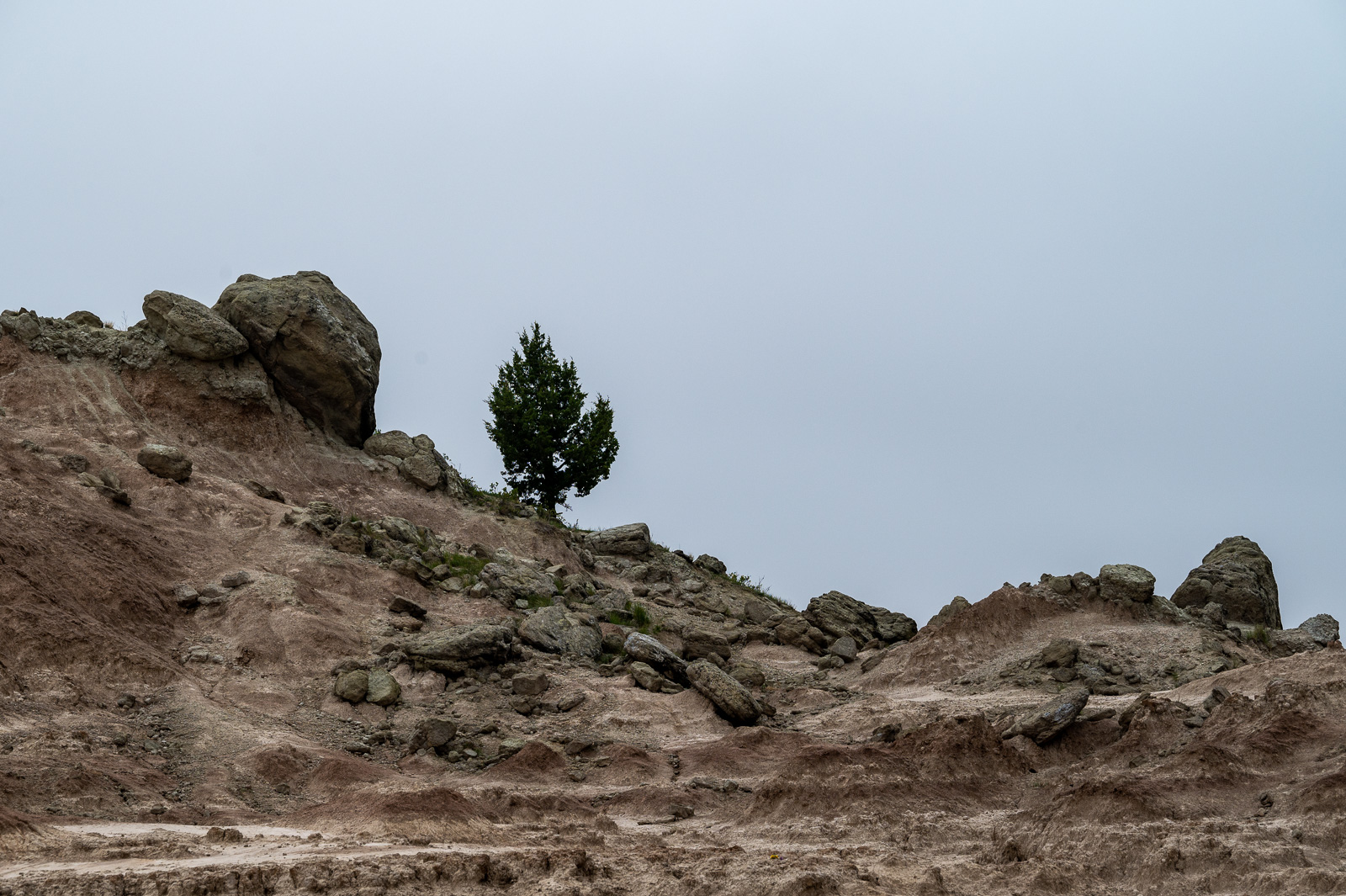
Let’s begin to approach the landscape of the Badlands appropriately, through layers.

This is the beginning of the Notch Trail, a short hike that gets you intimately close to the rock formations, if we allow for it. Not yet, though.

I hiked this trail twice, first on a cloudy afternoon, and then the next morning accompanied by some fog, giving me layers of time and weather.

Here we just follow the trail up, looking forward and backward.

Near the end there is a choice. We can enter a side canyon that narrows

and allows to climb up,

or we can reach the notch – the end of a world.

All this is already fascinating in its otherness, but there are more layers that reveal themselves when we look differently.

Cedar Valley Nature Trail (Northwest II)

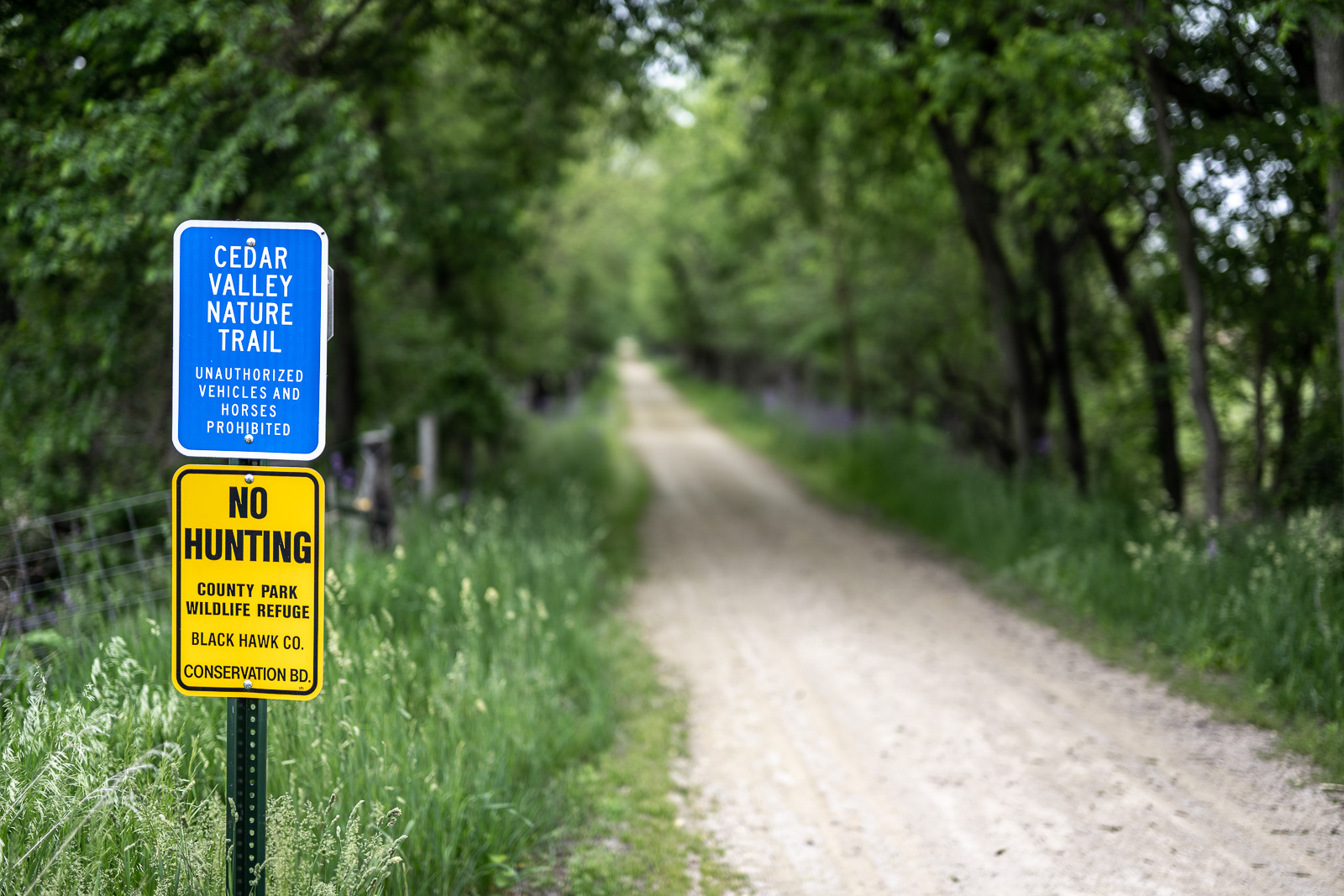
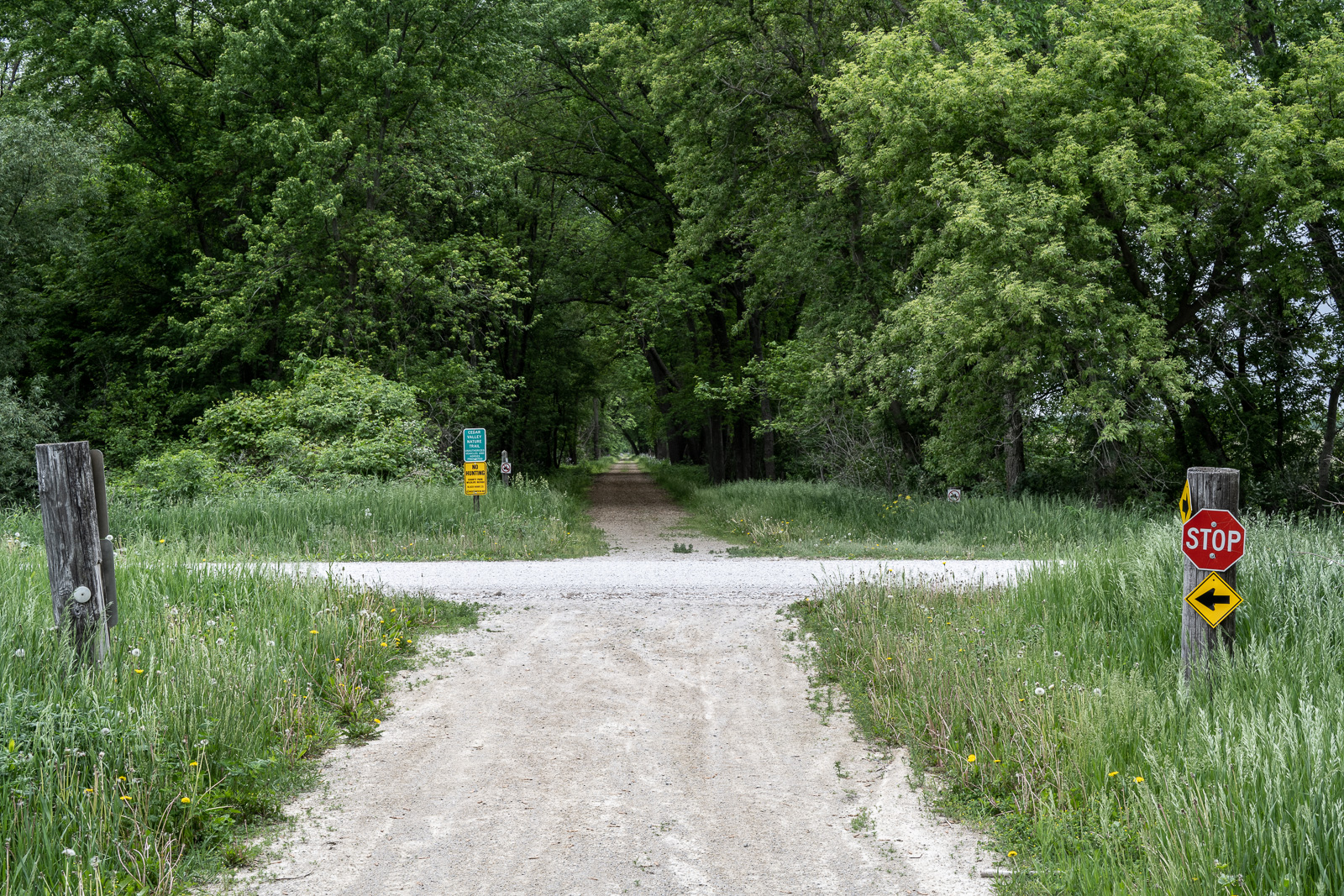
Continuing northwest, I spent an hour on the Cedar Valley Nature Trail, a 50 mile long trail along the Cedar River in Iowa.

It not only looks very straight, it is very straight, probably because it is a replacement (??) of an old railroad track.

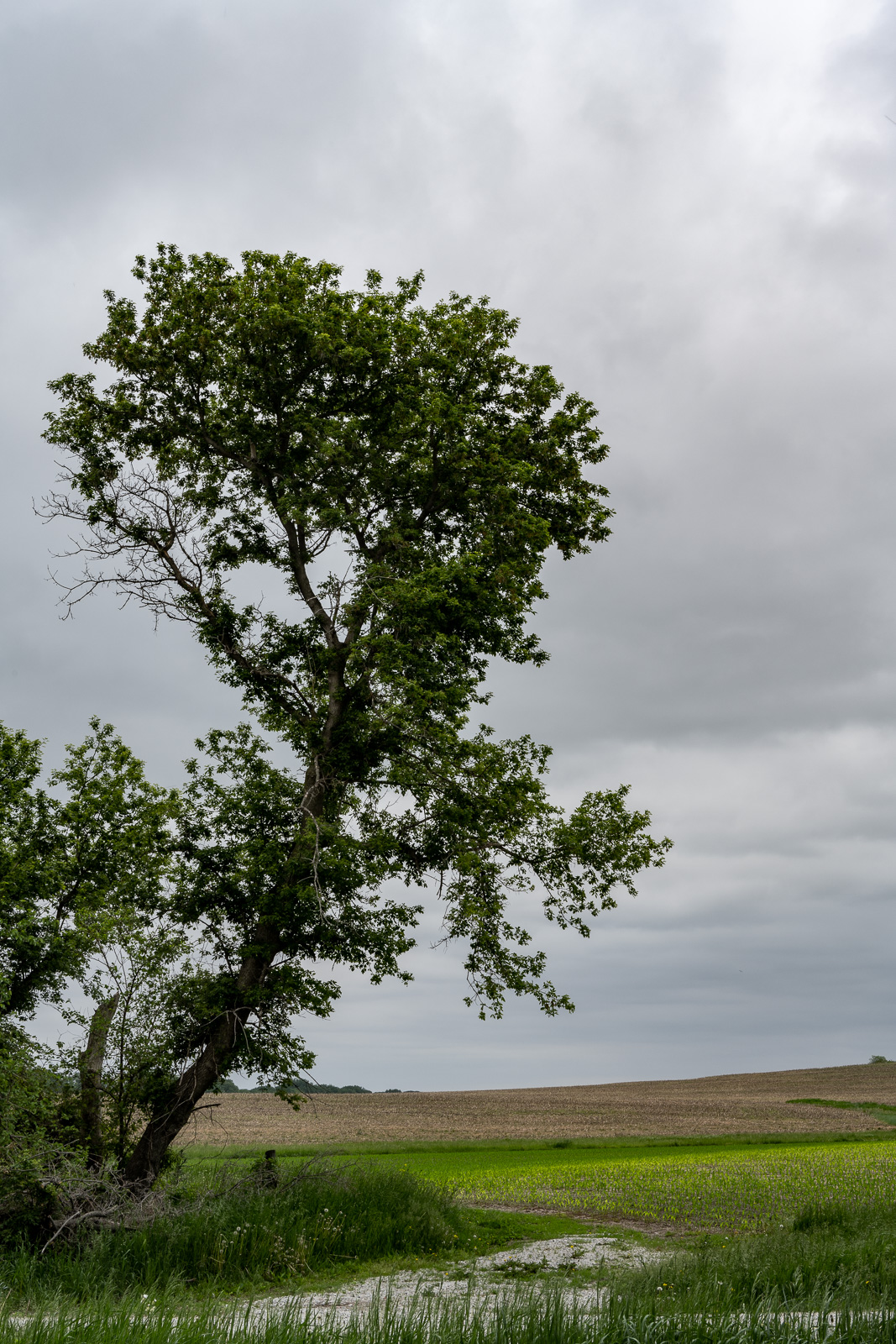
Gaps between the trees allow for views into the landscape.

Road crossings happen with proper warnings. There were neither cars nor other hikers.

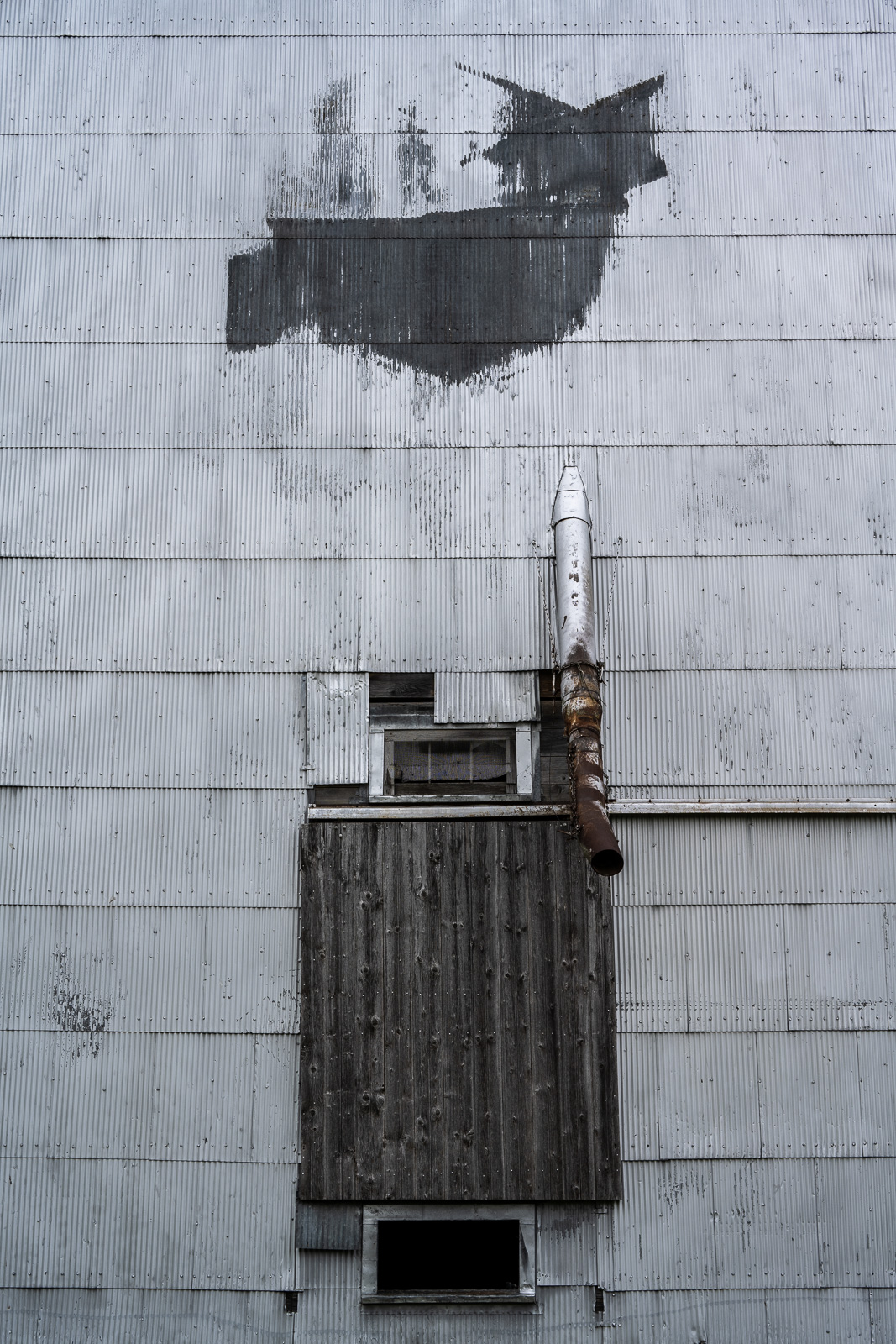
What can I say? My excitement grew when I saw the building below, with the stylized cat detail above.

What else can we expect even further northwest?!