Swamp

The images of this post were taken in 2002 in Sweden. They were among the very last I took with my little Fuji Finepix 1400. This is not because she stopped working or I didn’t like her anymore, but because she was stolen on the way back.

DSCF0032

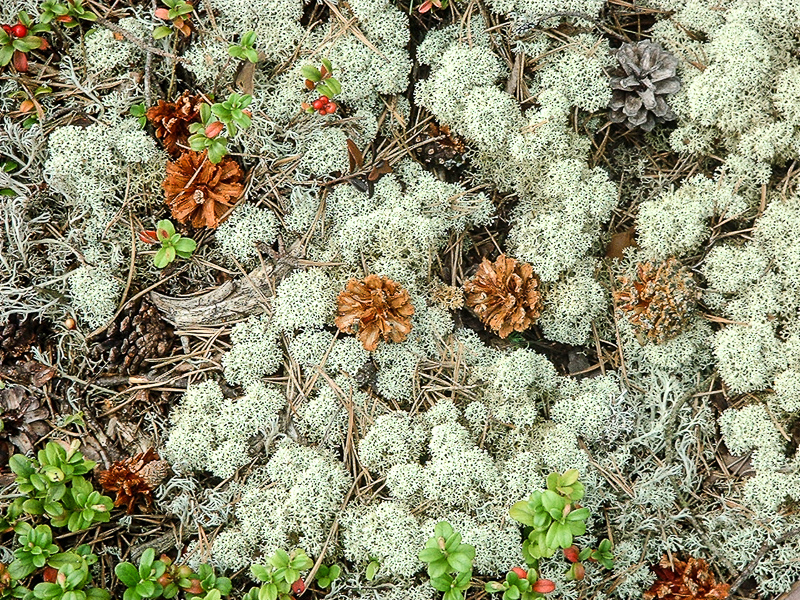
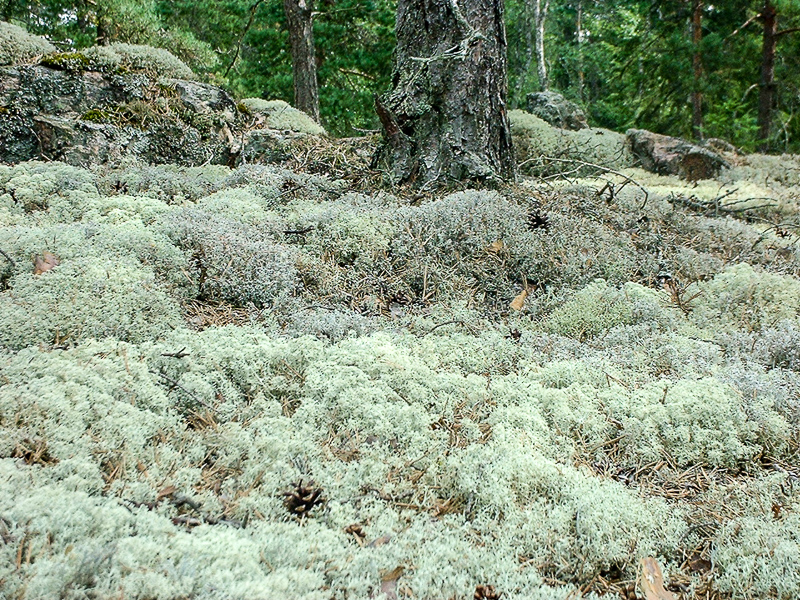
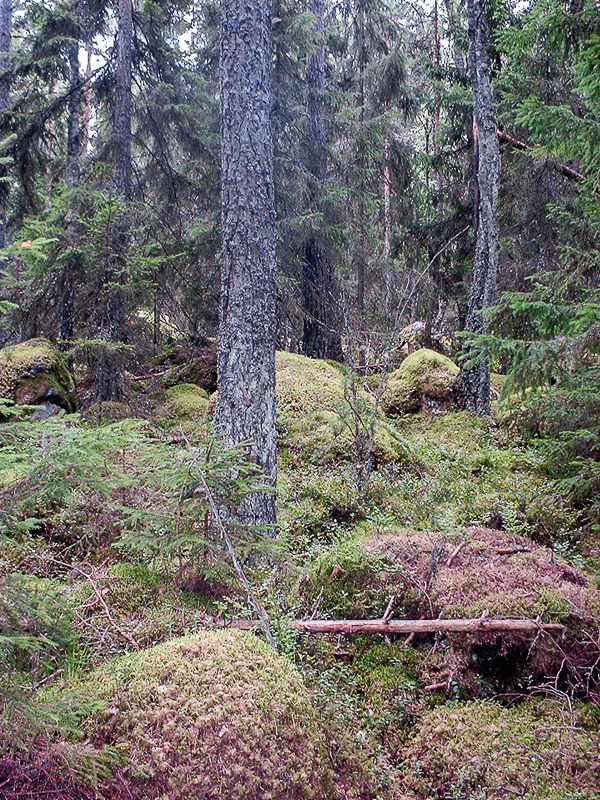
What we see here is a swamp. The cold climate limits the little pests (bugs) and the larger pests (alligators) to the acceptable.

DSCF0012

Instead there is an abundance of mosses and lichens with which you can scrub your back in the sauna.

DSCF0044

Walking on it feels kind of funny, in particular when there is suddenly water underneath.

DSCF0003

No wonder they have trolls there.

Decay (Museum Hombroich II)

Hombroich003 wp

There are more things to see and do at the Museum Island Hombroich than to visit the pavilions. Artists in residence produce landscape art, and concerts are given.

Hombroich006 wp

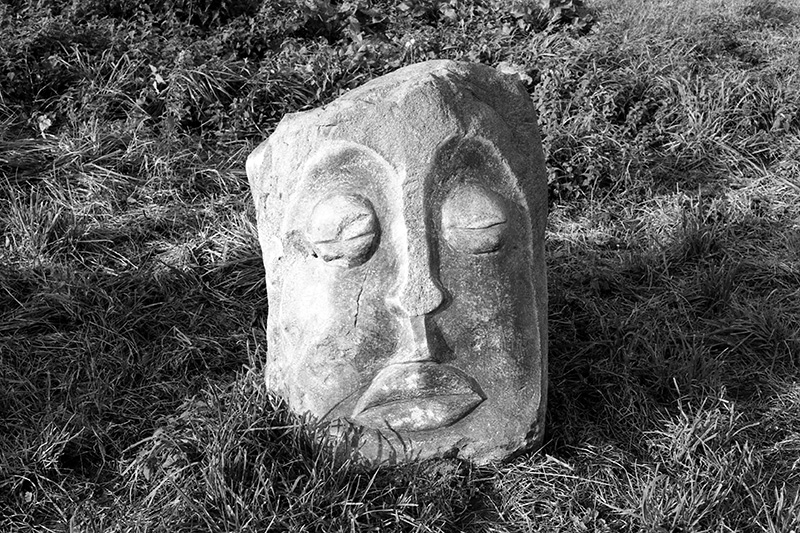
I wonder how this sculpture has withered since I took these pictures in 1992. This one is part of a full circle of such outcroppings.

Hombroich021 wp

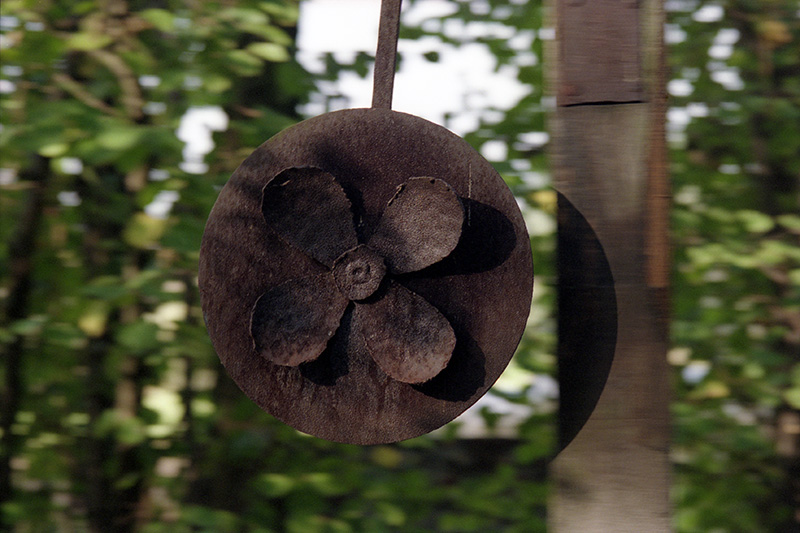
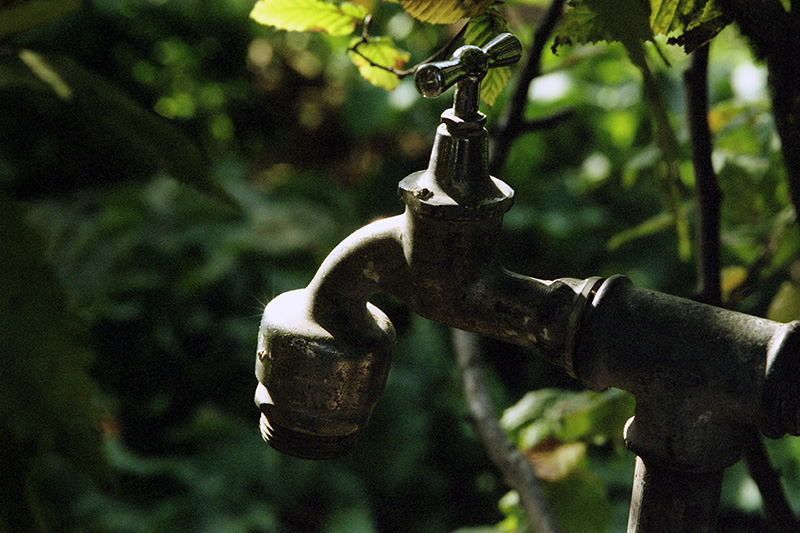
Mechanical structures clearly without purpose alternate with objects that are equally clearly of daily importance but could as well be just pieces of art.

Hombroich017 wp

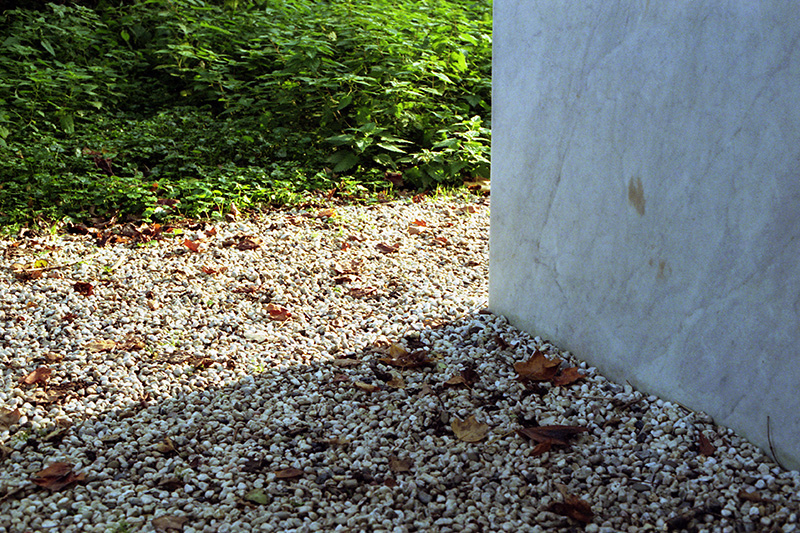
An outdoor museum where the objects are exposed to the elements defies the usual purpose of a museum: the preservation of its artifacts.
Here at Hombroich the time has just been slowed down a bit, making it the main object to contemplate.

Hombroich024 wp

Karana Mudra (Museum Hombroich I)

When the Cold War ended, a missile base near Neuss, Germany, became obsolete. The area was bought by the industrial real estate agent Karl Heinrich Müller, and turned into the Museum Island Hombroich.

Hombroich016 wp

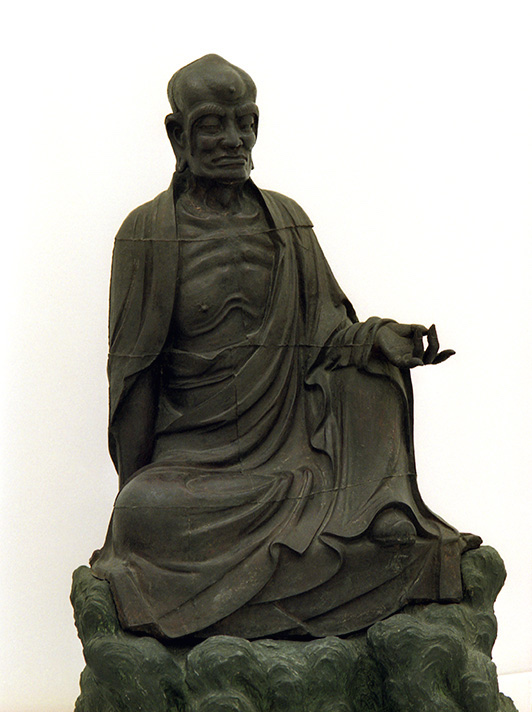
Visitors are greeted appropriately by an Asian statue, holding his hand in the Karana Mudra gesture to ban evil spirits.

Hombroich014 wp

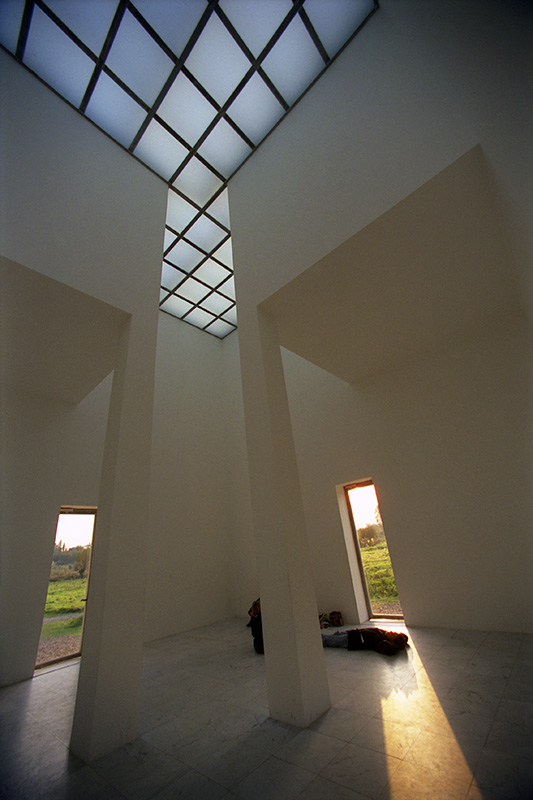
Meticulously landscaped by Bernhard Korte, the area is populated with small buildings (landscape chapels),
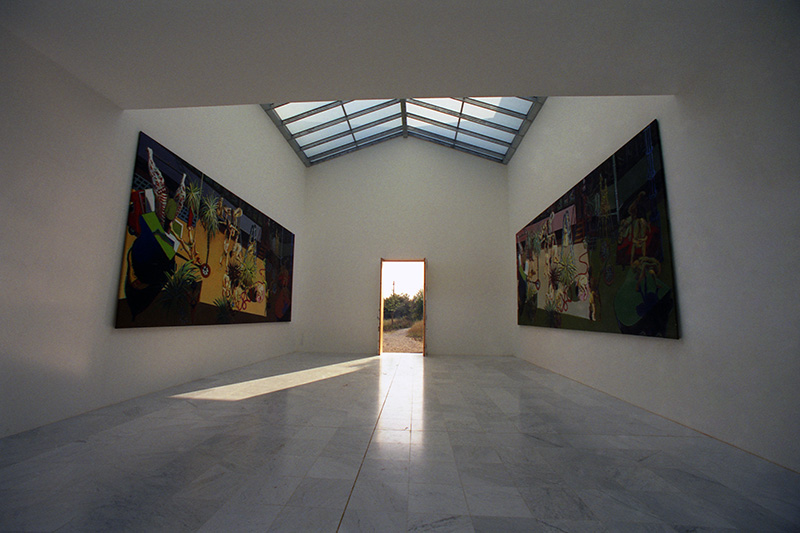
by Erwin Heerich that contain Asian or contemporary art, or just empty space.

Hombroich039 wp

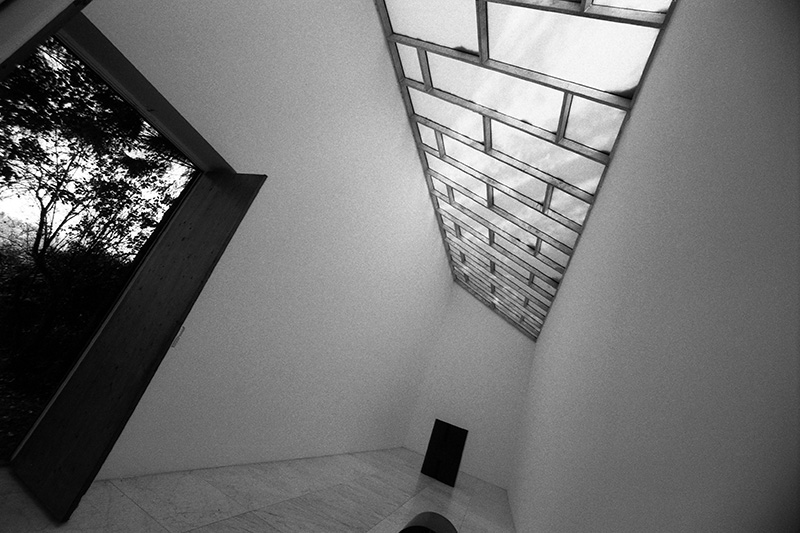
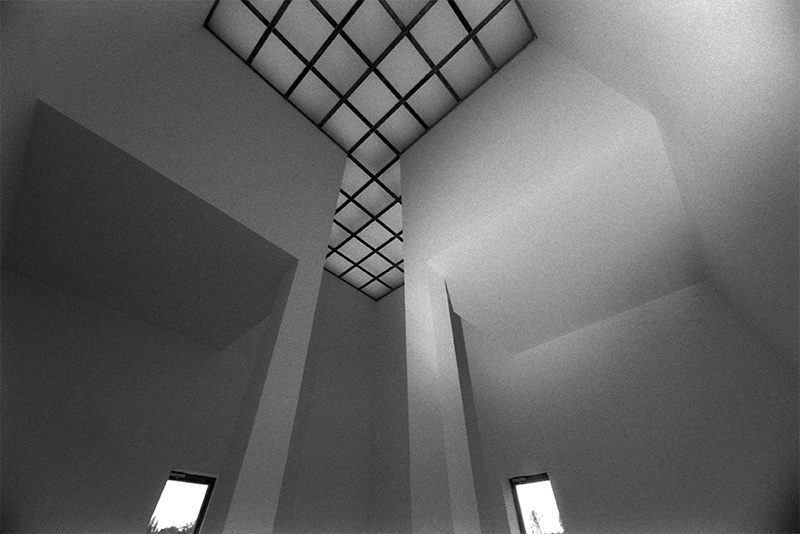
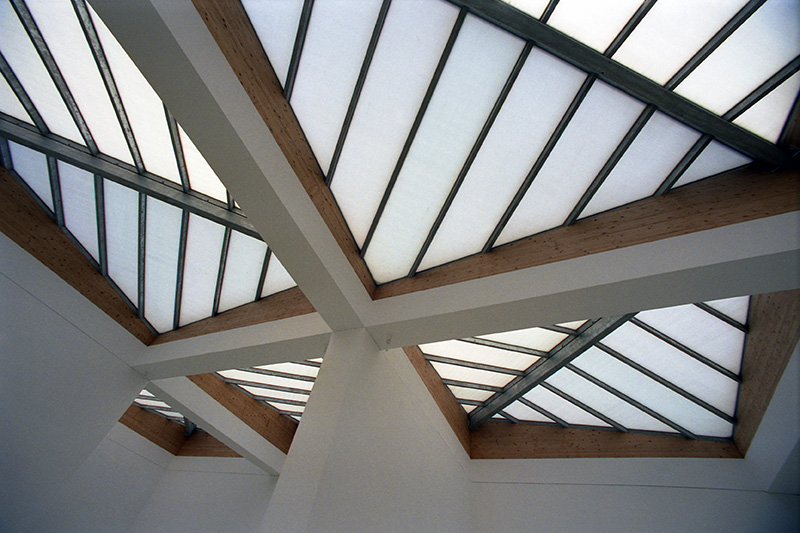
Soft glass roofs and narrow doors create a balance between diffuse and directed light.

Hombroich035 wp

The geometric harshness of the buildings disappears in the fading light.

Hombroich025 wp

1492

DSC3005

After the invasion of Granada in 1492 by King Ferdinand II and Queen Isabella I, things changed in Granada.

DSC3009

One can debate how liberal the emirate had been, but it certainly didn’t get better. Whenever choices become limited,life does not necessarily become easier.

DSC3015

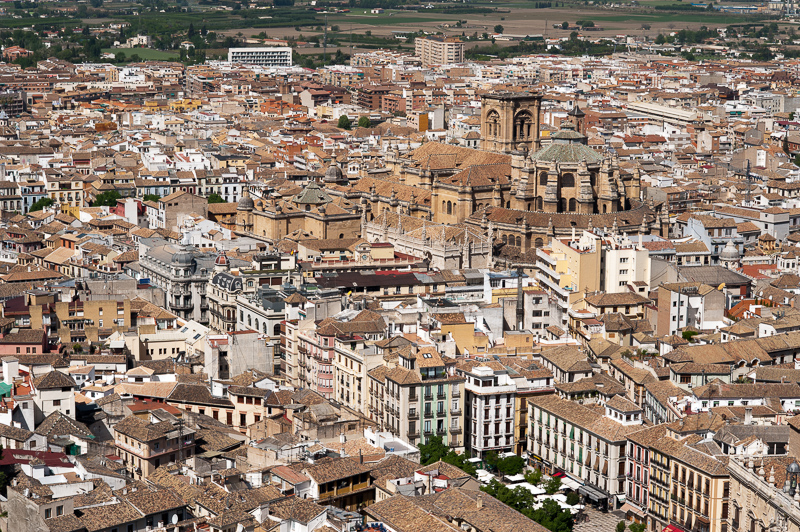
Today, we have a choice. We can face reality with clarity, like the cathedral of Granada, built over the ruins of its former mosque.

DSC3002

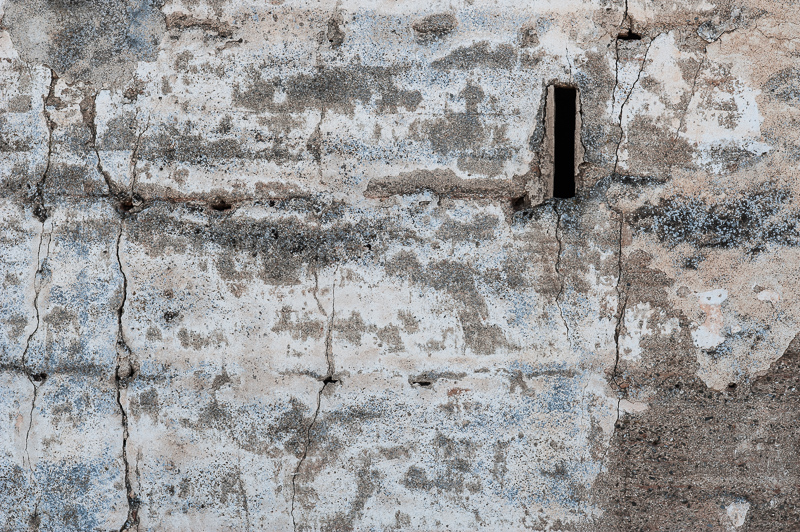
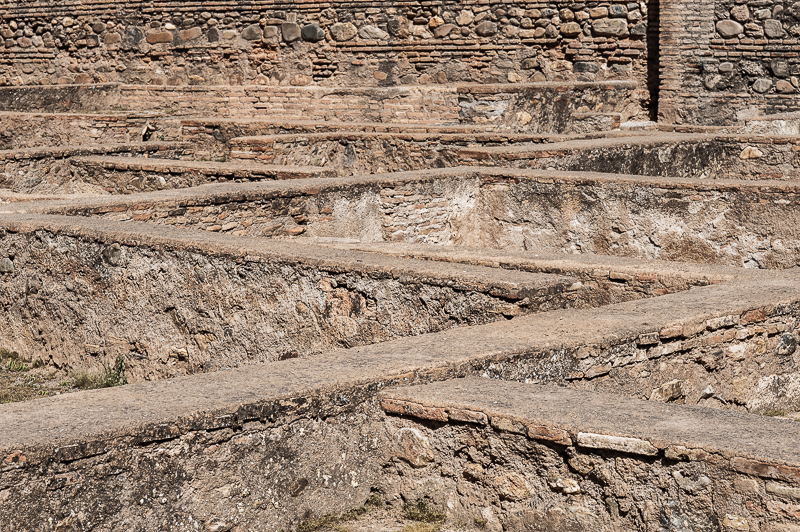
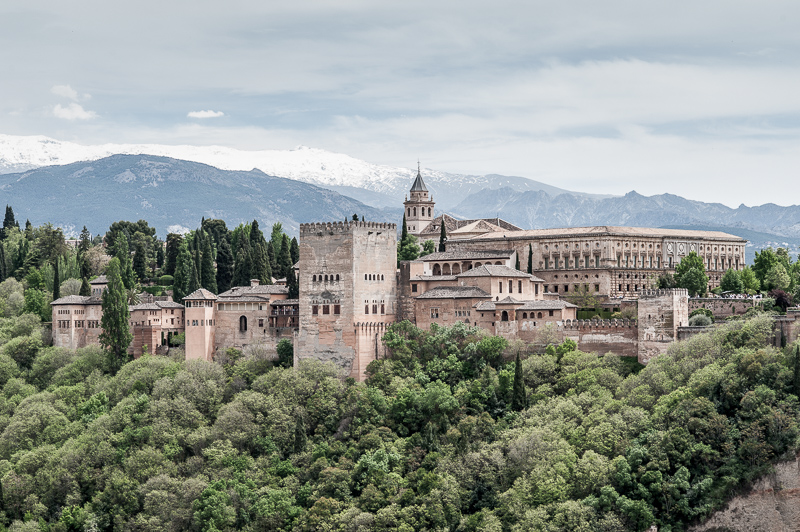
Or we can prefer the blurred view over the remaining walls of the Alhambra.

DSC2850

For the moment, it’s maybe best to keep gardening.

Time Itself

DSC2825

During the Nasrid Dynasty, the emirs of Granada had the material and intellectual resources to turn the castle of the Alhambra into a palace without equal.

DSC3090
Subsequent vandalism, ignorance, and neglect have destroyed much of it, but what remains makes me wonder about what kind of people lived there.

DSC3065

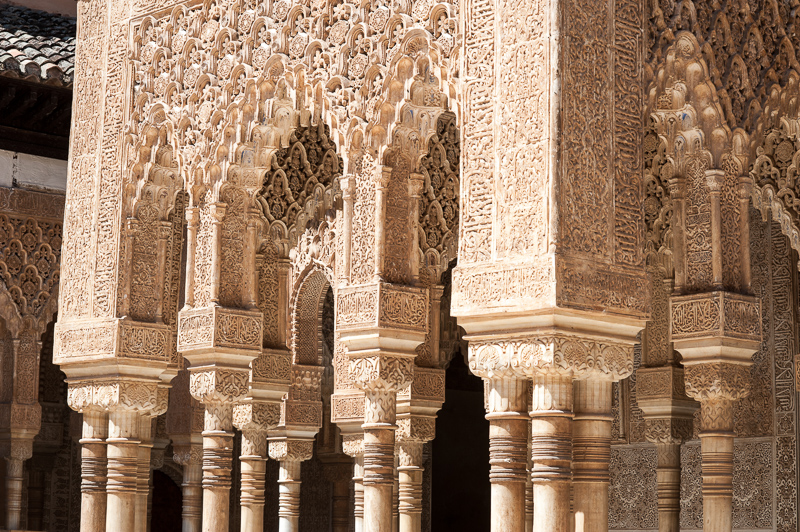
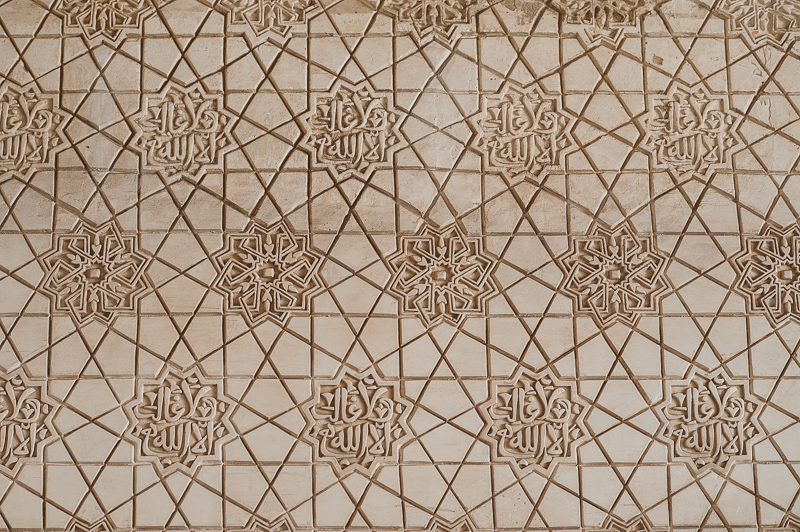
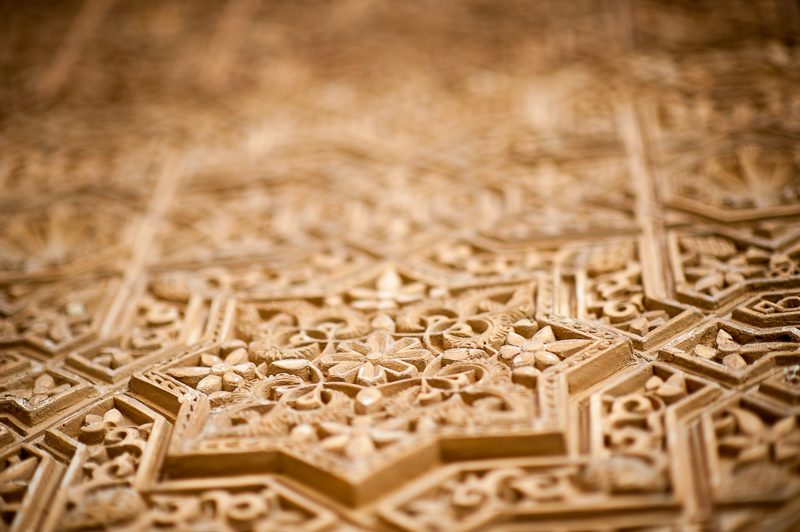
The wall decorations do not tell stories of battles and victories. The lines of the abstract designs appear to repeat themselves forever in infinite variations.

DSC2913

This makes me wonder whether the artists had the flow of time itself in mind rather than particular events.

DSC3061

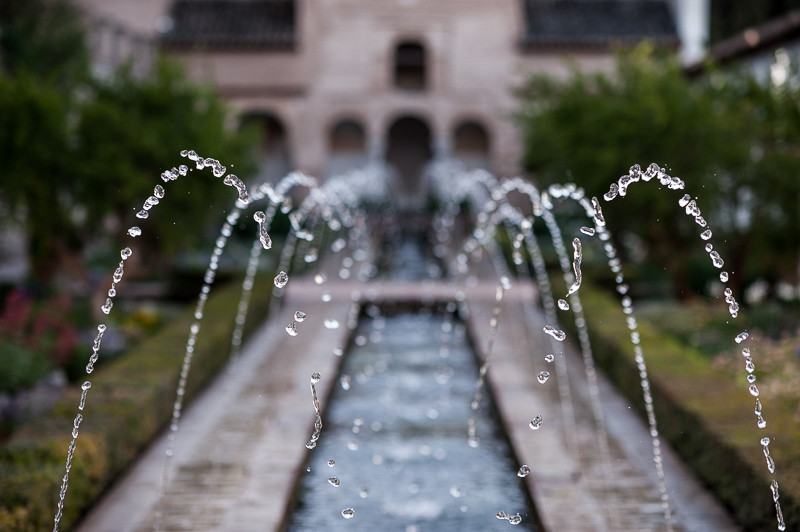
They must have likened their buildings to the plants in the gardens of the Generalife, organically growing and transforming.

DSC2886

Paris at Night

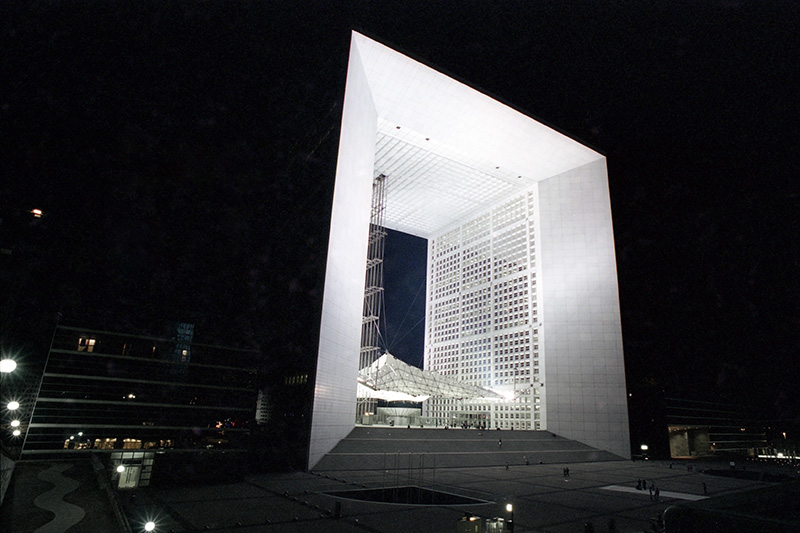
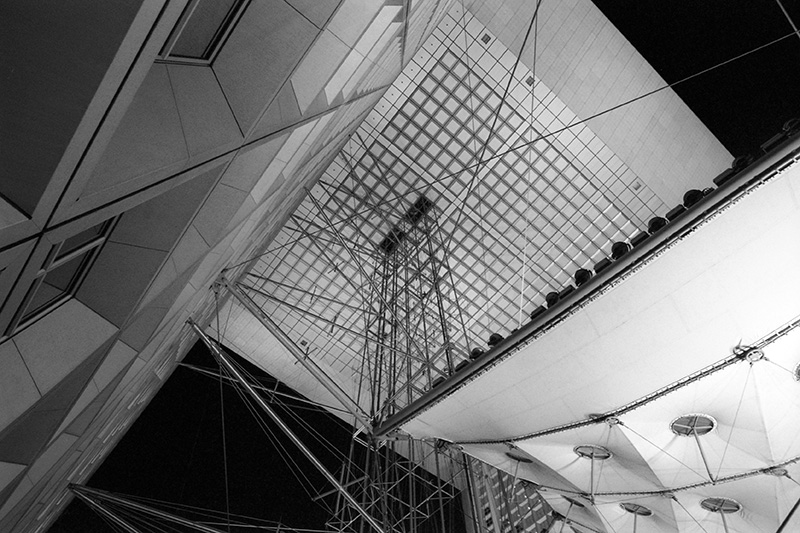
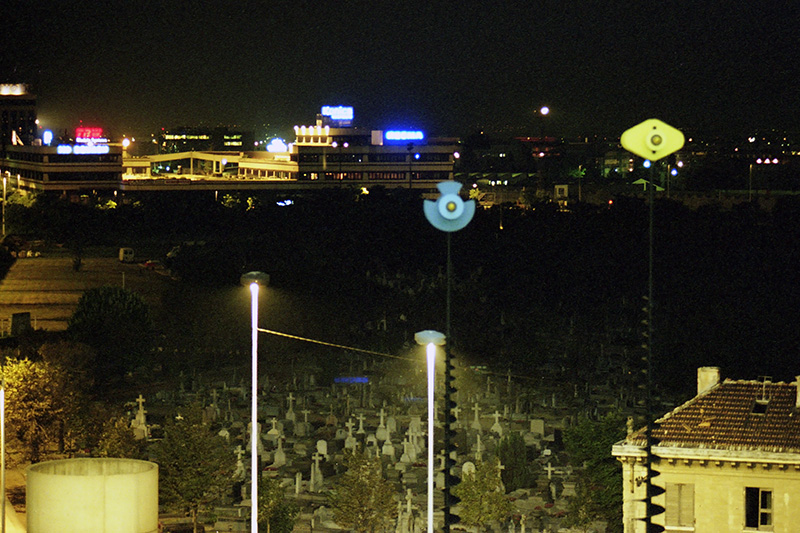
Paris has many things to offer, and not few of them are best savored at night. One popular option is to take the RER to La Défense, and take a look at La Grande Arche.

Paris024 wp

This monumental building was designed by Johann Otto von Spreckelsen and Erik Reitzel, and is one of several Grands Projets by France’s former president François Mitterrand.

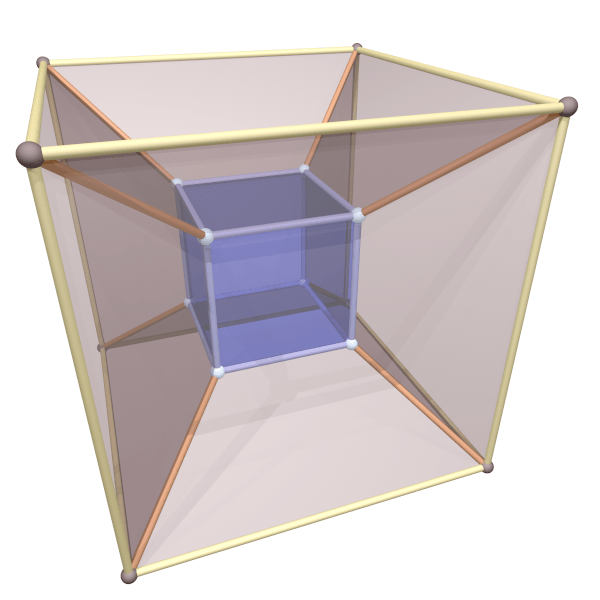
Hypercube3

Its shape is inspired by a common projection of the hypercube into Euclidean space.

Paris018 wp

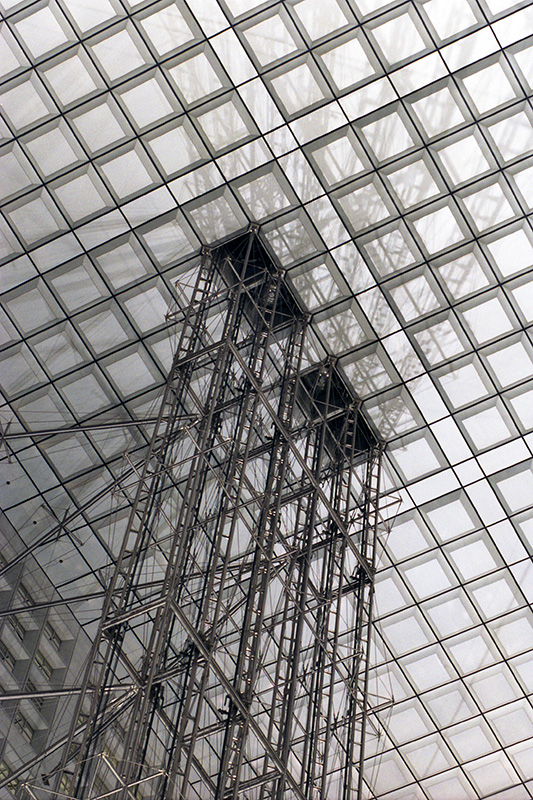
Like every good piece of art, it is worth looking at from different angles.

Paris001 wp

I took these pictures in the summer of 1991, just before a backpacking trip to the French Alps.

Paris011 wp

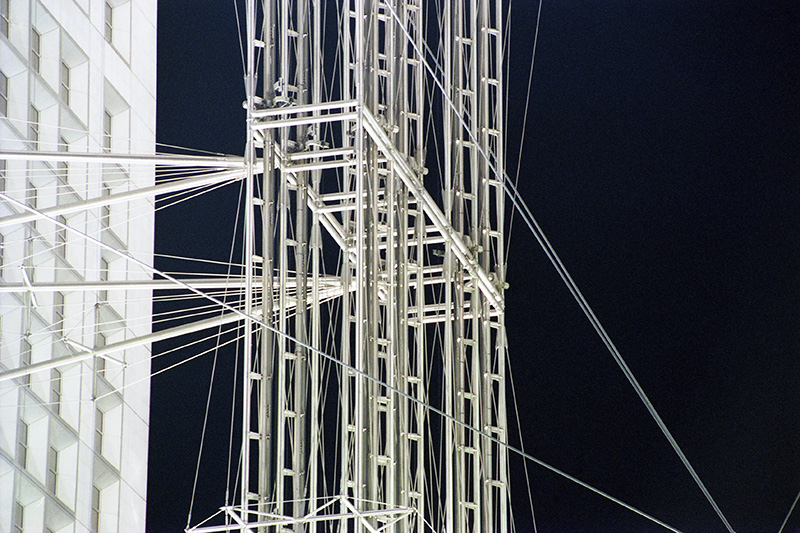
The platform under the Grande Arche is typically so bright and the area behind so dark that
the casual visitor will not notice what the long time exposure reveals.

Paris003 wp

Gestundete Zeit (Sand Art III)

My first digital camera was a Fuji Finepix 1400. Yes, the 1400 means that it had a staggering 1.4 Megapixels. That pretty much filled the screens these days, and also the memory cards. The first trip I took the camera to was to Amrum, an island in the North Sea. As I only had a really small memory card at first, I had to reduce the image size. Back then this was fine. Today they look puny.

DSCF0023

Visiting Amrum in winter seems like a dumb idea: No rolling in the dunes, no swimming in the sea during long summer nights. Instead, hikes along the frozen beach during brief days, and sauna in the evening.

DSCF0011

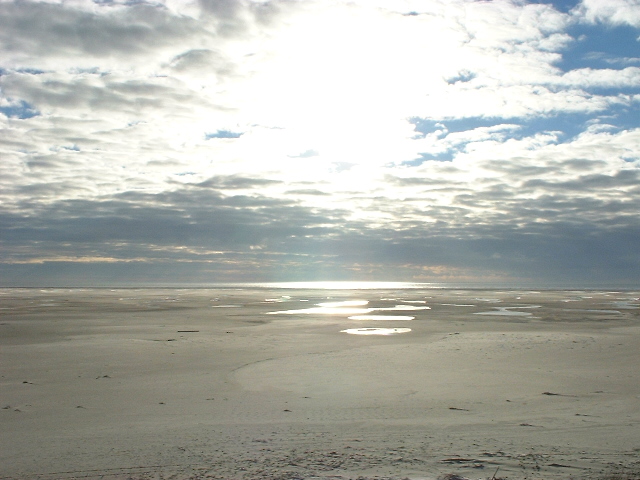
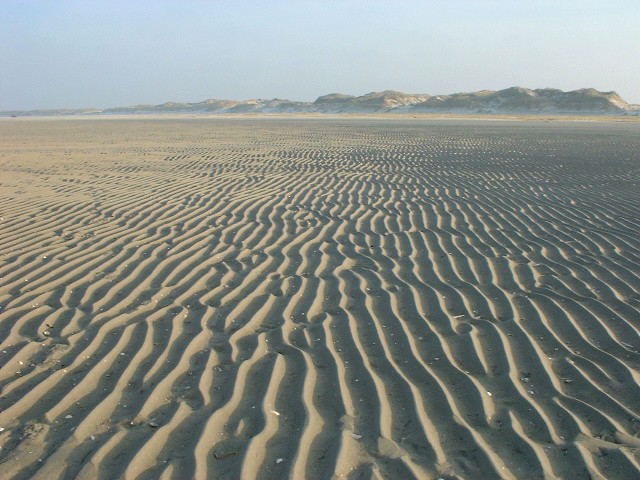
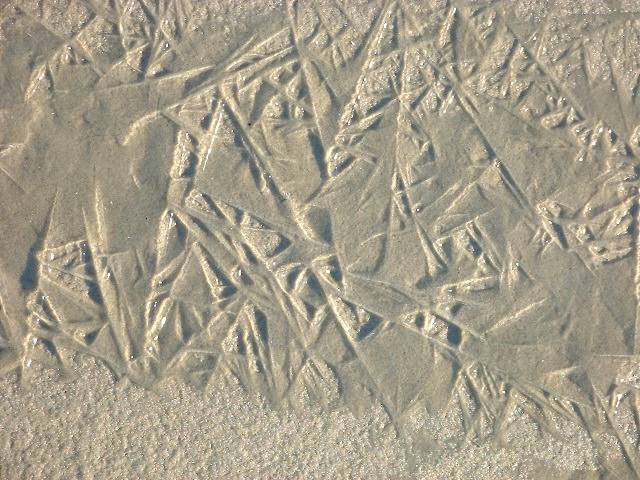
The tides flood the extended beaches and leave behind compelling patterns, which are brought out to perfection by the low sun.

DSCF0016

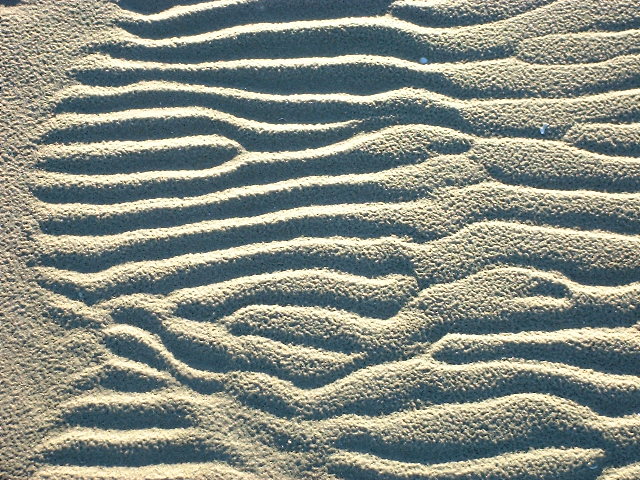
Freezing and thawing helps to make patterns that the waves alone don’t accomplish.

DSCF0017

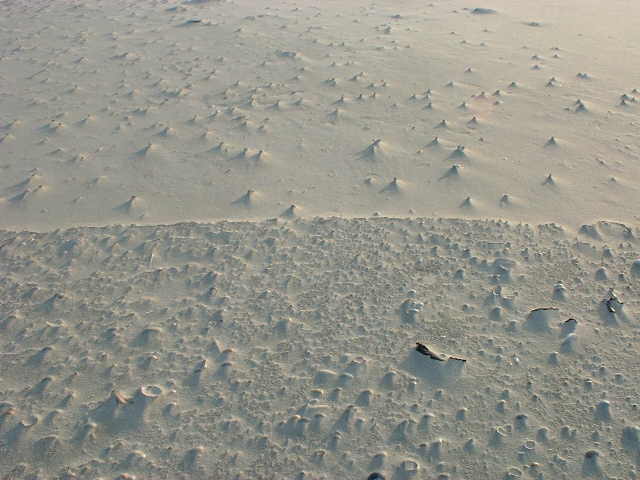
The coastline looks like the alien landscape of a cratered moon.

DSCF0009

I wish I could come up with sculptures like these: Simple, but utterly compelling.

Light

Pyrennees012 wp

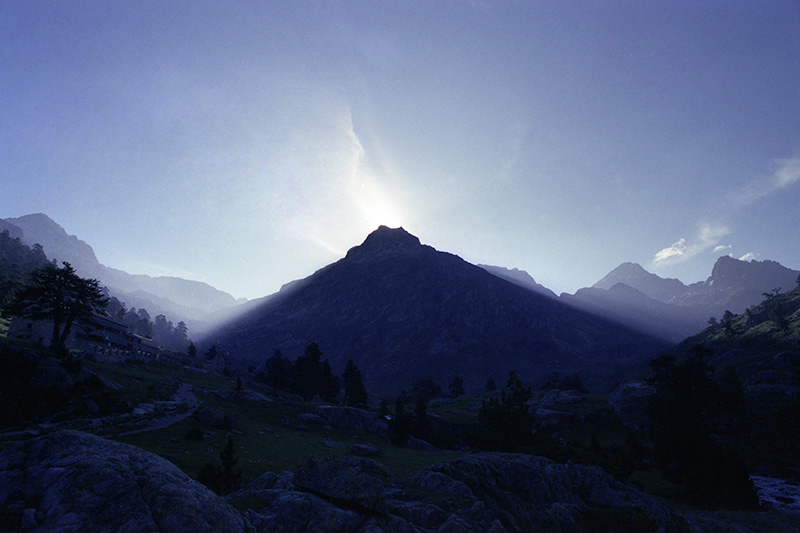
After scanning some 400 negatives from pictures I took in the summer of 1990 (on my first hiking trip to the Pyrenees), the selection process feels difficult. I could go about it chronologically and tell about all the little mishaps, like the inept preparation (who would pack a full tracking backpack and in addition wrap a large bag to hold camera and multiple lenses around the neck?), or the virus infested water at Gavarnie we learned about too late.
Pyrennees024 wp
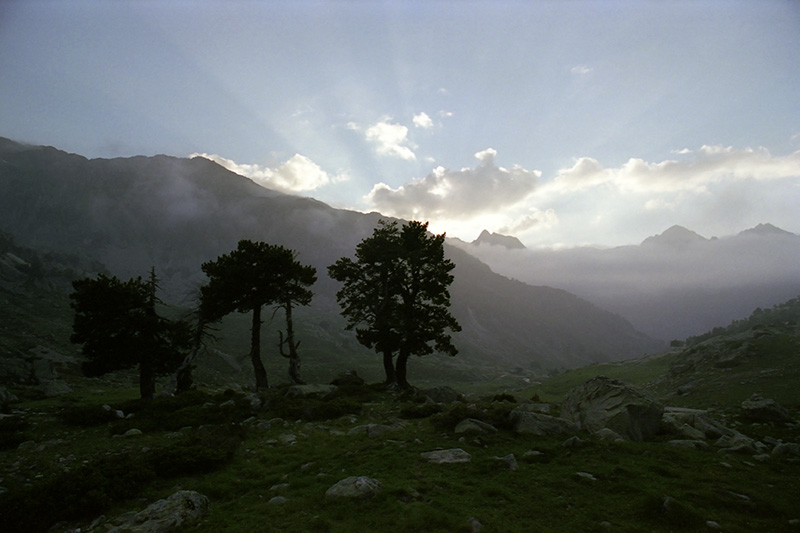
All this is silly, of course. Why should one go hiking in the Pyrenees to begin with? One reason to hike the Haute Randonnée Pyrénéenne we had not in mind was that this trail is transversal to the famous Camino de Santiago, used by pilgrims even today for personal enlightenment. Which brings us to a theme.
Pyrennees061 wp

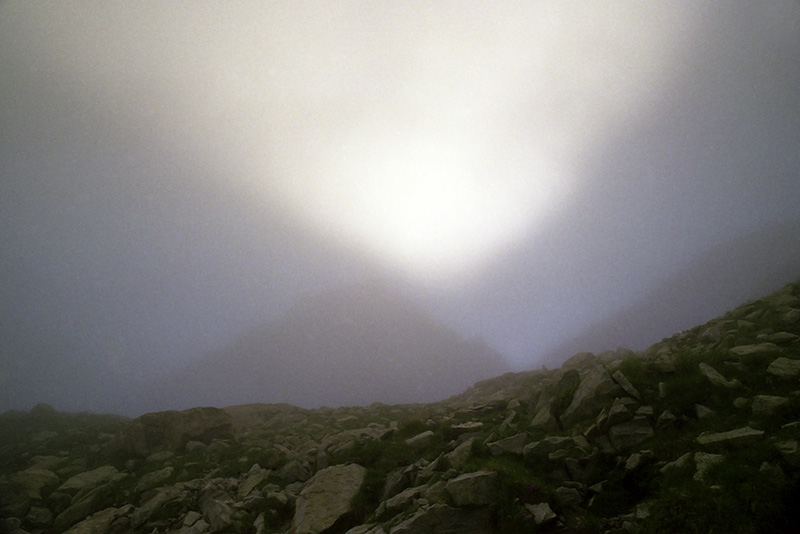
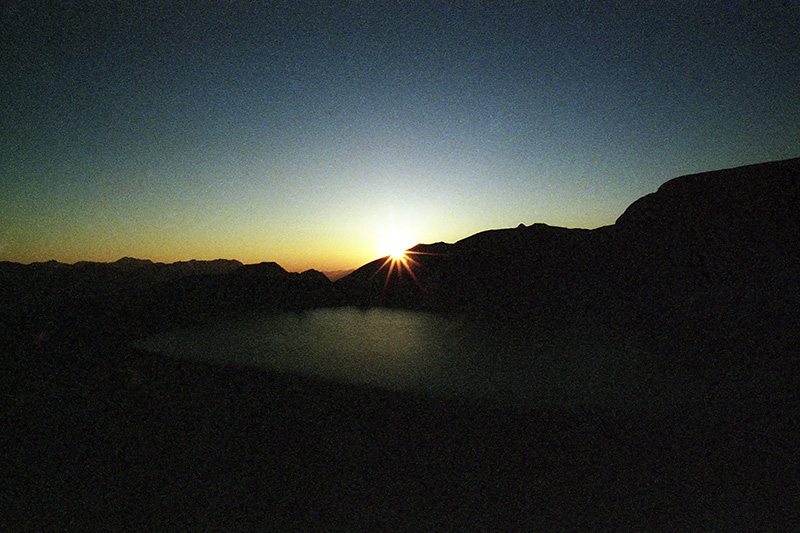
The light in the Pyrenees is special. It combines the mediterranean softness with the clarity of high altitude.
Pyrennees113 wp

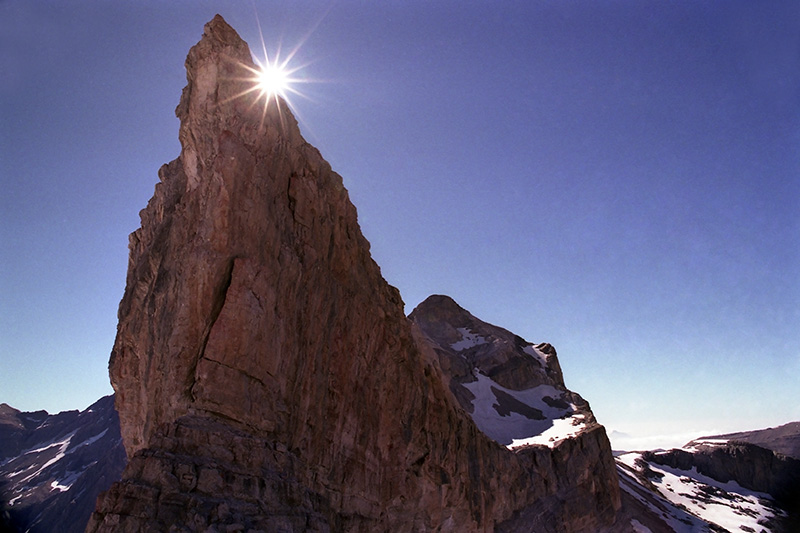
And there are special places, too, that deserve clarity. Like the Brèche de Roland, where Roland, after losing the battle against the Basques in 788, destroyed his sword Durandal. leaving a 40 meters wide gap in the mountains, part of which can be admired above.
Pyrennees218 wp

They all should have done the same with their weapons before the battle.
Paths (Corsican Landscapes, Part III)

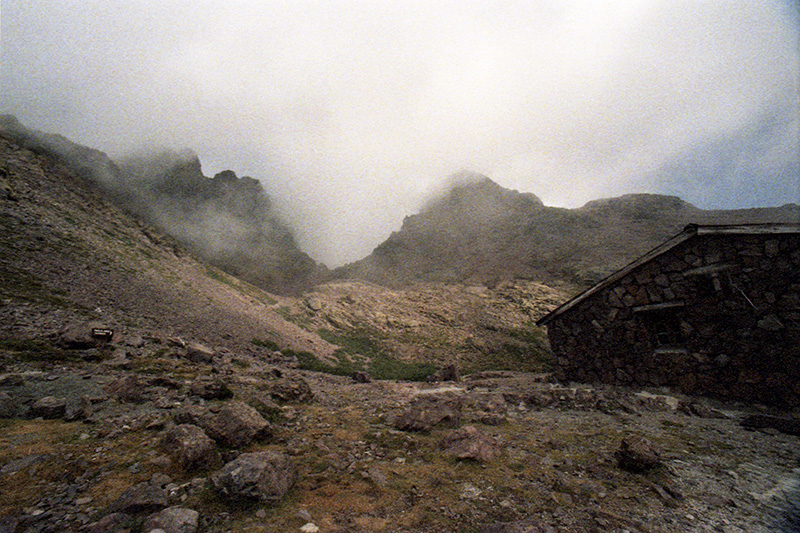
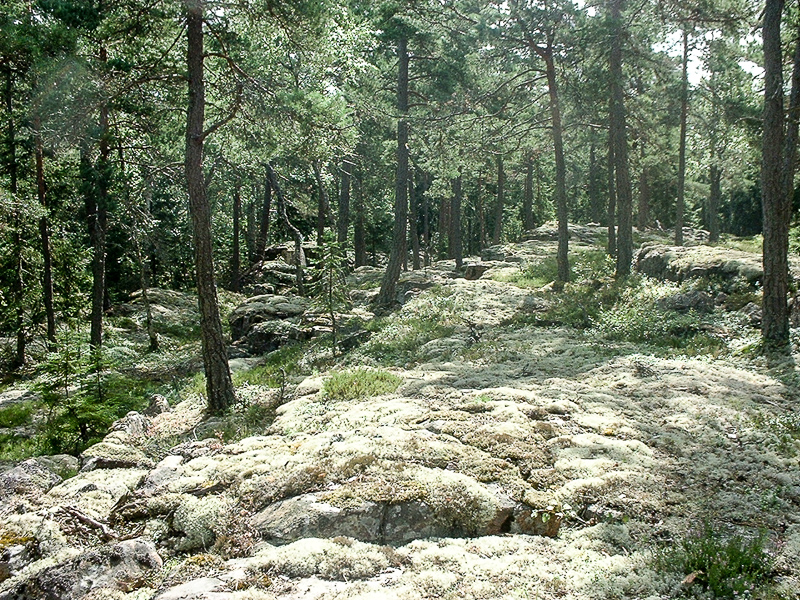
Another landscape paradigm to explore is that of the path. Usually, we plainly think of a path as something that helps us to get from here to there. Sometimes, circumstances can hide the paths, and the signs disappear in the landscape.
Corse169

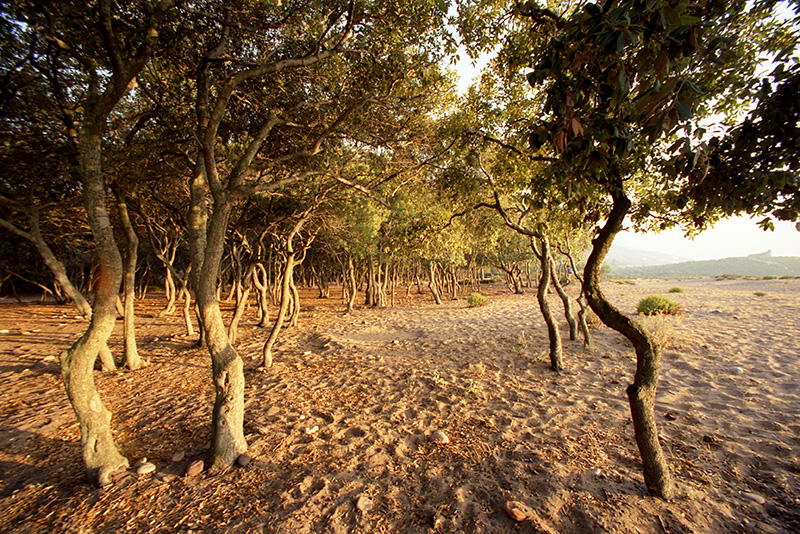
Or the path disappears, because it really does not matter where you walk.

Corse106

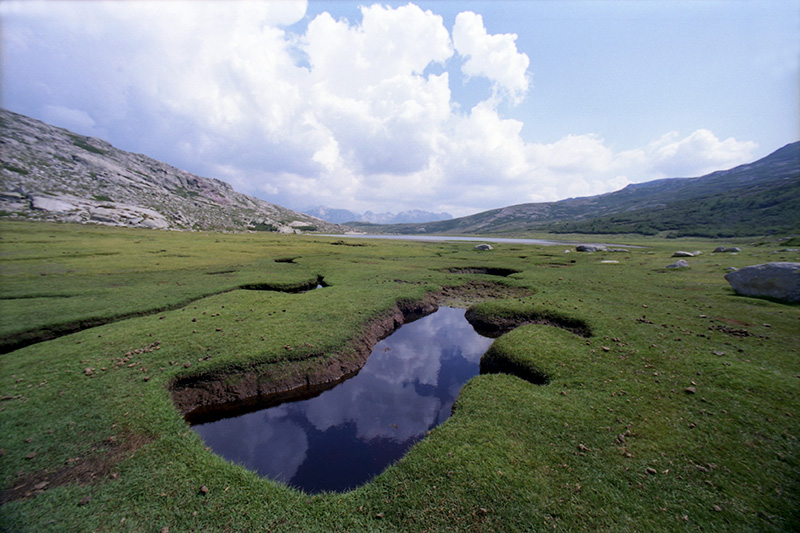
In other cases, the ever changing surroundings make it necessary to find a new path each time.

Corse139

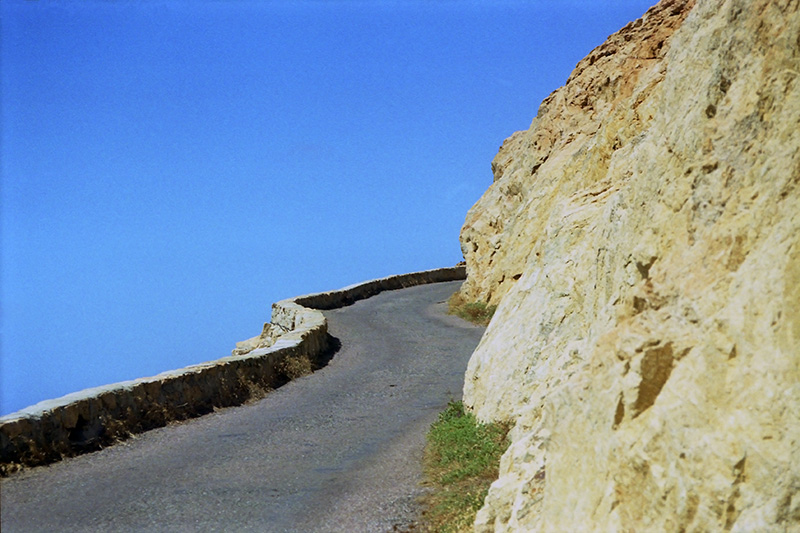
Often, the path is obvious, but there arise doubts about where it leads.

Corse237

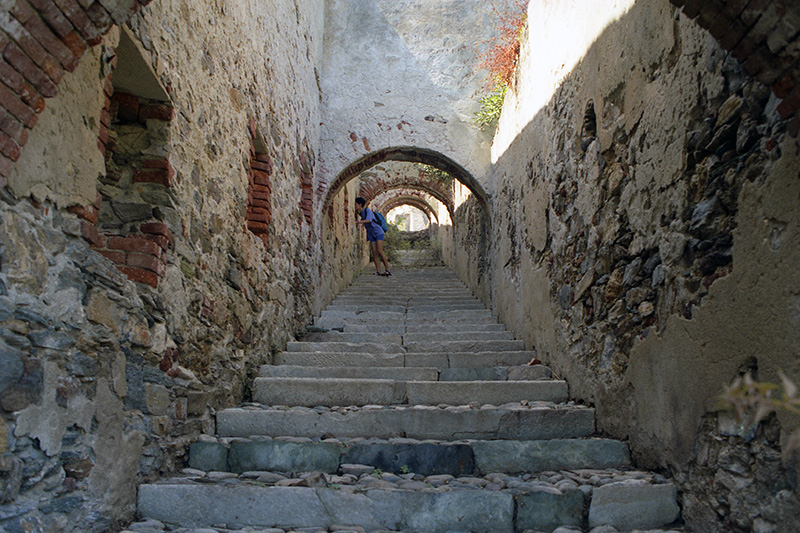
And finally, Freudian stairs can lead to hidden desires of the mind.

Corse008

Corsican Rock Faces

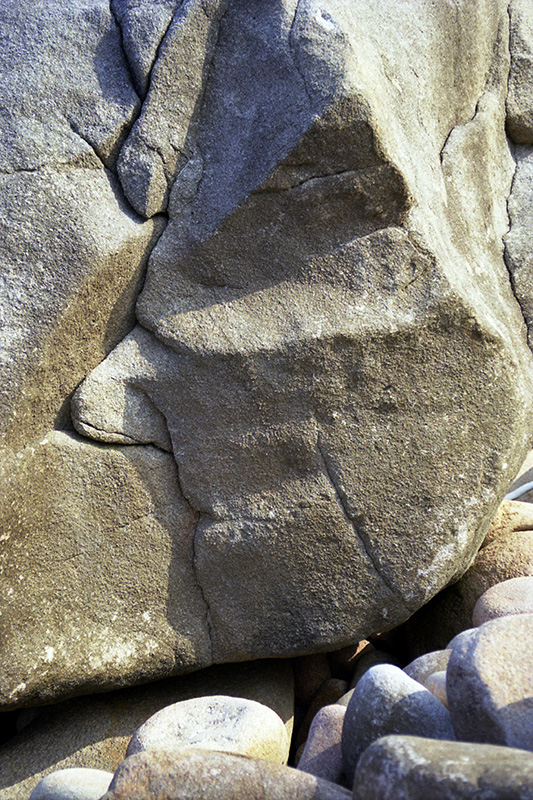
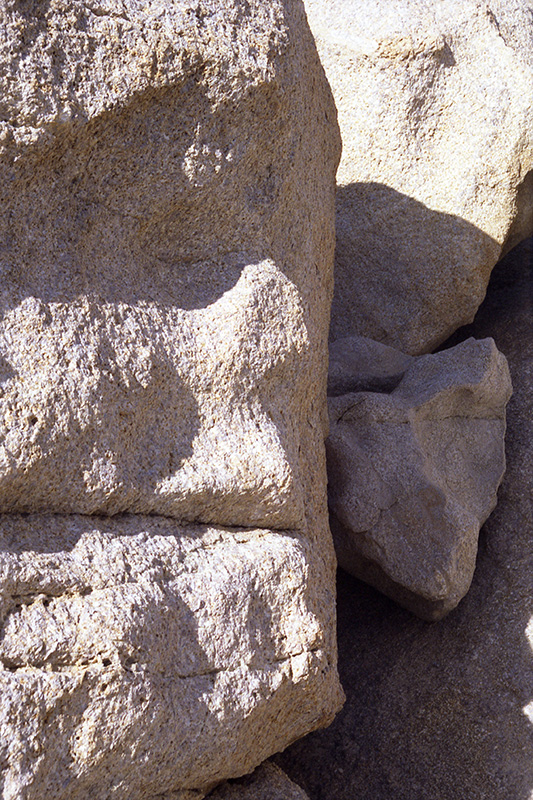
One of my manic disorders forces me to see faces in all kinds of rock formations.

Corse118

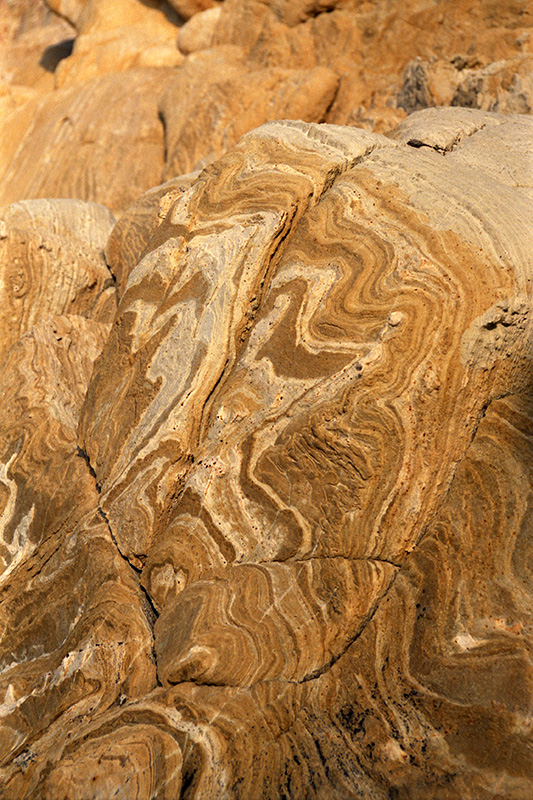
The varied geological nature of Corsica, together with heavy erosion due to wind and water, provides ample material.

Corse102

Sometimes, sunlight helps, too.

Corse221

I am sure that today, after more than 20 years, these rocks are better preserved than the negatives I had to deal with. Besides the usual dust and scratches, some of them have deteriorated beyond help. I have stored all of them in proper sleeves and under dry conditions. Still, I noticed large speckled areas on some of them that clearly were not present 20 years ago.