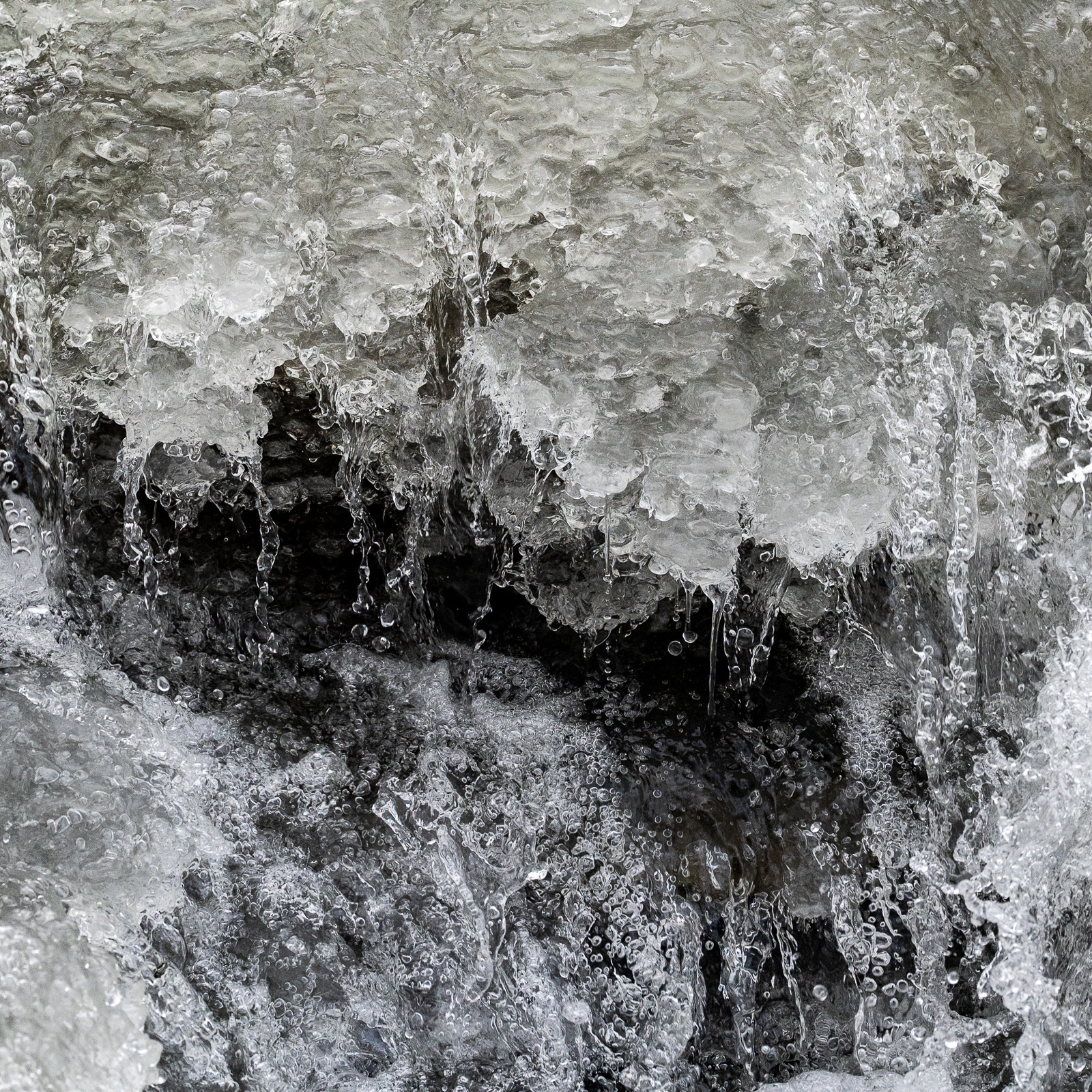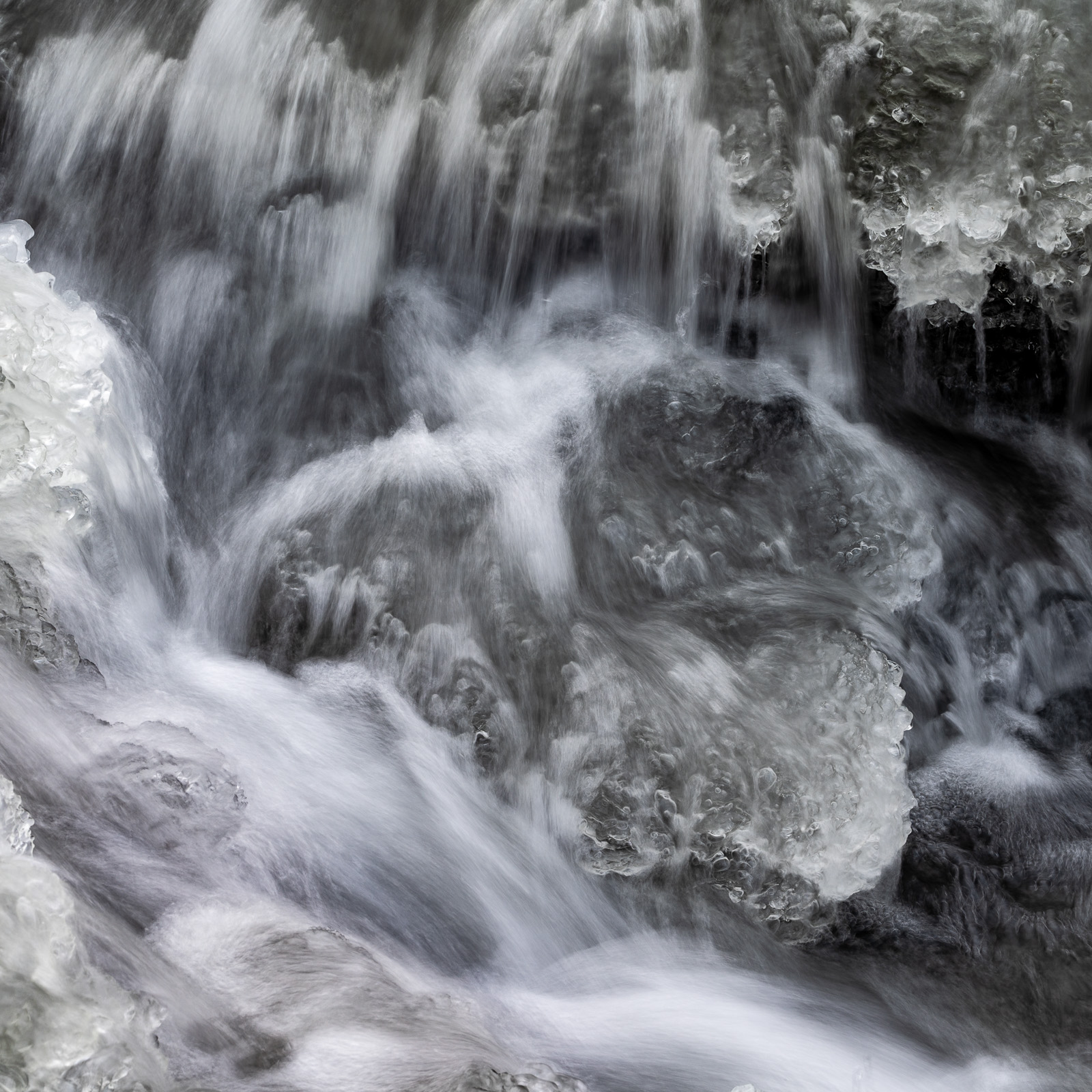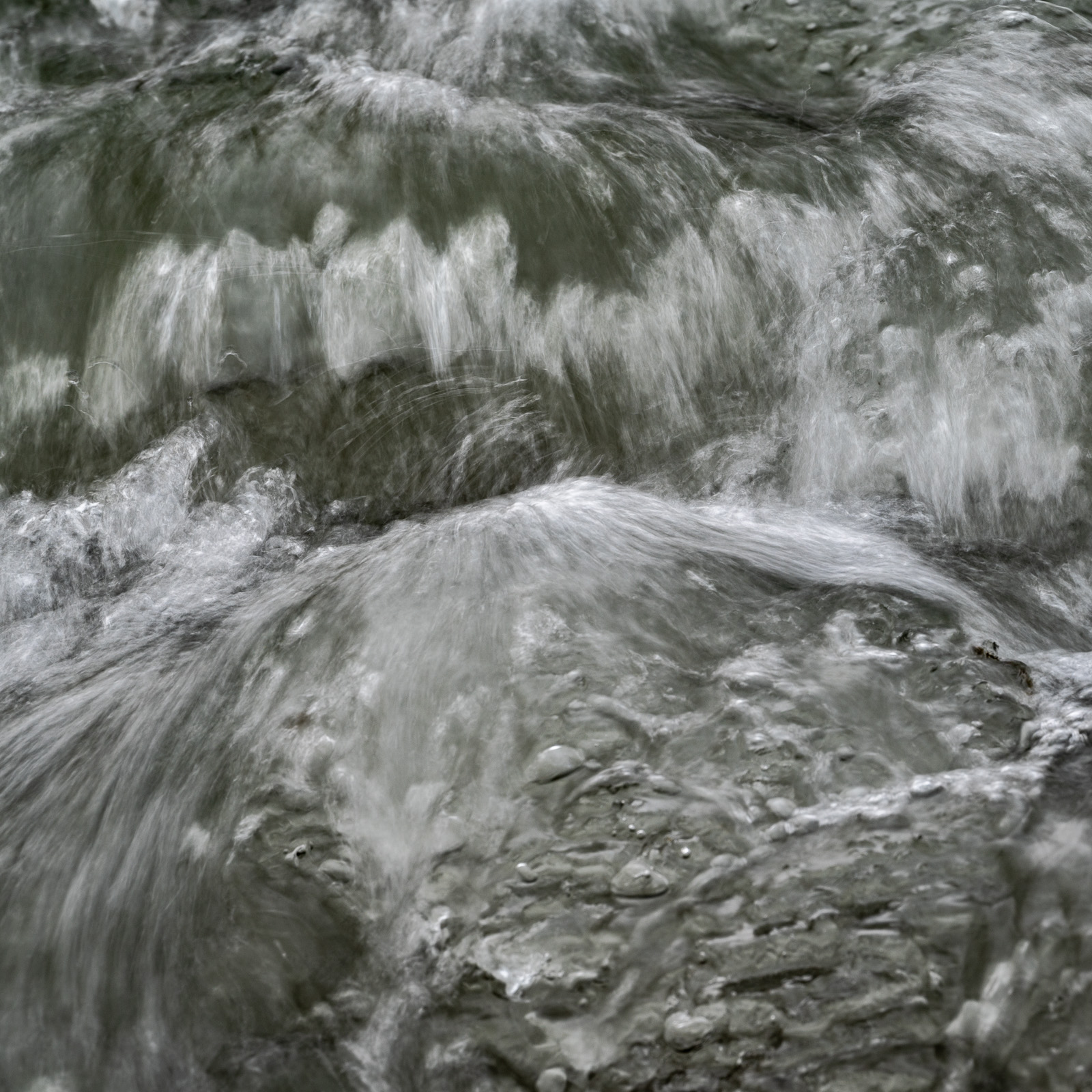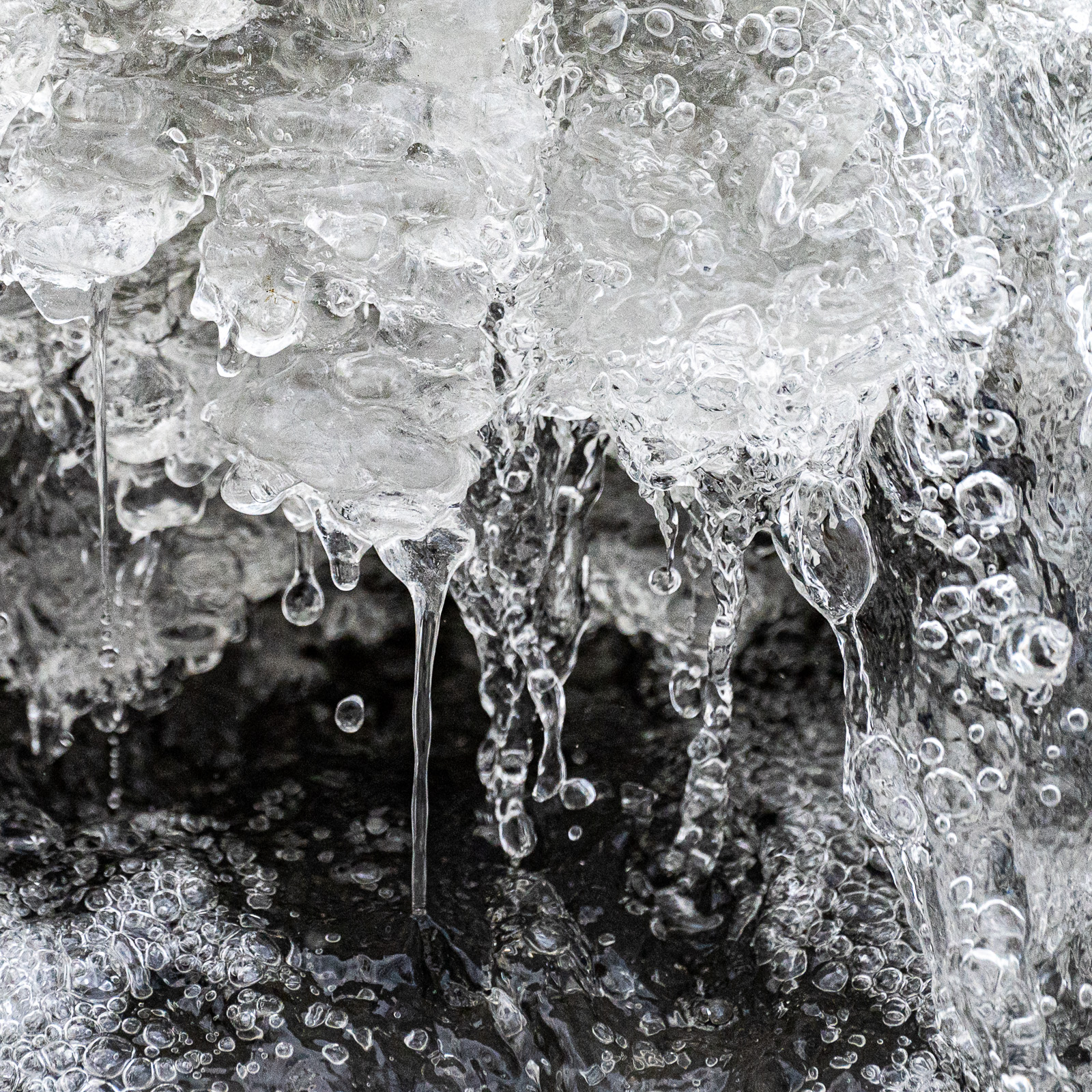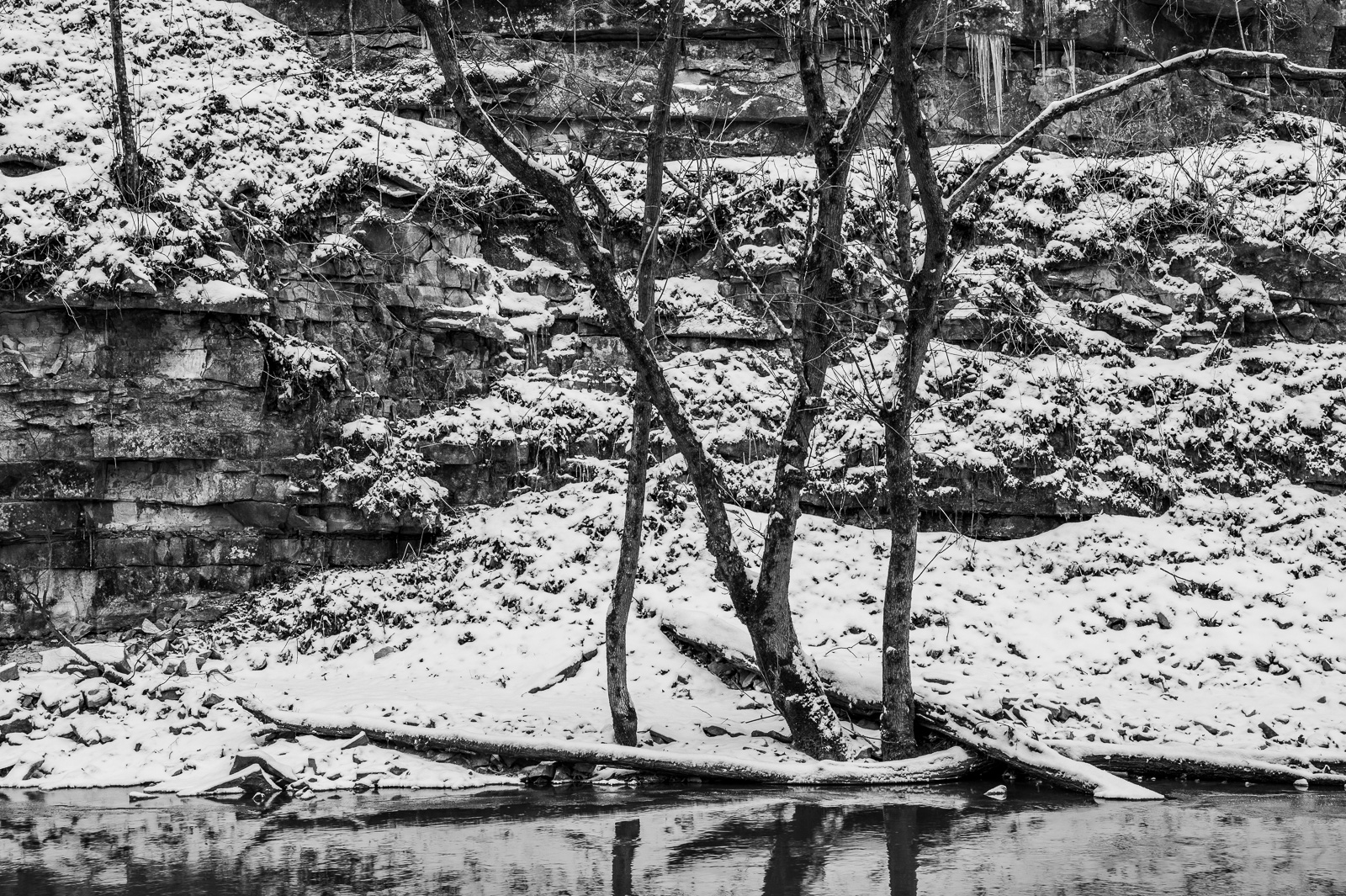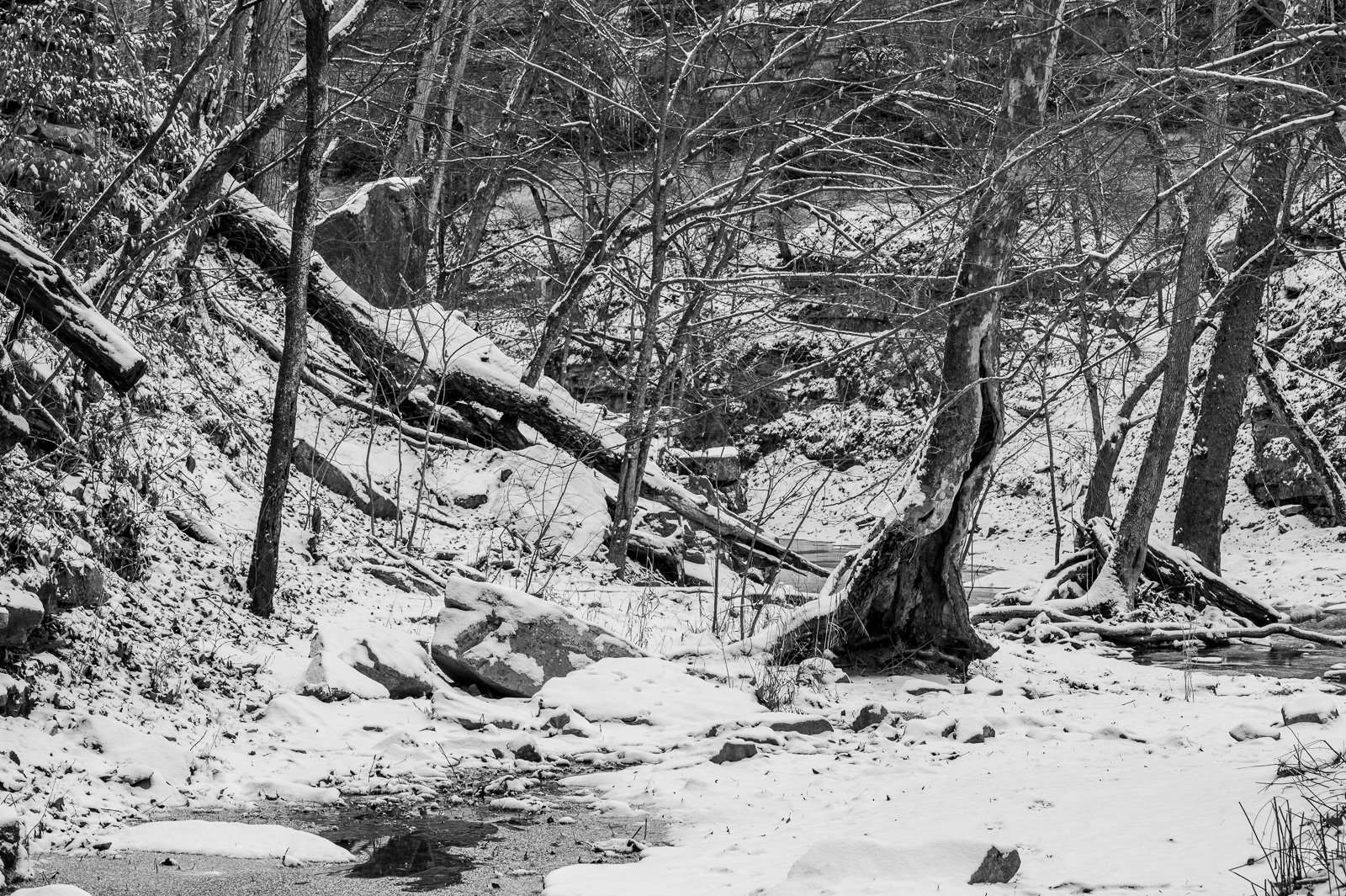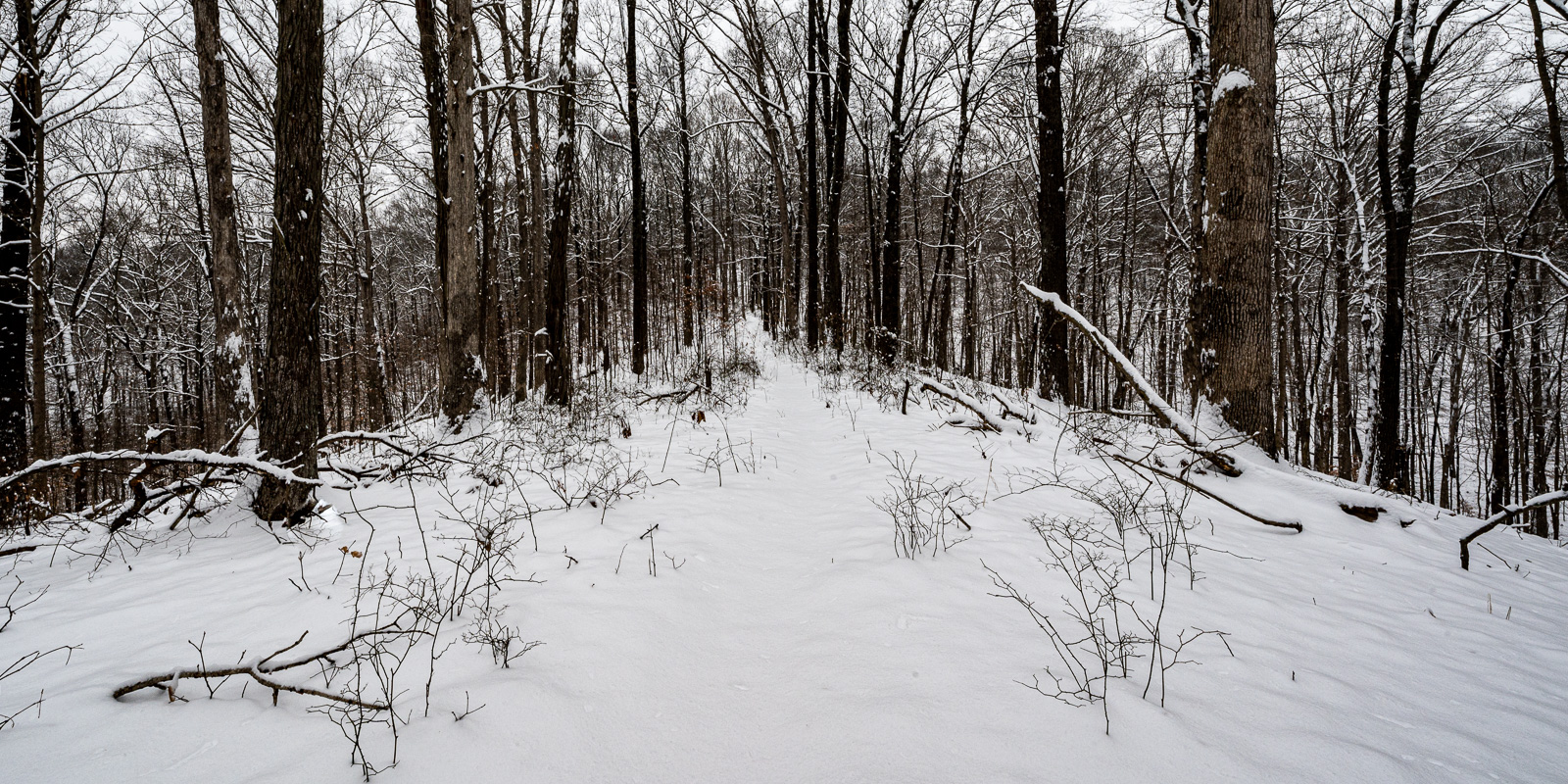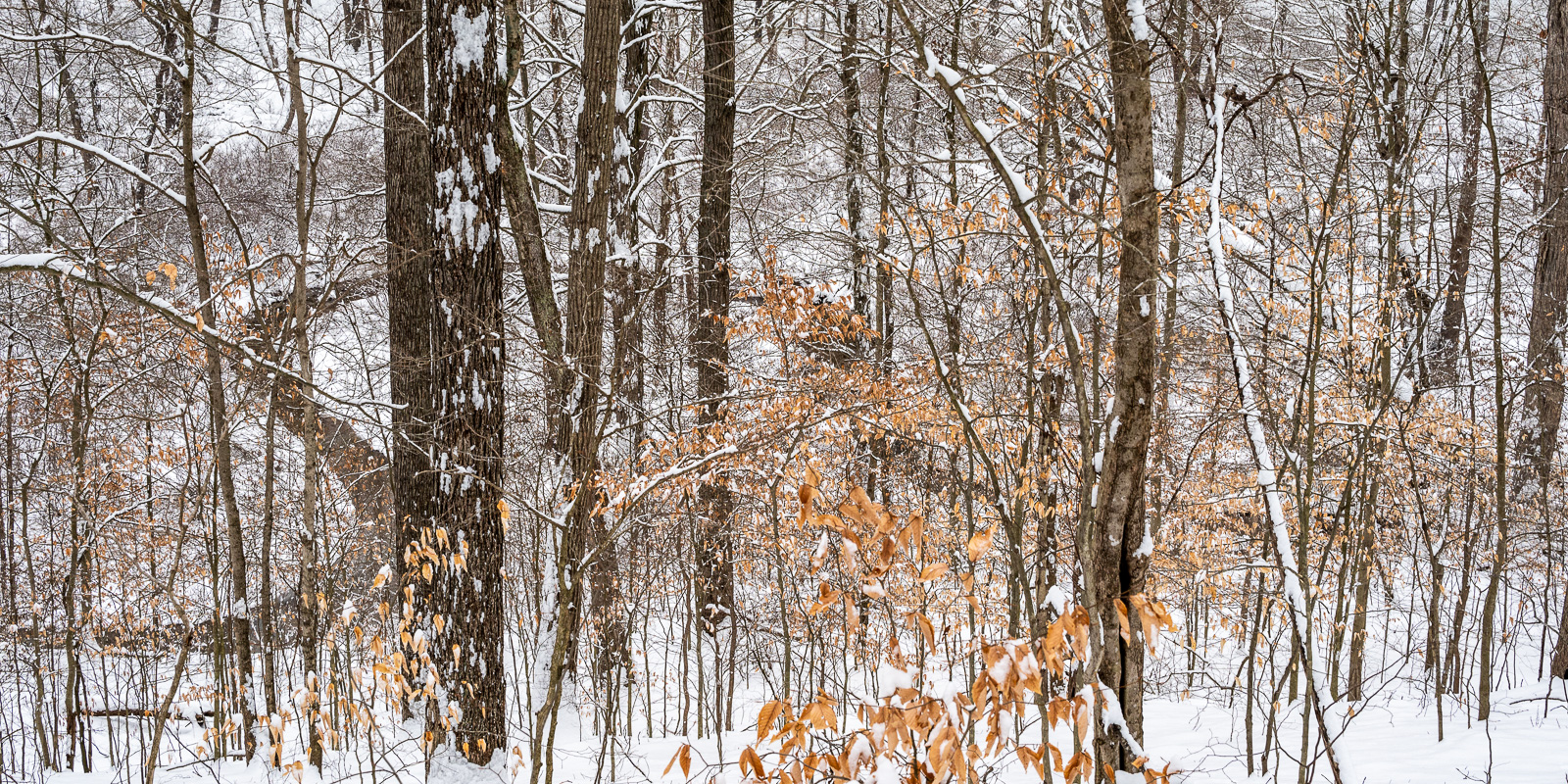
And Every Poem and Every Picture

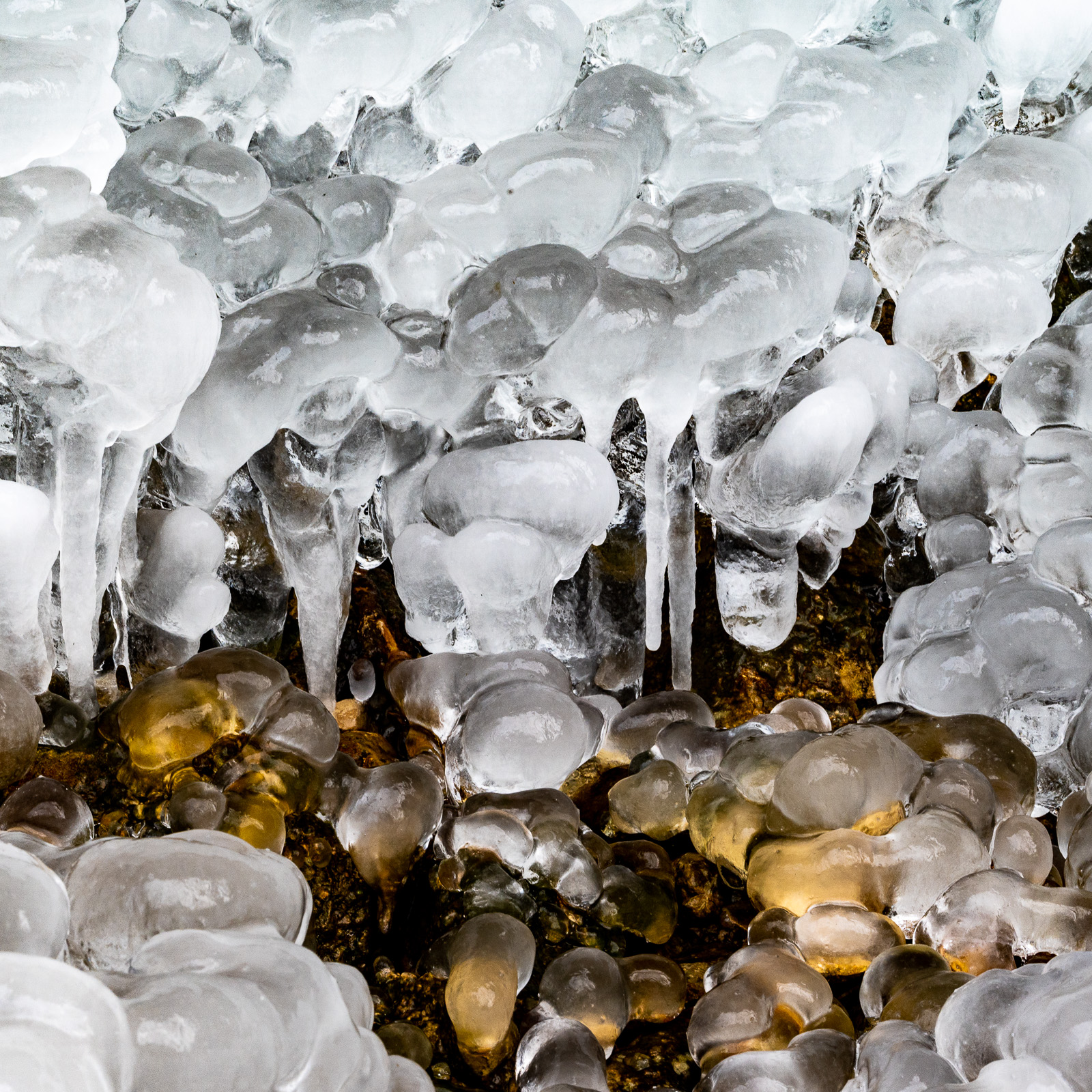
And every poem and every picture
        a sensation in the eye and heart
Something that jolts you awake
            from the rapt sleep of living
    in a flash of pure epiphany 
          where all stands still
            in a diamond light
    transfixed
        revealed
                for what it truly is
                         in all its mystery
So a bird is an animal
                    flown into a tree
        singing inscrutable melodies 
As a lover stands transparent
        screened against the sun 
    smiling darkly in the blinding light
Poem #46 from A Far Rockaway Of the Heart, 1997.
Lawrence Ferlinghetti 
March 24, 1919 – February 22, 2021
Dreams (Frost X)

DSC 2248

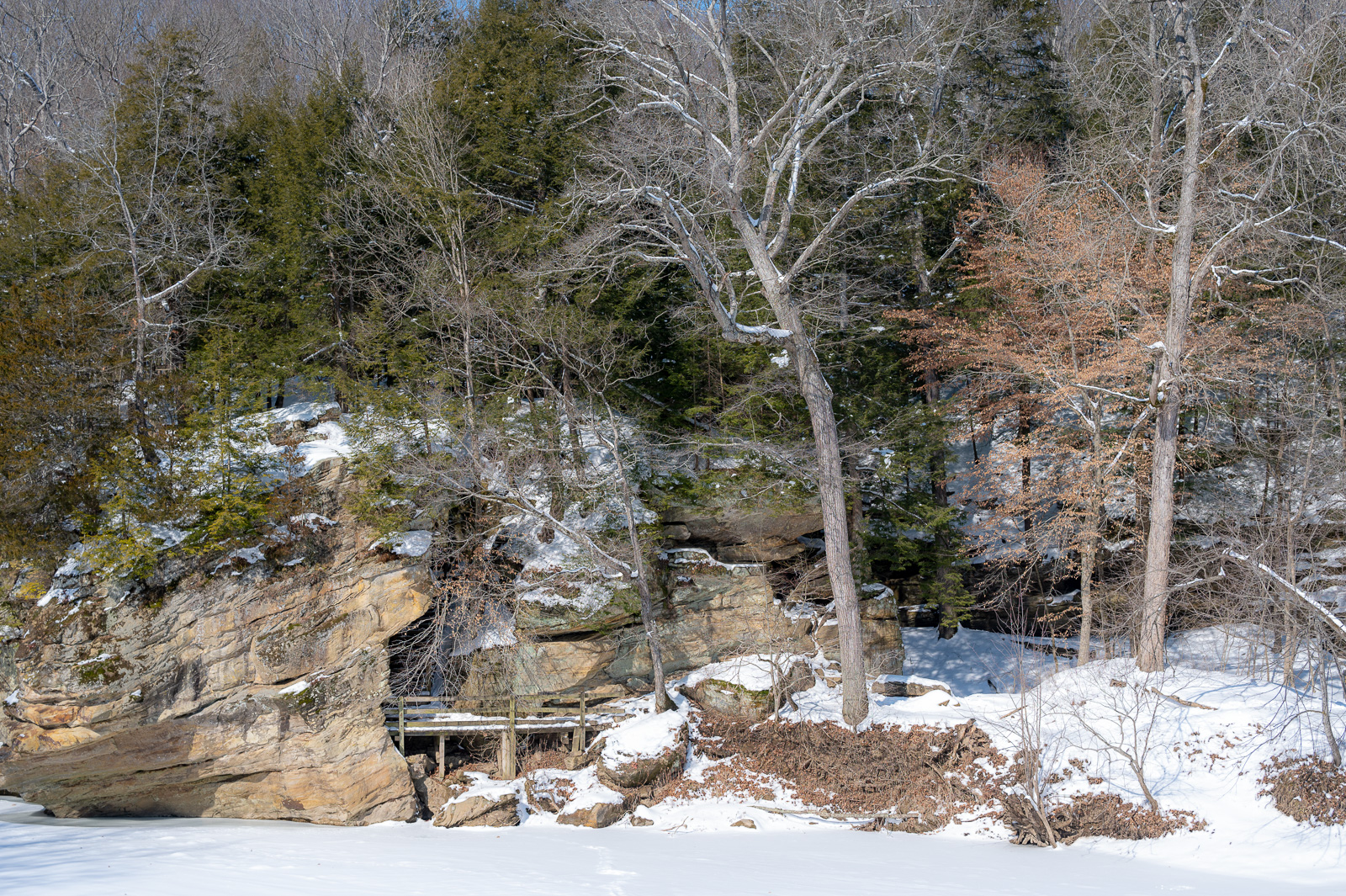
My little series of photos from this winter’s frost is about to come to an end for this year with a visit to Turkey Run State Park.

DSC 2249

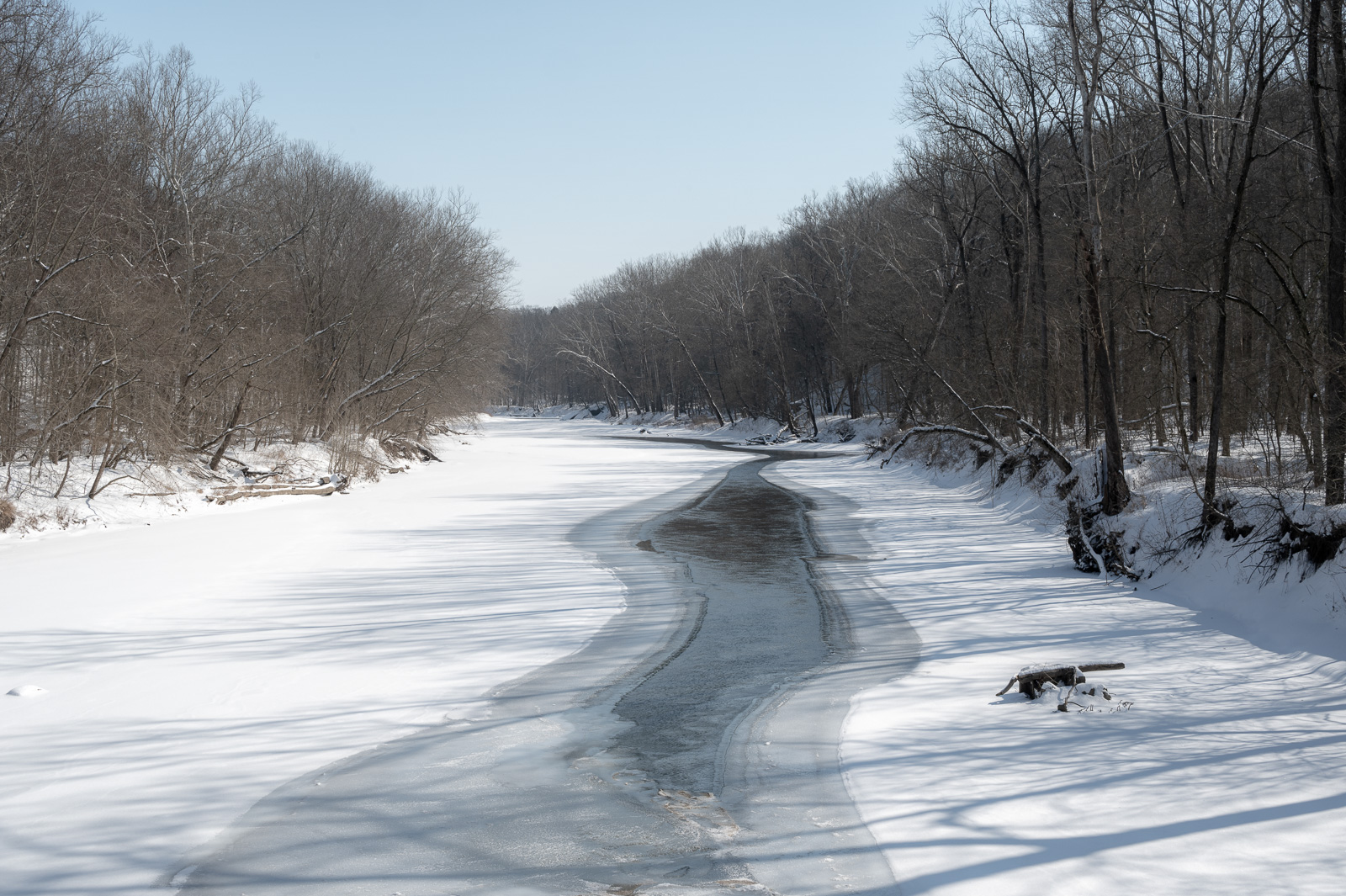
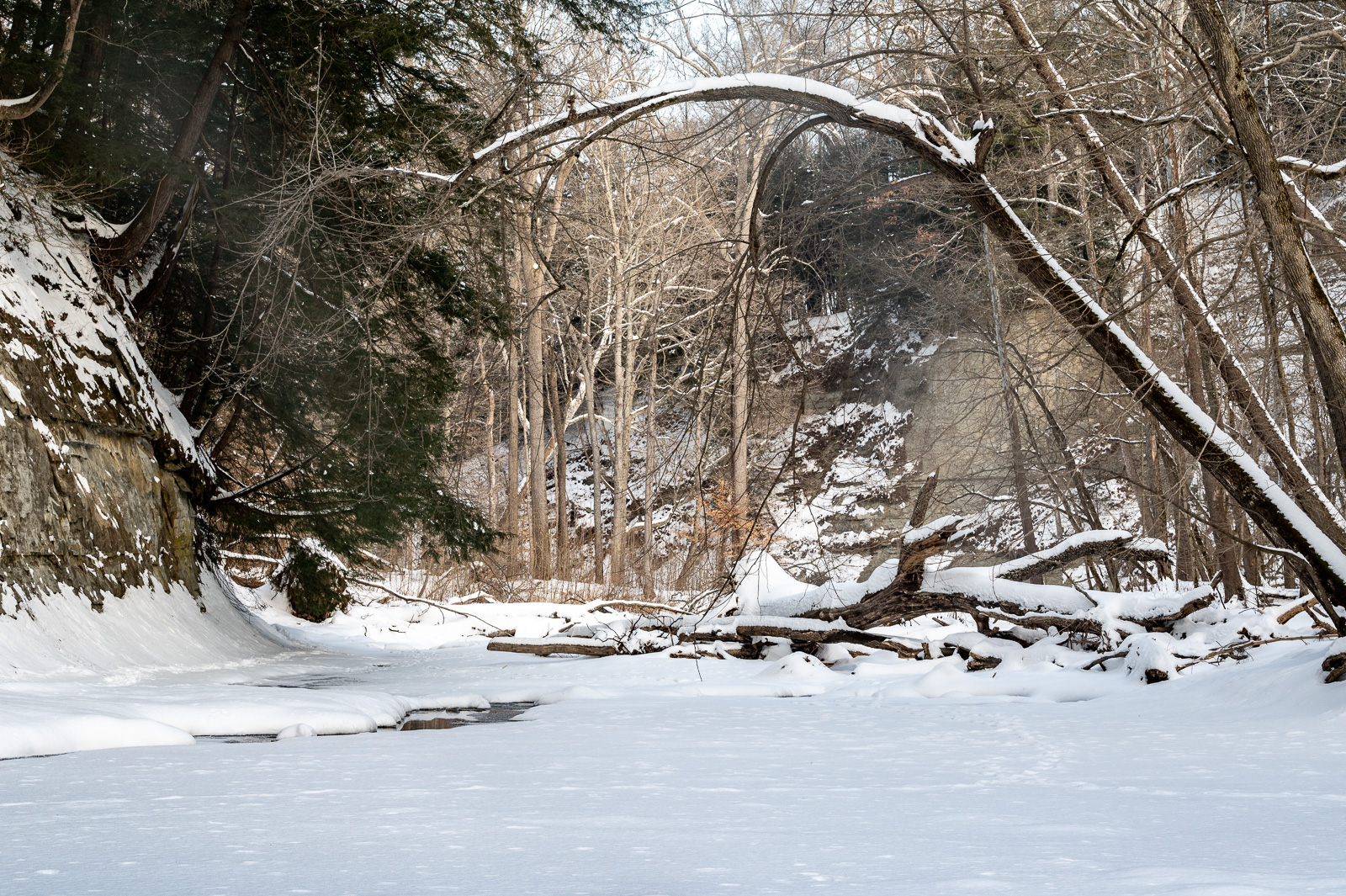
Crossing the bridge over frozen Sugar Creek offers a dream of wintry serenity.

DSC 2282

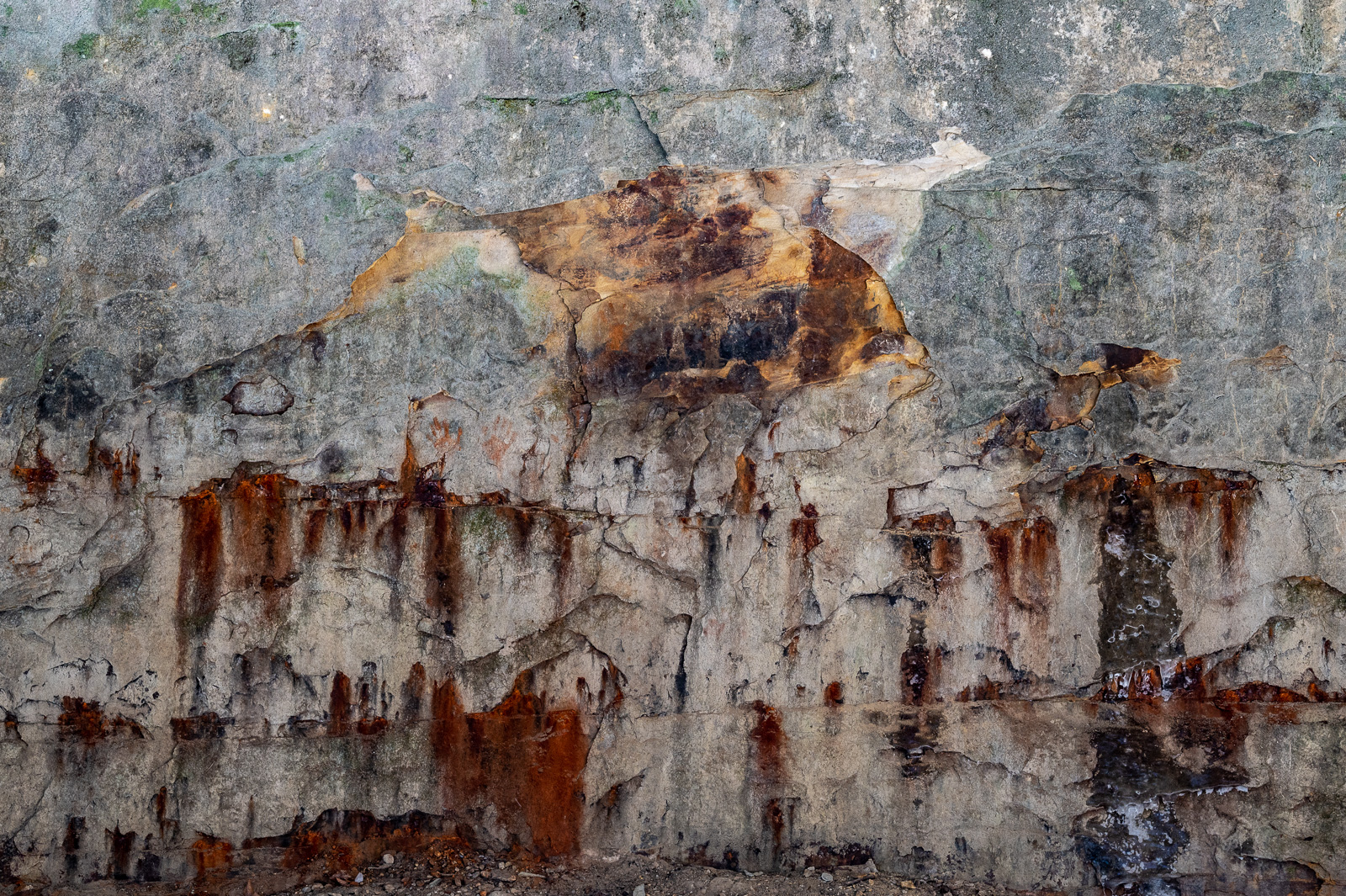
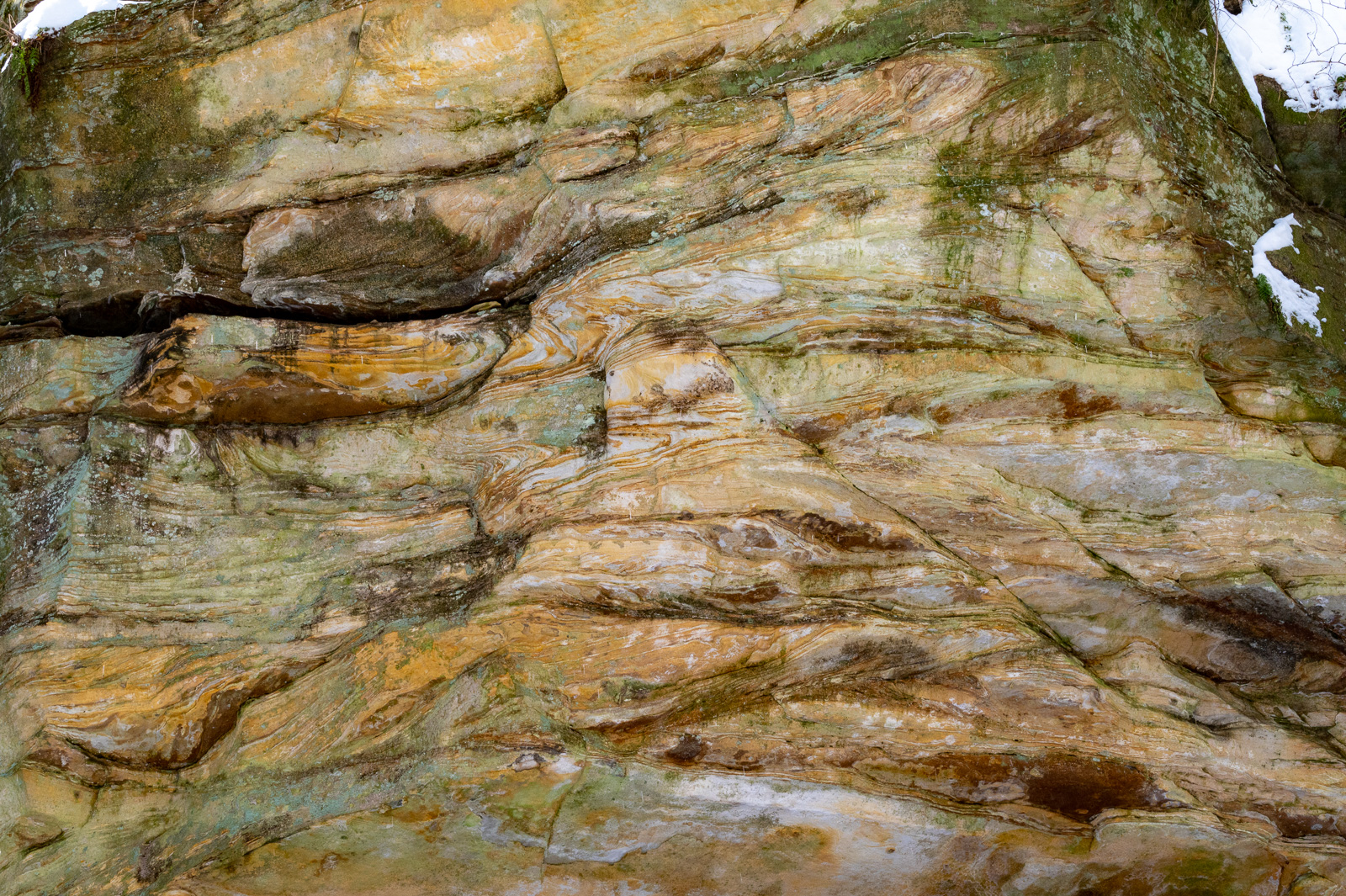
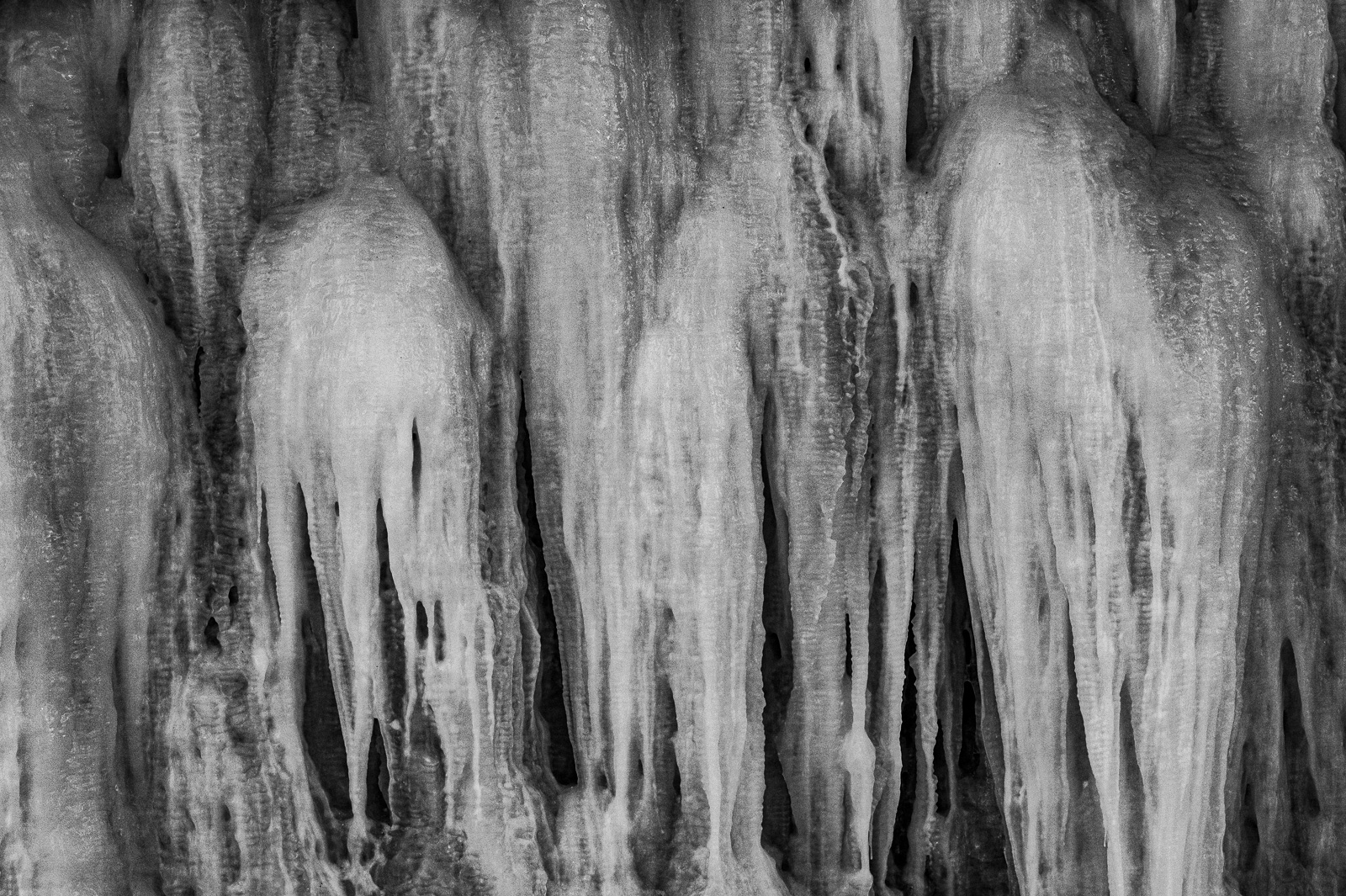
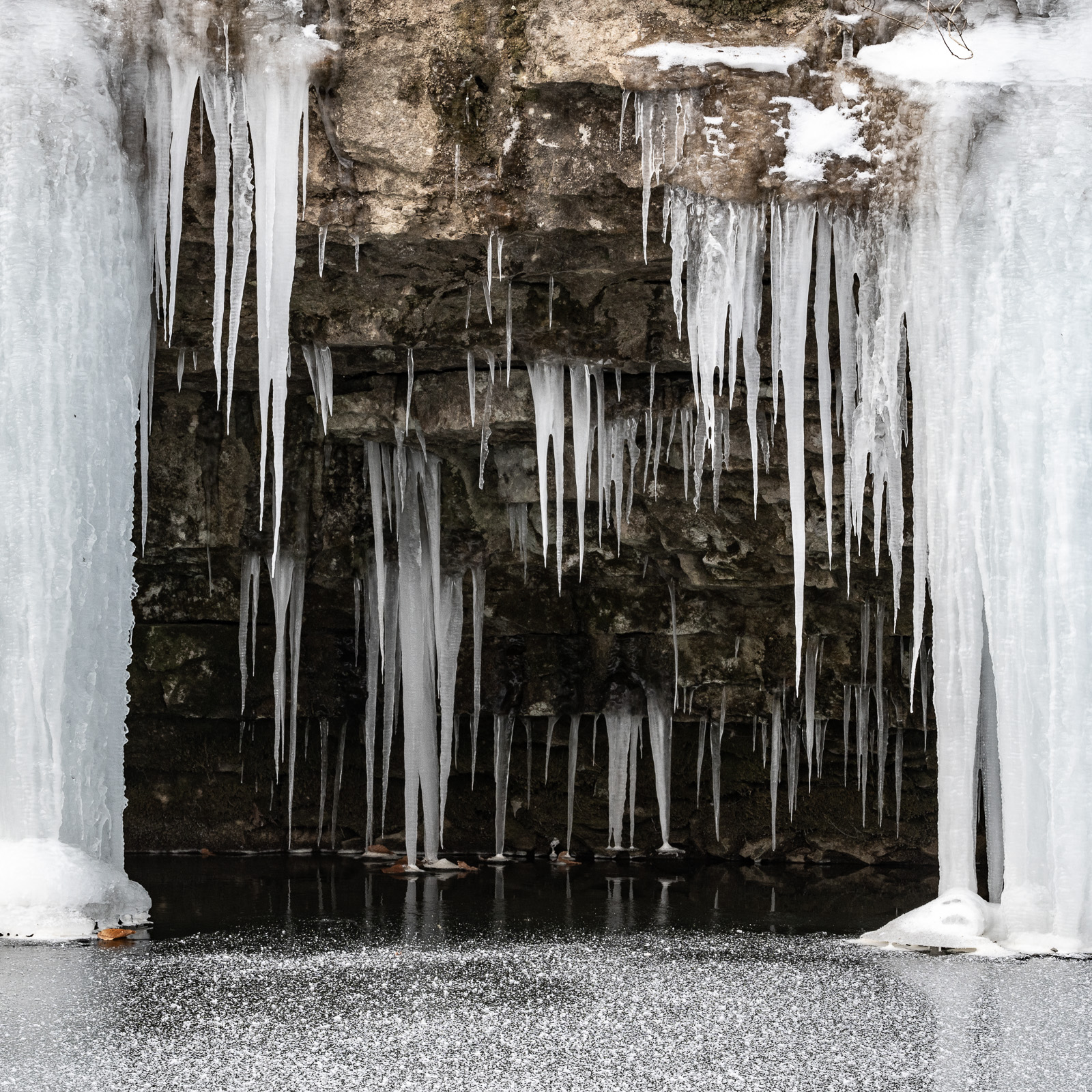
This changes dramatically when we enter the canyon — the walls seem like murals from the other side.


DSC 2264

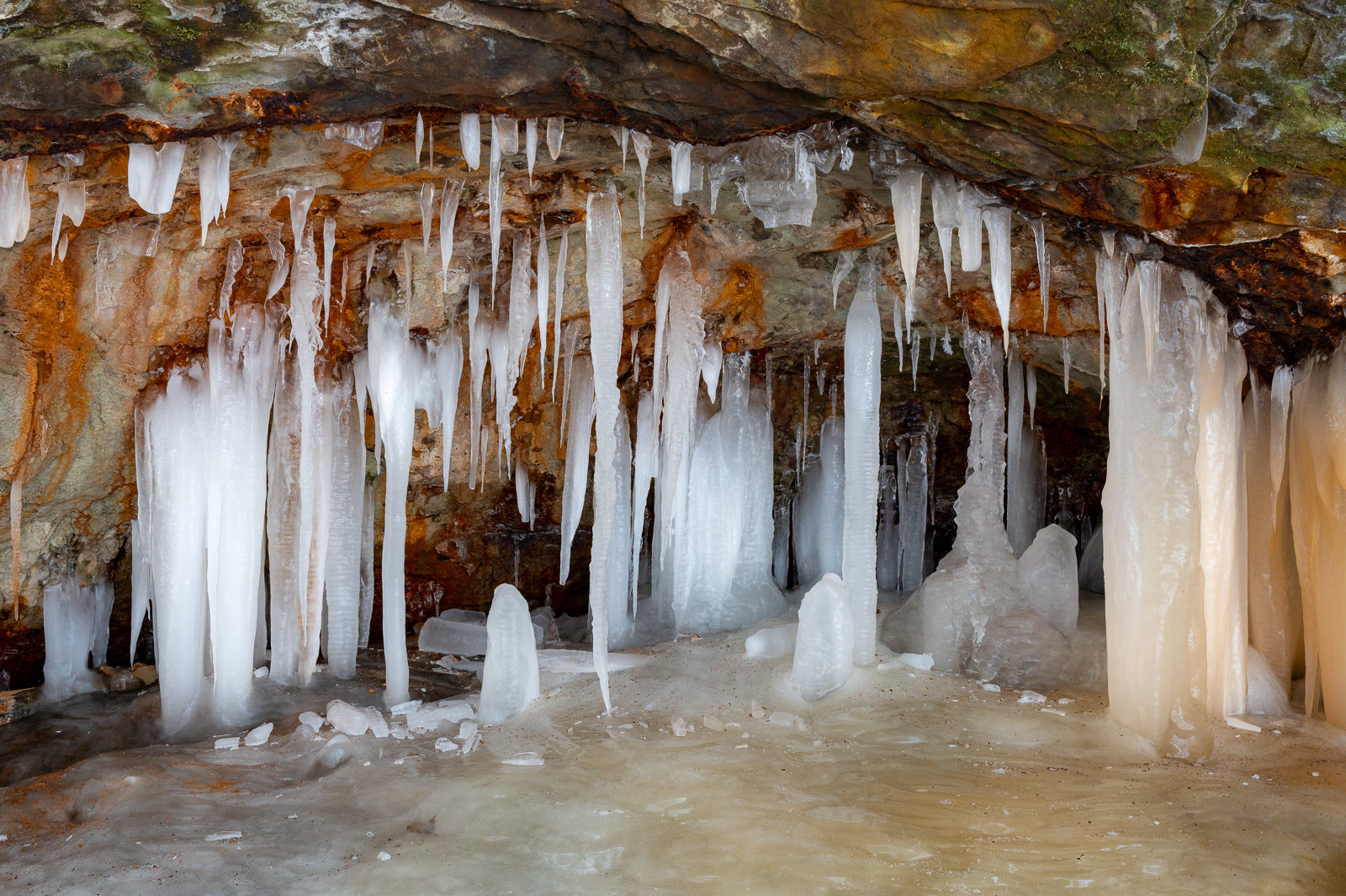
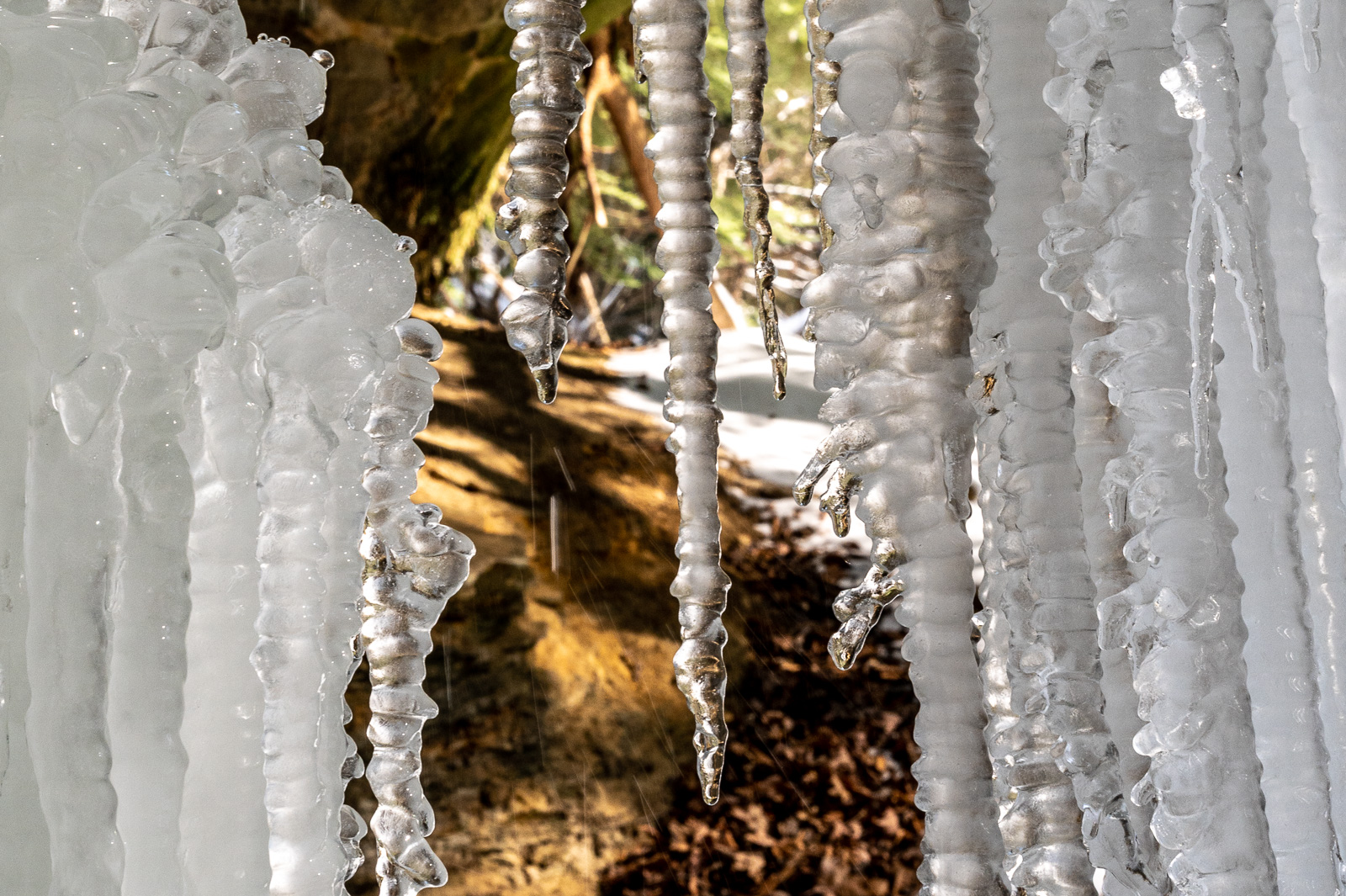
Is this the entrance to another kind of dream?

DSC 2267

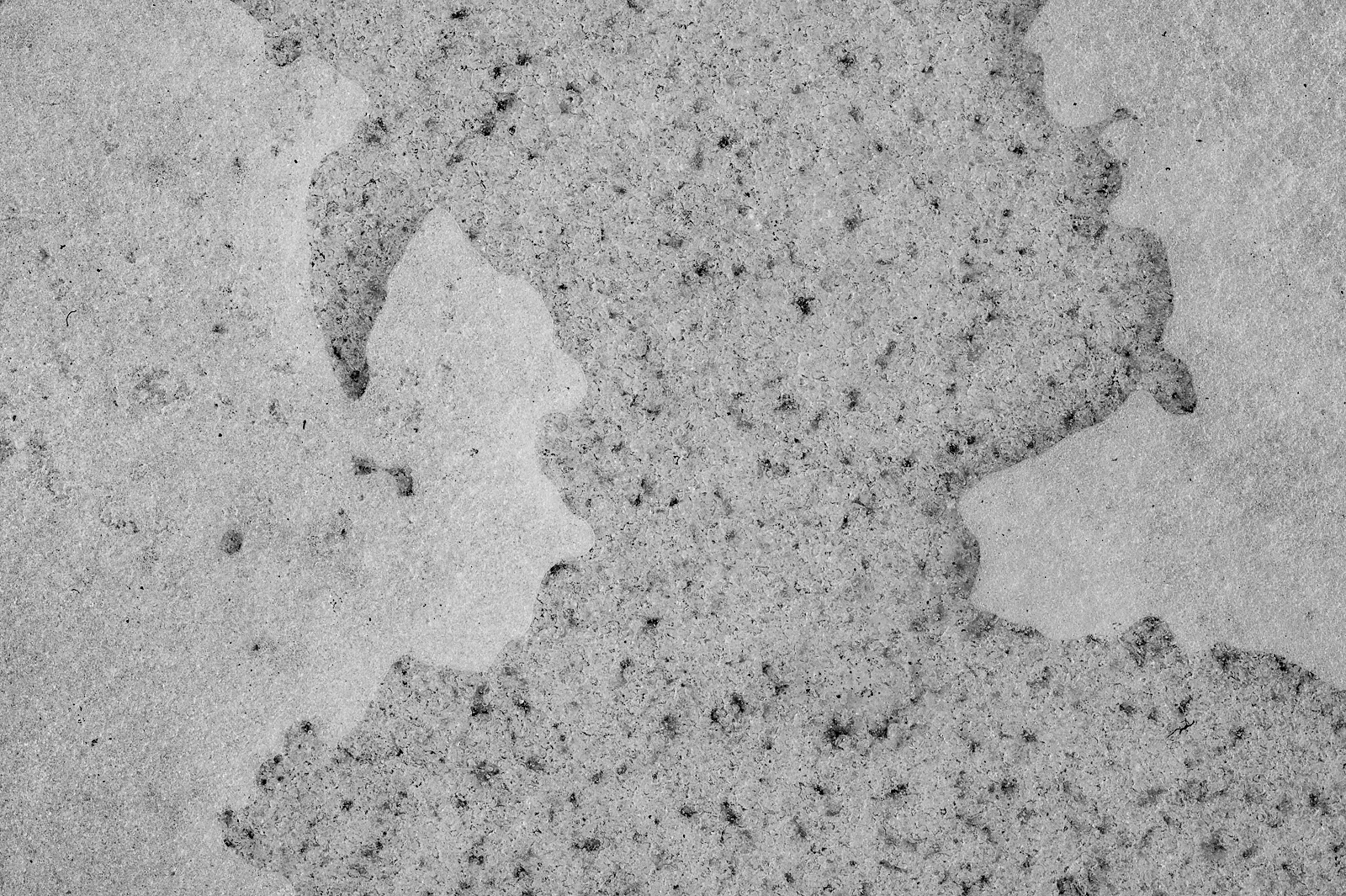
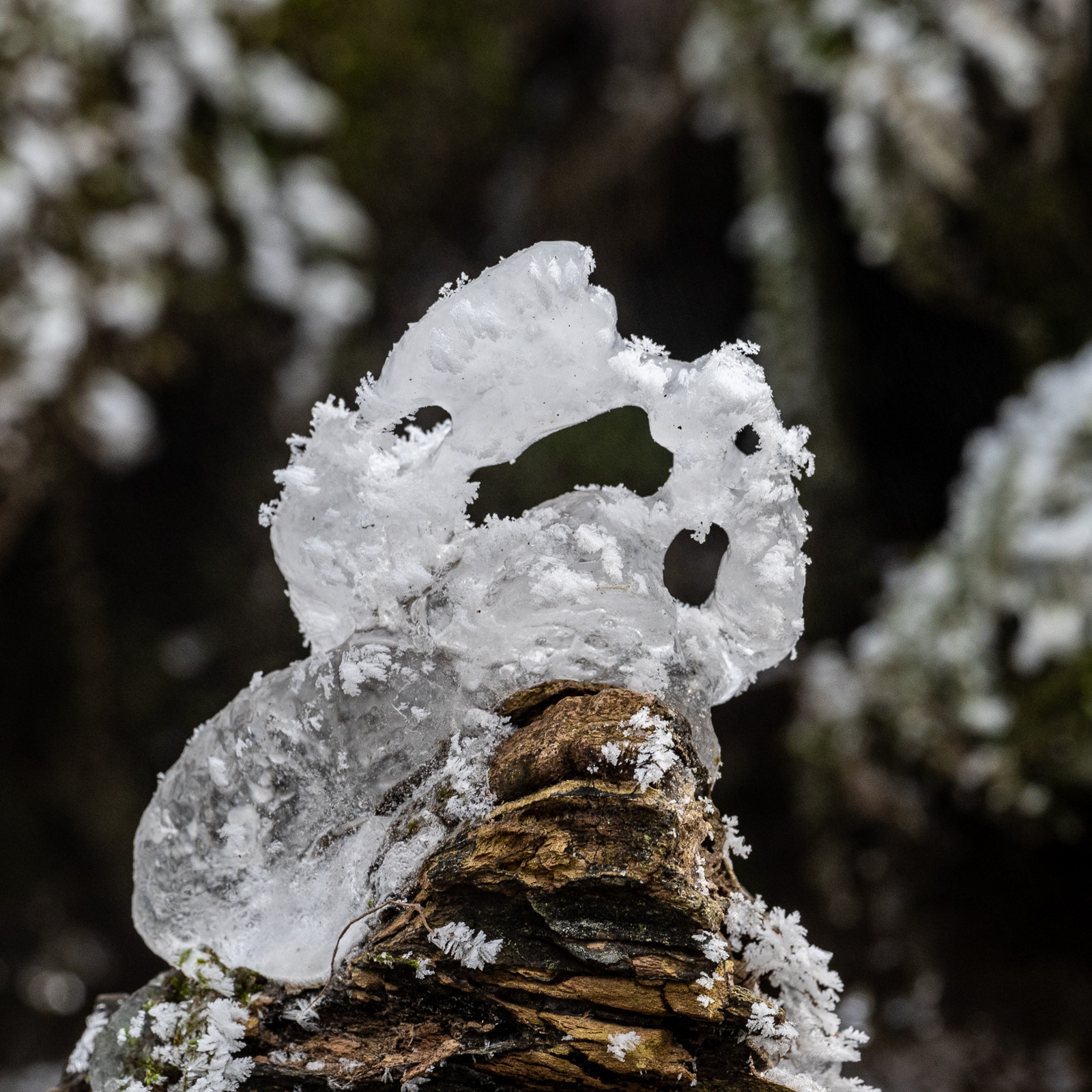
And are one imagined eye and nose enough to make me tremble?

DSC 2256

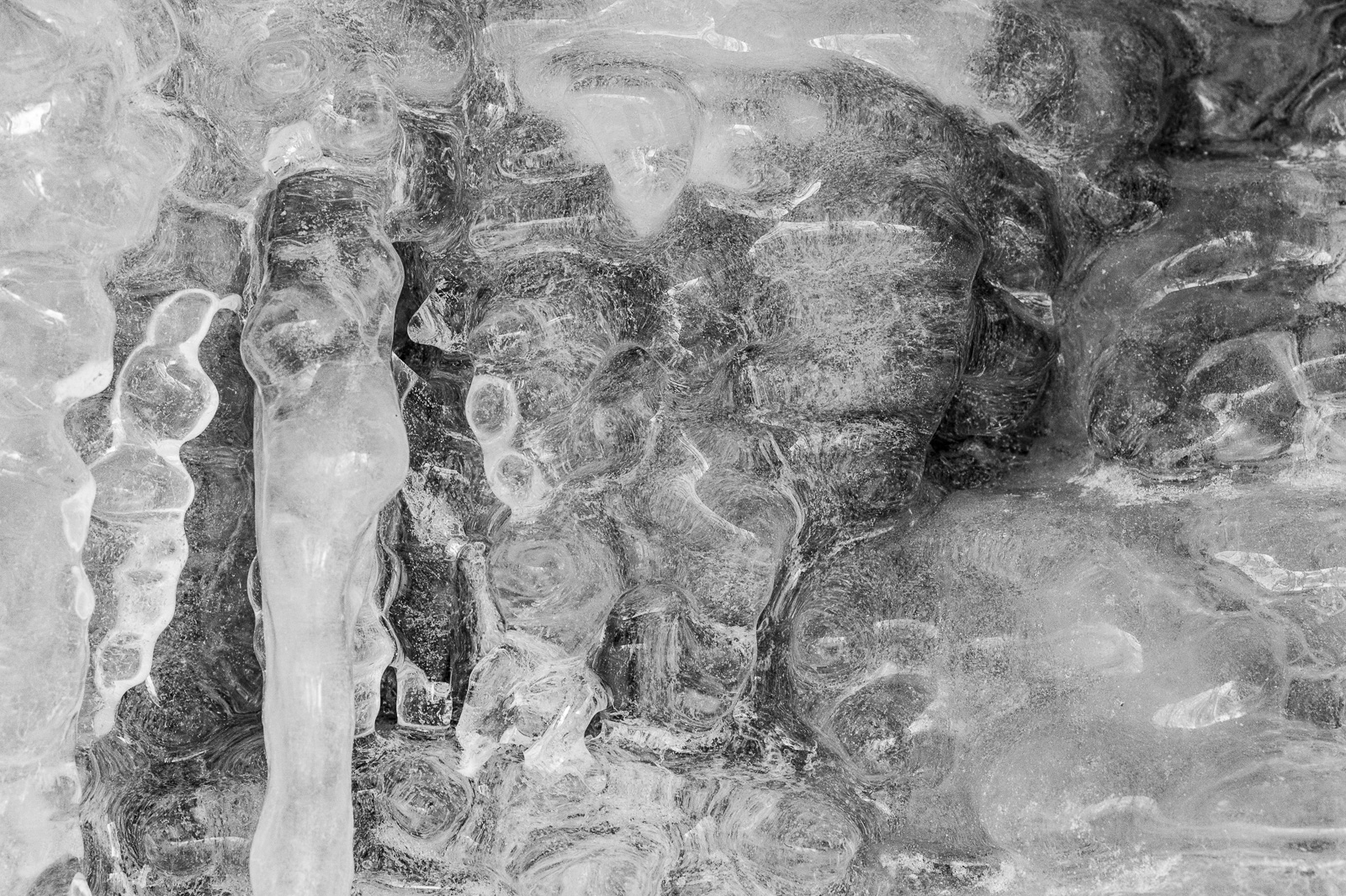
But look, the sun is shining, and the thawing has begun.

Shades (Frost IX)

DSC 2169

After leaving Pine Hill Nature Preserve I paid Shades State Park itself a brief tour, descending into Devil’s Punchbowl and from there to Silver  Cascades.

DSC 2198

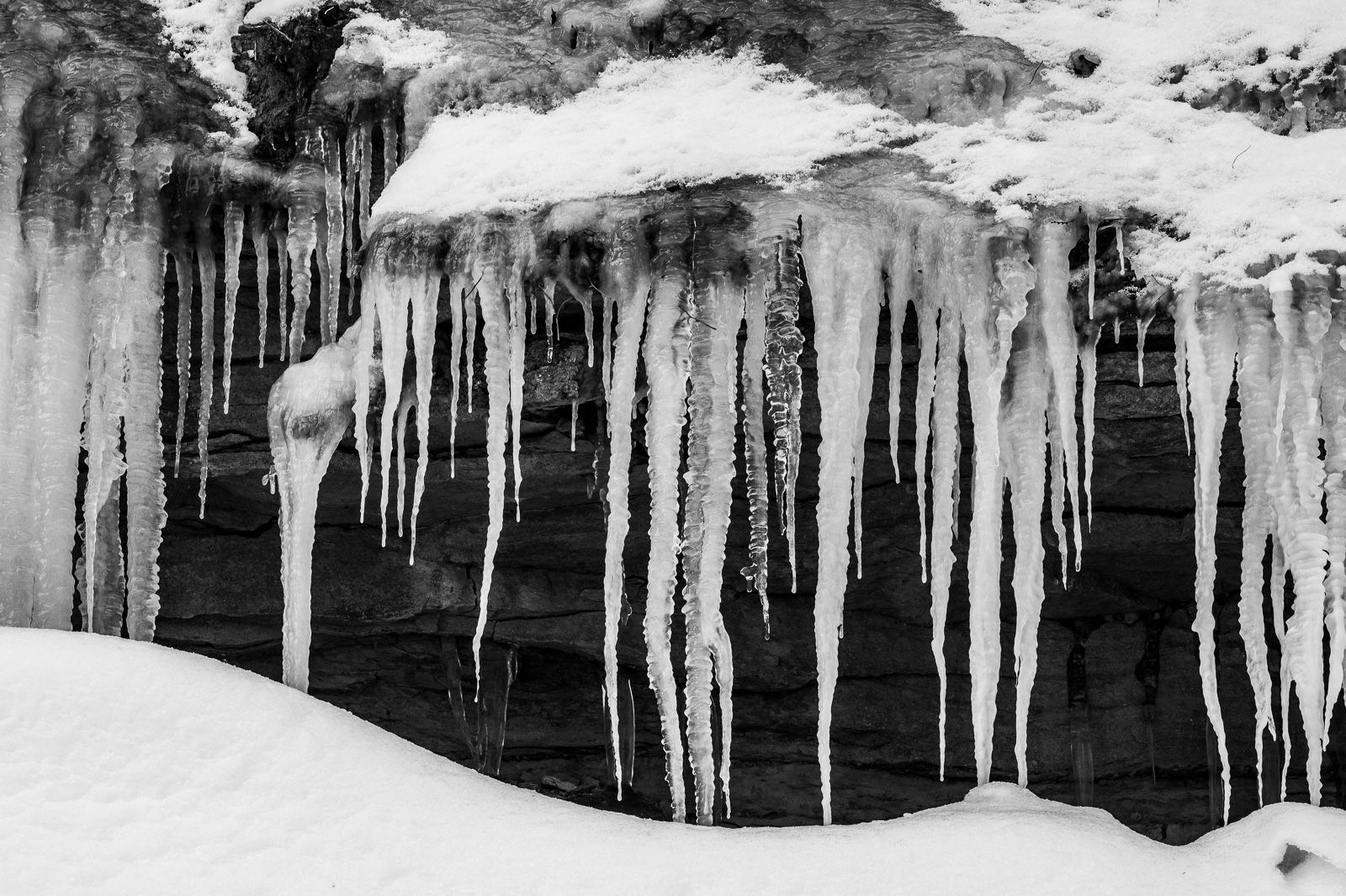
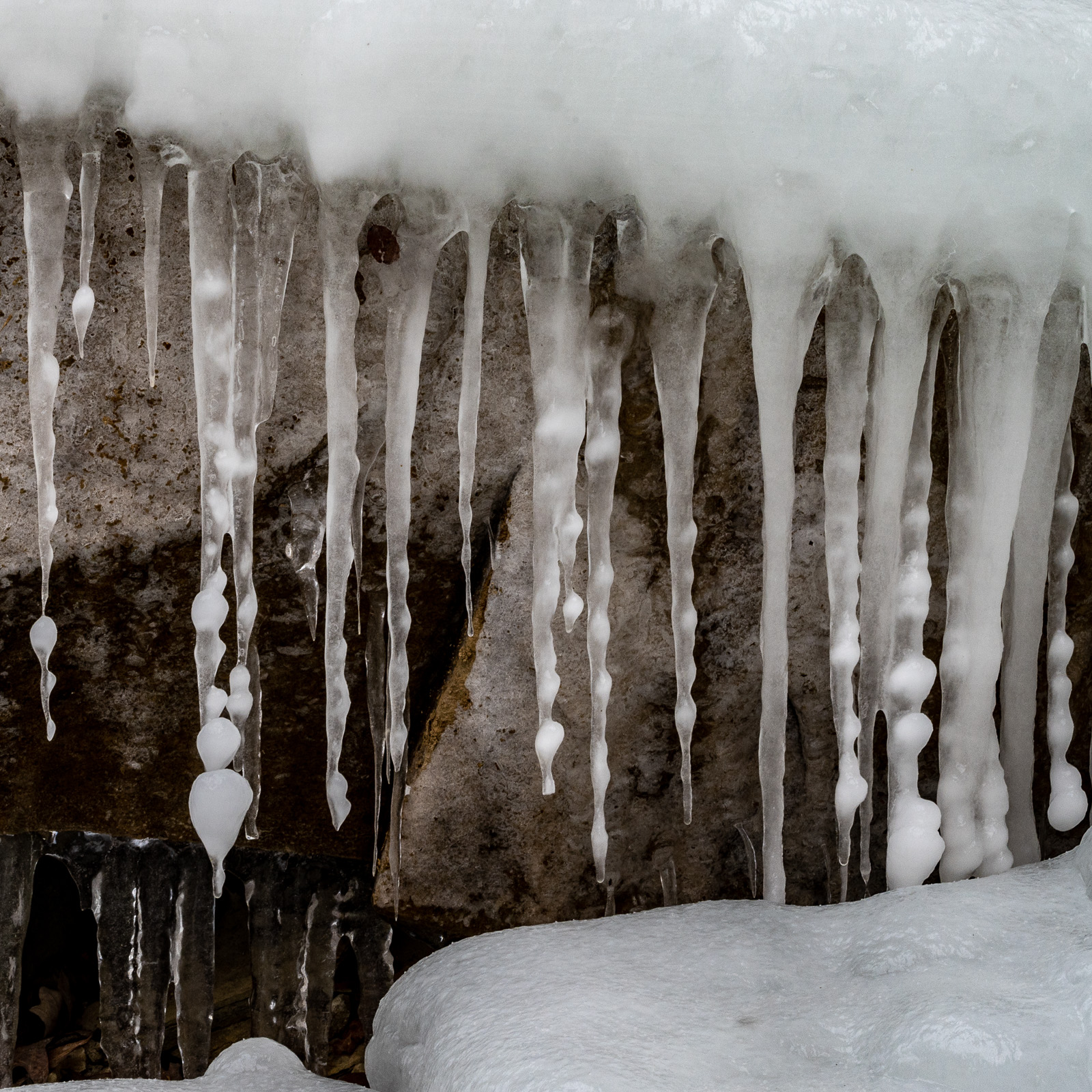
The Punch Bowl and the connecting canyon offered some pretty icicles.

DSC 2205

My favorite was the frozen heron below. That’s what happens when you wait for too long.

DSC 2212

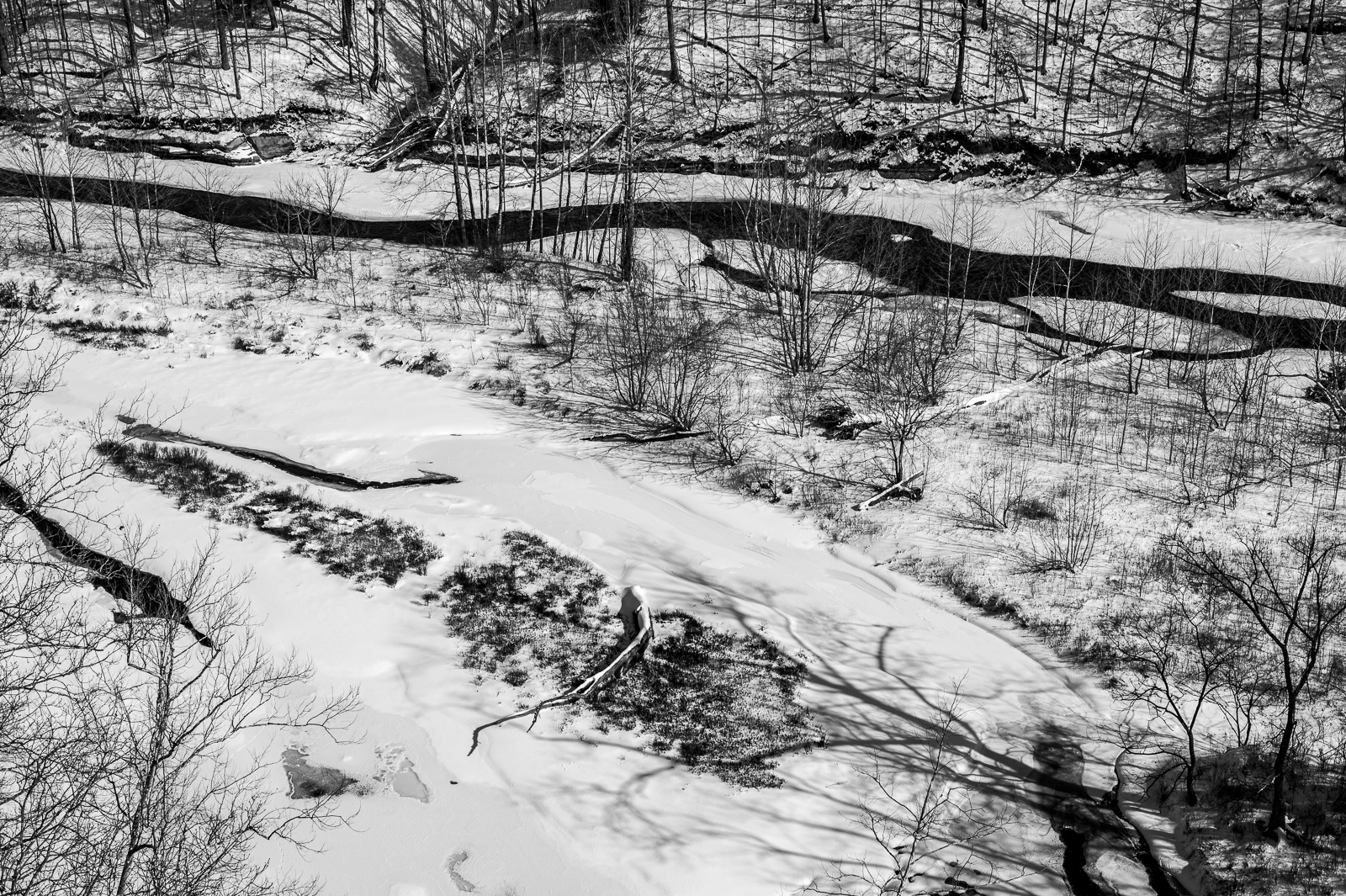
Prospect Point has the best views, both across and down to Sugar Creek.

DSC 2224

It will be another month before this will turn green again, but it feels like it will take a decade.

DSC 2237

Trees in Color (Frost VIII)

The Pine Hills Nature Preserve at Shades State Park is one of the most beautiful places of Indiana, and in deep winter even the blunt access trail acquires a certain charm.

DSC 2023

Trees and rocks in the valley seem to be bending under the snow.

DSC 2050

 Two people had left a few footprints the days before, otherwise the landscape was as pristine as it gets.

DSC 2053

At the backbones I was grateful to see that others had been able to cross…

DSC 2059

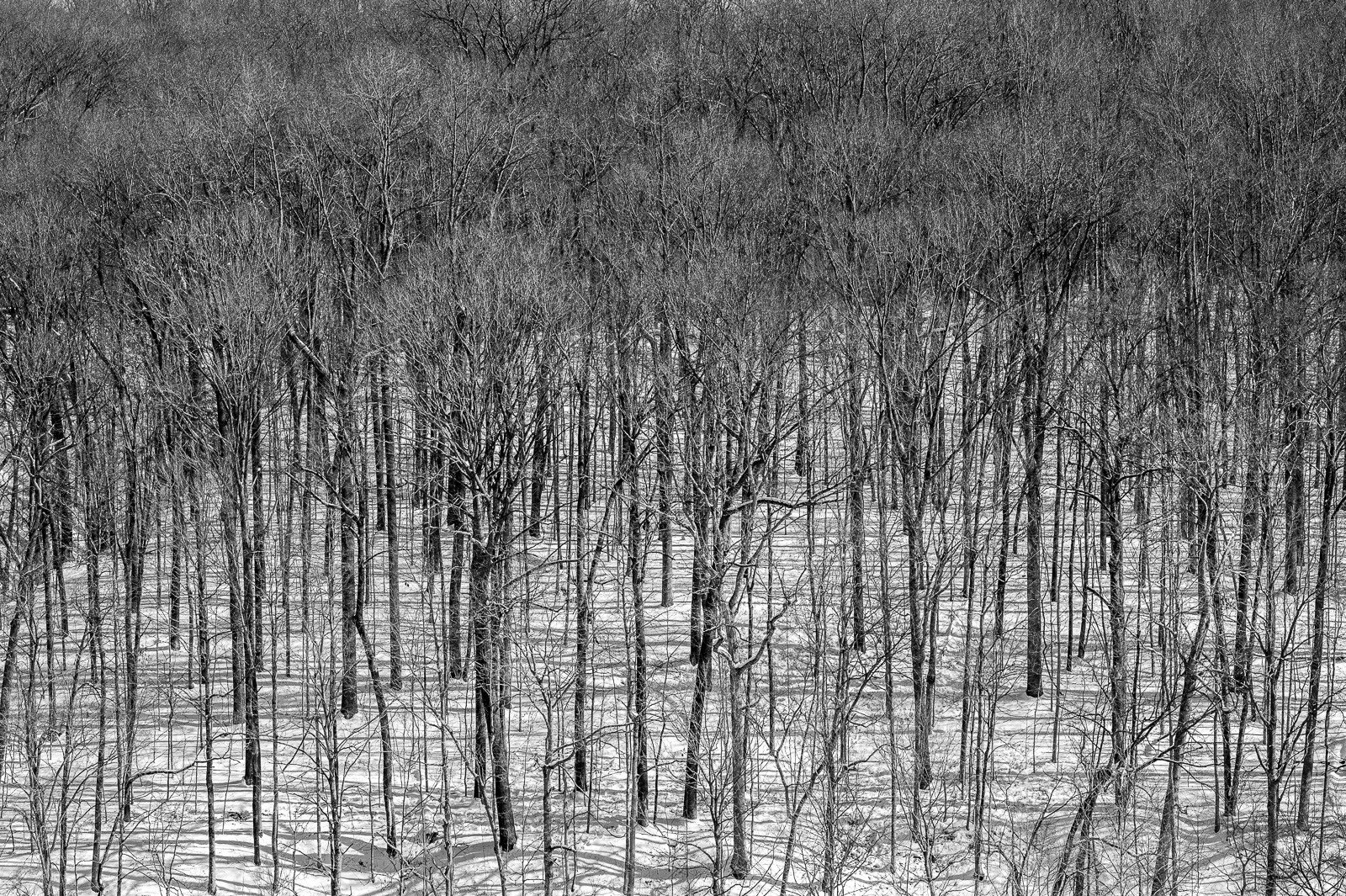
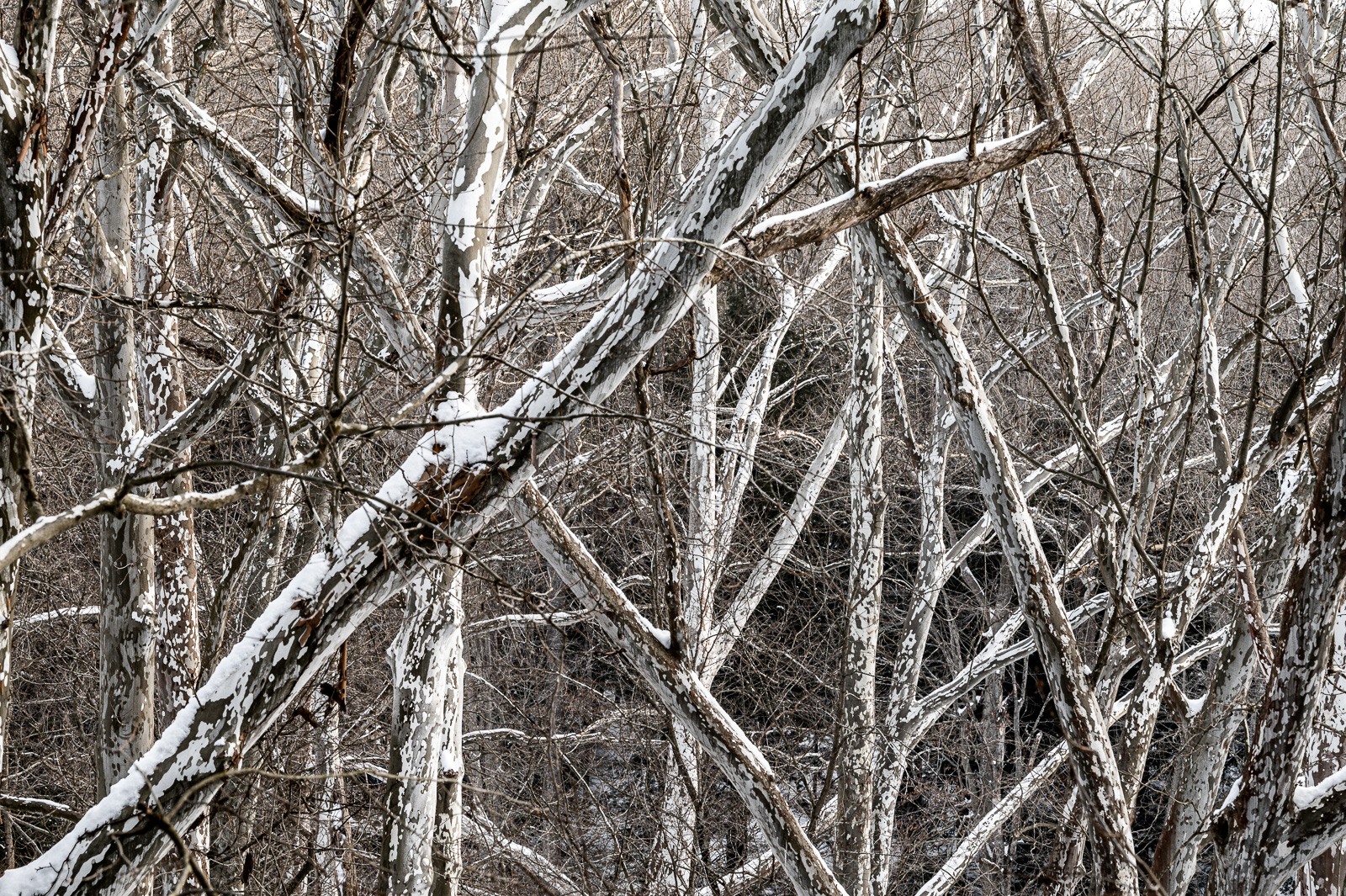
From the top the trees reveal their structural beauty.

DSC 2061
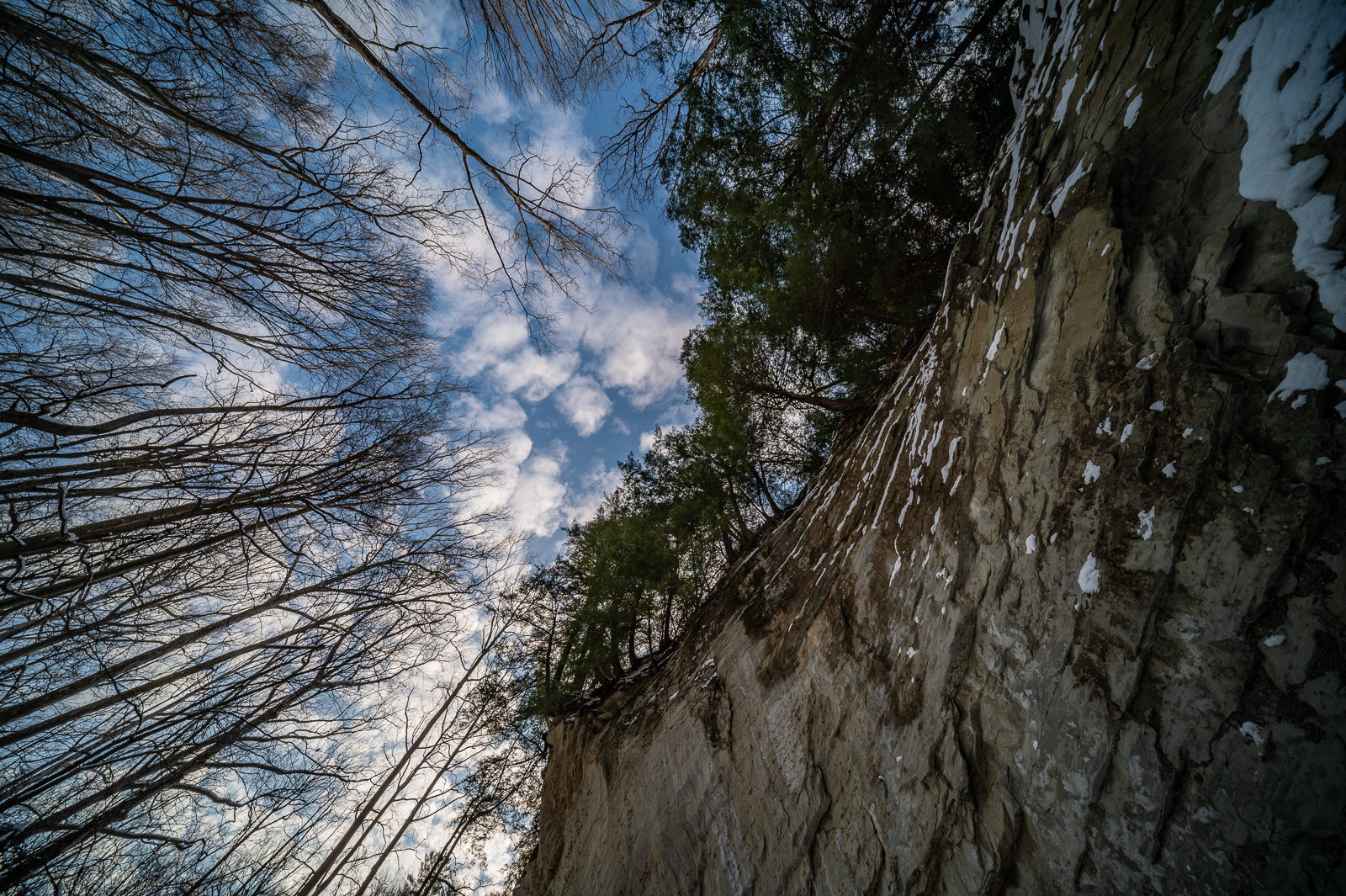
Down at the bottom the look up is mind bending.

DSC 2091

The way back follows the creek without further risks.

DSC 2115

And yes, there is color, too.

DSC 2182

Shadows (Frost VII)

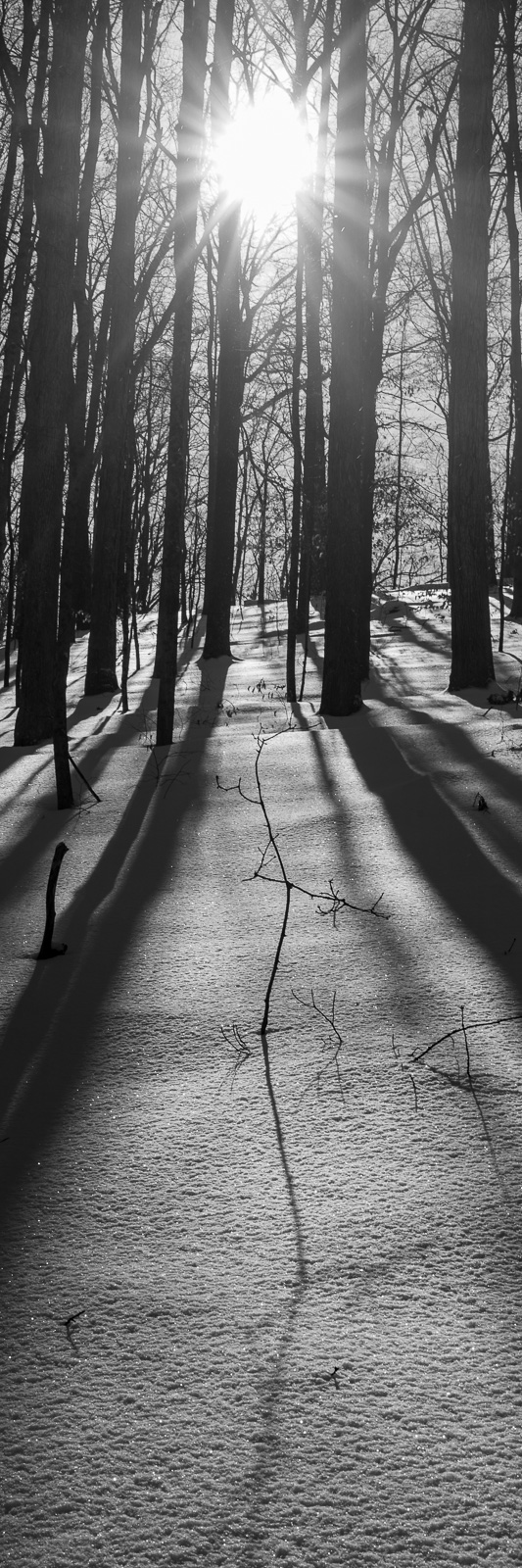
More heavy snowfall has transformed the forest floor.

Instead of a mess of leaves and twigs and dirt, we get pristine branches in isolation.

Then their bigger brothers and sisters, the trees. The Romans thought a tree to be feminine while the barbarians in the north considered tree as masculine — what do we really know about them?

Capable of growth …

… and death, like us.

Wahr spricht, wer Schatten spricht.

The Ice Palace (Frost VI)

The ice on the lake shone so brightly that it did not look like ice at all.

Frozen into this block of ice were broad, sword-shaped leaves, thin straws, seeds and detritus from the woods, a brown, straddling ant – all mingled with bubbles that had formed and which appeared clearly as beads when the sun’s rays reached them.

And what was this?
It must be the ice palace.

But this was unexpected, too: she was standing in what looked like a room of tears.

No one is involved deeply enough to be present. A blast of noiseless chaos may cause the air to vibrate in distant bedrooms, but no one wakes up to ask: What is it?
No one knows.
Now the palace, with all its secrets, goes into the water-fall. There is a violent struggle, and then it has gone.

Quotes from The Ice Palace by Tarjej Vesaas, translated by Elizabeth Rokkan.

Suspension (Frost IV)

DSC 0850

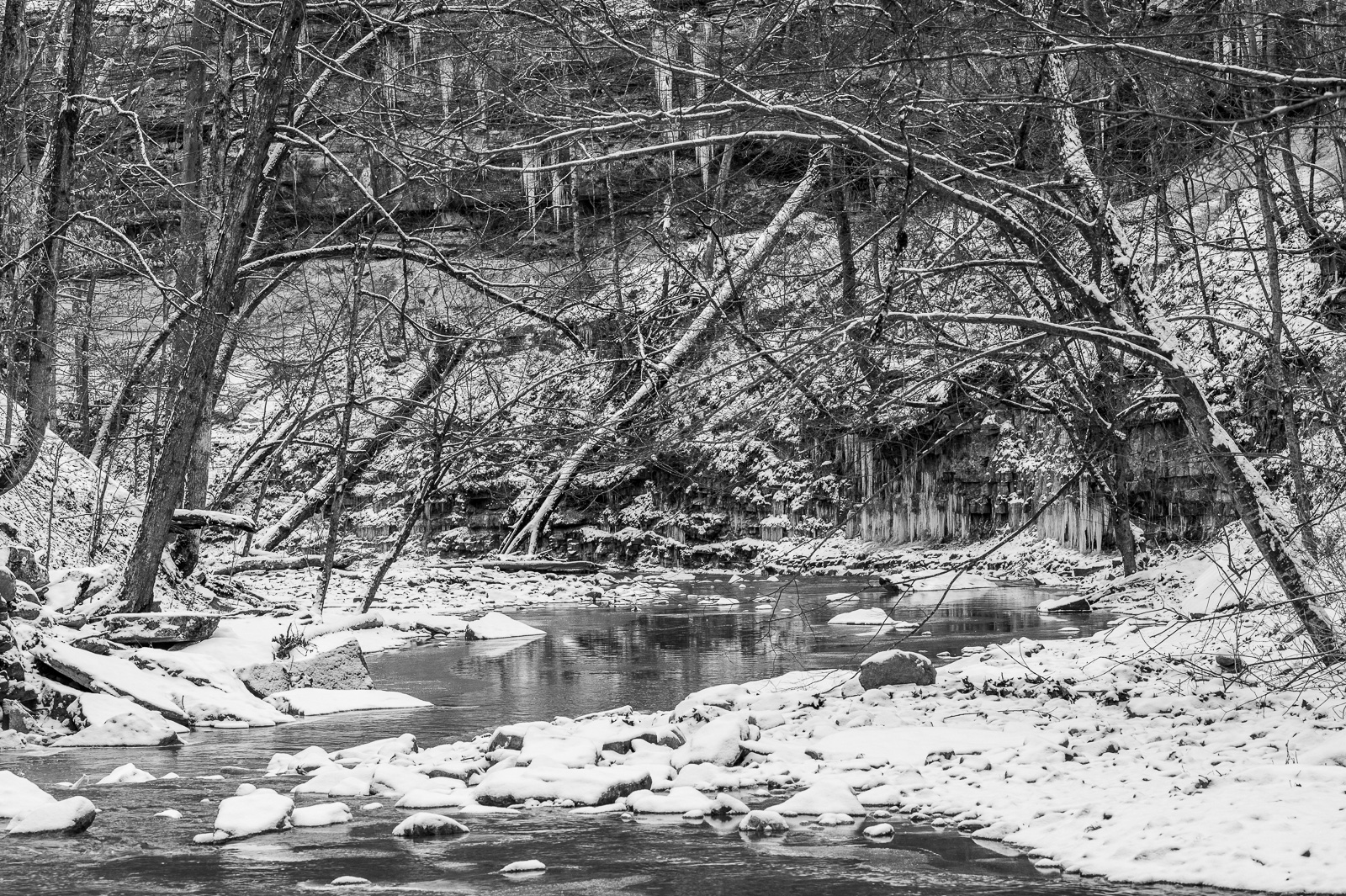
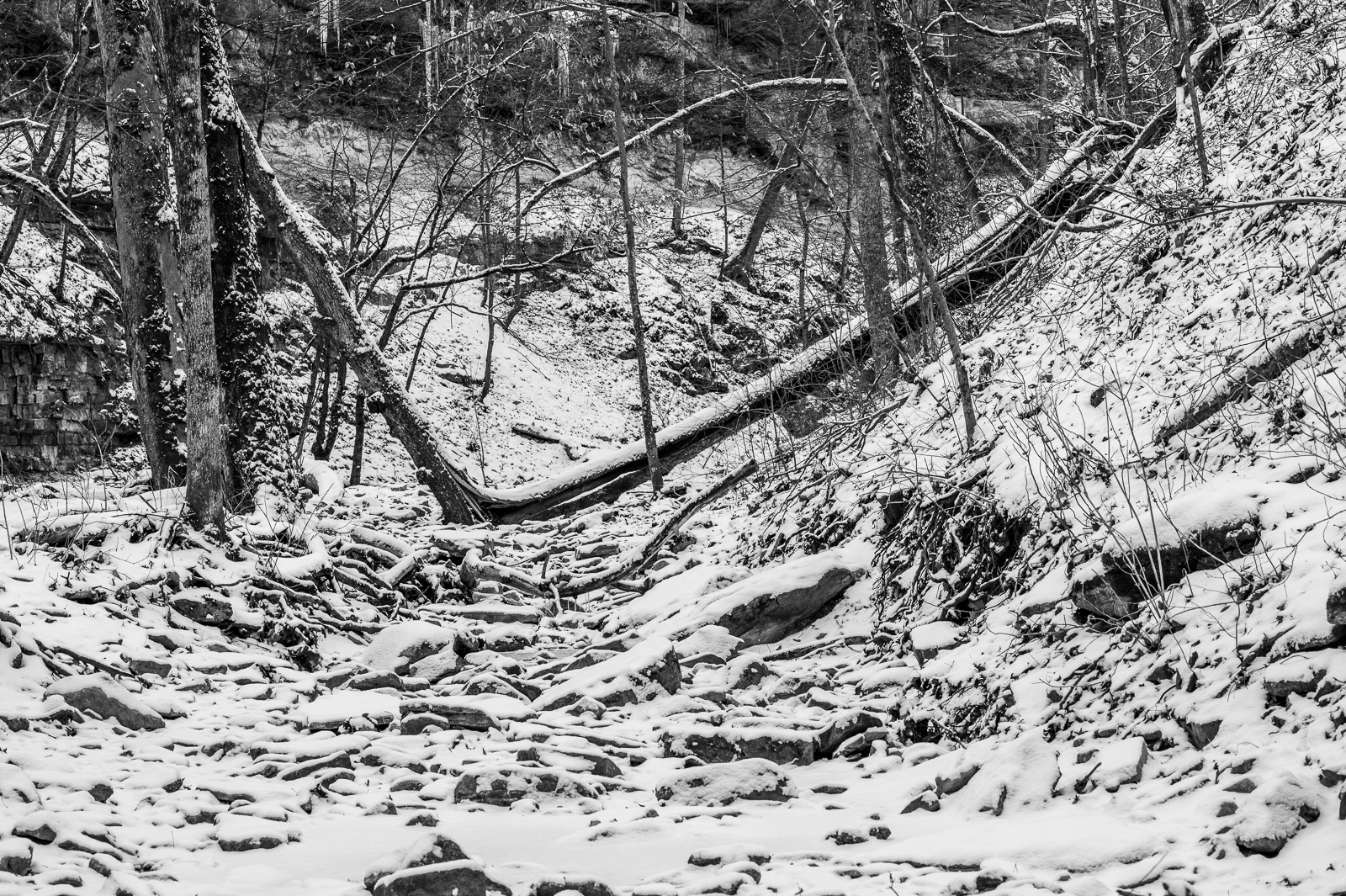
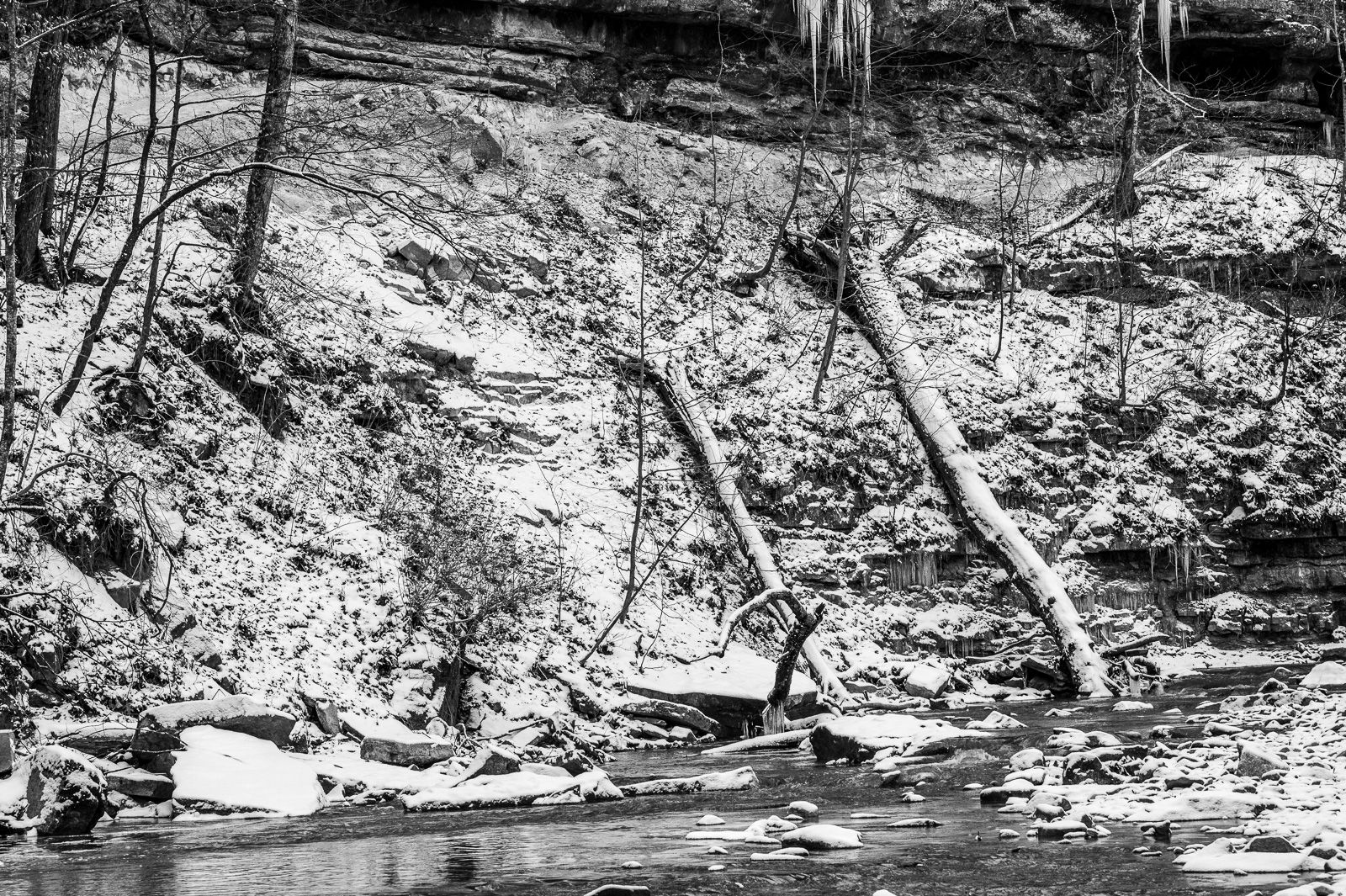
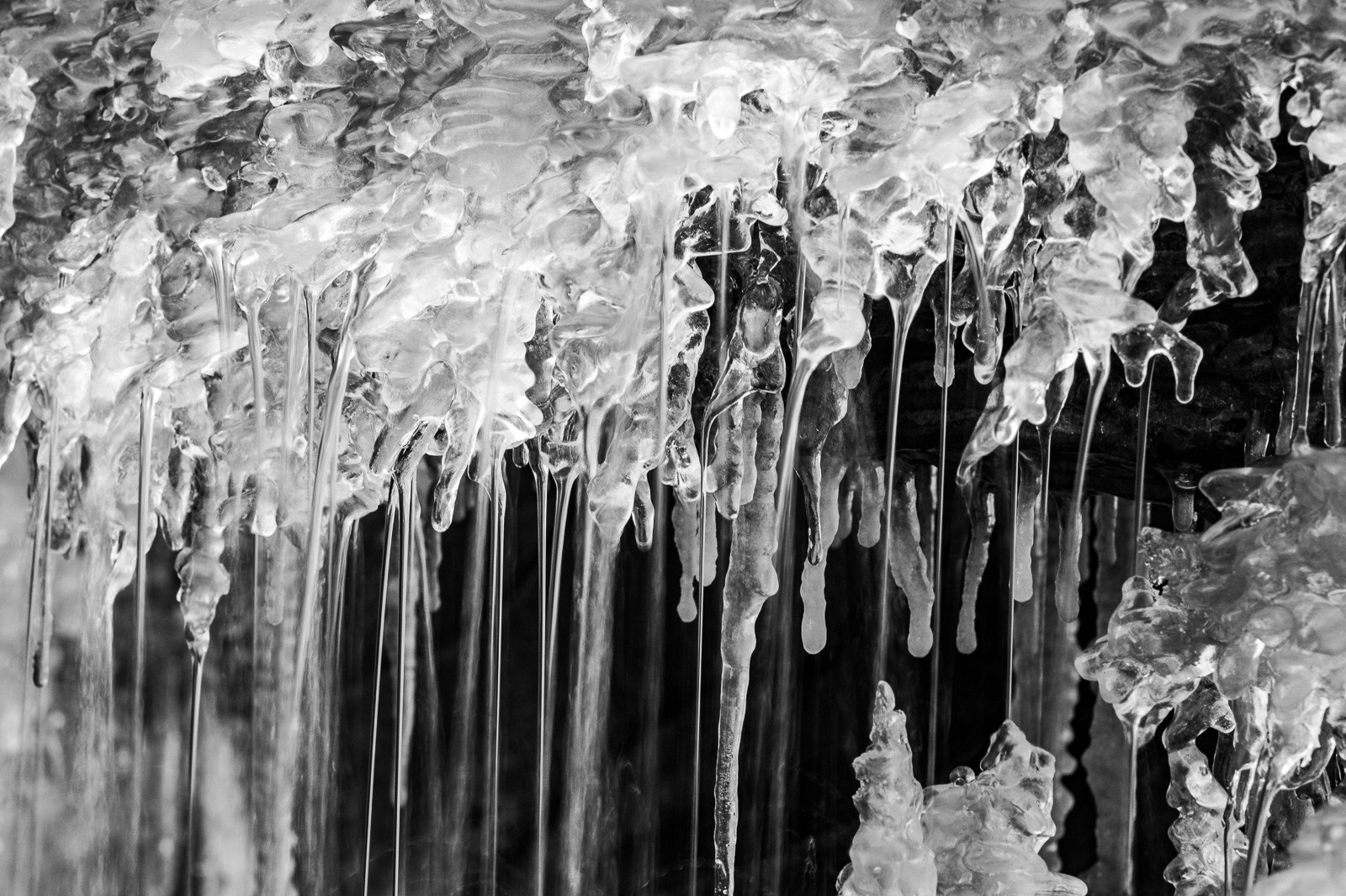
The permanent process of erosion is best visible in winter when it is suspended. The natural pull of gravity seems powerless against the tight grip of the frost.

DSC 0863

Because the trees and rocks had somehow to get there, we can be certain that warmer weather will set things dramatically in motion again.

DSC 0865

Today’s pictures were taken all at the same spot, where McCormick Creek bends slightly and the canyon is deepest. All this is a relic from the last ice age.

DSC 0896

At the moment it looks like it is in a state of eternal permanence.

DSC 0934

We clearly understand little about time.

DSC 0946

Snow (Frost III)

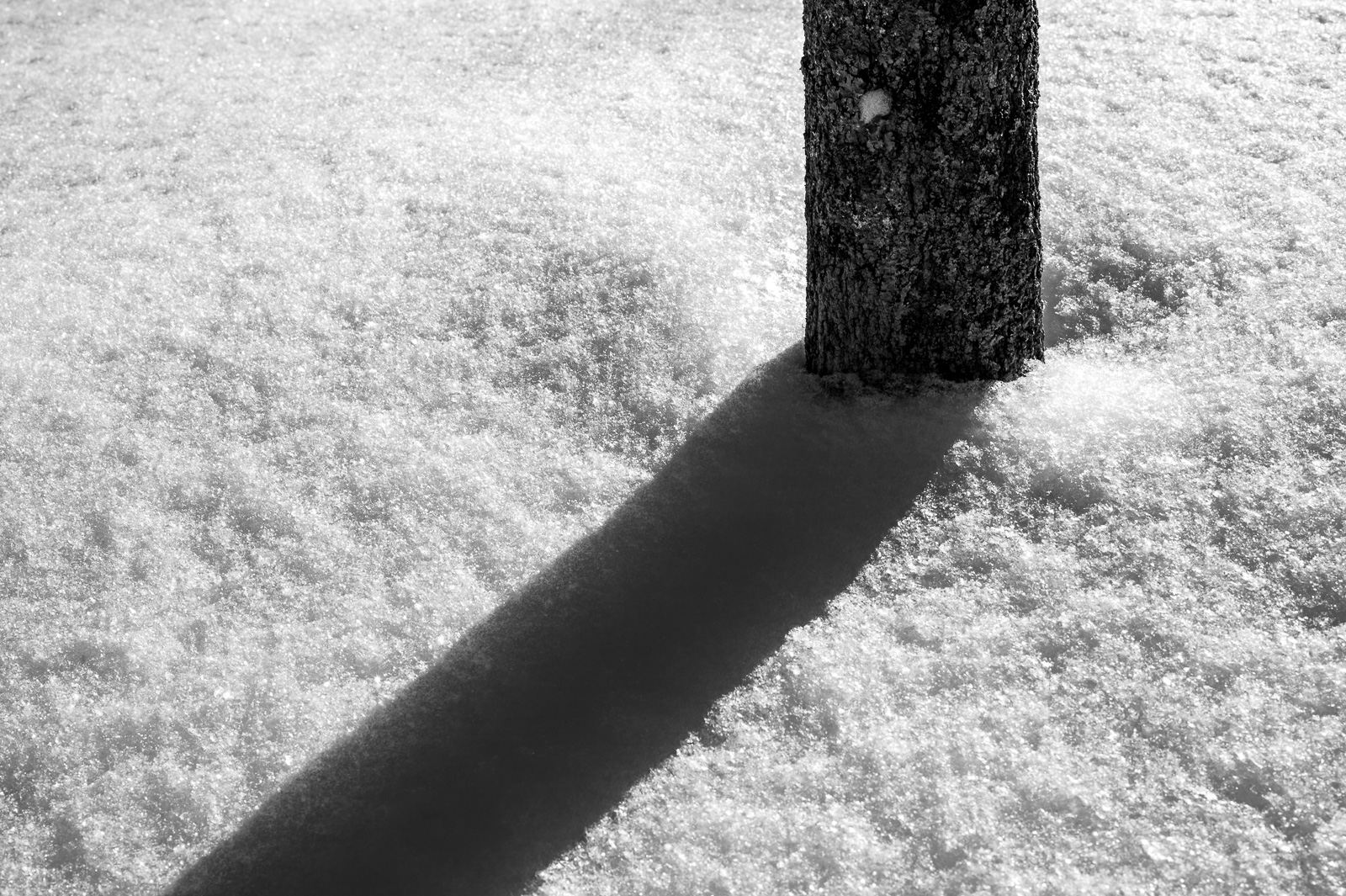
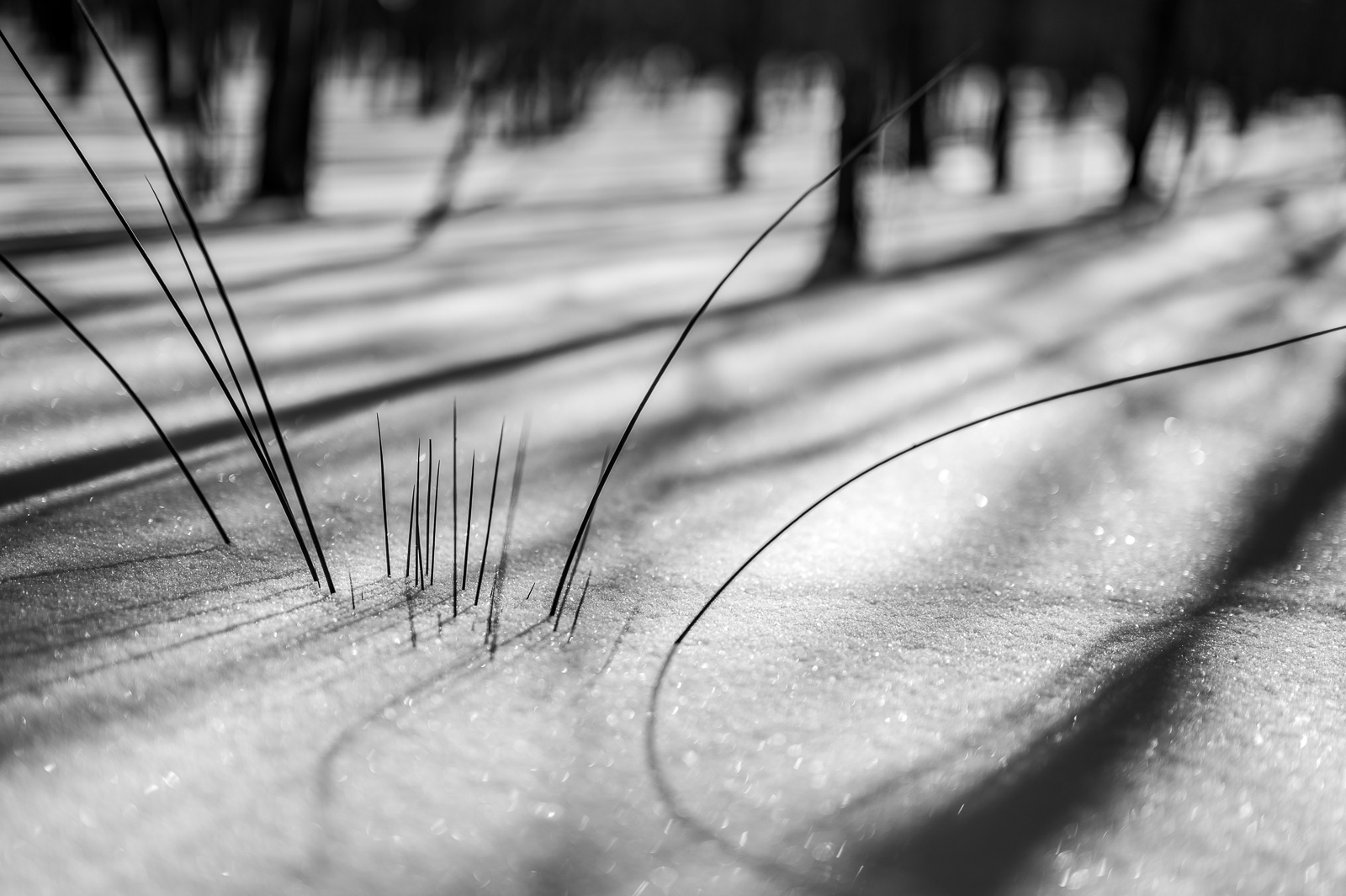
After 4-5 inches of snow over night, I couldn’t resist to get up early to be the first on Pate Hollow. Well, I wasn’t quite the first, as numerous animal tracks testify, but otherwise the trail was so completely virginal that it was almost invisible.

Snow increases gravity, which is why I have changed the usual aspect ratio from 3:2 to 2:1.

There is resistance against the gravity, and efforts of verticality have become more pronounced against the uniformly white backdrop.

The Black and White contrast makes it possible to spot the Baxter branch in a trail-less valley down below which we will pay a visit soon.

Then there is my favorite detour to the desolate peninsula.

The lake only appears to be frozen. Snow can be treacherous, too.

I return to the trail: but where is it?

As time expands (it took me three instead of the usual two hours to hike this trail today), the attempts to defy gravity become more and more futile.

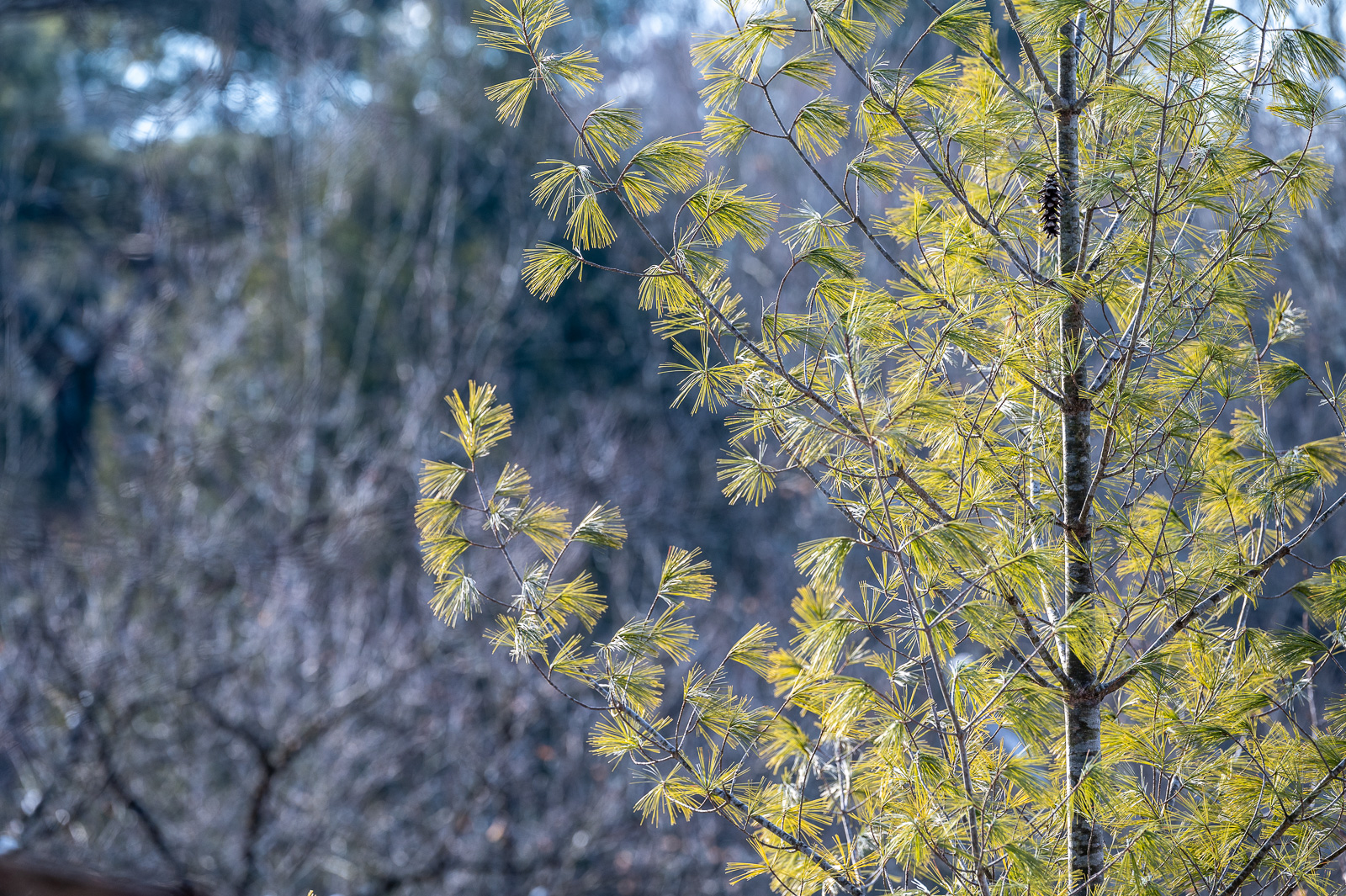
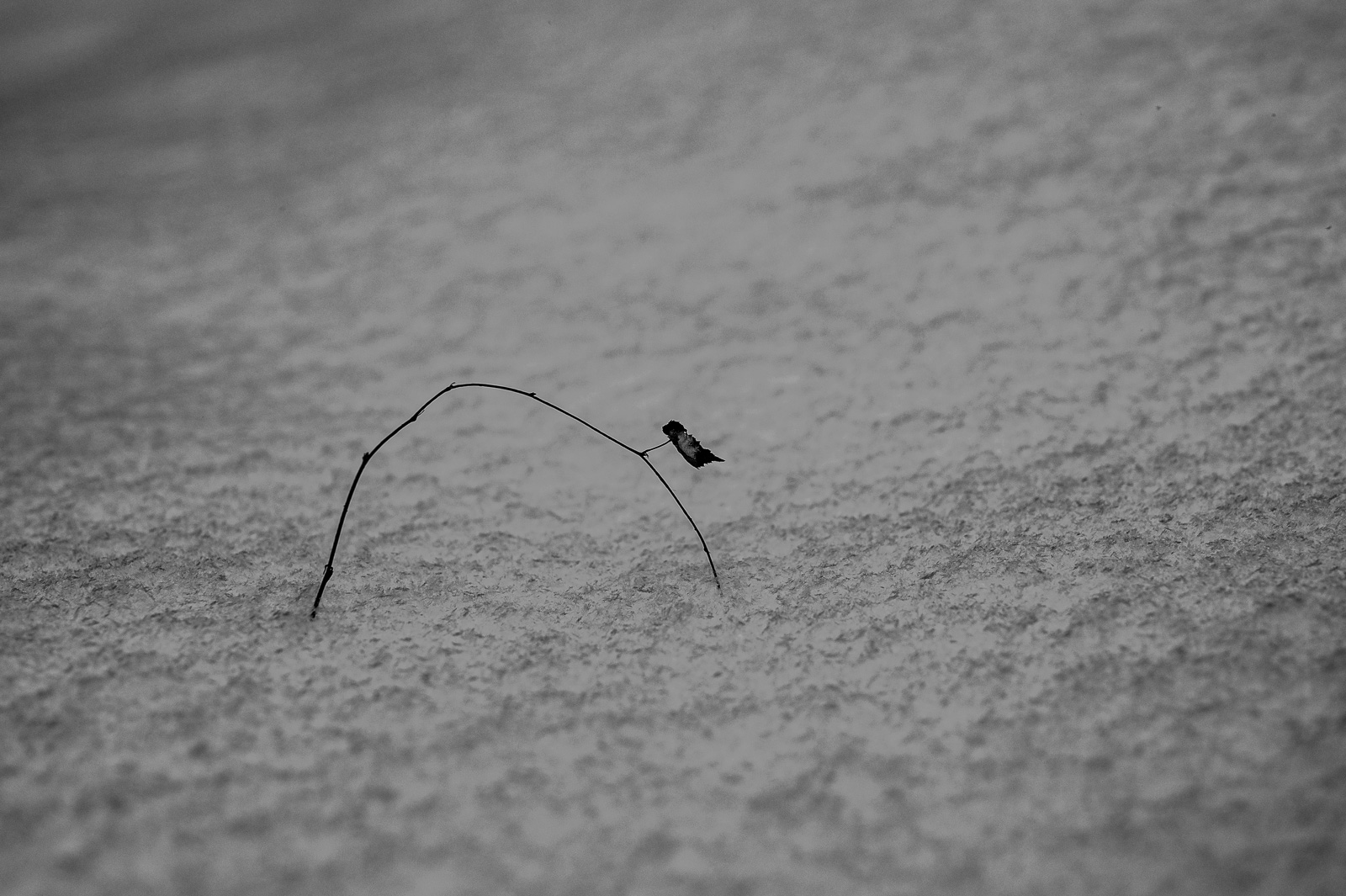
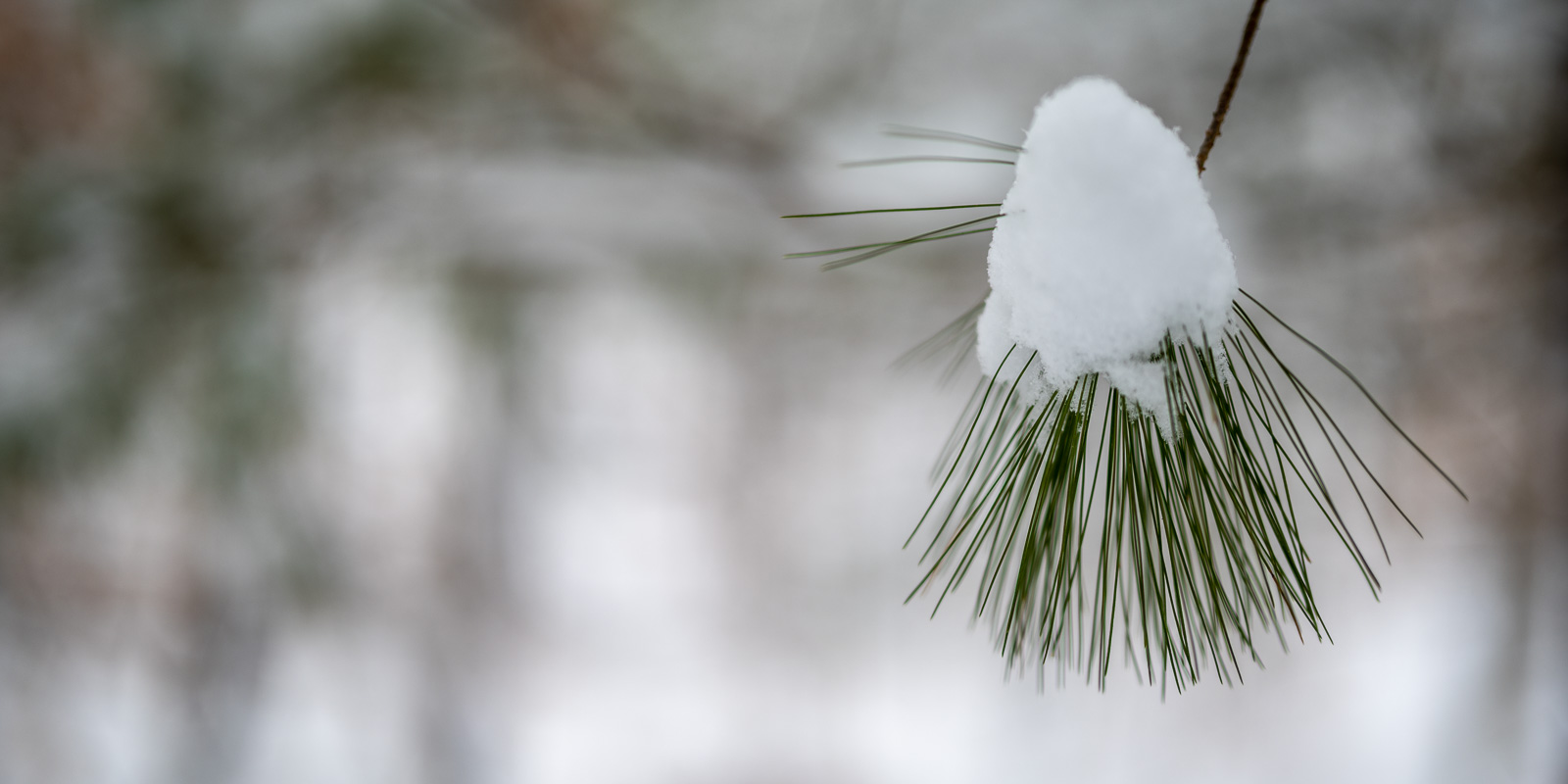
But there is no giving up. Just look at these pine needles!

The Crystalline (Frost II)

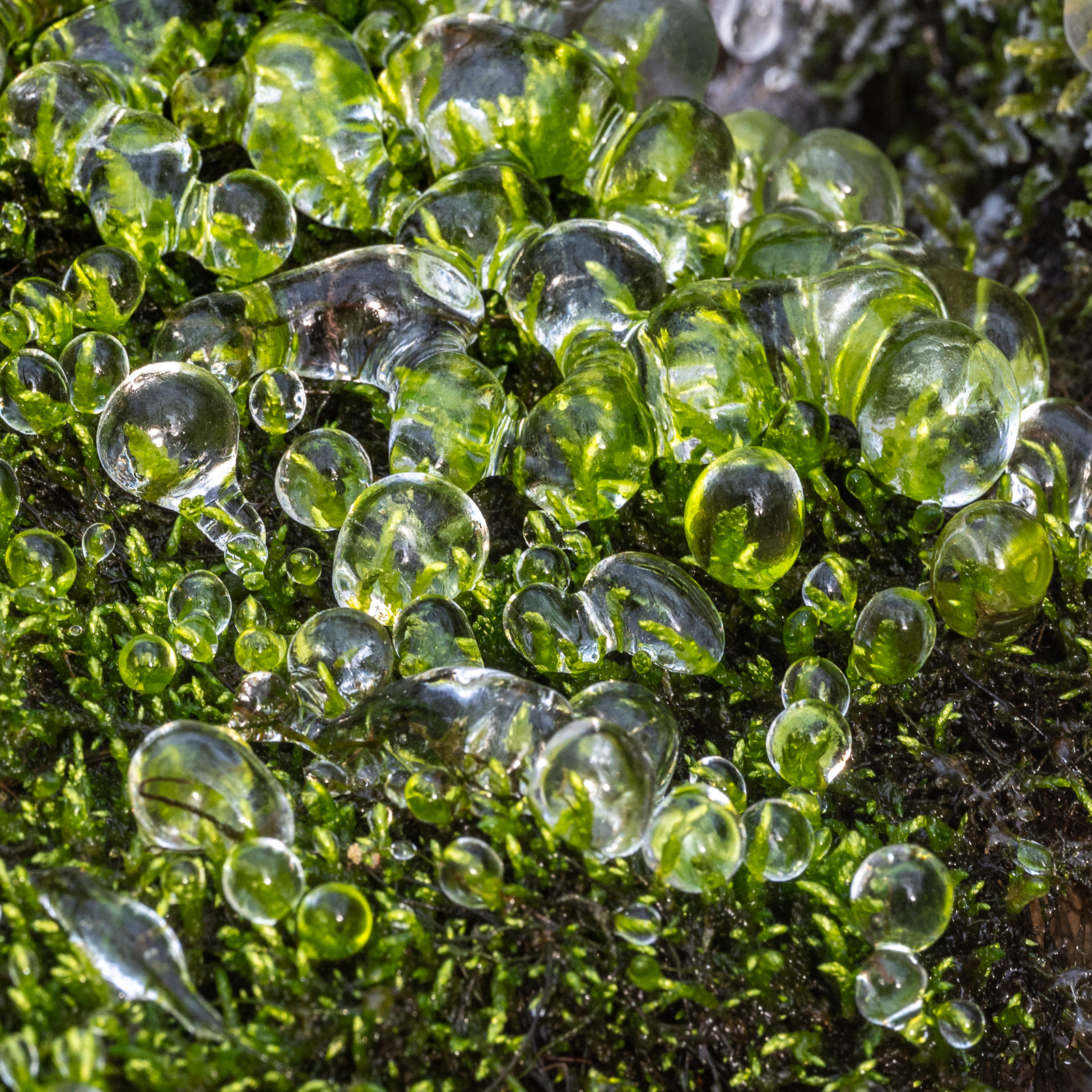
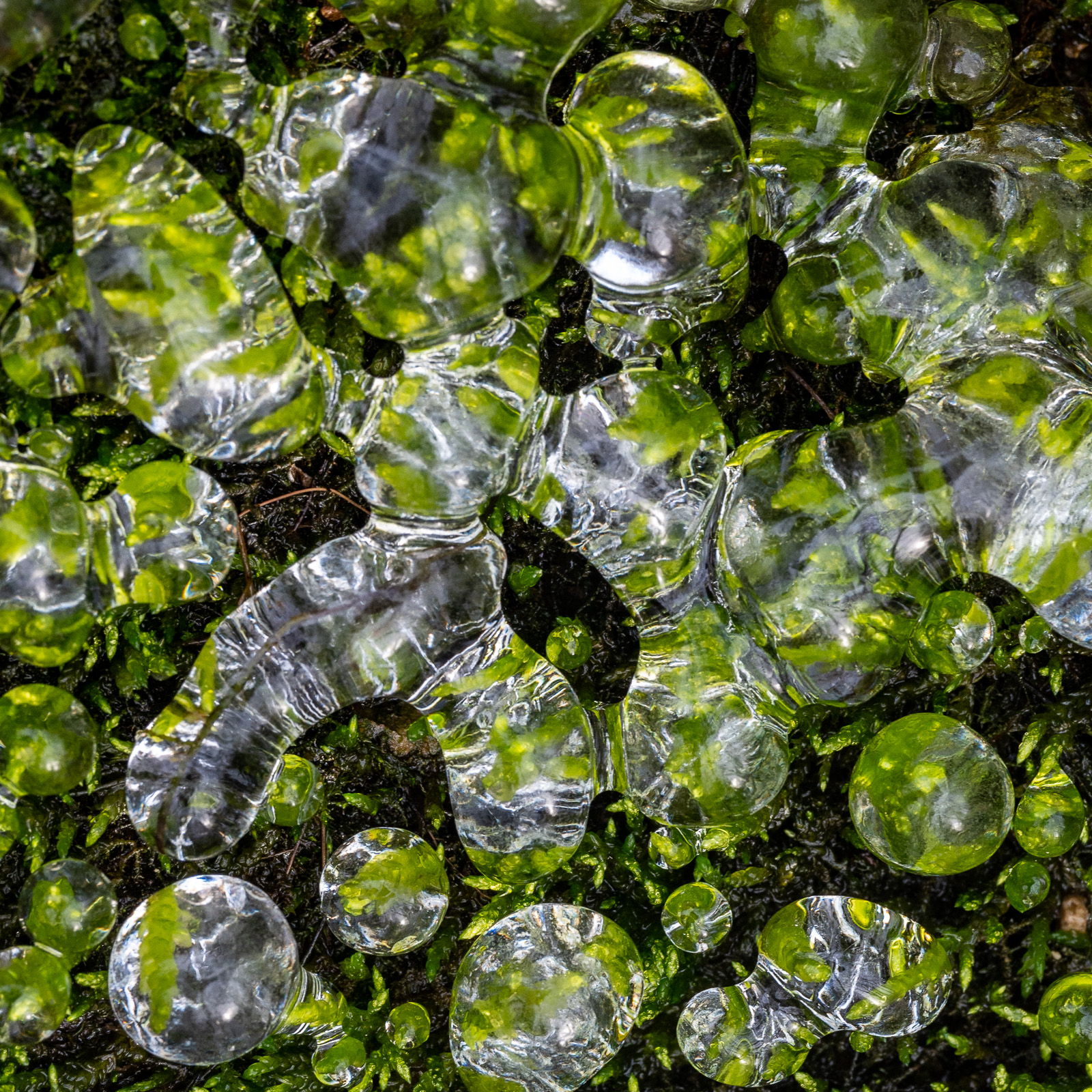
Can we do this, too — transform our transient stream of thoughts, worries, and hopes into something else, like frost transforms water into ice?

How do we begin? How do we get ready for it like water always is?

In Adalbert Stifter’s Rock Crystal (quotes below in the translation by Marianne Moore) the two siblings Sanna and Conrad get lost on a vast glacier in a snow storm on their way home in the Alps. Frost has transformed the landscape, and is transforming the children, too, to the absolute essential.

The boy maintains hope, despite evident hopelessness, and his little sister maintains trust.

At last they came to a tract with not a tree on it.
“I don’t see any trees,” said Sanna.
“Perhaps the road is so wide we can’t see them because of the snow,” said the lad.
“Yes, Conrad,” said the little one.

“Sanna, we cannot go over there,” said the lad.
“No,” said the little one.
“We shall just turn around and get down somewhere else.”
“Yes, Conrad.”

These dialogues continue like this, while the children spend the night on the mountain in the ice. Conrad and Sanna are becoming ice, too, Conrad refracting reality and Sanna reflecting it back to him.