Displacement

DSC7018

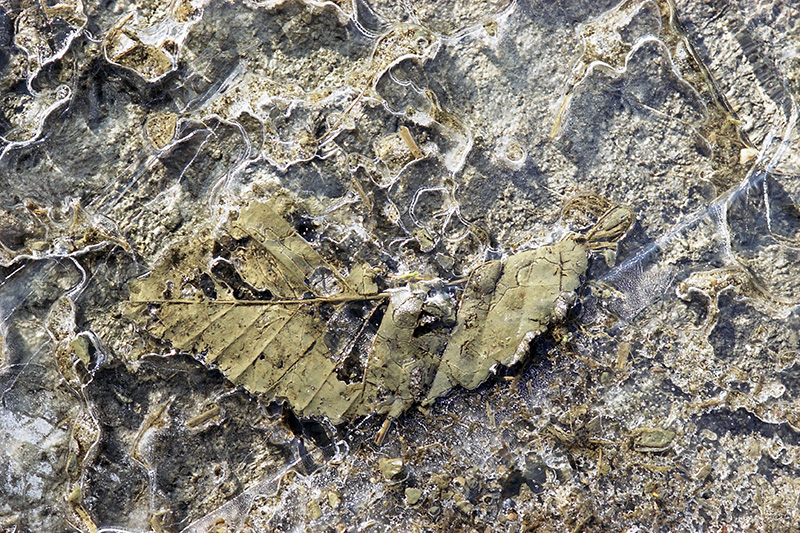
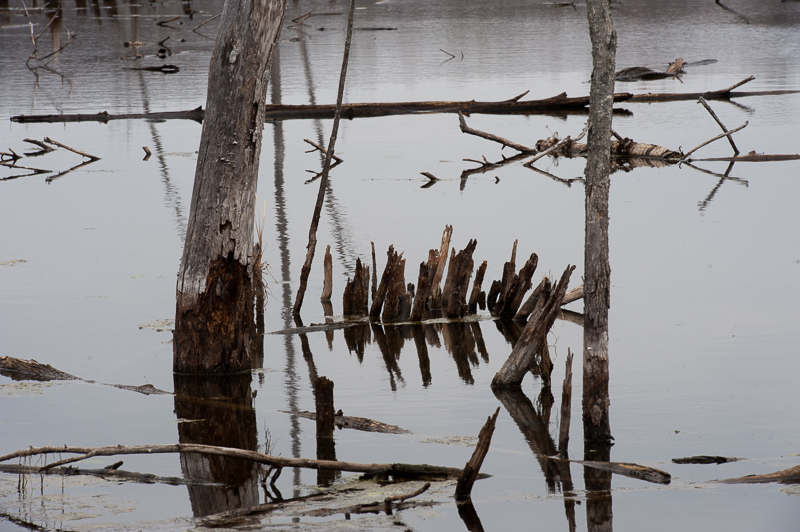
The meaning of the word Muscatatuck is not clear. According to Michael McCafferty’s book Native American Place Names of Indiana, it has its origins possibly in the Munsee words for swamp and river, or in the Lenape word for clear river. Both these languages were spoken by the Delaware, who migrated through this area in the early 19th century after continuous displacements by European settlers.
DSC7043

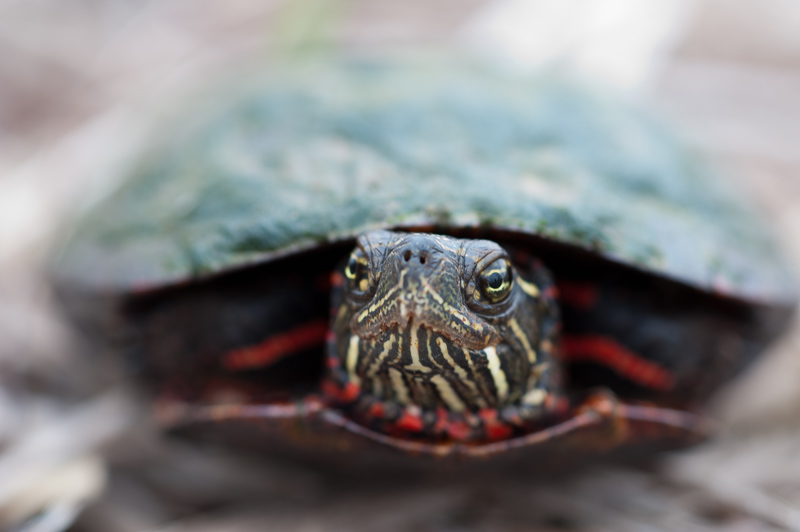
These days, the name honors the Muscatatuck National Wildlife Refuge near Seymour. It is indeed a swampy place, and temporary home for many migratory birds.
DSC7047

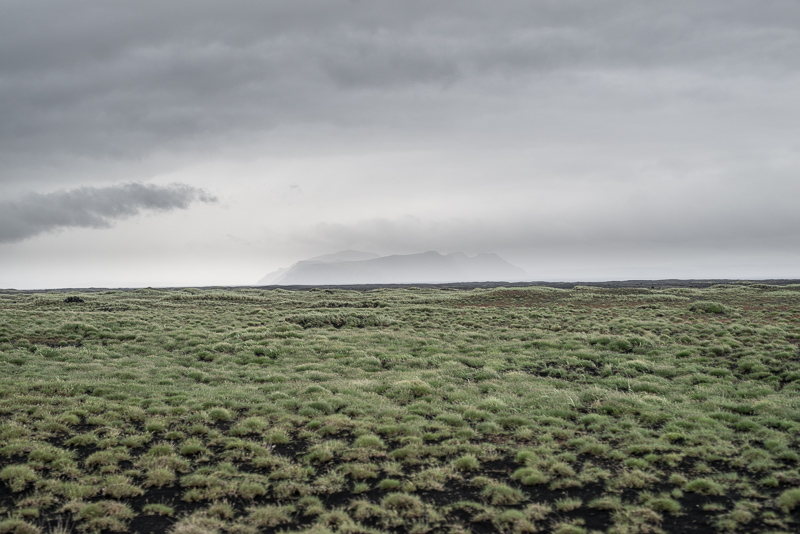
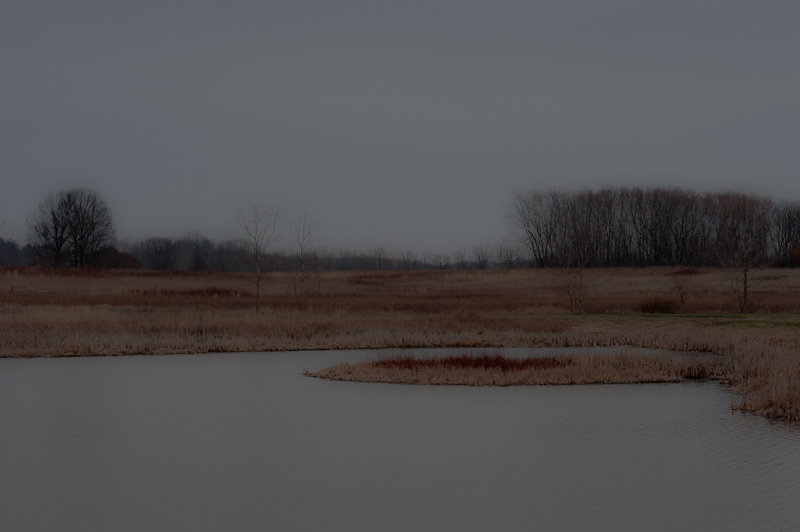
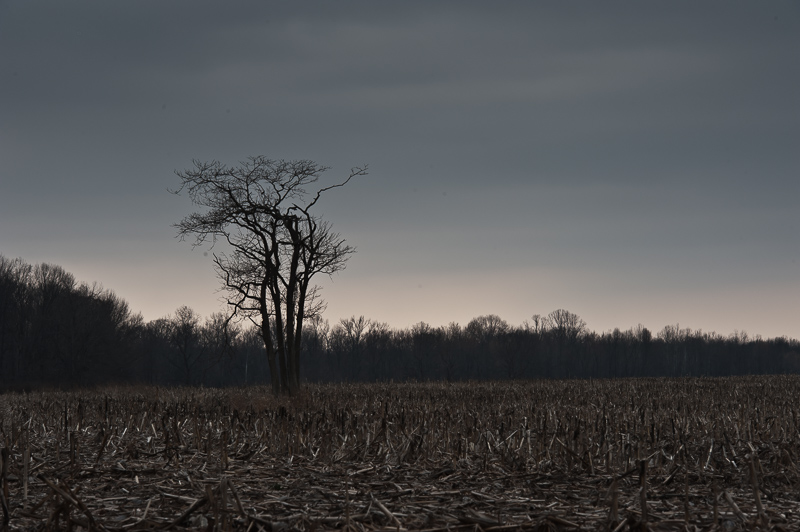
The pictures here are from a late afternoon visit while the weather was preparing for a storm. This didn’t leave much time for wildlife observations, but the barren landscape itself was well worth it.
DSC7022

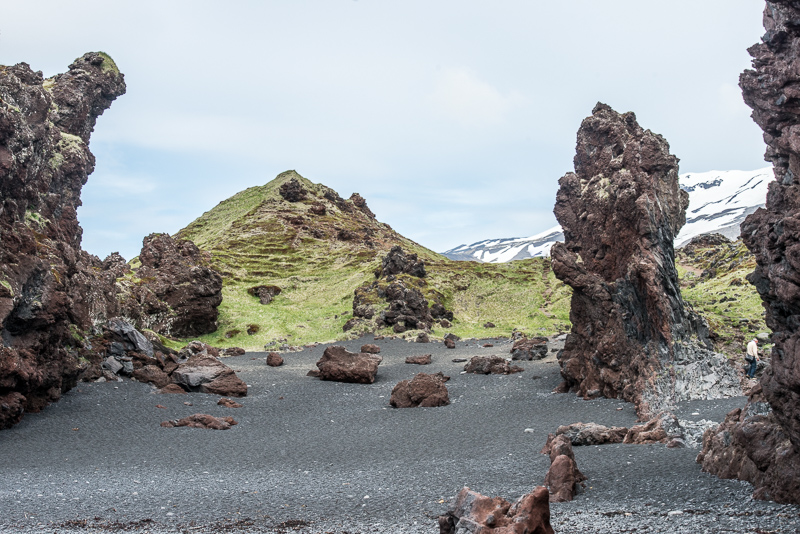
Djúpalónssandur (Iceland IX)

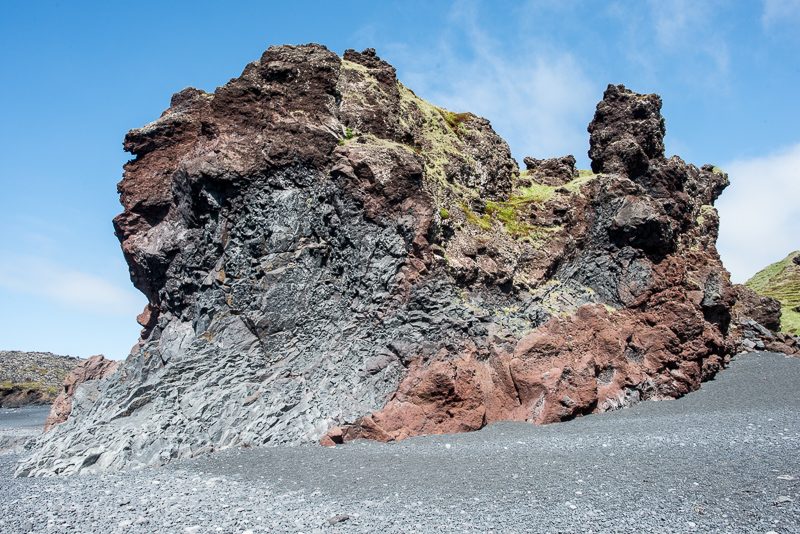
Djúpalónssandur is a rocky beach in the southwestern corner of the Snæfellsjökull National Park.

DSC 8844

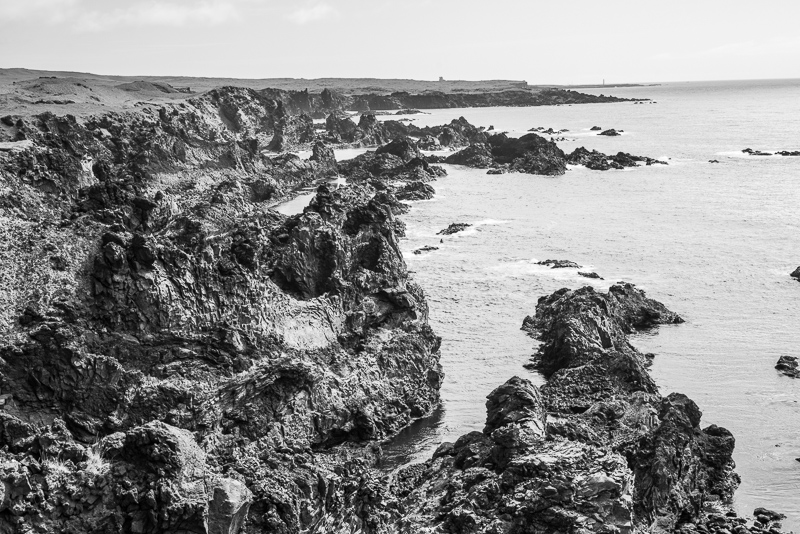
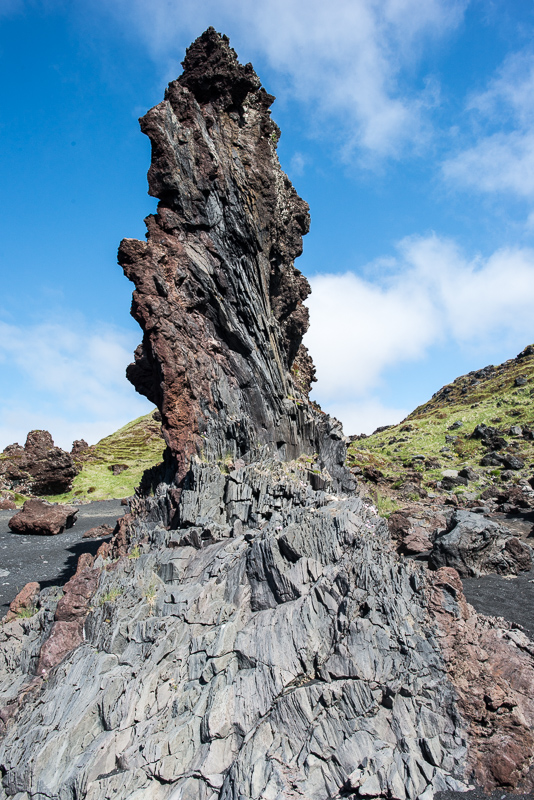
Besides its historical significance of an old fishing port (of which only the remains of a few huts are visible), it features bizarre lava rock formations.

DSC 9233

The grassy slopes of the Snæfellsjökull seem to just break off into the sea, as if the landscape builder left his work unfinished.

DSC 9163

If fire could solidify, it would look like this.

DSC 9230

Hell (Iceland VIII)

After Plato had the brilliant idea to use a hypothetical reward system in an equally hypothetical afterlife as the ethical foundation of a functioning society, it didn’t take long until picturesque ideas about how the rewards might look like started to spread.

DSC 9375

Unsurprisingly, the focus was not so much on positive rewards like eternal bliss, but rather on the peculiarities of punishments.

DSC 9335

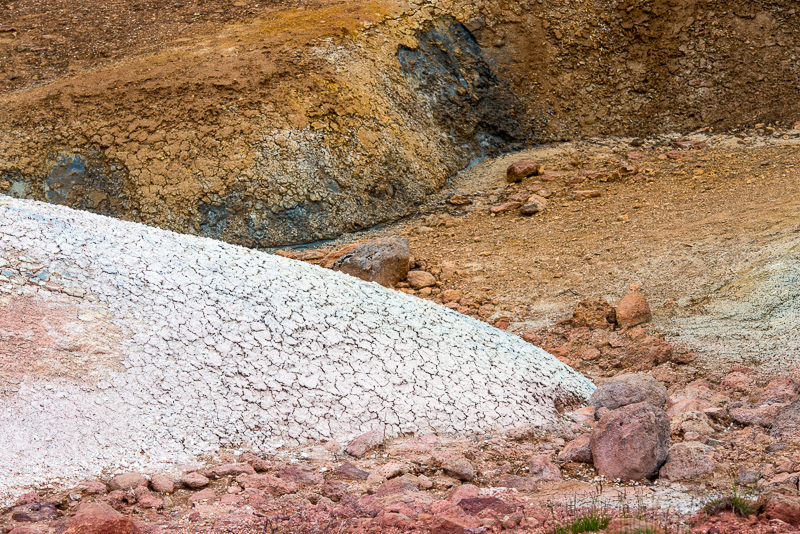
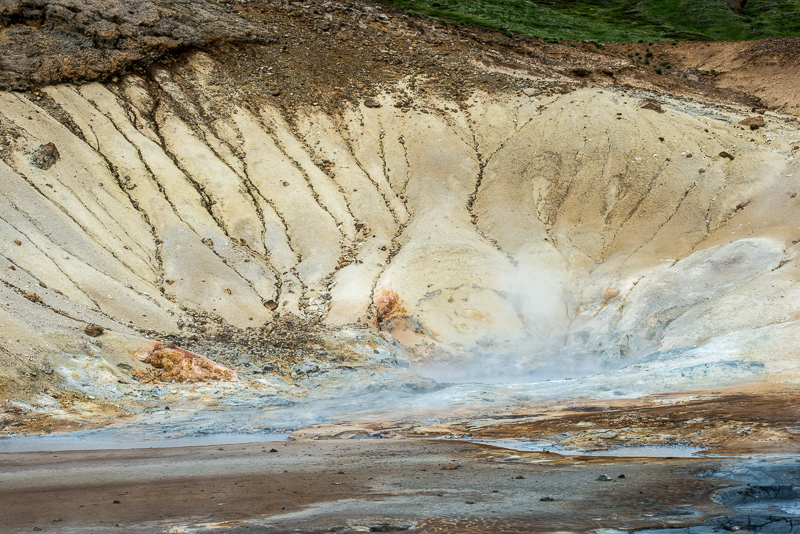
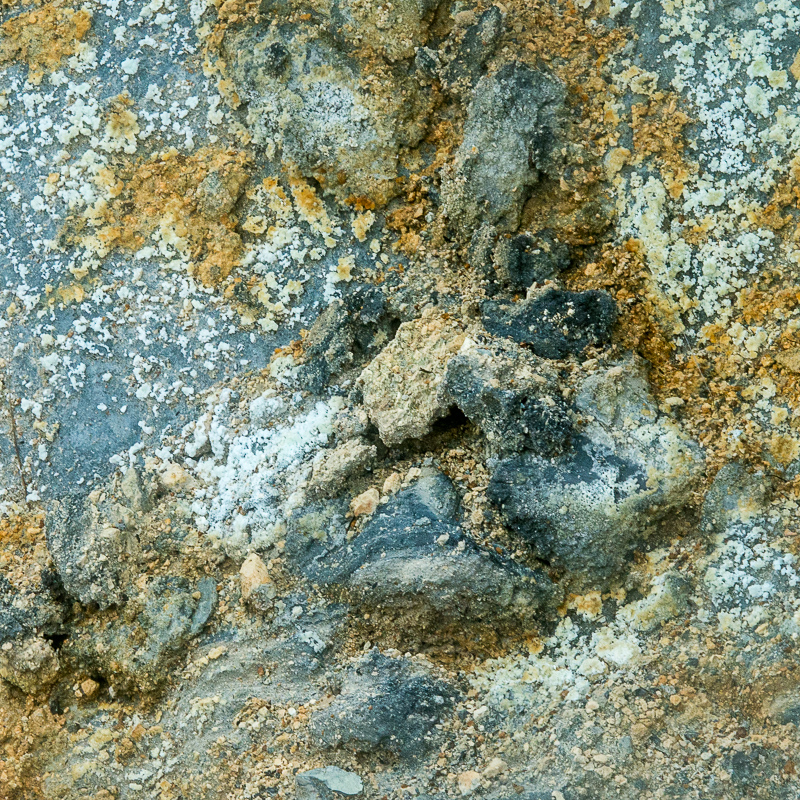
The Seltún Geothermal Area near Reykjavik provides at least the mandatory ambience of heat and stench.

DSC 9342

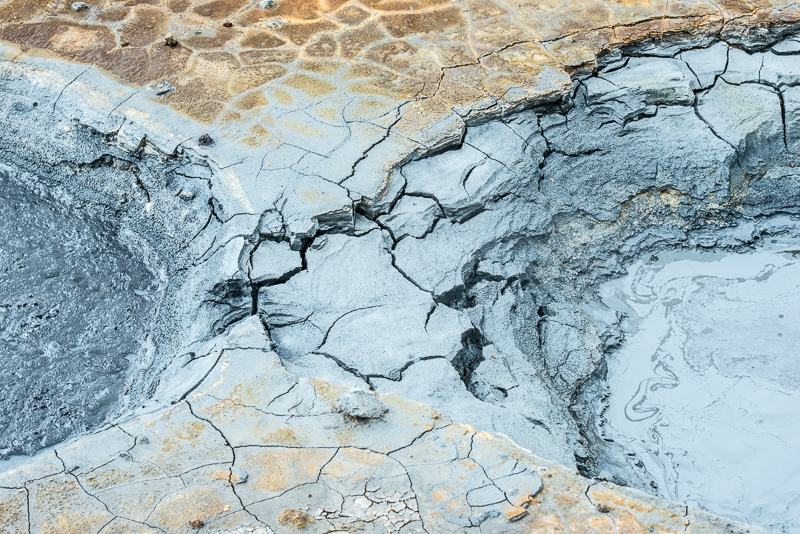
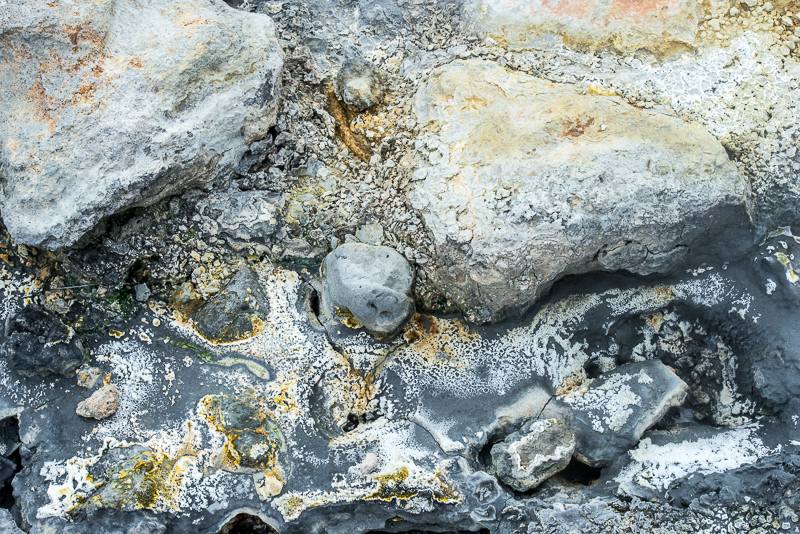
There are even indications of horned minions ready to pull you under. Clearly, the ground is treacherous here.

DSC 9330

Why is it that we take delight in all this unpleasantness?

DSC 9354

Hraunfossar (Iceland VII)

Iceland has a lot of water falls. It is so bad that you shrug off the ones that would be worth a day trip at home, (almost) no matter where you live.

DSC 8432

Of the few that we saw this summer (in 2015), my favorite was not among the big ones.
We had just pulled into a parking lot by chance, and 3 minutes away from the road, I couldn’t but smile.

DSC 8470

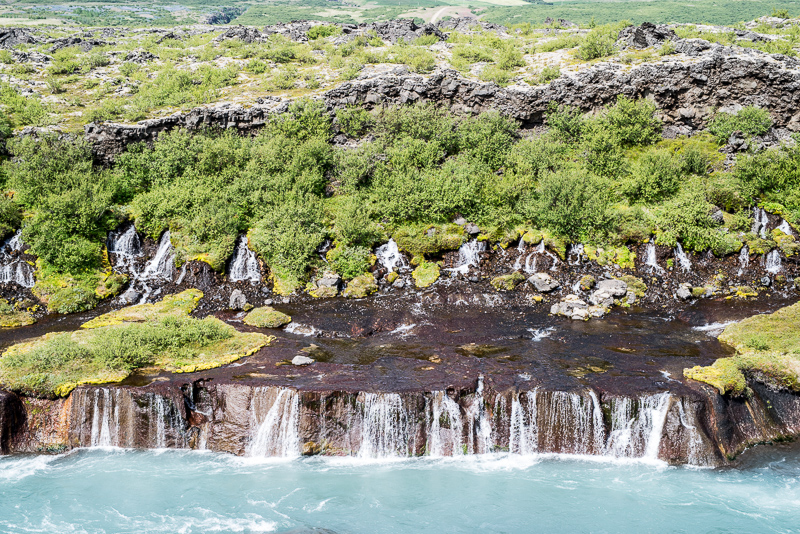
This was not a single waterfall, but literally hundreds of little ones on the far side of the Hvítá river.
The falls originate from many separate springs in the lava field in the back.
It felt like the elves had been practicing here before they started to work on the big ones.

DSC 8440

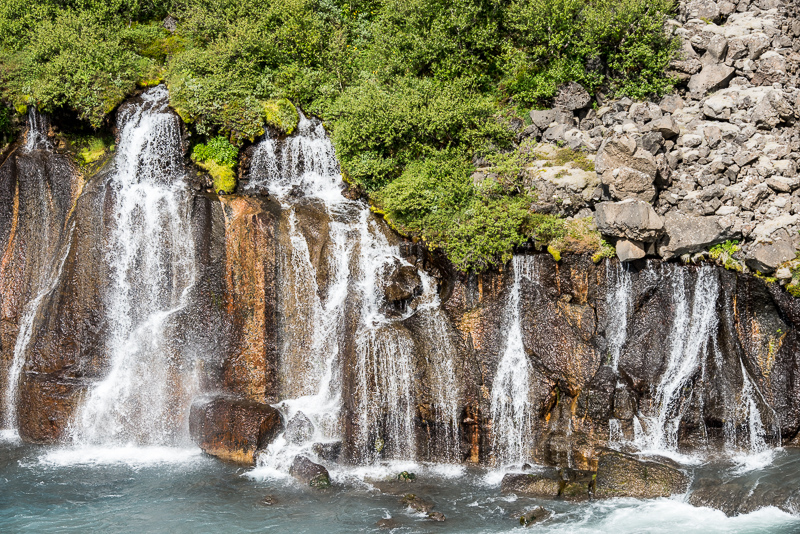
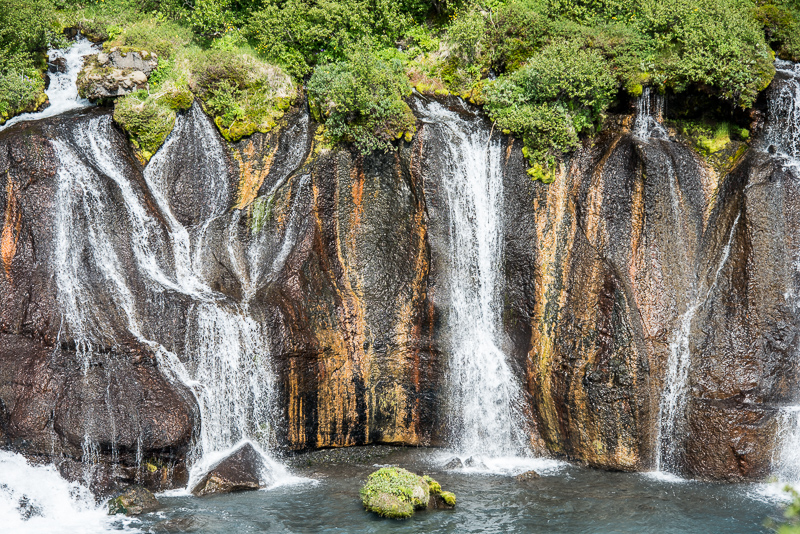
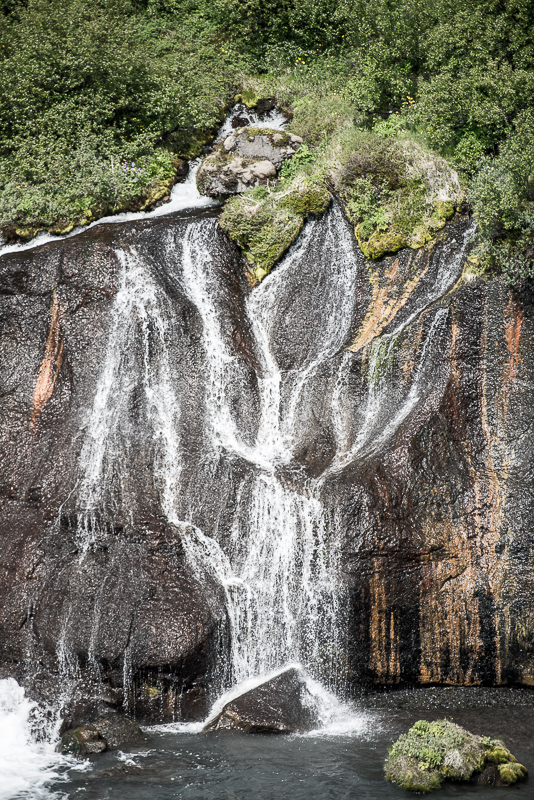
Each single fall is a masterpiece that dances among companions.

DSC 8473

Leaves

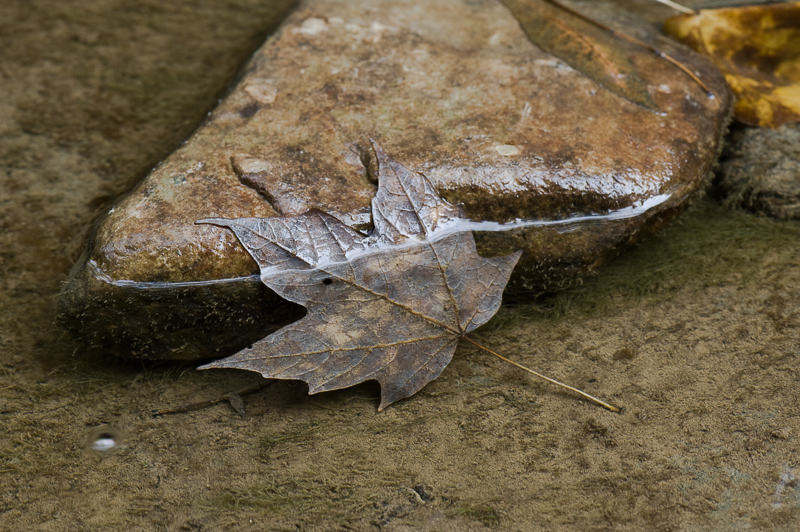
In preparation of the often wondrous fall season in Indiana, here is a collection of leaves. Some pictures were taken over 20 years ago, like this one, taken at an early spring hike in the Kottenforst near Bonn.

Leaves185

So we are back to the Event Horizon.

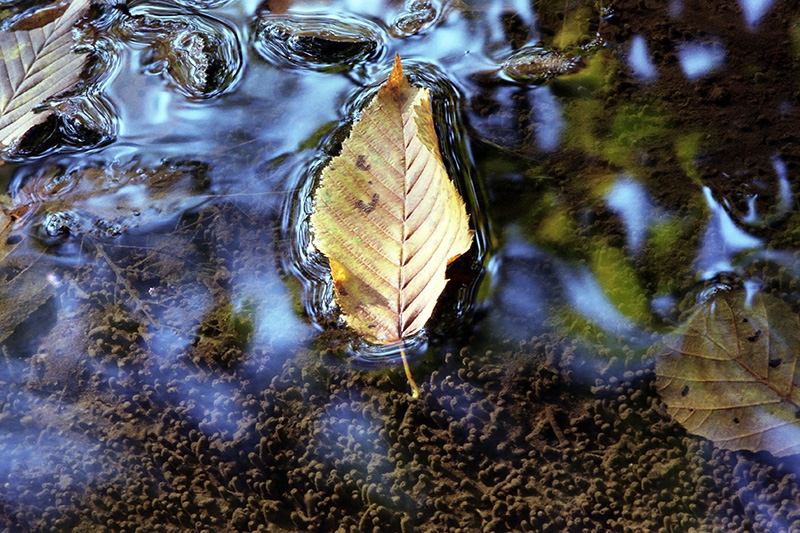
Here is another image of a leaf floating on water. While the bottom of the stream is a clear indication of looming decay, the blue reflection of the sky tells stories of greener days. Do trees need a religion?

Leaves wp

Poets often liken leaves to hands, and this in mind, the next image becomes quite creepy.

DSC 1412

So let’s return to the peaceful state of the beginning, when there is no time anymore.

DSC 5092

Black, Green, and White (Iceland VI)

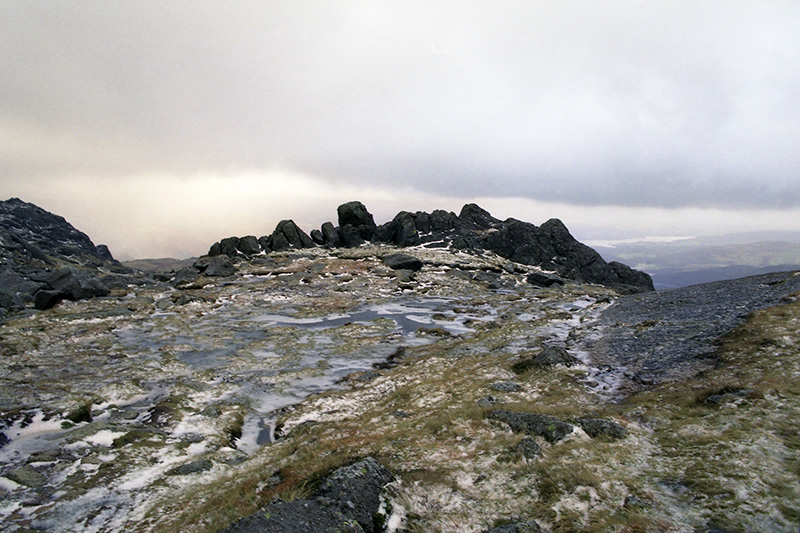
Googling for Black, Green, and White leads to some interesting things. There is black, green, and white tea, of course (to my delight). There are black, green, and white wires that puzzle some hobby electricians. Then there are some countries that have these colors in their flags. Iceland should be one of them, but isn’t.
DSC 8115

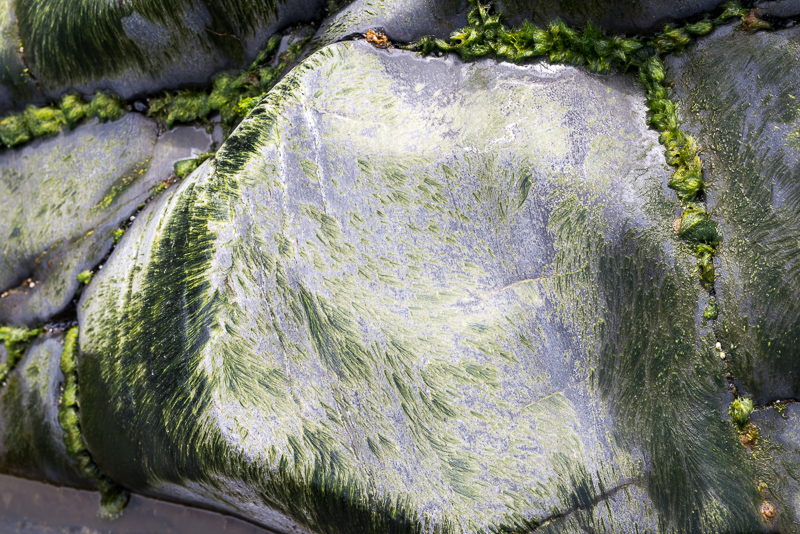
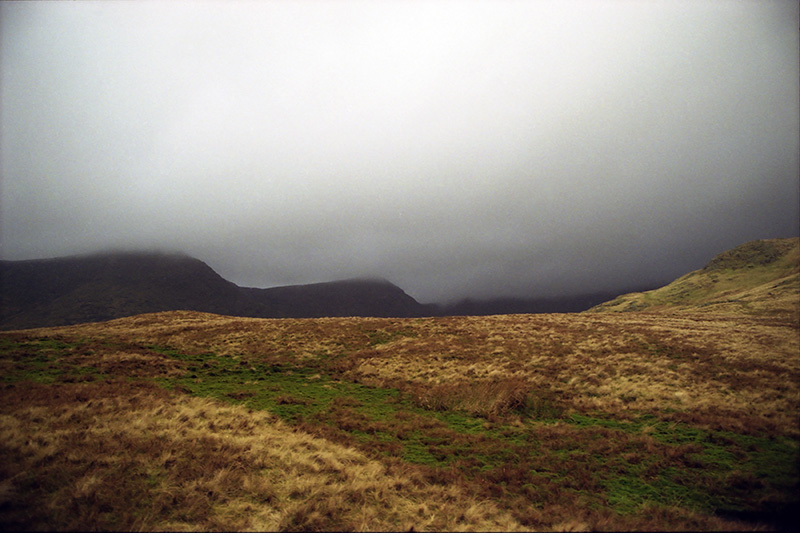
Green is not only the color of the moss that covers the older lava fields. You have it with the algae
DSC 8790

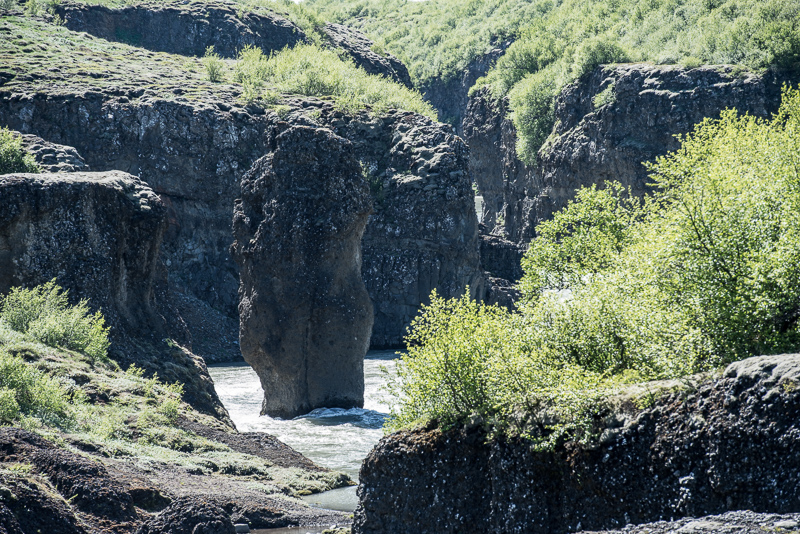
and the shrubs,

DSC 8462

always contrasted by water, sky, and earth. The simplicity of the color pattern is contrasted by an astounding complexity and diversity of the landscape.

DSC 7411

Much of earth must have looked like that before man, and maybe will look like that again.

DSC 8219

Ramsey Cascades

In June 2009, I spent a week hiking in the Smoky mountains. There was much to see, and I will focus here on the Ramsey Cascades waterfall, in the northeastern part of the park.

DSC 9911

The four mile, 2,000′ climb with camera and tripod is strenuous, but as soon as you arrive at the fall, all the pain is forgotten. This is one magnificent waterfall.

DSC 9917

Waterfalls are tricky. Being there is obviously exciting, but not being there and instead having to look at pictures is annoying. So I apologize.

DSC 9711

Photographers have tried to get the most out of waterfalls. The rules of the game have become: Avoid direct sunlight, and use long time exposure to get the surrealistic filaments of water. This is supposed to turn any waterfall into a world of wonder.

DSC 9746

Don’t misunderstand me; I like alienation. But there are other ways, too. A waterfall has a personality that wants to be discovered and appreciated. The Ramsey Cascades are a wonderful example with a highly complex personality.

DSC 9732

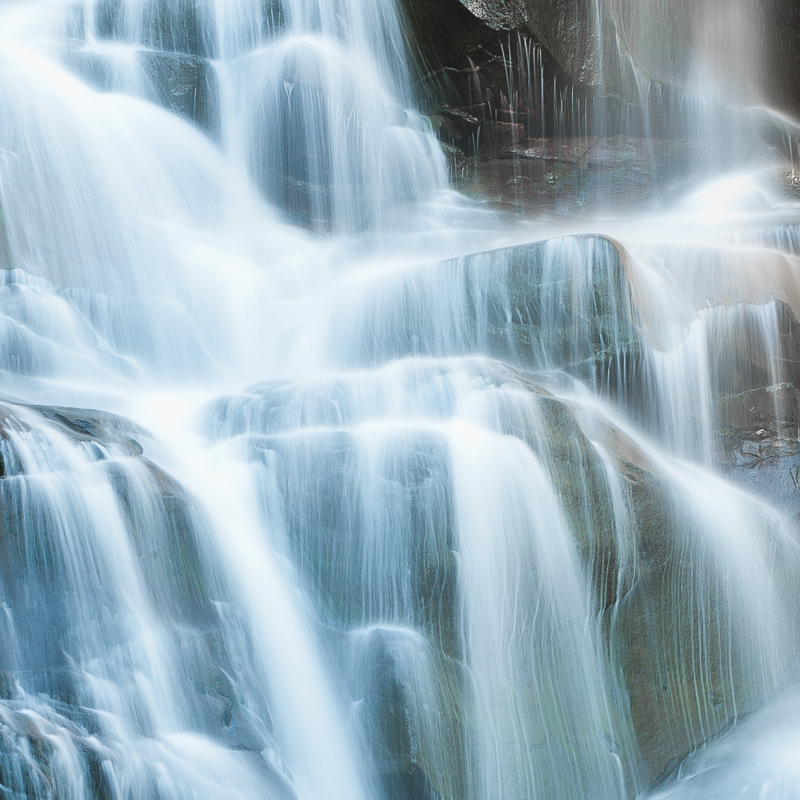
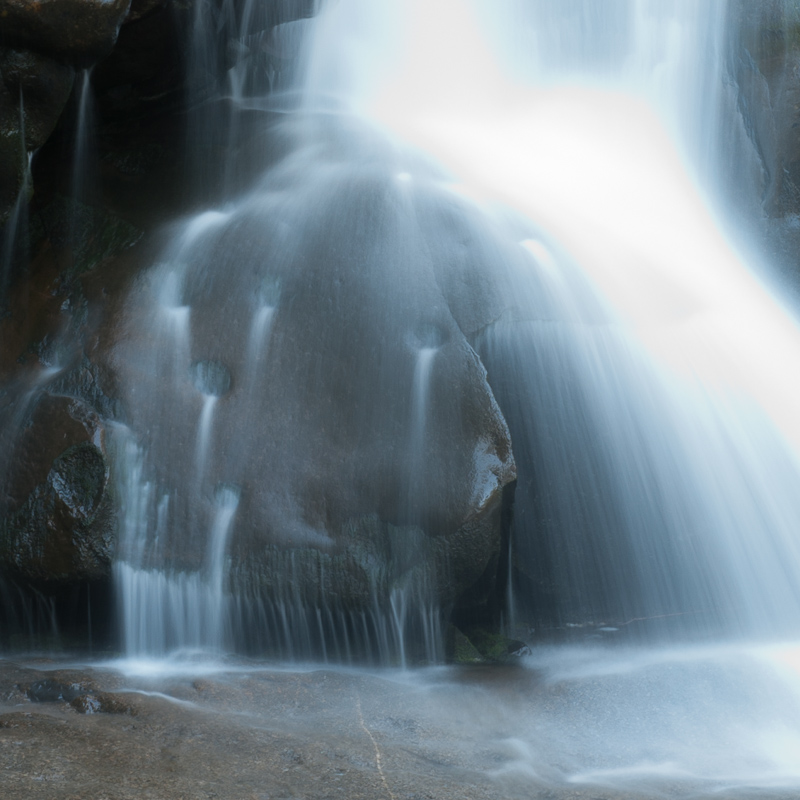
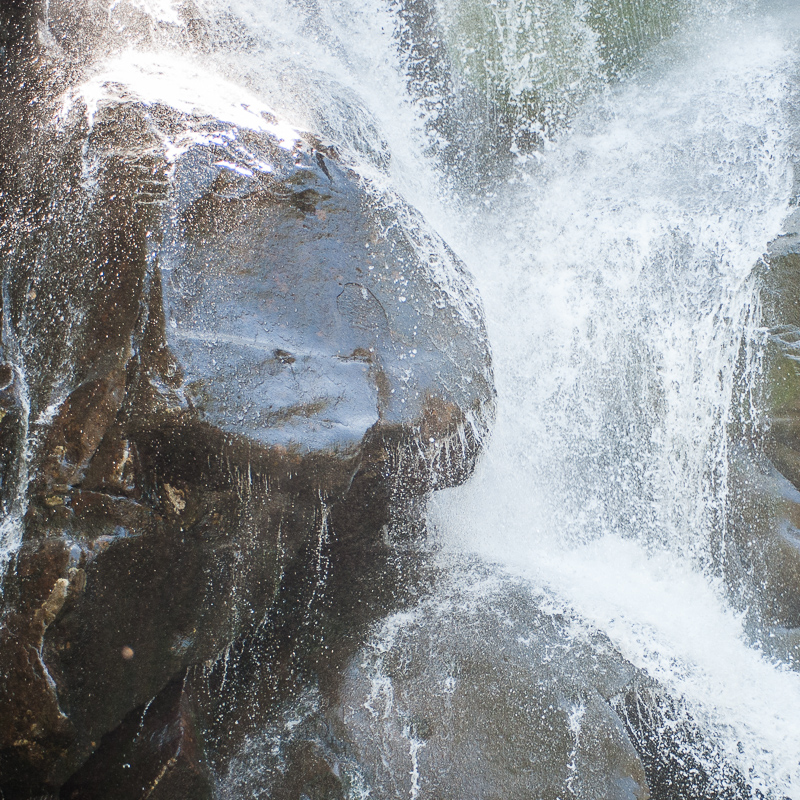
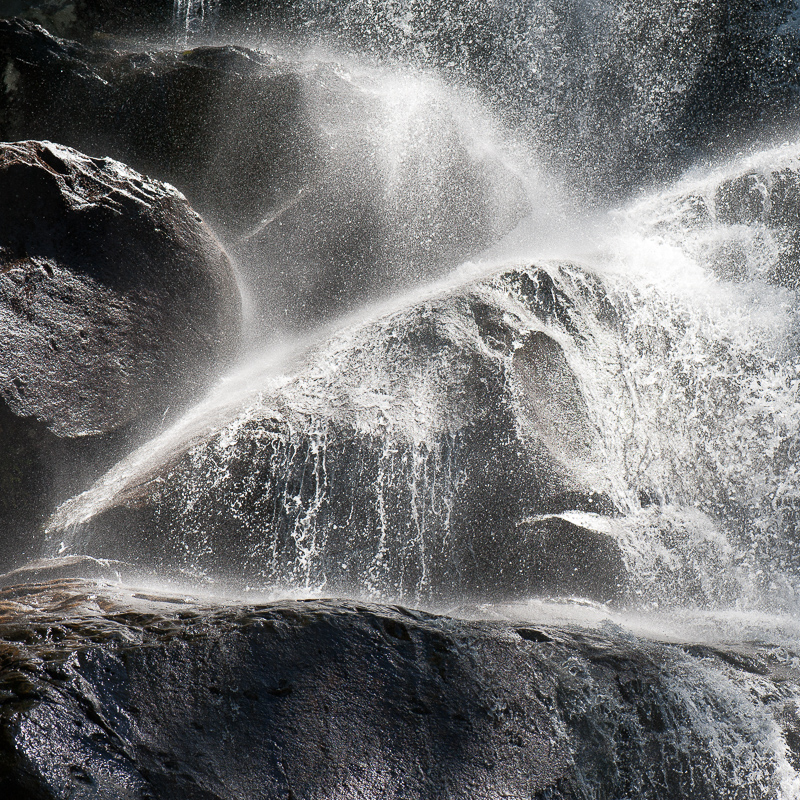
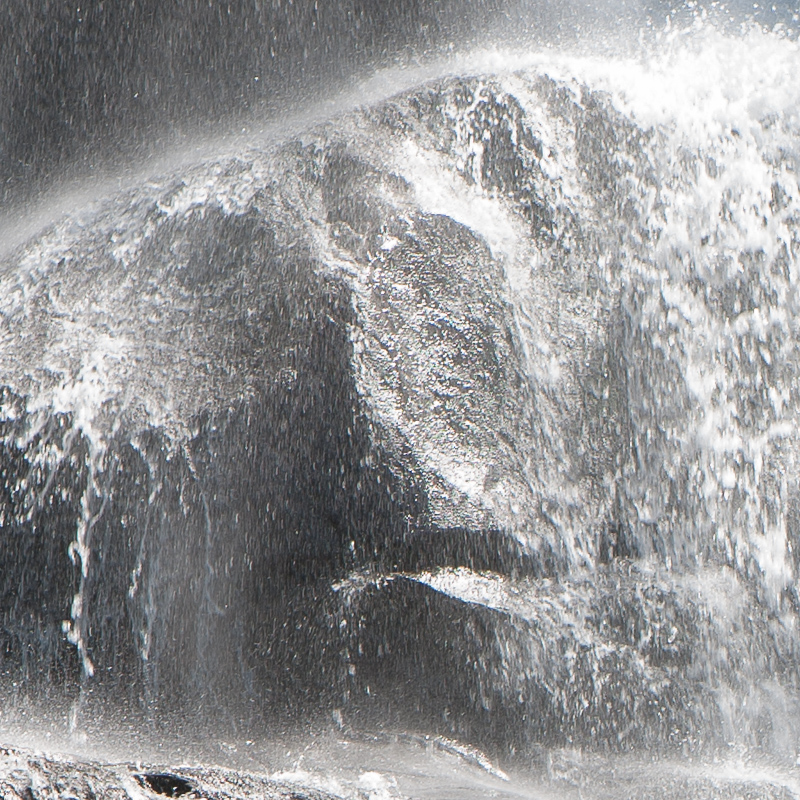
So this post is a teaser, a puzzle. Instead of showing the entire fall, I only show closeups, highlighting the many different ways how water and rock interact.

Weggebeizt (Iceland V)

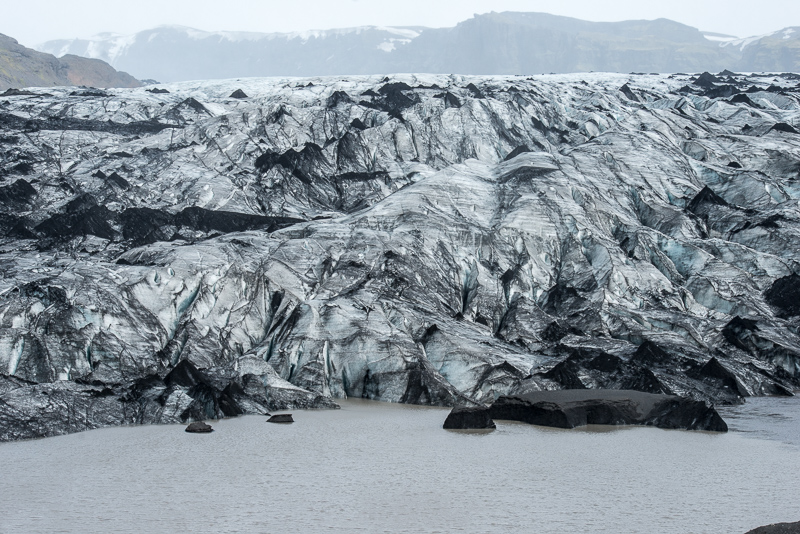
I cannot think of a better description of glaciers than in Adalbert Stifter’s novella Bergkristall, where two young children, on their way home to their alpine village, get lost in a storm on a glacier.

DSC 7681

The glacier becomes a symbol of frozen time, and hence death.

DSC 7689

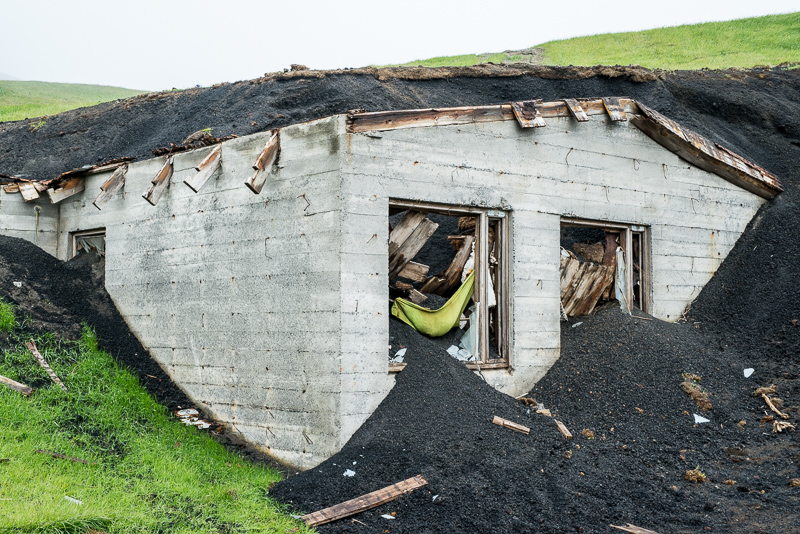
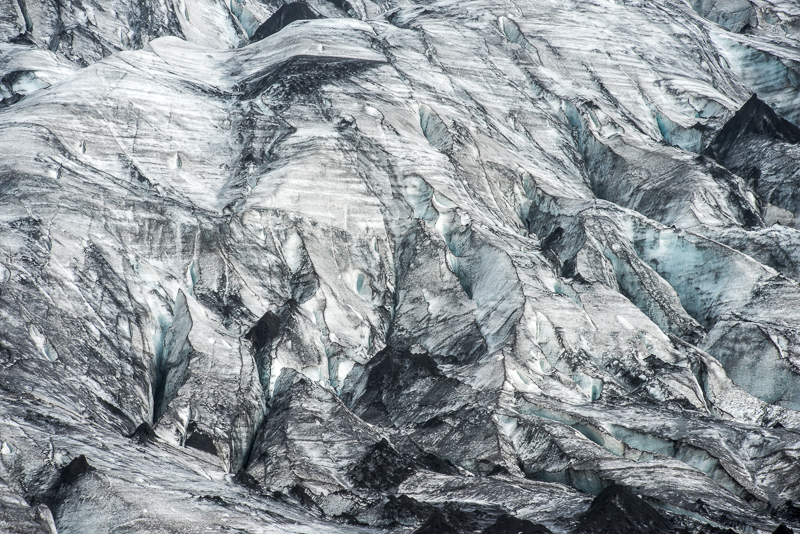
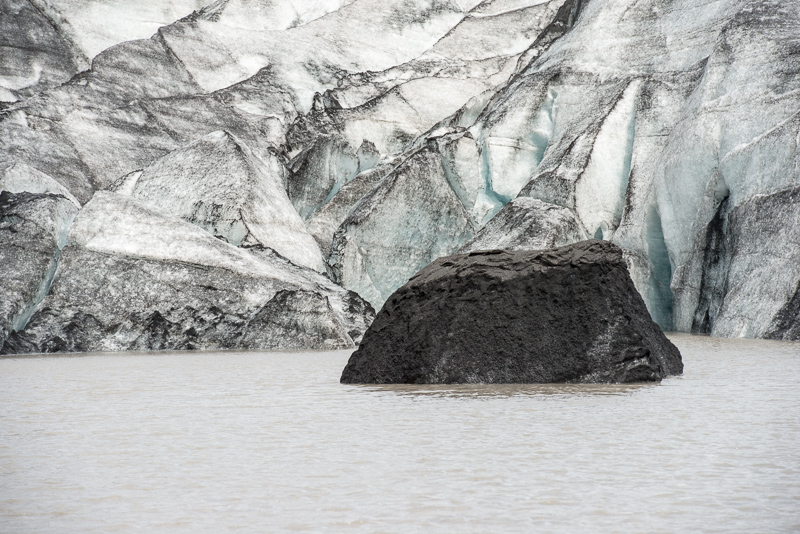
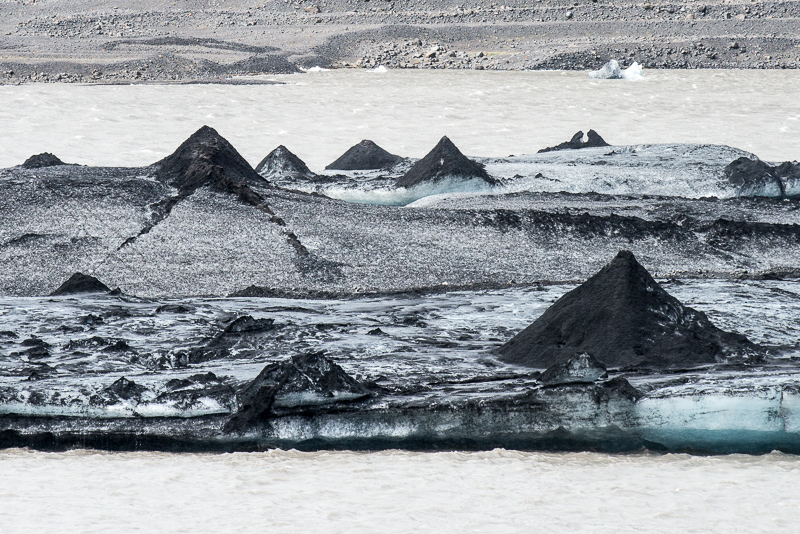
Here at Sólheimajökull, however, the abstract purity of Stifter’s glacier is contrasted by layers of ash, like many glaciers in Iceland.

DSC 7693

Thus the glacier seems to transport time, much like it does in the glacier poems of Paul Celan.

DSC 7699

Scotland in Winter

On of my teenager dreams was to treck though Scotland. Like many things, it never happened, but I could not resist to accept the invitation of a friend to spend New Year 1994/5 near Fort Williams.

Scotland173

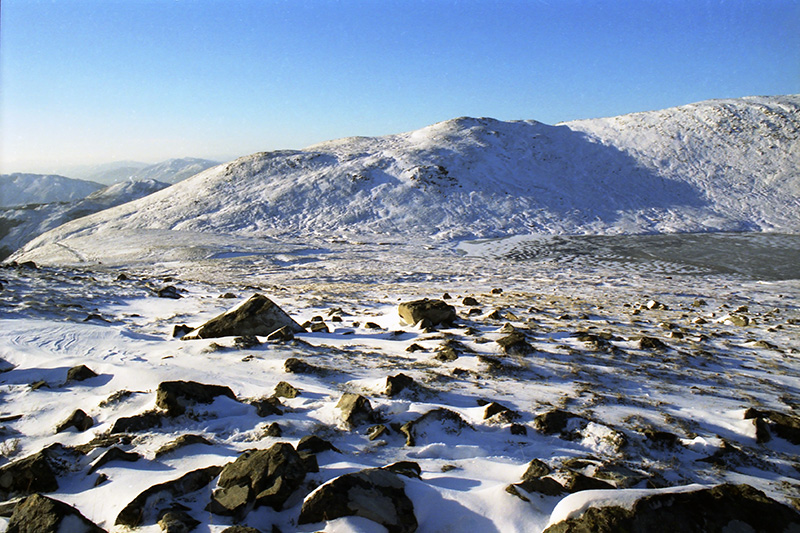
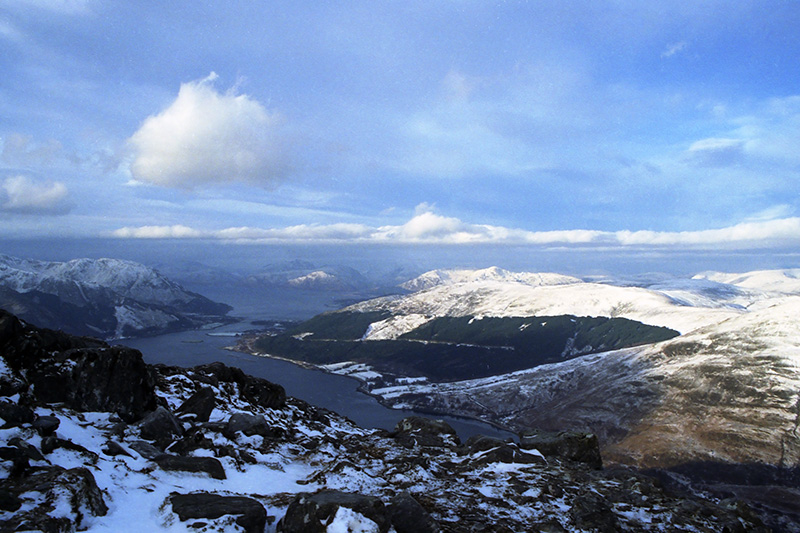
The landscape is harsh and appears alpine, even though one is just a few hundred meters above sea level.

Scotland191

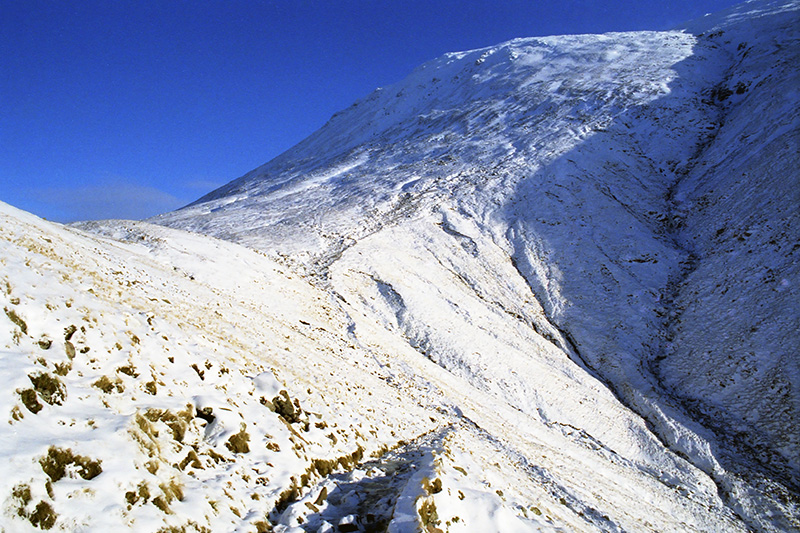
In some sense, these are ideal conditions for some mild mountaineering. The little snow there is is very crisp and allows for easy climbing.

Scotland169

On the other hand, the days are very short. One has six hours at most to get up and down again. You don’t want to get lost there after dark.

Scotland166

The Lake District

Winter Break of 1994 I spent in England, and part of it in the Lake District. I had been to Britain only once before, spending time in Wales and London. This time, it was to be a few days in the Lake District and in Scotland.

Lake 138

I am reasonably familiar with the British literature, and I knew about the Lake District via the Lake Poets, but nothing could have prepared me for that landscape in winter.

Lake 118

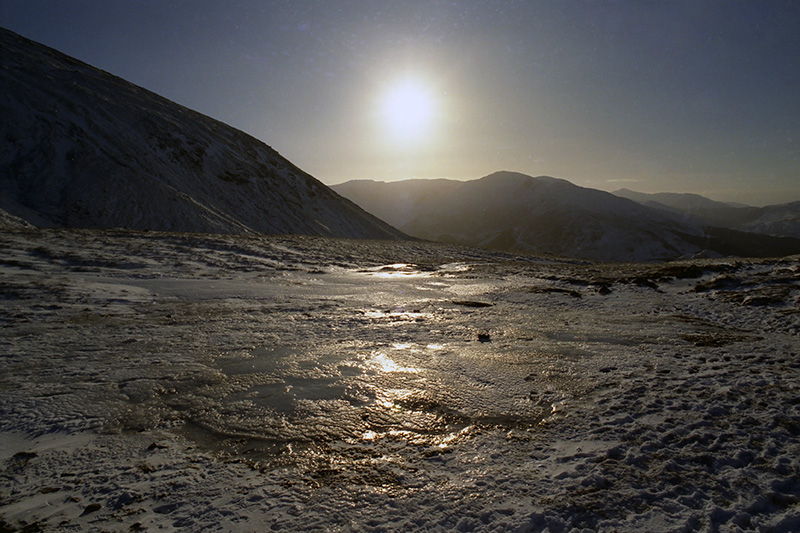
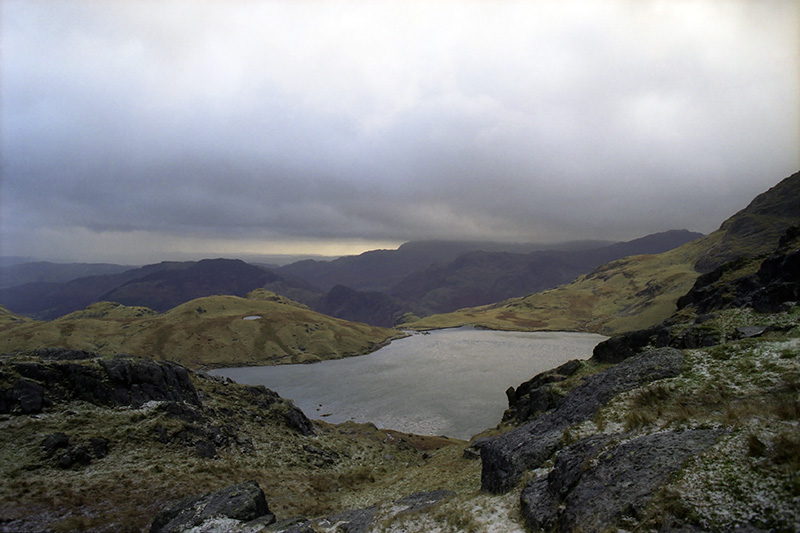
Harsh landscapes are usually simplistic in the sense that there is a barren ground extending to the horizon, where it meets an equally barren sky. In the Lake District, there is often an ominous region in between, hard to define, that seems to open up or tear apart the well defined separation between heaven and earth.

Lake 145

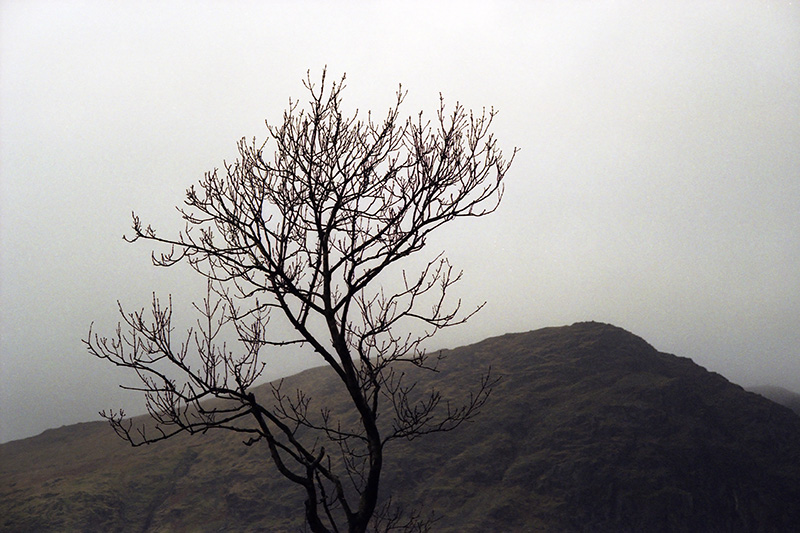
And there is, of course, the lone tree that would suit many a poem.

Lake 150

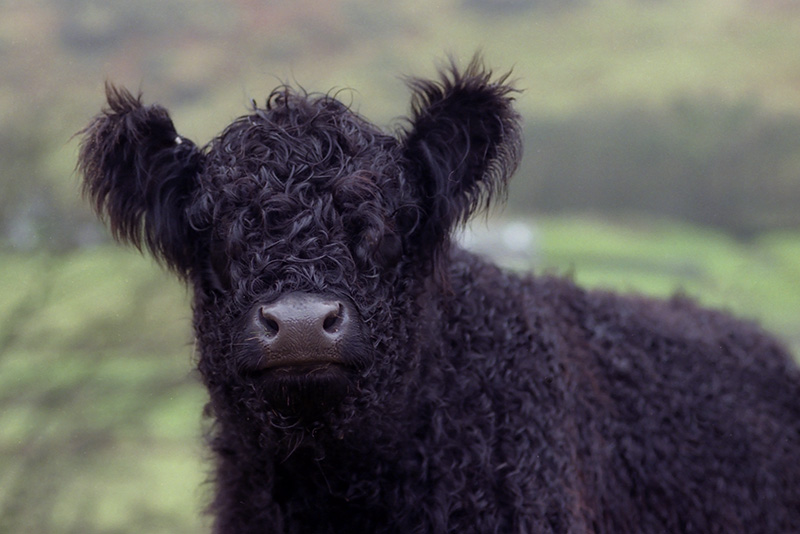
The Galloway cow (I believe) has no comments. She is just happy here.

Lake 146