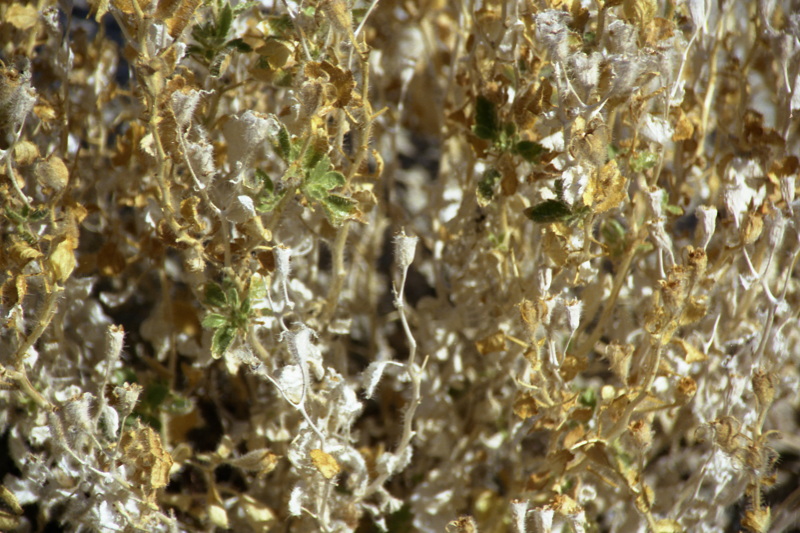
Secret Passage (Utah)

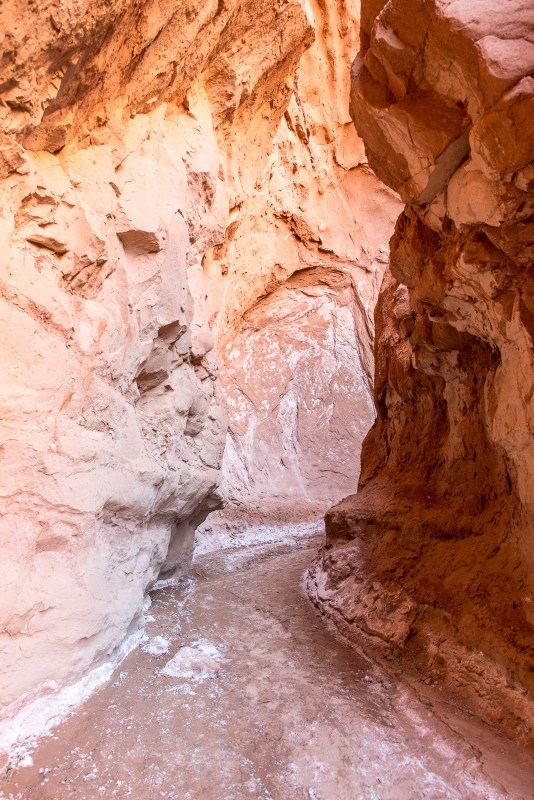
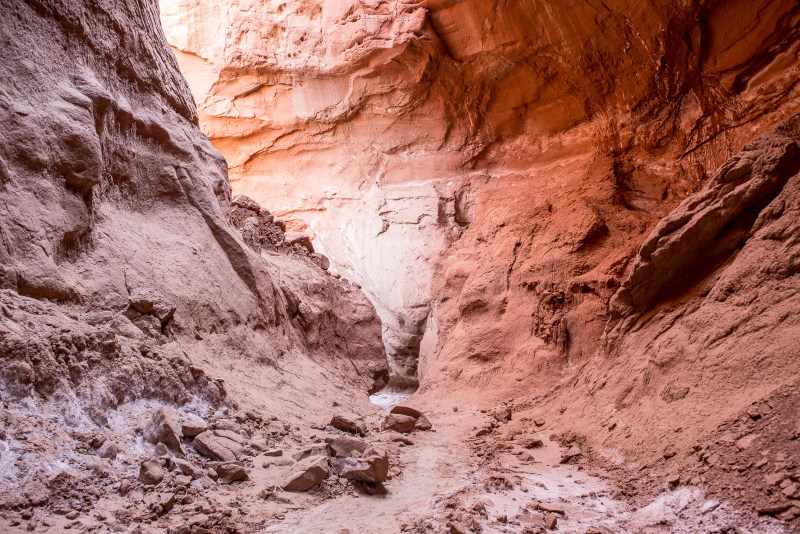
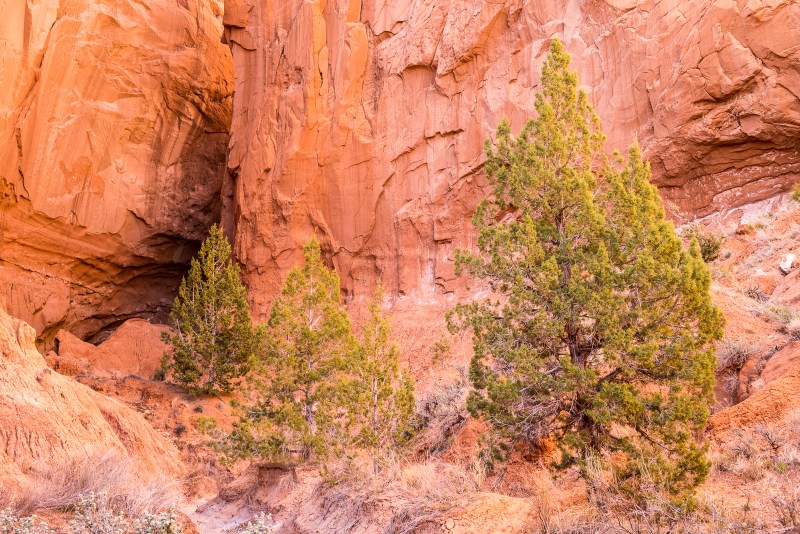
Continuing the exploration of special places in Kodachrome State Park, here is the Secret Passage, on a optional side loop of the Panorama Trail.
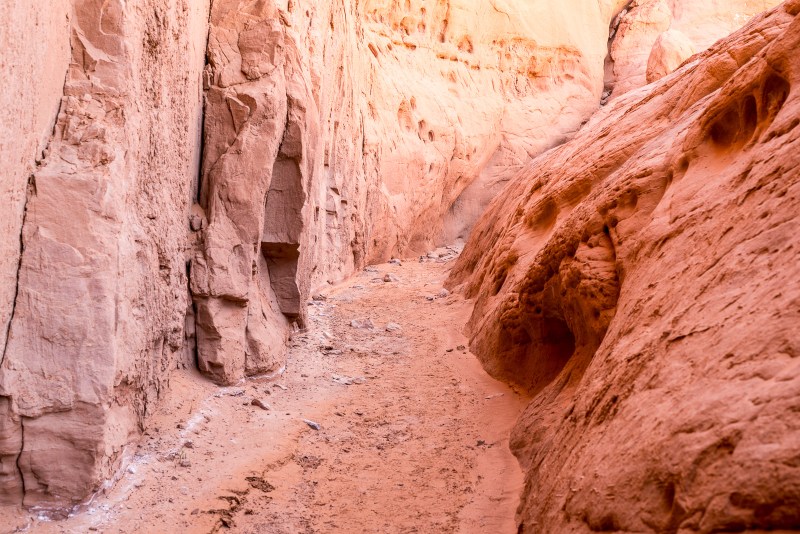
DSC 1852

It is bordered by a tall vertical wall on one side, a sloping climbable rock on the other, and leads nowhere, symbolized by the two meaningless boulders.
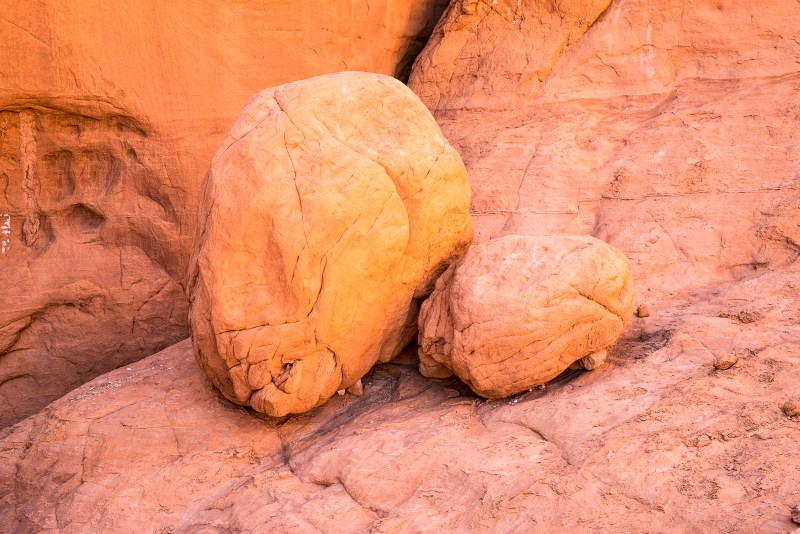
DSC 1846

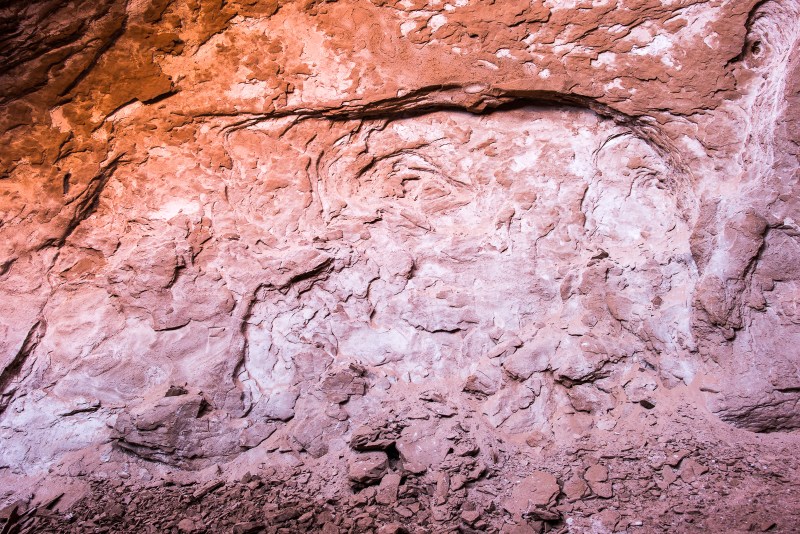
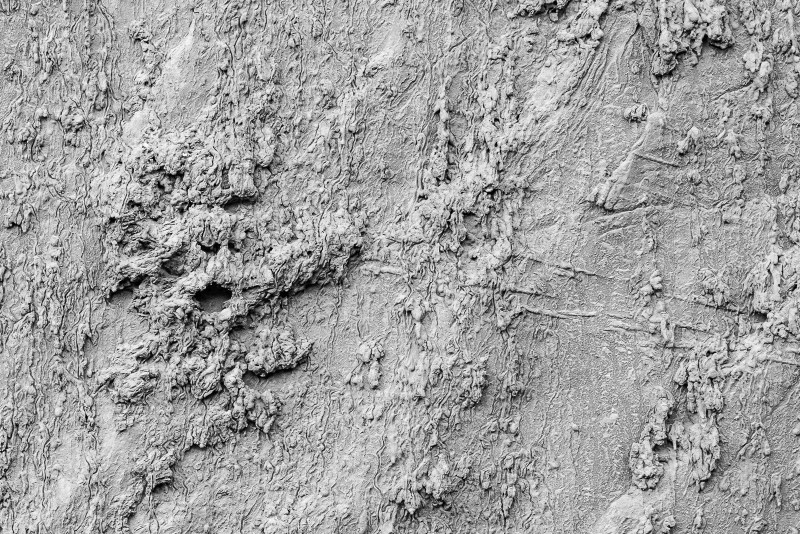
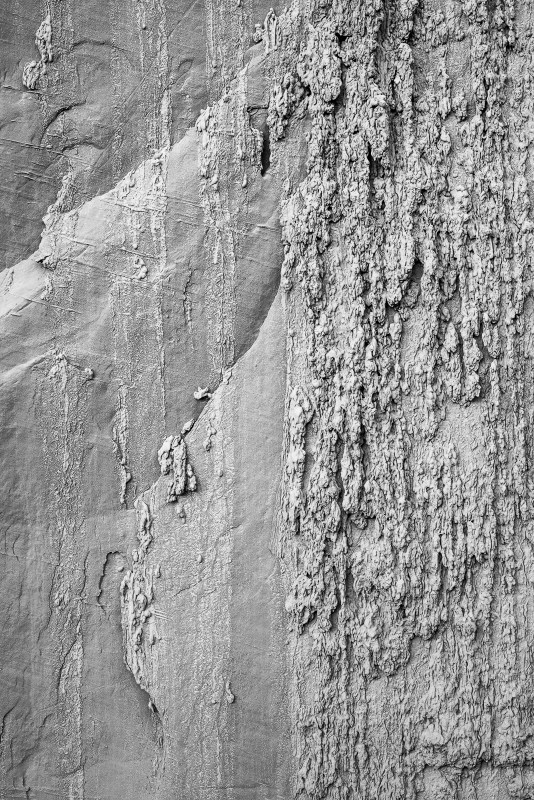
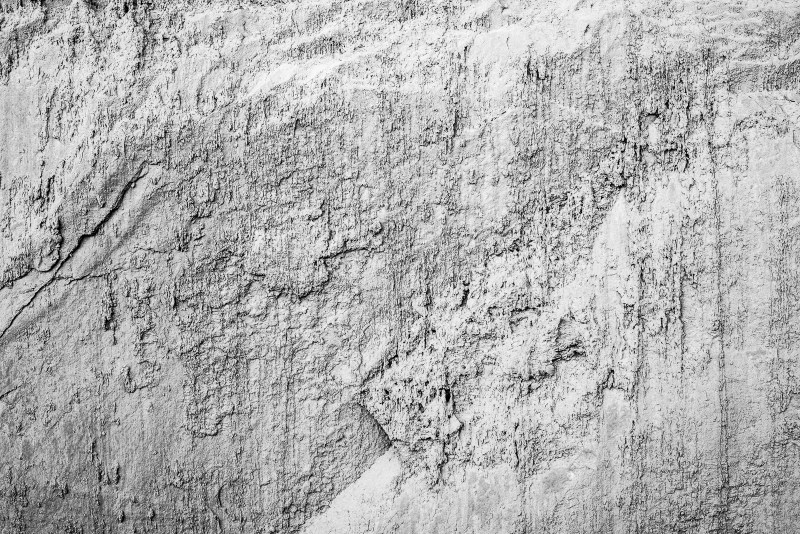
So what is special about this place? The texture of the vertical wall is so rich of detail and variation that I just stood there for a while, staring.
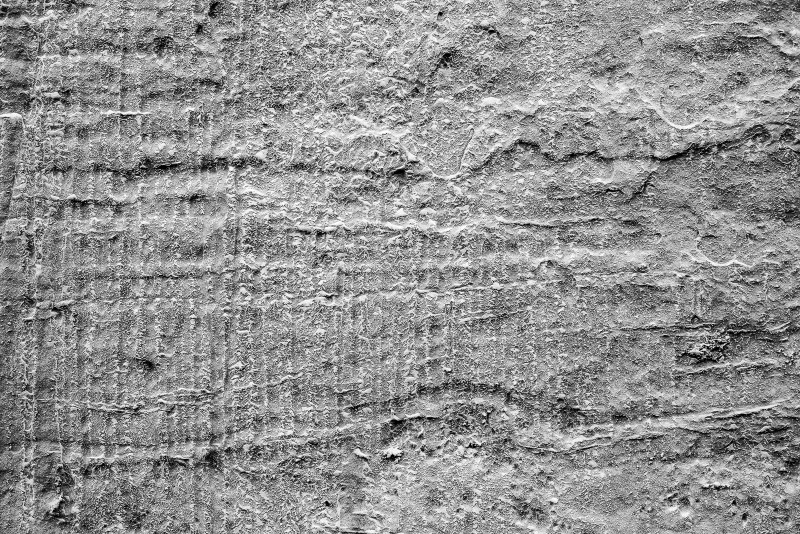
DSC 1856

Of course everything is mindnumpingly red.
DSC 1850

This reminded me of an exhibition of large format abstract paintings by Emil Schumacher that left me unimpressed until I discovered their textural richness.
DSC 1851

In both cases, the fractal-like richness of detail seems to provide a non-spatial third dimension to the otherwise mostly flat wall.
DSC 1839

Cool Cave (Utah)

This year was the fourth time that I spent Spring Break in Utah, and it has become a mixture of revisiting familiar places and exploring new ones. One of the new discoveries is the Kodachrome State Park, a detour for people traveling Highway 12, much less overwhelming than nearby Bryce National Park, but in a very positive way. I met just two other hikers on the 10 mile Panorama Trail. The landscape is serene and has many spots that feel special. Let’s begin with the most remote of them, the Cool Cave.

DSC 1900

The pine trees guard the narrow entrance and the color palette suddenly becomes monochrome.

DSC 1941

Inside, there is just one open space. One hears the wind and clicks from small rocks falling down. Apparently, sometimes the rocks can be larger, too.

DSC 1916

The simplicity of this description is deceiving.

DSC 1919

The view back to the cave entrance, for instance, could be the work of an artist. The tonality is miraculously supporting the depth of the image, and the interplay between light and rock offers ample material for contemplation.

DSC 1936

The Woman in the Dunes

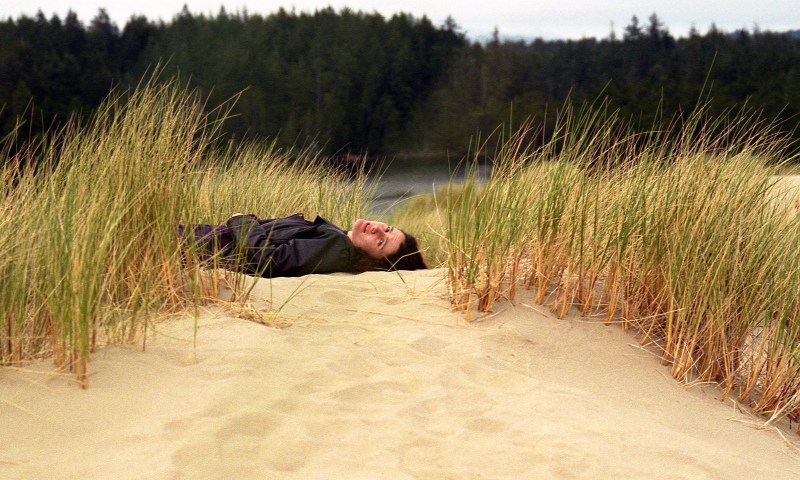
While living in Bonn, I often went to the local art house cinema, the Brotfabrik (bread factory), not knowing what to expect. I was often rewarded with surprises, but few were as impressionable as watching The Woman in the Dunes by Hiroshi Teshigahara.

Oregon 1a

The next morning I went to a bookstore (yes, it’s that long ago) and bought Kobo Abe’s book with the same title. The book, while still worth reading, pales compared to the film, which is still sticking with me, in particular when I visit dunes

Oregon 5a

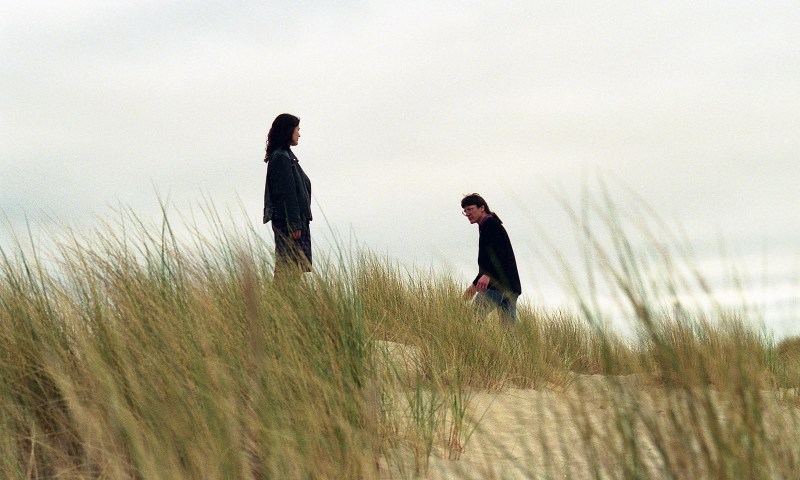
The pictures here are from Oregon in 1994, when I visited Christine and Tom.

Oregon 6a

I paid them back their hospitality by taking these pictures.

Oregon 2a

And no, we did not try to reenact the film. But the intensity of the landscape almost too easily distills the personality of the visitor.

Oregon 7a

If I ever feel like emotional cleansing, I will walk the Oregon Dune Trail.

Oregon 4a

Double Exposures

The Sieg is a tributary of the Rhine northeast of Bonn. The word Sieg means victory in German, but (wikipedia tells me) the name of the stream derives from the celtic word sikkere (fast stream), as does the name of the French Seine via the related Sequana. This must be flattering for the Sieg.

Bonn 5

A slightly elevated dam next to it gives the opportunity to extended bike rides. I have written before about the area here, and I am revisiting the place now, as I revisited it often in the 1990s.

Bonn 20

The dam also provides an excellent perspective on the trees

Bonn 10

or the power line masts.

Bonn 7

The picture above was made using a now obsolete technique, the double exposure. I used to experiment with it quite a bit,
but gave up on it when doing this became more or less trivial in Photoshop. It is disappointing to see how the creative possibilities of multiple exposures have become reduced to automatized photo stacking with the goal to increase the dynamic range or depth of field.

Bonn 15

La terre qui penche

In Carole Martinez’ extraordinary novel La terre qui penche we encounter the Middle Ages through the eyes of adolescent Blanche (and her mysterious and timeless alter ego, the Old Soul). Nature has not been conquered yet: Imagination and poetry instead of science are the primary means of comprehension.

DSC 0633

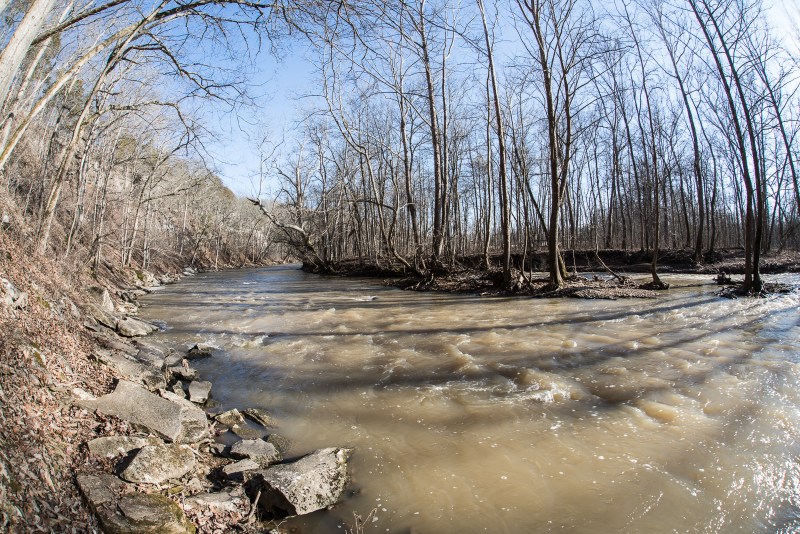
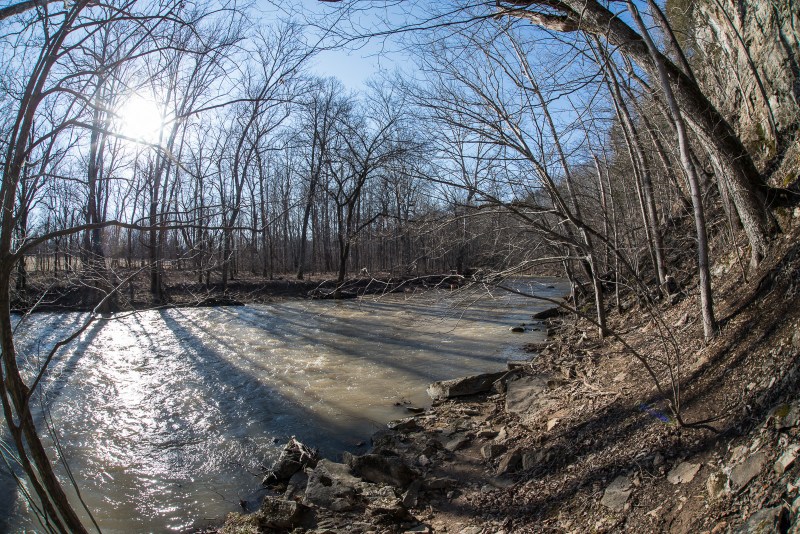
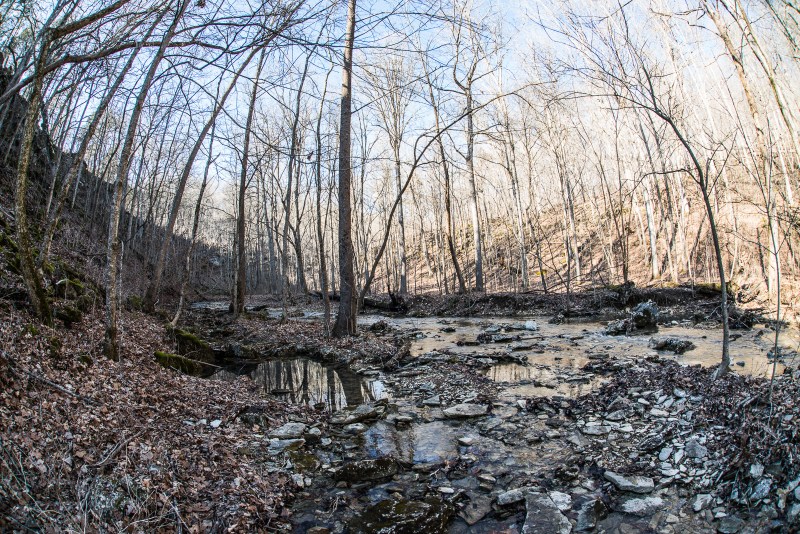
Southern Indiana’s landscape is hard to capture, because it is full of ruthless vegetation, and the harsh sun provides unwanted contrast. I usually resort to taking pictures of carefully selected views before or just at sunrise. This works well, but doesn’t capture how it really looks like.

DSC 0637

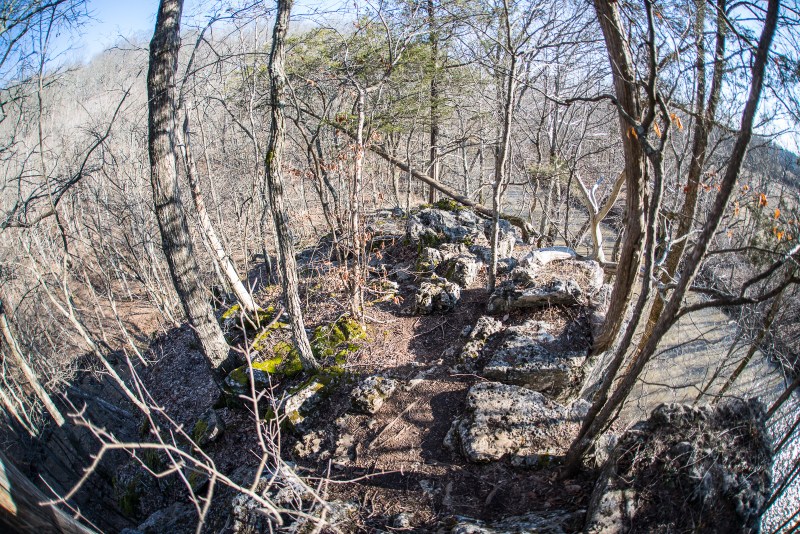
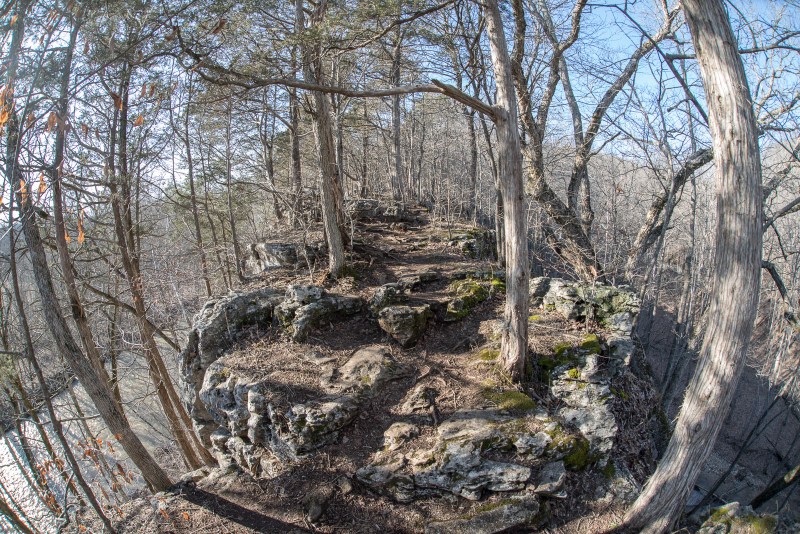
So I decided to go all the way to the other extreme, using a 15mm fisheye lens. We truly have the world tilting now, and this is how it feels like between the creek and the bluff at Cedar Bluffs Nature Preserve.

DSC 0644

Depending how one uses the fisheye, the effect can be more or less intrusive. One can have a peaceful valley that is a bit too curved, or a disorienting view down the bluff.

DSC 0653

I will need to revisit these images when I am less under the impression of La terre qui penche.

DSC 0659

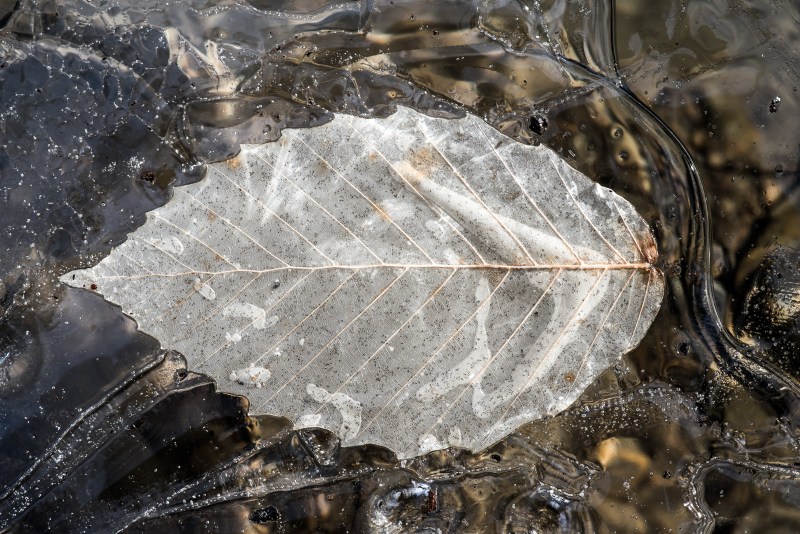
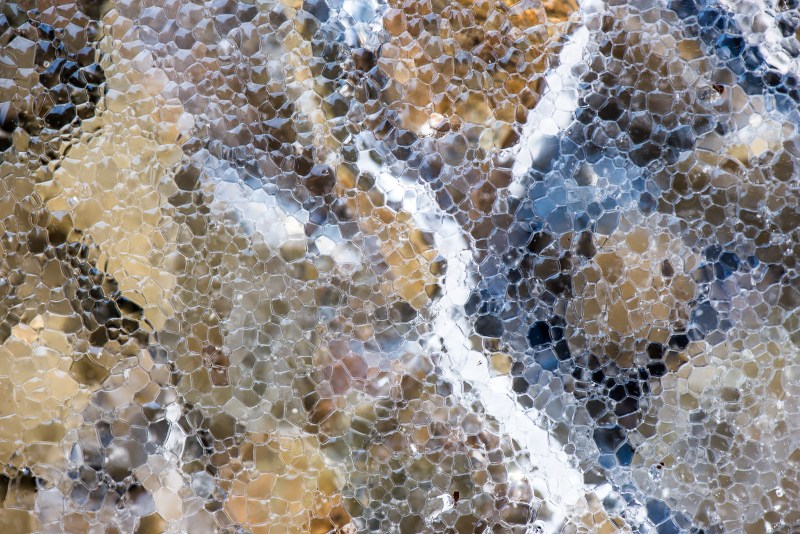
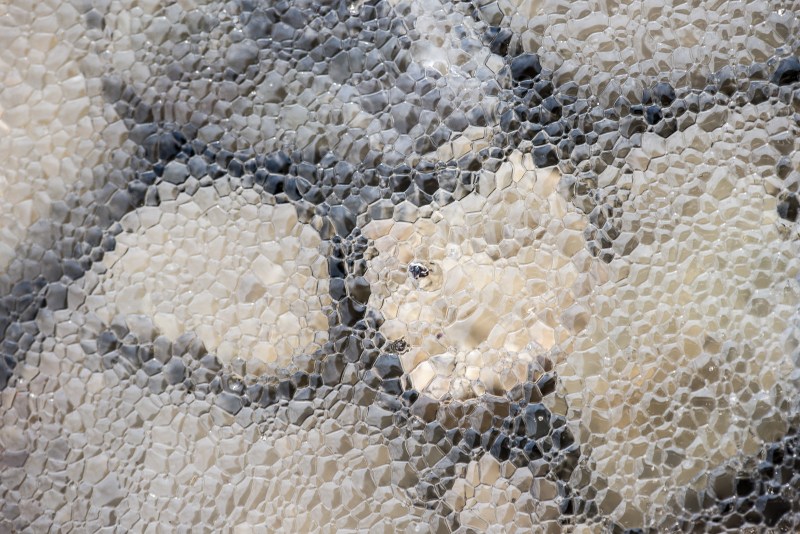
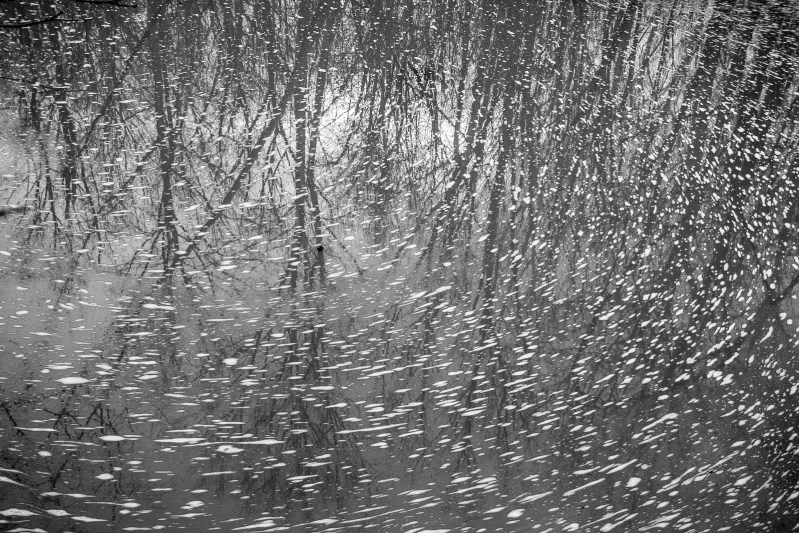
Patterned Ice

A side effect of having the temperatures vary between 10 and 60 degrees Fahrenheit within days is that one can admire interesting ice formations while hiking in pleasantly warm weather.

DSC 0428

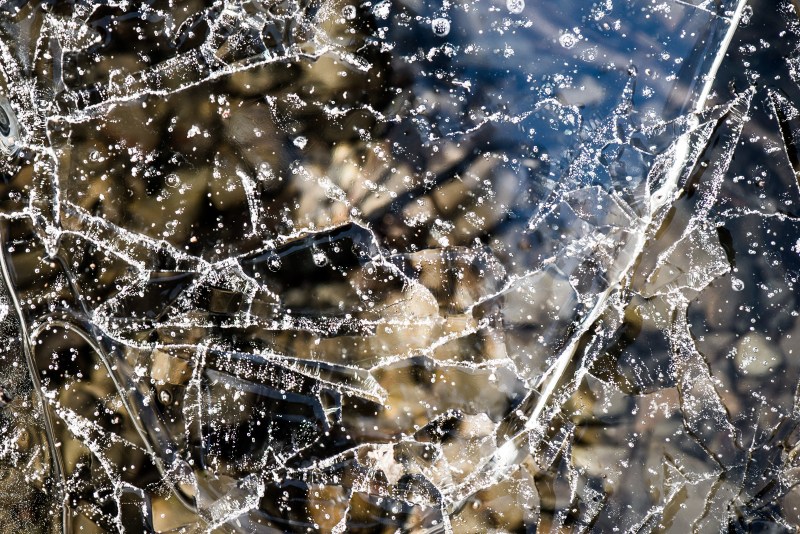
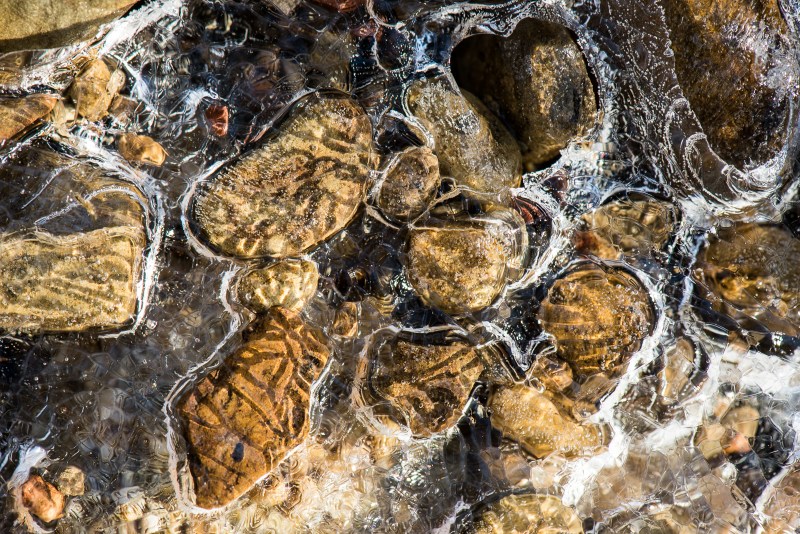
What we see here are thin layers of ice over shallow running water, in some of the little creeks that flow through Yellowwood State Forest.

DSC 0463

Rocks make for quicker thawing, and the hickory leaves from last fall adapt by becoming translucent.

DSC 0468

Near hexagonal patterns like this one occur often in nature when homogeneous material breaks under uniform pressure. It’s the first time I have seen this with ice, and I would love to see how it forms in a time lapse movie.

DSC 0484

Another one, at a different location.

DSC 0485

Wood and Water

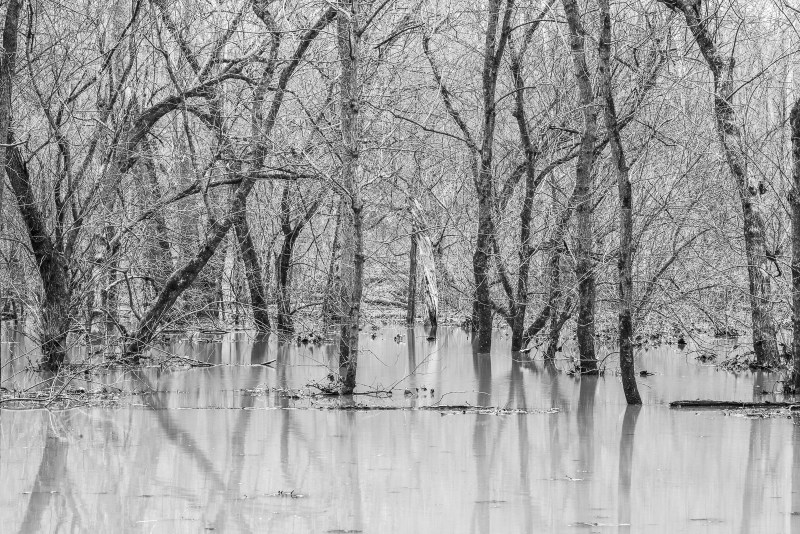
Usually the McCormick’s Creek flows gently into the White River, which itself is during dry summer months reduced to a muddy mess.
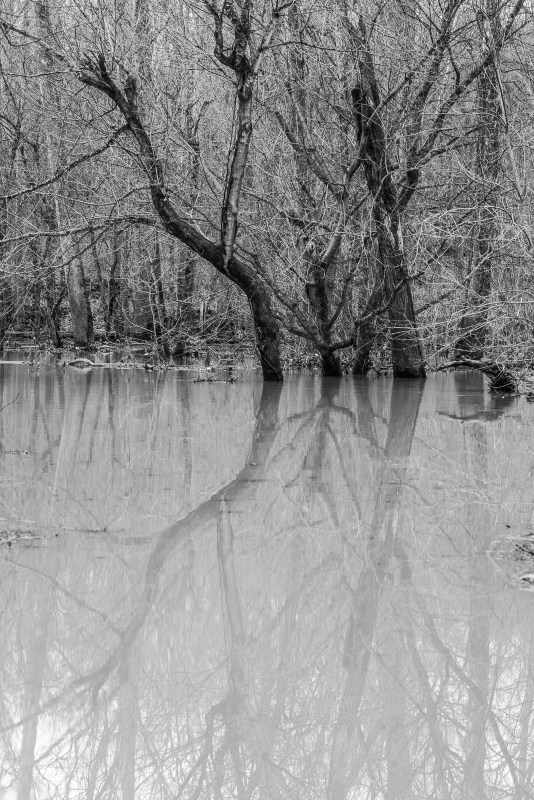
After winter rain storms, the White River floods into the plains, and pushes the McCormick’s creek back, forcing the foam caused by the recent storm to spiral in waiting — for what?

DSC 0963

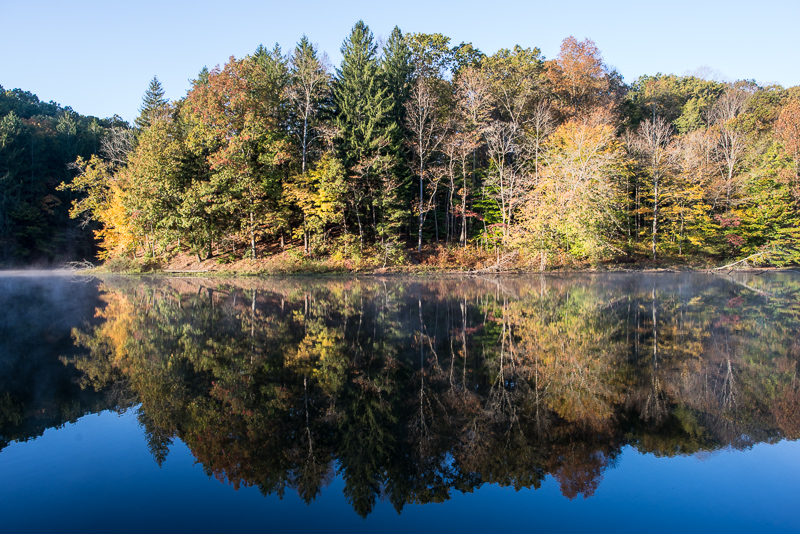
Time like the water has come to an unnatural standstill.
DSC 0285

The trees that will teem with life in a few months look tired beyond hope.

DSC 0275

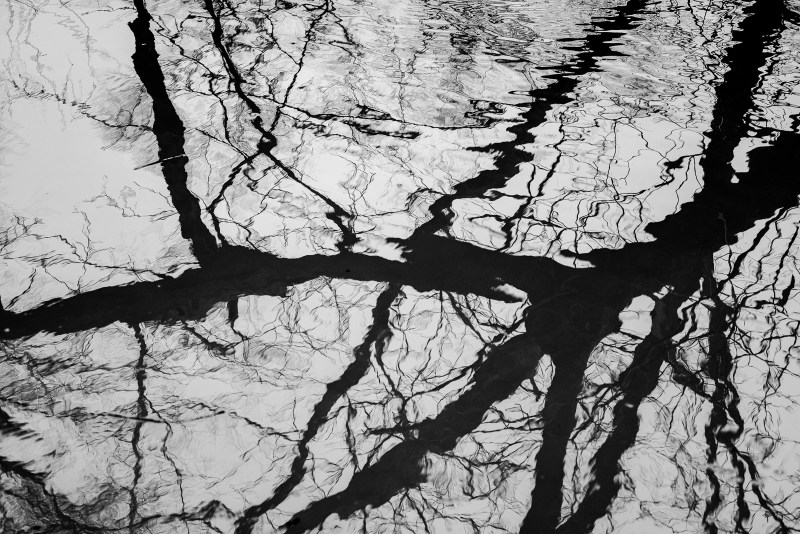
But ripples in the water shake us back to life. We have paused only for a brief moment.

DSC 0272

Happy Birthday

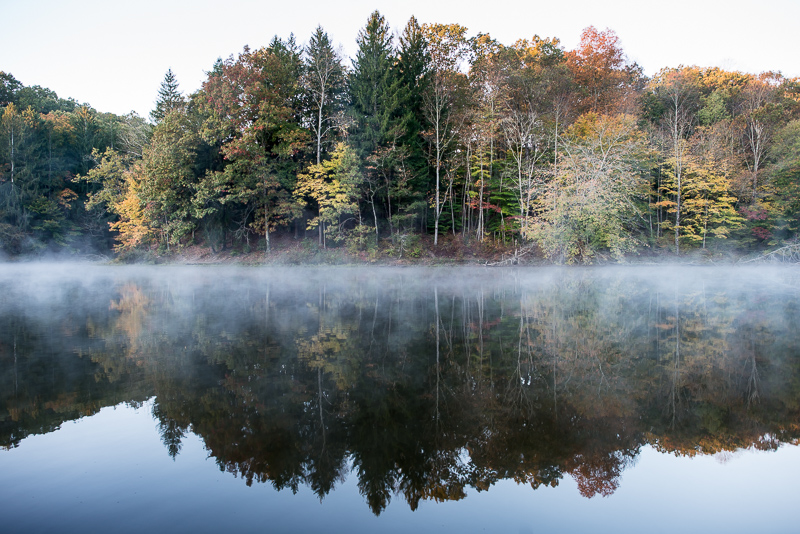
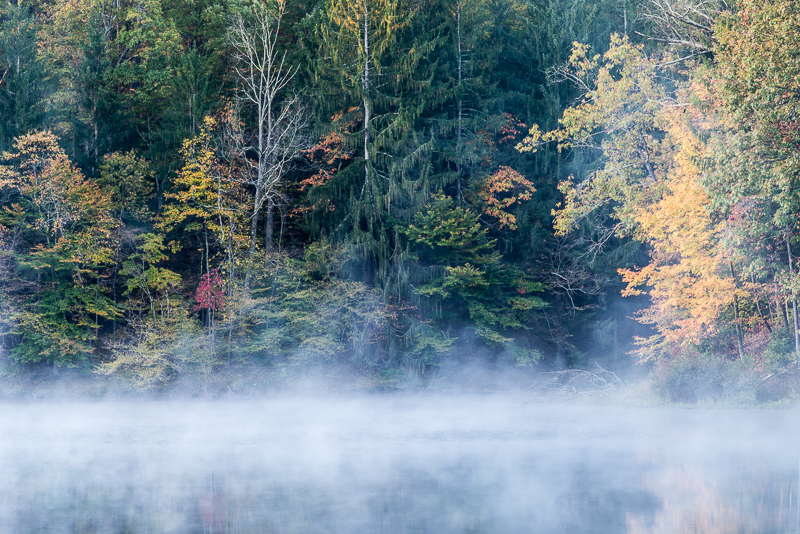
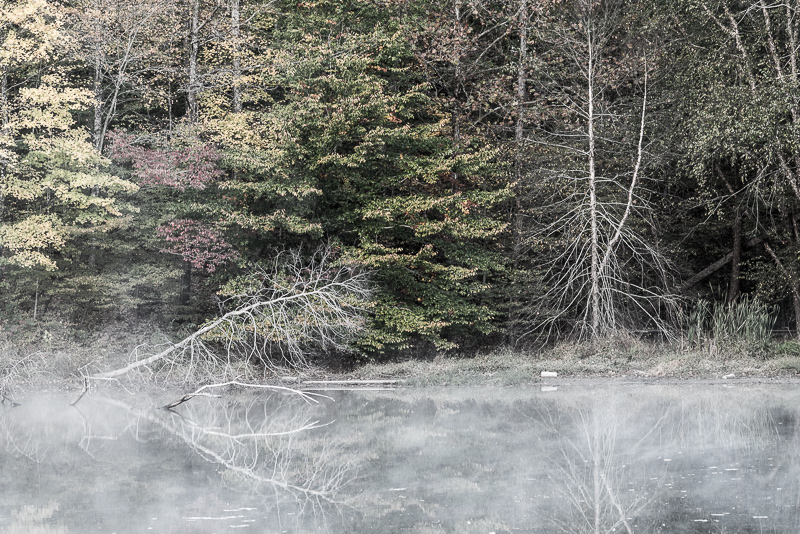
I started this little blog with visual aphorisms one year ago, so maybe this is reason enough to revisit the very first post, by spending one hour at Strahl lake in Brown County State park.

DSC 9869

This one  hour is how long it takes between dawn and the moment when the sun rays touch the lake at the western lake shore.

DSC 9877

The early morning fog awakens and begins to move in ways impossible to capture in a single photograph.

DSC 9881

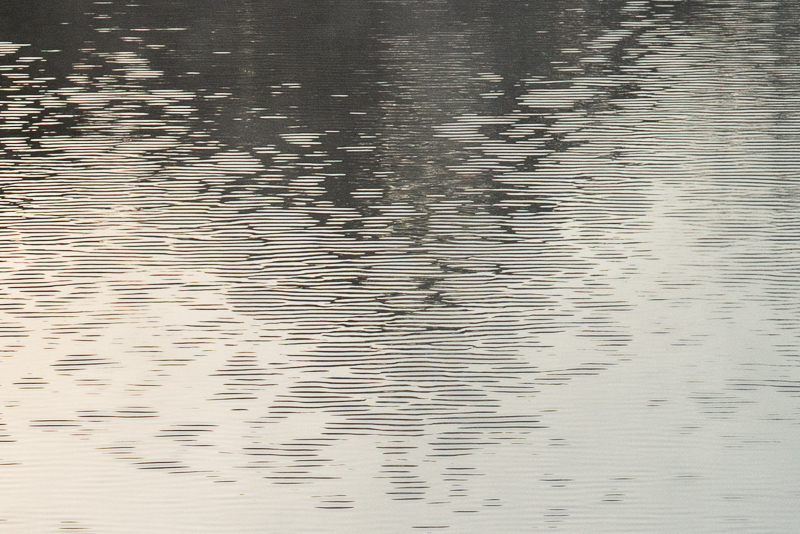
The wind leaves strange messages on the water.

DSC 9896

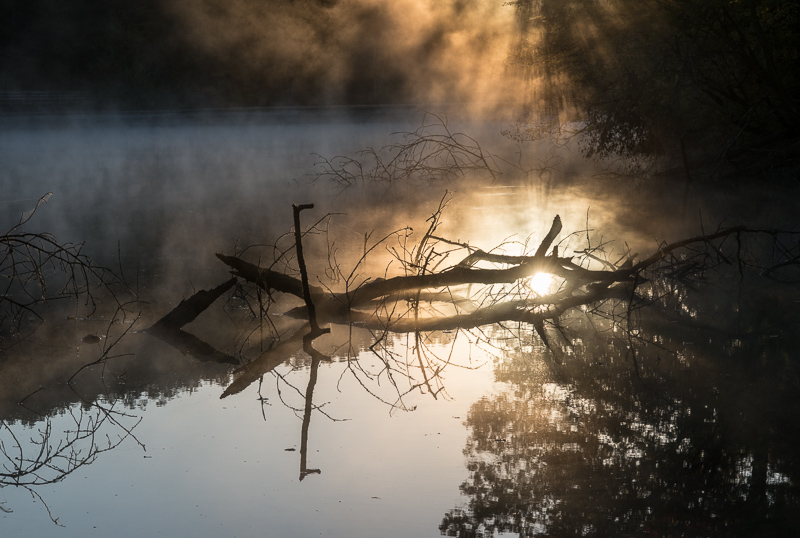
When the sun finally hits the fog, eery hologram like sculptures appear in the lifting fog.

DSC 9897

And then, of course, day is here.

DSC 9912

Minimal Surfaces in the Wild (k-Noids I)

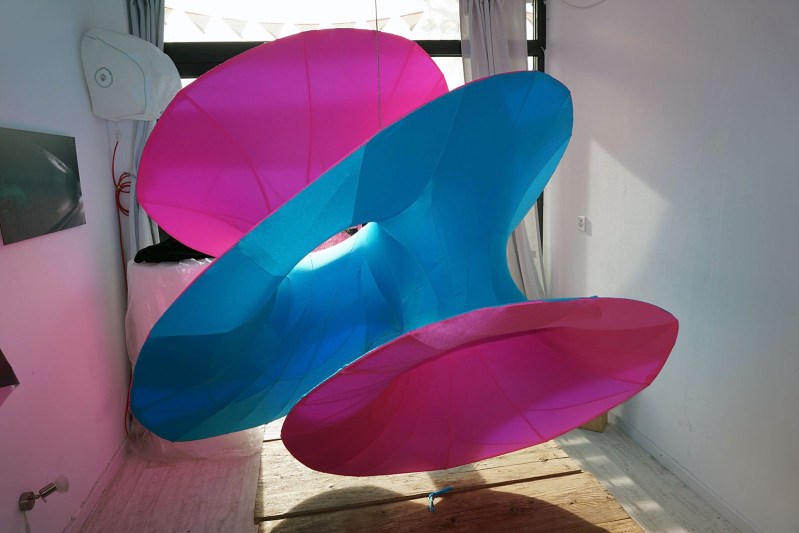
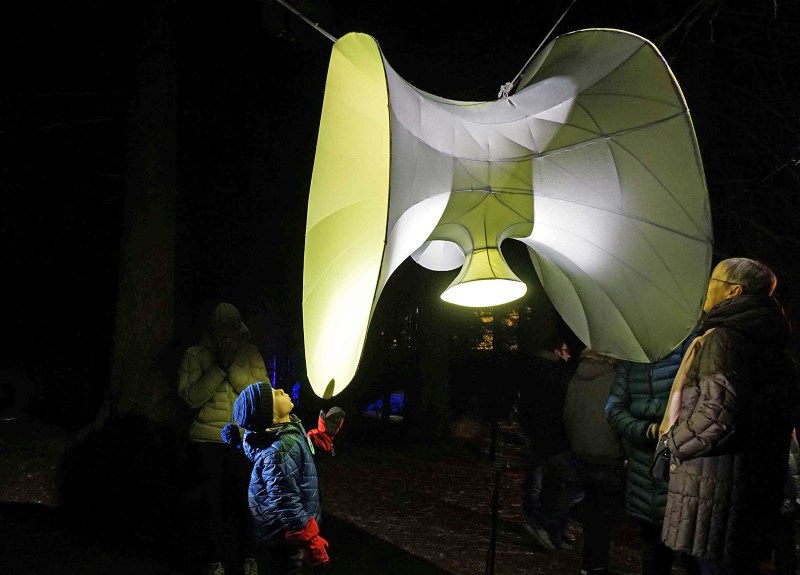
Making photorealistic images of minimal surfaces is one thing, but making real models of minimal surfaces and putting them into the landscape is quite something else. In July 2015 I was contacted by the Swiss artist Shireen Caroline von Schulthess who planned to do exactly that. She needed 3D models in order to build large wire frames that would then be wrapped in thin, colorful fabric. These sculptures would serve as loud speakers for recorded voices from local interviews with the topic “wishes”, to be played as an installation at the Lenzerheide Zauberwald festival.
Shireen 1b

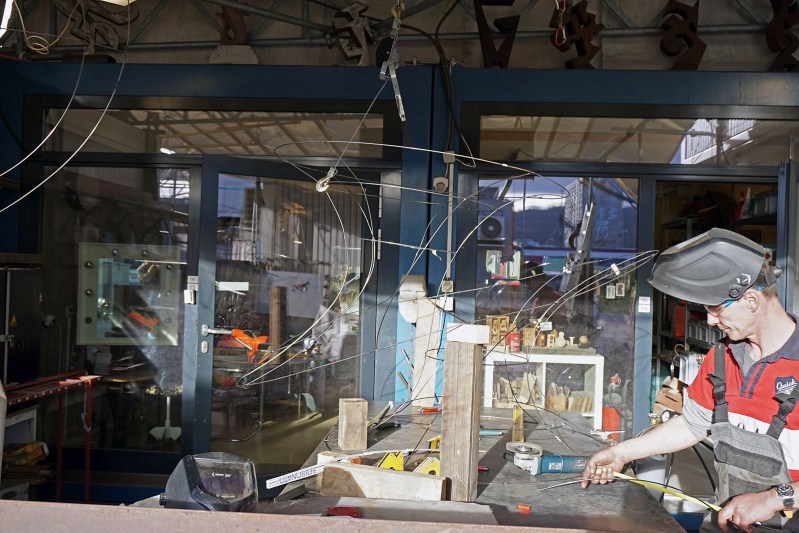
Here is the wireframe model of the Finite Riemann minimal surface. Given that I already have difficulties bending a single metal coat hanger into a given shape, I can only admire the skills of Shireen and sculptor Adrian Humbel to accomplish this at this scale.
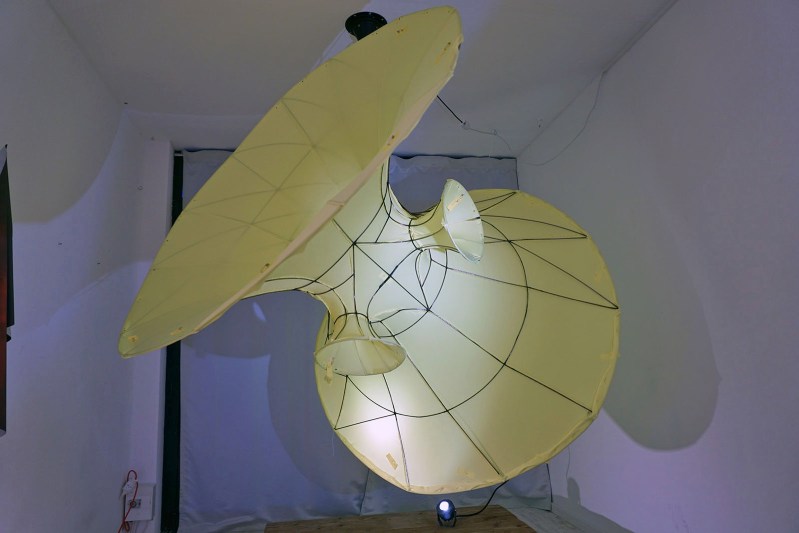
Below is the partially clothed 4-Noid.

Shireen 2

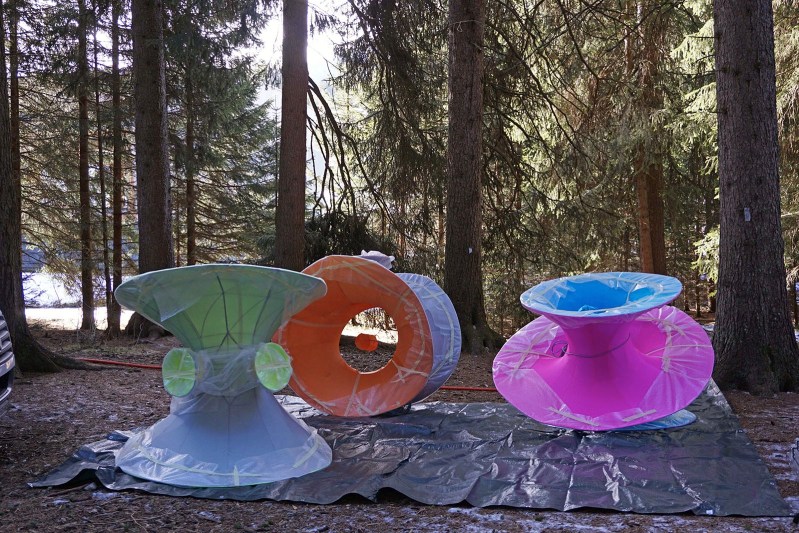
And this is the Finite Riemann surface, fully clothed.

Shireen 3

All three of them, ready to be released into the wild, and weather proof.

Shireen 4

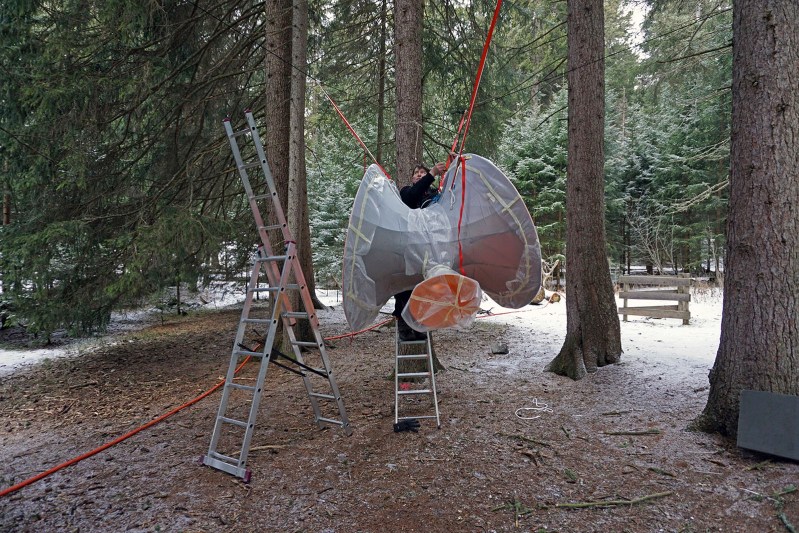
Not even the installation is easy:

Shireen 5

To bad I can’t be there. This must be quite an experience.

Shireen 6

All pictures in this post were taken by Shireen.

Death Valley 1993

“What do you call the desert out yonder?” McTeague’s eyes wandered over the illimitable stretch of alkali that stretched out forever and forever to the east, to the north, and to the south.
“That,” said Cribbens, “that’s Death Valley.”

Death4

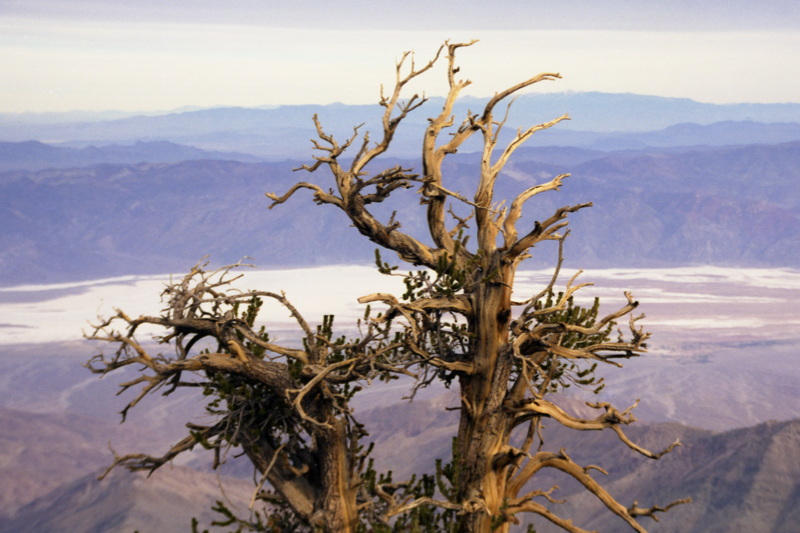
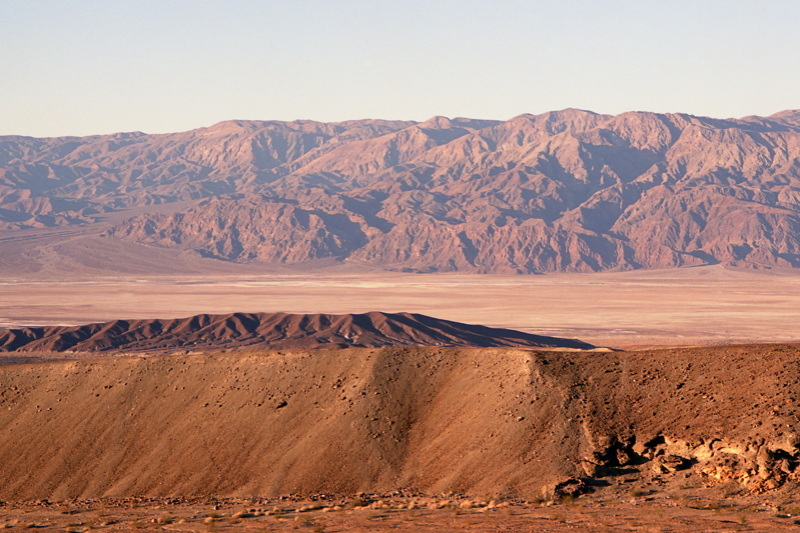
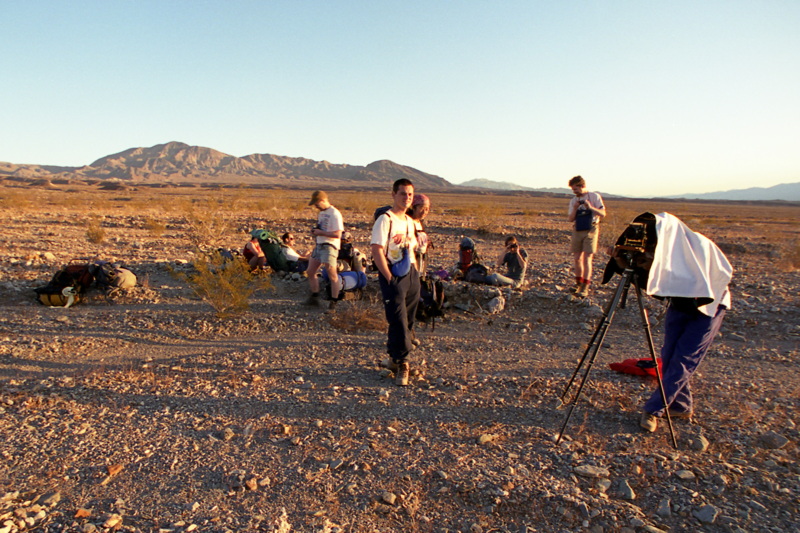
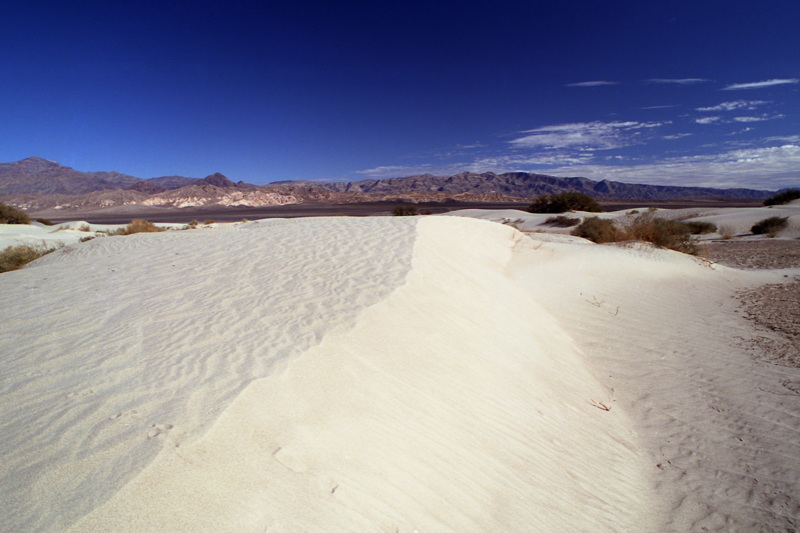
Backpacking in Death Valley seems like an odd idea, but it’s not so bad, if you pick the right time of the year, and the right people. I did so with members of the California Hiking and Outdoor Society (CHAOS) in December 1993.

Death2

The daytime temperatures were quite pleasant, but at night they would drop below freezing. So we had to pack warm gear, and in addition 2 gallons of water each. So I was bit worried about the weight of my camera, but I decided to pack it and to leave the bottle of wine at home instead.

Death1

One of the new people was Tuan, who had brought his large format camera (in addition to an SLR with several lenses).
I asked him politely whether this wouldn’t be too much to carry, and he responded equally politely that this would not be a problem.

I learned later that Tuan had worked as a mountain tour guide in the Alps, was an experienced ice climber, had climbed Denali (and many other peaks), and was in the process of documenting all National Parks of the US in large format. Tuan also taught me to value the 24mm and 85mm focal lengths for landscape photography. One certainly met interesting people at CHAOS.

Death5

So in many ways this trip had been an eye opener for me, for landscape, for people, and for photography.

Death3