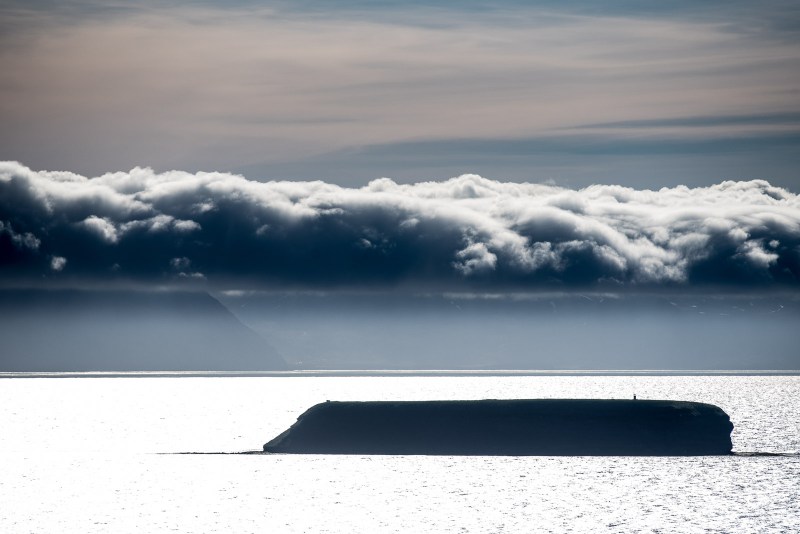
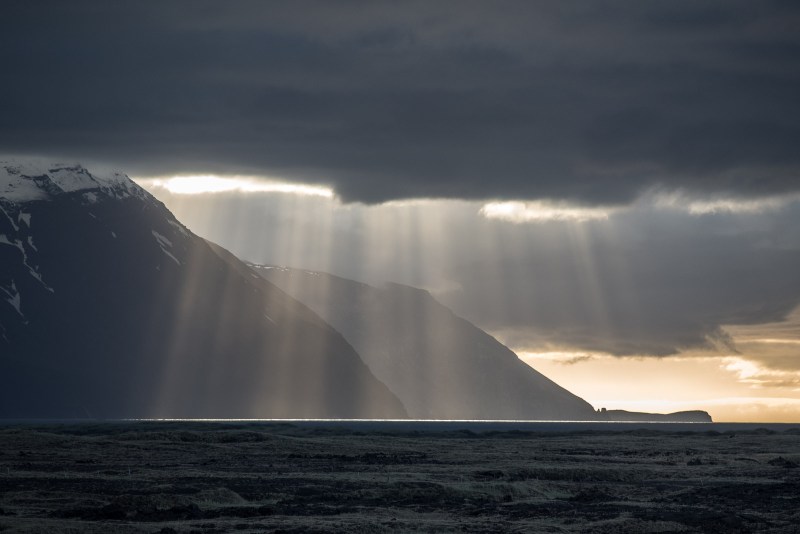
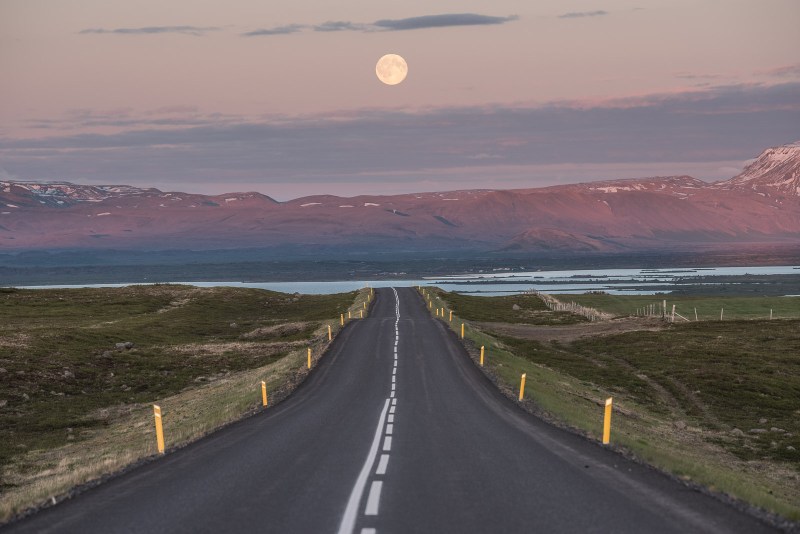
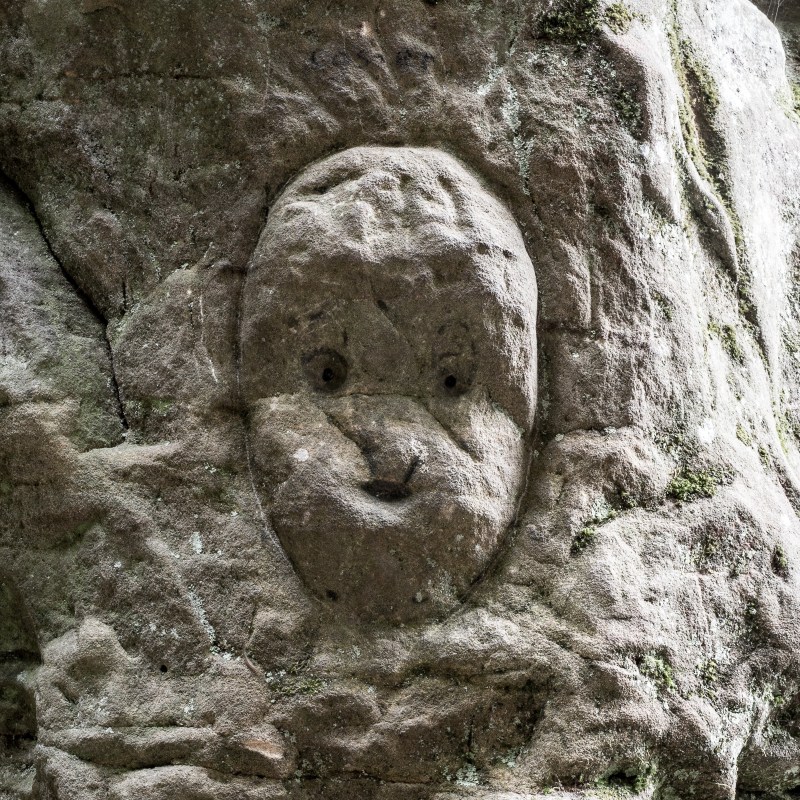
Möðrudalur (North Iceland IV)

Möðrudalur is a small settlement in the northeast of Iceland. It used to lie along the ring road, but modern efficiency has bypassed it.
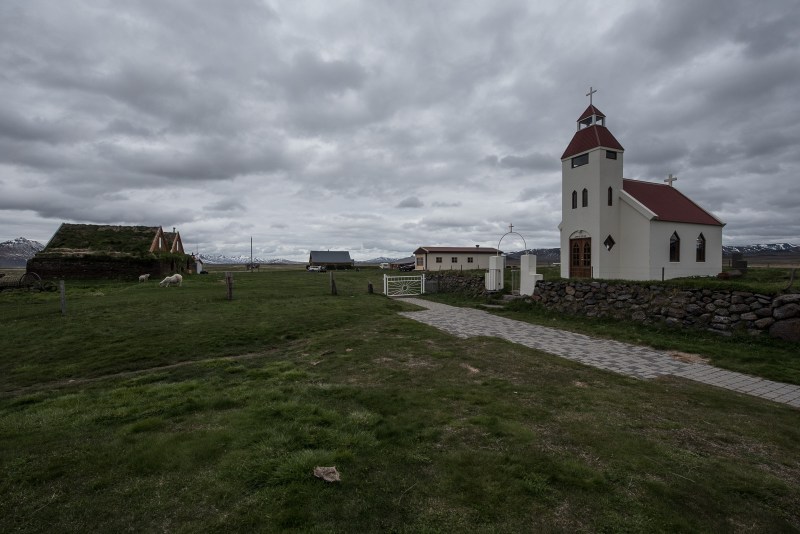
DSC 5482

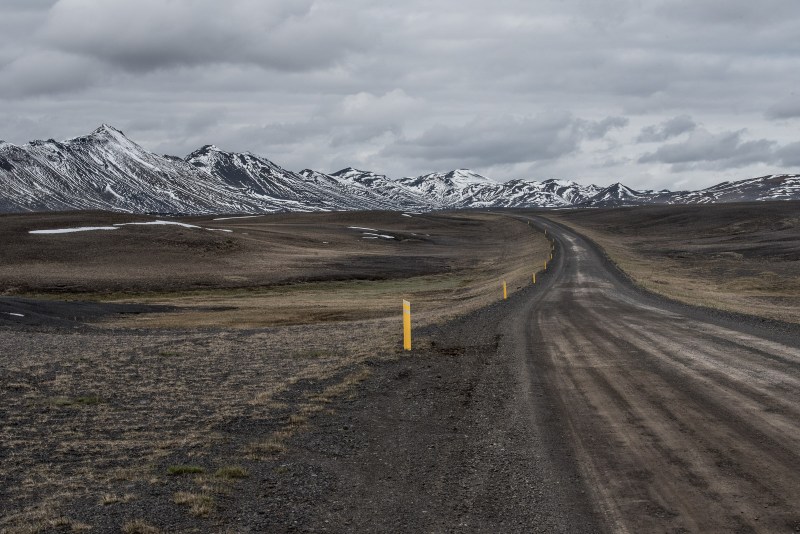
Too bad, because that alternative to the ring road, called Möðrudalsleið, is much more exciting. There are dramatic views of the Herðubreið (which was, unfortunately, not yet accessible when we visited).
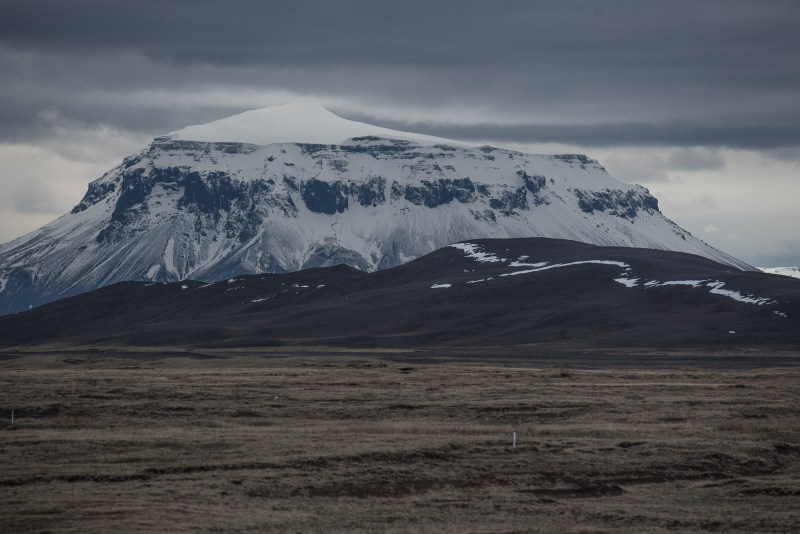
DSC 5472

In contrast to the ring road, it is just a simple dirt road, but not too bad.
DSC 5465

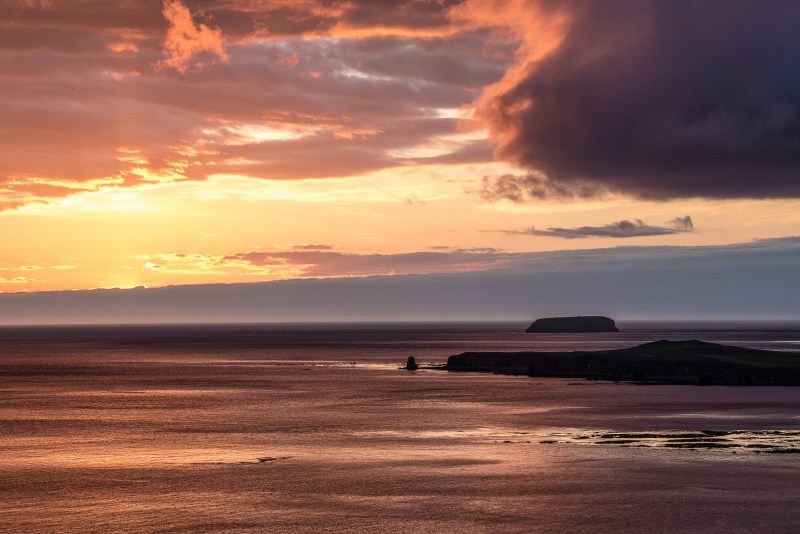
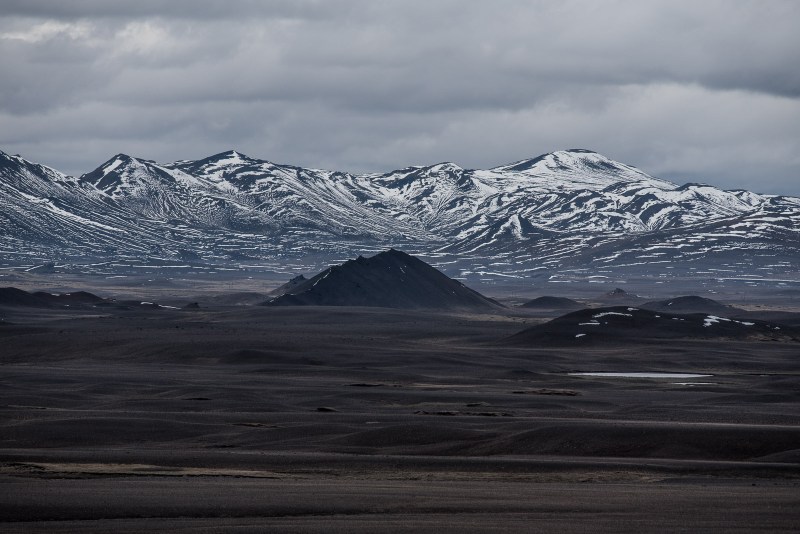
It climbs up the mountains and offers views of otherworldly beauty.
DSC 5496

Heinrich von Kleist, when confronted with the landscape paintings by Caspar David Friedrich, wrote famously that it felt like one’s eyelids had been cut away. This landscape feels like this, too.
DSC 5522

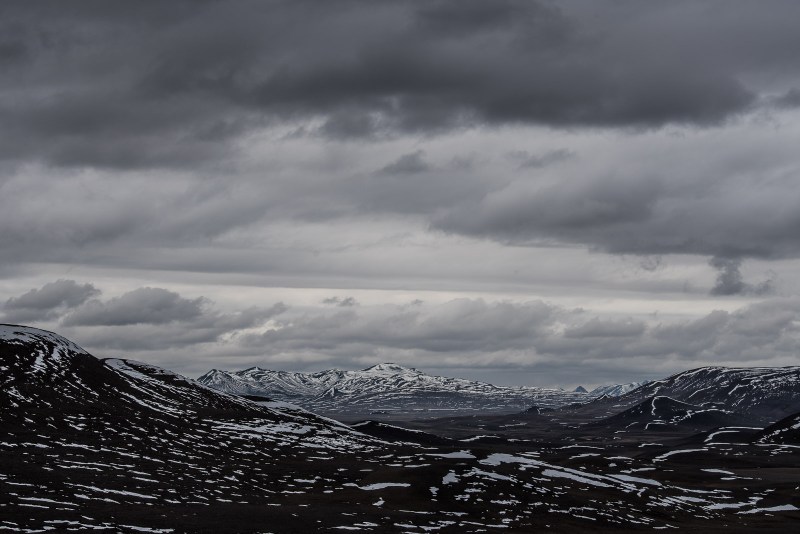
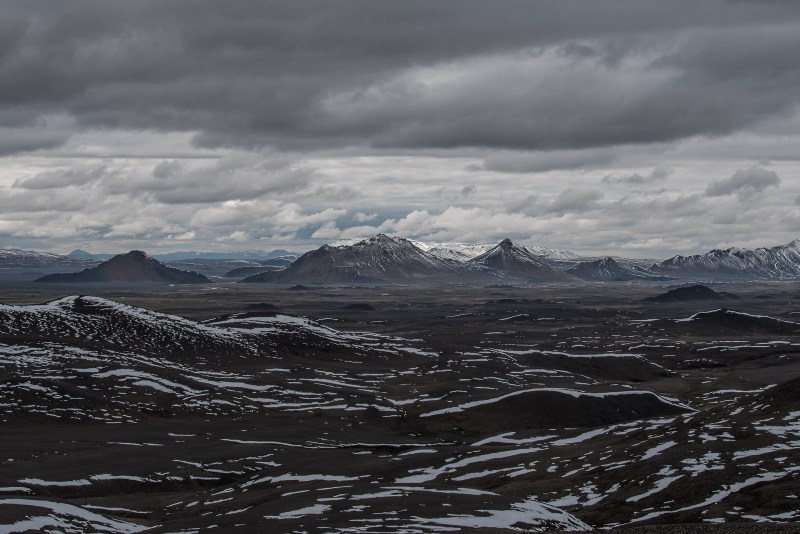
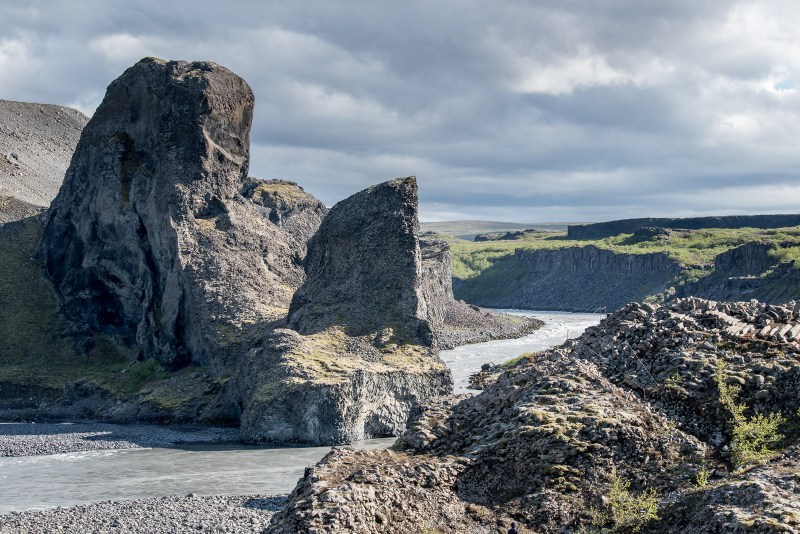
That this is so vast and still so simple creates confidence in its permanence. There is nothing to destroy here, and even if major earthquakes or volcanic eruptions take place, it will still look pretty much the same. Human souls should be like this.
DSC 5543

Hljóðaklettar (North Iceland III)

DSC 3984

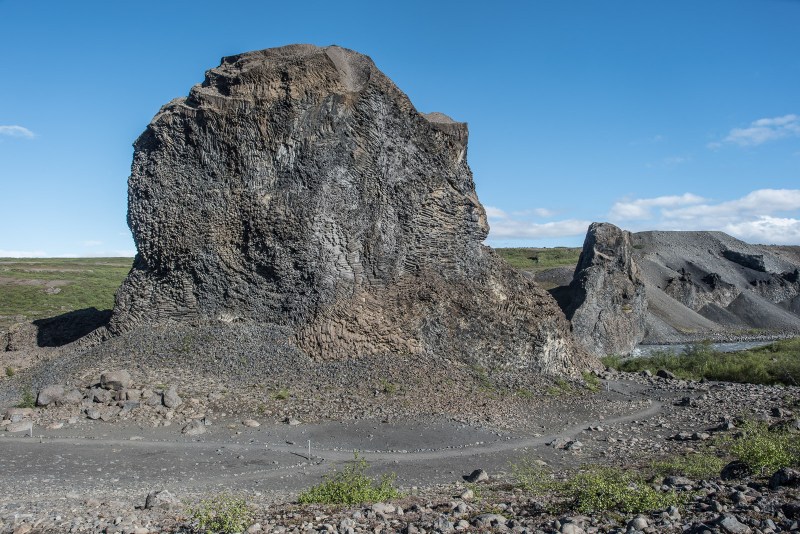
Let’s continue last week’s post with more basalt structures. The place to be is Hljóðaklettar in the Jökulsárgljúfur National Park. To get there, you turn south on 862 a little west of Ásbyrgi. There are a couple of well marked trails in this area; today we follow the river north. The landscape is marked with distinctive humps
DSC 3888

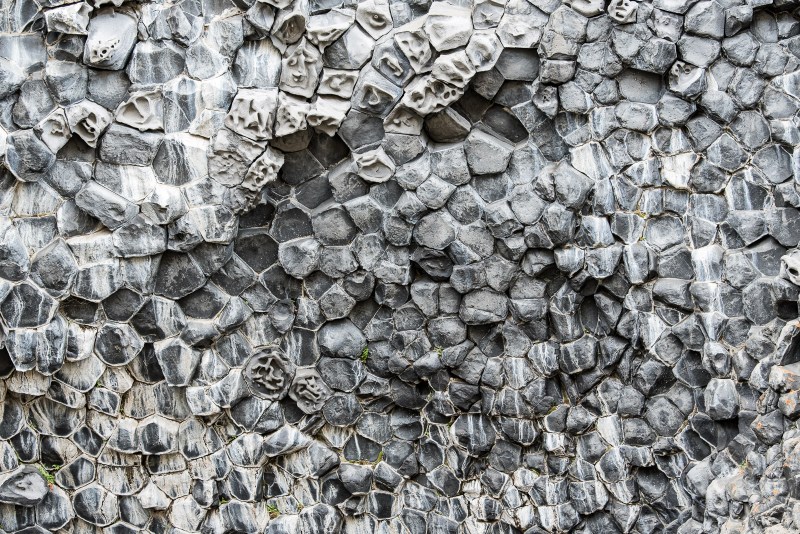
that consist of clusters of basalt columns.

DSC 3929

How much time did it take to build all this? We humans are truly ridiculously short-lived.

DSC 3961

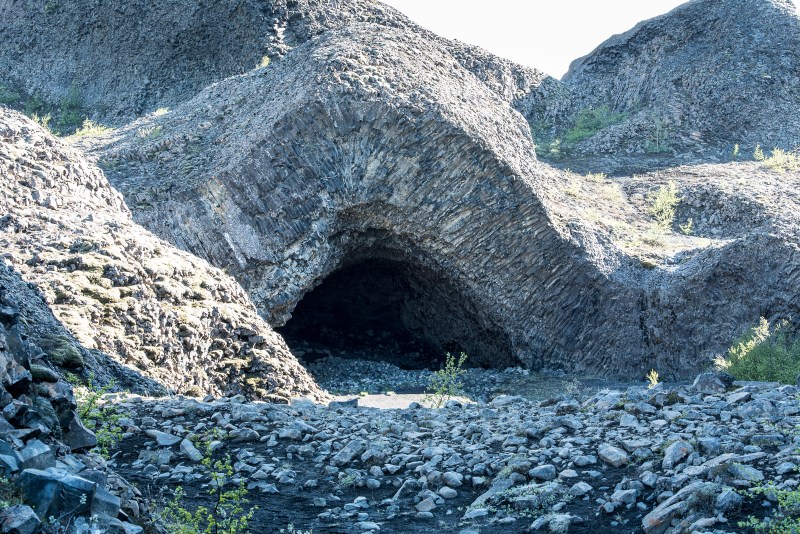
Then there are also the half-humps, like split giant geodes.

DSC 3969

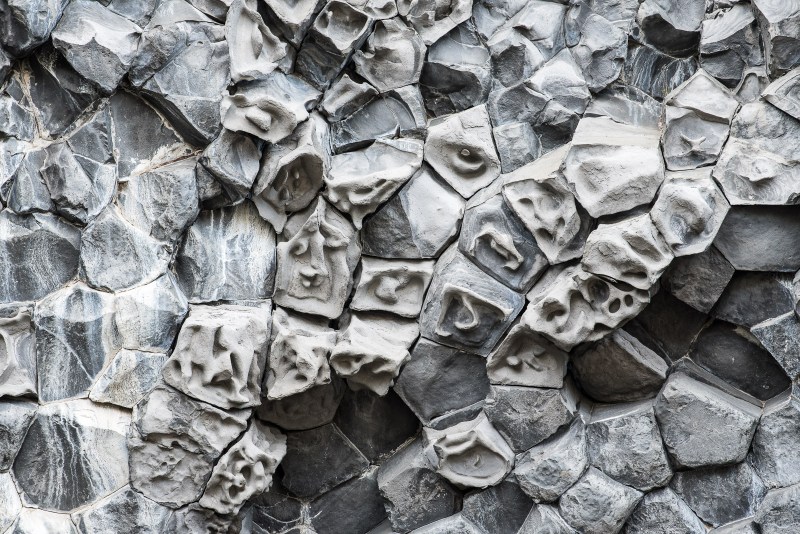
The inside (i.e. the left side of the hump up above) shows more strange rock formations

DSC 4015

that up close seem to look at us with mild disdain. Rightly so.

DSC 4016

Aldeyjarfoss (North Iceland II)

Within two hours driving from Húsavik, there are plenty more or less easy to reach places of interest. One of them is the Goðafoss waterfall, which is visible right from the ring road. Nearby, but not quite so easy to reach is the Aldeyjarfoss.

DSC 4507

To get there, one follows 842 south (a dirt road, better than 844, which is an alternative). This turns after a few bumpy kilometers into F26. Most people drive their two wheel drive cars up to the parking lot.

DSC 4675

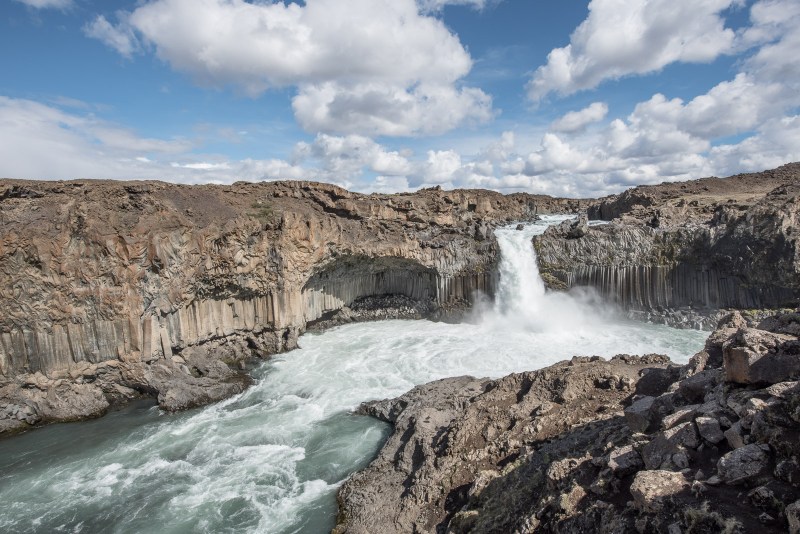
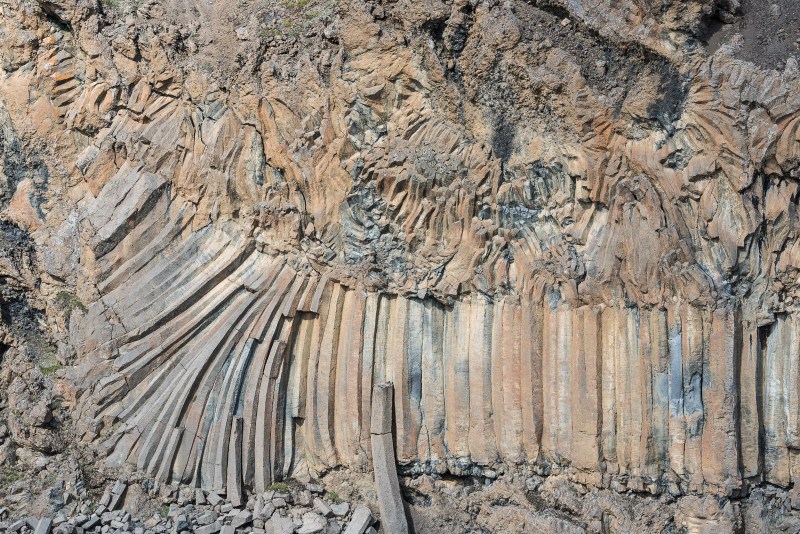
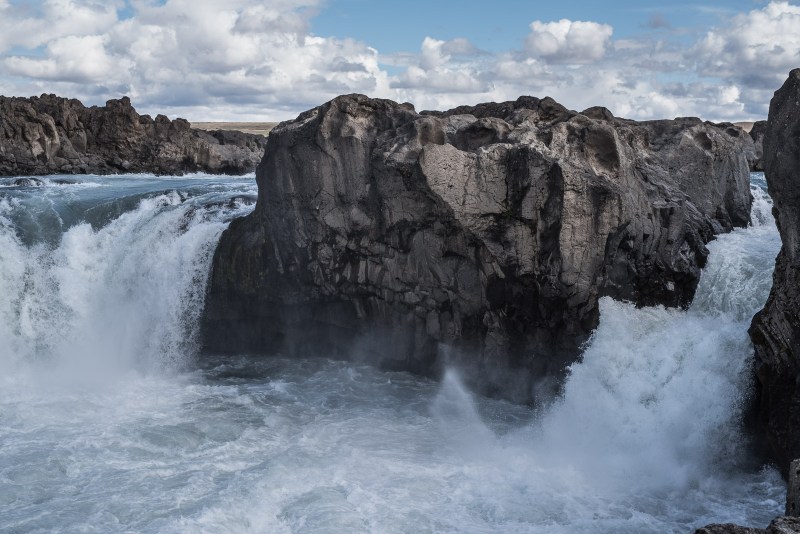
The waterfall itself is quite impressive, but its real beauty is due to the large basalt formations surrounding it.

DSC 4489

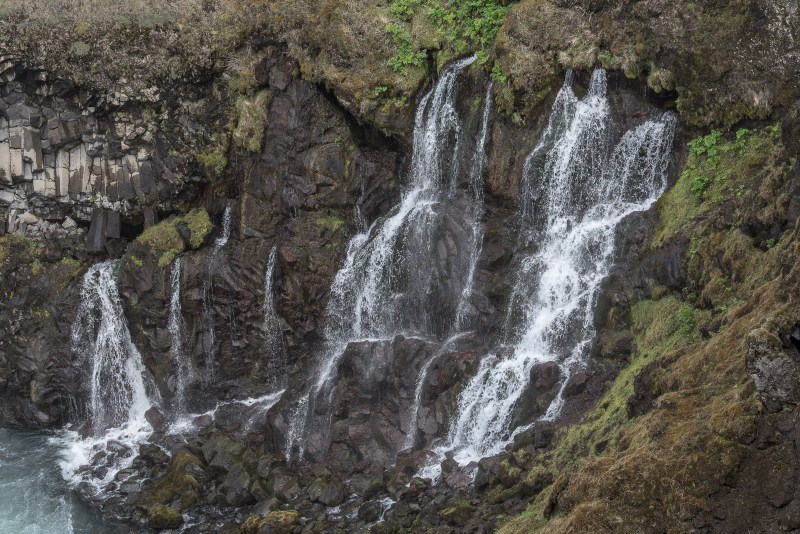
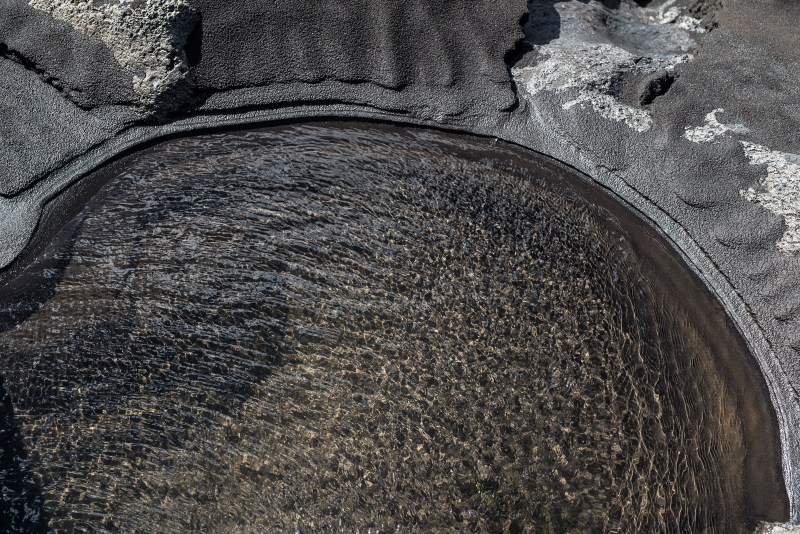
Next to it are some more contemplative smaller falls,

DSC 4661

and a short hike takes you to another large fall, the Hrafnabjargafoss.

DSC 4593

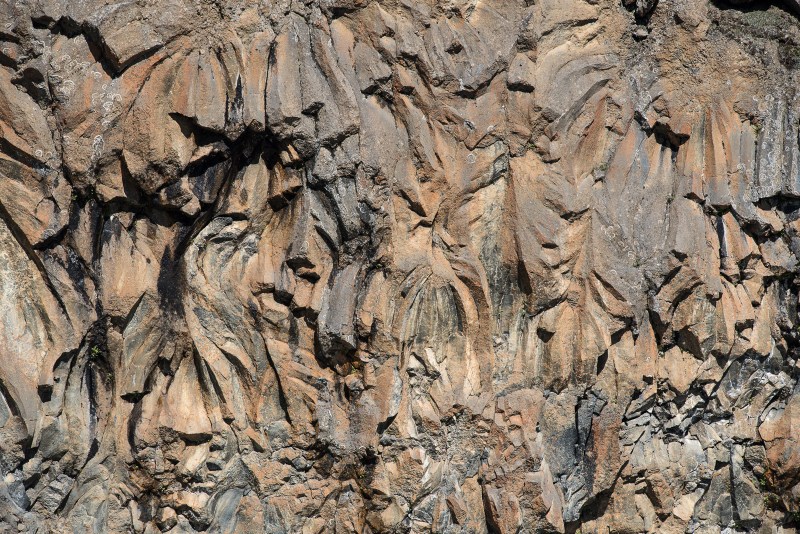
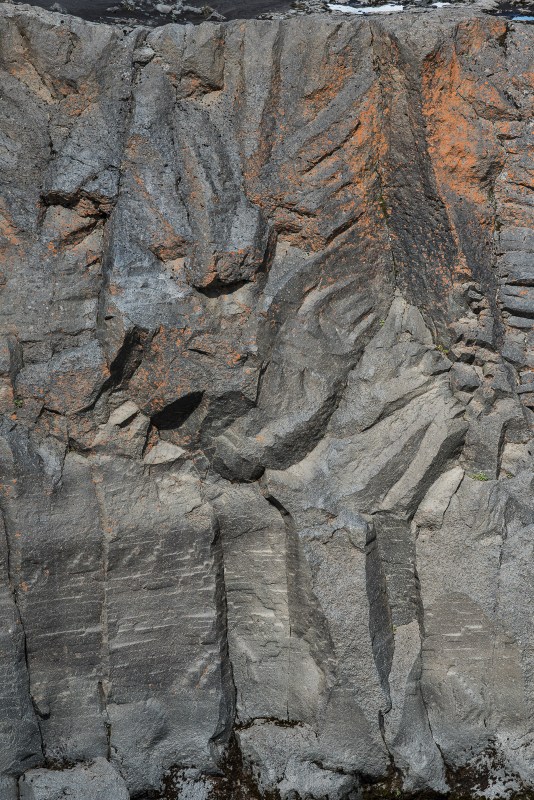
On the way, the rock formations on the river banks have the appearance of ancient friezes, telling stories about civilizations long forgotten.

DSC 4640

The complexity of this place made of rock and water is quite overwhelming.

DSC 4621

Húsavik (North Iceland I)

The next few weeks, I will write about this year’s vacation in Iceland’s north. For comparison, here are the links to the blog posts about Iceland’s south from two years ago:

DSC 3791

This year we stayed in Húsavik, a small and peaceful town a few degrees south of the polar circle.

DSC 5038

It lies on the east shore of Skjálfandi bay, which allows for nice sunsets (unless it is too cloudy (often) or not cloudy enough (rarely).

DSC 5940

Dramatic clouds are abundant and make driving dangerous.

DSC 4245

A highlight was the full moon backlit with a setting sun at midnight.

DSC 5798

After Dark (Southern Illinois IV)

DSC 3464

The trails at the Giant City State Park close at dusk. The reason seems obvious: You could get lost, fall off a cliff, and die.

DSC 3381

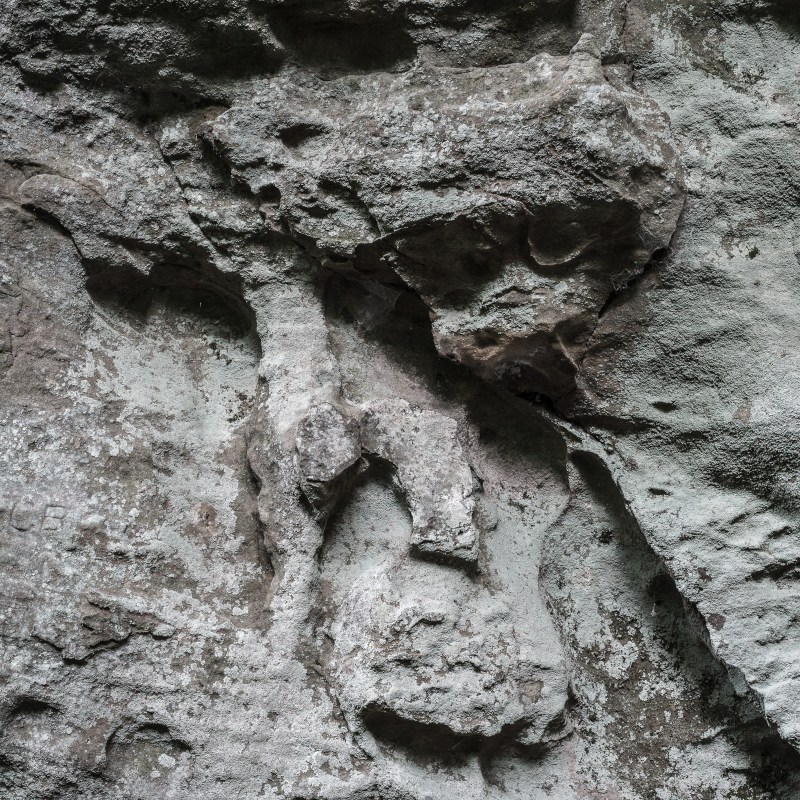
The truth is more sinister. After sunset, the innocent looking gnomes go into hiding, and from the rocks the true owners of the place emerge.

DSC 3388

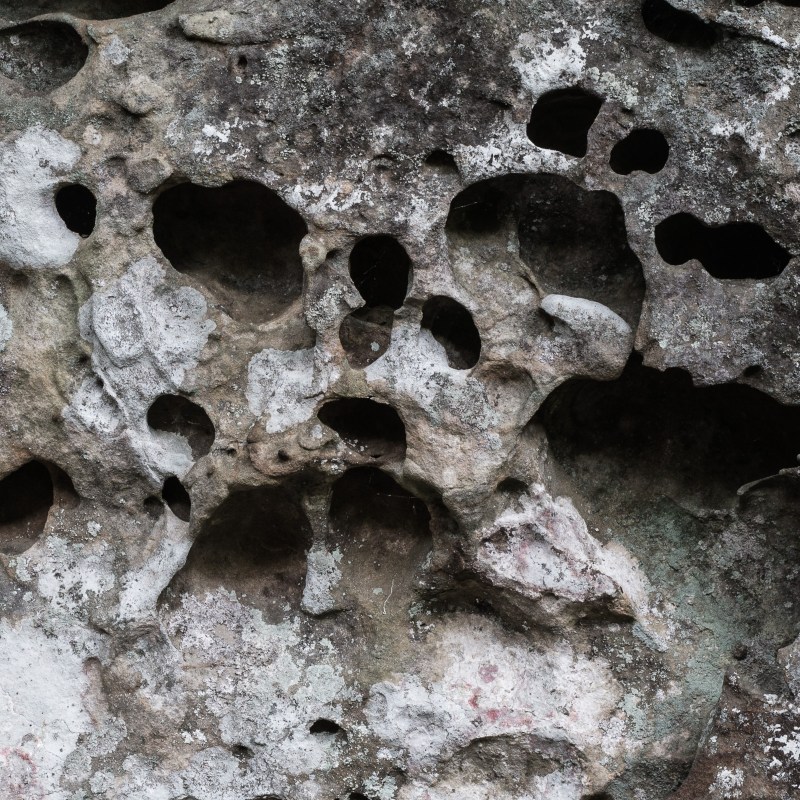
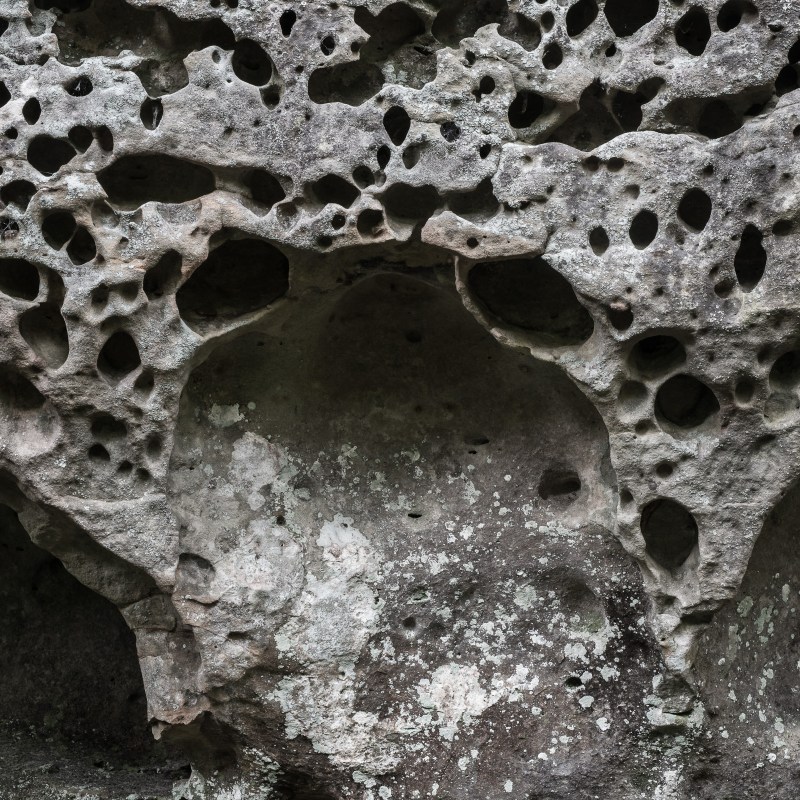
These two above still have humanoid features, but you start wondering whether there are other nameless horrors here. Death by falling off a cliff might have been a merciful alternative.

DSC 3386

I am sure Howard Phillips Lovecraft would have found inspiration here.

DSC 3416

Inside (Southern Illinois III)

DSC 3403

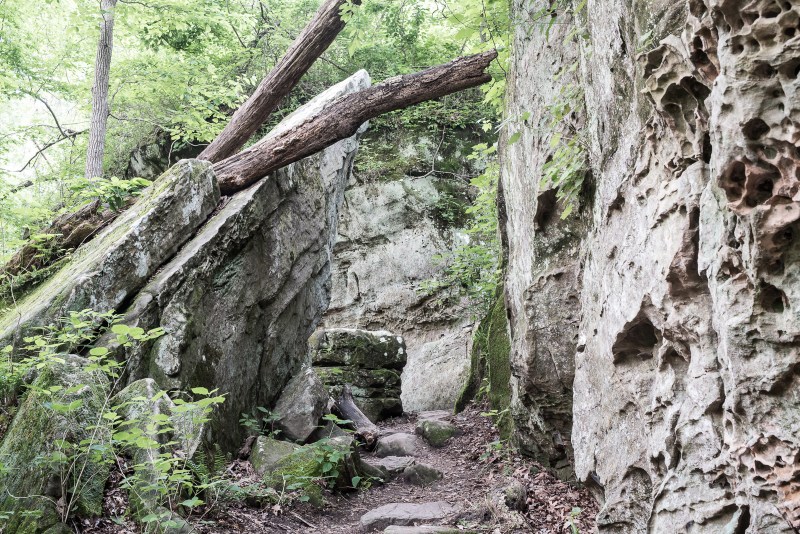
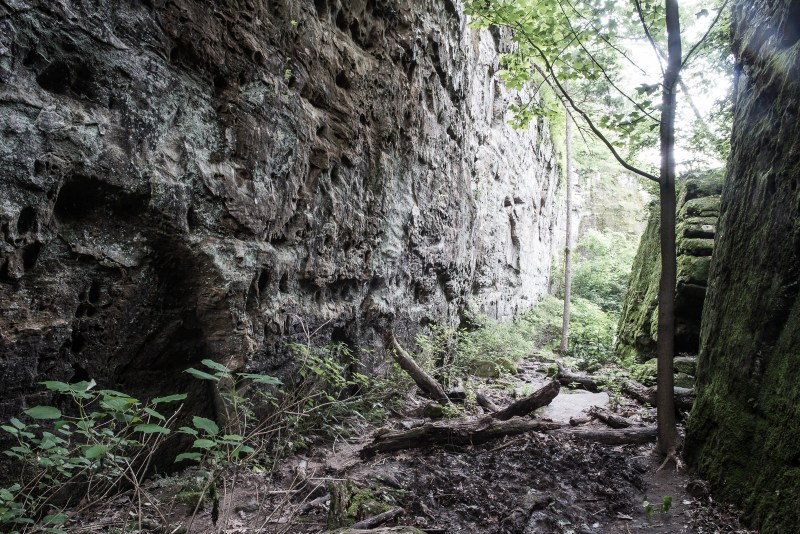
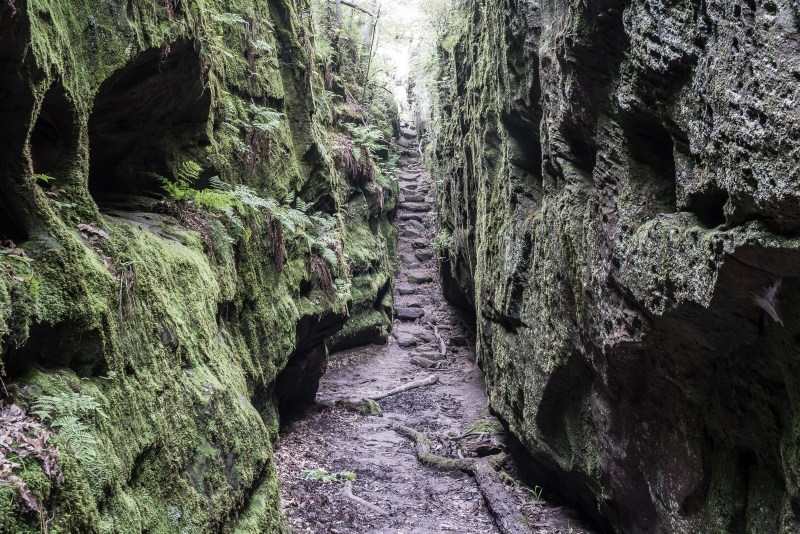
The Giant City State Park has its name because of the sandstone that has eroded into blocks (houses), separated by streets. After walking around last time, today we enter.

DSC 3421

The whole place is quite spooky, even during daylight, and it is easy to get lost.

DSC 3429

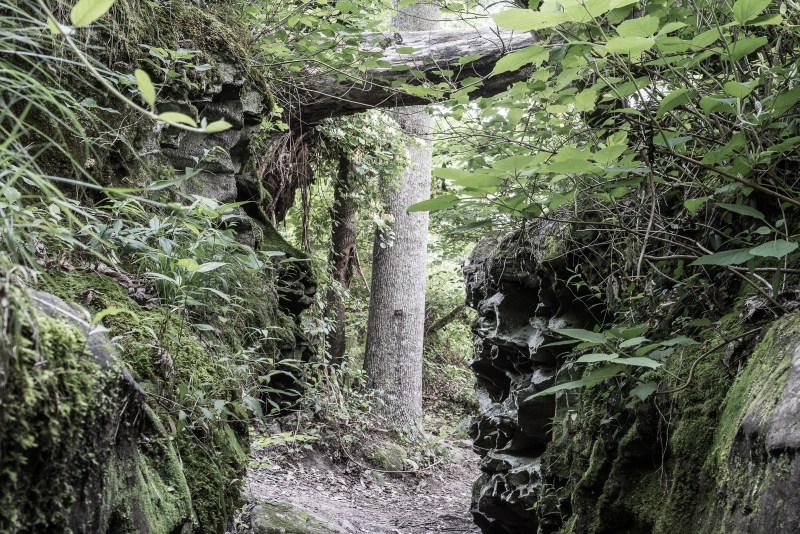
Some paths have exists, fortunately.

DSC 3450

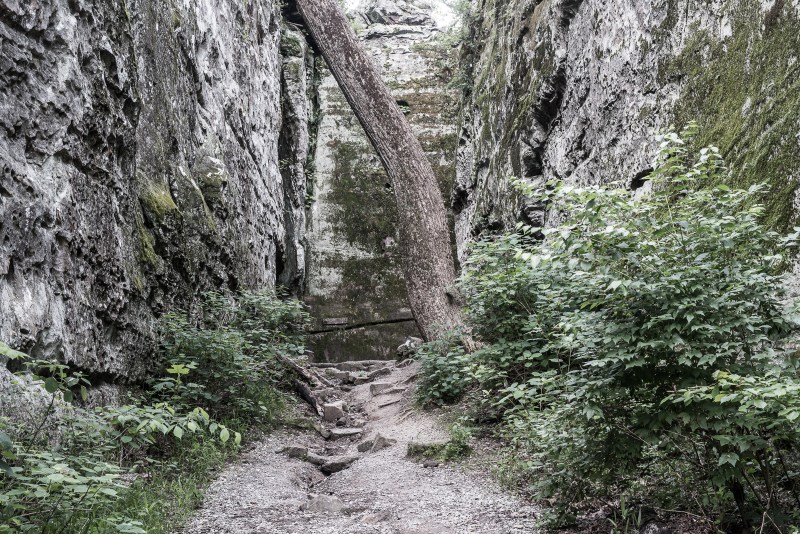
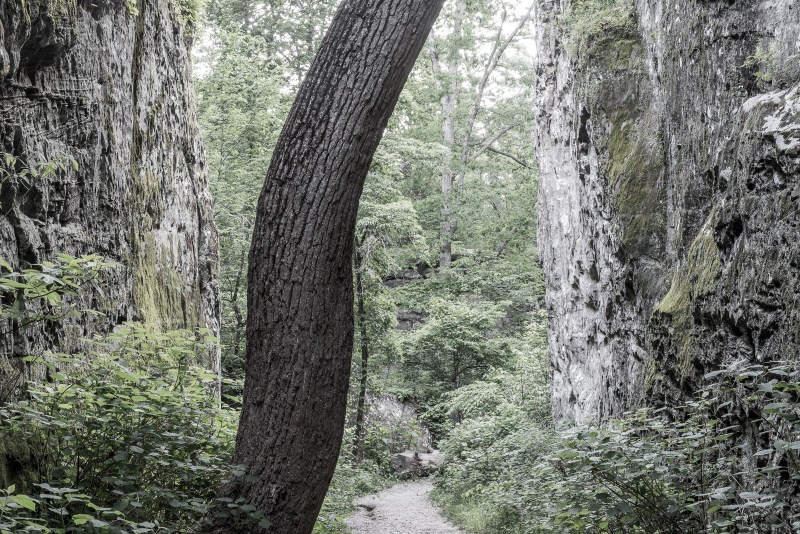
The location of the next two images was most impressive. It looks rather artificial, but not made by humans.

DSC 3460

Who would design something like this where even the trees contort in desperation?

DSC 3463

(to be continued)

Around (Southern Illinois II)

DSC 3511

In the middle of the Midwest, there is the small College town Carbondale. The nearest airport is in St. Louis, two hours away by car, if you survive the trucks that rush towards Chicago. However, it is not just rolling hills and corn fields. There is Giant City State Park, which is not, as I was afraid, another amusement park.

DSC 3508

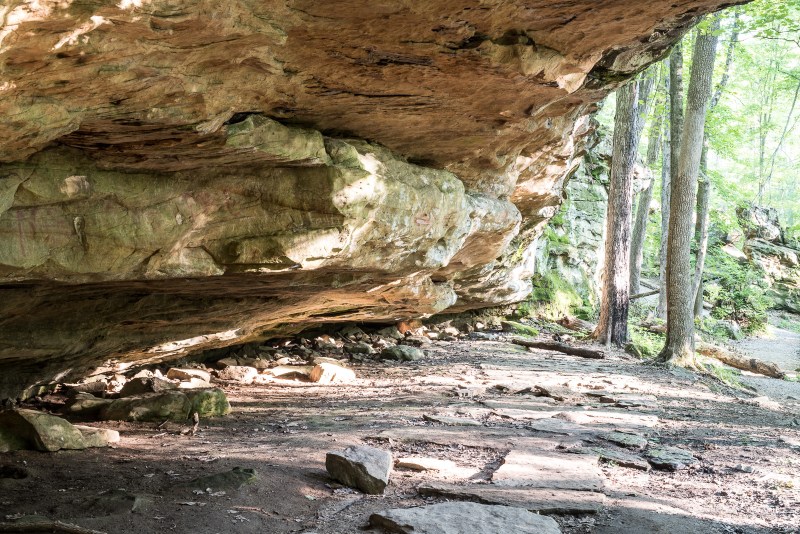
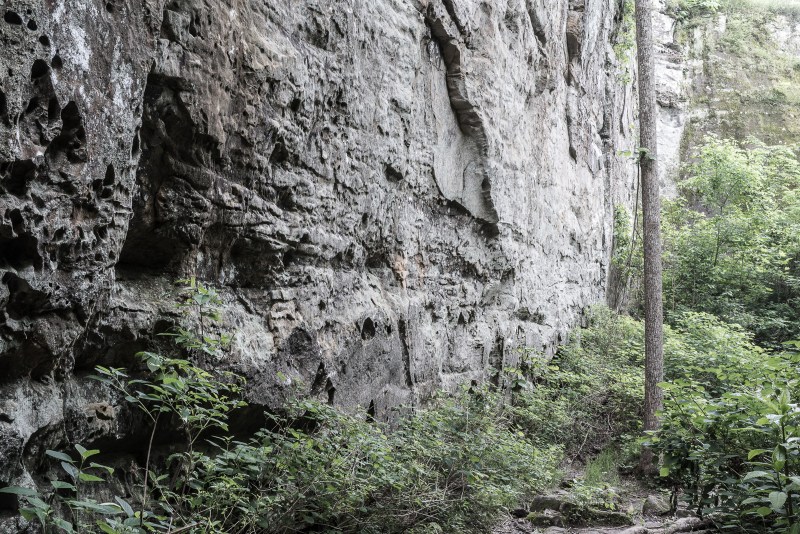
Instead, it is one of the best hidden gems of the midwest. The numerous trails take you through lush forests and along sandstone cliffs.

DSC 3411

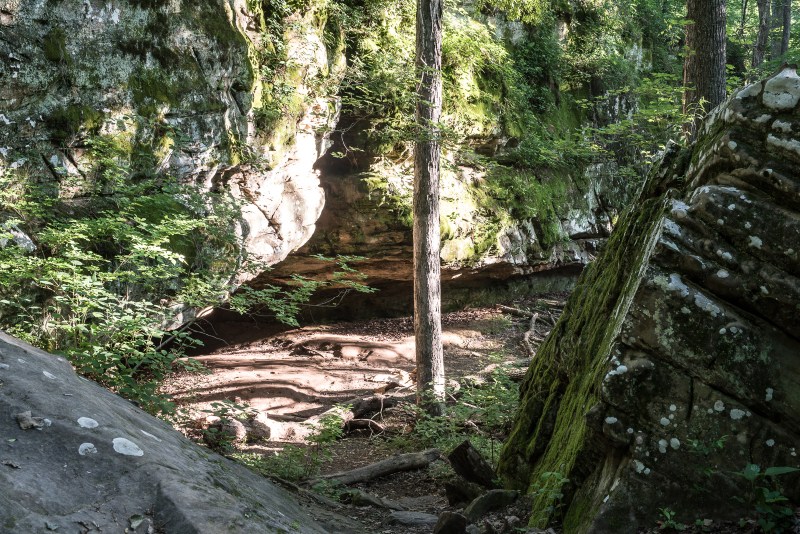
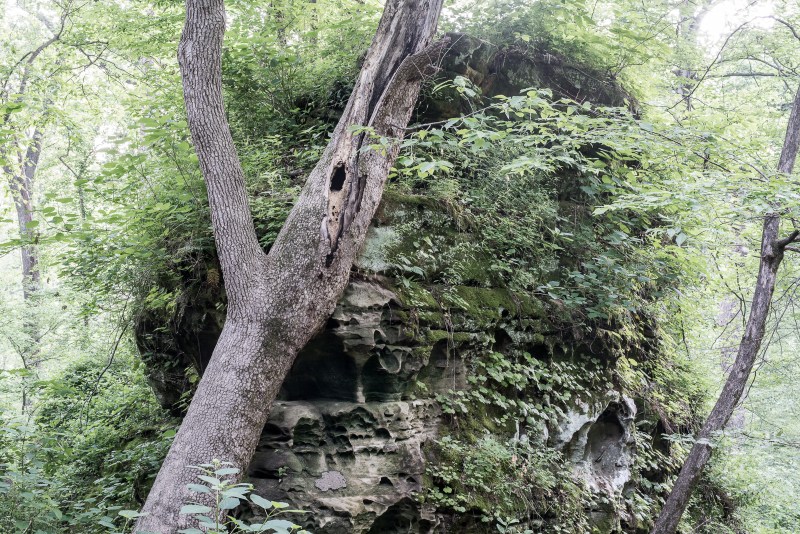
Some of the boulders have a distinctive organic appearance, and you begin to wonder whether they could come alive… Also, everything seems to tilt in unexpected ways.

DSC 3455

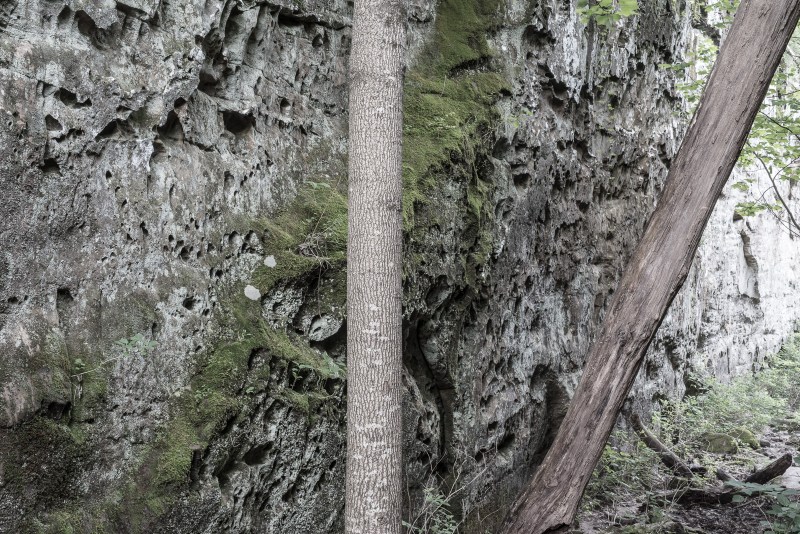
Is it that these wall want to keep us out, or keep something inside?

DSC 3458

To be continued…

Forward (Arizona V)

Not only looking down is worthwhile, but also looking ahead.

DSC 1583

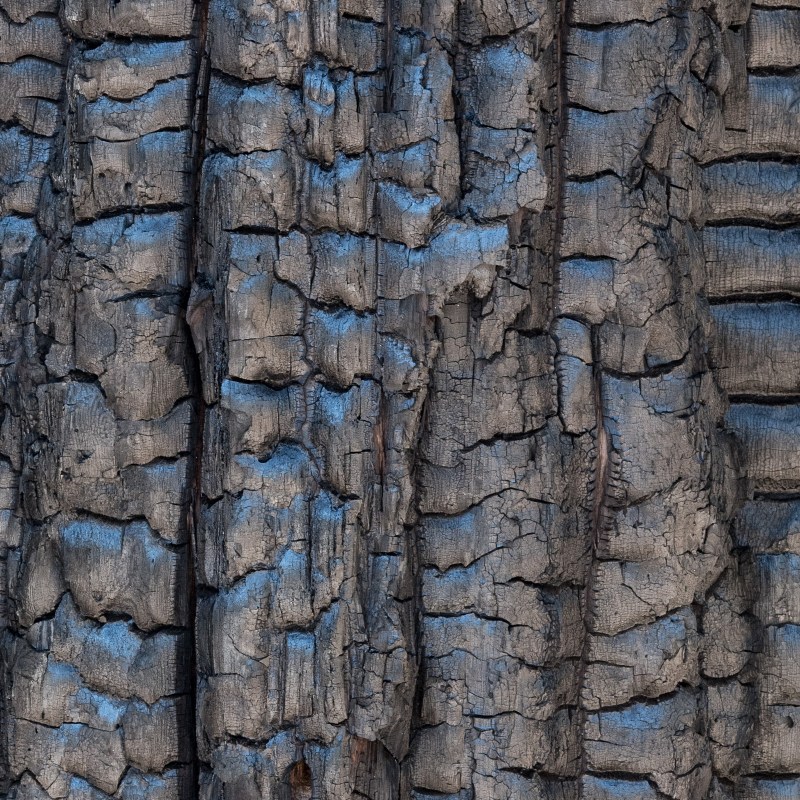
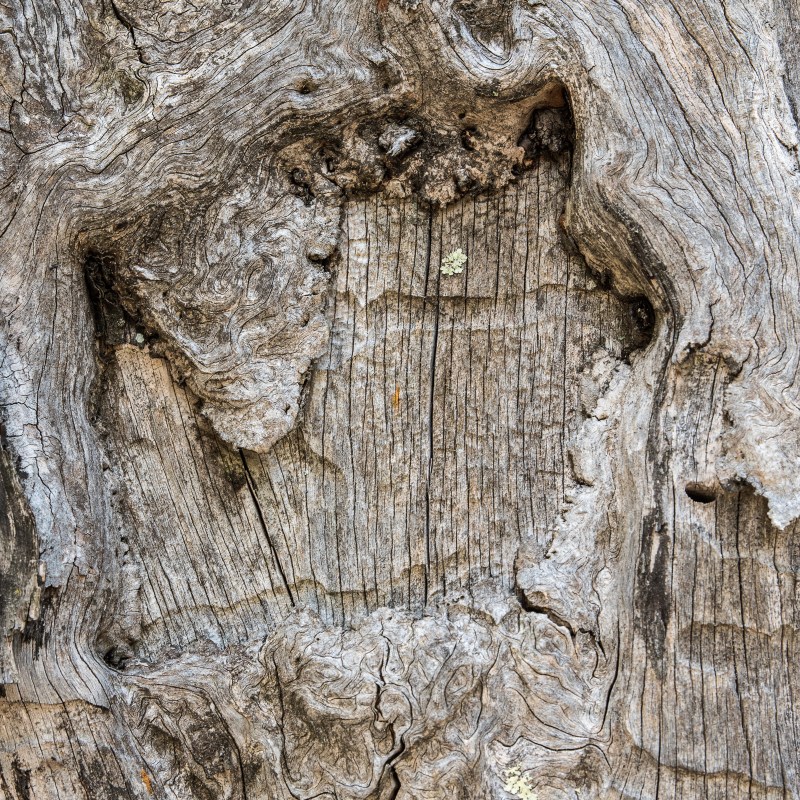
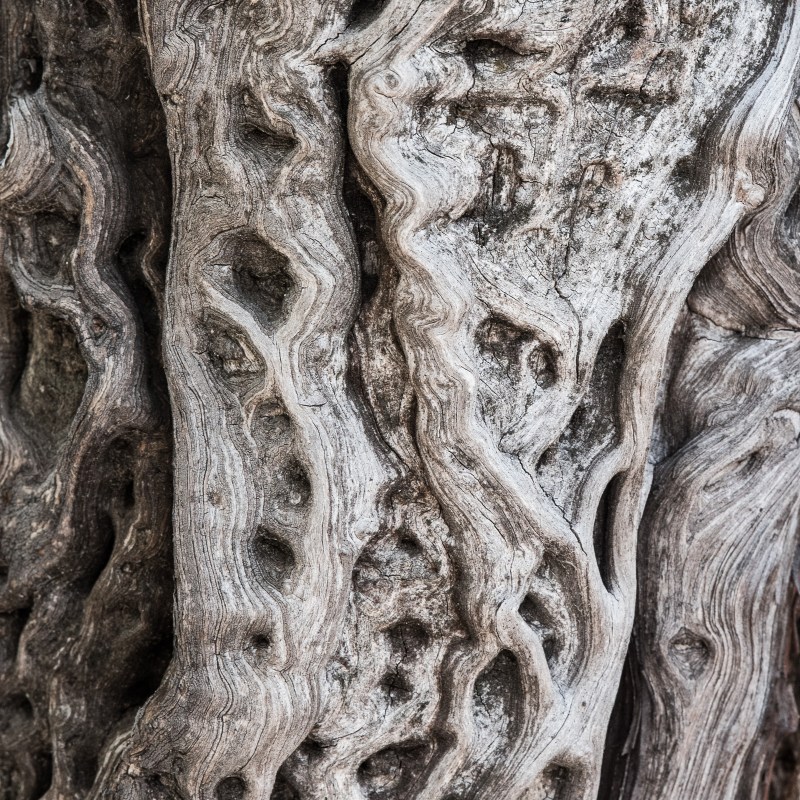
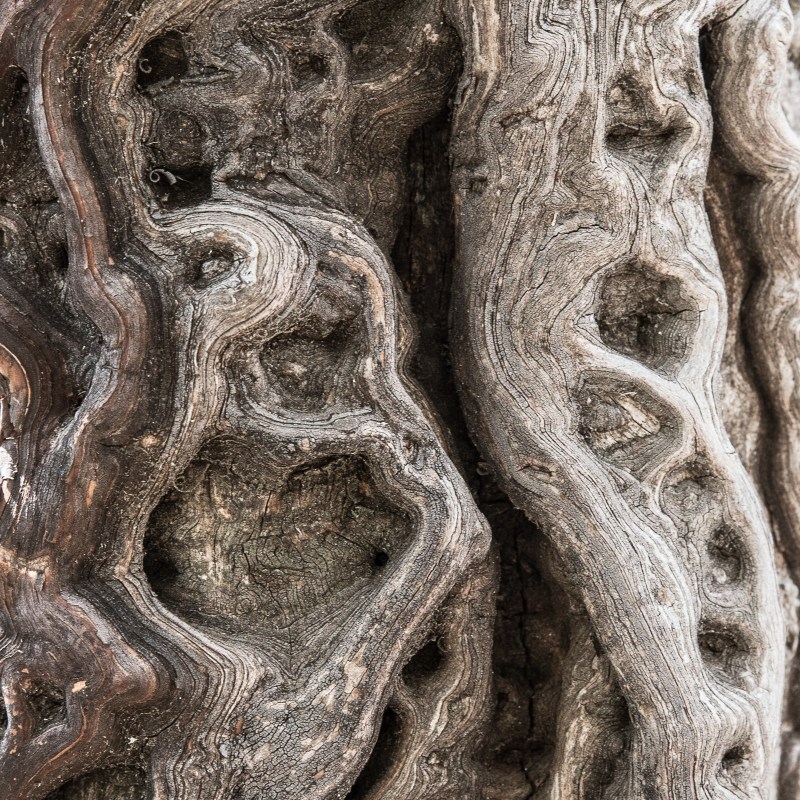
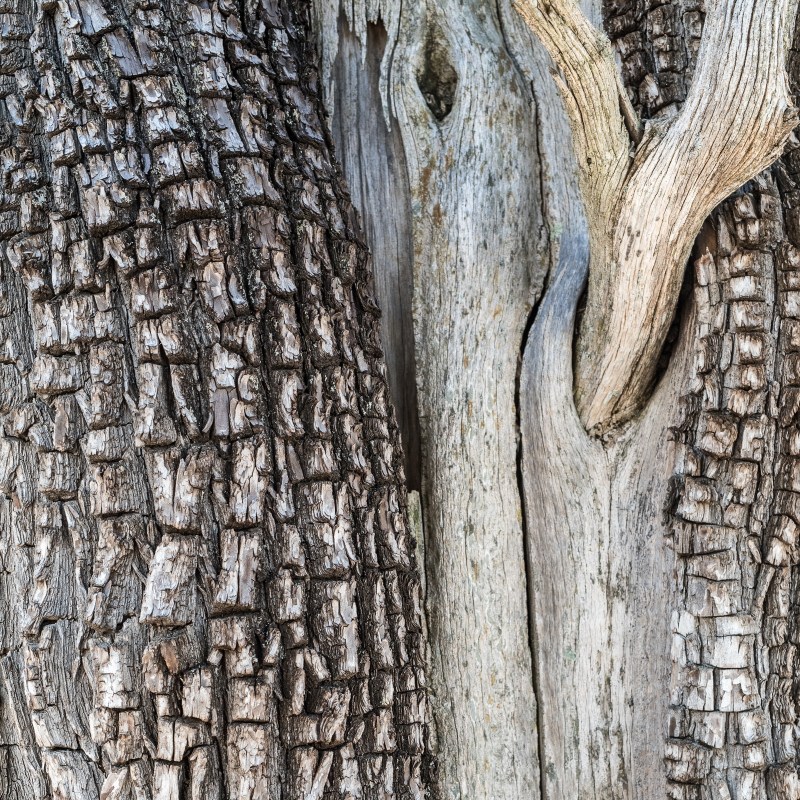
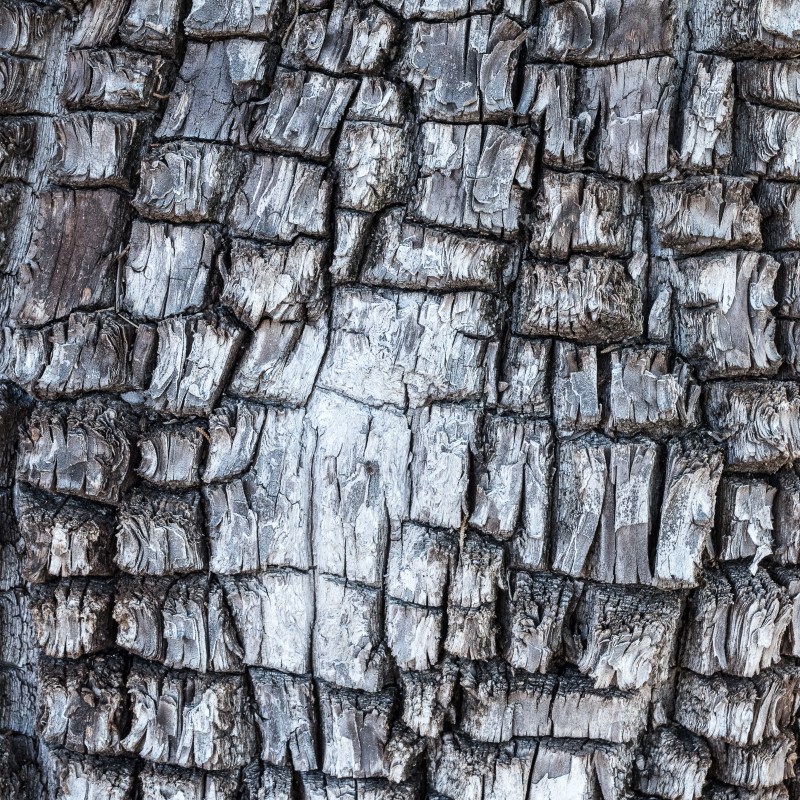
So this is my collection of pictures of tree bark from Arizona. The textures are beautiful, and one wonders why the trees are making this effort.

DSC 1782

After all, the visible outer layer is just dead cells.

DSC 1802

So, more precisely: Does the beauty we (or is it just me?) see in these structures provide some evolutionary advantage?

DSC 2205

Not for the trees, I am afraid.

DSC 2207

But maybe for us,

DSC 2209

because the beauty we believe to see helps to keep looking forward, despite all the decay.

Moth bark

Playing with circular images

After successfully transforming rectangular images into circular ones it is time to do something with them. We have seen already that the one can deform them by shifting one point somewhere else. This is very much like rotating a globe.

But besides these angle preserving symmetries of the disk there are other maps from the disk to itself that also preserve angles but are not anymore 1:1. These are the Blaschke products, written in complex notation as follows.

Product 01

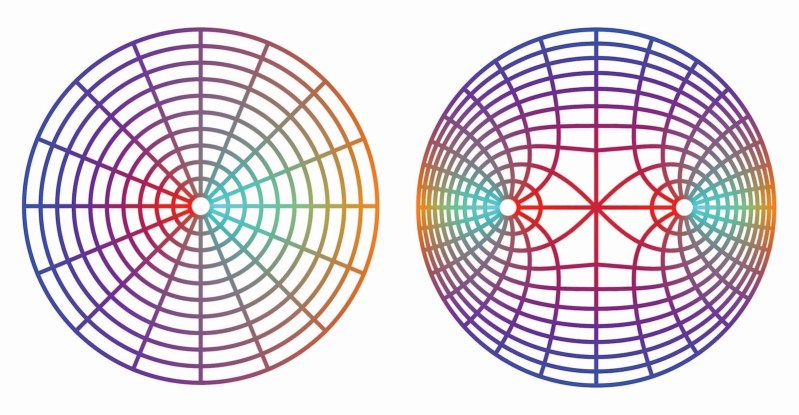
Let’s look at a simple example with just two factors, and choose the a-parameters to be 1/2 and -1/2. Then B(z) maps the double spiderweb on the right to the standard spiderweb on the left:

Blascke2 01

In other words, by taking preimages (or better, by using B(z) to pull back an image…), we can create multiple copies of a circular image within a circular image. The a-parameters designate the locations of the “centers” of the multiple spiderwebs where the strands converge.

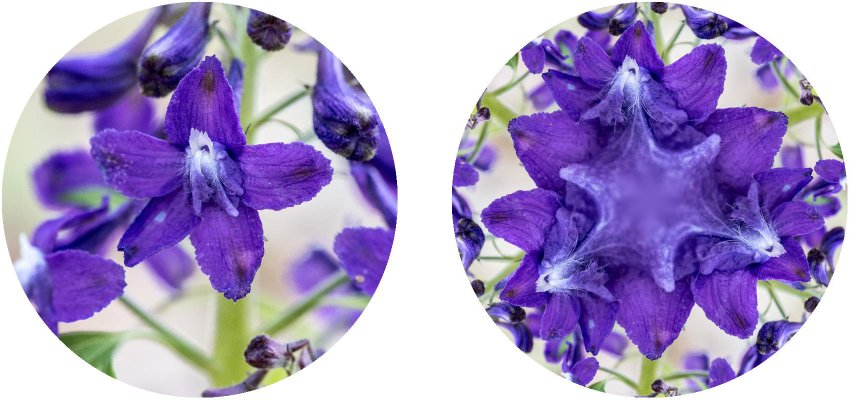
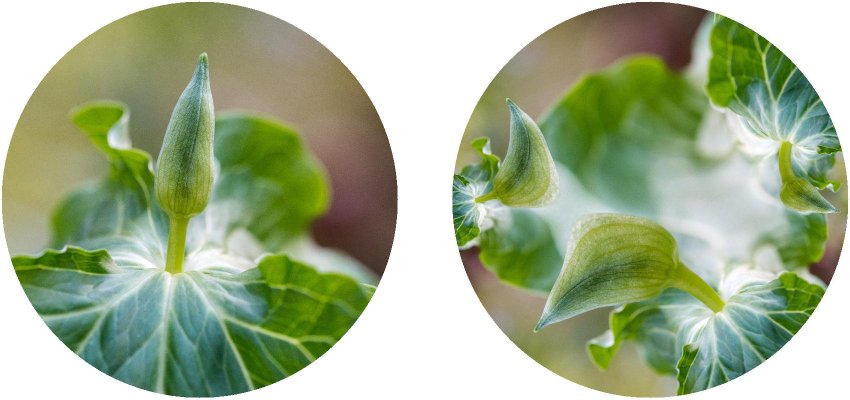
Flower1

For instance, above is a circular image of a Spring wild flower, and to the left its 3-fold mutation. Below are 5-fold mutations with two different choices for the a-parameter.

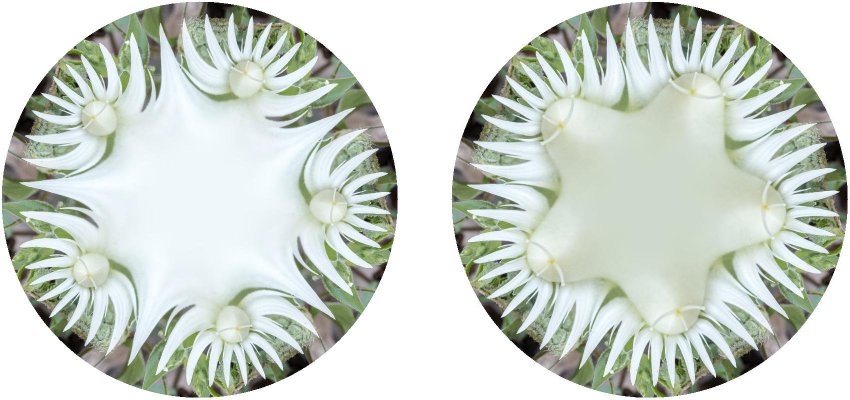
Flower2

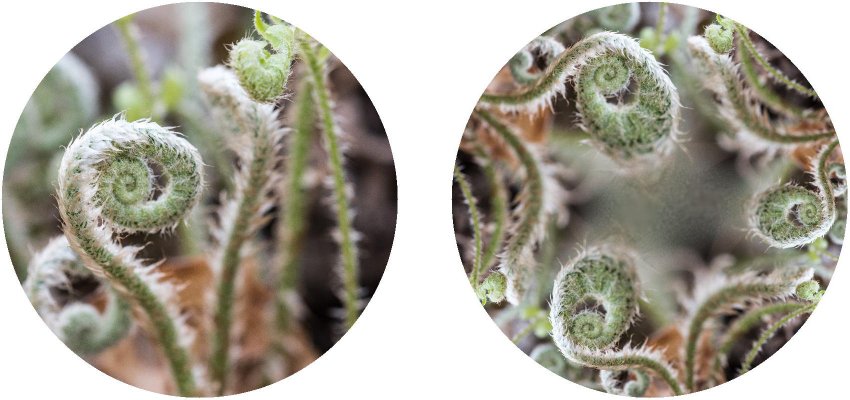
These images resemble kaleidoscopes, but are improved, because the copies of the original image fit together more evenly (smoothly, and not just by reflection). One can also make the result less symmetrical by choosing the a-parameters less symmetrical. Below the copies of the ferns are places at 120 degree angles but differently far out,

Ferns

and here we have a large copy of the original budding trillium at the bottom with two smaller copies to the left and right.

Flower3

Now I need to find somebody who writes an app that implements all this…

Down (Arizona IV)

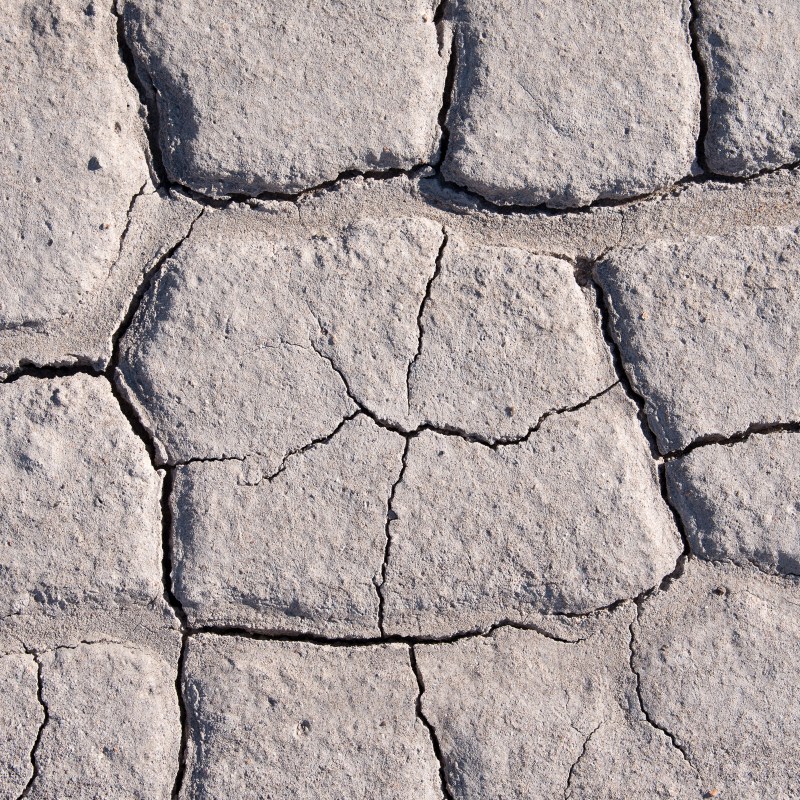
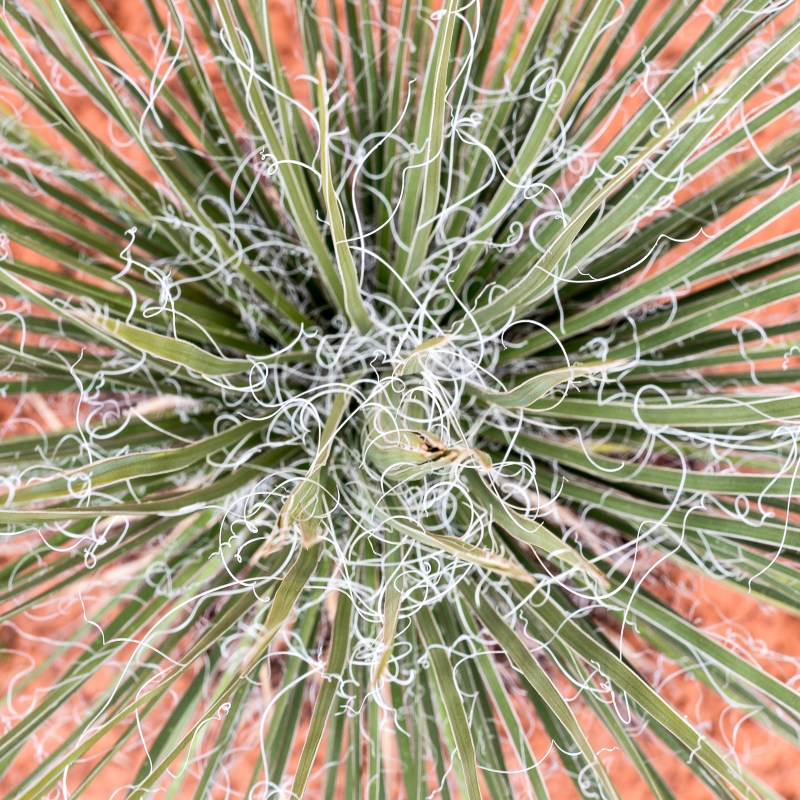
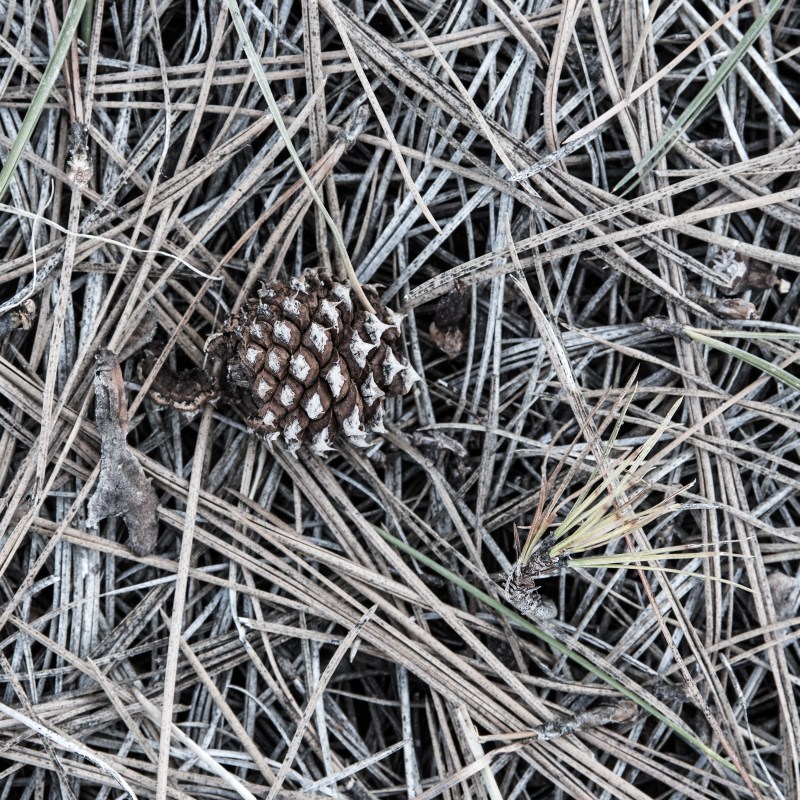
When you look down in Indiana, you see either mud or decaying leaves. This is of course exaggerating it, but the contrast to Arizona is so stark that I ended up taking a considerable number of pictures by just pointing the camera downwards.

DSC 1405

It of course always depends on where you are and what you do. I don’t envy the brave NASA scientists who have been staring for decades at red desert rocks from Mars. What will the first plant on Mars look like?

DSC 2264

Then there are the forests, smelling of pine and juniper.

DSC 1600

The proximity of decay and growth shows how fragile is what we have,

DSC 2506

and how much it depends on water.

DSC 1618