Flatness

DSC 0790

Indiana is mostly flat, so there are no spectacular views from mountain peaks. Every little dropoff becomes an attraction, in particular when flowing water is involved.

DSC 0796

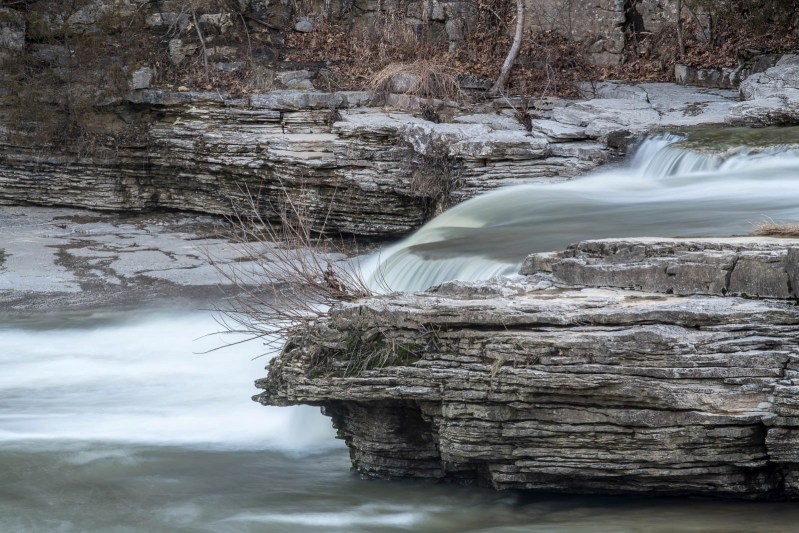
One hopes that heavy rainfall would make things better. Up above you can see a portion of the Upper Cataract Fall, which continues over a few cascades and has a total height of 45 feet. 

DSC 0822

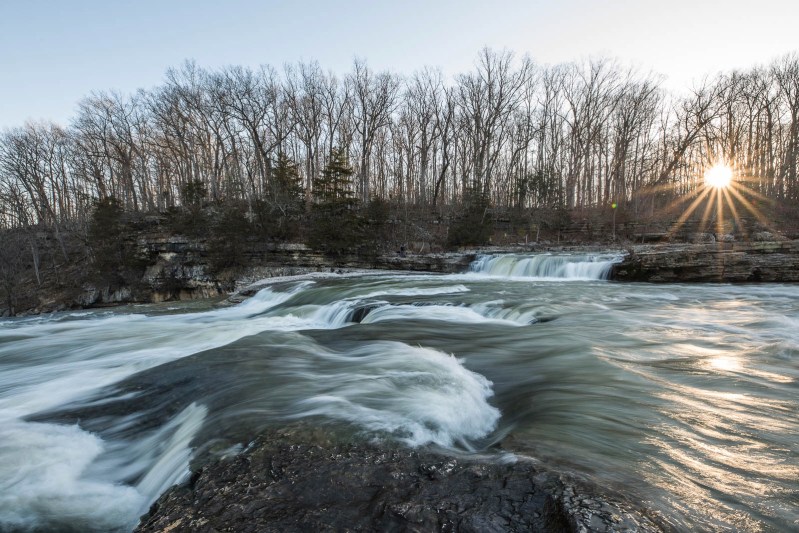
Not spectacular, but quite pleasant. The site claims this is the largest waterfall by volume in Indiana. I guess this depends on when you measure. 

DSC 0842

Equally pretty are the flirting trees on the shore. The words “upper” suggests that there is also a Lower Cataract Fall. It is supposed to drop 30 feet. This is it:

DSC 0846

The second problem with Indiana is that the ground drains poorly. So, after heavy rainfall one gets heavy flooding. In this case, the lake behind the Lower Cataract Fall has risen to the height of the top of that fall, making it disappear. Bad luck?

The Other Side (Trevlac Bluffs Nature Preserve)

The Trevlac Bluffs Nature Preserve is divided in half by Beanblossom Creek, and each part has its own hiking trail. DSC 0789

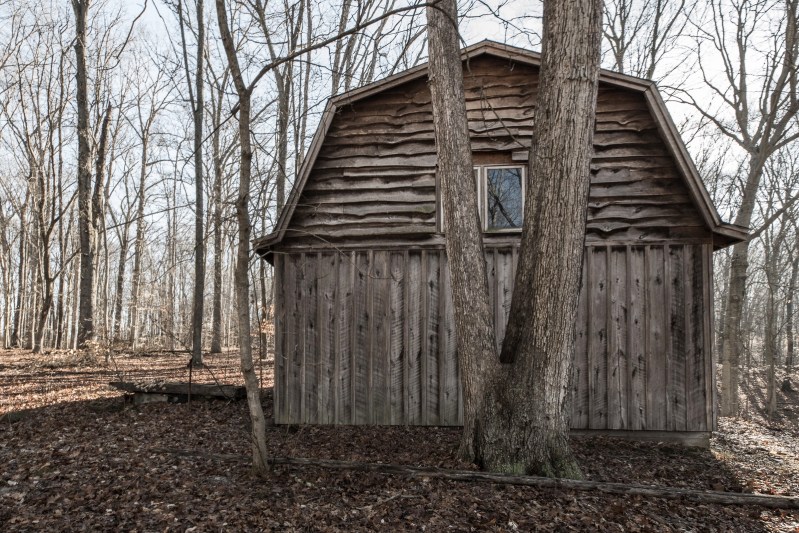
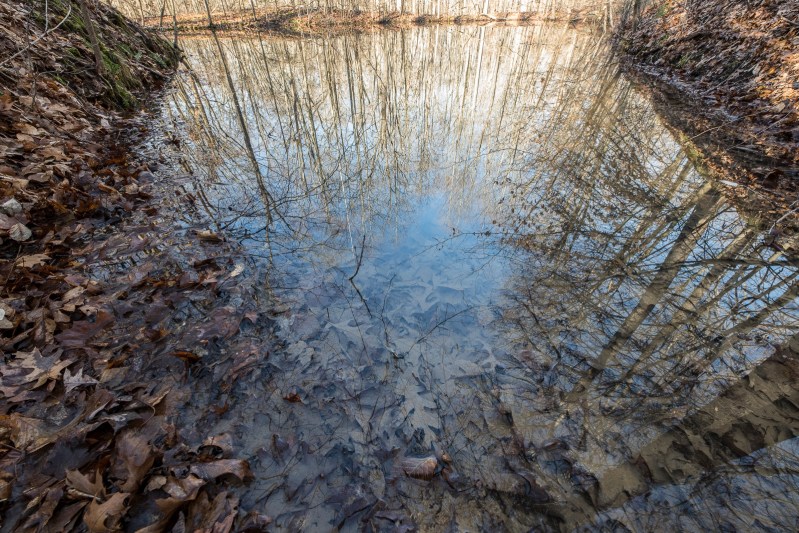
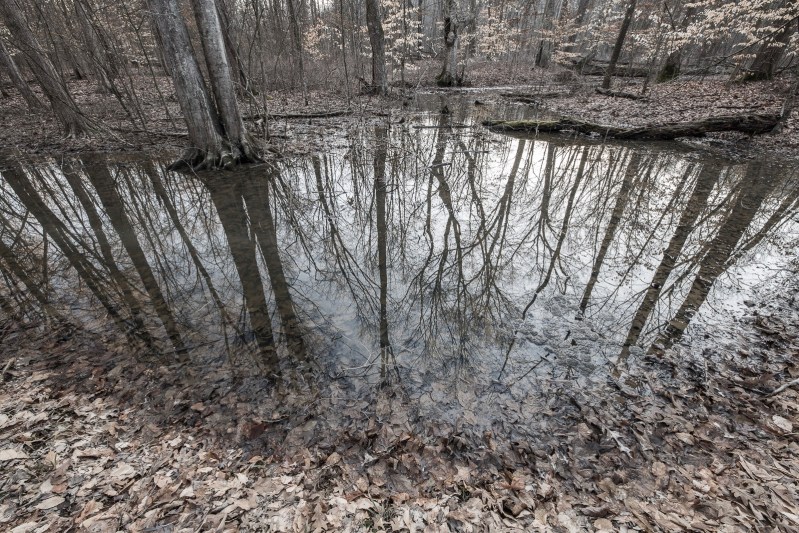
There is no connection, because one side of the creek consists of a very steep and (for Indiana) pretty tall cliff. Most people will probably prefer the well maintained southern part where you get a decent hike with neat little sights like the shed up above, or the pond below.

DSC 0782

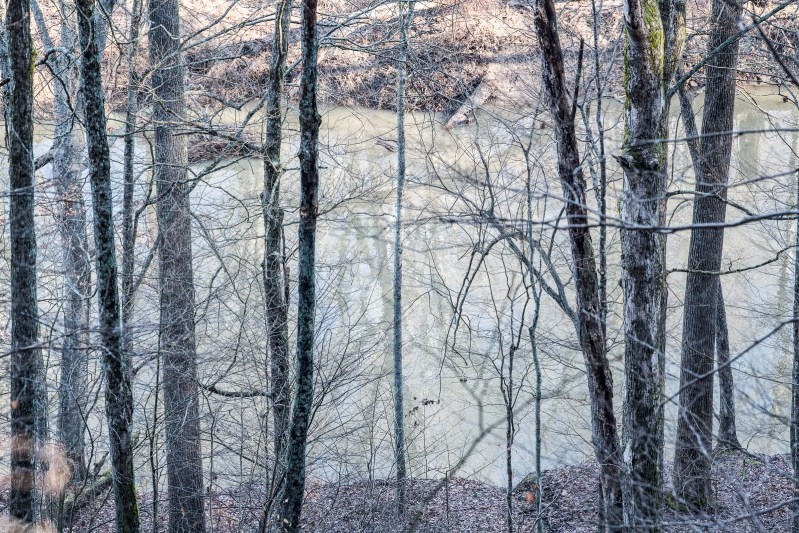
On top, you get a view of the creek, always obstructed, even in winter.

DSC 0768

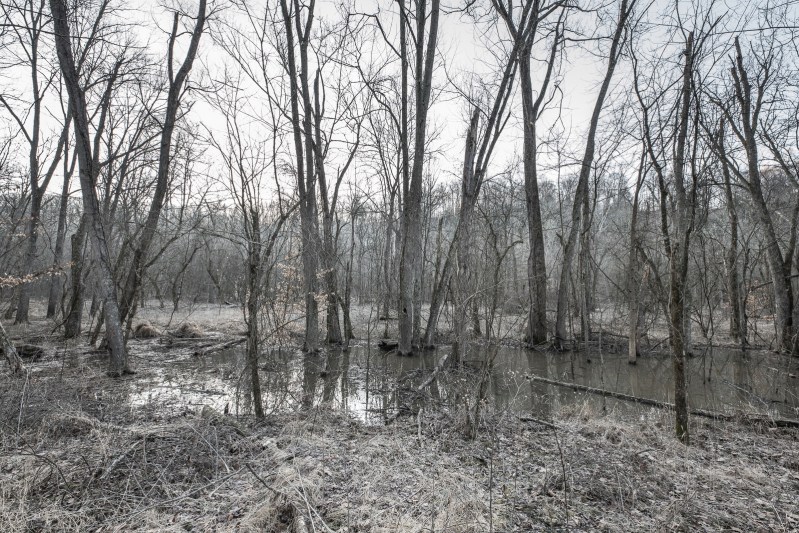
I found the other side much more exciting. It is mostly wetland, and the trail is rather a maze of paths. 

DSC 0732 2

You meander around and inhale the intoxicating atmosphere of water at work.

DSC 0712

After heavy rainfall, finding a path to the creek is not trivial, but well worth the effort.

DSC 0716

Just don’t do it on a sunny day.

DSC 0740 2

First Times (California ’93)

My little series with  pictures from 25 years ago continues with my first hiking trip in California. The idea was to drive up to the trail head of White Mountain Peak, and hike the dirt road to the peak.

Berkeley039

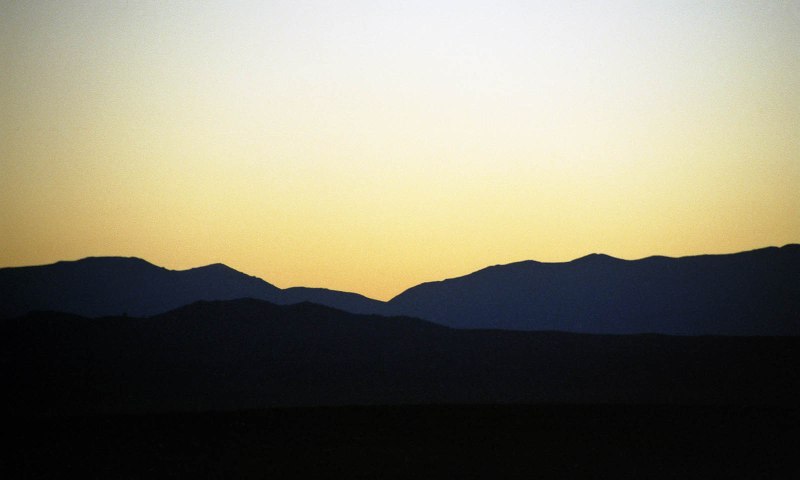
We drove through Yosemite at night (which I hadn’t seen before) and camped at my first hot spring in Owen’s Valley. Soaking in warm water while around you everything freezes and the sky is full of shooting stars convinced me that this had been a good idea. We made it past the Bristlecone Pine Trees, but the car didn’t make it to the trail head (my first car break down).

Berkeley051

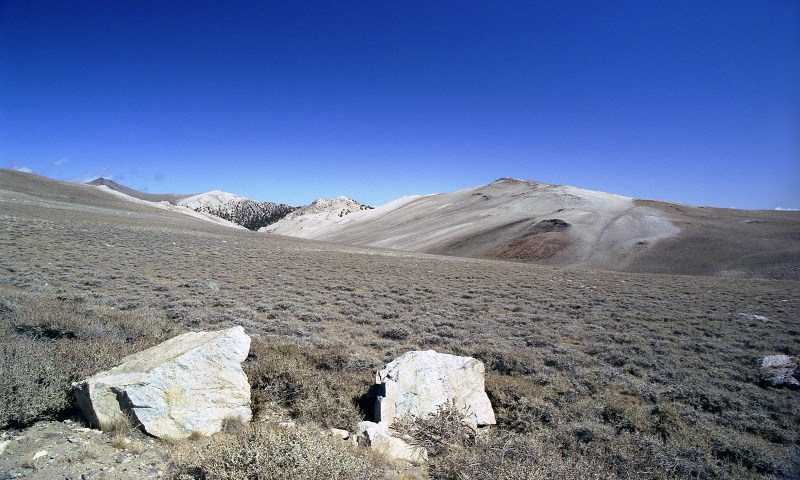
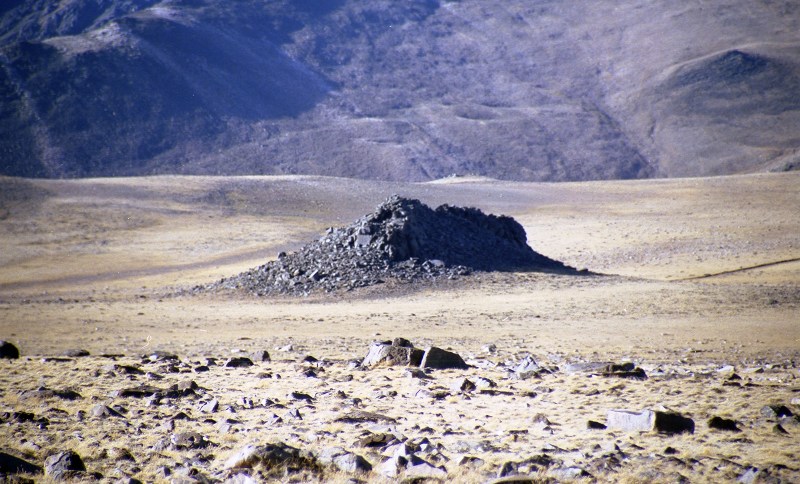
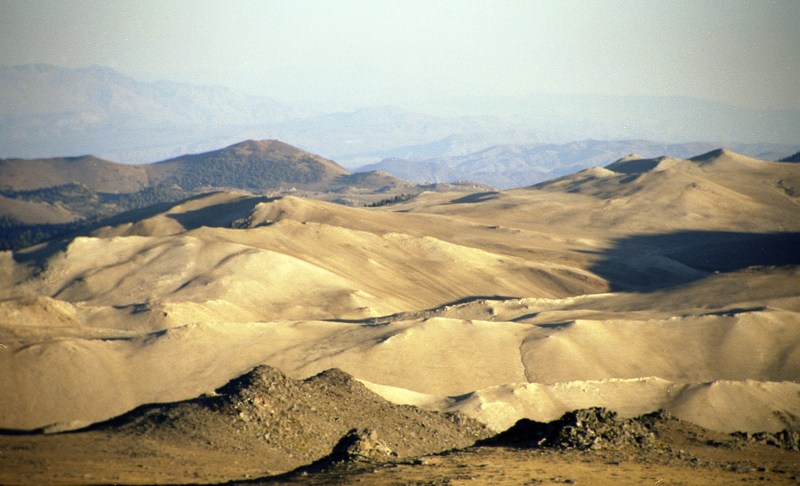
We didn’t give up though but continued on foot. The landscape up there (above 10,000 feet) is high elevation desert. 

Berkeley061

After two hours or so we reached the observatory and the actual trailhead. Hiking appears very easy: You just follow the dirt road.

Berkeley088

What is not so easy, however, is the high elevation. Two of use got altitude sickness, including myself (first time!). That was interesting. It started off with gradually worsening headache.

Berkeley091

After a while, my vision got blurry, and me and the other victim turned back to the observatory. While we waited for the two others to return from the summit, we chatted with the friendly personnel. By 10pm, the two other hikers had returned, and we were lucky to hitch a ride on a pickup truck back to our car.

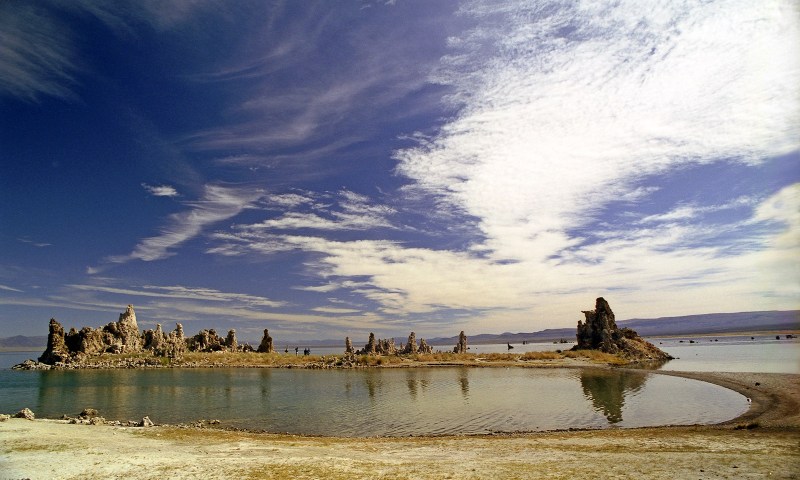
The next morning we stopped for my first visit at Mono Lake.

Berkeley114


No Lack of Color

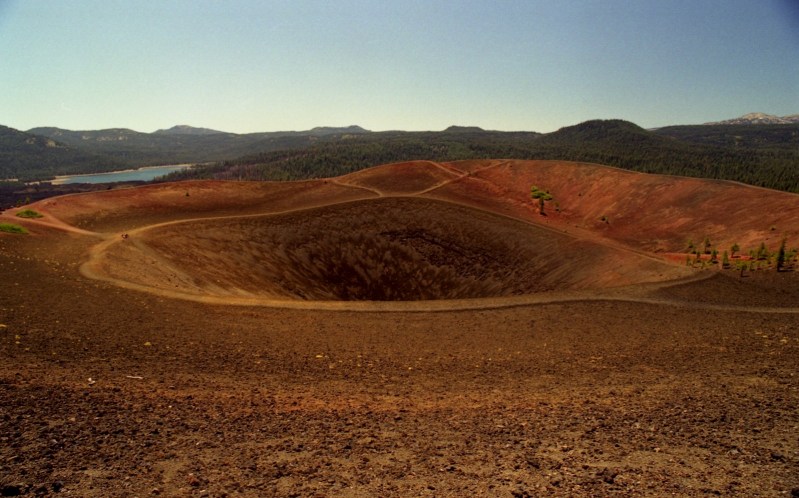
Lassen 14

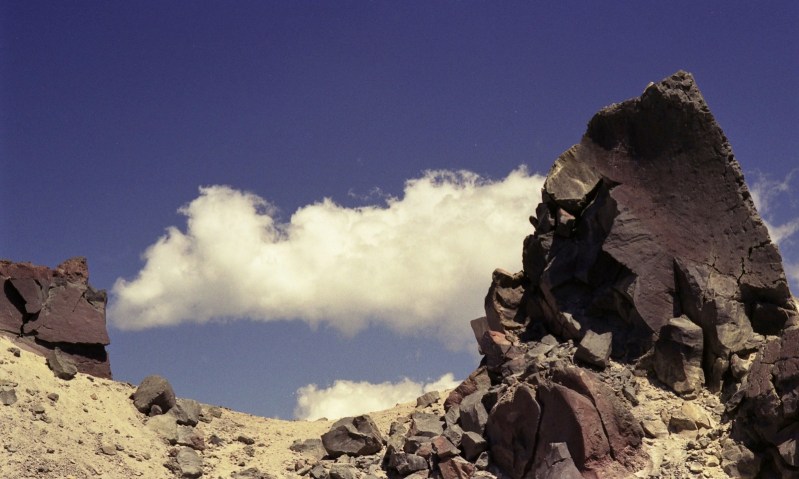
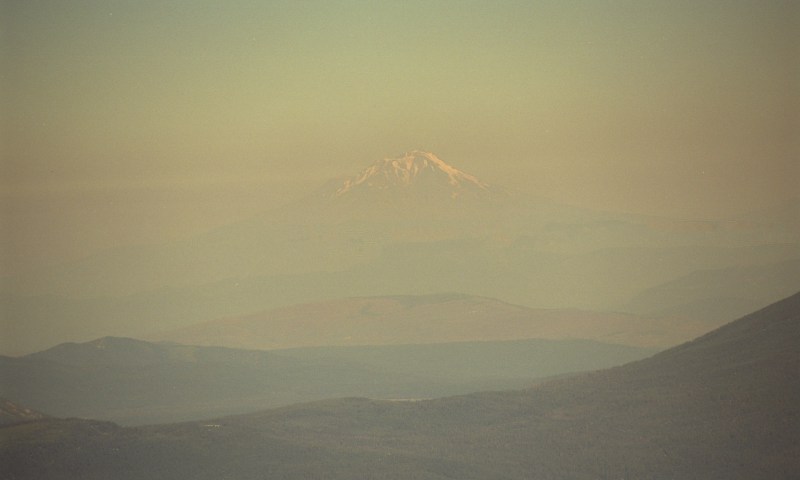
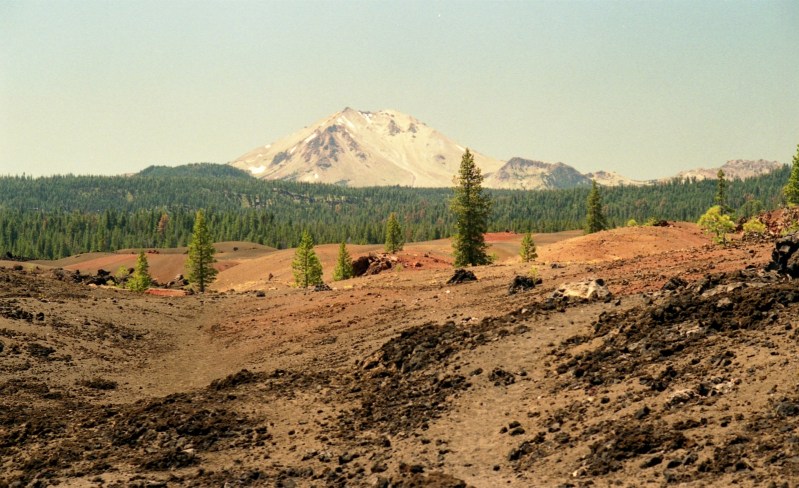
One of the things one can do in early Spring in California is to go to Lassen Volcanic Park when the crowds are not there yet but the snow is gone so far that one can actually get into the park. This is place of stark contrast. There is a steep and rocky hike up Mount Lassen which offers nice views, for instance to lonely Mount Shasta.Lassen 12

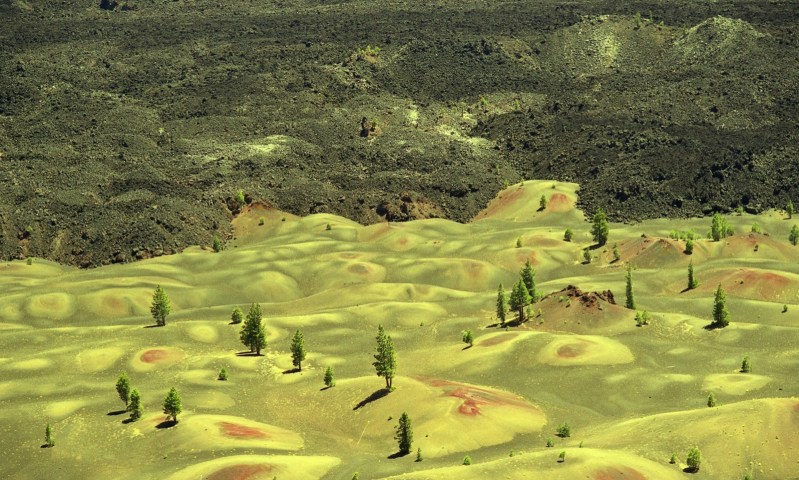
At lower evaluations you can hike thorough lush forests to what I consider the most stunning part of the park, the Painted Dunes and Cinder Cone area.

Lassen 3

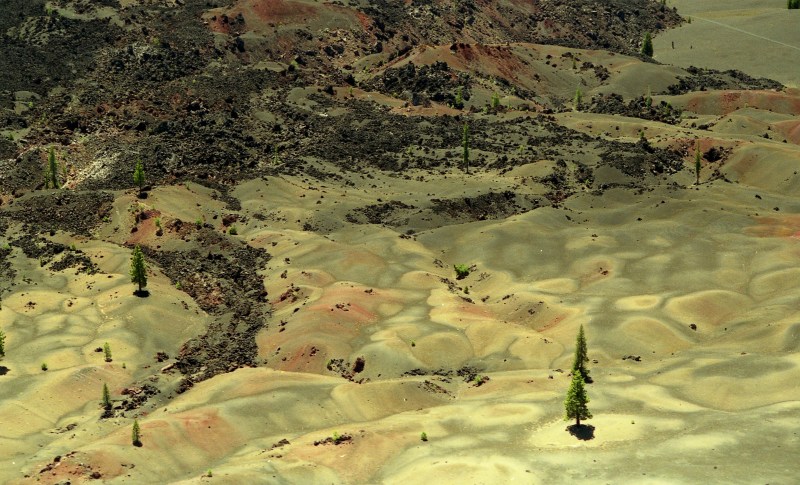
The landscape transforms within minutes into something that borders on abstract art.

Lassen 2

This is a pretty remote area of the park, in particular when the access roads are still closed in winter. Mayhem can happen quickly.

Lassen 4

These pictures are now 25 years old. At some point I will need to check out how it looks today. 

Lassen 8


Patience

DSC 0612

No, winter isn’t over. While we are waiting impatiently another one or two months for the first wild flowers to come out, Nature itself appears to be very patient

DSC 0616

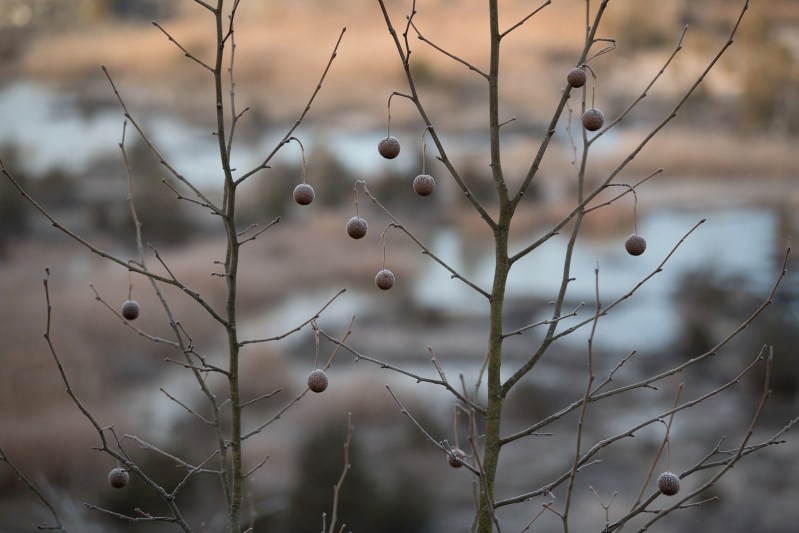
These sycamore fruits have been hanging there all winter.

DSC 0614

Around them is proof that there has been a future.

DSC 0621

This is not Waiting for Godot. Instead, this is comfortable trust: L’enfer, c’est les autres.

DSC 0700

Winter Was Hard

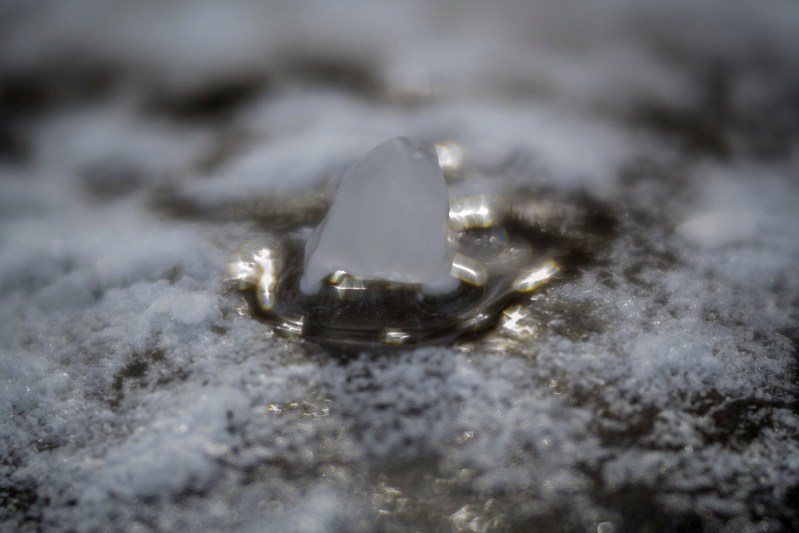
 It’s time to say goodvye to winter for this year, and a good way to do so is with some pictures I took with Lensbaby’s Velvet 56.


DSC 0387

The completely frozen creek offered easy walking (wearing cleats) to familiar places. The imminent thawing will dislodge and transform. Some things age quickly.

DSC 0411

One can hope.

DSC 0412

The title of this post refers to a piece for String Quartet by Aulis Sallinen, and a CD with the same name by the Kronos Quartet from 1988. That’s 30 years ago. Some things age slowly.

DSC 0369

Patterns of Ice

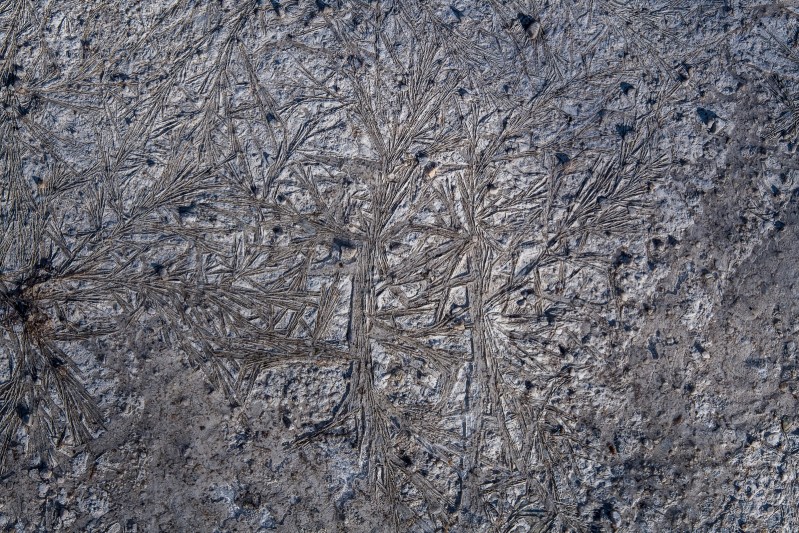
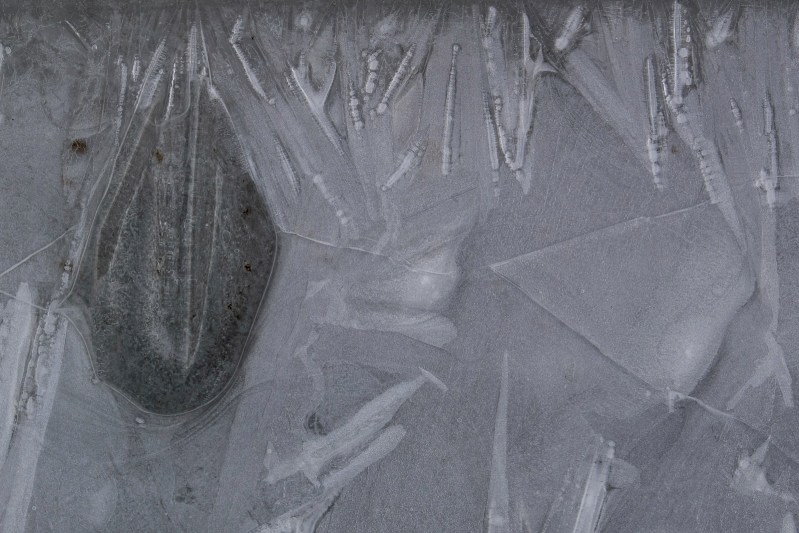
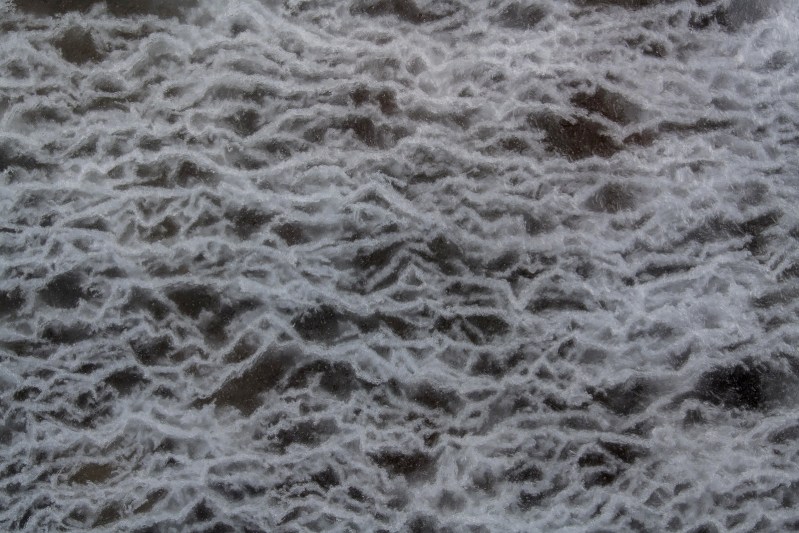
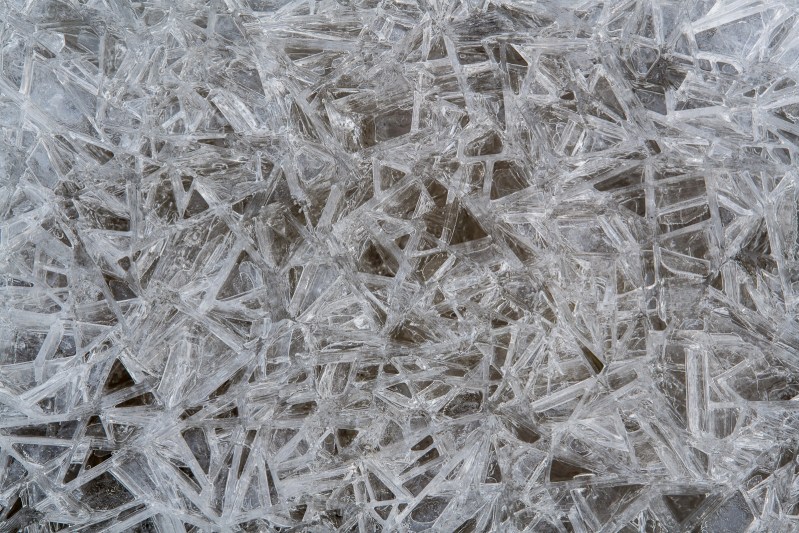
After almost two weeks of deep freeze, the ice at the local creeks is making feeble attempts to melt.DSC 0248

This has resulted in patterns that are, of course completely useless.

DSC 0261

They don’t reduce unemployment, make people smarter, or cure insanity.

DSC 0266

But they don’t cause damage, and that is already something these days.

DSC 0330

Unbelievable that all this is just water.

DSC 0269

Winter

After a mild frost transformed the ground at De Pauw Nature Park into still lives, recent snow fall and deep frost has changed all of that again.

DSC 0227

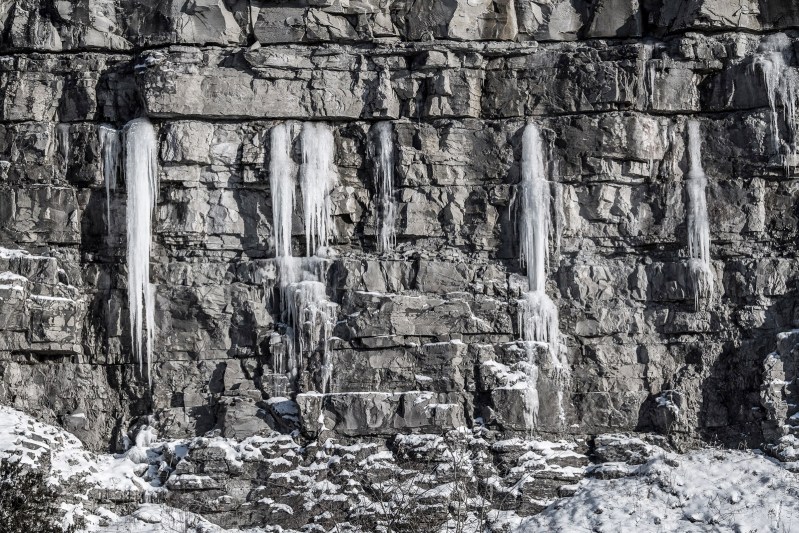
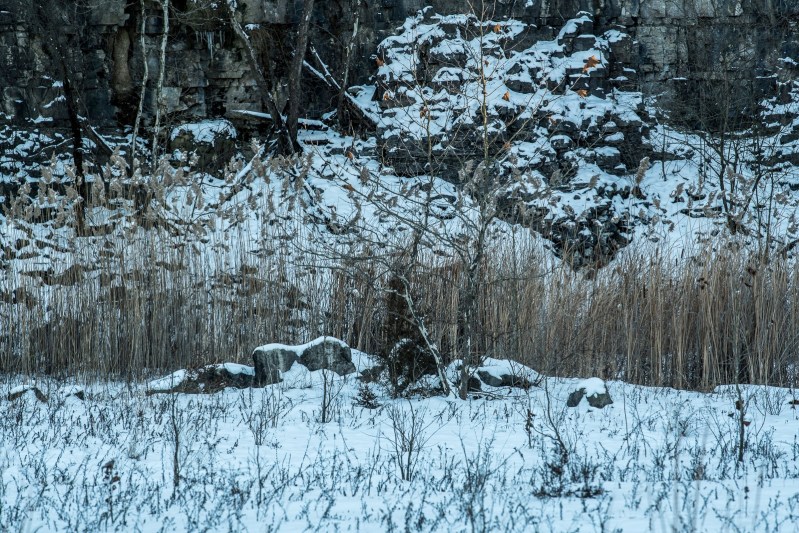
The walls of the former quarry are adorned with icicles, and the ground is a uniform white with occasional bits of vegetation sticking out,

DSC 0206 2

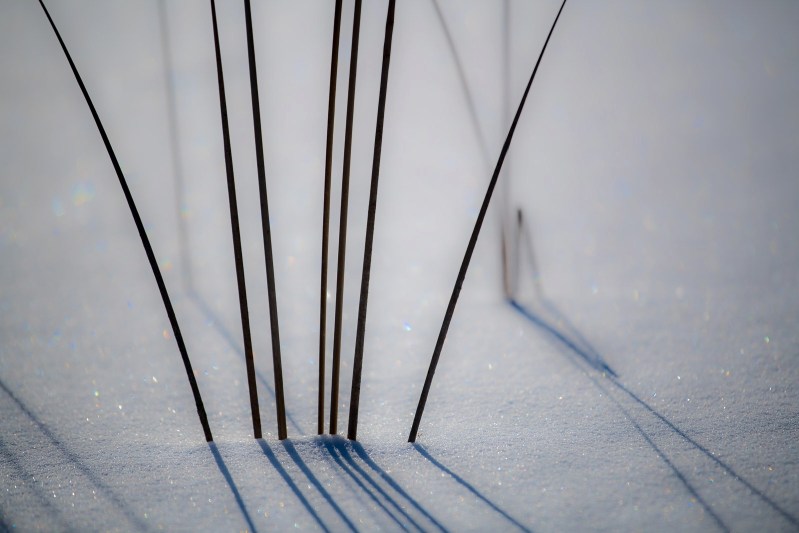
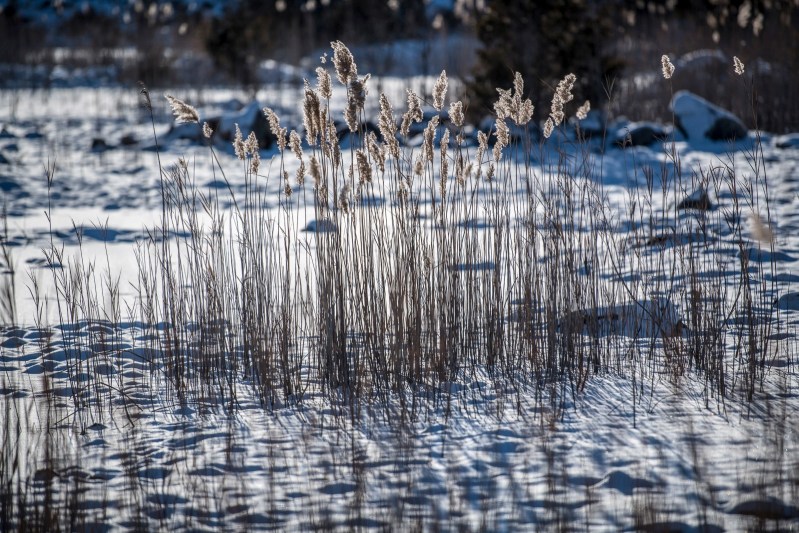
creating patterns of light and dark.

DSC 0216

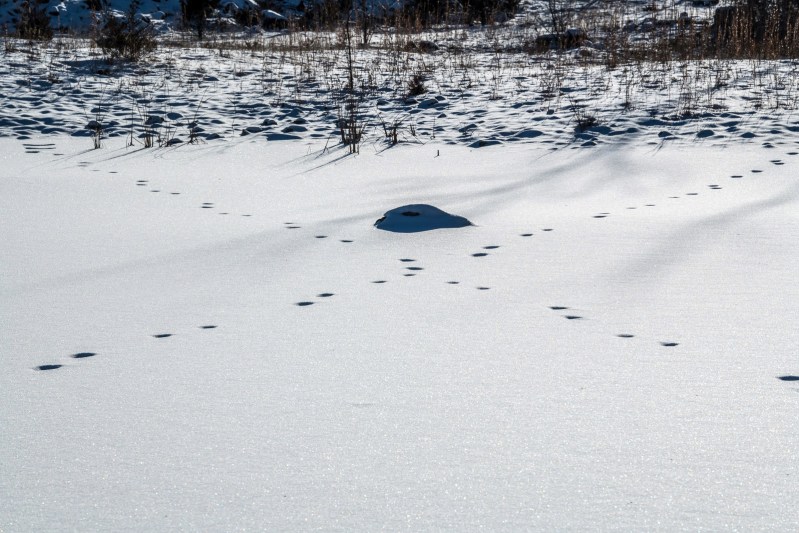
Usually, the little lake is teeming with birds. Now only spare footprints tell me that I am not alone.

DSC 0200 2

It is cold.

DSC 0223

Toxic City

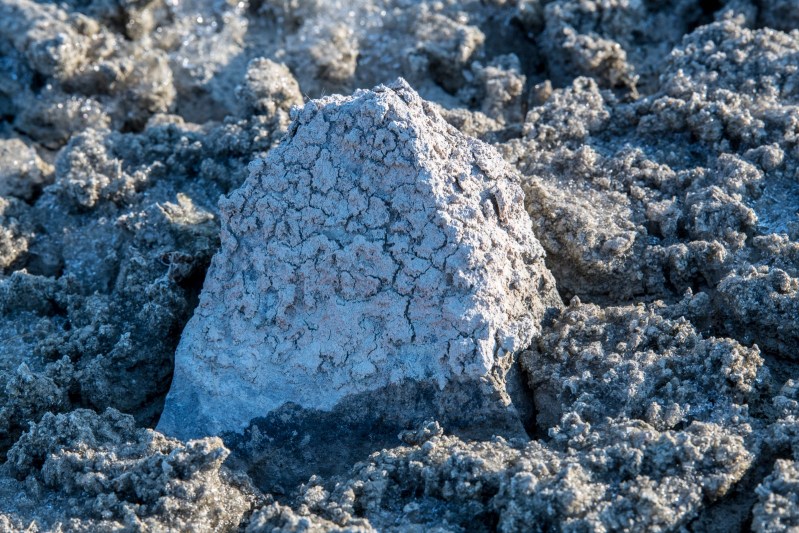
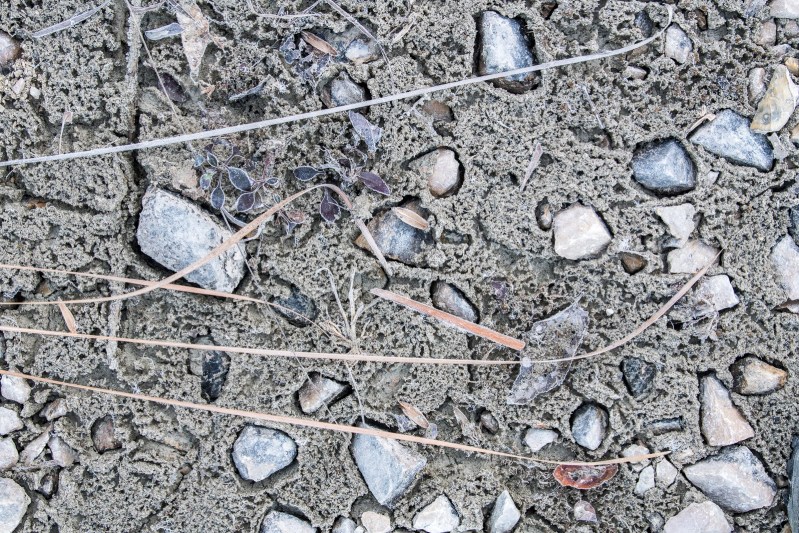
There are (at least) two aspects of the DePauw Nature Park that I haven’t written about that make this place fascinating to me. One is the structure of the ground. 
DSC 0071

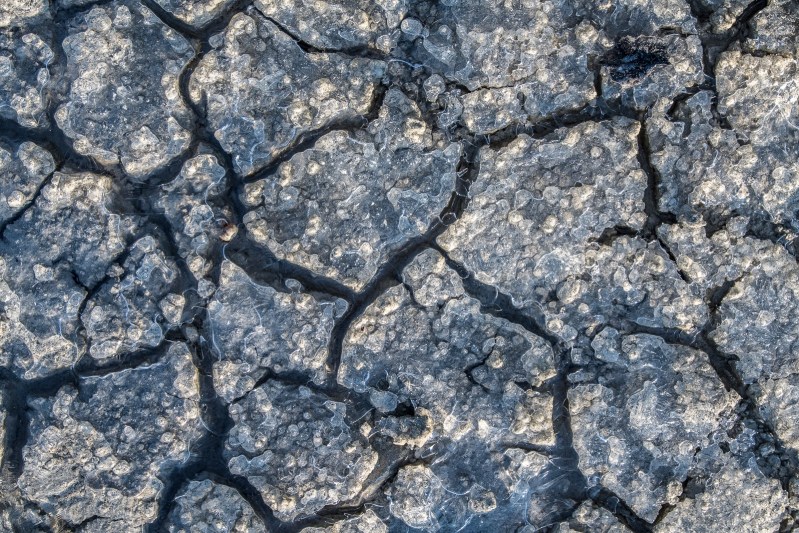
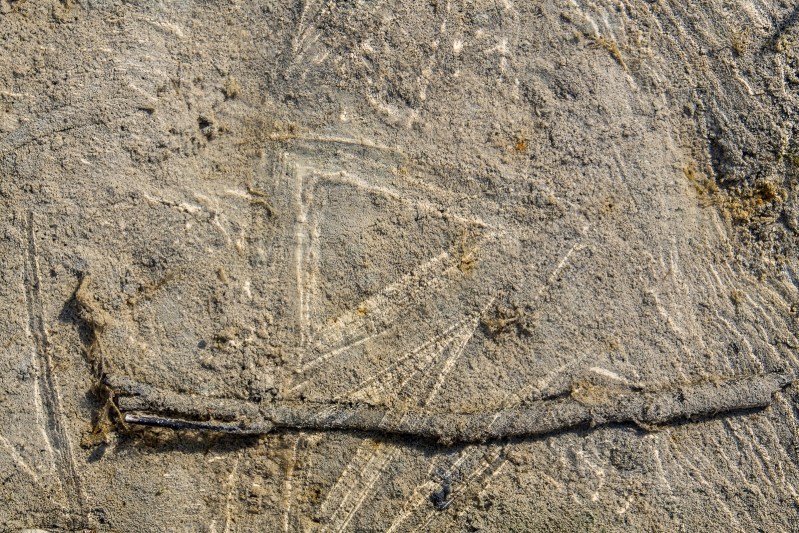
There is some weird flaky stuff that I haven’t seen elsewhere, but besides that, the ground is just more complex than what you typically would call Indiana Dirt

DSC 0099

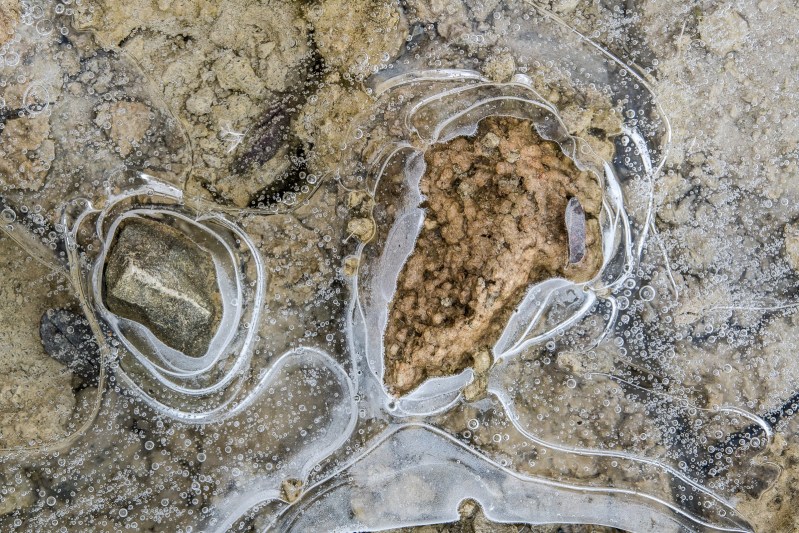
I have waited to show this until now because, with early frost, everything gets even better. 
DSC 0081

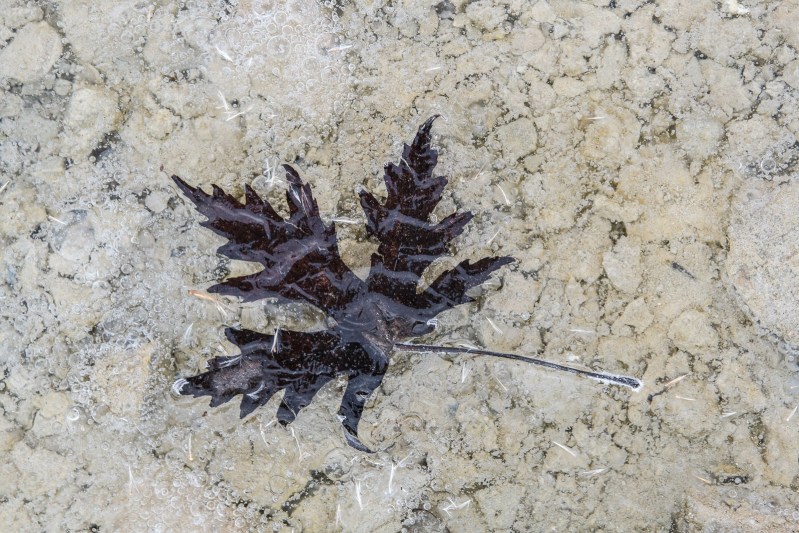
The other aspect is the sound. In principle, this should be a quiet place (there rarely is anybody, at least not at my favorite hours). But there are birds, of course, and other noises, from factories and railroad tracks just not far enough away to be inaudible. Somebody should record this.
DSC 0084

Which brings me to another theme, that of ambiance in general. I have been listening to what is called ambient music for a while now, with increasing pleasure. Ambient music is not a well defined thing. It can just mean the incorporation of everyday sounds, or the questionable pleasure of background music. I like ambient music best when it distills everyday noise into something exceptional. Examples of that are Richard Skelton’s compositions (that are, in a good sense, very much down to earth), or, a recent discovery for me, Evan Caminiti’s recent music, including his new album Toxic City

DSC 0102

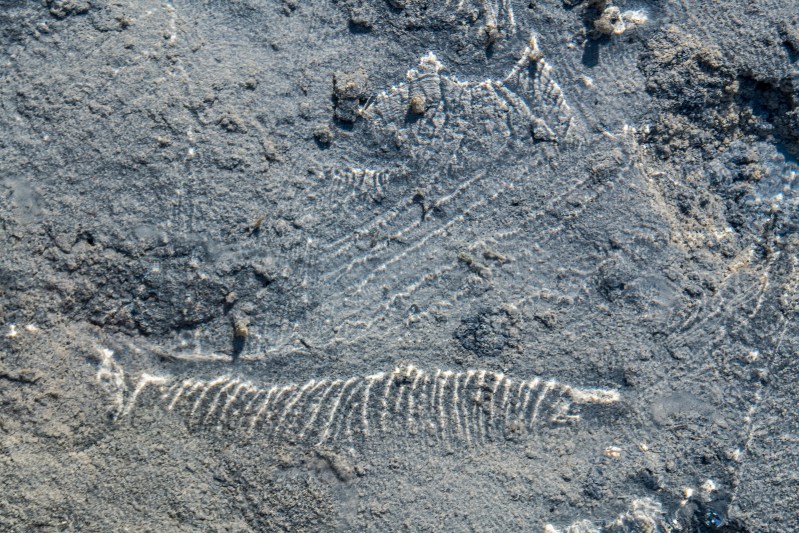
In photography (or even in art in general) there is the “classical” way to idealize the object — remove it from its context, isolate it, and even alienate it, in order to show a possibly artificially construed intrinsic beauty.
DSC 0164

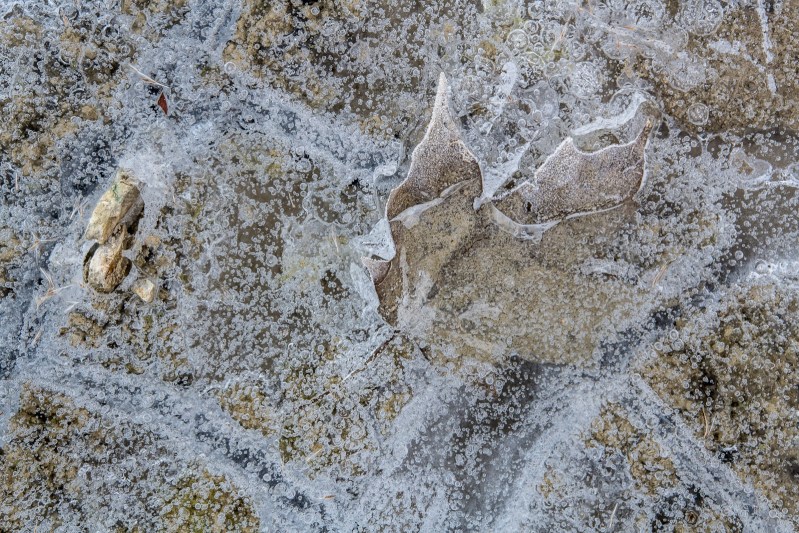
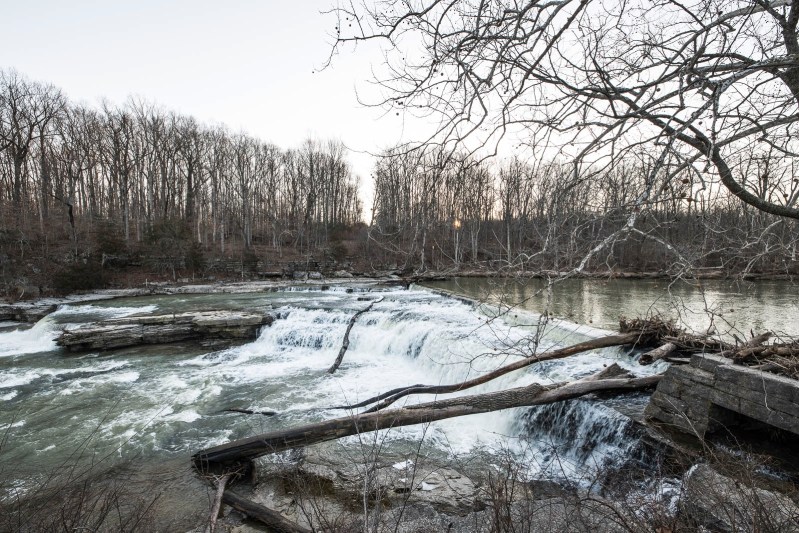
Ambient art, in contrast, tries to show you how much there is without interference. We just have to look.
DSC 0165

That is a lie, of course. Whenever we show, we select. But selecting what we feel is worth seeing (or hearing) is very different from imposing a verdict on how things are on the viewer (or listener).
DSC 0090

Quartet (DePauw Nature Park IV)

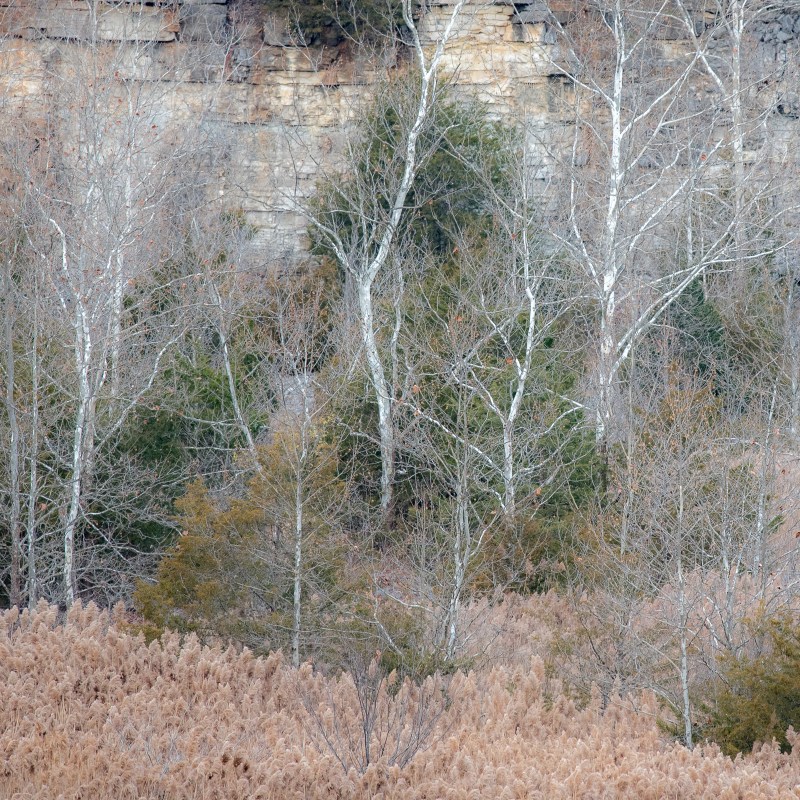
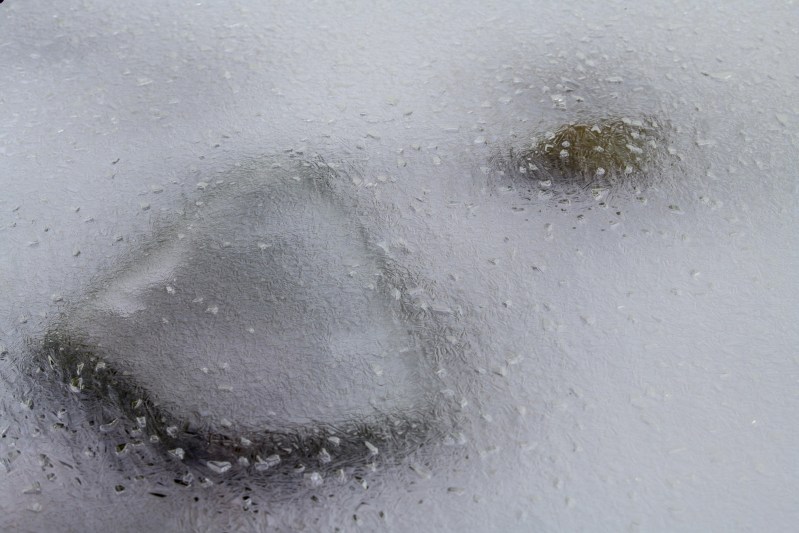
I like the days in late fall when Nature has gone to rest, but winter hasn’t arrived yet.
DSC 7930


We should do the same. Instead of denying the approaching darkness by putting up silly lights on dead trees, we should hesitate and contemplate the state of everything around us. 

DSC 8002


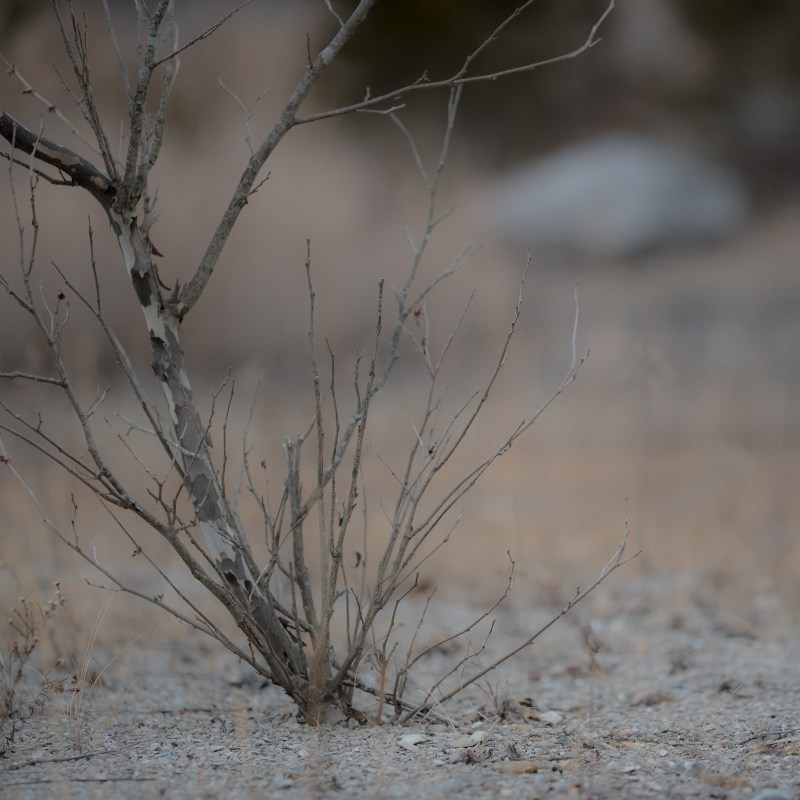
So I will conclude this year with posts and images that have more the character of still lives.


DSC 8001


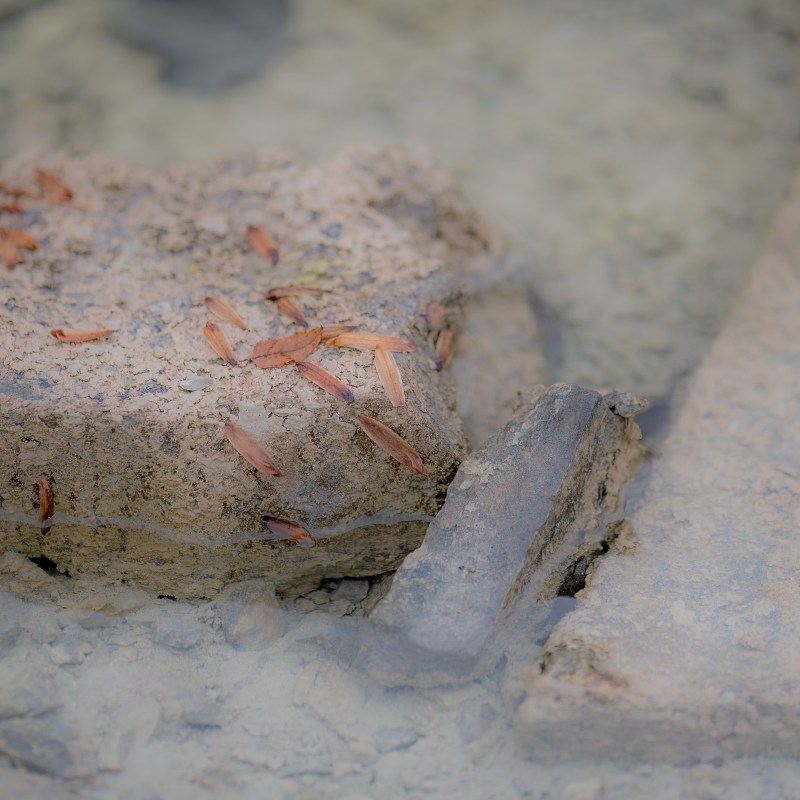
It is time to pay tribute to what we will use for building: tree and stone.


DSC 7996


And to be thankful that time is still passing.