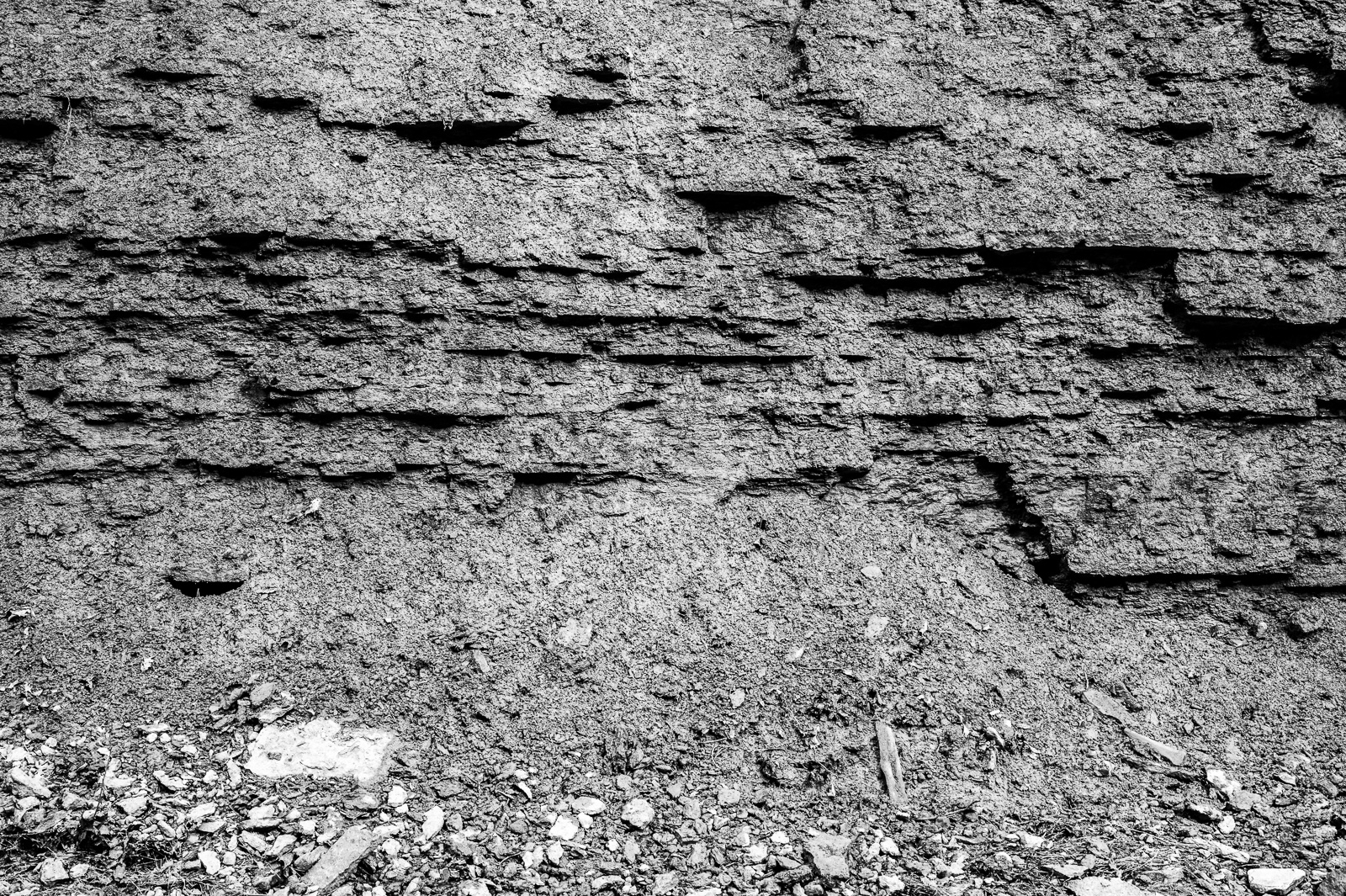
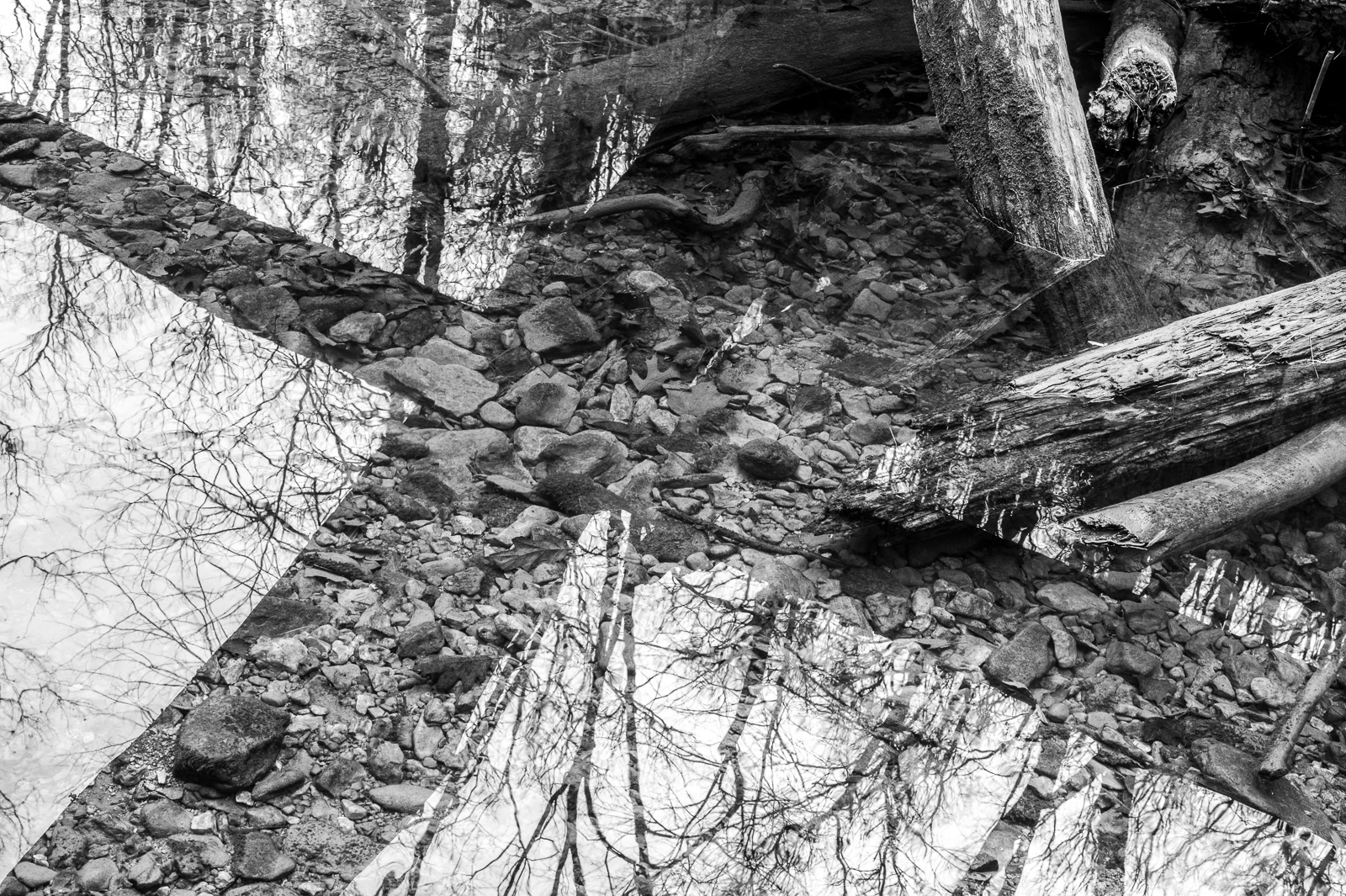
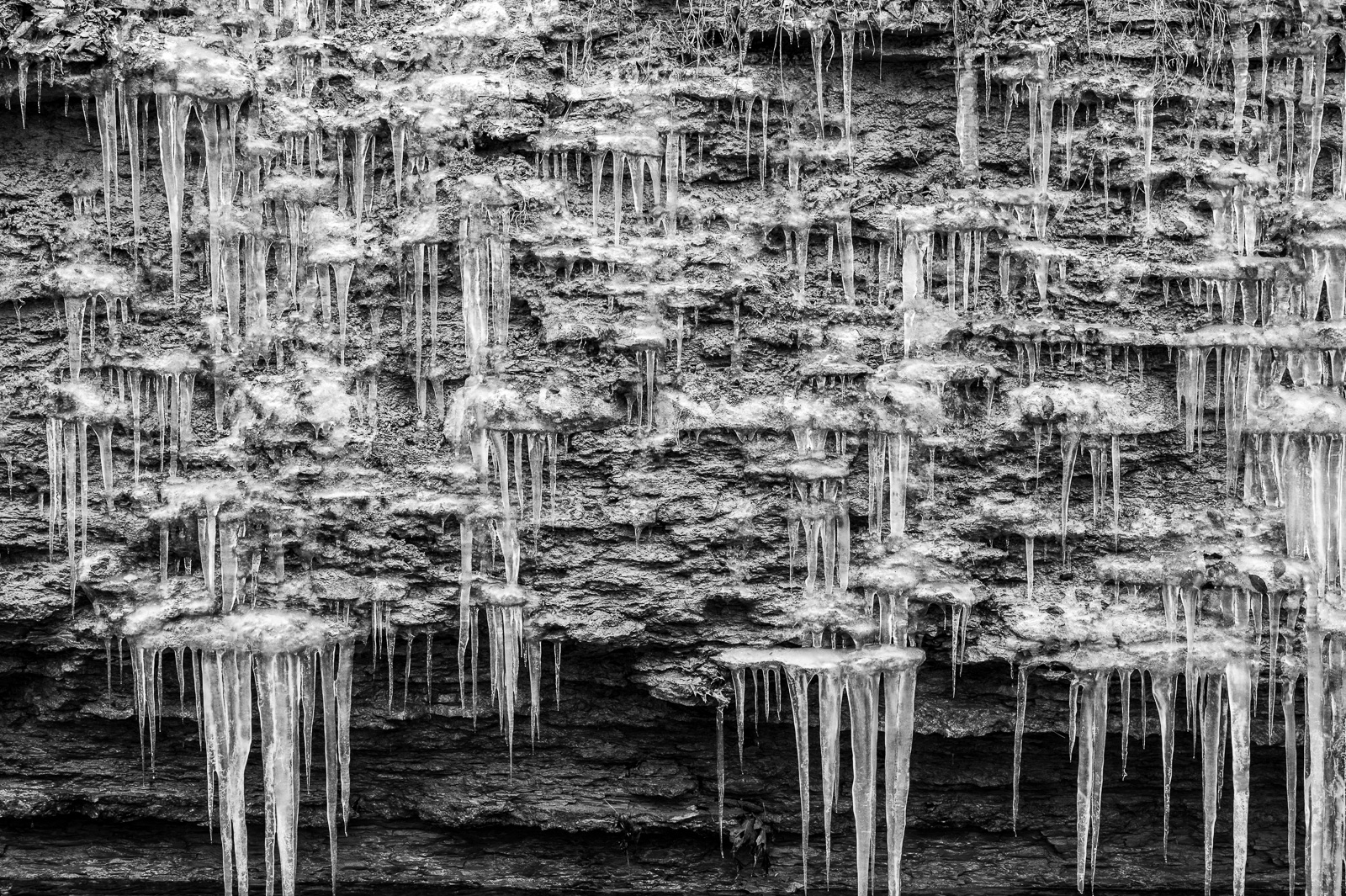
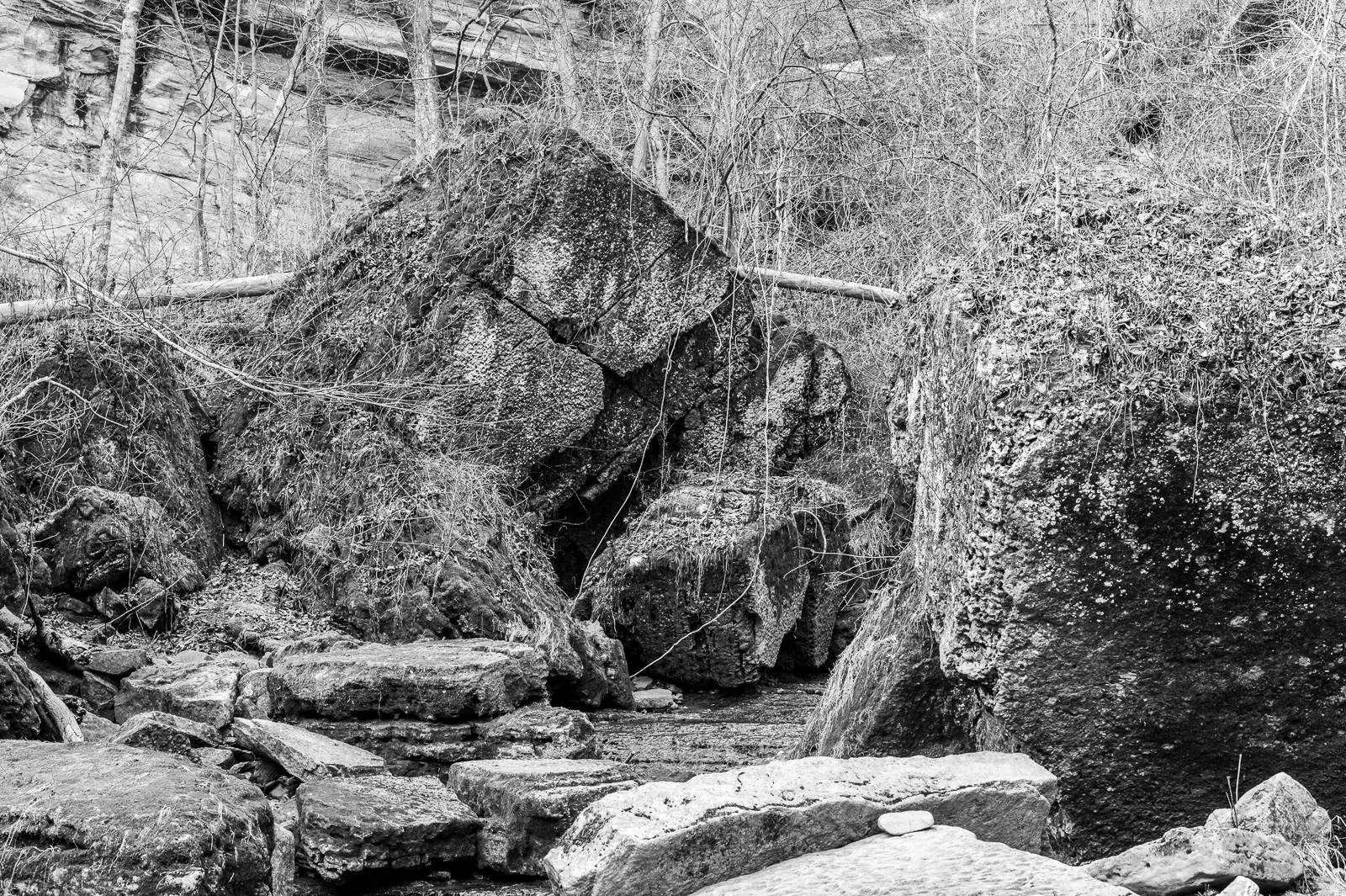
Life and Death (Mogan Ridge West Trail)

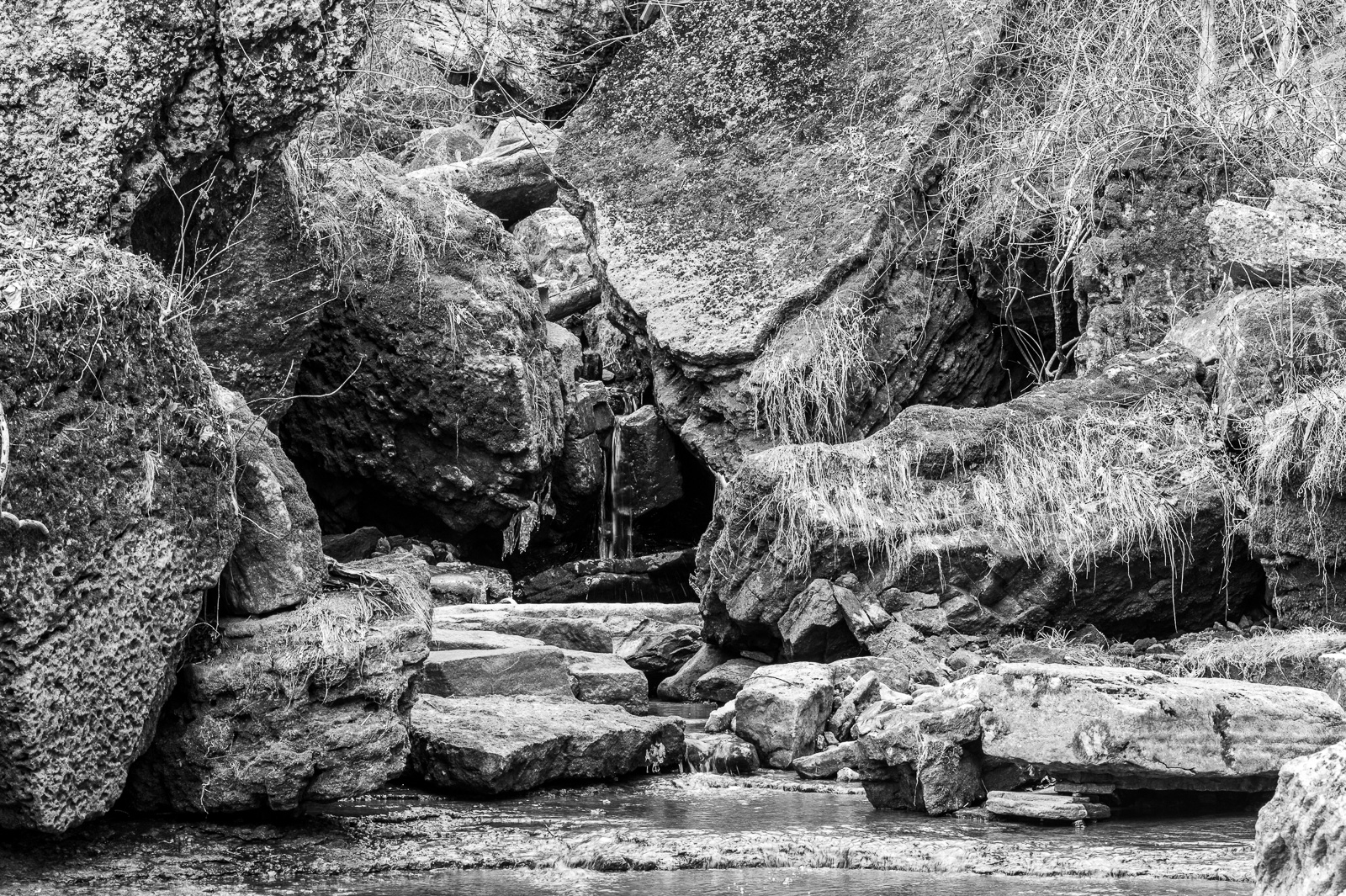
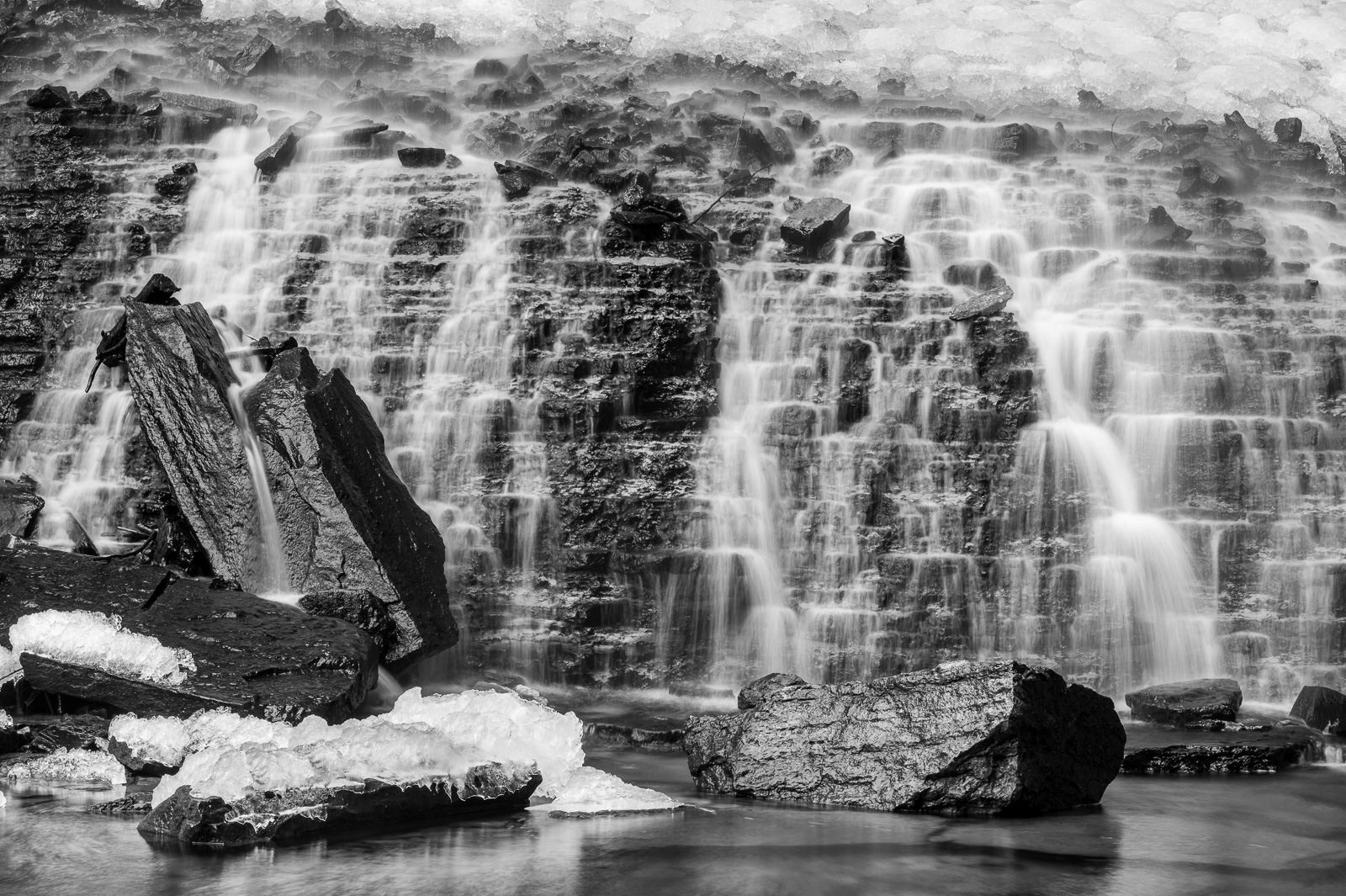
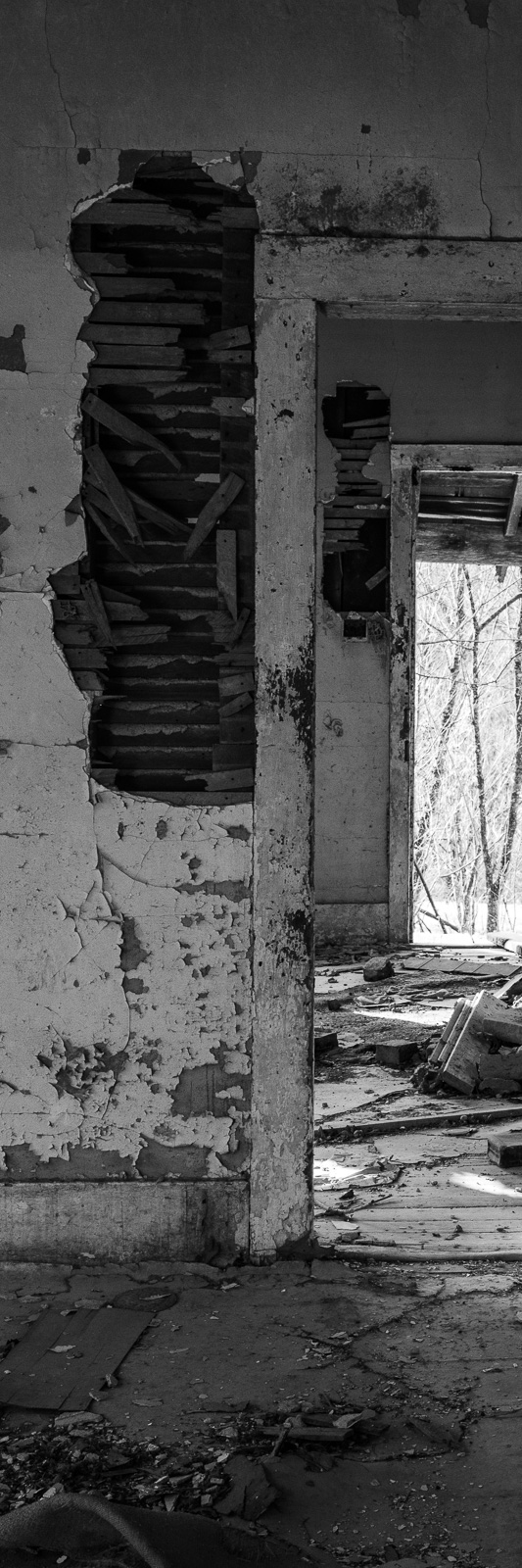
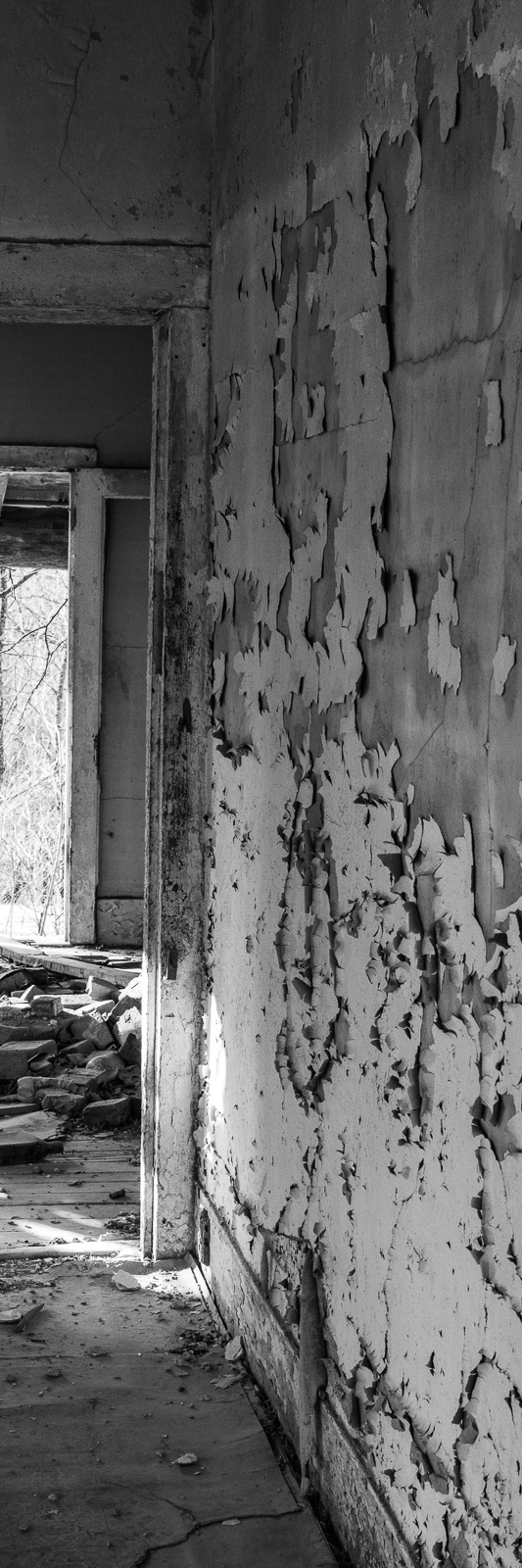
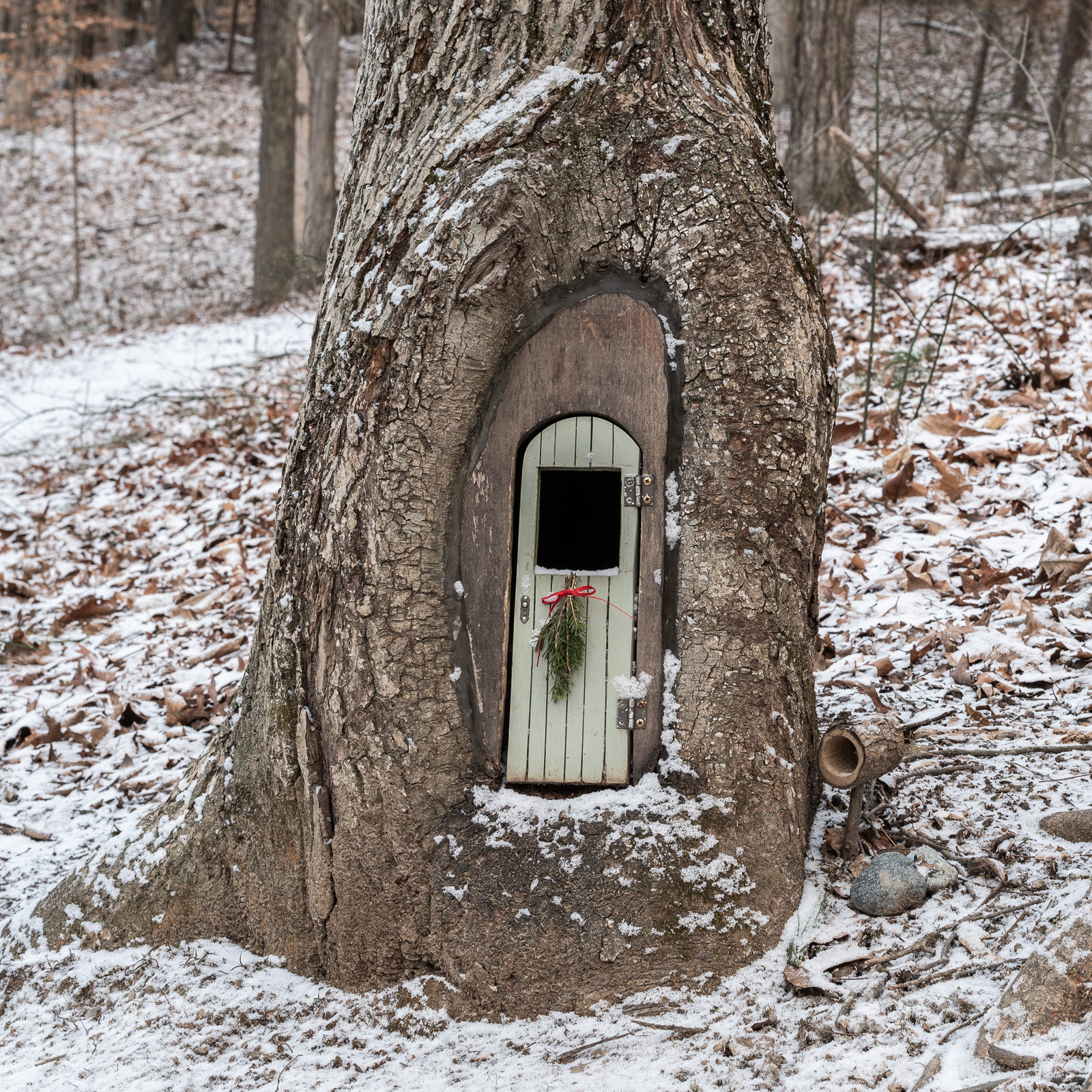
A few minutes down the road from the Two Lakes Trail trailhead is another long hike, the Mogan Ridge trail. It can be done as two separate loops as a single 20 mile loop. Today I show pictures from the western portion.

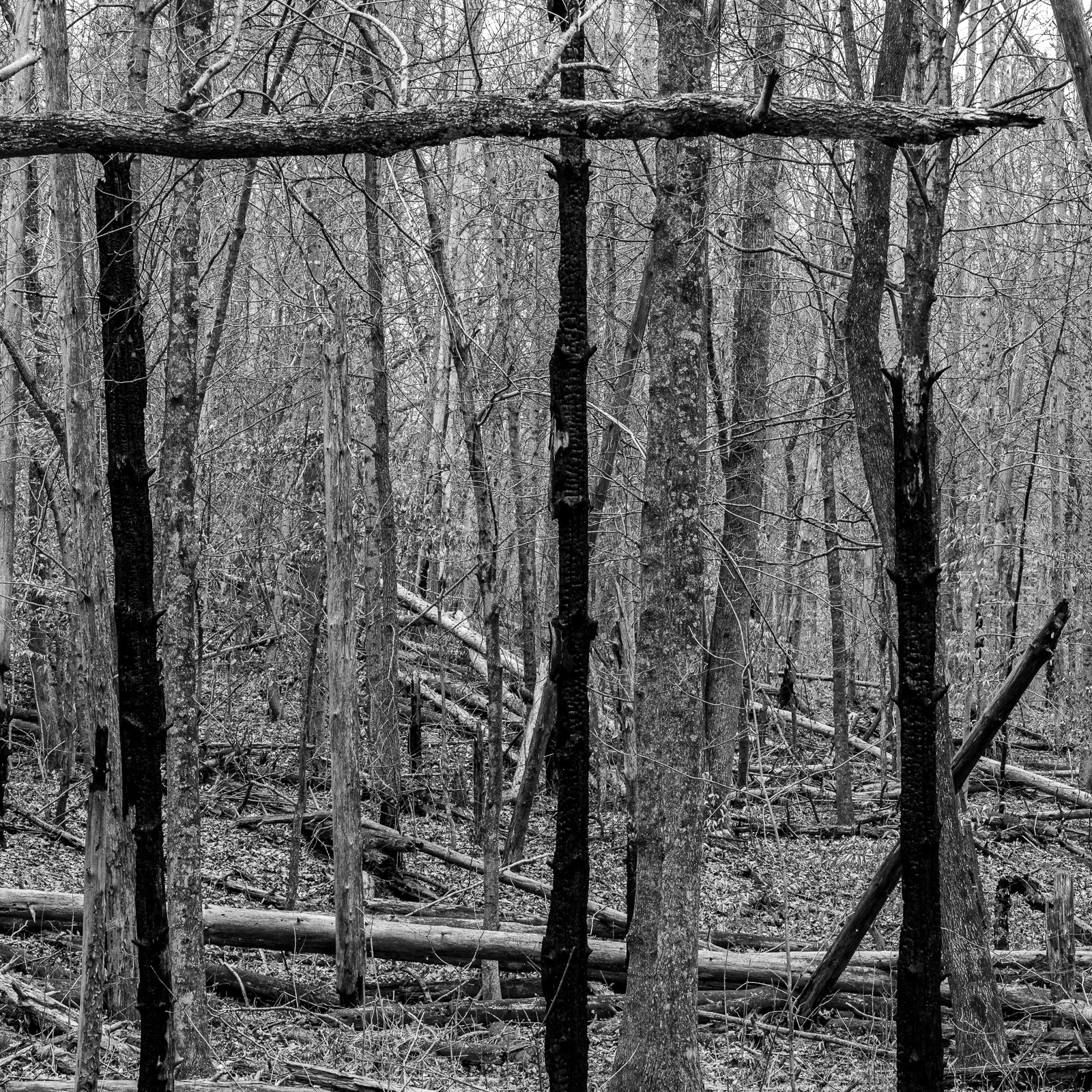
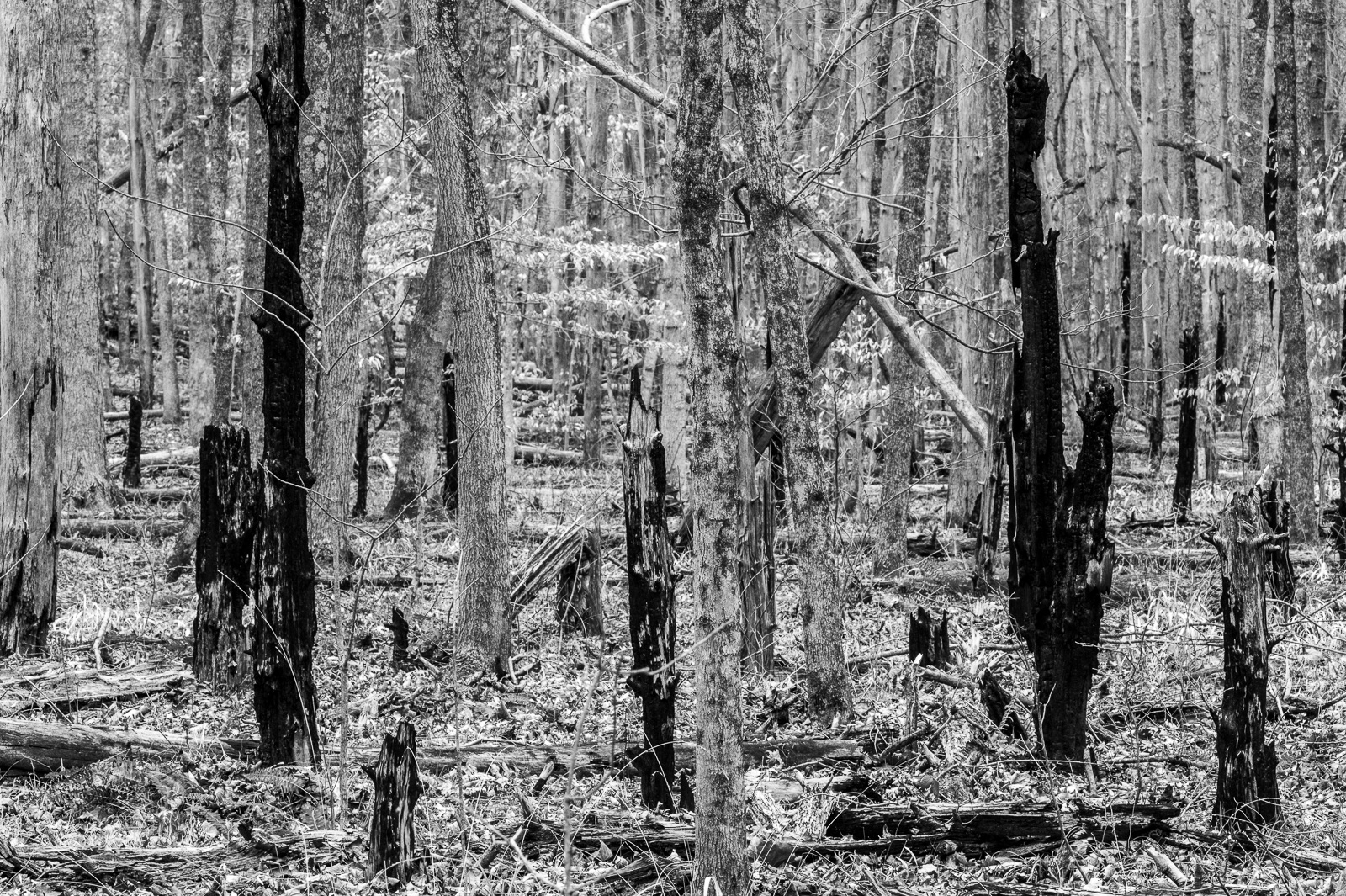
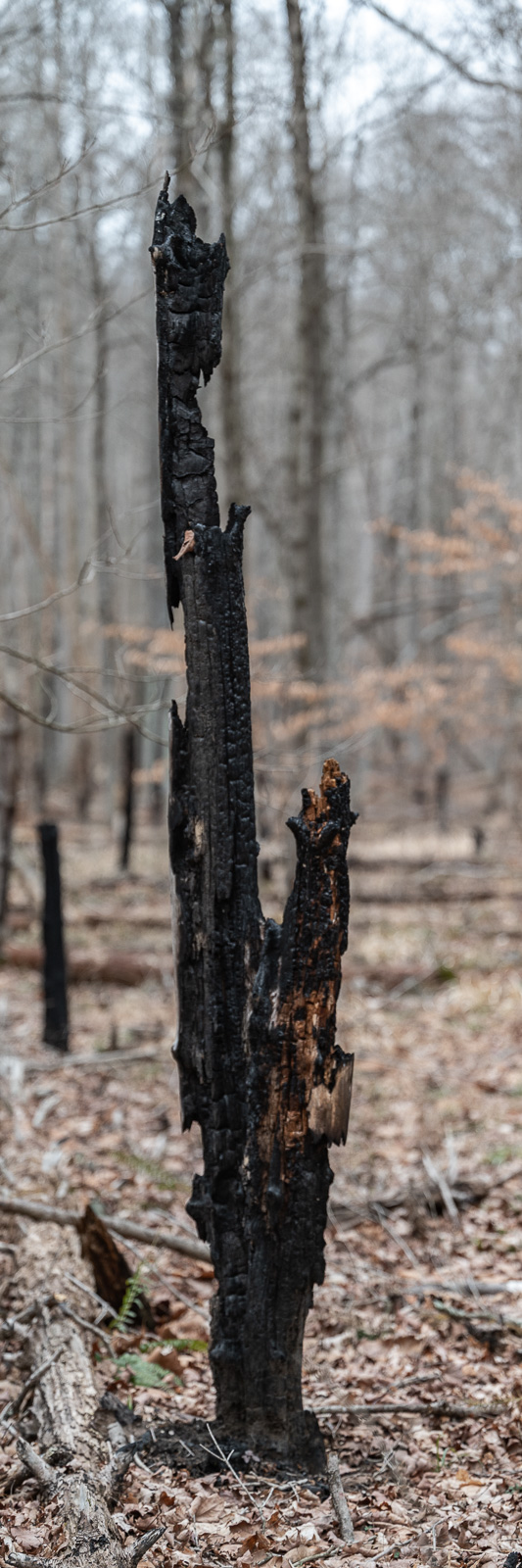
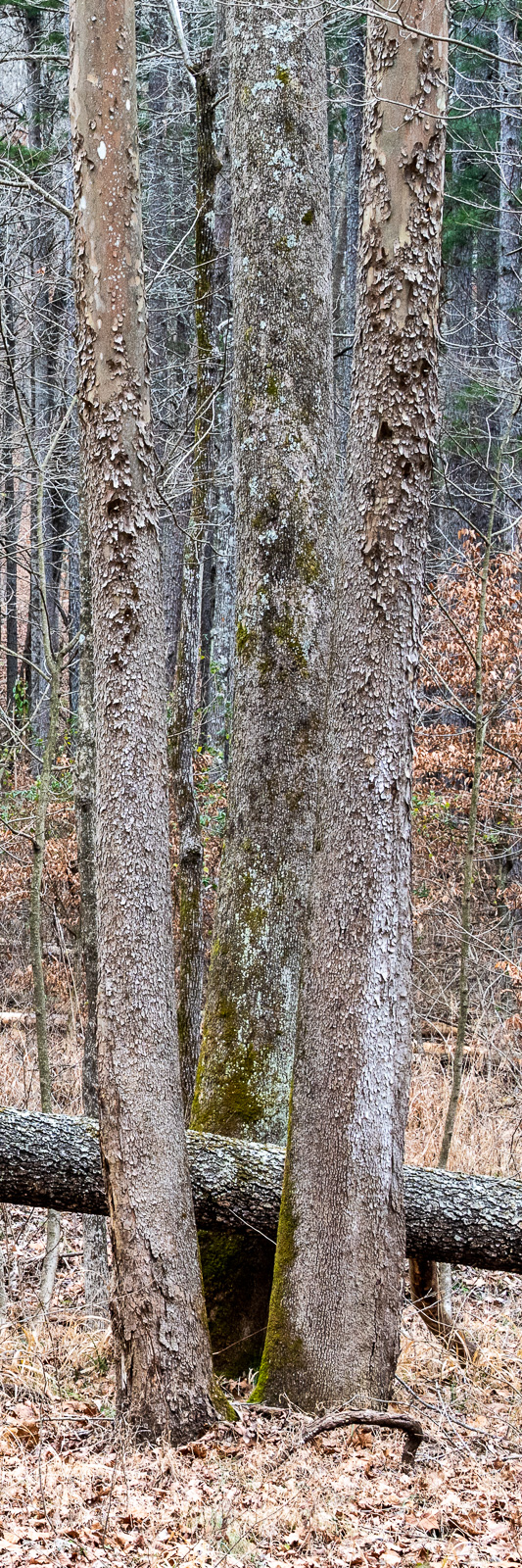
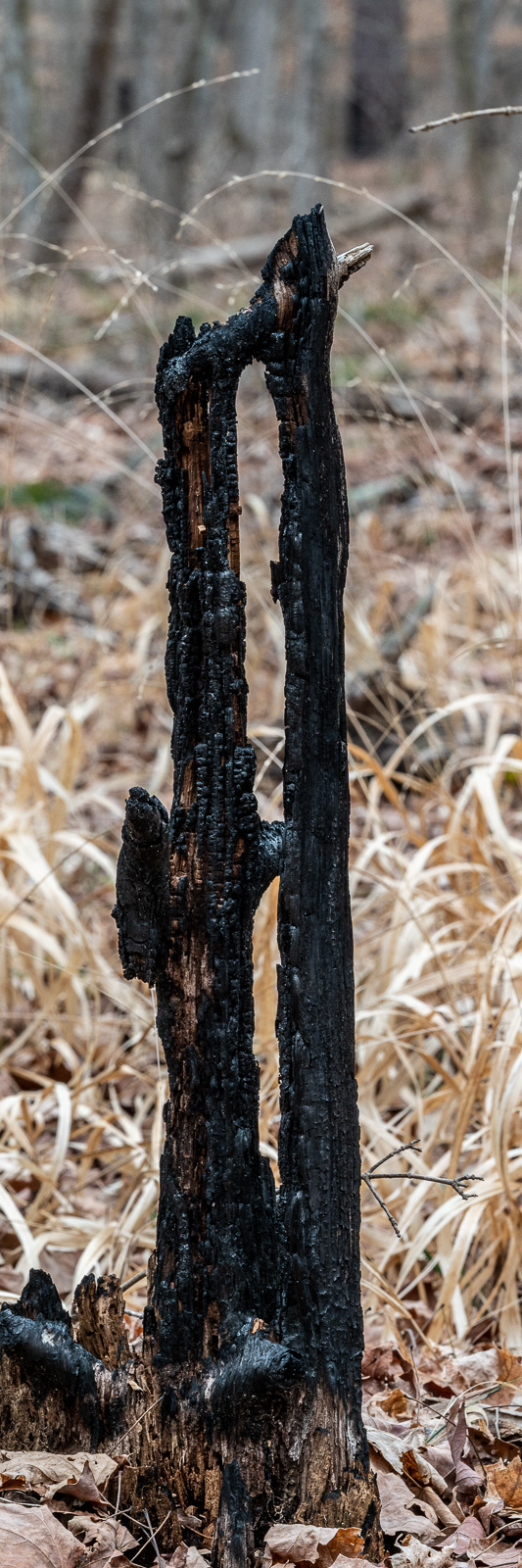
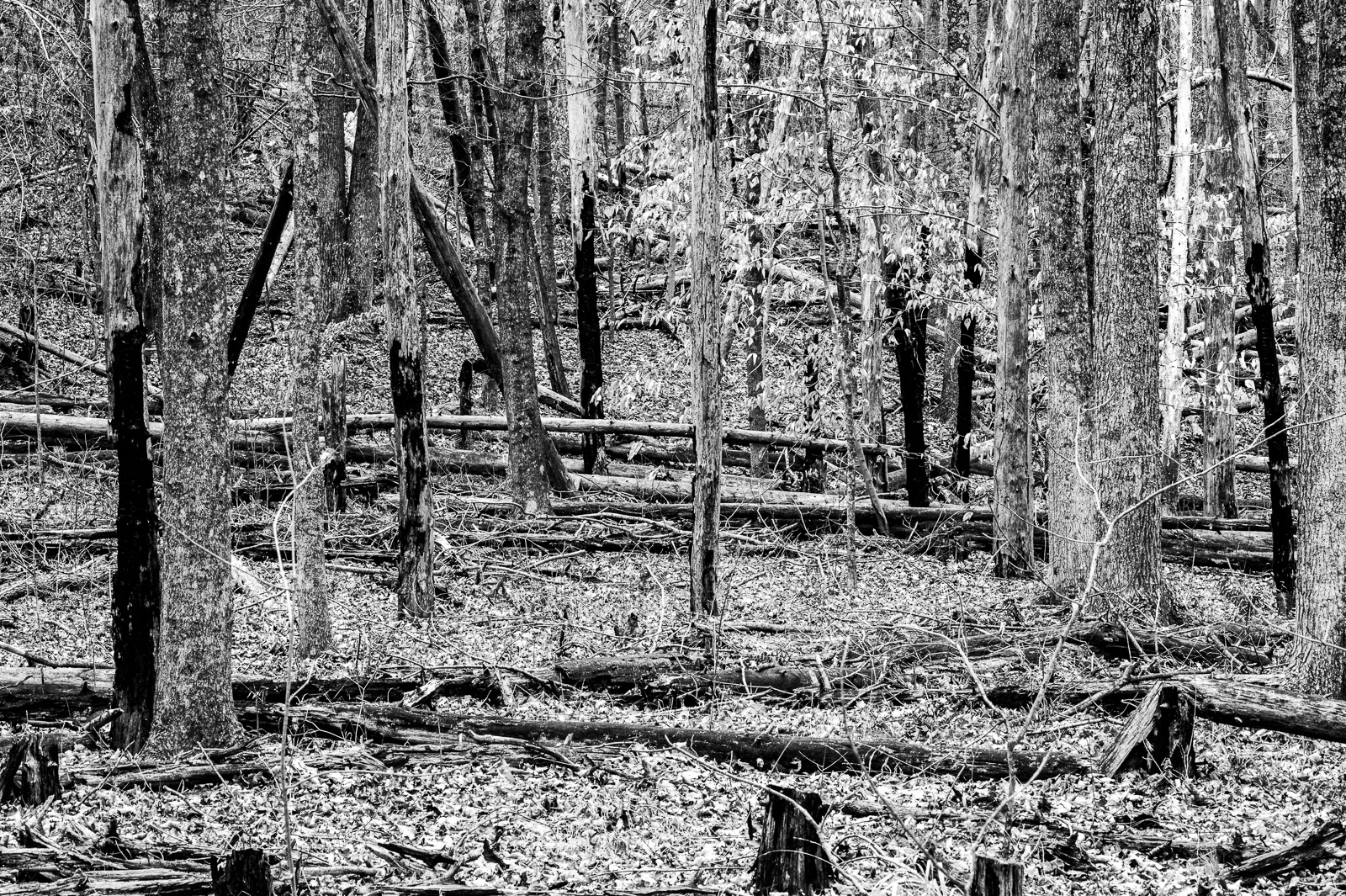
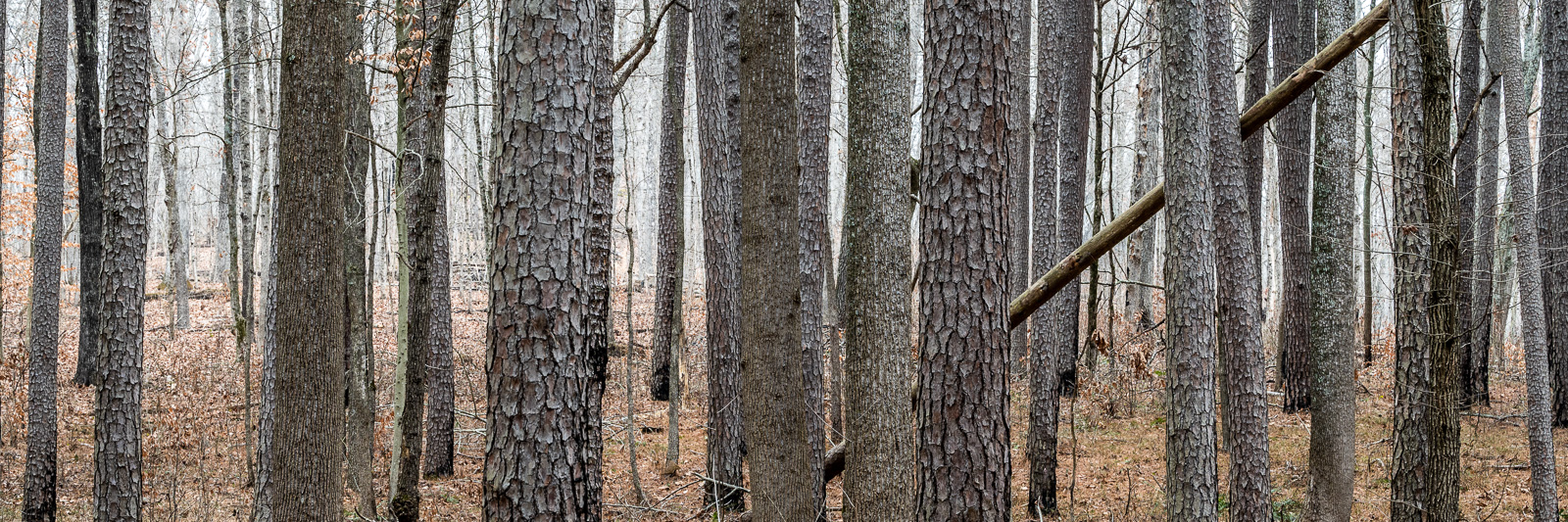
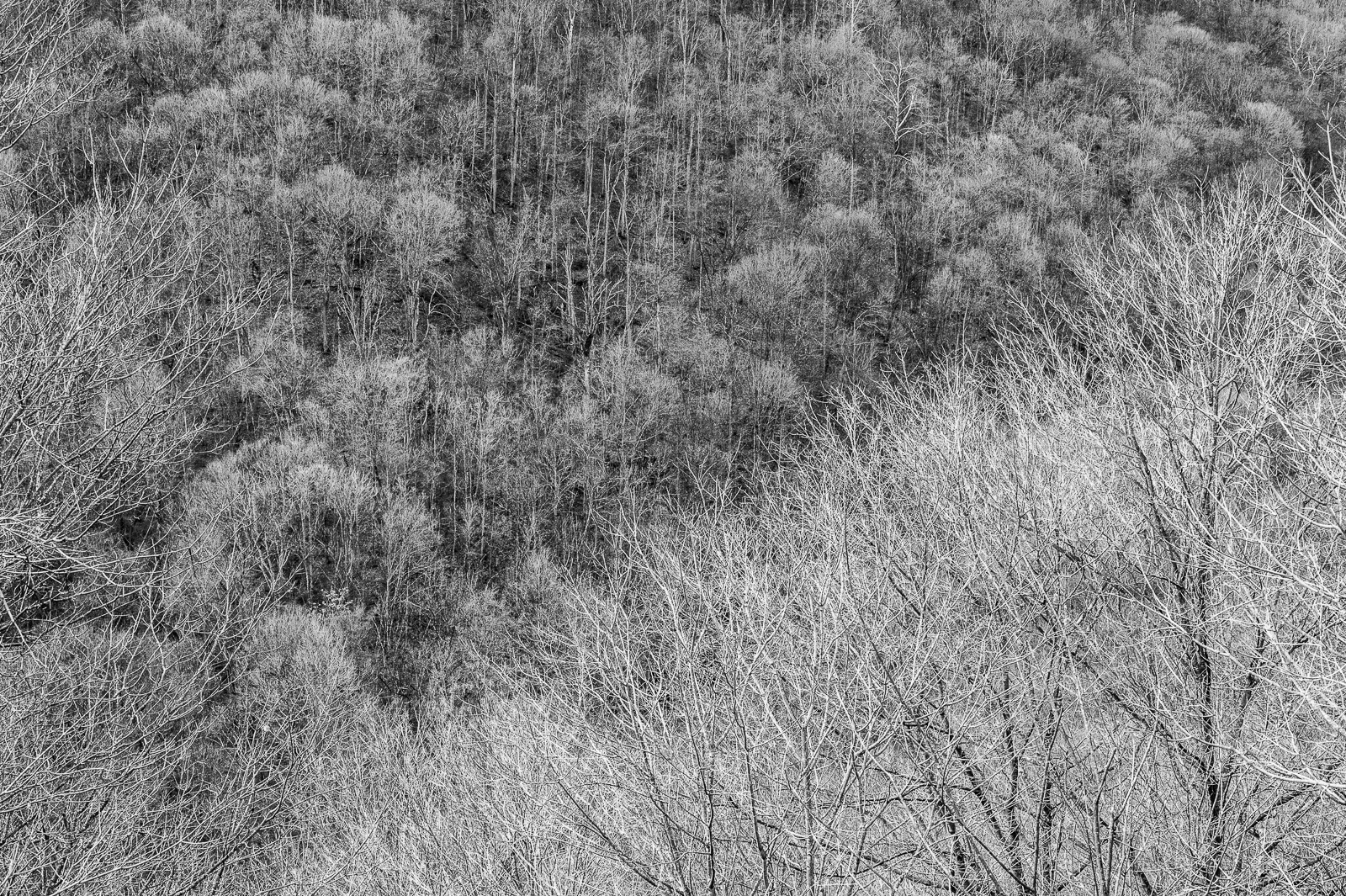
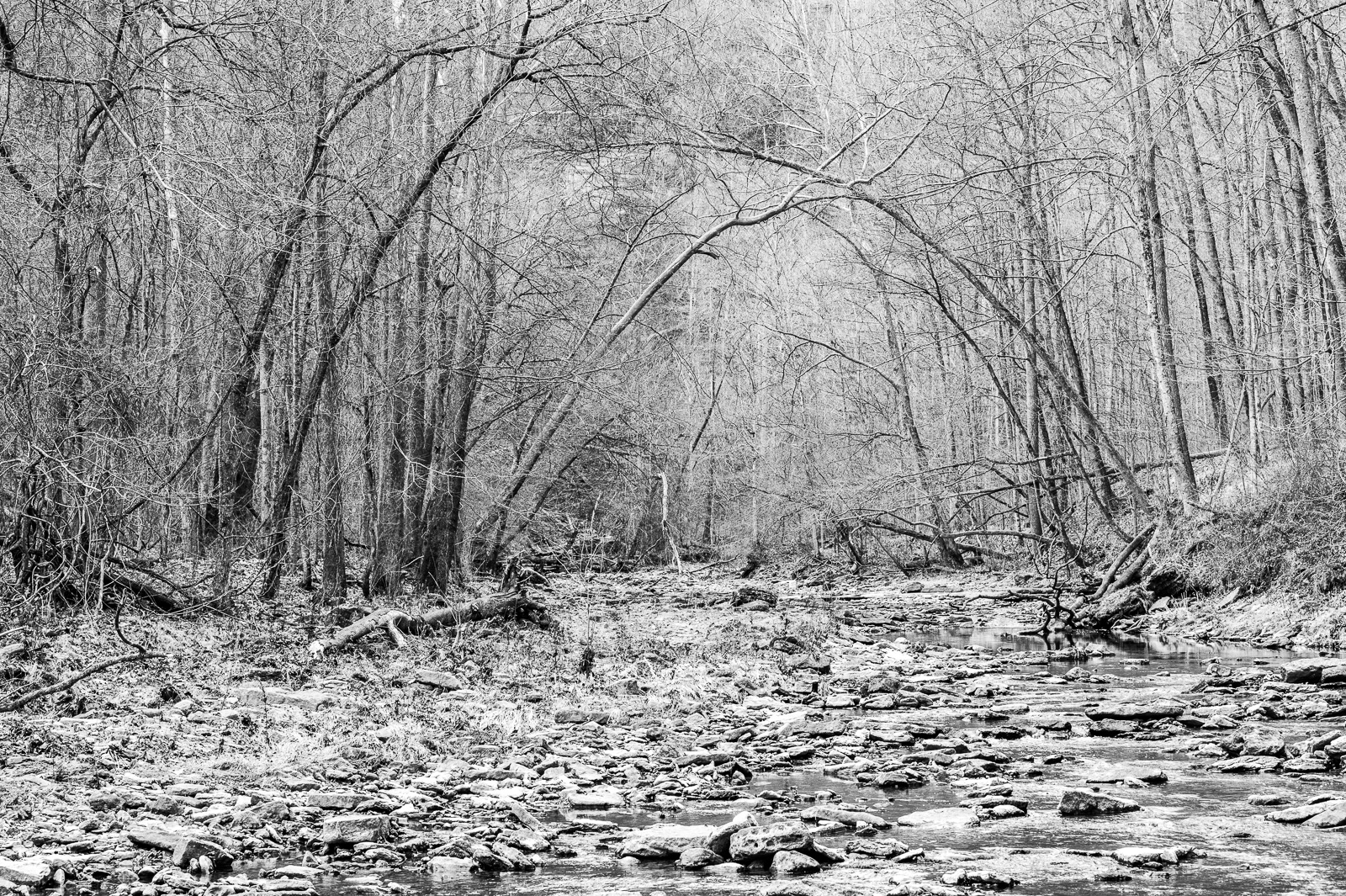
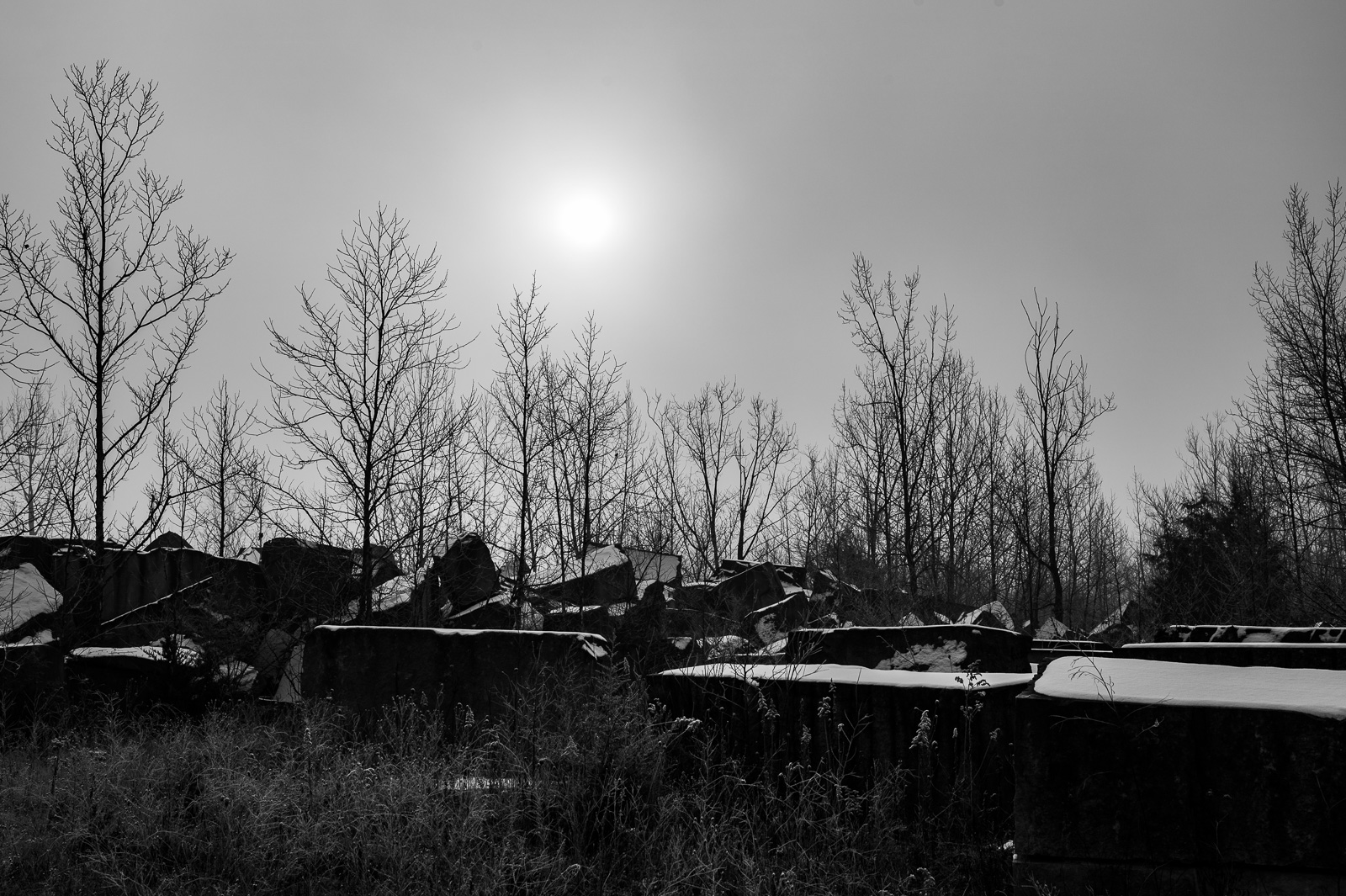
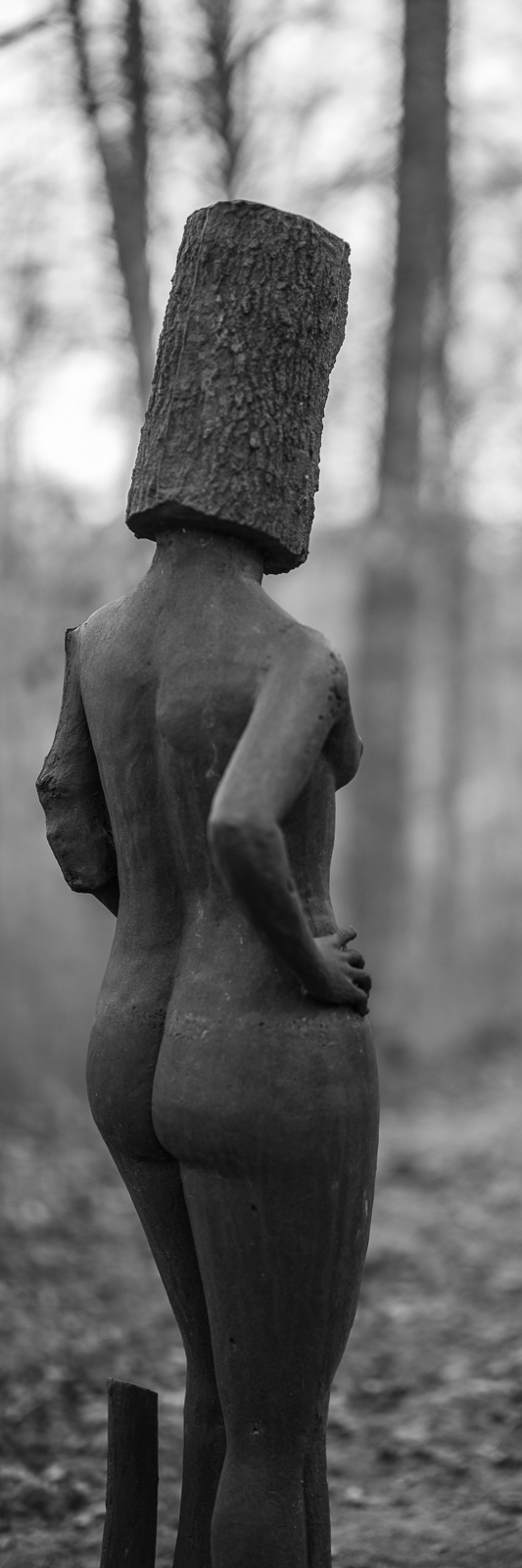
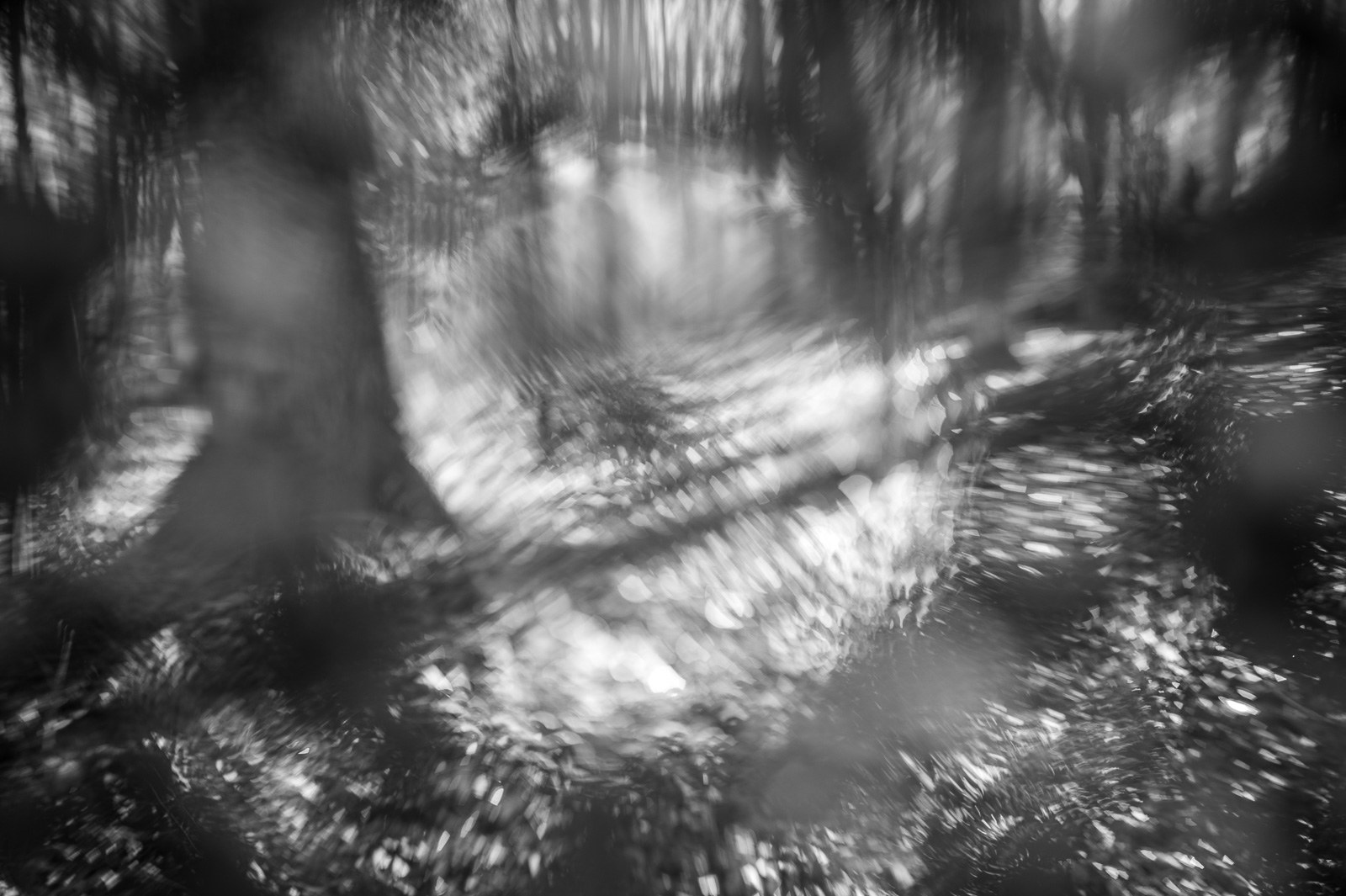
Fire has devastated part of the woods. It’s a sad view, full of pain and beauty.

Death in nature is usually a slow and silent disappearance, but here the sudden death has created a togetherness of life and death with a staggering complexity.

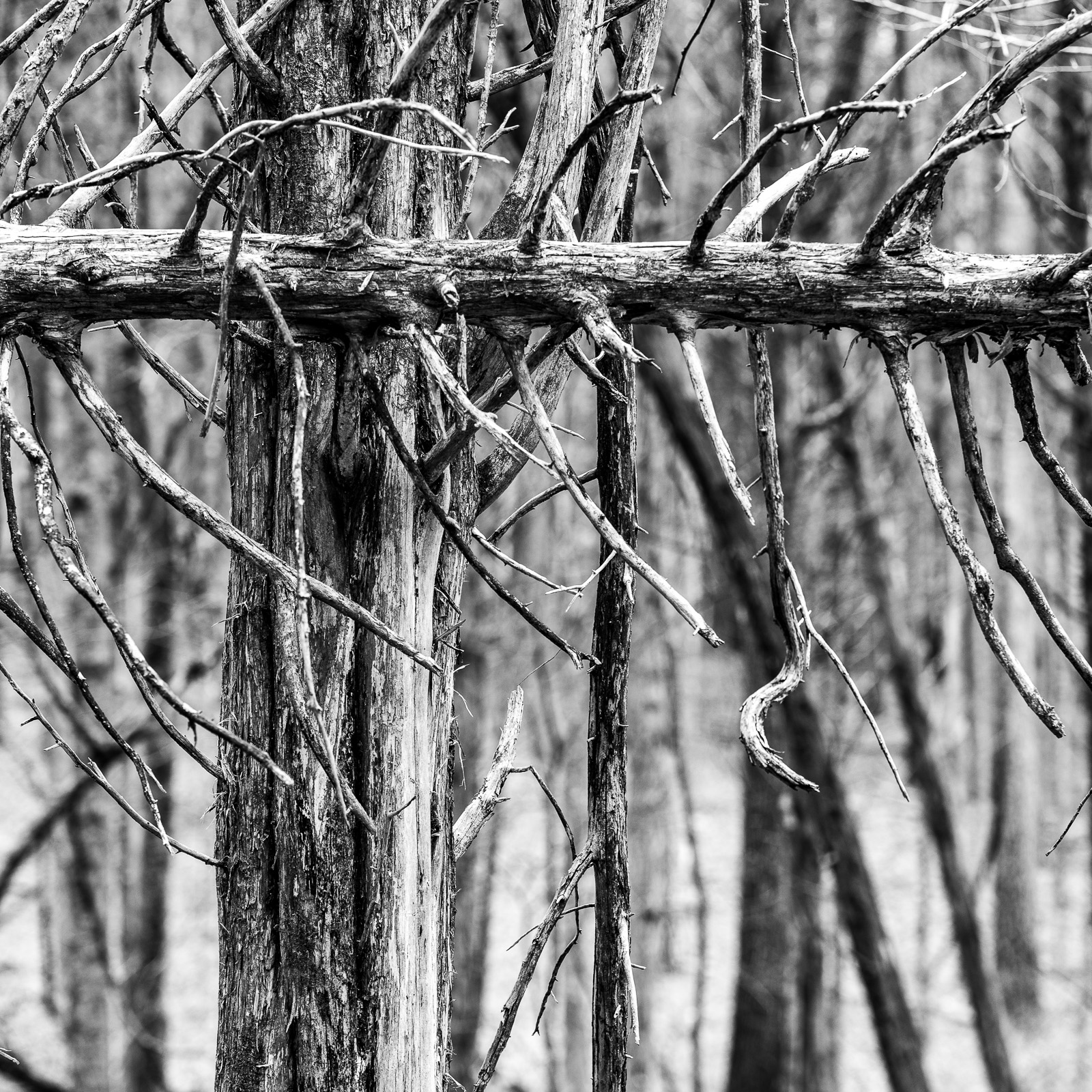
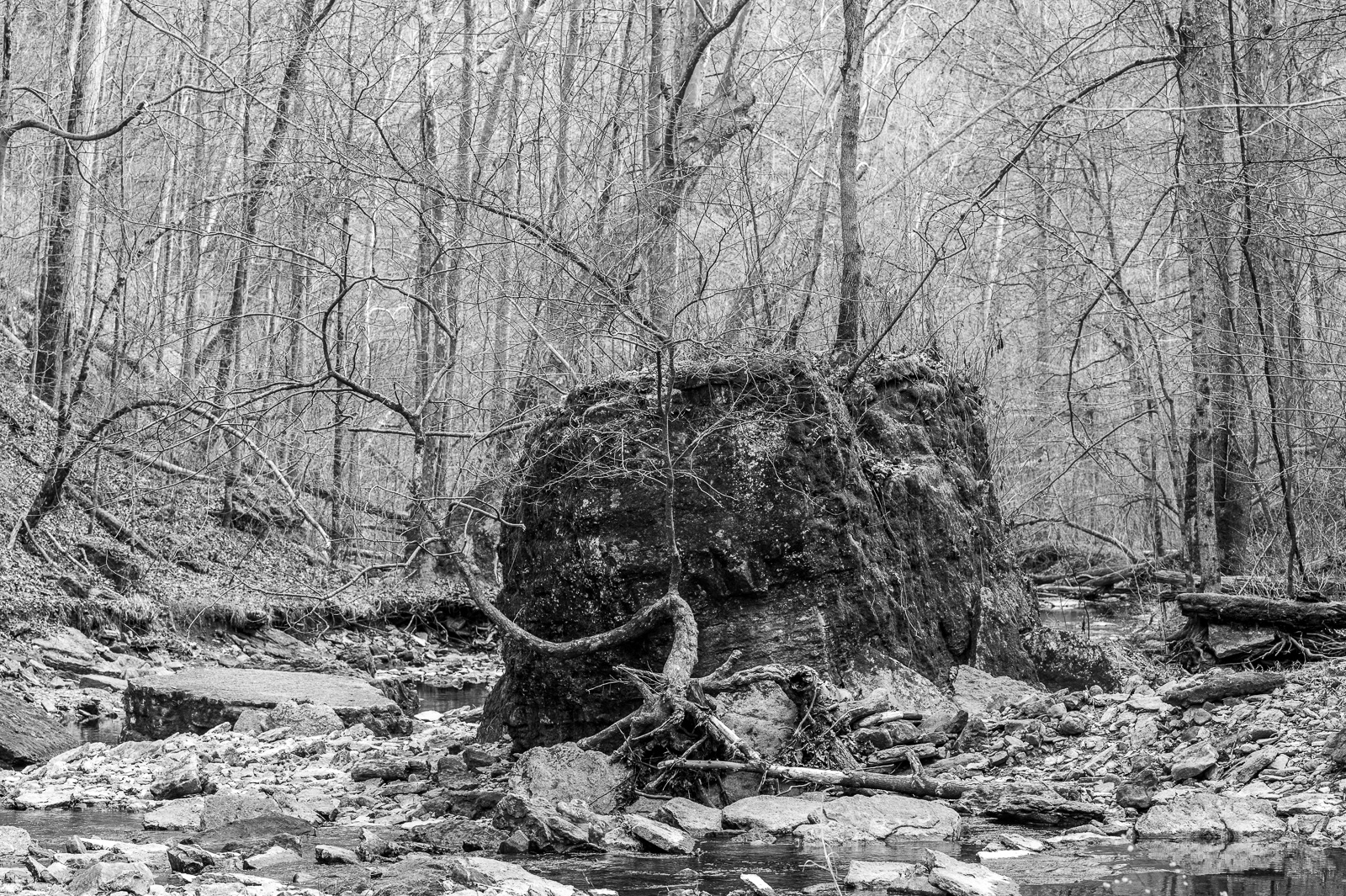
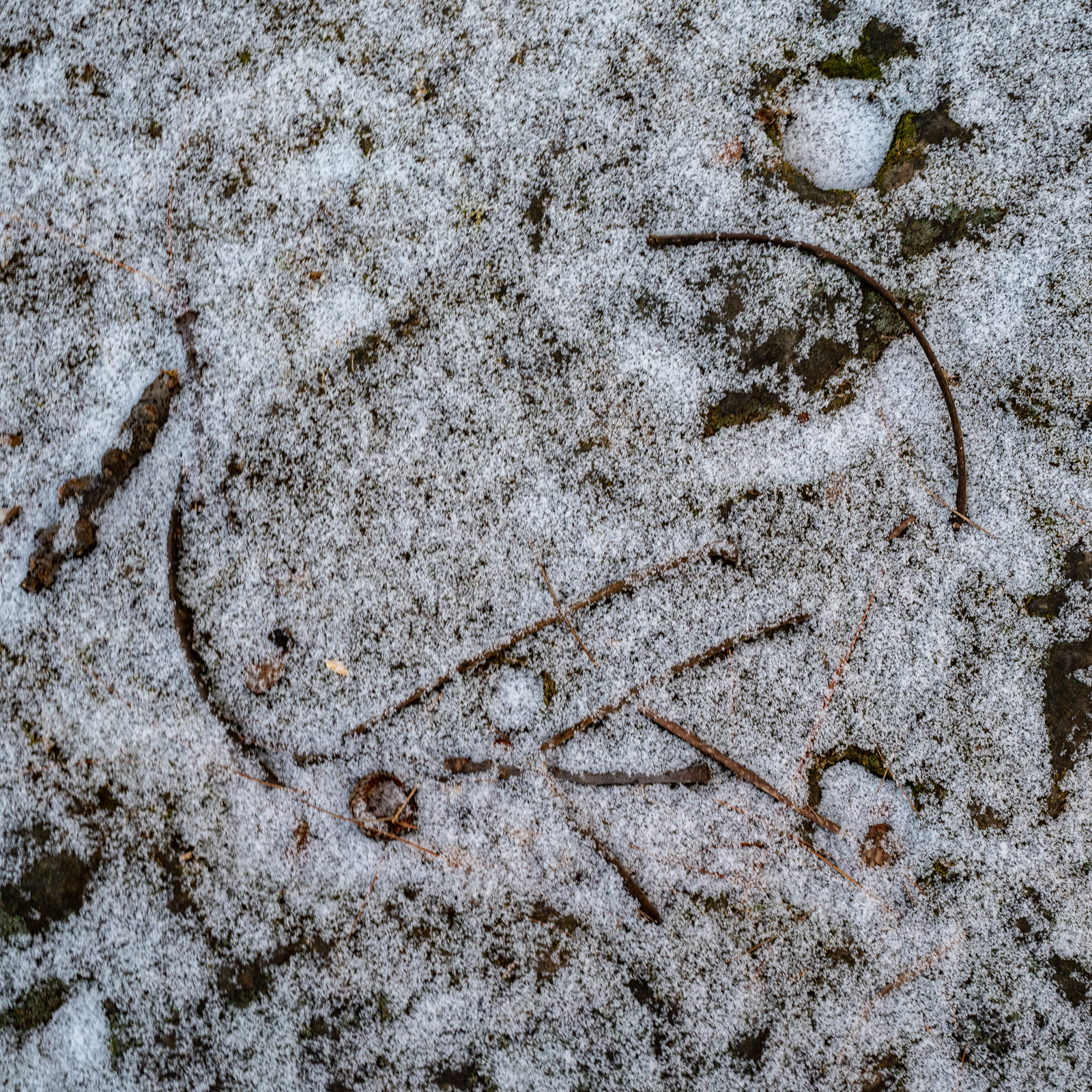
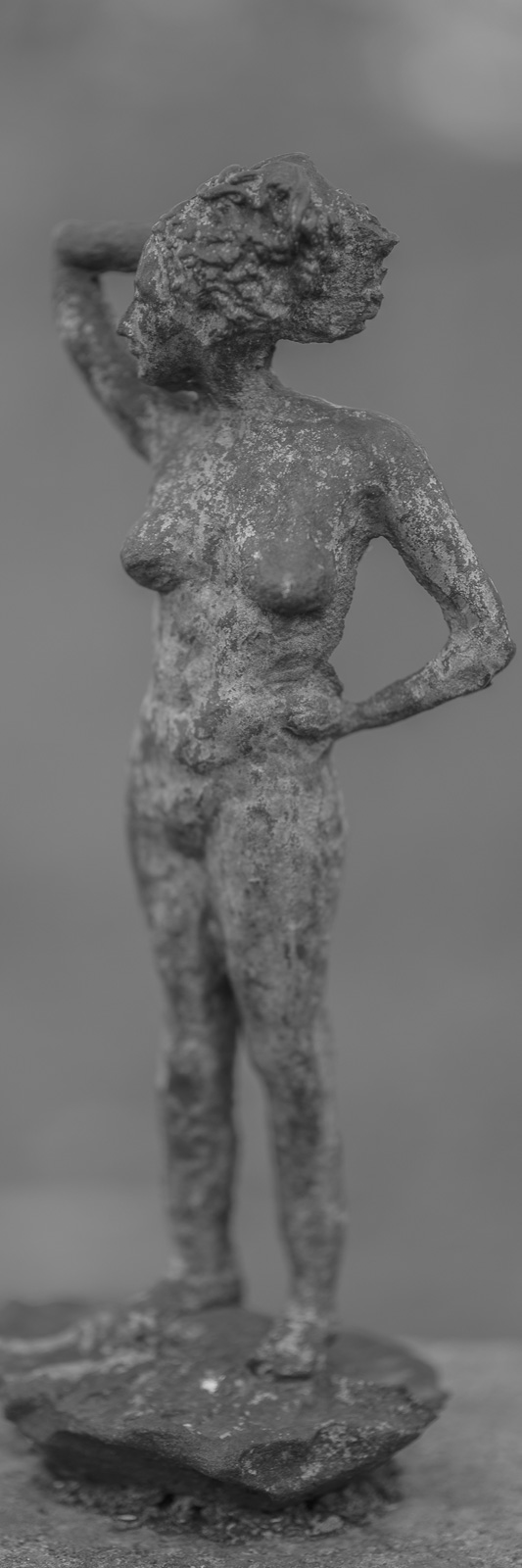
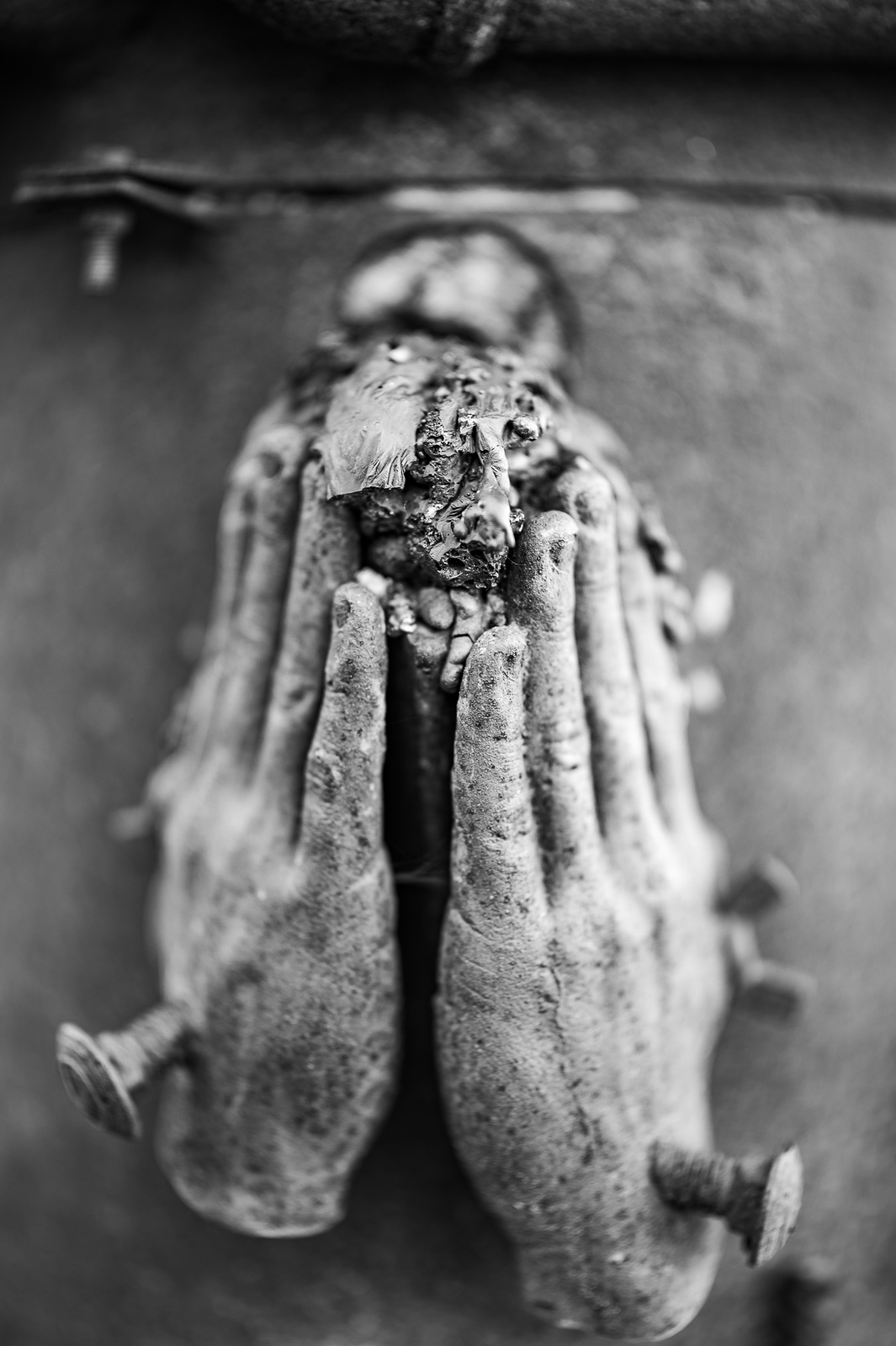
These are sculptures — for whom, by whom?

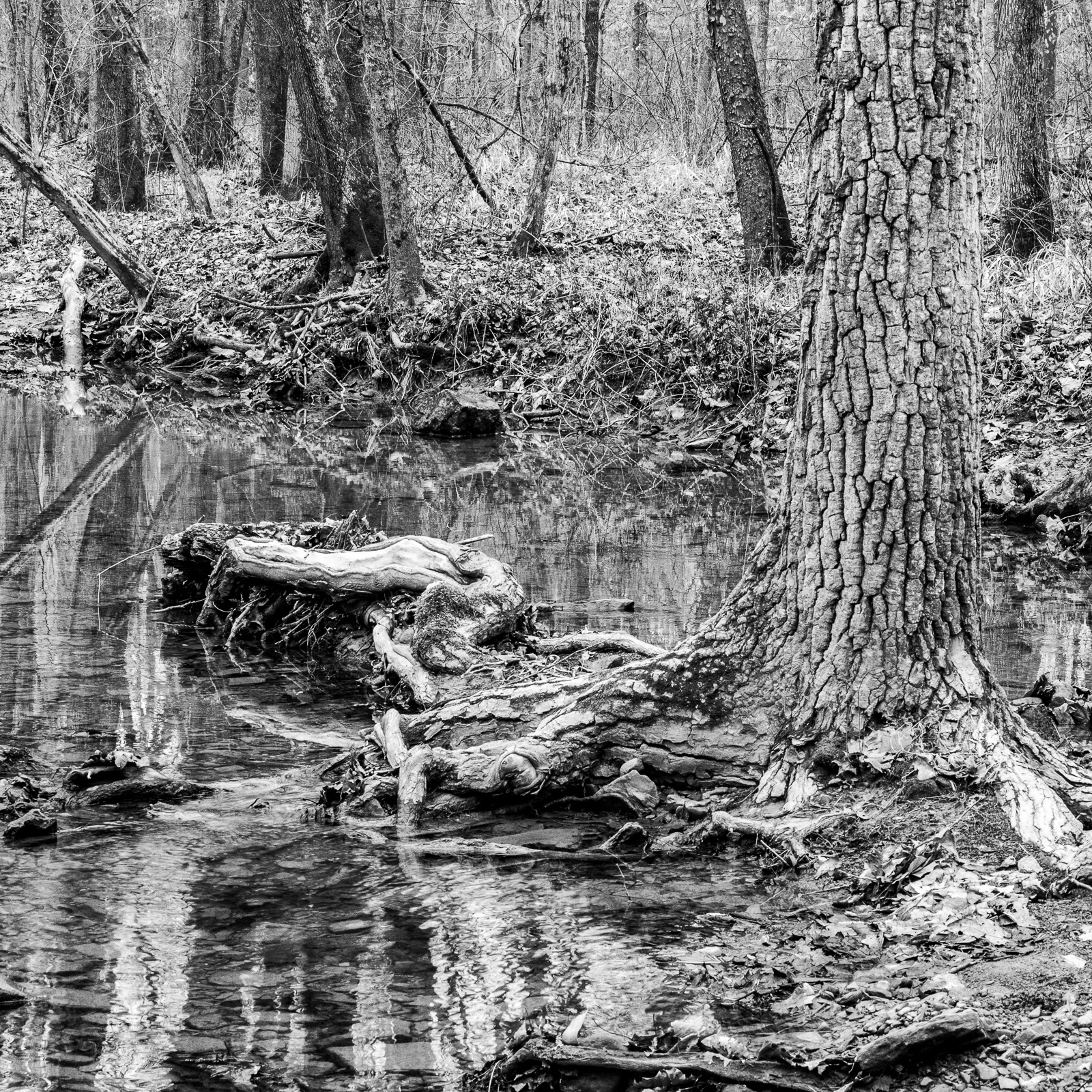
It’s not a place to stay, but a place that will follow me.

How to Age Well

DSC 0635


The next time you worry about getting old, think twice. It could be so much worse, you could be an aging railroad, or, worse still, an abandoned aging railroad.


DSC 0641


There are plenty of those in Indiana (and I bet in your neighborhood as well), some so abandoned that they are impossible to find anymore. 


DSC 0638

The CSX line that connects Bedford with Louisville has a few abandoned sidetracks where the rails have been dismantled. The photos here are from one in Orleans.


DSC 0646


While walking the remaining tracks in search for a particularly rusty railroad spike for my collection, I became increasingly fascinated by the different ways the wood of the tracks had deteriorated, in particular where the rail tie plates had been nailed into the rail ties to support the rails. 


DSC 0648


Aren’t we all beautiful?

DSC 0634

Winter Walk

DSC 0356

Trail #2 in Cifty Falls State Park is one of the most rugged trails in Indiana, suitable for a harsh winter experience even without snow. It begins with a steep descent into the canyon.

DSC 0344

There we follow the creek, switching sides when needed. Occasional obstacles can easily be overcome.

DSC 0335

The canyon walls make it clear that we have little choice otherwise.

DSC 0245

What is a path anyway? Isn’t it just our choice of walking?

DSC 0329

Frozen time passes, too, and makes us hasten forward.

DSC 0214

Increasingly, the path becomes an illusion.

DSC 0256

Well, it said very rugged in the park brochure. We have been warned.

DSC 0260

While there might be no path, still there is a way.

DSC 0287

What more could we have wished for?


Whoever Hid Away (Wenckheim XI)

The last chapter of László Krasznahorkai’s last (?—?) novel Baron Wenckheim’s Homecoming provides the musically inclined reader with a very loud finale. 

DSC 5628

The entire town is paralyzed in fear:

… what had been happening these past days, all of them were already living deep inside the fear that if they went outside they’d be the next to be murdered, raped, harassed, and disappeared without a single trace,…

DSC 5608

And they are wondering about the gasoline tanks and their drivers:

… but unanimously, they agreed that these drivers were waiting for something, and that’s why they didn’t get out of their trucks, they just sat behind the steering wheel, not even eating anything, they just all kept their hands on the steering wheel, as if waiting for some sign that could arrive at any moment,…

DSC 5634

As the reader expects, things get more ominous: The trucks disappear again, all animals leave the city, and knots of toads arrive from nowhere, signaling the imminent apocalypse.

… these lunatic toads had come forth from beneath the earth, as there below, in the bountiful darkness, they had all gone mad, and they had wrenched themselves out of the earth and emerged, at first they began to jump back and forth, who the hell would have thought that so many hideous toads existed beneath the earth ,…

DSC 5604

…then he took out a cigarette from the Egyptian pack, and he lit up, and in that moment, as he clicked the flame of the lighter, and he was already about to take a drag on his cigarette,… … … 

DSC 5598

A town has come to its end, a book has come to its end, and, simultaneously with me finishing reading it, here an era of an eerily similar nature has come to its end, too. 

Multiple Exposure (Wenckheim X)

The chapter To the Hungarians begins with newspaper editors discussing whether a certain tract they have received should be published. This tract is a hate sermon against the Hungarians, and some excerpts are read to us:

… and you’re spineless and two-faced, perfidious and contemptible, lying and rootless, because after you’ve exploited somebody, you do the same thing, namely you throw them away, you spit into their eyes, if they’re not good for anything else, because you’re primitive,…
DSC 5556

The text culminates in a generalizing damnation of all of humanity.

… moreover this true monstrosity, while he has his bad moments, at times stumbles across a good intention within himself, but he quickly forgets about that, and it remains a mere memory, but he builds upon it later, as this sort of monstrosity is convinced that fate has selected him for good, or at the very least as the representative of truth, his own truth, …
DSC 5538

In the meantime, violence is erupting in the city, a first to statues,

unknown assailants knocked over the bust of Countess Krisztina Wenckheim, but not only that, they completely smashed apart her face with a hatchet,

then to animals,

…on Wednesday at midnight he found two cattle frozen in their own blood, their heads were also smashed apart,…

and finally to humans

…Irén’s horrific death — as they found her on the sidewalk, having to see that beloved human face now smashed into fragments…
DSC 5516

This is a chapter about fear, incited by propaganda, and backed by the actions of a nameless mob.

… she had a bad premonition about things, but what was so bad wasn’t even that people had forgotten the events of the past few days, but that the speed of all these events was like that of some kind of flood when it breaks across a dam, the events occurring and occurring one after the other,…
DSC 5464

What we fear is not the singular incident but it becoming the daily routine. Krasznahorkai invokes this mechanism by using repeating patterns at the level of the narrative as well as that of language itself:

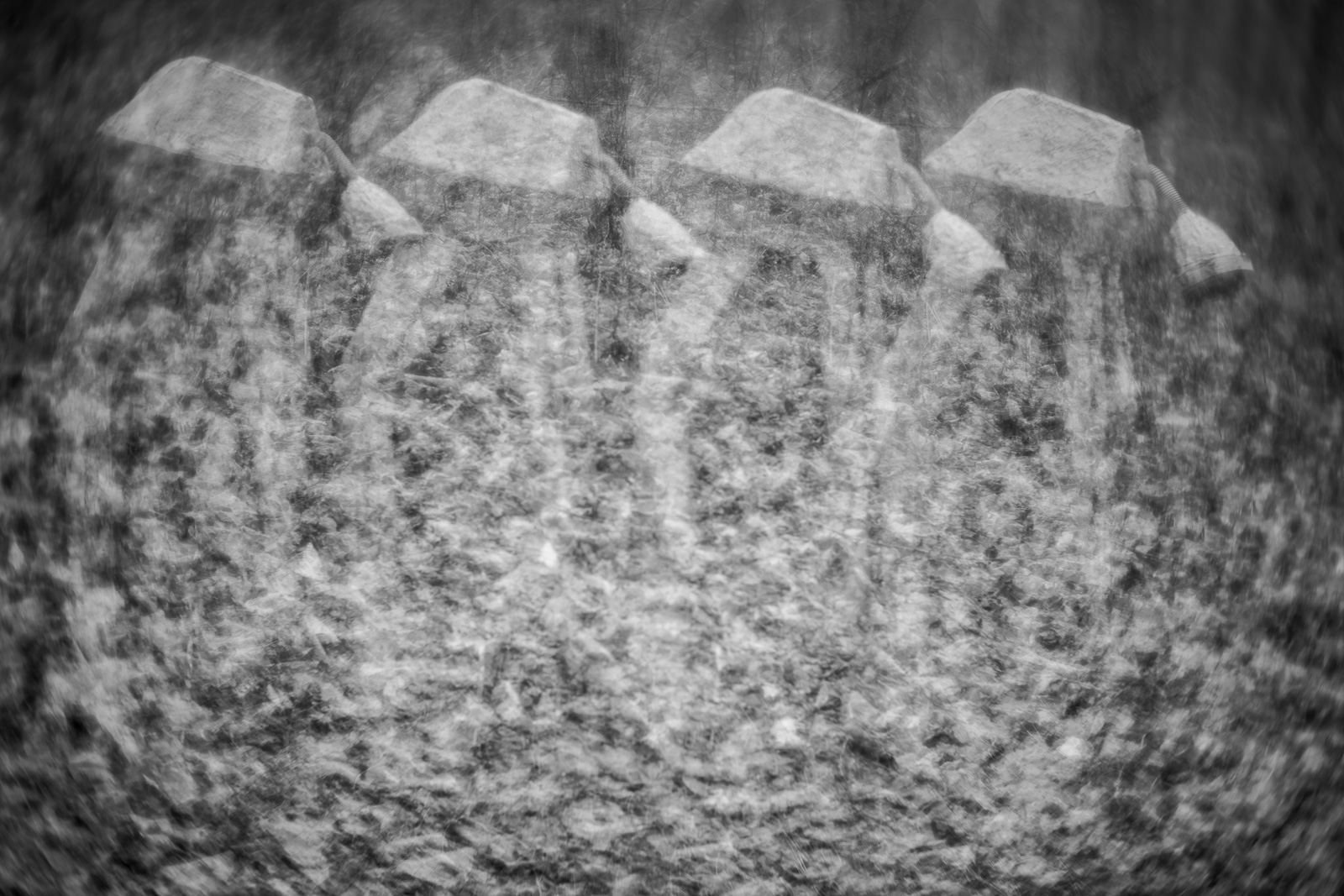
… because they came down Csabai Road, and they came down Dobozi Road, and they came from the Romanian border, they came from the direction of Eleki Road, from every single direction they came, rumbling, the pneumatic brakes screeching, then the engines revved, then the pneumatic brakes again, they came in a line, one after the other, and within the space of barely an hour the entire city was full of these gigantically enormous fuel carriers, and the whole thing was as if they’d ended up here by mistake, as if they wanted to go someplace completely different,…
DSC 5571

All this, the threats, the violence, the feeling of foreboding, the arrival of an enormous number of gasoline tanks, is only preparation:

… and then suddenly — as if the entire thing were dependent on a single switch — the entire city was plunged into total darkness,…

01-06-21

Turning and turning in the widening gyre   

The falcon cannot hear the falconer;

DSC 9265

Things fall apart; the centre cannot hold;

Mere anarchy is loosed upon the world,

DSC 9189

The blood-dimmed tide is loosed, and everywhere   

The ceremony of innocence is drowned;


DSC 9286

The best lack all conviction, while the worst   

Are full of passionate intensity.


Watch Out For – (Wenckheim VIII)

It’s not that I don’t understand why a person has to die, but rather, I don’t understand why a person has to live, Baron Béla Wenckheim pondered,…
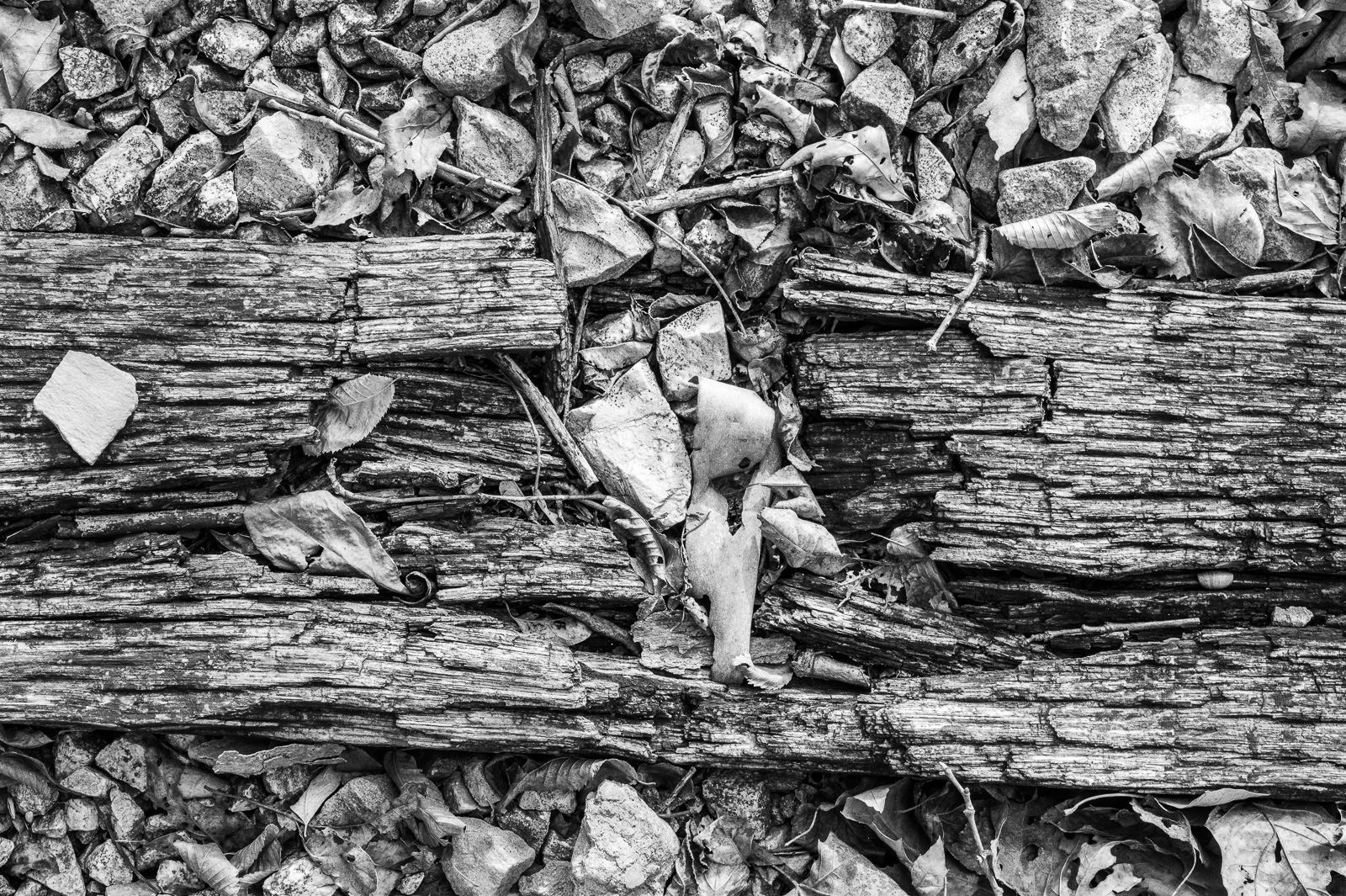
So begins this short chapter in Baron Wenckheim’s Homecoming. It is a chapter about disruptions.

First, there is the disruption of space by time:

…where the train station used to be, there still stood a train station; […] — it’s just that these were not the same train stations, main roads, hospitals, castles, or chateaus, they just happened to stand in exactly the same spot where the old ones used to be; they weren’t the old ones, they were new, they were different, they were strange, and they — now that the scales had fallen from his eyes — they left him completely cold,…
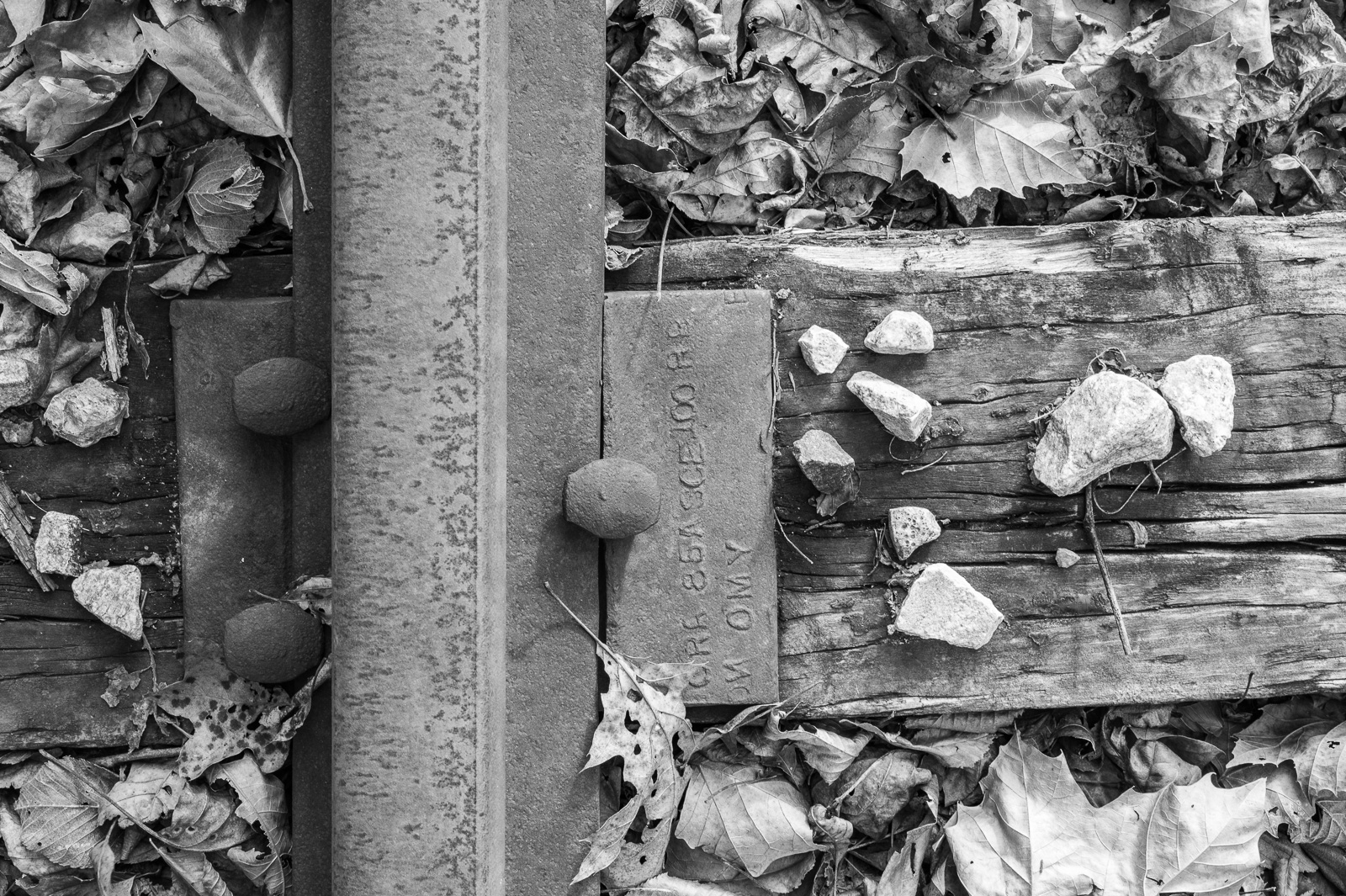
How one experiences the return to one’s birth place after years of exile can vary. I have felt Wenckheim’s coldness, but also the opposite, and yet another, rather strange sensation of duplicity in which the exile becomes a second layer over the older home, so that one has the feeling to be at two different places at the same time.

So Wenckheim plots his own death, insists to be taken to the forest, follows the rails to the train station from where he wants to return by train, has carefully memorized the train schedule, and looks for a suitable curve that would make it impossible for the train to stop in time.

While waling between he tracks and waiting and pondering his question from the beginning, Wenckheim is disrupted by a flock of deer – their unquestioned existence proves his own question meaningless. But maybe too late.

Thank You, Dear Trail

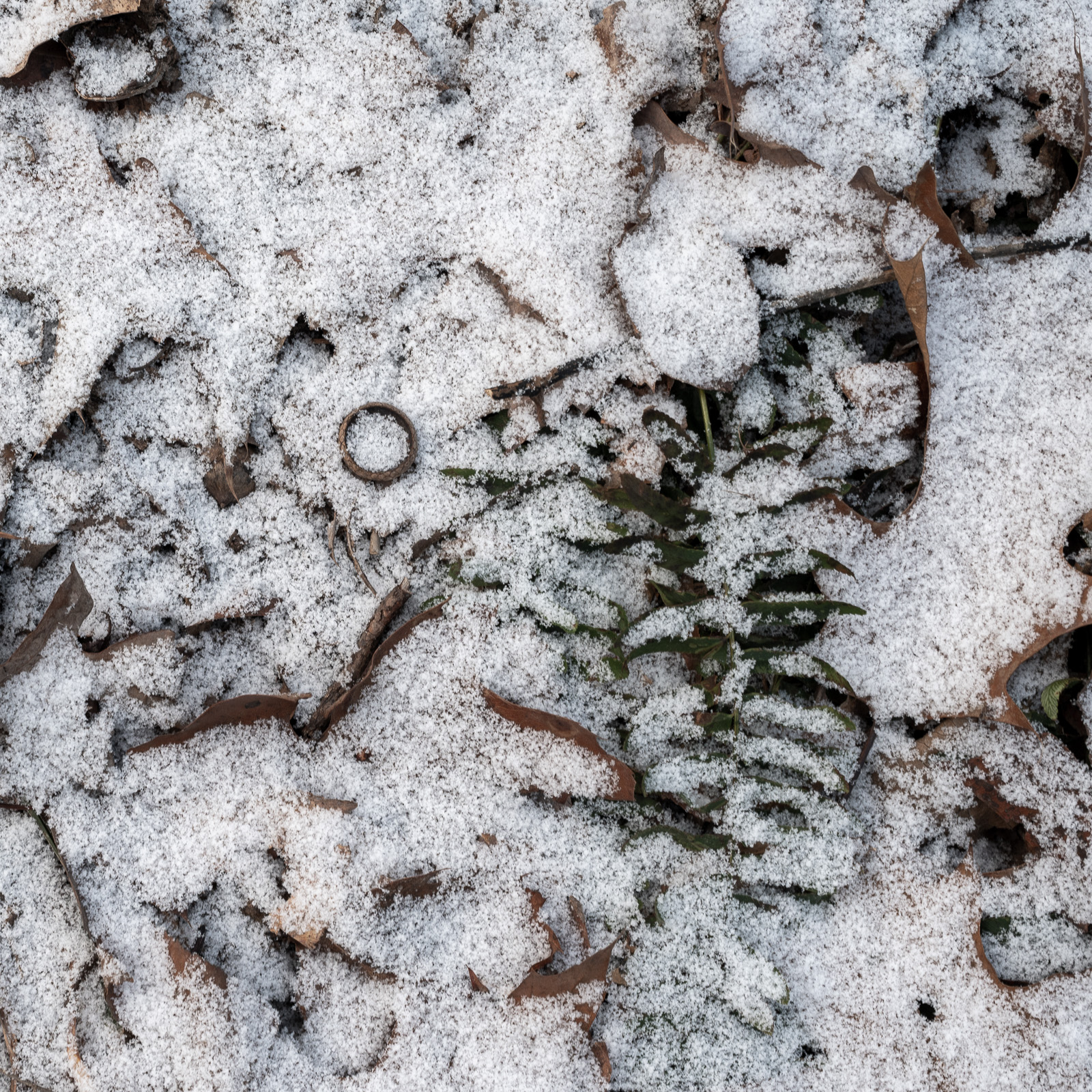
It’s time to thank my trusted companion, the Pate Hollows Trail, which has kept me mentally and physically healthy this remarkable year.

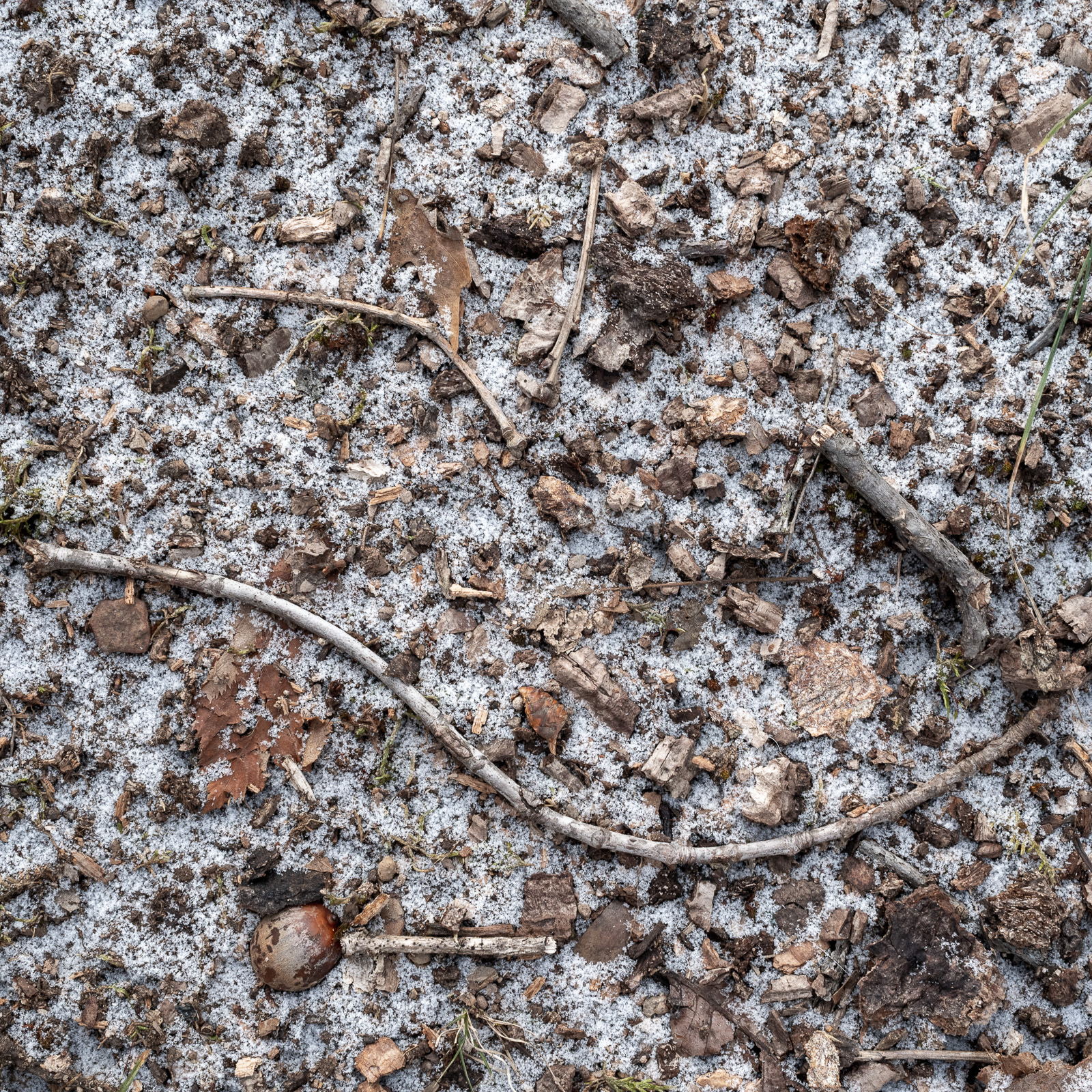
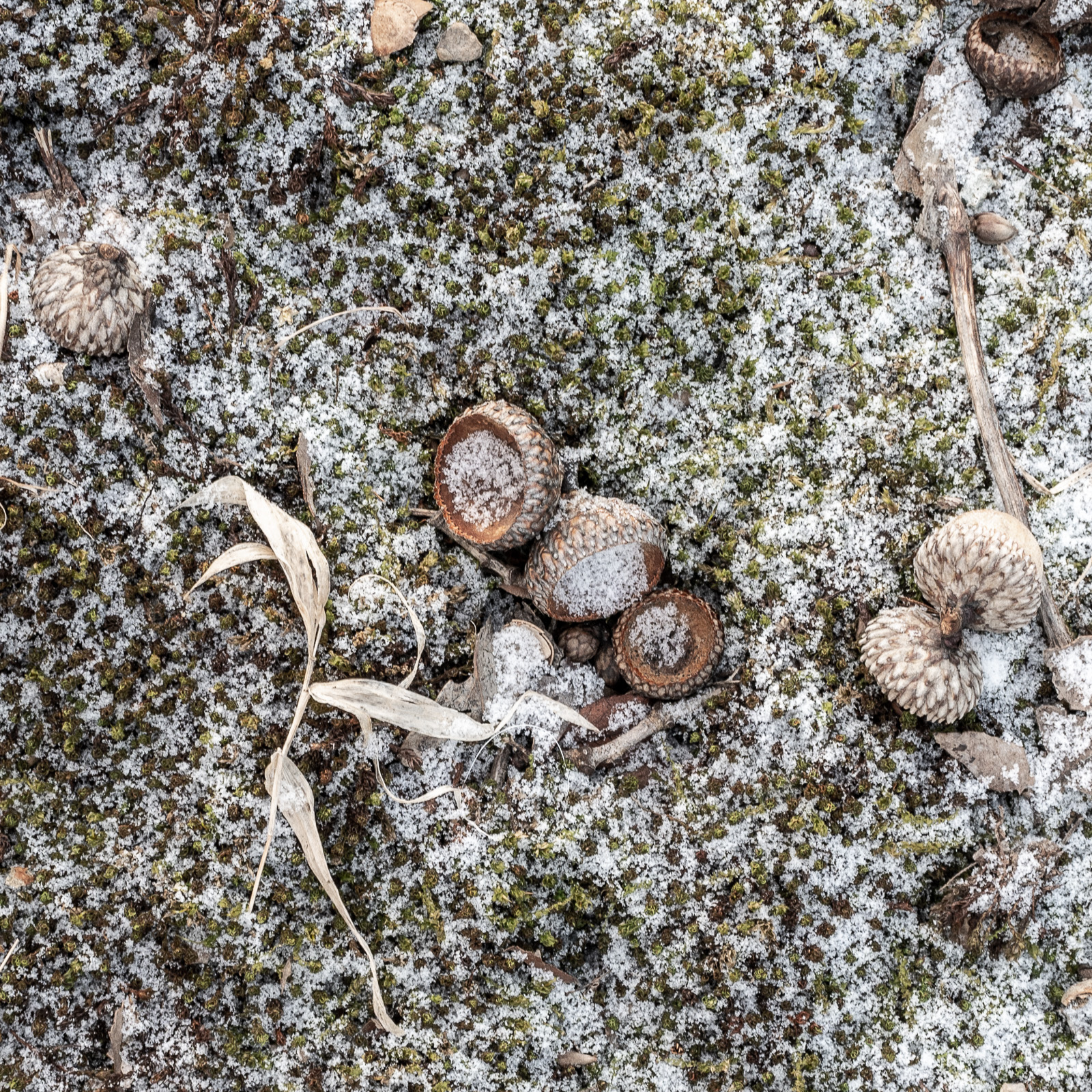
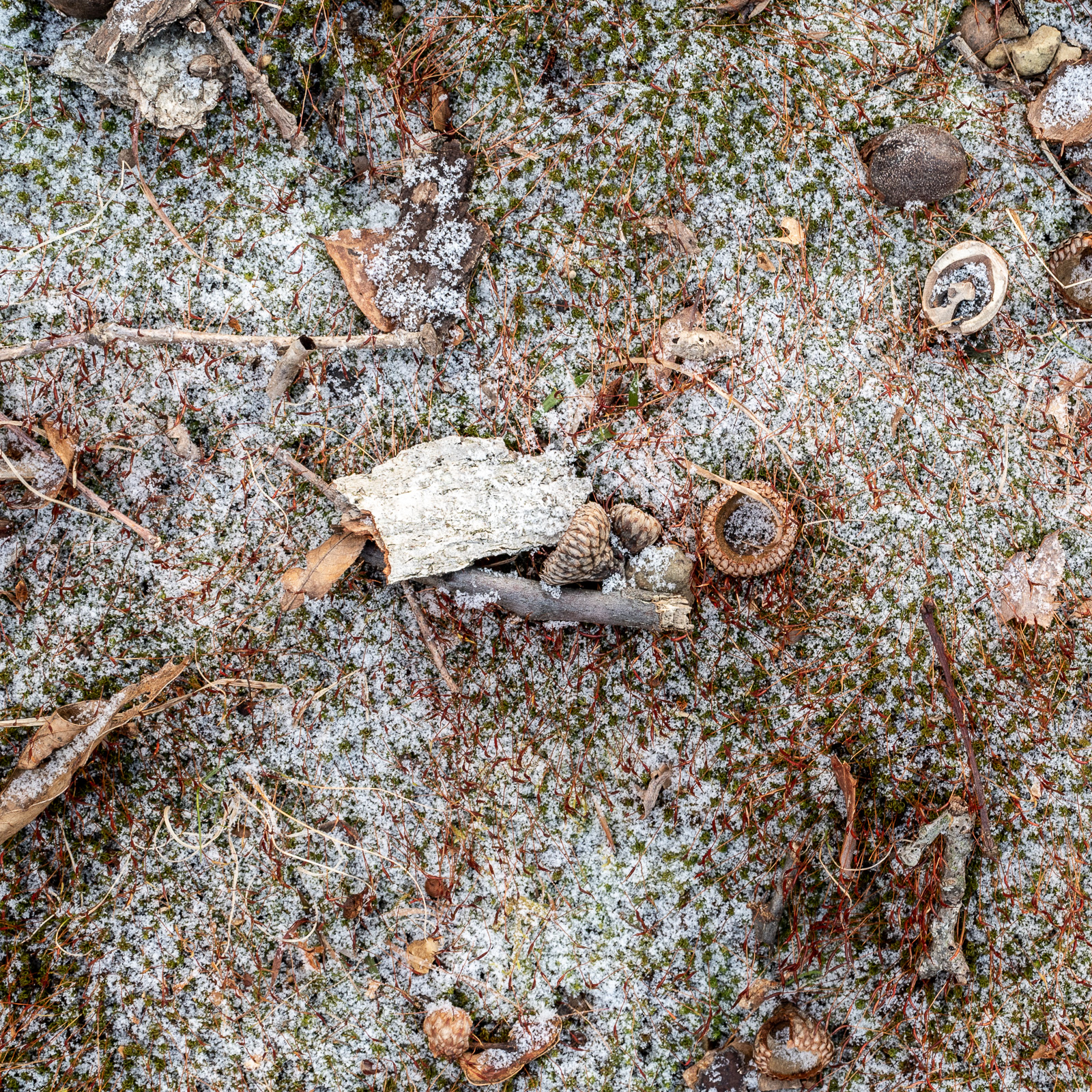
Today, on Christmas day, we had a bit of powdery snow, providing just the right amount of contrast to what makes the trail, the ground.

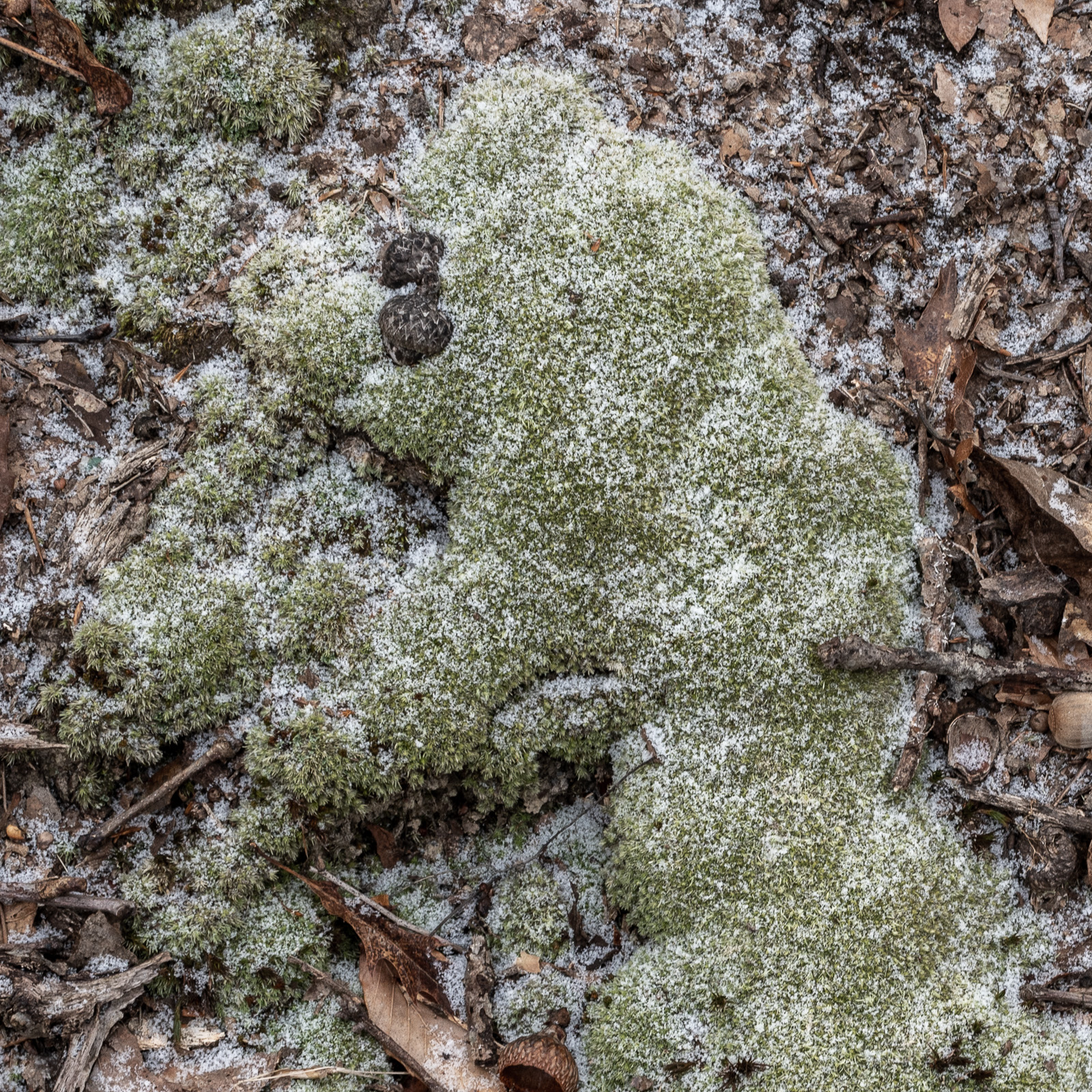
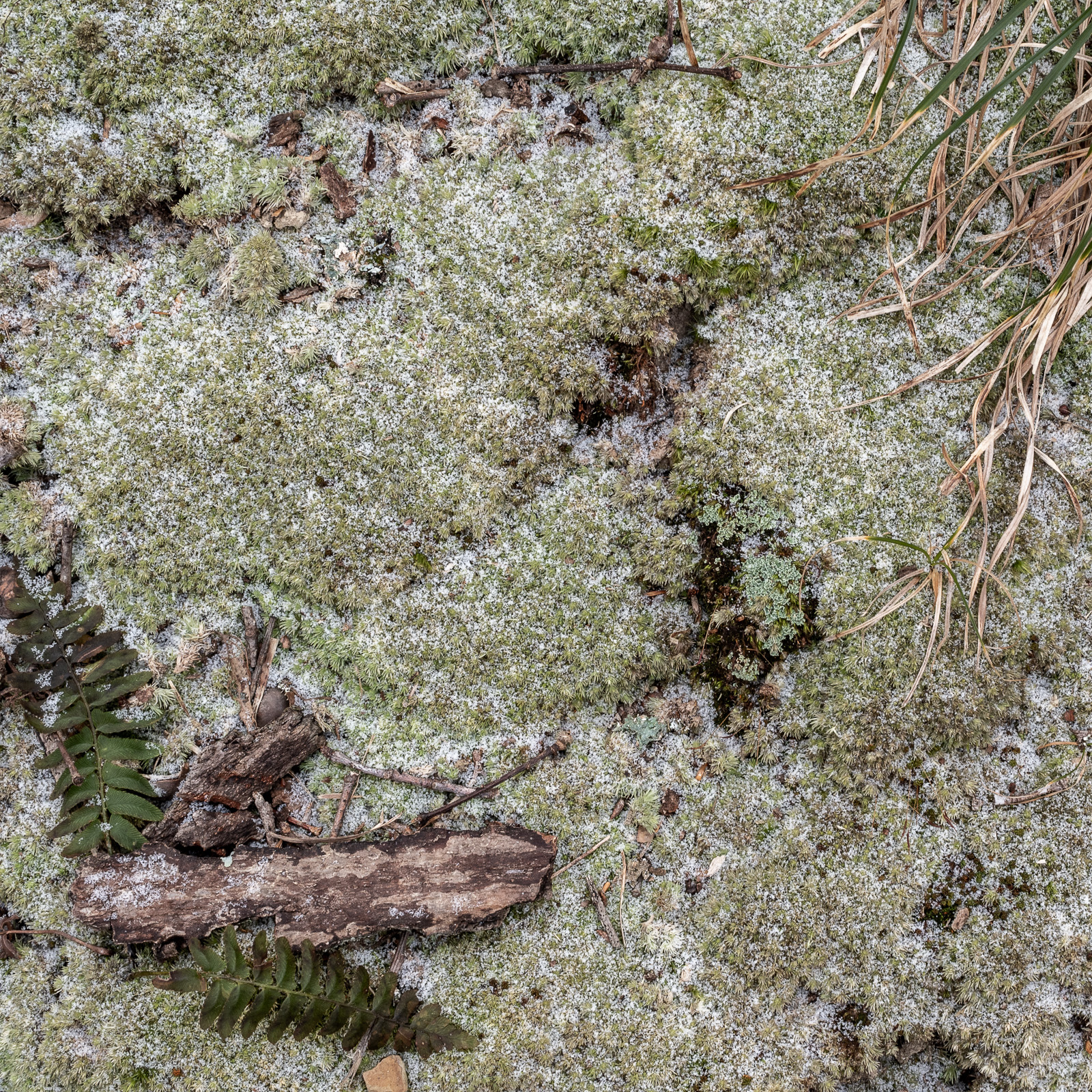
Thanks for the leaves, the ferns, the moss and the mushrooms.

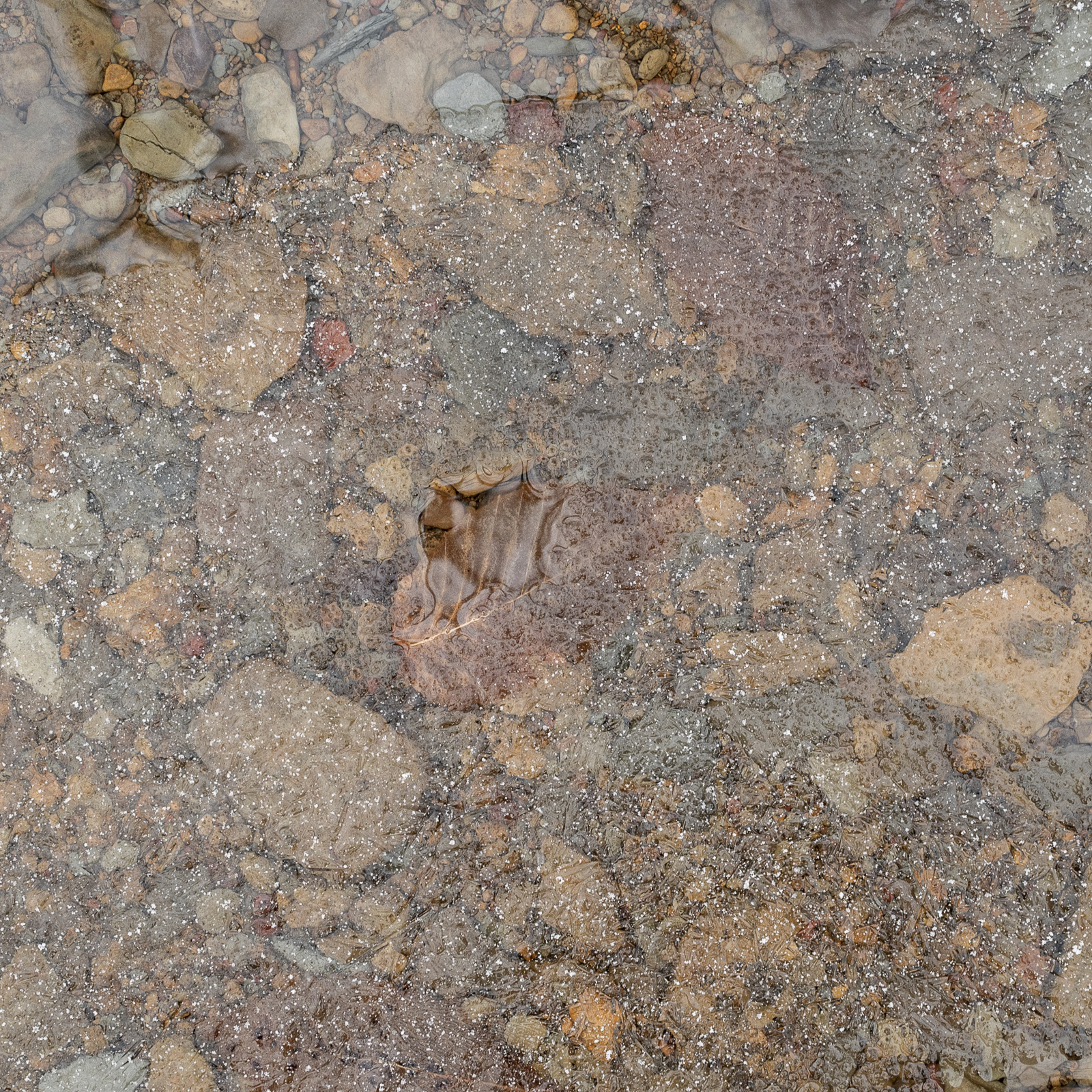
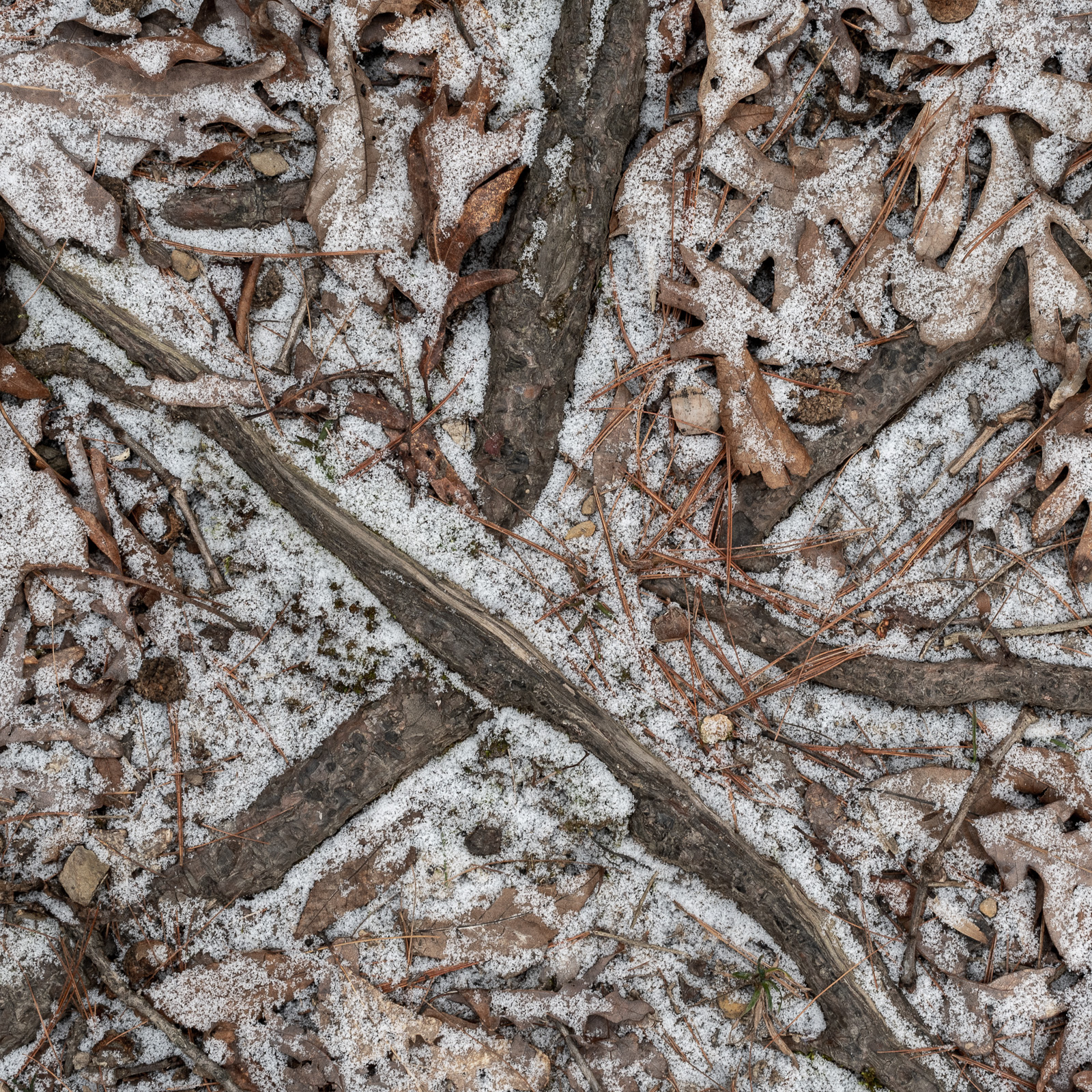
Thanks also for the water and the roots.

A loop trail like this has no other purpose than to be walked.

Which teaches us an important lesson, maybe the only one: There always is one more step to take.

He Will Arrive, Because He Said So (Wenckheim VI)

What could possibly go wrong? Baron Wenckheim has returned, and his main desire is to meet the love of his youth, who is eagerly expecting him.

In Photography, we typically expect what’s important to be in focus.

Krasznahorkai’s prose, however, has a shallow depth of field, and often the blurry part is where we should look.

Right at his arrival at the train station, Baron Wenckheim walks right beside her, himself a victim of this looking elsewhere: … he just went beside her like a sleepwalker,…

When Wenckheim finally meets Marika (or Marietta, as he remembers her name), the misfocus becomes extreme: He doesn’t grasp that she has aged, too, and takes her for her mother or aunt: …yes, he thought there is a resemblance there, he wouldn’t say that Marietta had completely inherited the traits of this lady, still, though, there were in her face and in her bearing a few minor characteristics that connected them,

Dialogue between the two becomes impossible, but Wenckheim’s more and more devastating monologue is not without effect: …and she wasn’t trembling, although she knew that soon she would be, but for the time being she was still in that state in which a person simultaneously grasps and refutes what has just happened,…

In photography, the object in front of the lens can be so much out of focus that it becomes part of the optical system through which everything else is perceived. Focus becomes secondary.

Upset about Marika’s absence, Wenckheim talks to her about his deep love to her, and she listens with growing desperation. — he saw no other way than to speak to her, in the most sincere way possible, of his most sacred feelings;… 

… and he reached into the inner pocket of his jacket and pulled out the photograph from an envelope, he handed it to her saying, please have a look, Madame, and see how beautiful she is, and Marika bowed her head and she looked at the photograph, she looked and she looked, then she couldn’t bear to look anymore, …

He Wrote To Me (Wenckheim IV)

Old Baron Wenckheim is returning. Hidden behind the noisy preparations of his home town to welcome him and his expected fortune, the third chapter of Krasznahorkai’s novel includes a more delicate dialogue in form of a letter Wenckheim wrote to Marika, the love of his youth, and her brief but intense reply.

DSC 2022

… she was an old lady, there was no embellishing that, so that what could they expect, she just sat there bent over the postcard, she looked at the three words, and tears came to her eyes, and somehow her back became even more hunched, her two shoulders fell forward,…

DSC 2031

How do we communicate across time? How do we talk to someone whom we have long forgotten, or maybe even never met? I keep quoting Paul Celan, who compared poems to messages in a bottle, sent off with the hope that they will eventually be washed ashore at heartland.

DSC 2010

Marika’s emotional breakdown while responding to Wenckheim is contrasted with the nervous breakdown of the entire city that is afraid of making costly mistakes:

…because that moment, everywhere in the town, had somehow shattered apart, everything came to a halt, from fear, to a dead stop because of the fear which had swept across the city,…

DSC 2078

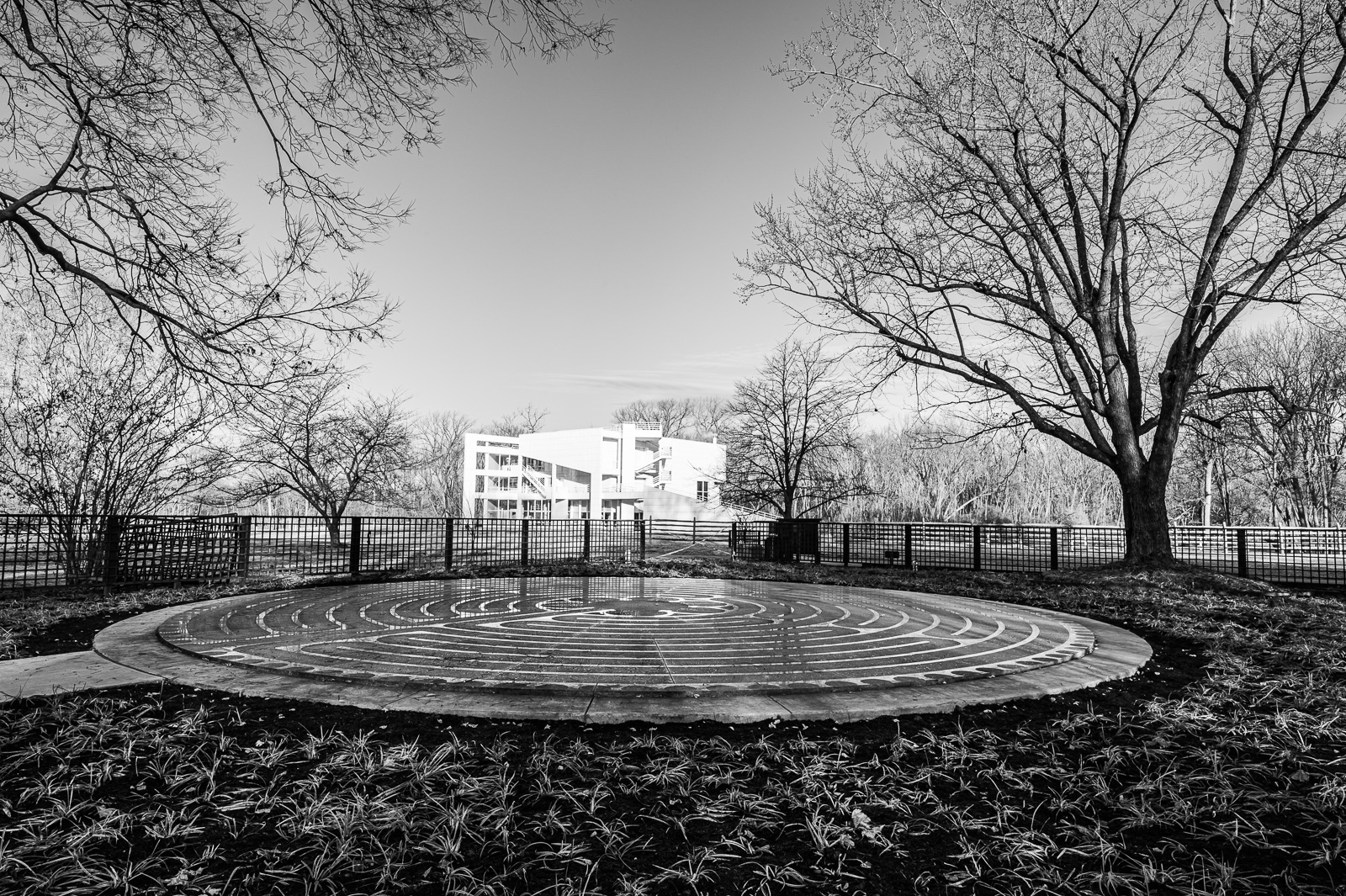
The dialogue between a town and its visitors is not necessarily doomed. New Harmony manages to talk to the visitors to various works of public art, some immensely popular like its labyrinths or the Roofless Church, others well hidden like the installation of 20 tableaus of writing from the Kcymaerxthaere project, which are slowly eroding away.

DSC 6900

But it’s not enough that words are being written, they also need to be read.