Starved Rock

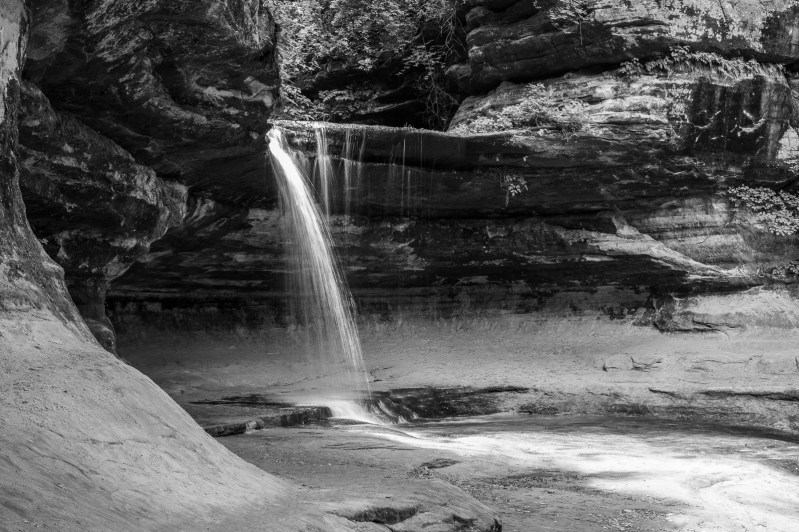
On my way Northwest I stopped at Starved Rock State Park in Illinois.

DSC 0135

This is a scenic and much photographed place, so here is a slightly different perspective. 

DSC 0214

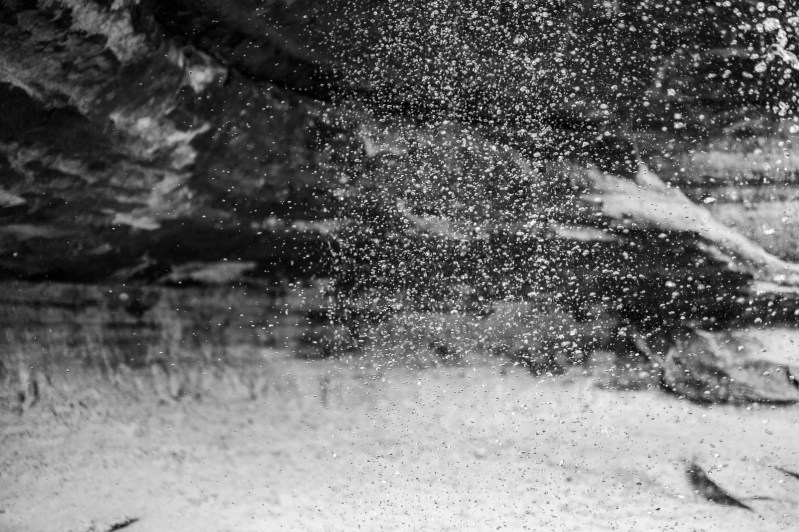
Above you see the holes made my water droplets in the eroded rock. These holes are deep enough to create resonance not unlike organ pipes, but of course using tones from a grown scale. Together with the constant drone of the nearby waterfall this was a wonderful peculiar experience.

DSC 0270

Time has created larger pits. Don’t fall down there. 

DSC 0248

Instead, let’s meditate about water. If you take two of these little water droplets, can you tell them apart? Can we hear the difference when we listen careful enough, at the moment when they hit the ground?

DSC 0309


A Week Later (Brood X – 4)

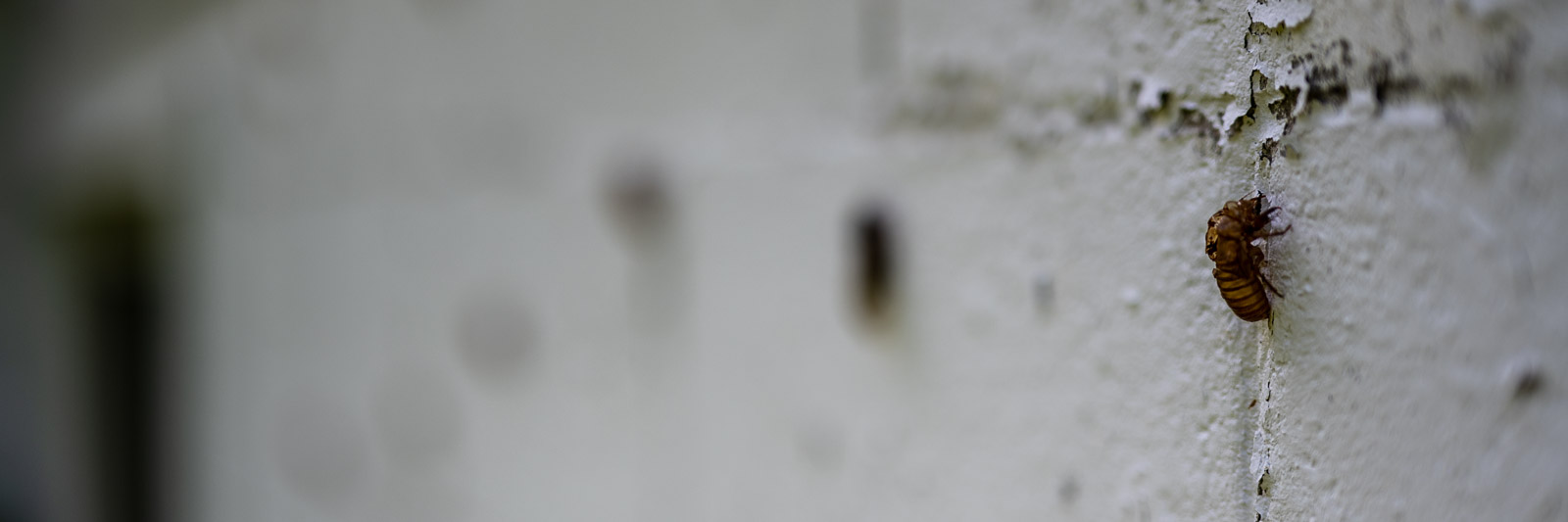
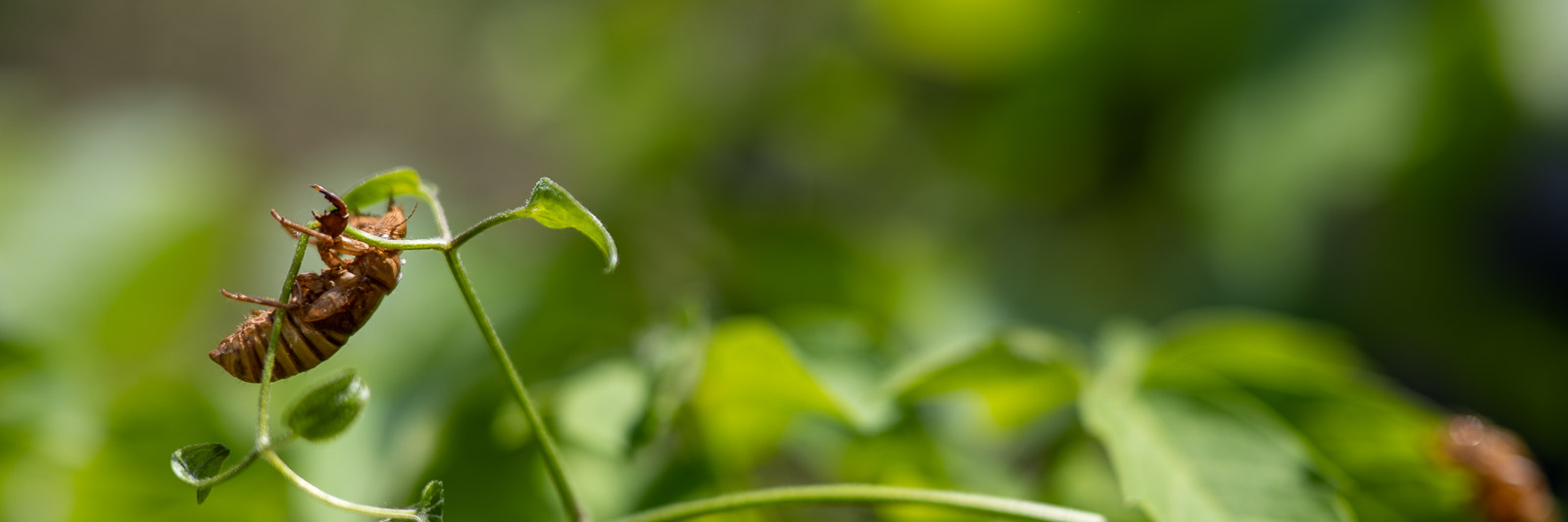
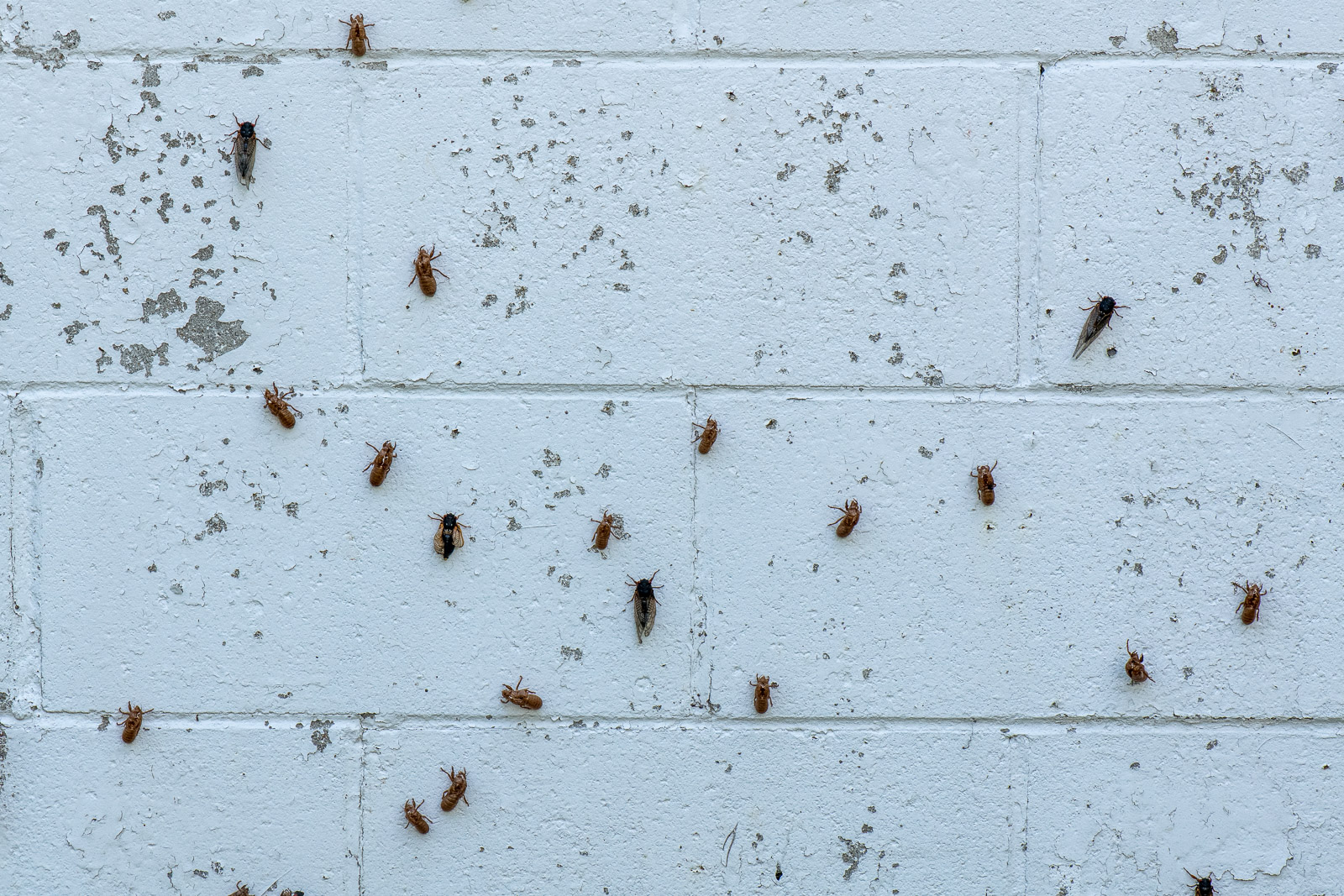
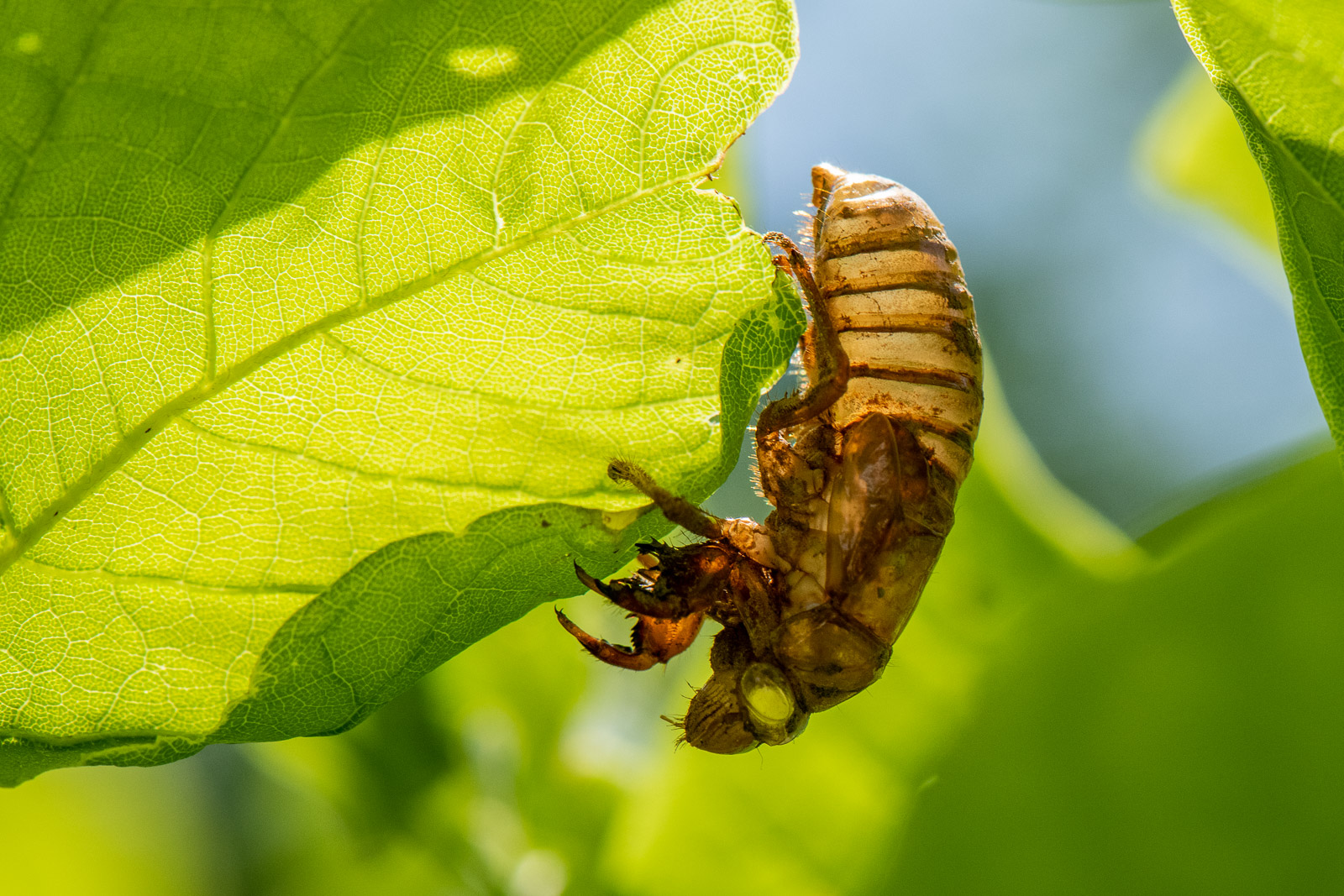
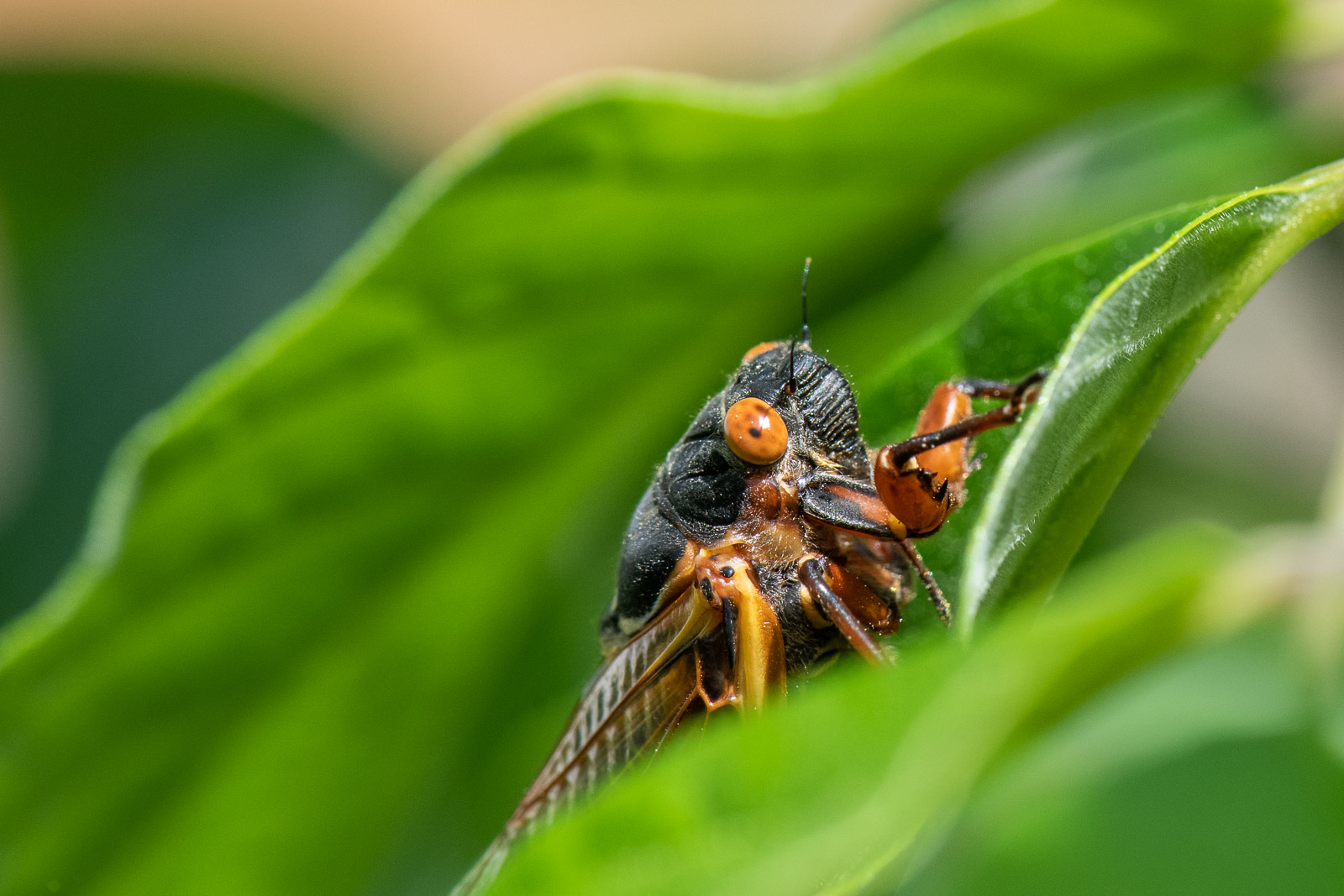
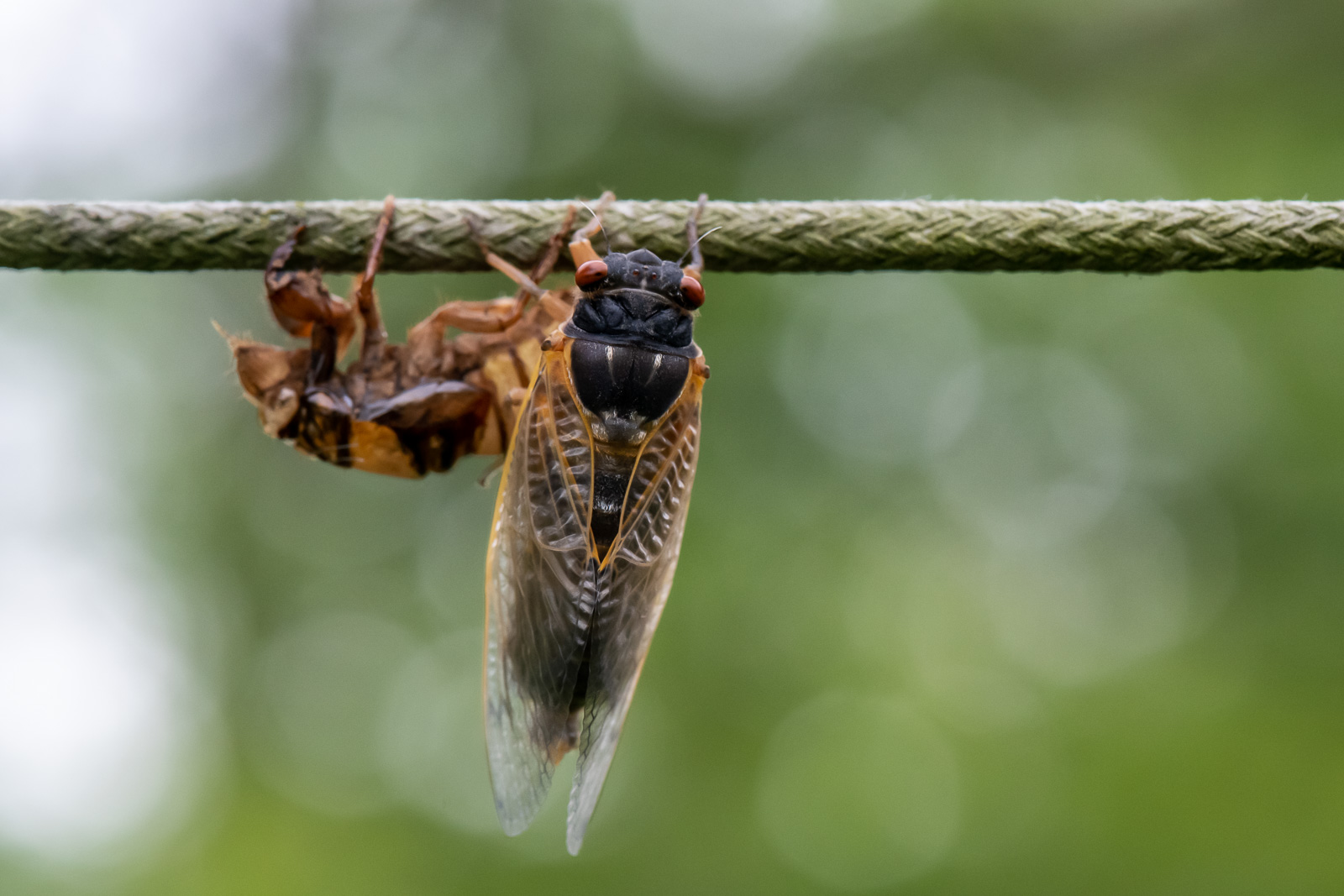
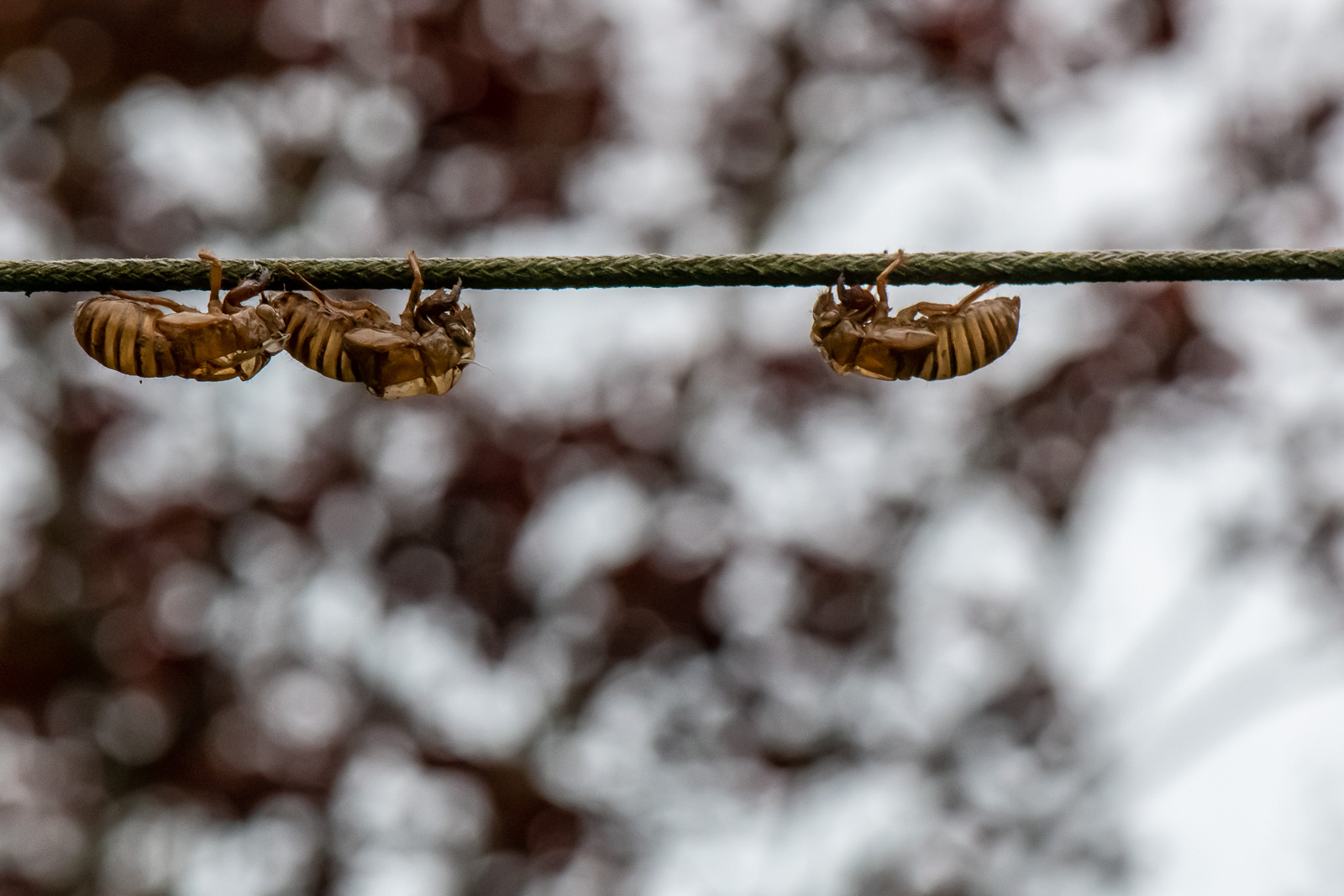
A week after the first emergence, the cicadas from Brood X are still coming, they and their exoskeletons are everywhere.

There is no point of hiding.

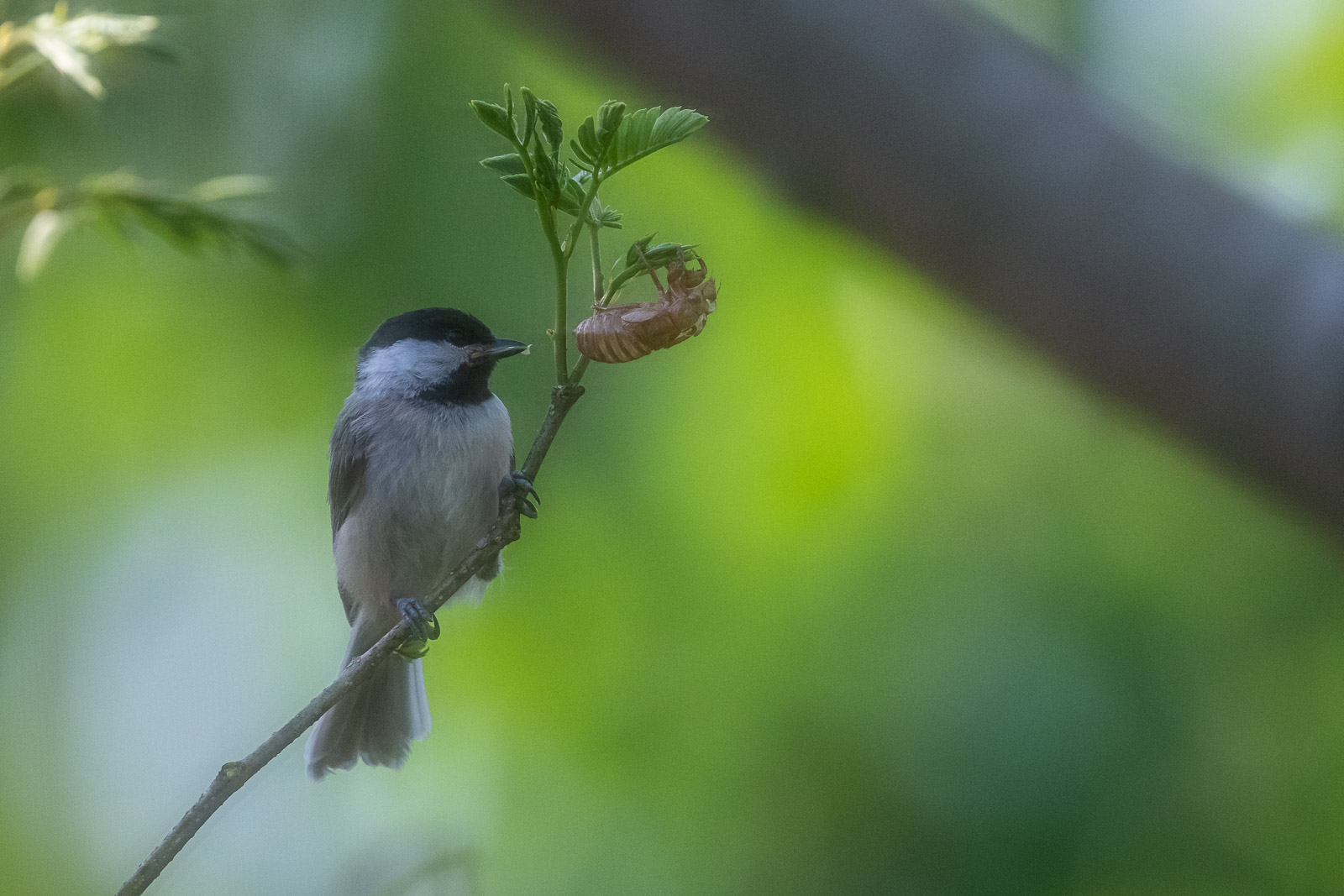
Instead, leaving the exoskeletons for the birds creates an essential diversion.

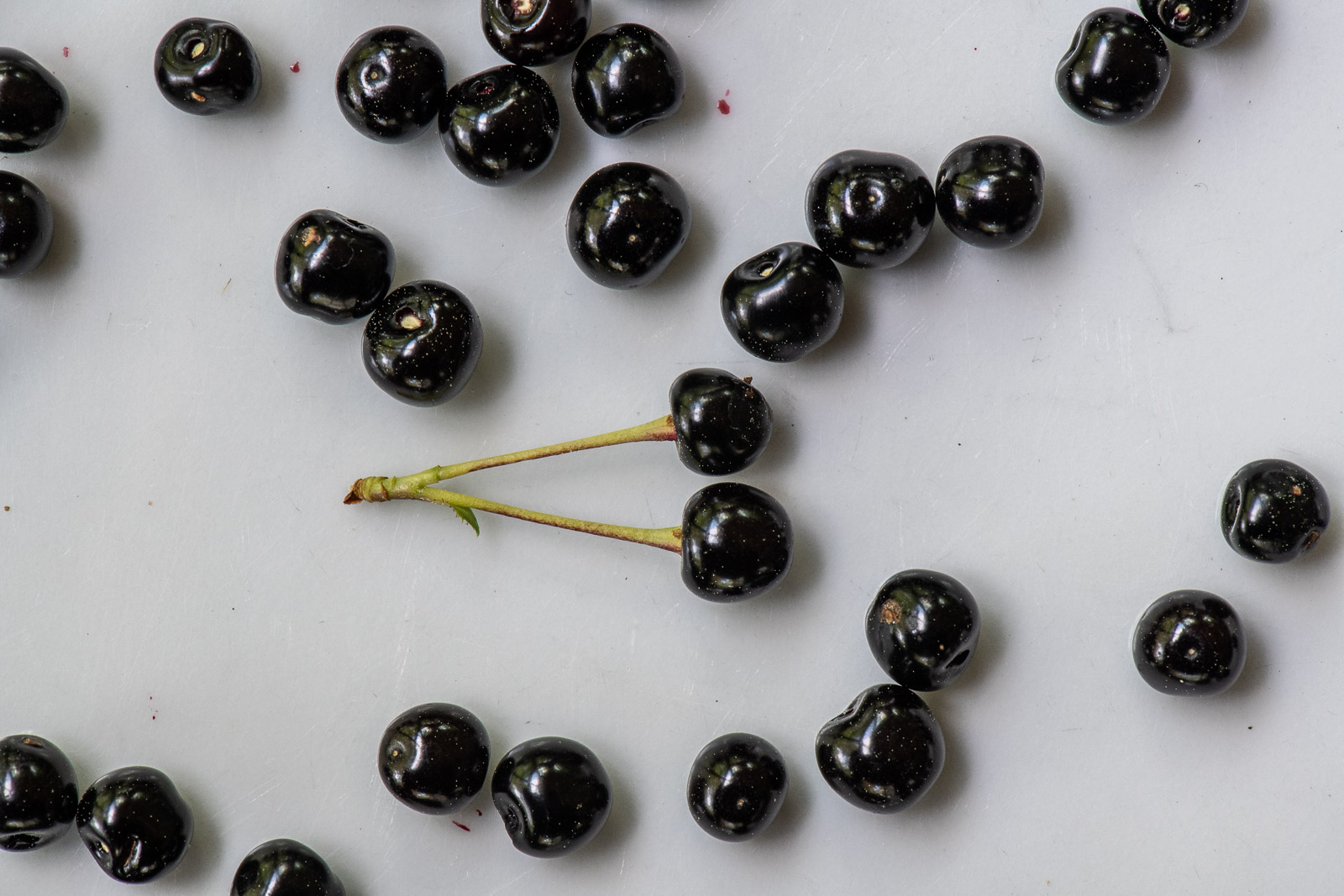
That the birds live in the land of plenty this year allowed me to harvest for the first time the cherries from my weeping cherry. Tiny, tart, and tasty.

They just have three weeks. Every second counts. Maybe we should live like that, too.

Up Close (Brood X, Part 3)

DSC 7690

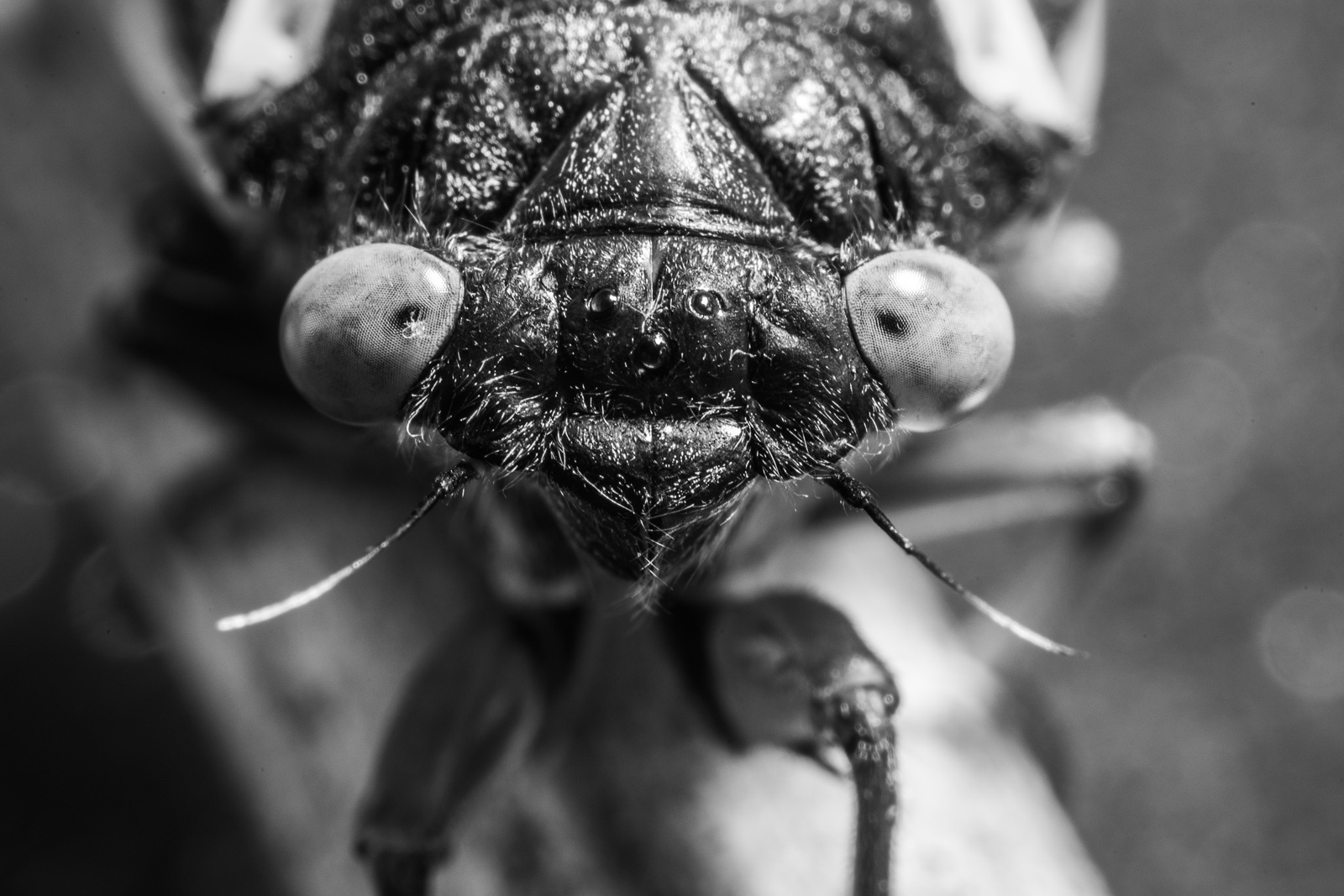
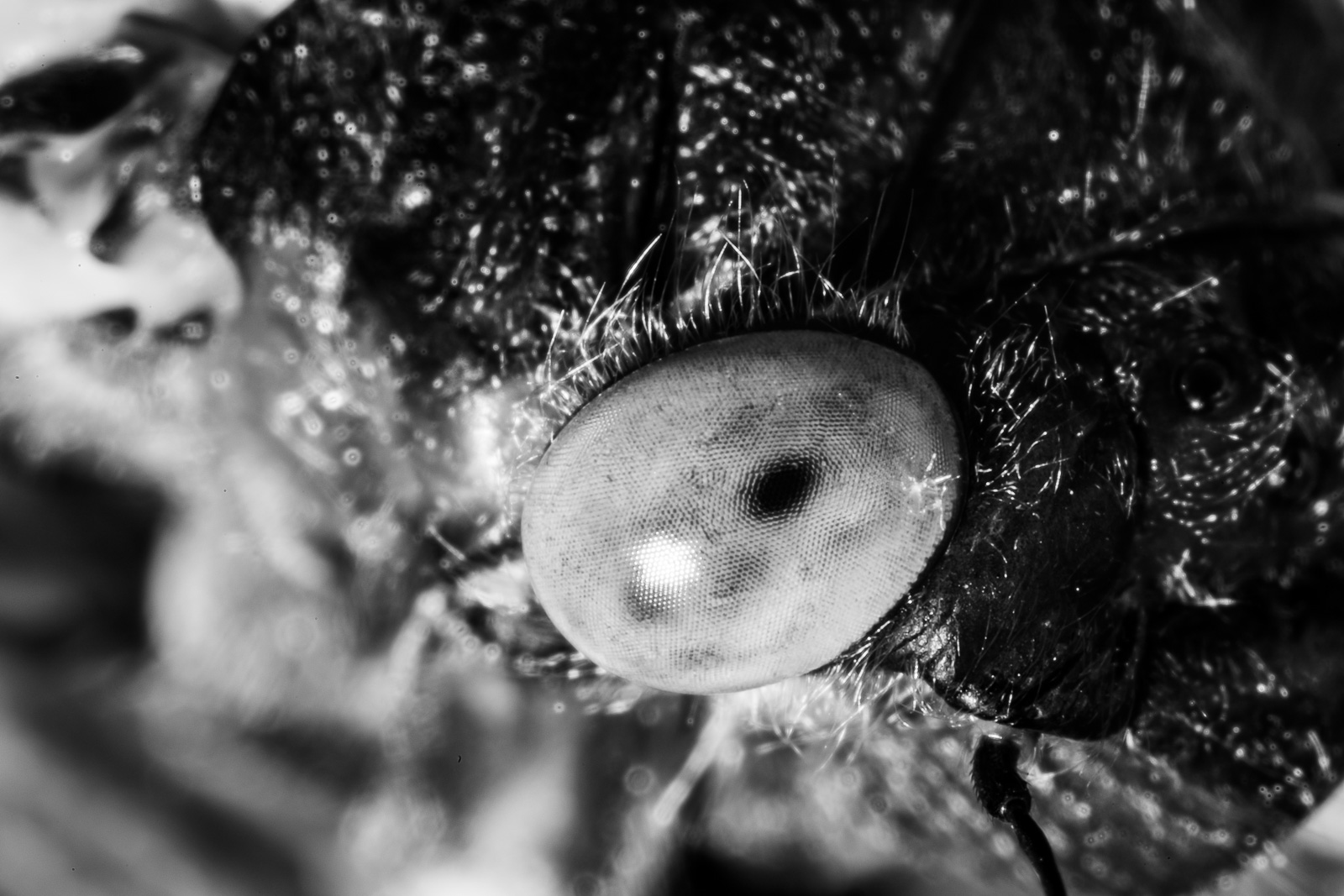
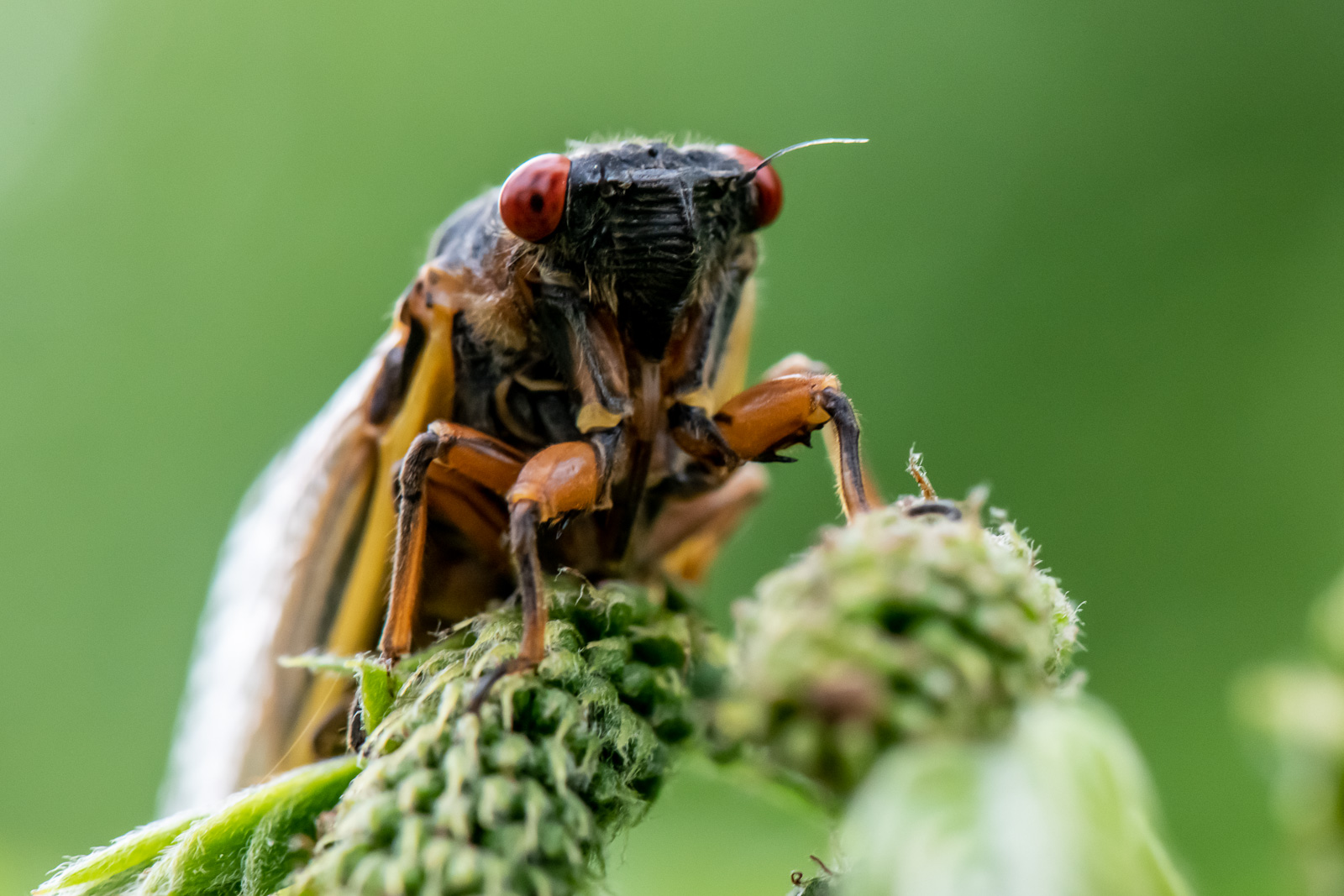
So here is one of our new friends, up close, with the two big eyes and the three small ocelli.

DSC 7693 2

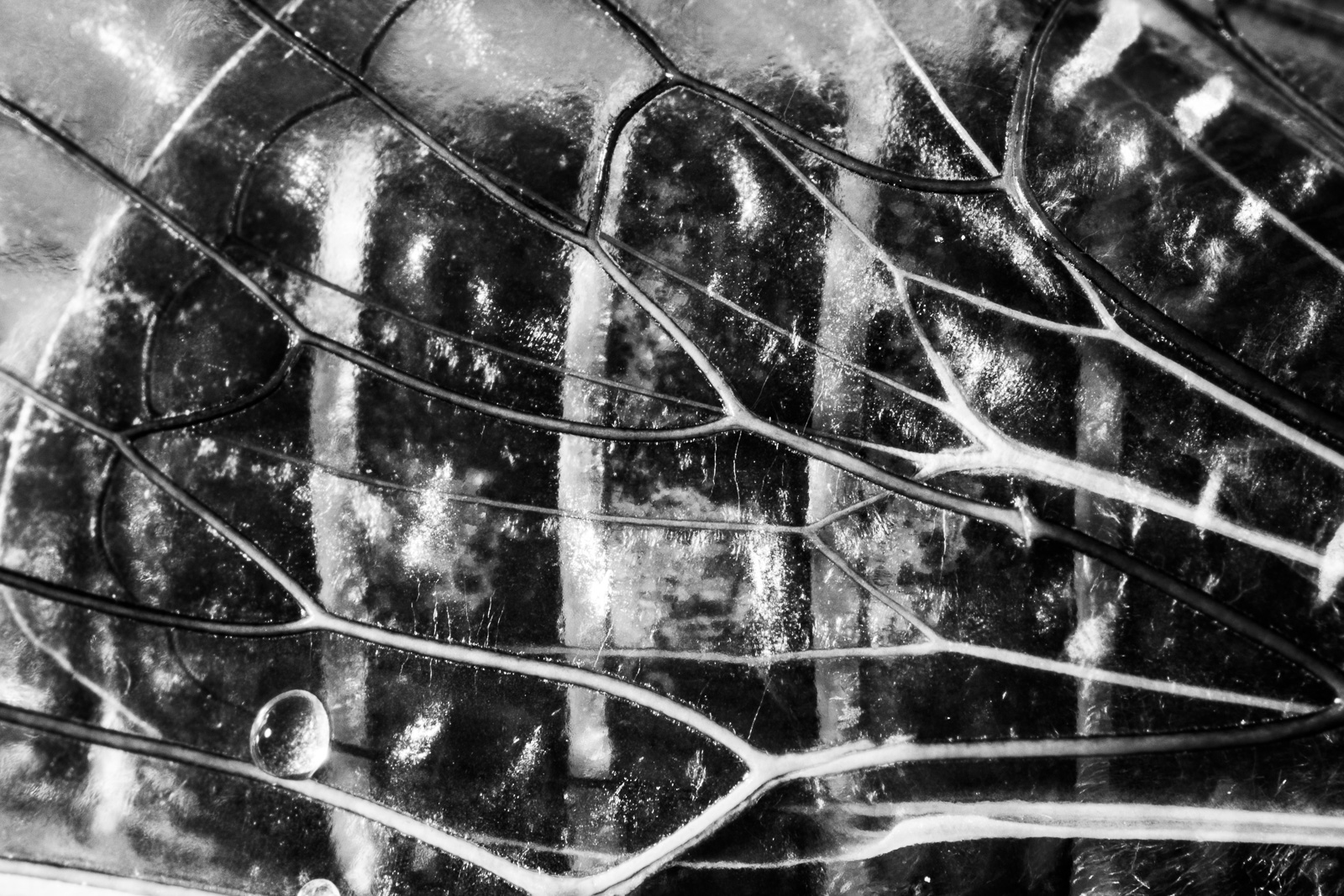
Reduced distance to the unknown is disconcerting, so I turned off color to create the illusion that we are seeing something abstract, not a living being.

DSC 7695

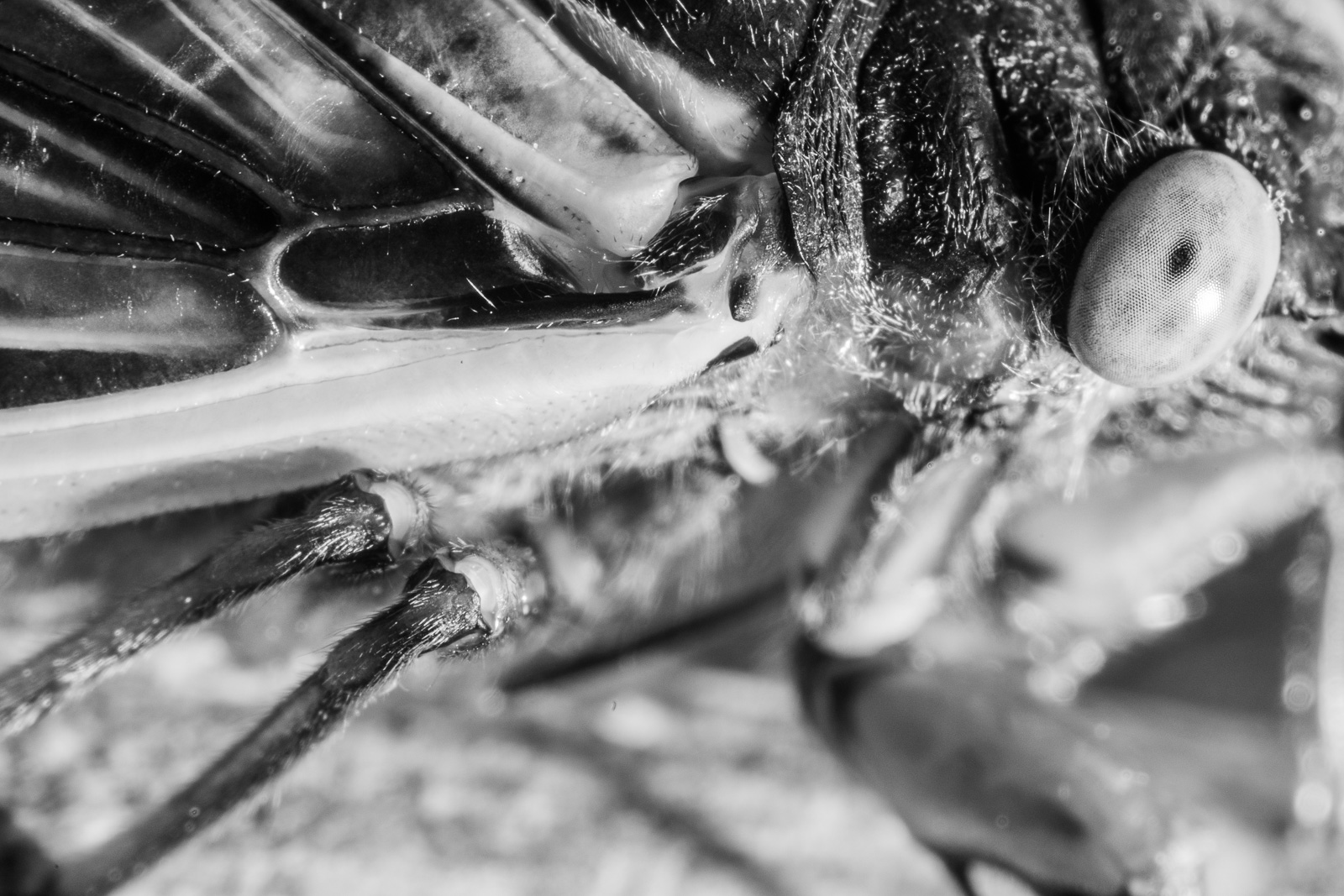
As in Julio Cortázar’s short story Axolotl, the question arises who is looking at whom here.

DSC 7701 2

Are we as different to them as they are to us?


The Morning After (Brood X, Part 2)

After a glorious night, most of the emergence is done, or at least paused, as it is a cold morning here.

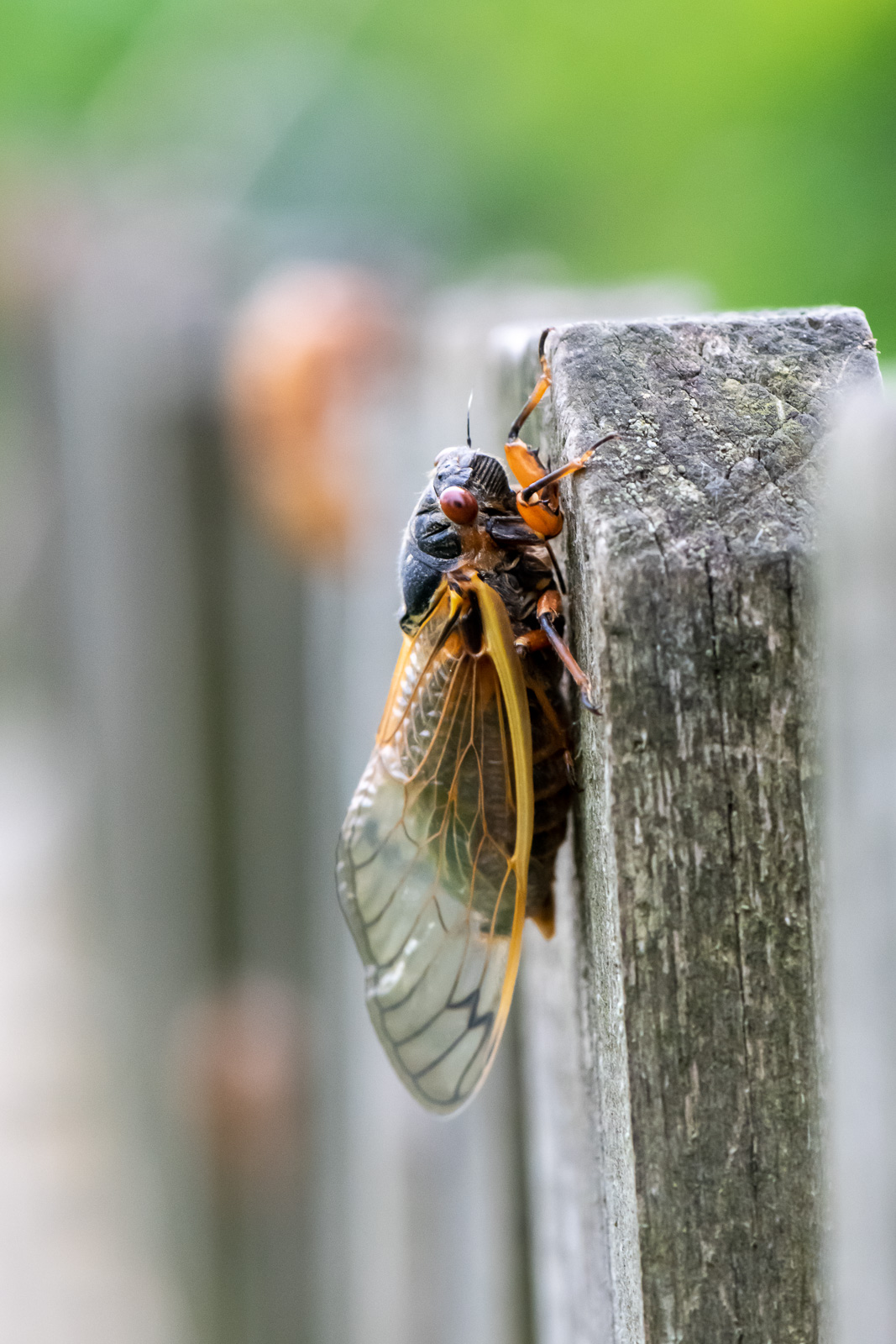
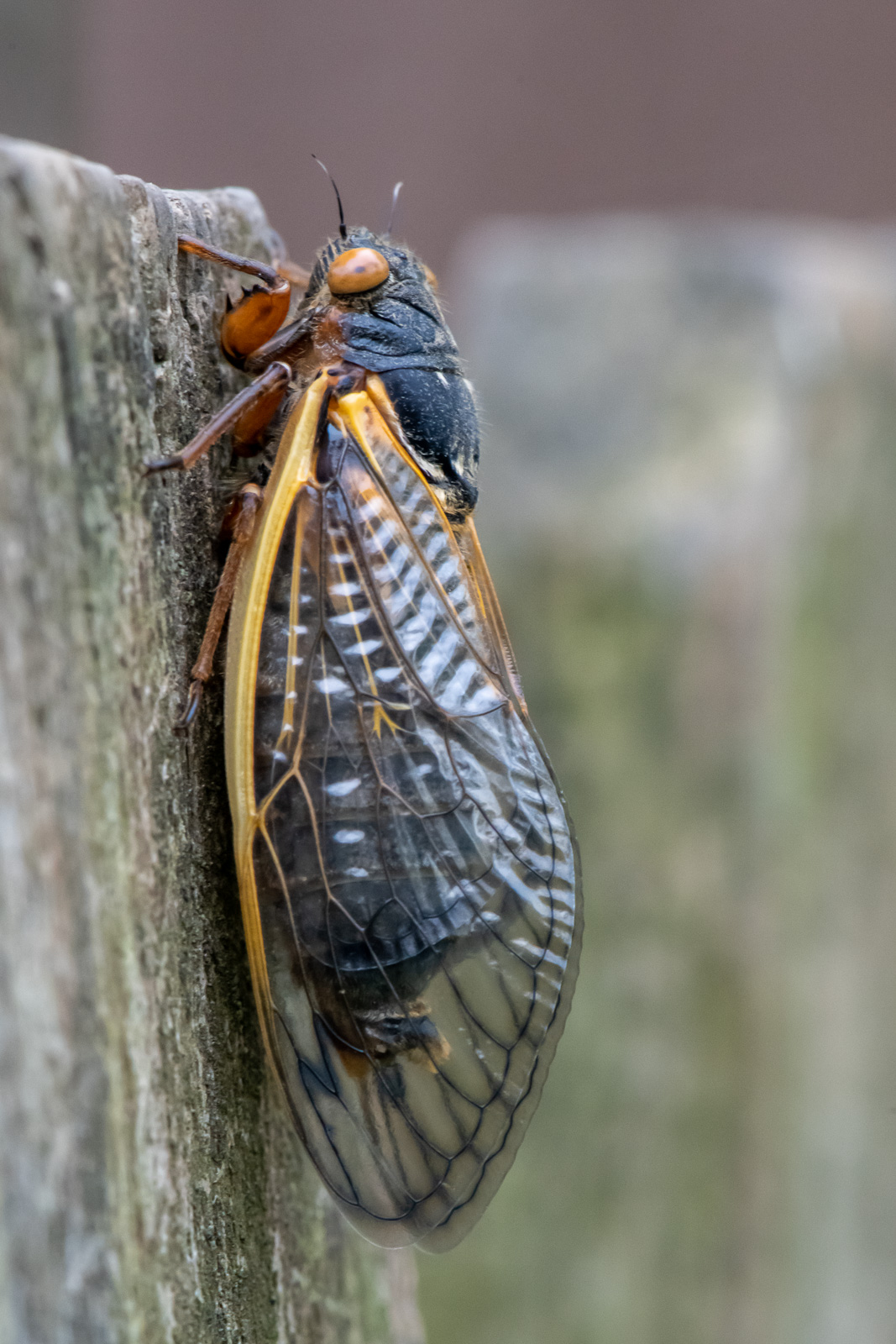
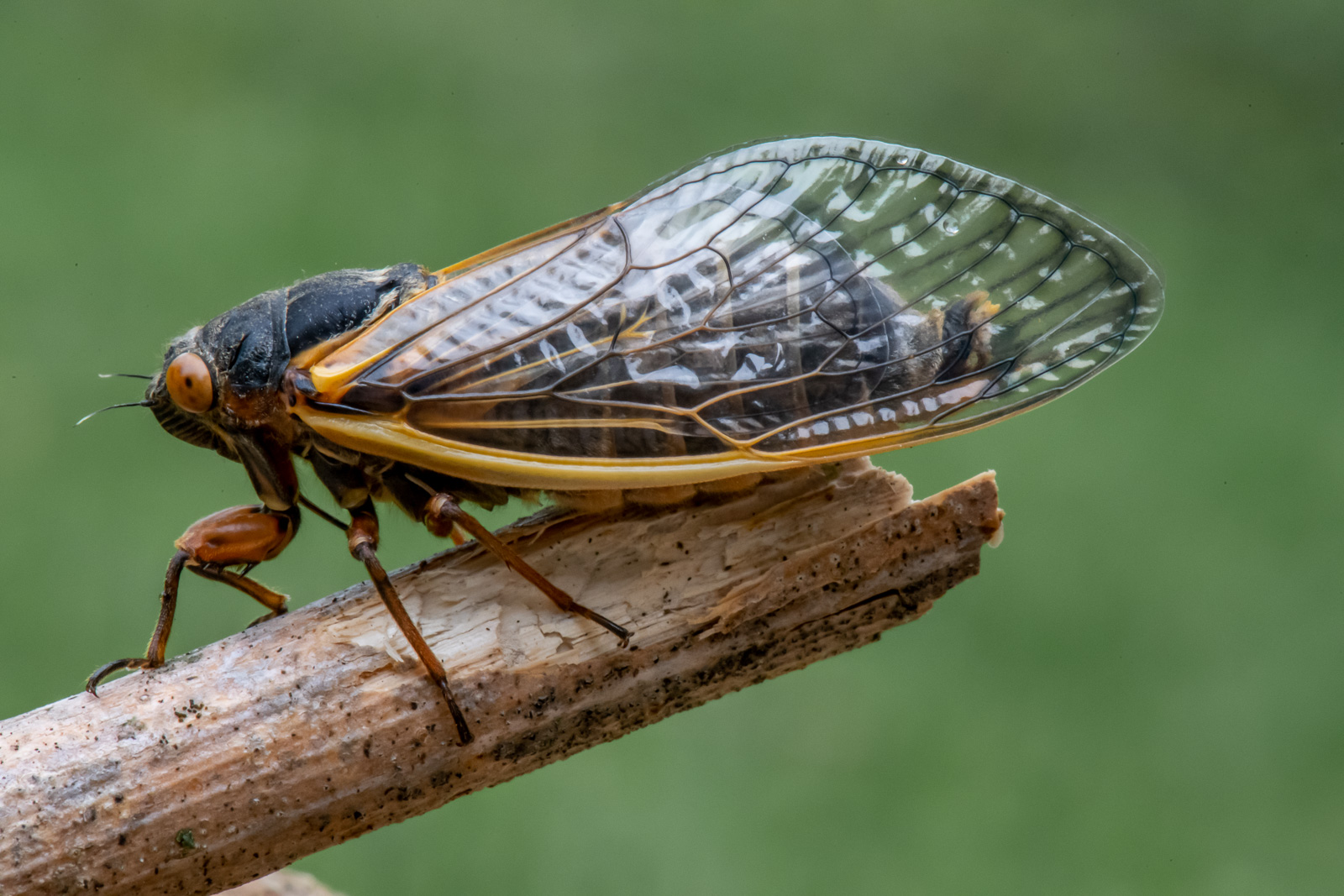
The imagos have matured over night and blackened. I didn’t know that they can have different eye colors.

The one of top decided to move a little, and to let go:

Some of them look weary into the future. The birds have been particularly loud this morning.

Here is one I rescued after it falling to the ground.

Time passes.

We Are Back (Brood X)

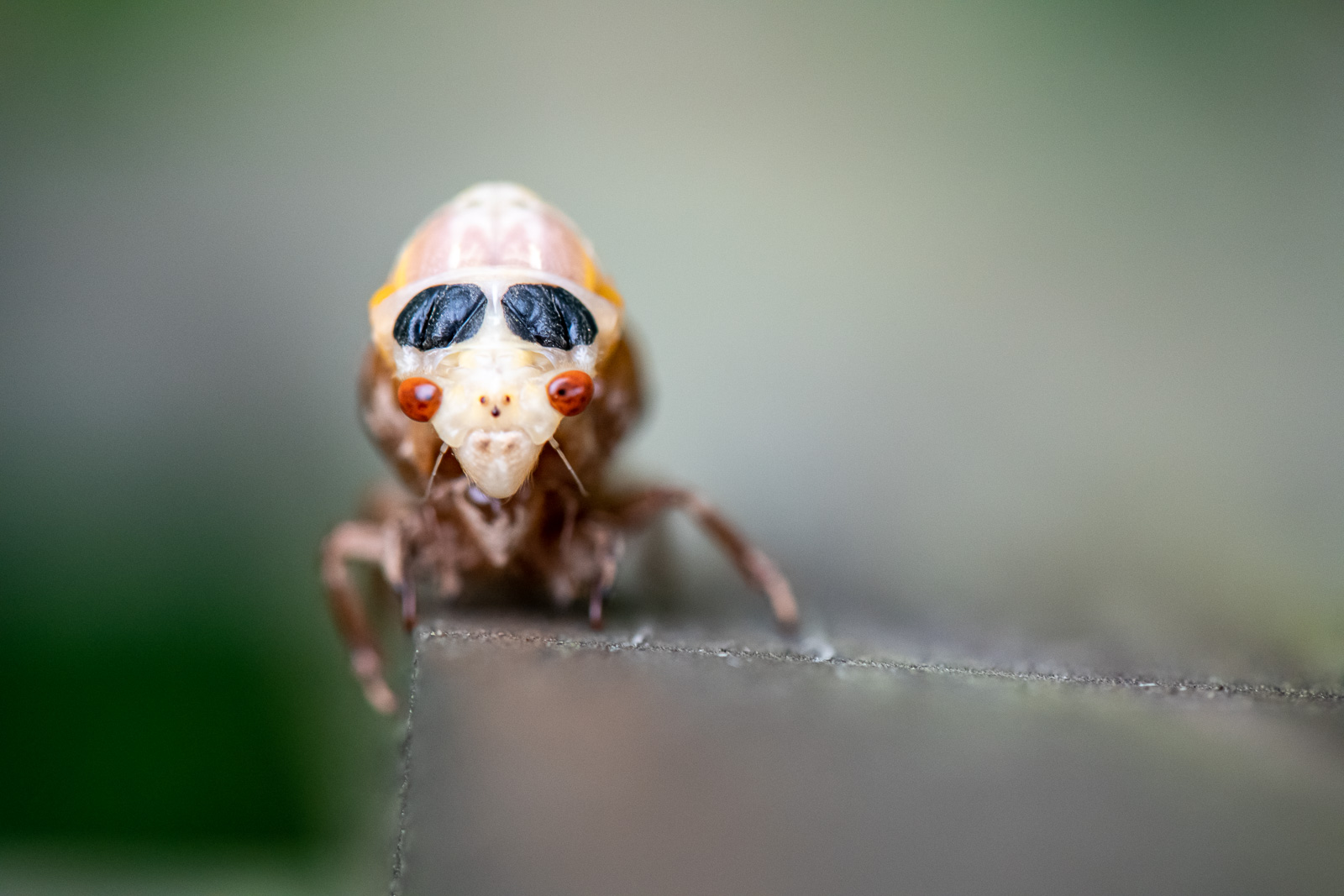
After a few cold nights it finally got warmer, and the cicadas from Brood X are finally here. Some of the nymphs need directions.

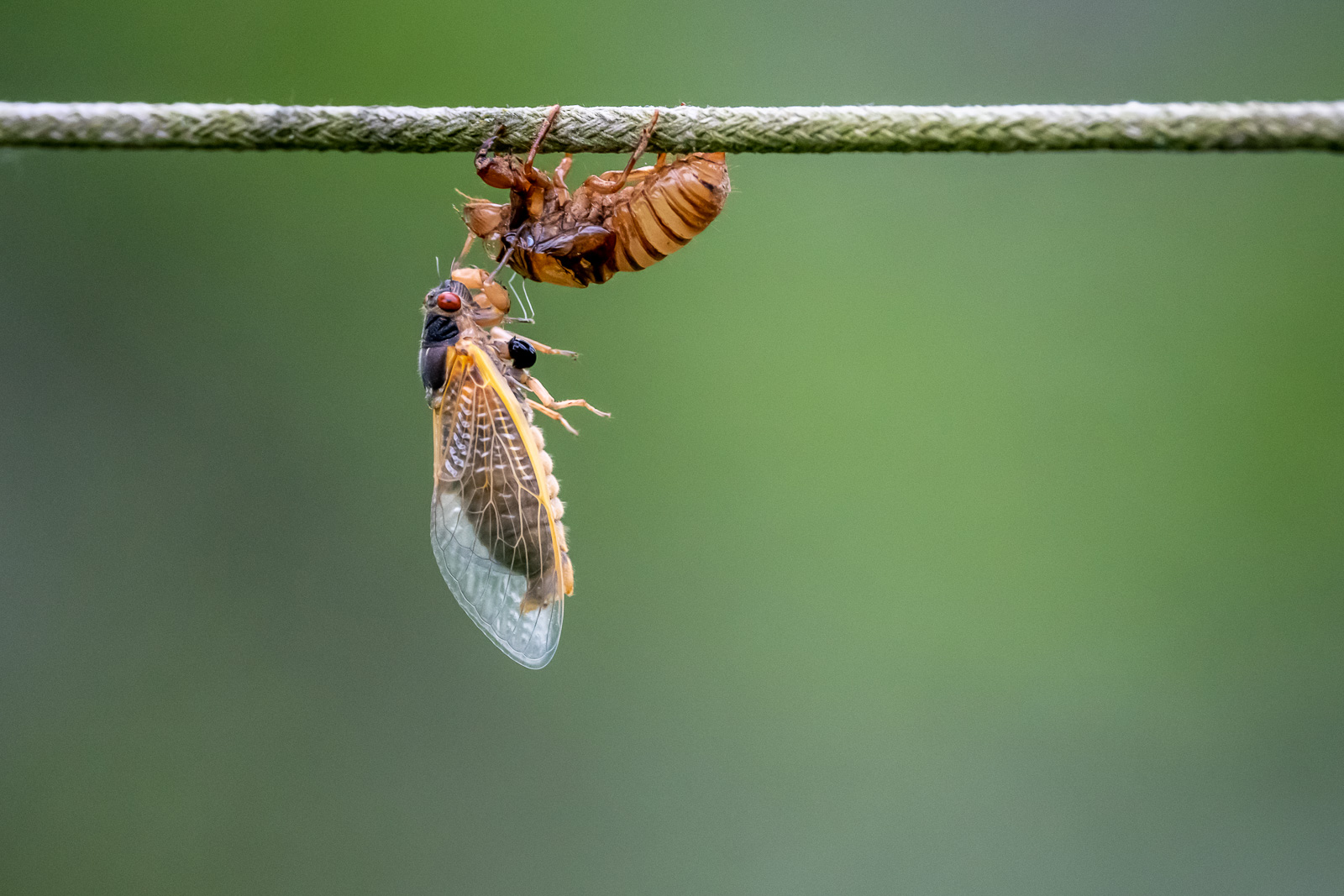
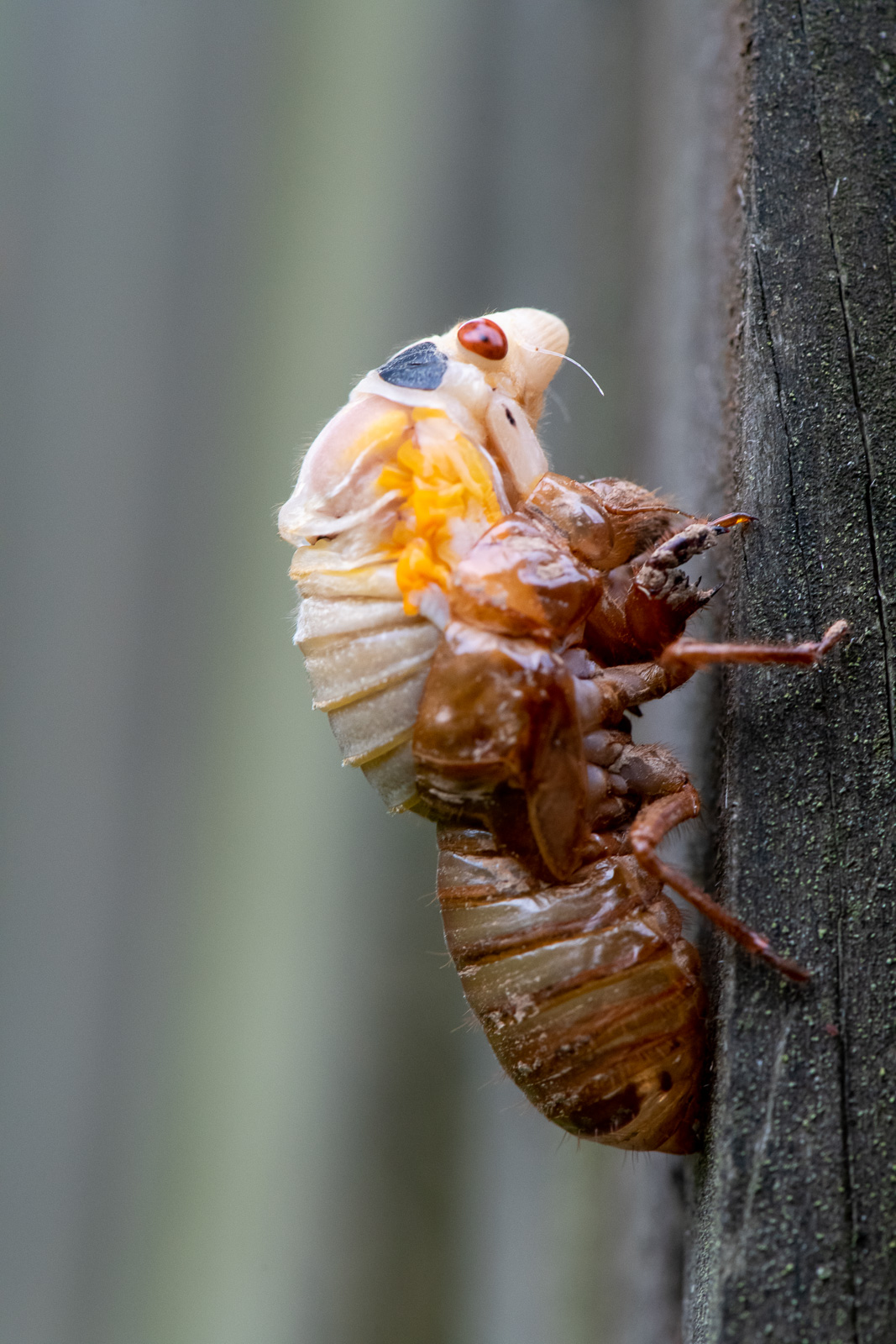
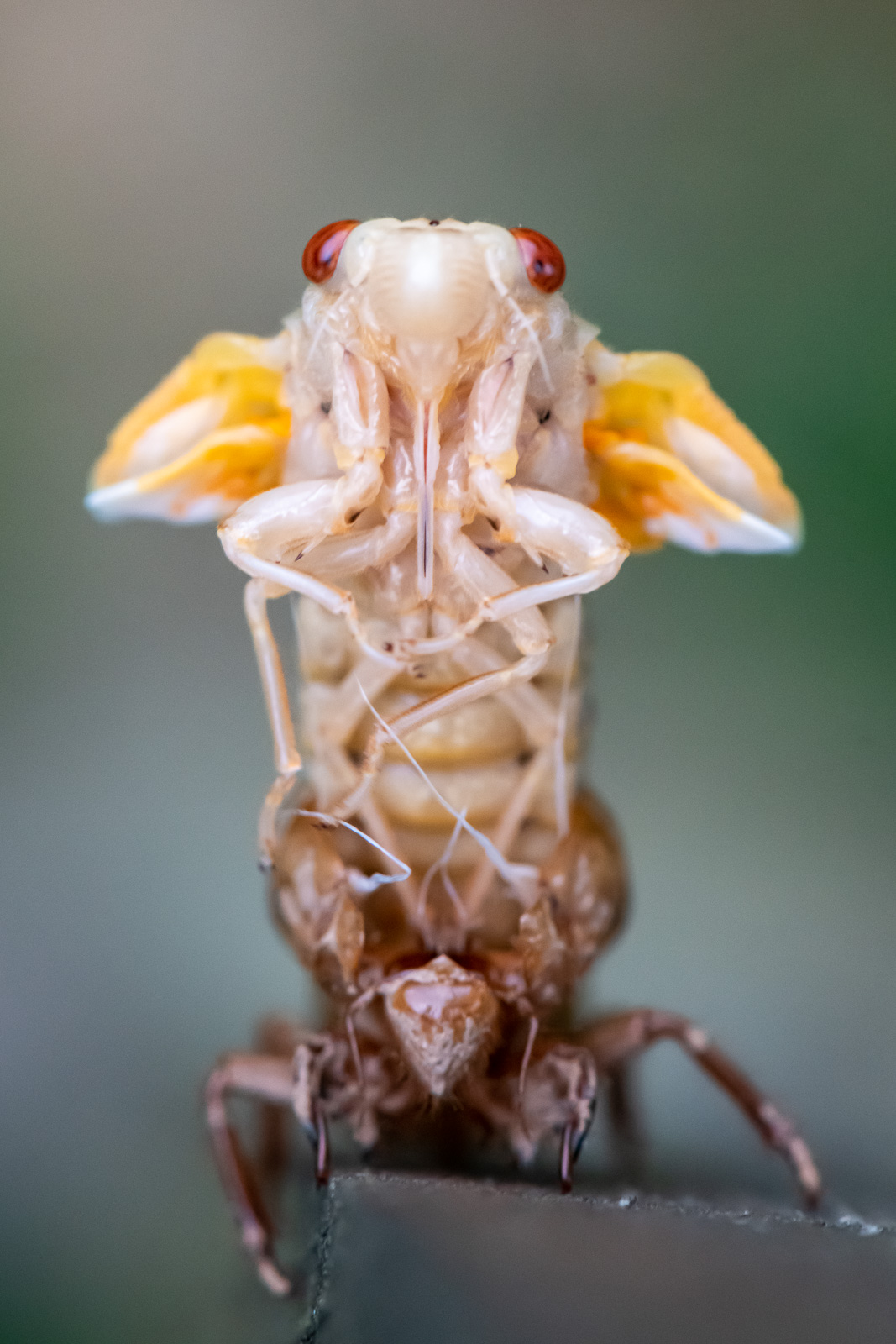
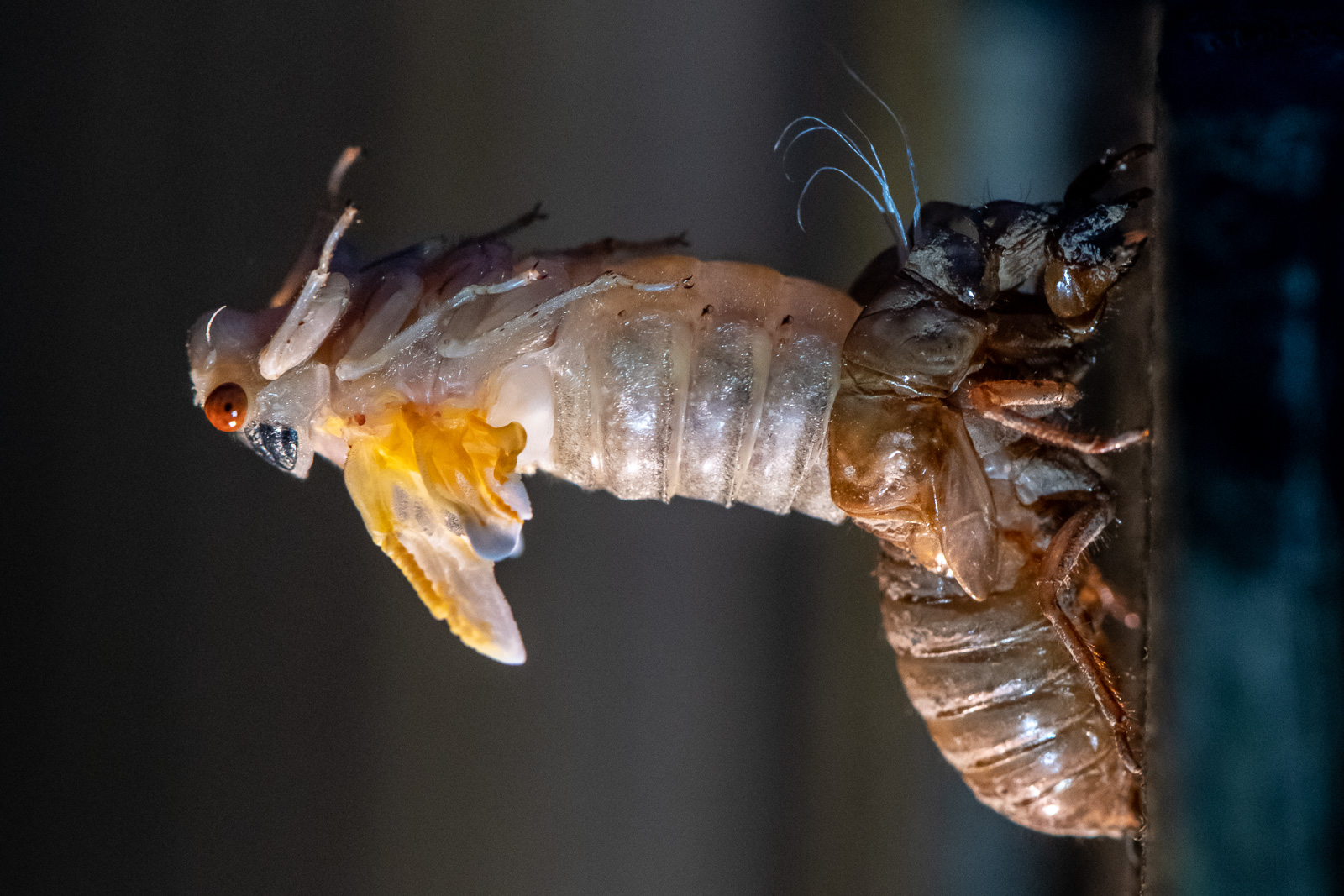
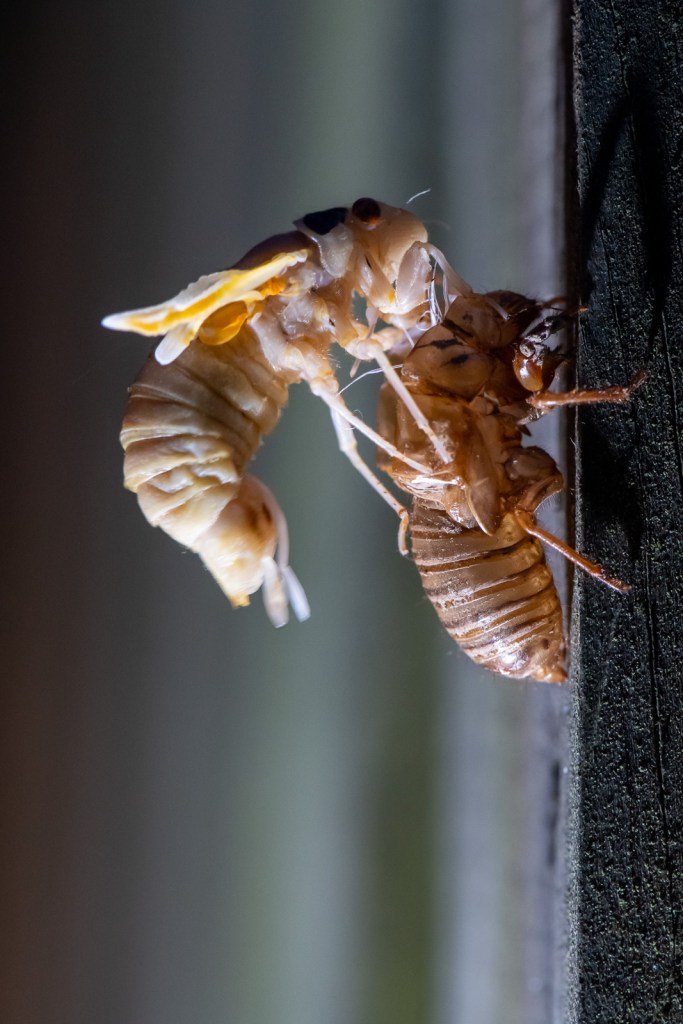
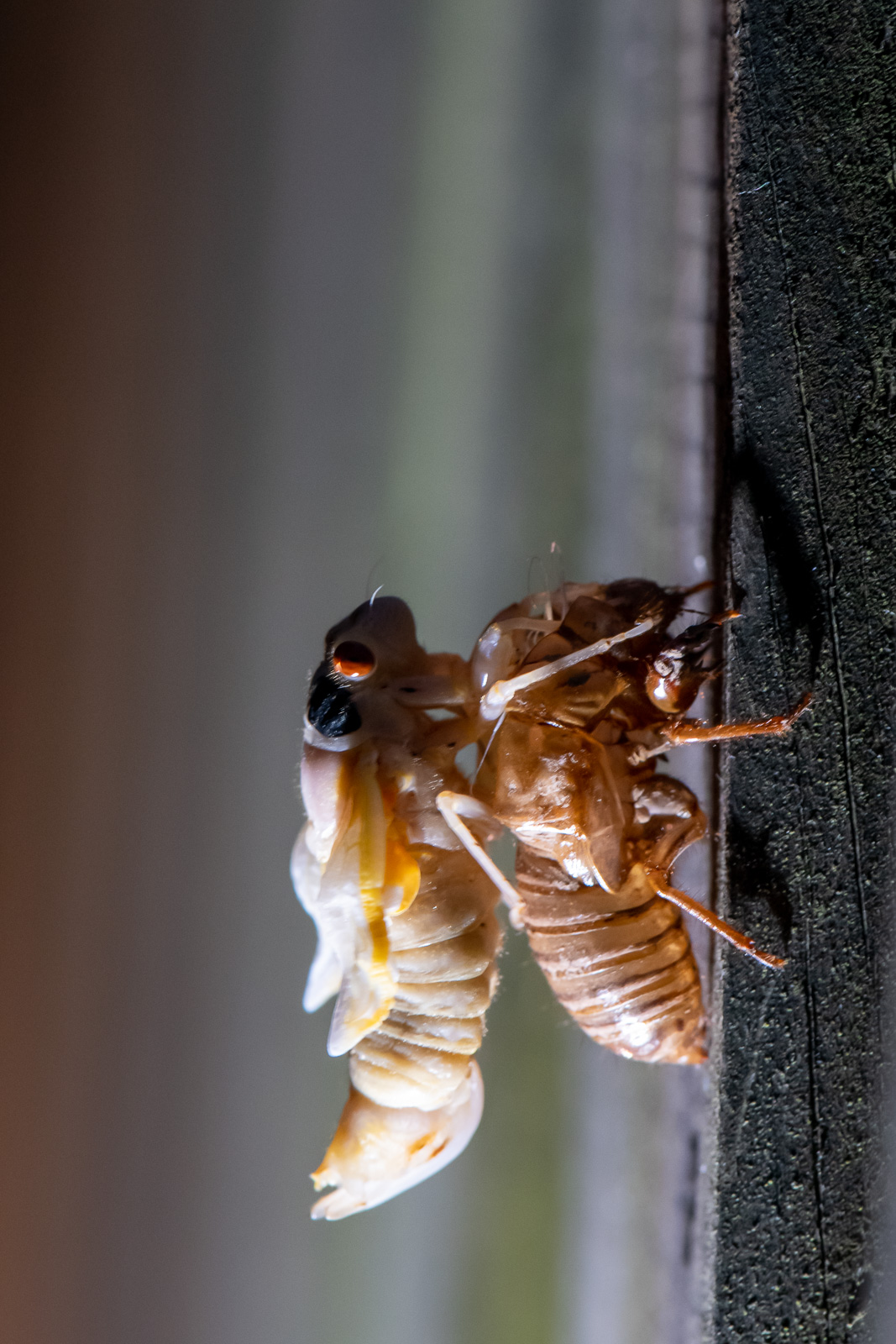
The shedding of the exoskeleton takes about an hour and is a dramatic spectacle.

When I saw the m it was already getting dark, so I had to help a bit with the light. Below they are half emerged, but still use the support of their shell.

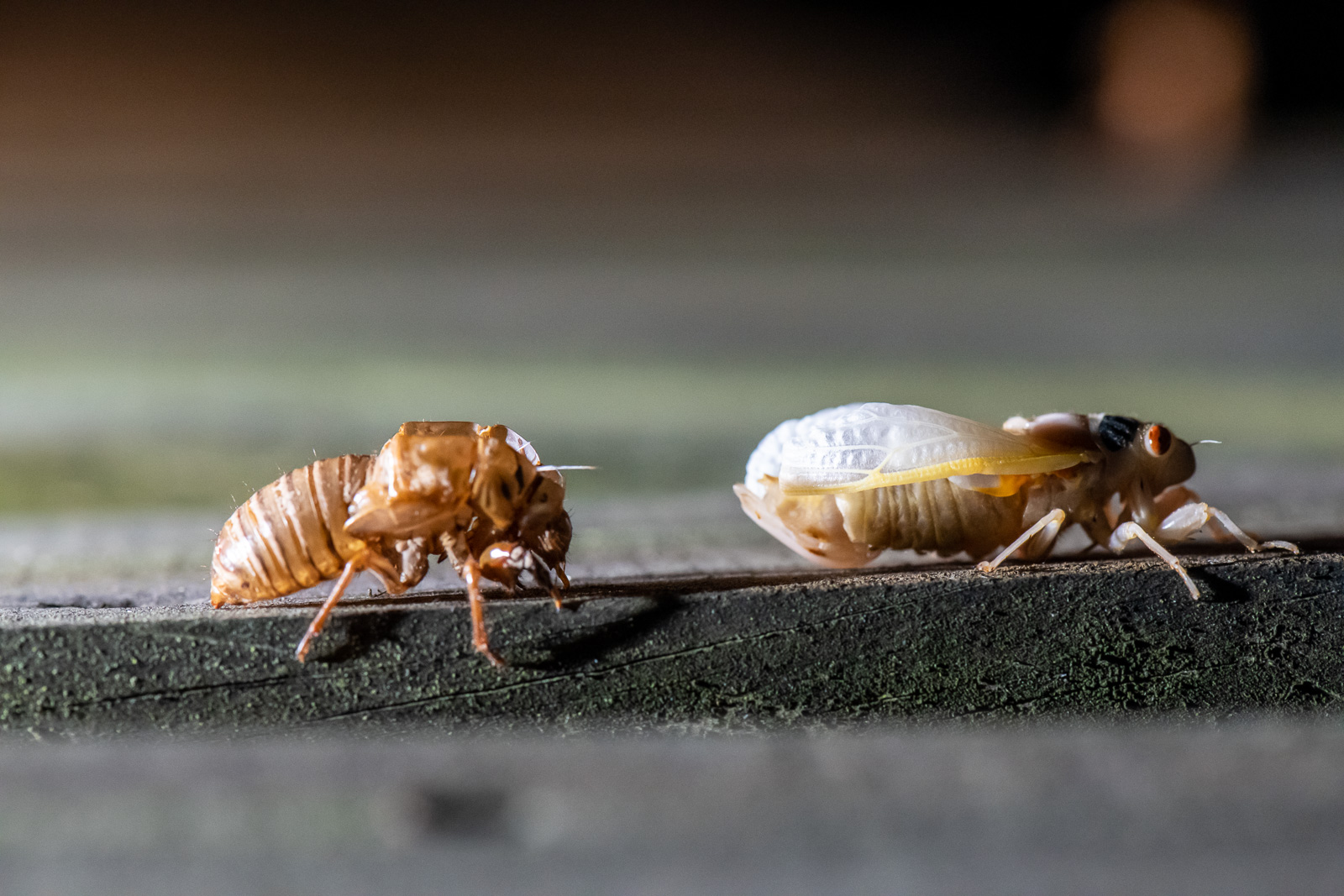
When dry enough, they emerge completely, and rest for another 15 minutes.

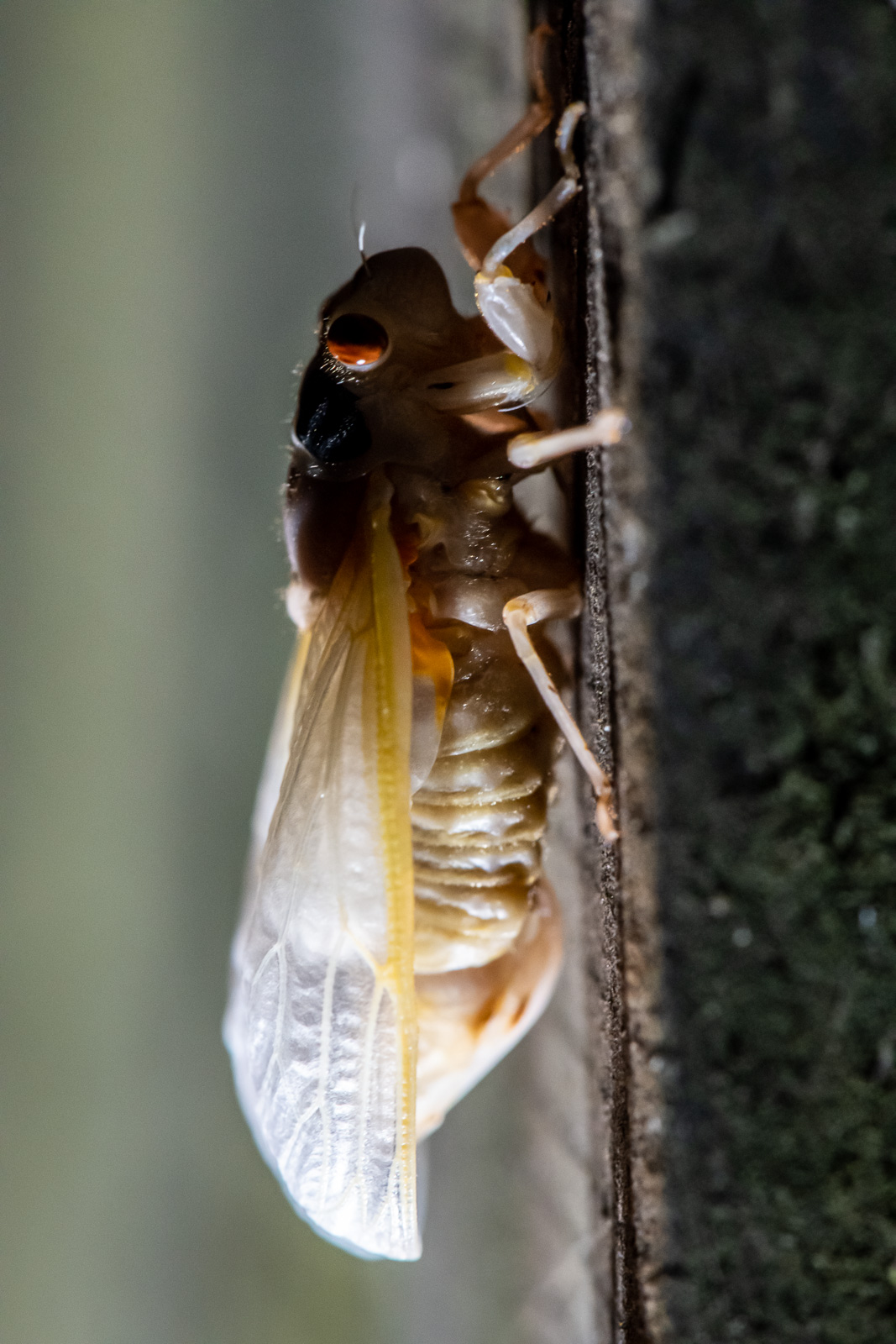
When the wings are dry enough, the imagos will move away from their exoskeleton and start unfolding.

There is no looking back … Life can begin, again.

Tripods III

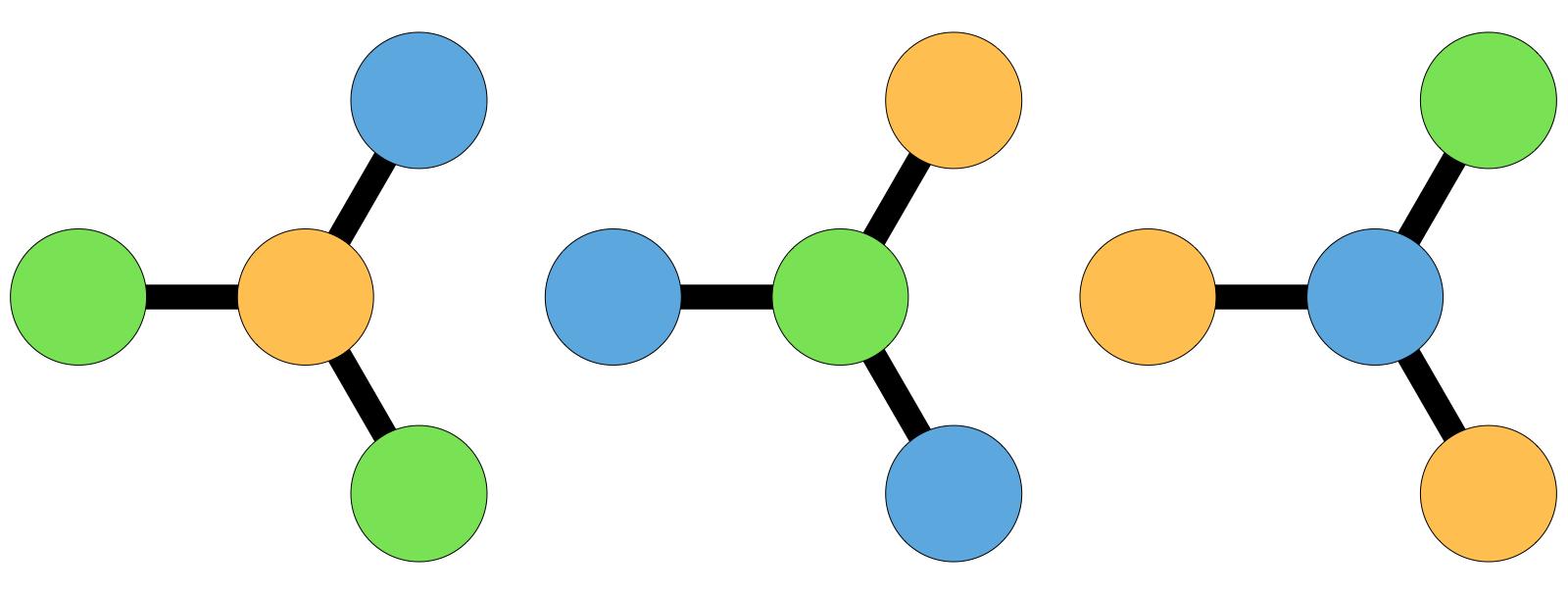
After realizing that while choices allow for free will, too many choices make everything possible and create only an illusion of free will. So let’s allow very few choices in our tripod-universe:
Two 1

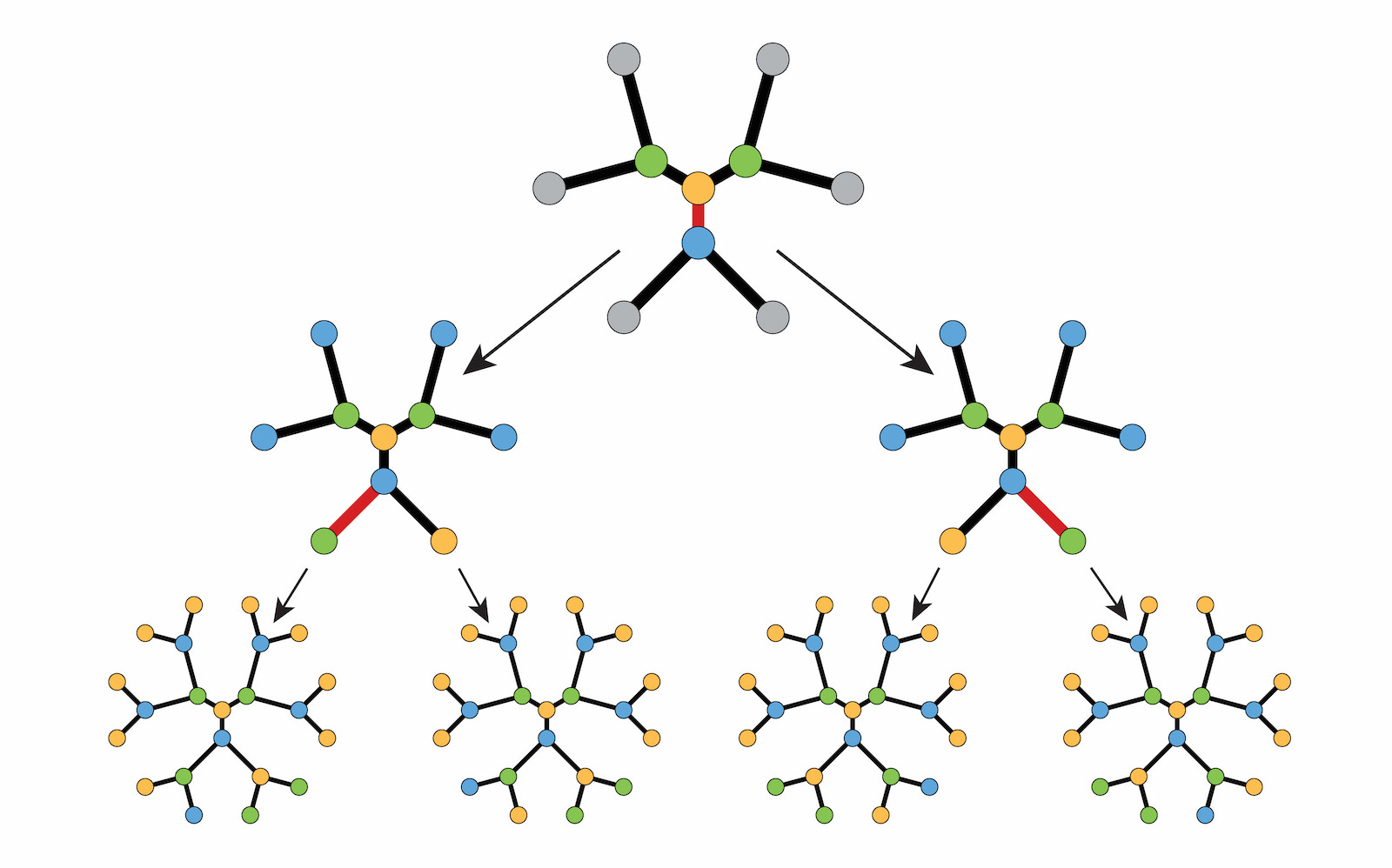
Above are the tripods we are allowed to use, and below the first three generations of our expanding universe if we pick the first of the three above and place it at the center:
 

Two 2 01

We see that at each step, there are only two choices that occur along precisely one branch (marked red). So while the number of possible universe histories grows exponentially, the overwhelming majority of its inhabitants (i.e. the leaves at the end of the trees) don’t have a choice, their future is predetermined and can’t even be affected by the single monarch who can only determine their own future. More choice is needed.

Two 3

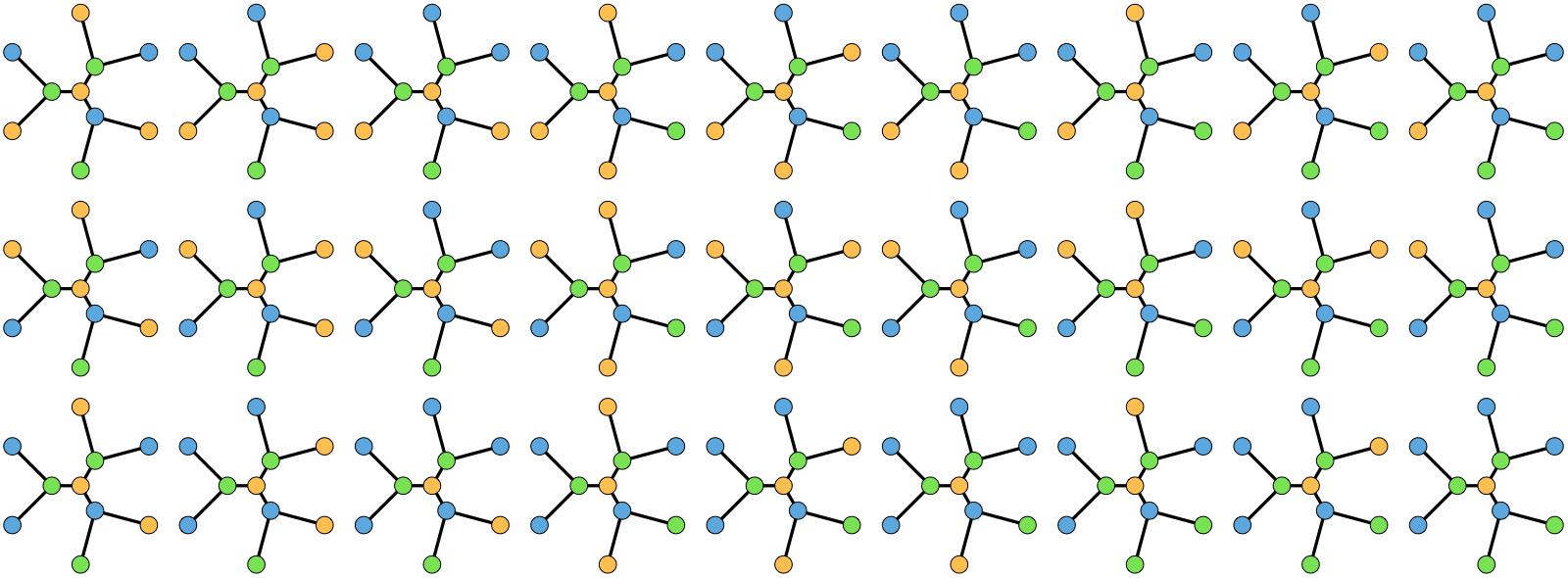
So let’s allow all six tripods that use three colors with just one color occurring twice as leaves. We choose one of them for the Big Bang at time 0. At time 1 we already have 27 different possible histories, because at each leaf there are always 3 choices that can be made:
Two 4

In the next generation, we will have already 19683 different possibilities. This looks promising, so let’s see how much these tripods can control their future. Below are two universes at time 2 that use only the colors yellow/green and yellow/blue at the leaves. Can you find a universe where all leaves are yellow? Or blue?
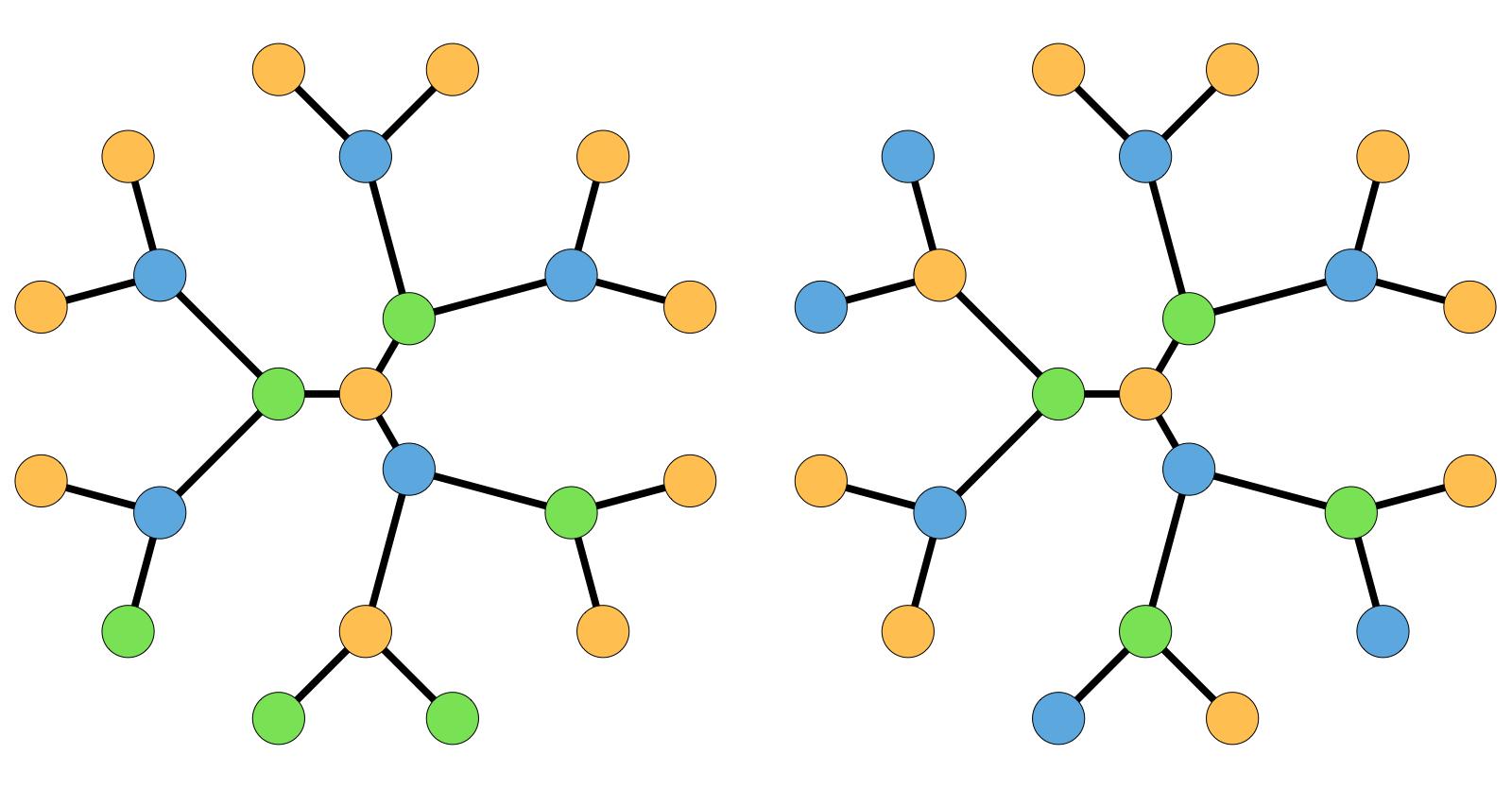
Two 5

Some more questions:

  • Suppose you succeeded in making all leaves yellow. How many more generations does it take you to make all leaves blue?
  • Can you have a universe where no two neighboring leaves have the same color?
  • Below is a universe where in generations 1,2, and 3 each we have an equal number of leaves of each color. Eg, in the current generation 3, there are 8 green, blue, and yellow leaves. Can you continue like this? Is there a recipe for it?
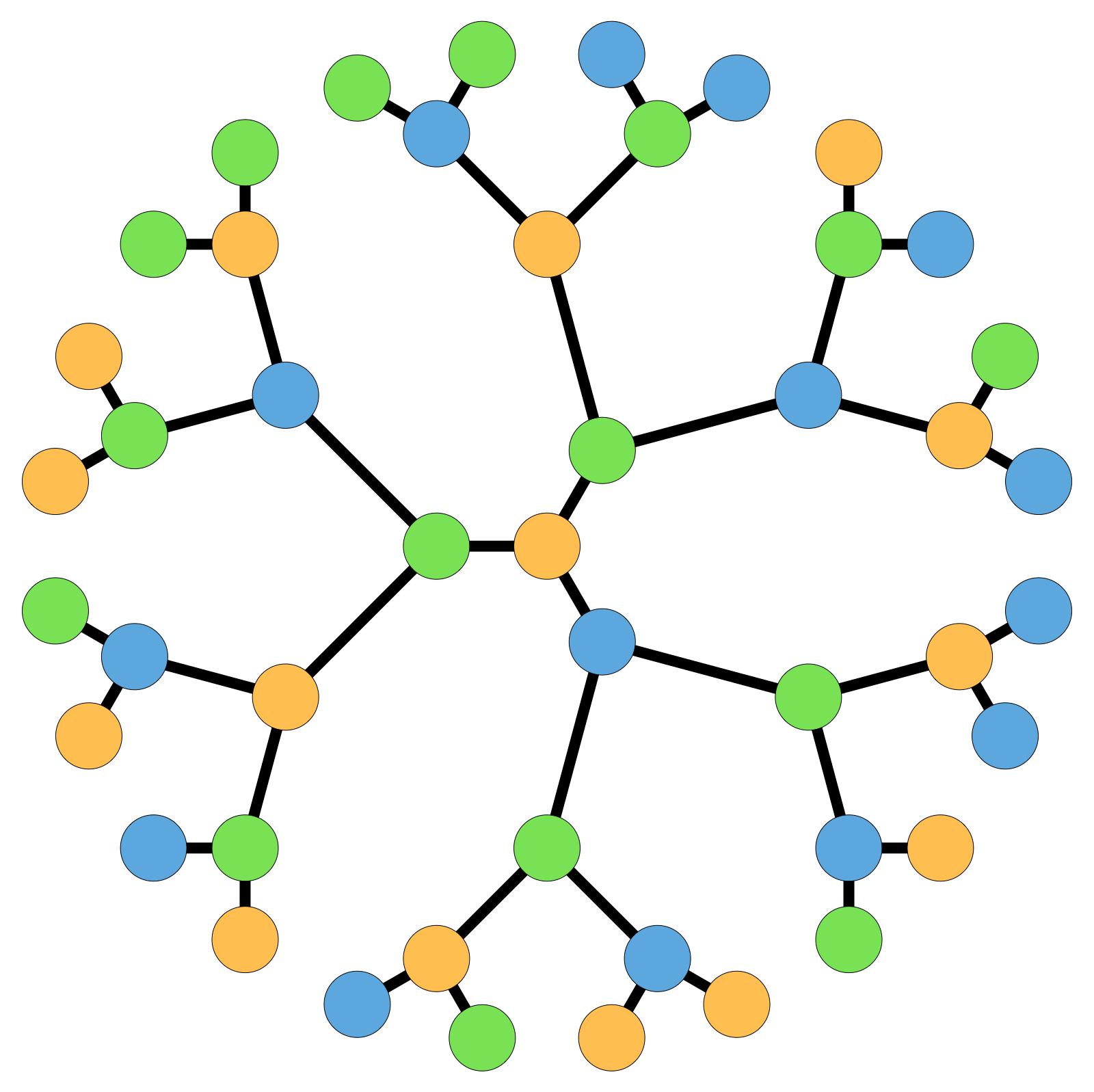
 

Two 6

Wildflowers II

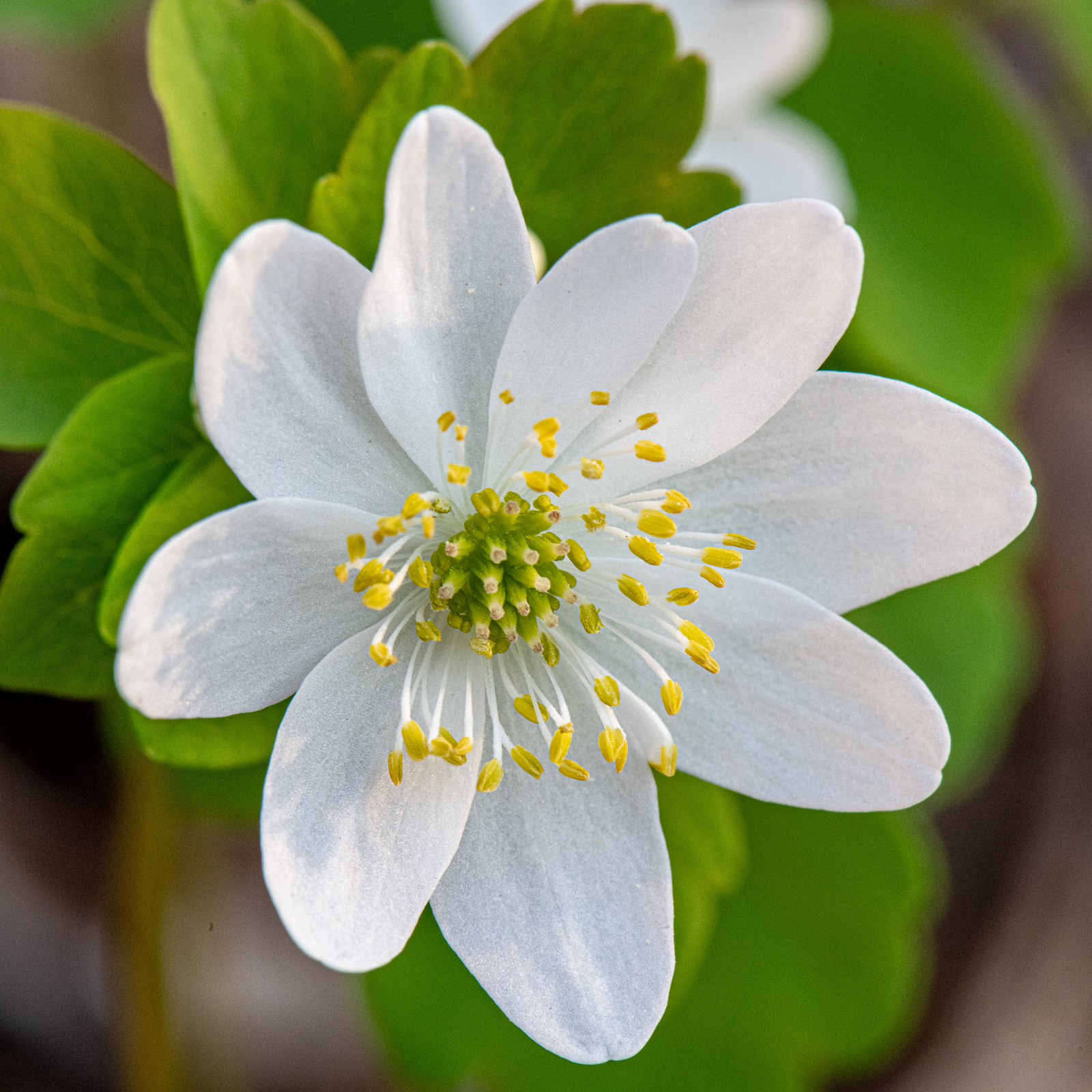
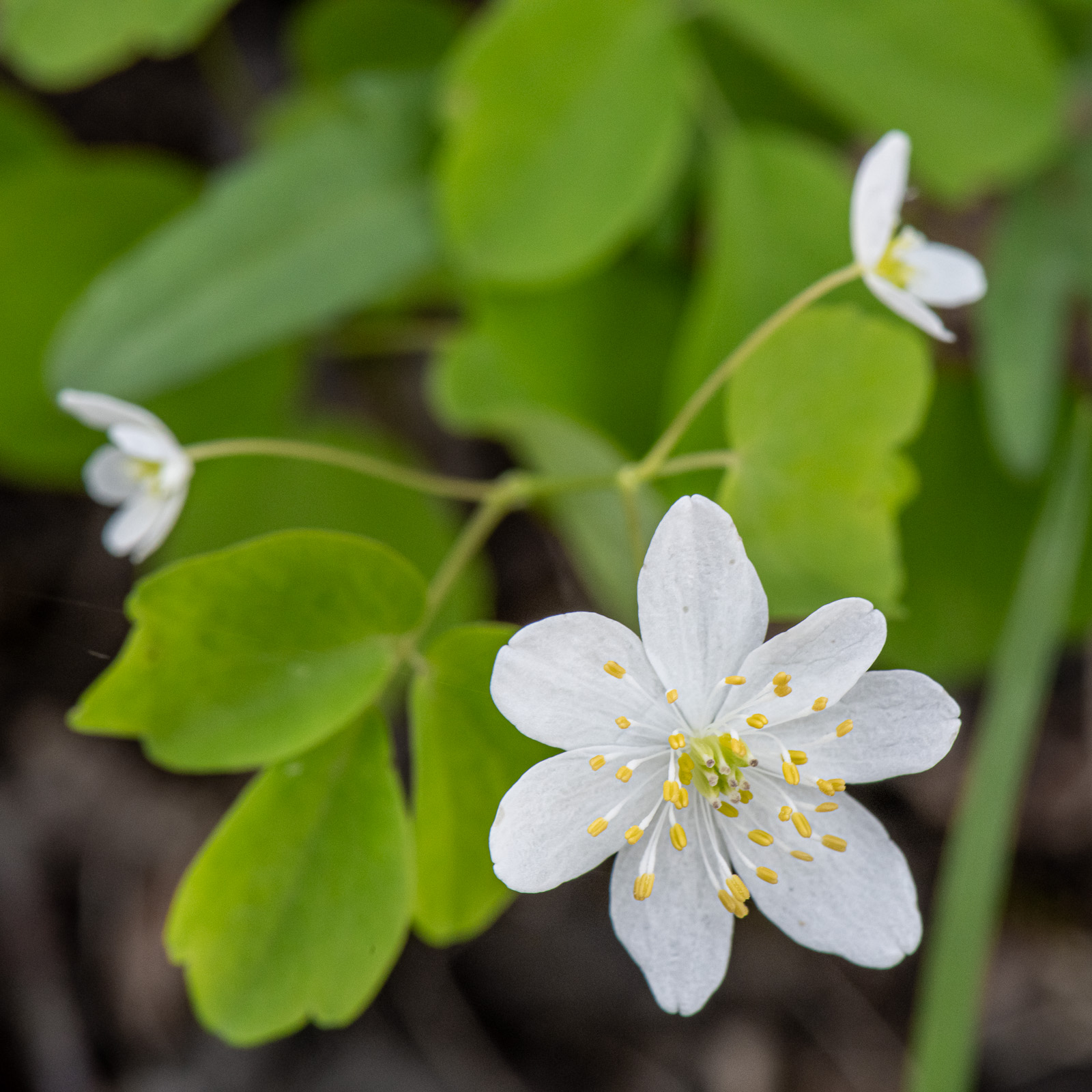
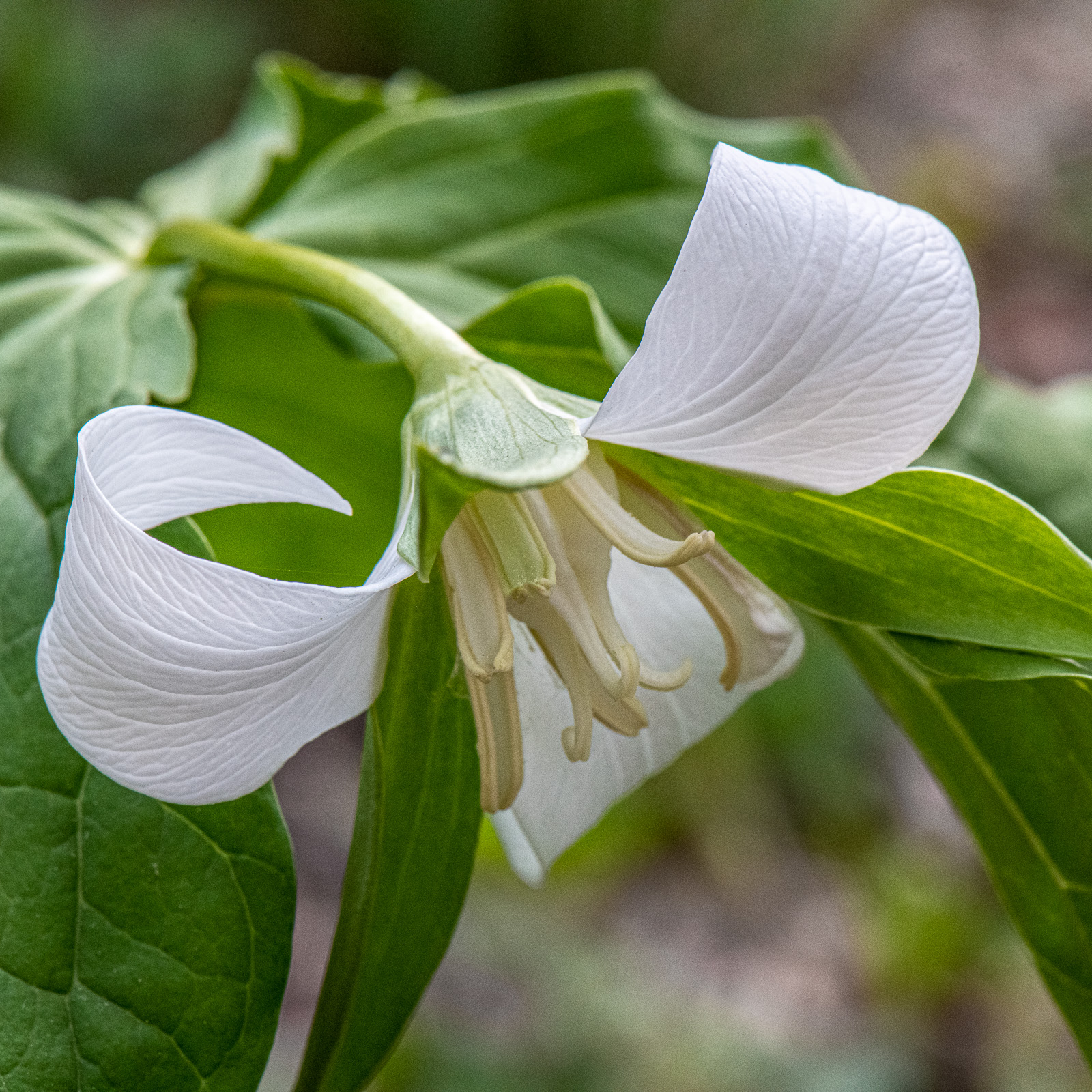
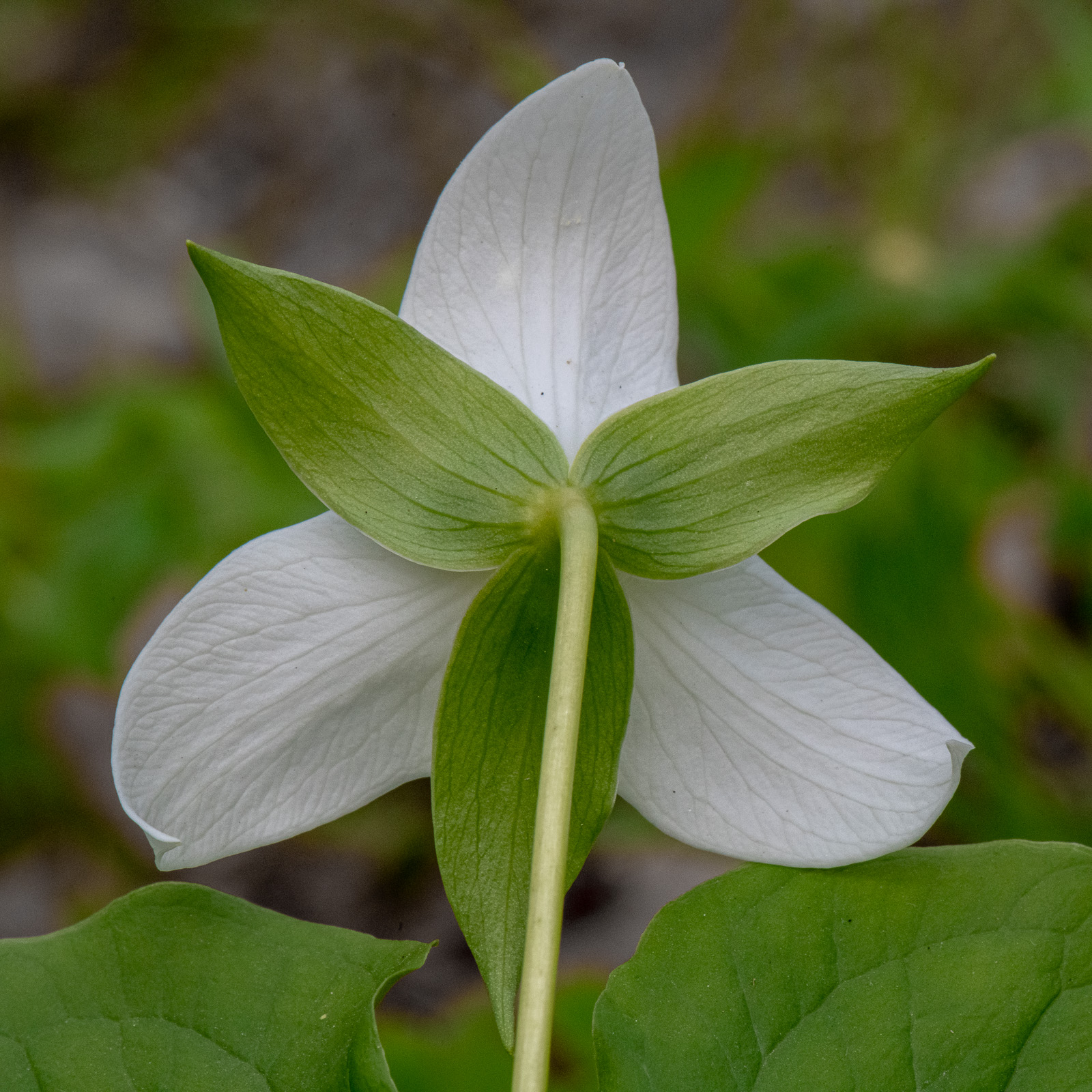
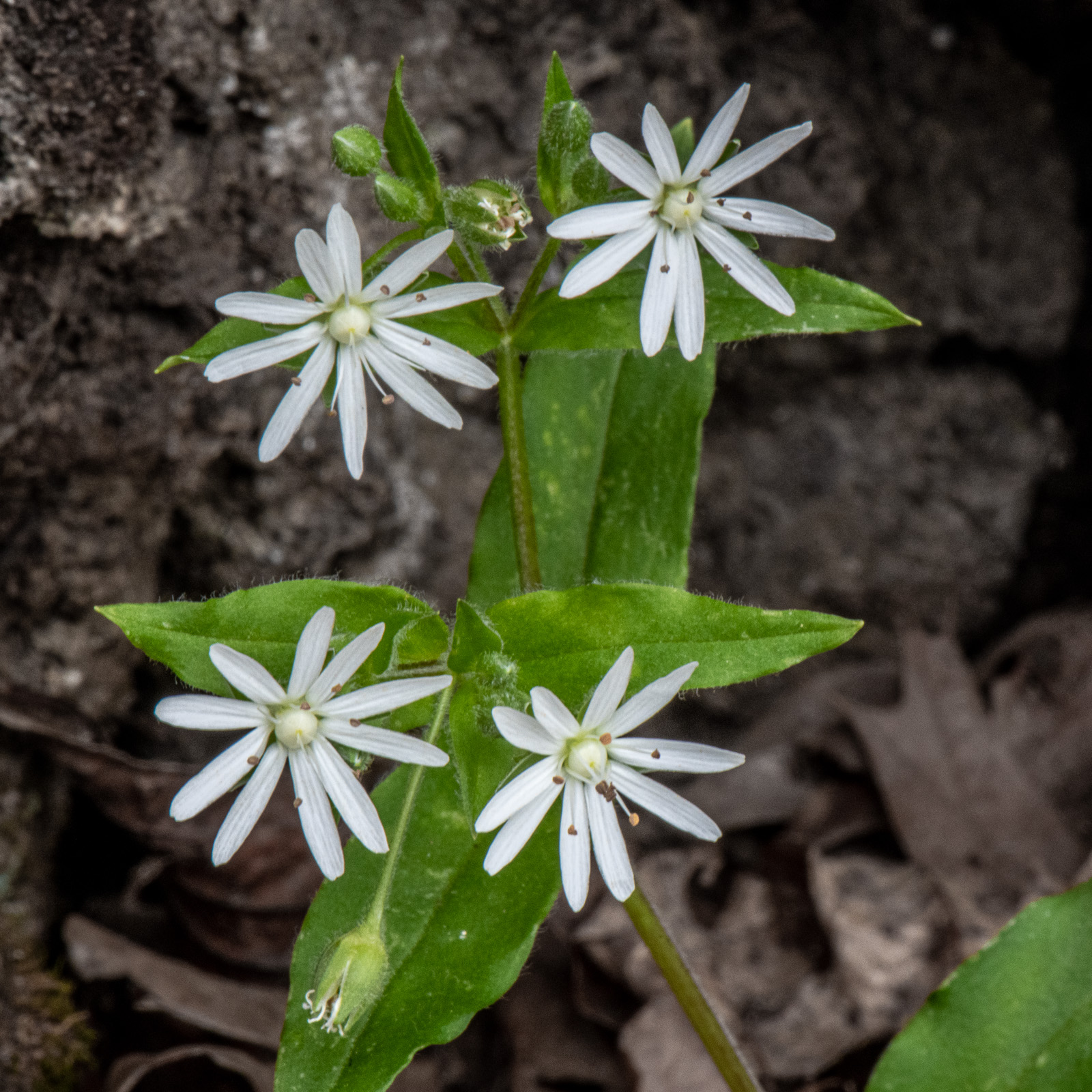
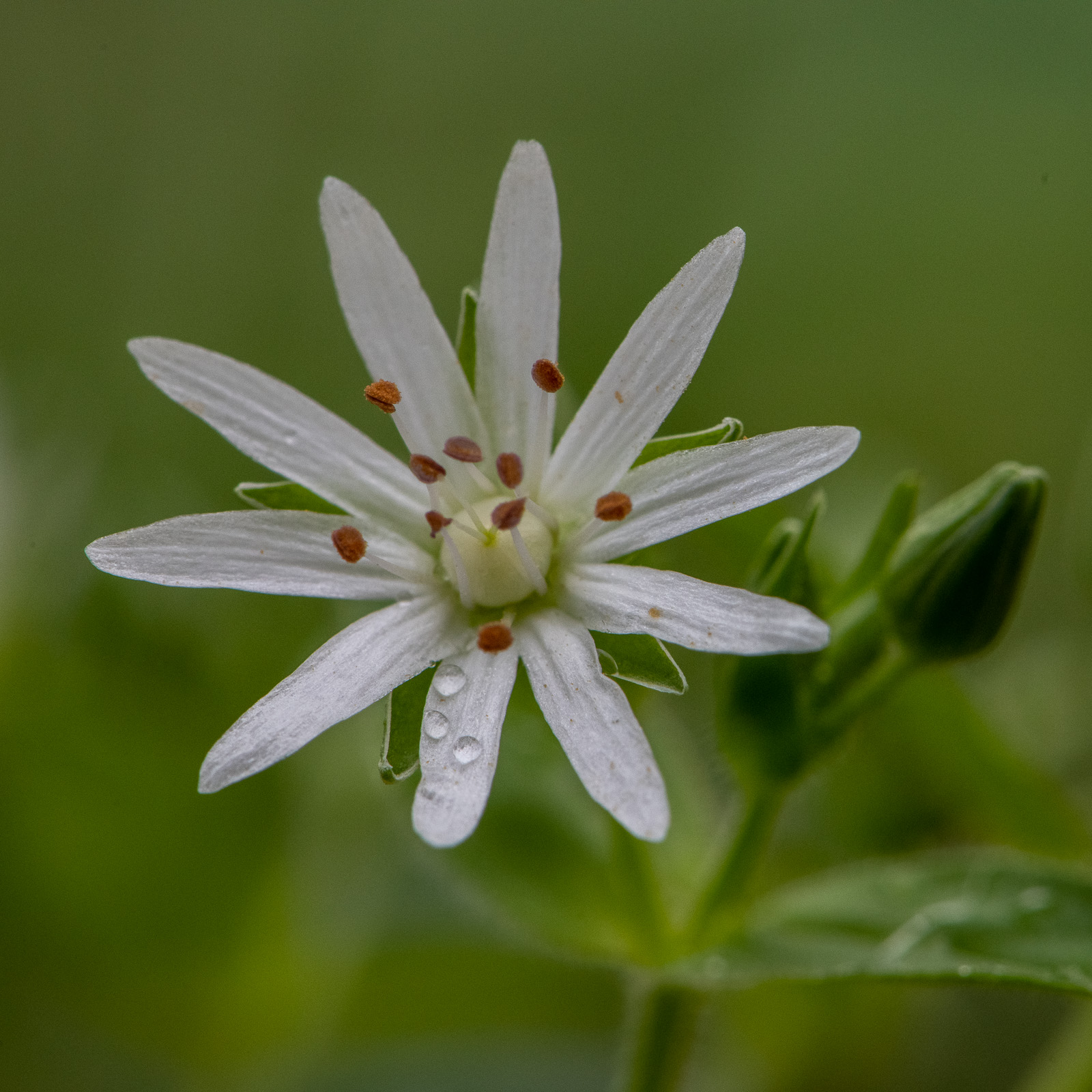
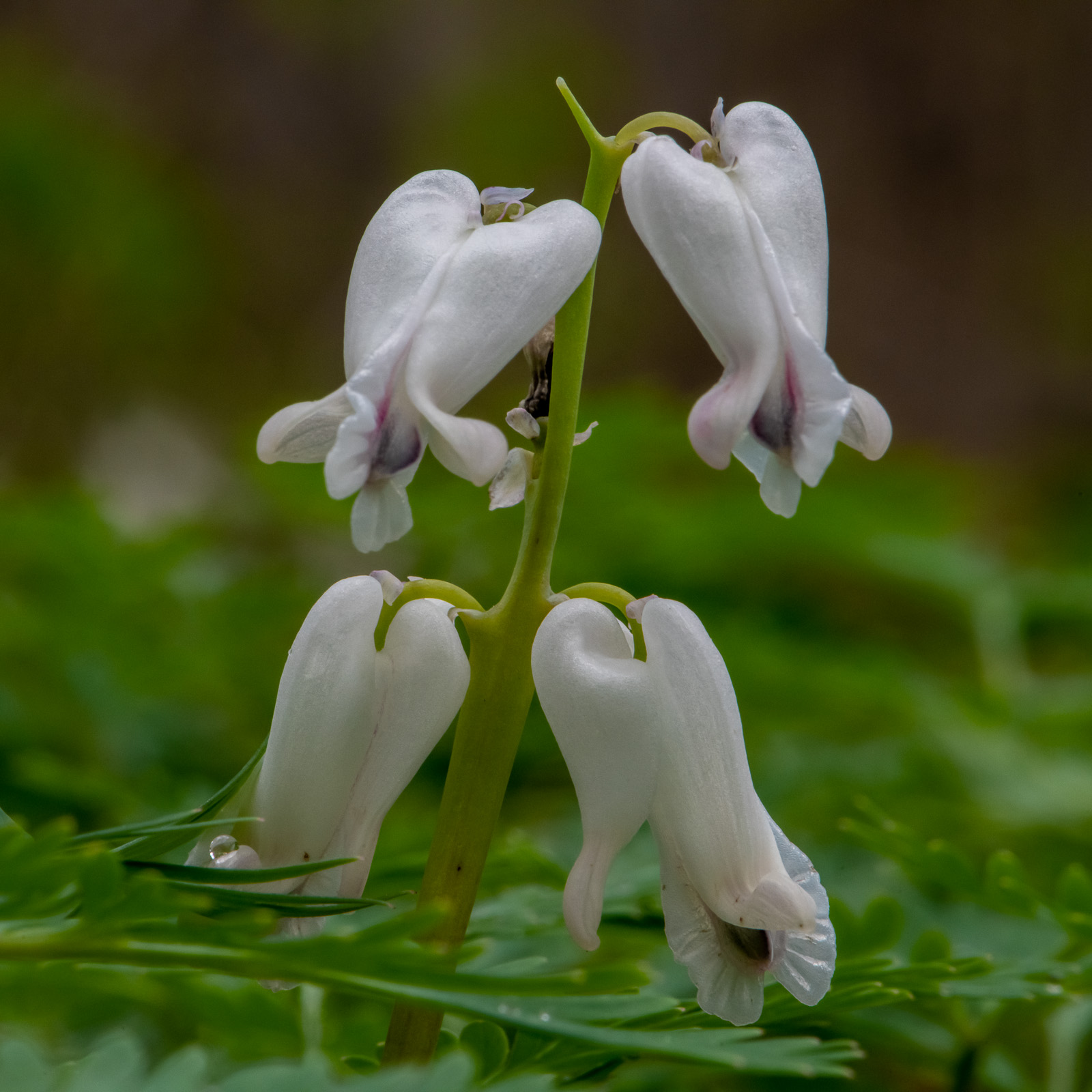
Here is the second part of the pre-frost wildflowers, in their perfect whiteness.

All gone now…

Rue Anenome (Thalictrum thalictroides)

Drooping Trillium (Trillium flexipes)

Star Chickweed (Stellaria pubera)

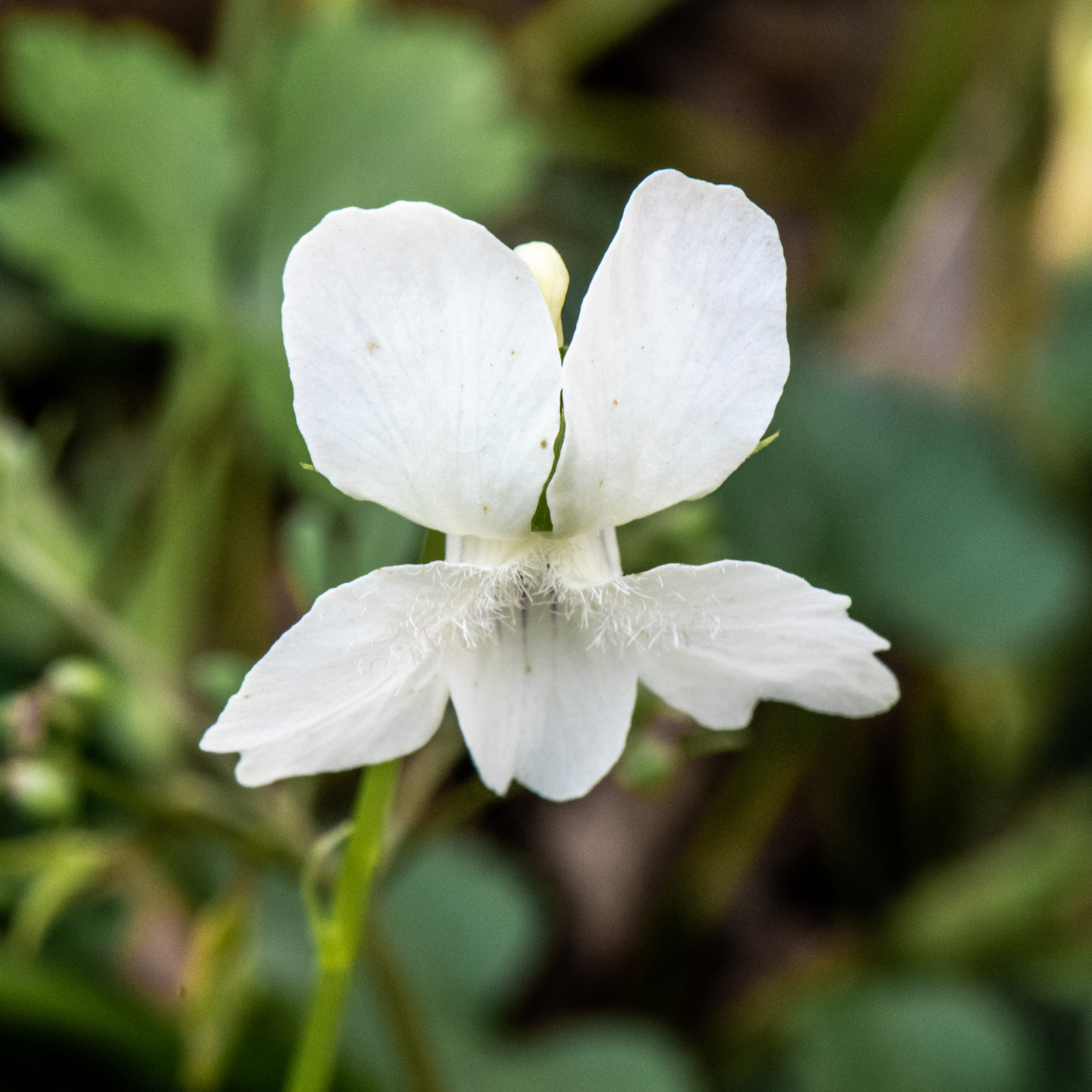
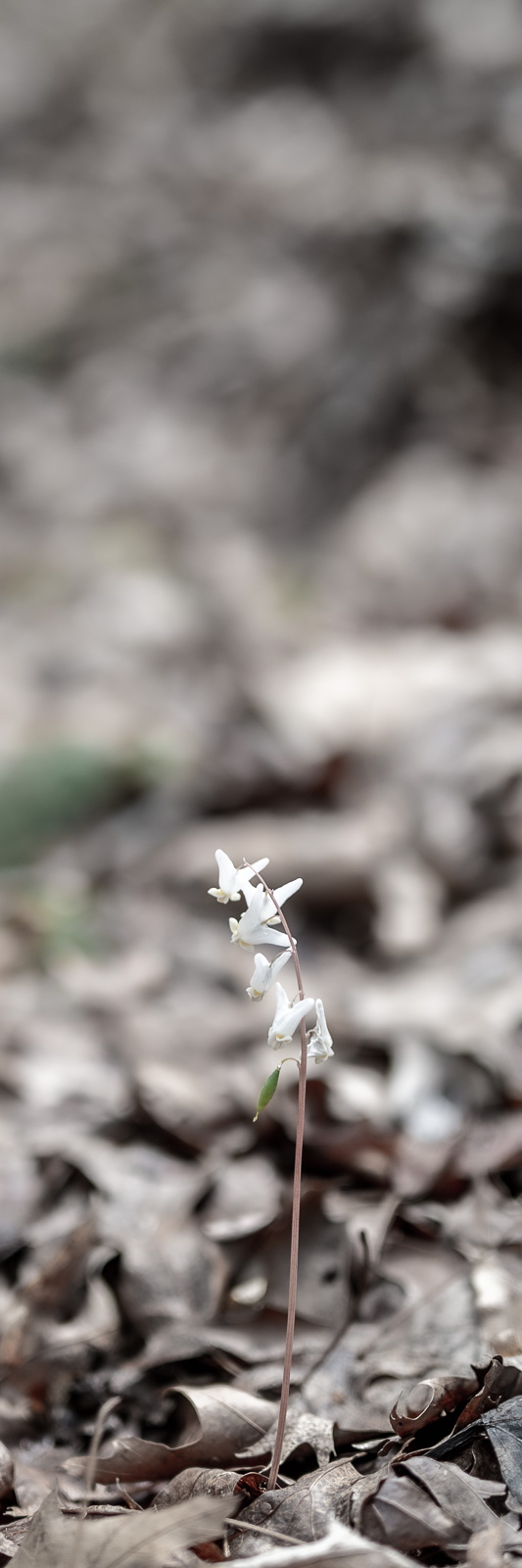
Squirrel Corn (Dicentra canadensis) and Striped Cream Violet (Viola striata)

Paradise Lost

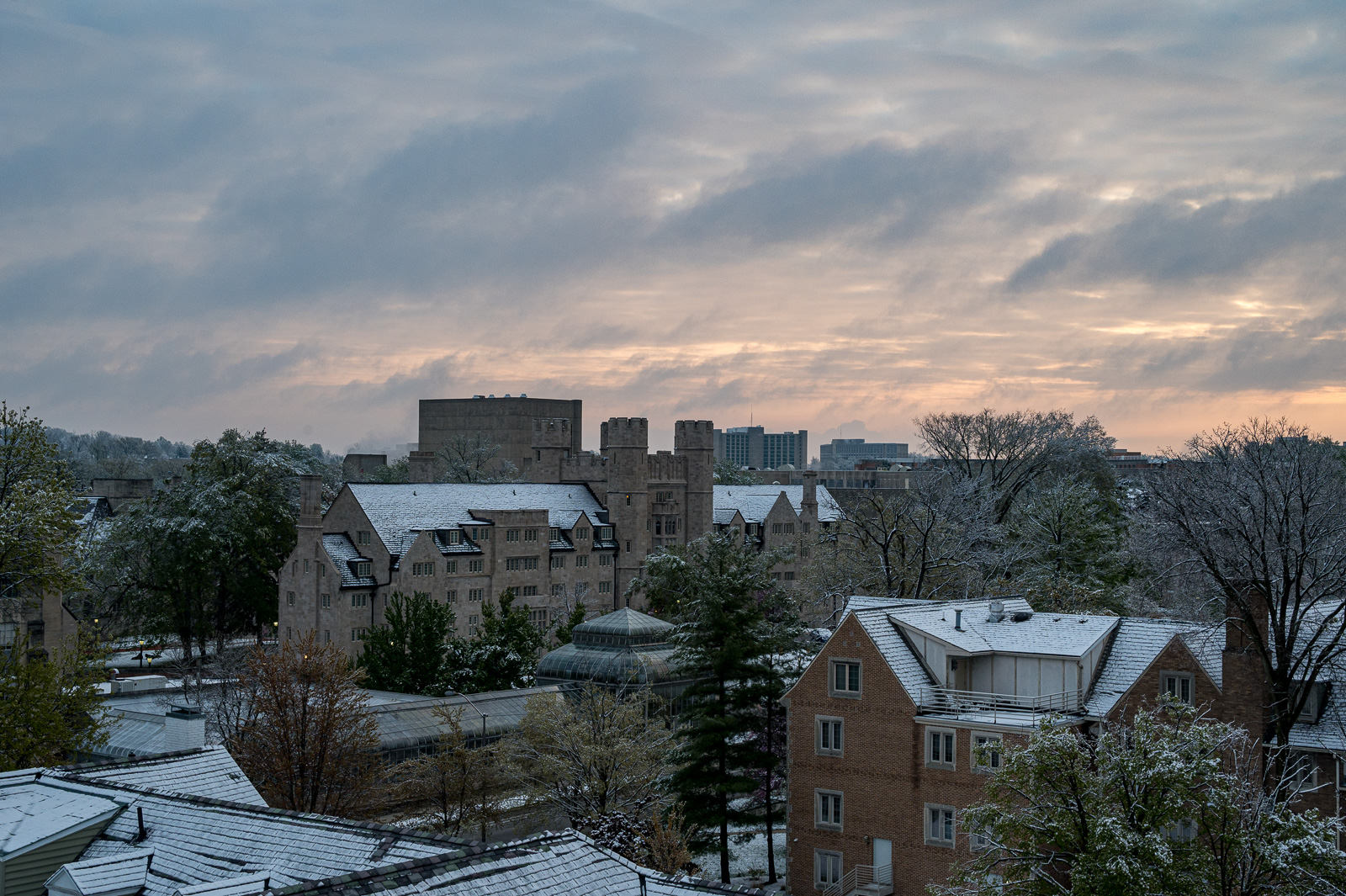
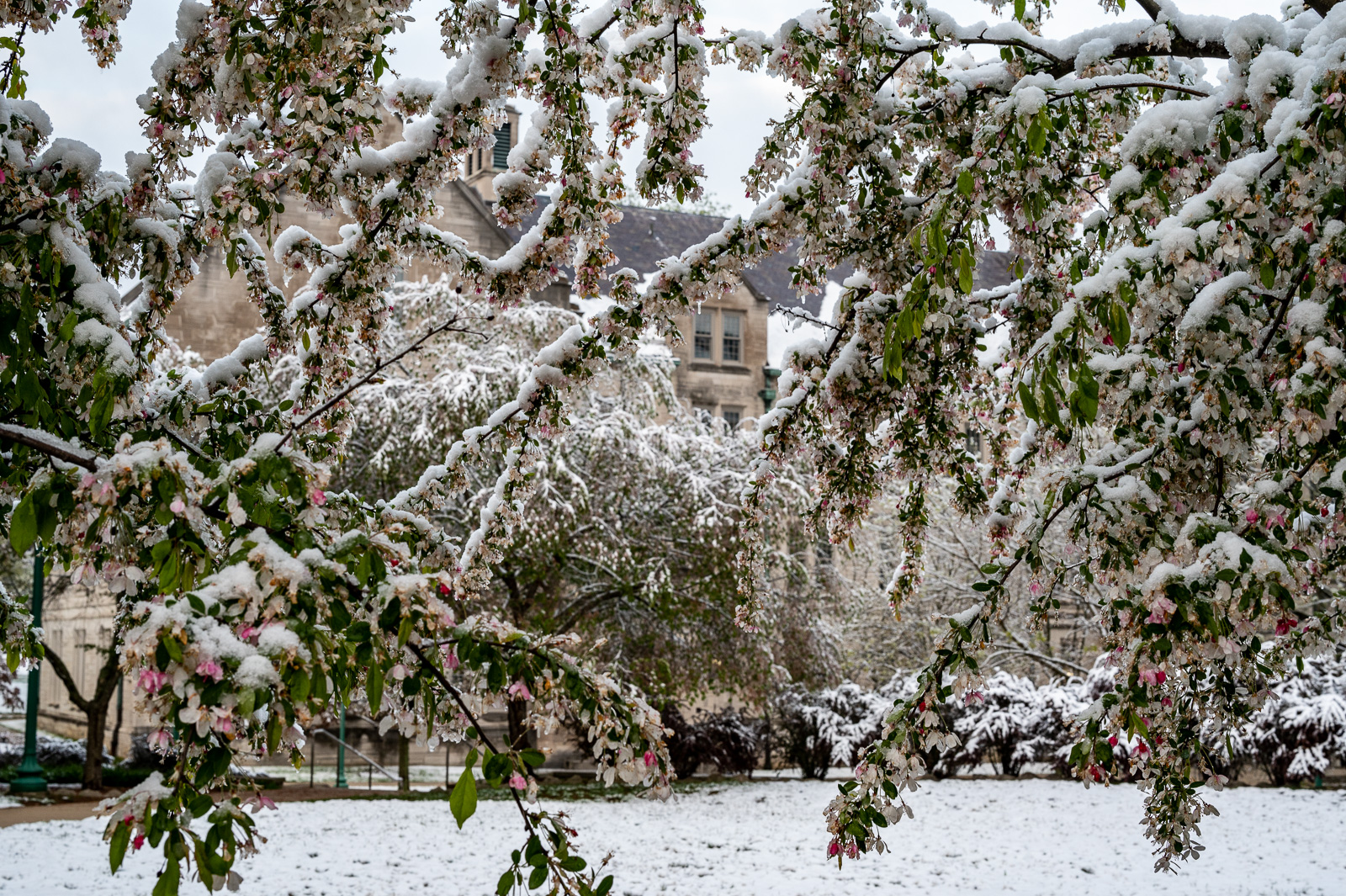
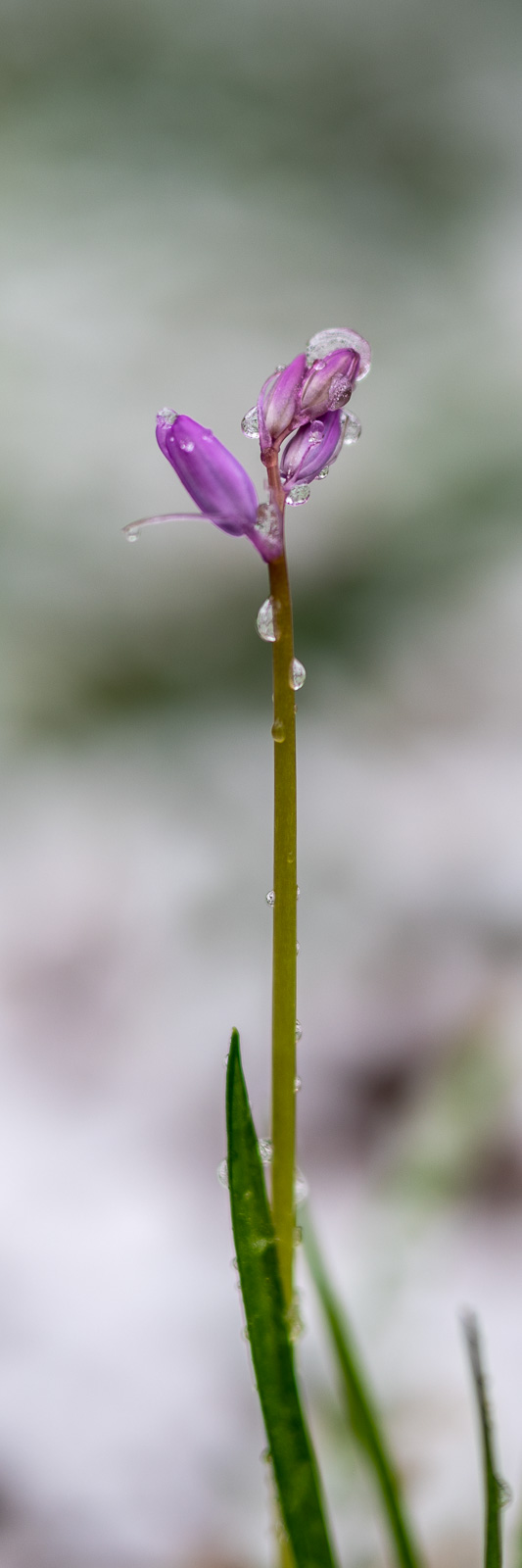
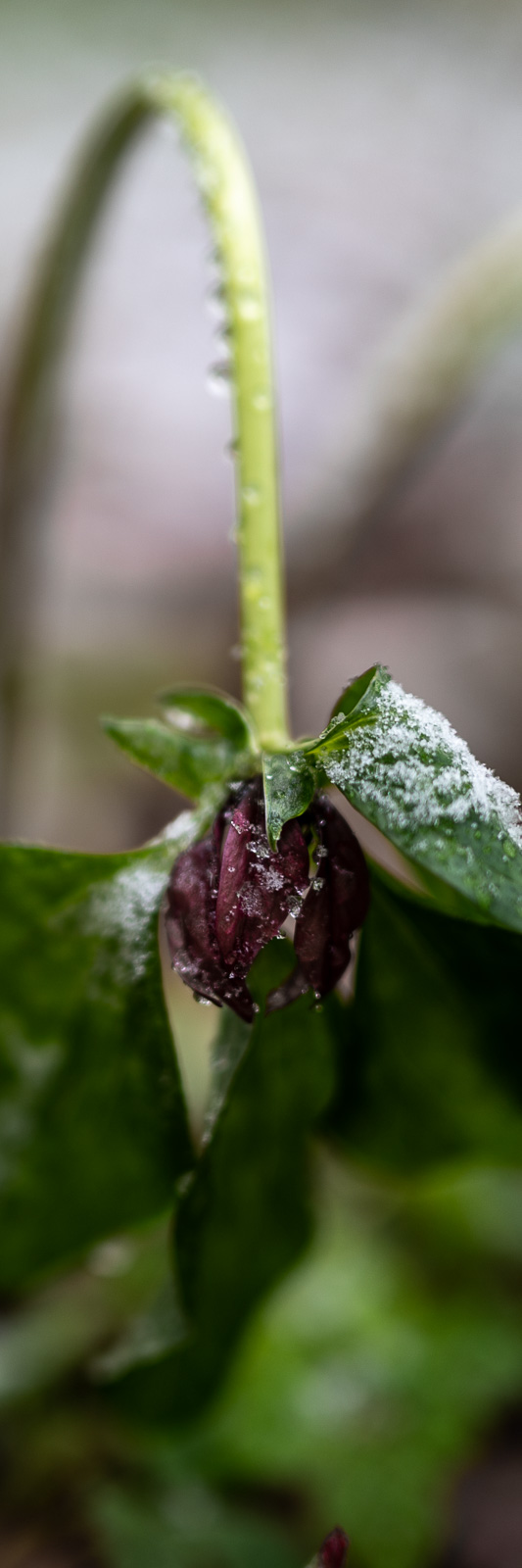
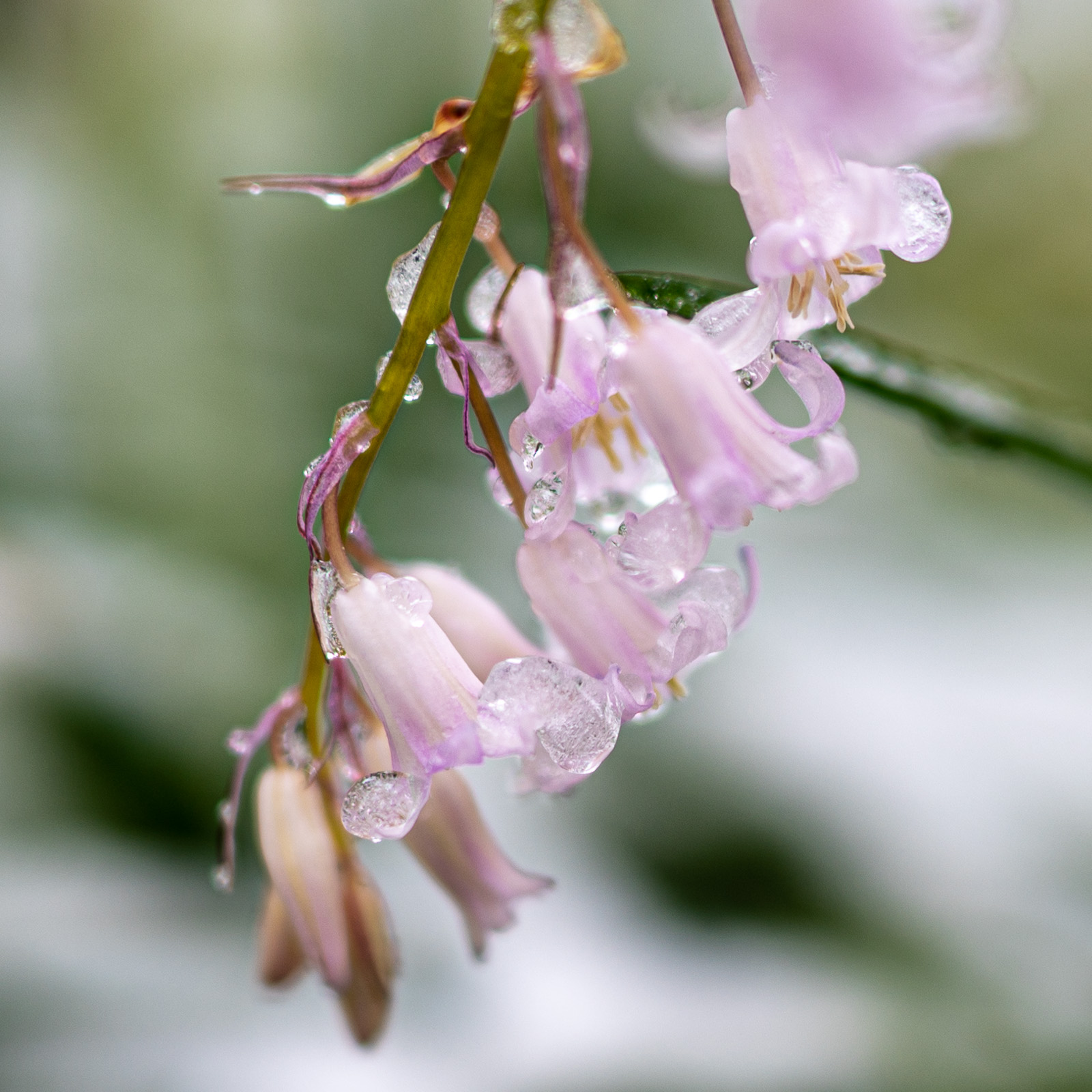
Snowfall overnight in late April is rare here, but has its own strange appeal.

Unfortunately I had other obligations this morning, so I couldn’t go on a longer expedition, so I paid our campus a visit.

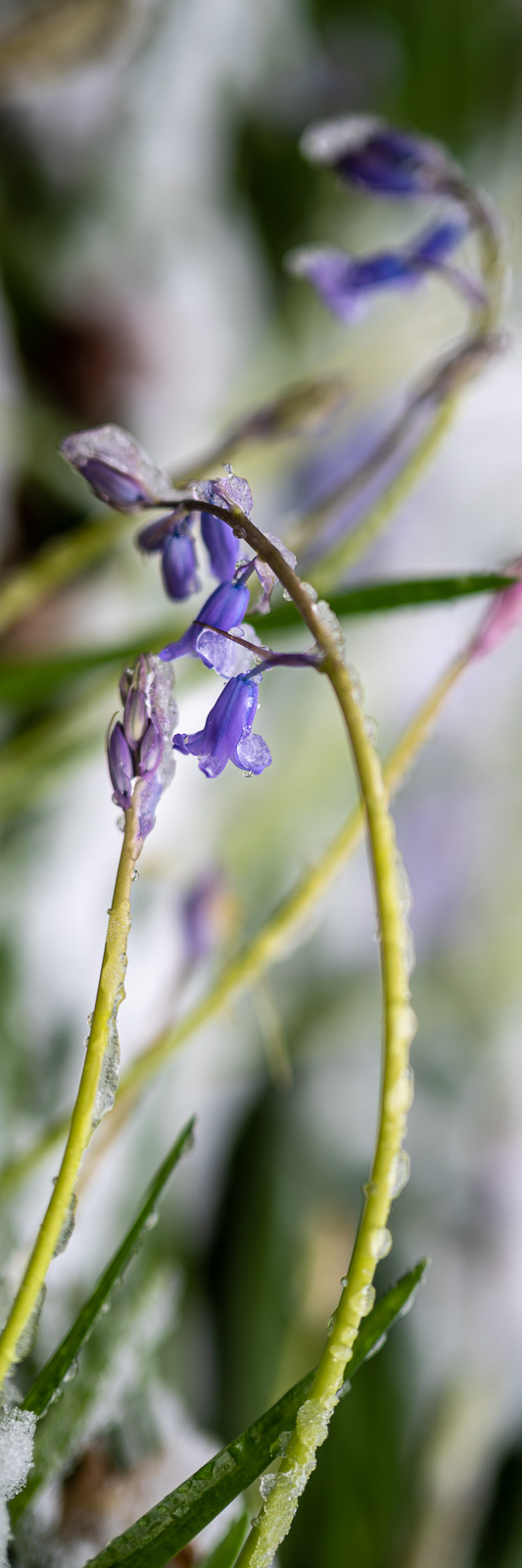
While the trees have mostly managed the extra burden, most flowers did not.

It’s not all sadness. Hours later, the snow was all gone, and the recovery has begun.

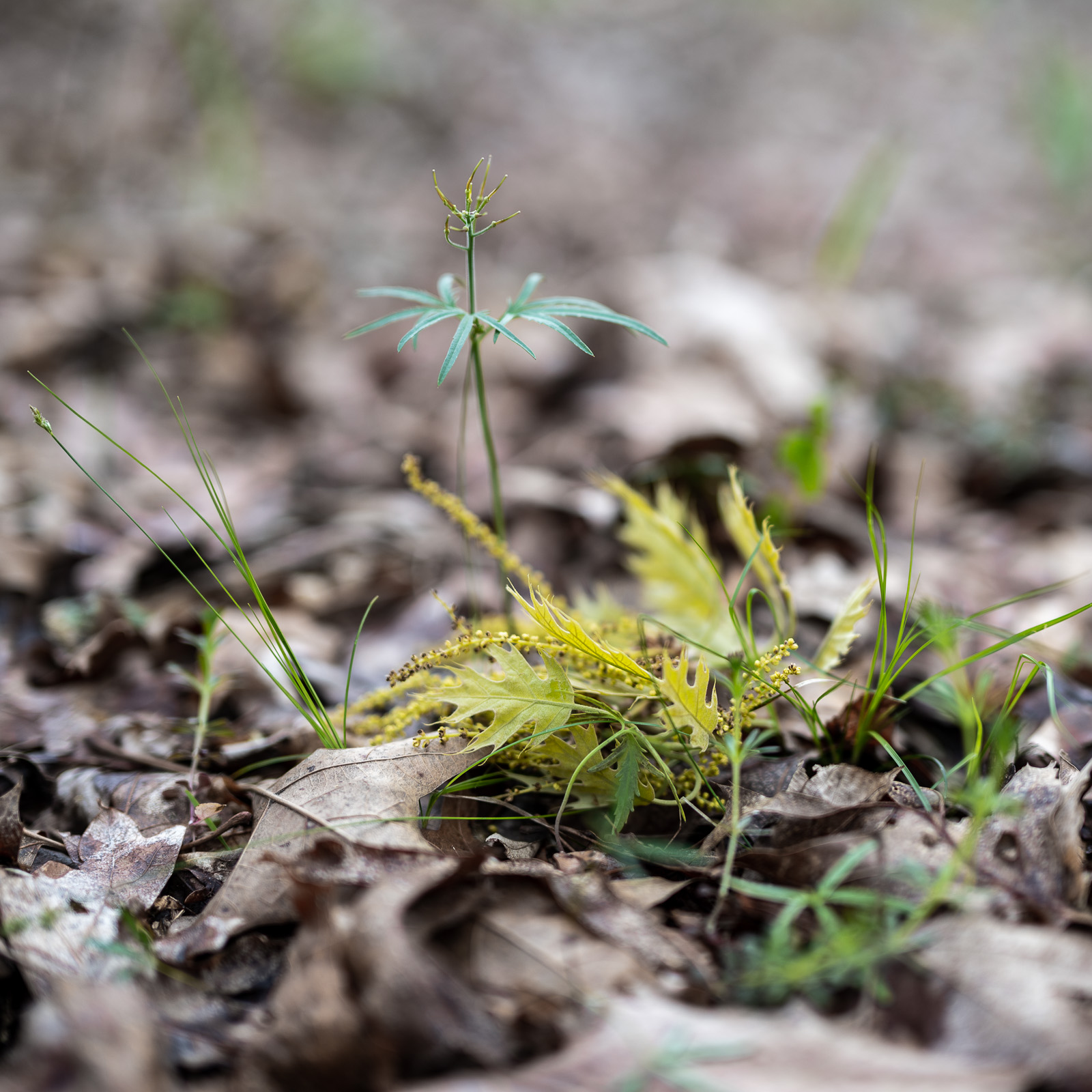
In the afternoon I went on a short hike at Pate Hollow. Many wildflowers were gone here, and tree blossoms have fallen. Grayness has returned.

But there still is life,

and thus hope.

Spring Wildflowers I

Imminent snow will ruin the wonderful wildflower display we had the last week. Here is the first batch.

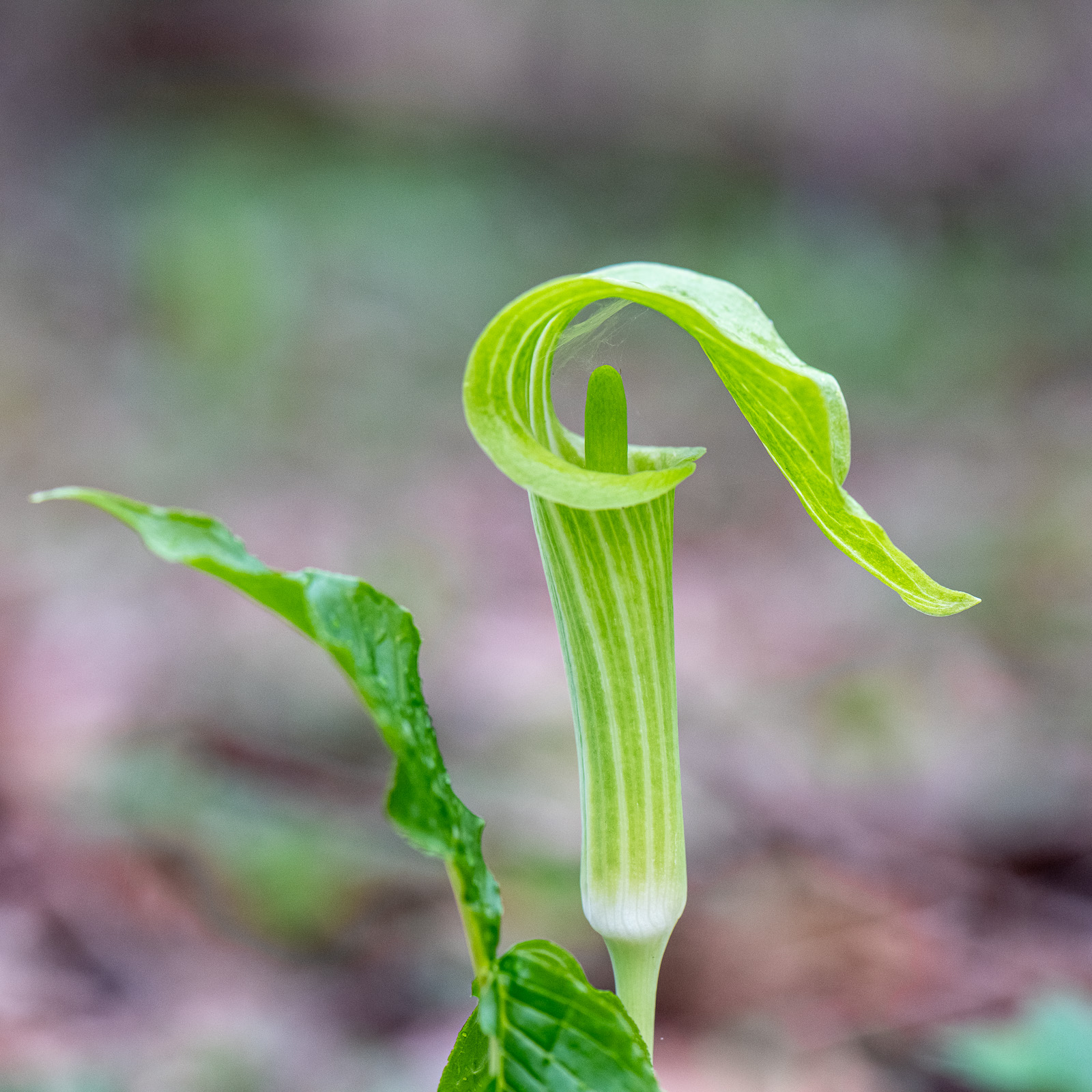
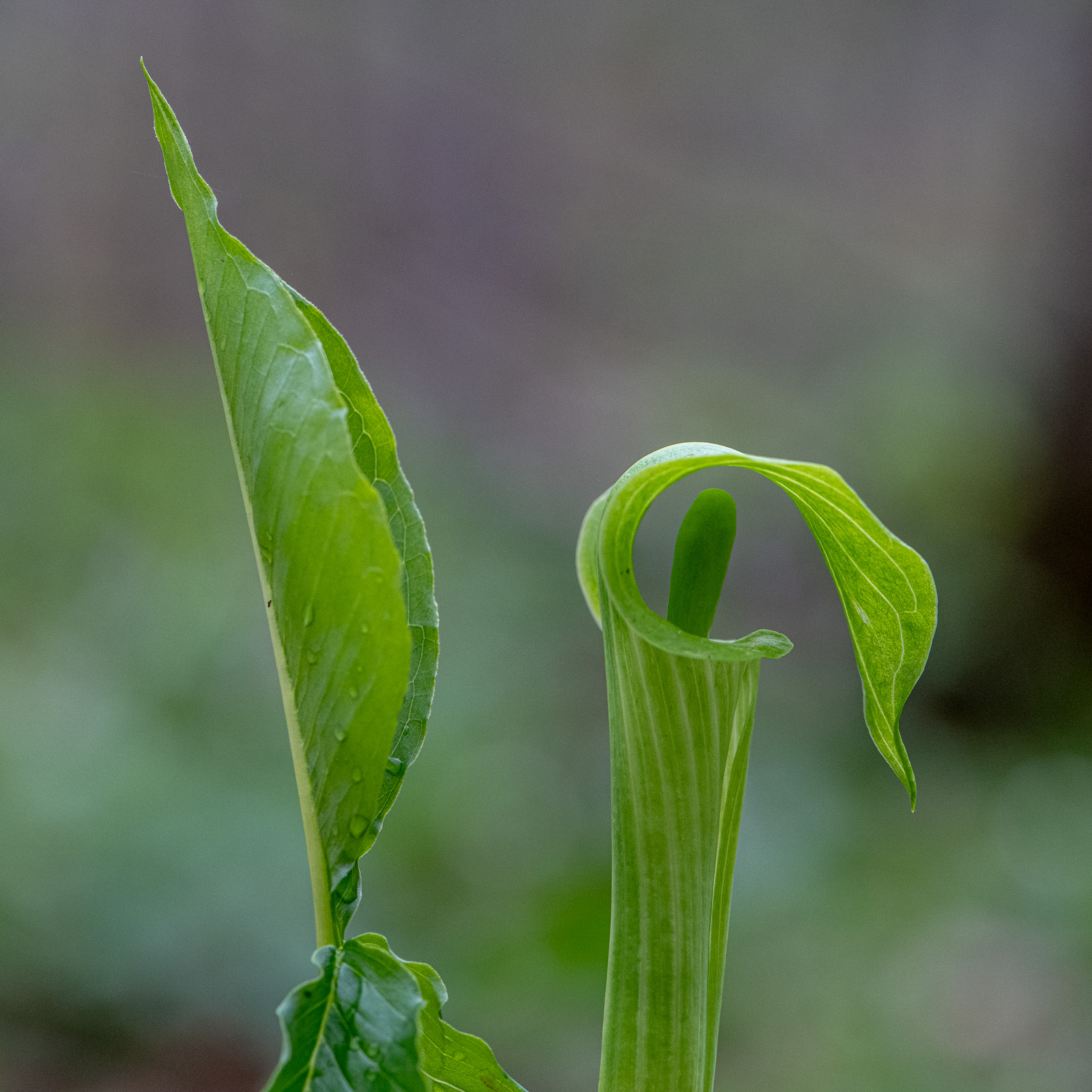
Jack-in-the-Pulpit (Arisaema triphyllum)

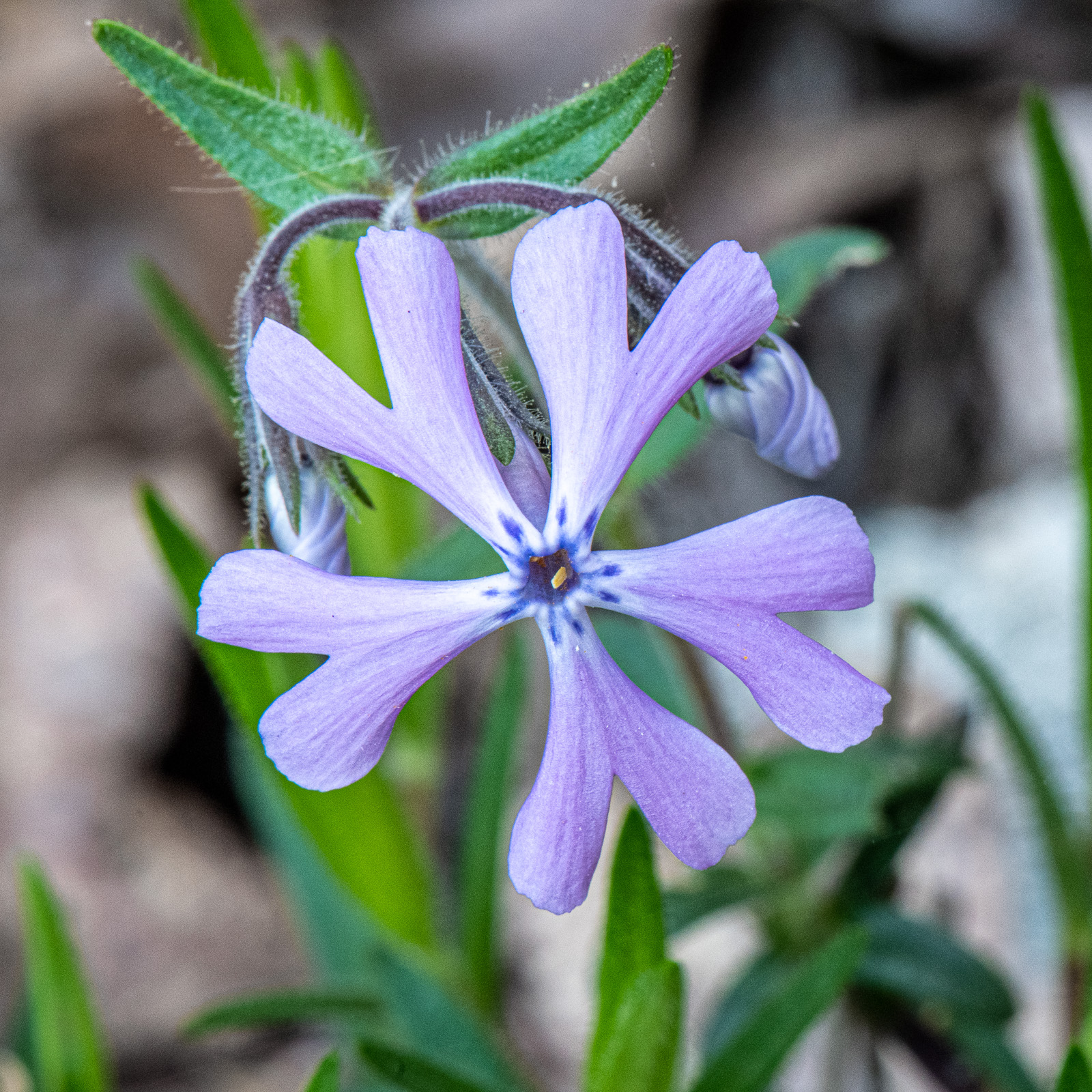
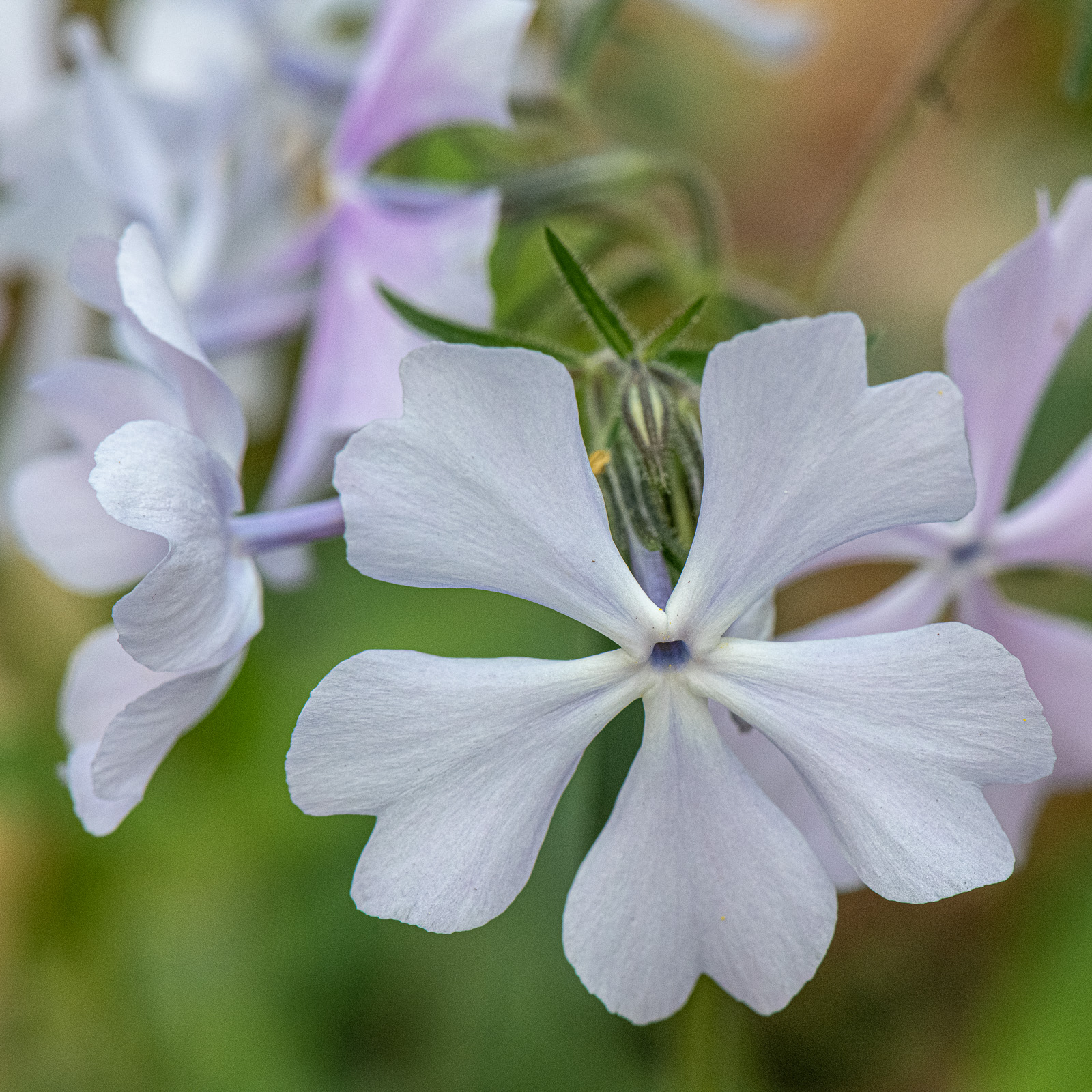
Woodland Phlox (Phlox divaricata)

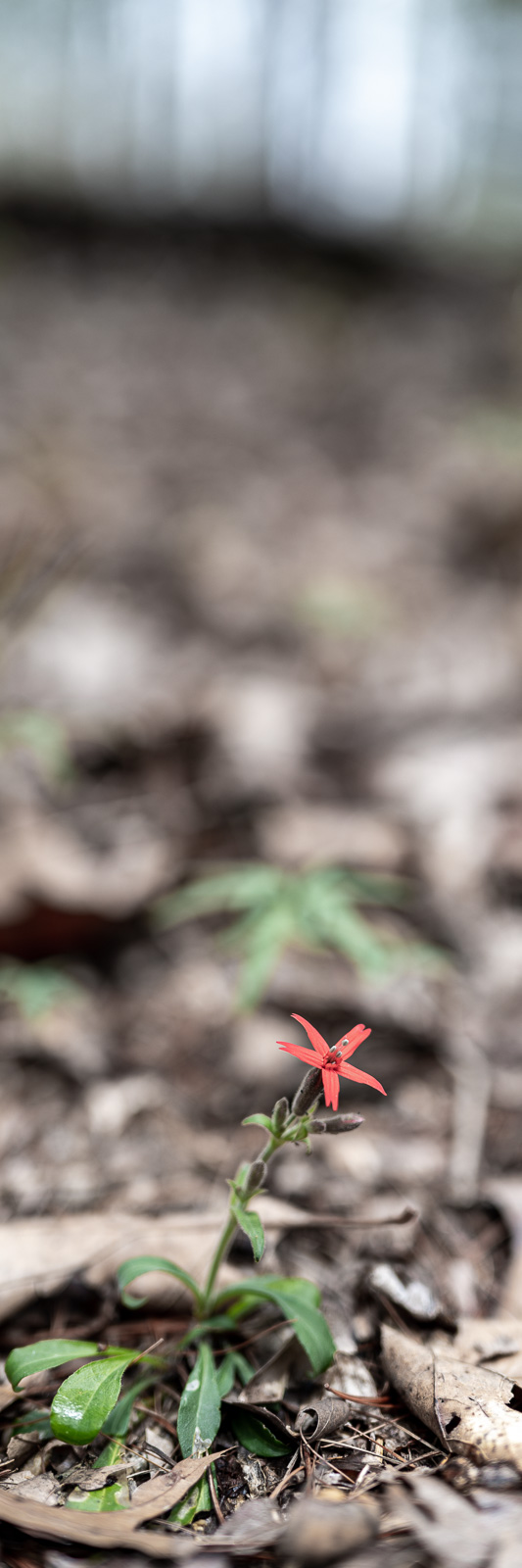
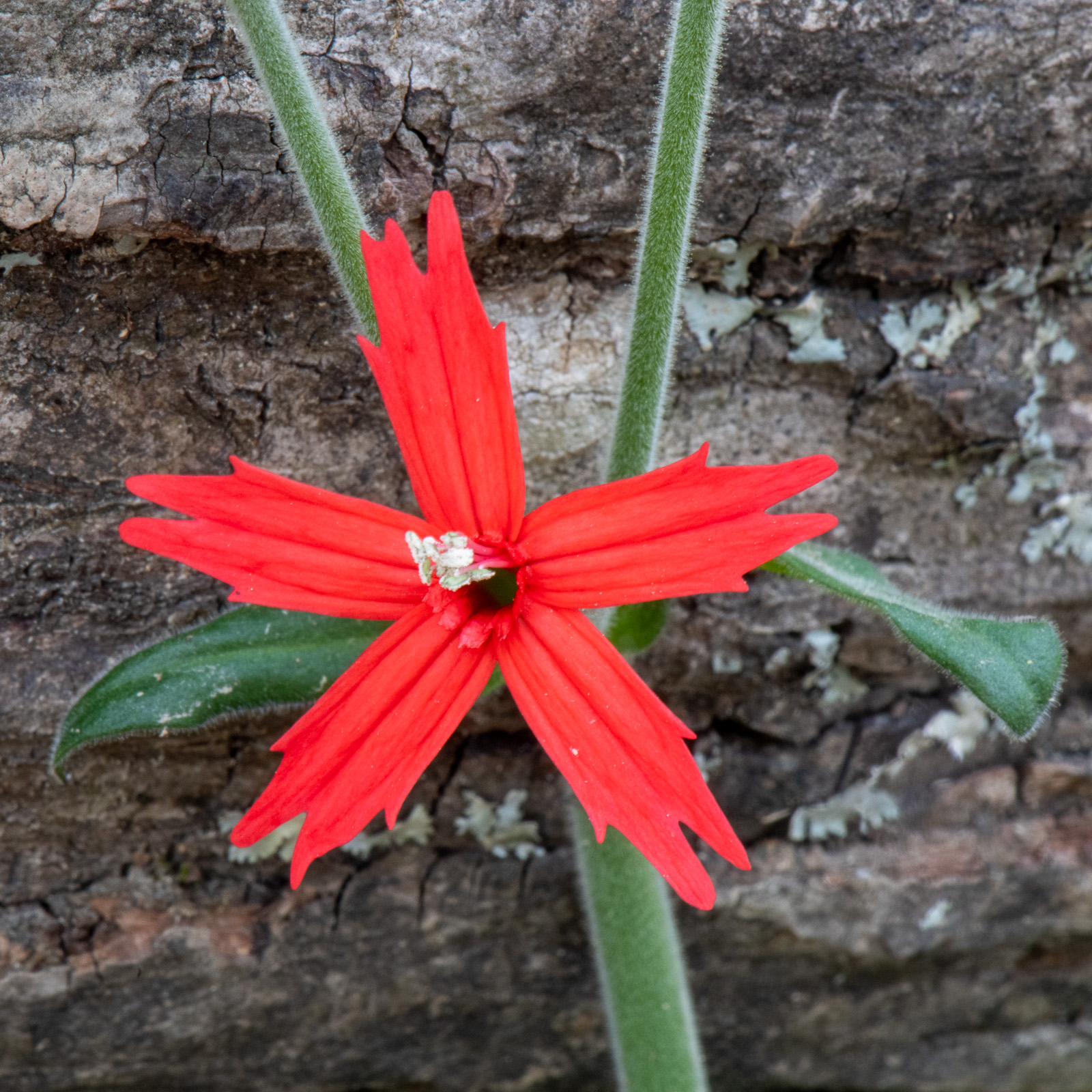
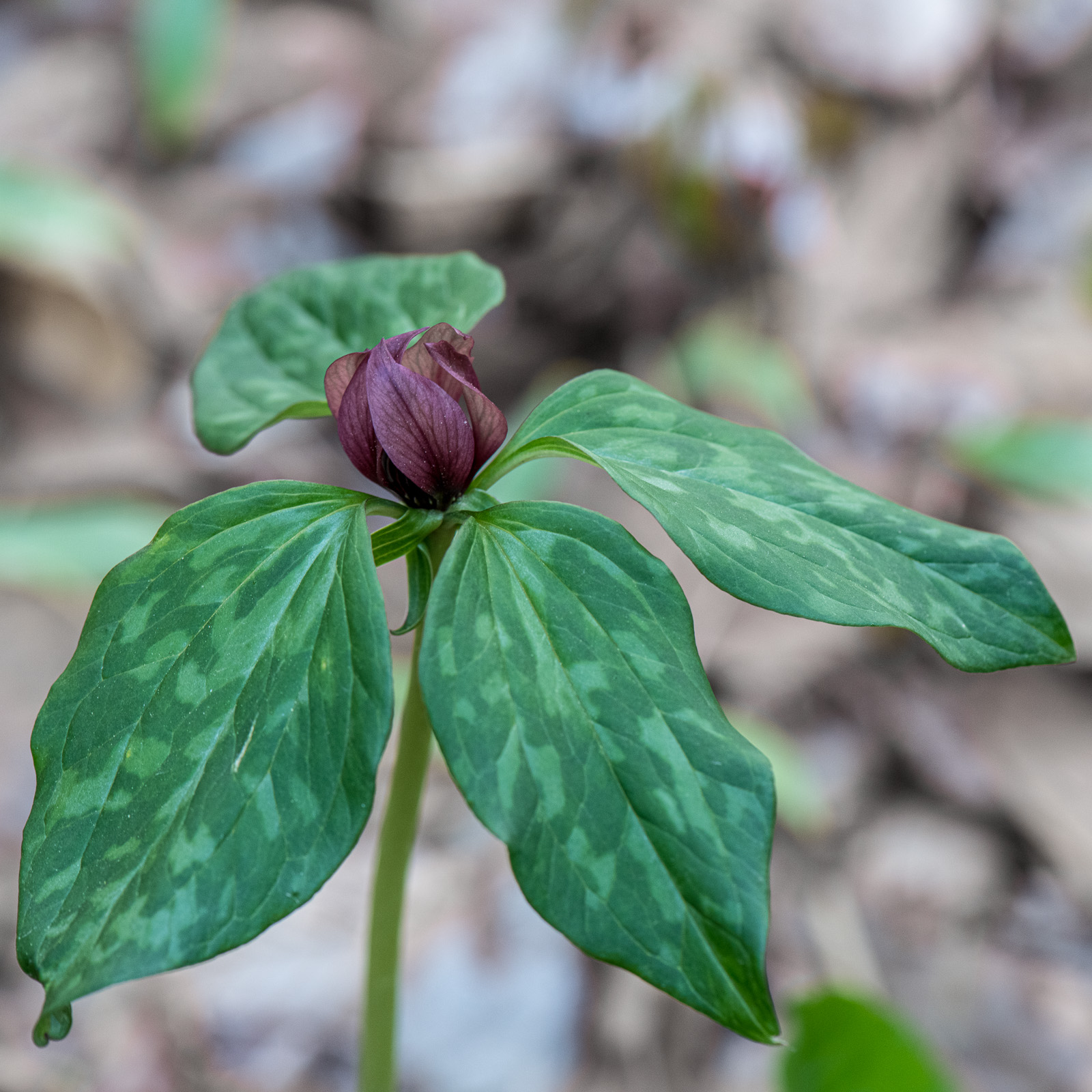
Fire Pink (Silene virginica) and Prairie Trillium (Trillium recurvatum) in its rare quadrillium mutation

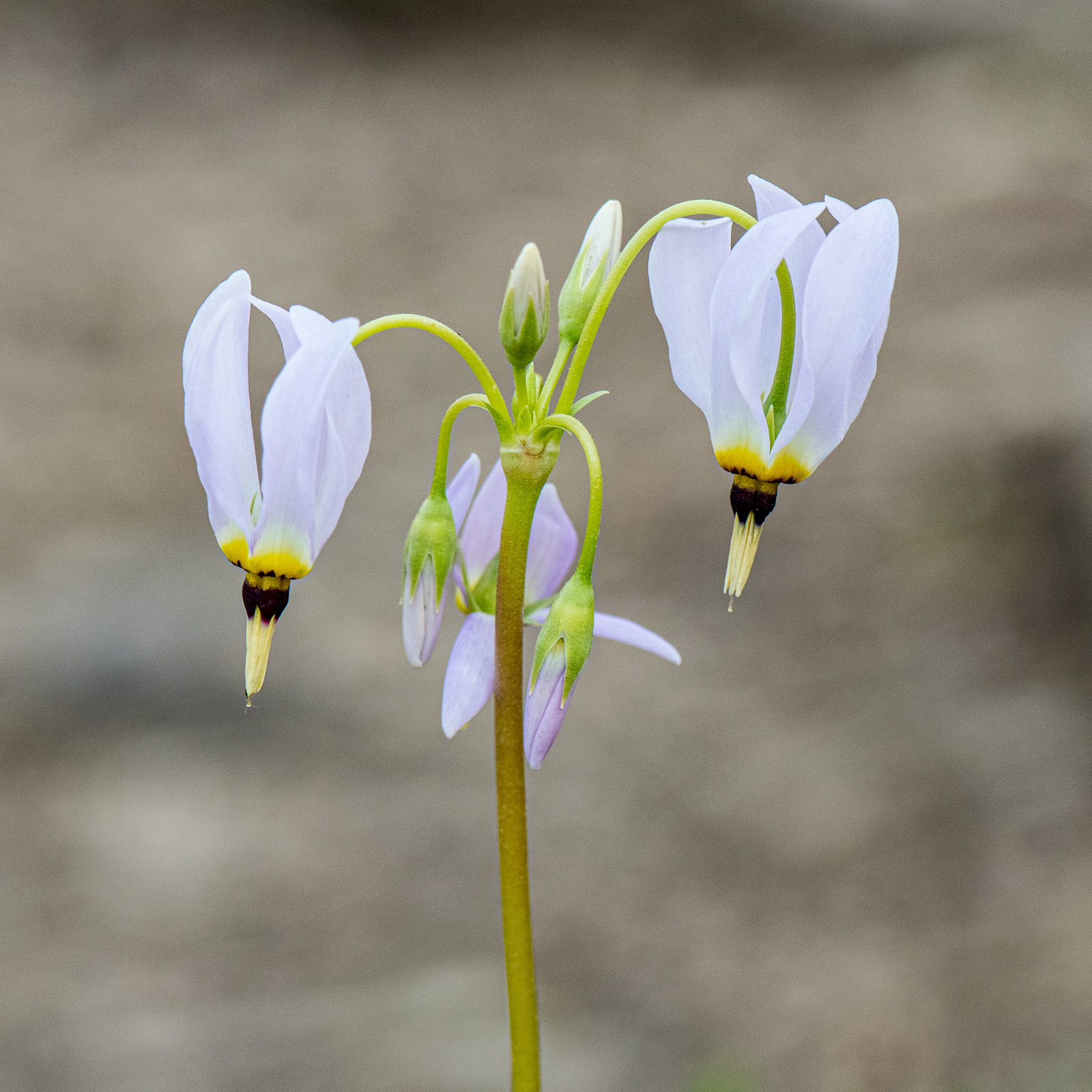
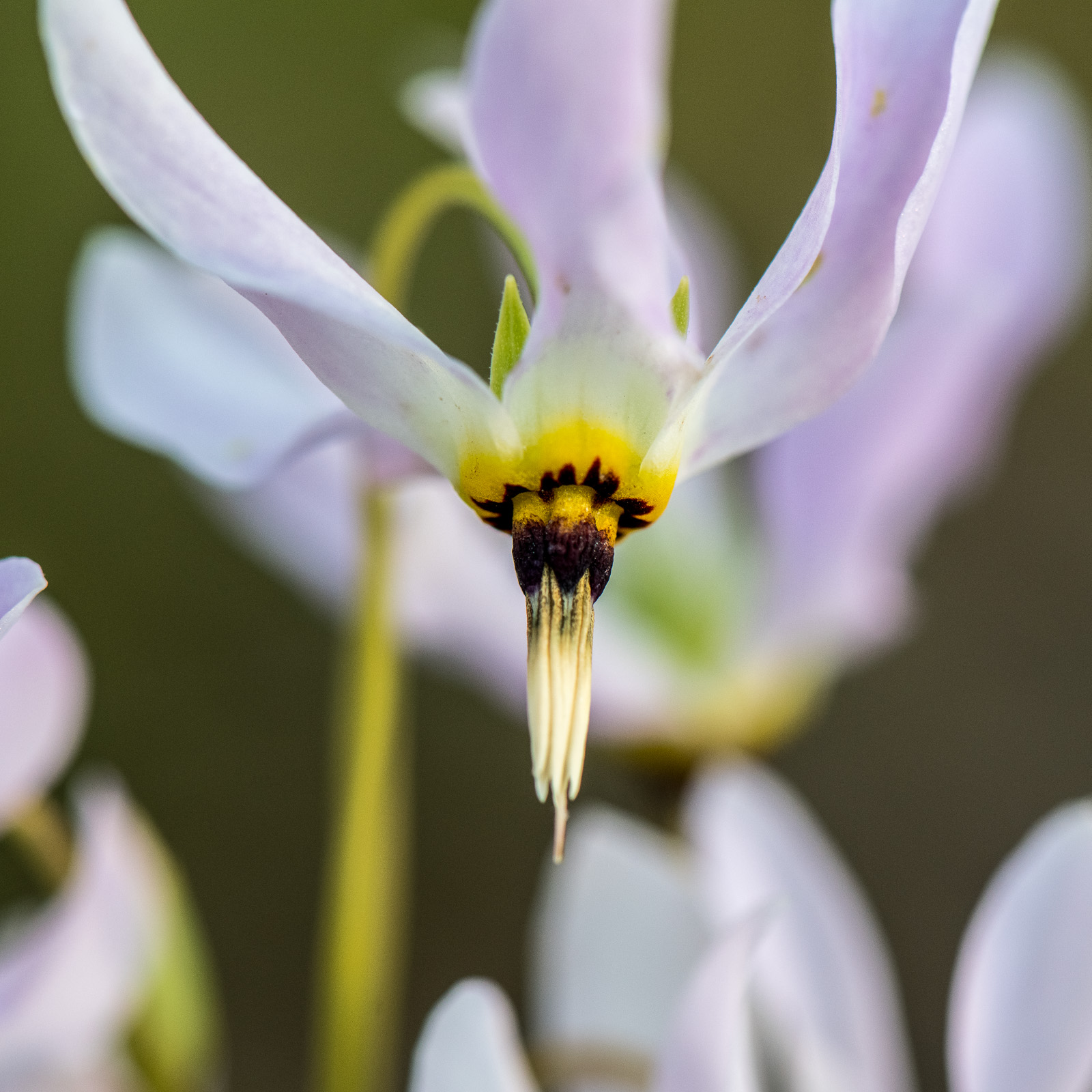
Shooting Star (Dodecatheon meadia)