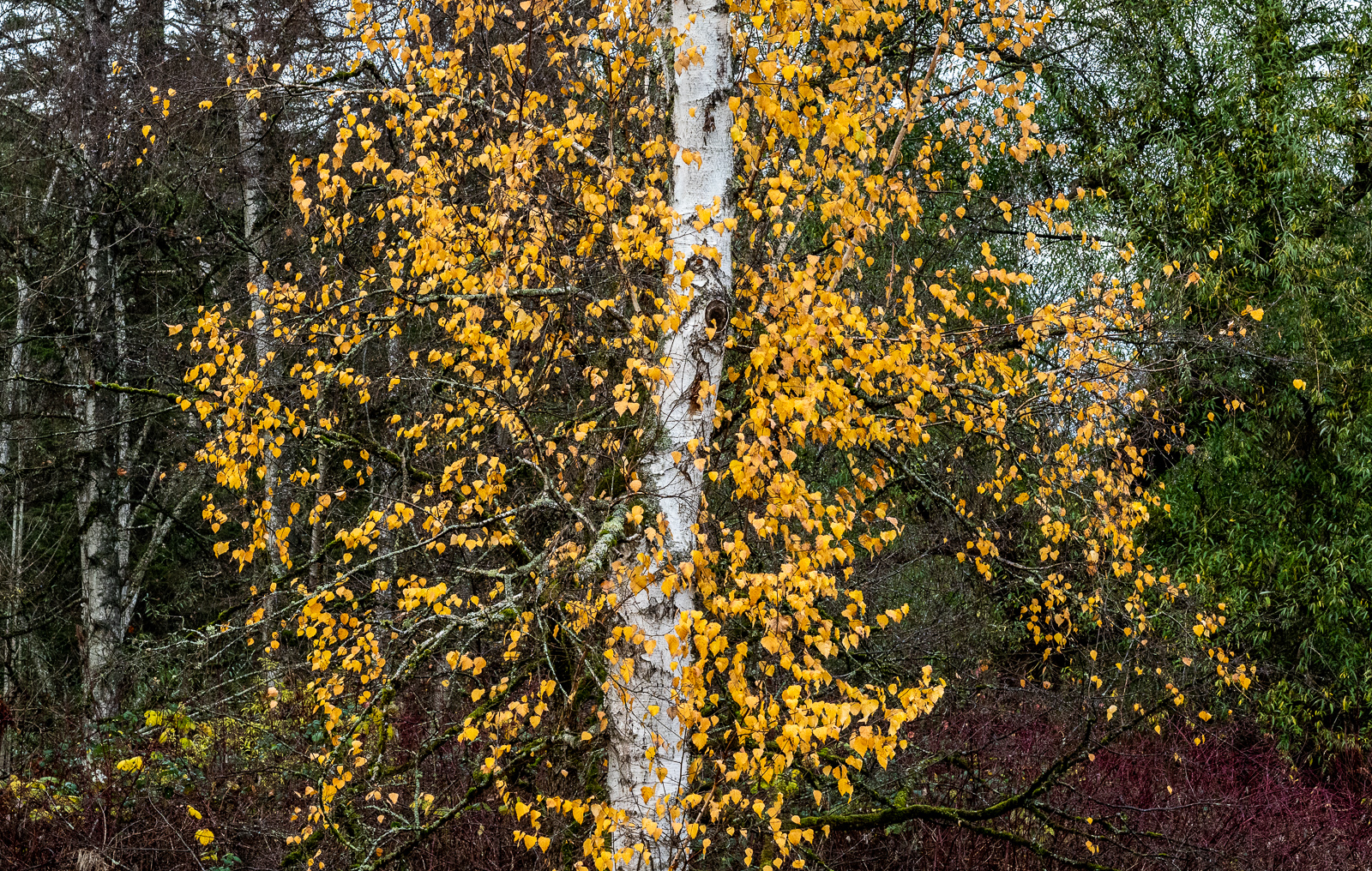
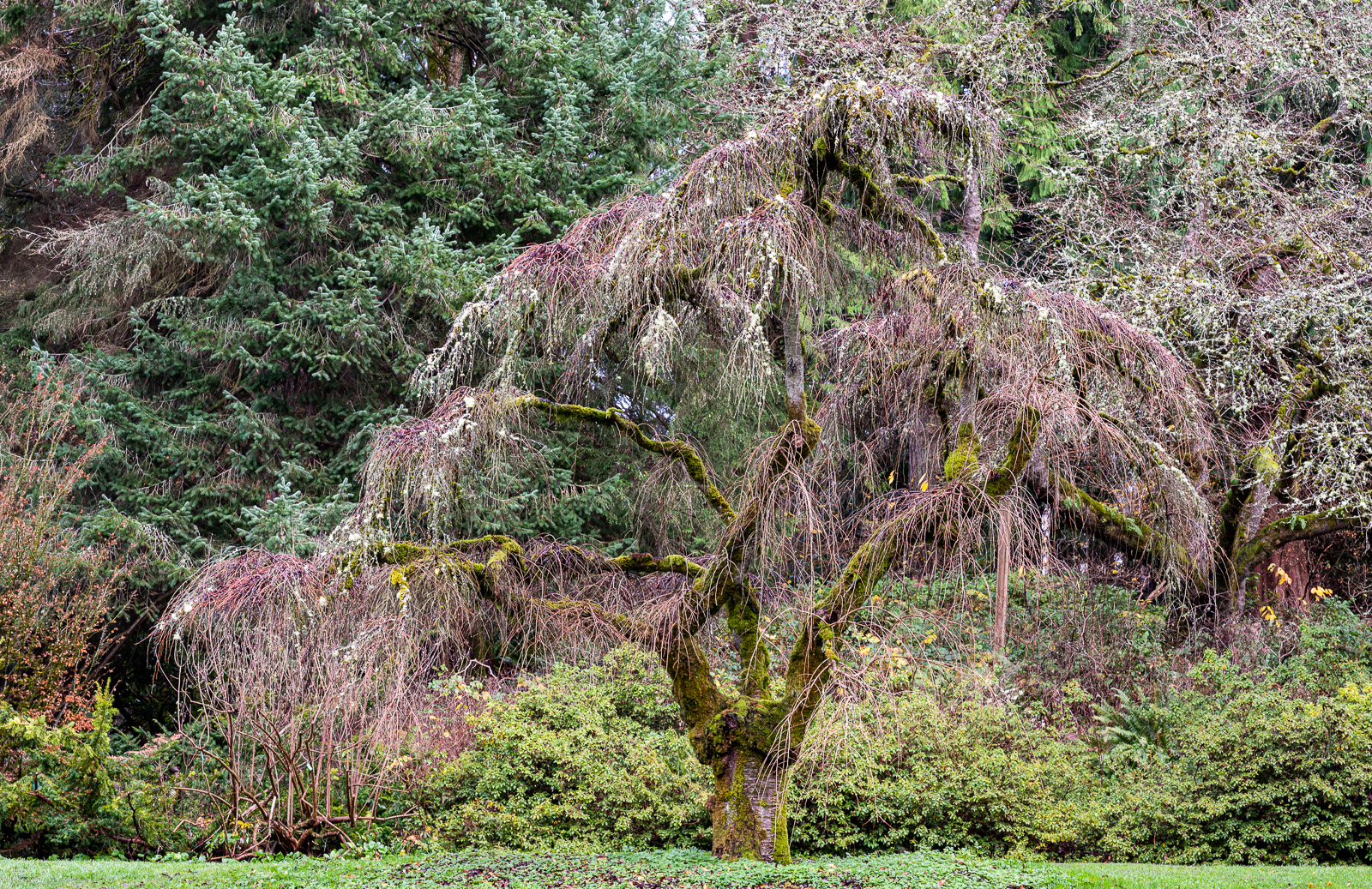
Window and Door (Badlands VI)

Rooms without a view are prisons for the people who have to stay in them.

From Windows Overlooking Life in A Pattern Language by Christoper Alexander et al.

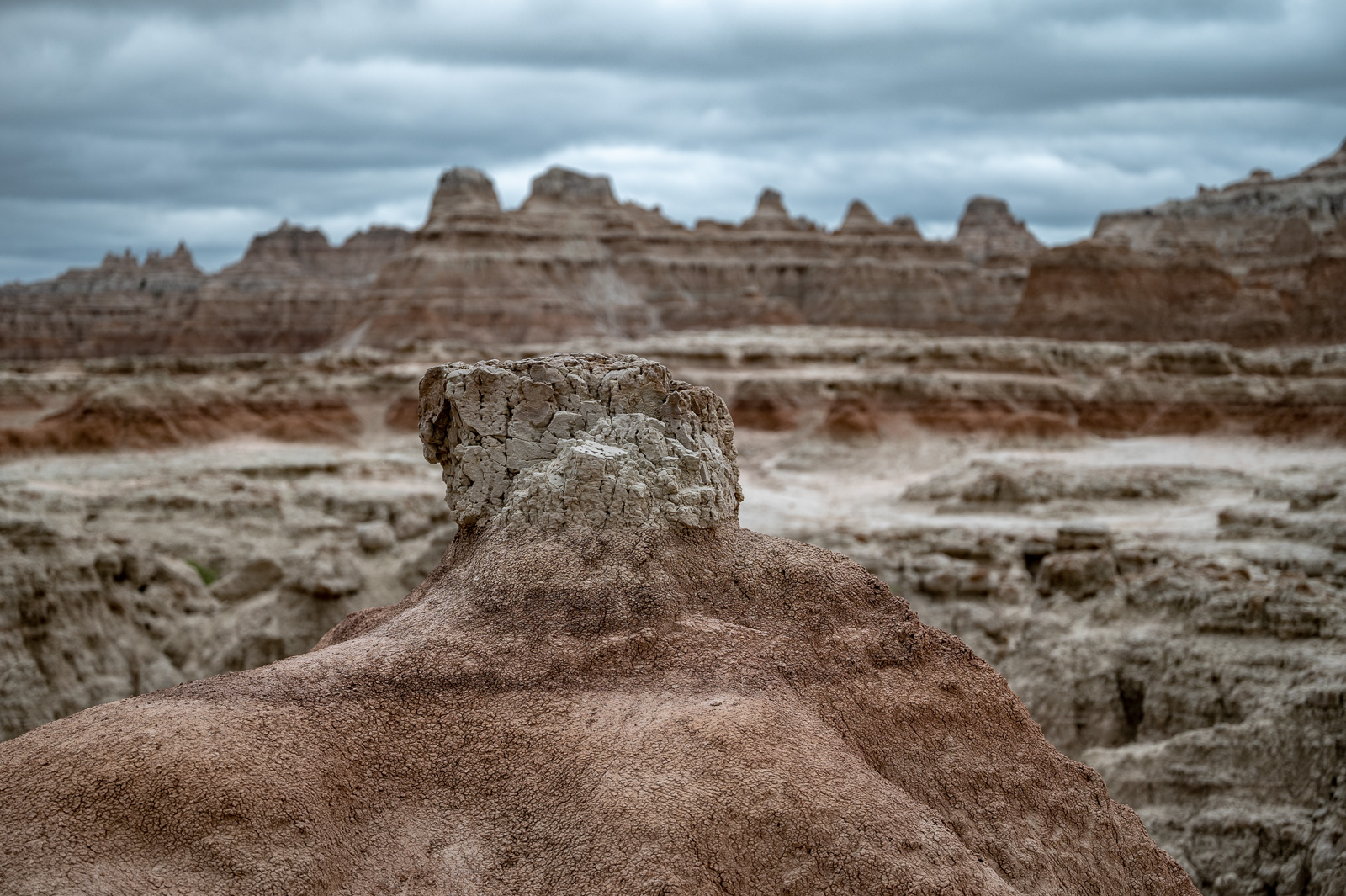
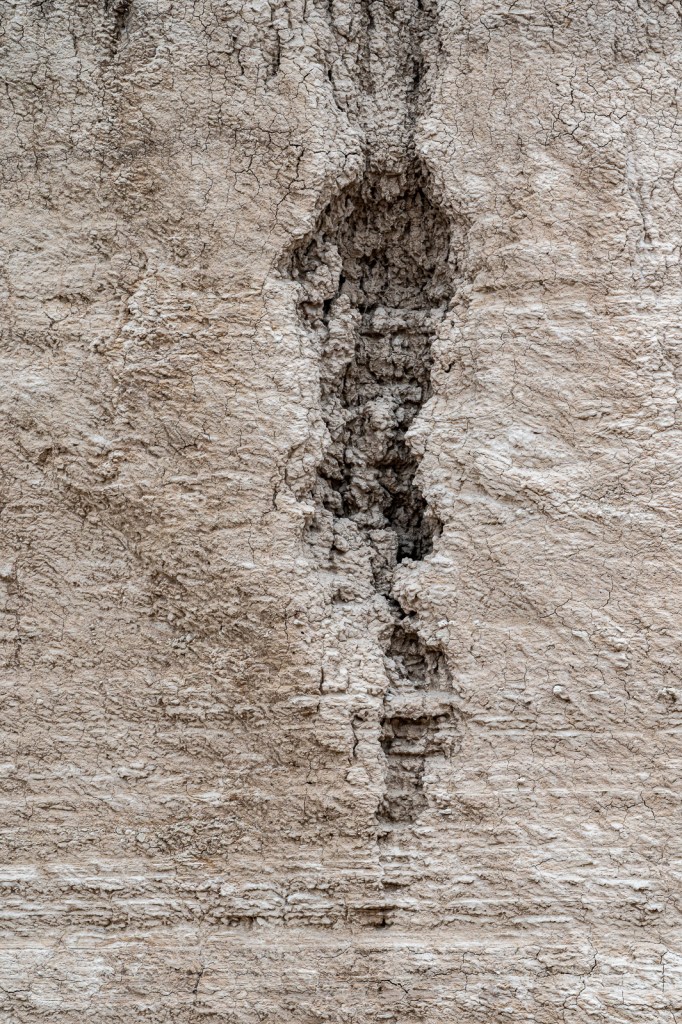
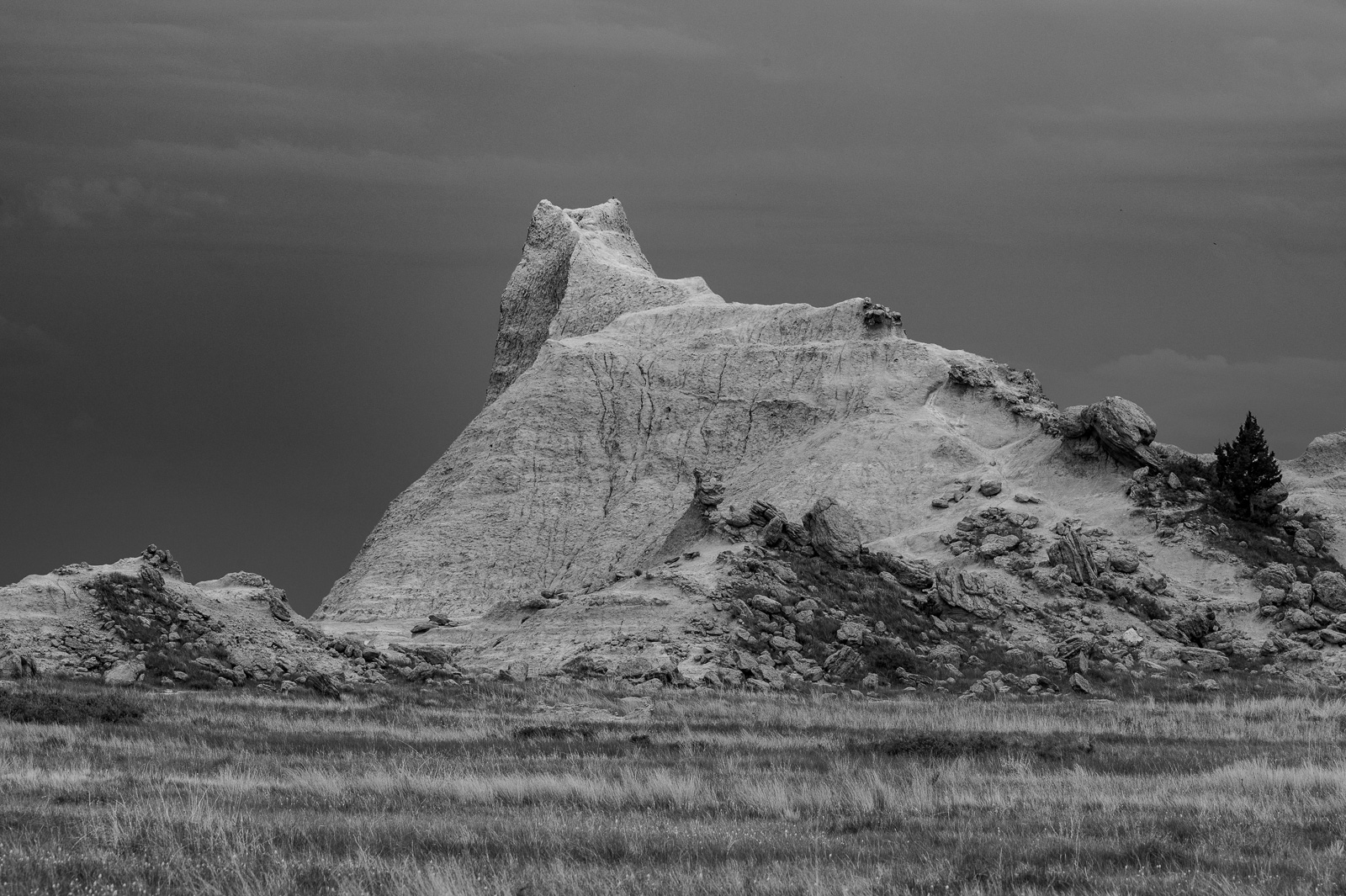
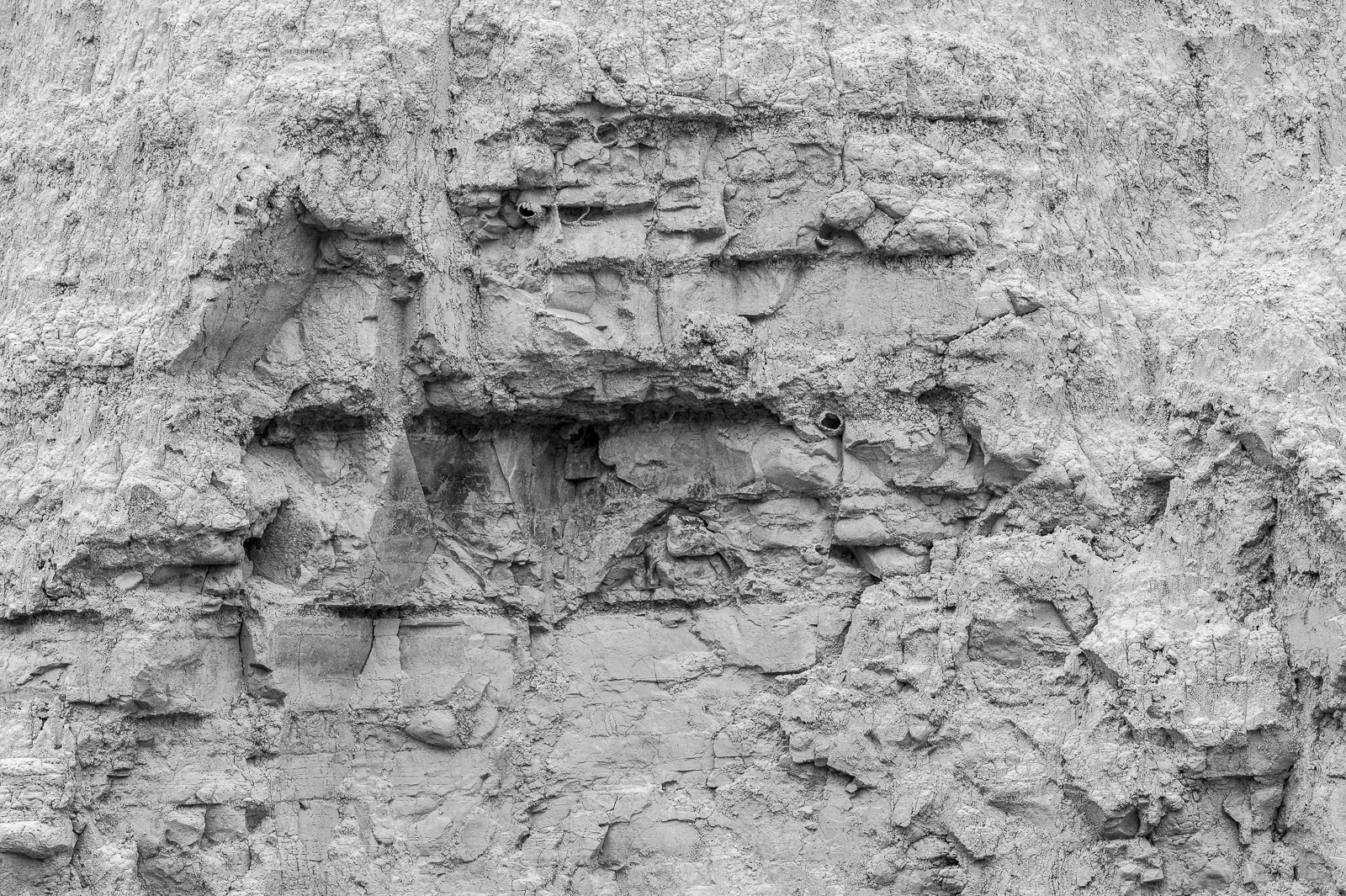
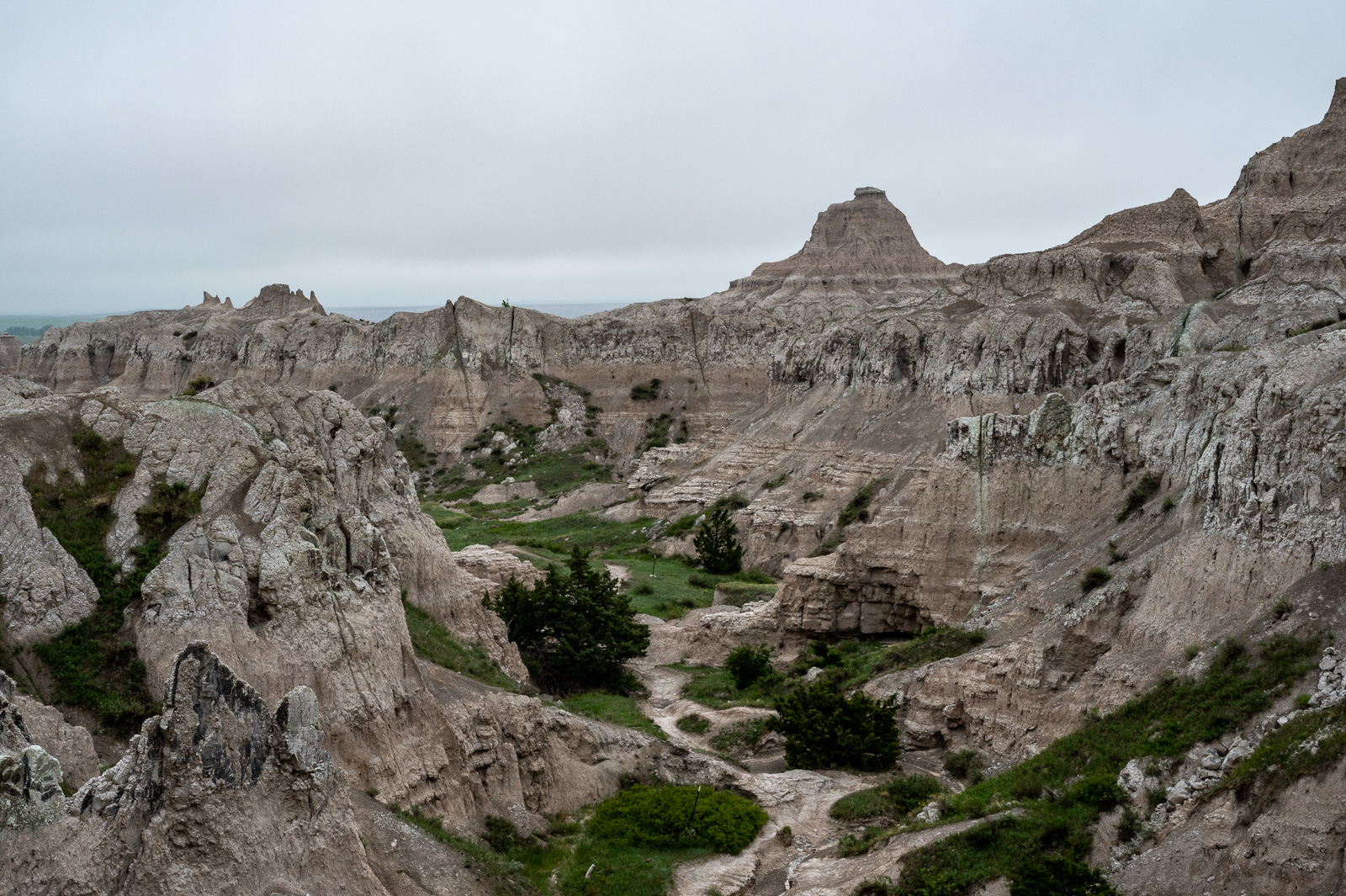
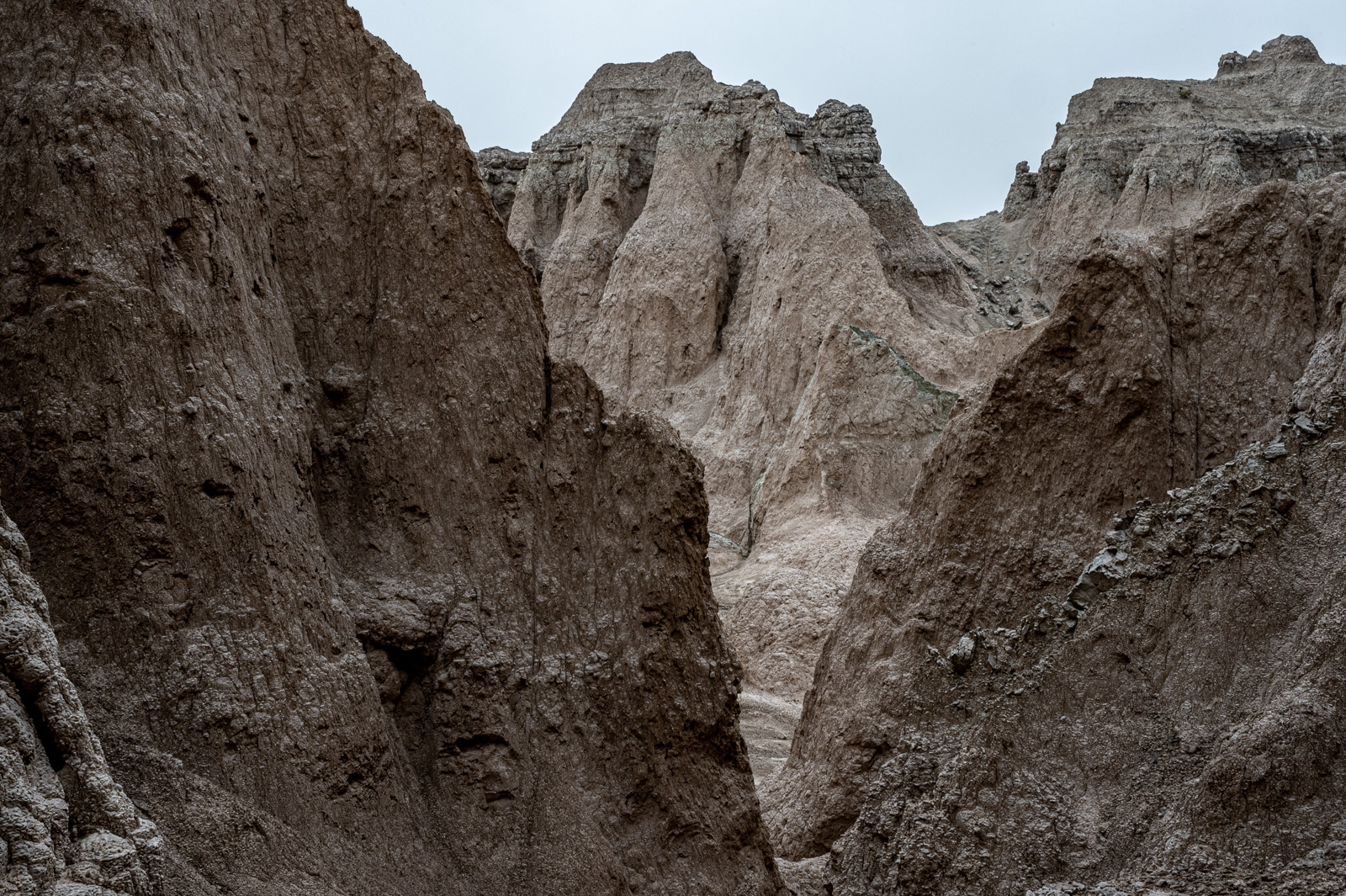
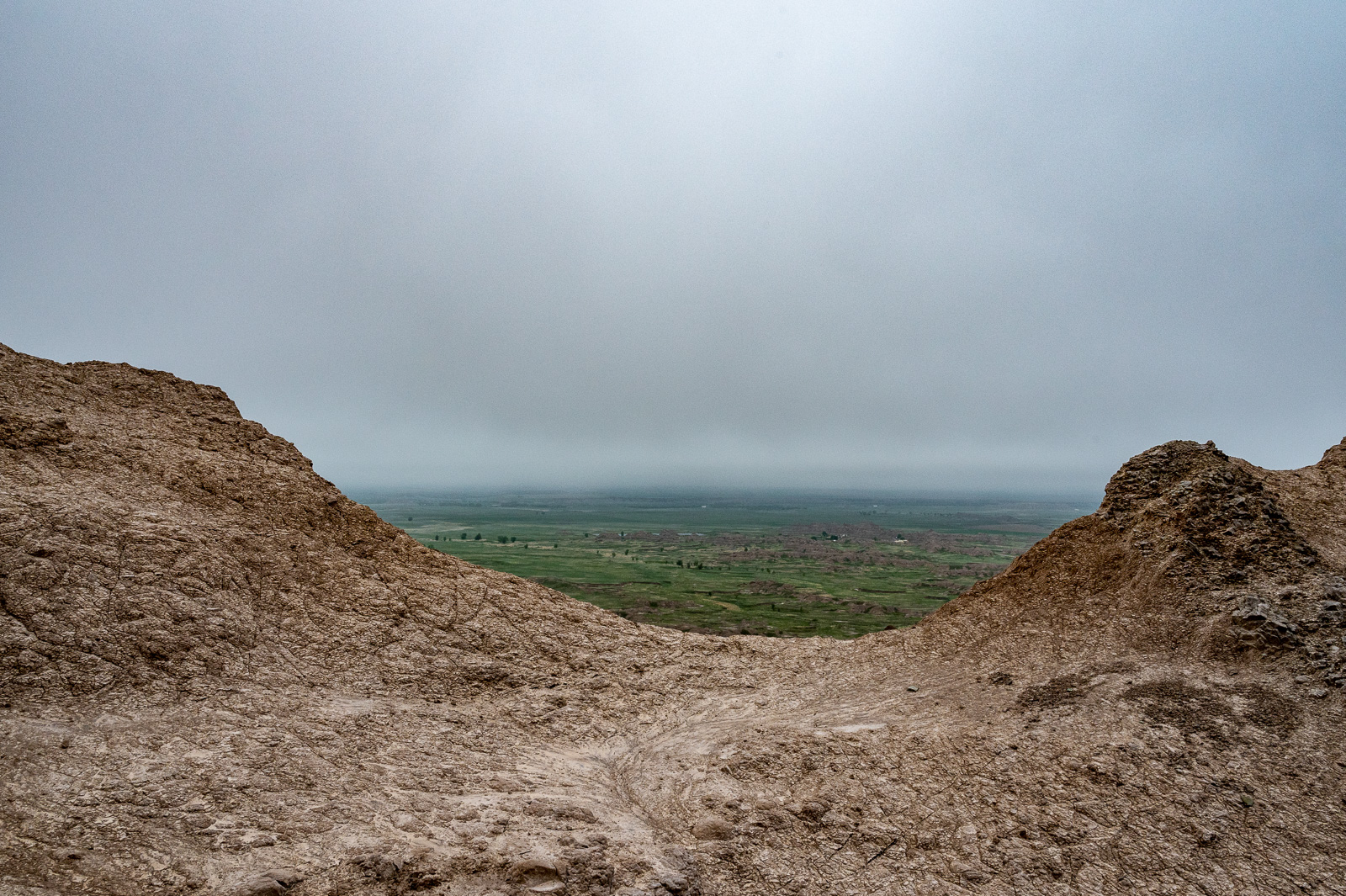
At the Notch trailhead and the Castle Trail trailhead there are two more short trails, the Window and the Door.

These are also obvious architectural design patterns whose lack or presence in a building we much more easily perceive than their lack or presence in ourselves.

Windows offer a protected view, the exchange between inside and outside is virtual, and, like at the Window Trail, there is no safe way to step outside.

The Door is an entirely different story. And what Alexander writes about doors is valid also for our personal doors: Placing the main entrance is perhaps the single most important step you take during the evolution of a building plan.

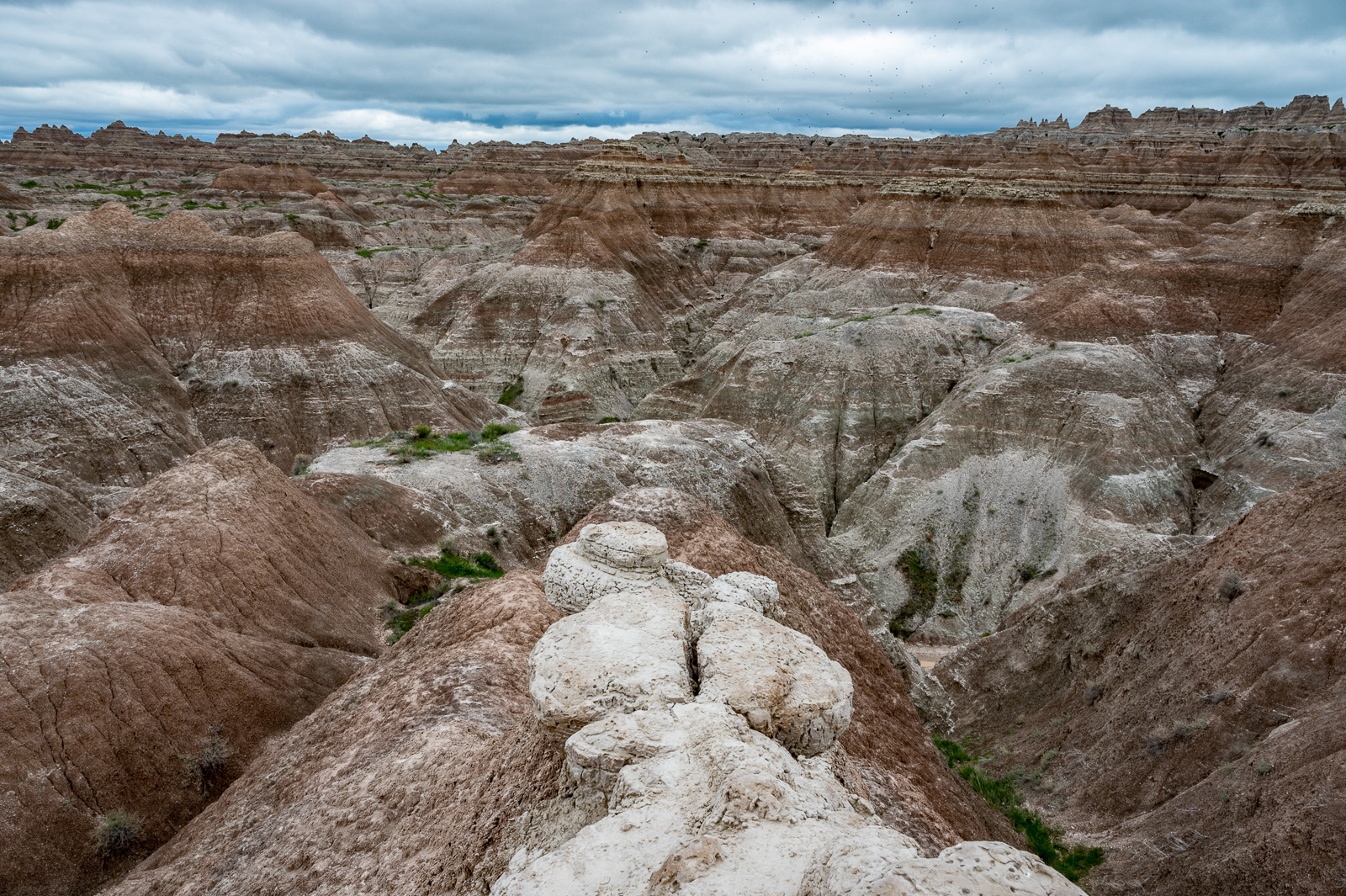
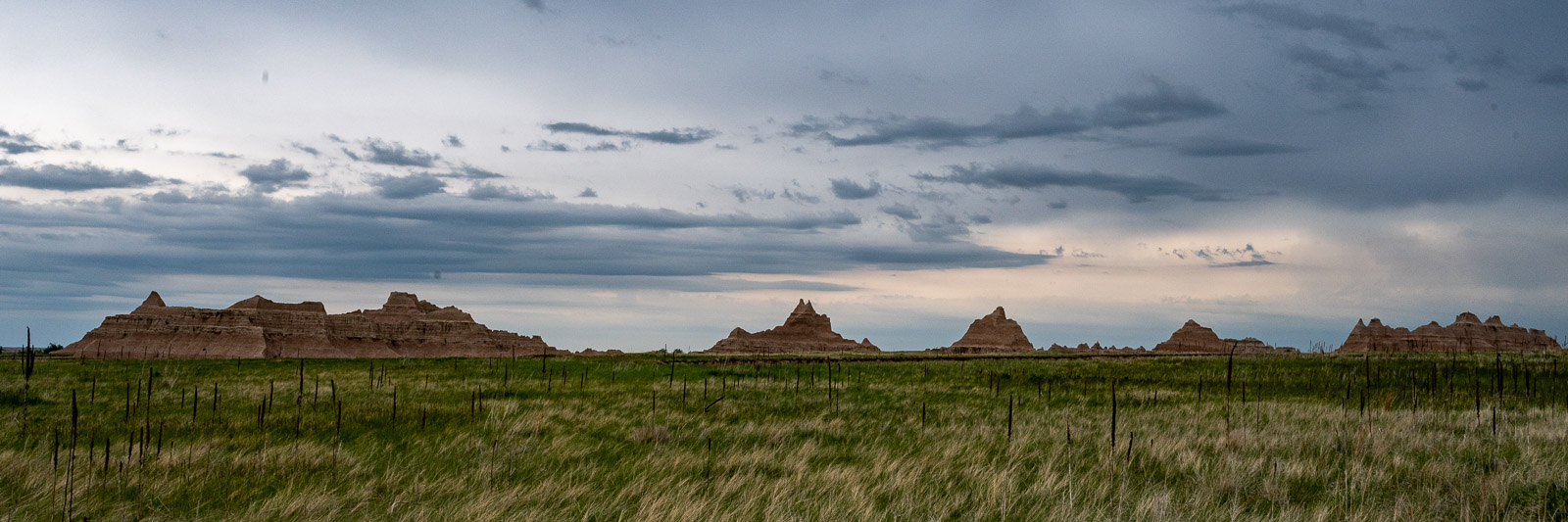
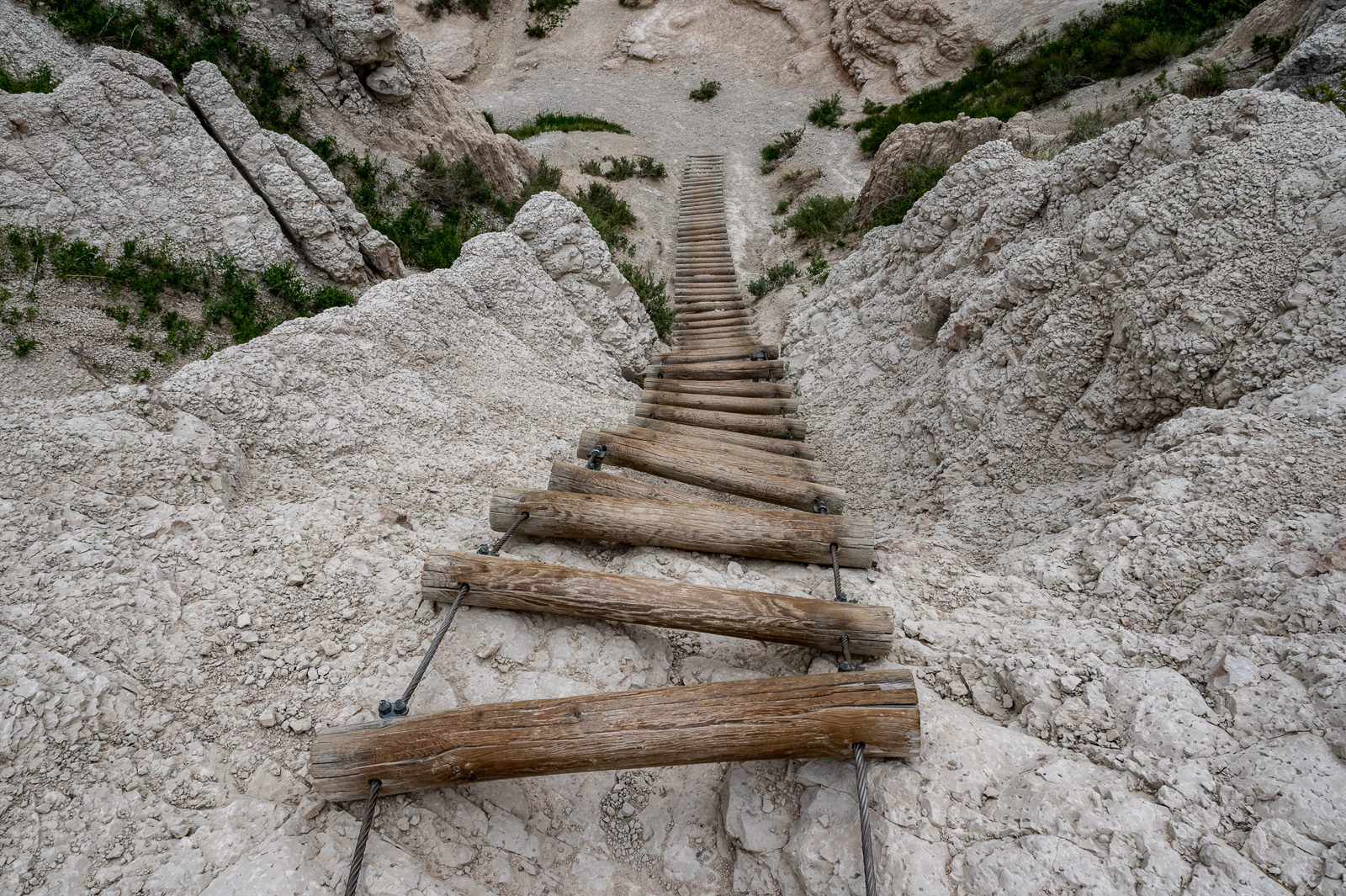
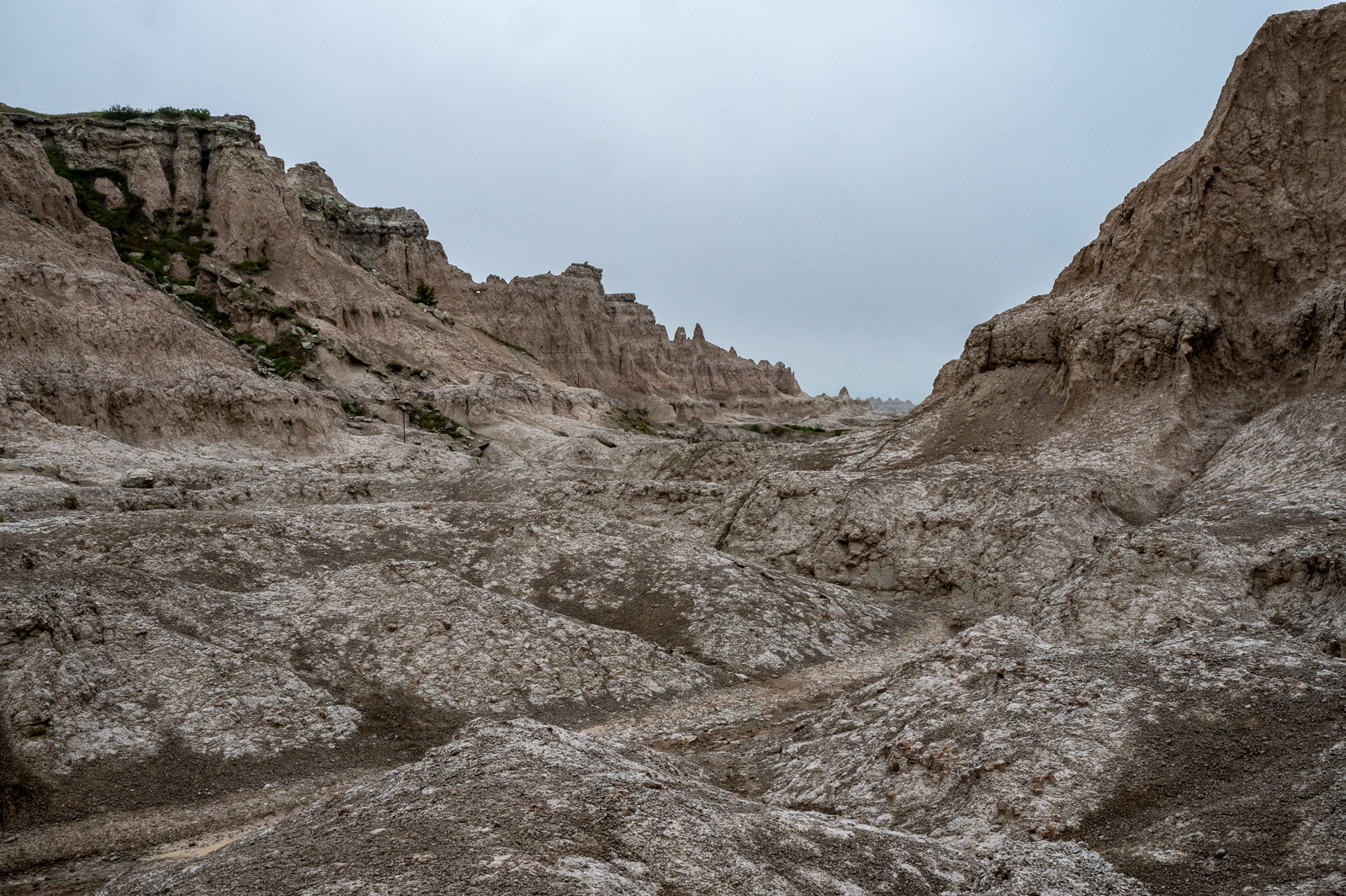
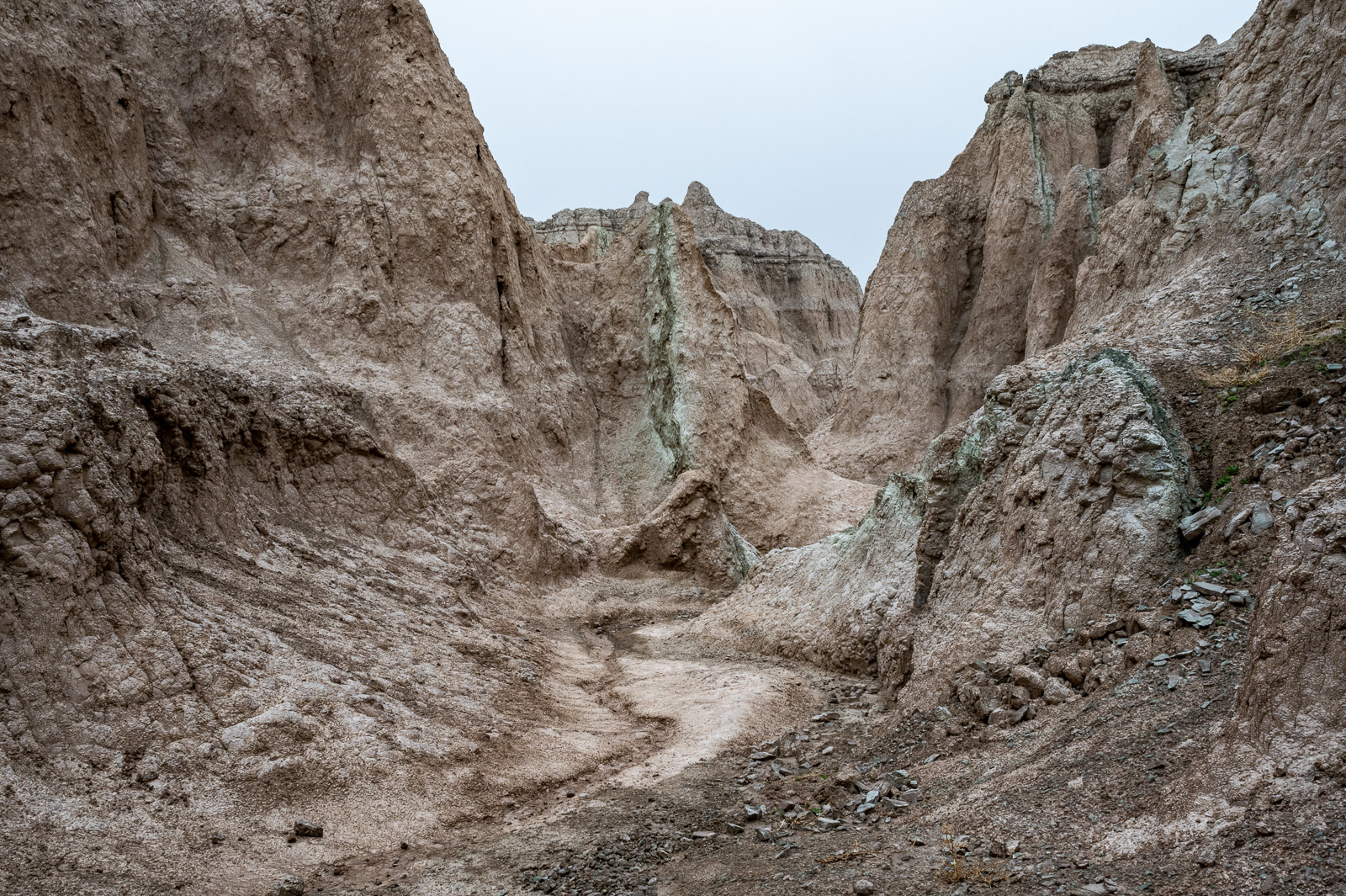
On the map, the Door trail looks even shorter than the really very short Window trail, but the former does allow us to step outside into a vast landscape.

We instantly encounter unfamiliar heights, dangers, and the fear of getting lost.

So why should we step vvvvv

So why should we step outside? What are the benefits of an encounter with the undesigned?

In essence, I think, this is a form of survival instinct. Life needs protection but doesn’t like confinement.

Tomorrow, we will begin to step outside — — —

Impermanence (Badlands V)

The direct ascent to Saddle Pass is not particularly steep but does become difficult when rain has turned the ground into mud.

Much of the landscape is in fact rather viscose, it flows.

And there is little that attempts resistance.

Curiously, there are not even little ponds where the water stays. Everything disappears, slowly.

All the apparent permanence of this landscape is illusion.

Surprisingly though, this universal giving in acquires an esthetic quality in its abstraction.

Dissolution has become a state.

Medicine Root Trail (Badlands IV)

The Medicine Root Trail offers an alternative return to the Castle Trail from Saddle Pass to the Notch trailhead (and parking lot).

We are getting further away from the larger rock structures, and solitude becomes dominant.

Are these the promised roots?

But then there is the surprising occasional spot of intense color, like here with Oenothera caespitosa (Tufted evening primrose)

or Musineon divaricatum (Leafy wildparsley).

Time to return for today. Tomorrow will be a longer day.

Castle Trail (Badlands III)

After the Notch Trail’s gloomy rock faces it’s time for the Castle Trail, an 11mile long easy hike through serene Badlands scenery. Today we are hiking the first portion, tomorrow we will close the loop by returning on the Medicine Root Trail.

The beginning gives the impression of a Badlands nursery where smaller and younger Badlands rock structures emerge from the ground and grow.

But the further one walks, the more distant they become, tantalizingly so. What is the right distance? Do we always want to stay apart, or do we always want to be near?

Few people walk here during a cloudy afternoon, and there are few signs of civilization.

Trails and phones lines allow for different kinds of connections — what is more important, instantaneity or physicality?

Then the landscape opens up, becoming inviting and forbidding at the same time, another strangely familiar balance.

Could this become home? Now we have reached Saddle Pass — —

Rock Faces (Badlands II)

Let’s walk the Notch Trail once again, adding another layer, that of the spectator.

The richly textured canyon walls allows us to see things that are probably not there.

Some of them seem friendly, others a bit scary.

Sometimes there are only faces, and sometimes entire bodies.

What does this tell us about what we see? Do we have proof now of humanoid alien life forms? Do we have to believe what we see?

Or, rather, what does this tell us about us? Are we seeing these faces only because we don’t want to be alone?

Lastly, a lesson might be learned — that we are maybe not so different from what we are able to see.

Notch Trail (Badlands I)

Let’s begin to approach the landscape of the Badlands appropriately, through layers.

This is the beginning of the Notch Trail, a short hike that gets you intimately close to the rock formations, if we allow for it. Not yet, though.

I hiked this trail twice, first on a cloudy afternoon, and then the next morning accompanied by some fog, giving me layers of time and weather.

Here we just follow the trail up, looking forward and backward.

Near the end there is a choice. We can enter a side canyon that narrows

and allows to climb up,

or we can reach the notch – the end of a world.

All this is already fascinating in its otherness, but there are more layers that reveal themselves when we look differently.

Cedar Valley Nature Trail (Northwest II)

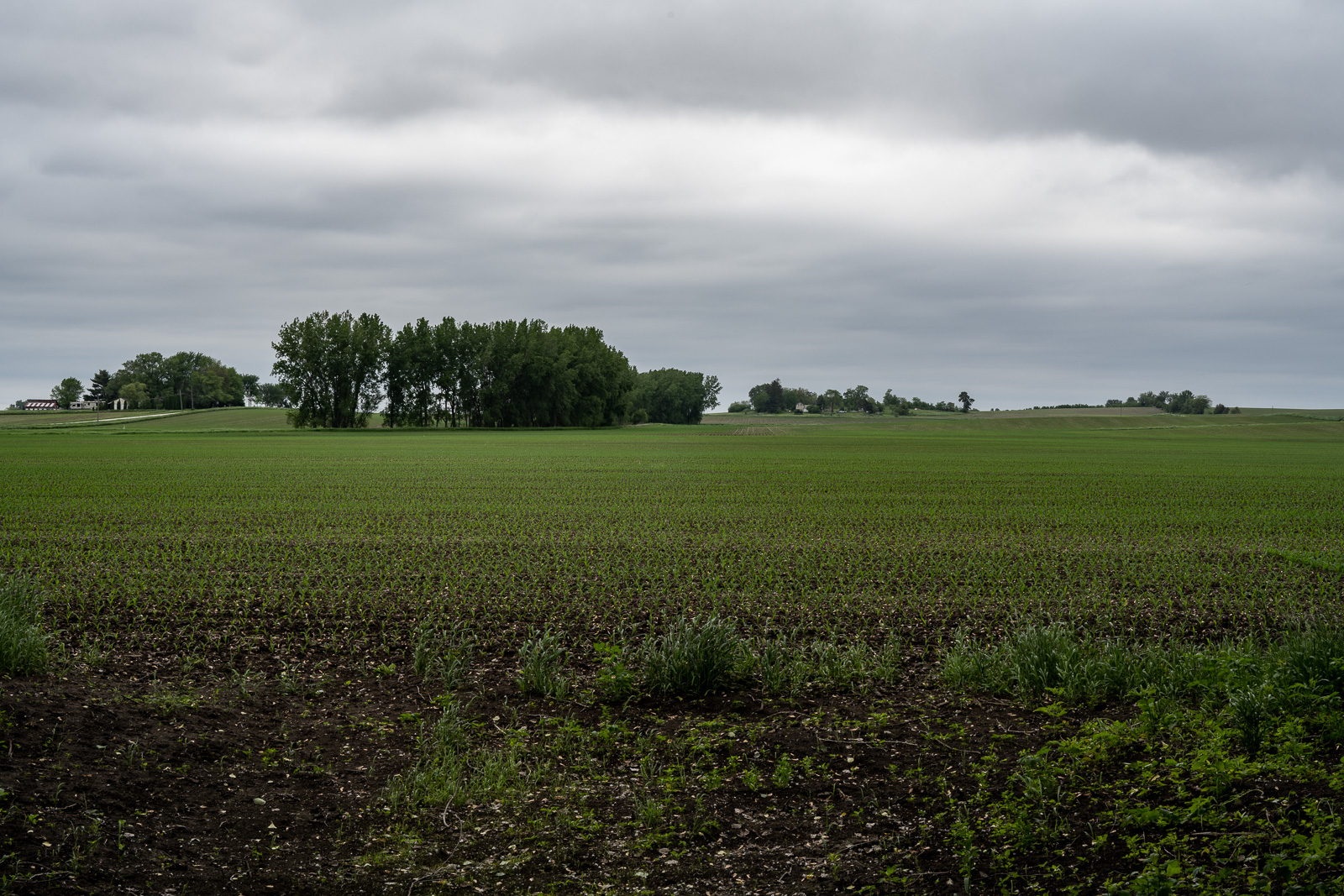
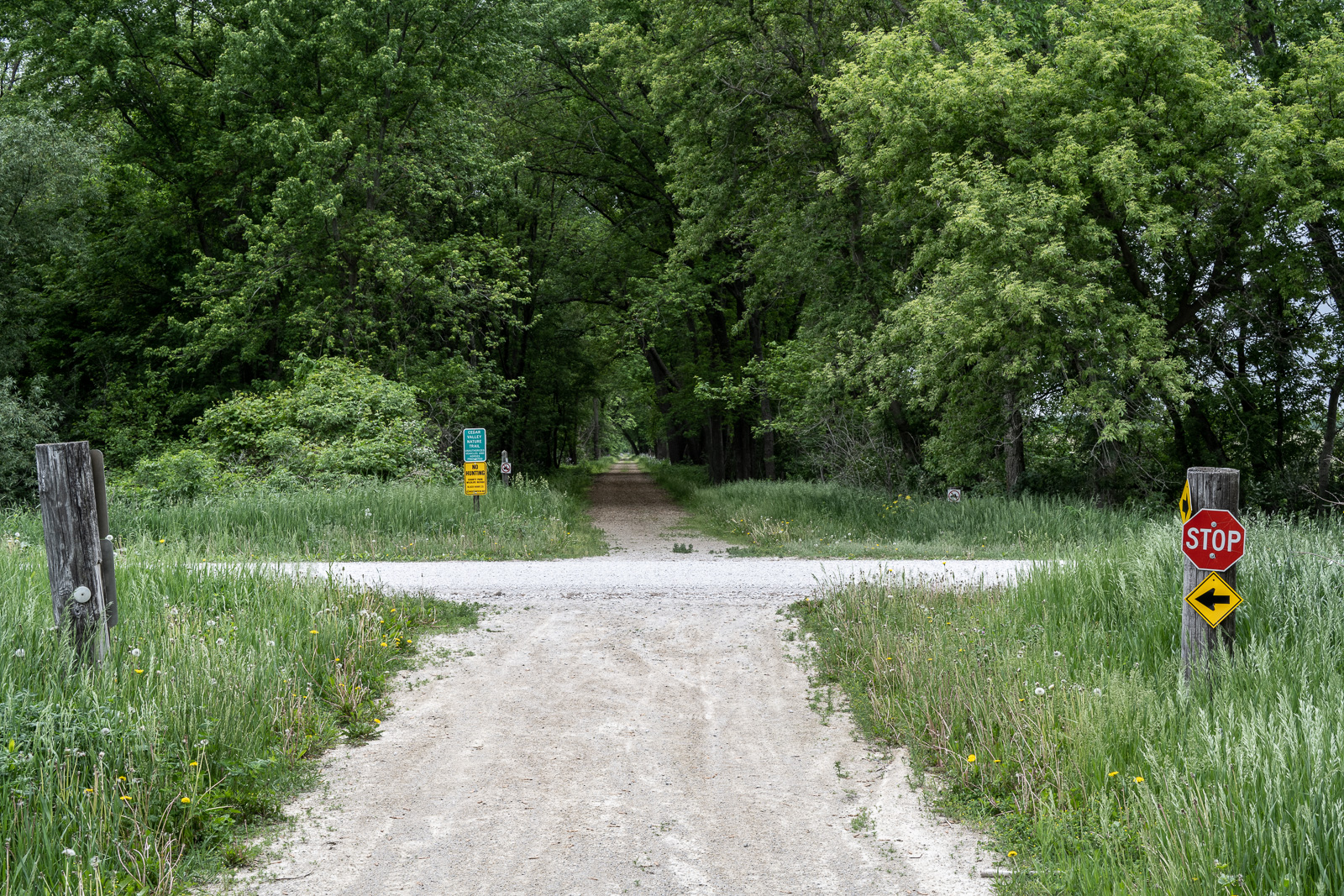
Continuing northwest, I spent an hour on the Cedar Valley Nature Trail, a 50 mile long trail along the Cedar River in Iowa.

It not only looks very straight, it is very straight, probably because it is a replacement (??) of an old railroad track.

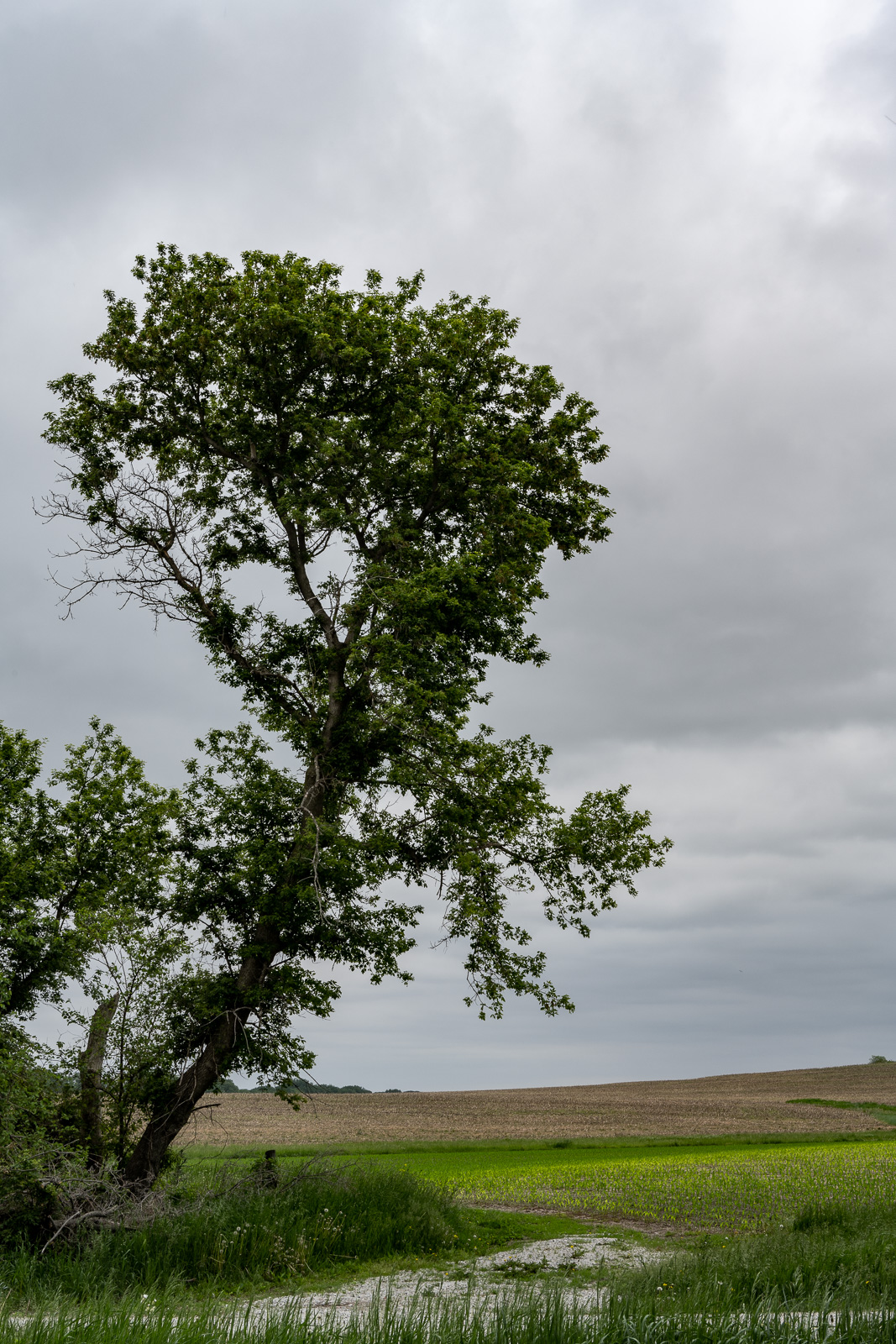
Gaps between the trees allow for views into the landscape.

Road crossings happen with proper warnings. There were neither cars nor other hikers.

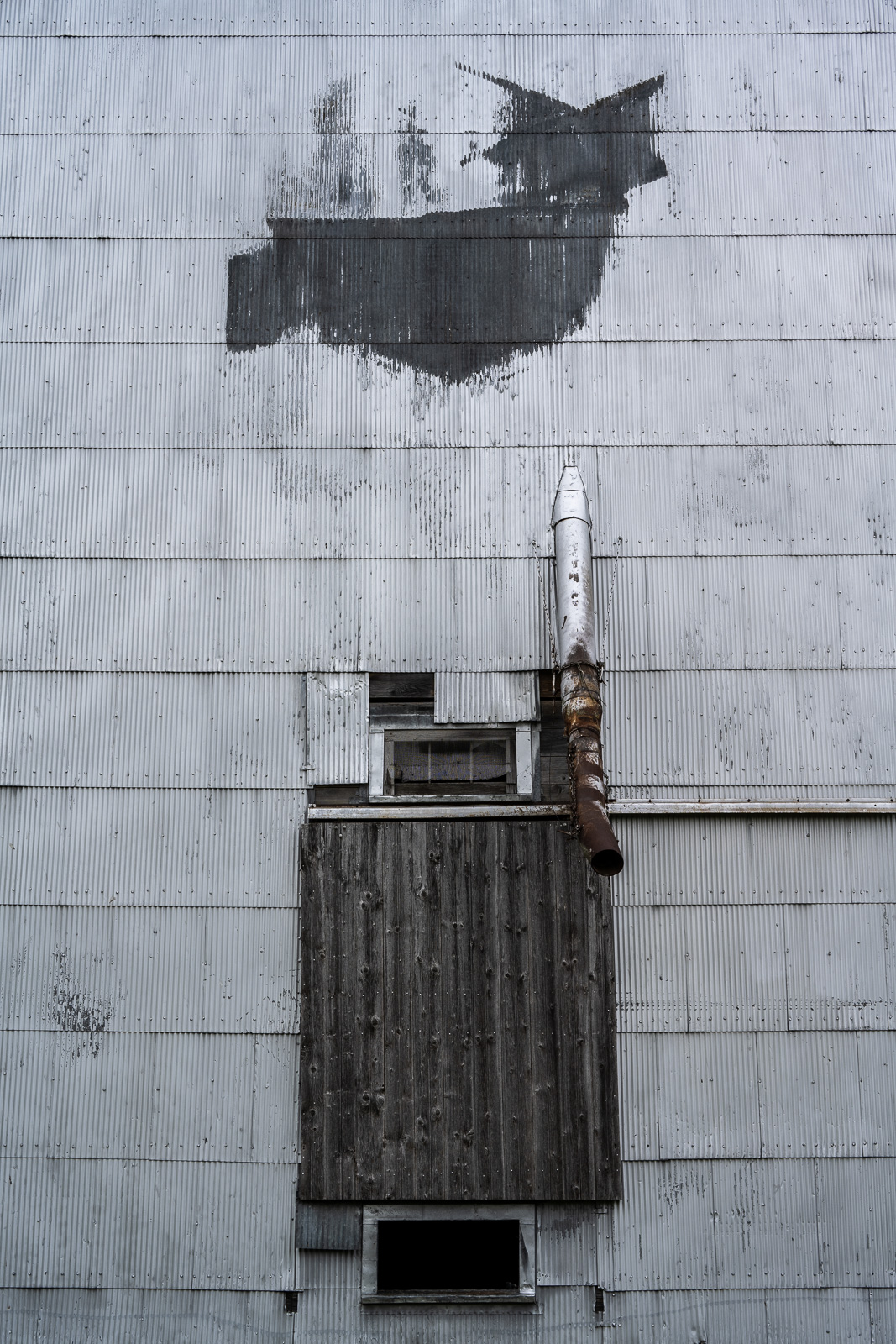
What can I say? My excitement grew when I saw the building below, with the stylized cat detail above.

What else can we expect even further northwest?!

Memory Eternal (Wenckheim IX)

…they didn’t need any prayers, because they had their own…
Neg 2

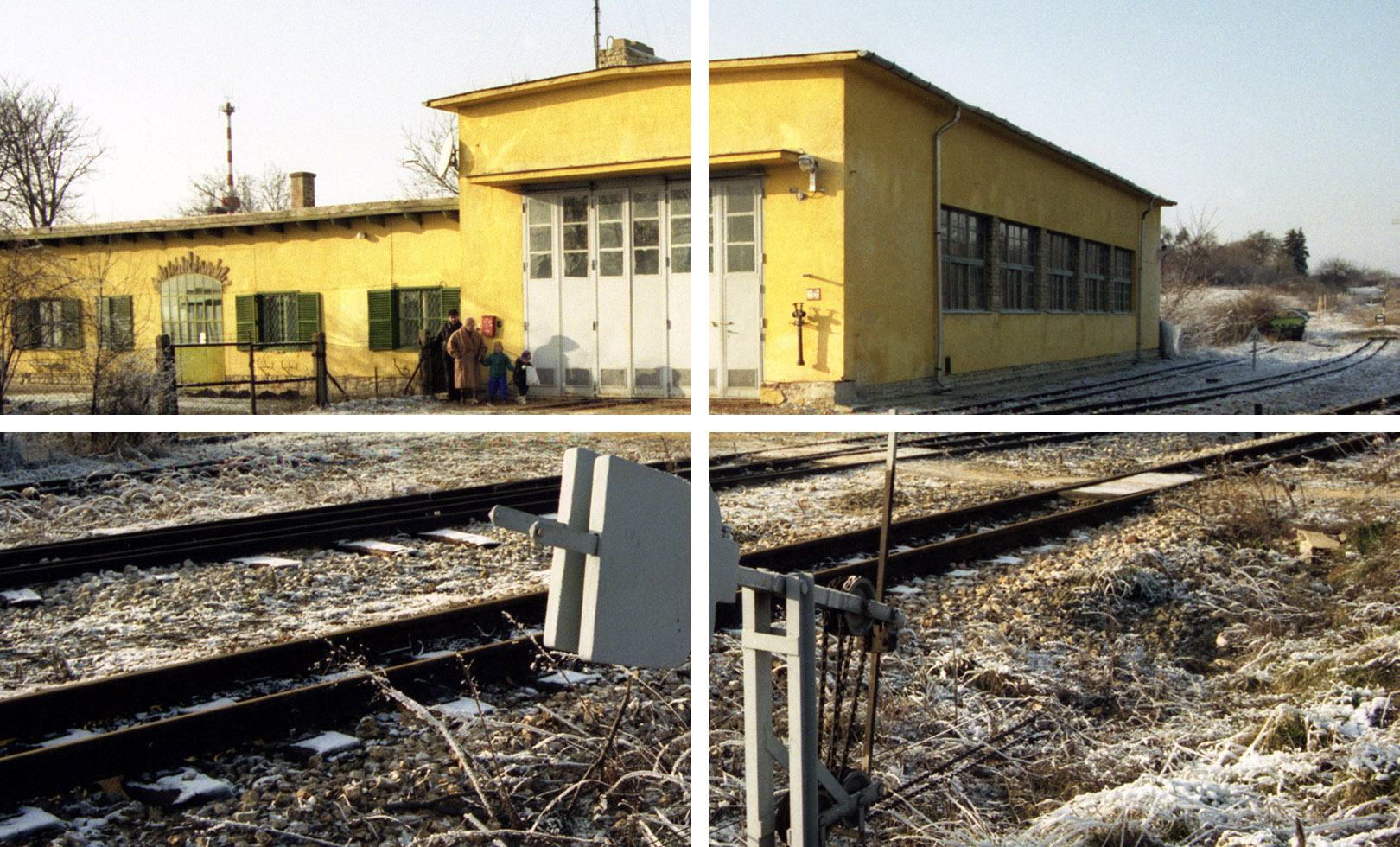
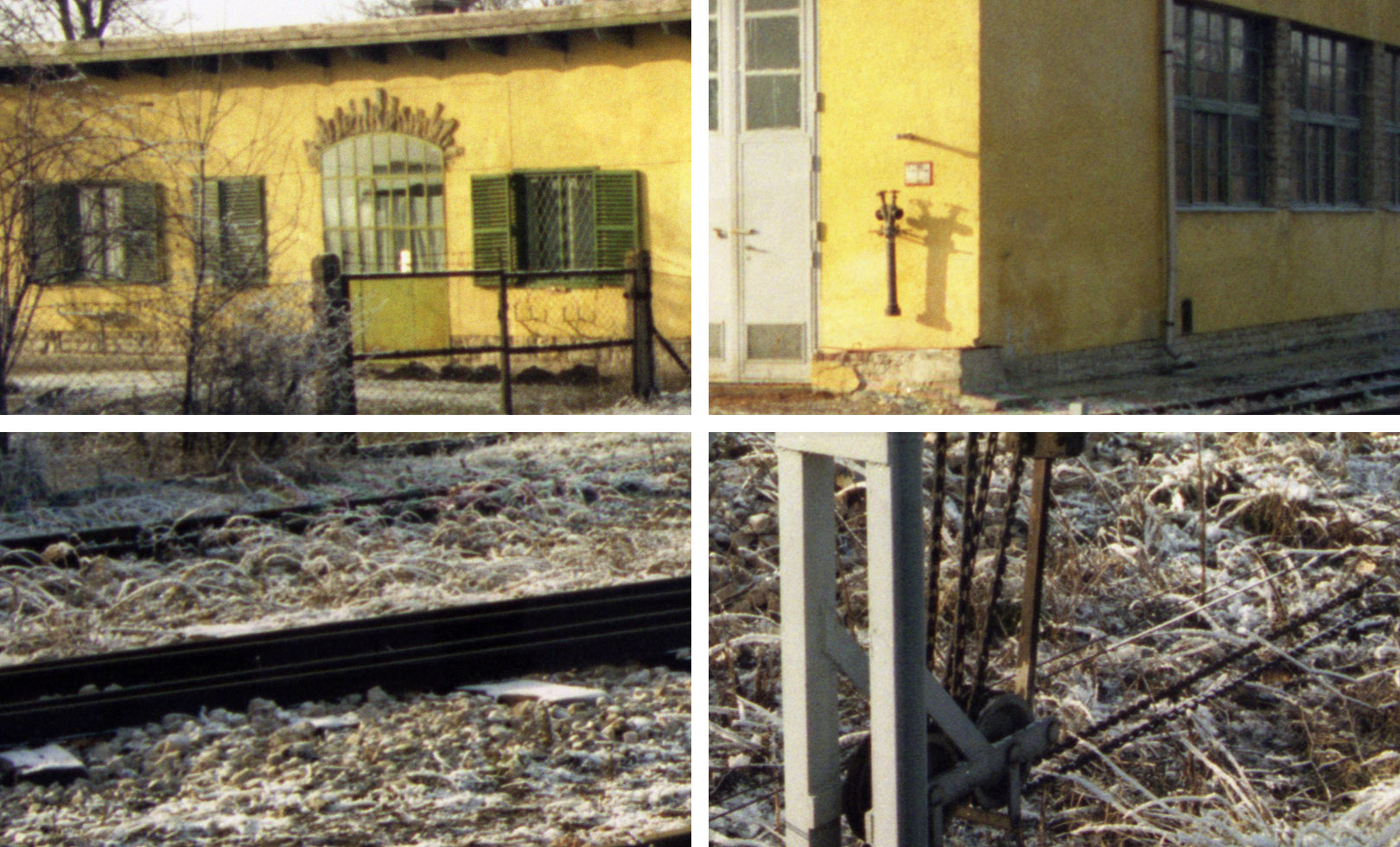
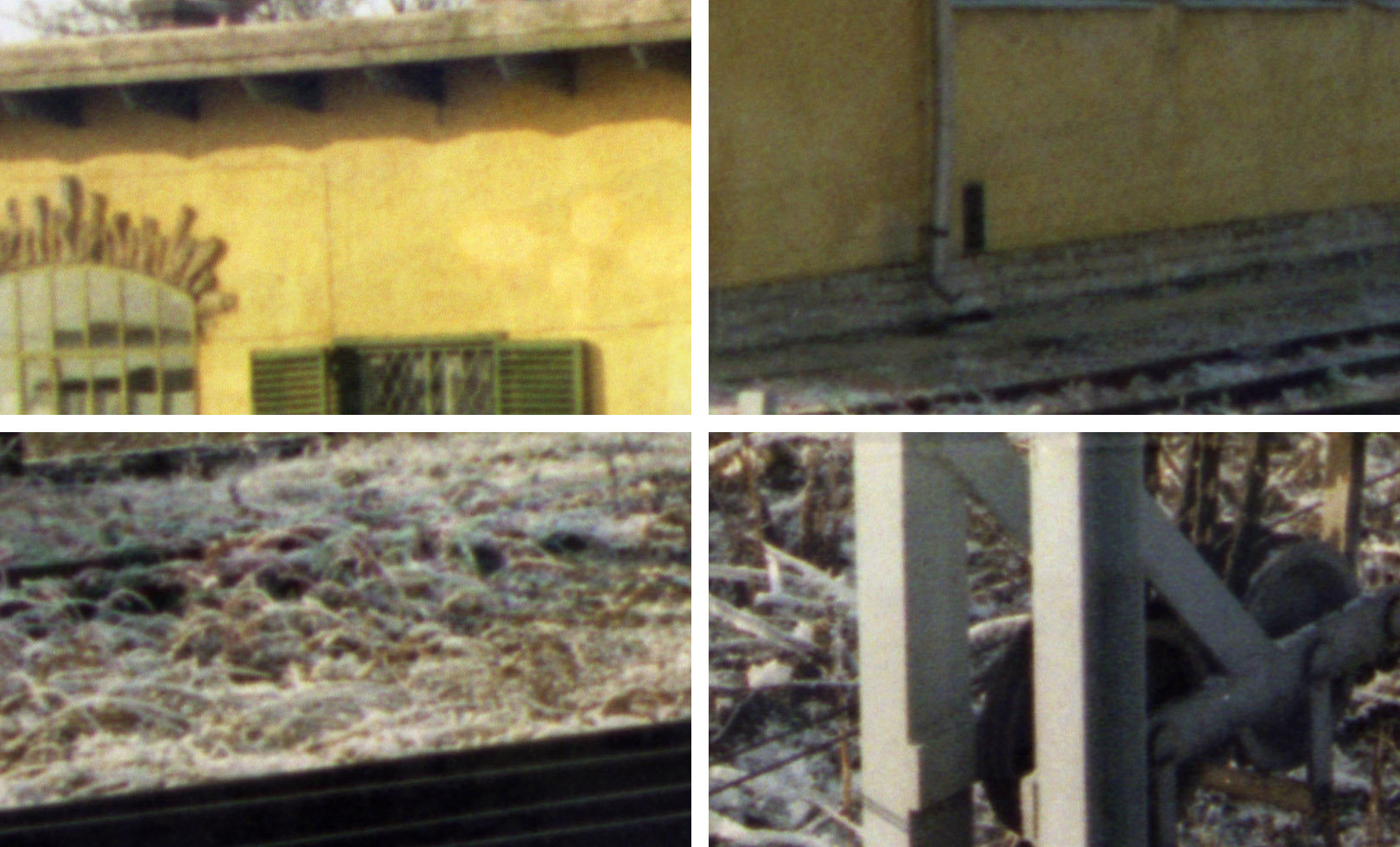
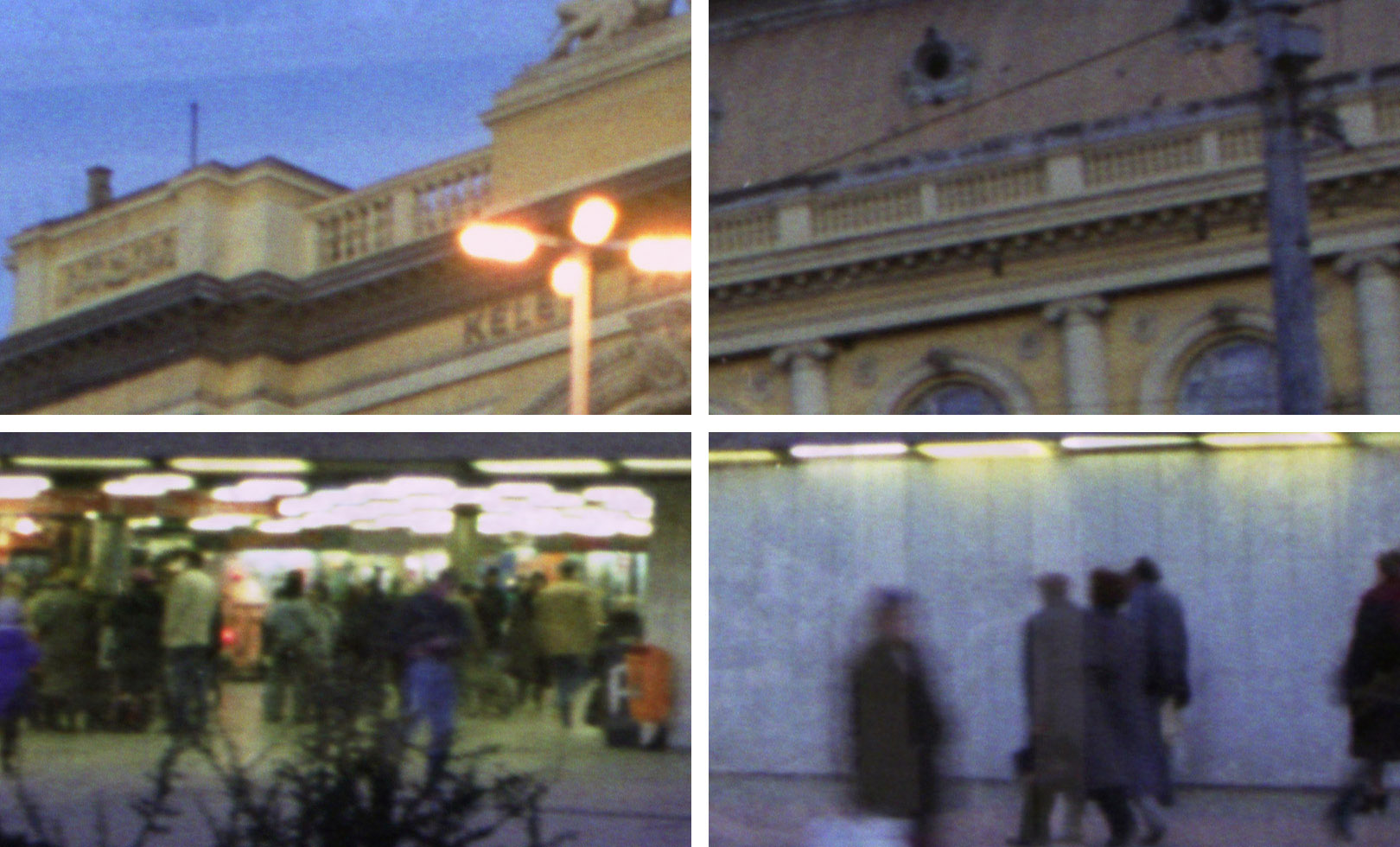
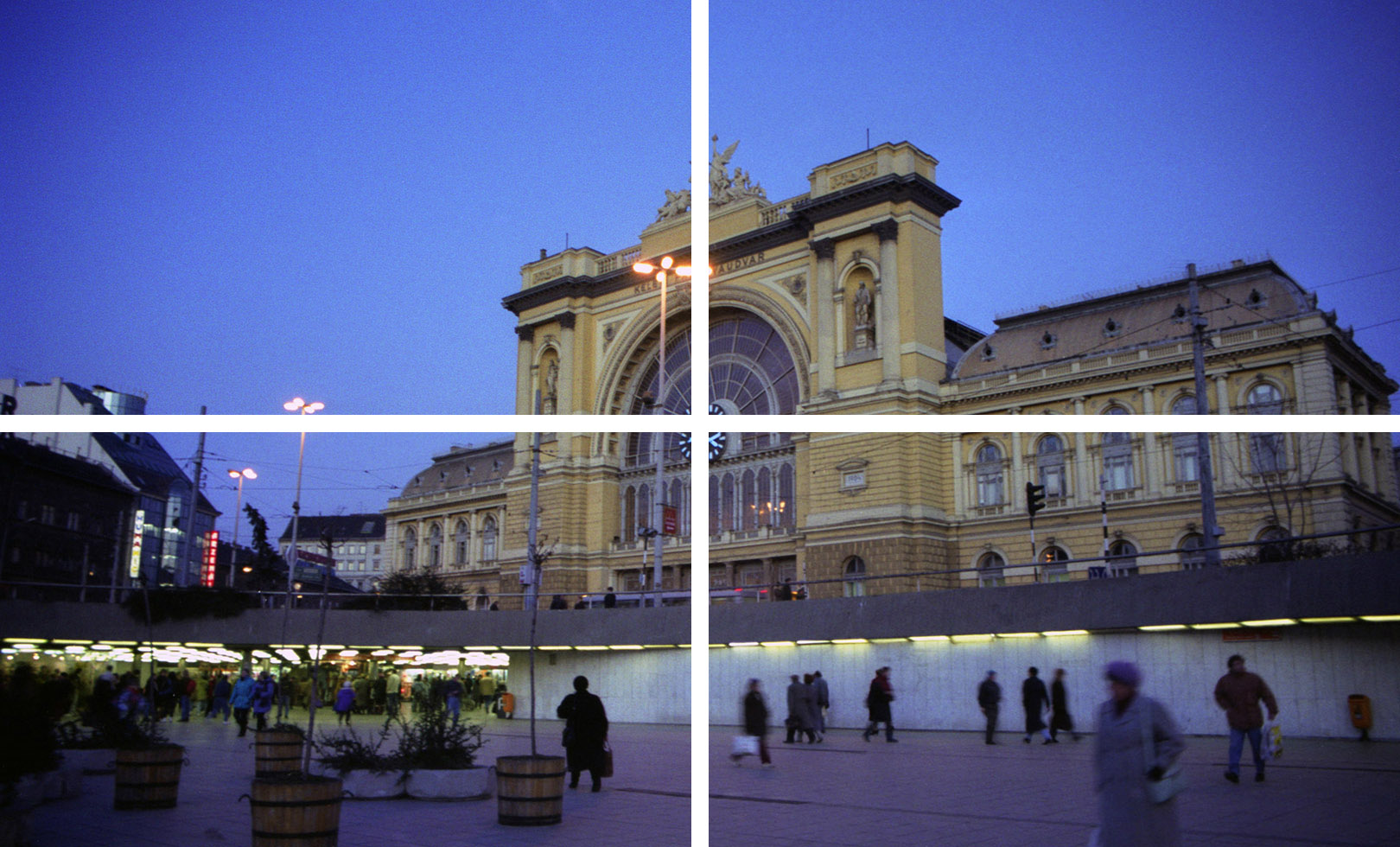
The two images I am using today were taken in 1992 in Budapest with 35mm film, scanned at 9600 dpi (which is a silly thing), and cut apart.
Gen neg 3 95

In László Krasznahorkai’s Baron Wenckheim’s Homecoming, the chapter Losers carries out a similar dissection. We revisit most of the previous characters in separate paragraphs (in fact, sentences), which are dedicated to memory in one way or another.
Gen neg 4 90

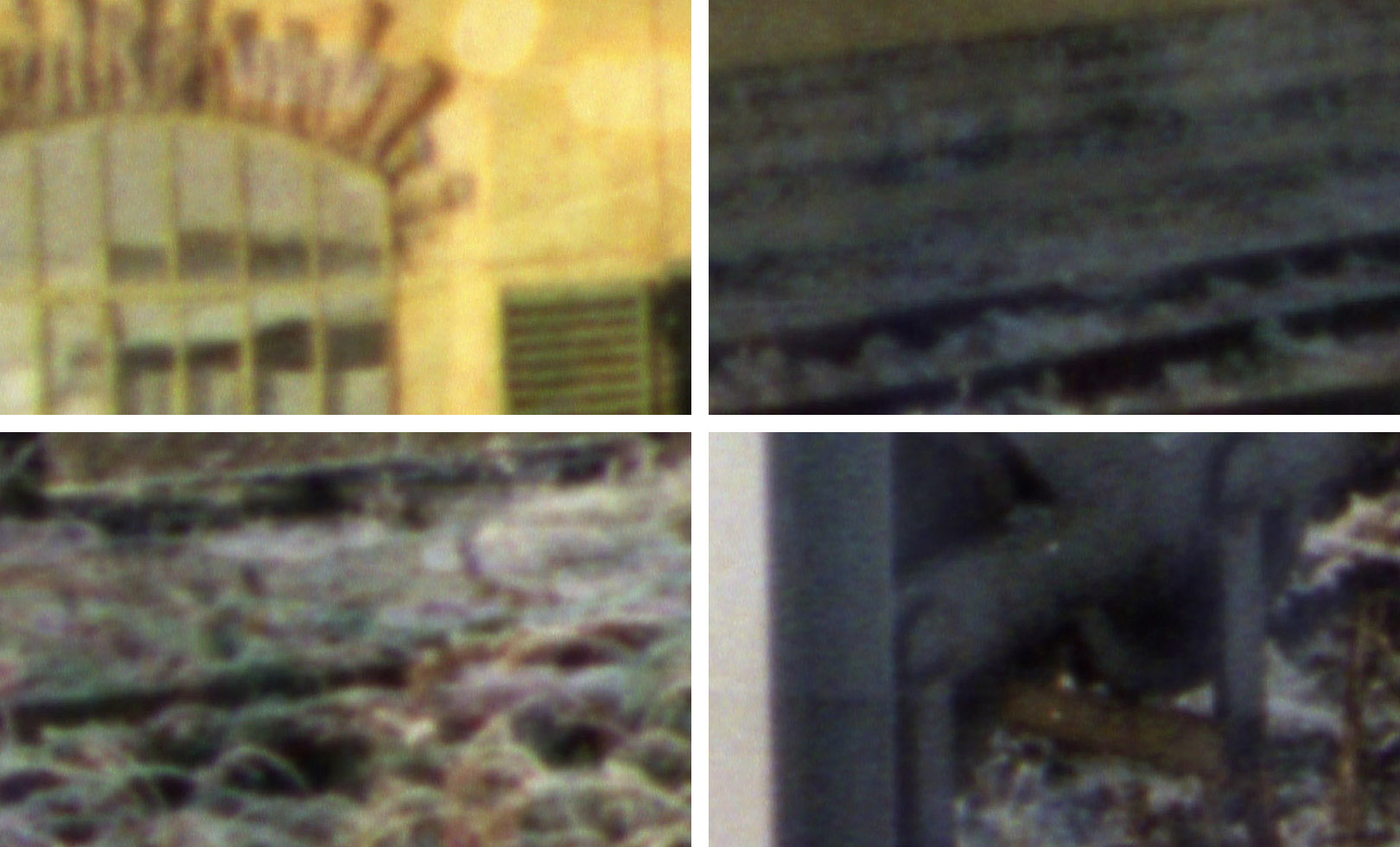
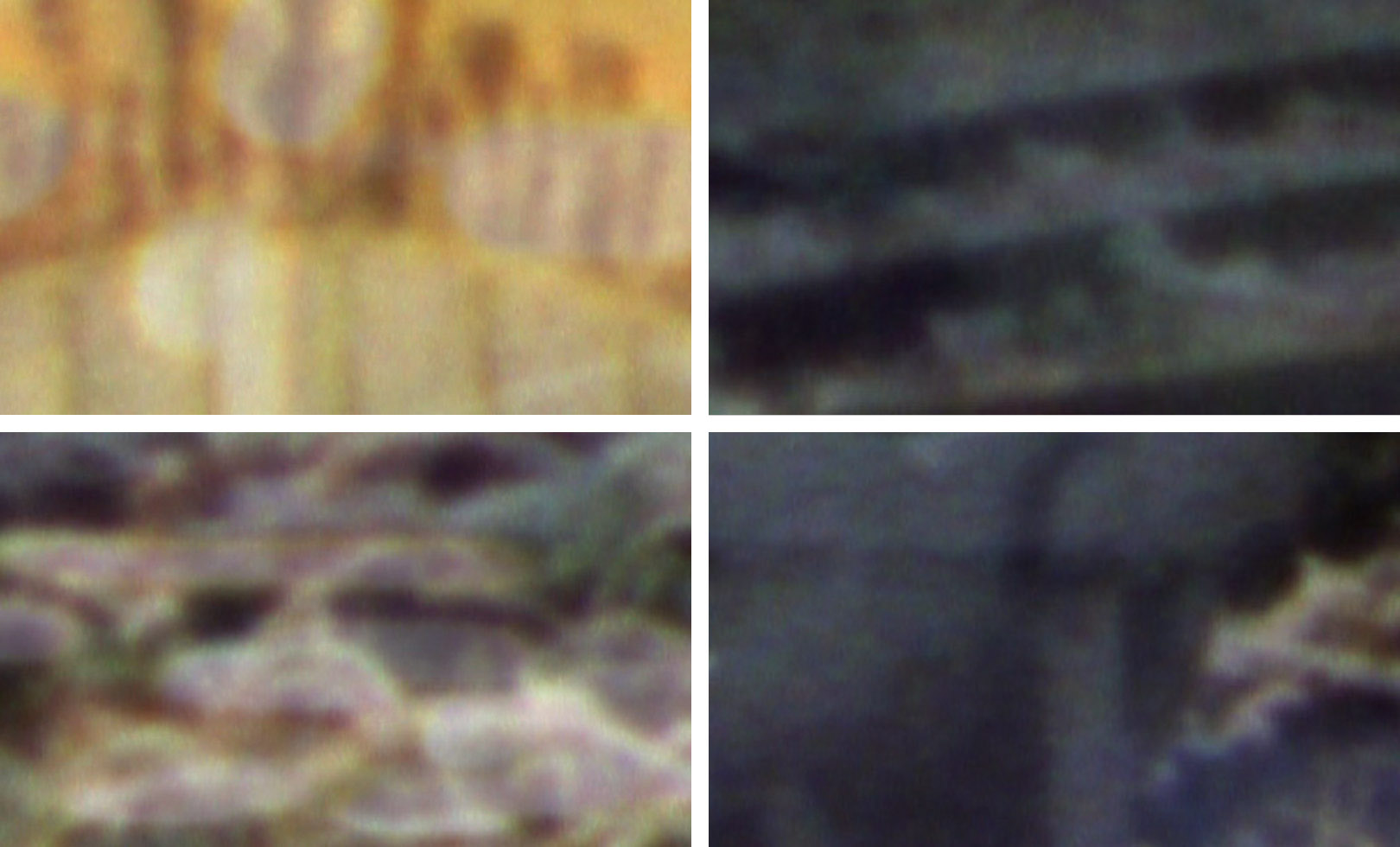
In the time of film, the detail of a printed image was determined by many physical factors — the format of the film, its quality, its grain, the quality of the equipment, lighting conditions, magnification, and the skill of the photographer. Today, grain has been replaced by noise, which has a different character, but the problem remains the same: outrageous enlargement will result in artifacts.
Gen neg 5 80

He was out by the train stop at Bicere and trying to dissect what he was seeing down to the minutest elements,
because while he thought the bikers’ suspicions were exaggerated, he still couldn’t completely let the matter rest, because that’s how he was — …
Gen neg 6 70

Does this frighten us? I think so, as the megapixel wars between smartphone makers indicate. We believe to be safer with more megapixels.
Gen neg 7 60

… this matter, then, had no meaning, cause, or goal, and this in fact might have been the essence of that matter, if words themselves hadn’t given up the ghost in the mind of an eyewitness (one, moreover, not even present at the scene), because words would have come to a dead halt in this brain, …
Gen neg 8

Is it the fear that our reality itself is like this, too, that if we look too closely, it will dissolve?
Gen neg 7 40

The people who met the Baron now want to forget him. The city photographer gets busy in an unusual way:

… for the naive ones, I just delete the pictures they want me to, the pics from the train station or the entertainment events, I do it in front of them, I look for the memory card, put in the camera, and together we look for the pictures they want me to erase, and I delete the pictures in front of them; then they ask me, and I tell them that no one will ever see these pictures again, well of course, no one ever will see them, never again, rest assured, and this is all so much work that I can’t keep up with it …
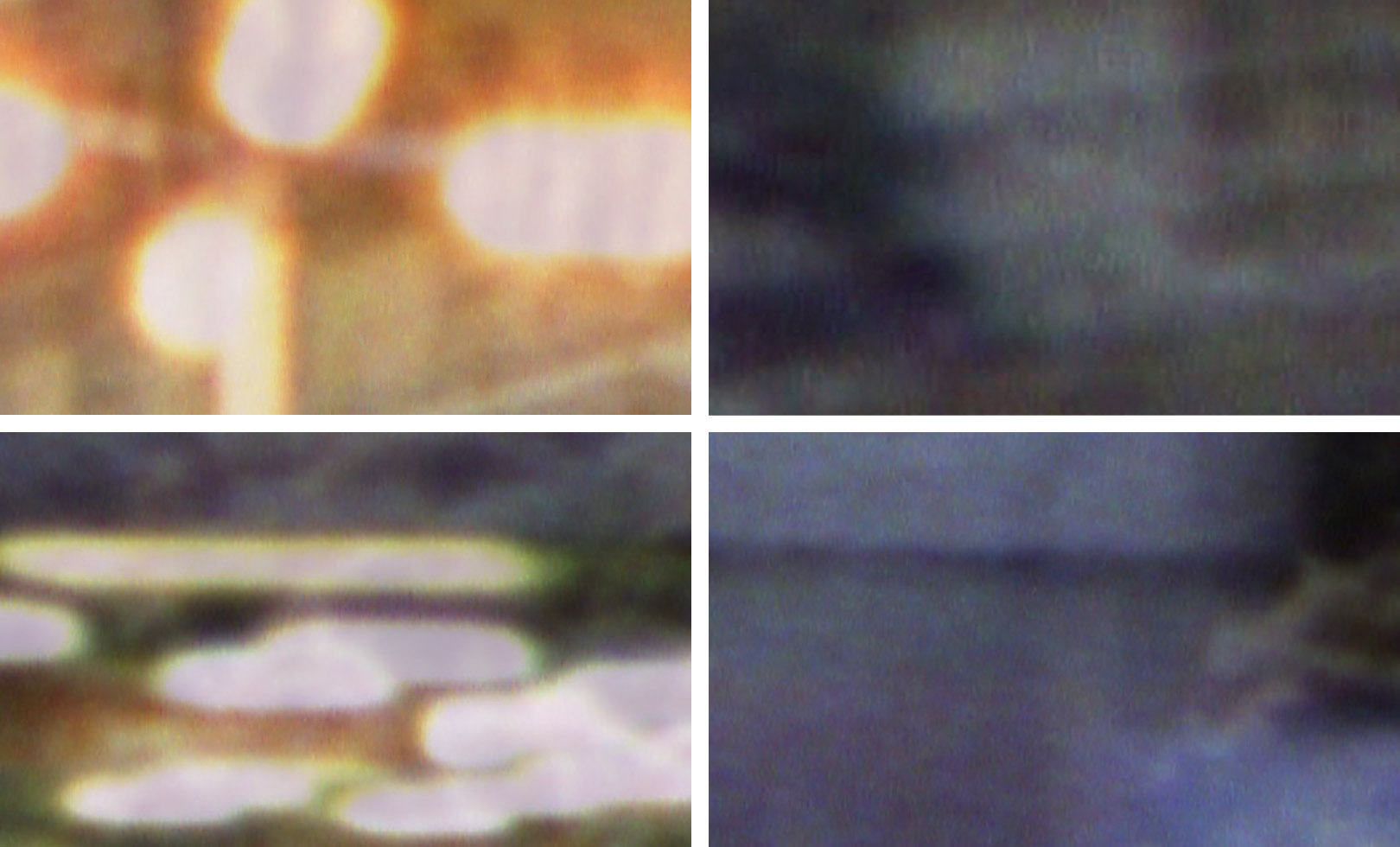
Gen neg 6 30

I think this is what Krasznahorkai tries to accomplish in his books: slowing down time and thus expanding the monologues of his protagonists, while they are desperately trying to remain themselves.
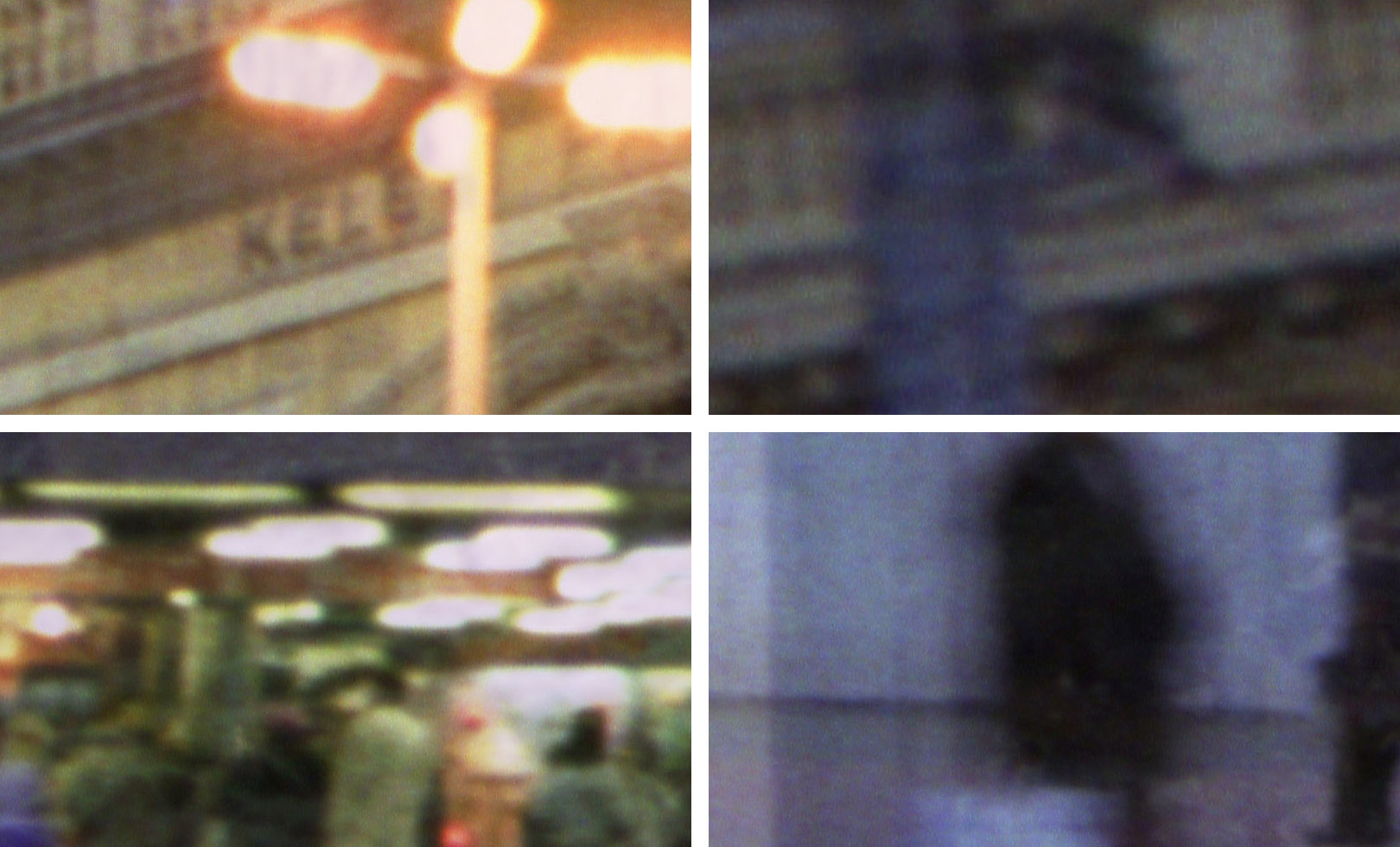
Gen neg 5 20

Reporters and politicians deny that certain events have happened:

…and now he was volunteering to completely erase the speeches in question from the offices’ computers and destroy every such trace of any one of these speeches…
Gen neg 4 10

We insist that reality is more than that, but in trying to prove it, we follow always the same process of dissolution. Can we find an answer if we just zoom in a bit further?
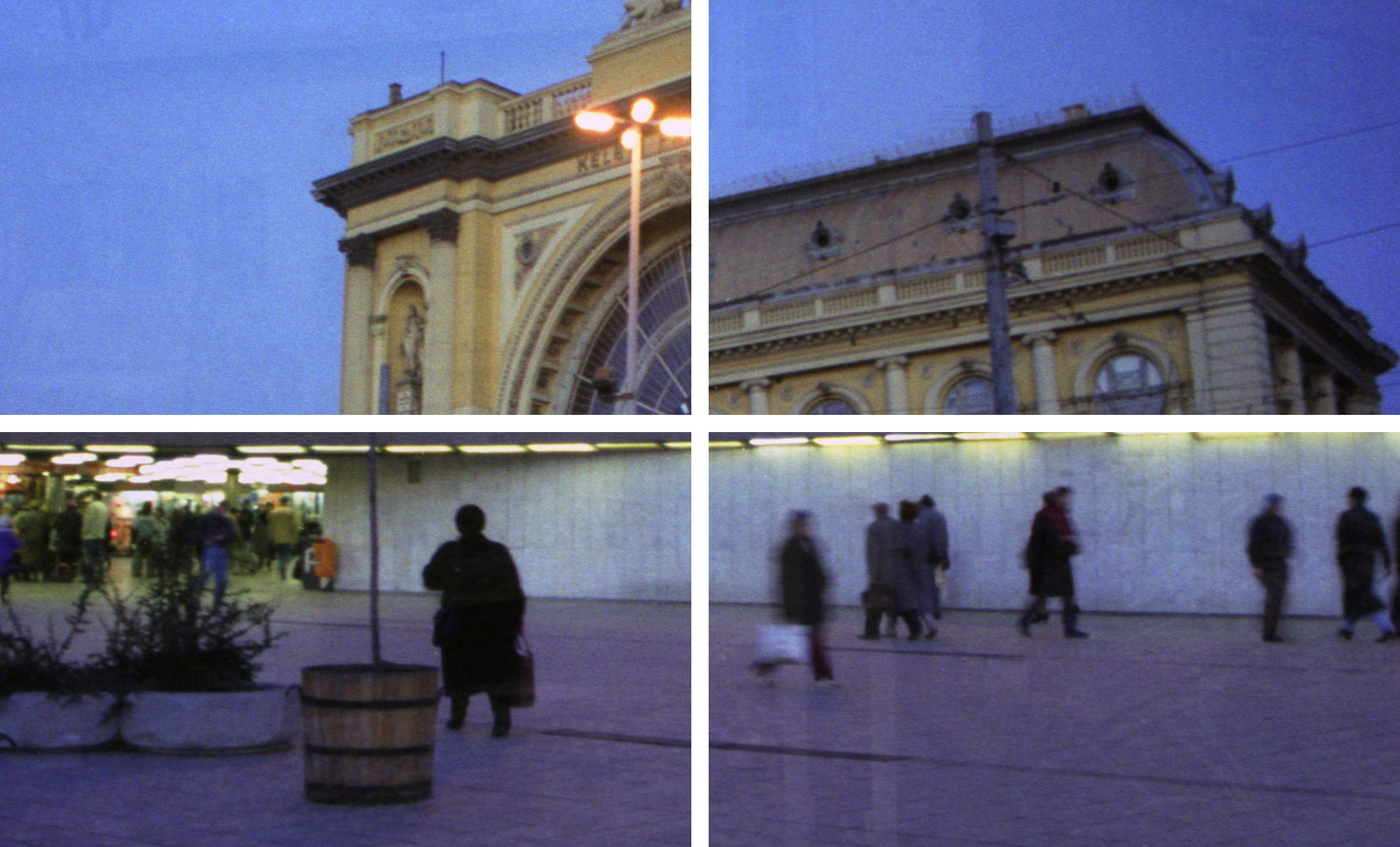
Gen neg 3 05

Finally, there is the Baron’s funeral, the cheapest available.

…but still, as he stood behind the coffin, about to commence the service, he felt the cold sinking into him, what should he do now, he reflected, while — his head lowered — he recited Psalm 119 to himself, should he go back for another layer,…
Gen 2

Land of Winter (Svalbard I)

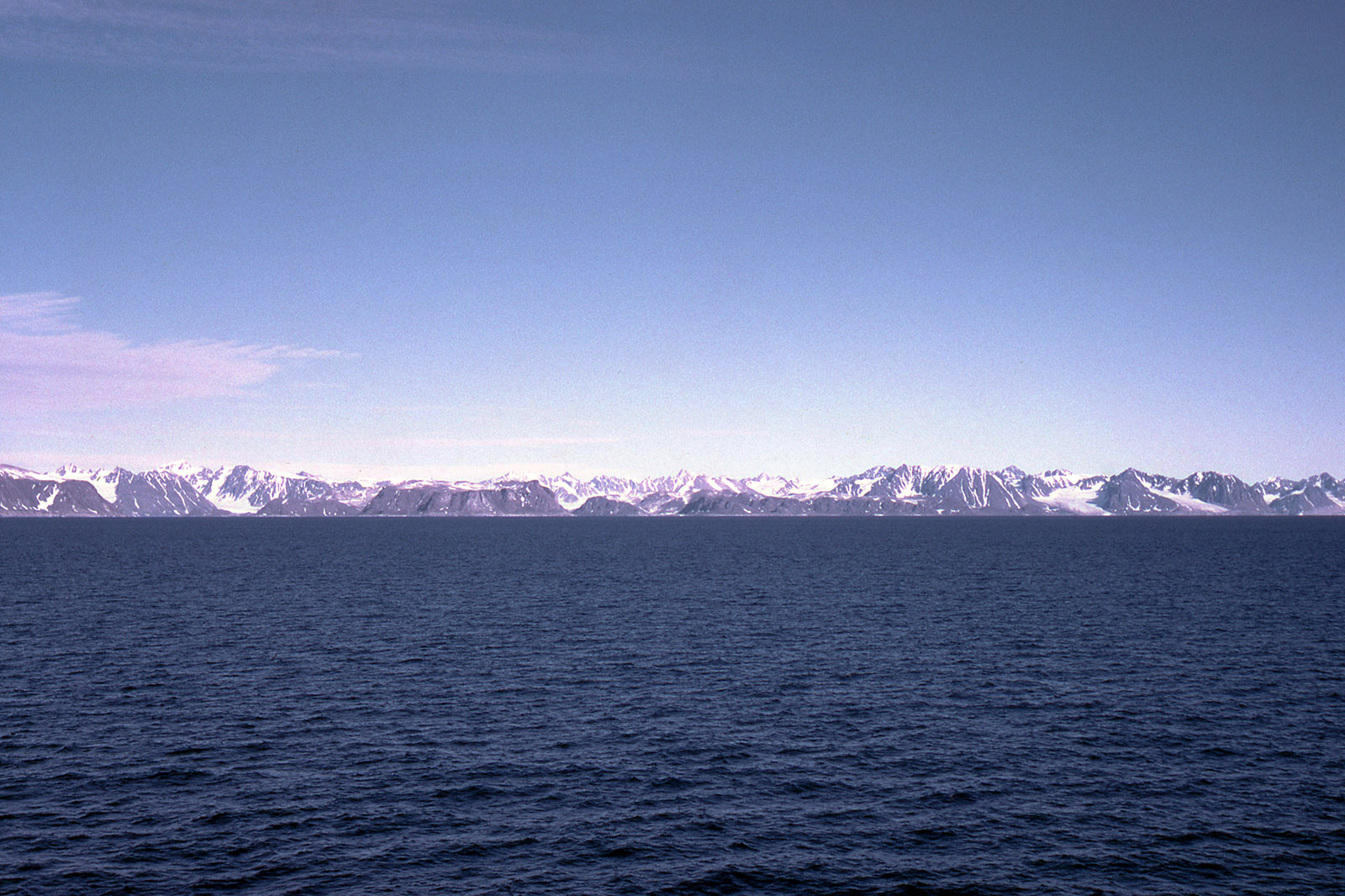
Let’s begin this year with a journey in time and space.

Spitz296b

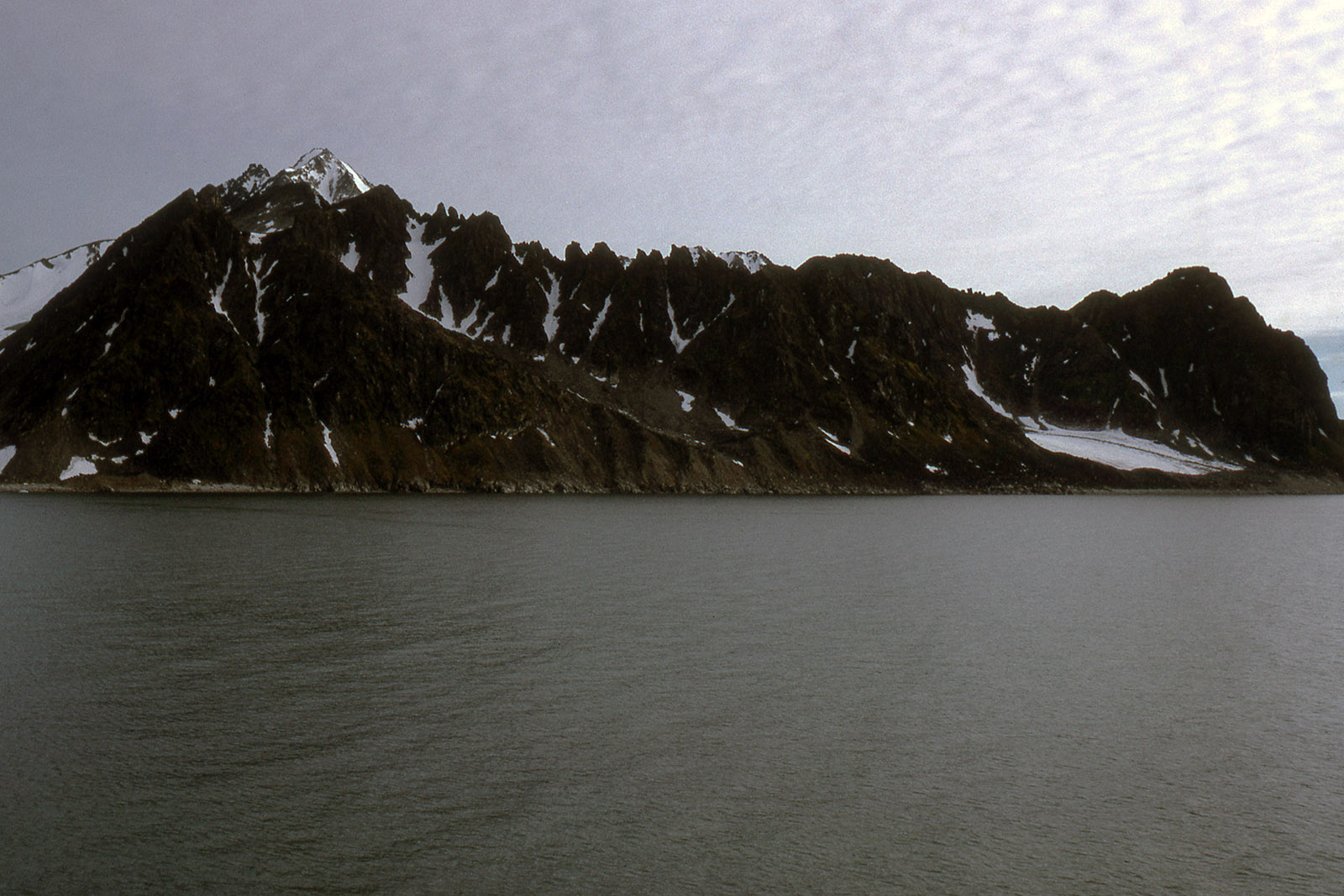
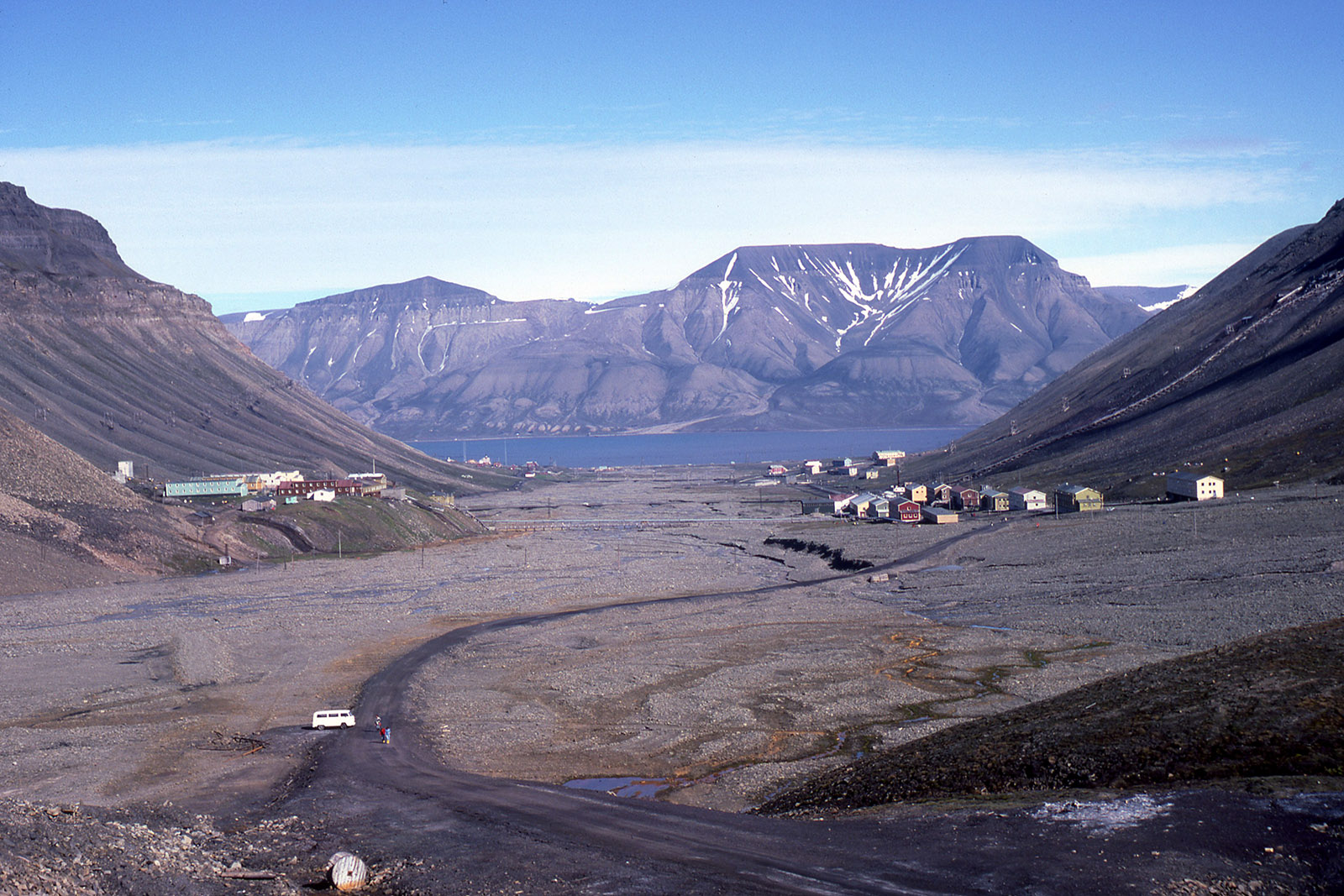
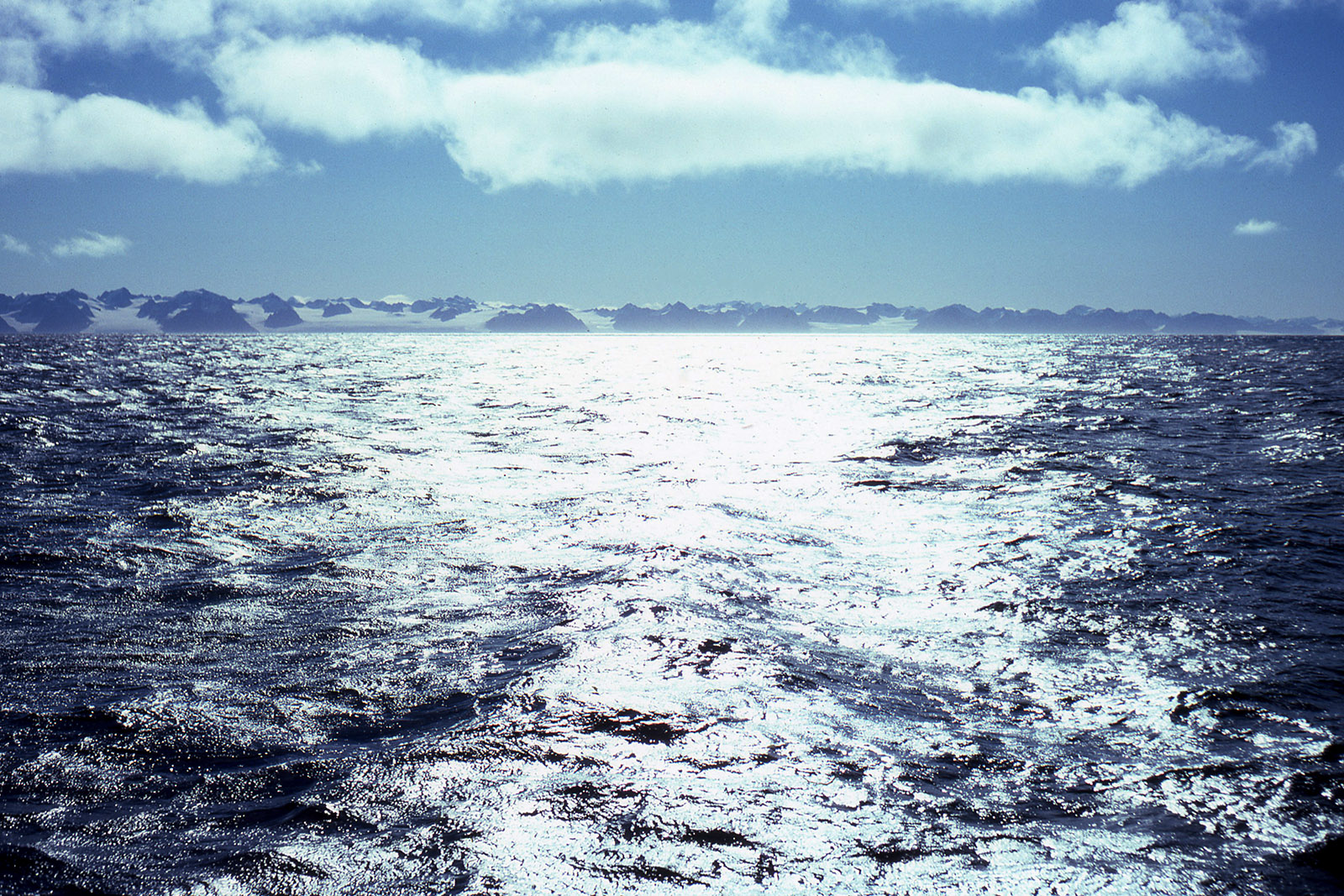
The year is 1976, the day lasts 24 hours, and the season says summer but does not feel like it at all.

Spitz283b

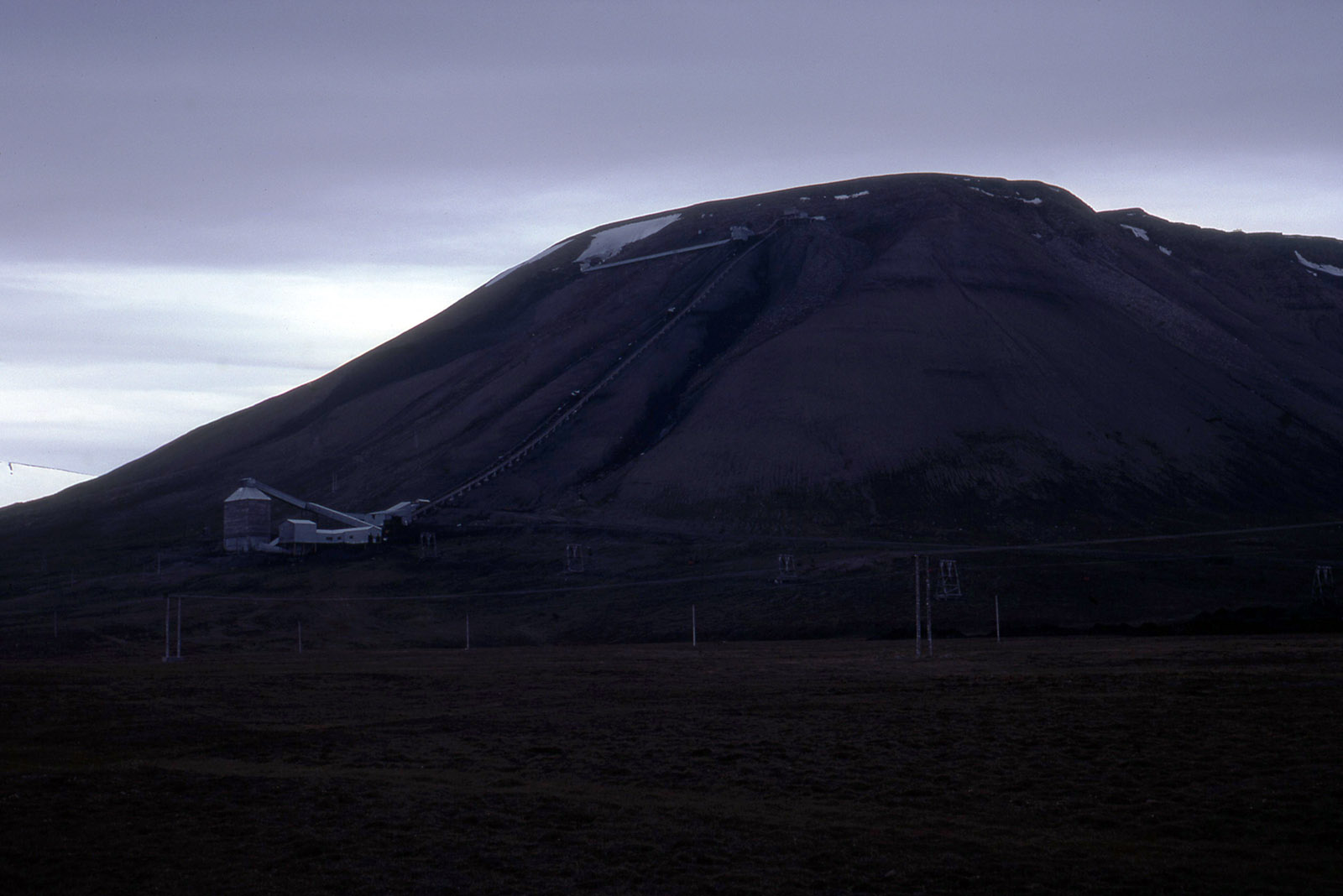
It is a dark and barren place, where the few residents live by mining the mountains.

Spitz217b

My father and I both took photos back then, it’s impossible to tell who took which. Memory can fade.

Spitz150b

The impossible darkness alternates with equally impossible brightness, just like our past.

Spitz129b

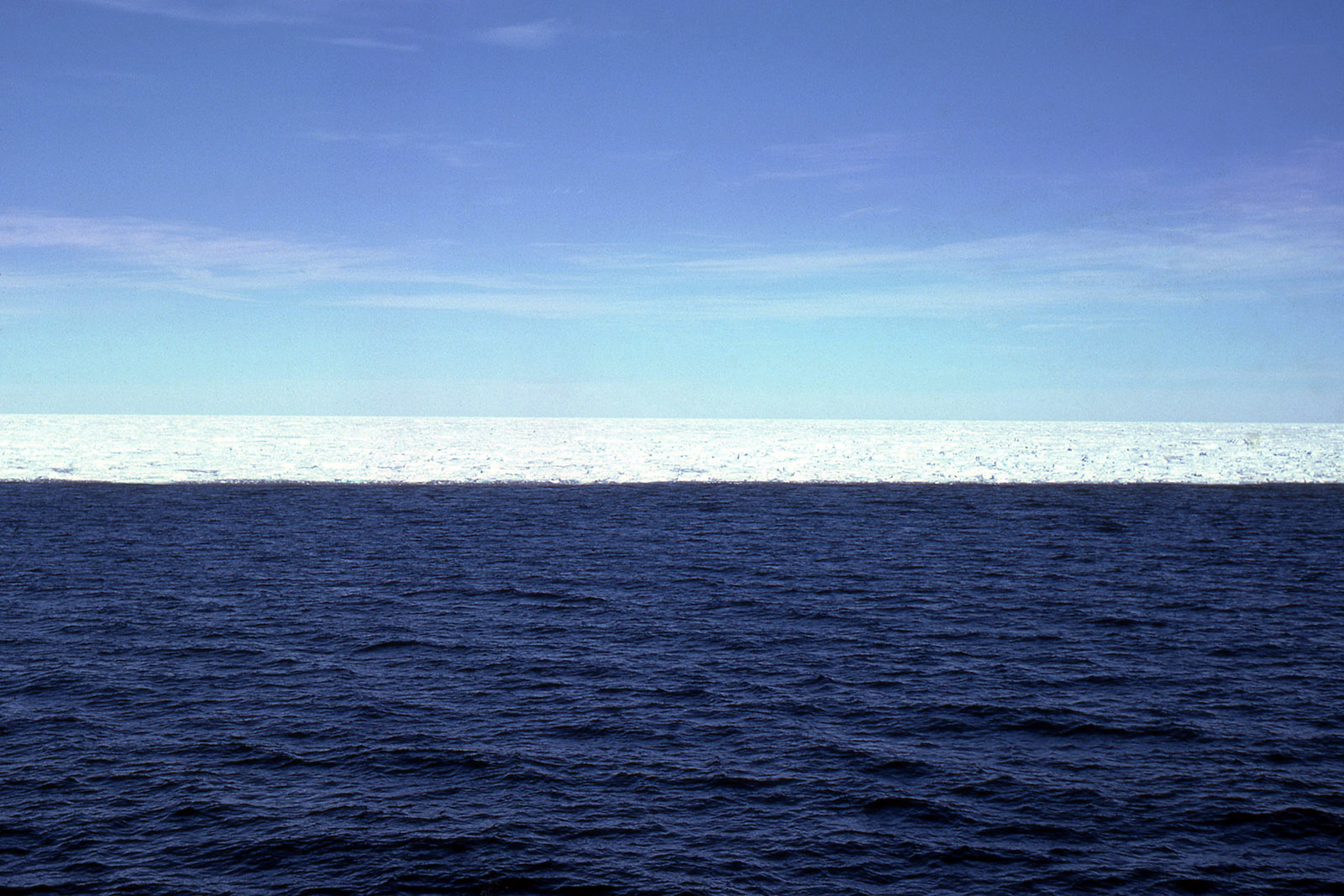
And then: The end of the world — — — 

Spitz123b

Golden blüht der Baum …

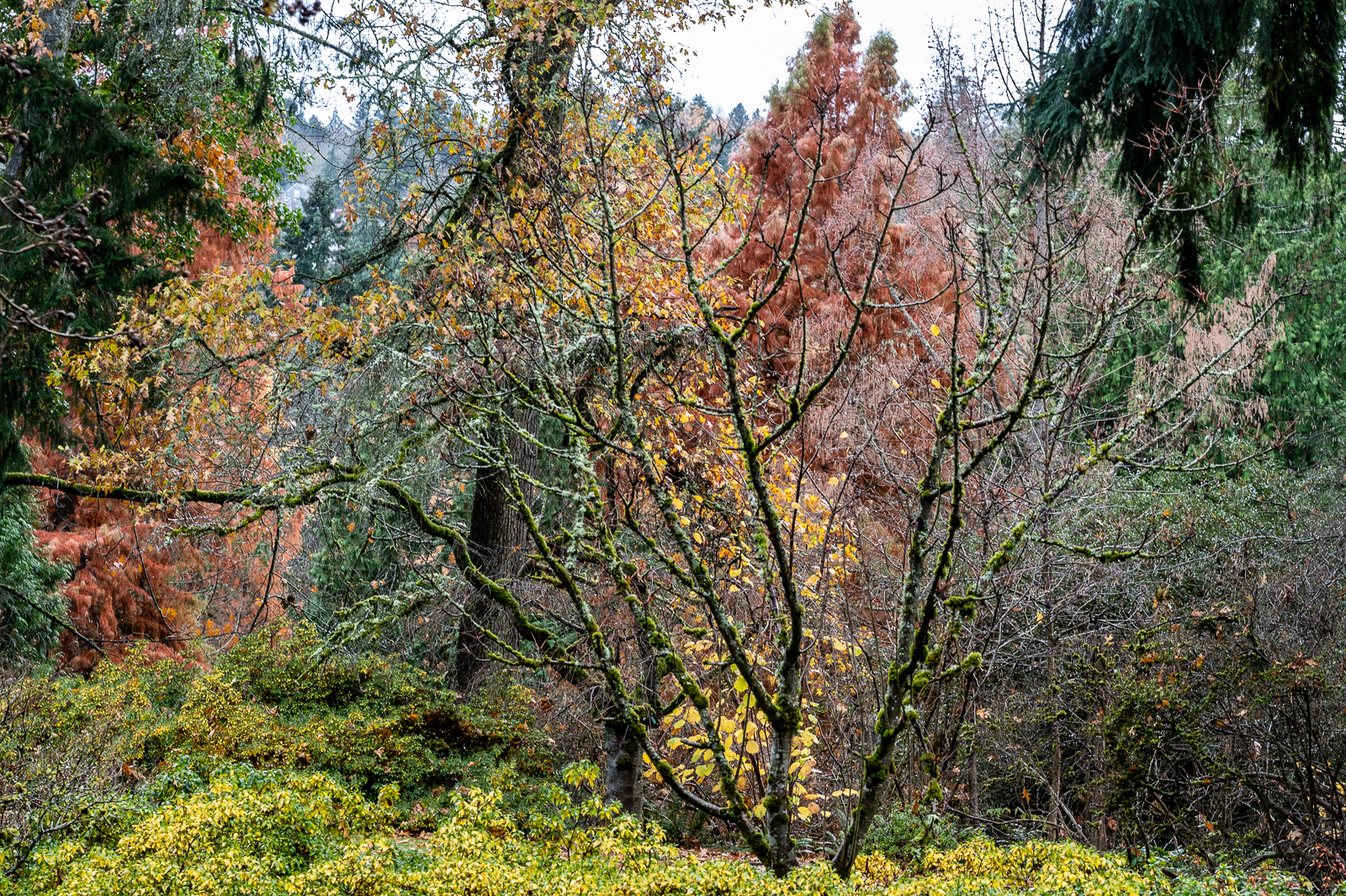
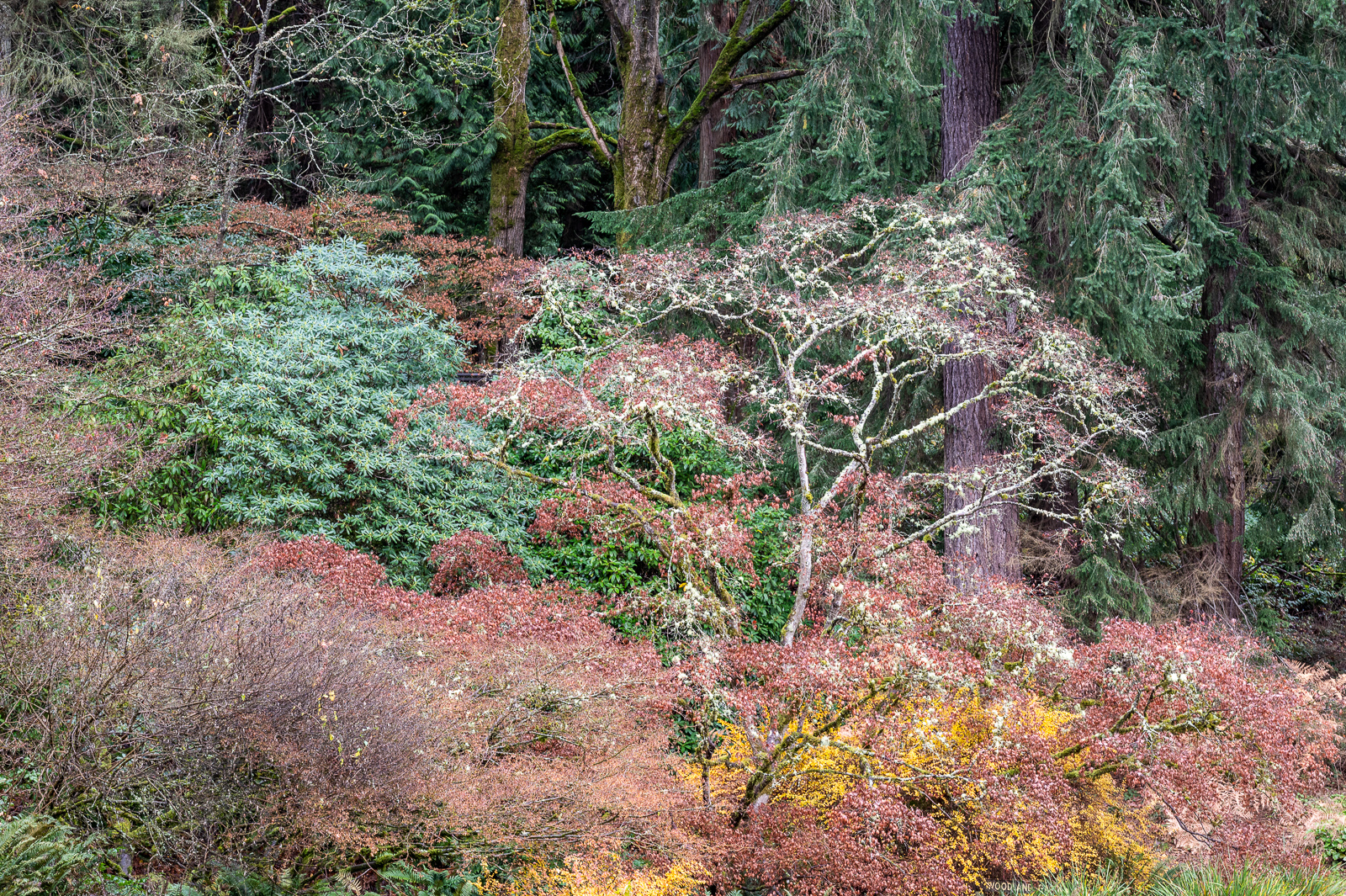
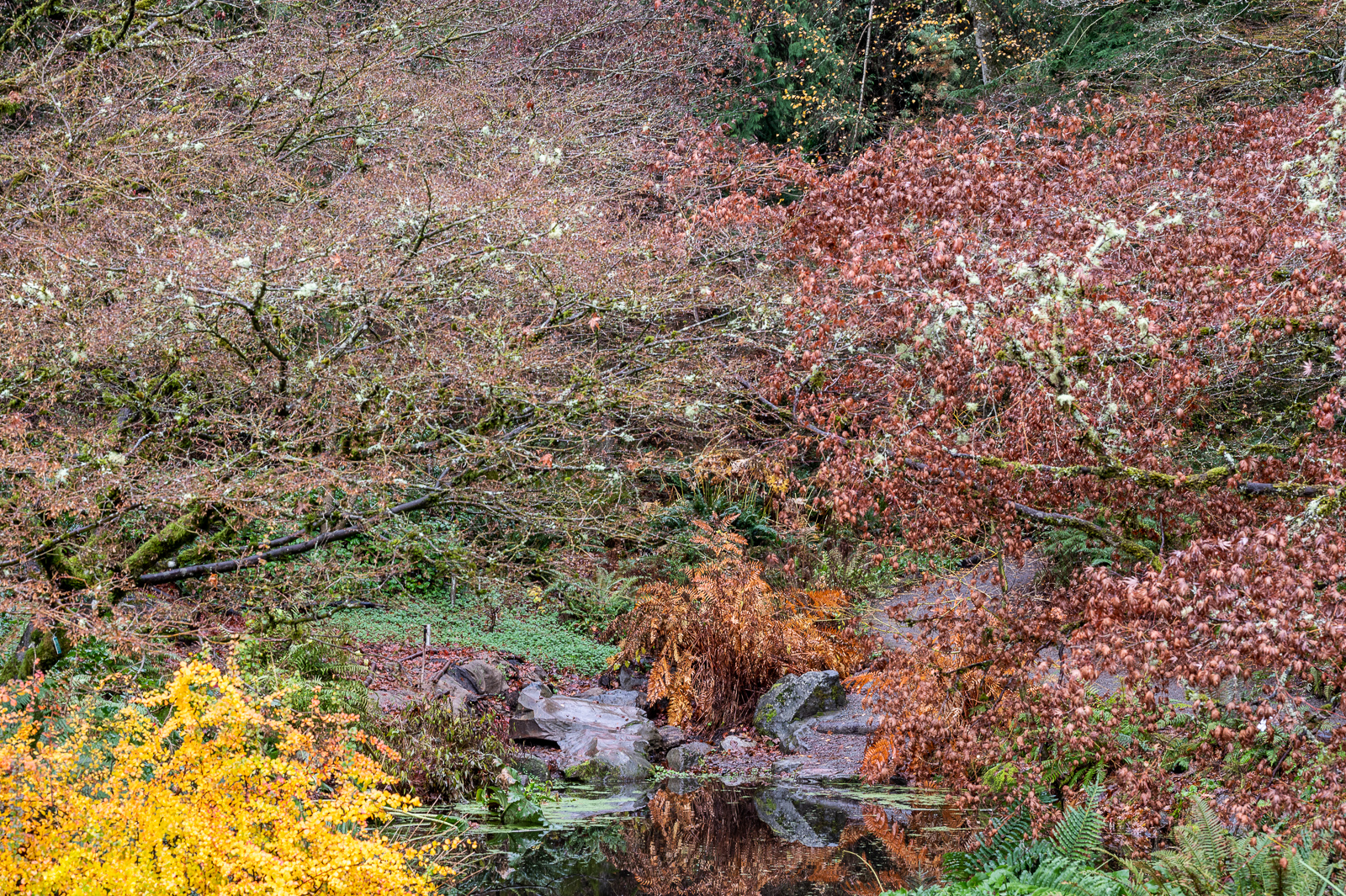
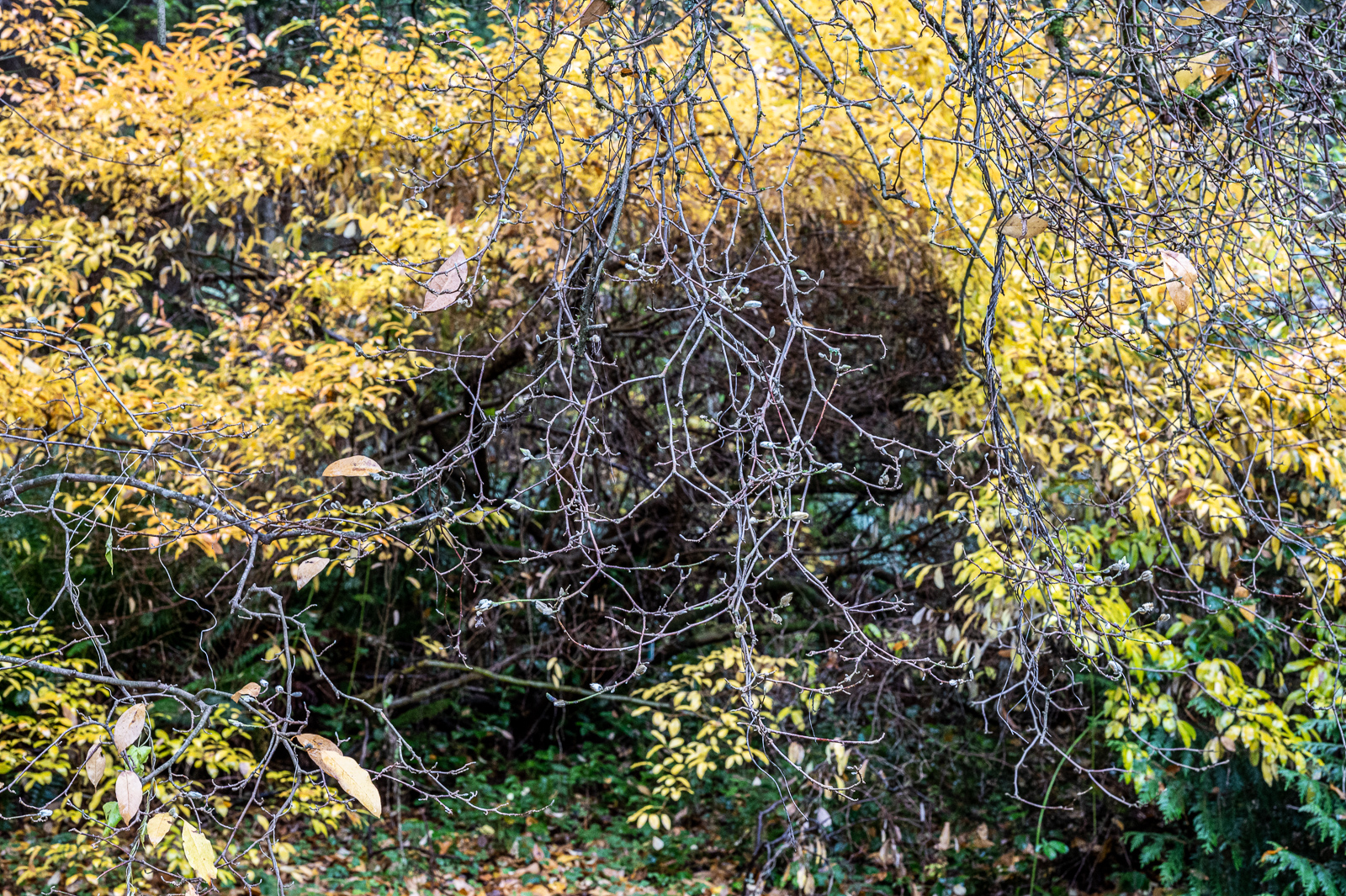
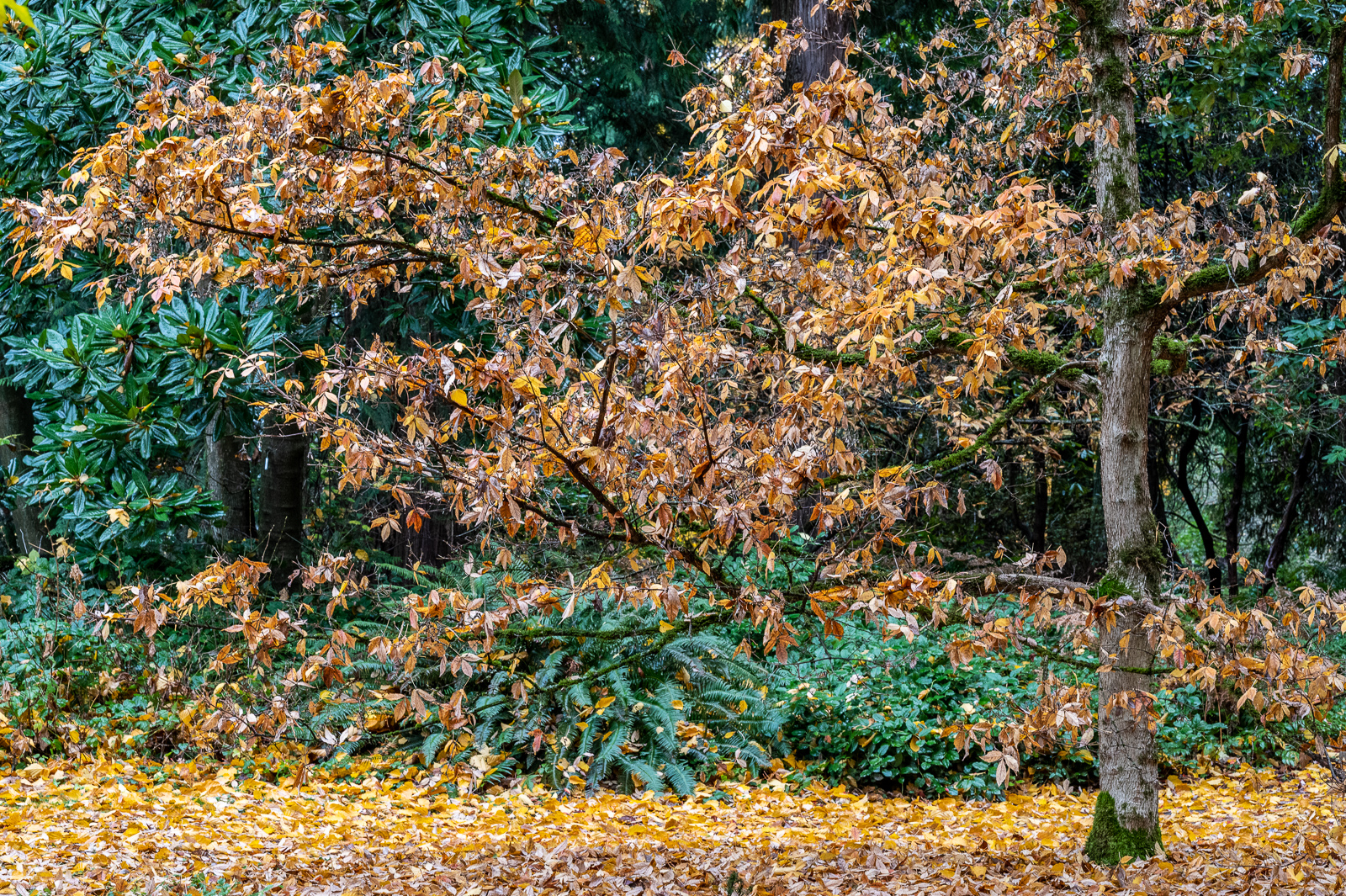
Color in winter is a difficult affair. I don’t know how they do it, but the Washington Park Arboretum in Seattle has a special winter section where the trees show off the most wondrous color palettes.

DSC 8322

Above, the leafless small tree with mossy branches seems to partition the colorful background.

DSC 8325

Or here, the delicately branched marvels beam in some shade of green, bushes provide a foreground with contrasting colors, while larger trees stay in the back.

DSC 8326

High point in complexity of the composition was this Japanese inspired garden where two rust colored trees touch upon a pond. The saturation is surprisingly well balanced by the yellow bush.

DSC 8331

What keeps baffling me is the intricate play between structure and color. It feels like the color is the soil in which the abstract shapes can grow.

DSC 8339

Then there are the solo performers, single trees effortlessly covering the ground with leaves while still decently wearing their costume.

DSC 8344

Some leaves just seem to be perpetually falling.

DSC 8349