Walking on or Staying? (North Iceland IX)

DSC 5335

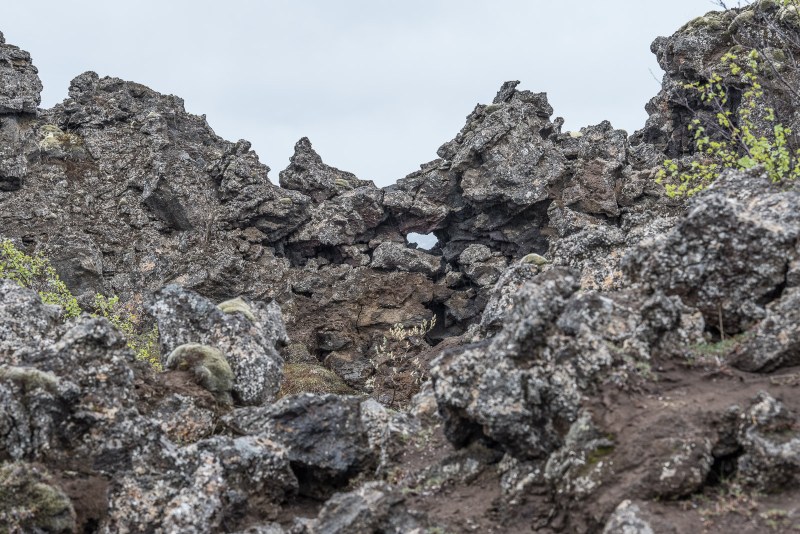
Dimmuborgir (Dark Castles) is a lava field near the much more mellow Mývatn area.

DSC 5324

Allegedly, here it is where Satan landed after his fall (or did he leave deliberately?).

DSC 3712

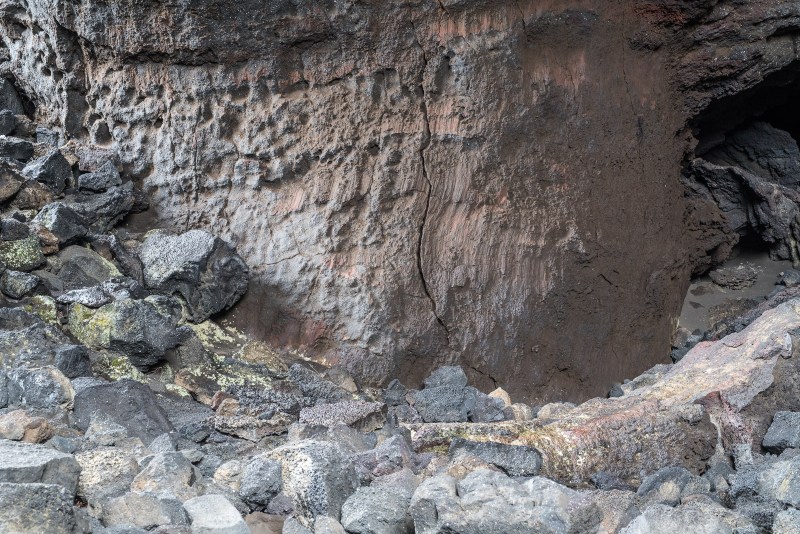
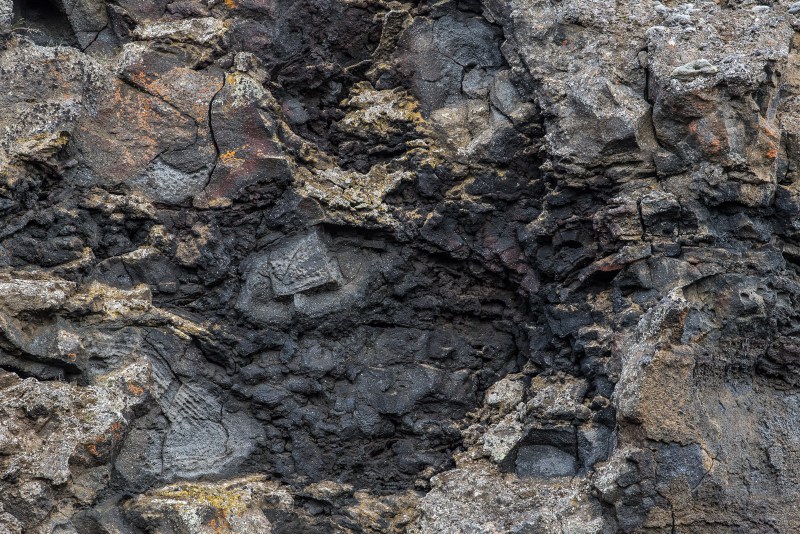
What makes the place spooky are not so much the bizarre rock formations but rather the cracks one can see everywhere: Are they just signs of decay, or an indication of growth and an immanent emergence of something else?

DSC 3729

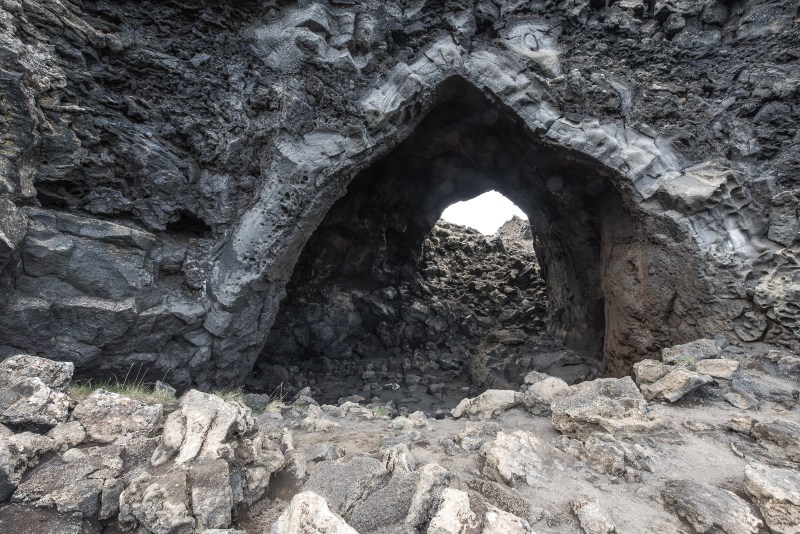
At least, the holes and tunnels seem to always promise a way out.

DSC 5361

But what about those who got stuck and now have to look back at us, frozen in rock for millennia?

DSC 5313

In Between (North Iceland VIII)

DSC 4323

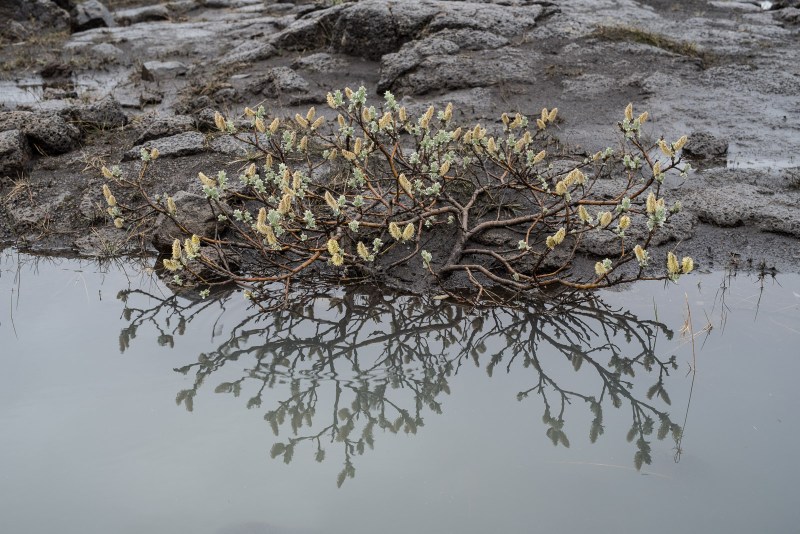
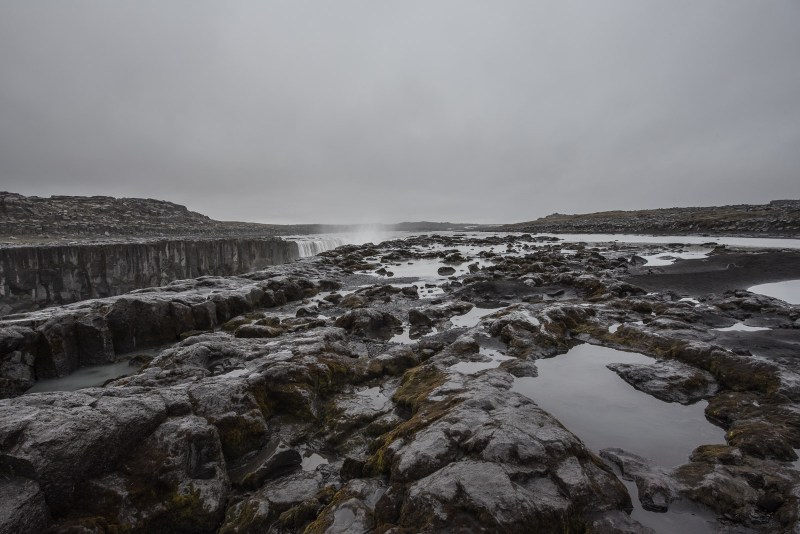
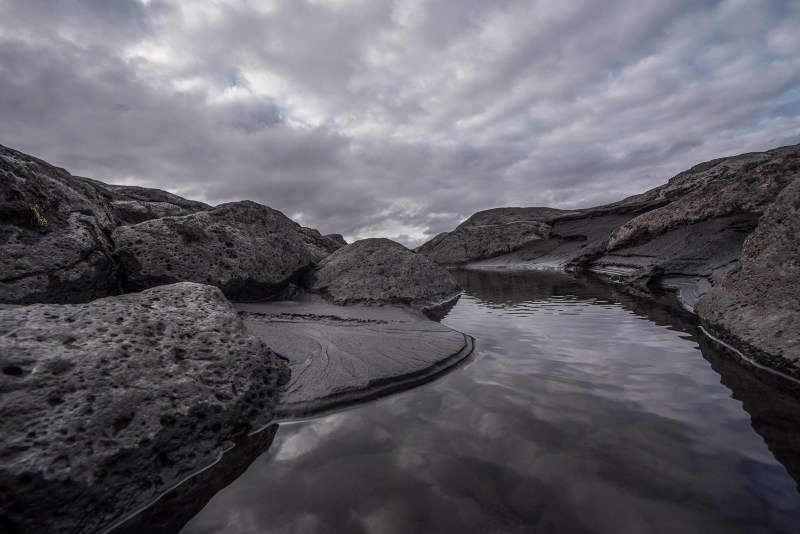
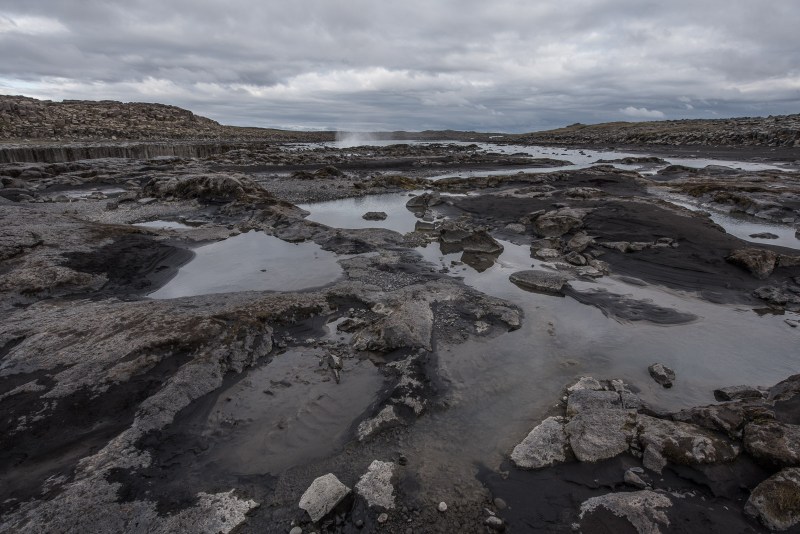
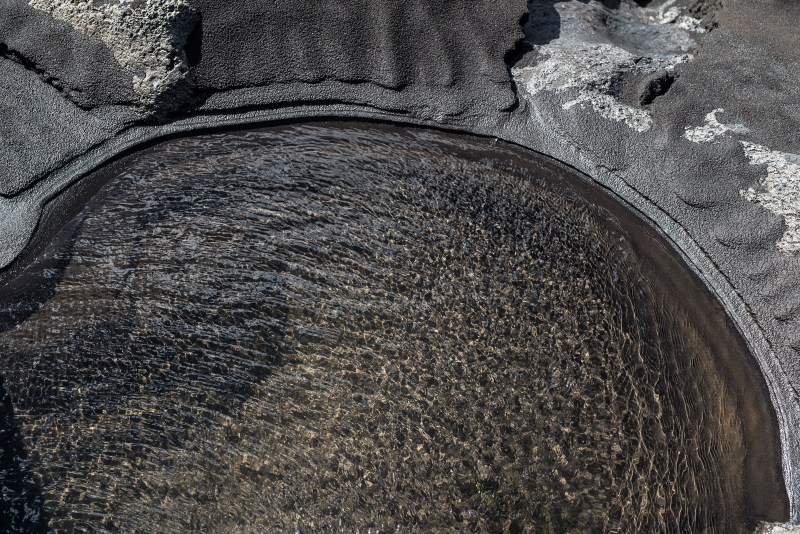
Between Dettifoss and Selfoss, the lava field landscape is often filled with rain and spray water. This contributes to a micro landscape with very little vegetation.

DSC 4420

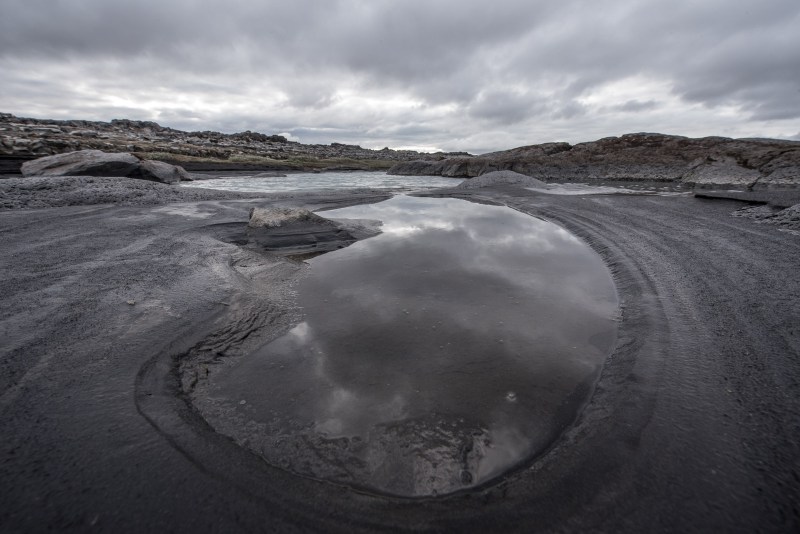
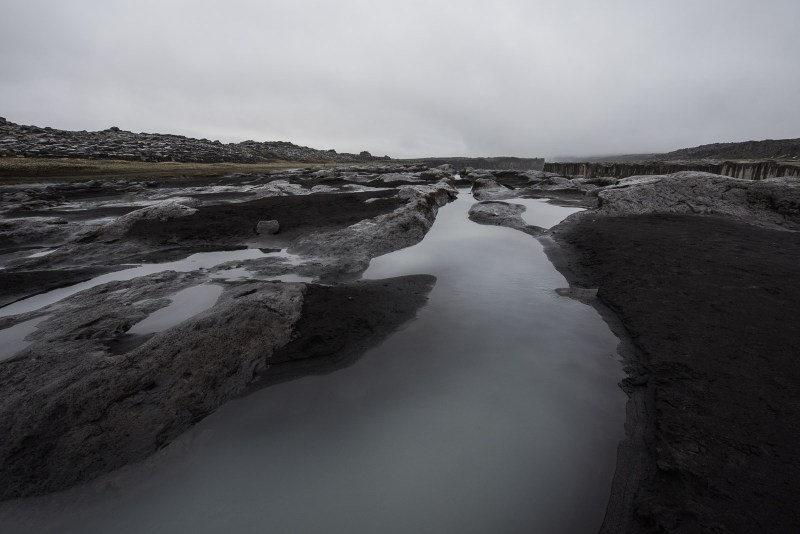
Wide angle shots close to the ground

DSC 5621

create an illusion of being aerial photographs of a much larger landscape,

DSC 4401

in which the ground seems to float between endless water and sky.

DSC 4416

Maybe these are the dreams of our planet about future landscapes, to be built after we are all gone.

DSC 5598

White Noise (North Iceland VII)

DSC 5927

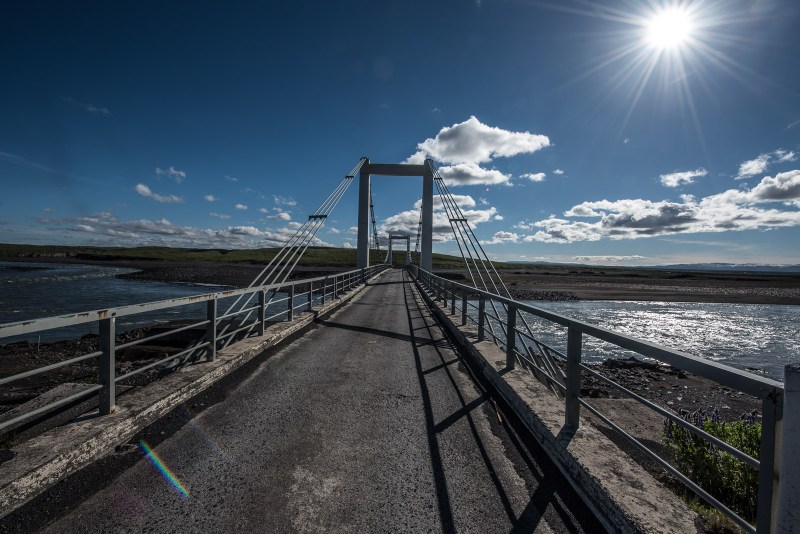
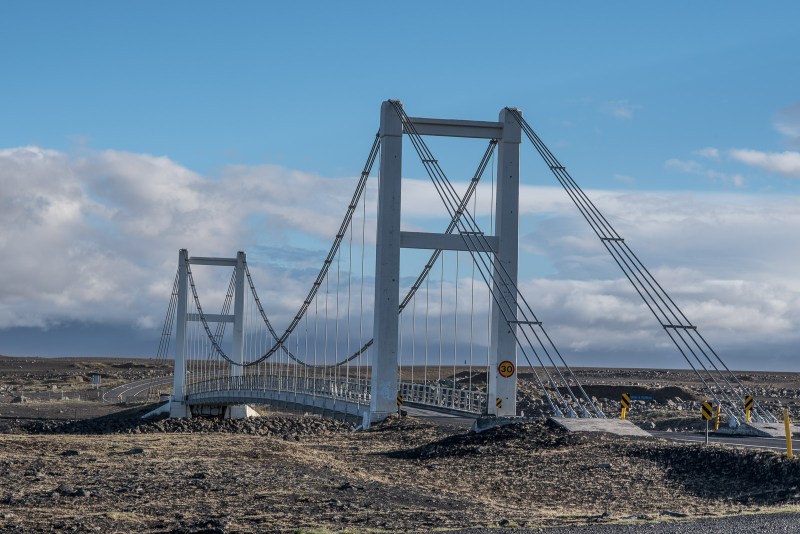
The two bridges up above and below over the Jökulsá á Fjöllum (which we saw in my recent post about Hljóðaklettar) are about 50km apart.

DSC 4207

In between, there is no reasonable way to cross the Jökulsárgljúfur canyon. The entire area is a gigantic flood plain, with the flooding occurring every few thousand years, and caused by volcanic eruptions under the Vatnajökull, the glacier that gives the National Park its name.

DSC 5215

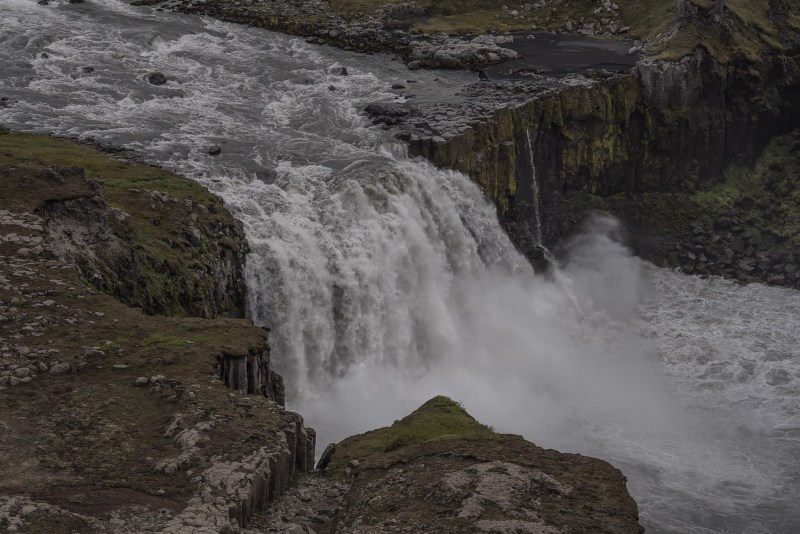
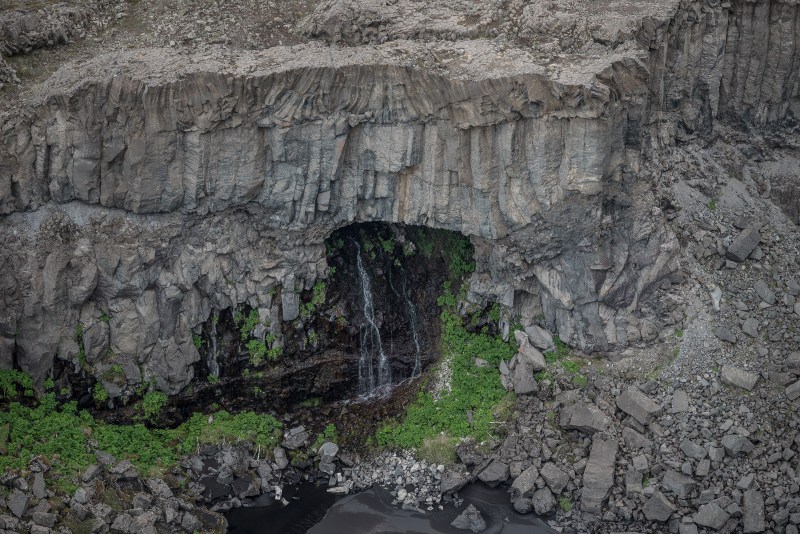
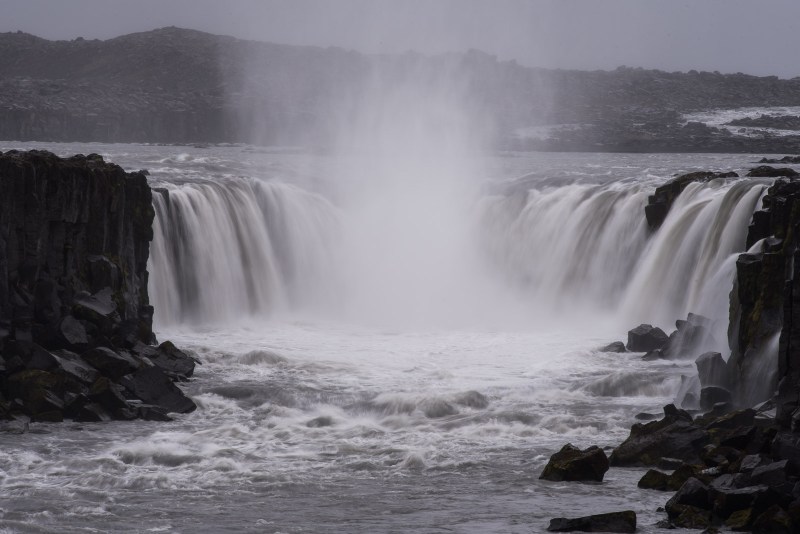
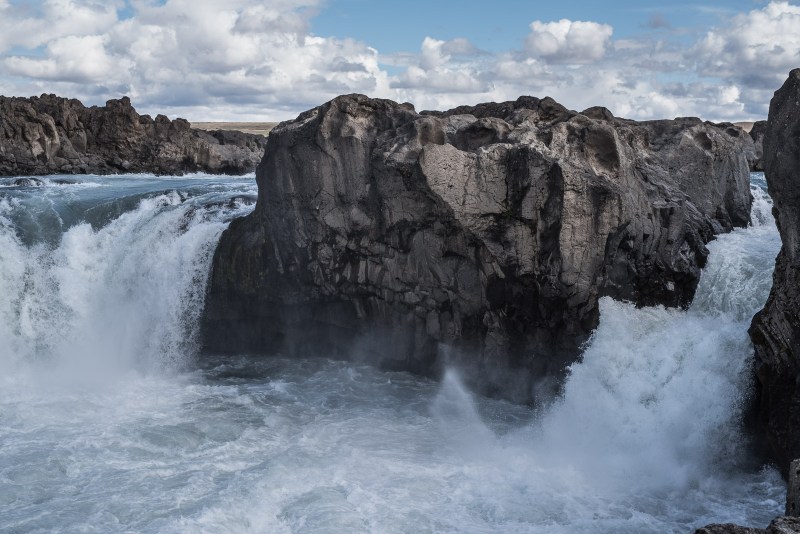
In between the bridges are three enormous waterfalls. Let’s begin with the Hafragilsfoss.

DSC 5198

In this region, water seems to come from everywhere.

DSC 5203

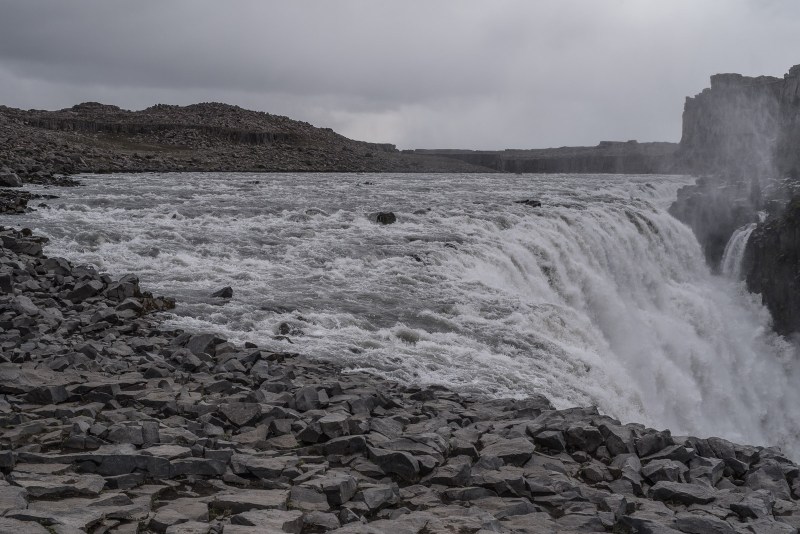
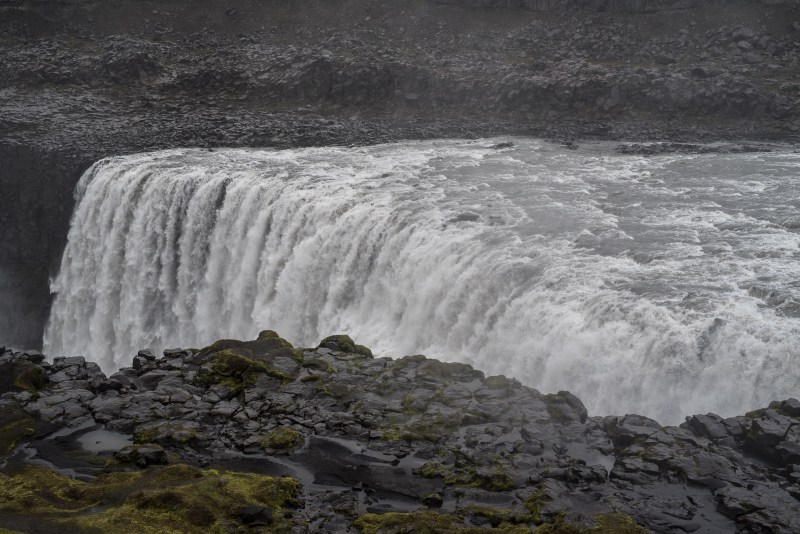
A little further south is the Dettifoss. Below are pictures from both sides of the bank.

DSC 5262

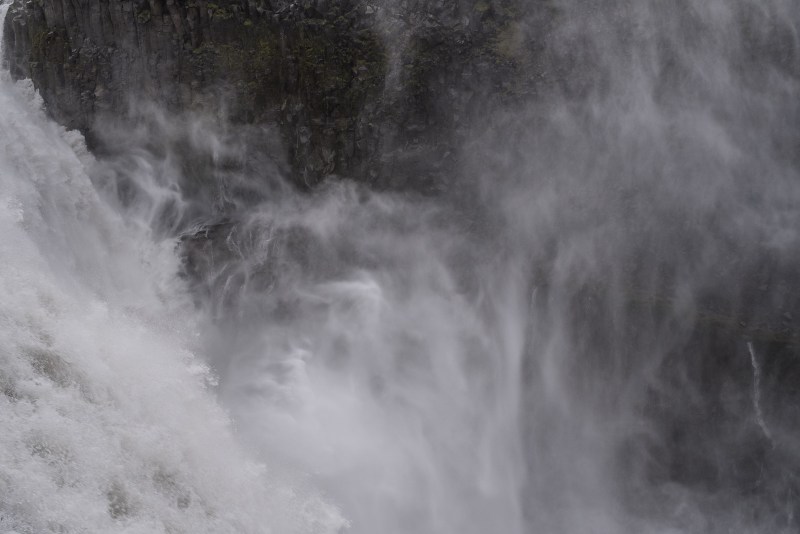
It is impossible to convey the physical experience of the falling water in pictures.

DSC 4331

This is a perfect place to be quiet.

DSC 5257

Still further south, the Selfoss, much more mellow, but still powerful.

DSC 4382

Next time we’ll have a close look at the micro landscape between these falls.

DSC 5616

Bólugil

DSC 4681

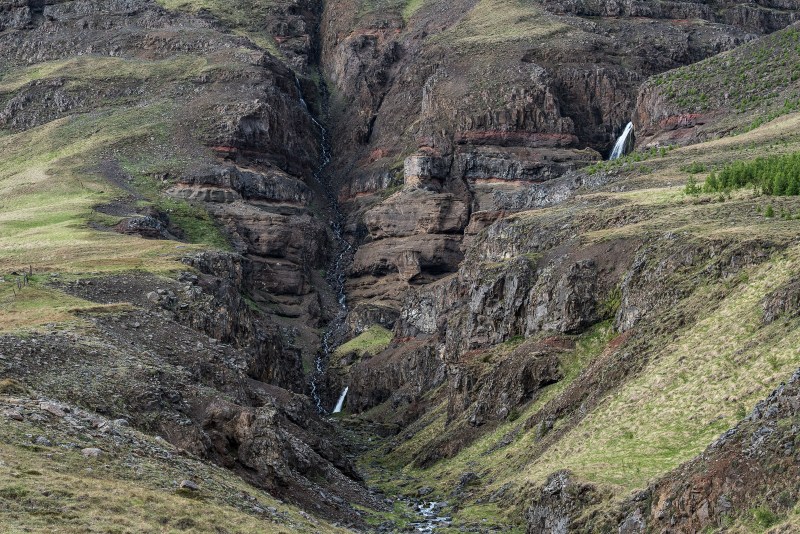
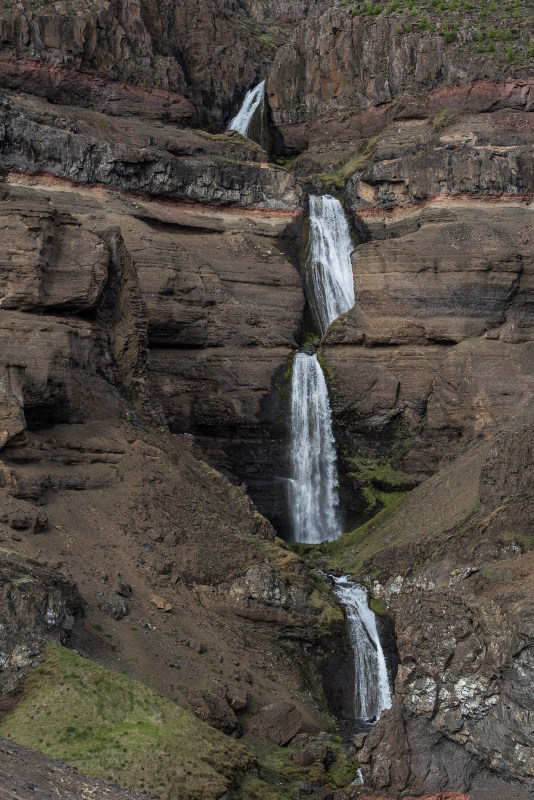
Currently, TripAdvisor has two reviews of the waterfall at Bólugil. One of them states the waterfall can be seen from the road, the other states they couldn’t find it. What you see from the road is a little less than what you see above, and, while pretty, not exciting.

DSC 4712

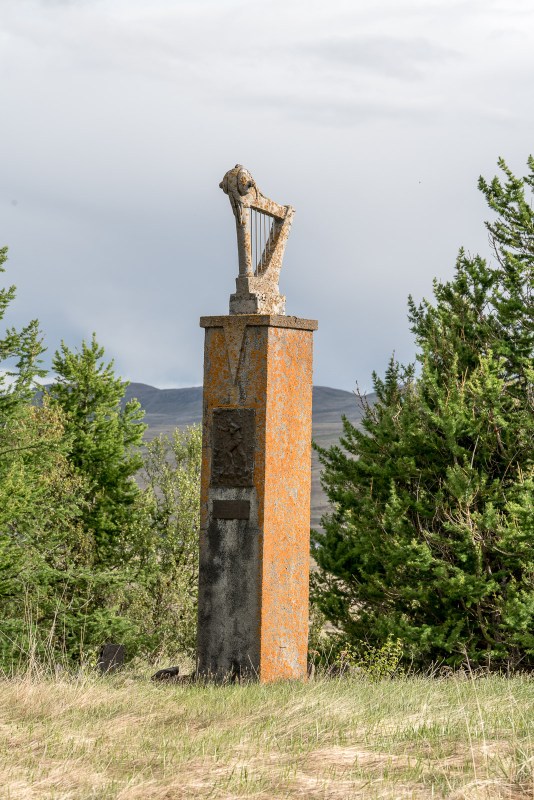
To find this waterfall, drive west on 1 from Akureyri, towards Varmahlíð. There will be a sign to the farm Bóla to the right, with a four-leaf clover symbol on it, indicating some sort of attraction. Park at the gate or drive through to the bridge. On the way, you’ll see a fenced in area with a monument for the poet Bólu-Hjálmar. Why would be a monument here, in the middle of nowhere?

DSC 4678

This is all very frustrating. From the little that is available online, this Bólu-Hjálmar must have been an interesting character, living here in Bóla in the late 19th century, and writing sarcastic poems. Our library has a biography about him, in Icelandic, which I regretfully don’t speak. But is says a lot about the Icelandic people and their dedication to literature that they put monuments up like this.

DSC 4683

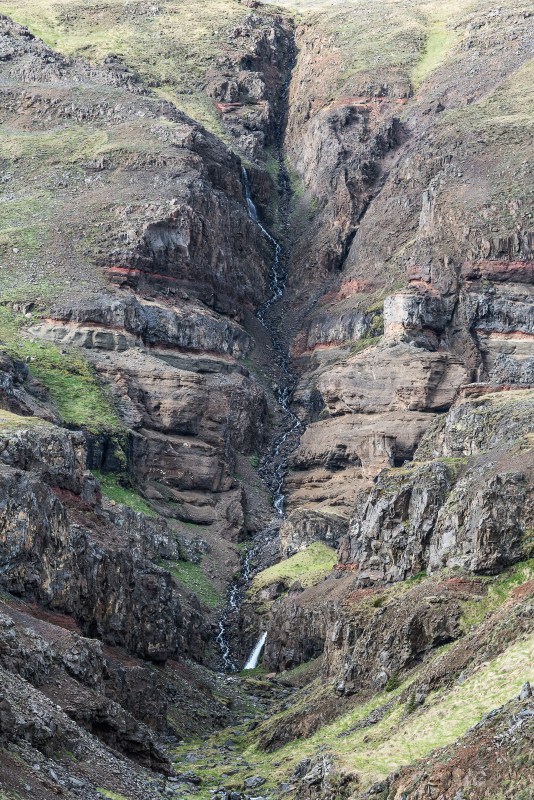
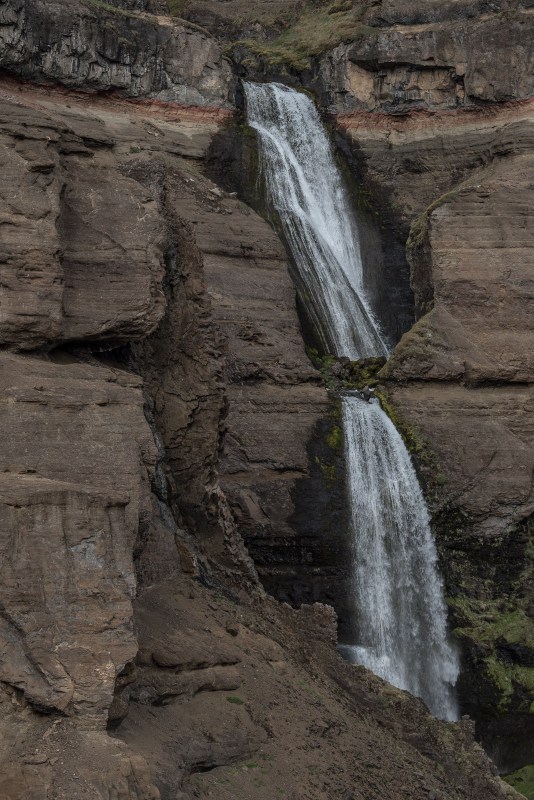
Nature seems to have put up its own humorous dedication. When you reach the canyon, you get a hint that their might be more than the little stream. Climbing up on a possibly imagined path, there appear more little falls

DSC 4691

and more

DSC 4687

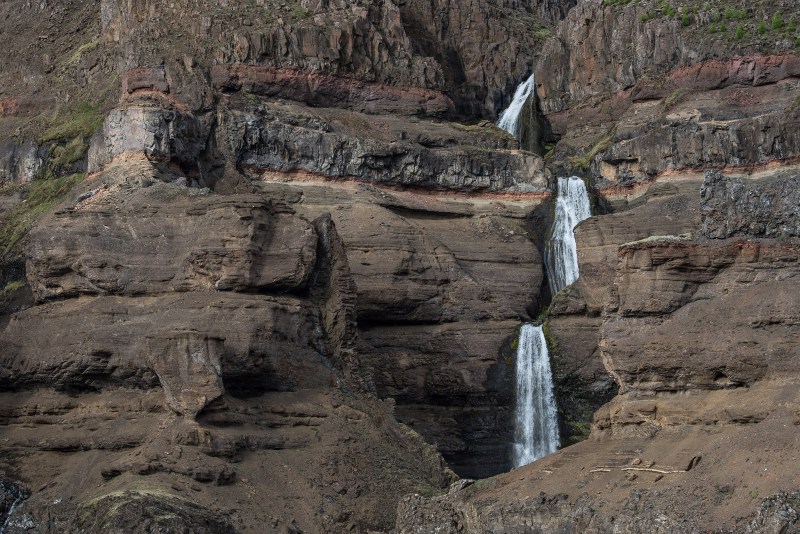
and more:

DSC 4688

European Waterfalls claims there are a total of seven steps. The way back to the car leaves time to meditate about the intrusion of civilization into this remote landscape.

DSC 4750

Hafrafell (North Iceland V)

According to Google, there are several mountains named Hafrafell in Iceland, and the one this post is about isn’t even on Google Maps. It’s barely a mountain anyway.
When driving east on 85 from Húsavík to Ásbyrgi, one can see a handful of small mountains that are often hiding in the clouds. Below is a typical view of the Hafrafell, a little over 500 meters high.

DSC 4041

On a less cloudy day they all promise good views of the landscape. We inquired at the ranger station at Ásbyrgi about that one above, and the extremely friendly ranger told us to drive to the nearest farm, ask the owners for permission, leave the sheep alone, and find our way up.
DSC 5775

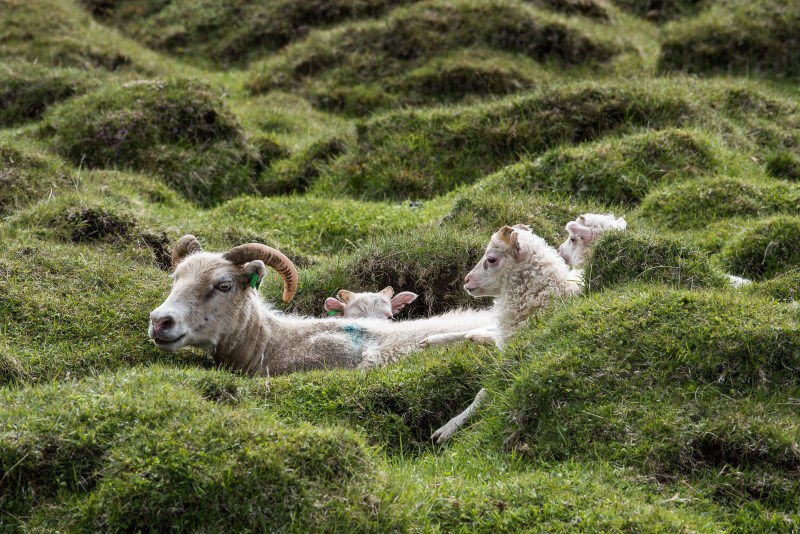
The farm is located on 865, which is a right turn off 85 when driving north, directly after the pool in Lundur. I doubt that many people ever go there, but the owner didn’t seem surprised. There is a path that leads to a small lake (mainly used by the sheep, very cooperative), and from then on one needs to find one’s own way.
DSC 5675

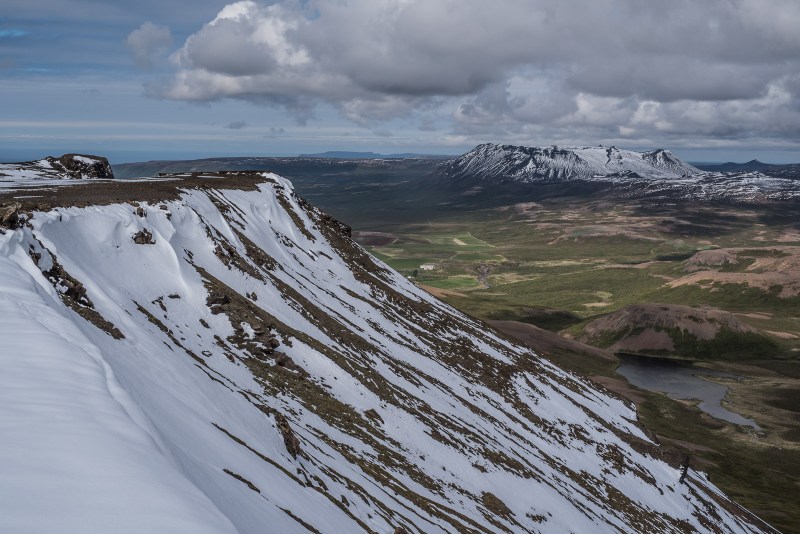
We followed the north-east face to its southern end and then went up. It’s pretty steep, and there was still lots of snow.
DSC 5696

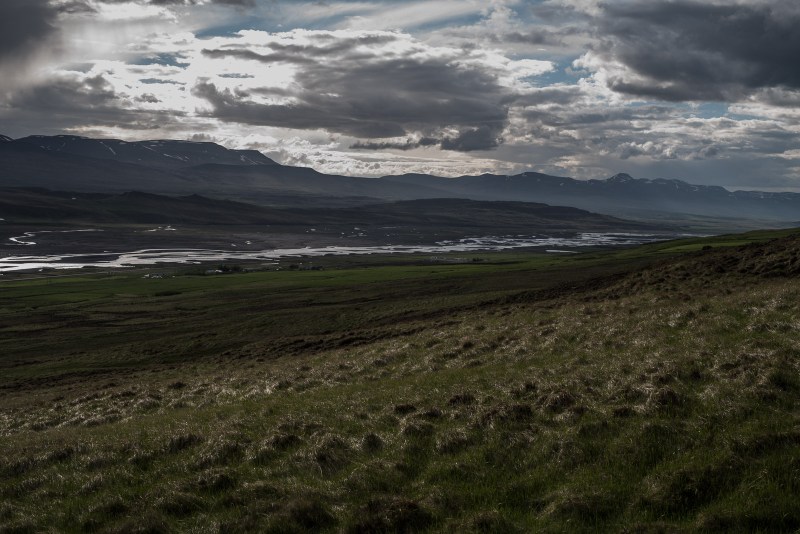
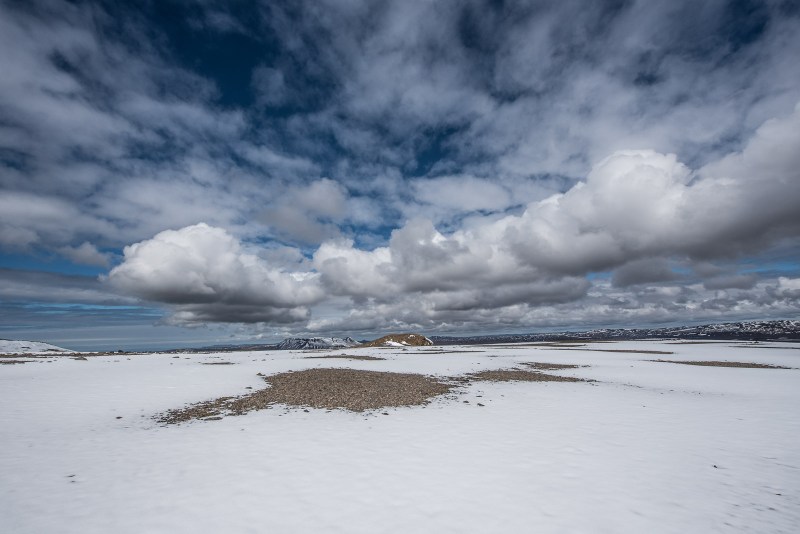
The top is a large plateau with unlimited access to the all the clouds you can wish for. And the views were indeed worth the effort.
DSC 5679

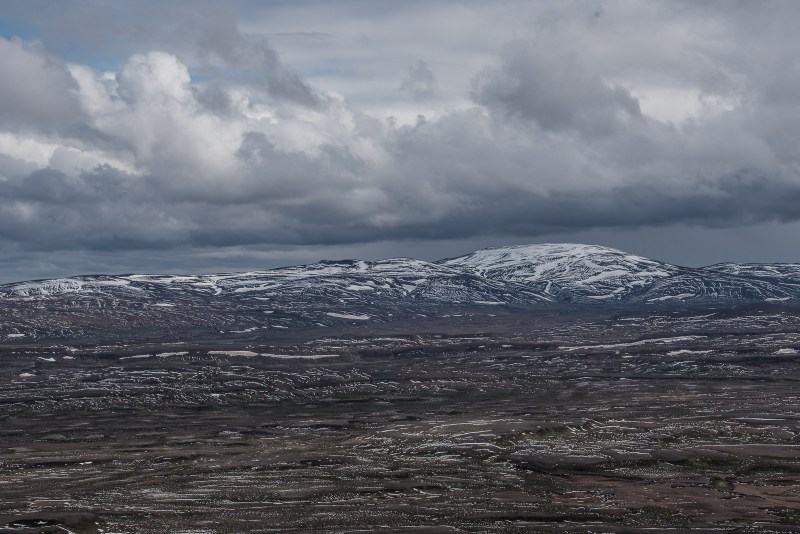
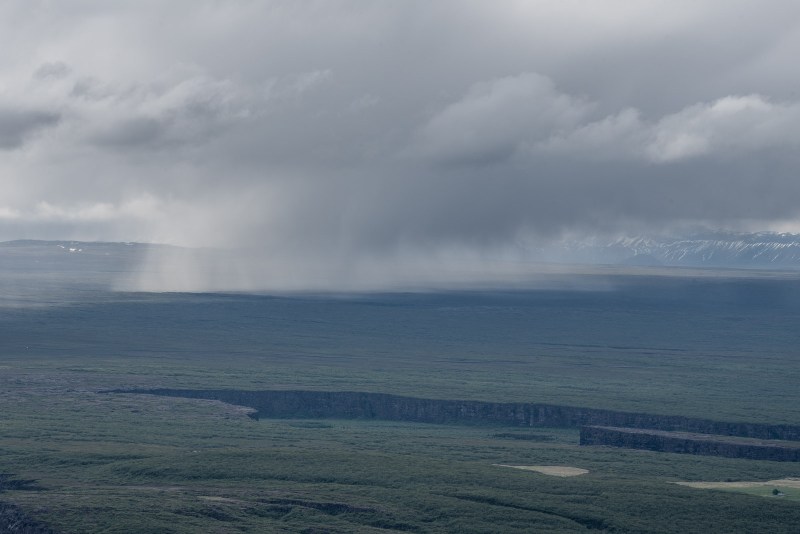
To the east, a vast and empty landscape opens up. Very tempting. I need to learn riding a horse to get around there.
DSC 5731

Finally, one can see see the Ásbyrgi canyon from above, together with the mandatory threatening weather.
DSC 5735

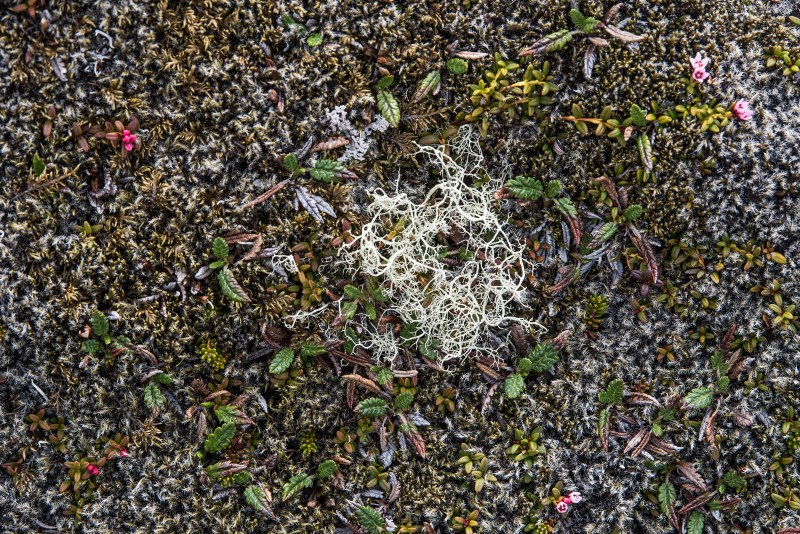
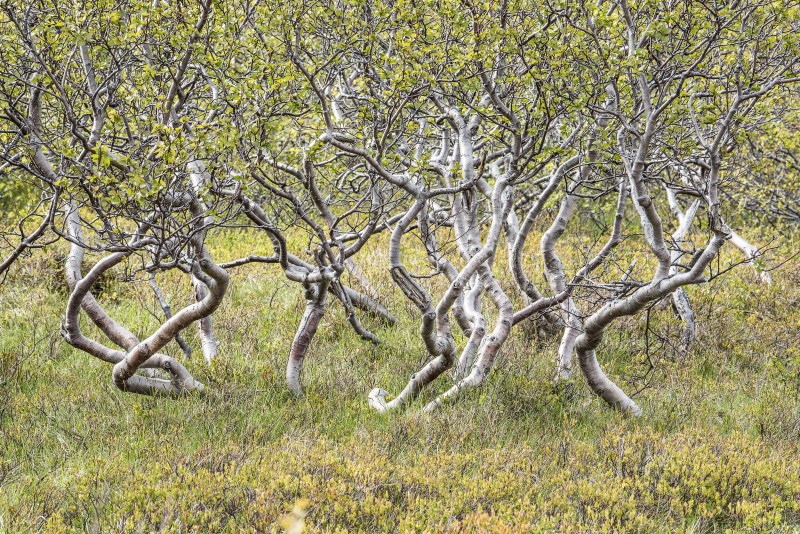
Equally fascinating as the large scale landscape is the smaller scale vegetation. Of course you can find soft moss and dancing birches elsewhere, too, but here they are part of the deal.
DSC 5757

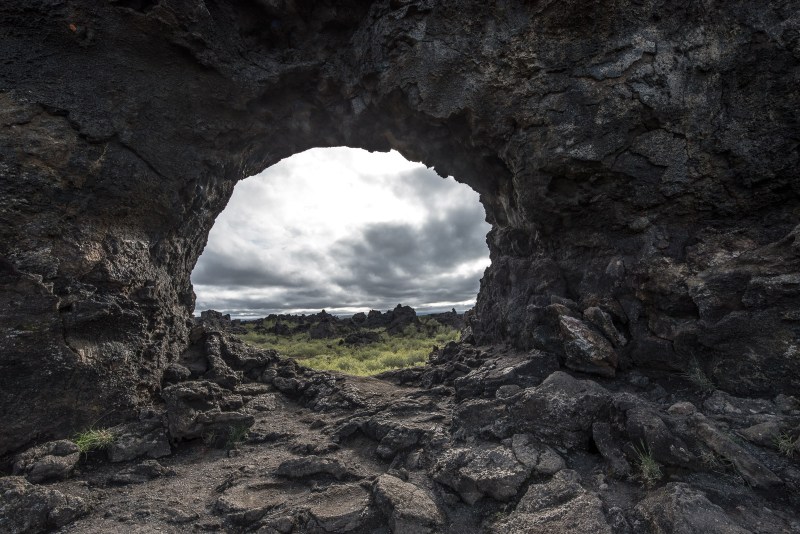
We spent about three hours on this mountain, 90 minutes to get up, 30 minutes on the top, and another hour to get down again. If you feel inspired and want to try it, check for snow and weather conditions before you go.
Möðrudalur (North Iceland IV)

Möðrudalur is a small settlement in the northeast of Iceland. It used to lie along the ring road, but modern efficiency has bypassed it.

DSC 5482

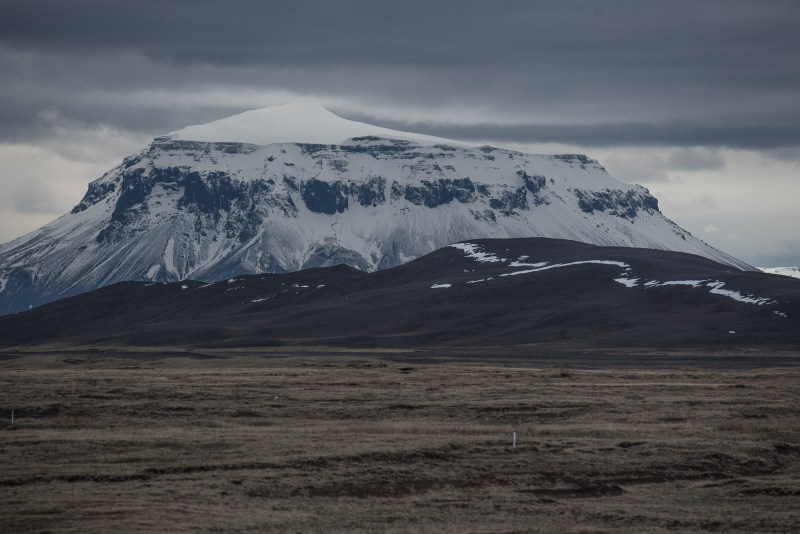
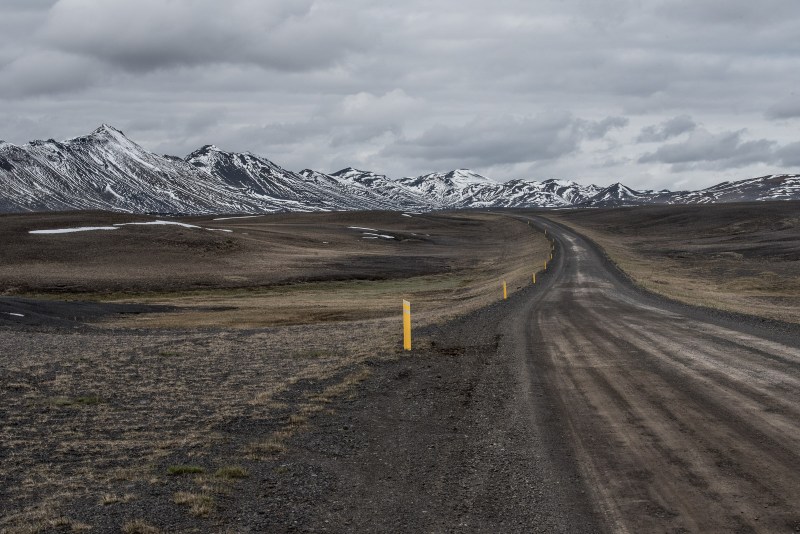
Too bad, because that alternative to the ring road, called Möðrudalsleið, is much more exciting. There are dramatic views of the Herðubreið (which was, unfortunately, not yet accessible when we visited).

DSC 5472

In contrast to the ring road, it is just a simple dirt road, but not too bad.

DSC 5465

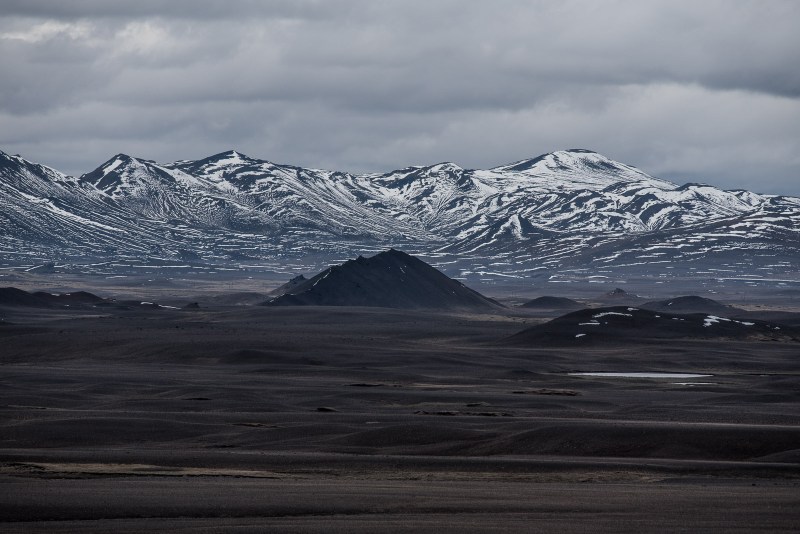
It climbs up the mountains and offers views of otherworldly beauty.

DSC 5496

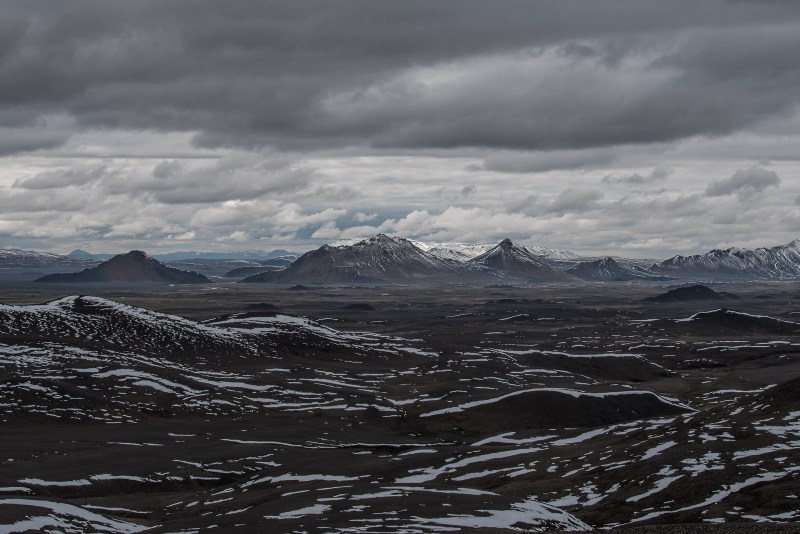
Heinrich von Kleist, when confronted with the landscape paintings by Caspar David Friedrich, wrote famously that it felt like one’s eyelids had been cut away. This landscape feels like this, too.

DSC 5522

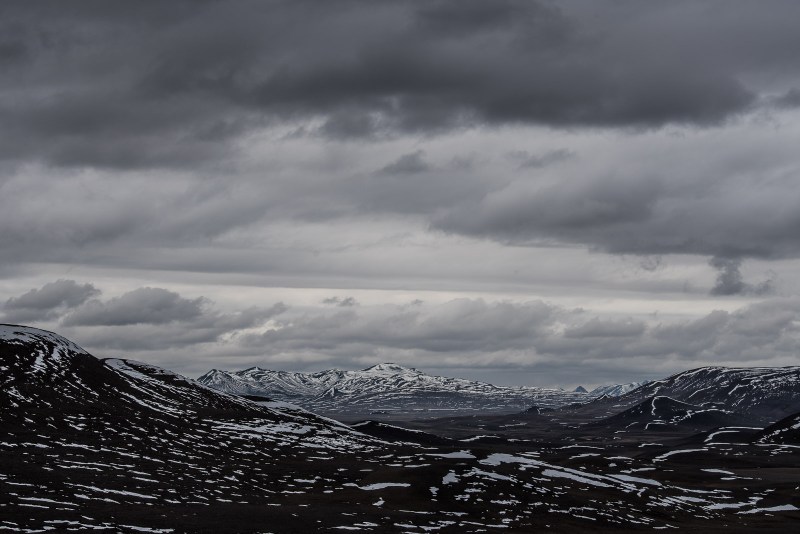
That this is so vast and still so simple creates confidence in its permanence. There is nothing to destroy here, and even if major earthquakes or volcanic eruptions take place, it will still look pretty much the same. Human souls should be like this.
DSC 5543

Hljóðaklettar (North Iceland III)

DSC 3984

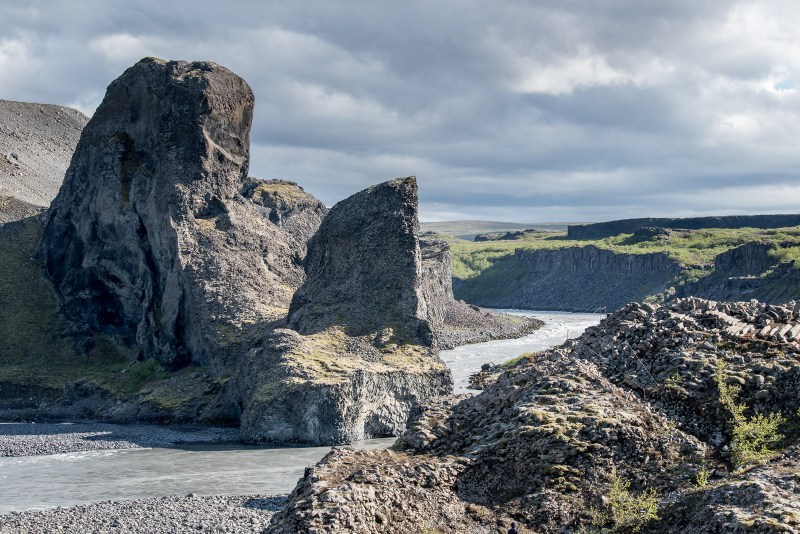
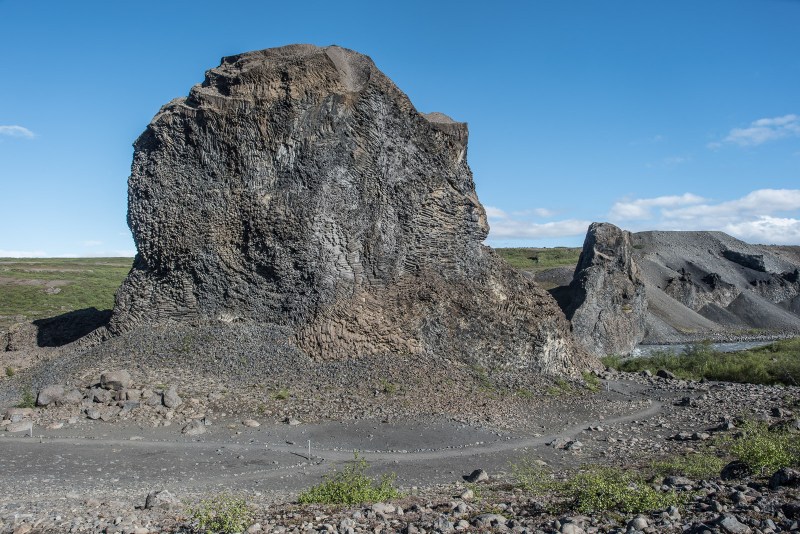
Let’s continue last week’s post with more basalt structures. The place to be is Hljóðaklettar in the Jökulsárgljúfur National Park. To get there, you turn south on 862 a little west of Ásbyrgi. There are a couple of well marked trails in this area; today we follow the river north. The landscape is marked with distinctive humps

DSC 3888

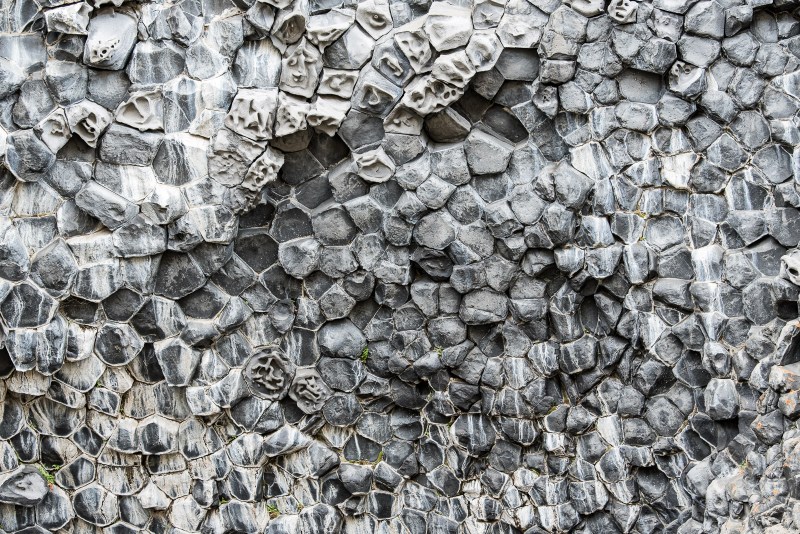
that consist of clusters of basalt columns.

DSC 3929

How much time did it take to build all this? We humans are truly ridiculously short-lived.

DSC 3961

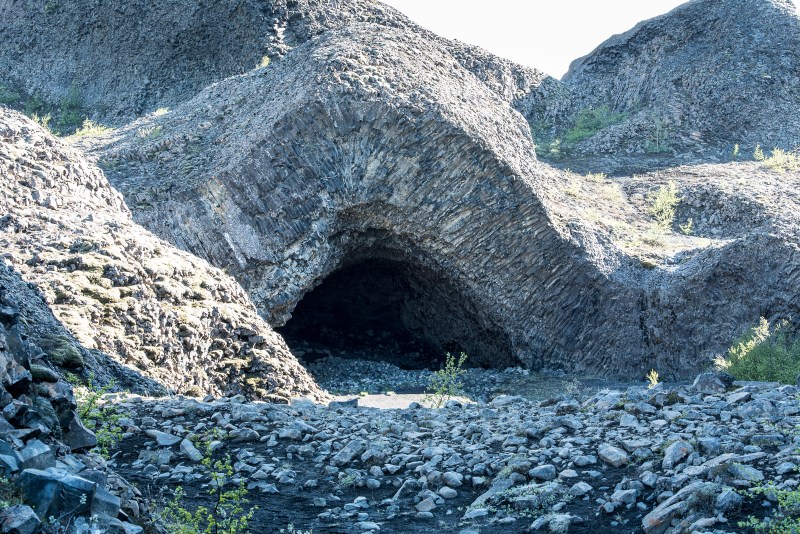
Then there are also the half-humps, like split giant geodes.

DSC 3969

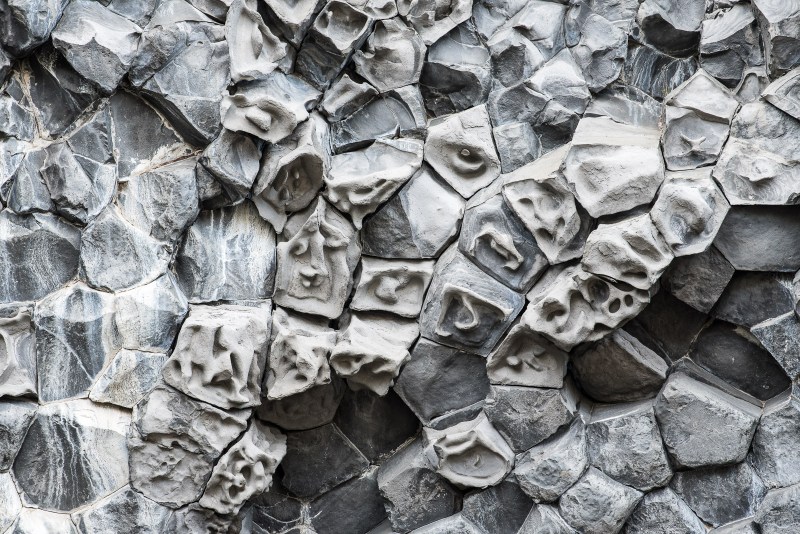
The inside (i.e. the left side of the hump up above) shows more strange rock formations

DSC 4015

that up close seem to look at us with mild disdain. Rightly so.

DSC 4016

Aldeyjarfoss (North Iceland II)

Within two hours driving from Húsavik, there are plenty more or less easy to reach places of interest. One of them is the Goðafoss waterfall, which is visible right from the ring road. Nearby, but not quite so easy to reach is the Aldeyjarfoss.

DSC 4507

To get there, one follows 842 south (a dirt road, better than 844, which is an alternative). This turns after a few bumpy kilometers into F26. Most people drive their two wheel drive cars up to the parking lot.

DSC 4675

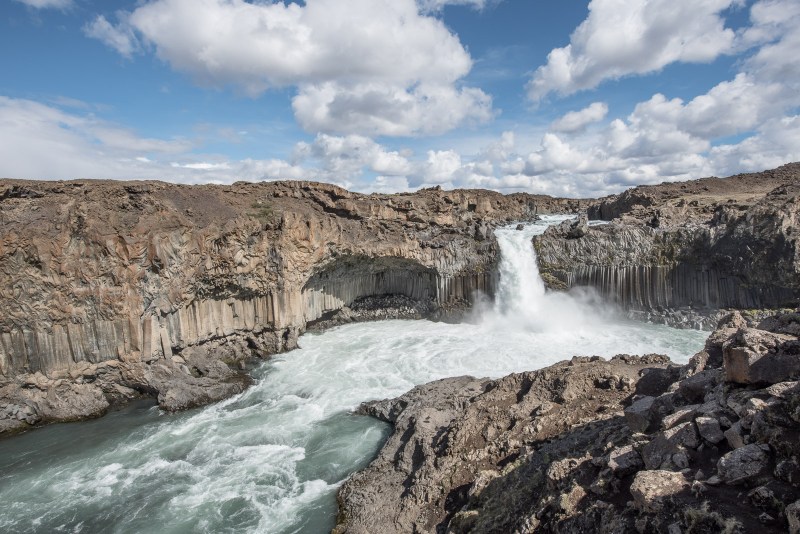
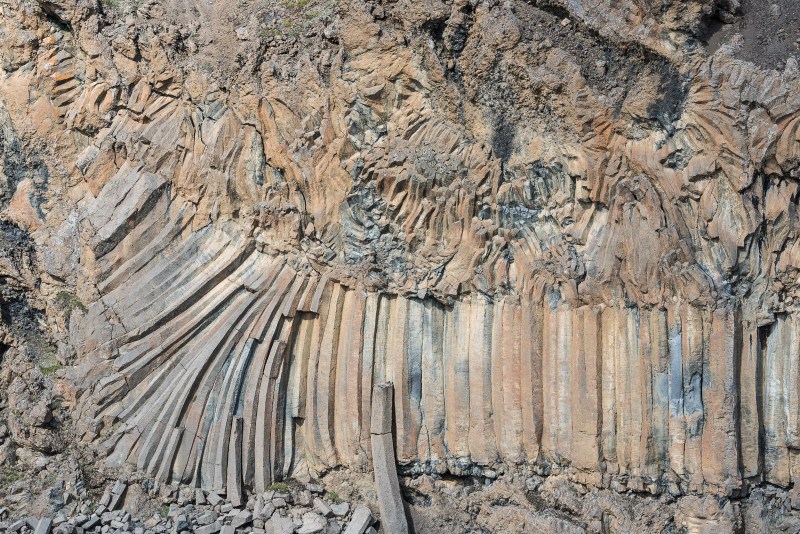
The waterfall itself is quite impressive, but its real beauty is due to the large basalt formations surrounding it.

DSC 4489

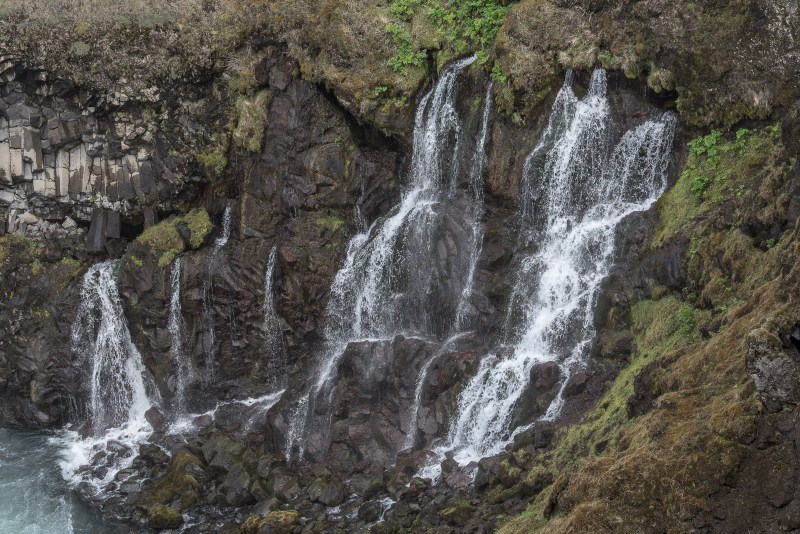
Next to it are some more contemplative smaller falls,

DSC 4661

and a short hike takes you to another large fall, the Hrafnabjargafoss.

DSC 4593

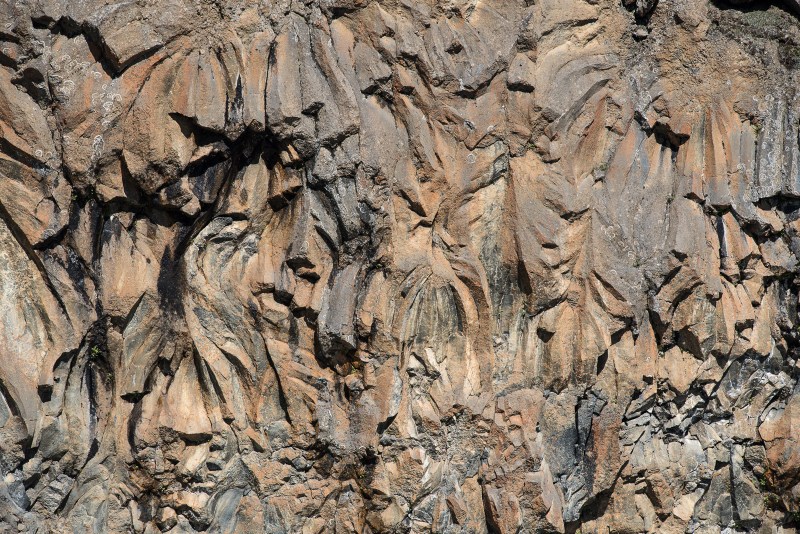
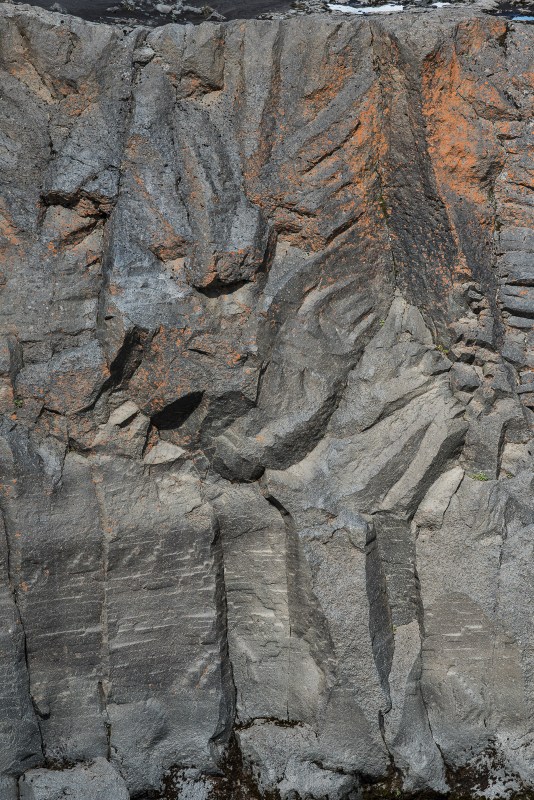
On the way, the rock formations on the river banks have the appearance of ancient friezes, telling stories about civilizations long forgotten.

DSC 4640

The complexity of this place made of rock and water is quite overwhelming.

DSC 4621

Húsavik (North Iceland I)

The next few weeks, I will write about this year’s vacation in Iceland’s north. For comparison, here are the links to the blog posts about Iceland’s south from two years ago:

DSC 3791

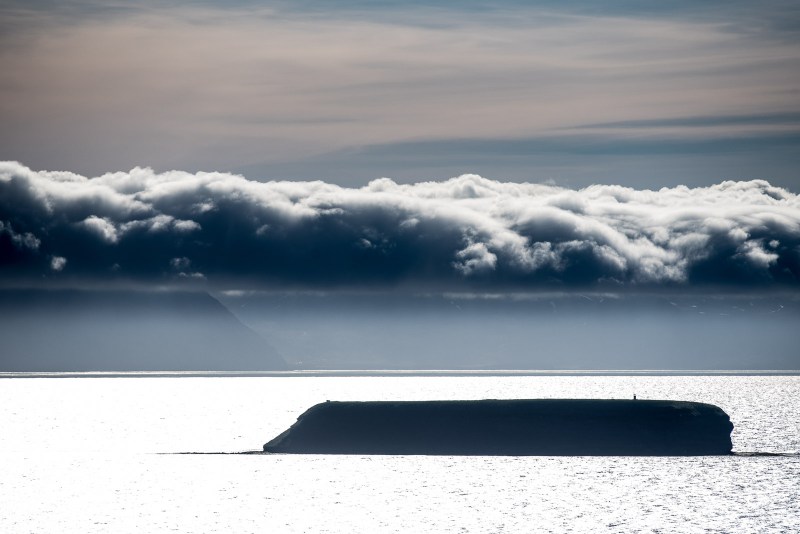
This year we stayed in Húsavik, a small and peaceful town a few degrees south of the polar circle.

DSC 5038

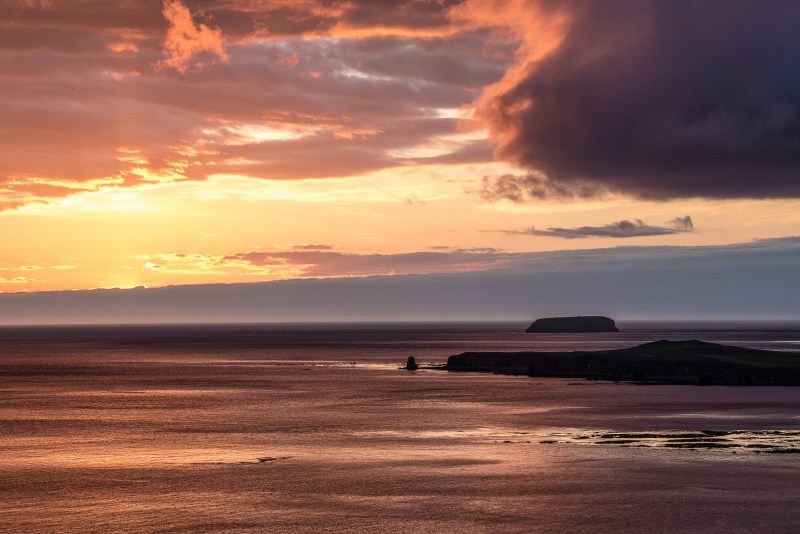
It lies on the east shore of Skjálfandi bay, which allows for nice sunsets (unless it is too cloudy (often) or not cloudy enough (rarely).

DSC 5940

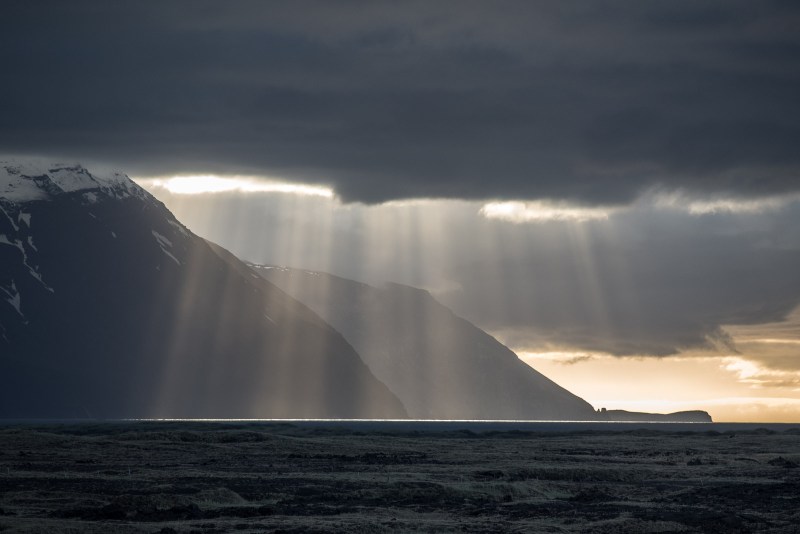
Dramatic clouds are abundant and make driving dangerous.

DSC 4245

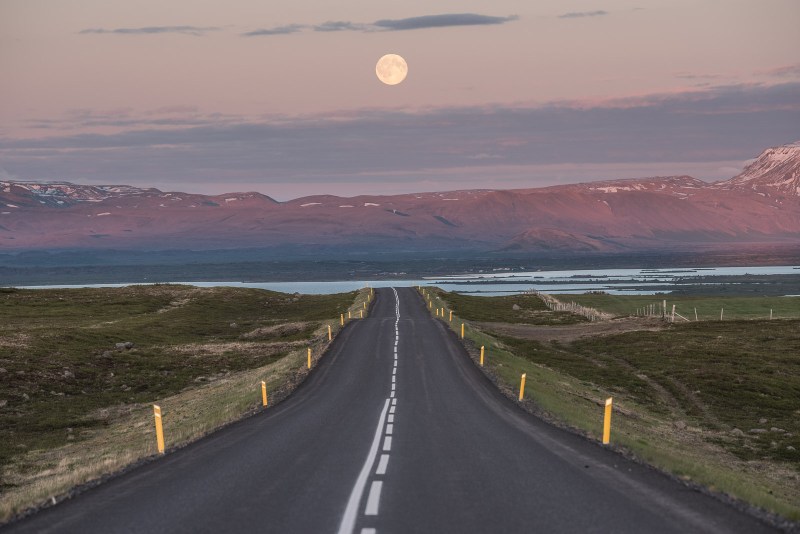
A highlight was the full moon backlit with a setting sun at midnight.

DSC 5798

After Dark (Southern Illinois IV)

DSC 3464

The trails at the Giant City State Park close at dusk. The reason seems obvious: You could get lost, fall off a cliff, and die.

DSC 3381

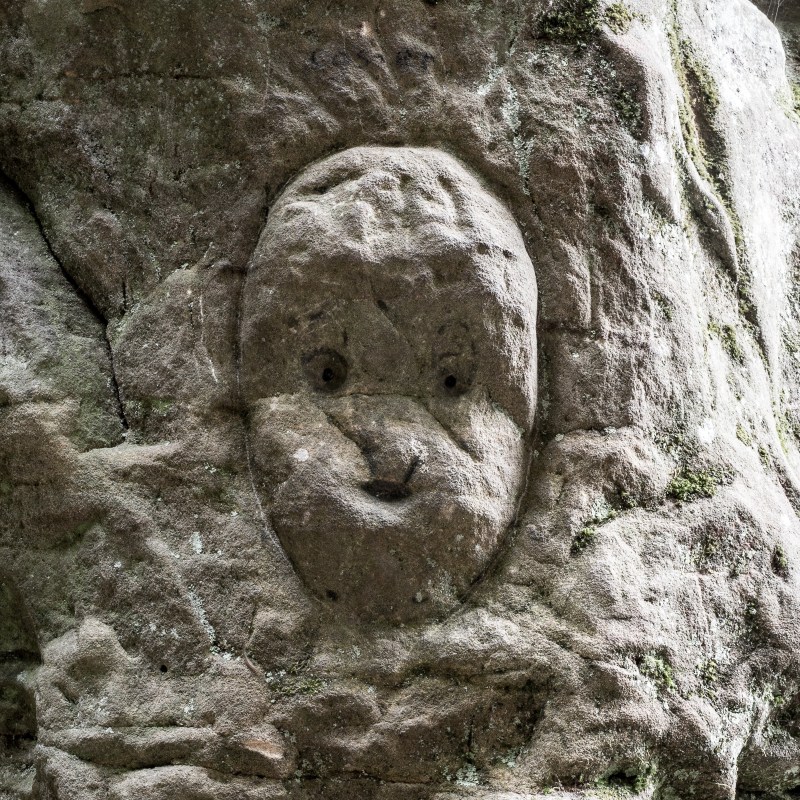
The truth is more sinister. After sunset, the innocent looking gnomes go into hiding, and from the rocks the true owners of the place emerge.

DSC 3388

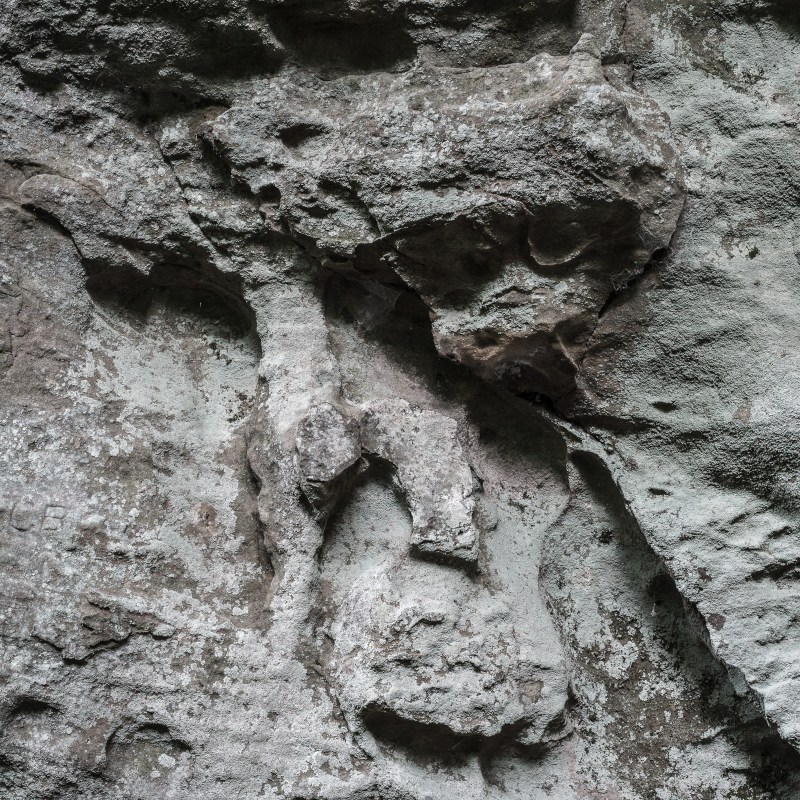
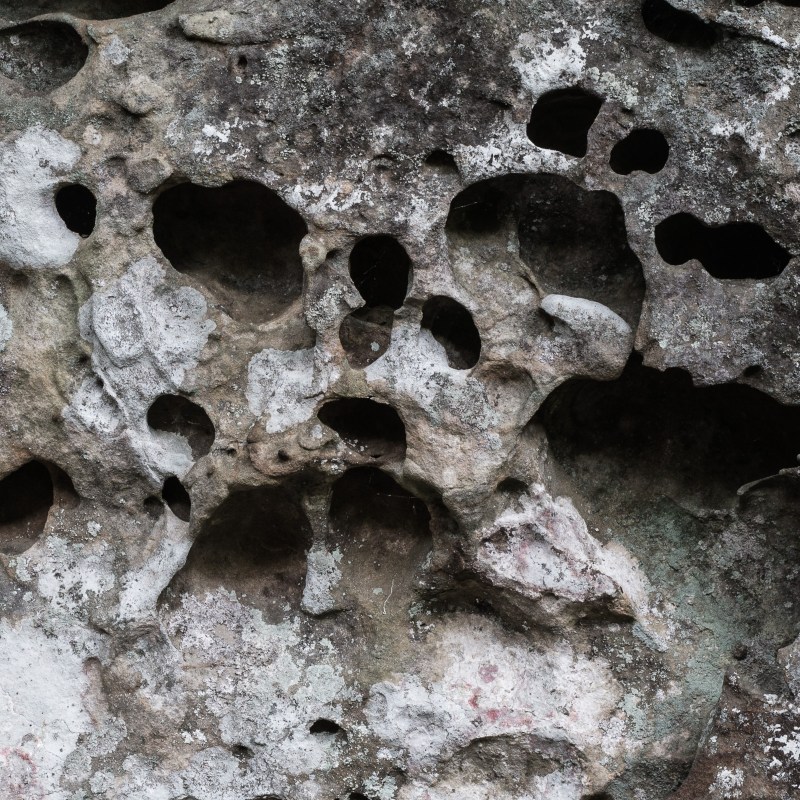
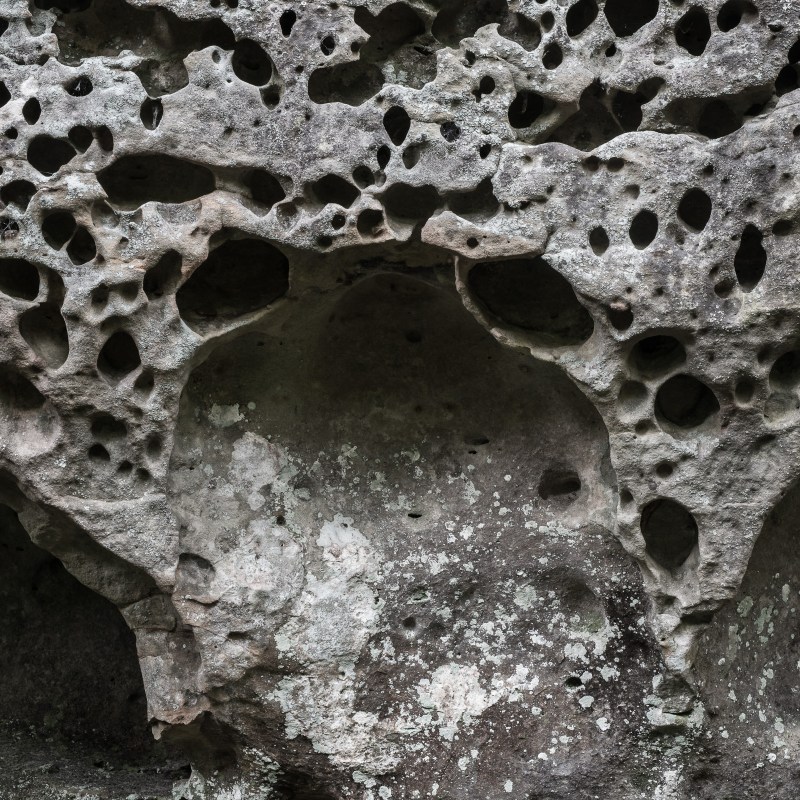
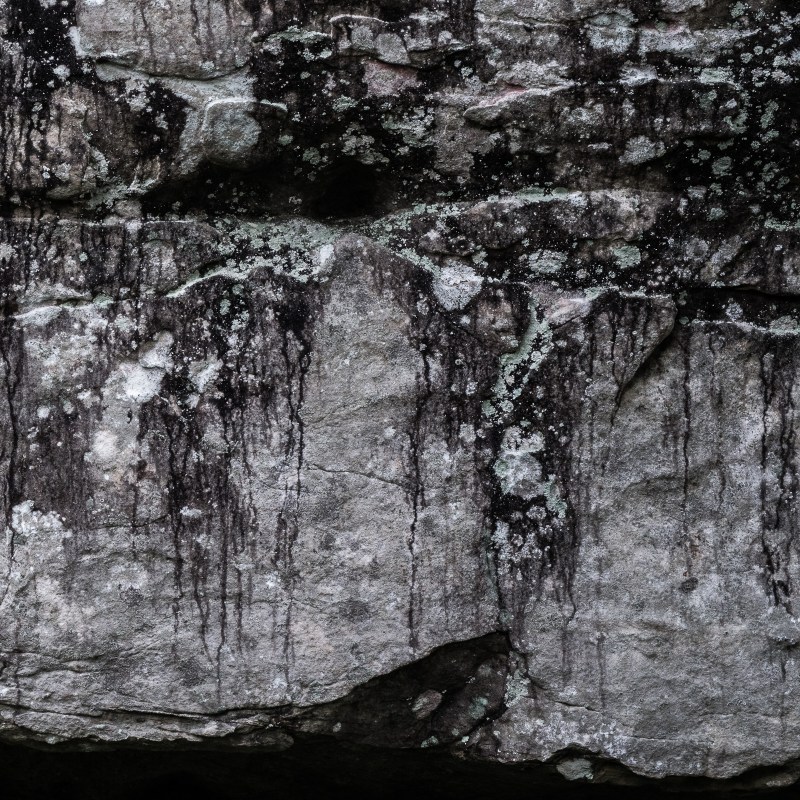
These two above still have humanoid features, but you start wondering whether there are other nameless horrors here. Death by falling off a cliff might have been a merciful alternative.

DSC 3386

I am sure Howard Phillips Lovecraft would have found inspiration here.

DSC 3416