Zion Rock Art

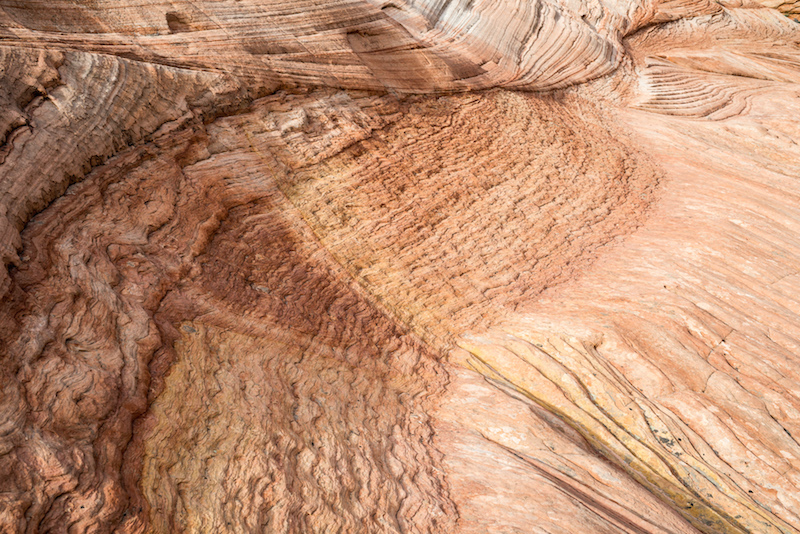
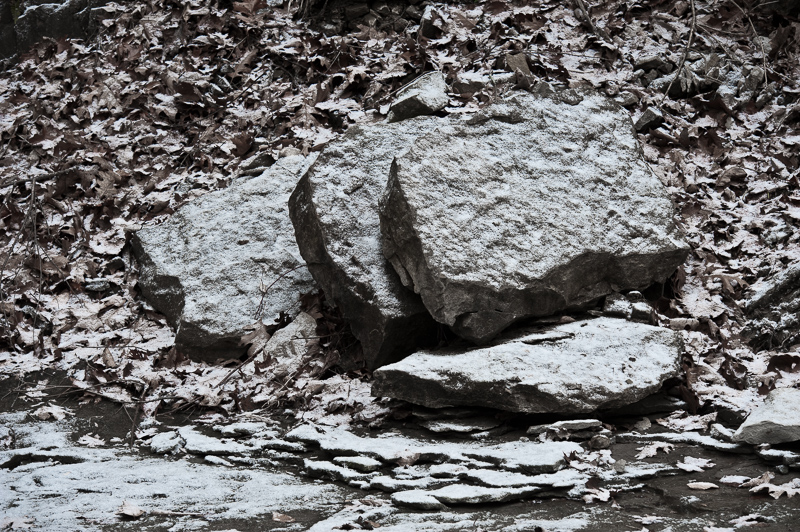
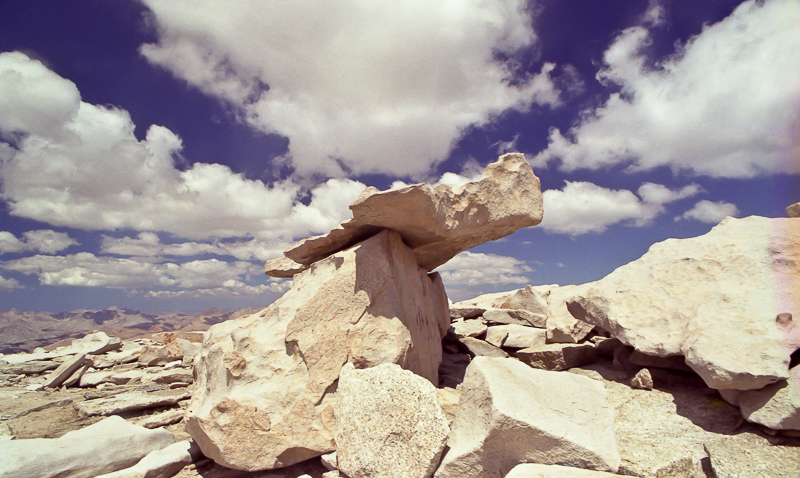
The rock formations in Zion National Park make it almost impossible to take poor pictures. Well, that’s a pretty vacuus statement. Let’s put it this way: Taking decent landscapes photos is way easier in Utah than in Indiana. So, here are images from Zion of a slightly different kind.

Springbreak2015 87

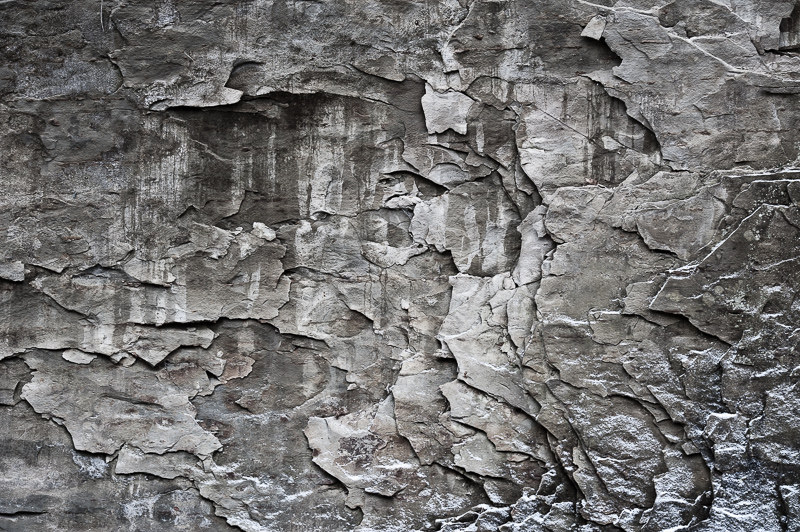
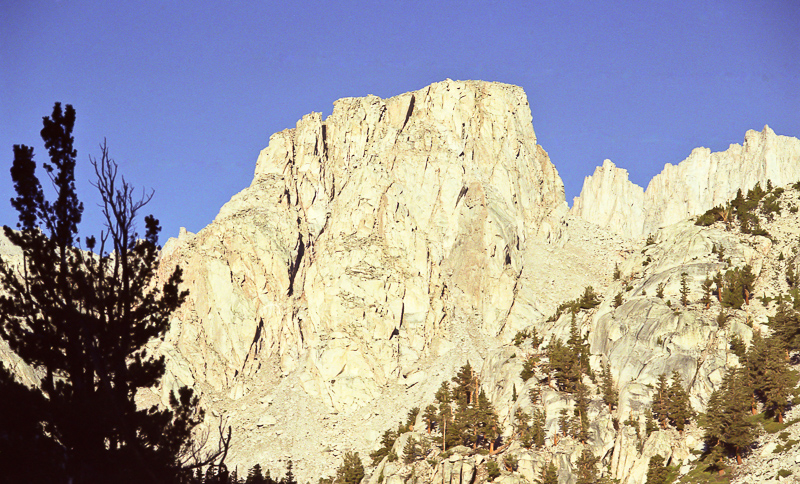
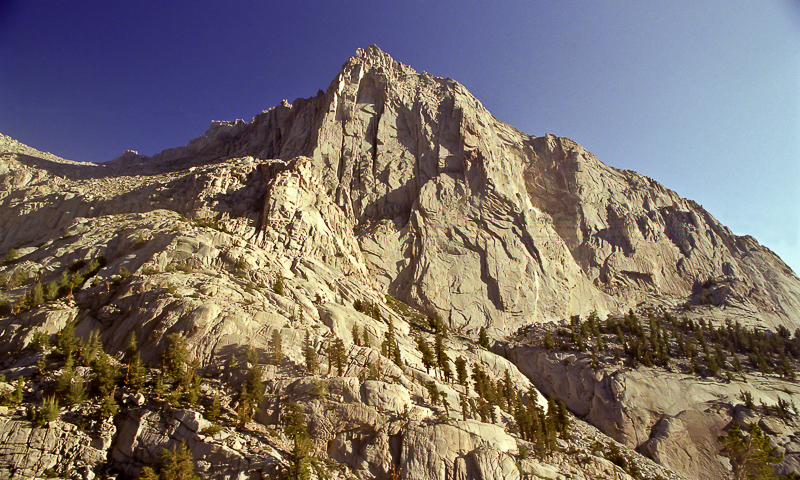
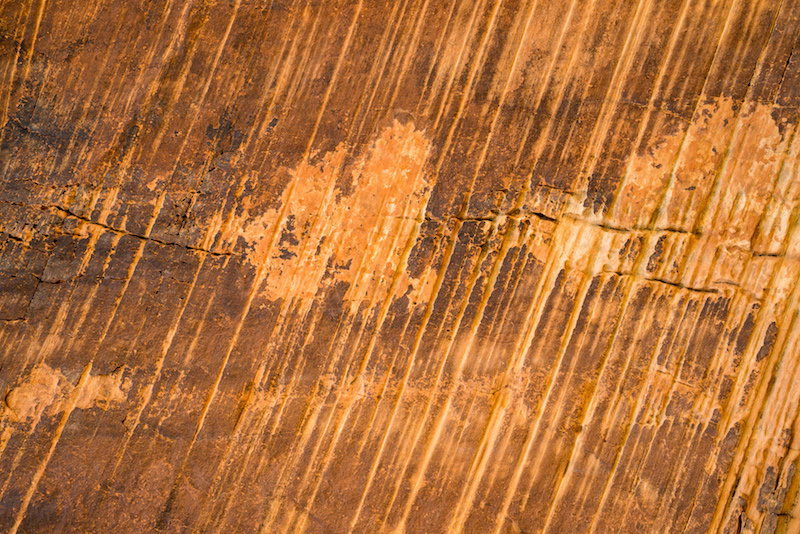
While in my Spheres series I am trying to create abstract 3-dimensional art, here I am trying to squeeze the inherently 3-dimensional concrete landscape into abstract 2-dimensional art.

Springbreak2015 43

I like about this approach that it becomes irritating, because the viewer loses her footing. She neither knows where she belongs in relation to the image, nor how big or small the image (or she) is supposed to be, nor whether she has to orient herself horizontally, upwards, or downwards.

Springbreak2015 28

It also makes it easy to lie. Not all of these photos were taken in Zion. Some are from the Valley of Fire State Park in Nevada. None, however, are from Indiana. I swear.

Springbreak2015 56

The Shape of Time (Sand Art II)

No, these dunes are not pink. The Coral Pink Sand Dunes State Park is purposefully misnamed, but it is still a place worth visiting.

DSC 6511

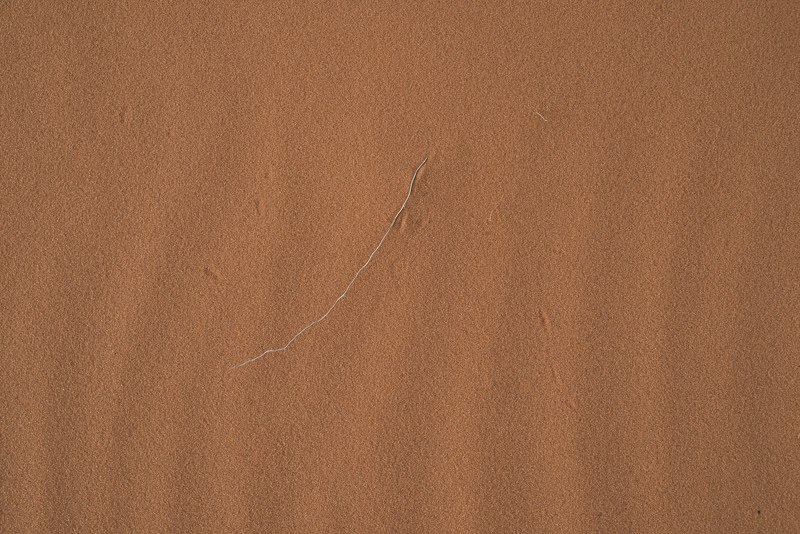
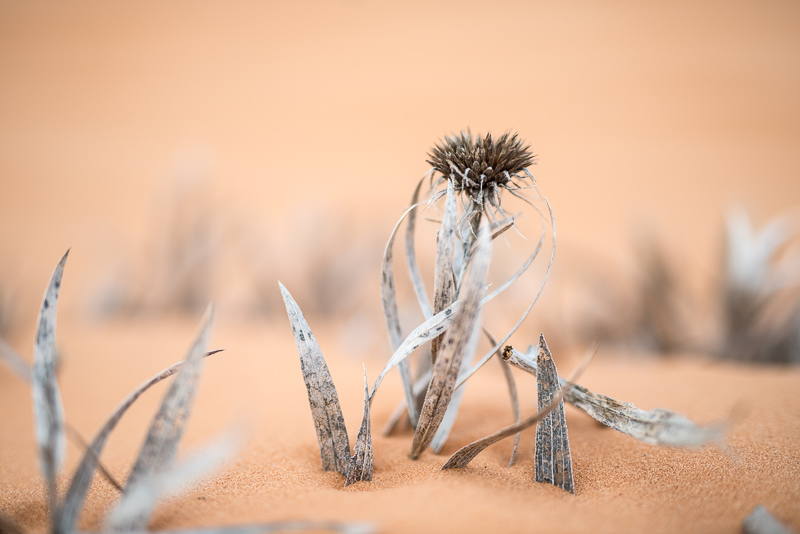
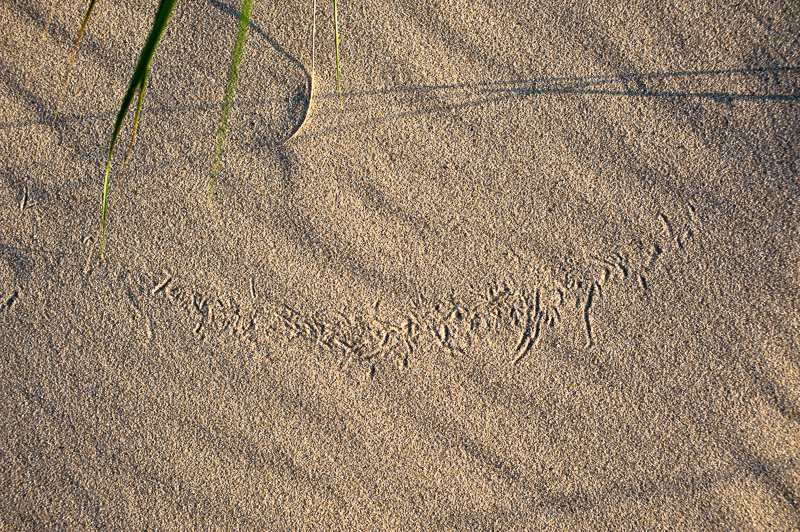
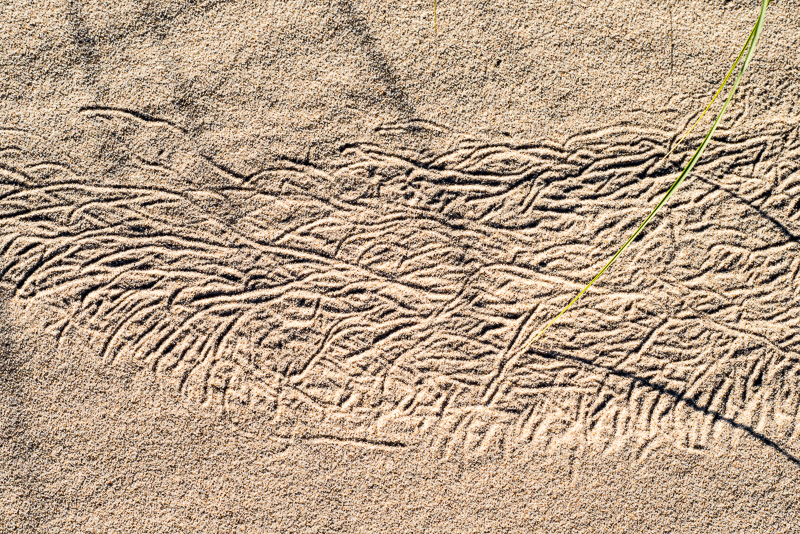
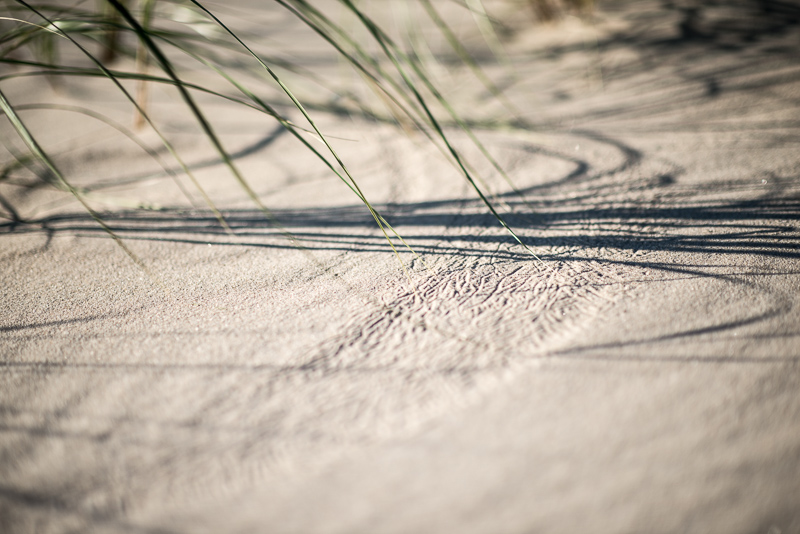
The cream-orange colored sand offers home to a variety of life forms, all of which seem to be eager to leave some sort of trace. Here, this is in vain, as the rough high altitude has slowed down time. Any efforts of growth are reduced, and feeble attempts of drawing in the sand have become minimalistic.

DSC 6522

Often, it is impossible to discern whether the specimens are still alive or dead.

DSC 6558

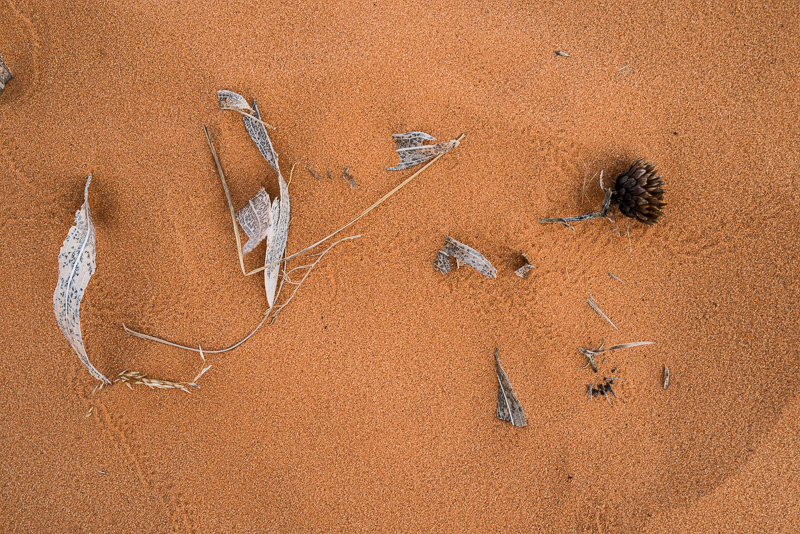
But, even if dead, there is still art that can be shaped.

DSC 6552

Stronger forces are attempting to leave longer lasting traces.

DSC 6526

Fortunately, the State Park officer is armed, and time will reduce these tracks quickly to their proper relevance.

DSC 6529

Snow Trillium

In the midwest, there is a fifth season between winter and spring, when everything seems to be in limbo for about a month. The temperatures rise above freezing point, but it’s not warm enough for any serious vegetation to spring up.

DSC6663

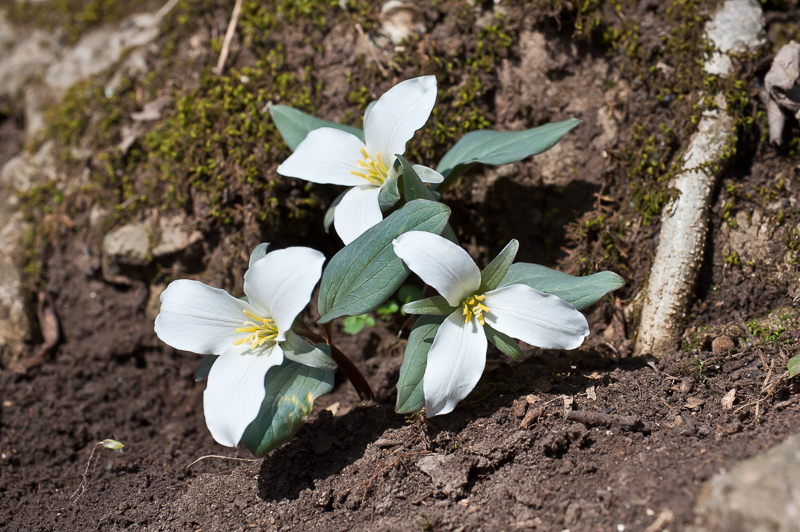
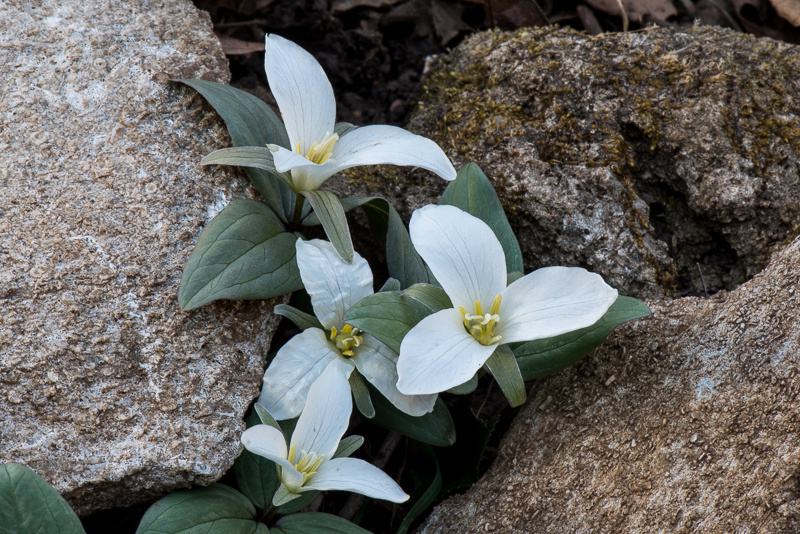
This is the time for the courageous, and one of them is the snow trillium. It typically blooms in early March, earlier than all other native wild flowers.

DSC2298

It enjoys steep limestone slopes facing south.

DSC 2890

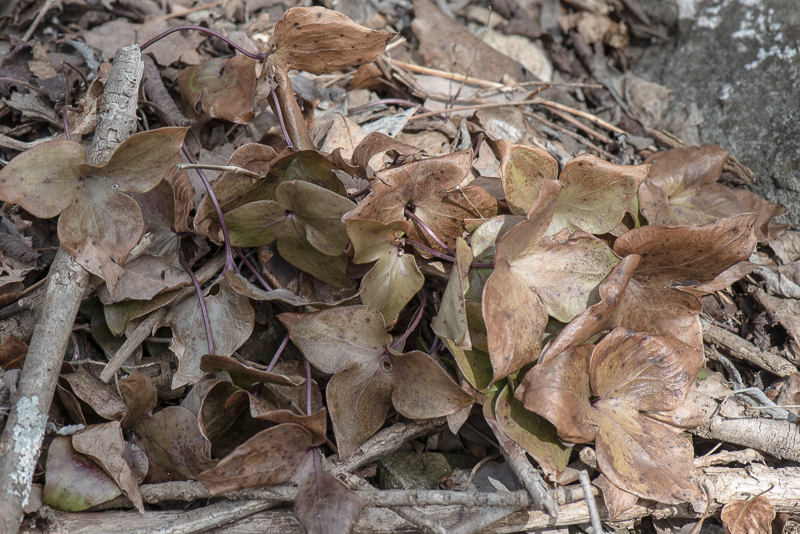
When I went looking today at one of my favorite wildflower spots, the Cedar Bluffs Nature Preserve in Indiana, it didn’t look good. Apparently one day of intermittent warming last week had lured the trilliums into growth, and they were than hit by a hopefully final wave of sub zero temperatures and snow. The result is not pretty.

DSC 6192

Luckily, trilliums are very resilient where they like it. They will be back next year, courageous as always.

Update: The image above is not that of a dead snow trillium, but rather of a hepatica plant. More about this in a later post.

Pine Hills Nature Preserve

Shades State Park in Indiana has so many wonderful spots that it is easy to miss the little Nature Preserve at its boundary.
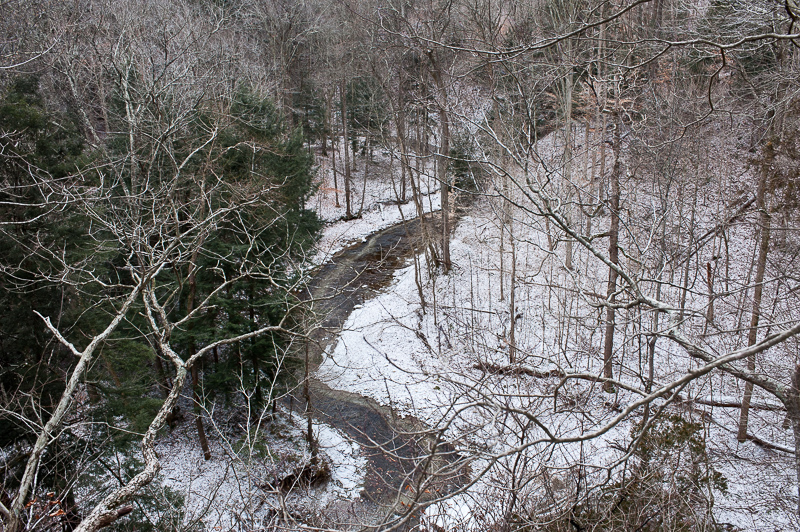
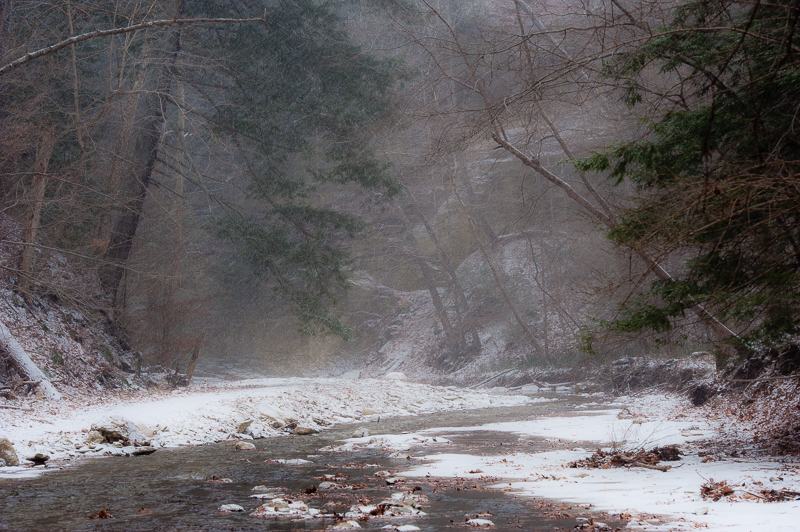
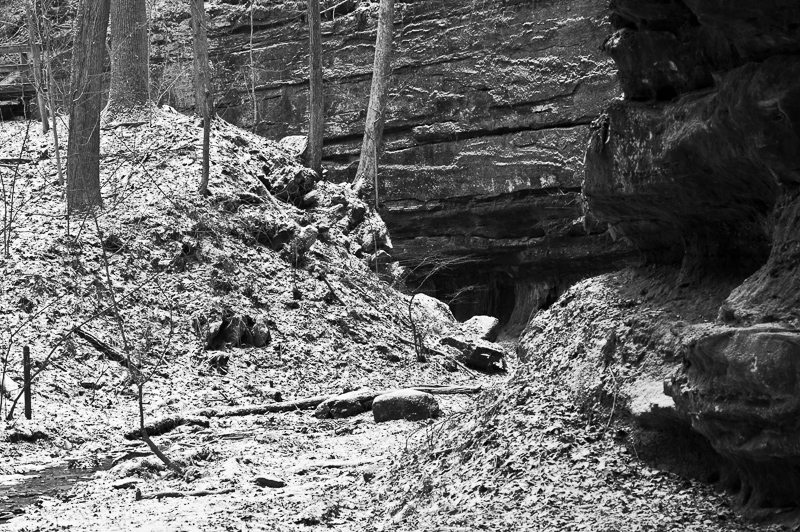
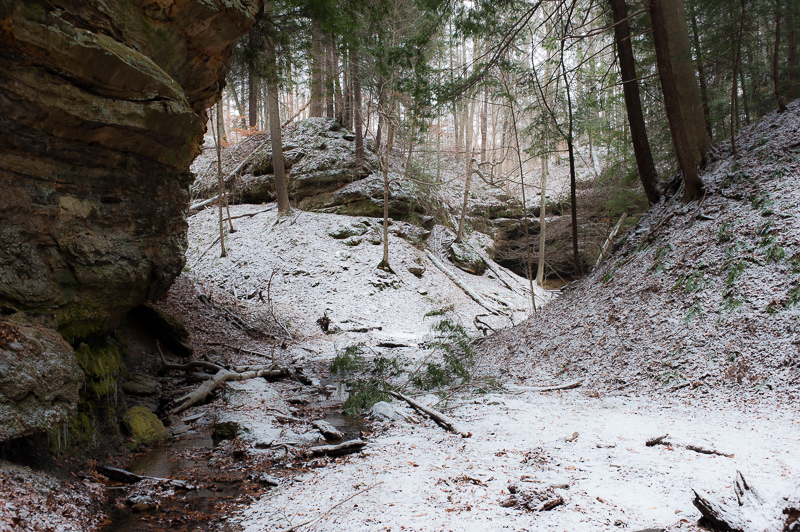
The 15 minute access trail is not really preparing the visitor for what happens at its end: A steep descent leads into the narrow Clift Creek valley, and you are greeted with steep, barren rock faces.

DSC1979

The creek meanders around backbones with promising names like Devil’s Backbone that are at some points less than two meters wide but offer vertical drops of 30 meters and more. Crossing them in winter requires care.

DSC1970

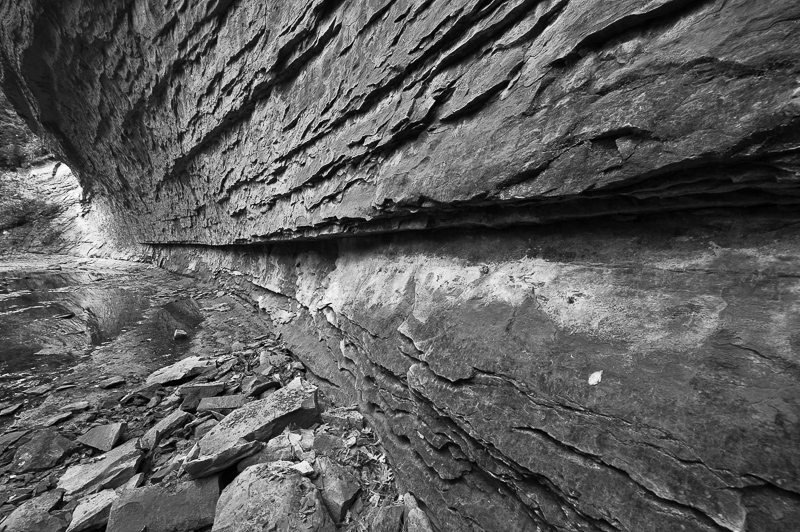
Even from below, these overhanging rock faces are vertiginous.

DSC1487

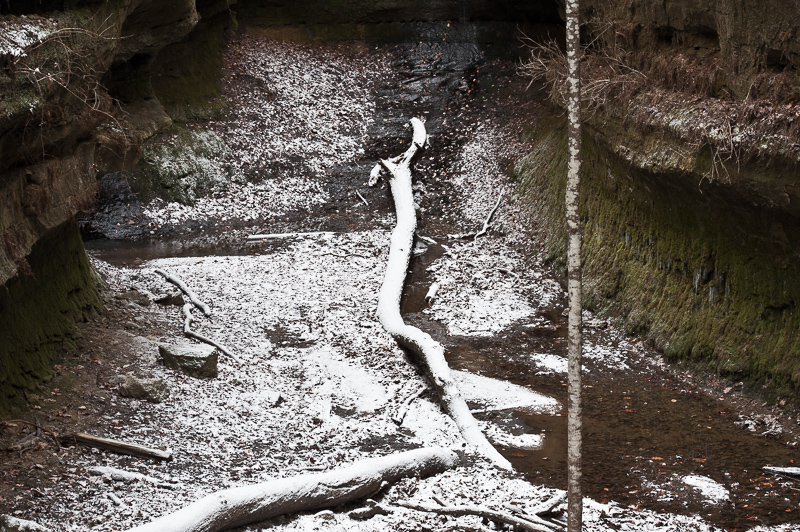
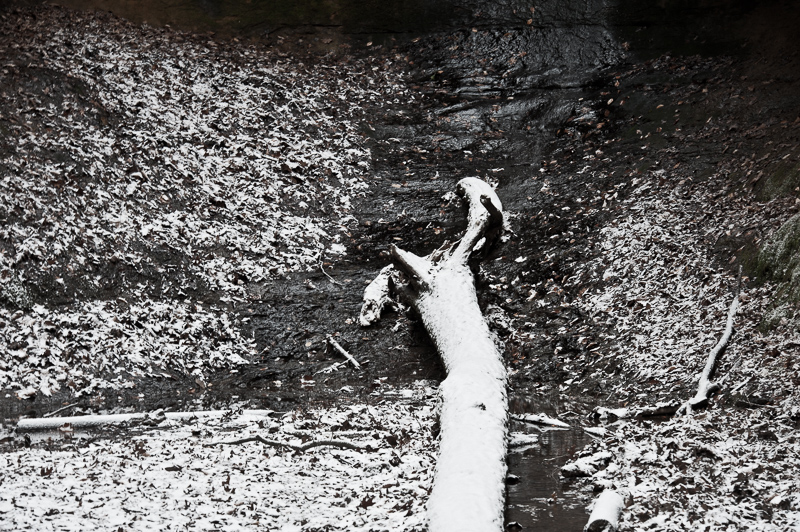
Usually, the best time to visit Indiana landscapes is during the Fall, but this place is so complex that it is almost made for a reduced color palette.

DSC2041

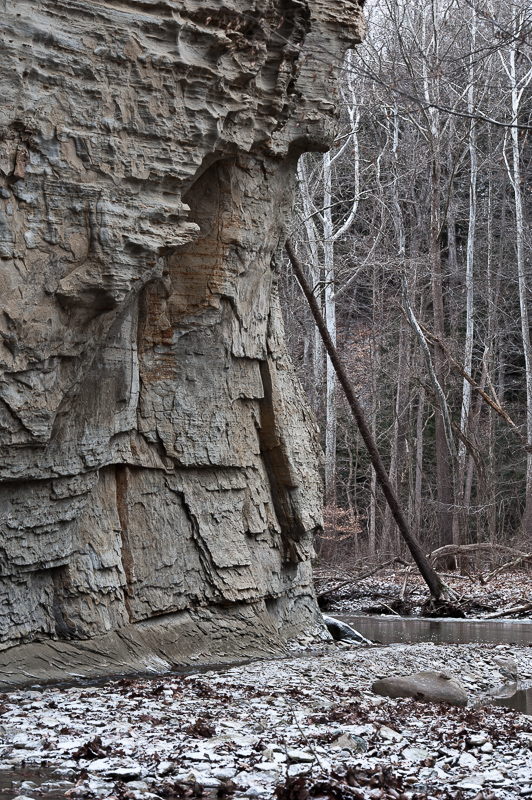
This ancient sandstone cliff looks tired. Who wouldn’t, after all these years.

DSC1990

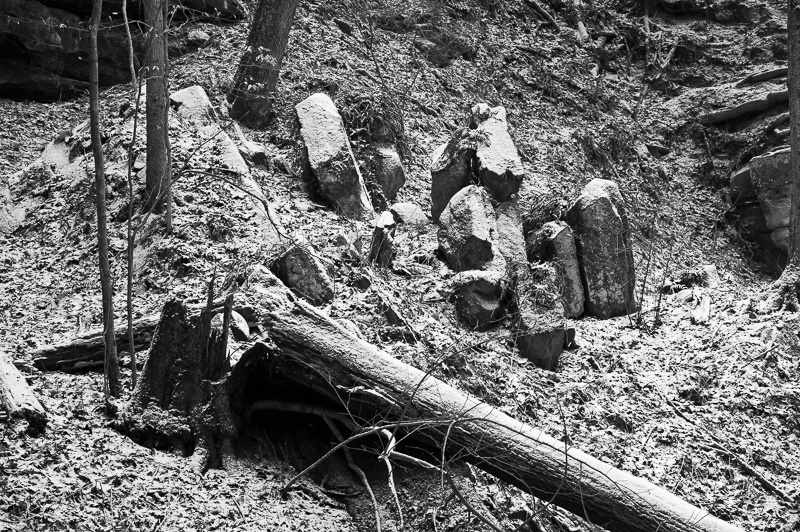
These rocks were left for a forgotten purpose, waiting now for time to end.

DSC1980

Sand Art

DSC1593

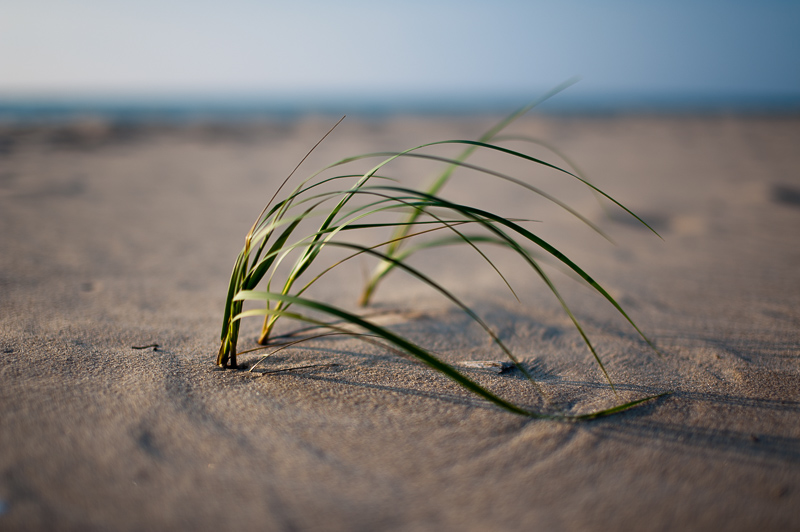
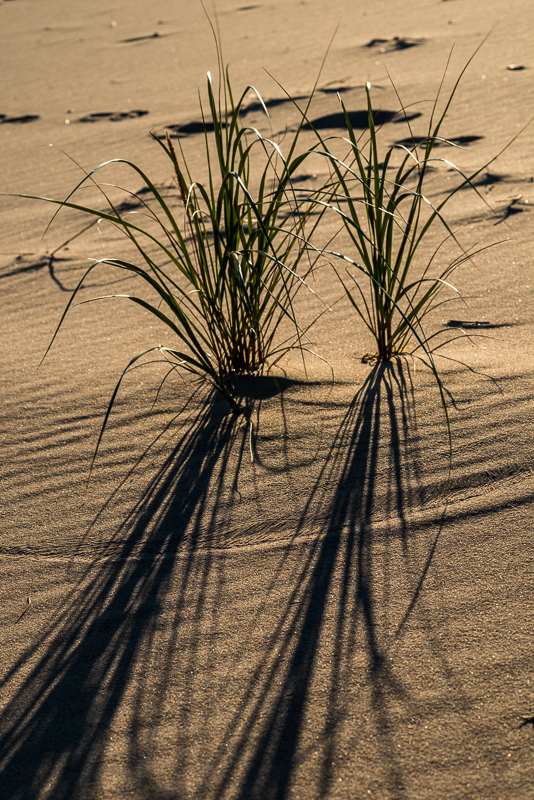
The dune grass or marram grass or ammophila which can be found at the coast of Lake Michigan (for instance) is an interesting plant. It likes to watch and protect the border between the lake and the sand, protecting the latter with its extensive root systems.

DSC 1212

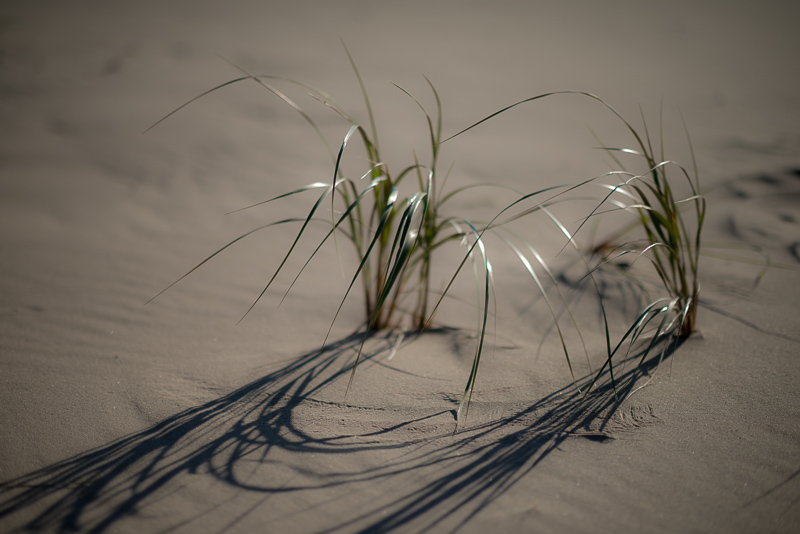
Its religion is that of the wind. Its longest stalks barely touch the ground, but when swayed by the wind, they leave traces in a indecipherable language.

DSC1598

It is precise, beautiful, and temporary.

DSC 1215

And the rain fell, and the floods came, and the winds blew, but the grass did it anyway.

DSC 1218

What human artist would dare to compete?

DSC 1261

Mount Whitney

Bk233

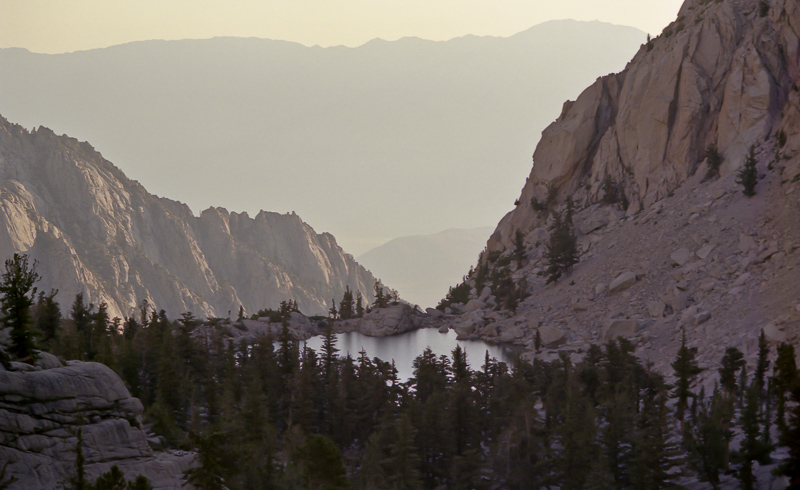
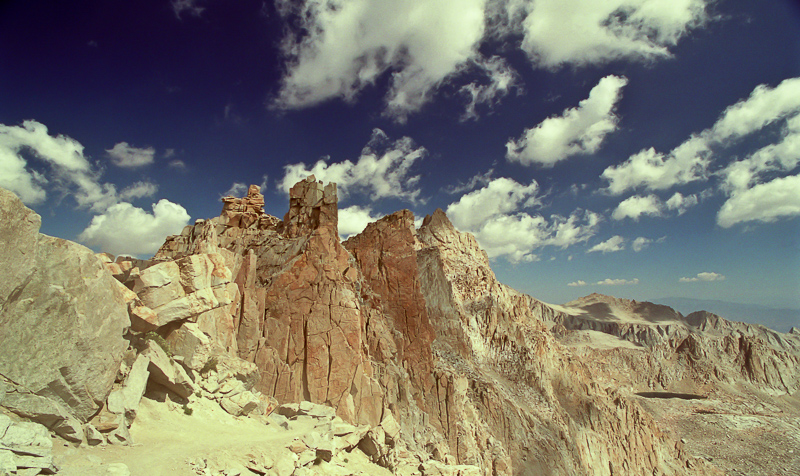
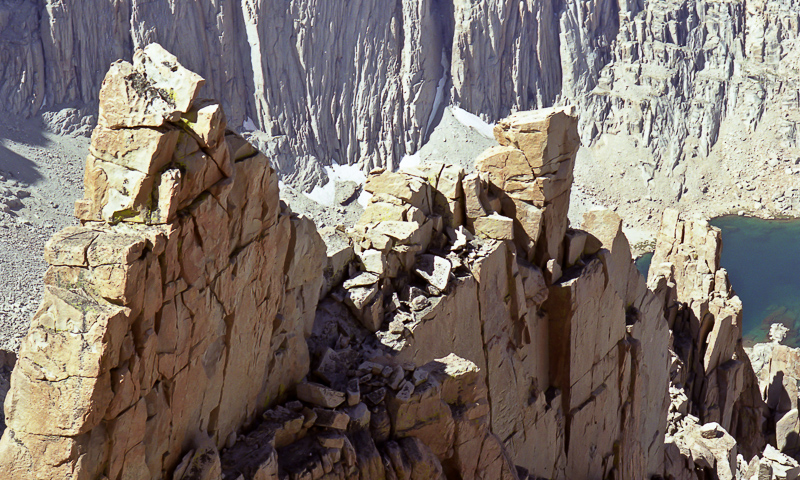
I had the opportunity and was in the physical condition to climb Mount Whitney in the Summer 1994 as a day hike, when no day use permit was required. So these are relatively ancient photos.

Bk235

The hike from the parking lot at the Whitney Portal and back took 10 hours. The 2000 meters elevation gain put a lot of stress on the muscles (uphill) and even more stress on the bones (downhill).

Bk236

At the same time I had become addicted to classical indian music, and Hariprasad Chaurasia’s rendering of the Raga Kaunsi Kanhra played back in my brain during the first hour of the hike.

Bk239

We started at 6am in the morning before sunrise, and the first two hours were pleasant hiking through wooded areas. The first challenge were the infamous 100 switchbacks, which bring you fast to high elevation and to the Mt Whitney Trail Crest.

Bk241

From then it is still a long way to reach the summit. In good weather, the hike does not pose any technical difficulties. But it is long, at high elevation, and in an alien landscape.

Bk244

Shades

My favorite State Park in Indiana is Shades State Park. The ominous name is short for Shades of Death, and possibly refers to a battle between Native American tribes. I have already written before about the Silver Cascades Waterfall in that park, but it has many other spectacular features. One is called Devil’s Punch Bowl, where in the early 20th century visitors that arrived from Chicago by train were treated to a movie night. These people had guts.

DSC2059

In dark winter, the punch bowl is certainly the place that justifies the park’s old name most. For some strange reason, the bare dead trees remind me of Francis Bacon’s crucifixion paintings.

DSC2065

The punchbowl is the end of a short canyon that has more fallen trees.

DSC2071

When the canyon widens, surprisingly the walls just get taller. One begins to wonder about the finale of this dramatic development.

DSC2076

Instead of a drop into the endless void, the canyon ends at the Silver Cascades Fall. That’s a counterpoint the composer of this landscape must surely be proud of.

DSC2113

Prophetstown State Park

Early in the year, Prophetstown State Park is a solemn place, and rightly so.

DSC 2616

After all, this is where in 1811 a decisive battle between a confederacy of Native Americans, led by Tecumseh’s brother Tenskwatawa (“The Prophet”), and an army of 1000 men, led by William Henry Harrison, the Governor of the Indiana Territory, took place.

DSC 2629

The battle ended with a defeat of the Native Americans, and the complete destruction of their village.

DSC 2653

Today, the park features an early pioneer village and replicas of the earlier Shawnee settlements.

DSC 2659

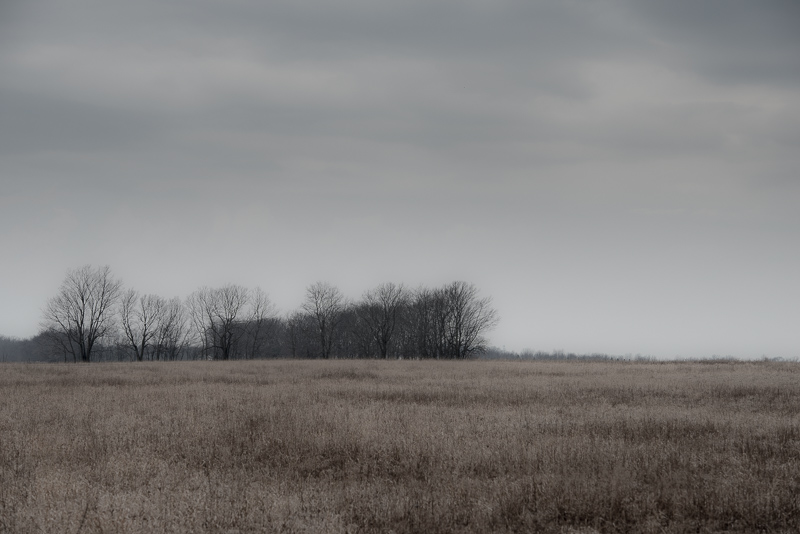
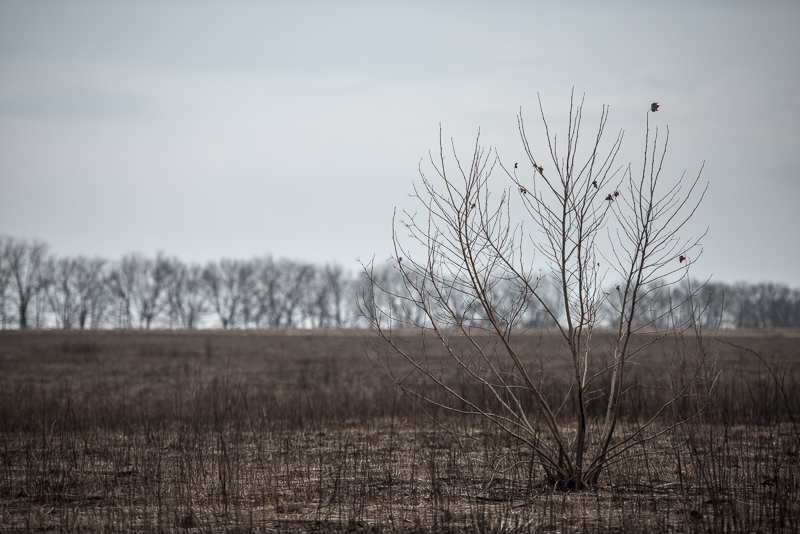
I found the vistas of the empty landscape more impressive. Much of its geology was formed from retreating ice, when glacial lakes broke their dams and caused devastating floods, as is visible here in the Wabash flood plane.

DSC 2664

Both the flood plane and the lost battle of Tenskwatawa should remind us that there will always be resistance, no matter how often it fails.

The Ehrbach Klamm

Germany is a rather densely populated country. I used to think that wherever you are, you can hear a car. You can find an exception in one of the least populated areas of Germany, the rural Hunsrück. This is, incidentally, the region where most of Edgar Seitz’ TV/movie series Heimat (most highly recommended) takes place. This region is bordered by three of the most famous German wine region, the Mosel, the Rheingau, and the Nahe. As a consequence of this surrounding fame, the region itself, which appears to the casual visitor as mostly flat and agricultural, is largely ignored.

There is, however, a peculiar valley, that transports you back several centuries and lets you experience one of the wildest sceneries in Germany. This is the Ehrbach Klamm. Hiking through this valley is a popular summer excursion, so that on busy weekends it can become rather crowded. Not so in early January, when snowfall, freezing rain and low temperatures make the Klamm almost impassable.

Let’s begin by taking a train to Boppard in the Rhine valley. From there, one can either take another local train to Buchholz, or warm up and climb the steep riverside mountains. The latter allows views back that might or might not appeal, depending on weather and taste.
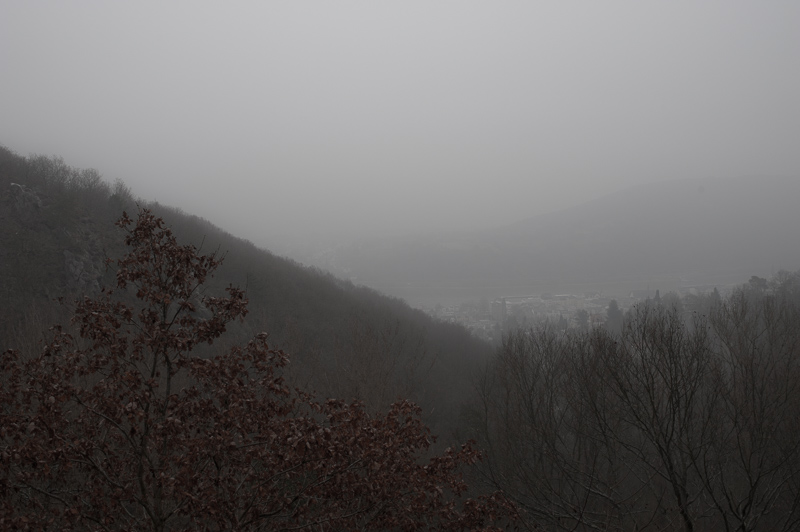
DSC 4397

After a while the trail flattens, and the breaking sun rewards the effort with nice views of ice covered trees.
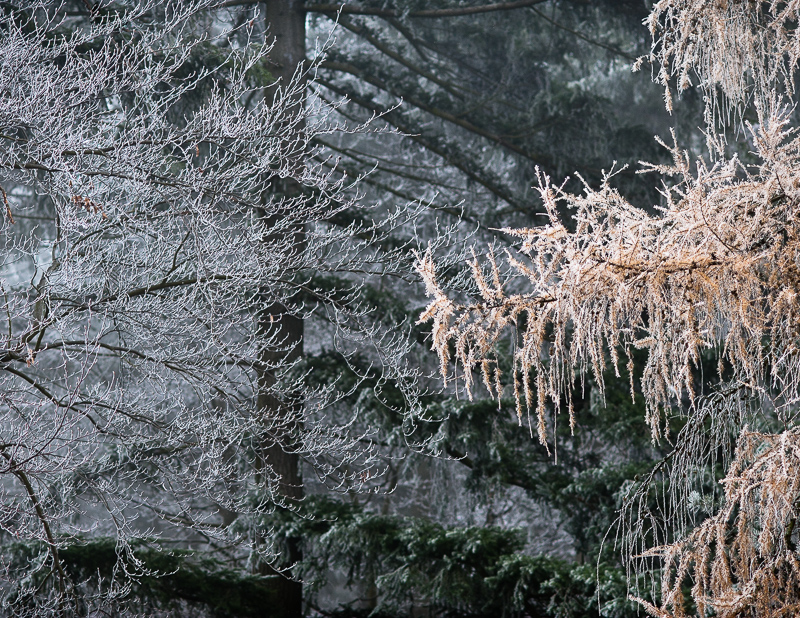
DSC 4427

After crossing a highway bridge and passing through Buchholz, the trail follows the Ehrbach, which is at the beginning a pleasant stream,
but becomes larger and wilder during the hike. Needless to say, in winter it will display countless frozen waterfalls.
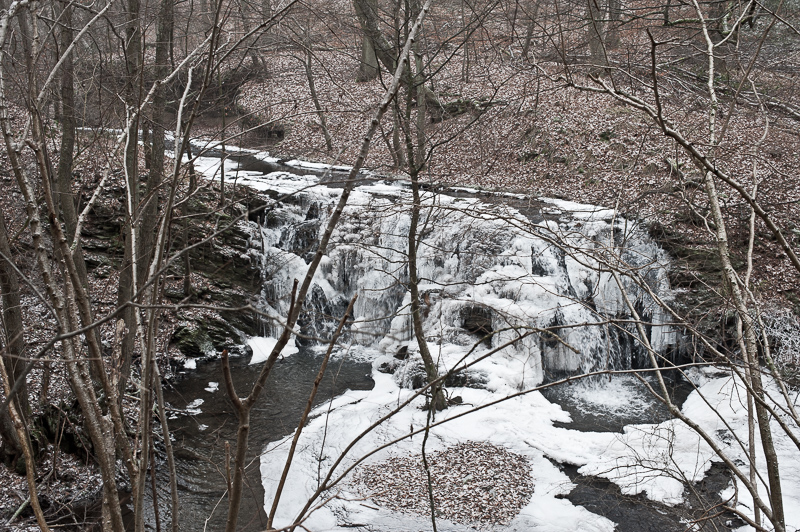
DSC 4477

There are few settlements along the way, including a water mill and a restaurant where (during the warmer seasons) guests can rest and eat fresh trout, prepared quite traditionally.
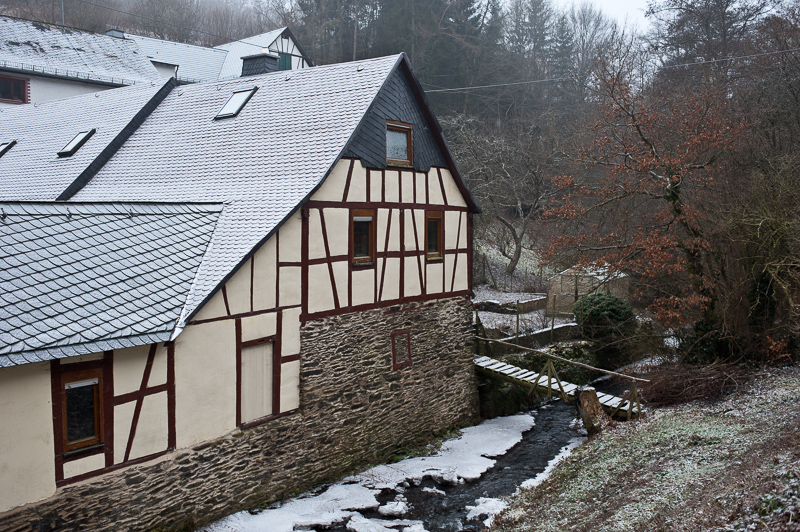
DSC 4489

After passing the Eckmühle, the proper Ehrbachklamm begins, rather dramatically. The valley becomes narrow, and the trail is often hewn into rock and secured with ropes.
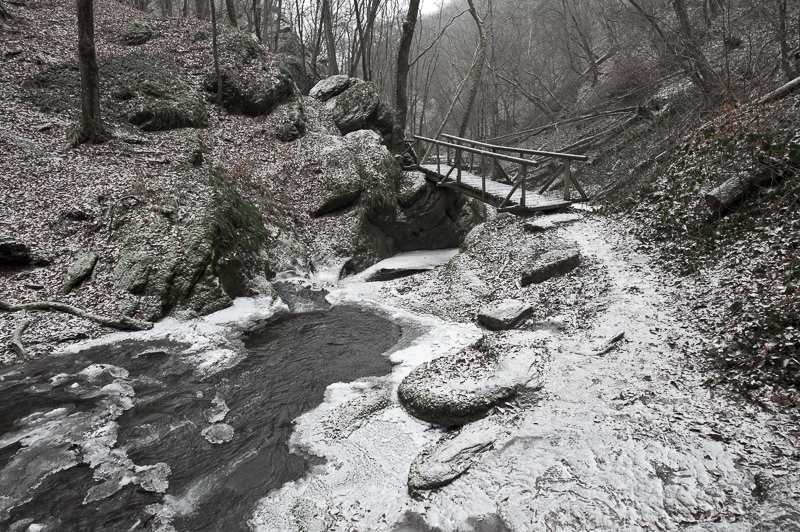
DSC 4527

Bridges sometimes help to cross the stream.
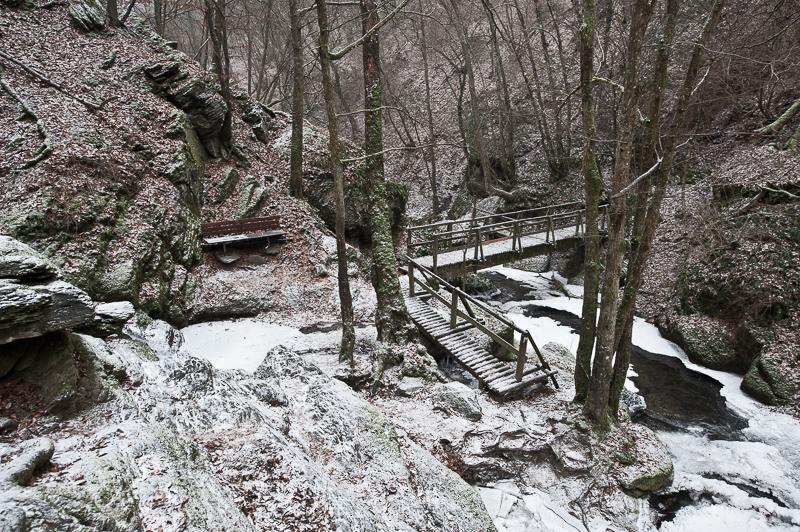
DSC 4536

Niches between rocks offer beautiful miniature frozen landscapes.
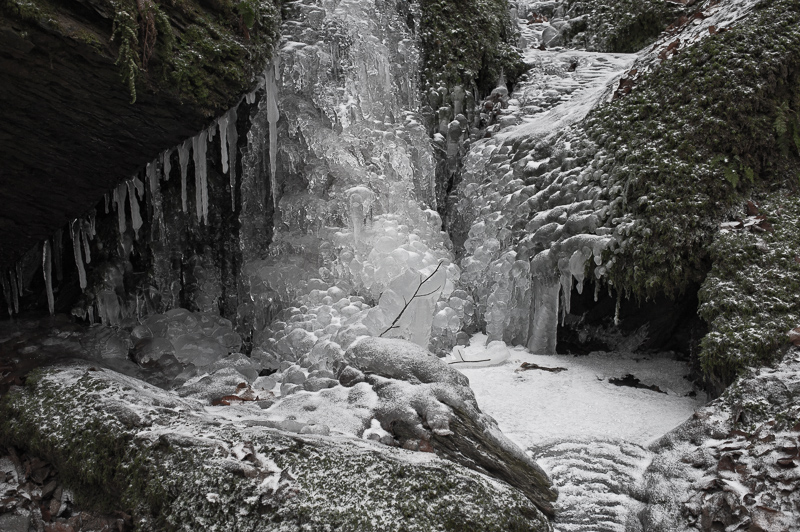
DSC 4550

Occasionally the trail becomes dangerous in winter. Be properly equipped and don’t go by yourself. I didn’t meet a single person during the 16km hike.
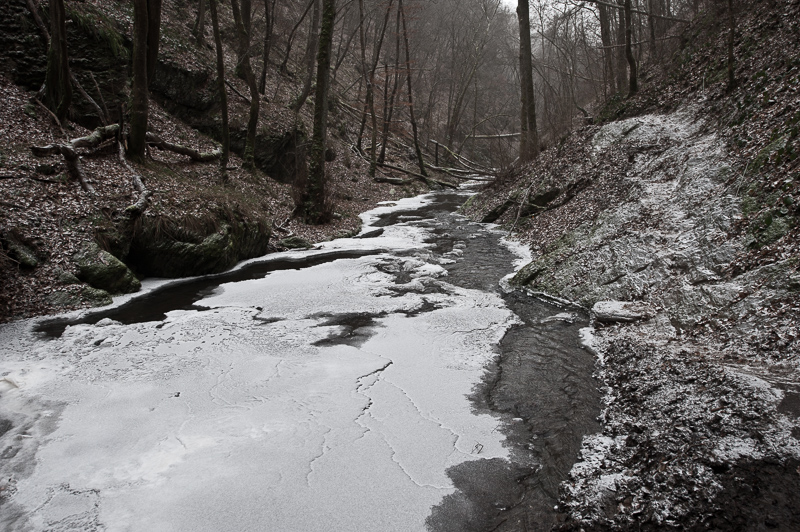
DSC 4573

In Summer, one can climb up to the ruins of the Rauschenburg and muse about medieval life. This detour I did not dare in winter.
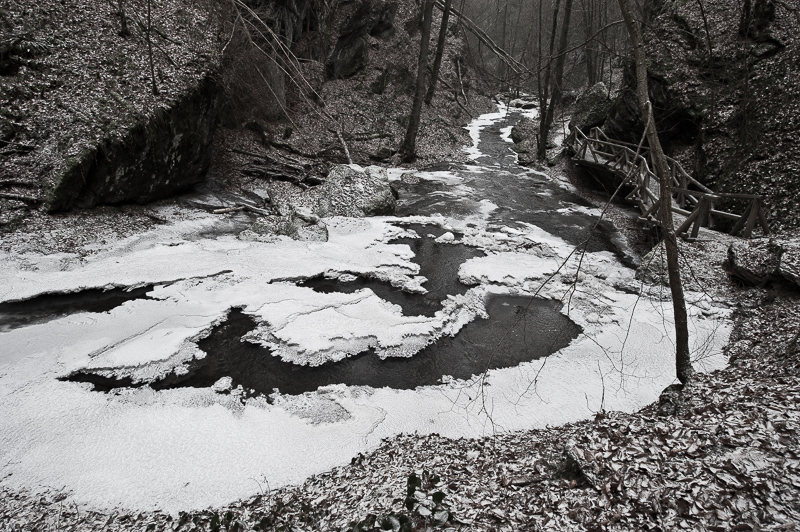
DSC 4589

Close to the end, the gorge opens up into one of the most desolate landscapes Germany has to offer.
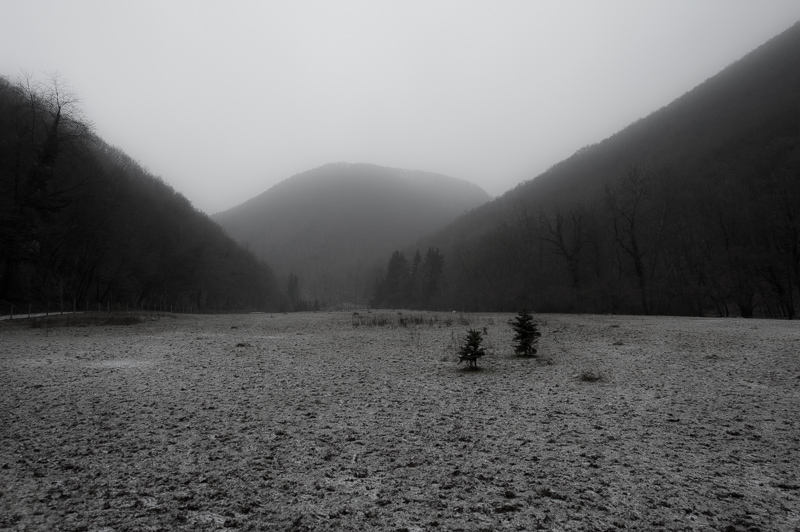
DSC 4632

The rest of the hike is a rather tedious descent to the Mosel village Brodenbach, where one can catch the occasional bus to the train station in Koblenz.
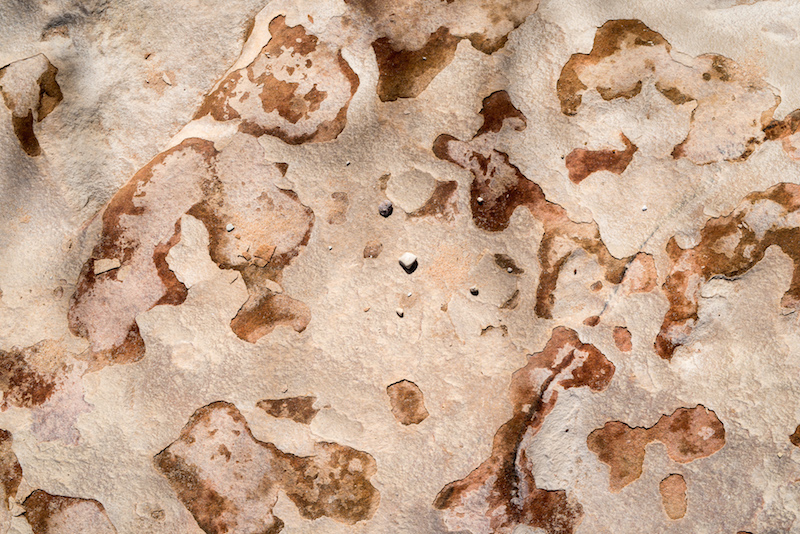
Frost Flowers

DSC 3134

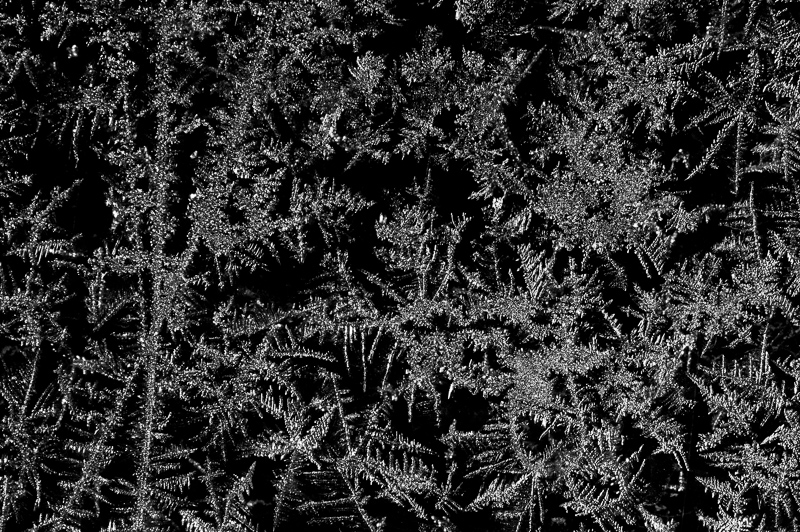
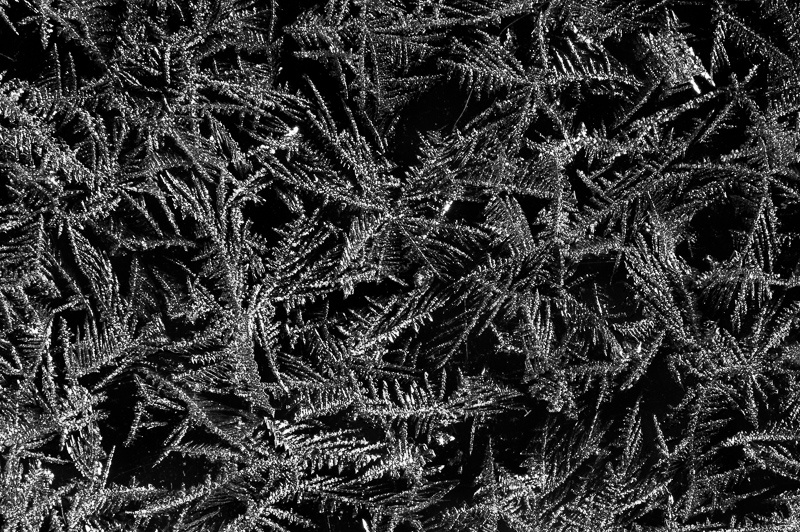
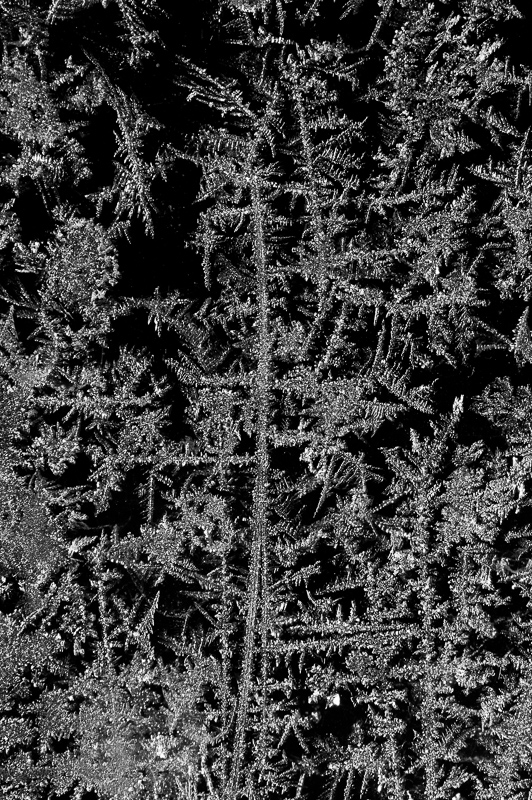
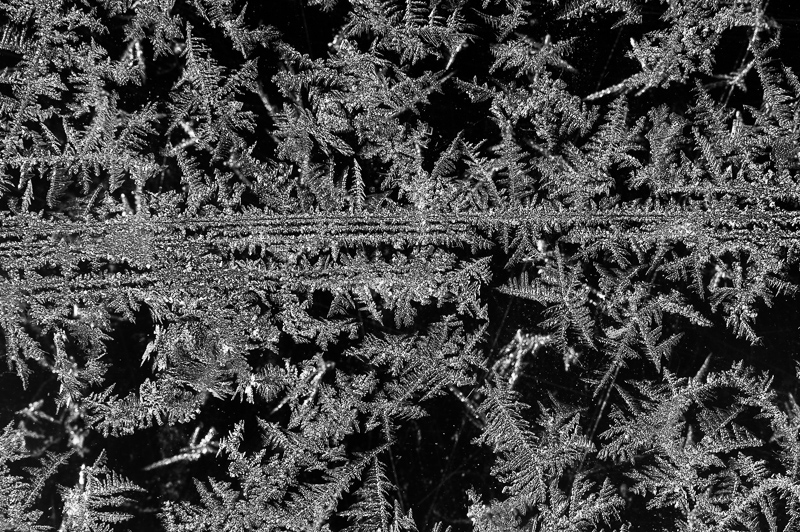
Several years ago I happened to have an empty aquarium sitting outside, and one winter morning its glass faces were covered with intricate from flowers.
DSC 3145

Using a flash from the side created beautiful highlights and eliminated distractions in the background.

DSC 3146

I have not been able to reproduce this. I would be fascinating to make a time lapse video showing how these actually form.

DSC 3150

This, however, requires more optimism and patience than I have.

DSC 3166

I wish these images here had the ability to decay like the frost flowers. Instead, they are truly digital: They are, or they are not.