Writing on Water

This year I tried to explore a few new places that are not more than an hour’s drive away, at the cost of neglecting a few places that are really close, like the Beanblossom Bottoms Nature Preserve.
DSC 7906

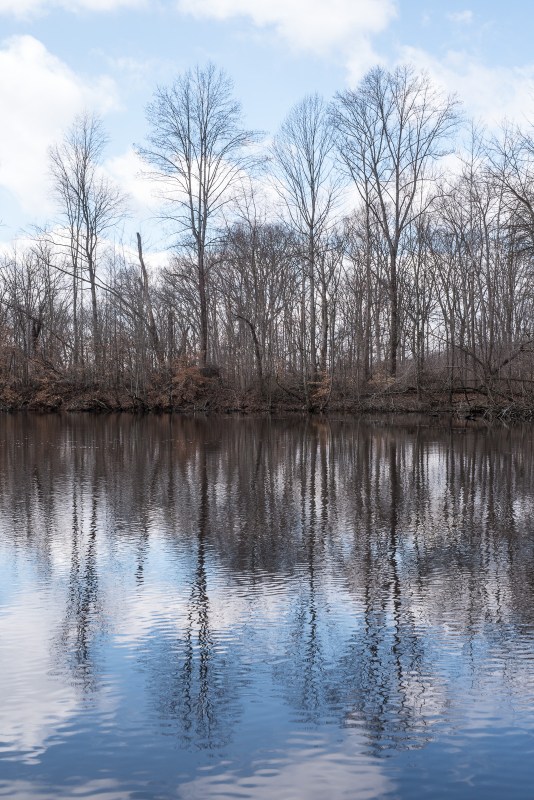
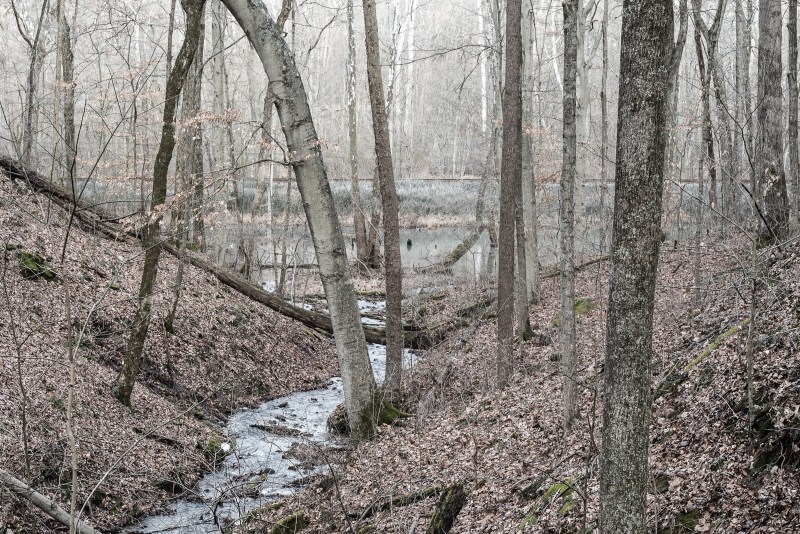
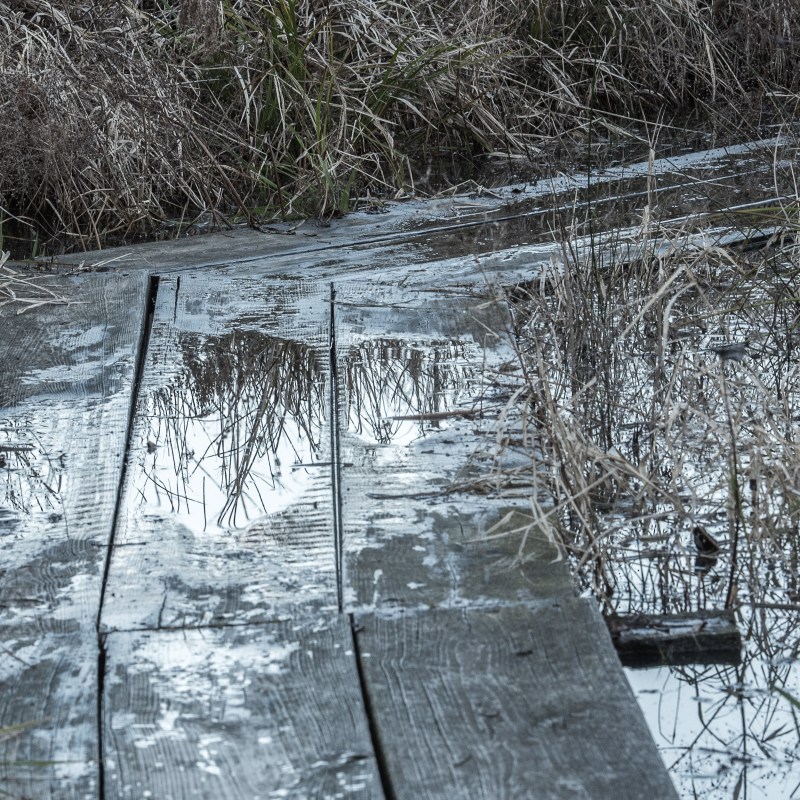
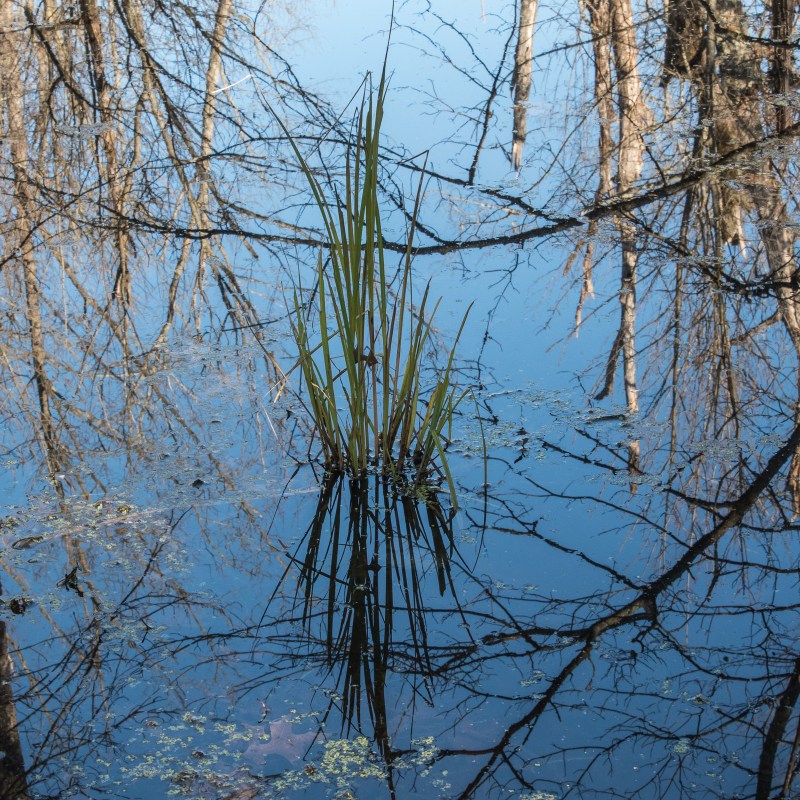
This is wetland, made accessible through slippery boardwalks. The grasses here make even more short-lived art than the sand art made by dune grasses.
DSC 7875

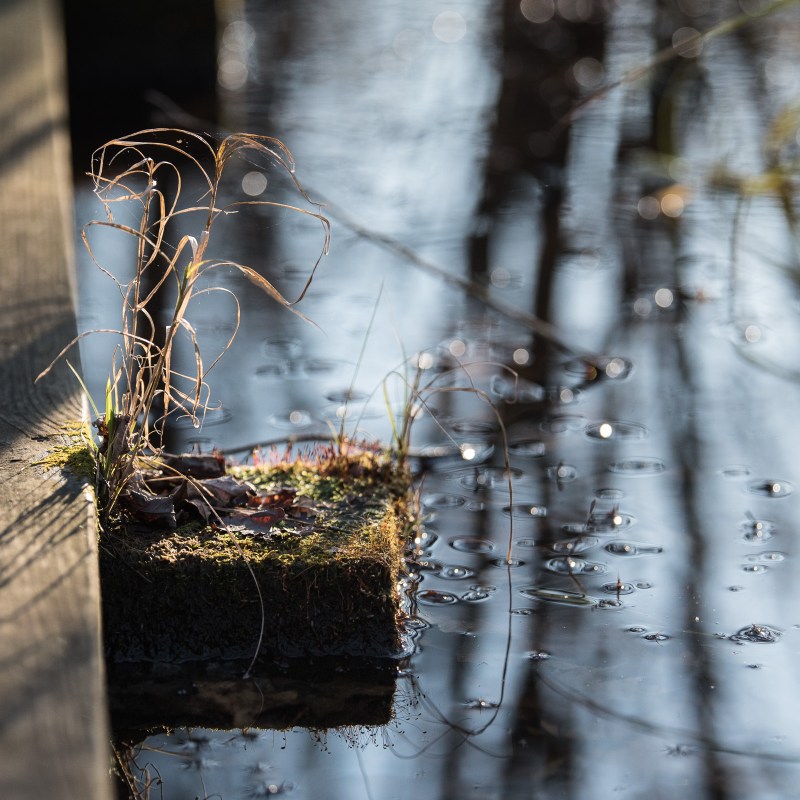
Either from the treacherous safety of the board walks, or right from the center of things,
DSC 7884

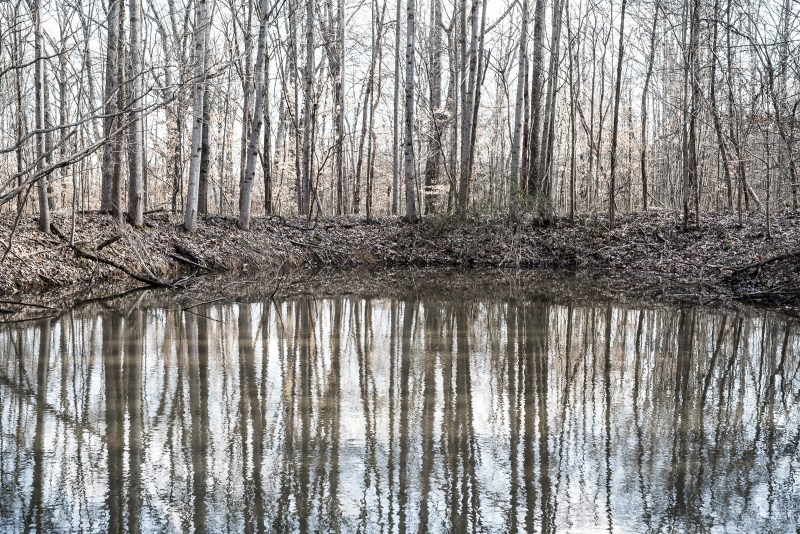
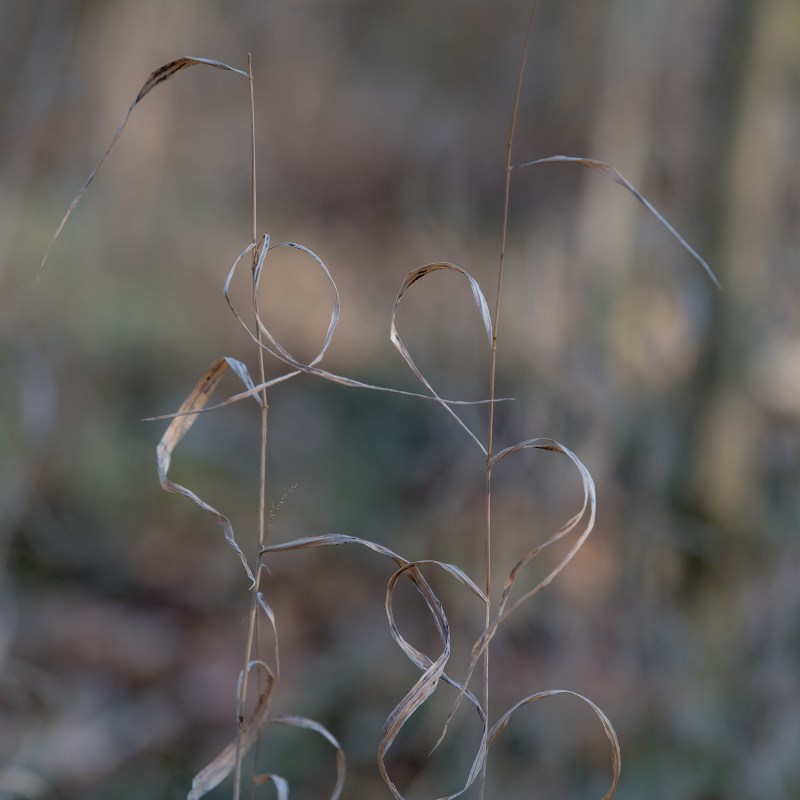
the grasses are at work, through gentle dipping of their stalks, or mere reflection. This is like writing blog posts. Words and images not to be bound between covers and shelved, nor streamed into instant oblivion, but just left there for a little while to wither.
DSC 7862

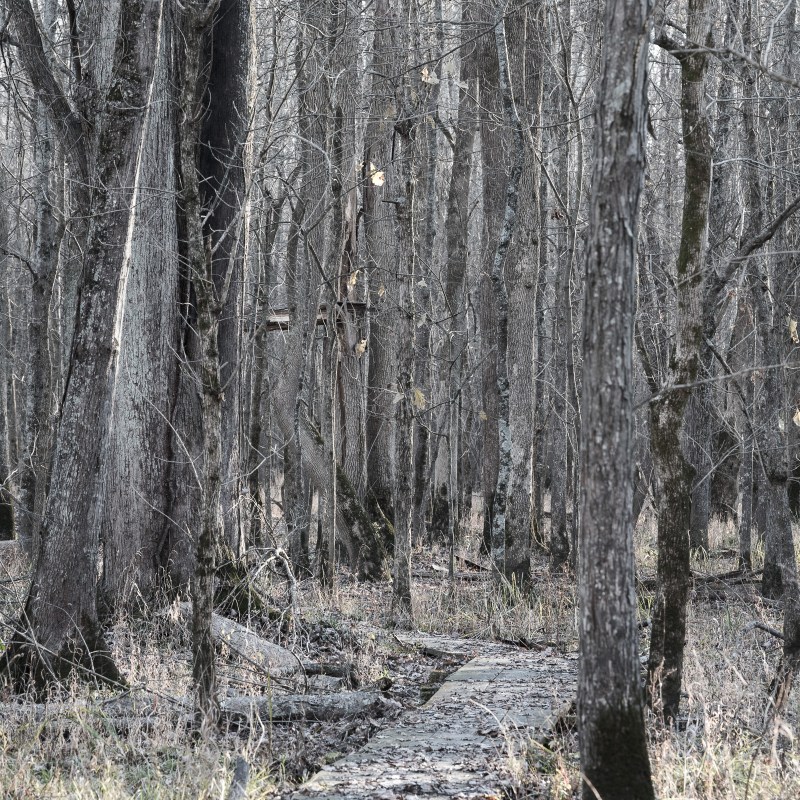
Then, finding the path back out of the forests becomes a possibility, because it is, after all, also only written on water.
DSC 7896

A Visit to Martin State Forrest

DSC 0794

State Forests are an ambivalent thing. The designation means they are in possession of the state, and managed as such. This means logging, hunting, fishing, and depending on the extent of the above, the availability of roads and trails for public use.
DSC 0899

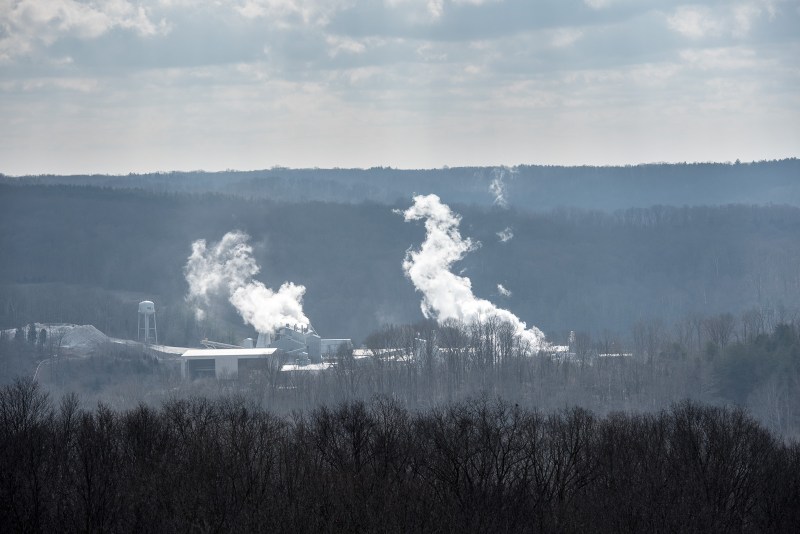
There are beautiful spots like Pine Lake. The fire tower offers a view of the gypsum mine near Shoals. There is a lot going on underground here.

DSC 0886

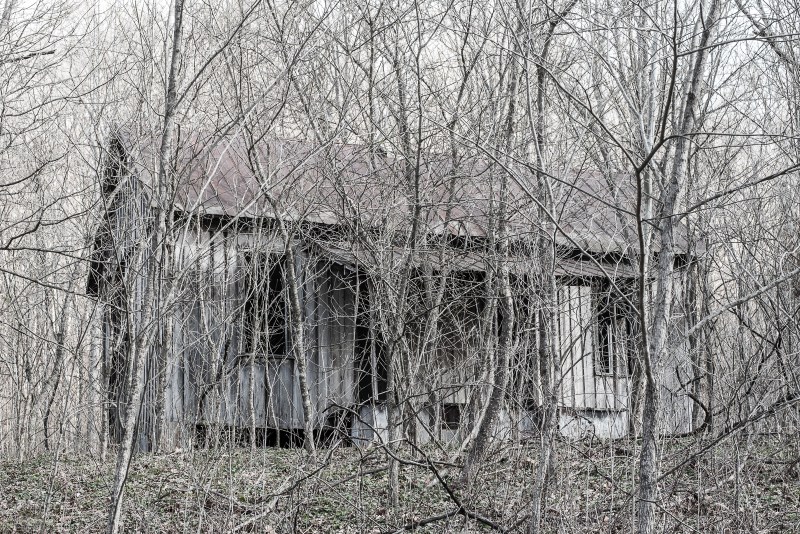
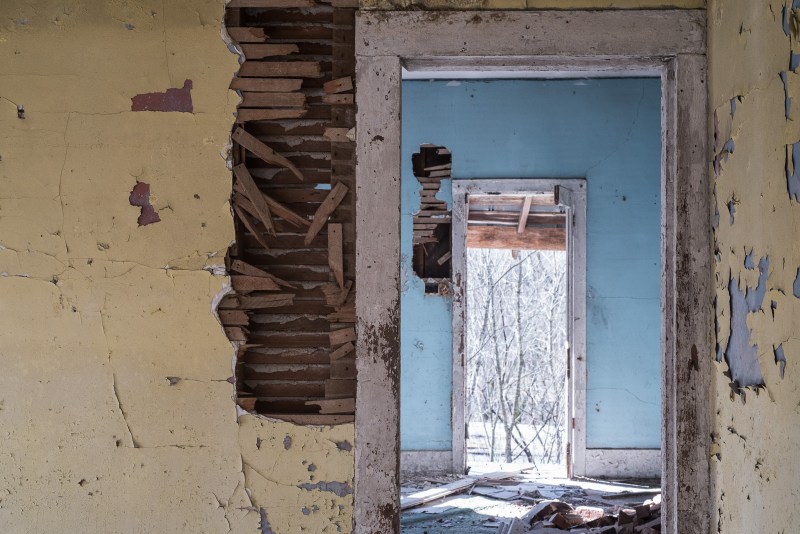
Abandoned places

DSC 0836

offer nested views in the past.

DSC 0854

The Tank Spring Trail leads to another abondoned place, an old water reservoir.

DSC 0803

The sink holes are ready.

DSC 0824

The Unruly

One of the fascinating aspects of the DePauw Nature Park is that one can observe who takes possession of this devastated landscape.
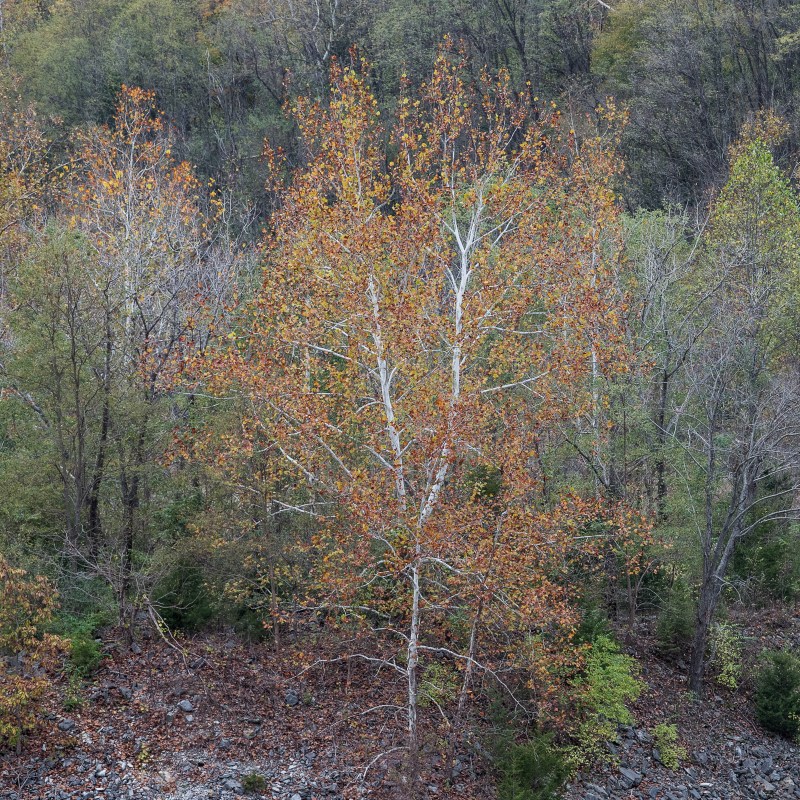
A contender (my favorite) is the Sycamore tree.

DSC 7742

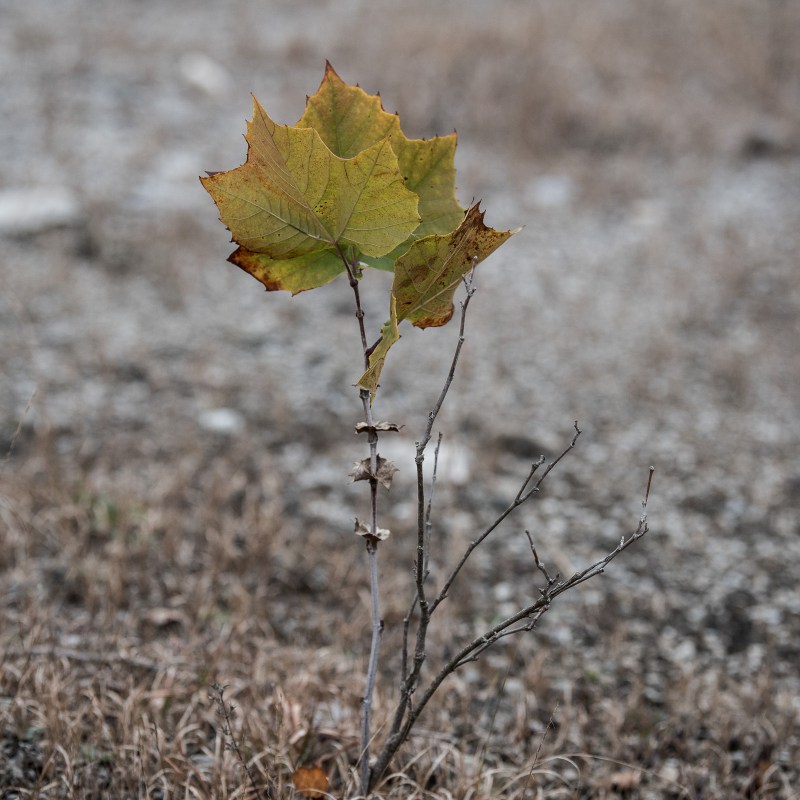
Even while still little, they make gigantic leaves.

DSC 7703

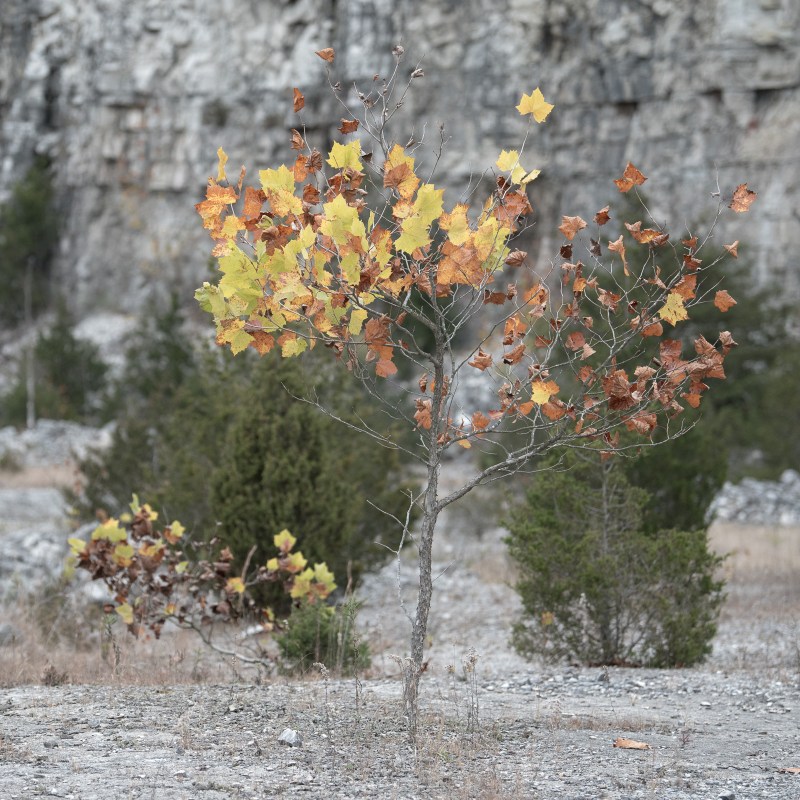
A little older, they begin to show their unruly temperament. This is not a pretty tree for an English Garden. But they show character.

DSC 7617

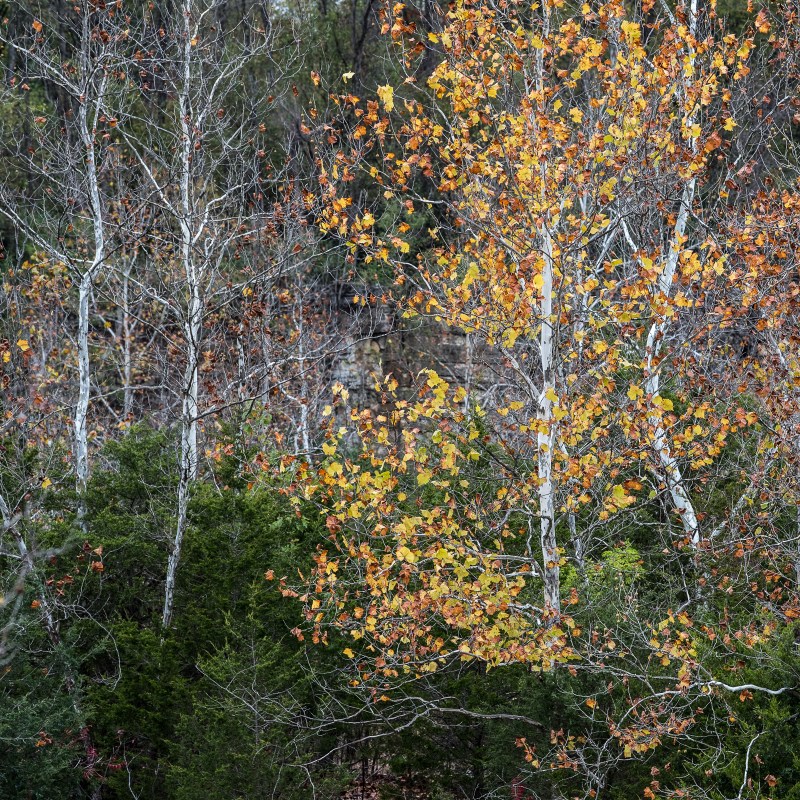
When mature, they become imposing. Their distinctively peeling bark makes me think of ghosts.

DSC 7658

Right now, they stand mostly isolated, or against the backdrop of the quarry walls.

DSC 7713

But hundreds of little ones are growing, hidden between the shrubs. Let them have this place. They will cause no harm.

DSC 7777

Reflections on the Letter T

Almost a year ago, when there was still hope, I posted a few Fall themed images with the title Yellow. The third image shows a view of McCormick’s Creek with a tree trunk that looked in 2008 like this:

DSC0848

The perspective of the two images is not quite identical, but you will see that in the older image above there are two prominent trees, the right of which has become the trunk in the second image of the image of last year’s post.

DSC 1986

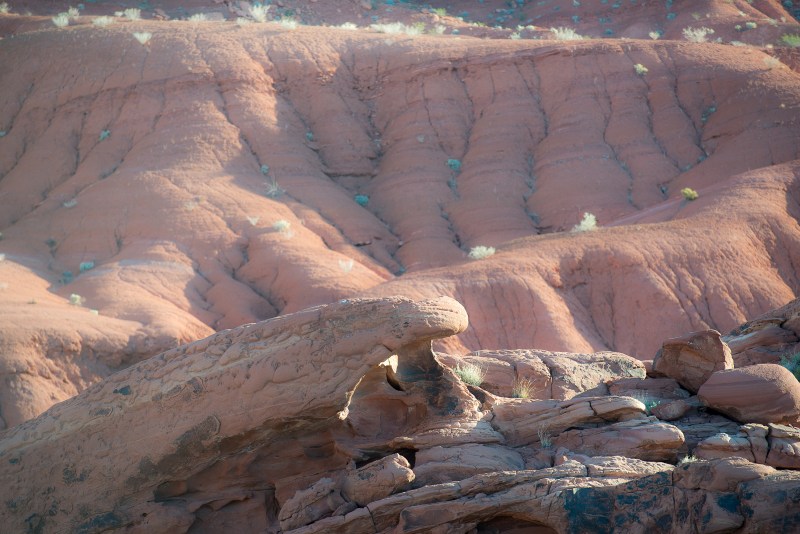
Above is another image, from 2009, tree still standing, again from a slightly shifted perspective. The view has always tantalized me, because it looked promising, but I could never turn it into a picture I was happy with. Below is a view from the other side, another year later.
DSC0838

Then, in 2015, this unexpected change:

DSC 0691

With the tree reduced to a stump,

DSC 7530

the place has become more balanced and serene.

DSC 7533

Sometimes it is worth the wait.

Time to Leaf

This year, times seems to be running faster, as if everything wants it to be over.
DSC 7547 2

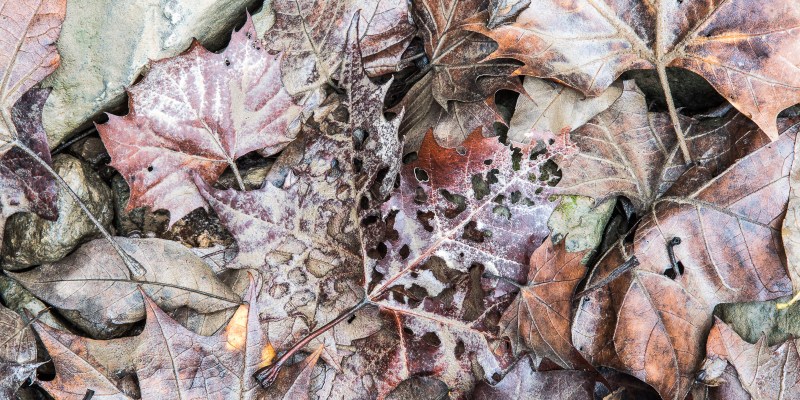
The freshly fallen leaves already look like they are from last year. And they don’t even read the news.

DSC 7548 2

This is the game I played, called Still Live, ironically: You walk around and take the leaves as they are. You may remove a stem or piece of dirt, but you may not add.

DSC 7549 2

So one fights against the randomness of every appearance, without creative power, only allowed to select.

DSC 7568

This makes for a nice morning walk in the woods, despite.

DSC 7572

Too Wide?

When I started using an SLR, I had just two lenses: A 28-85mm zoom, and a 20mm wide angle lens. That was too wide for me, back then,
and it took me a while to appreciate it.

DSC 7425

When I moved on to a DSLR, one of the first new lenses I bought was Nikon’s 14-24mm zoom. That was something else, and again it took me many years to make use of the wider end of it.

DSC 7432

This year, I decided to push myself again, and I acquired an 11mm lens.

DSC 7463

This lens works like the news these days: It shows a distorted reality. If you want the truth, look elsewhere.

DSC 7465

But, as with the news these days, the distortion is so extreme, that we are never tricked into believing it is real. It is more a provocation.

DSC 7481

The benefit? Maybe we can learn to resist to undergo this distortion ourselves. Or is the remaining path too narrow?

DSC 7412

Out of Order

DSC 6209

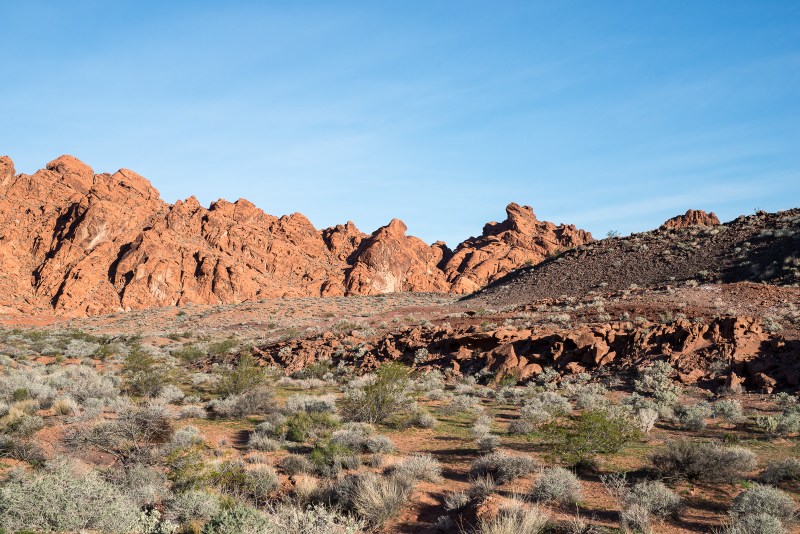
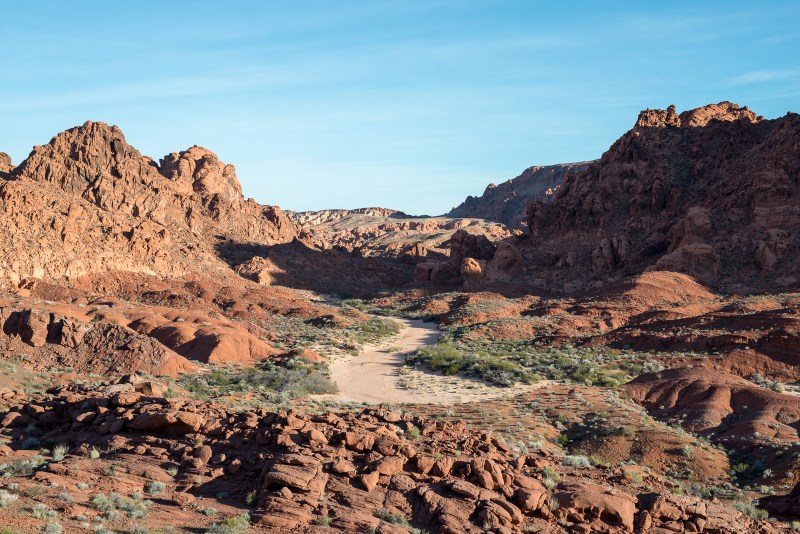
I don’t get often to Nevada. The last time was in March 2015, flying into Las Vegas to drive north to Zion. We spent a night and a day in Moapa Valley to visit the Valley of Fire State Park. Both town and state park completely cured me of all prejudices I had about Nevada. Moapa Valley is a small relaxed community with lots of local artists and friendly people, and the Valley of Fire State Park is an amazing piece of landscape that is on my list of places to return to.

DSC 6221

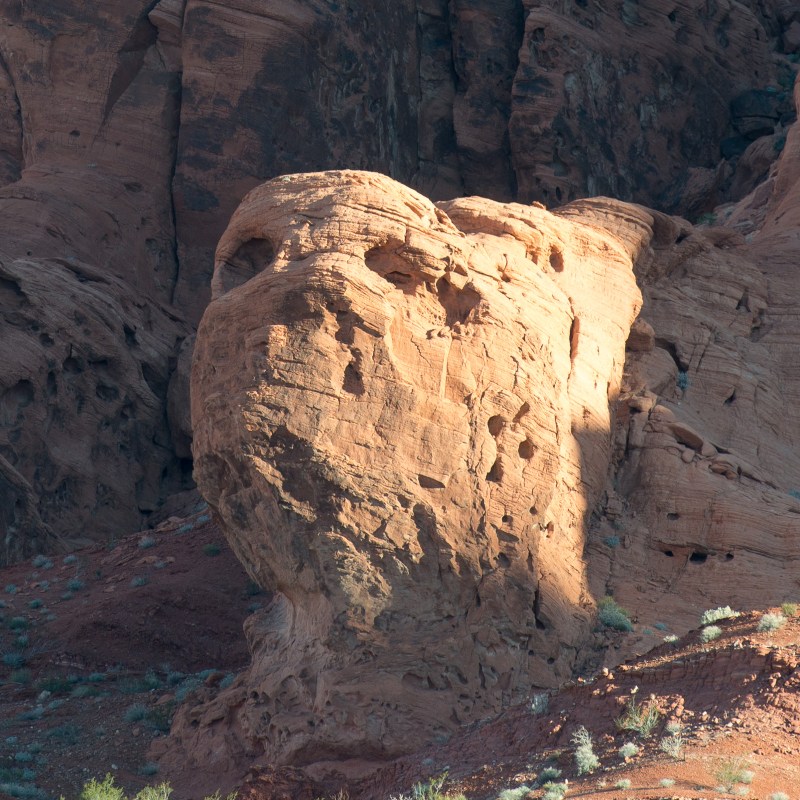
Typical views are like the ones above, and full of interesting details. Can you spot the head below in the image above?

DSC 6228

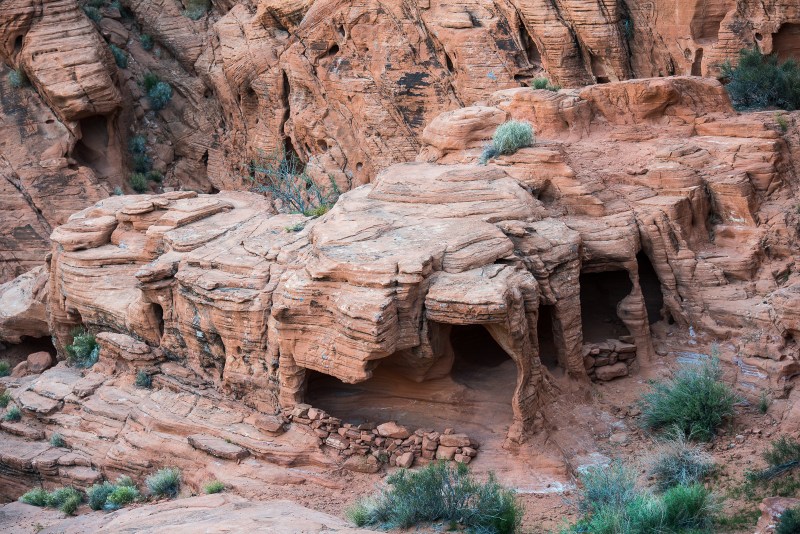
Everything here is created by light and shadow, and changes within minutes.

DSC 6229

One can go instantly from harsh contrast to soft pastell. You would think a landscape like this can cure every ailment of the soul.

DSC 6286

From there, on our way north, we passed through another little town: Mesquite, Nevada, not even 40 miles northeast. Little did we know about what had taken residence there a few months earlier, brooding, breeding the incomprehensible.

In Memoriam, once more: Las Vegas, October 1, 2017.

Another Form of Recovery

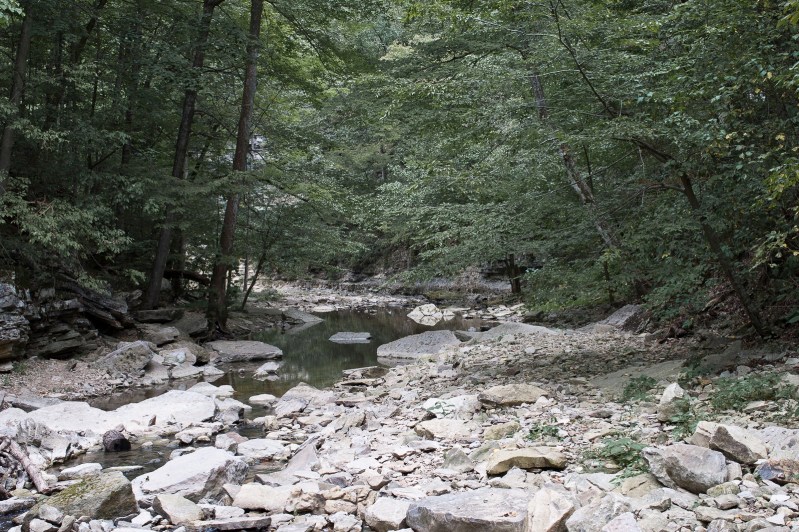
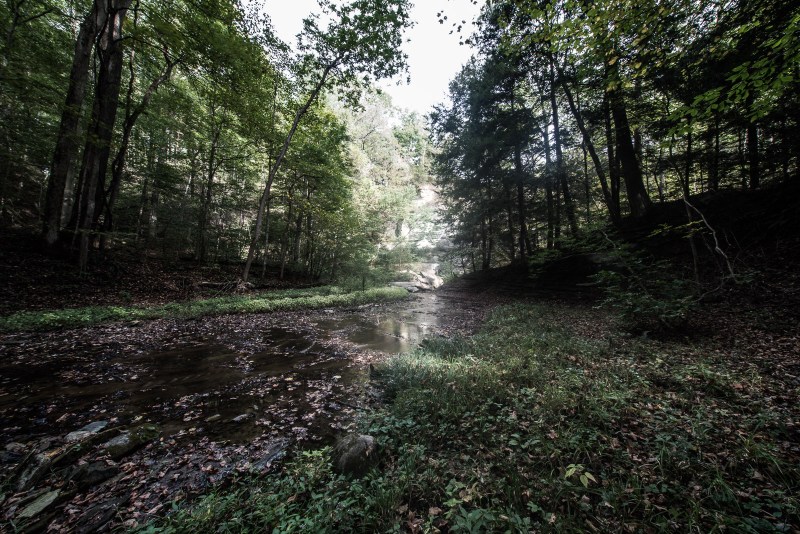
After a long summer, when heat, humidity and bugs are slowly retreating, it is time to visit some old friends, like here in the canyon of McCormick’s Creek State Park.

DSC 6675

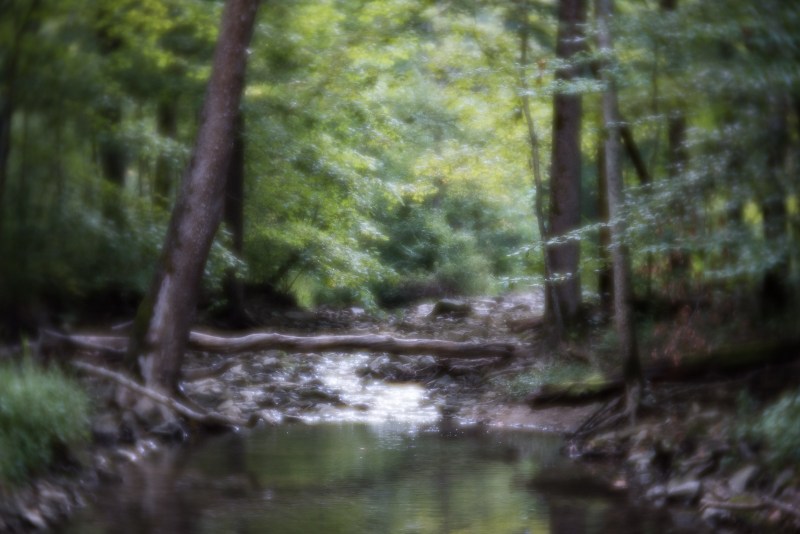
The plan was to capture some of the spots I remembered so that they appear like my memories. The lens of choice was the Lensbaby Velvet which wide open blurs the landscape into oblivion. There is, for instance, the wonderfully maturing tree trunk which I had first seen as a still healthy but otherwise unremarkable tree,
or the overhanging tree that (against all odds) has survived this year one of T.

DSC 6684

There are also the long views into the canyon that seem to support direction and focus, but instead limit choice.

DSC 6701

Another trunk (near the sacred spring) has been sprouting new life – not a miracle, but symbol for resistance.

DSC 6711

Of course there are also the frames I have written about before I am sure but can’t find anymore – – –

DSC 6739

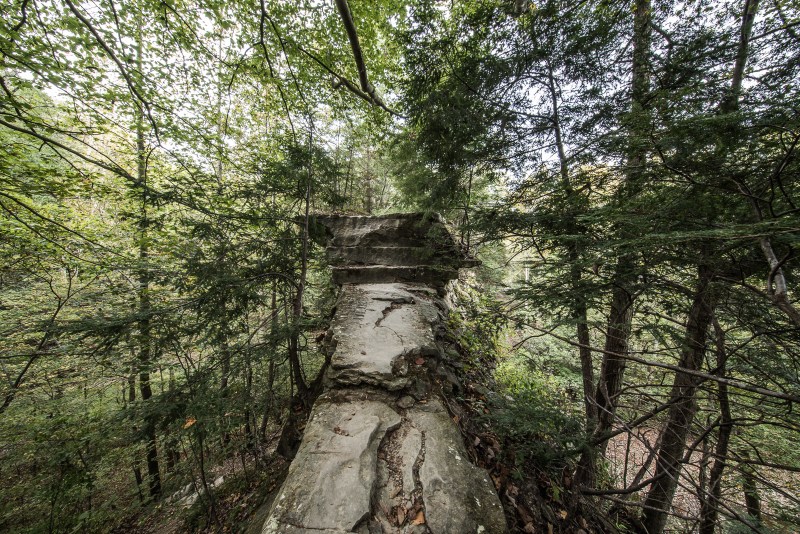
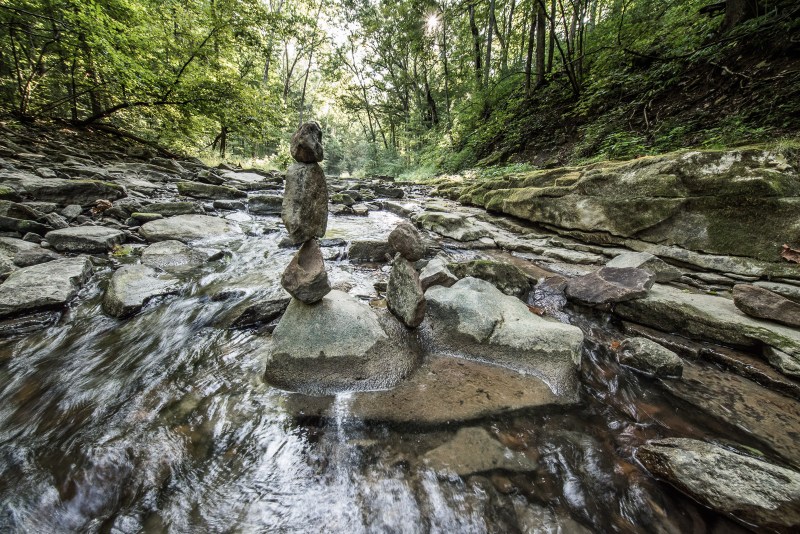
Things become clear when I encounter new friends, like this unlikely pile of rocks in the middle of the stream.

DSC 6778

Resources? (Cave River Valley II)

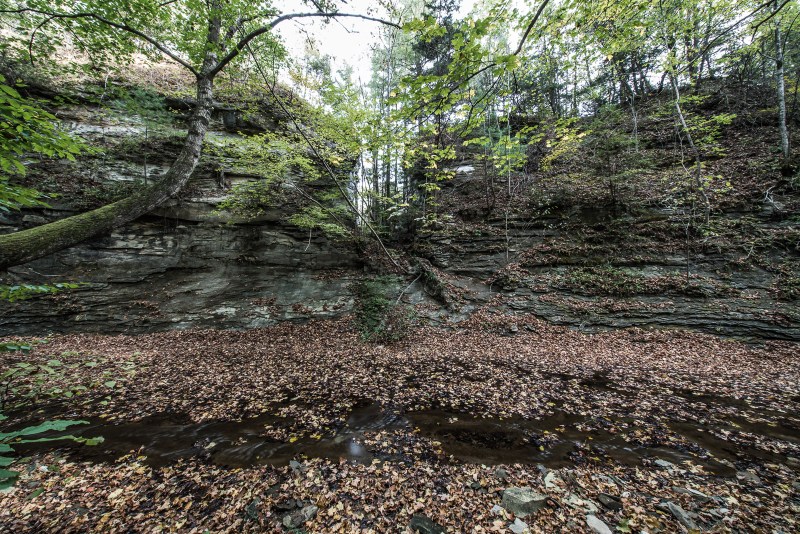
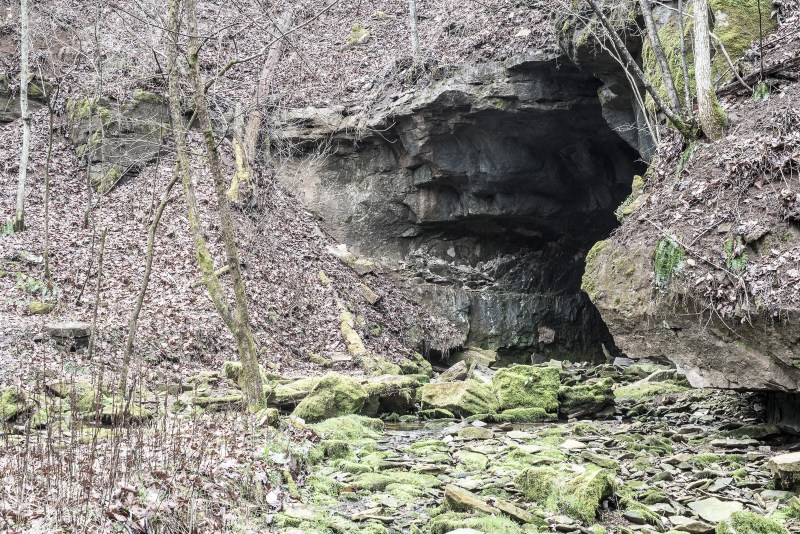
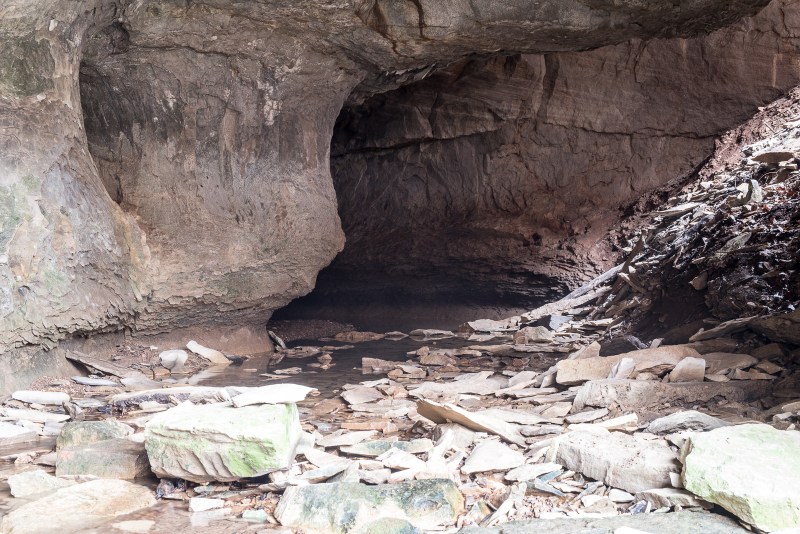
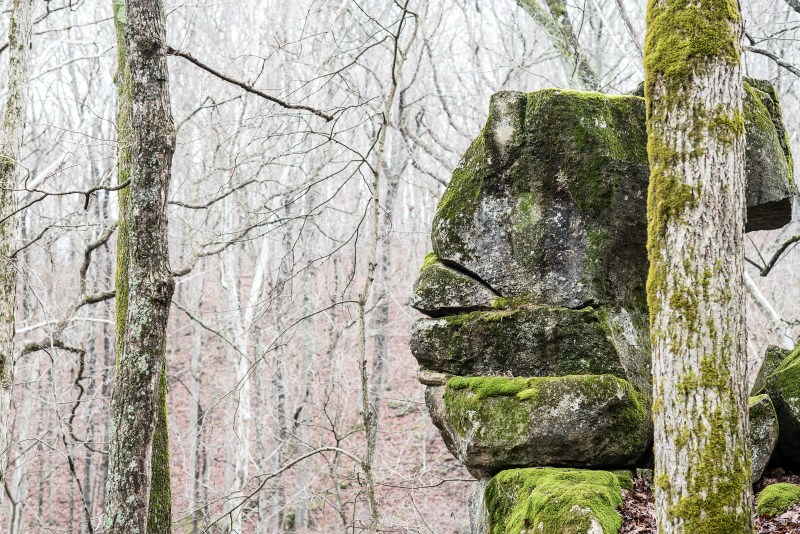
The main attraction of the Cave River Valley Natural Area are not so much its signs of abondonment, but rather its caves and rock formations.

DSC 0422

The area was acquired at some point by the Nature Conservancy, and then possession was transferred to the Department of Natural Resources of Indiana, who had created a site management plan that is an interesting document in many respects.

DSC 0419

It explains in detail what the DNR planned to do with the area, and what the costs would be. The plan did not move forward much, be it because of budget problems, be it because of myotis sodalis, the endangered Indiana Bat.

DSC 0450

The bat uses the Endless Cave above and below as a hibernaculum (I need one, too!). Plans to take busloads of spelunkers through the extensive caves in the area would possibly run afoul of the Federal Cave Resources Protection Act from 1988.

DSC 0456

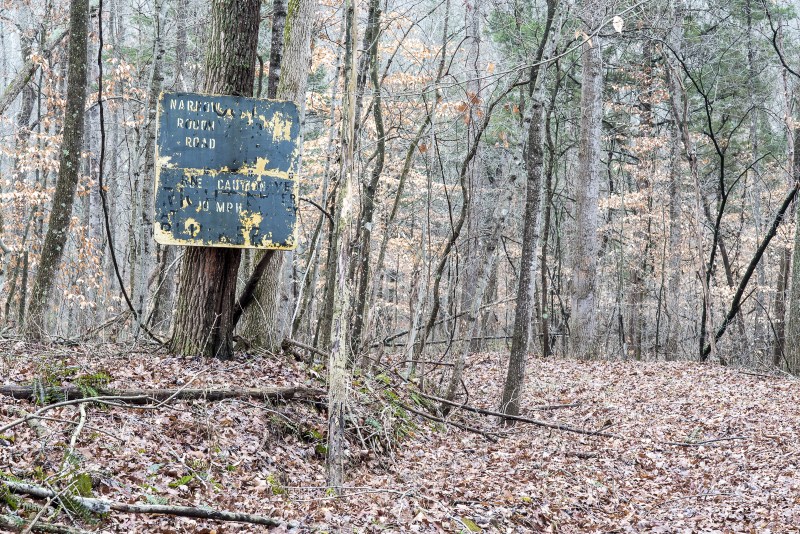
So the Department of Natural Resources put up a handful of signs and dumped truckloads of gravel on a pathway that was supposed to give access to campsites for up to 120 people. Hmmm.

Then, they abandoned the site, once again.

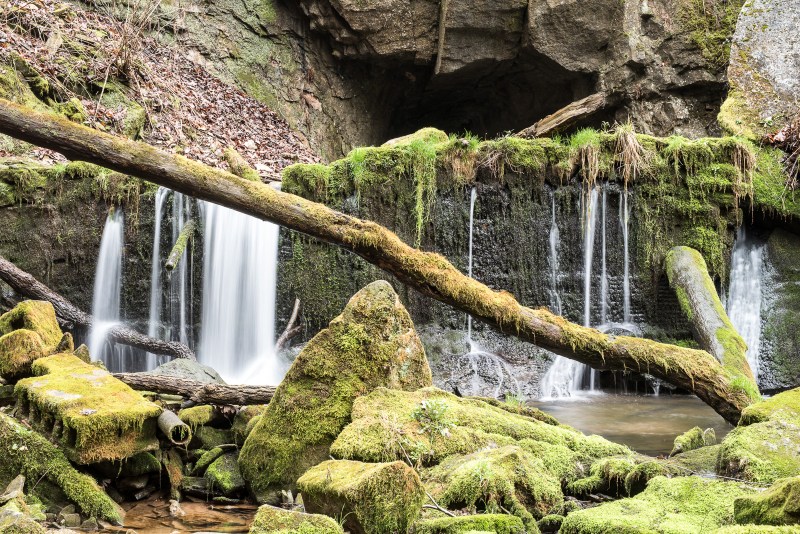
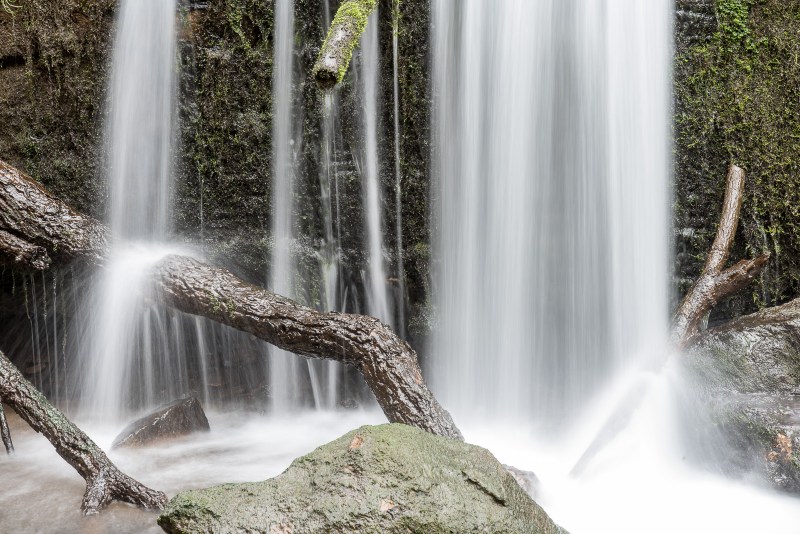
It is, however, as I hope the pictures are hinting, of some beauty.

DSC 0468

Abandonment (Cave River Valley I)

The hilly and not so fertile landscape of southern Indiana offered the early settlers enough room to get by, after the natives had been – what is the euphemism these days – deported?

DSC 0500

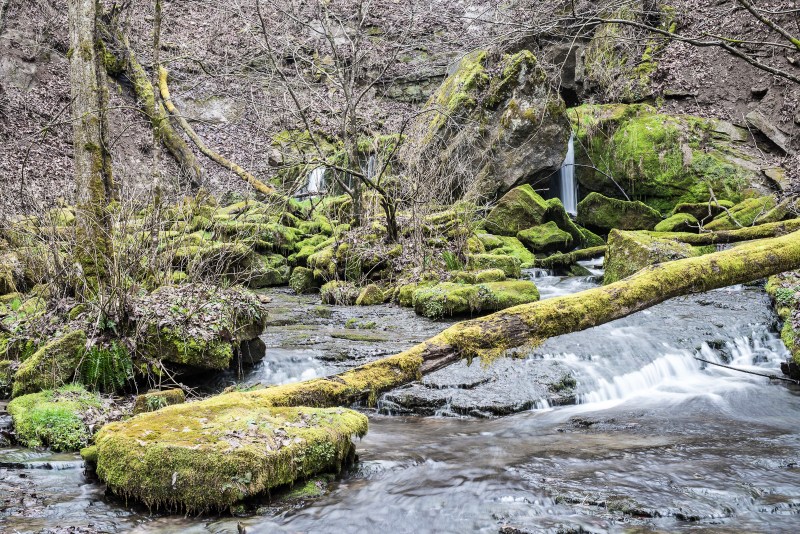
With a bit of luck you could find yourself a stream in a little valley,

DSC 0430

plant some corn, get a mill running, raise cattle, build a small house, and live your life.

DSC 0400

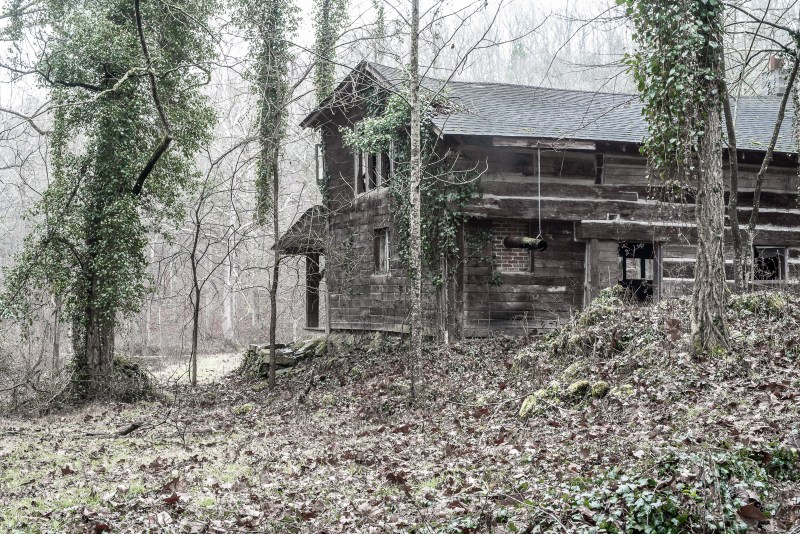
One can find traces of old settlements along almost any small creek, and the common pattern is that they have been abandoned at some point.

DSC 0434

One cause was the Great Depression that forced many people to move into the cities to find work. But whatever the cause, the fact that there are so many abandoned places paints a picture quite different from the often claimed steady progress, and thus of different times to come.

New inhabitants are ready to move in any day.

DSC 0492

A good example for all this is the Cave River Valley Natural Area, close to Spring Mills State Park, where today’s pictures are from. It’s story will continue next week.