Morning Song

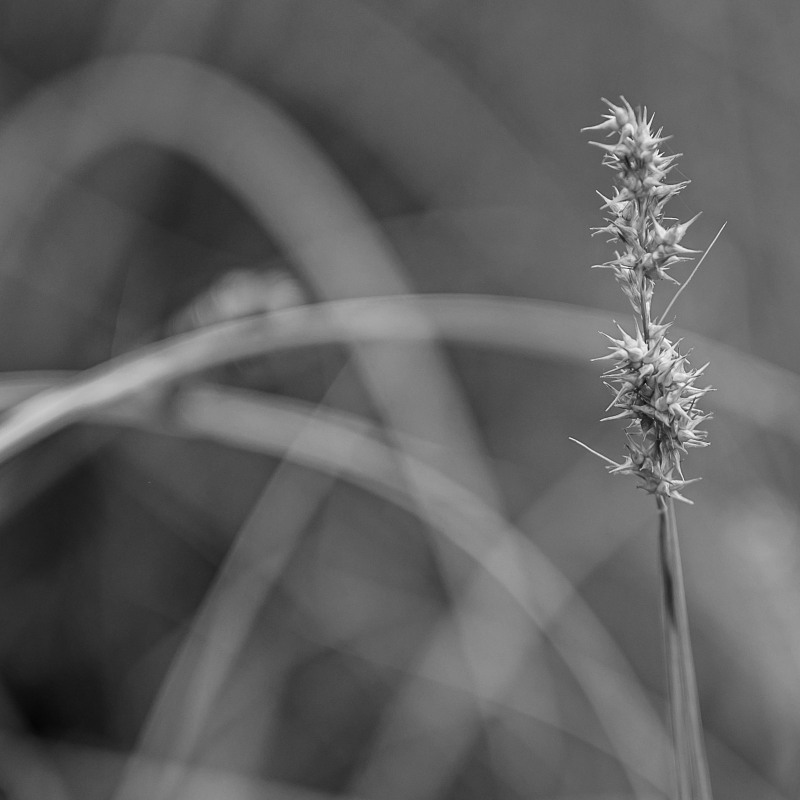
Most of Indiana was either woodland or prairie, before the arrival of the white man.

DSC 1585

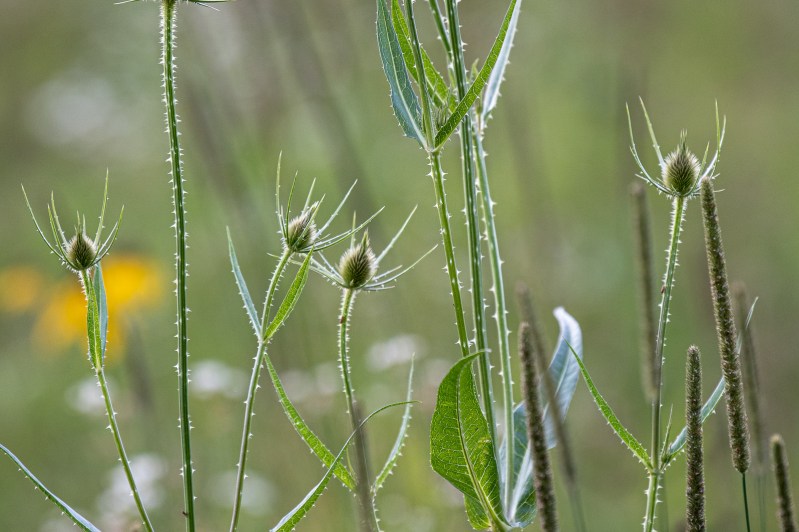
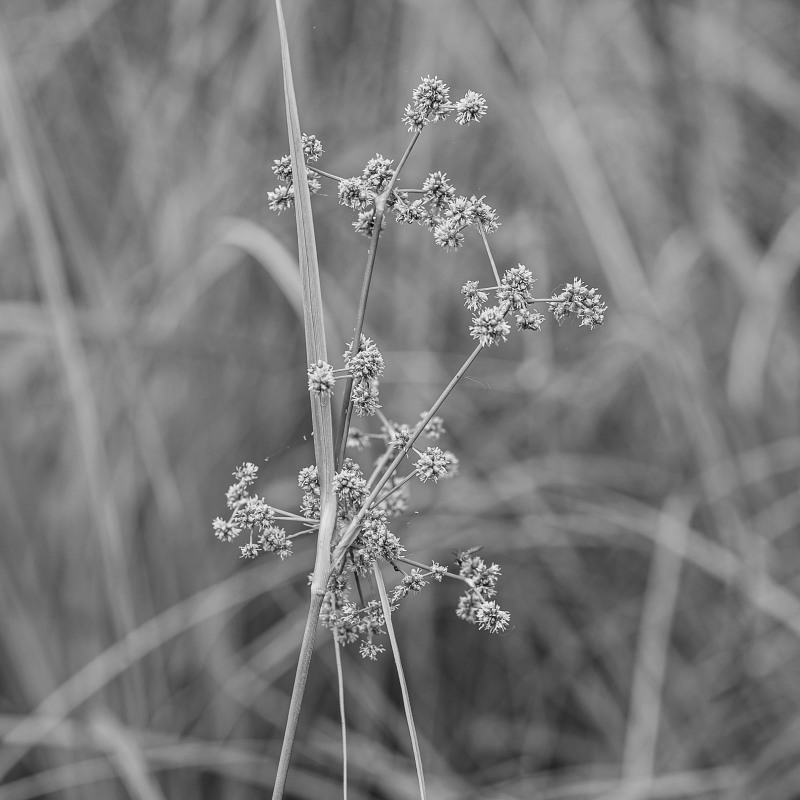
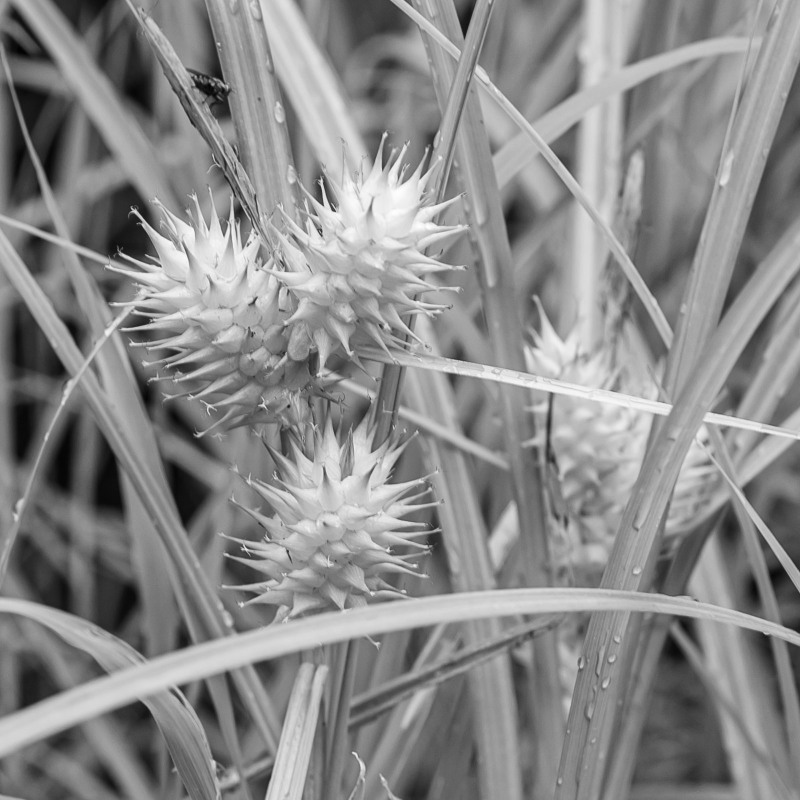
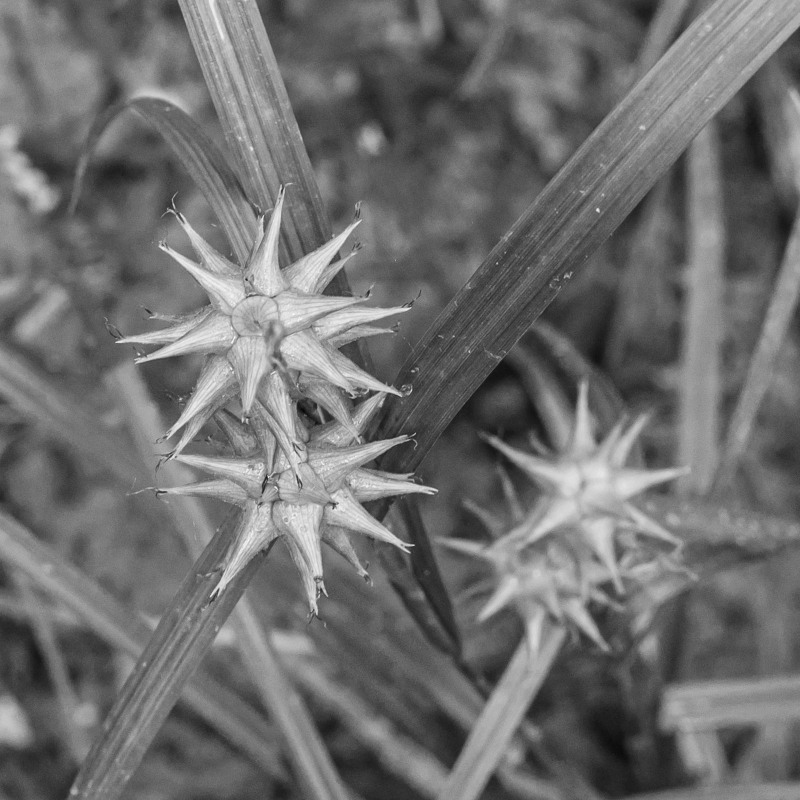
Imagine endless fields filled with tall grasses where you can get lost,

DSC 1566

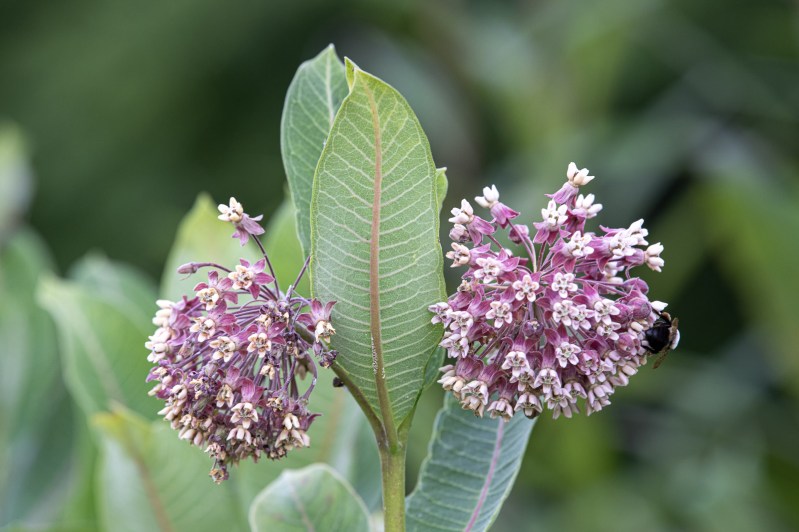
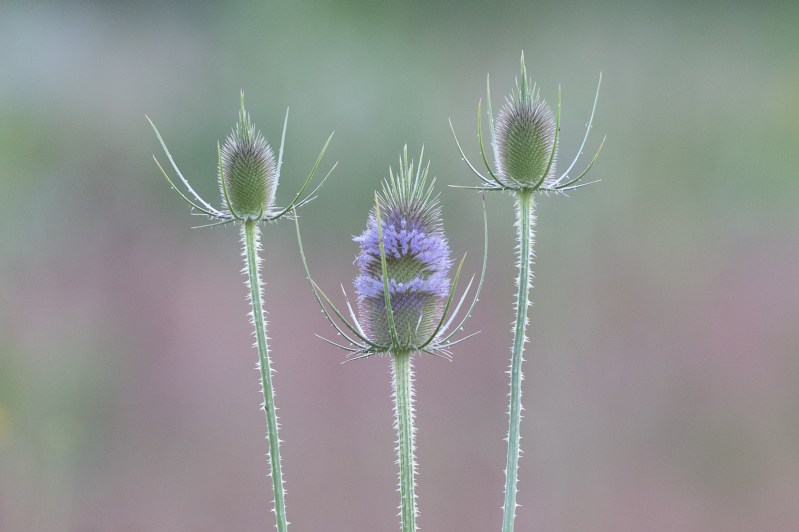
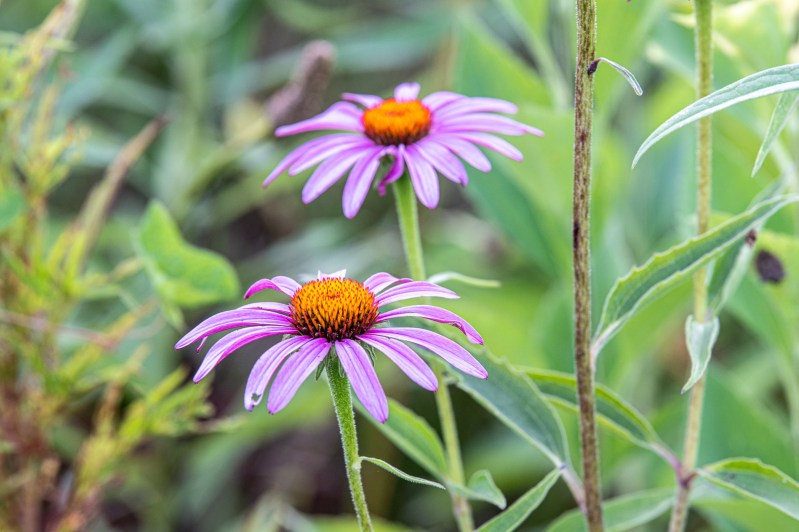
where flowers spend all night to get ready

DSC 1512

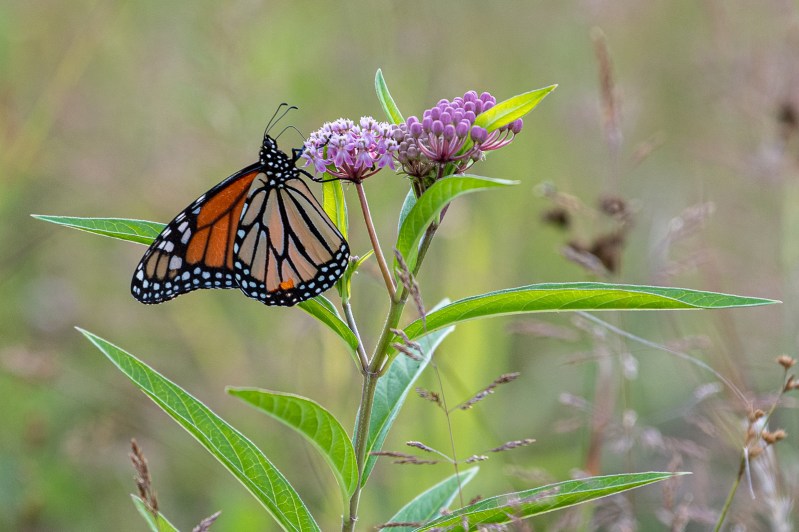
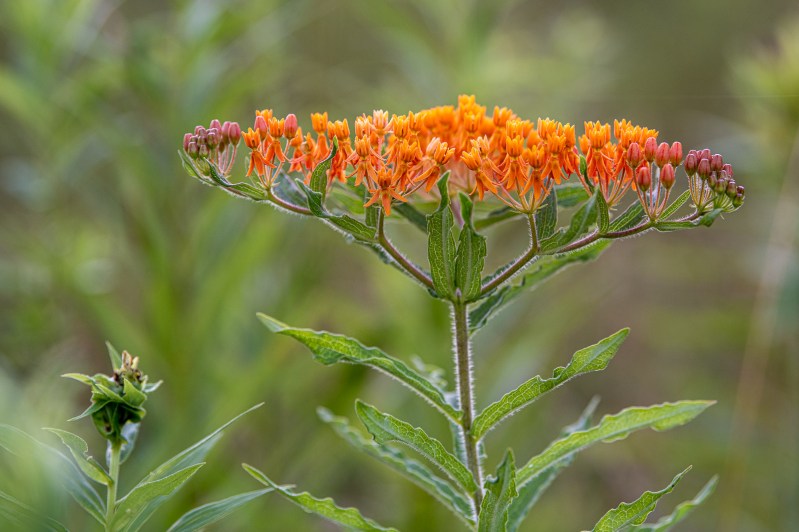
for the morning, and where guest from the South are welcome.

DSC 1557

If you come early,

DSC 1551

when it is very quiet,

DSC 1538

you might even hear a voice from far away: Some mornings are better than others.

DSC 1480

Exposed (10 years ago)

The word Steingrund appears in the title of a post that recollects a visit to Desolation Wilderness 25 years ago. 

DSC 3969

Reminiscing today about a visit to Turkey Run State Park 10 years ago let’s me use another word from the same poem.

DSC 3994

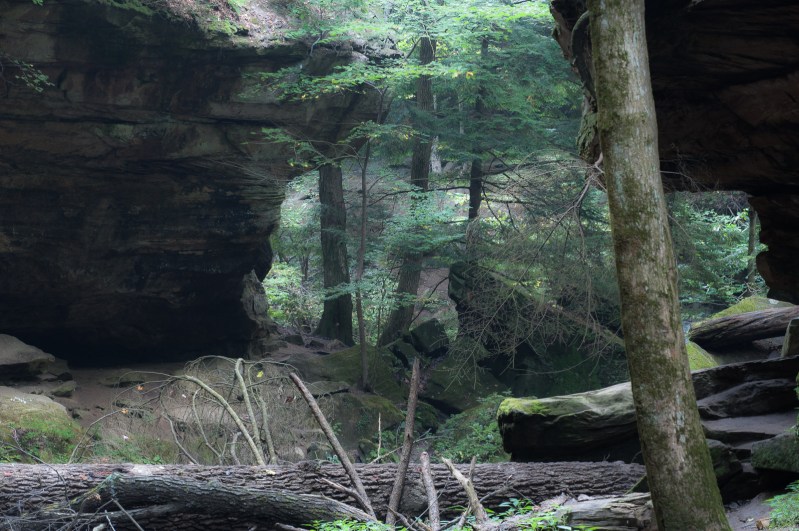
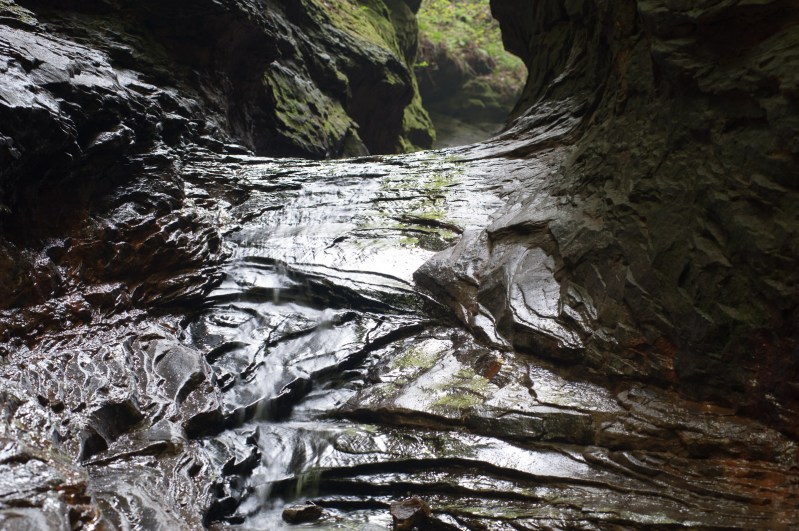
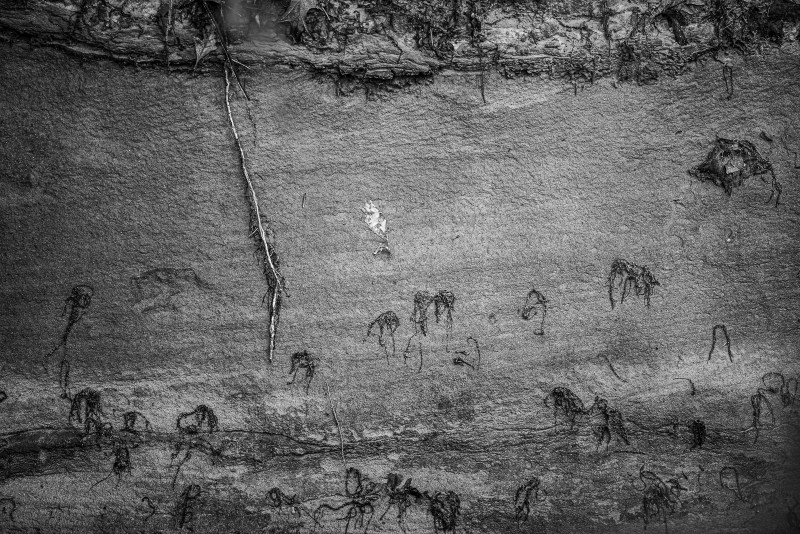
The word exposure includes visibility, fragility and presence, and the ominously dark landscape doesn’t seem to convey this, until you notice the cracks, traces of violence that happened here many thousand years ago, unmeasurable for us.

DSC 4068

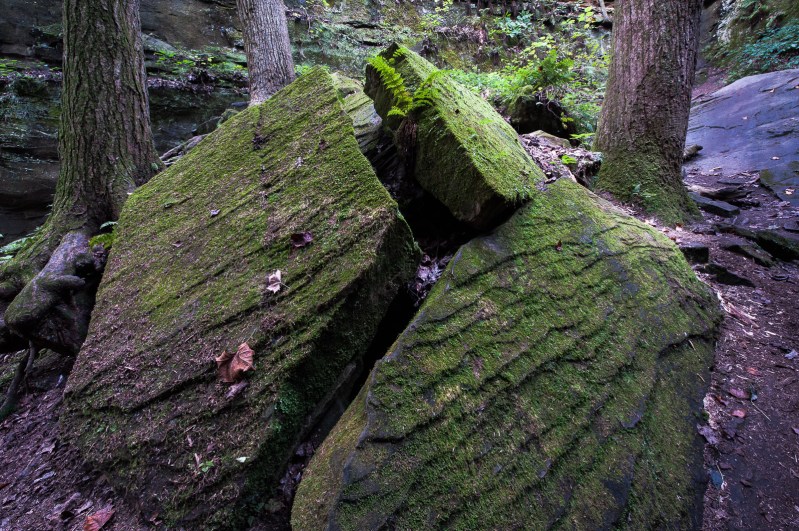
Patient streams have smoothed the rock and created paths that can be walked best upstream, against time.

DSC 4105

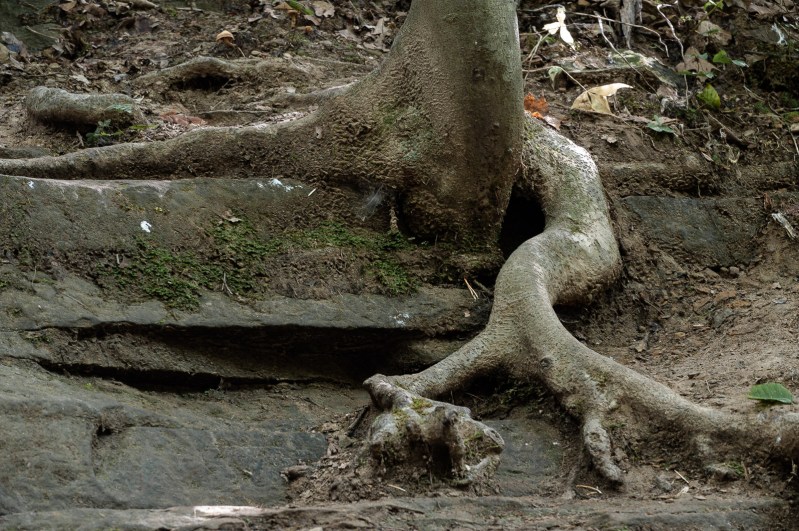
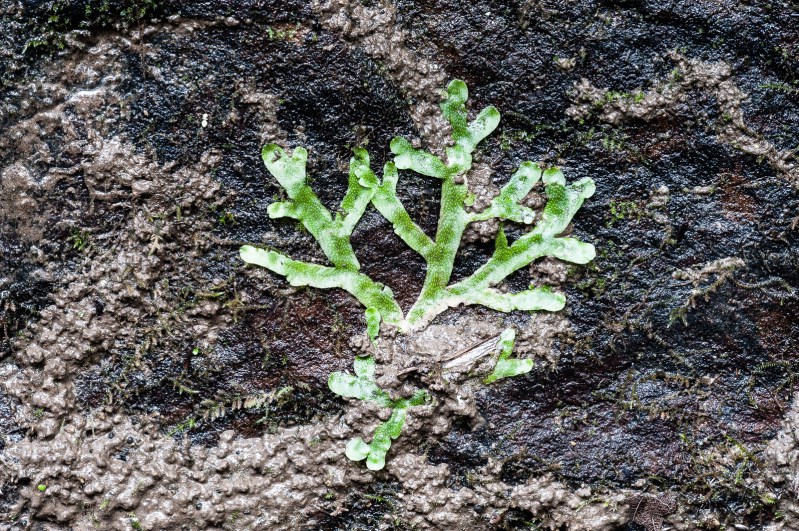
Trees hold on to the rocks with roots like fingers for decades, while unknown plants seem to be ready to flee any minute.

DSC 3967


\

Roots

DSC 3262

A few weeks ago, my daughter brought home several of these. A waterplant. Neither she nor I know what it’s called. She says she downloaded it. Language. Reality. 18 years ago I expected she’d been driven me mad with new fashionable forms of body modifications. Our children are there to surprise us. 

DSC 3264

Let’s have a closer look. The ant is there to eat to show us the scale. This is the stuff above water. Leaves.

DSC 3252

And here are the roots. We first kept the plants outside in the shade in tap water, which they didn’t like. Now they are in the sun in tubs full with rain water, which they seem to love. The roots have grown immensely, making it stay.

DSC 3258

They consist of long, pale strands with many smaller, almost translucent tendrils branching out. I had never looked at a clean, delicate root system like this before.

Do mermaids have hair like this?

New Harmony State Park (New Harmony IV)

We return for a last time this year to New Harmony. This time we visit the nearby state park, my original motivation to travel to the southwest corner of Indiana.

DSC 2690

The park is rough and unkempt, without must-see spots. Instead, you get largely untouched woodland where you have to find the subtle beauty yourself.

DSC 2709

May Apples play with blurred highlights as if they have been waiting for me, and somebody has left a message in the dried river bed. Unlikely, but we can dream.

DSC 2712

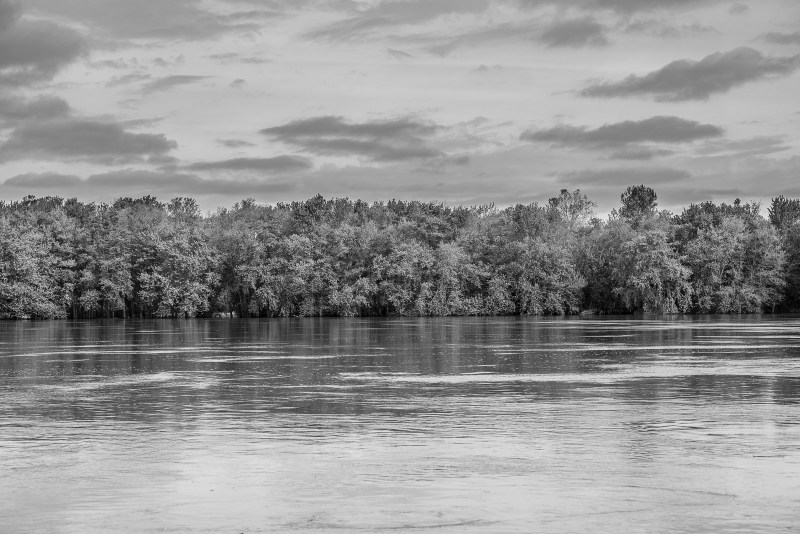
On this Friday morning a good month ago, I am the only visitor. Below once again the Wabash river, shortly before he finds oblivion in the Ohio.

DSC 2750

The landscape doesn’t quite feel like an Indiana landscape anymore. This is already the South. The wonderfully braided bark of the Pecan tree cannot be seen much further north.

DSC 2771

There is somebody else, after all. Patient Cassiopeia, waiting for the years to pass.

DSC 2782

Cyperaceae II

DSC 3212

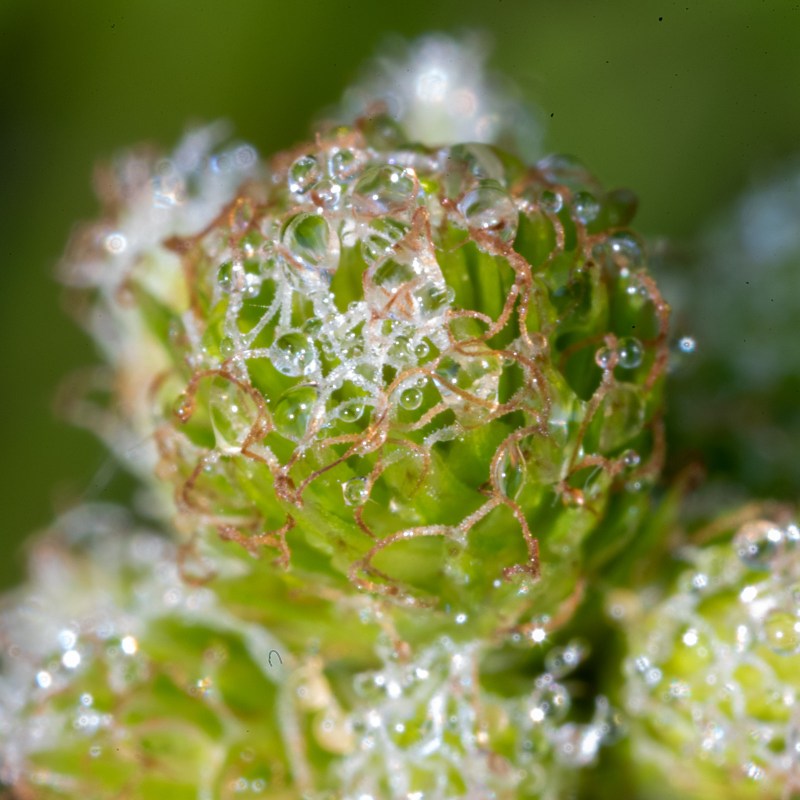
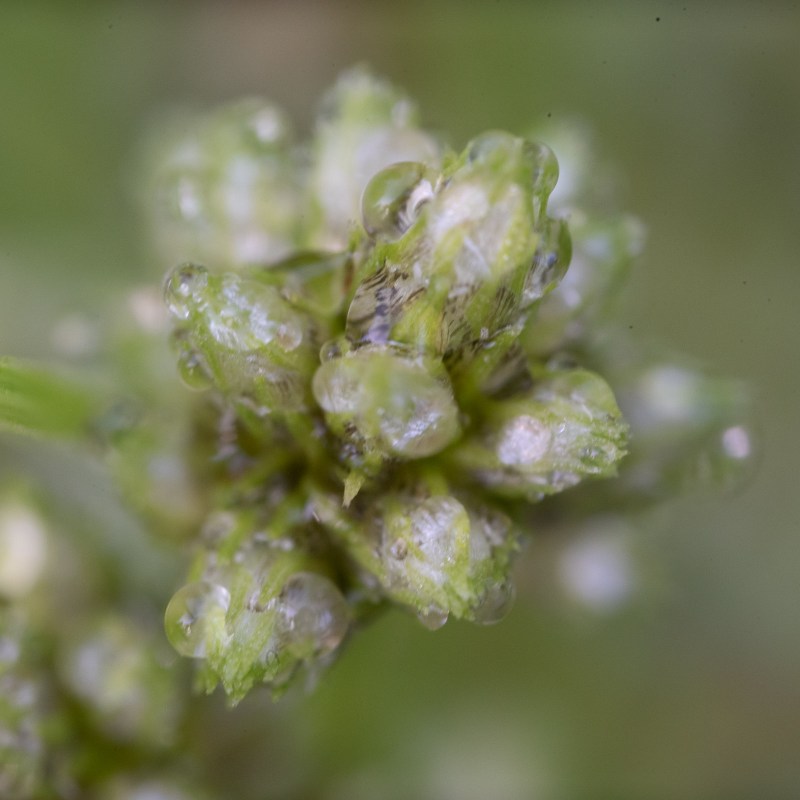
Let’s return to the local sedges while they are young and beautiful, this time up close, and in expensive color.

DSC 3241

The pictures here are magnifications of what you see with the naked eye by a factor 5 to 20, depending on your screen size. They were taking with a macro lens that allows up to 5-fold magnification ratio of reality to sensor size.

DSC 3235

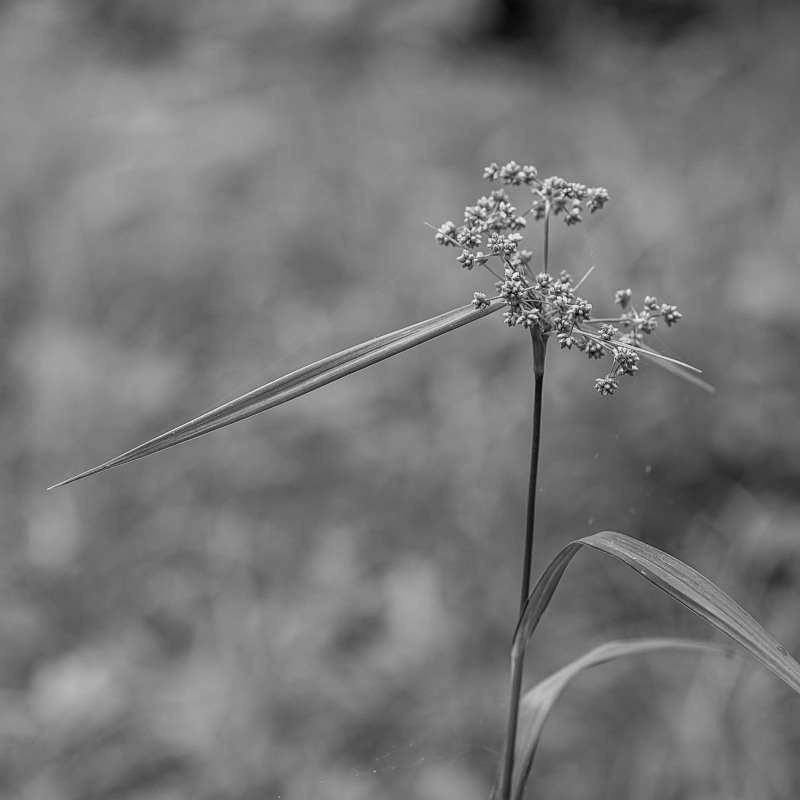
The tips of the flowers reveal unexpected branching into tripods, tendrils and further branching. Who knows how this will continue. Can they feel that gentle touch?

DSC 3192

This is our world. Why does it look completely alien? Is it just unwillingness to look, and to get used to it?

DSC 3186

Cyperaceae

DSC 0800

Summer in Indiana is warm and humid, which is good for insects, and bad for me, as my blood is apparently rather sweet. 

DSC 0809

The worst place to be then are swampy areas, which explains that I haven’t consciously seen the local sedge varieties, until today.

DSC 0822

In contrast to grasses the stems have triangular cross sections, and the flowers are wonders of architecture.

DSC 0827

There are over 5000 different species around, so if this becomes another obsession of mine, brace yourself for the next decade of posts.DSC 0836

The geometric complexity is astonishing. In one specimen of carex grayi (above) I counted 17 spikes, which is a strange number. How do they know where to grow another one?

DSC 0869

This little excursion probably cost me an ounce of blood (and subsequent itching). It has been worth it.

Refractions II (McCormick’s Creek)

DSC 0571

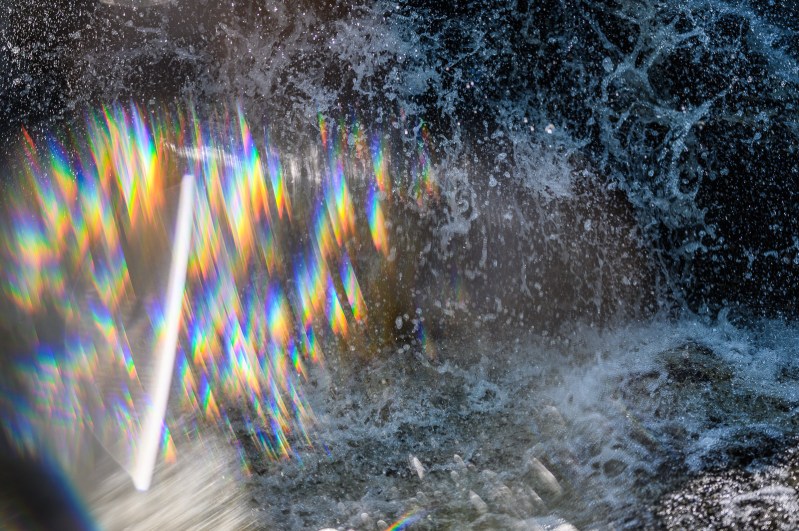
Using a refractive filter to show in a single image what is before and behind you is a useful allegory of linear time, and the ability to split light into pretty rainbows can create the illusion that we understand its inner workings, like in the waterfall pictures above and below. There is a danger that the mere effect becomes purpose.
DSC 0581

I found another effect more compelling, using a filter patterned with many facets, a little like an insect eye. Below, at the spring, we can see reality repeated and made visible in ghost like images.
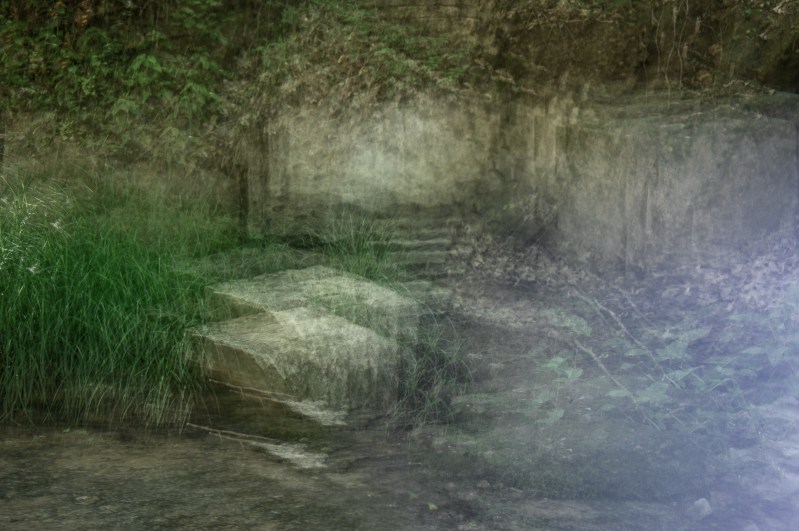
DSC 0659

What we see are slightly different views of the same scene, shifted against each other, resulting in a mild form of cubism, as in the quarry below.

DSC 0717

Much of this can of course done with a single image in Photoshop. Doing it with a movable filter has the advantage that you can play with the constraints of reality while there. You take a picture of what you see, and don’t create what you want to see afterwards.
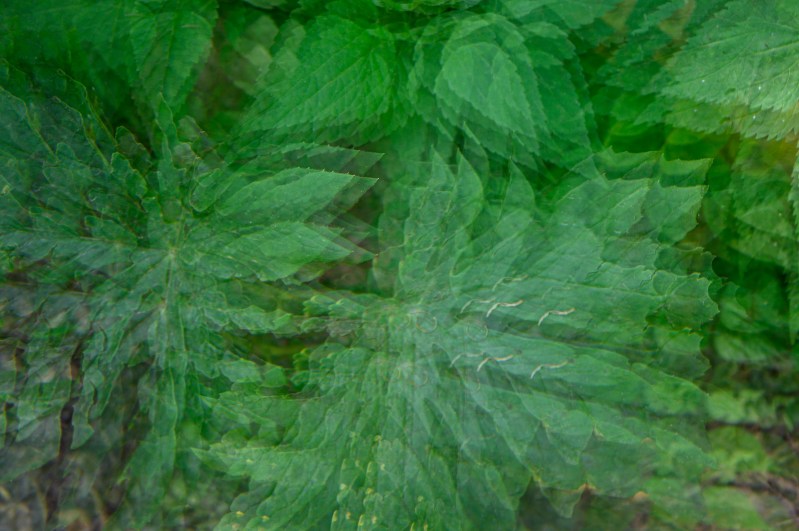
DSC 0770

The effect can be subtle, creating the illusion of a cyclic space in which we can walk freely, refracted as well.

DSC 0767

Refractions I (DePauw Nature Park)

My daughter always says I don’t experiment enough, so I borrowed one of her prism filters and played around with them a little.

DSC 3079

These are not the usual screw on or slide in filters, but large, chunky pieces of glass that you hold in front of the lens to break the light. 

DSC 3082

This way you can get, depending on sunlight and scenery, all kinds of colorful effects, reflections (from the back), and unexpected distortions.

DSC 3099The filter I used was circular with a ring of smaller facets around the center, making it better suitable for portraits than landscape. As usual, there was nobody else around.
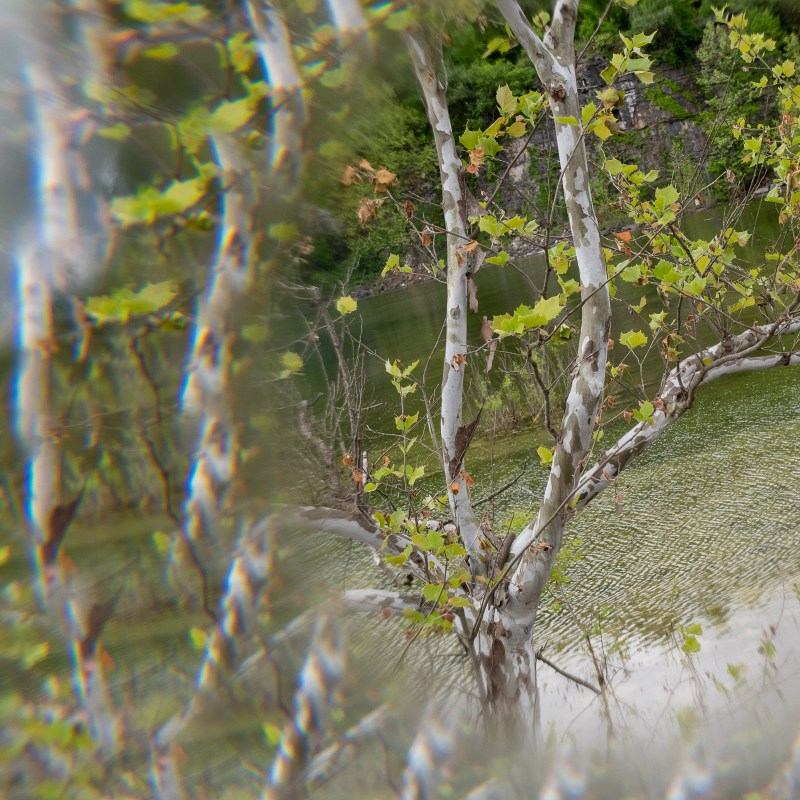
DSC 3146

Above you see the effect of reflections, and below a circle of trees refracted at the outer facets.

DSC 3158

This will clearly require some more praxis…

The Flow of Time (Utah 2009 IV)

DSC 2233

What if we had the opportunity to thaw, say 100 years after our death, and, for possibly only a limited time, contemplate and re-valuate our life and its historical context? Would we seek revenge or make amends?

DSC 2256

The flow of time is a tricky thing. Can we stop or even reverse it?

DSC 2315

This already is an intriguing topic, but Evgenij Vodolazkin in his novel The Aviator aims deeper: How does life gain meaning? Does it come from isolated actions of singular importance, or from repeating seemingly insignificant chores?

DSC 2337

Sometimes the timelines of several people can fuse in order to tell a story. 

DSC 2345

Warmly recommended.

DSC 2259

The Chapel (Utah 2019 III)

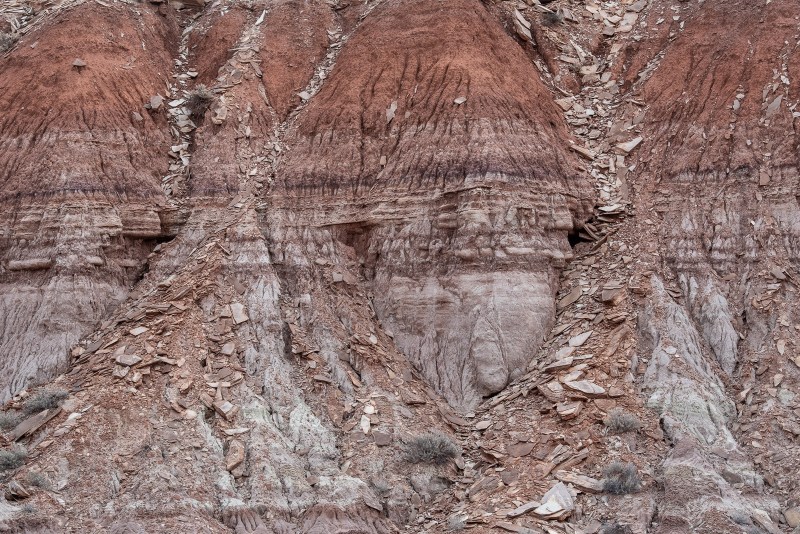
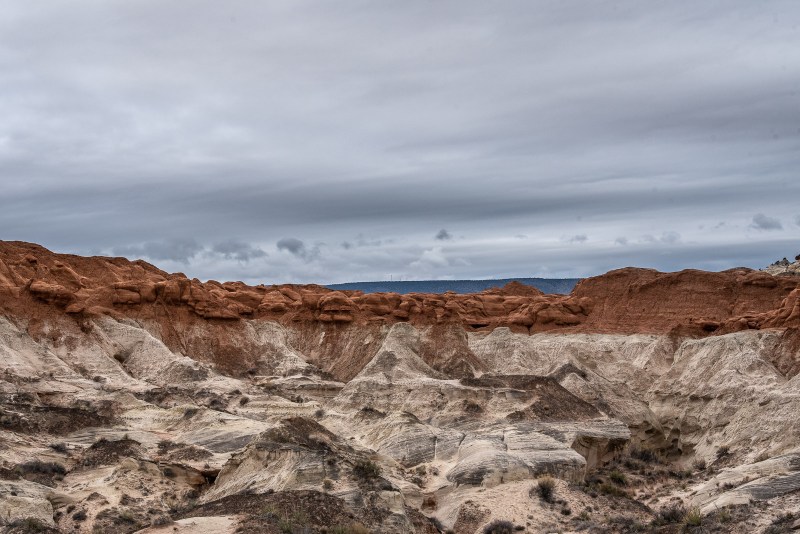
A little way east of Kanab, along Highway 89, is a popular roadside attraction called the Toadstool Hoodoos. The short trail takes you through a somewhat desolate landscape.DSC 2013

You might encounter children running around and screaming sandwar! and the like, which makes you wonder whether they just toppled all the hoodoos over.

DSC 1972

Most peaceful people come to enjoy the landscape above and hoodoos like the ones below. 

DSC 1982

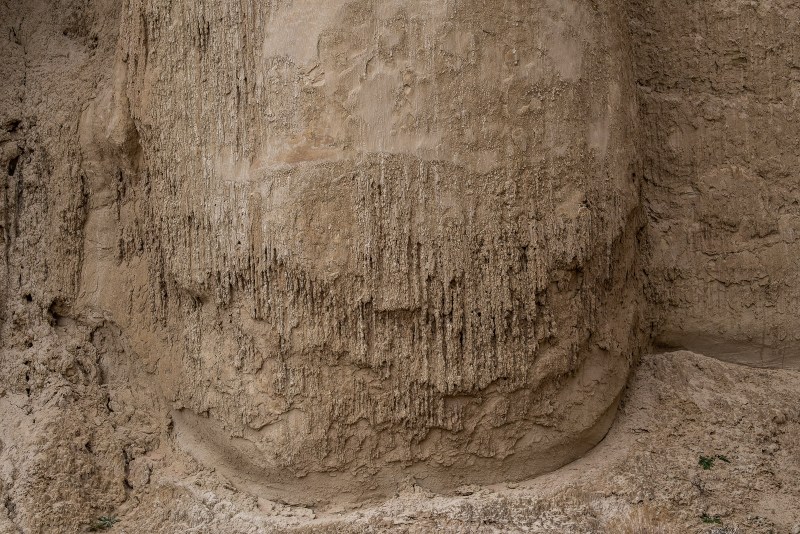
For me, the main attraction however is a little secluded space at the far wall of the plateau that I called the chapel.

DSC 2006

If it was made by humans, I would call it an intriguing piece of architecture. You can see it as a face or a heart, it is both closed and open.

DSC 1998

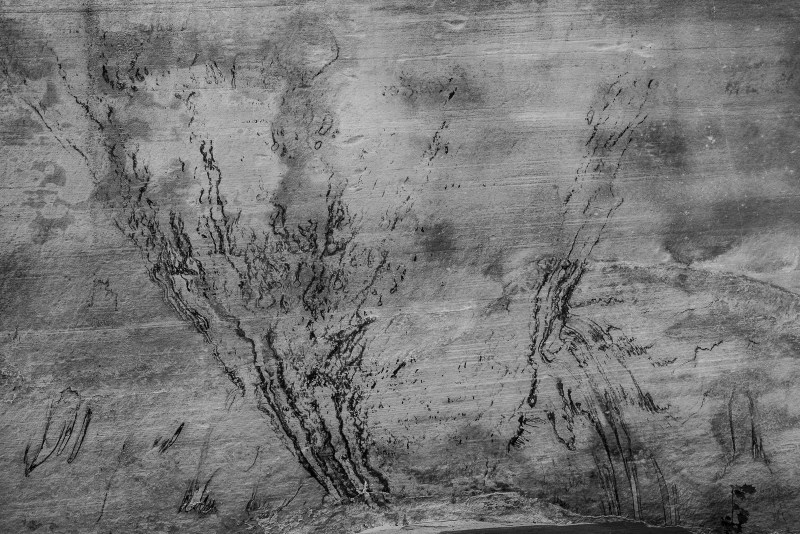
The interior has some pre-human wall art to contemplate the passing time.

DSC 1985

Nobody ever goes there.

DSC 1995