Imperfections

DSC8708

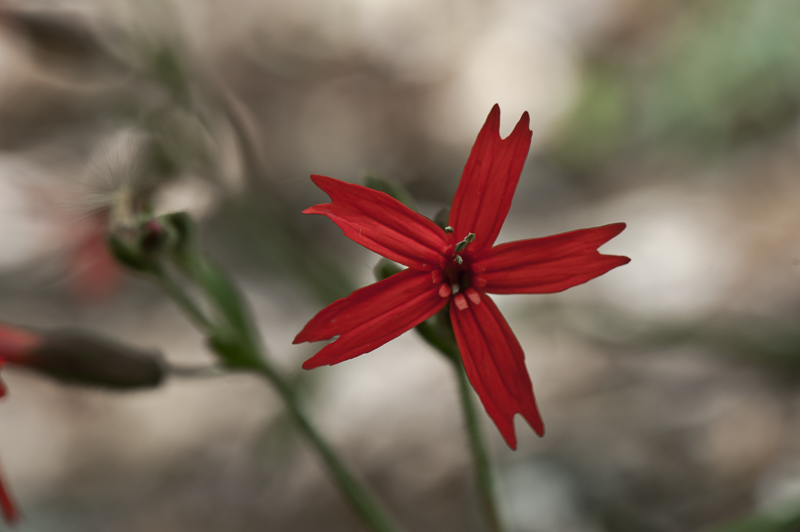
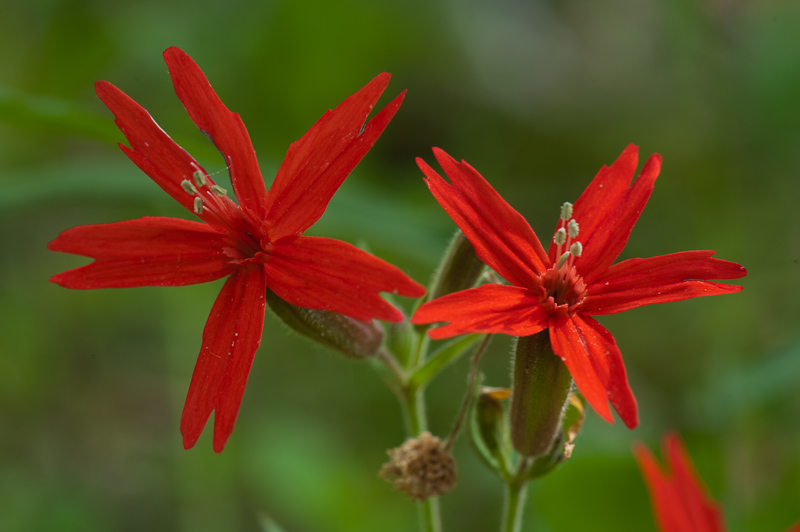
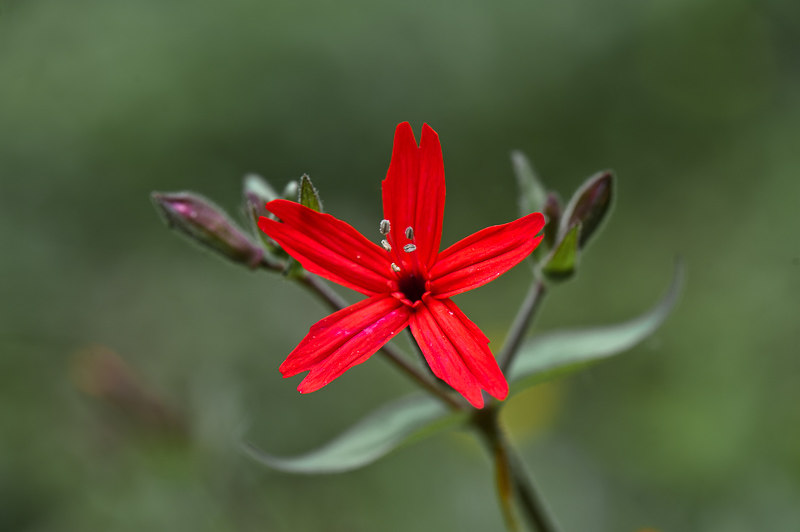
The fire pink is notoriously difficult to photograph. In the 3-dimensional wild nature, its five bright red petals catch the eye instantly and let us overlook annoying background or minor blemish.

DSC8625

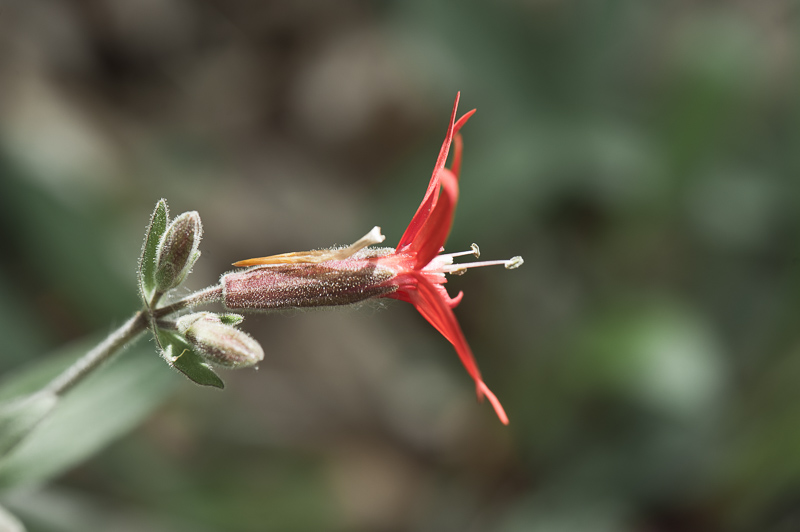
Only after we have tamed its appearance on a 2-dimensional photograph, the defects become immediately apparent. The uniform red shows the tiniest specks of dirt, and little tears in the petals that went unnoticed in nature become major issues. Even its own pollen becomes a nuisance in the photo.

DSC8639

Of course the right choice of light, depth of field, and post processing help. But I am still waiting for the perfect specimen for the perfect shot.

DSC8626

Wood and Stone

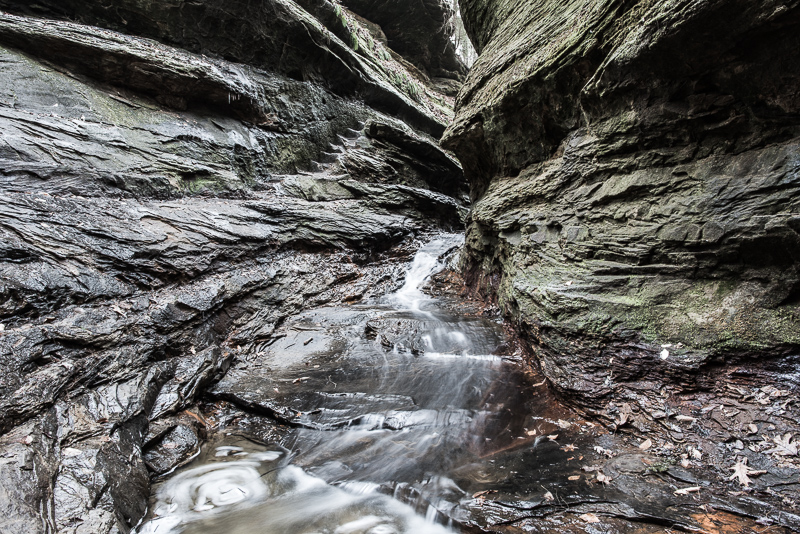
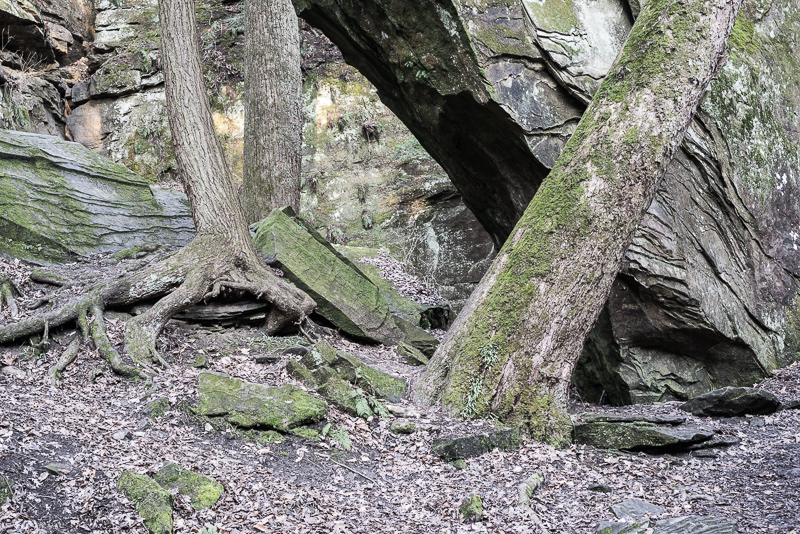
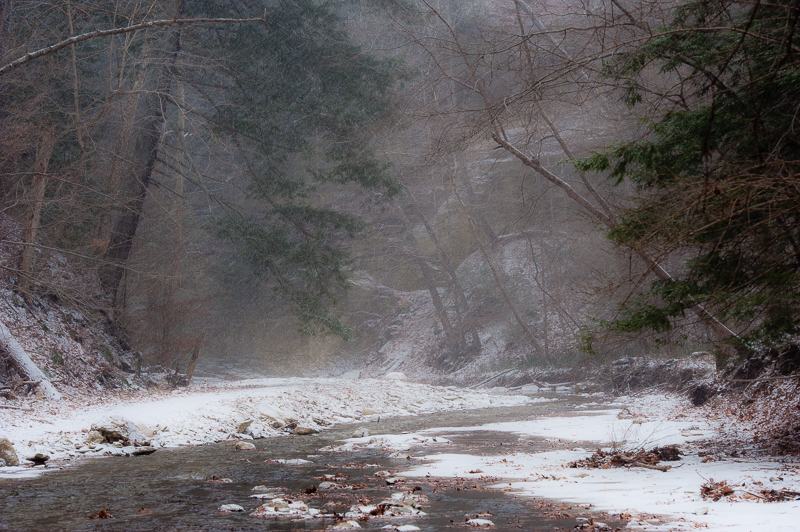
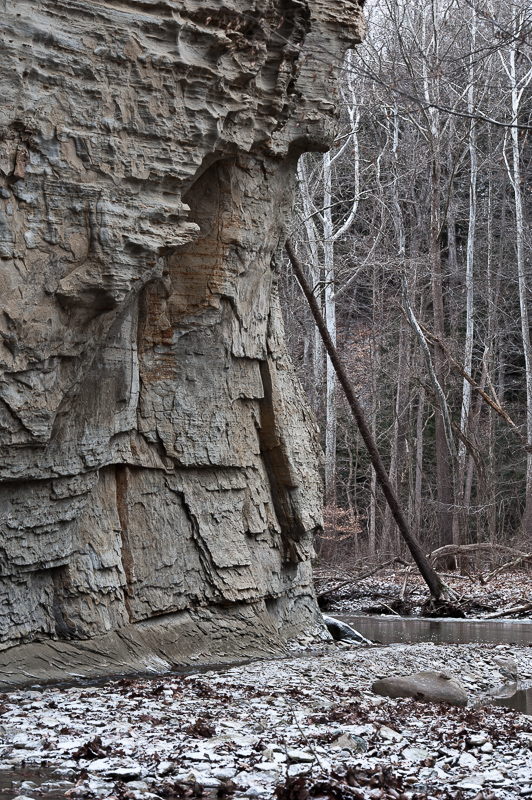
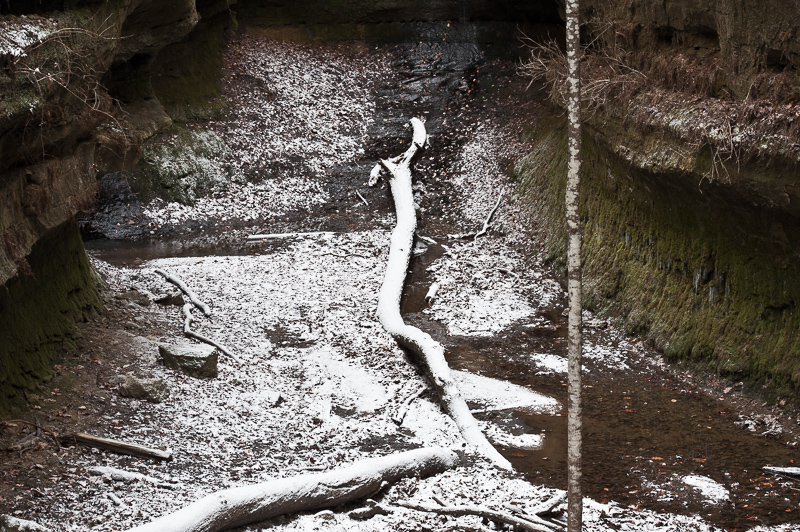
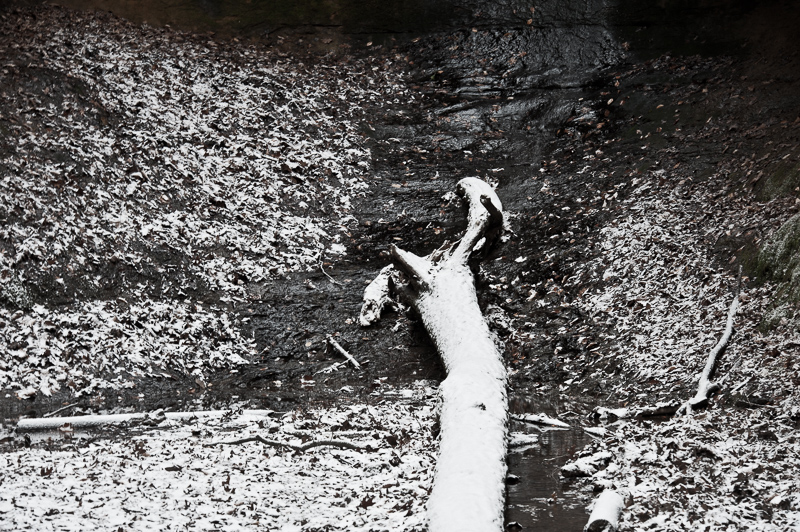
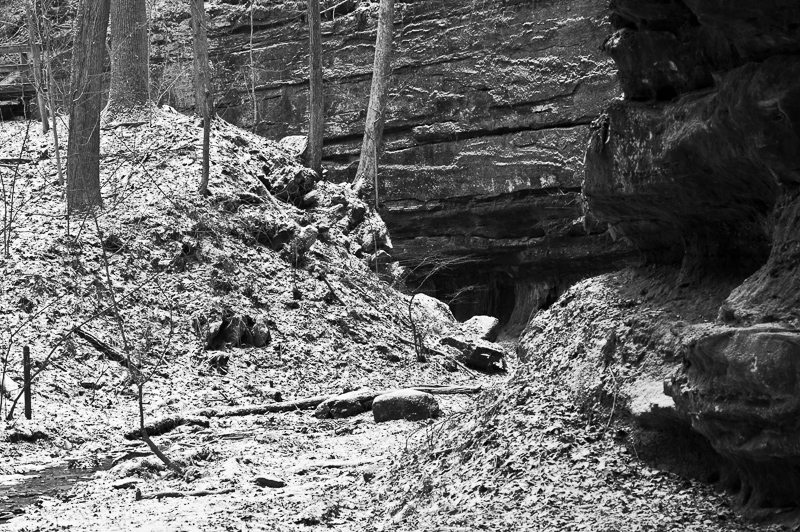
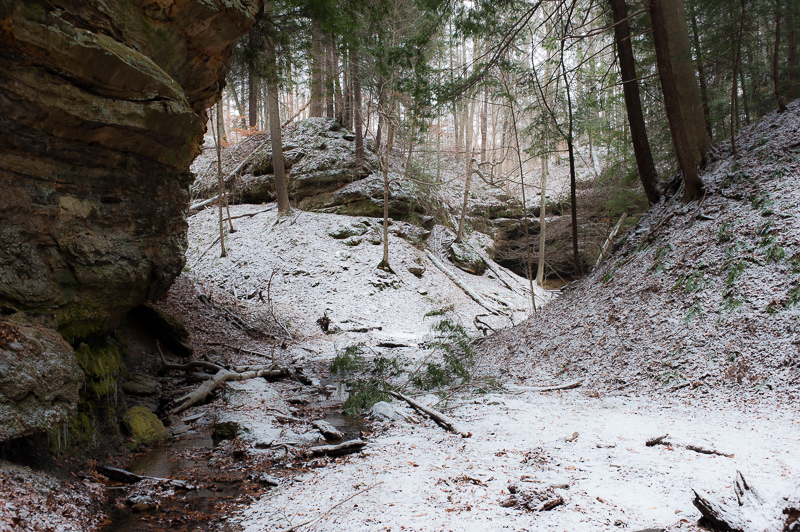
Even more than the near Shades State Park, Turkey Run State Park offers a maze of narrow canyons filled with remnants from the retreating glaciers of some 20,000 years ago.

DSC 2794

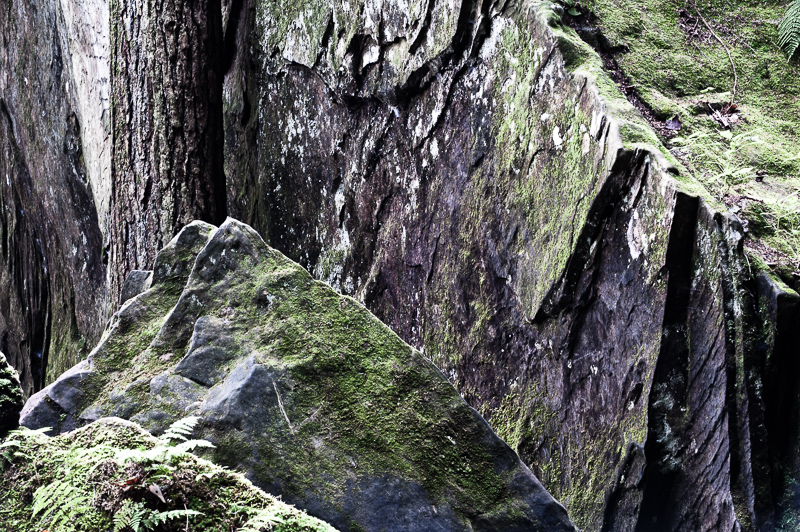
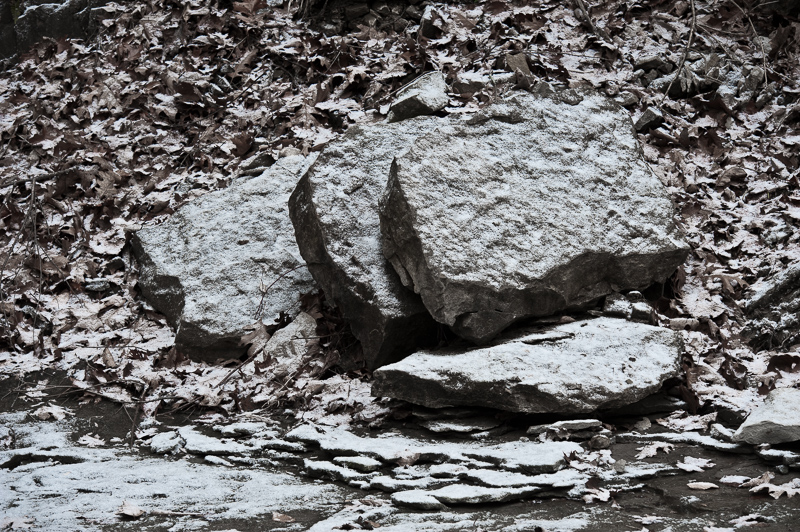
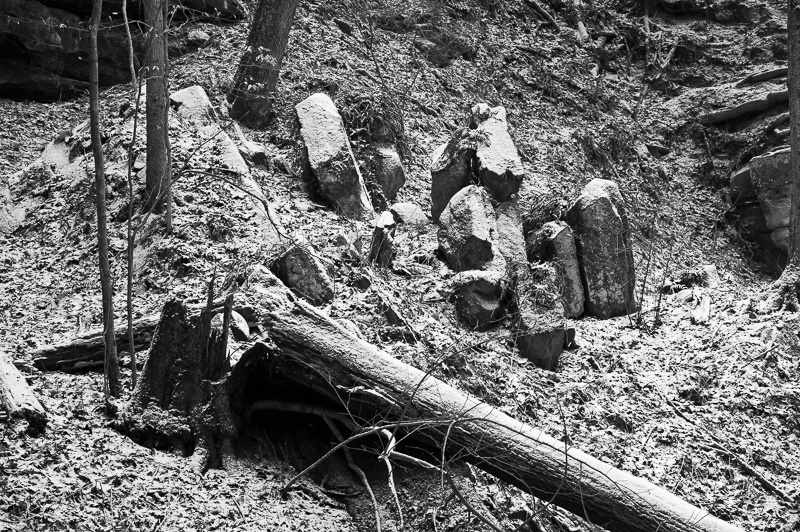
A common theme is the presence of wood and stone. Most of us are surrounded by their shaped presence more or less permanently, but here we can watch them grow and decay in their raw and untamed state.

DSC 7008

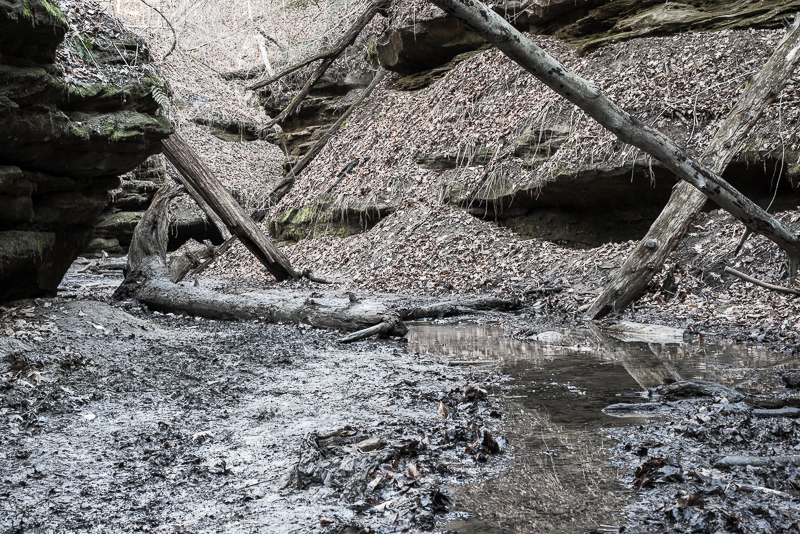
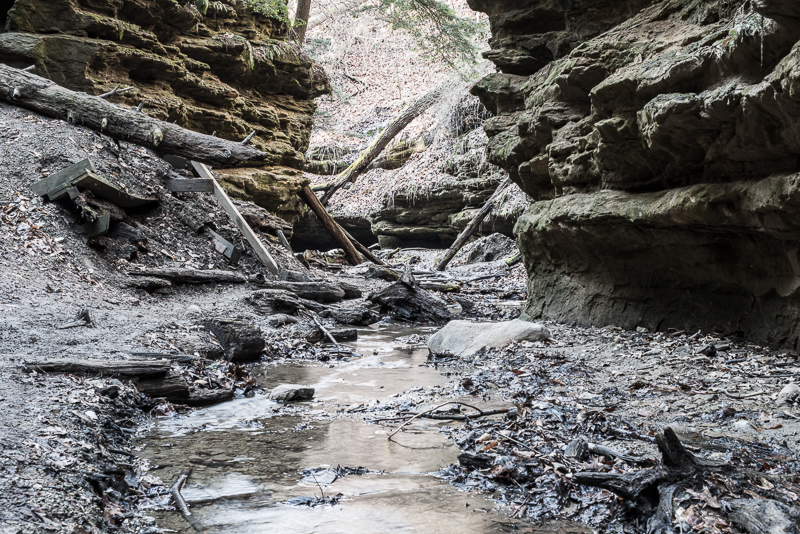
This place has something special at any season. In early spring, the abundant vegetation is still dormant, and the damage done by the melting ice and snow has not been cleaned up yet.

DSC 7065

This will just look like devastation to most, reminding us that building with wood or rock is, in the long run, nothing but building on sand.

DSC 7061

Occasionally, there is a view that seems to contradict the chaos. While such views are nothing but rare byproducts of the greater erosive randomness, they still remind us that there is purpose, as long as we pursue it.

DSC 3984

At Church

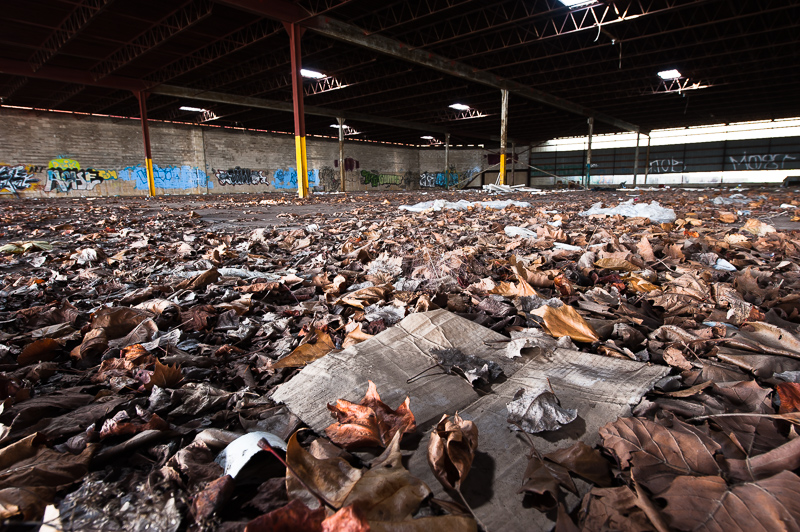
A couple of years back, a photographer friend of mine and myself checked out a small abandoned industrial zone in the periphery of Bloomington. We went there on a frosty Sunday morning and likened the experience very much to going to church.

Large storage buildings now serve as meeting halls for lost souls,

DSC6538

piles of card board provide a scripture without words,

DSC6400

stained glass windows tell stories of distant suffering,

DSC6477

unused screws (not nails) draw like grass in the sand,

DSC6480

and the mandatory relic doesn’t promise any hope.

DSC6375

The place now has been demolished. Too bad.

Emergence

DSC 6941

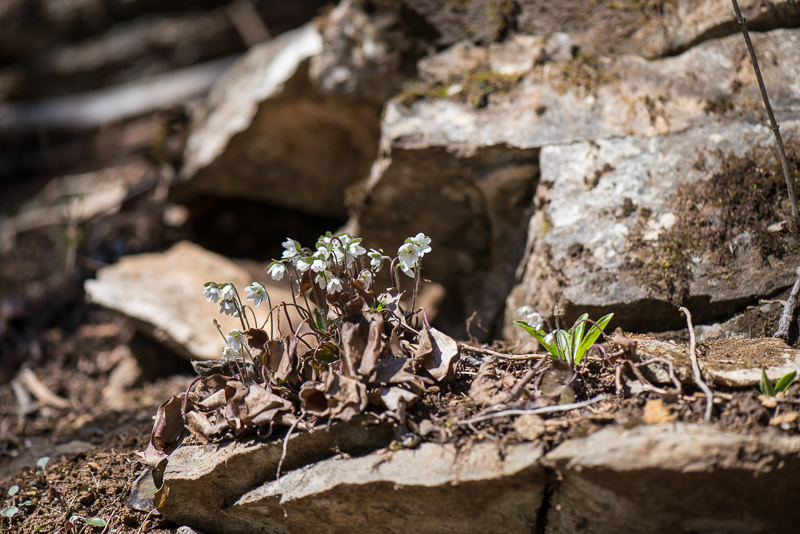
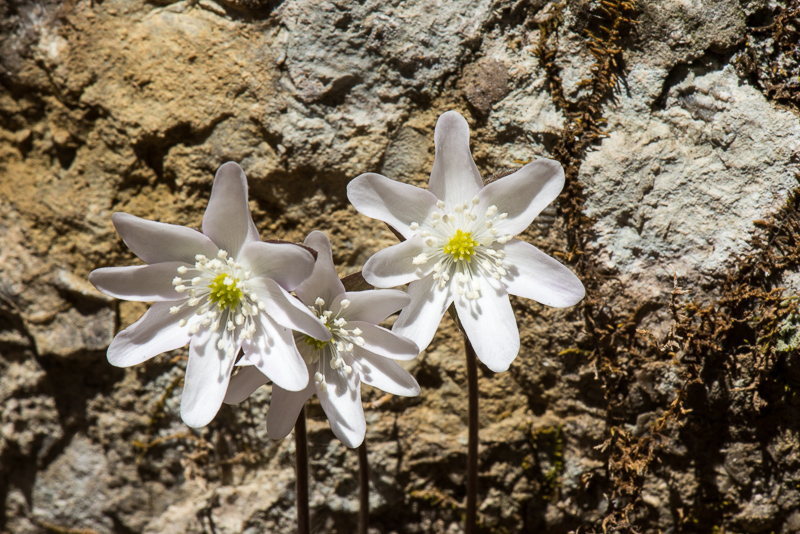
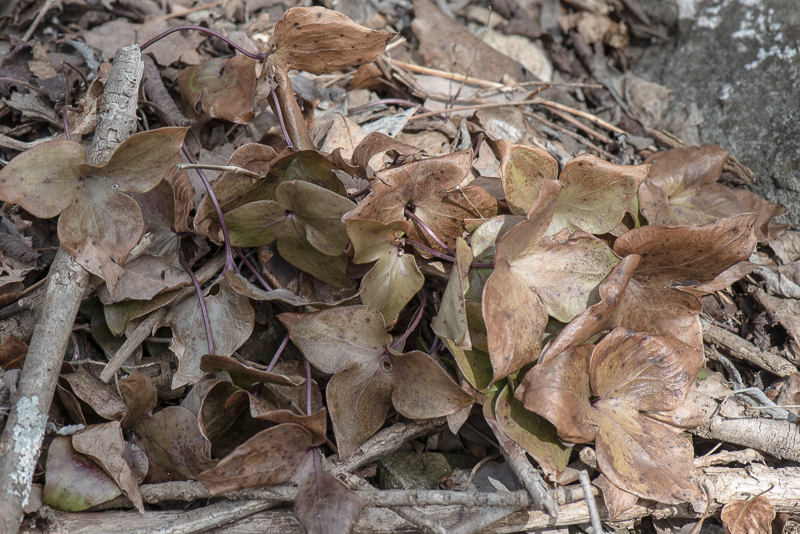
In my previous post about snow trilliums, I had lamented this year’s demise of them due to bitter frost after a period of warm days, and documented my claim with a a picture of a plant that looked to me like a very dead trillium. Not so, as a good friend has pointed out. The dead plant was in fact a hepatica, and is back, still with brown leaves, but also with nice little white flowers. Up close:

DSC 6971

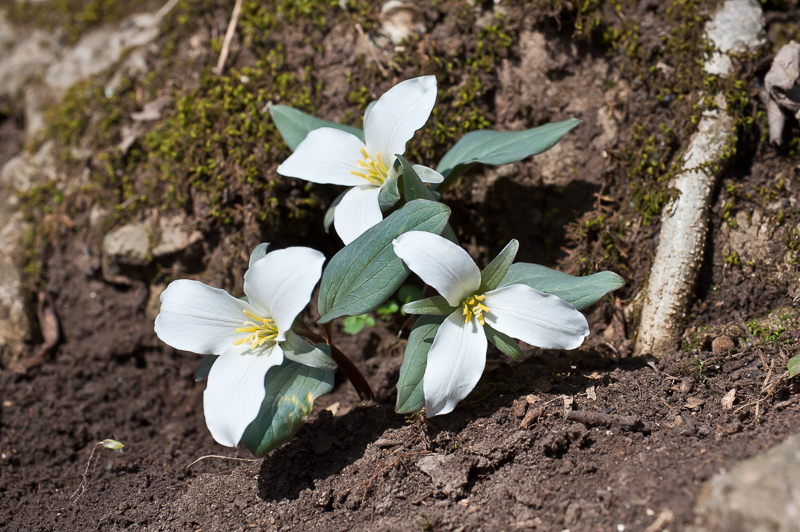
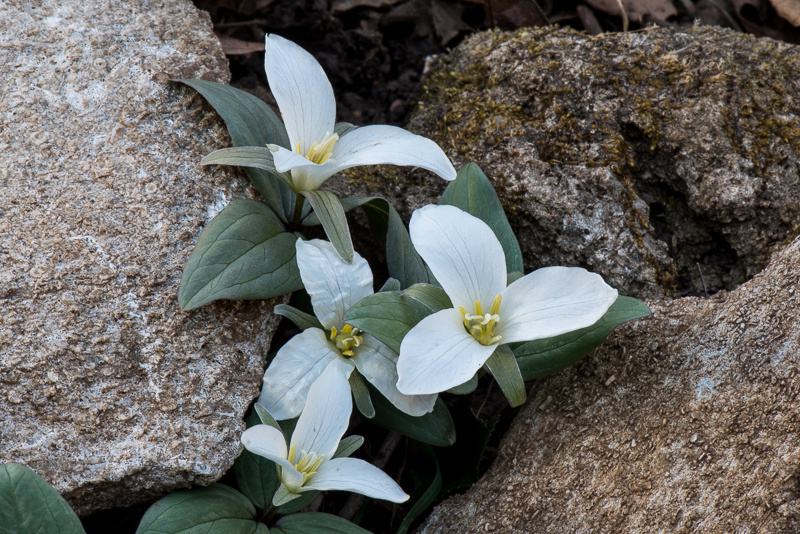
And, even better, the snow trilliums I had taken for dead, are out, too.

DSC 6938

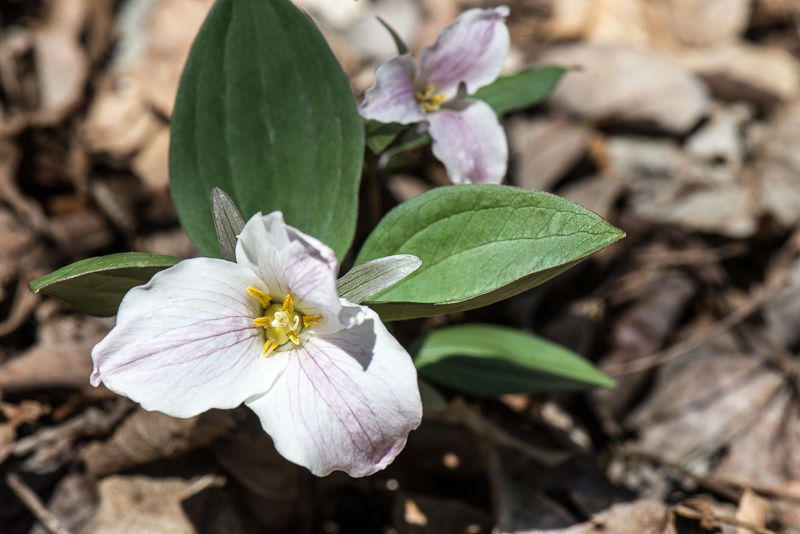
A little curiosity today was a small patch of three snow trilliums that had pink veins. Pretty.

DSC 6955

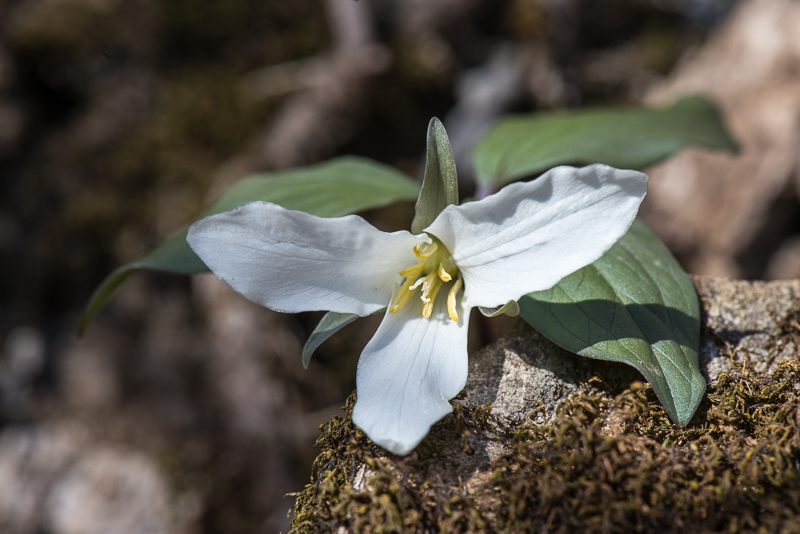
Snow Trillium

In the midwest, there is a fifth season between winter and spring, when everything seems to be in limbo for about a month. The temperatures rise above freezing point, but it’s not warm enough for any serious vegetation to spring up.

DSC6663

This is the time for the courageous, and one of them is the snow trillium. It typically blooms in early March, earlier than all other native wild flowers.

DSC2298

It enjoys steep limestone slopes facing south.

DSC 2890

When I went looking today at one of my favorite wildflower spots, the Cedar Bluffs Nature Preserve in Indiana, it didn’t look good. Apparently one day of intermittent warming last week had lured the trilliums into growth, and they were than hit by a hopefully final wave of sub zero temperatures and snow. The result is not pretty.

DSC 6192

Luckily, trilliums are very resilient where they like it. They will be back next year, courageous as always.

Update: The image above is not that of a dead snow trillium, but rather of a hepatica plant. More about this in a later post.

Pine Hills Nature Preserve

Shades State Park in Indiana has so many wonderful spots that it is easy to miss the little Nature Preserve at its boundary.
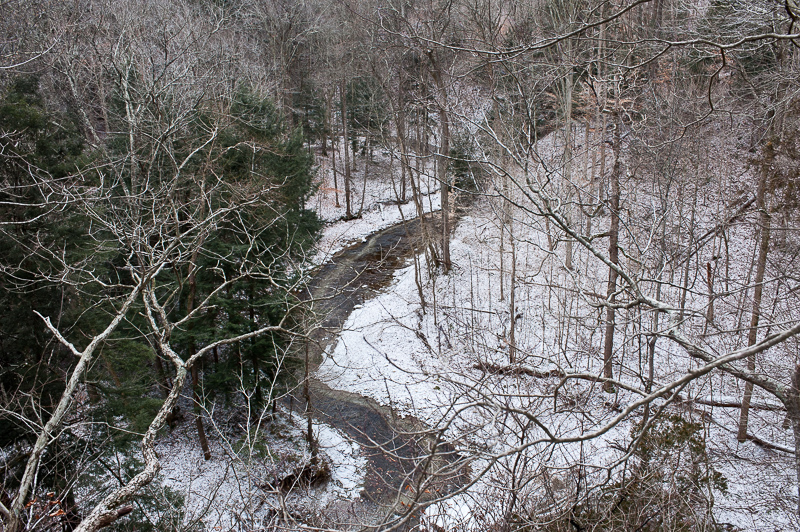
The 15 minute access trail is not really preparing the visitor for what happens at its end: A steep descent leads into the narrow Clift Creek valley, and you are greeted with steep, barren rock faces.

DSC1979

The creek meanders around backbones with promising names like Devil’s Backbone that are at some points less than two meters wide but offer vertical drops of 30 meters and more. Crossing them in winter requires care.

DSC1970

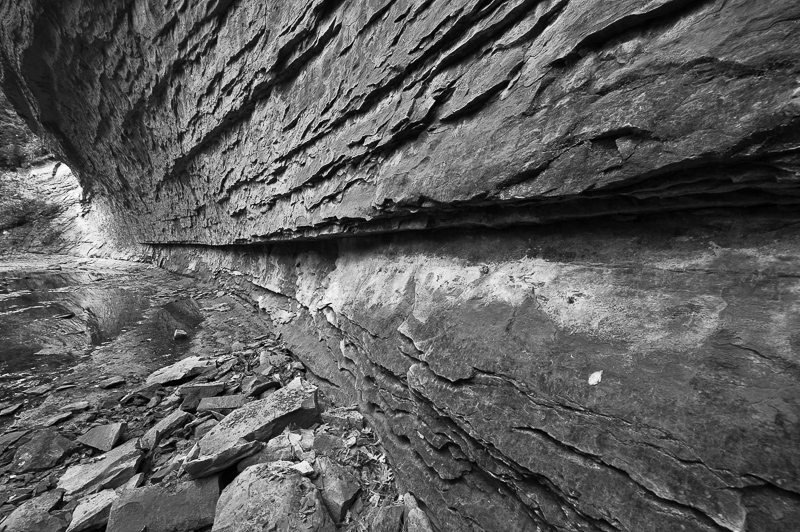
Even from below, these overhanging rock faces are vertiginous.

DSC1487

Usually, the best time to visit Indiana landscapes is during the Fall, but this place is so complex that it is almost made for a reduced color palette.

DSC2041

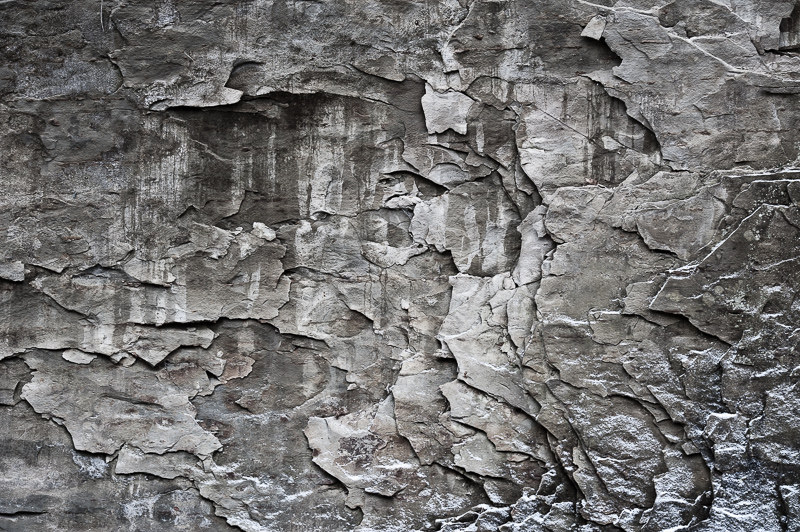
This ancient sandstone cliff looks tired. Who wouldn’t, after all these years.

DSC1990

These rocks were left for a forgotten purpose, waiting now for time to end.

DSC1980

Shades

My favorite State Park in Indiana is Shades State Park. The ominous name is short for Shades of Death, and possibly refers to a battle between Native American tribes. I have already written before about the Silver Cascades Waterfall in that park, but it has many other spectacular features. One is called Devil’s Punch Bowl, where in the early 20th century visitors that arrived from Chicago by train were treated to a movie night. These people had guts.

DSC2059

In dark winter, the punch bowl is certainly the place that justifies the park’s old name most. For some strange reason, the bare dead trees remind me of Francis Bacon’s crucifixion paintings.

DSC2065

The punchbowl is the end of a short canyon that has more fallen trees.

DSC2071

When the canyon widens, surprisingly the walls just get taller. One begins to wonder about the finale of this dramatic development.

DSC2076

Instead of a drop into the endless void, the canyon ends at the Silver Cascades Fall. That’s a counterpoint the composer of this landscape must surely be proud of.

DSC2113

Prophetstown State Park

Early in the year, Prophetstown State Park is a solemn place, and rightly so.

DSC 2616

After all, this is where in 1811 a decisive battle between a confederacy of Native Americans, led by Tecumseh’s brother Tenskwatawa (“The Prophet”), and an army of 1000 men, led by William Henry Harrison, the Governor of the Indiana Territory, took place.

DSC 2629

The battle ended with a defeat of the Native Americans, and the complete destruction of their village.

DSC 2653

Today, the park features an early pioneer village and replicas of the earlier Shawnee settlements.

DSC 2659

I found the vistas of the empty landscape more impressive. Much of its geology was formed from retreating ice, when glacial lakes broke their dams and caused devastating floods, as is visible here in the Wabash flood plane.

DSC 2664

Both the flood plane and the lost battle of Tenskwatawa should remind us that there will always be resistance, no matter how often it fails.

Woolery Limestone Mill

Large enclosed spaces are awe inspiring. Empty caves, cathedrals, or theater halls challenge our sense of proportion: We do not dare to enter a building alone that is too large. One way to safely confront large enclosed spaces is as a group of people. Albert Speer’s architecture in the 3rd Reich exploited this: Only by following the mass of people you became strong enough to bear his enormous buildings.

Another way is to wait until decay has lessened the overwhelming power of magnitude. Large industrial ruins have lost their threat, but have acquired a morbid charm — the stone age excitement to see a mammoth die.

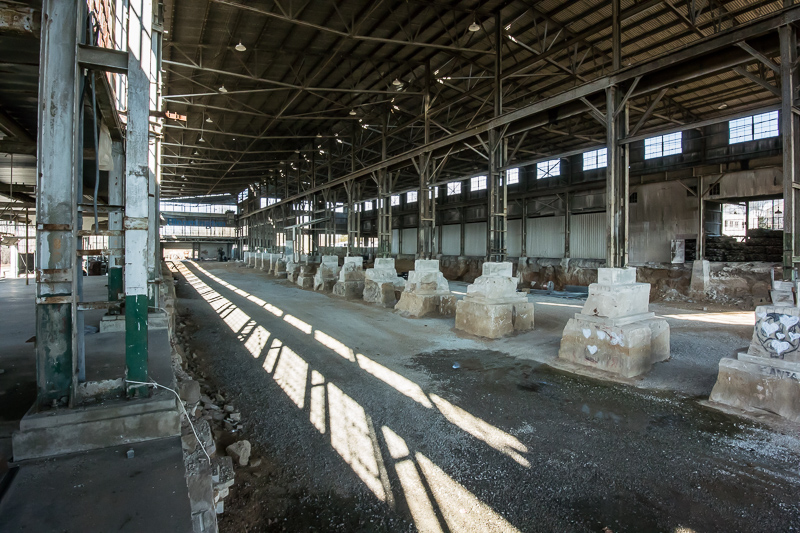
A (for me) local example of this is the Woolery Limestone Mill.
DSC 0154

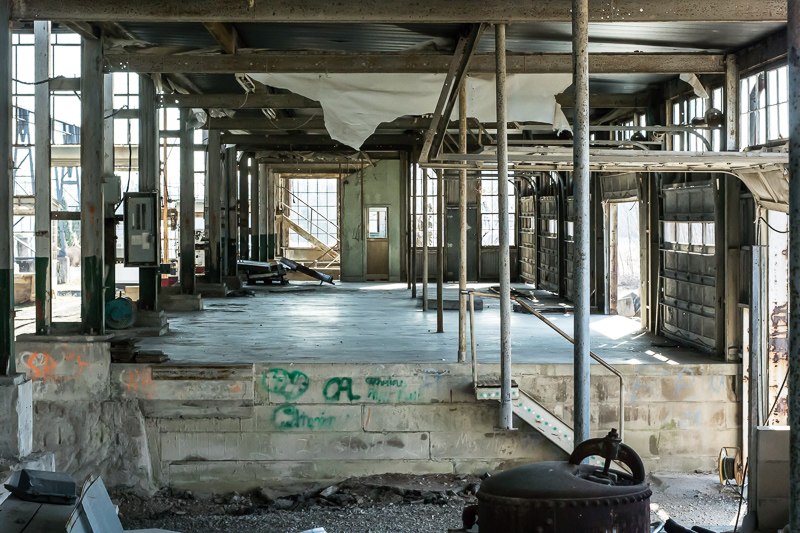
It is not completely dysfunctional, recent uses include beer festivals and weddings. There is even talk about converting the historical building into a hotel or into luxury appartments.
DSC 0127

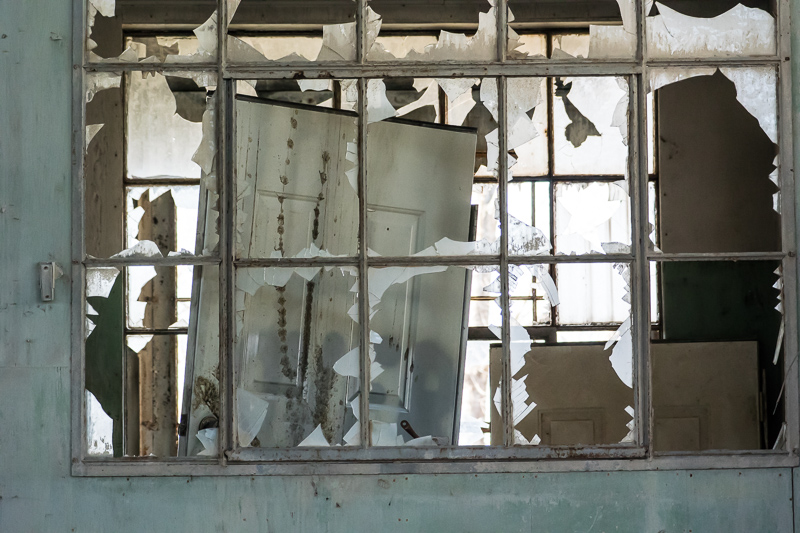
It would be an interesting challenge to build a hotel with all comfort where the rooms appear to have broken windows, the carpet looks like it is a floor full of glass shards, and the wall decorations are freshly sprayed graffiti.
DSC 0071

I am sure this would become a major attraction beyond the common midwestern taste.

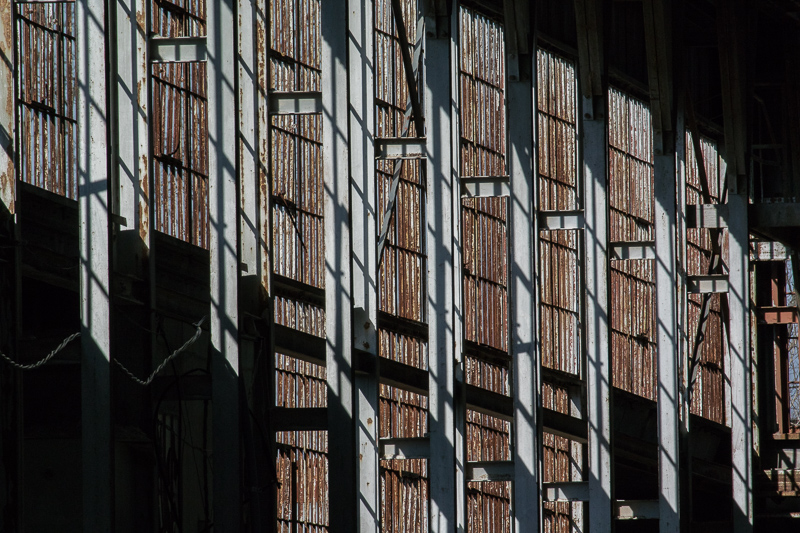
In its current state, the former mill has considerable structural attractions. The play of light and shadow on the rusty steel beams looks like the score of a contemporary composition. I would like to experience Xenakis’ Kraanerg performed here.
DSC 0164

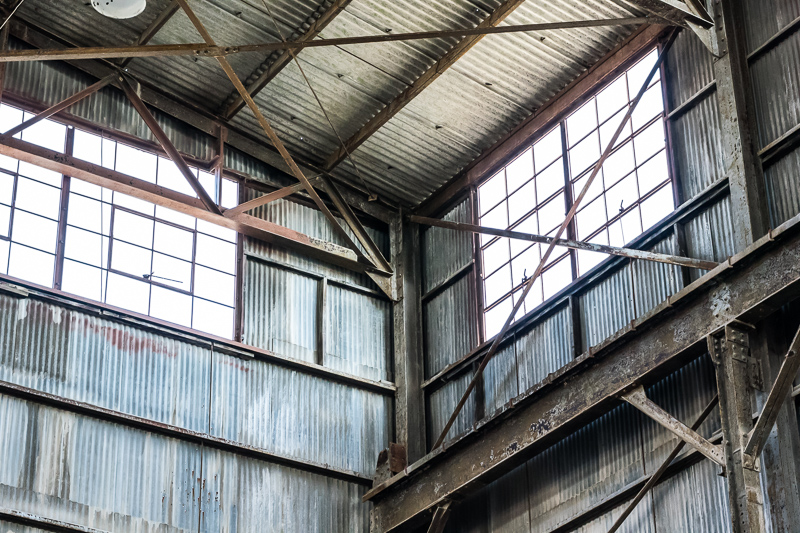
Corners at the ceiling create the illusion of an abstraction that only exists because of the simplicity of the open space.
DSC 0097

And, almost paradoxical in a building consisting entirely of straight lines, the existence of curved shadows makes one wonder about the nature of space itself.

DSC 0168

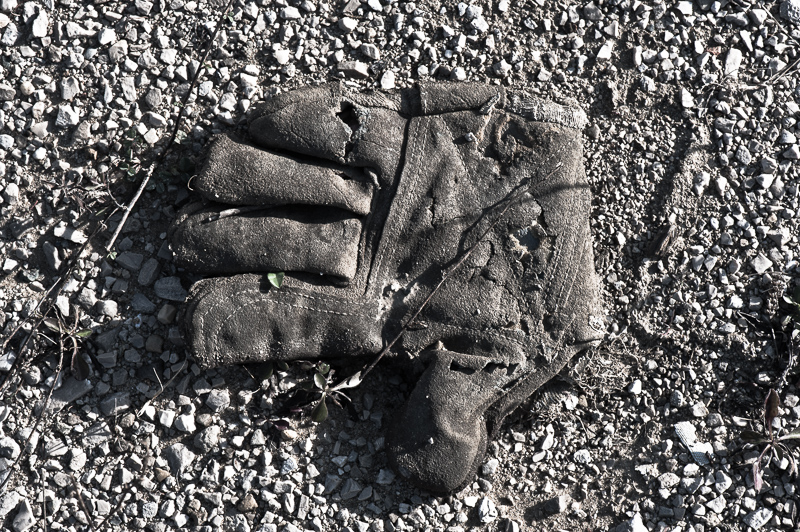
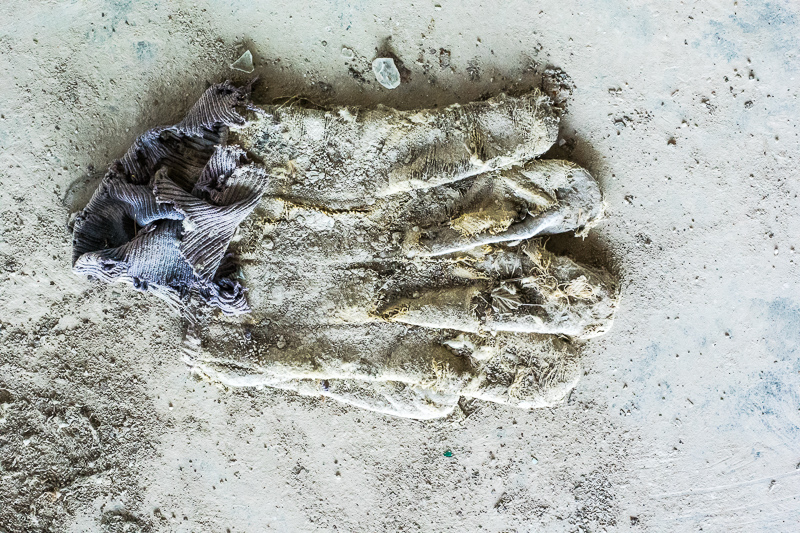
Then, of course, there are the remainders of former human occupation. Once, this glove was worn.
DSC 0126

Fragility

DSC 1924

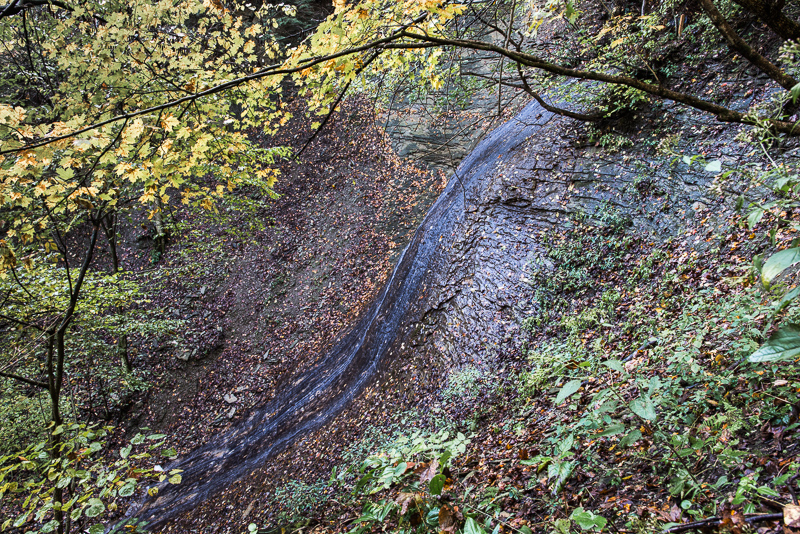
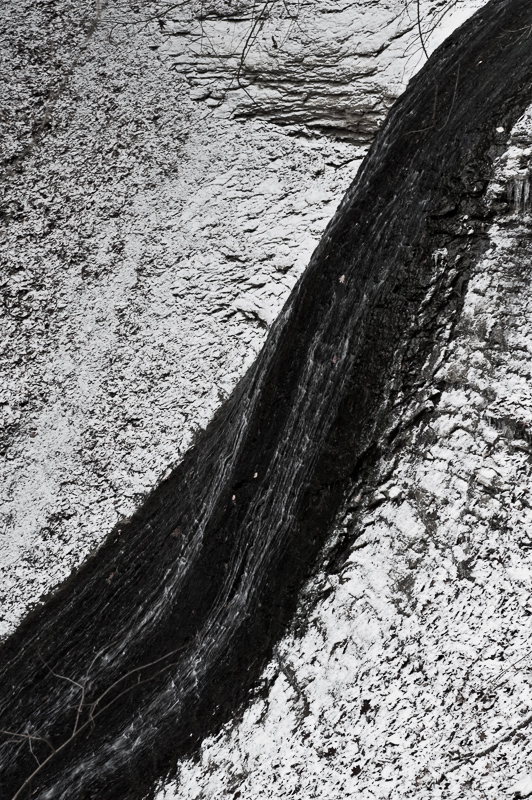
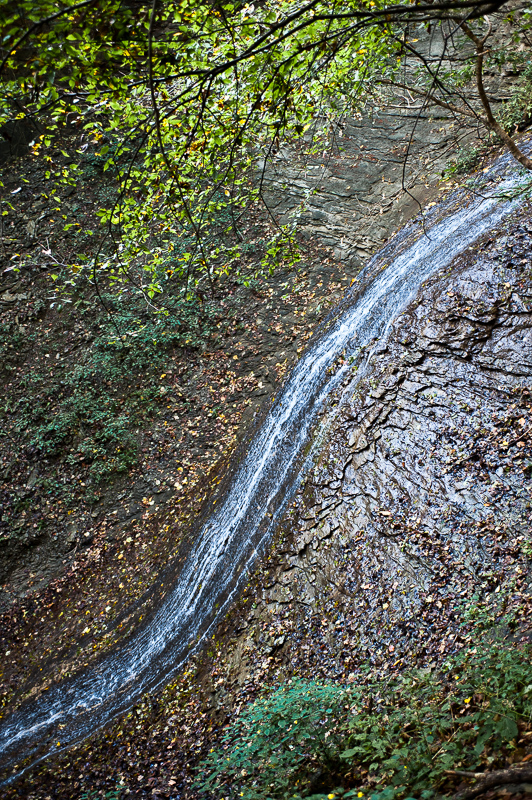
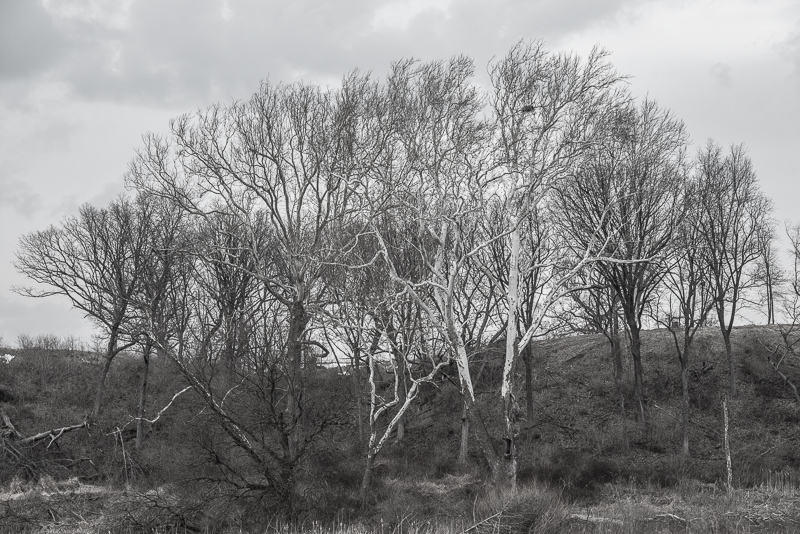
If Nature has intended to create sacred places for us, then the Silver Cascades waterfall in Shades State Park, Indiana,
is certainly one of them. Don’t expect roaring cascades. Instead, when approaching the secluded site, you will hear nothing but the quiet murmur of slowly running water.
Besides its stunning beauty, this unusual waterfall is partially convex, giving it a womb like appearance.

While frost wedging is responsible to the concave upper part, this process is less effective in the lower part, as it is less exposed.
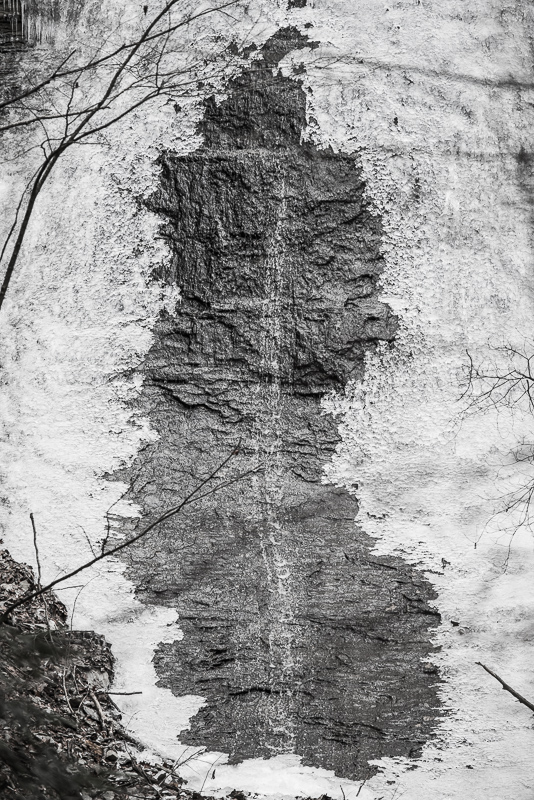
In Winter one can see how the flowing water prevents freezing.

DSC2105

The whole area is quite fragile, and the spots where the pictures here have been taken are now closed off due to rock fall. The best time to visit is during the early morning in the Fall, when it is quiet and there is no direct sunlight on the leaves yet.

DSC3206

The now inaccessible front view offers an entirely different, still irritatingly erotic, perspective.

DSC 5137