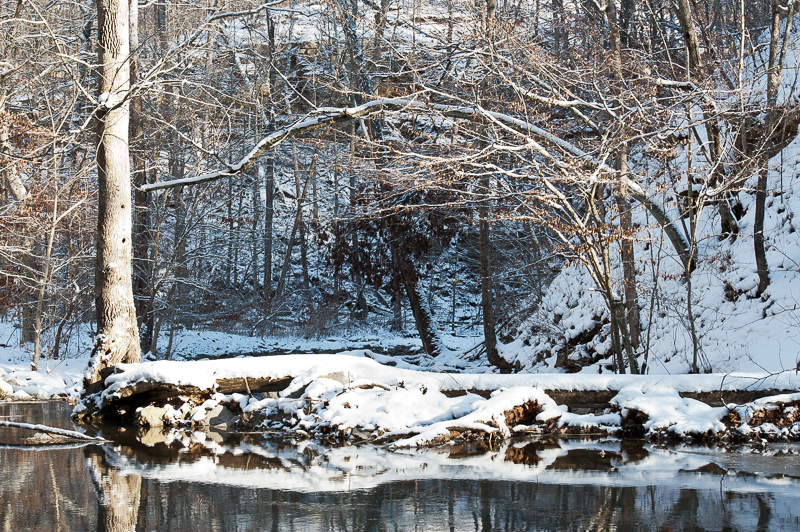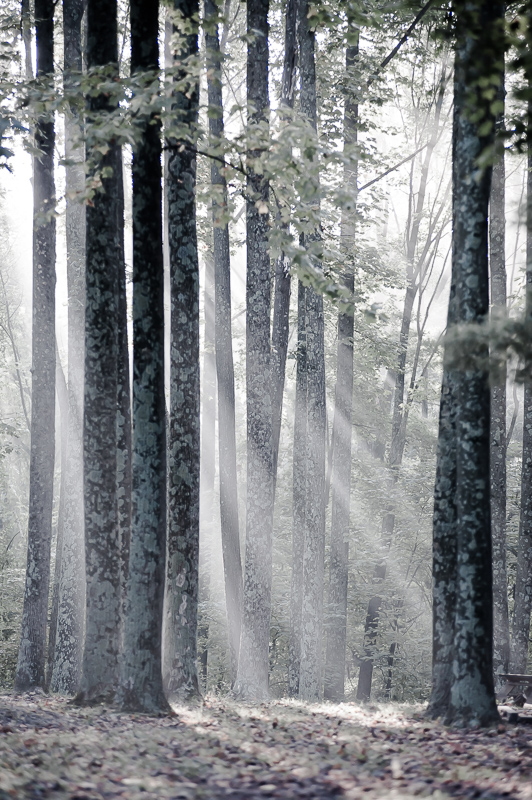
Big Things

DSC 4422

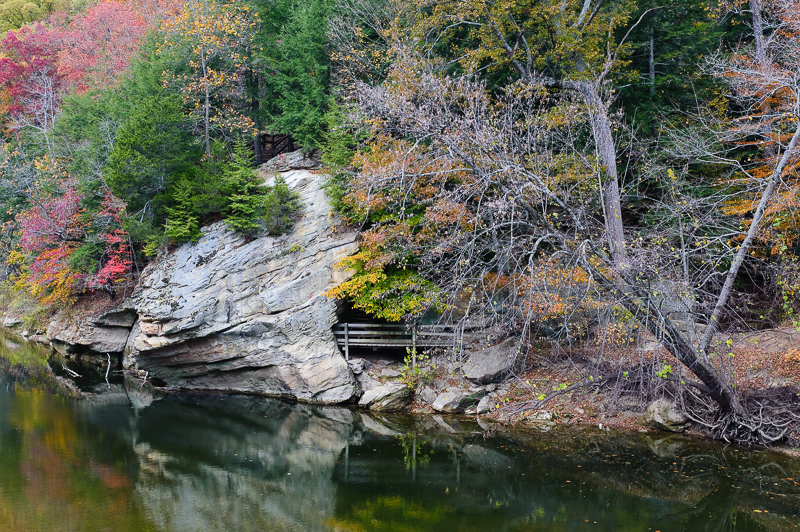
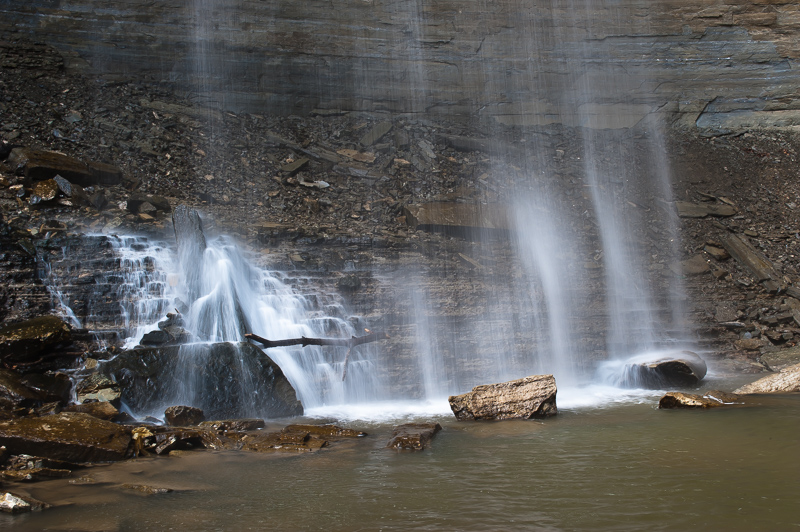
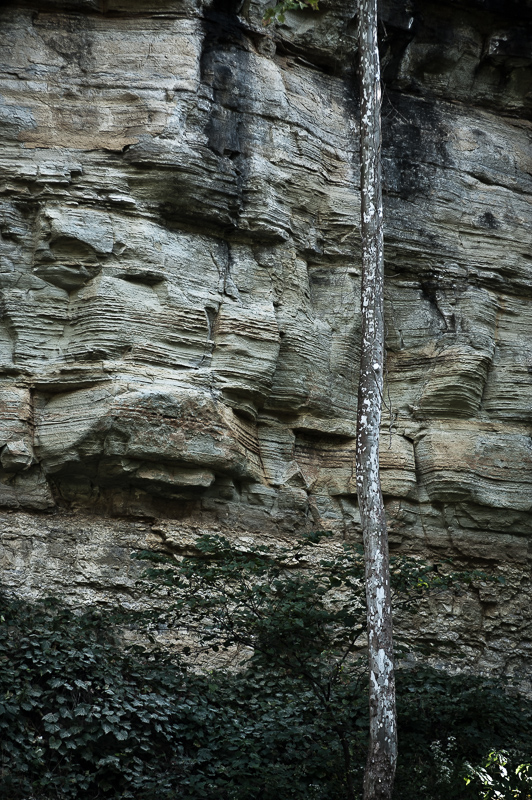
Clifty Falls State Park in eastern Indiana, at the border to Ohio, features a large canyon with several waterfalls, about 20 meters tall.
DSC6848

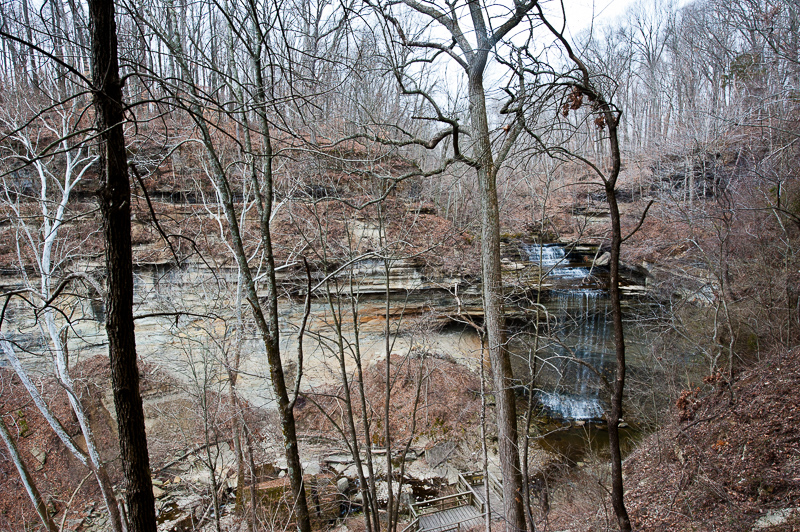
This allows for views that are not very common elsewhere in Indiana. Usually, when your view is not blocked by trees, it is an endless plane and an endless sky, cut in half by a perfectly straight horizon. At Clifty Falls, you can look across, giving you back a sense of size.
DSC 5761

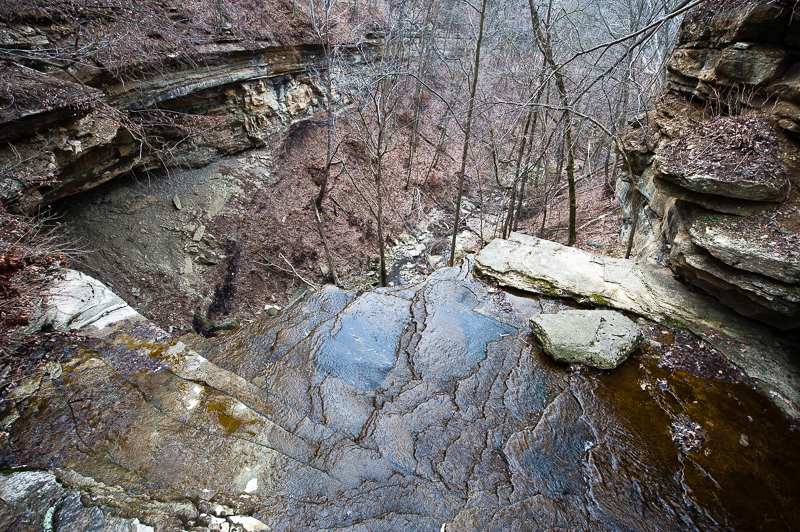
Or, if you dare, you can look down.

DSC 5751

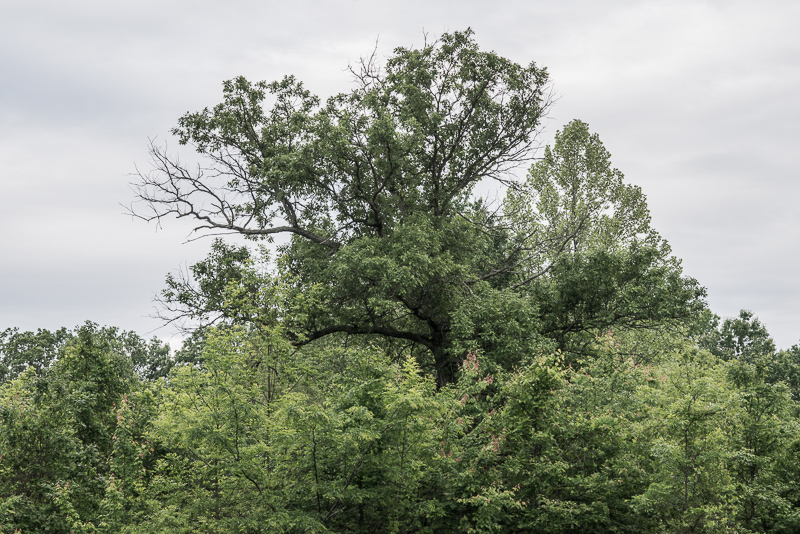
It is somewhat ironic that the only reason lonely trees have a chance to grow this tall is the protection of the canyon they are trying to outgrow.
DSC 4489

Beanblossoms Bottom Nature Preserve

DSC 7316

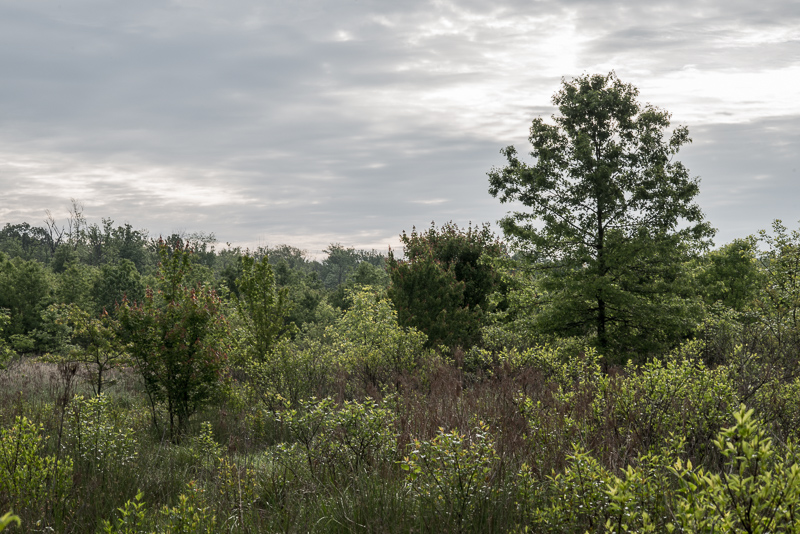
Southern Indiana is limestone country, and the rocky ground is sometimes less than ideal for farming. So people move north to Purdue, and the abandoned farms get converted into nature preserves.

DSC 7252

An excellent example is the Beanblossom Bottoms Nature Preserve, fabulously maintained by the Sycamore Land Trust.

DSC 7301

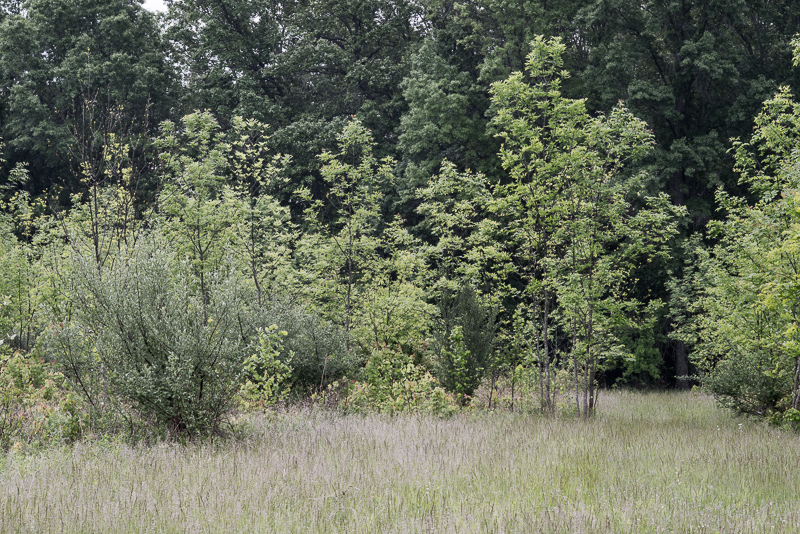
The fact that we are in former farmland here means that the landscape is more uniform than in a natural wooded area, as all plants are roughly at the same age.

DSC 7274

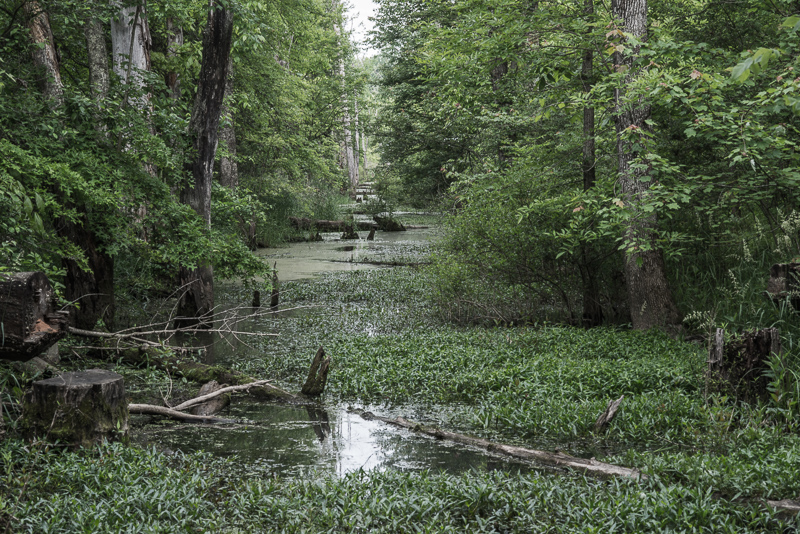
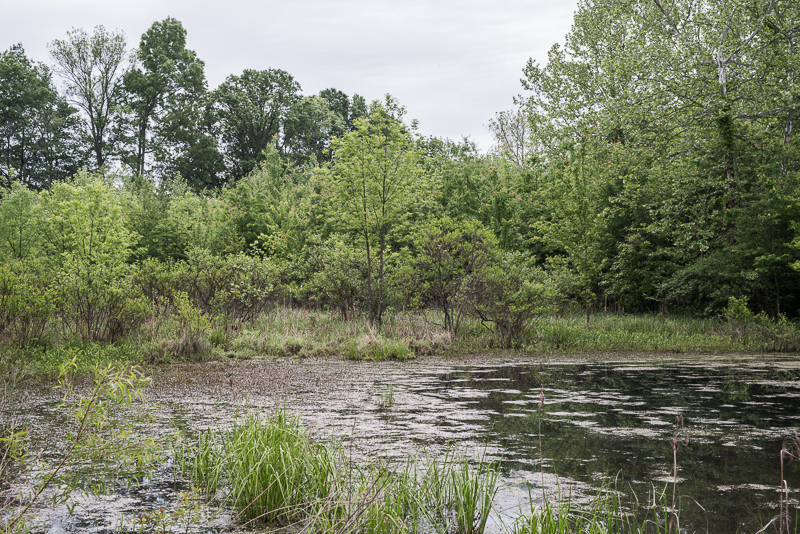
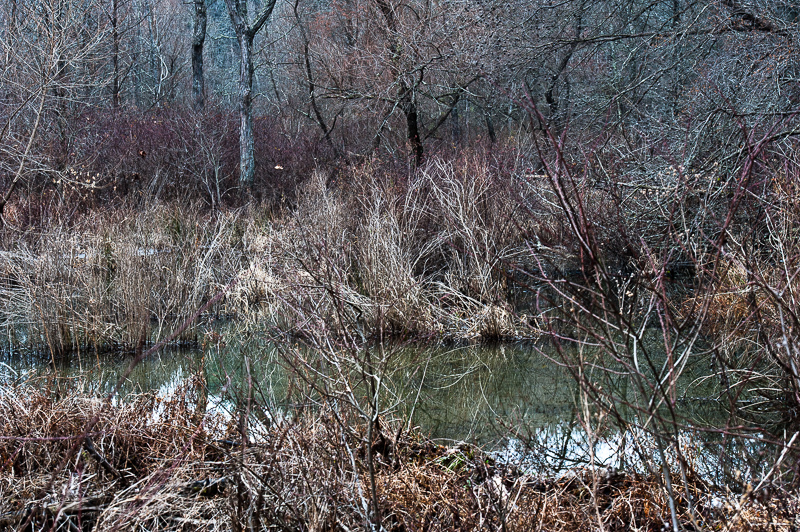
Little drainage canals and ponds are perfect spots to witness rapid growth and decay.

DSC 7276

There is nothing spectacular here that would merit a visit say from New York. But if you are seeking a contemplative view, there will always be a new one.

DSC 3051

Trillium Sessile

Now that June has arrived, it is time to say goodbye to the trillium sessile, the most common trillium in Indiana.

DSC 8475

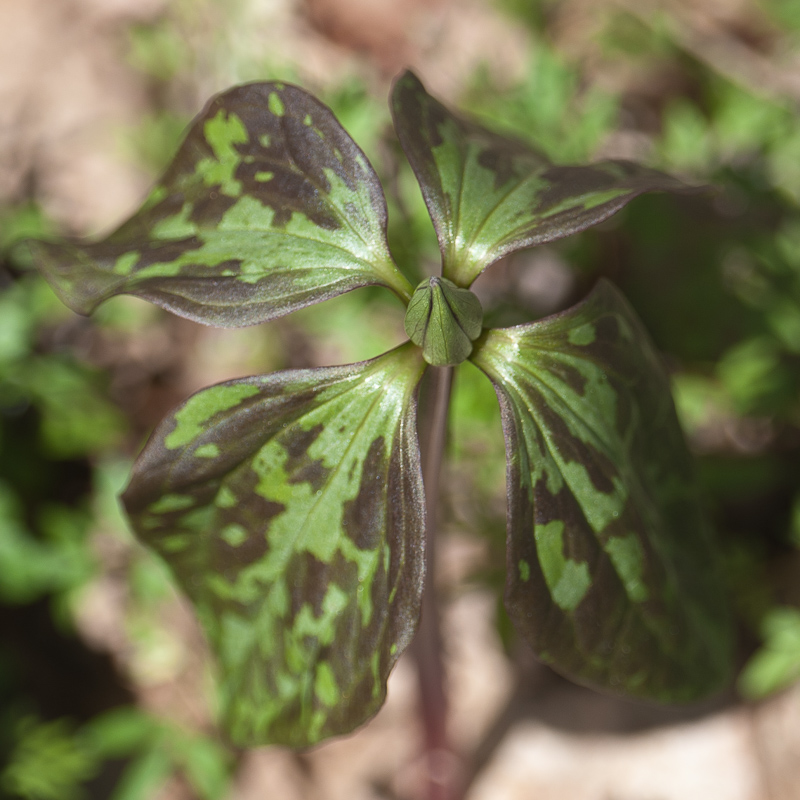
It is beautiful already in its budding state, where the characteristic 3-fold symmetry is broken.

DSC7114

Like the four leaf clover, there is the rare exception of a quadrillium.

DSC 7072

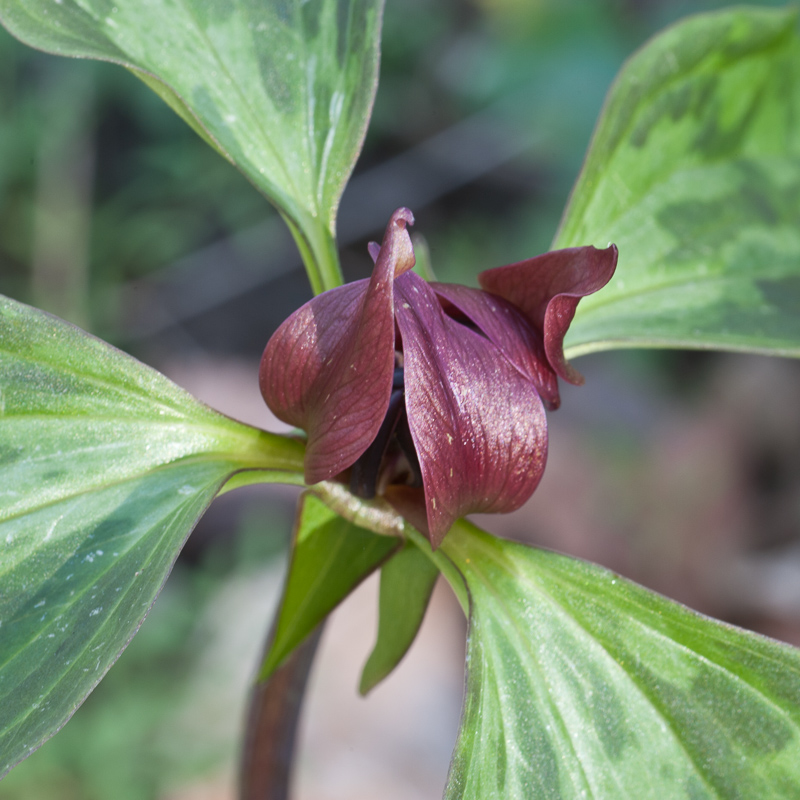
Here is the same plant in full bloom.

DSC 7558

I have revisited the same spot in subsequent years, but haven’t seen it again. Some things are not meant for repetition.

Sugar Creek

DSC 5235

Sugar Creek is a tributary of Wabash River (which continues into the Ohio River and the Mississippi).
It connects Shades State Park with Turkey Run State Park, and is a highlight of both parks.

DSC 2270

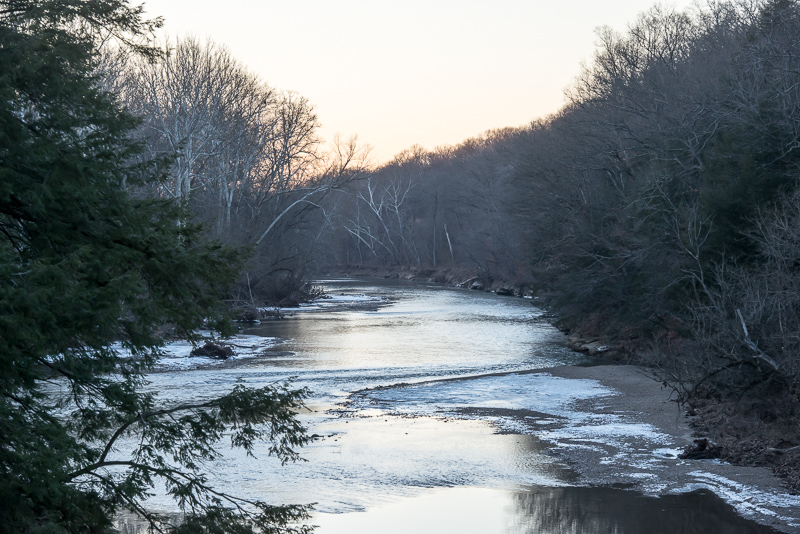
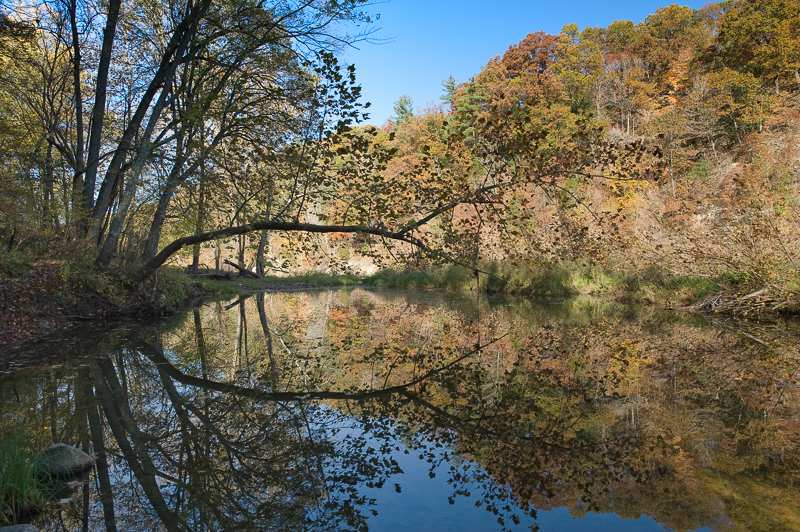
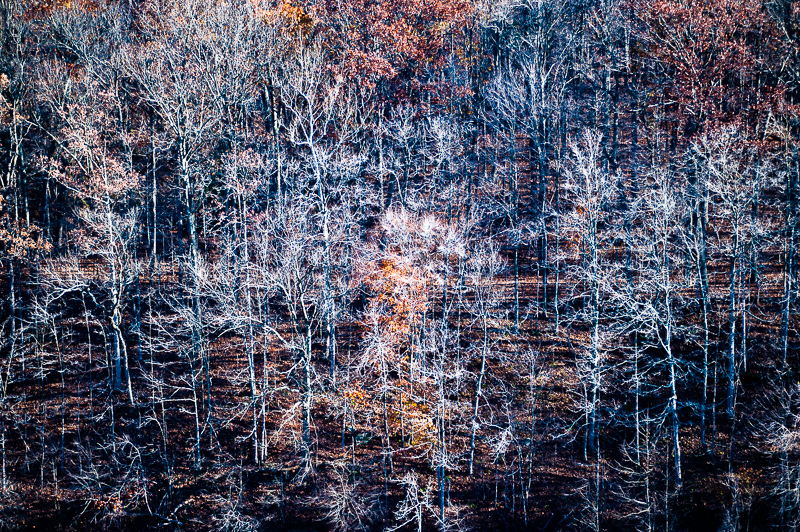
At Shades State Park, most trails touch the creek at some point, or at least provide an unobstructed view across onto a vast wooded slope.

DSC5779

There are sights that stun instantly, and others that require some time.

DSC5689 HDR

In Turkey Run State Park, (almost) every visitor will cross the suspension bridge and enjoy a view like this:

DSC 2094

The Other Side of the Spring Mills Park

On the other hand, there are some really spooky places in Spring Mills State Park, provided you come at the right time.

DSC2445

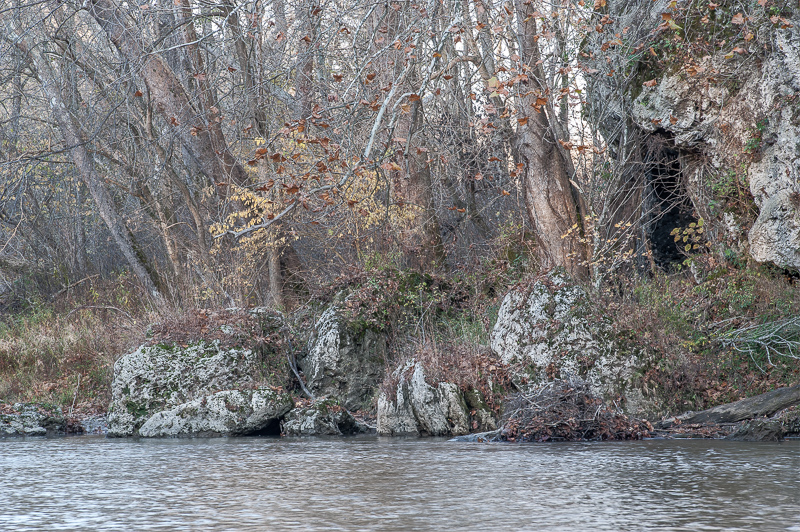
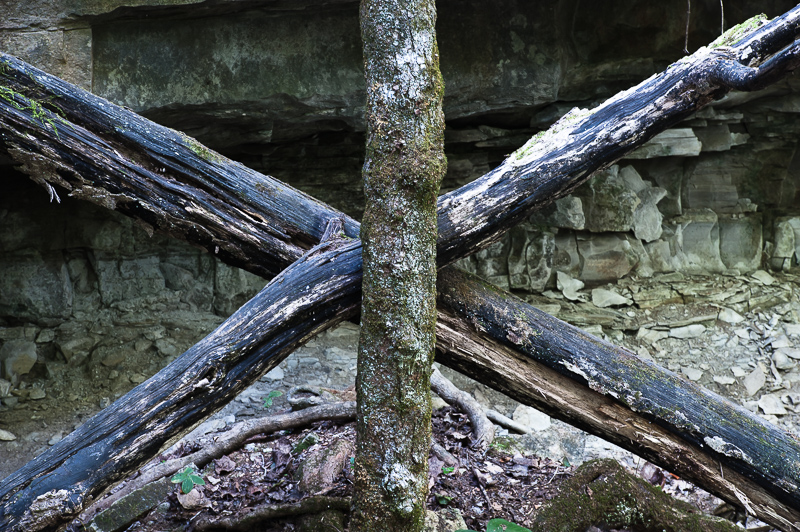
Next to Bronson cave, some fallen trees have assembled themselves in something that looks at an ancient rune.

DSC2101

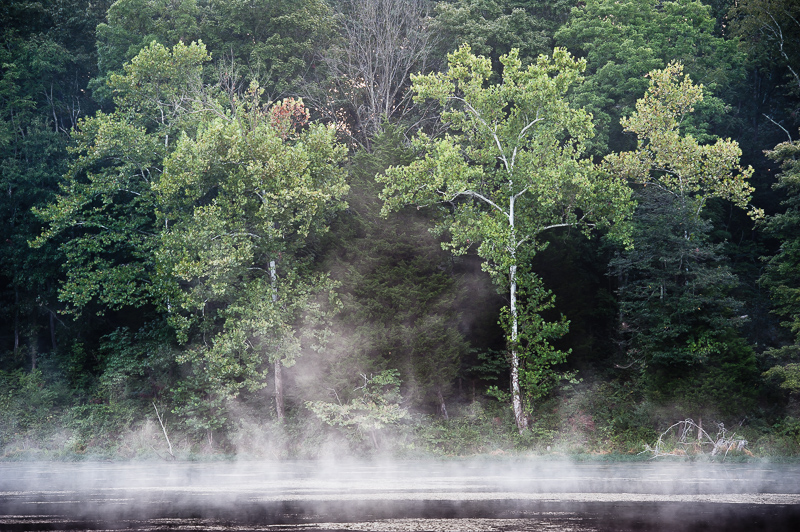
In the fall and just before sun rise, the Spring Mills lake offers the best lake shore views in Indiana.

DSC7573

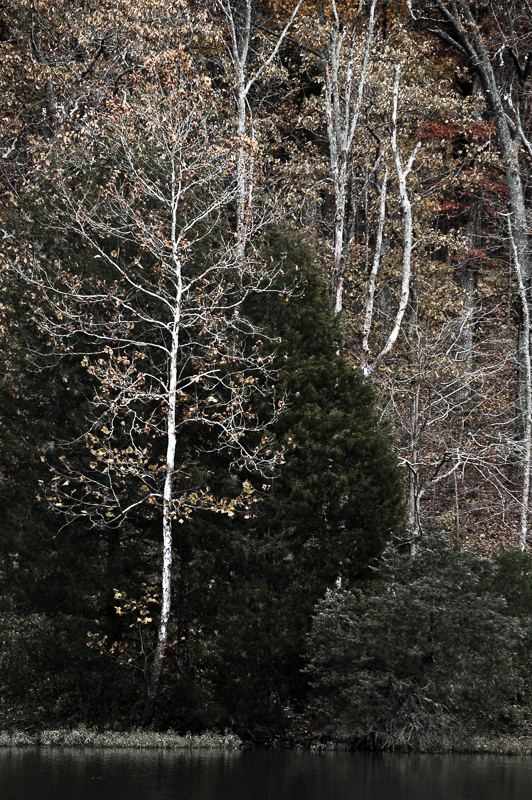
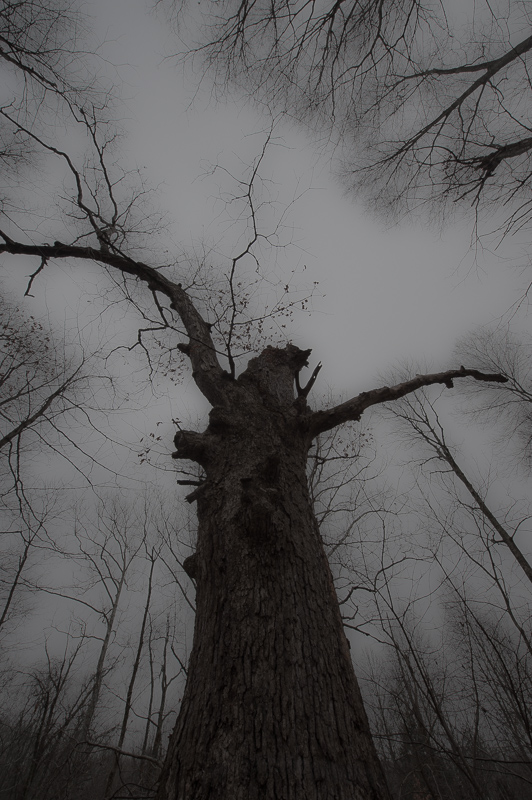
For whatever reason, there is always a healthy tree among the many dead.

DSC 5211

Even without the fog, the scenery is awe inspiring.

DSC 5223

For whatever reason, there is always a photogenic dead tree among the healthy. I wonder what ghost stories the settlers told here.

The Mill

Every culture seems to have their own metaphorical approach to the mill.

DSC8855

I grew up in Germany. My early childhood was infused with fairy tails featuring increasingly spooky millers,
and of course with Wilhem Busch’s famous Max and Moritz, where the two brothers, after plenty of enjoyable mischief, end up ⎯ no, I won’t tell.

DSC2158

One of my favorite childhood books is Ottfried Preußler’s Krabat (translated as The Satanic Mill), that tells the story of a young boy becoming the apprentice of a miller, who, incidentally, also teaches sorcery. For a price. Check also out Karel Zeman’s animated movie with the same title.

DSC2180

And of course there is Schubert’s some cycle Die schöne Müllerin.

DSC 4148

Other cultures have a very different take on mills, like the Spanish with Don Quixote by Cervantes.

DSC8865

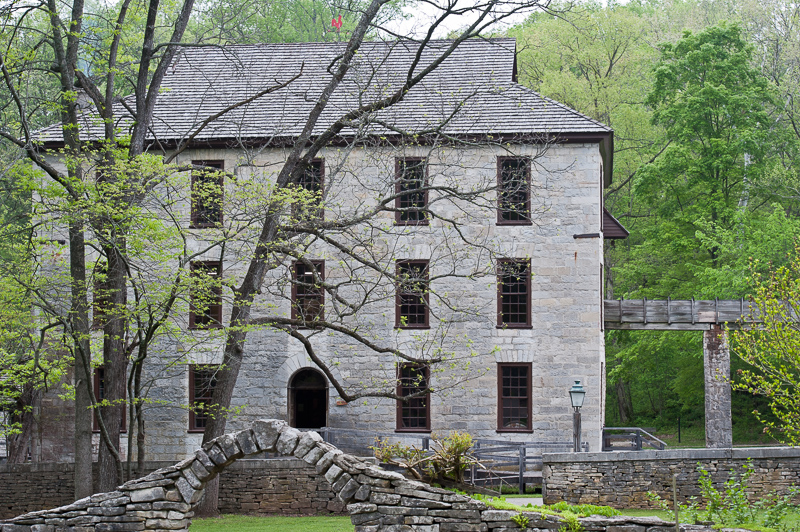
Seeing a truly impressive historic water mill (from 1817) in Spring Mills State Park made me feel quite at home.
It is still in use and produces cornmeal.

Past and Future

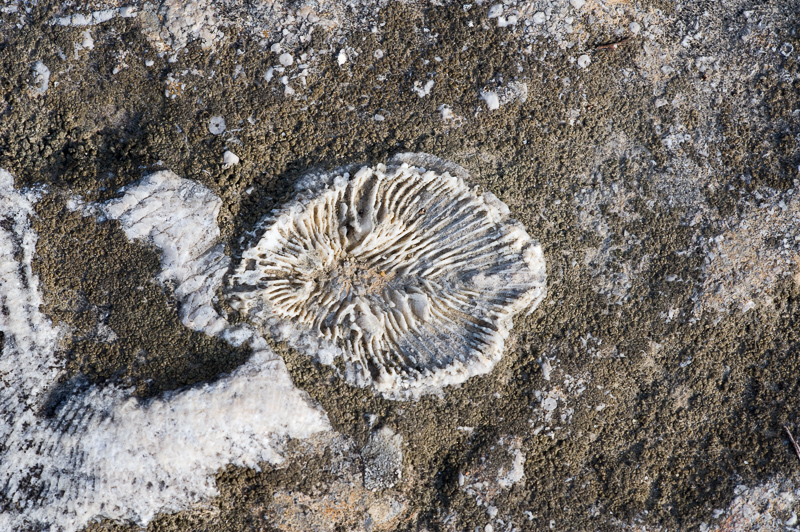
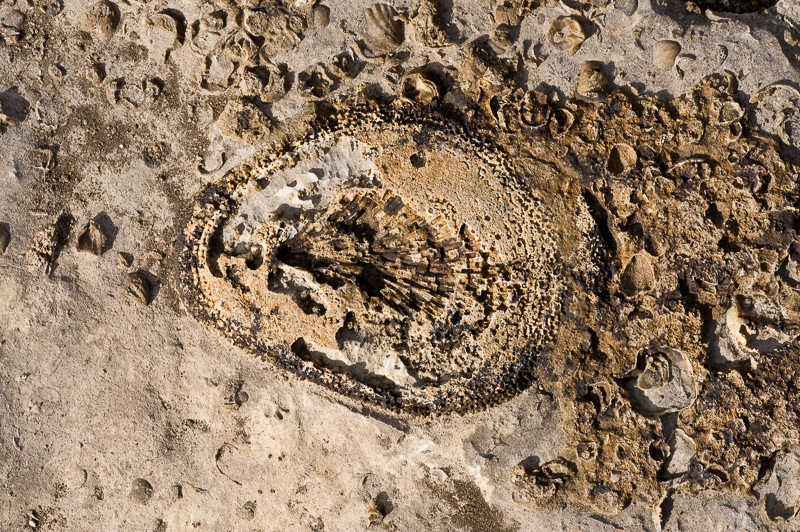
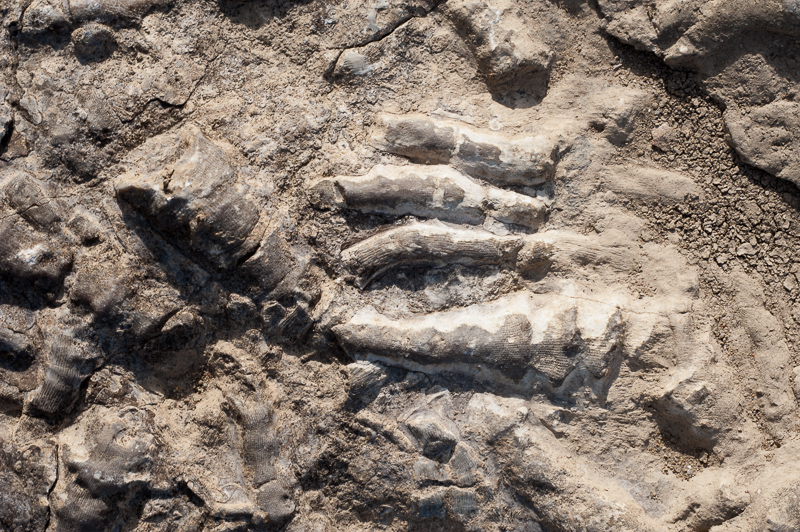
Once in a while it helps to go back in time a little. Indiana is a reasonable place for that, because during the Devonian period, some 390 Million years back, it was covered by a shallow see, a paradise for all kinds of critters small and big. They left us with plenty of fossils, and many of them are easy to find in stream beds.

DSC 3406

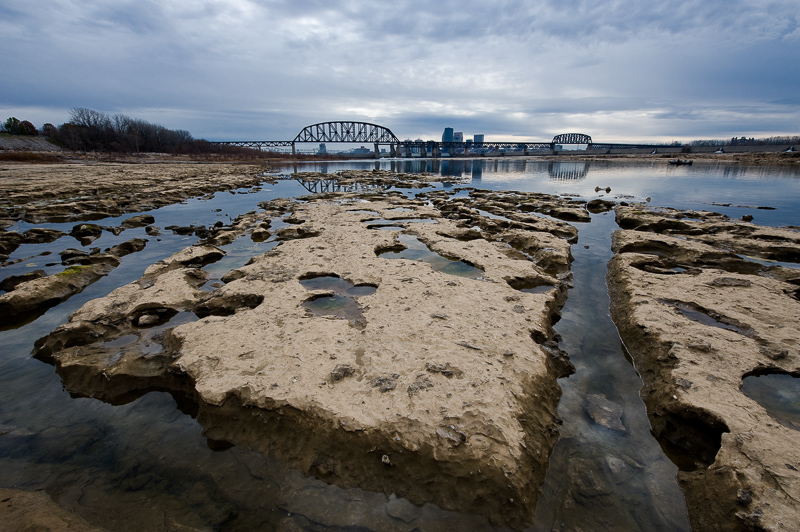
A famous place with a giant fossil bed is in the Falls of the Ohio State Park. The park itself is quite small and might come as a disappointment, as collecting fossils is obviously not allowed here. But one can take pictures.

DSC5317

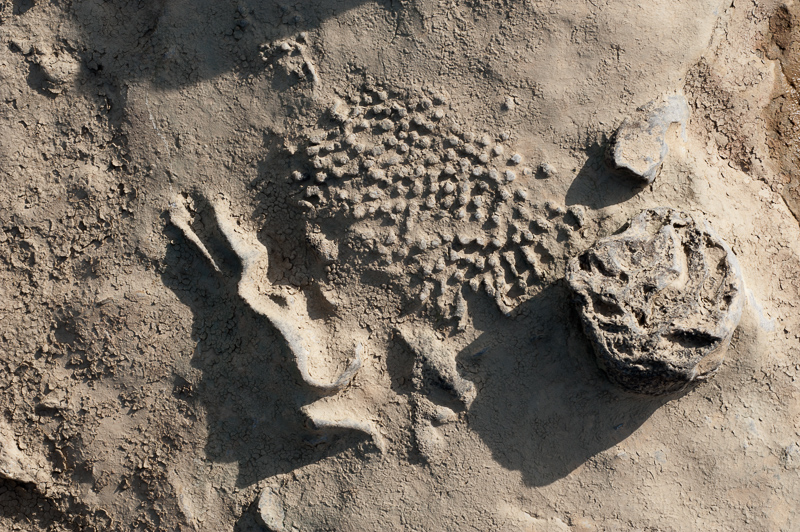
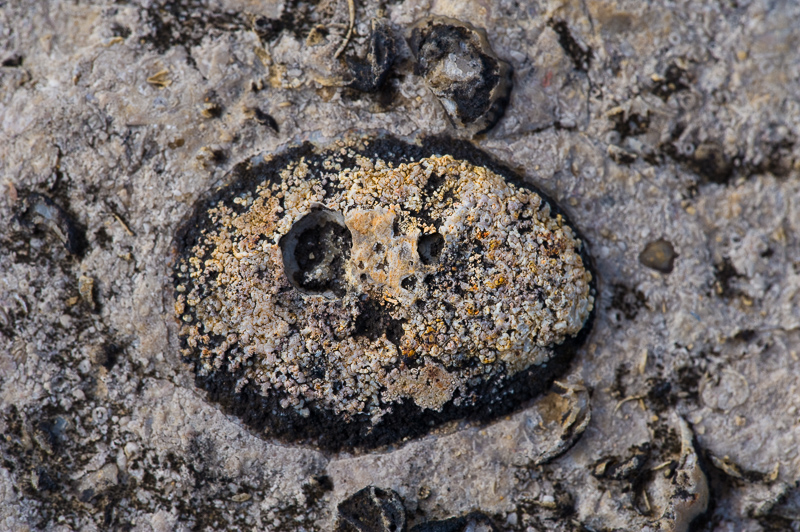
This is somewhat serendipitous. I am not an expert, so I am completely clueless what the curious little sculptures on the rock bed are.

DSC 3423

Some might be rare, others just pieces of eroded trash. I don’t know.
DSC 3463

They are beautiful by themselves, and they set us into perspective: What fossils will we leave for casual visitors in 400 Million years? What will they think they see? Will there be a hint of civilization? What would we like them to see?

DSC 3437

Maybe the traces of a hand or a forgotten glove would be enough to tell: There was someone here who built.
DSC5345

The Old People

About half way between the water fall and the White River, following the creek trail in McCormic Creek State Park,
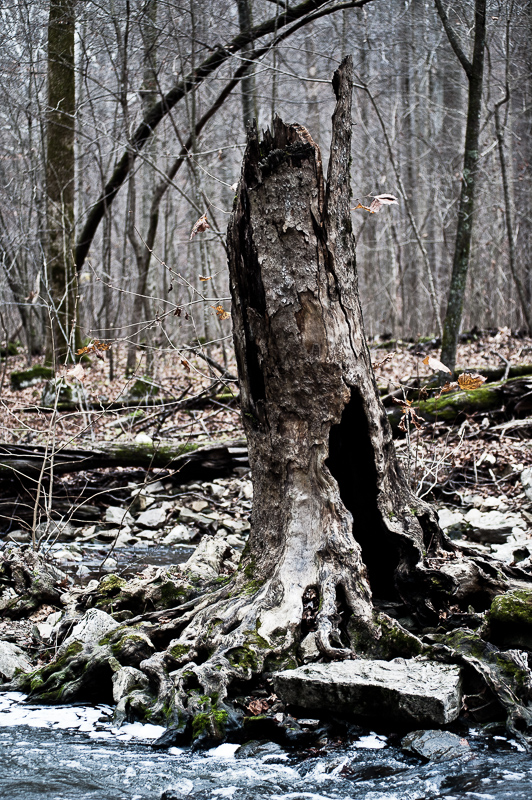
there is a sharp bend in the creek, which makes the whole area a bit darker than everything else. In the middle of the creek one can spot a strange creature standing there and obviously waiting for us.

DSC 3202

At a closer distance, the creature reveals itself as the trunk of a dead tree, losing not much of its previous ominosity.

DSC6252

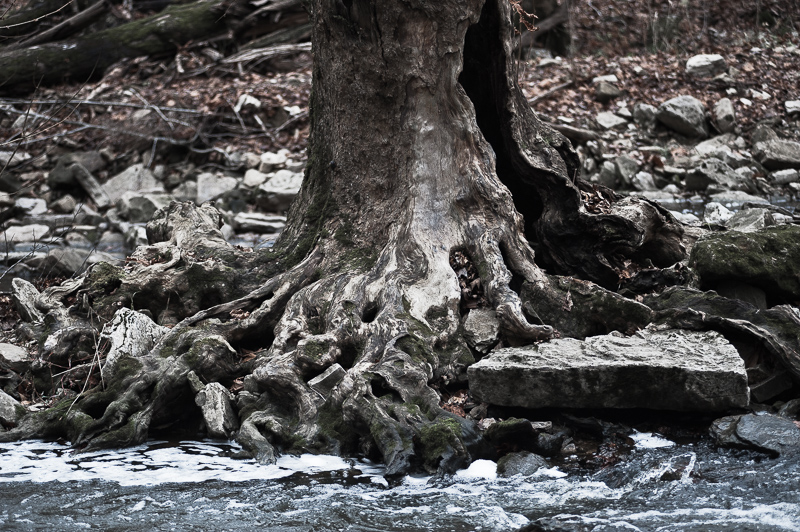
Its strong roots hold on to the icy water like the grip of a dead man’s hand.

DSC6254

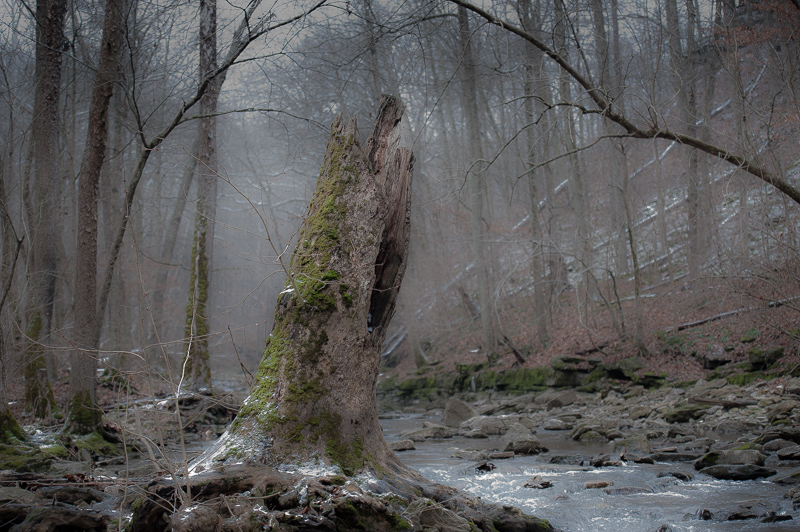
The stump hints at the missing presence of a once magnificent tree. It is always what is not there that makes a place sacred.

DSC7751

This is a landscape that would best be illuminated by Paul Celan’s Fadensonnen. Elsewhere in the park, off the marked trails, a relative is still alive, barely, waiting as well.

DSC7372

The Little People

DSC6958

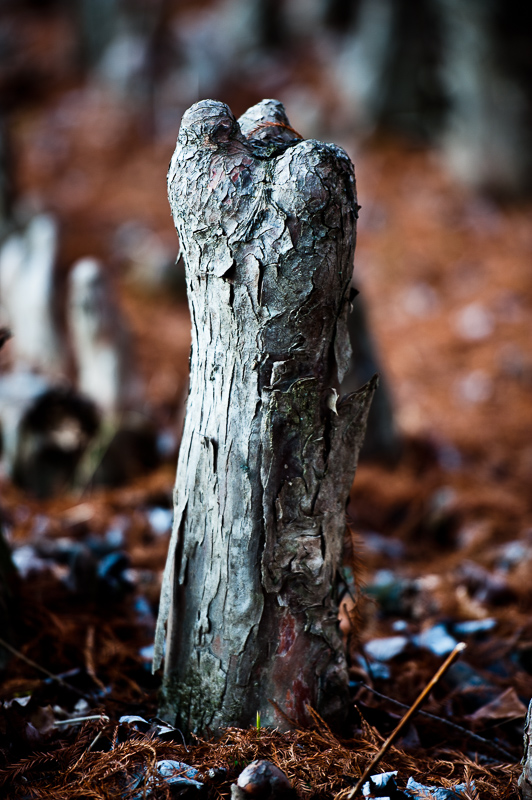
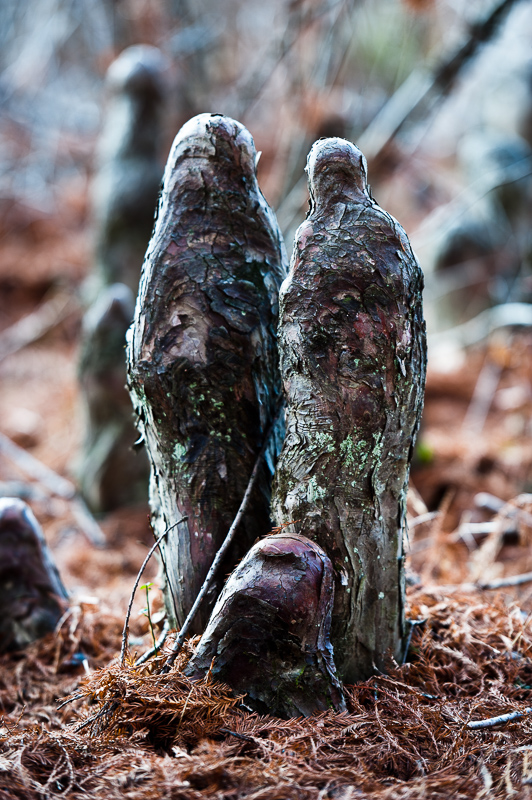
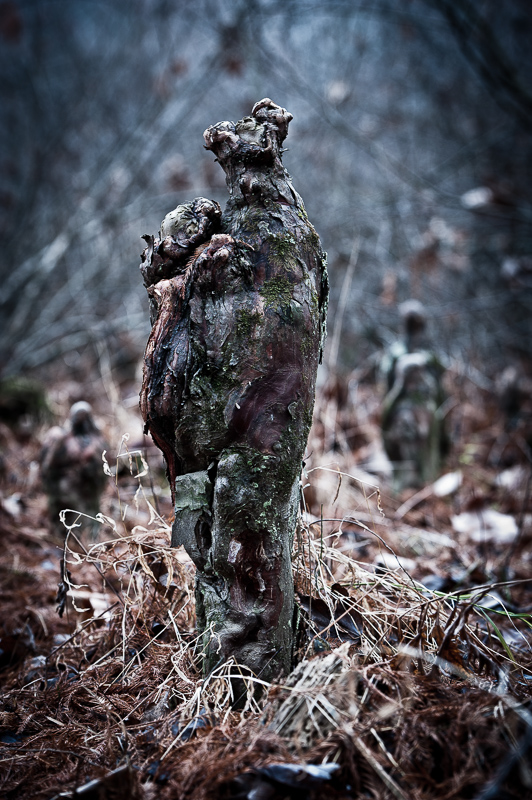
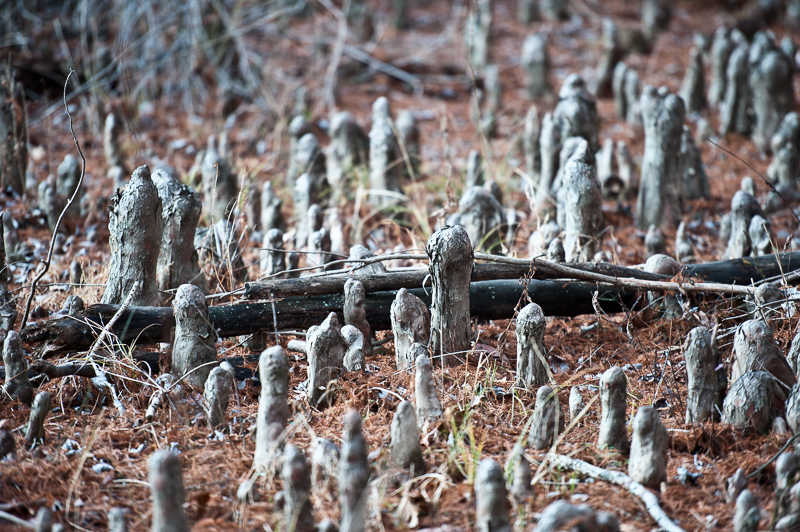
Spooky Yellowwood State Forest is home to the Bald Cypress, which produces roots that curiously protrude form the ground. These are called cypress knees, and it is rumored that they provide stability and oxygen in the swampy ground.

DSC6821

The truth is an entirely different story. When it gets dark and nobody watches, they begin to stretch and move.

DSC6822

Some stay be themselves, others meet in small groups.

DSC6817

They attempt to recapture familiar themes. Is this above the Holy Family? And that below Mary with Child?

DSC6934

Or do they just mock us? We will never know, as with brightening light, they return to their places and and pretend to be nothing but roots.

Frames and Borders

There are certain places I like to revisit from time to time like old friends whom I only meet once in a while.

DSC 3367

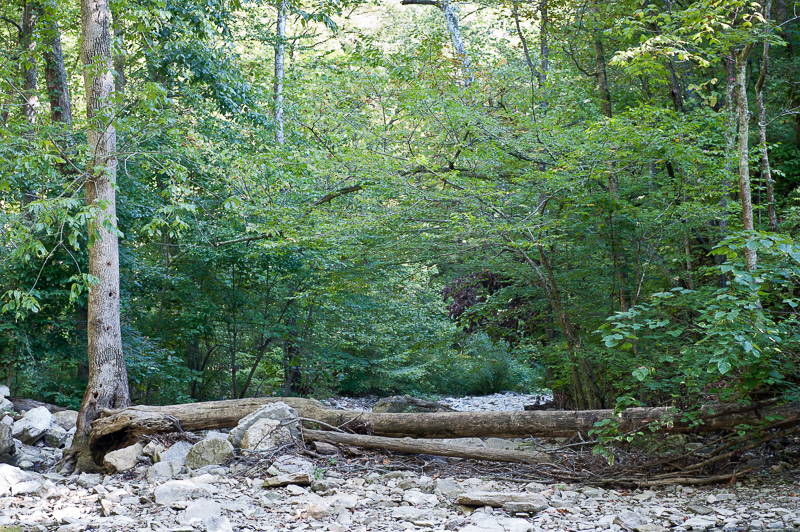
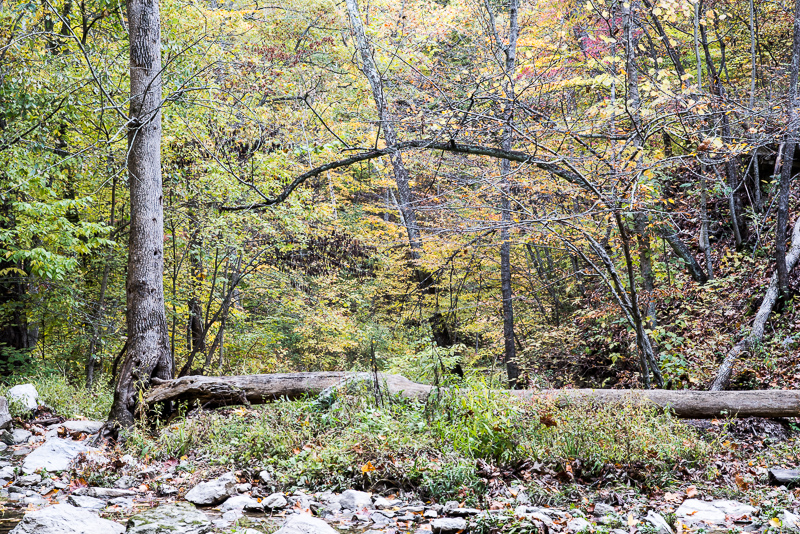
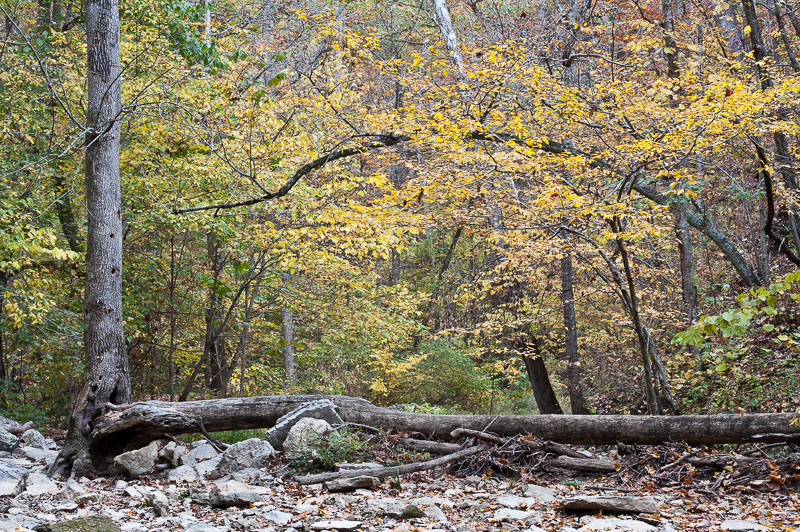
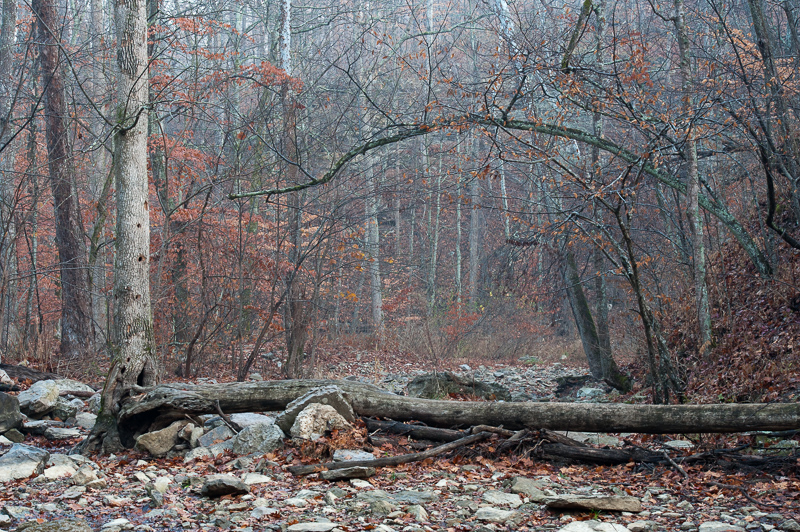
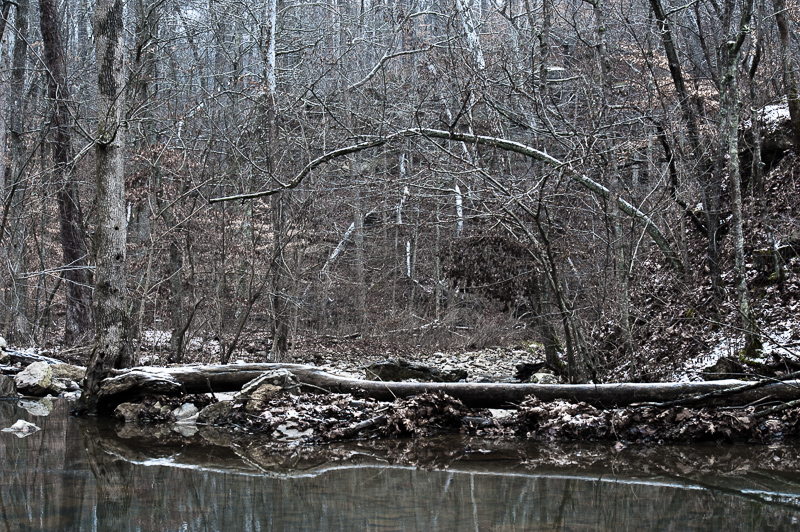
The interesting thing about this particular place is that it provides its own frame.

DSC 1974

In a photograph (like in any picture), the frame is the border between us and what we see.

DSC4159

Here, the frame consists of dead wood, horizontal and vertical, and allows the view into a changing and living nature before and behind the frame.

DSC5510

Taking such pictures is like an attempt to cross that border.

DSC7689

As in The Suspended Step of the Stork, the attempt fails, over and over again.

DSC8428