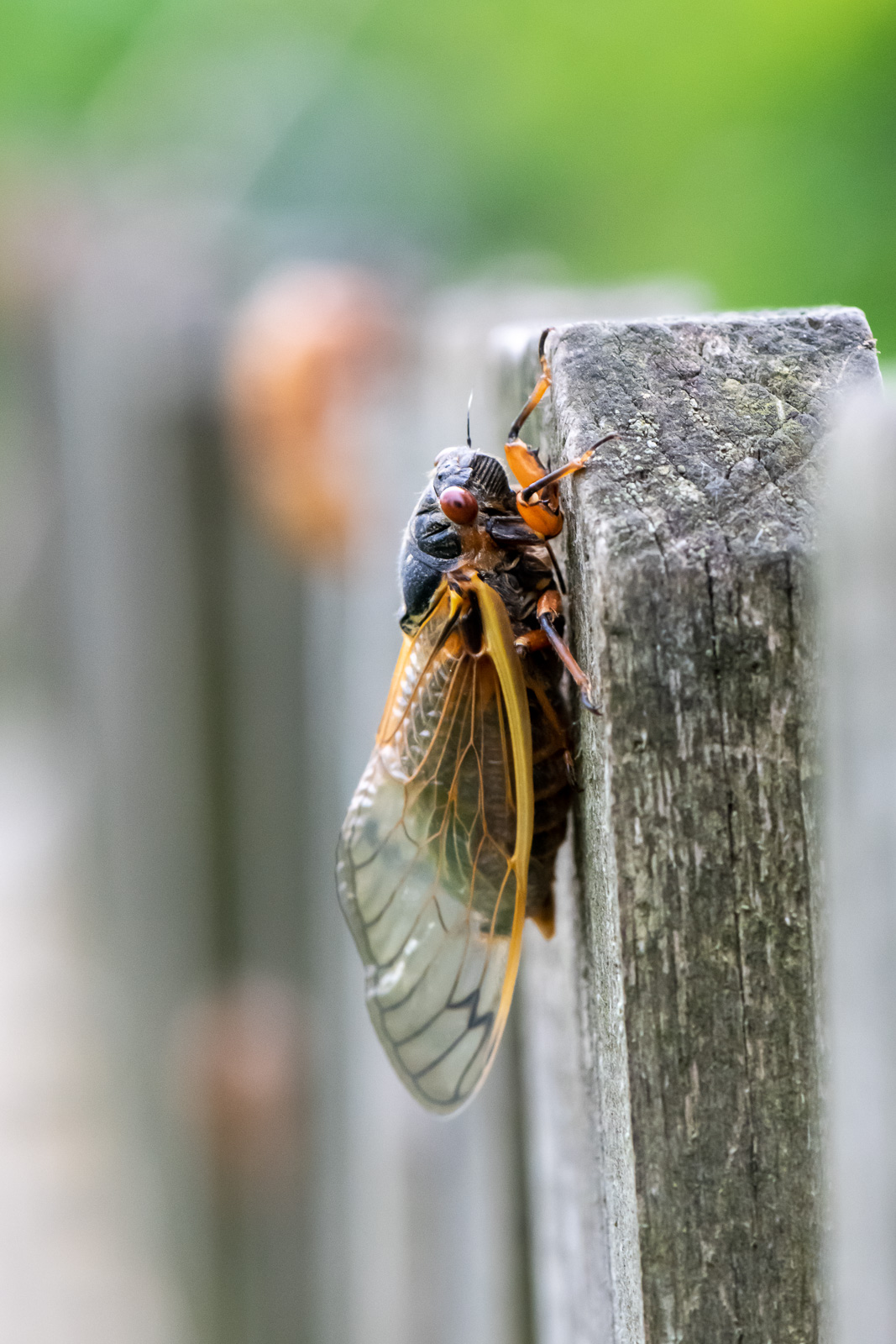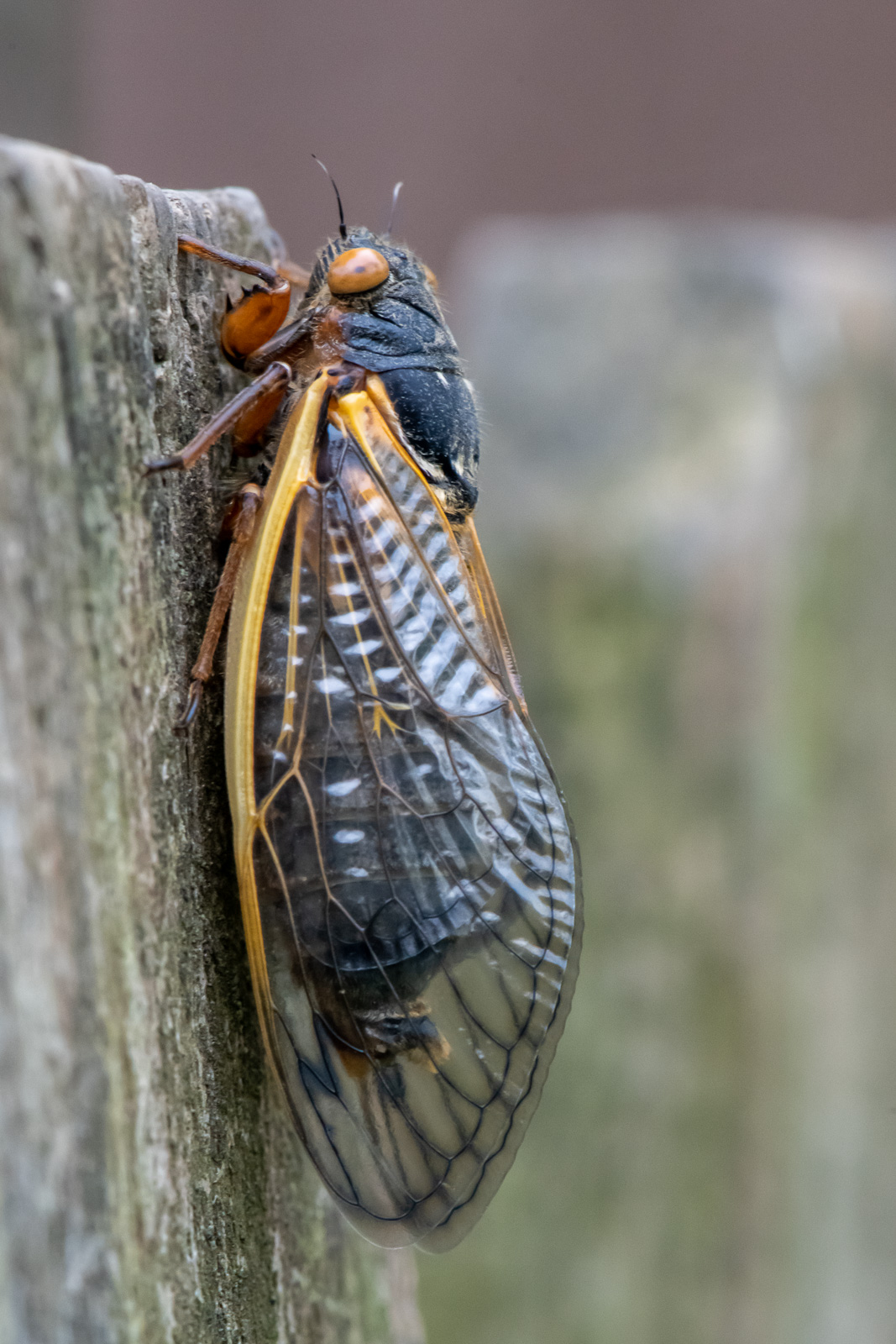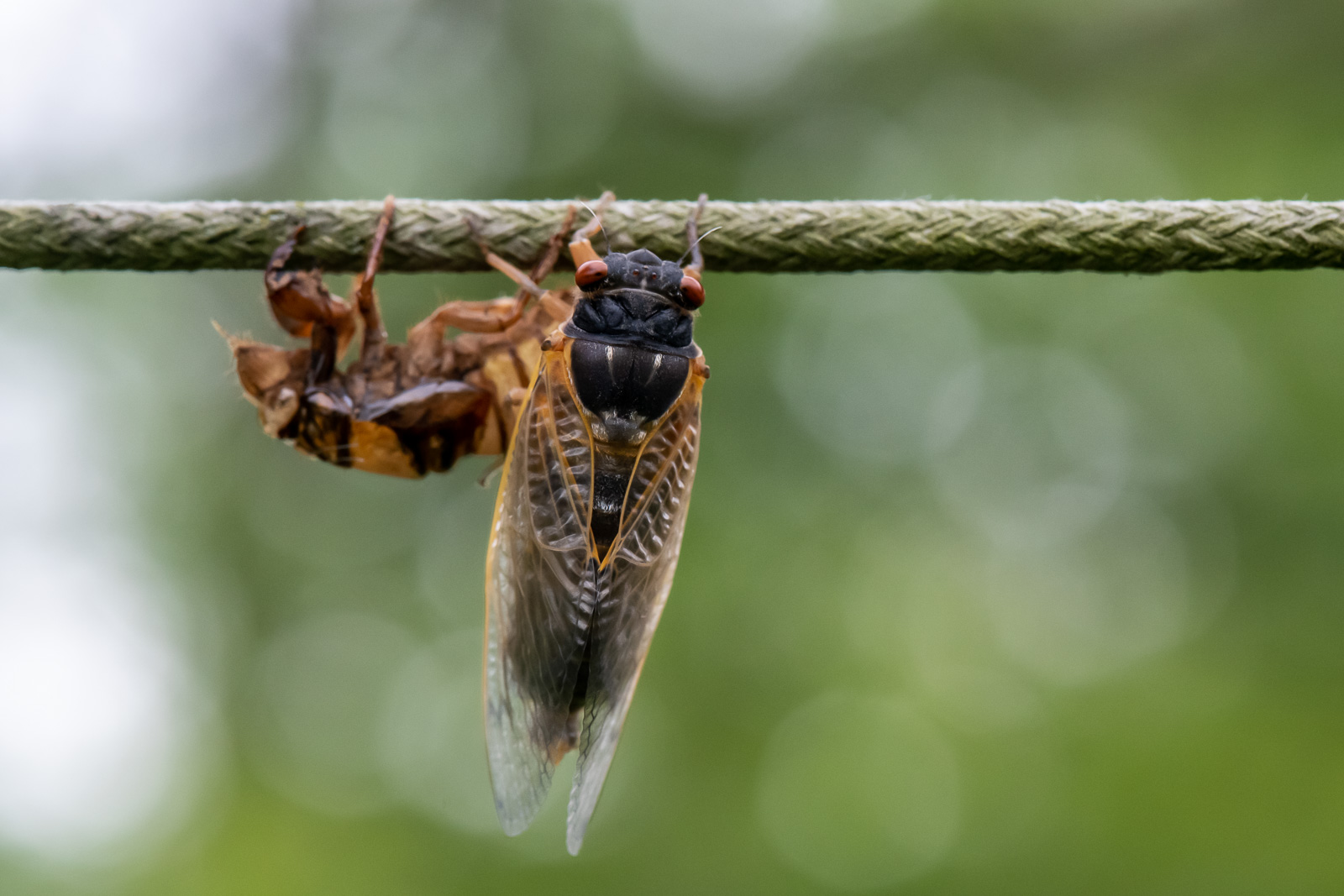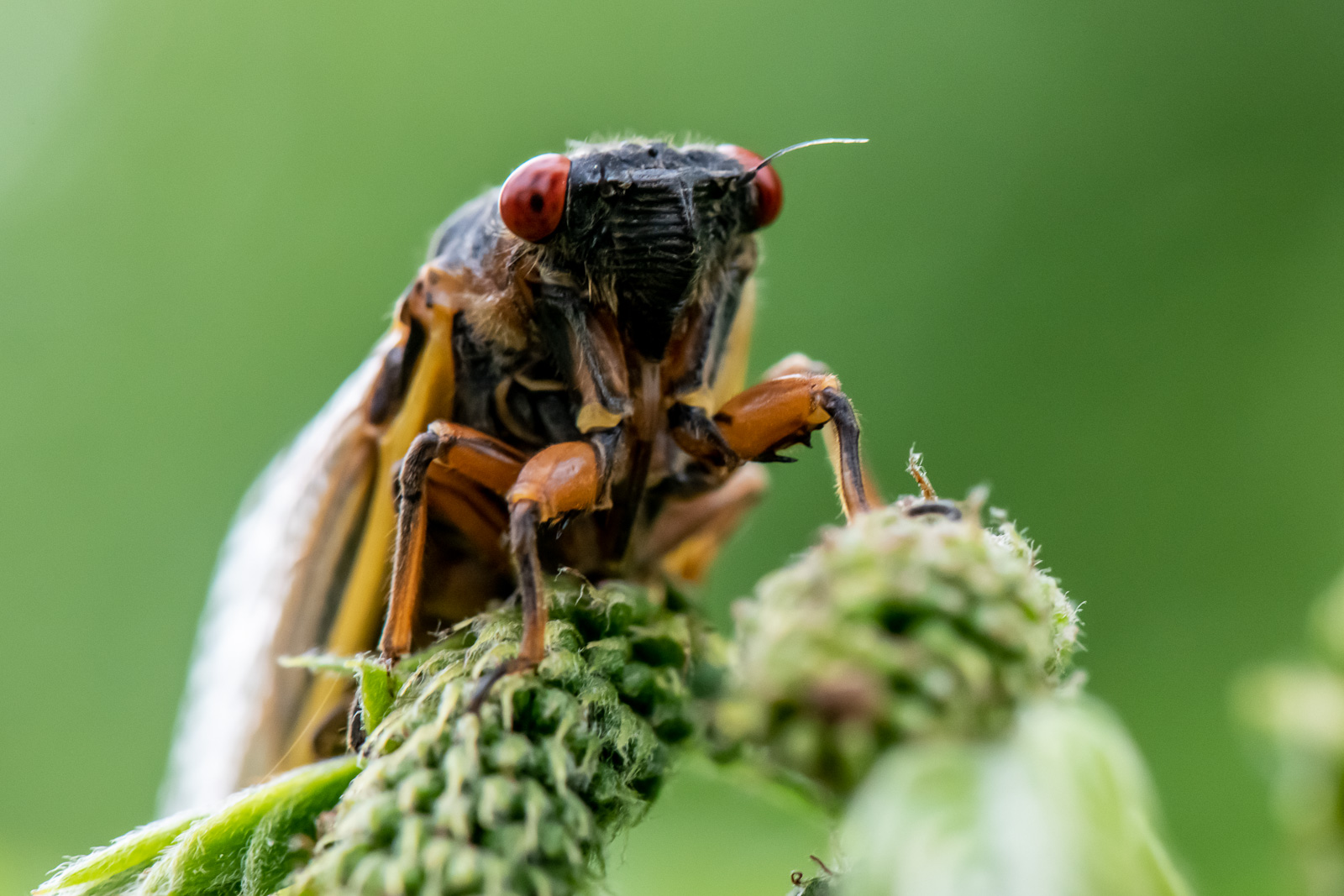
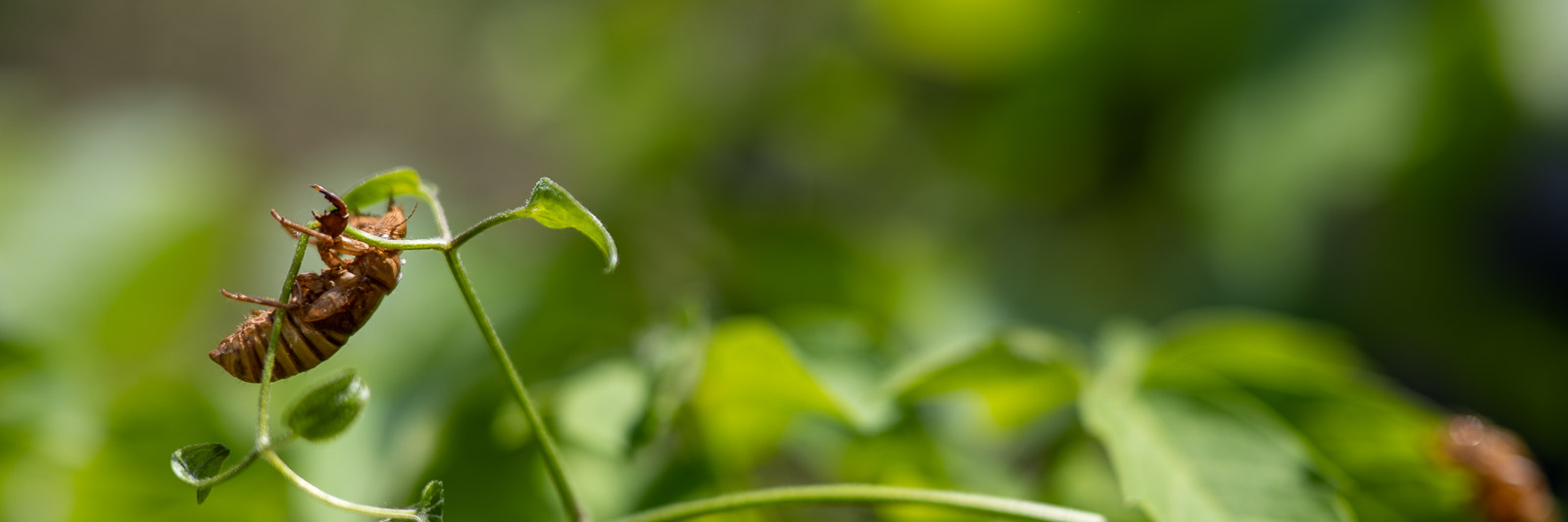
A Week Later (Brood X – 4)

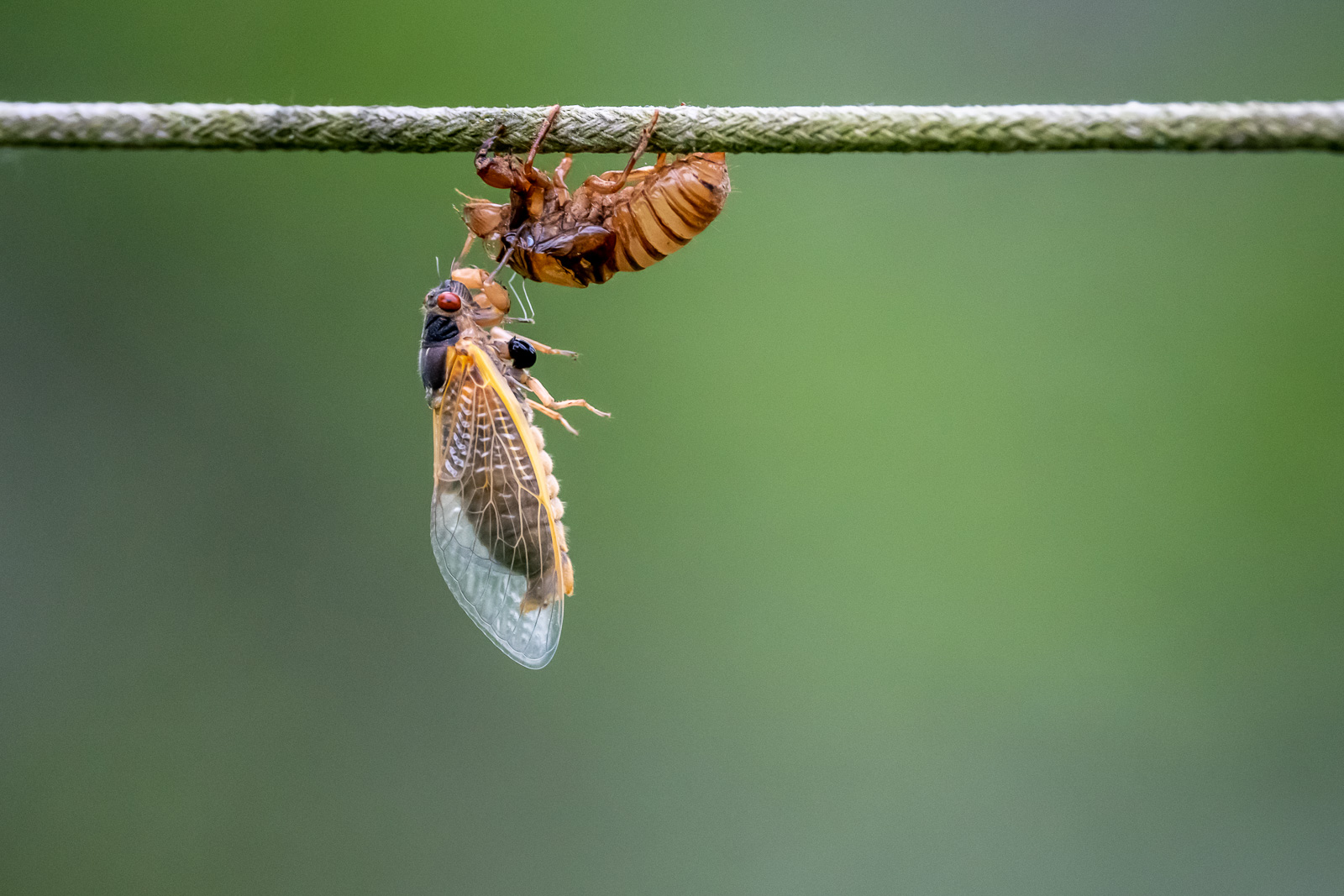
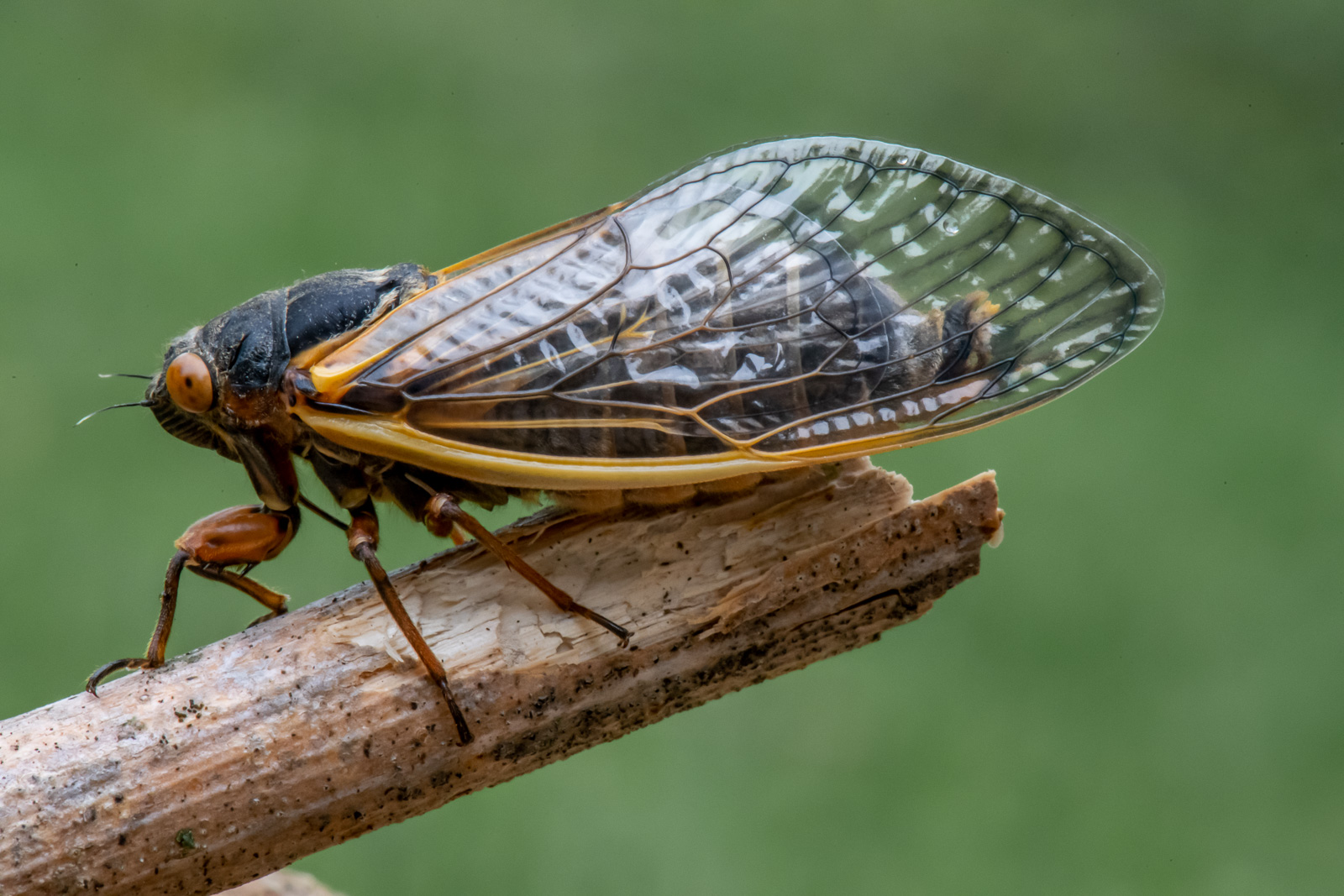
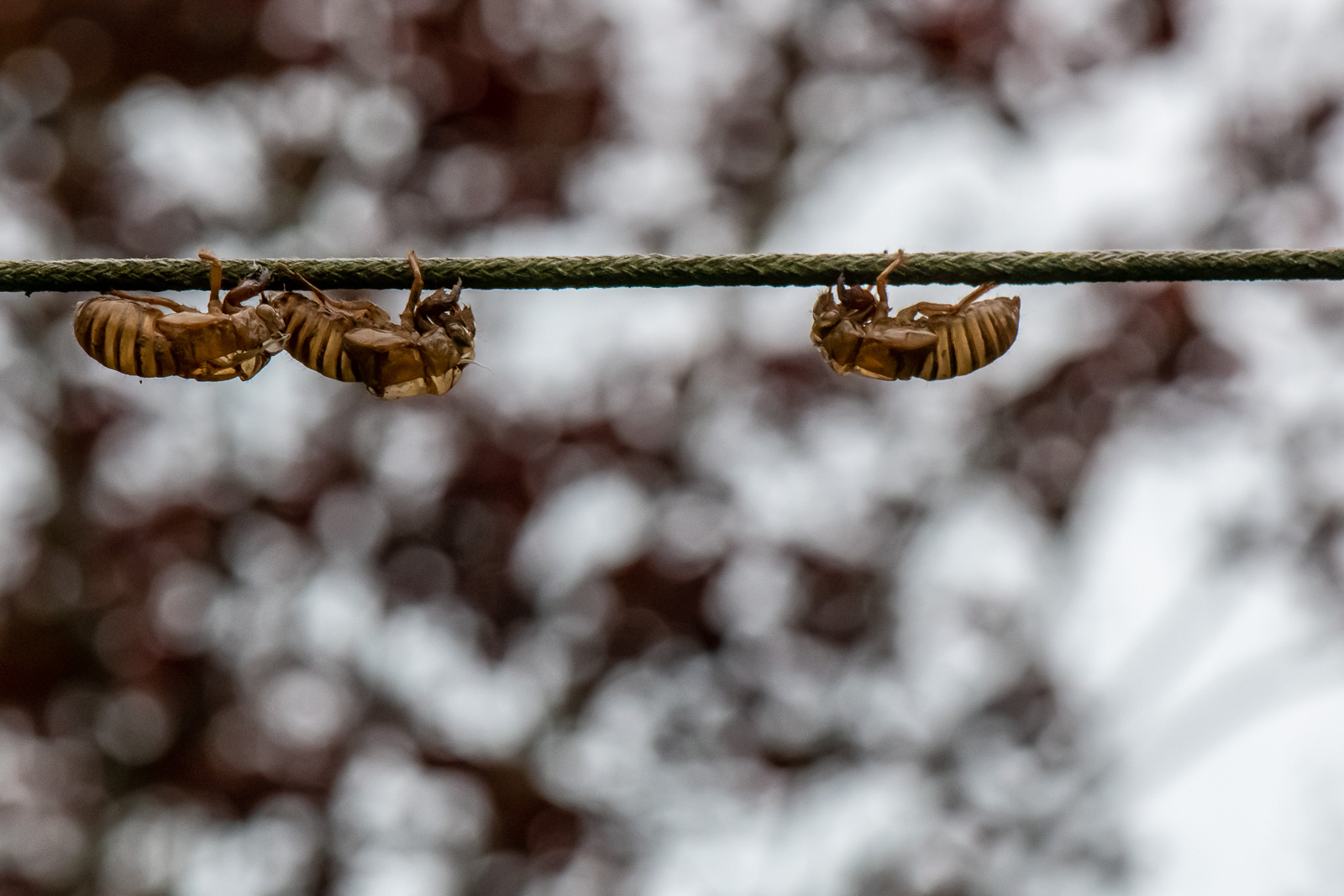
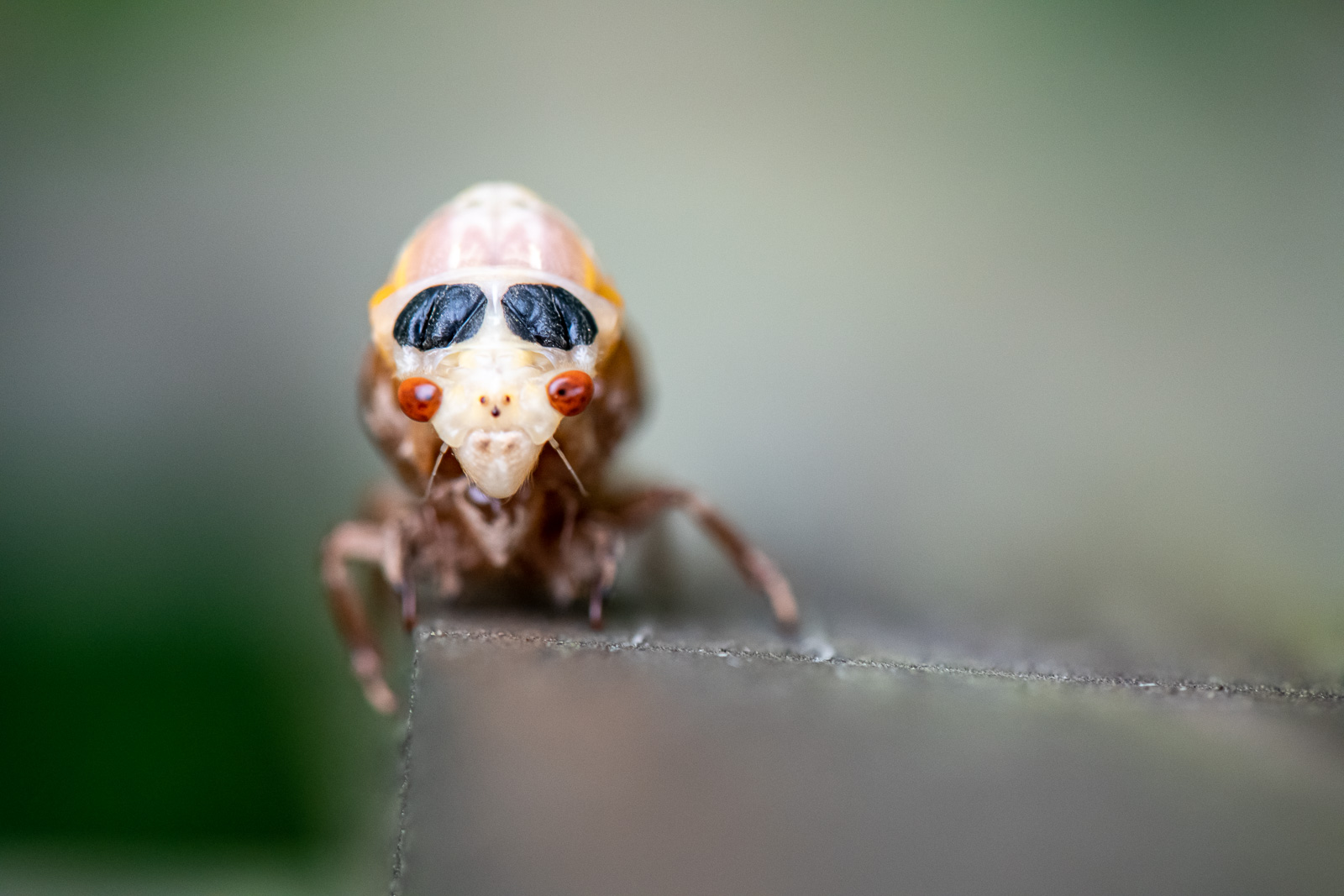
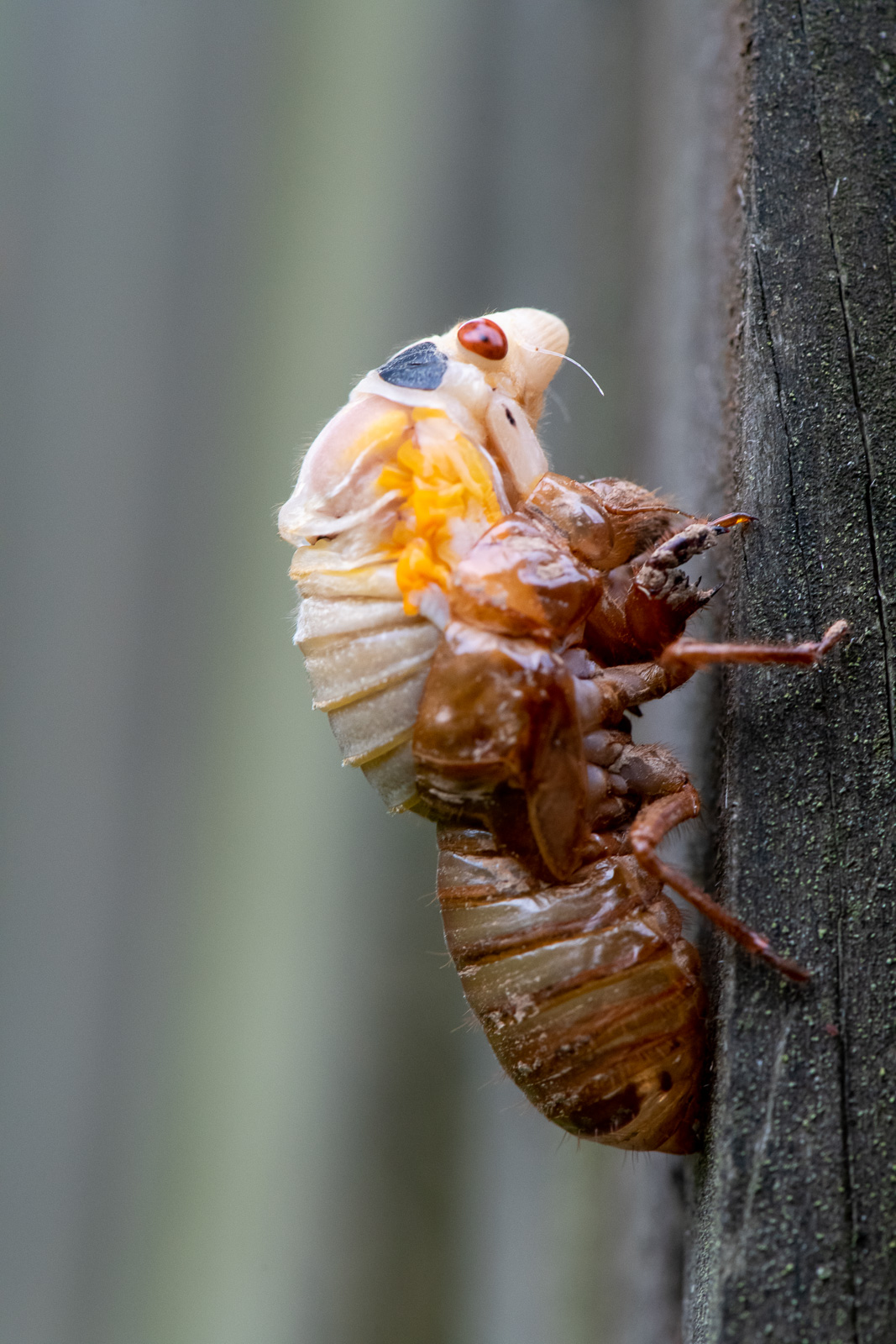
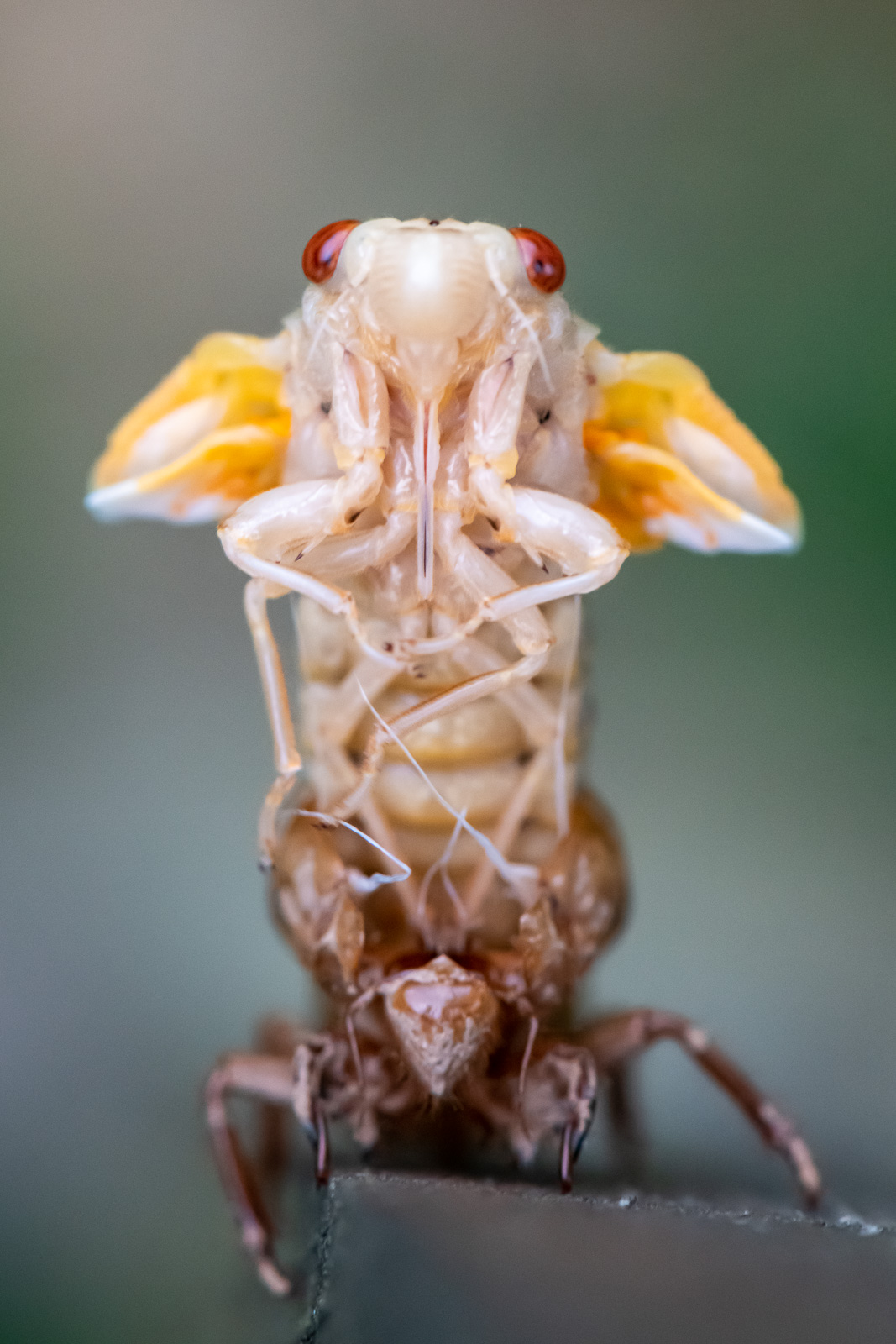
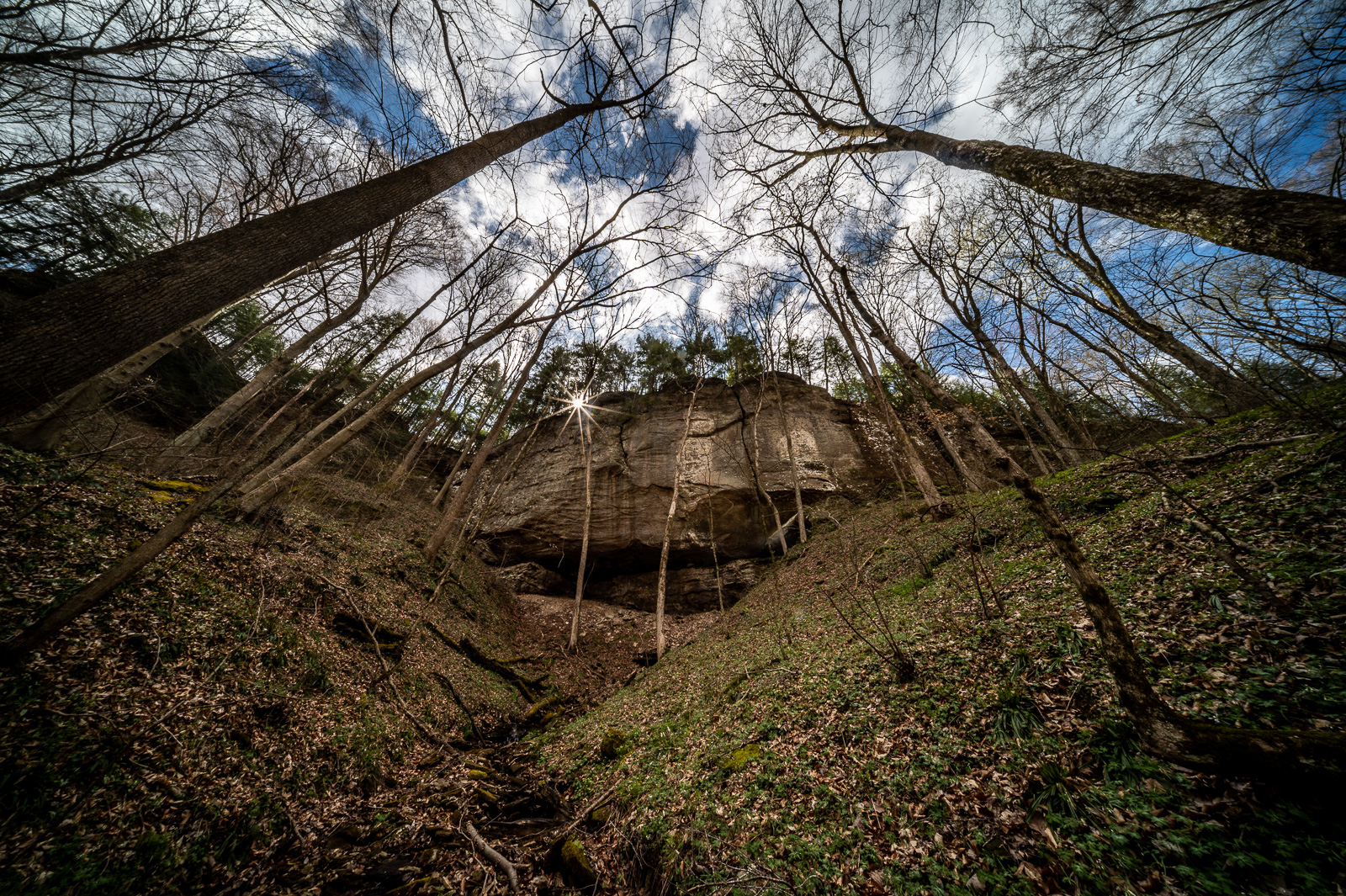
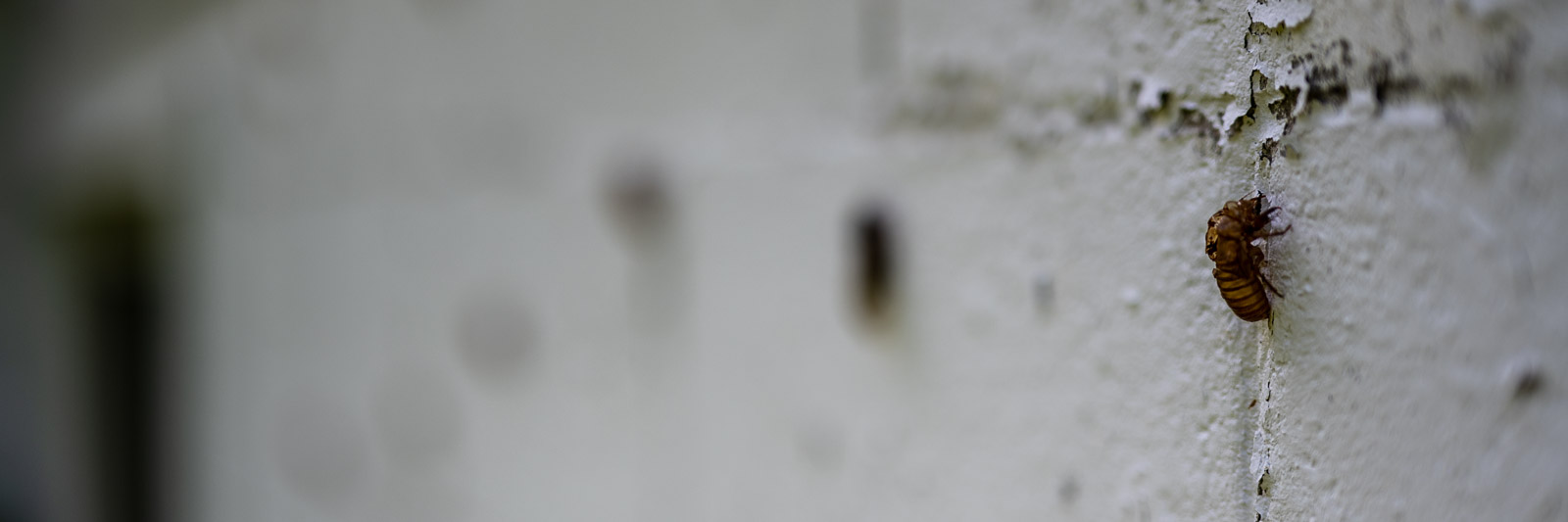
A week after the first emergence, the cicadas from Brood X are still coming, they and their exoskeletons are everywhere.
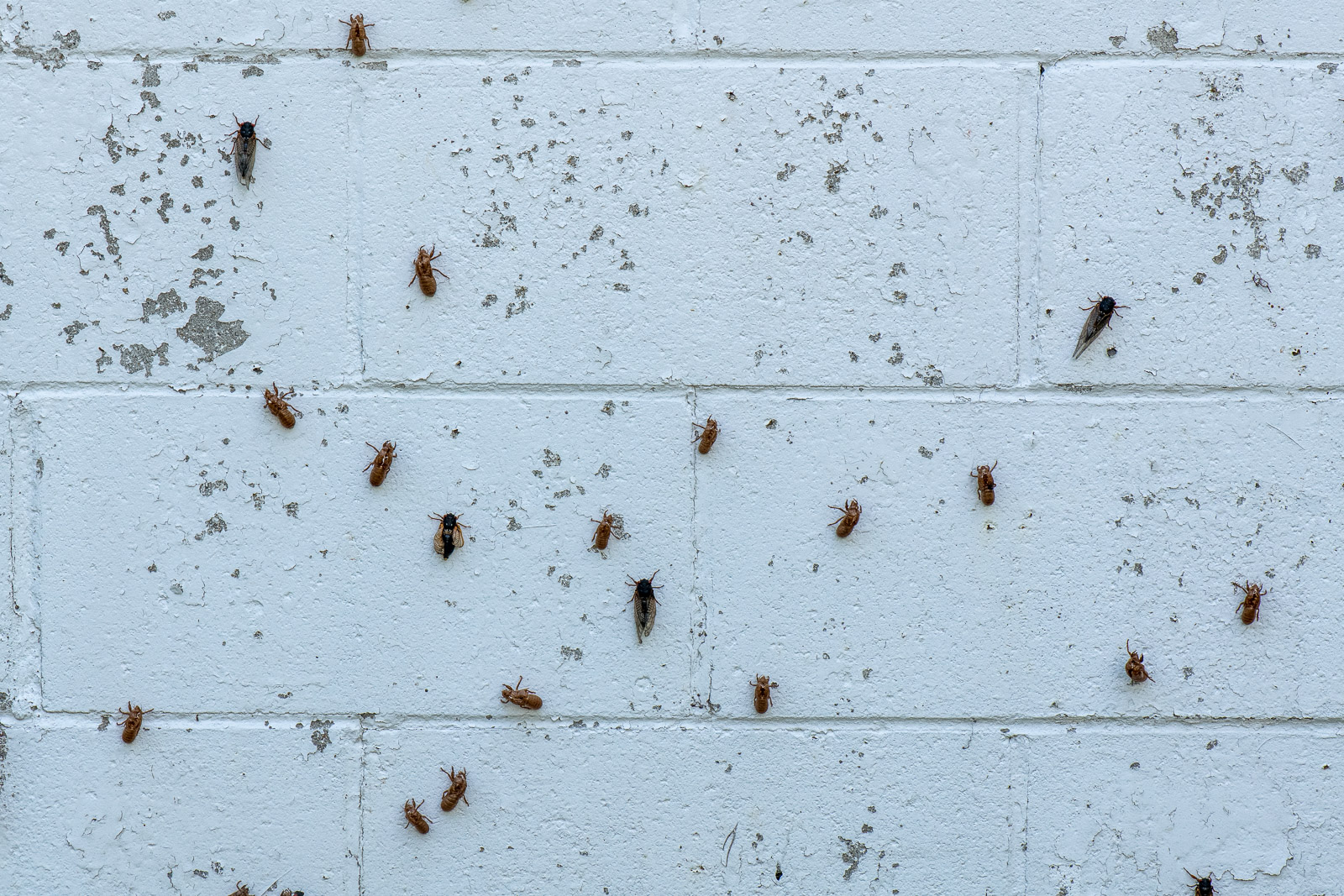
There is no point of hiding.
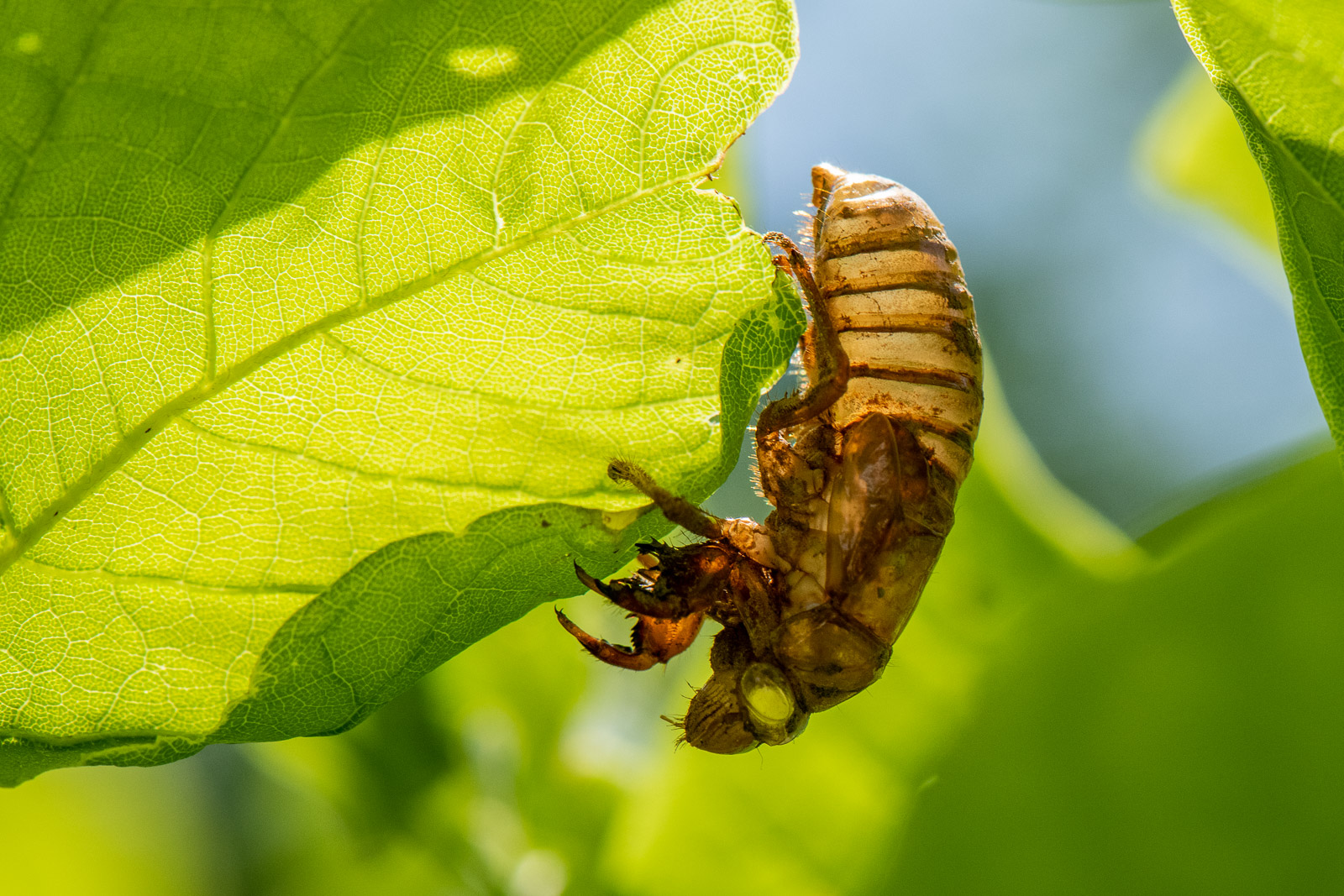
Instead, leaving the exoskeletons for the birds creates an essential diversion.
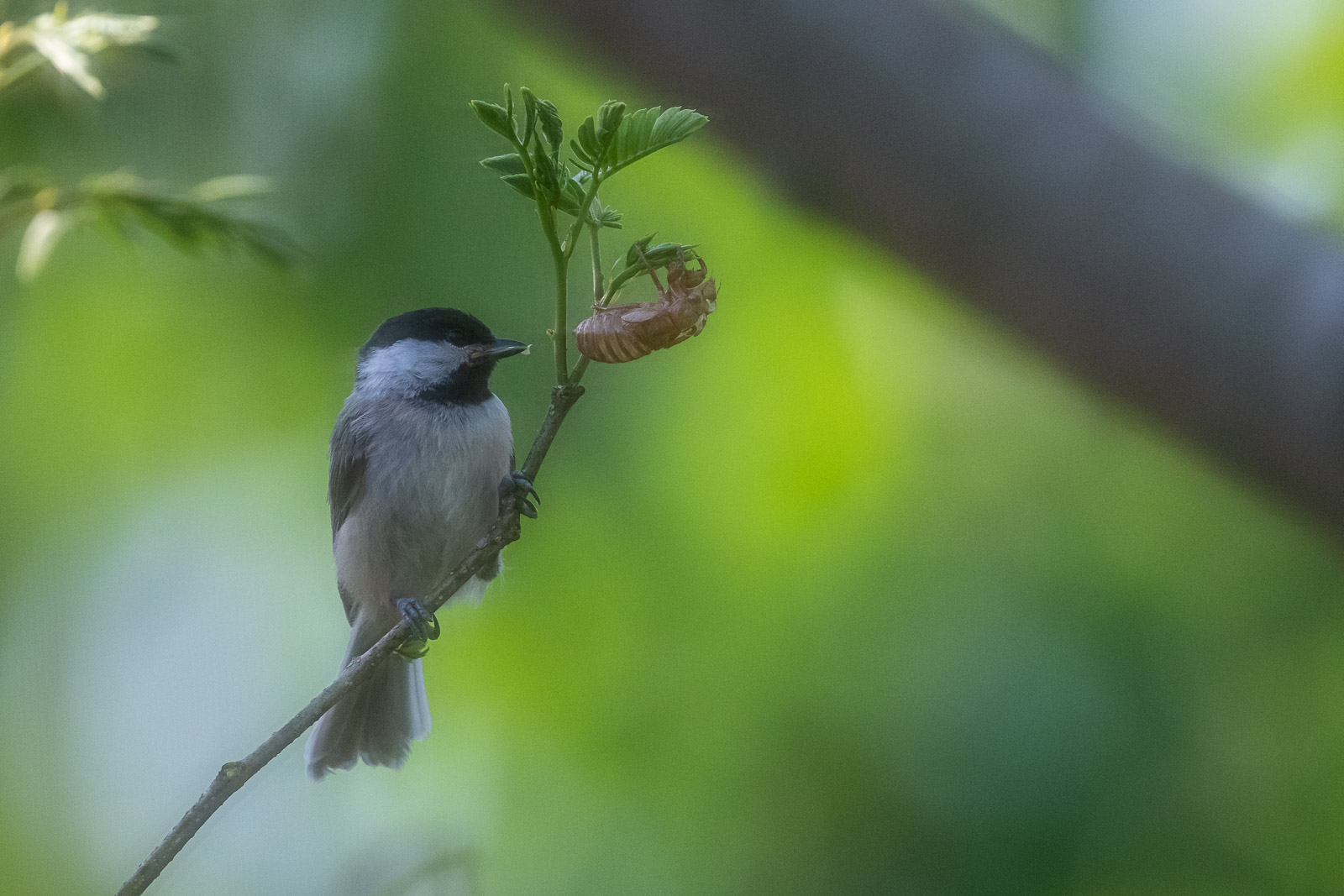
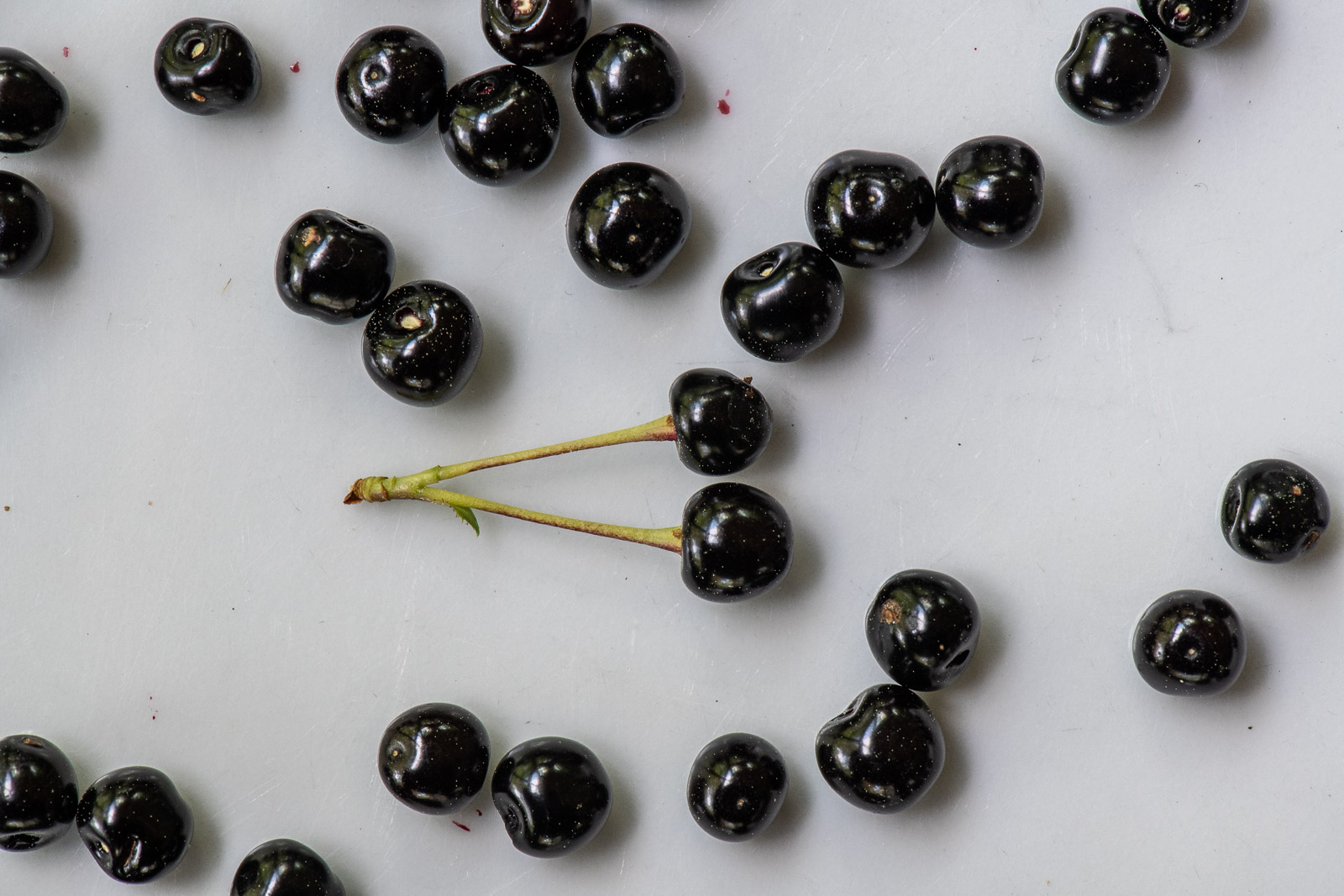
That the birds live in the land of plenty this year allowed me to harvest for the first time the cherries from my weeping cherry. Tiny, tart, and tasty.
They just have three weeks. Every second counts. Maybe we should live like that, too.
Up Close (Brood X, Part 3)

DSC 7690

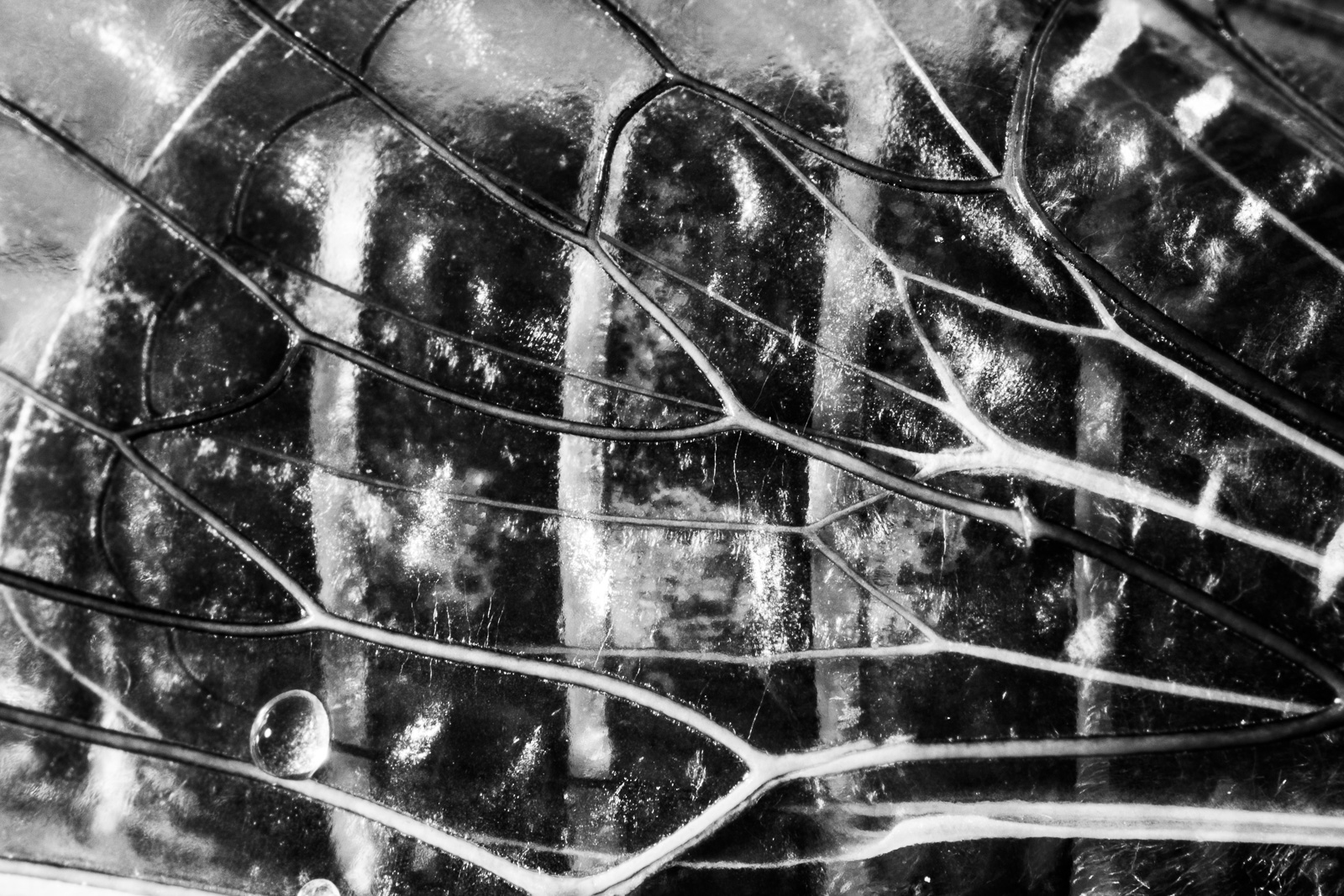
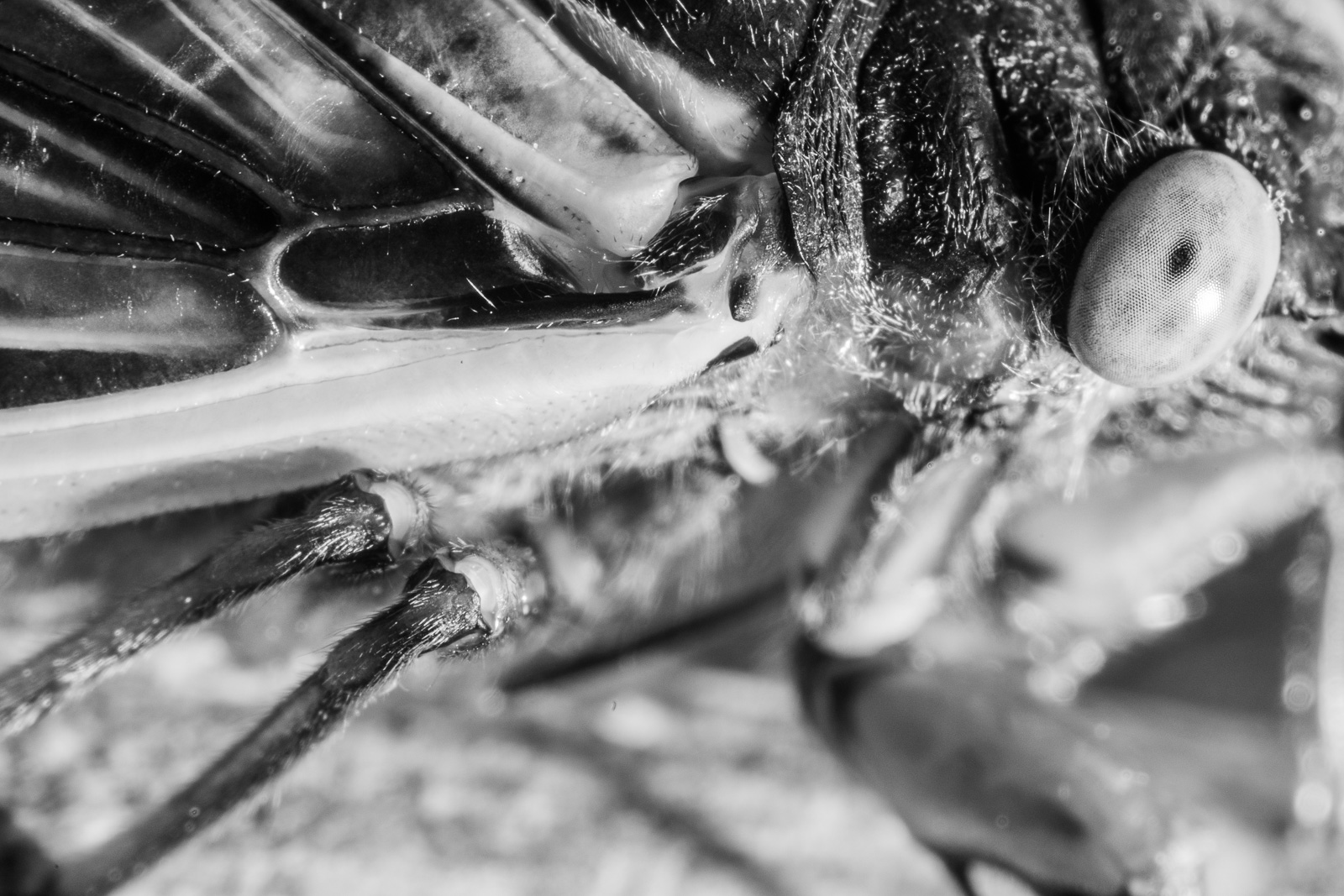
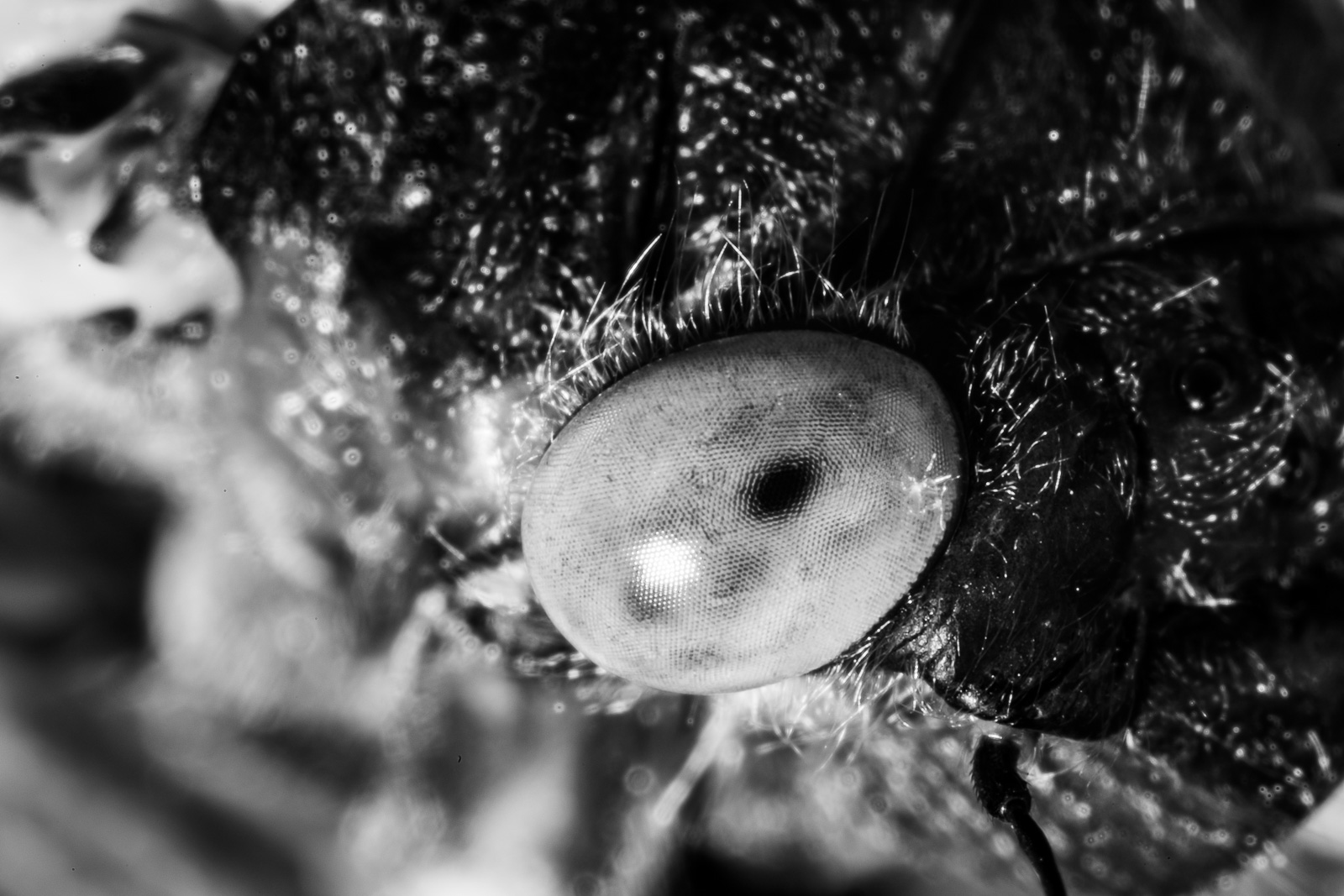
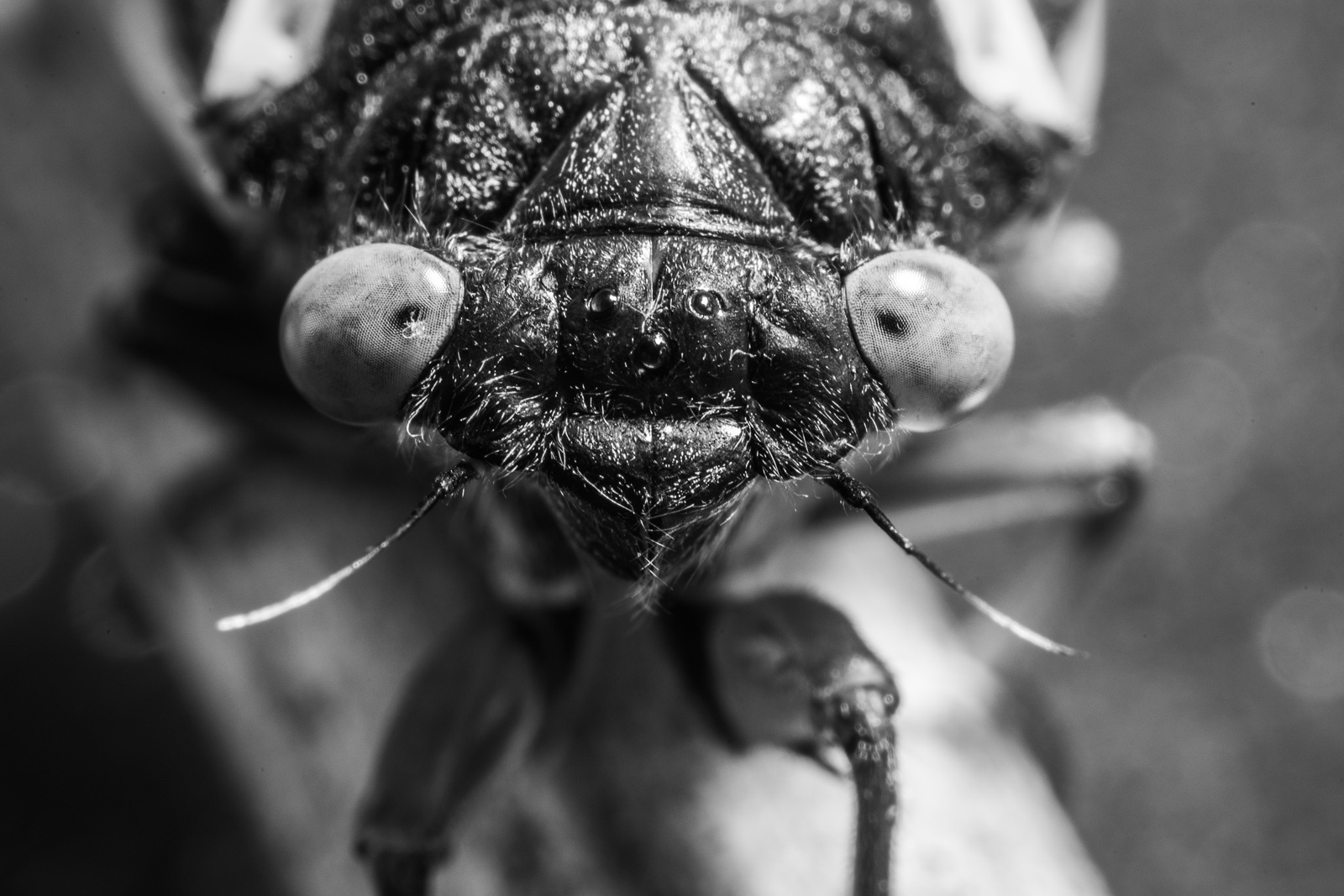
So here is one of our new friends, up close, with the two big eyes and the three small ocelli.
DSC 7693 2

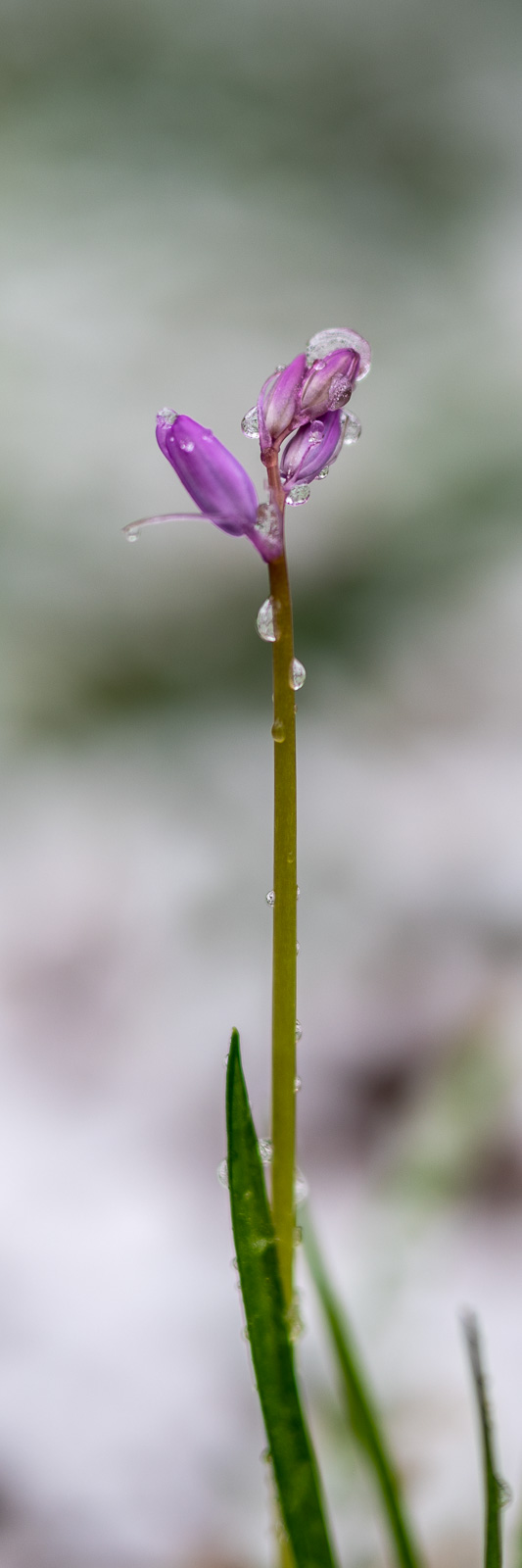
Reduced distance to the unknown is disconcerting, so I turned off color to create the illusion that we are seeing something abstract, not a living being.

DSC 7695

As in Julio Cortázar’s short story Axolotl, the question arises who is looking at whom here.

DSC 7701 2

Are we as different to them as they are to us?


The Morning After (Brood X, Part 2)

After a glorious night, most of the emergence is done, or at least paused, as it is a cold morning here.

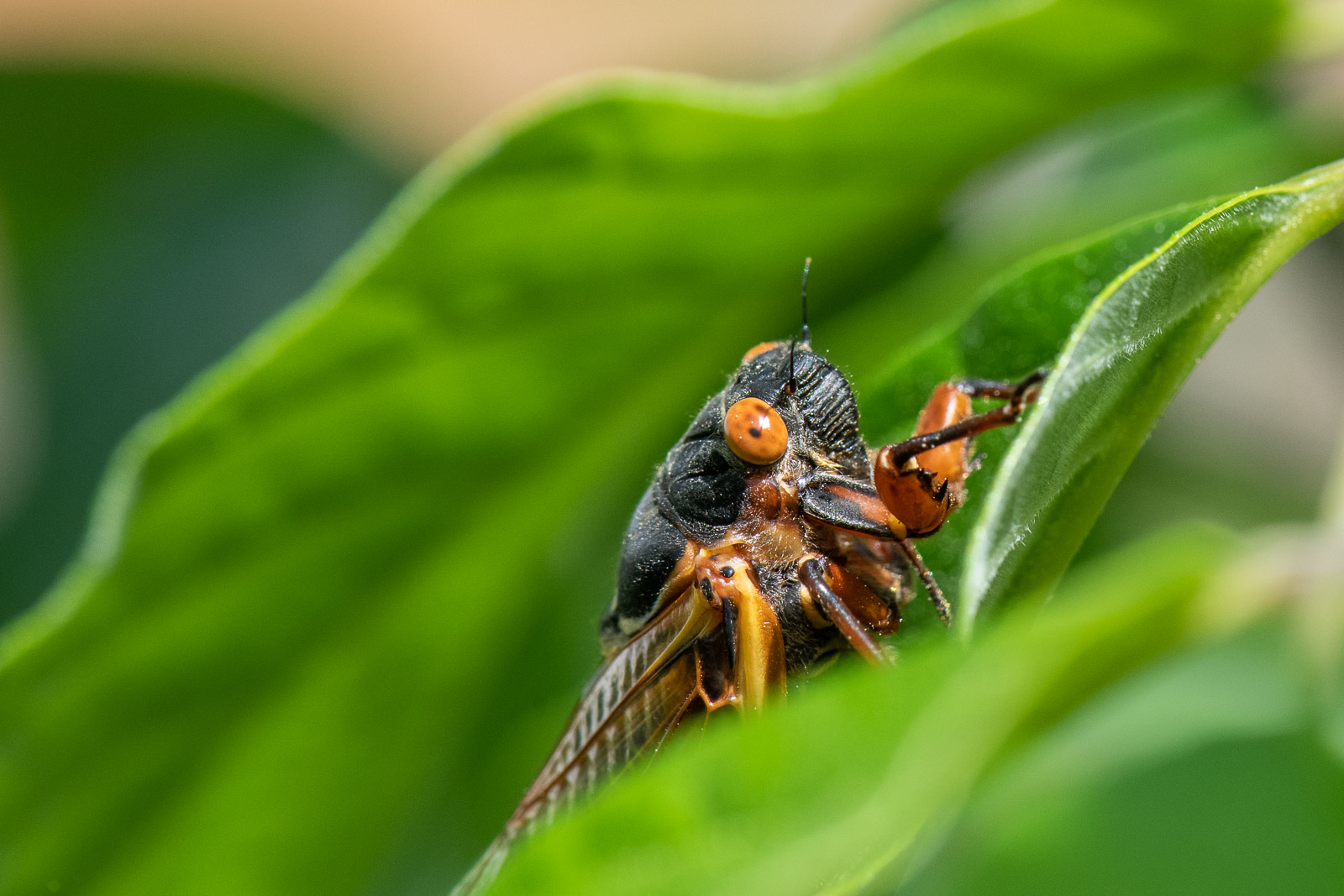
The imagos have matured over night and blackened. I didn’t know that they can have different eye colors.

The one of top decided to move a little, and to let go:

Some of them look weary into the future. The birds have been particularly loud this morning.

Here is one I rescued after it falling to the ground.

Time passes.

We Are Back (Brood X)

After a few cold nights it finally got warmer, and the cicadas from Brood X are finally here. Some of the nymphs need directions.

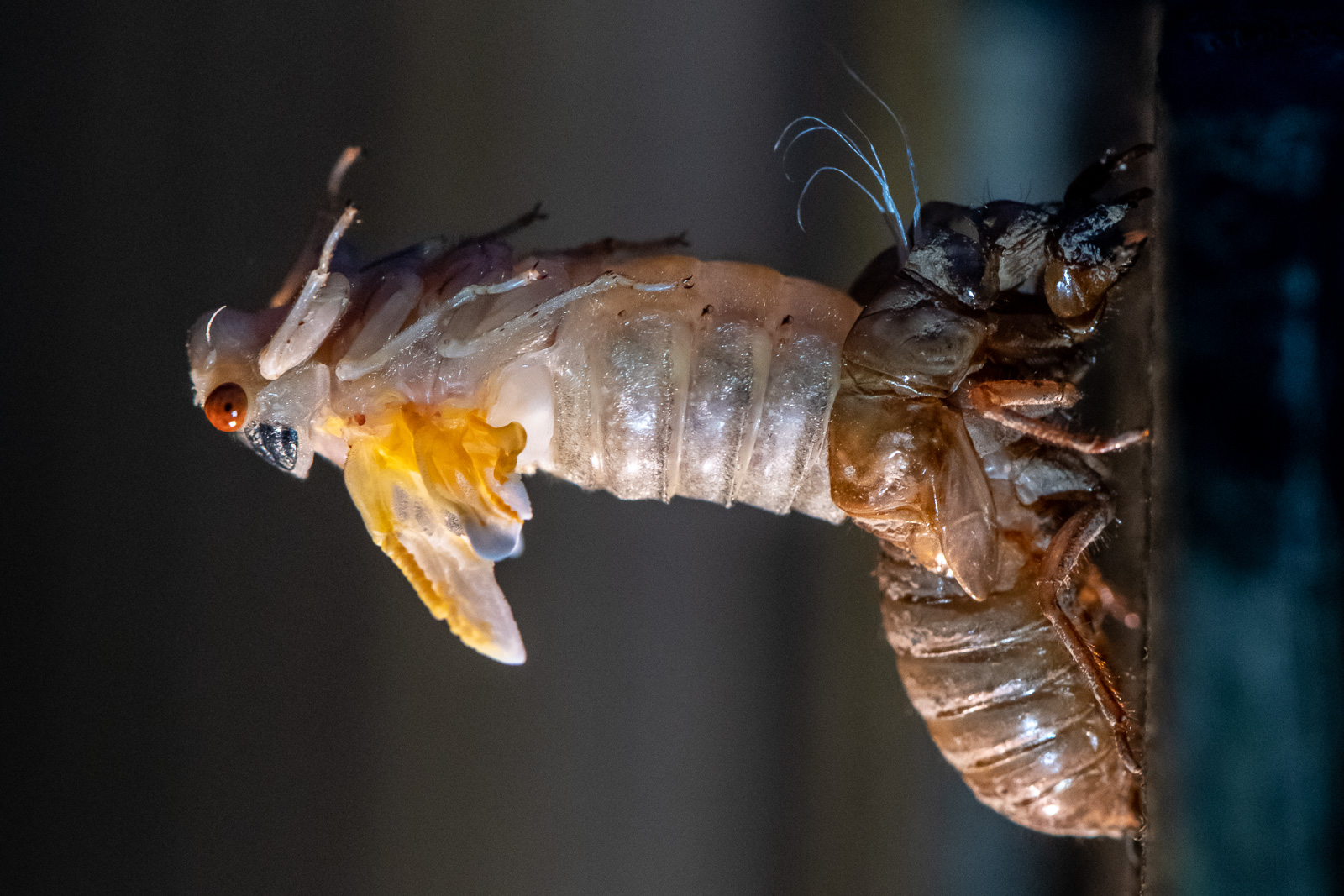
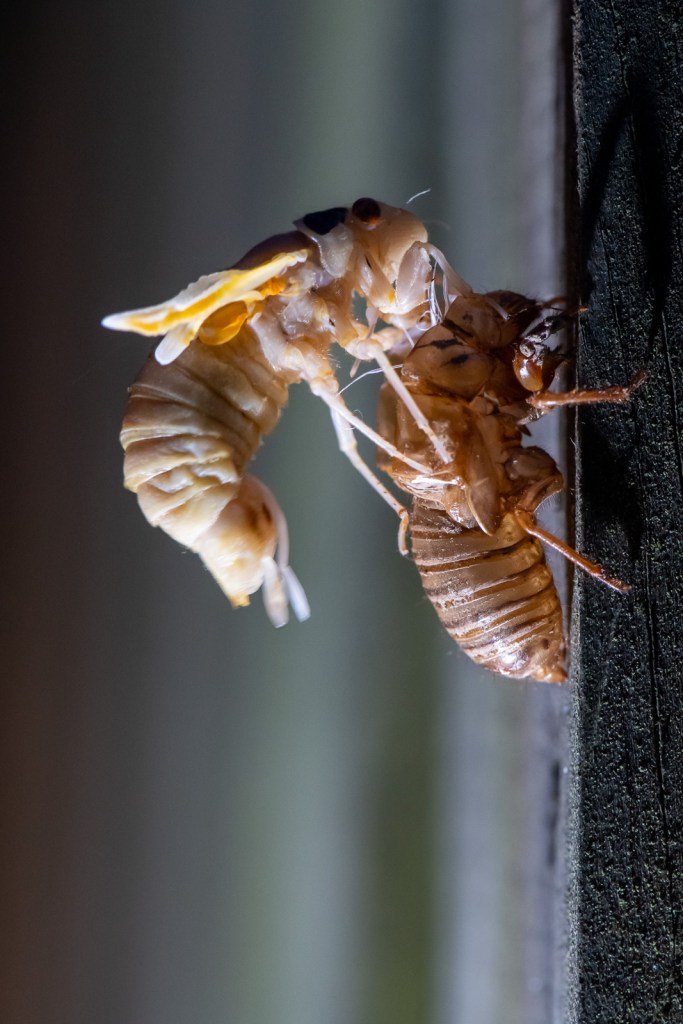
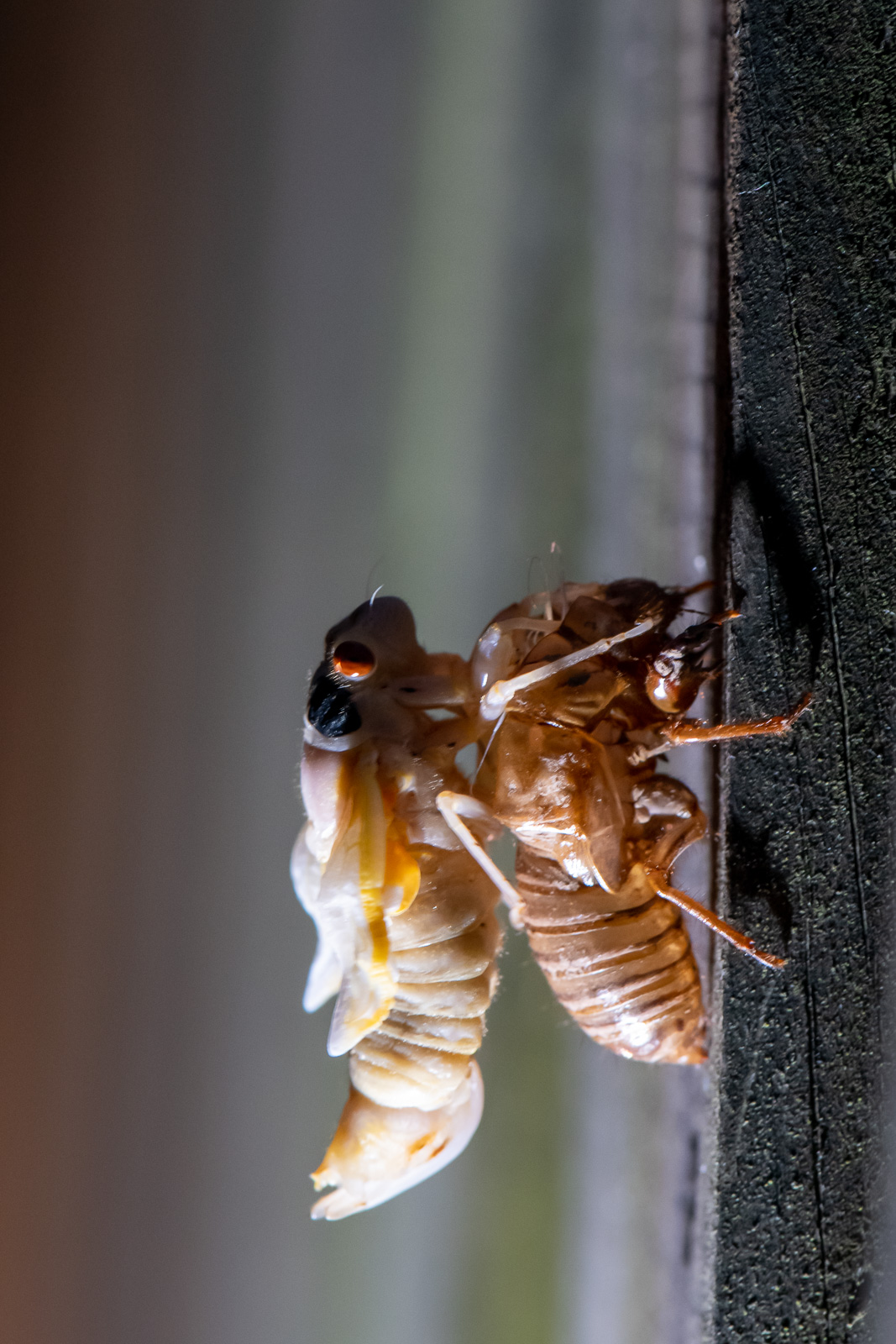
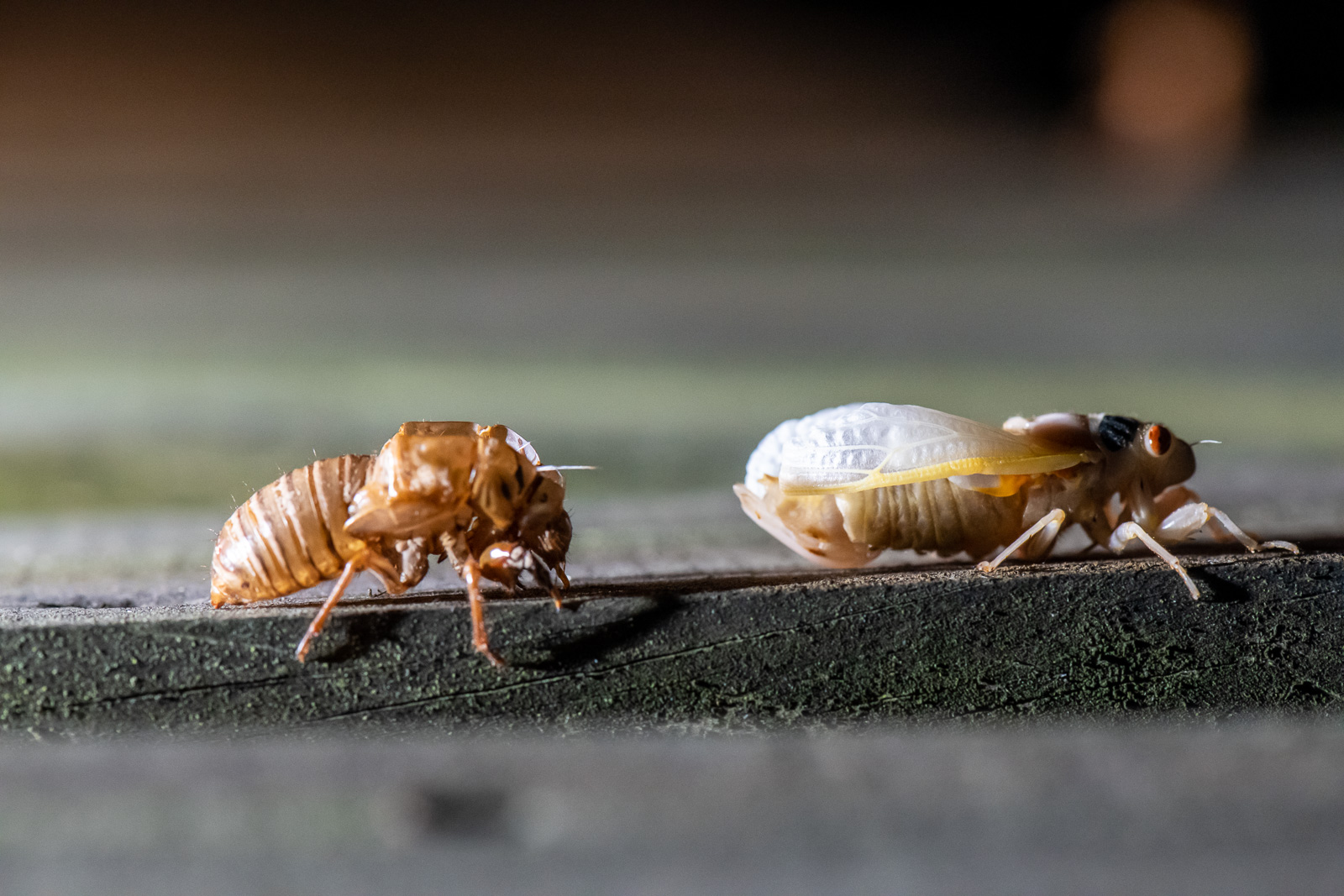
The shedding of the exoskeleton takes about an hour and is a dramatic spectacle.

When I saw the m it was already getting dark, so I had to help a bit with the light. Below they are half emerged, but still use the support of their shell.

When dry enough, they emerge completely, and rest for another 15 minutes.

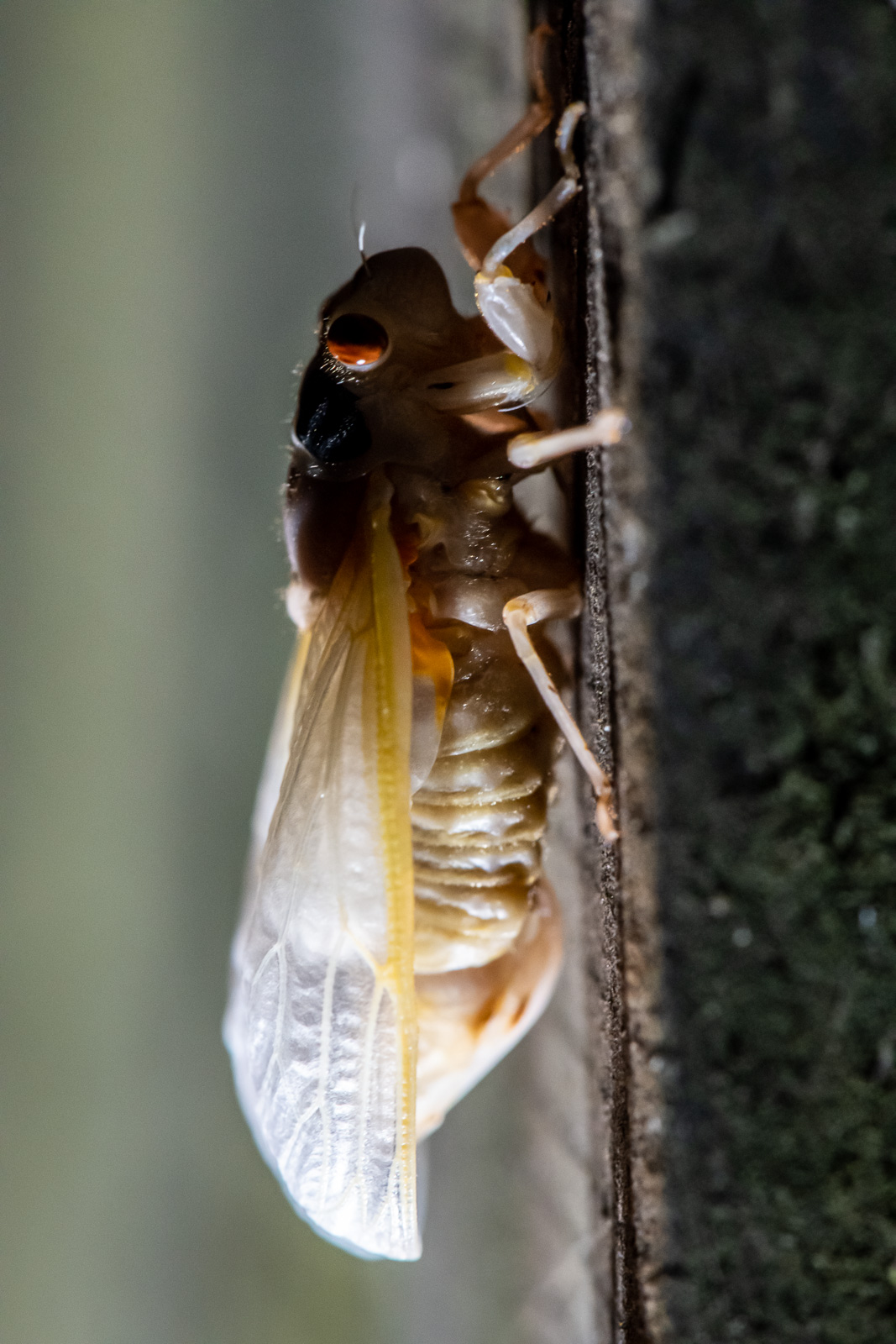
When the wings are dry enough, the imagos will move away from their exoskeleton and start unfolding.

There is no looking back … Life can begin, again.

Wildflowers II

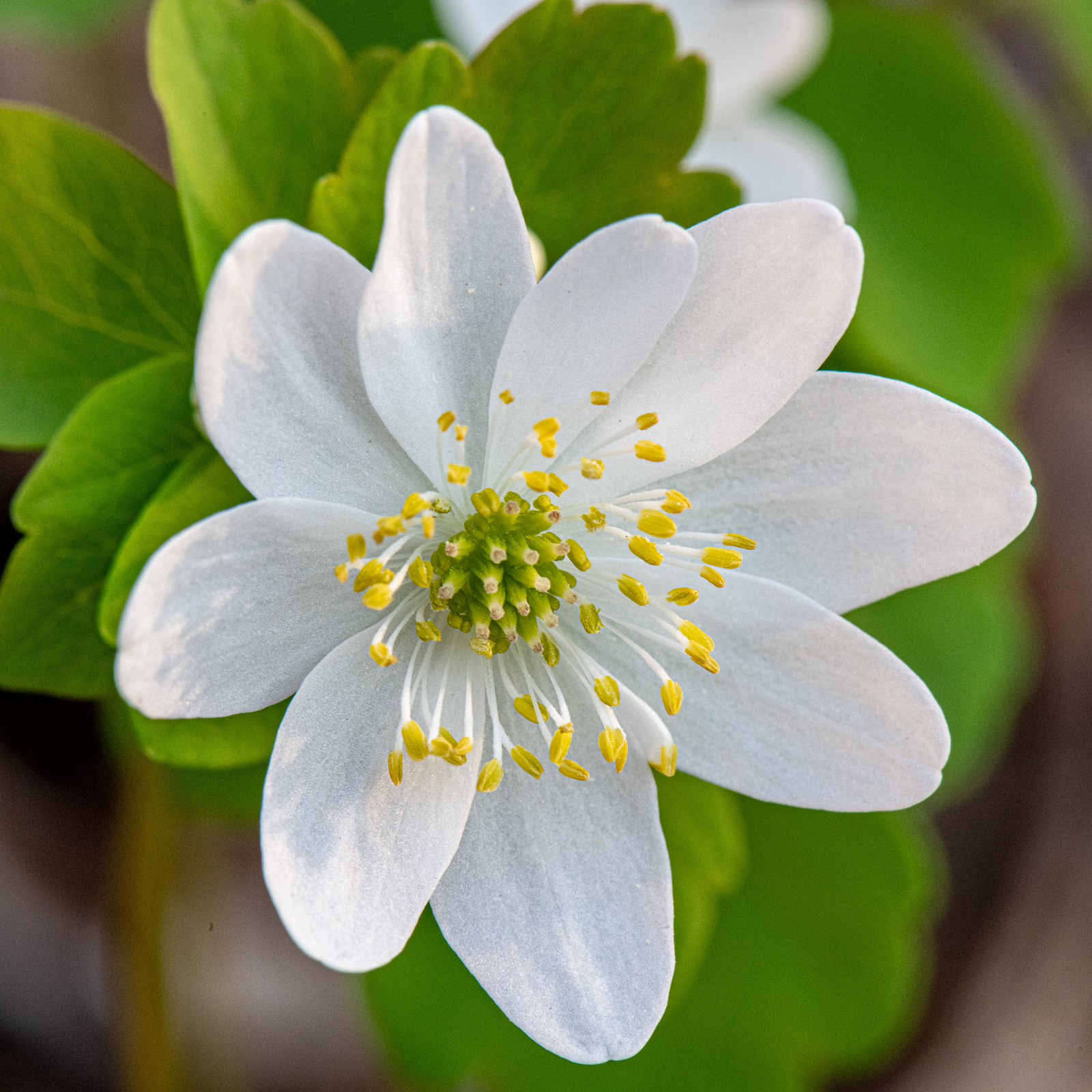
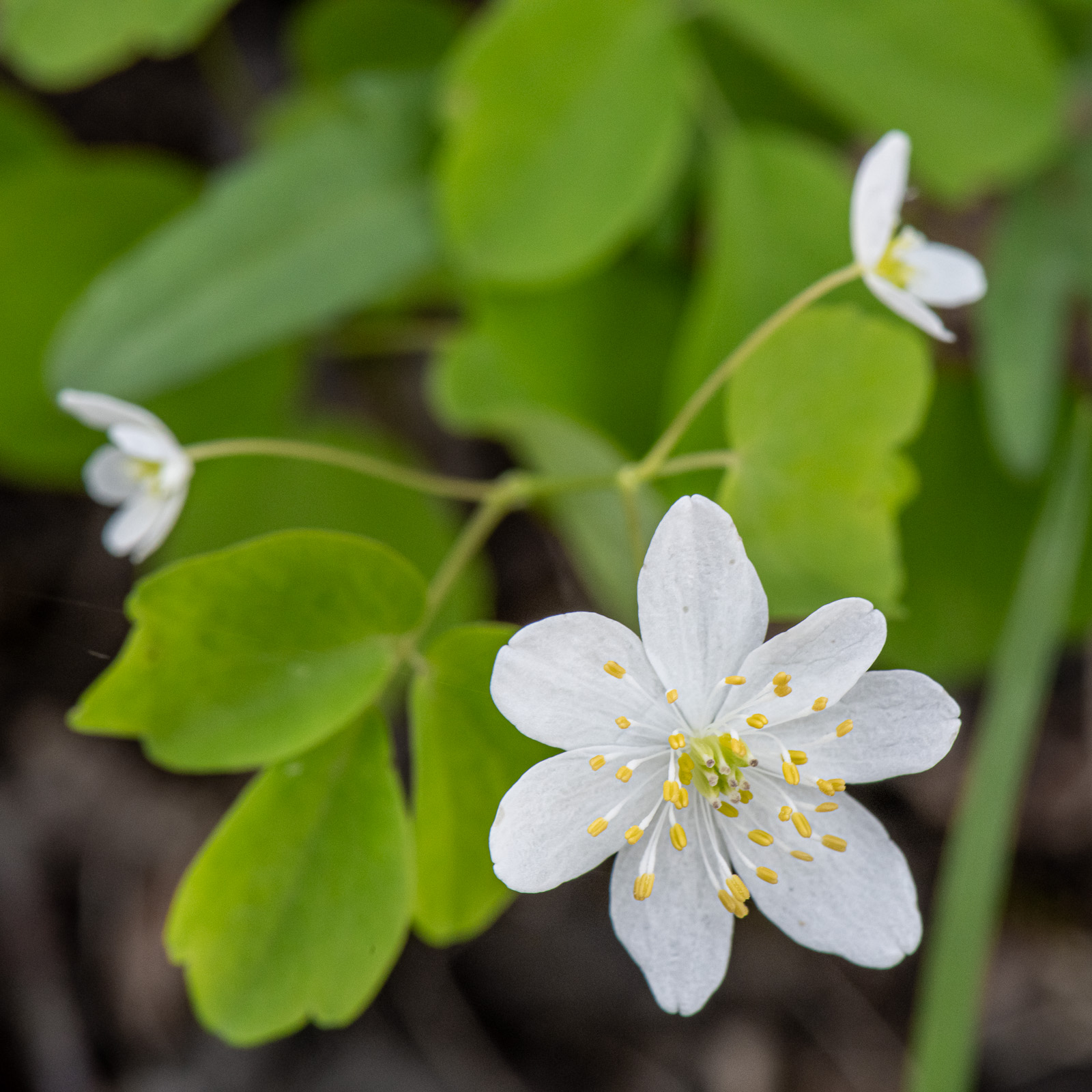
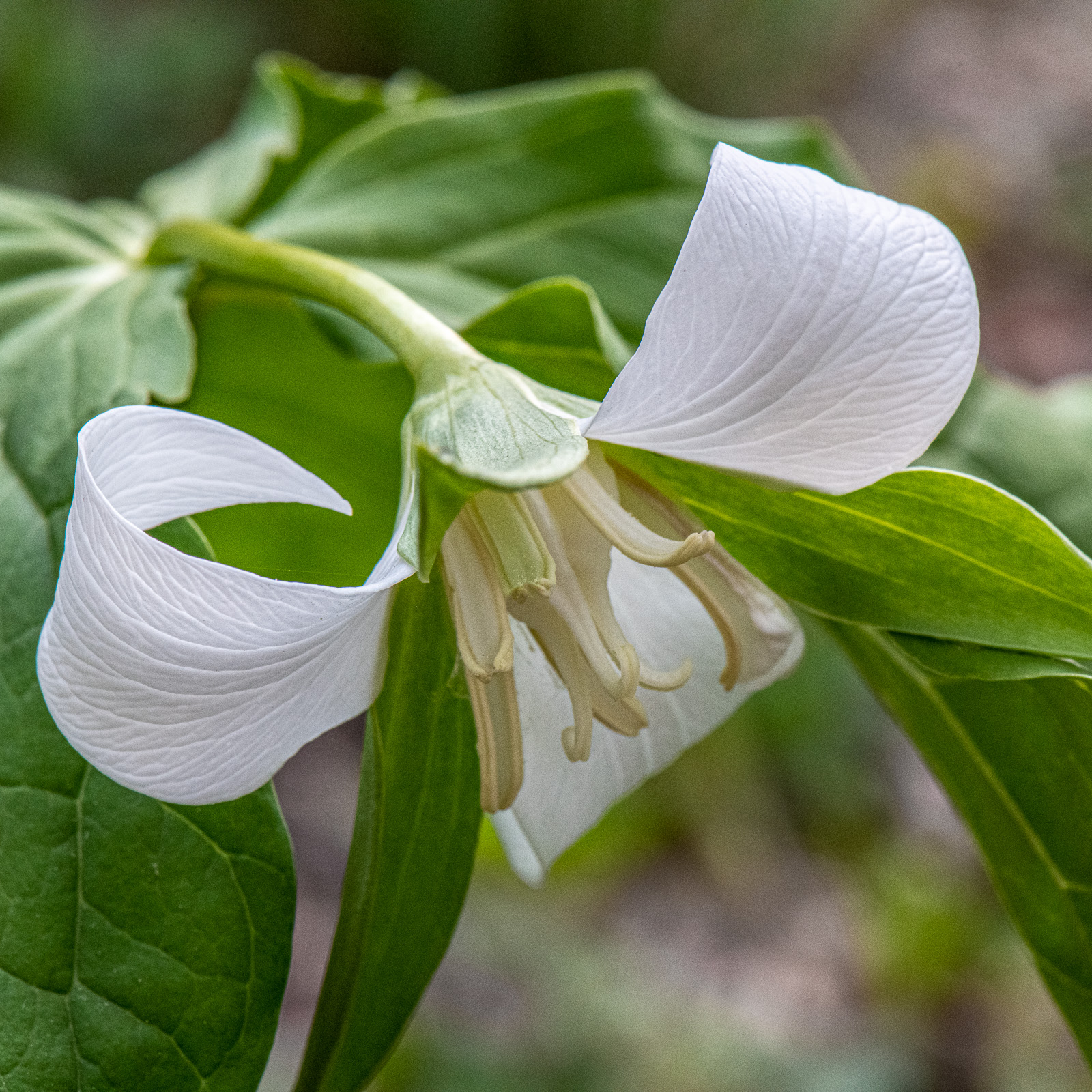
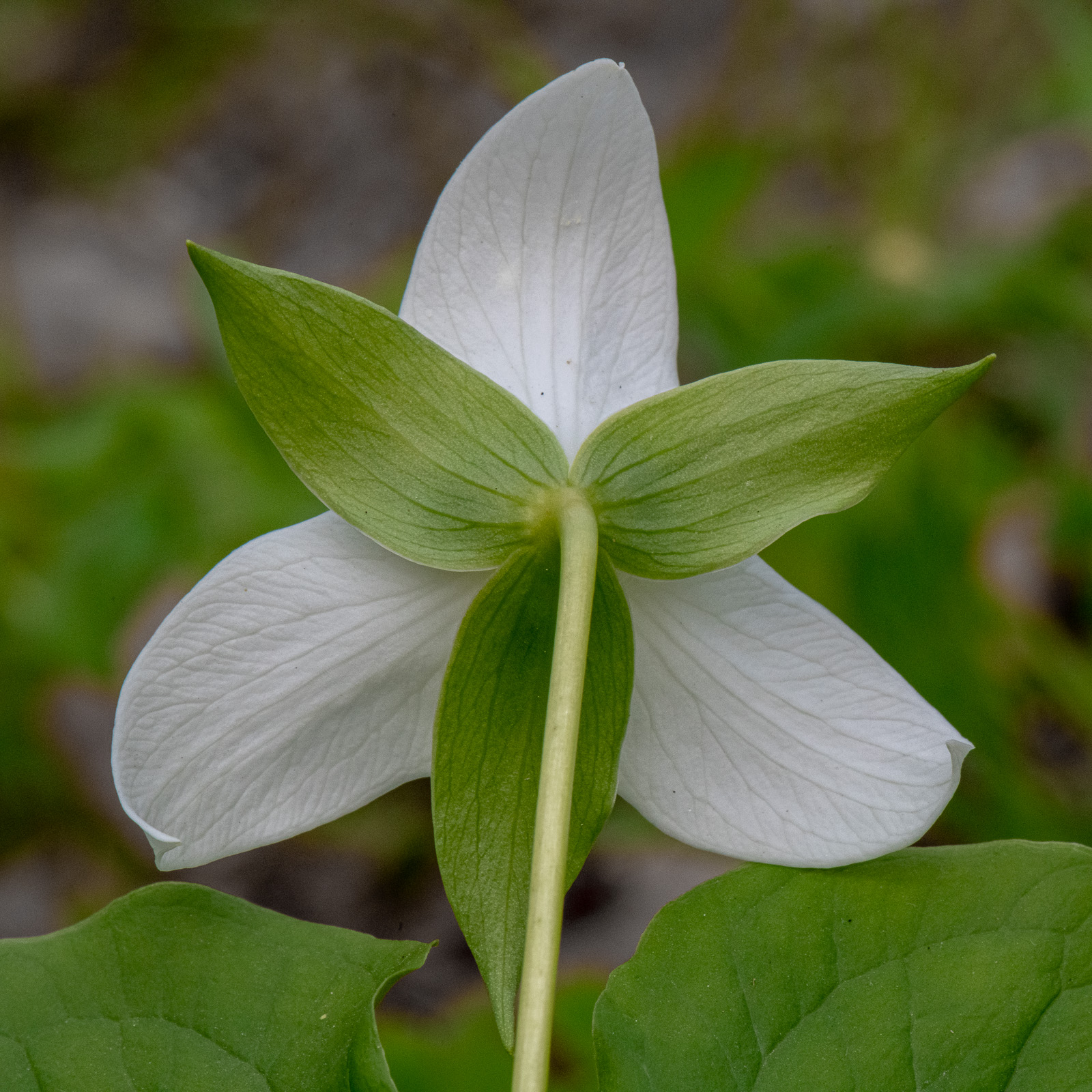
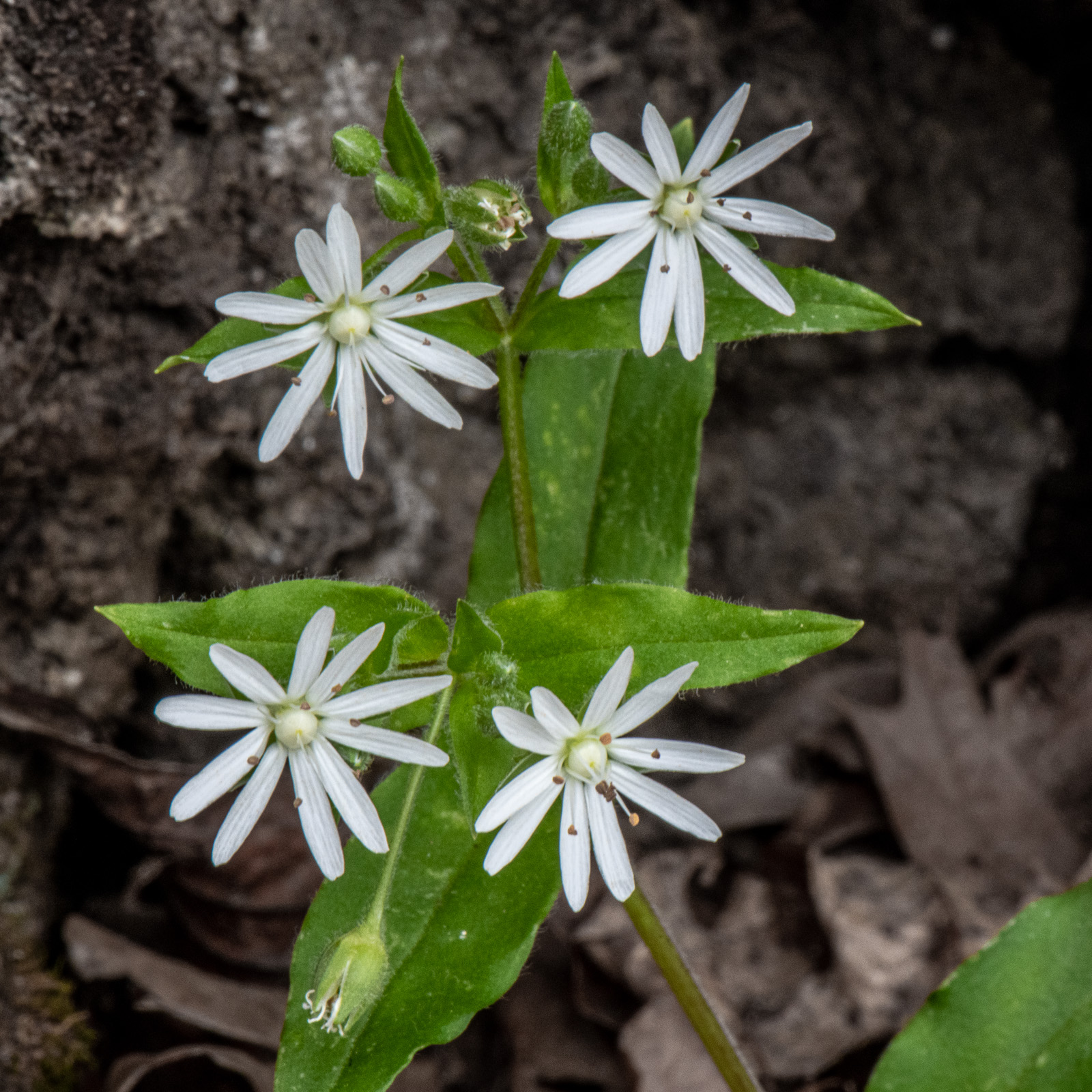
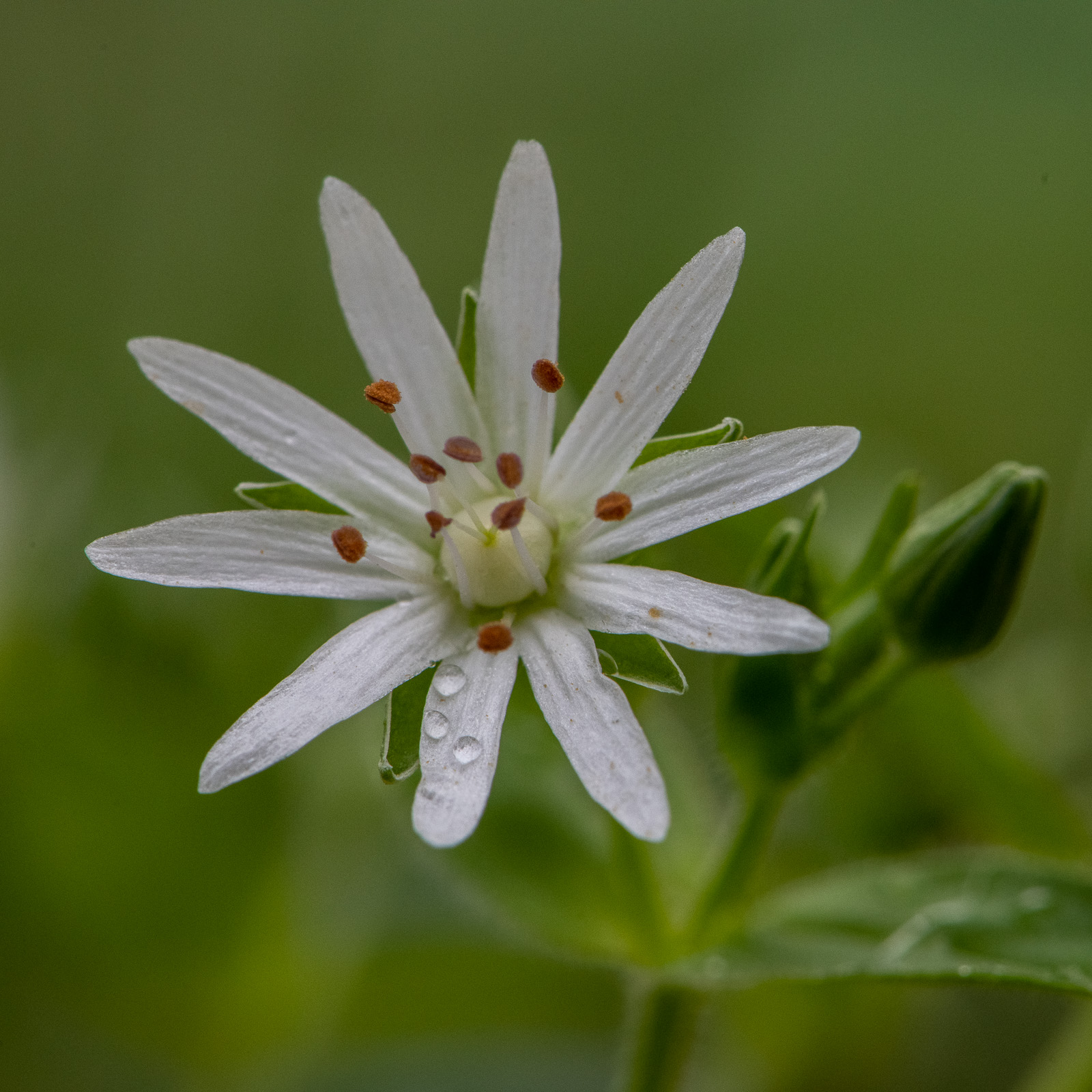
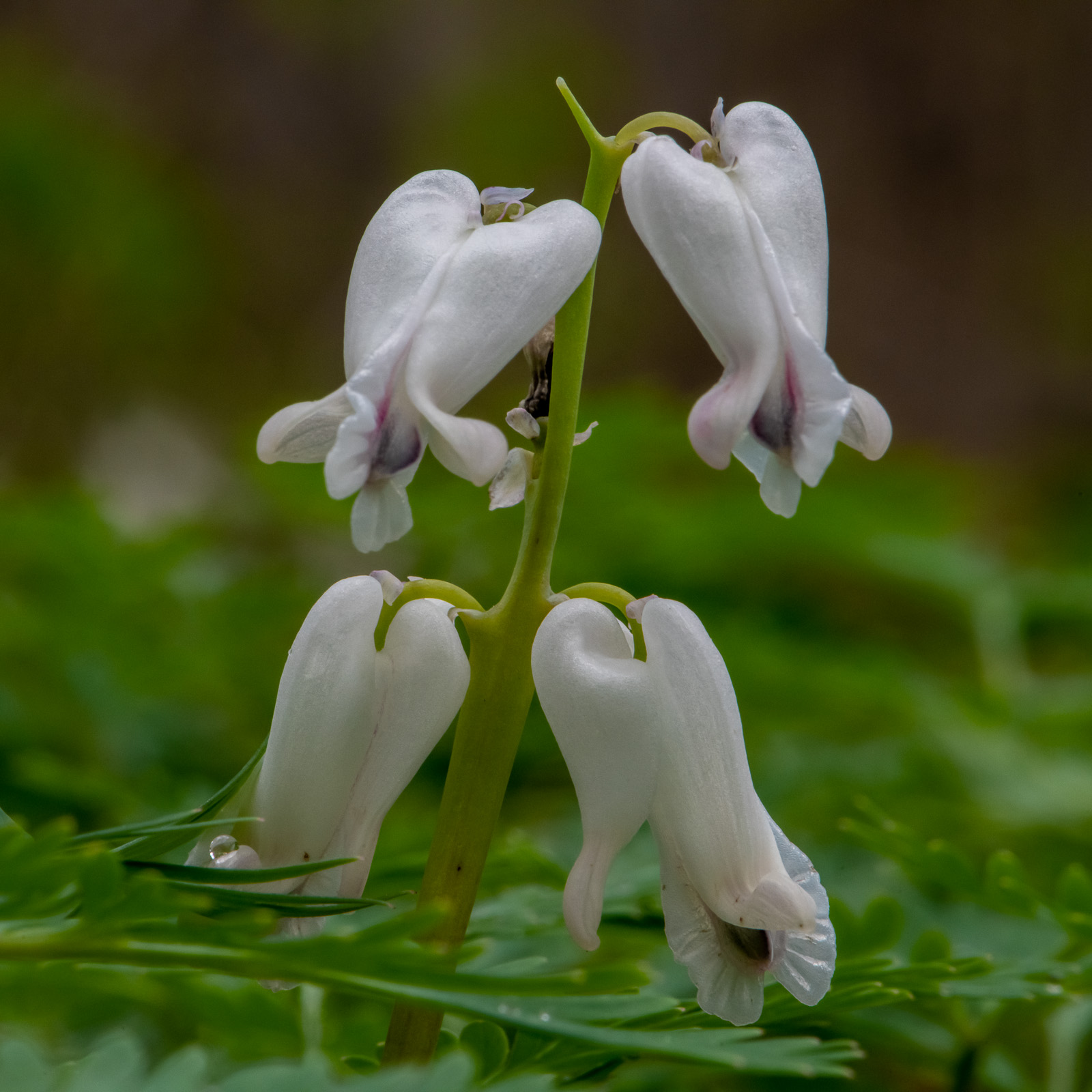
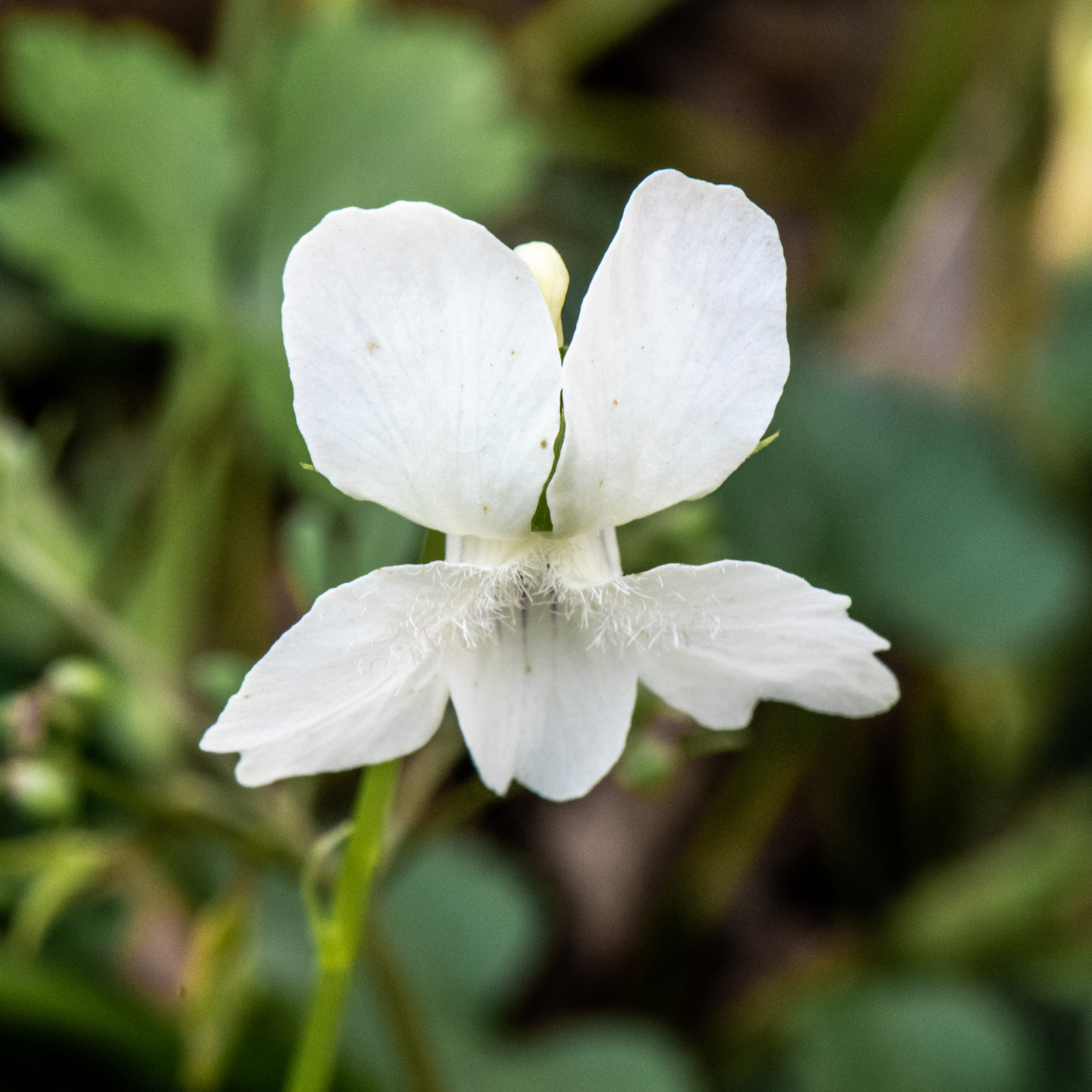
Here is the second part of the pre-frost wildflowers, in their perfect whiteness.

All gone now…

Rue Anenome (Thalictrum thalictroides)

Drooping Trillium (Trillium flexipes)

Star Chickweed (Stellaria pubera)

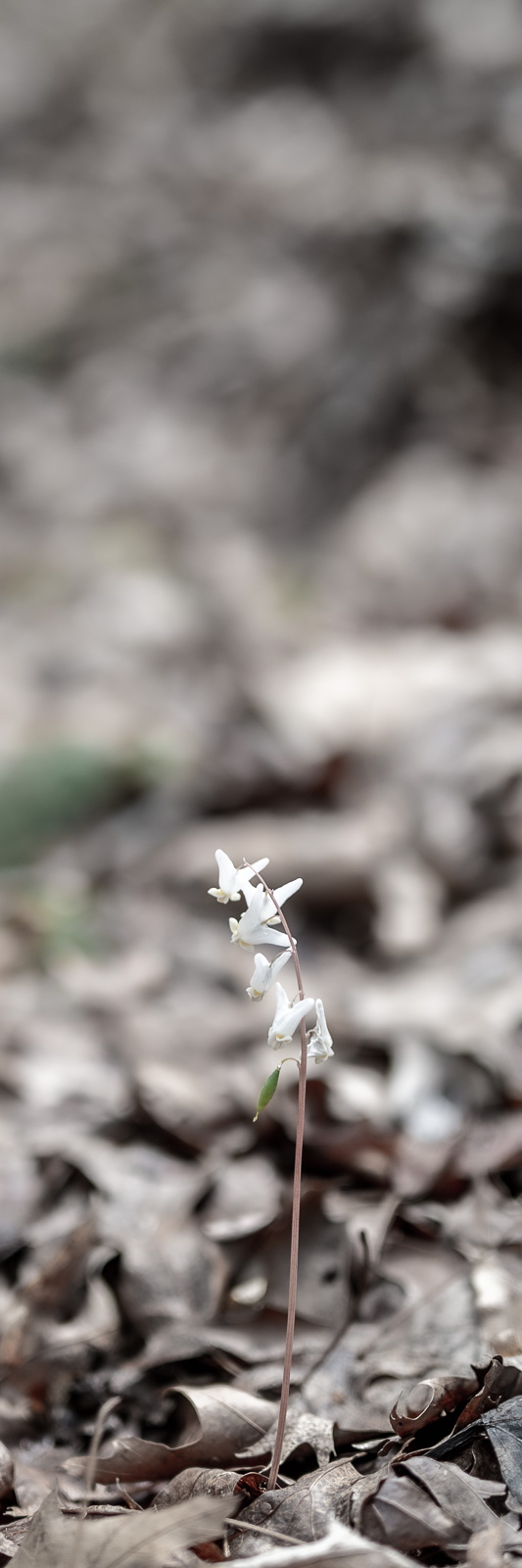
Squirrel Corn (Dicentra canadensis) and Striped Cream Violet (Viola striata)

Paradise Lost

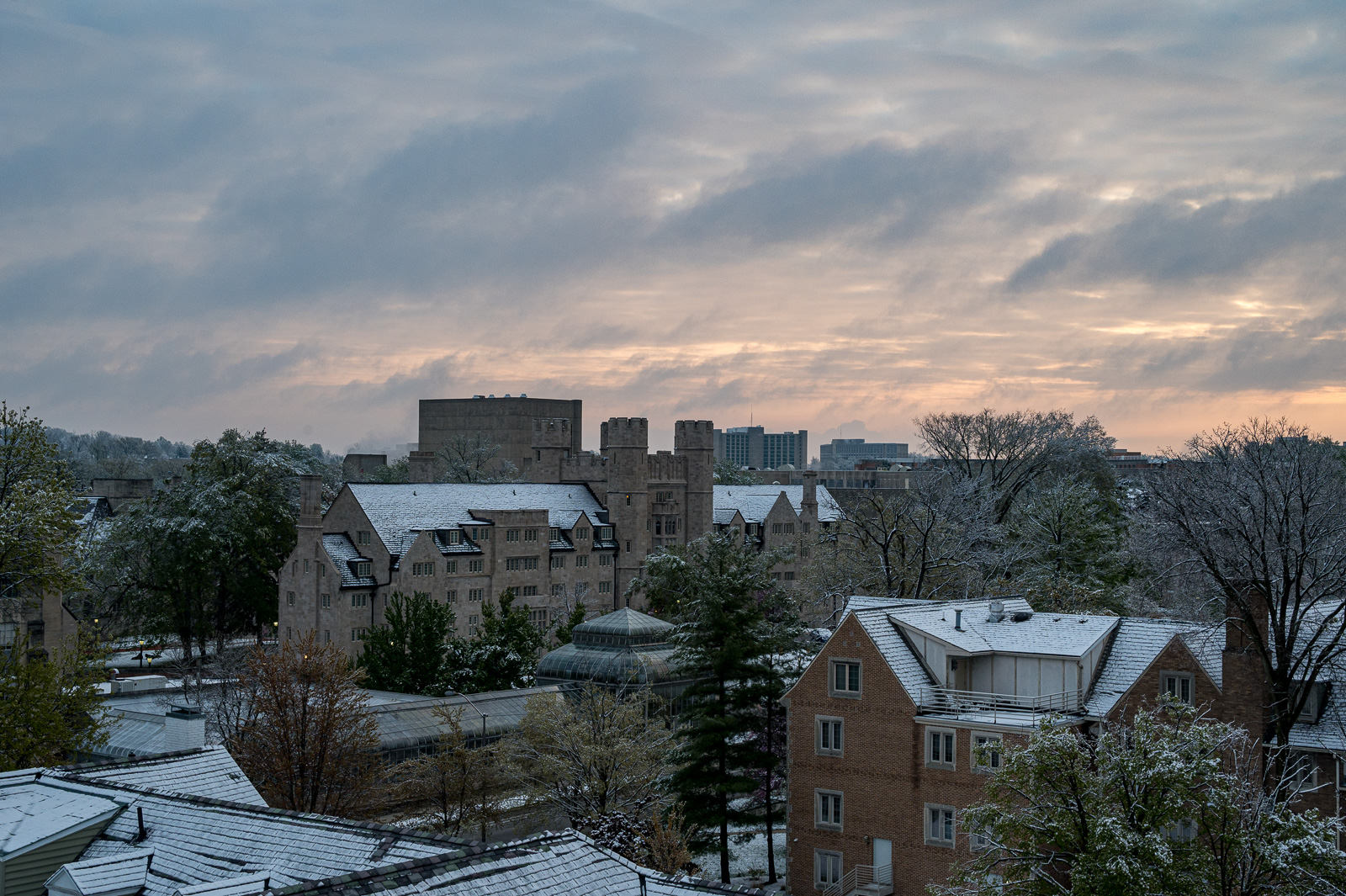
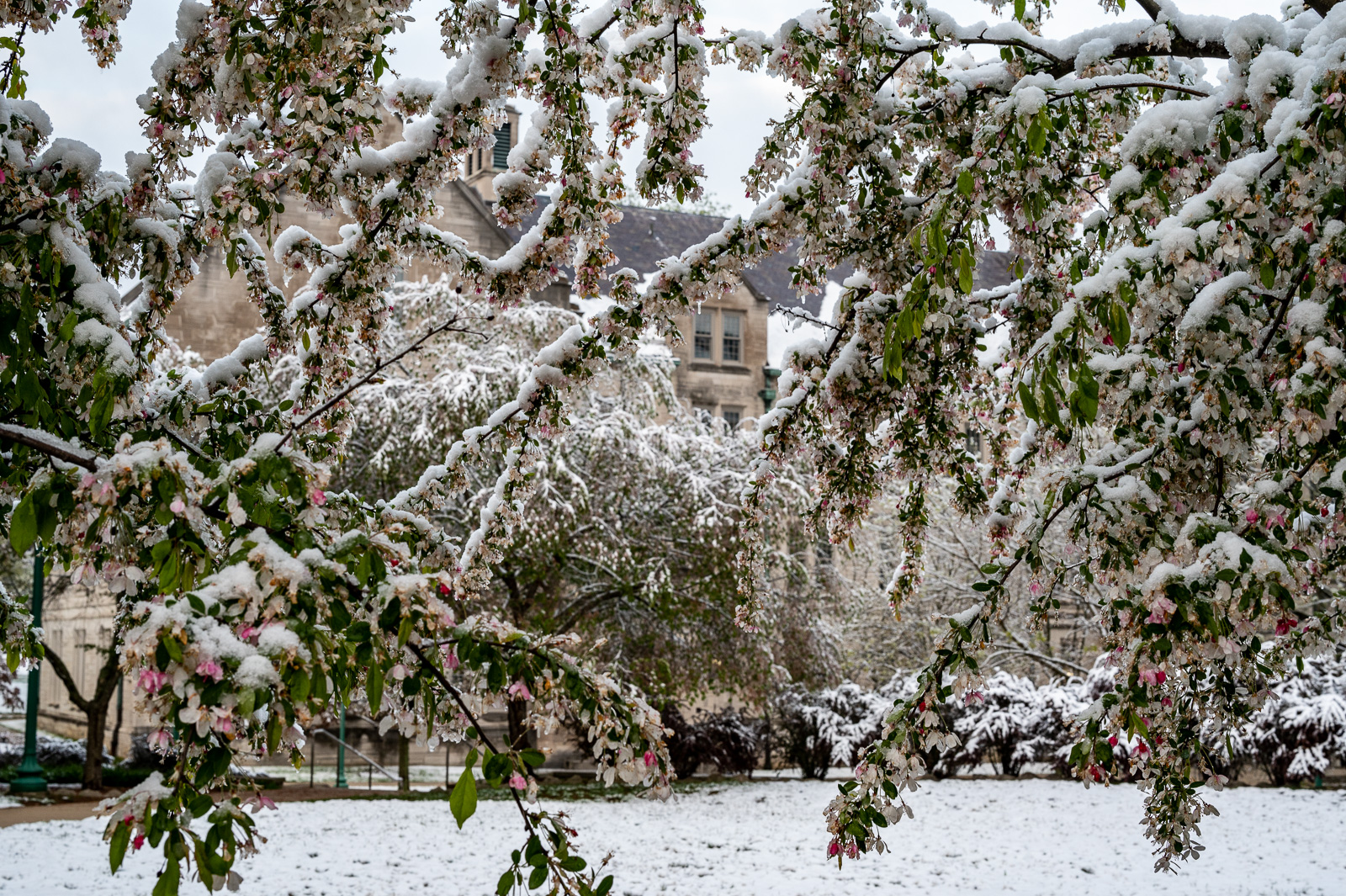
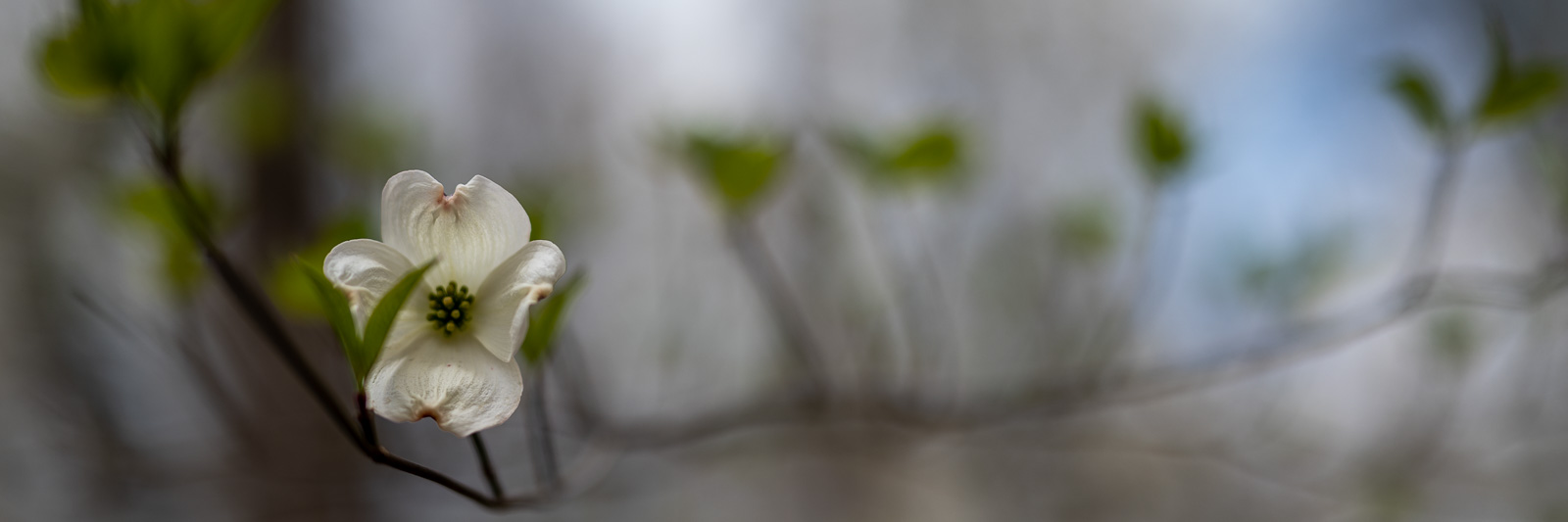
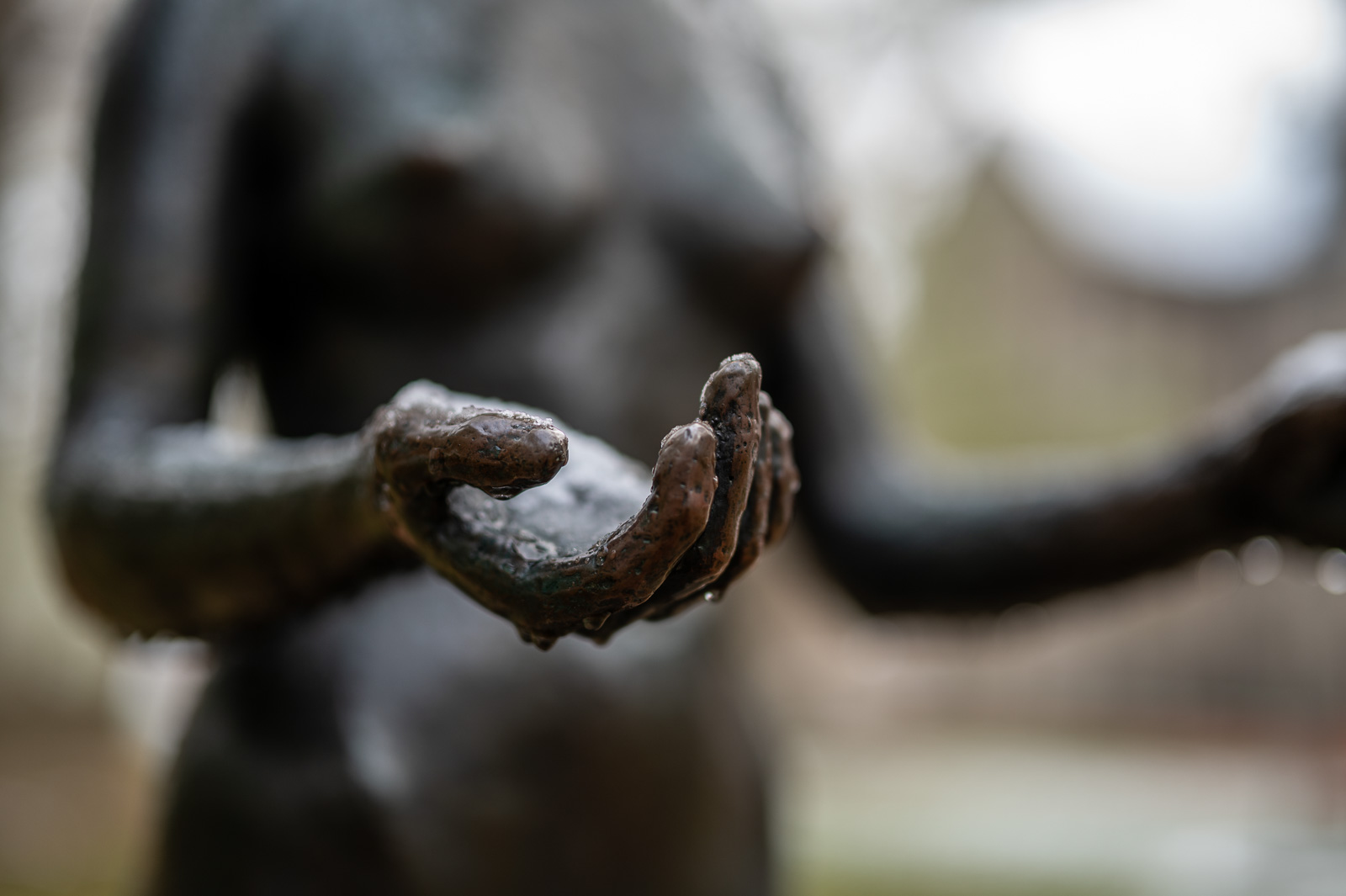
Snowfall overnight in late April is rare here, but has its own strange appeal.

Unfortunately I had other obligations this morning, so I couldn’t go on a longer expedition, so I paid our campus a visit.

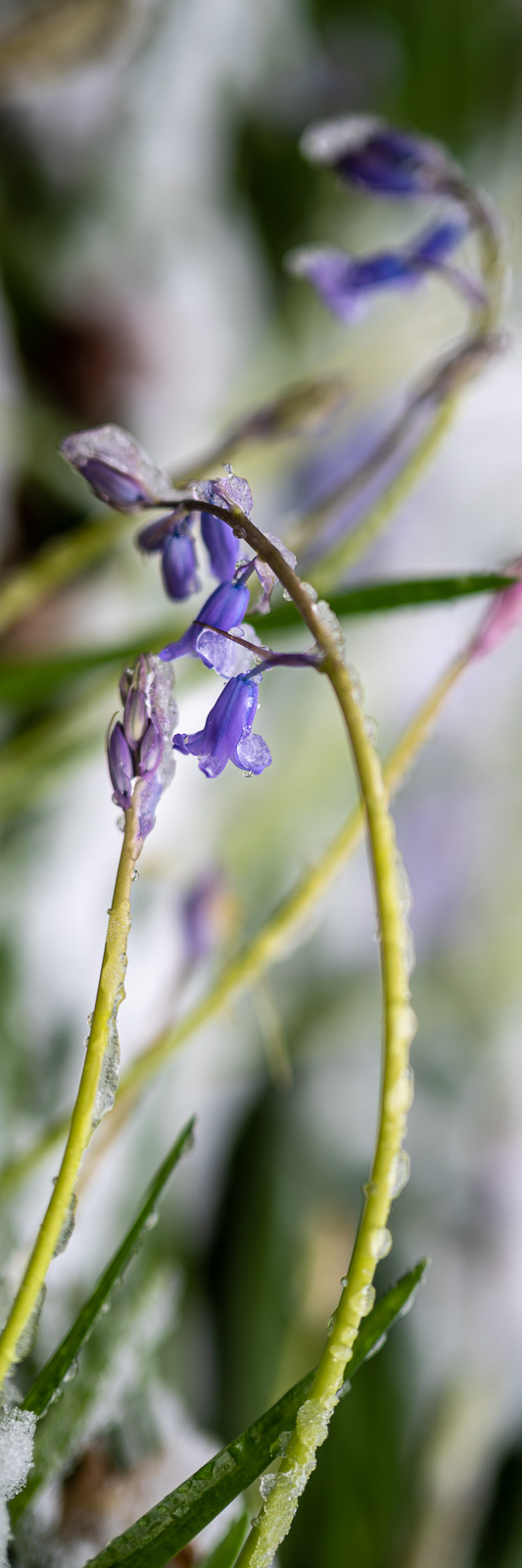
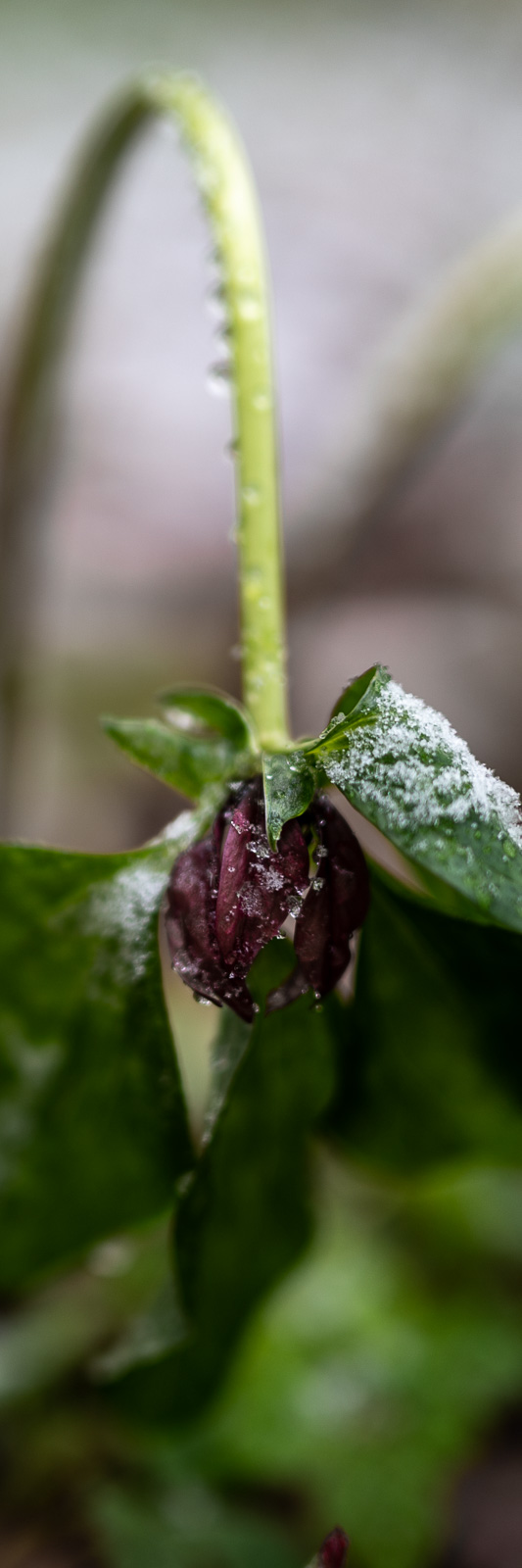
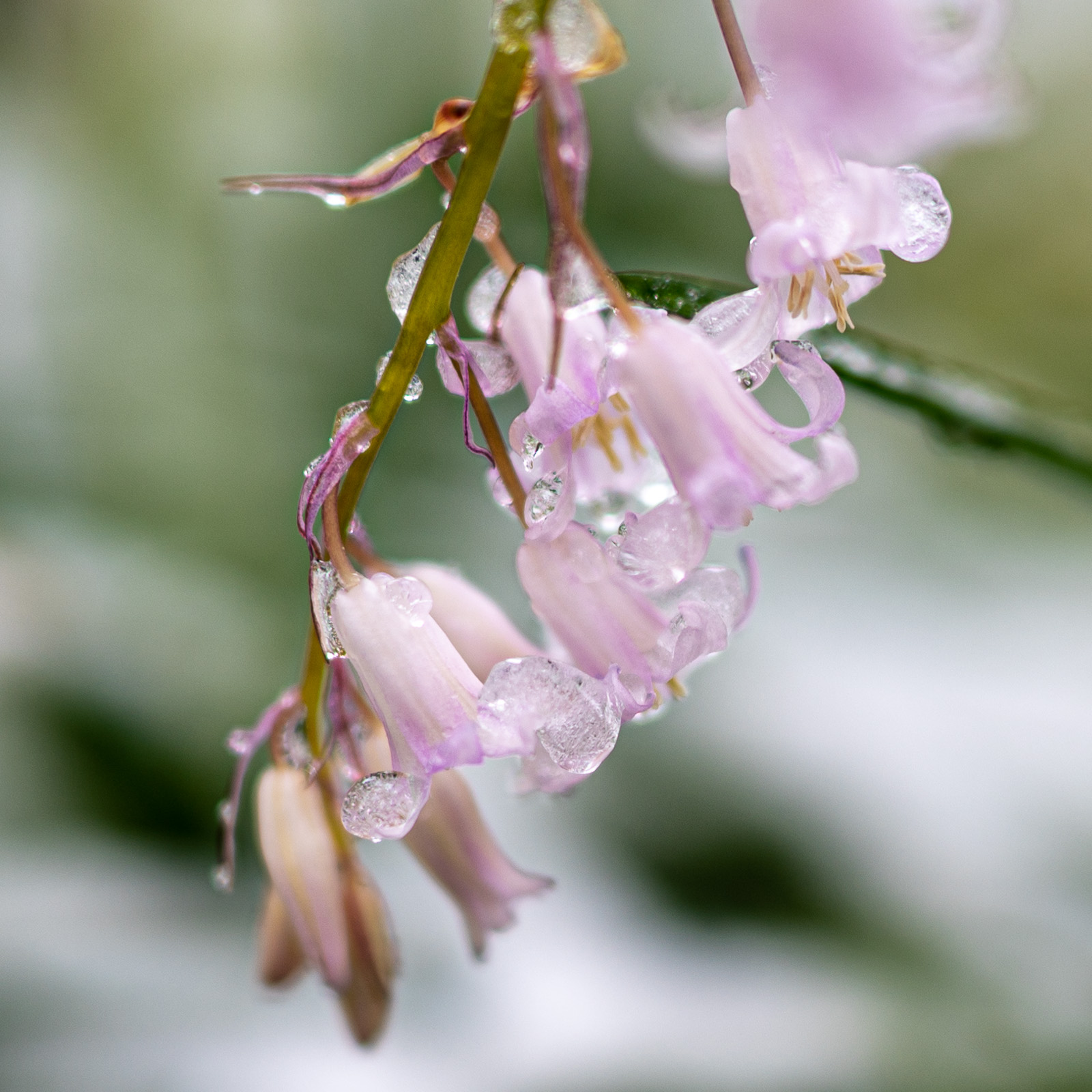
While the trees have mostly managed the extra burden, most flowers did not.

It’s not all sadness. Hours later, the snow was all gone, and the recovery has begun.

In the afternoon I went on a short hike at Pate Hollow. Many wildflowers were gone here, and tree blossoms have fallen. Grayness has returned.

But there still is life,

and thus hope.

Spring Wildflowers I

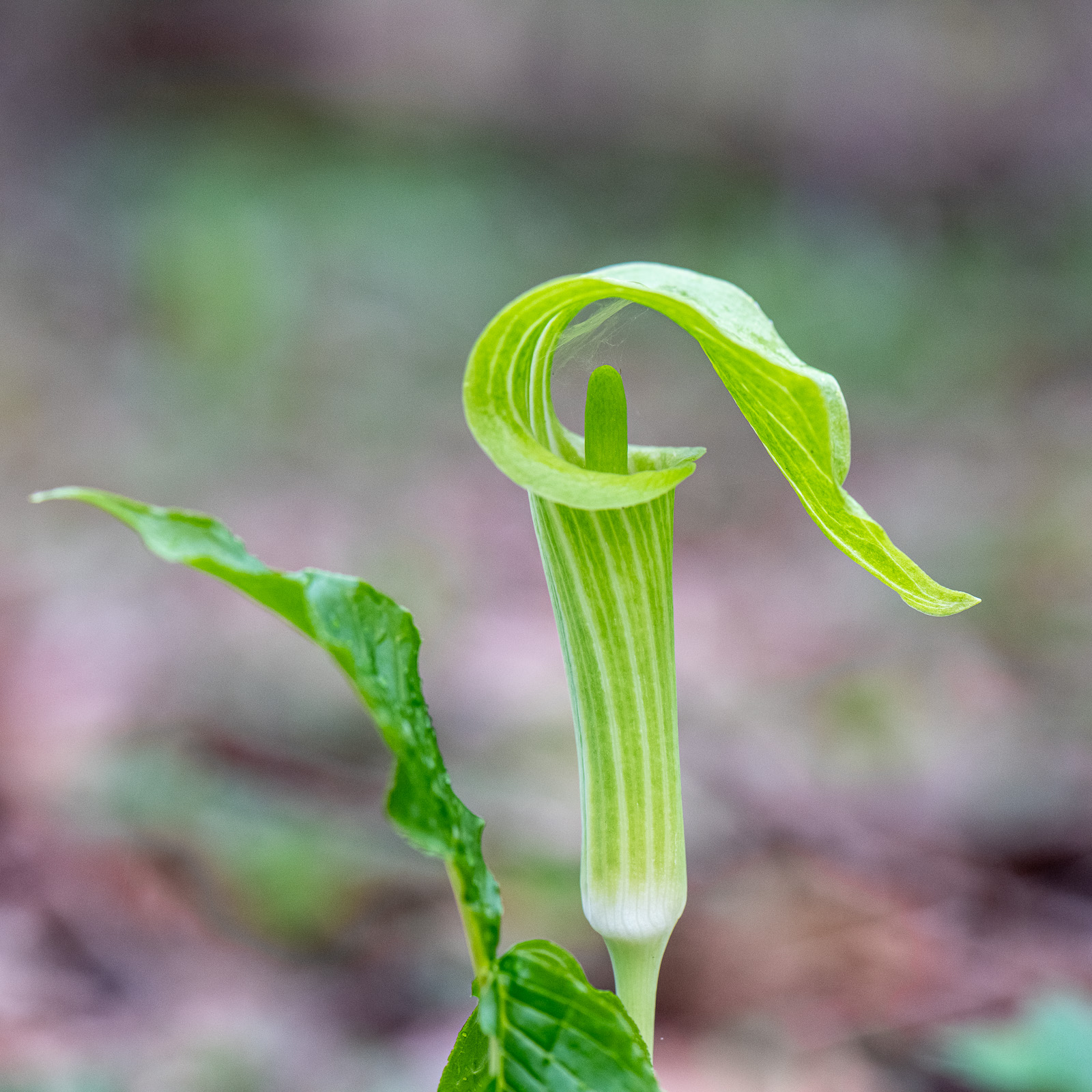
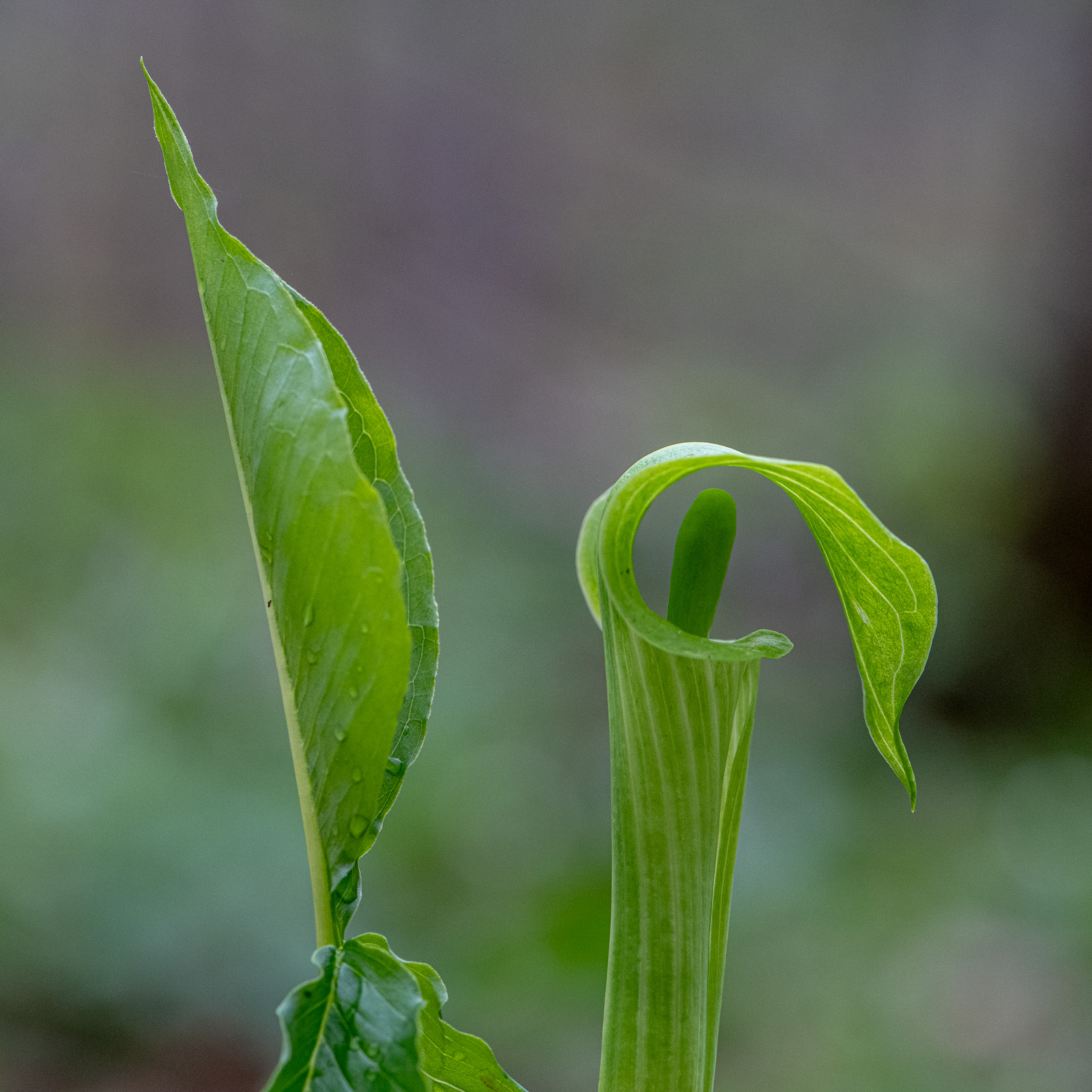
Imminent snow will ruin the wonderful wildflower display we had the last week. Here is the first batch.

Jack-in-the-Pulpit (Arisaema triphyllum)

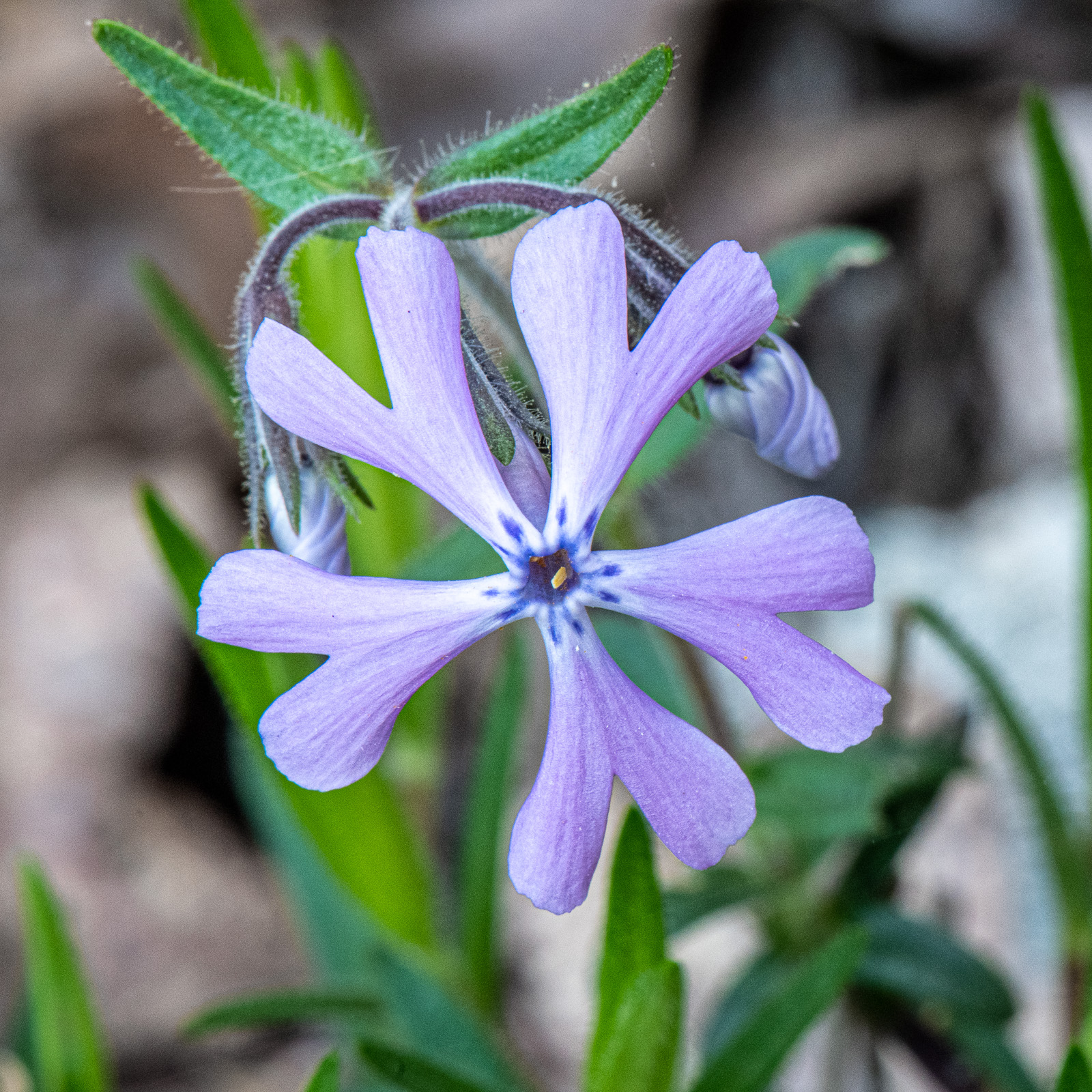
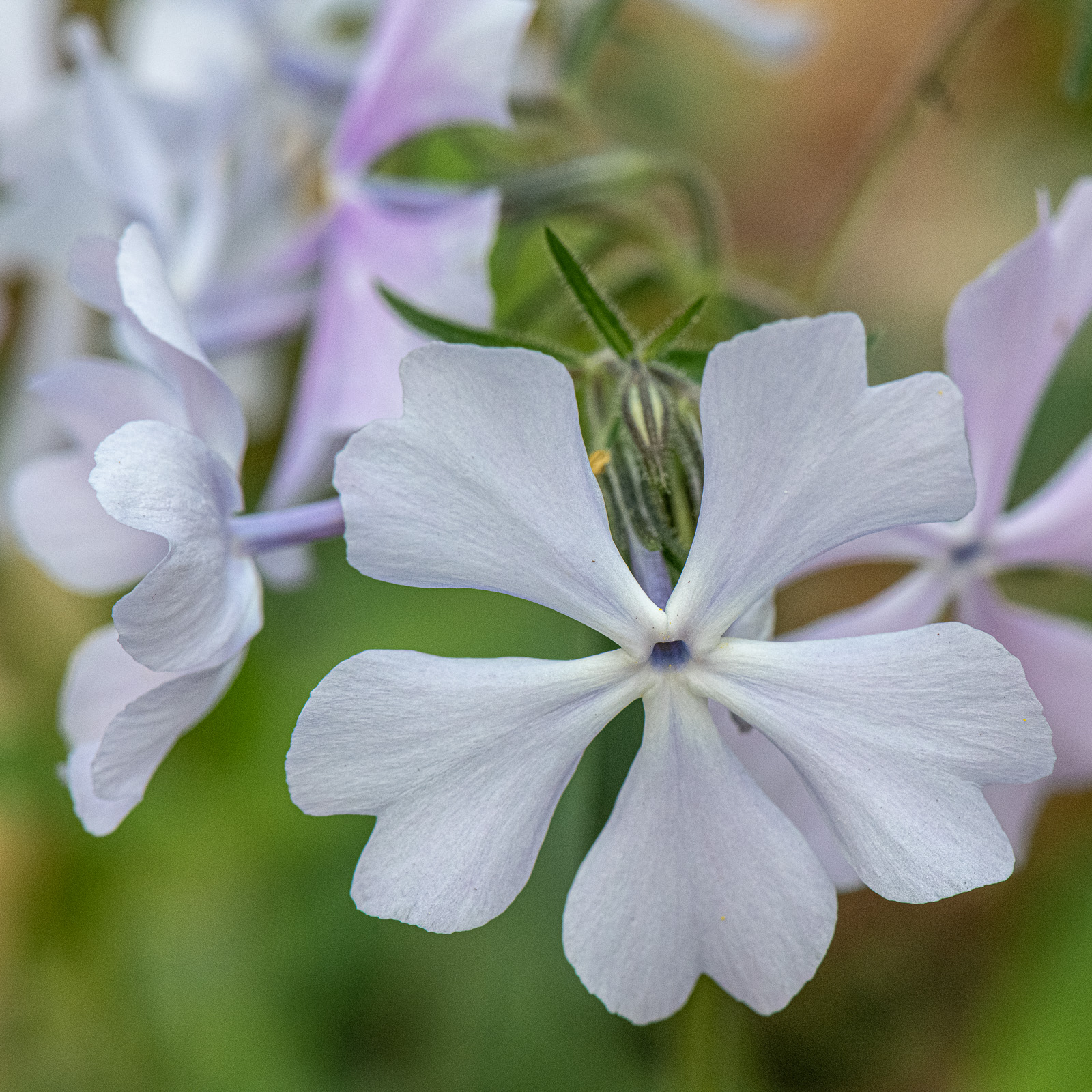
Woodland Phlox (Phlox divaricata)

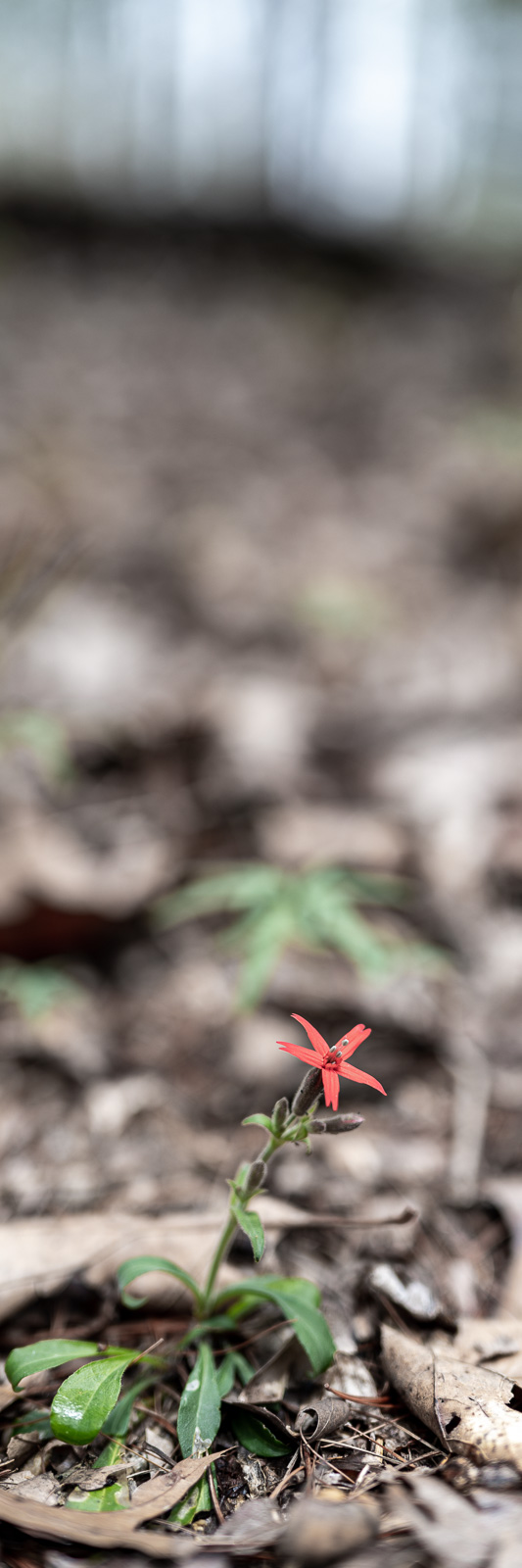
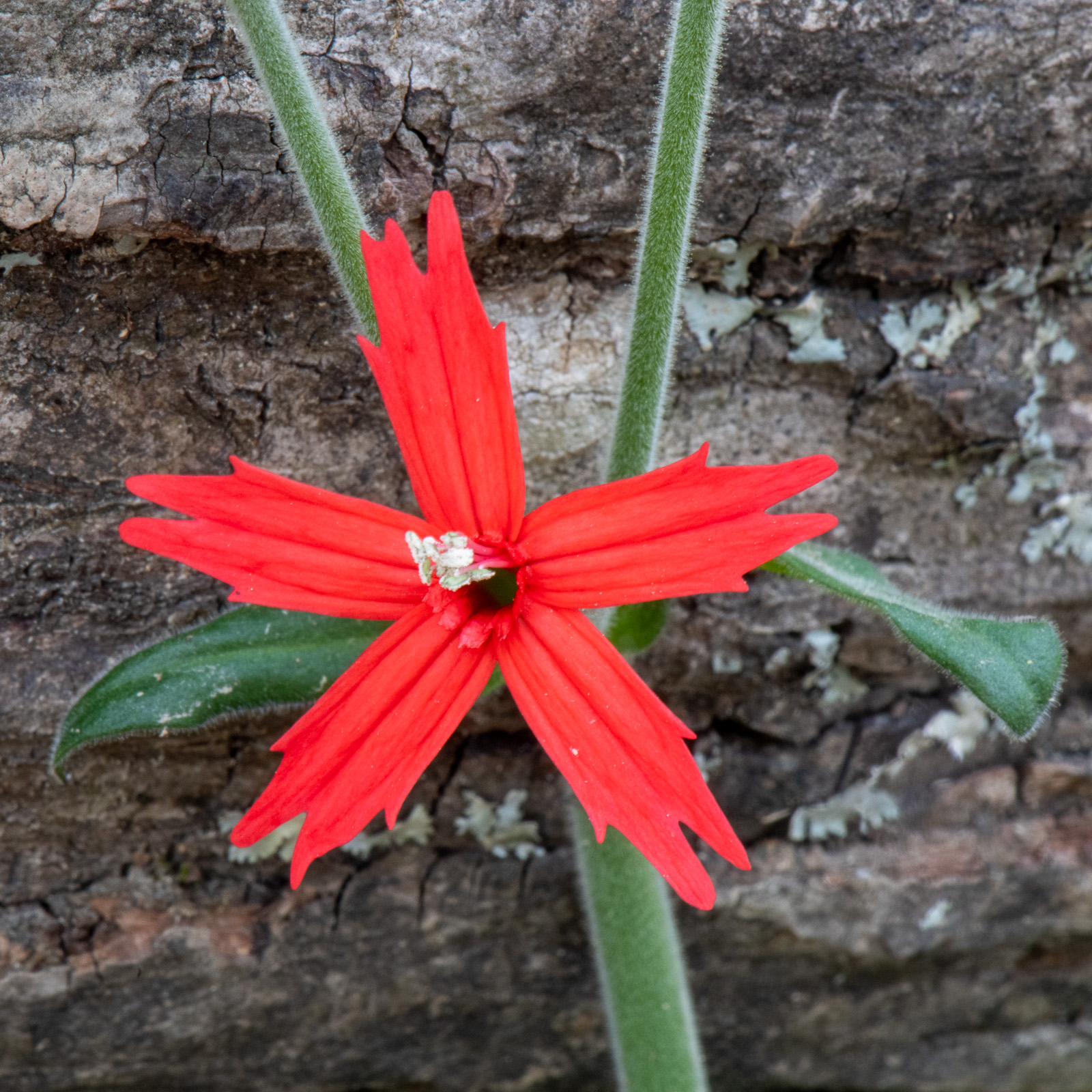
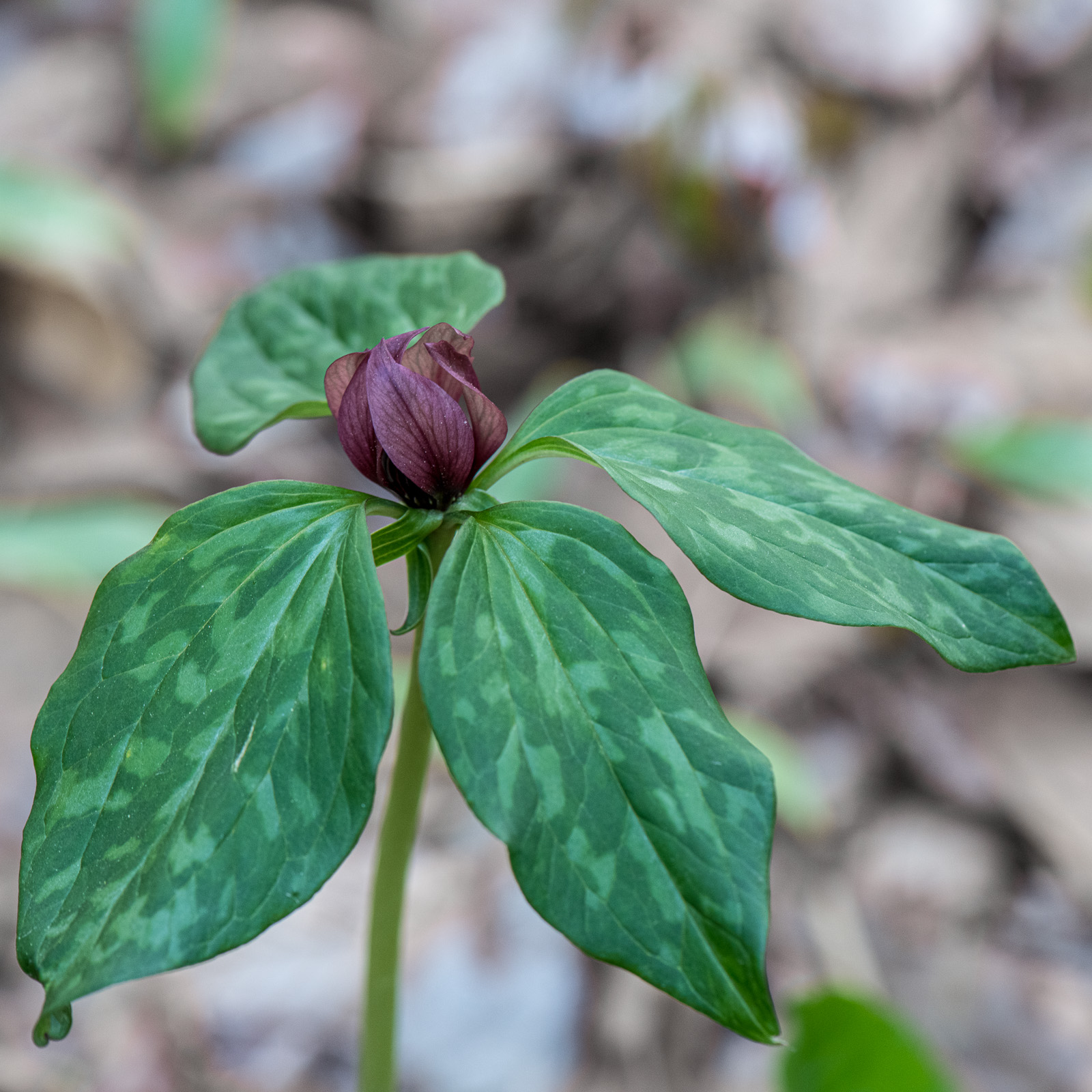
Fire Pink (Silene virginica) and Prairie Trillium (Trillium recurvatum) in its rare quadrillium mutation

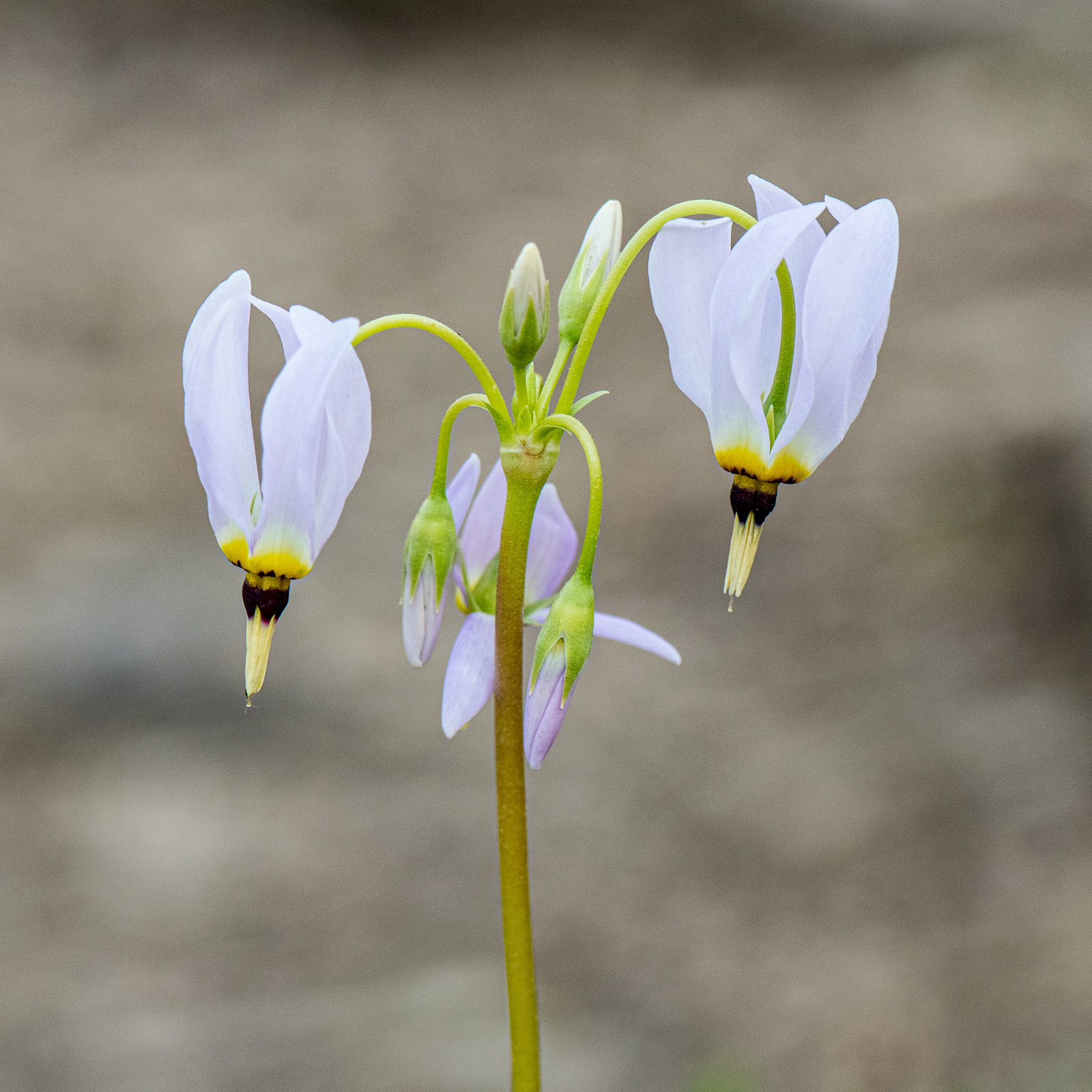
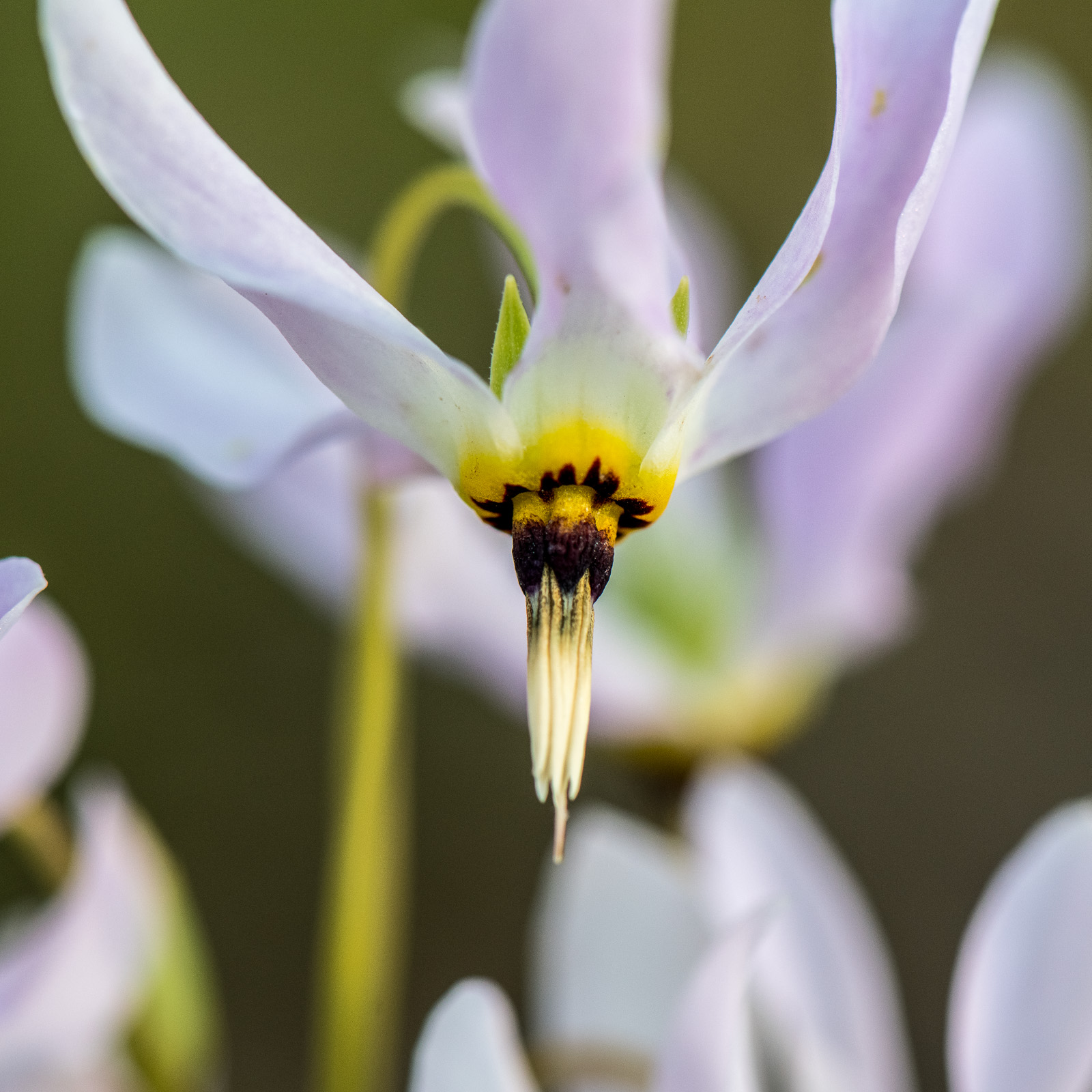
Shooting Star (Dodecatheon meadia)

Messmore Cliffs (Hemlock Cliffs VI)

DSC 4814

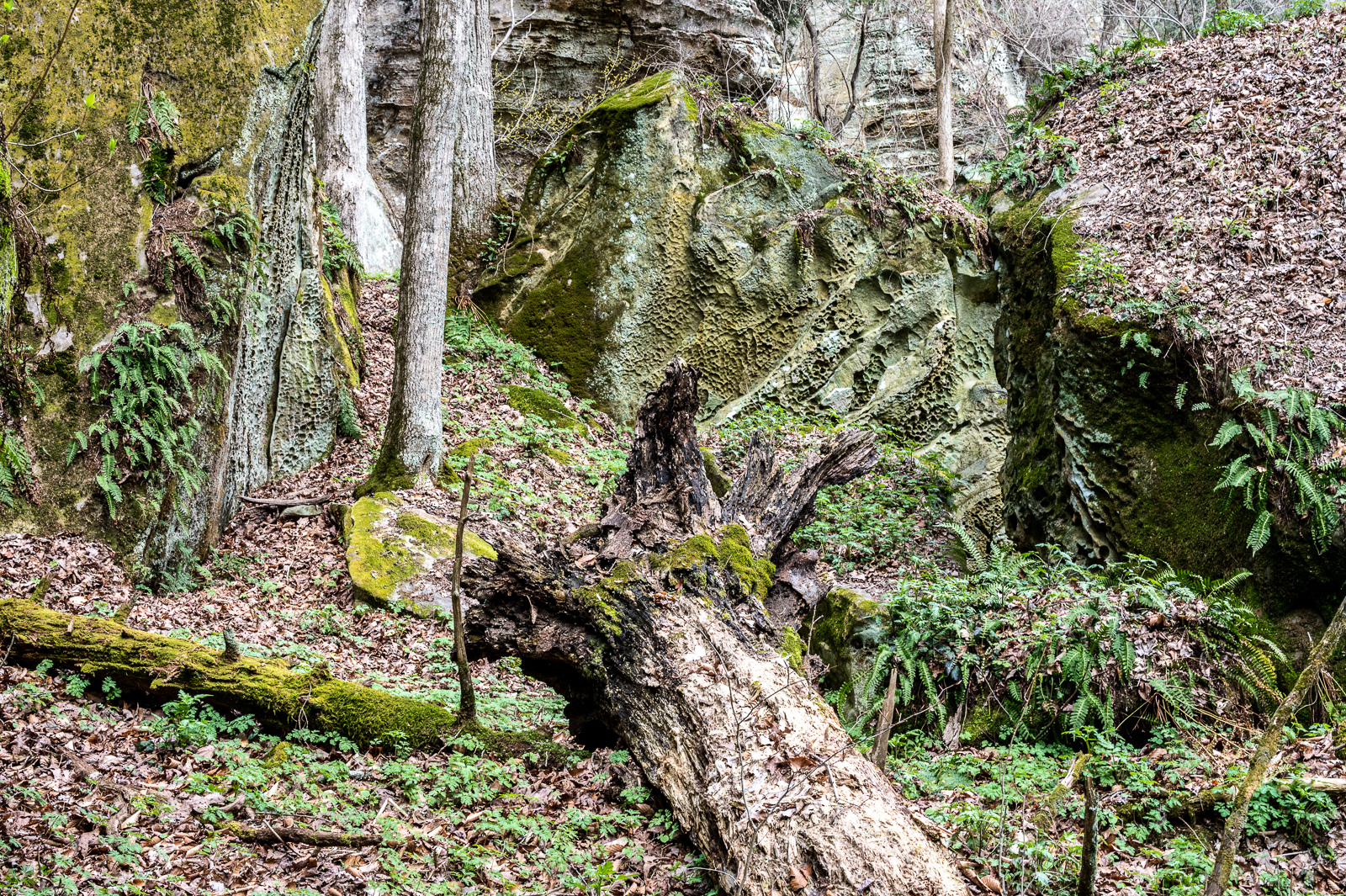
A bit north of the Arrowhead Arch are tall and very steep cliffs, the Messmore cliffs. Above is a look from the top.

DSC 4745

And this is how they look from below.

DSC 4714

To get there (unless you have a rope and know how to rappel), follow the derelict forest road on the cliff top east until you hit the no trespassing chain, then descend left and follow the cliffs.

DSC 4729

There is lots to explore, in complete solitude.

DSC 4754

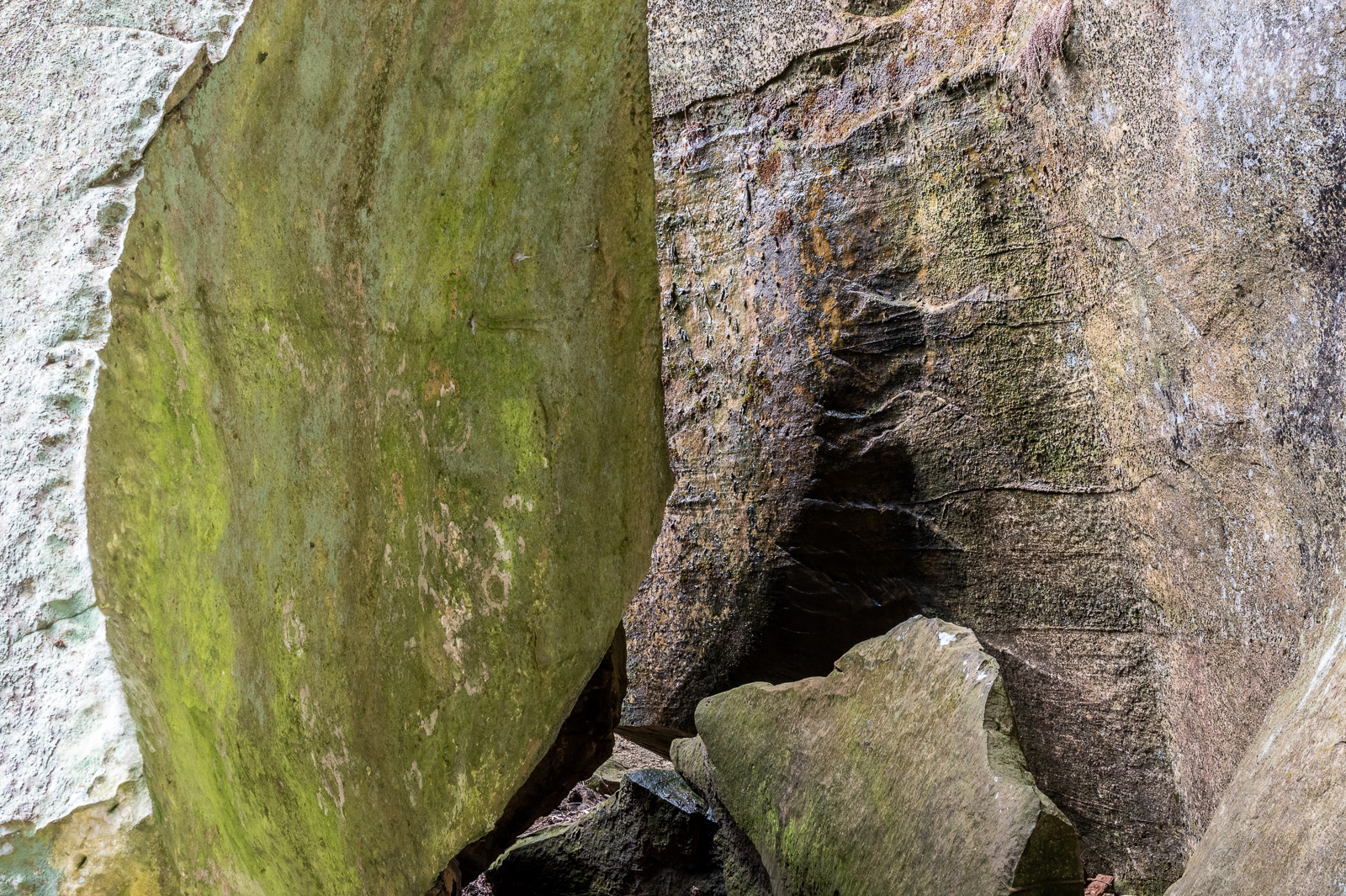
Much of it is otherworldly

DSC 4768

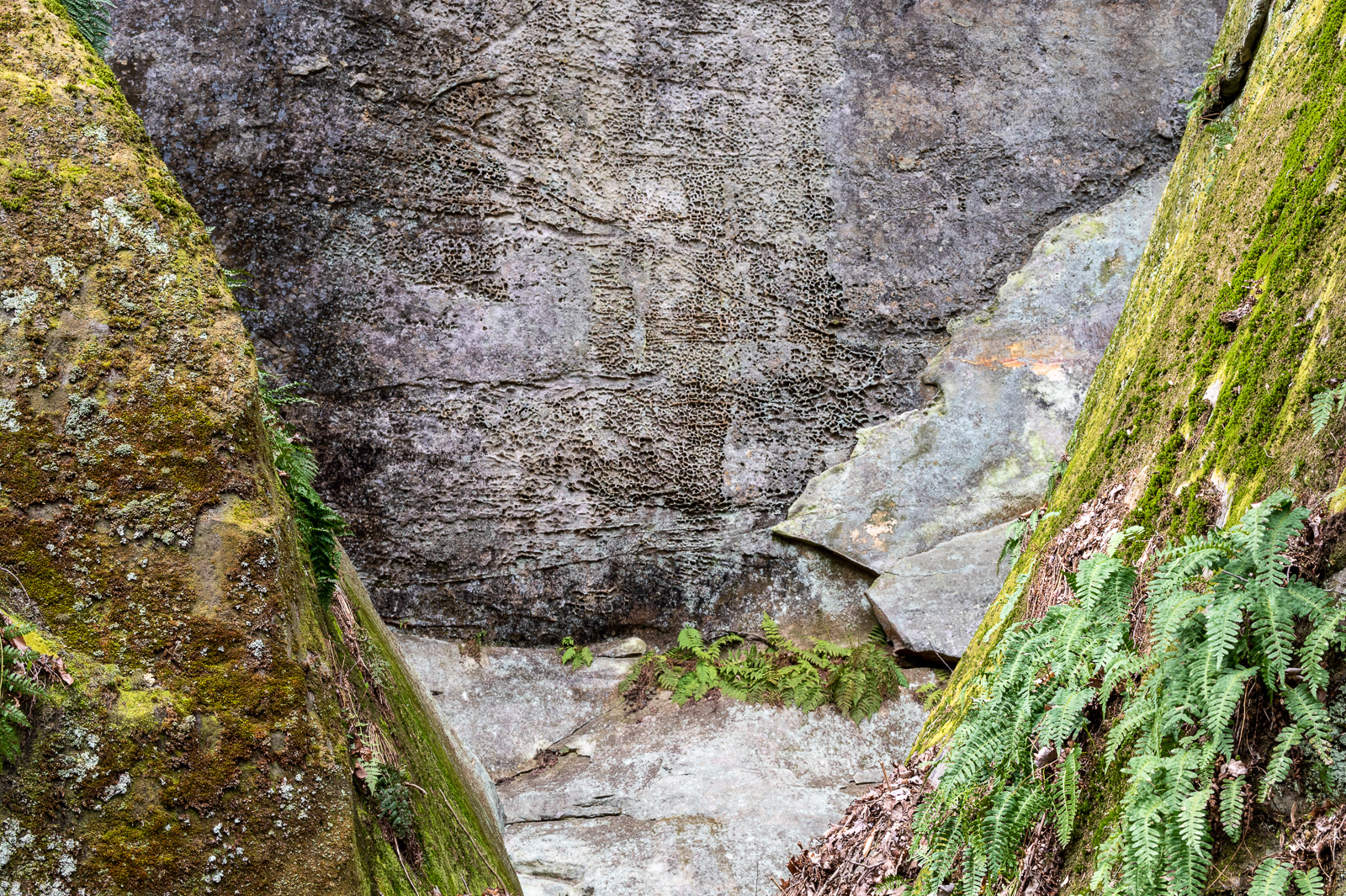
or retracts into abstraction.

DSC 4775

This has been quite some experience.

DSC 4771