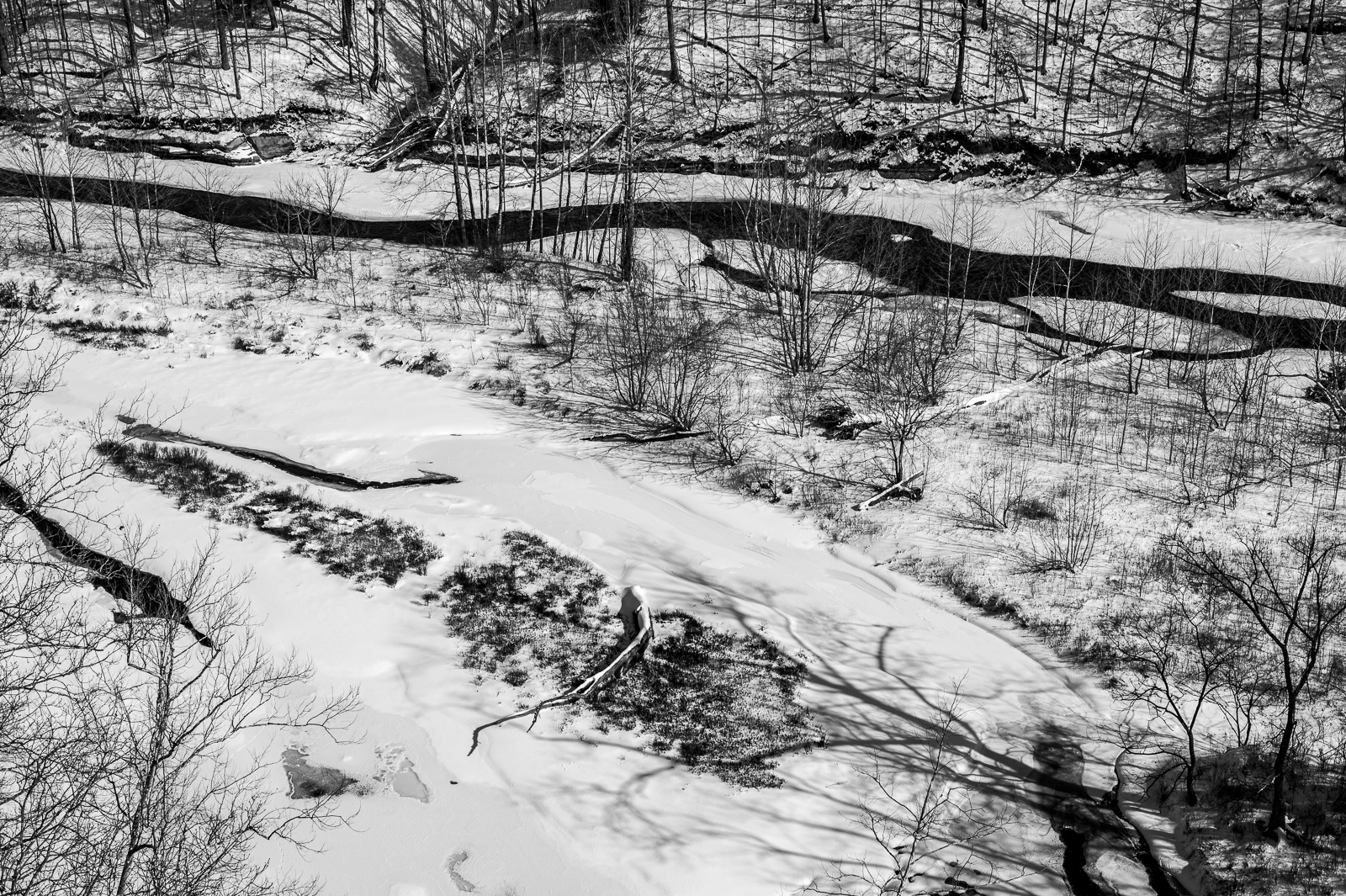
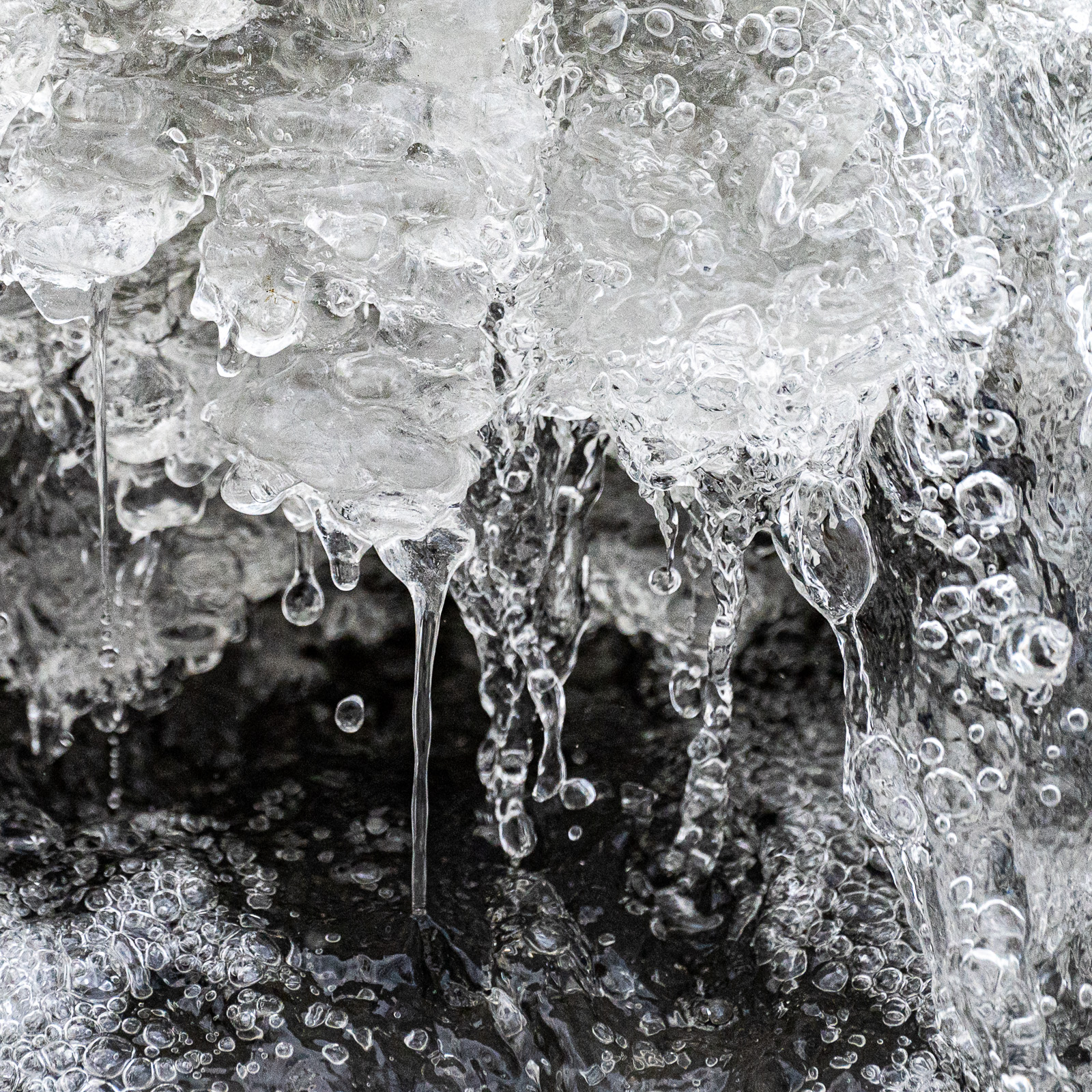
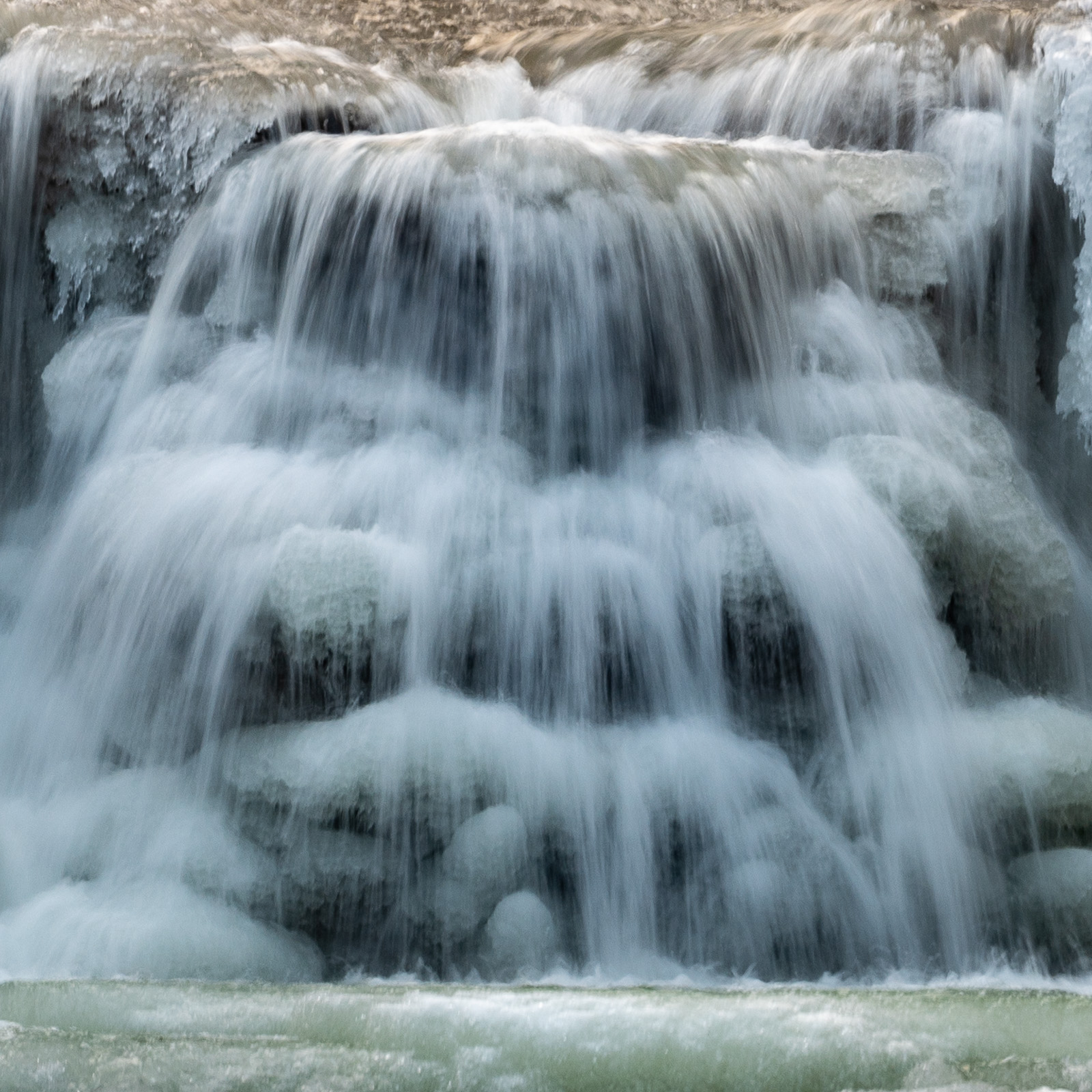
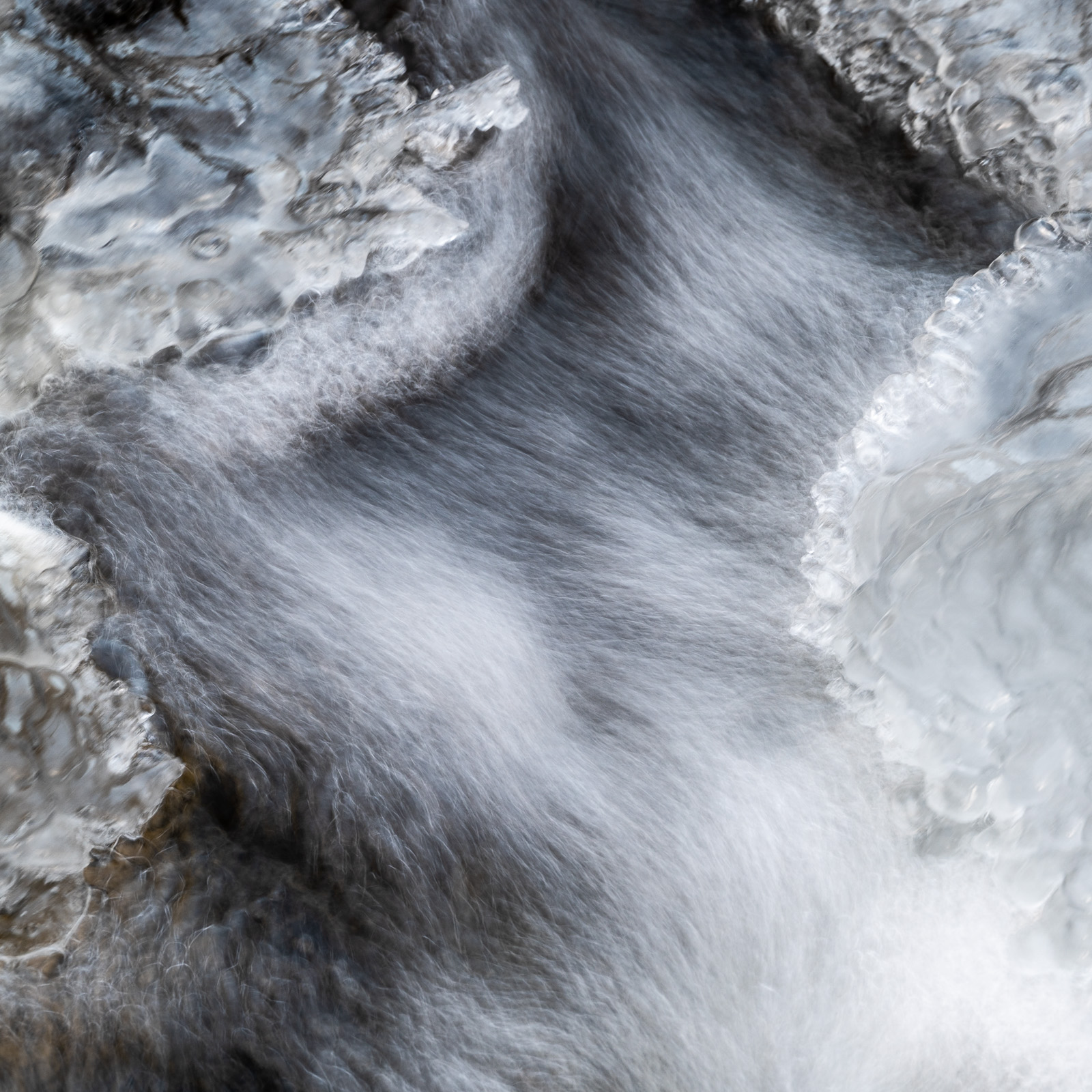
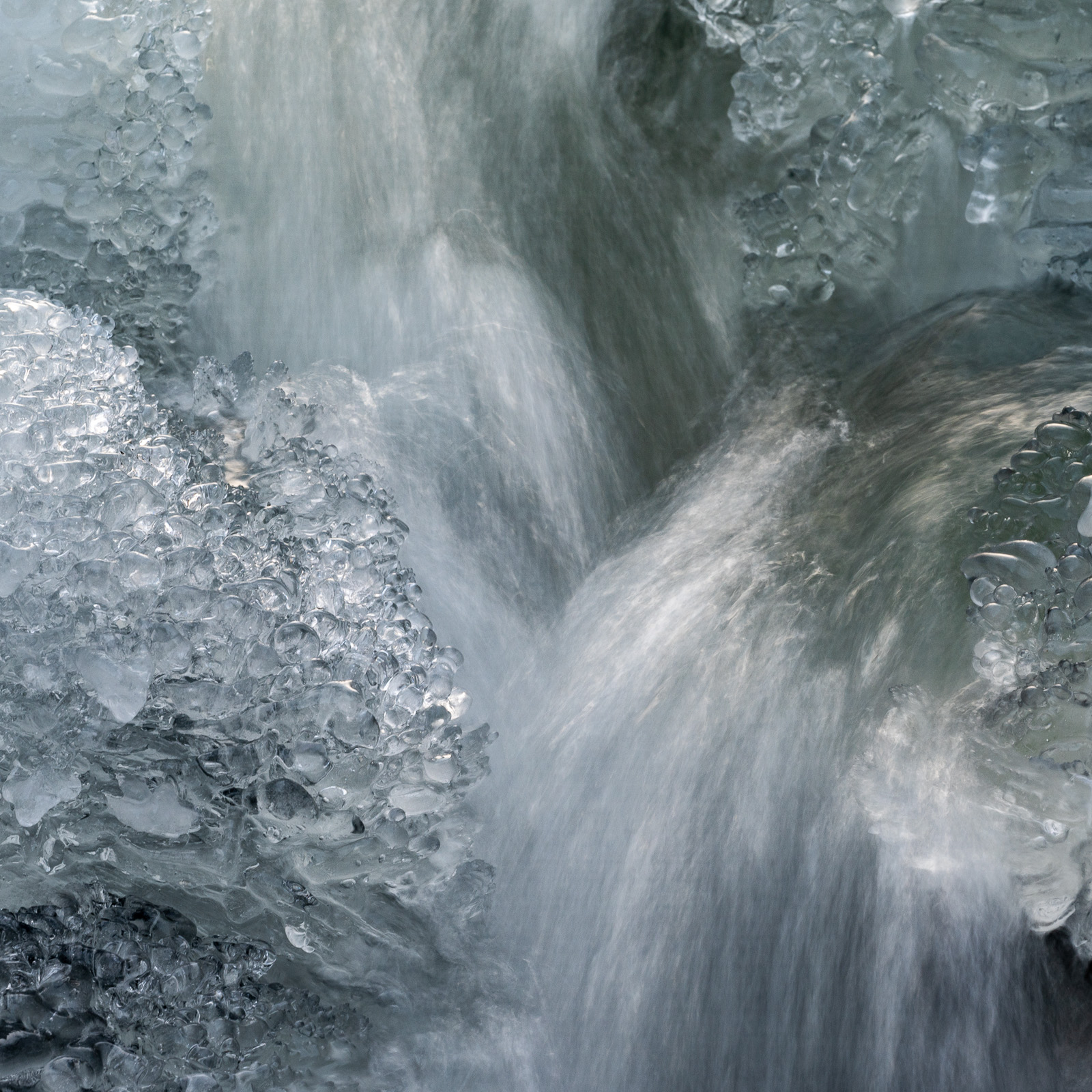
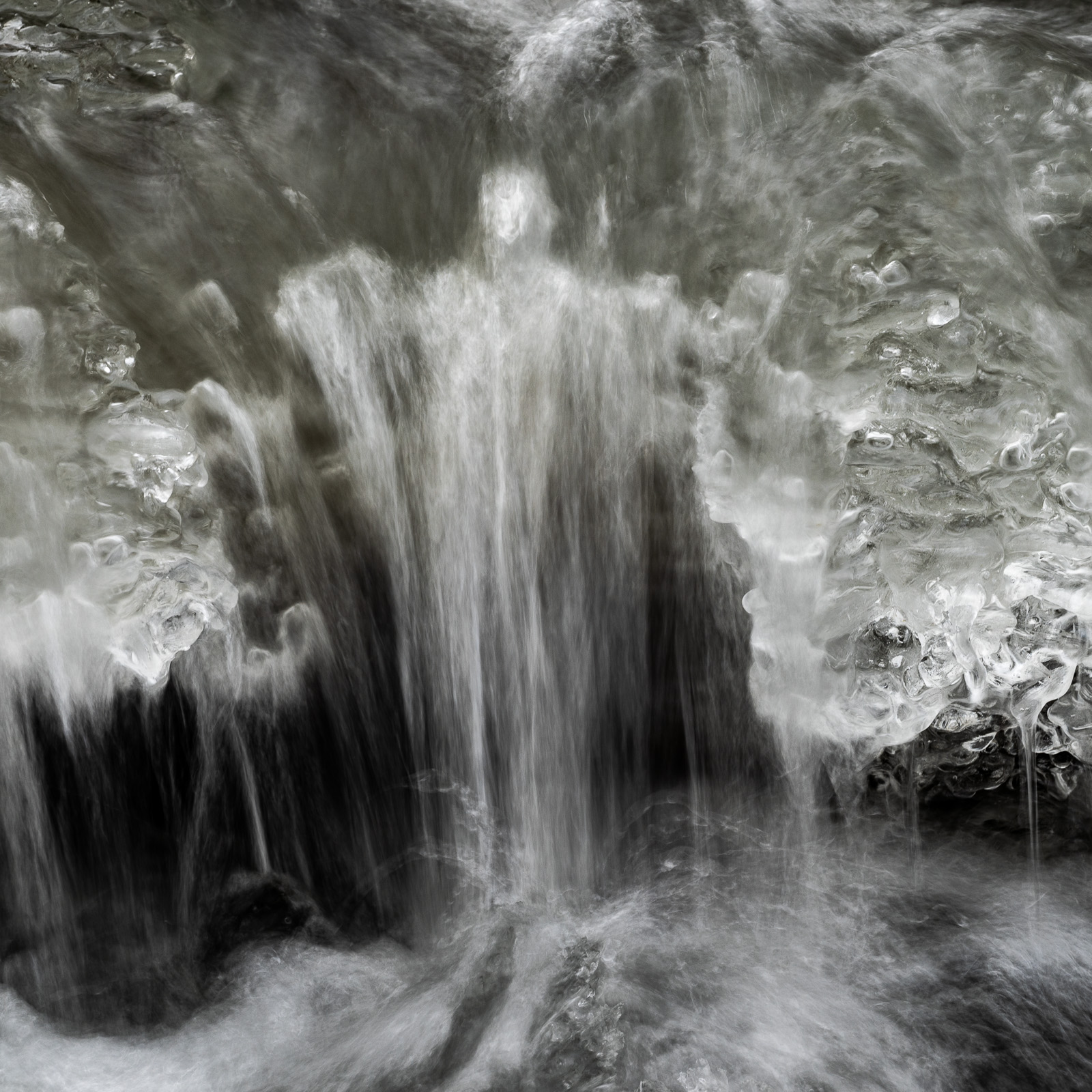
The Bridge (Yellow Birch Ravine II)

DSC 2823

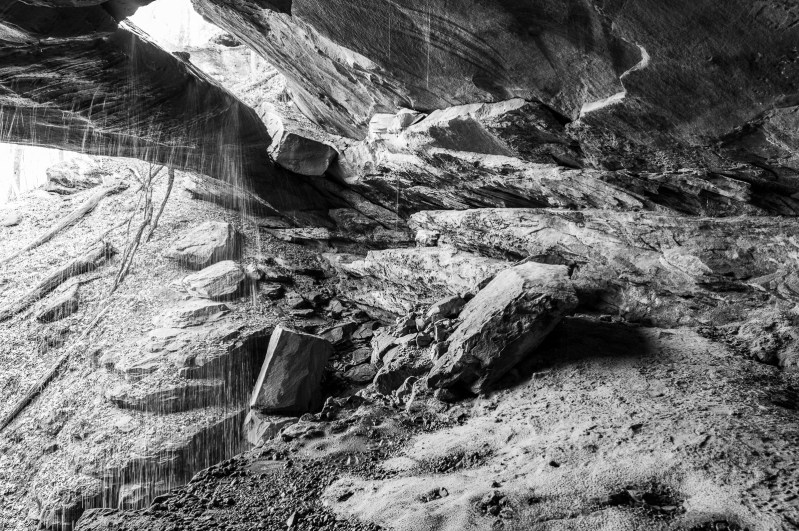
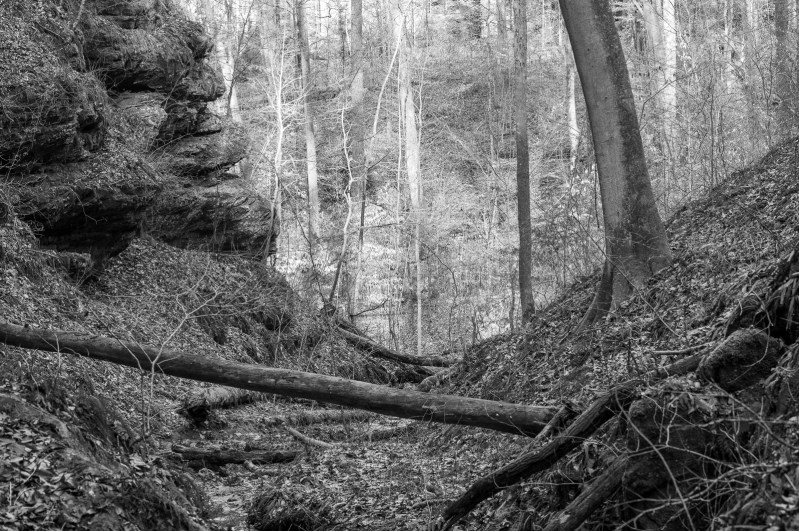
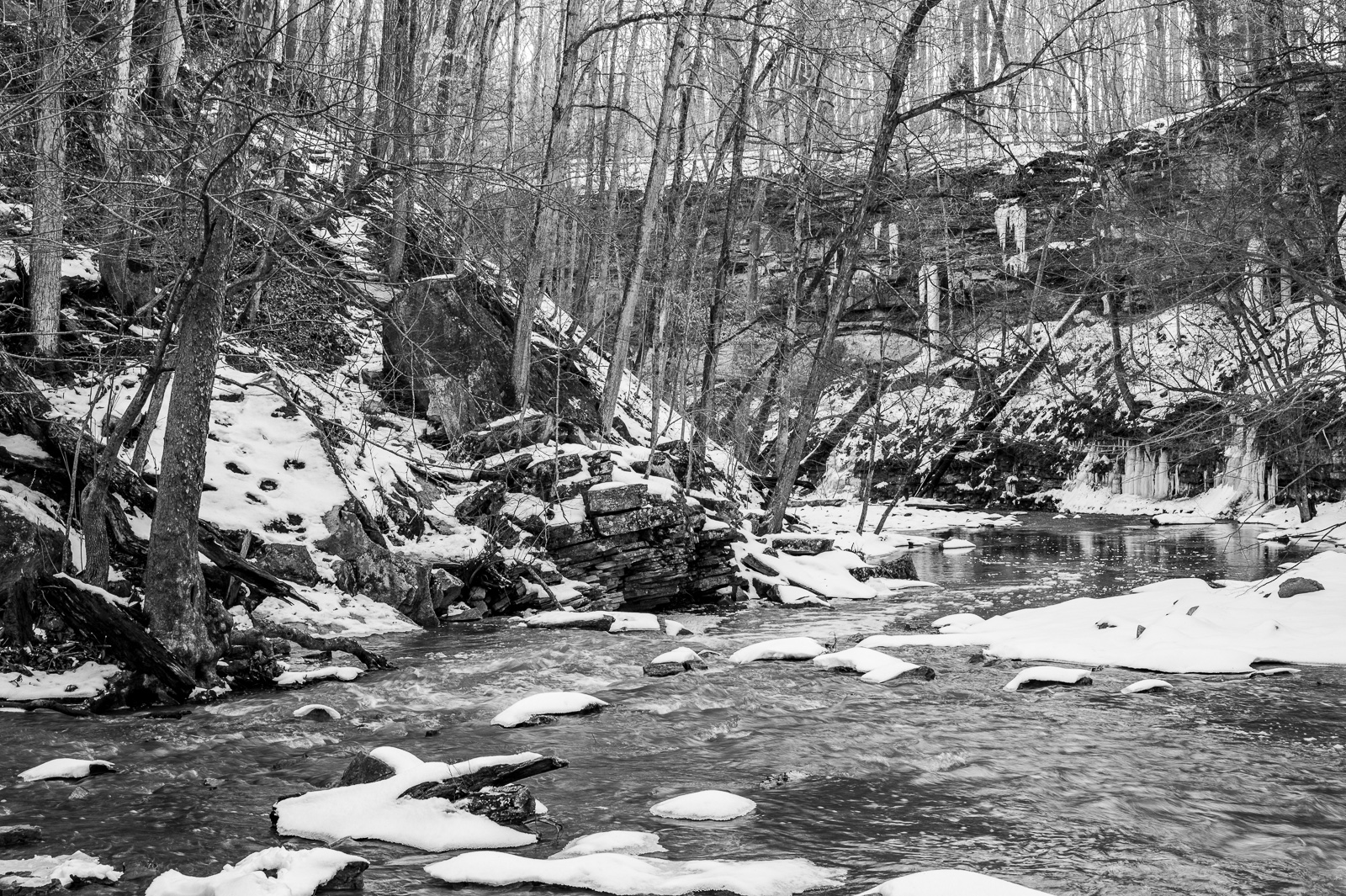
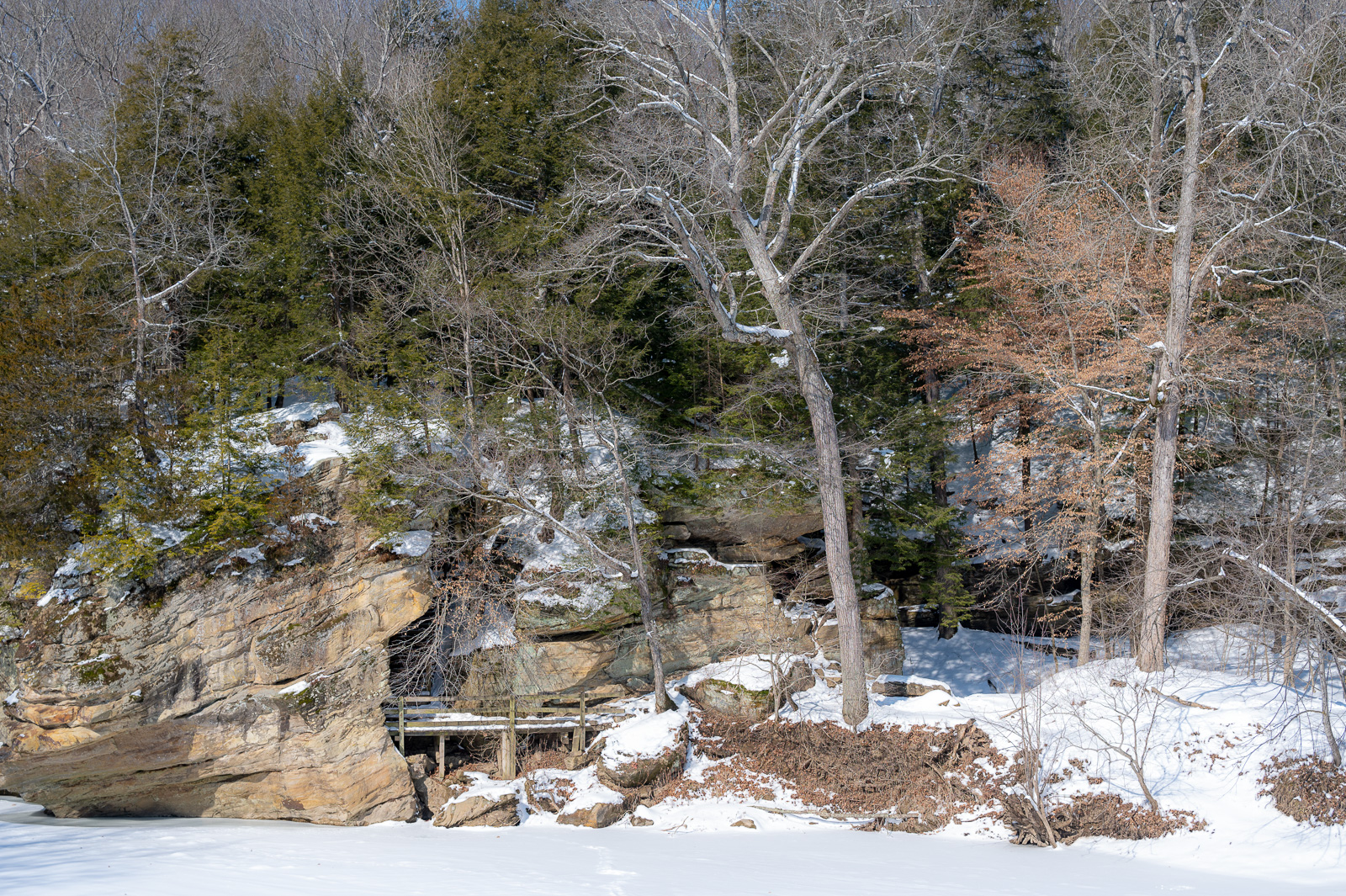
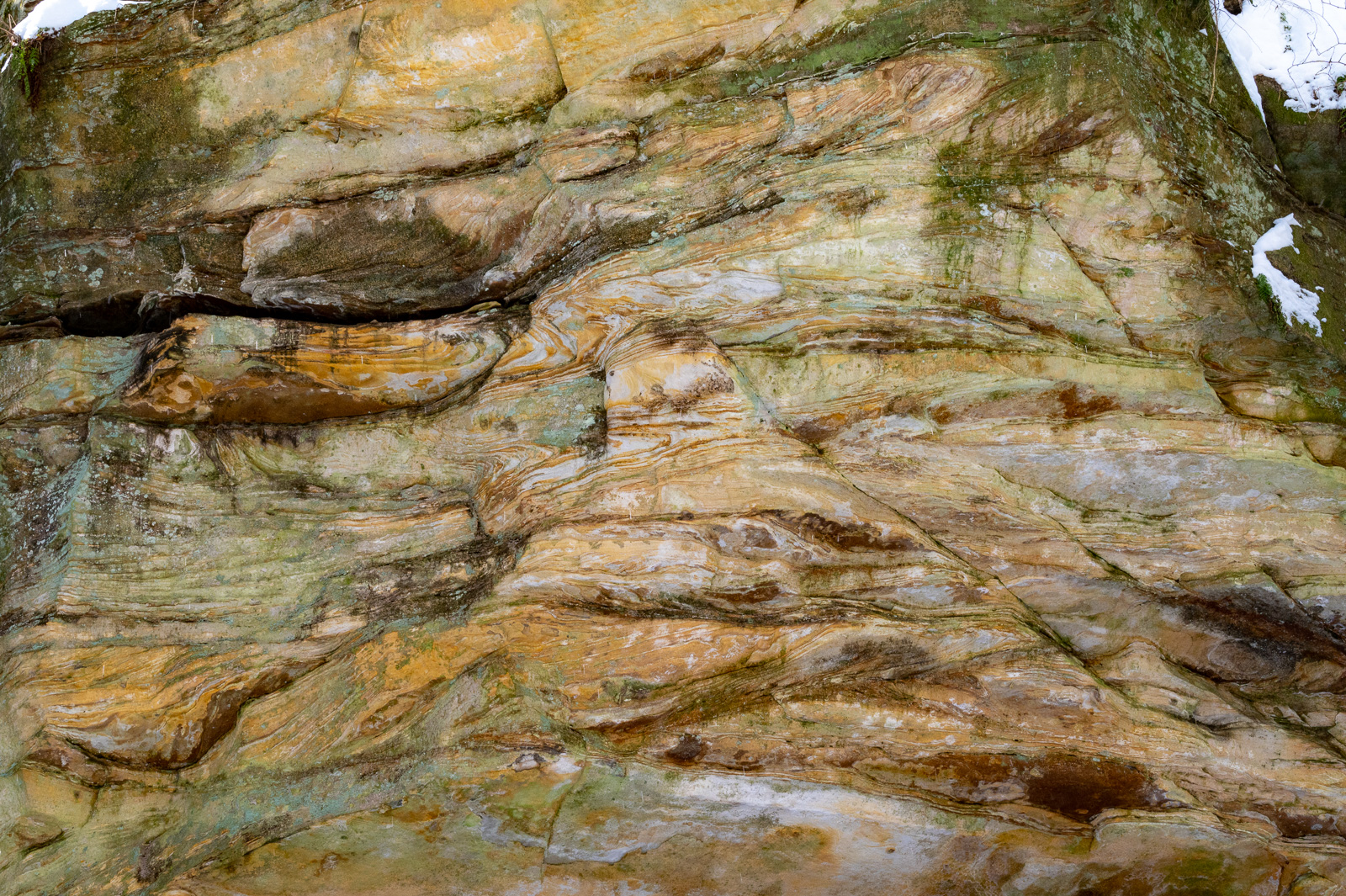
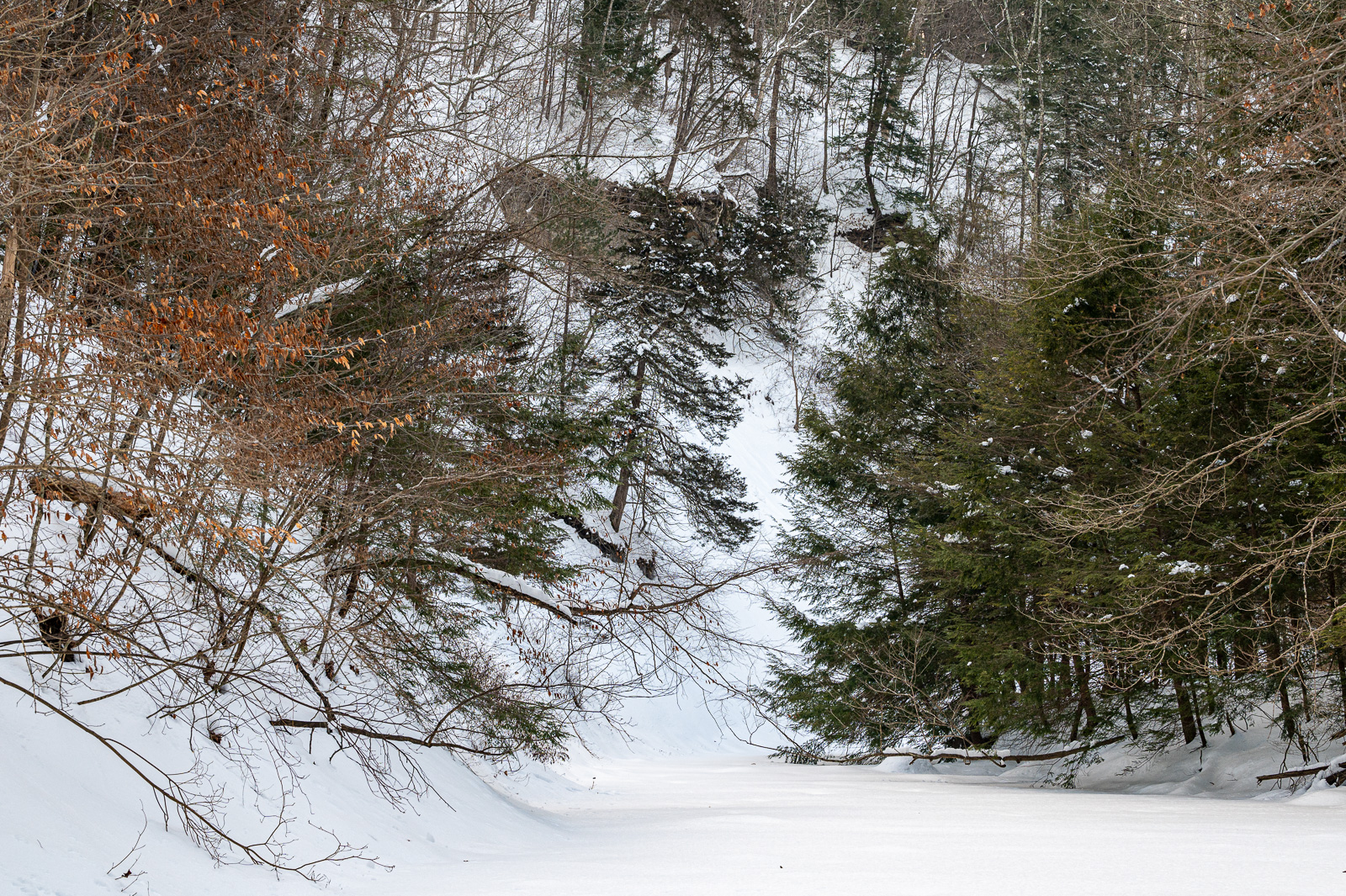
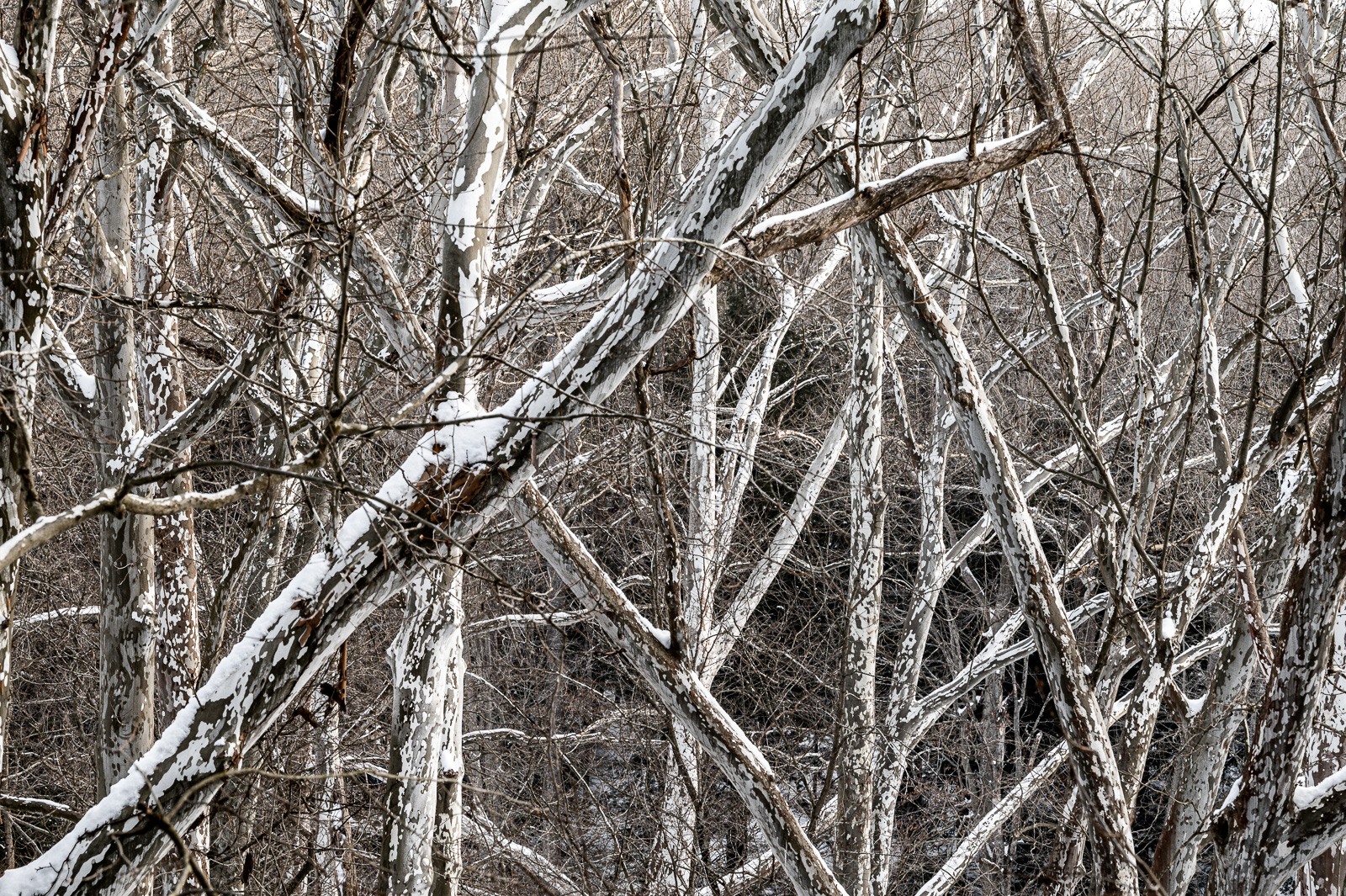
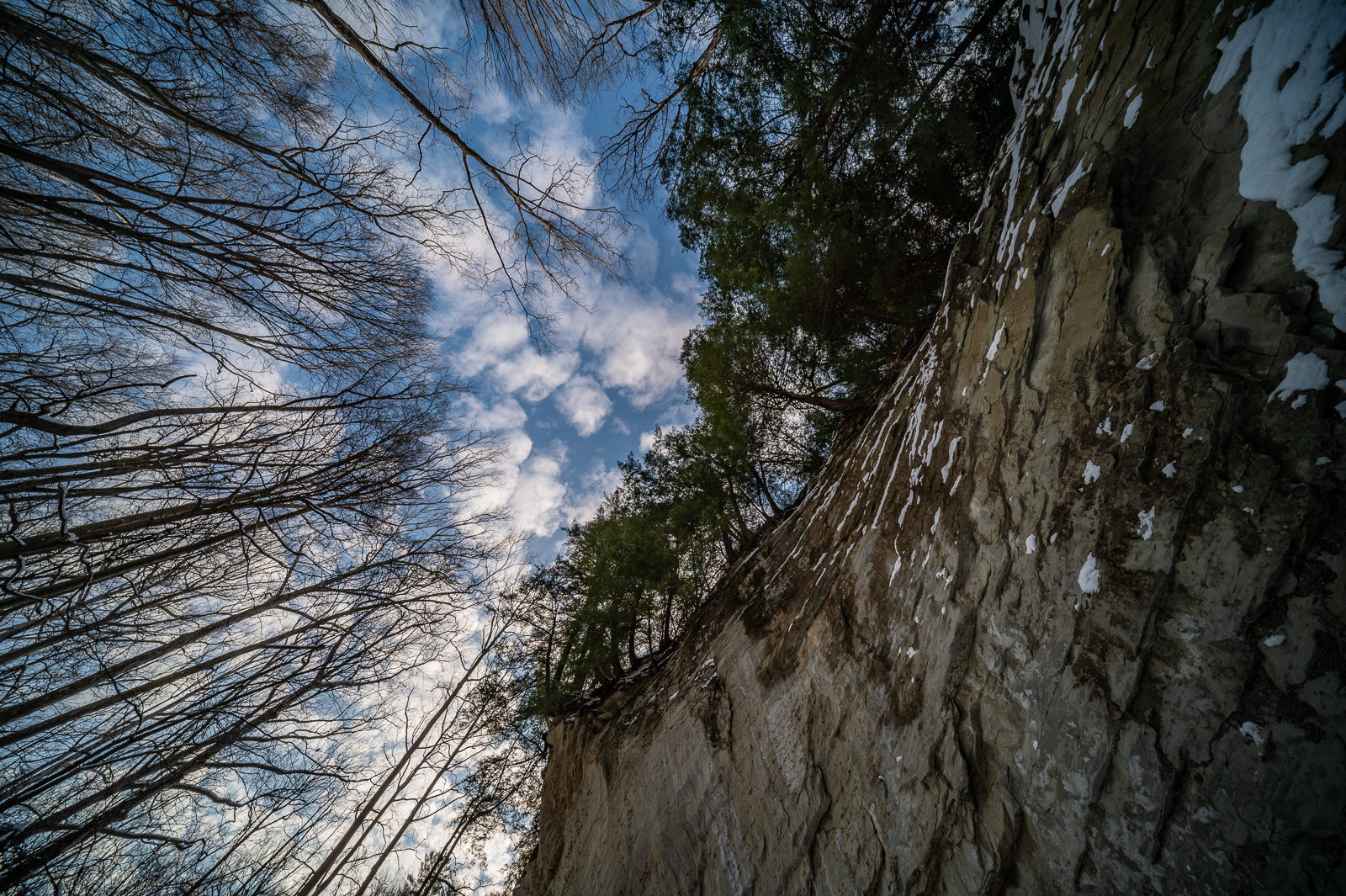
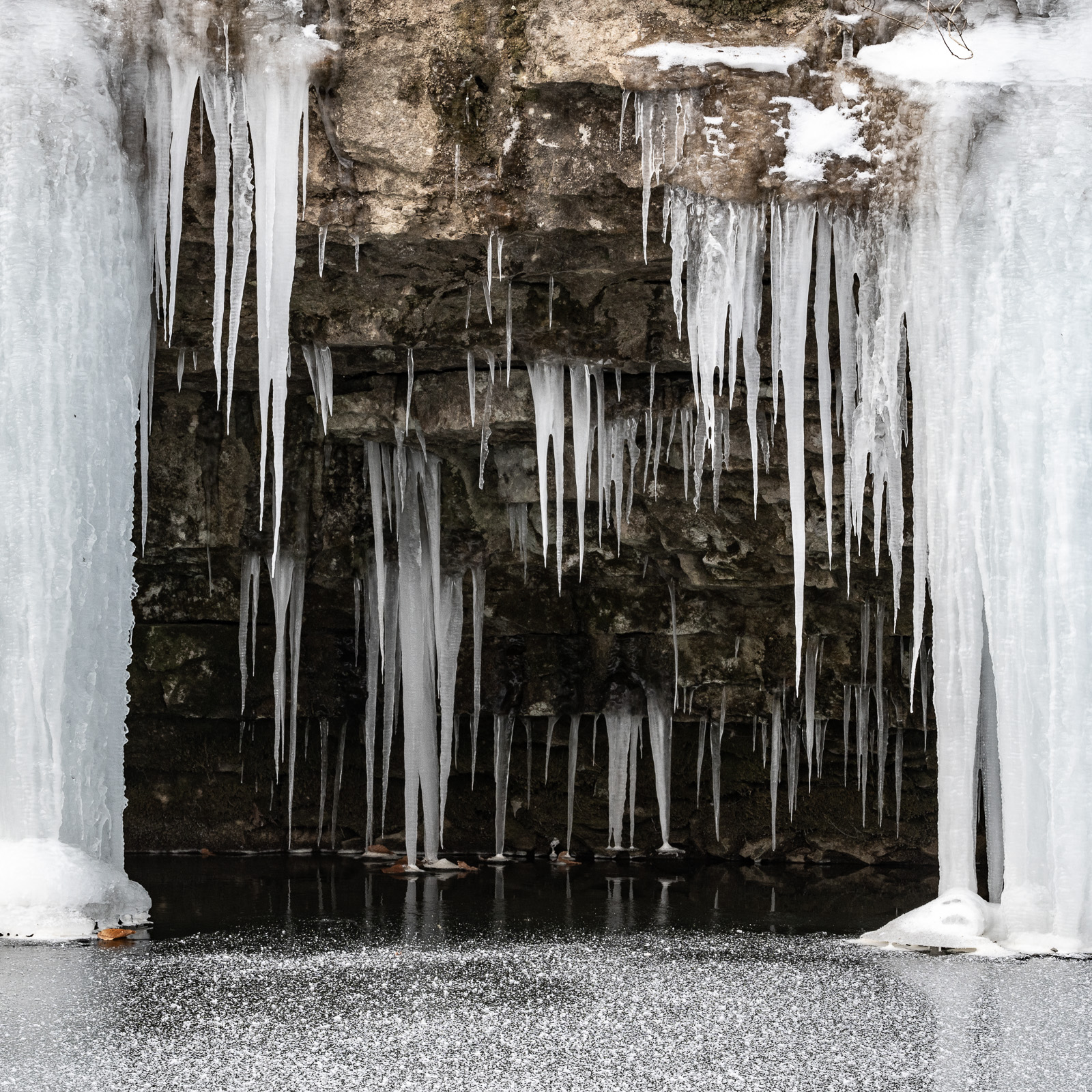
So we continue on and reach the end of the first box canyon, facing grim looking rocks.

DSC 2840

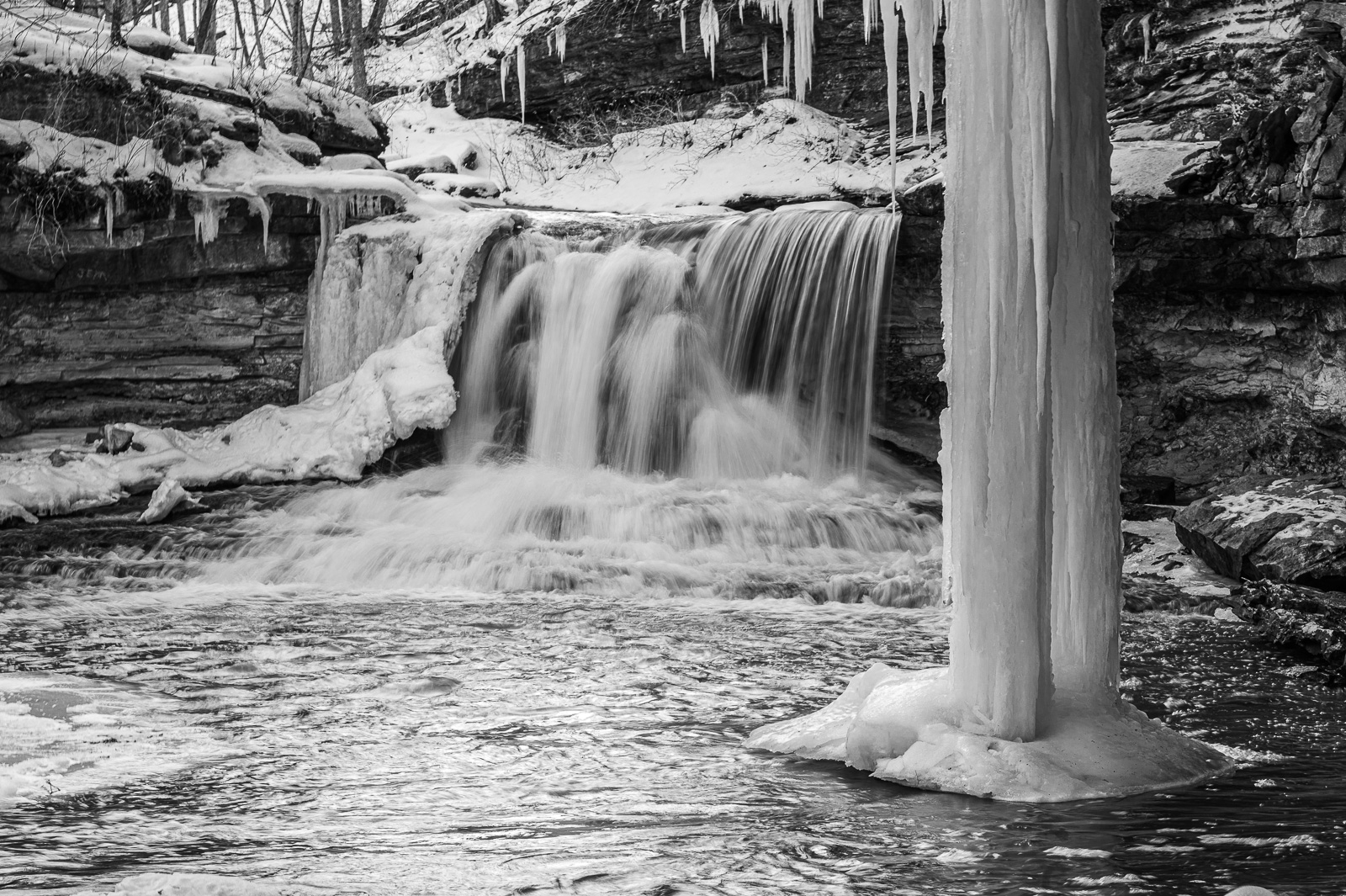
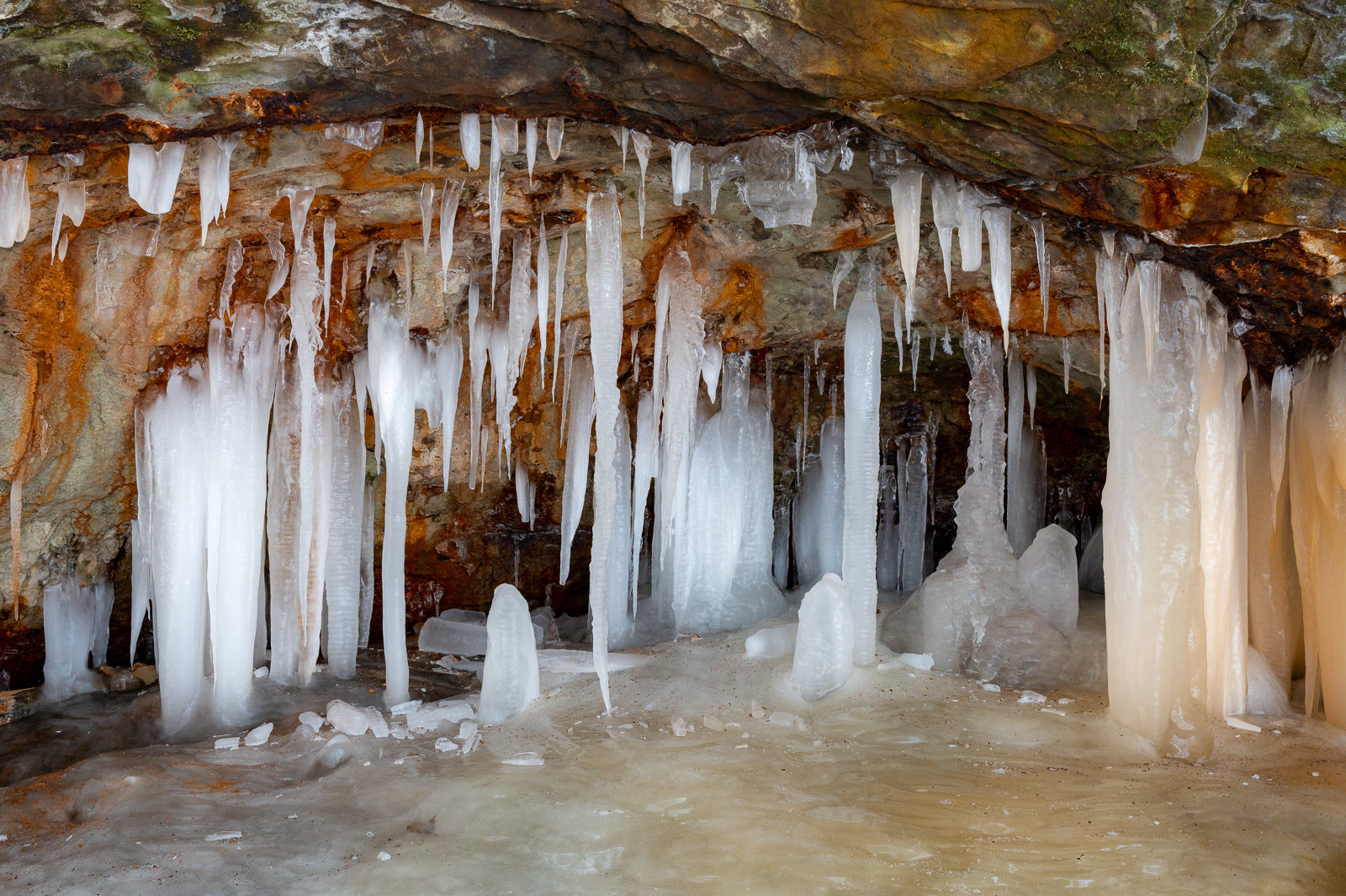
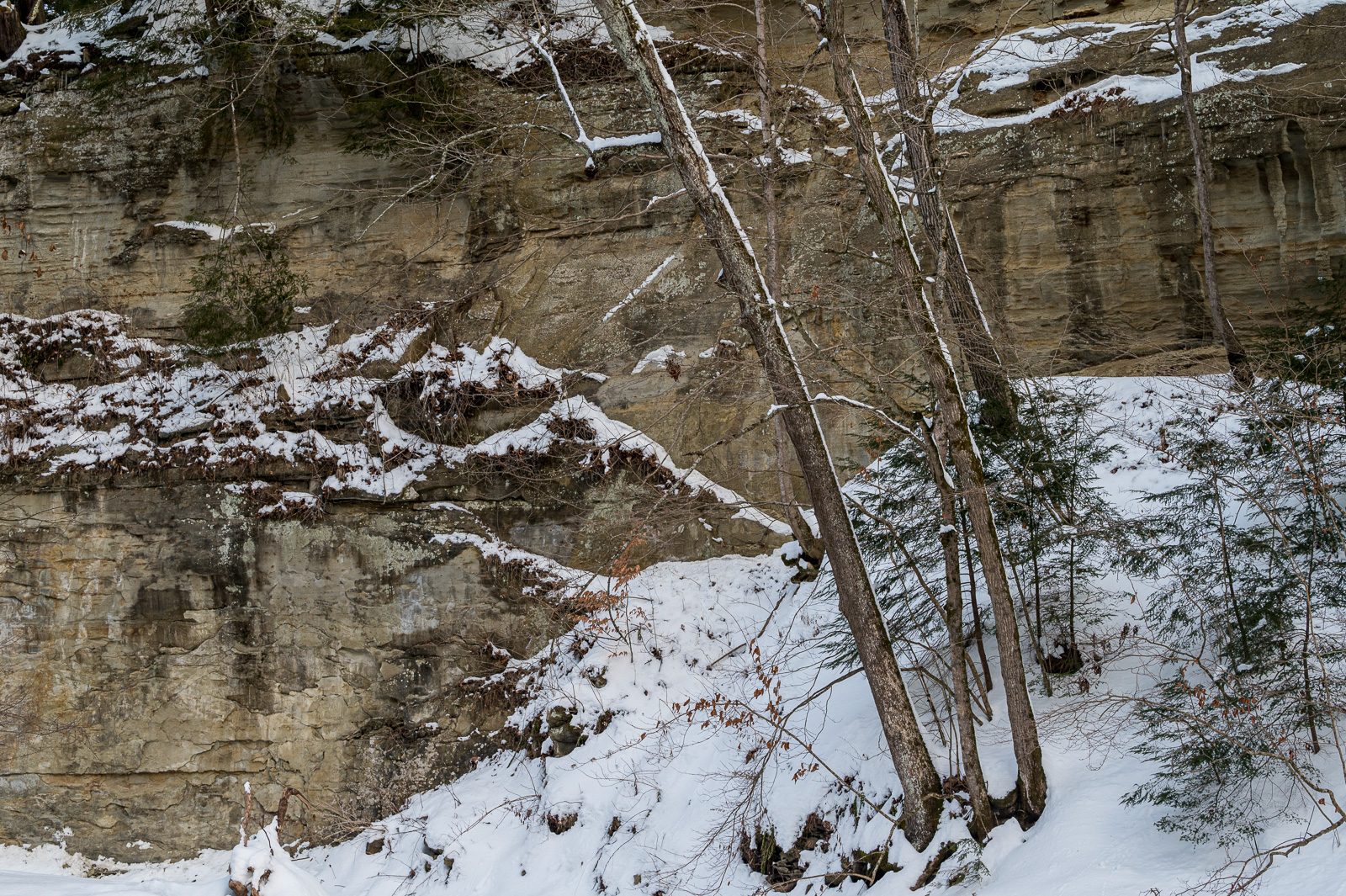
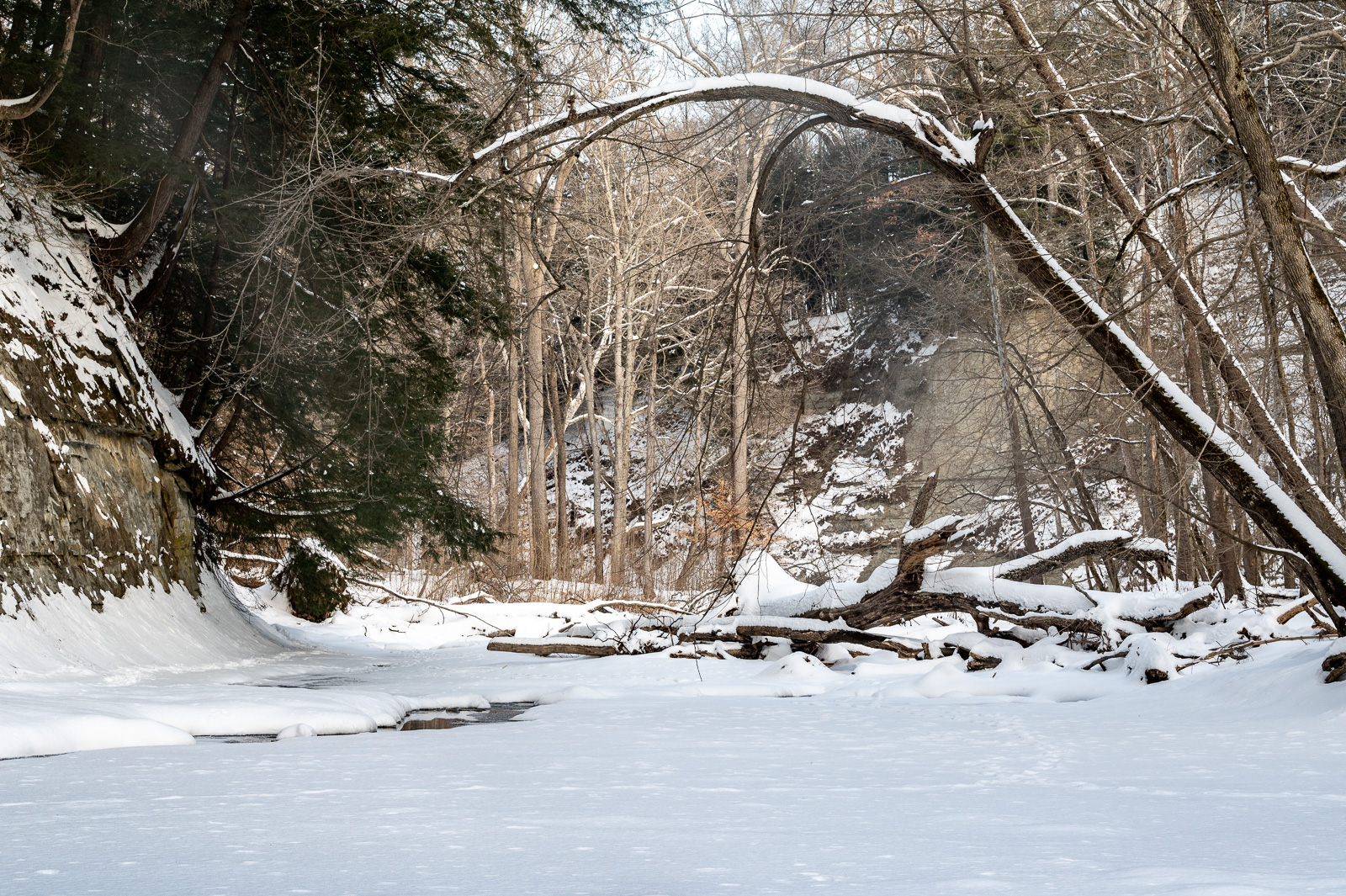
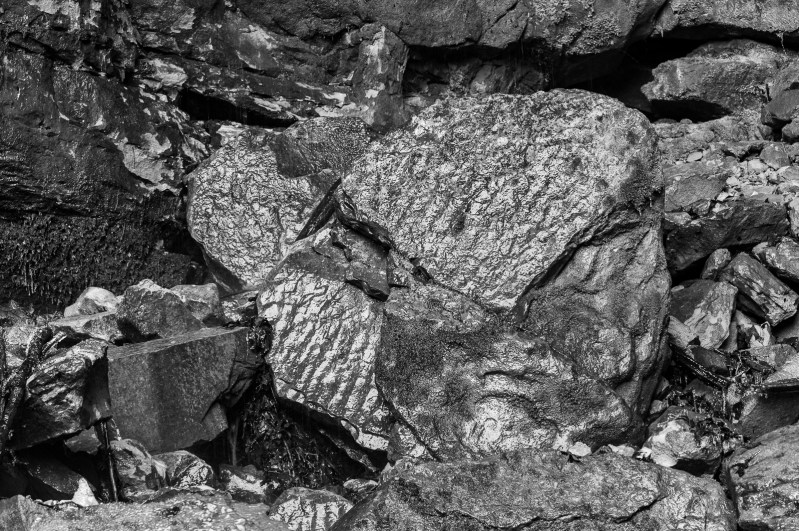
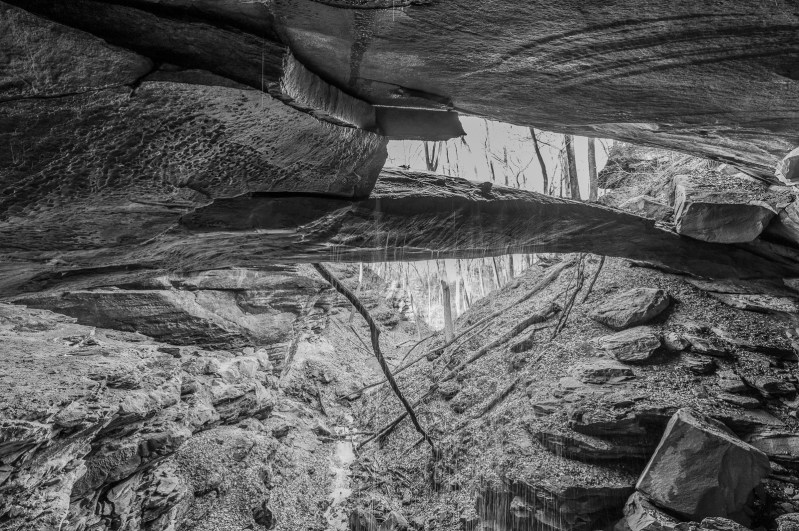
It features the largest natural rock bridge in Indiana, together with a waterfall and a small recess cave.

DSC 2845

It is as if all possibility has been condensed into the smallest space.

DSC 2855

What does it take to reach this point where we can focus on just one moment and still see what’s beyond?

DSC 2923

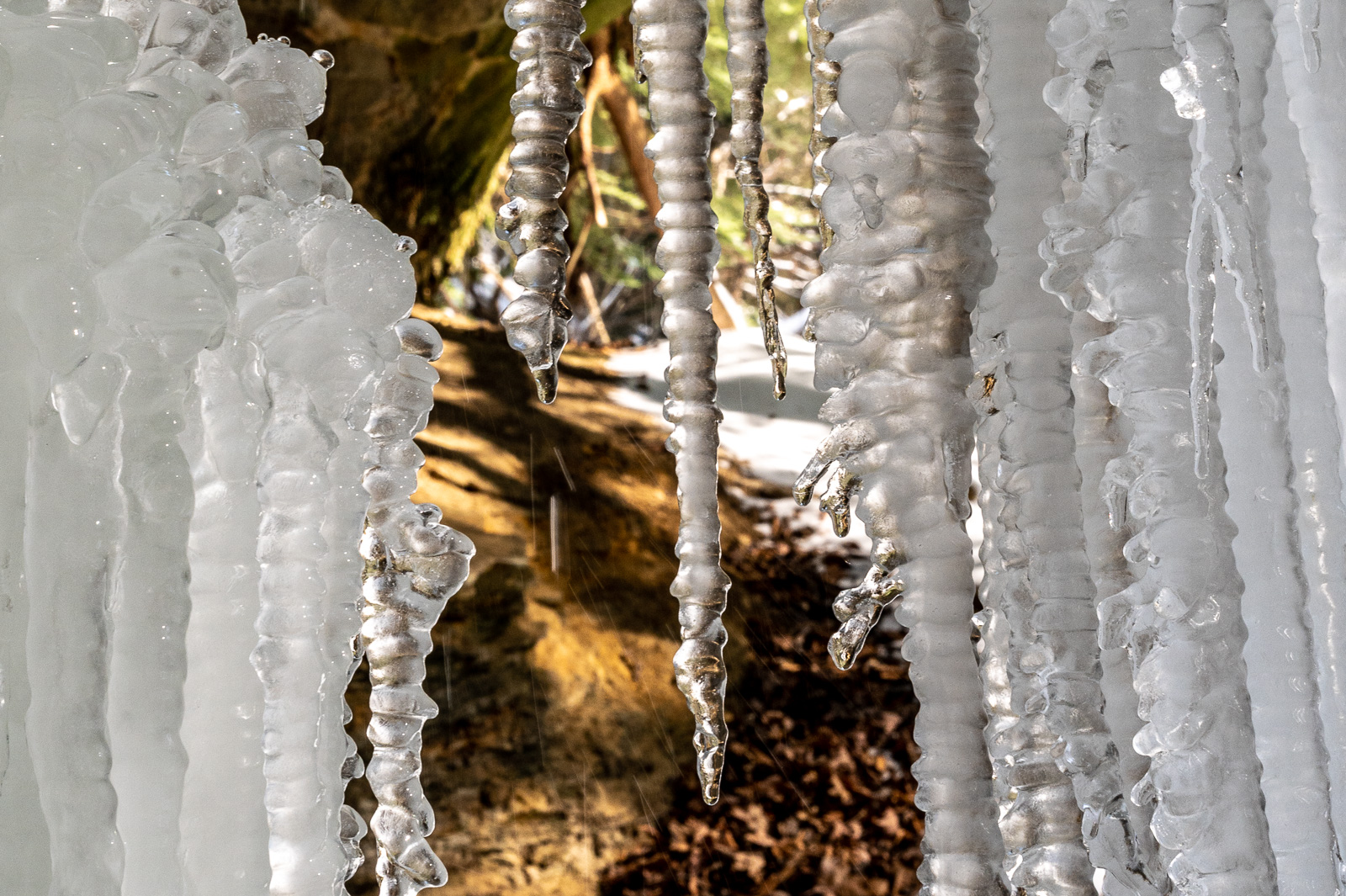
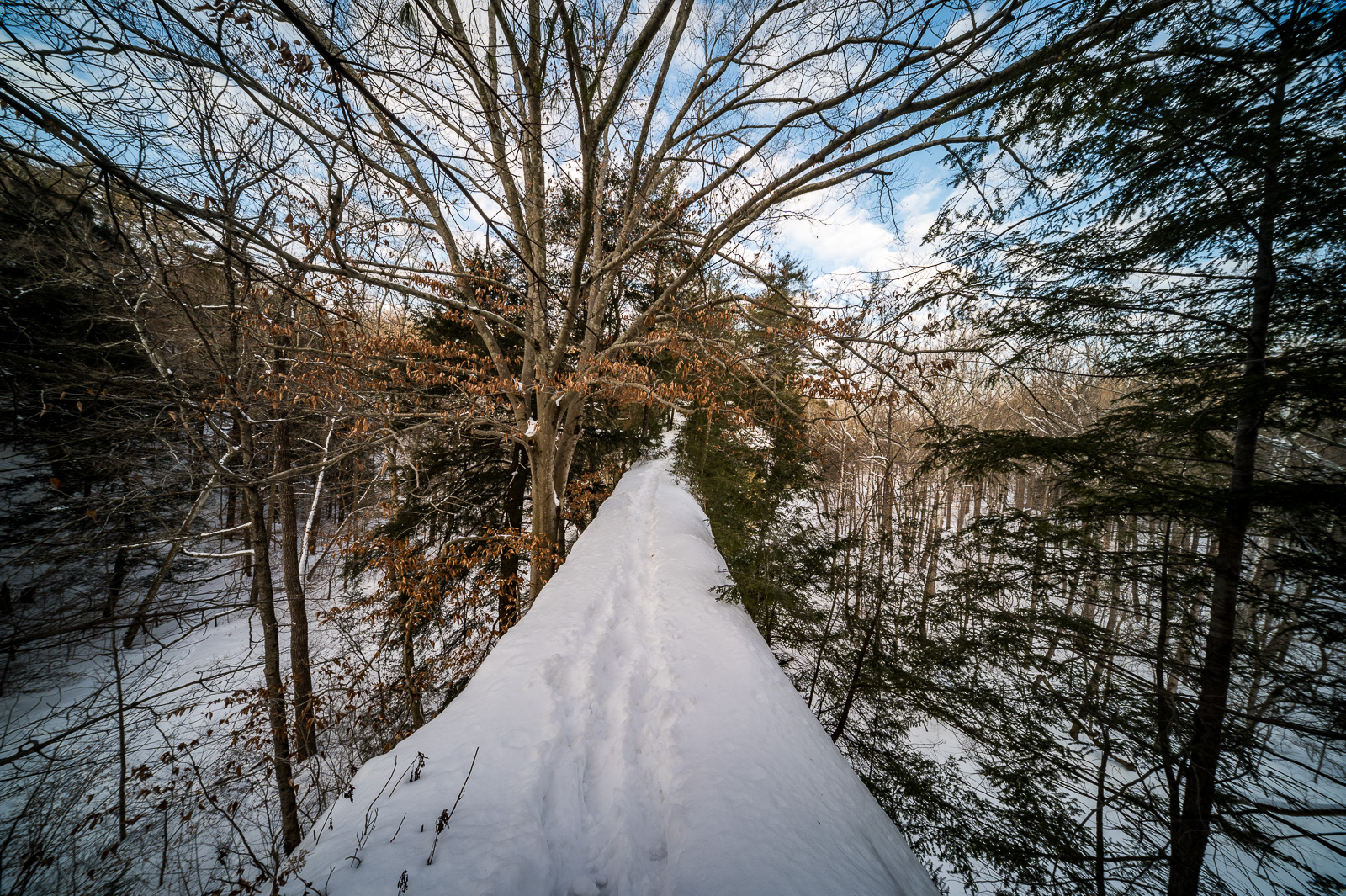
The bridge is, in fact, still walkable. It just takes trust.

DSC 2912

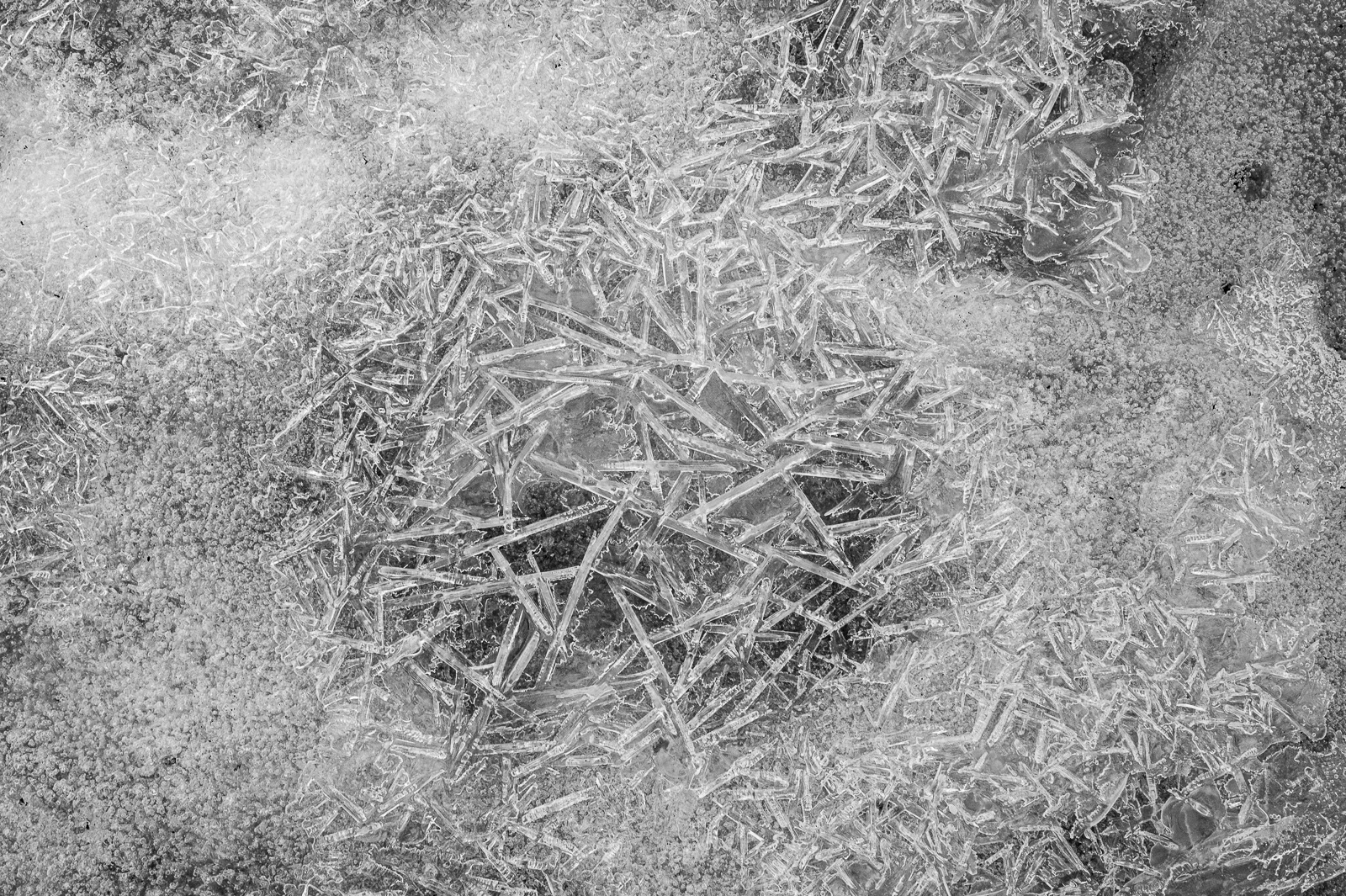
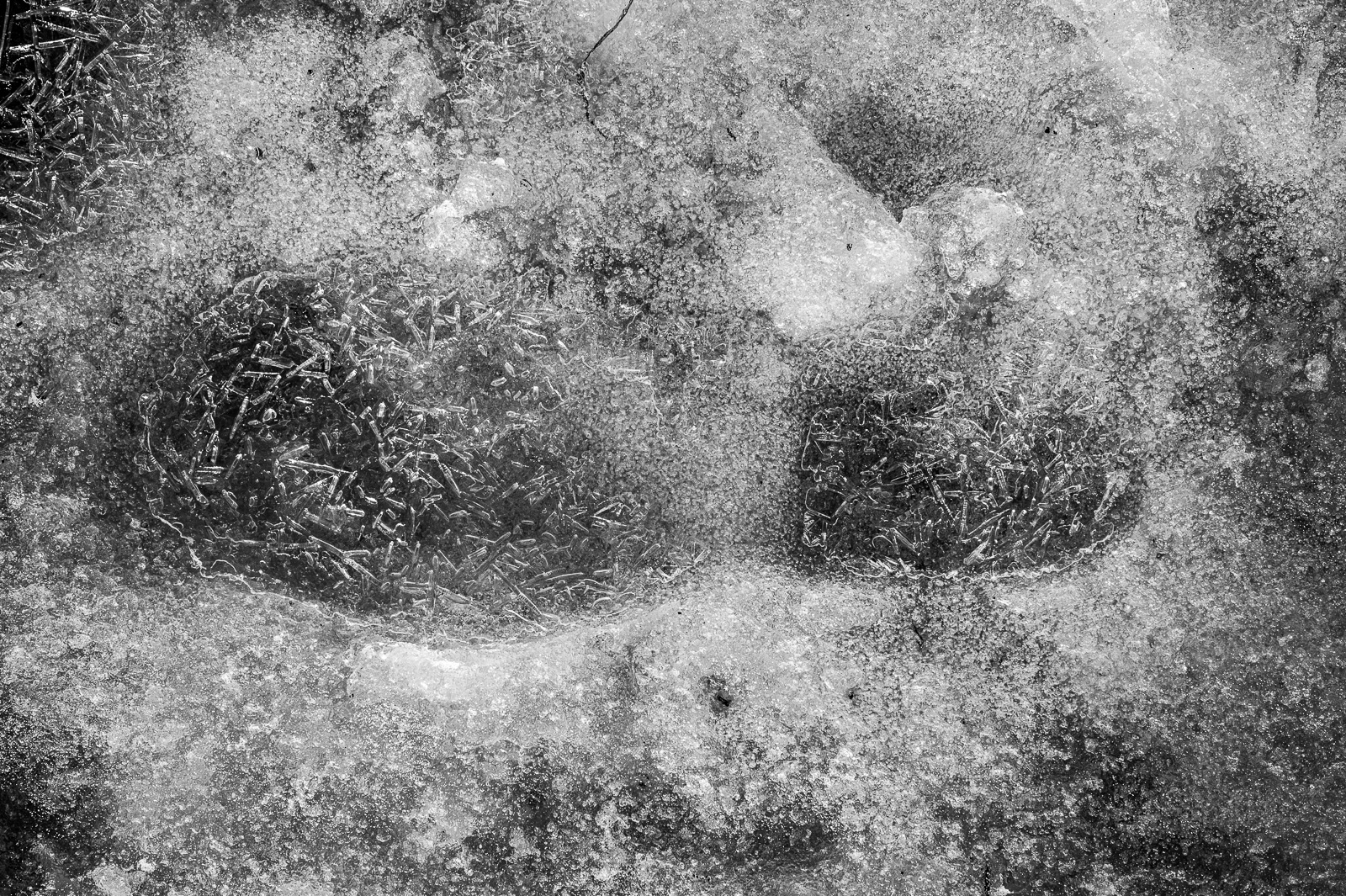
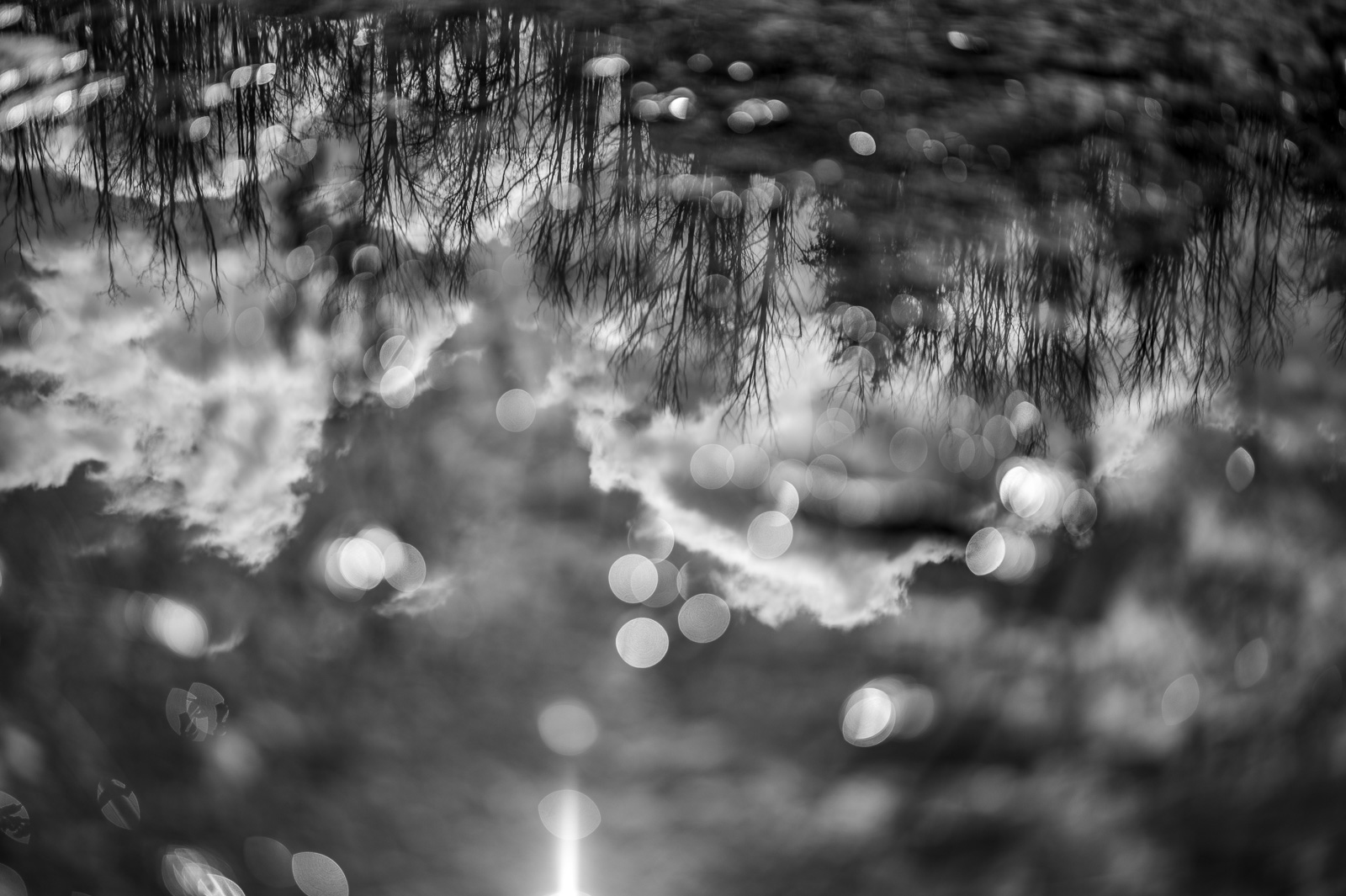
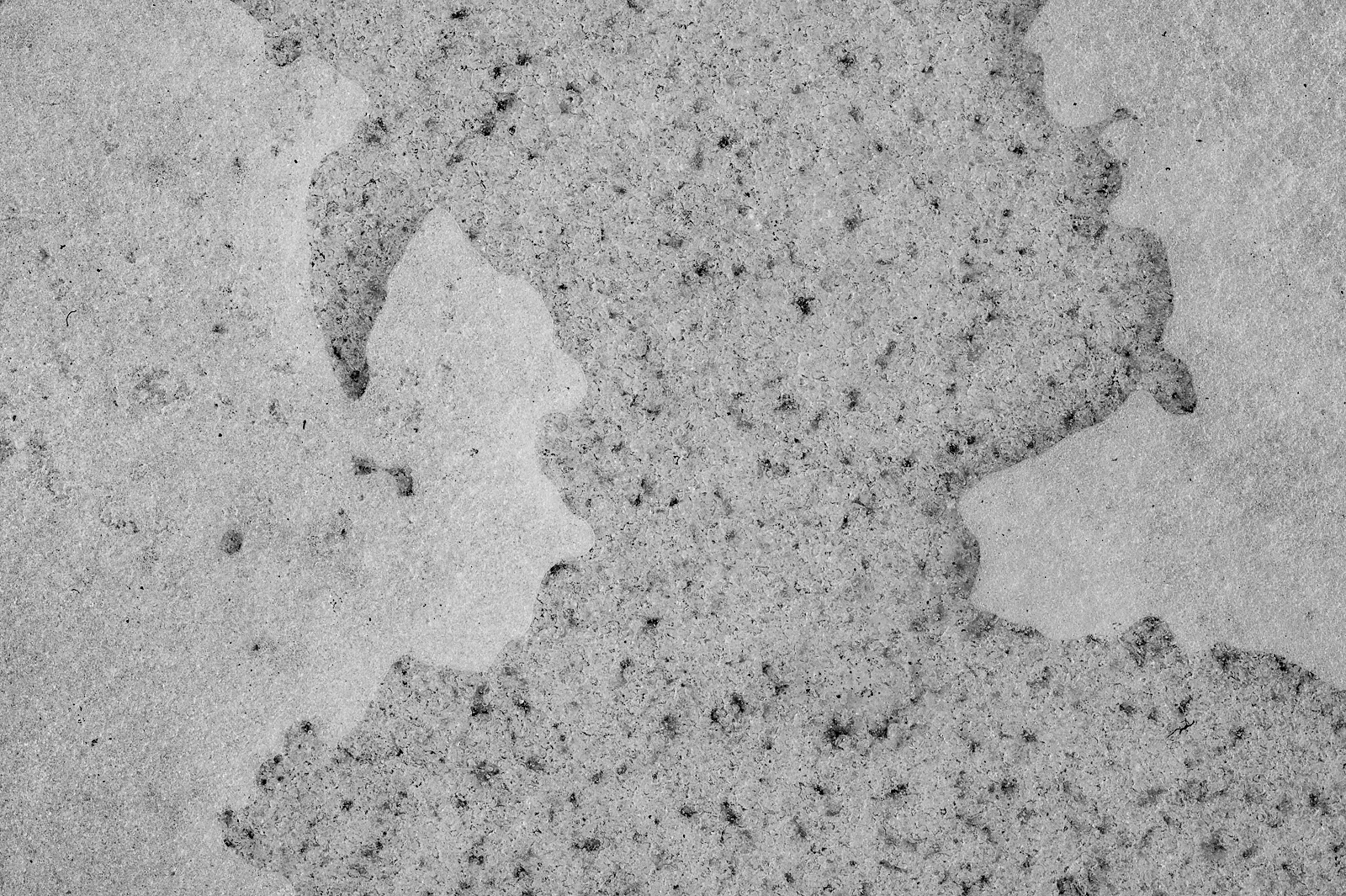
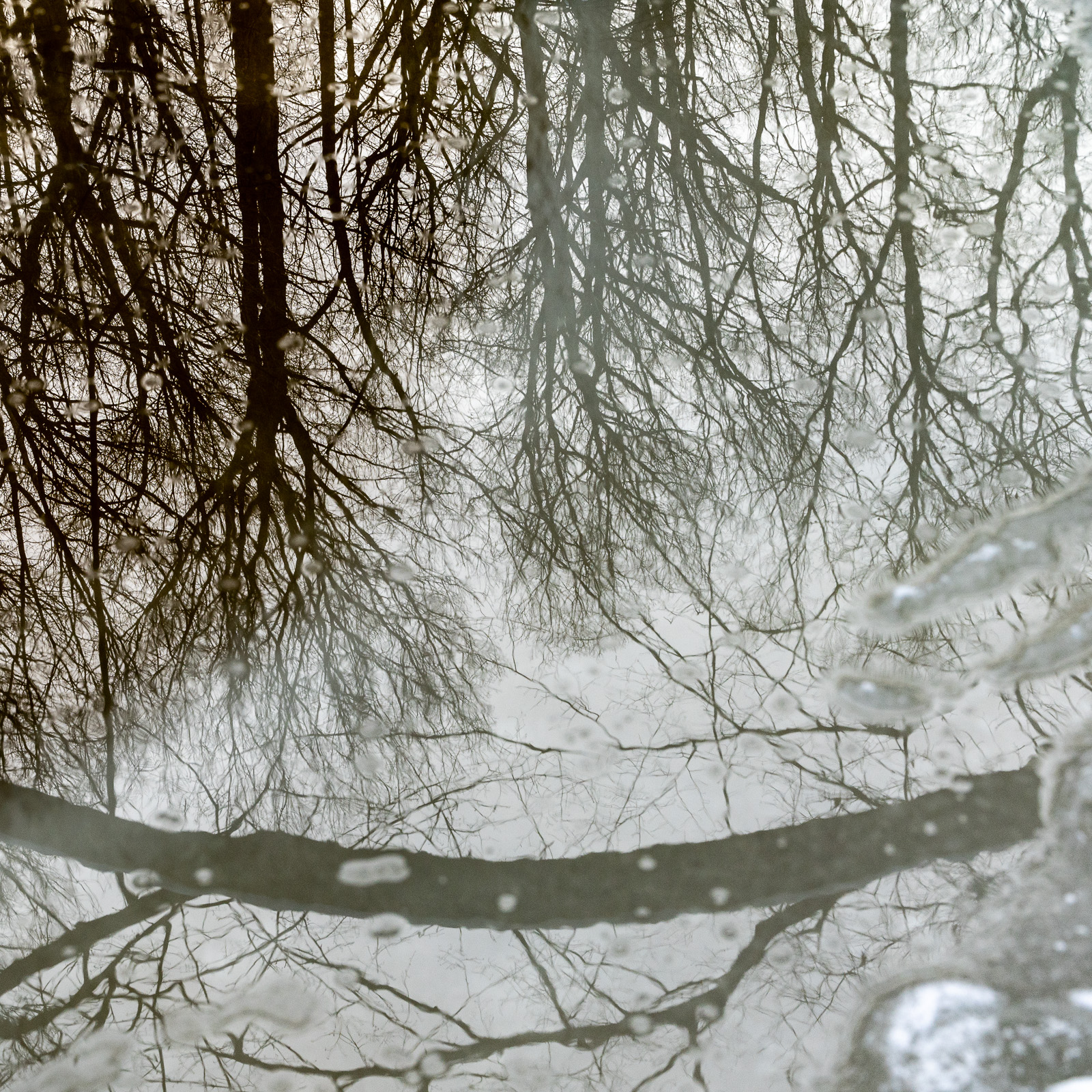
On top there is enough room for icy reflections of things beyond.

But now we have to leave. There is much more.

DSC 2864

Dawn (Yellow Birch Ravine I)

DSC 2772

The Yellow Birch Ravine is a nature preserve in southern Indiana that isn’t heavily advertised. The official web site has a paragraph about it, stating it’s noted for its rugged beauty.

The preserve is divided in half by its access road, the Trestle Road, with a small parking lot that fits maybe 3 cars and comes with a small sign, telling you what not to do. It feels like meeting a stranger.

DSC 2775

How do I introduce this new acquaintance of mine? How do we form opinions about a new place or a person?

There are no marked trails (or a map), just paths from visitors who knew what to do. 

DSC 2778

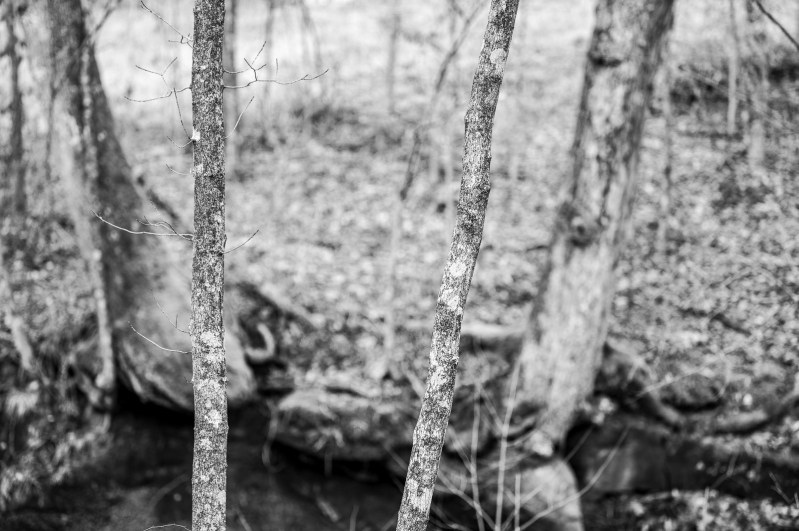
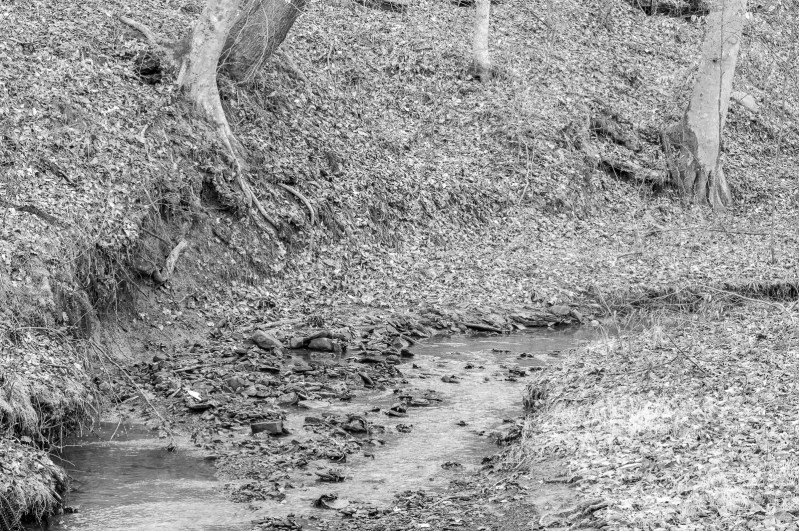
We essentially follow the available paths along the creeks up into the box canyons, and accept what we find.

DSC 2781

So this is how it looks like — it takes a while (a decade, for me) to get used to the subdued beauty of a landscape like this.

DSC 2783

Is this it? From these images, it’s impossible to judge. In the background one can spot some rock formations, but is it worth probing deeper?

DSC 2797

Up in the first box canyon, looking back, we see that the sun is coming up. Still there is no hint of what to expect. We will have to go all the way.

DSC 2806

Memories (Thaw I)

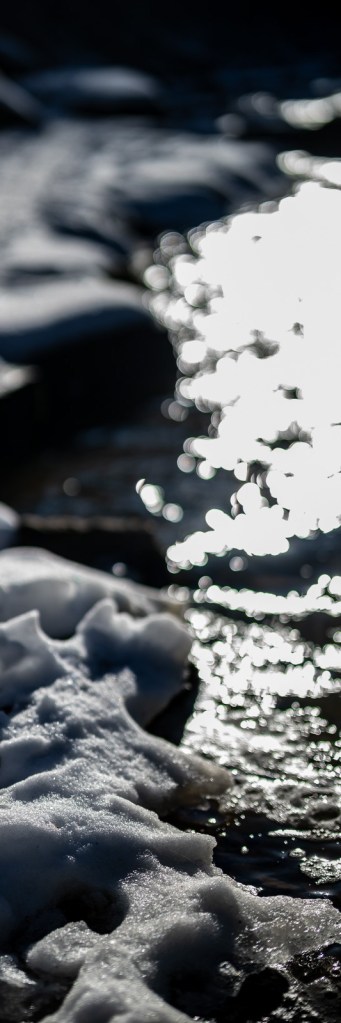
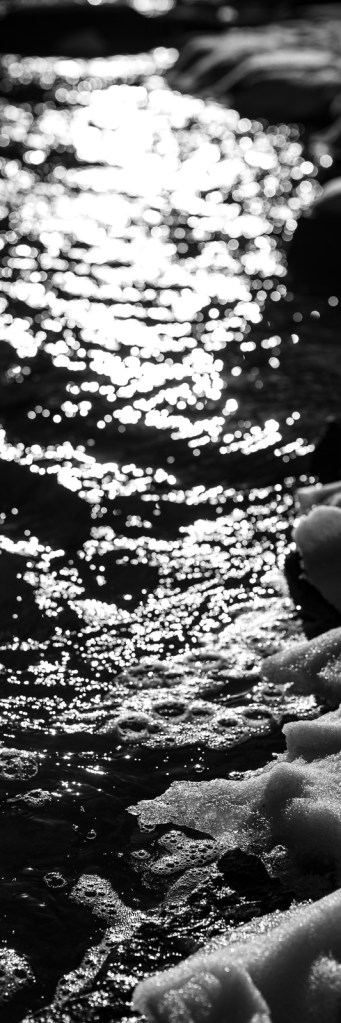
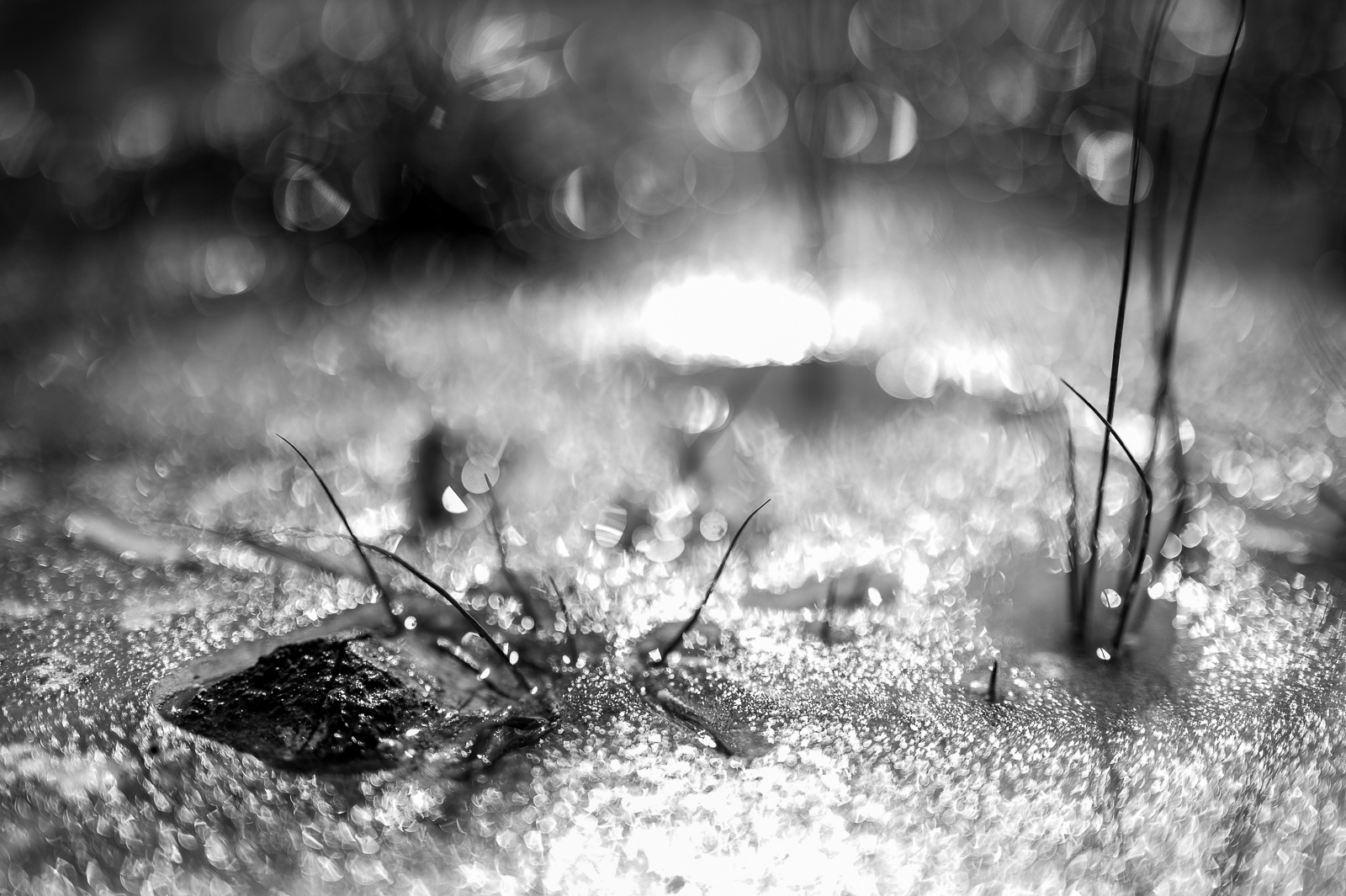
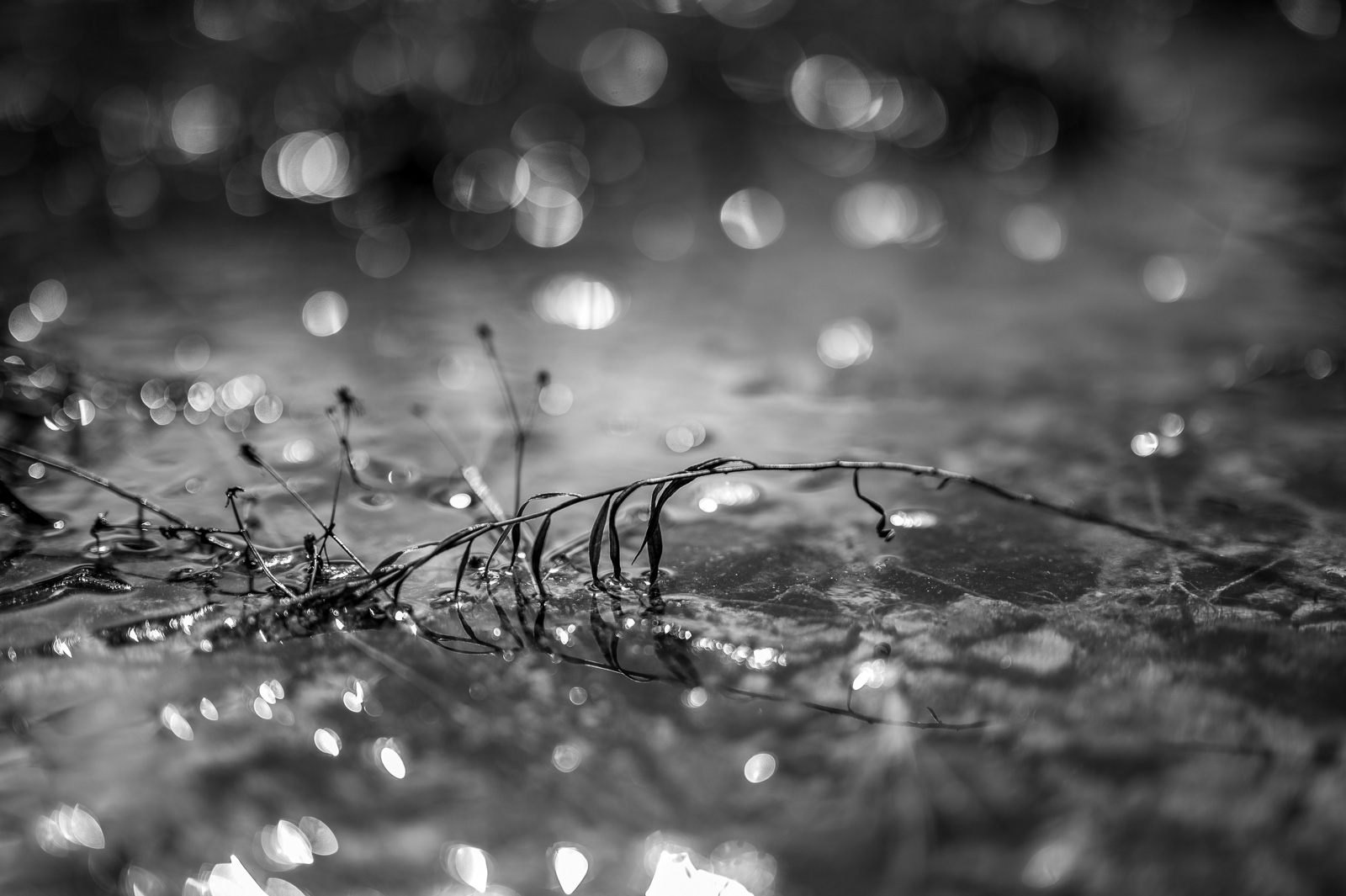
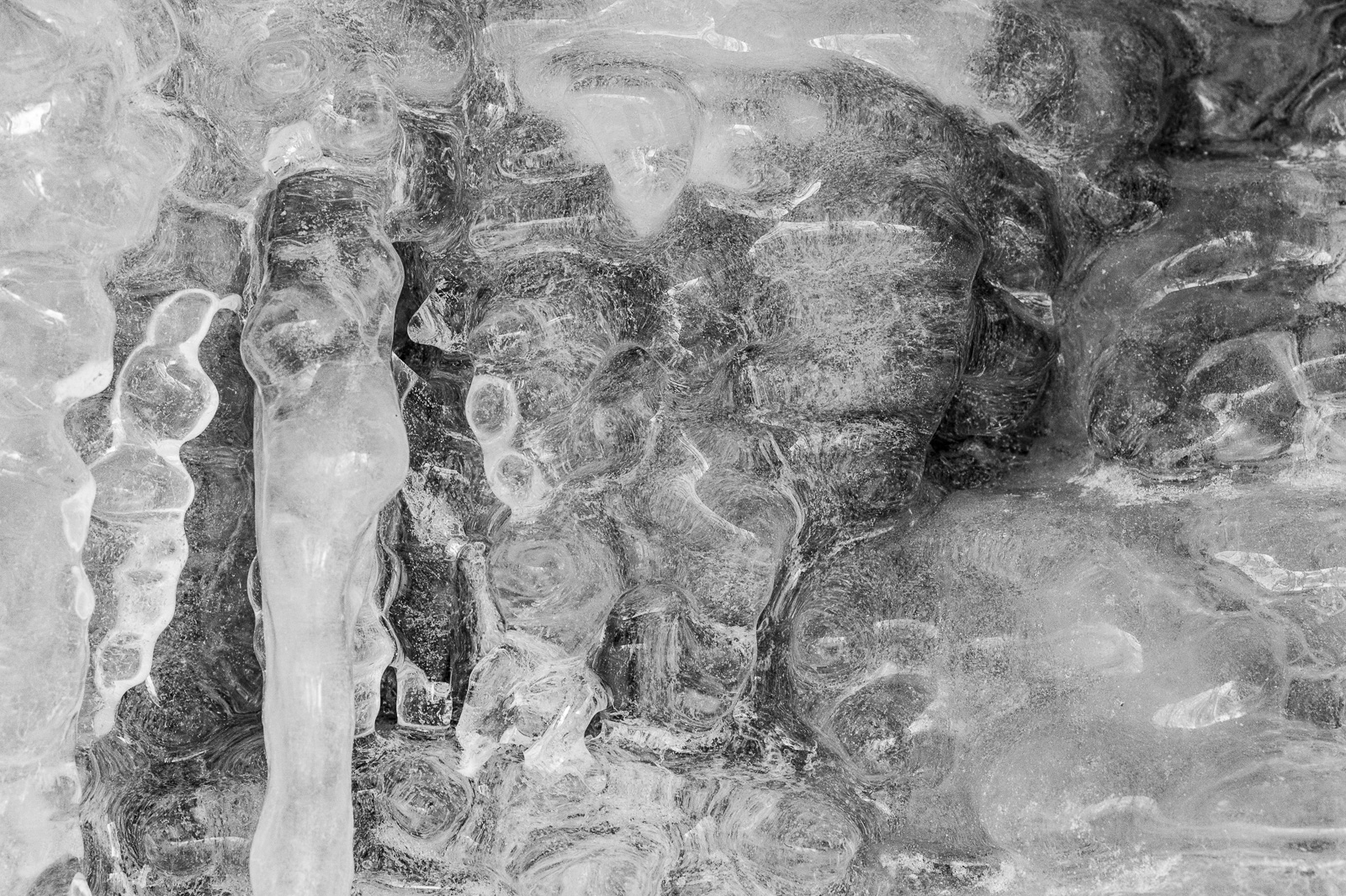
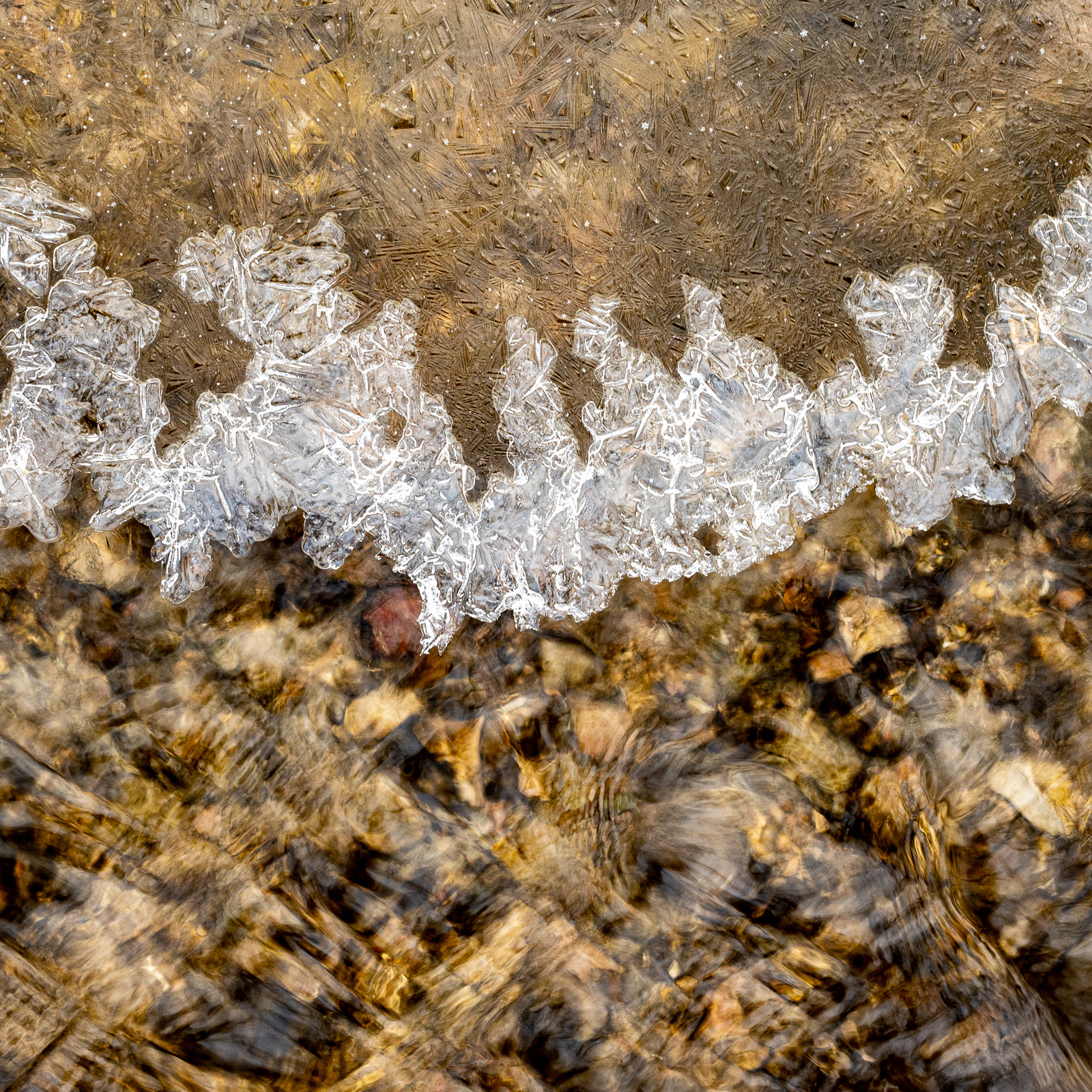
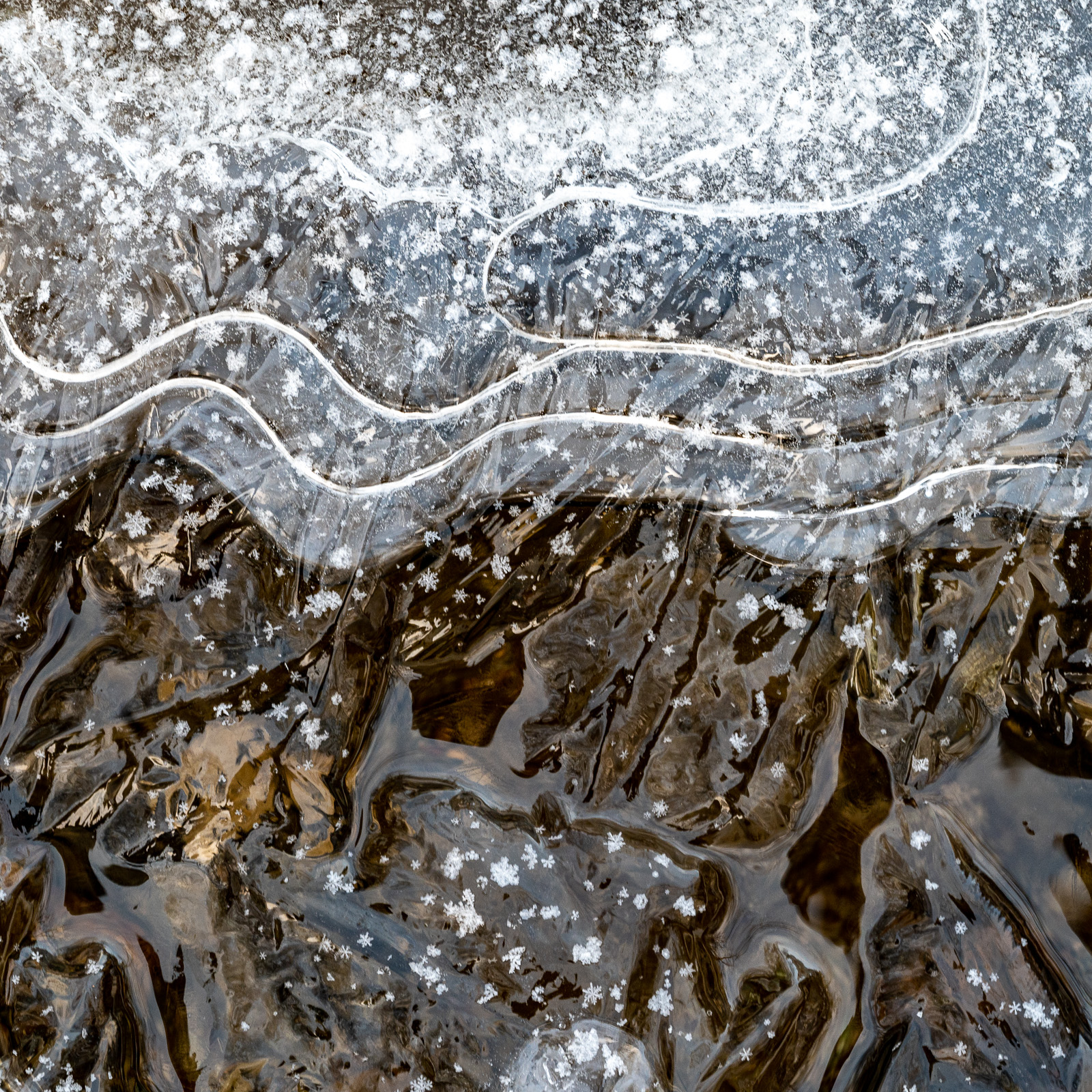
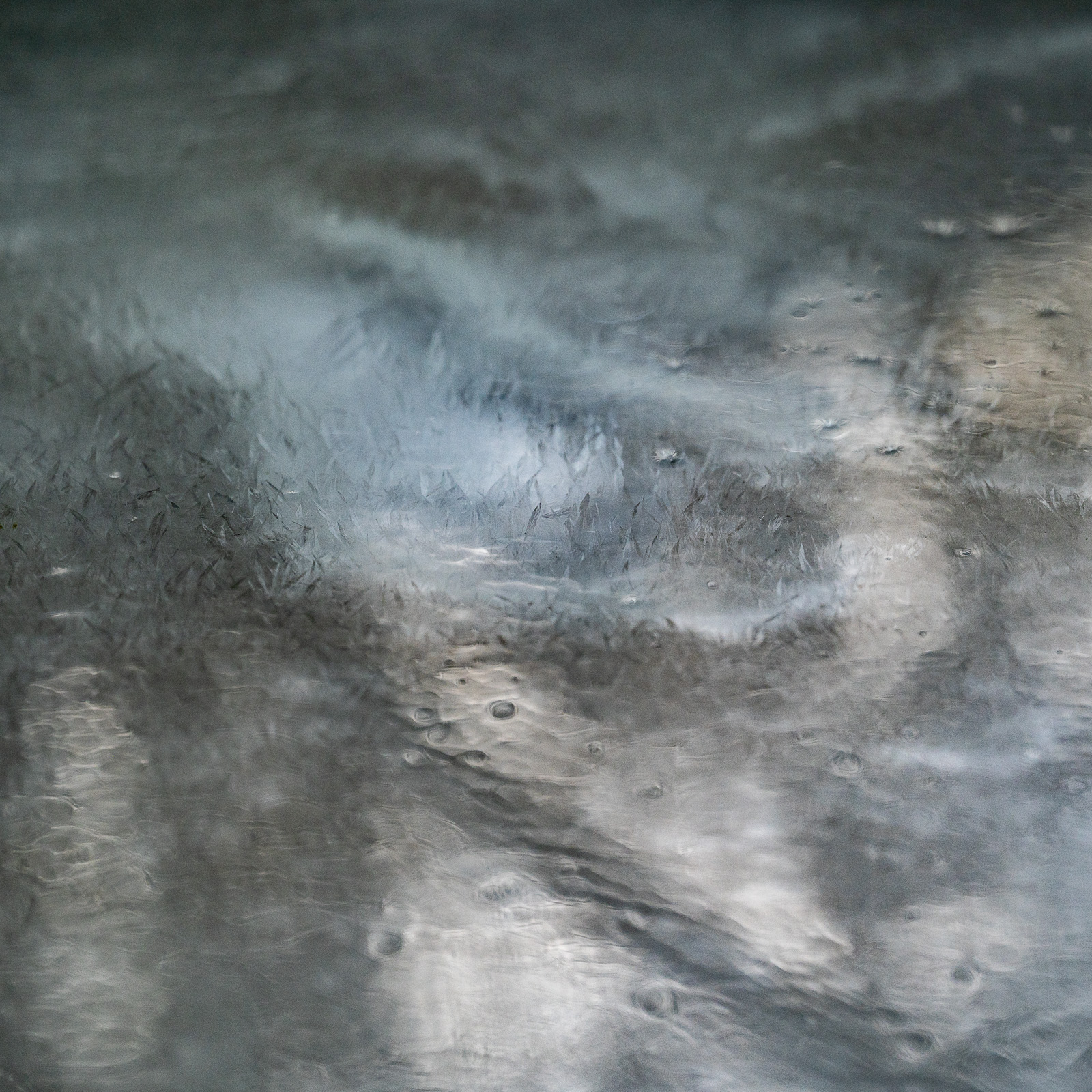
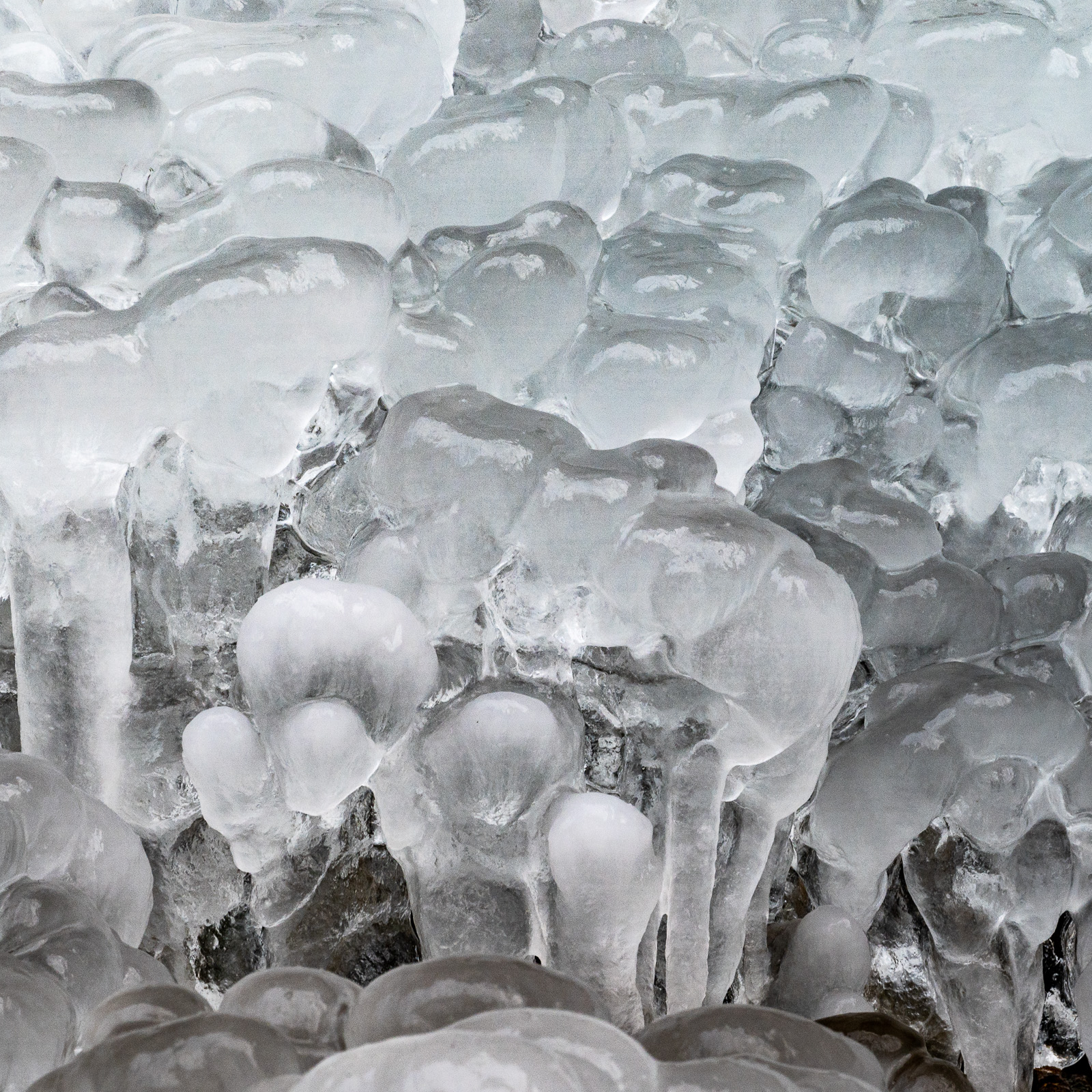
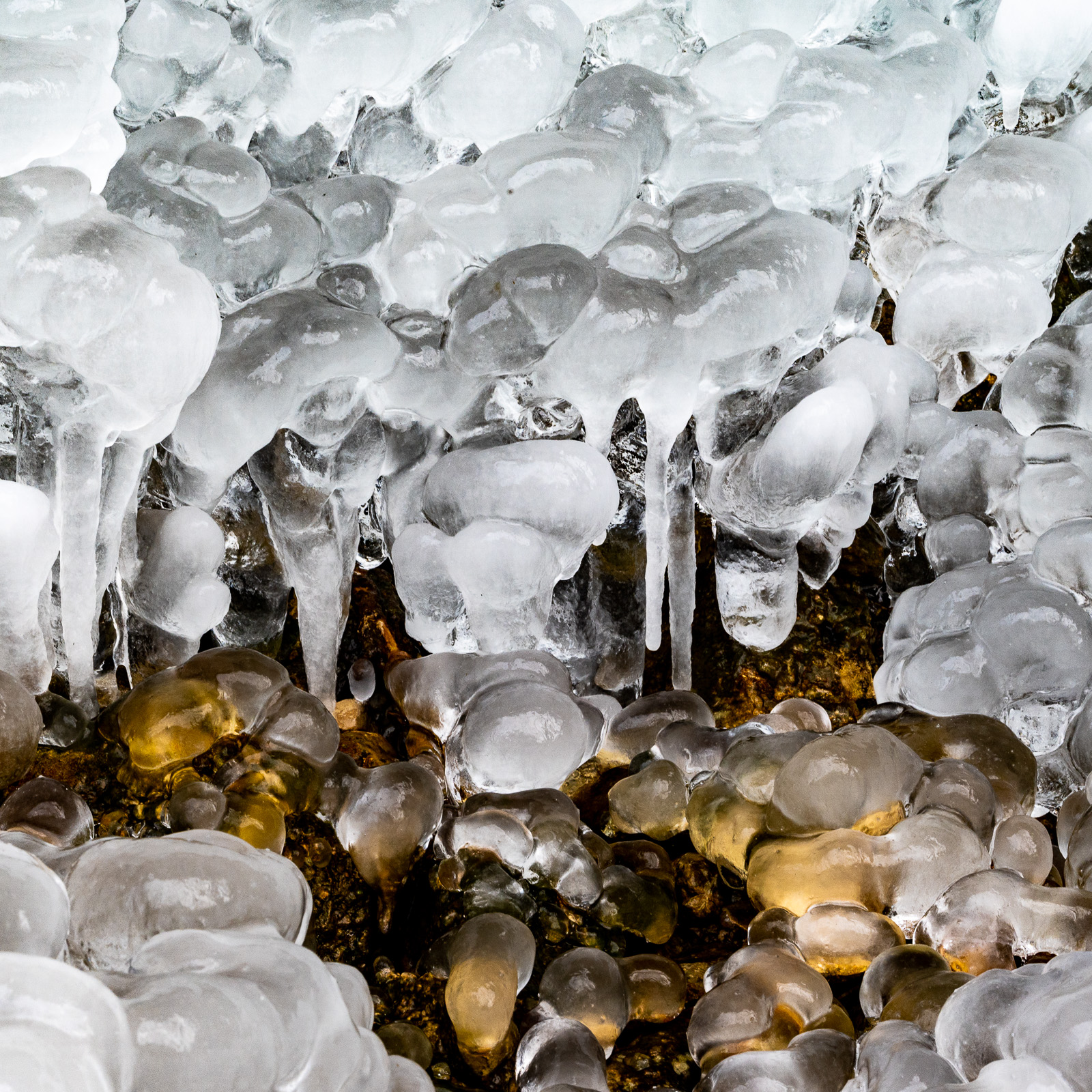
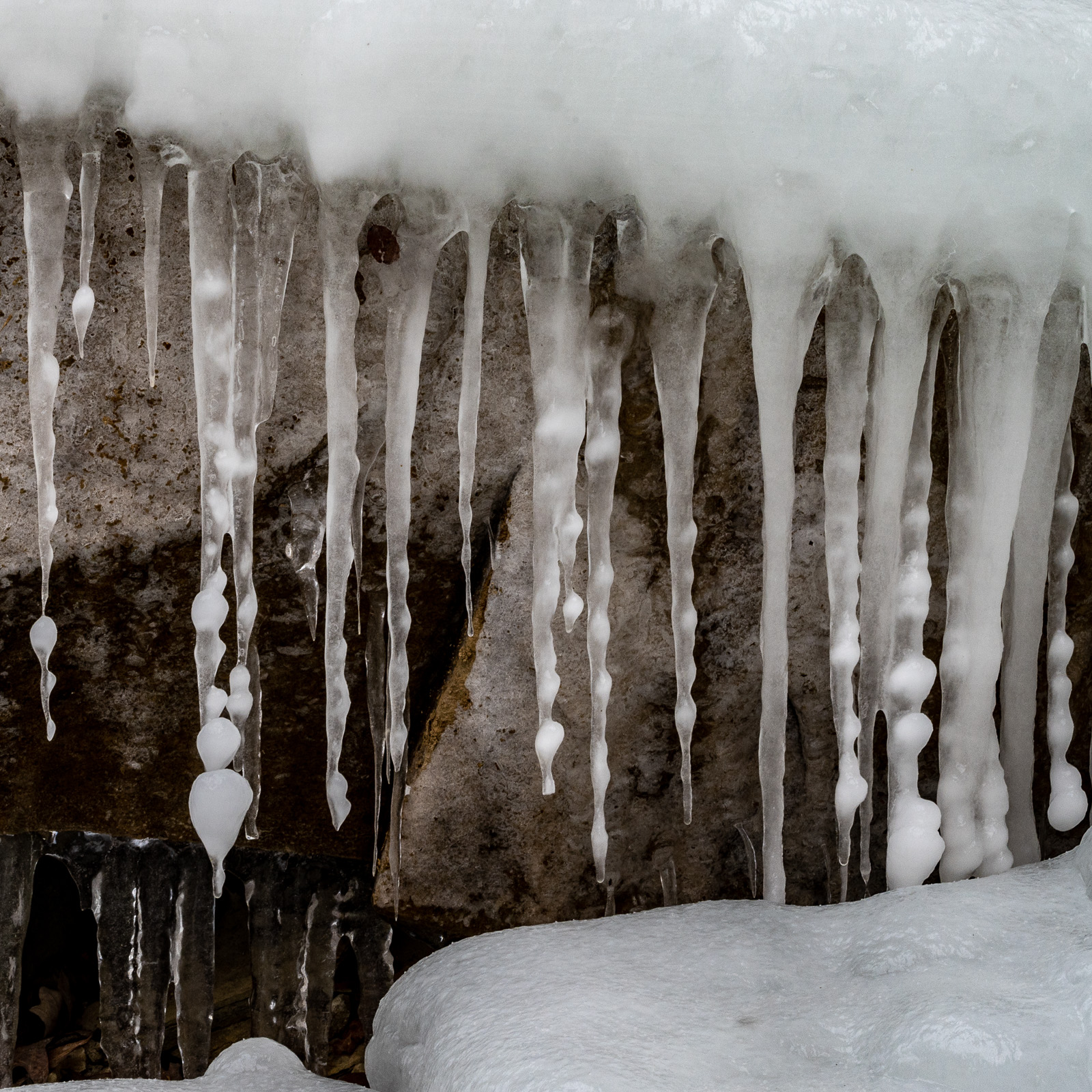
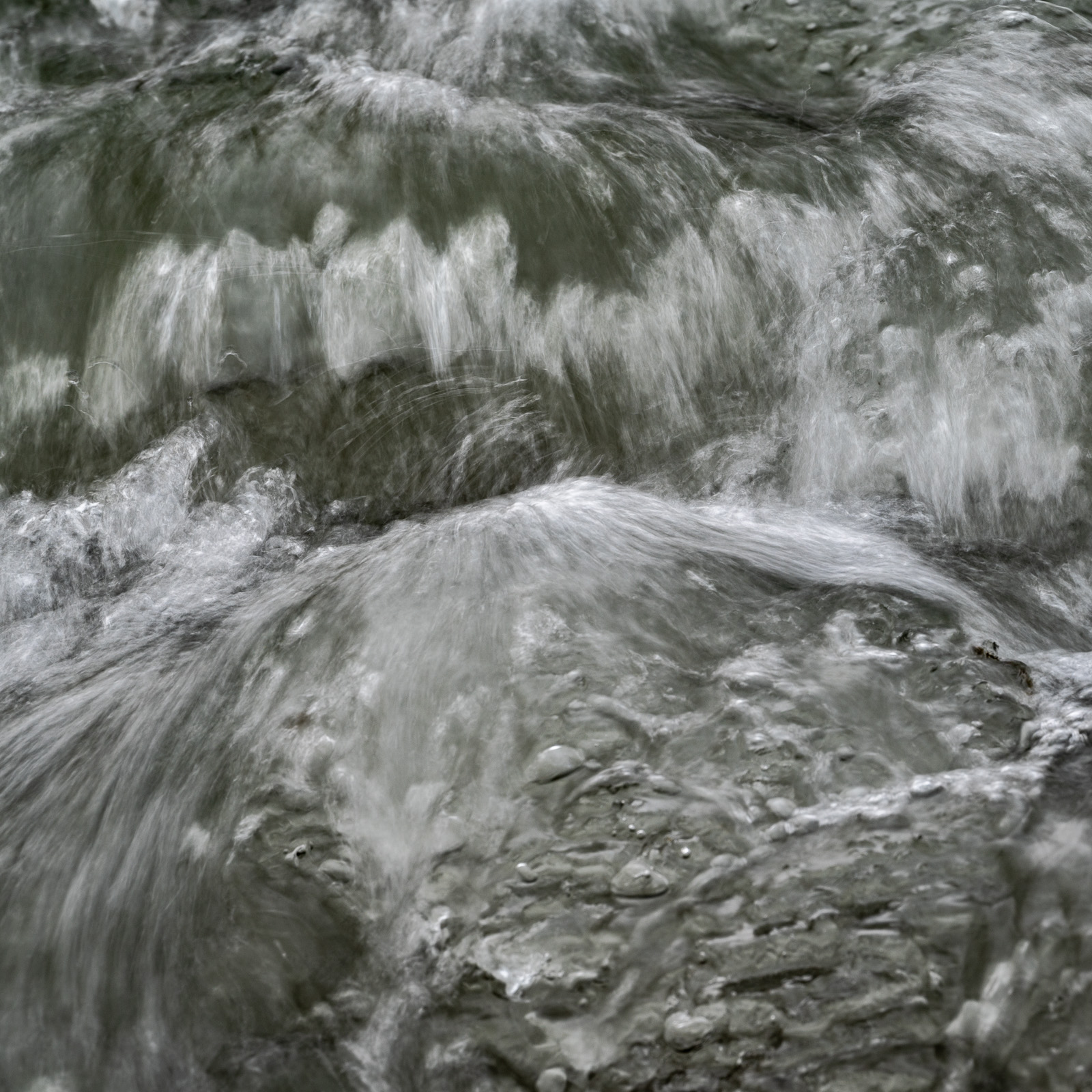
Undeniably, the thawing has begun. The process is, however, not always gentle.

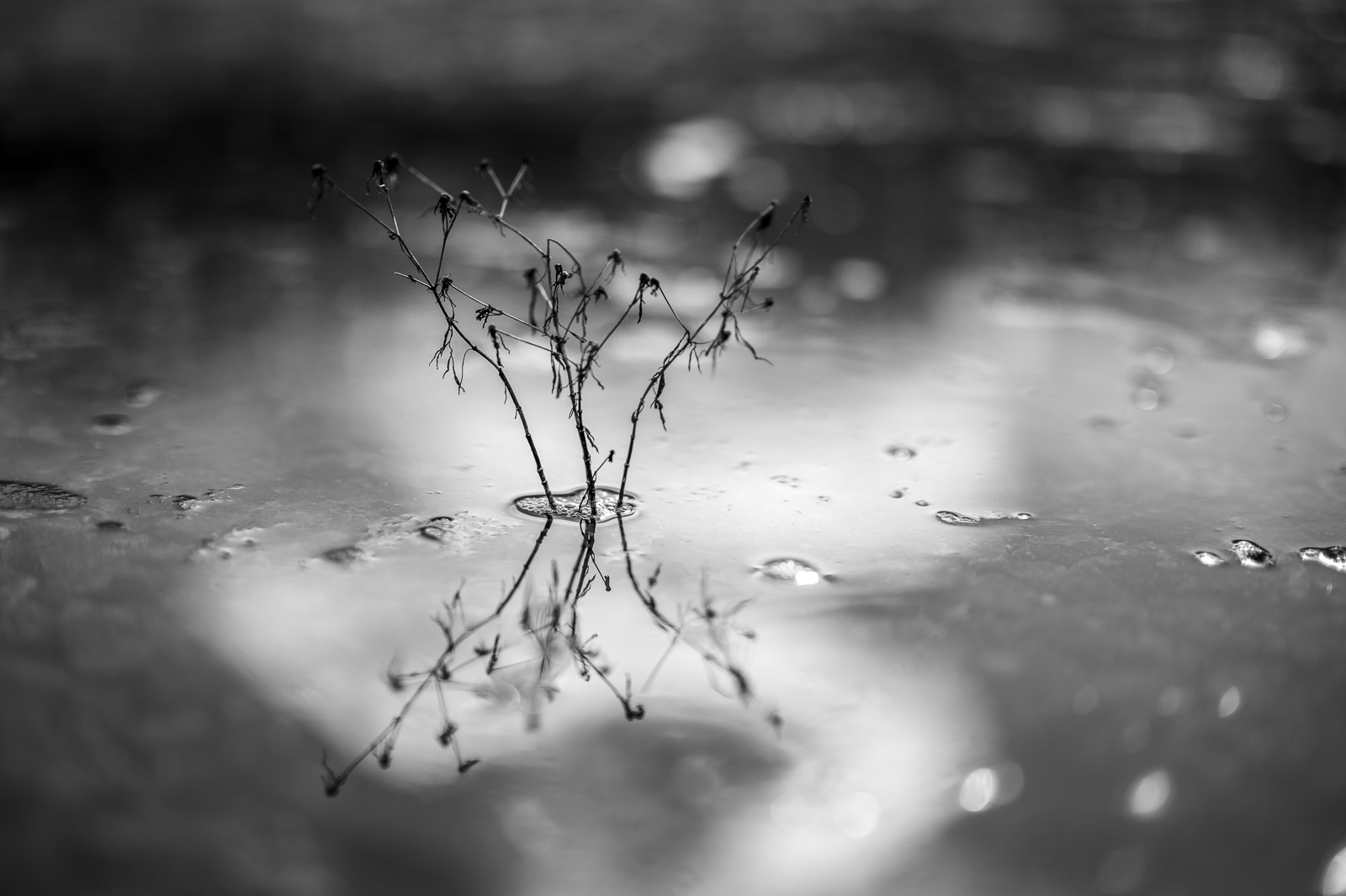
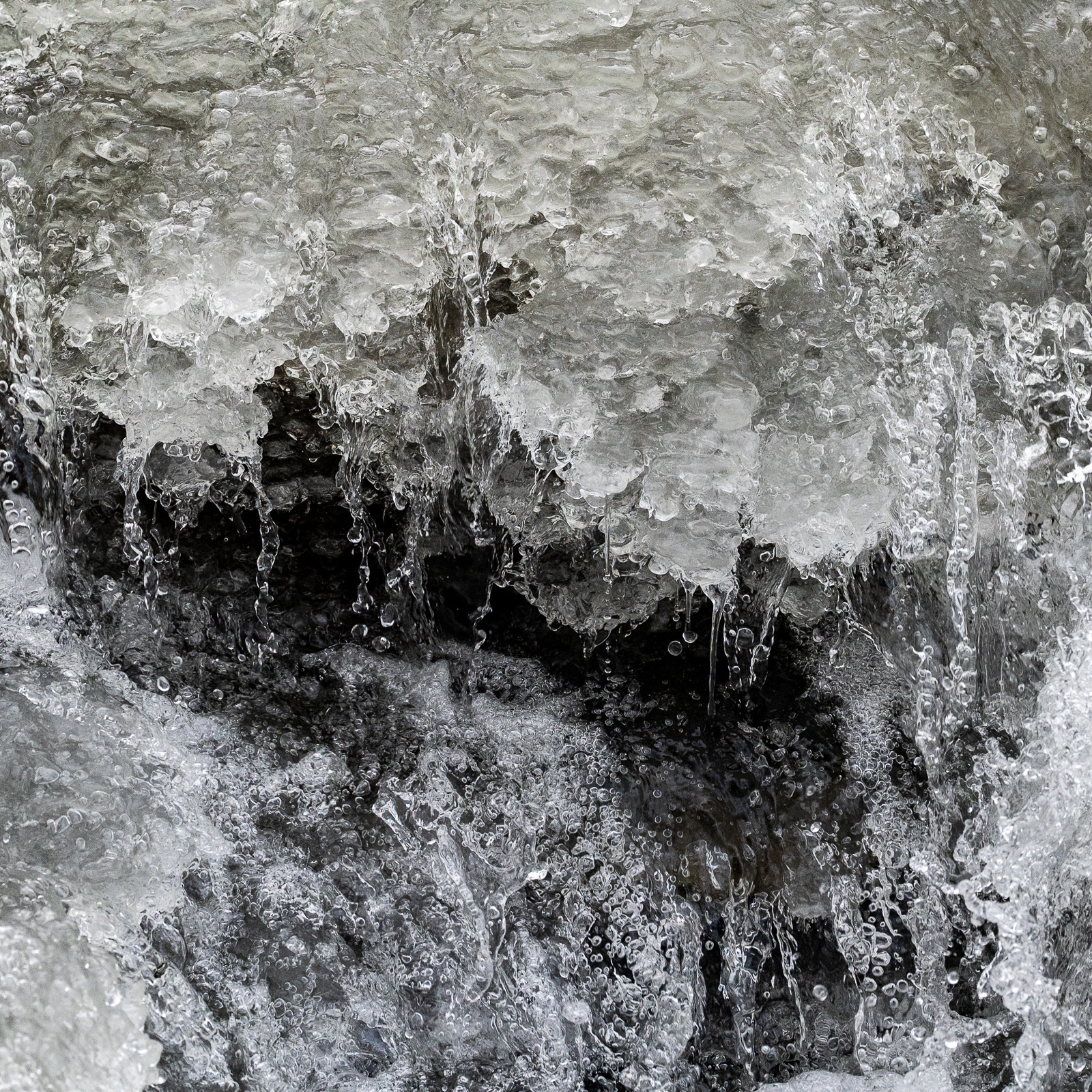
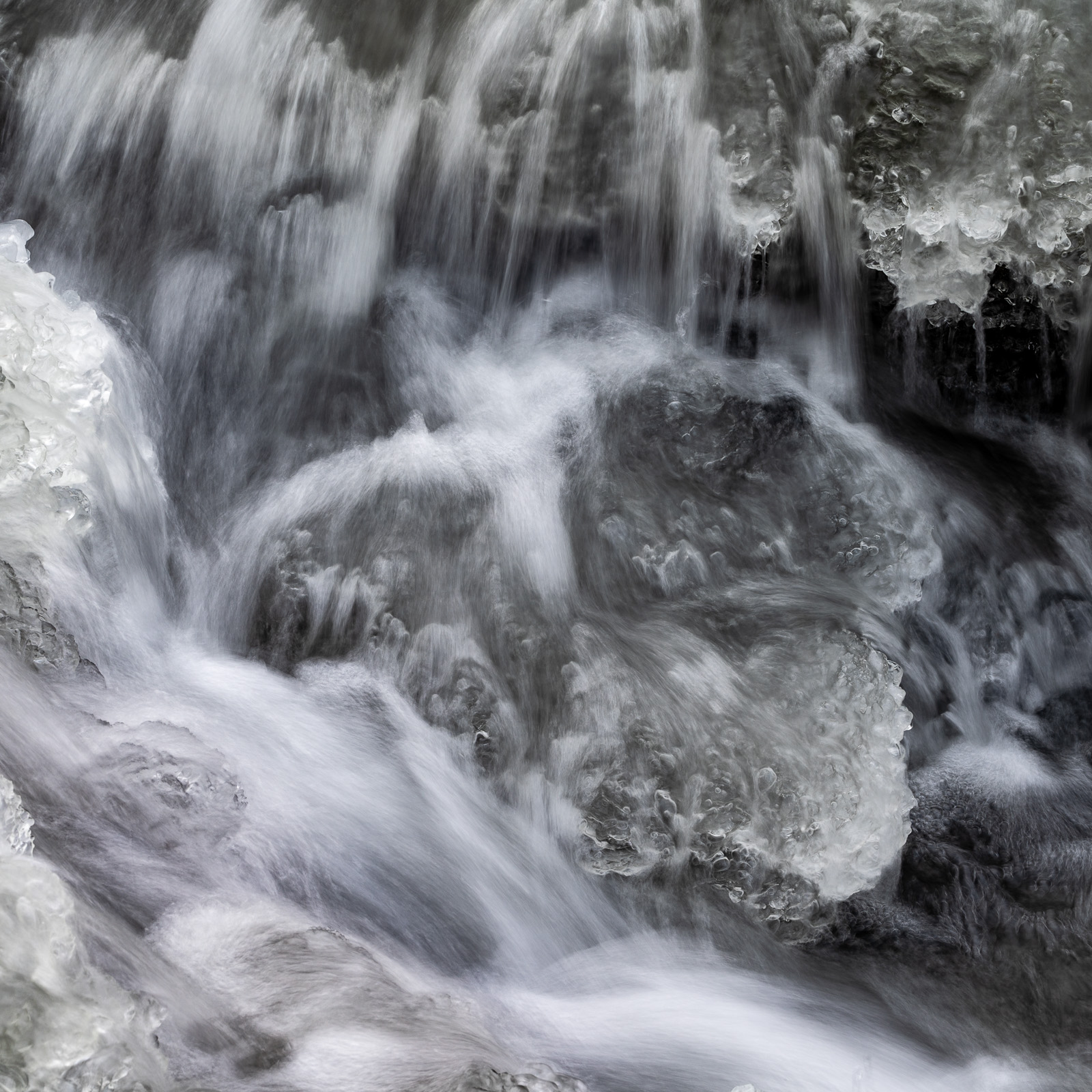
Here the water seems to have a choice: Remain frozen and still, or rush onward.

Why can’t we do this too, make time run faster or more slowly, as needed?

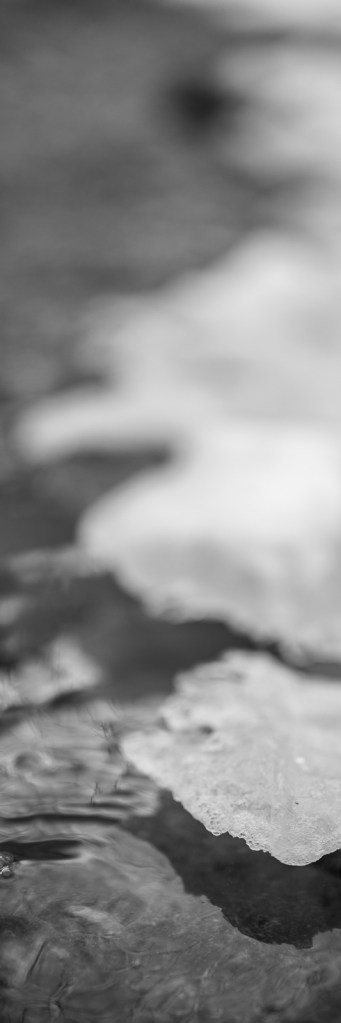
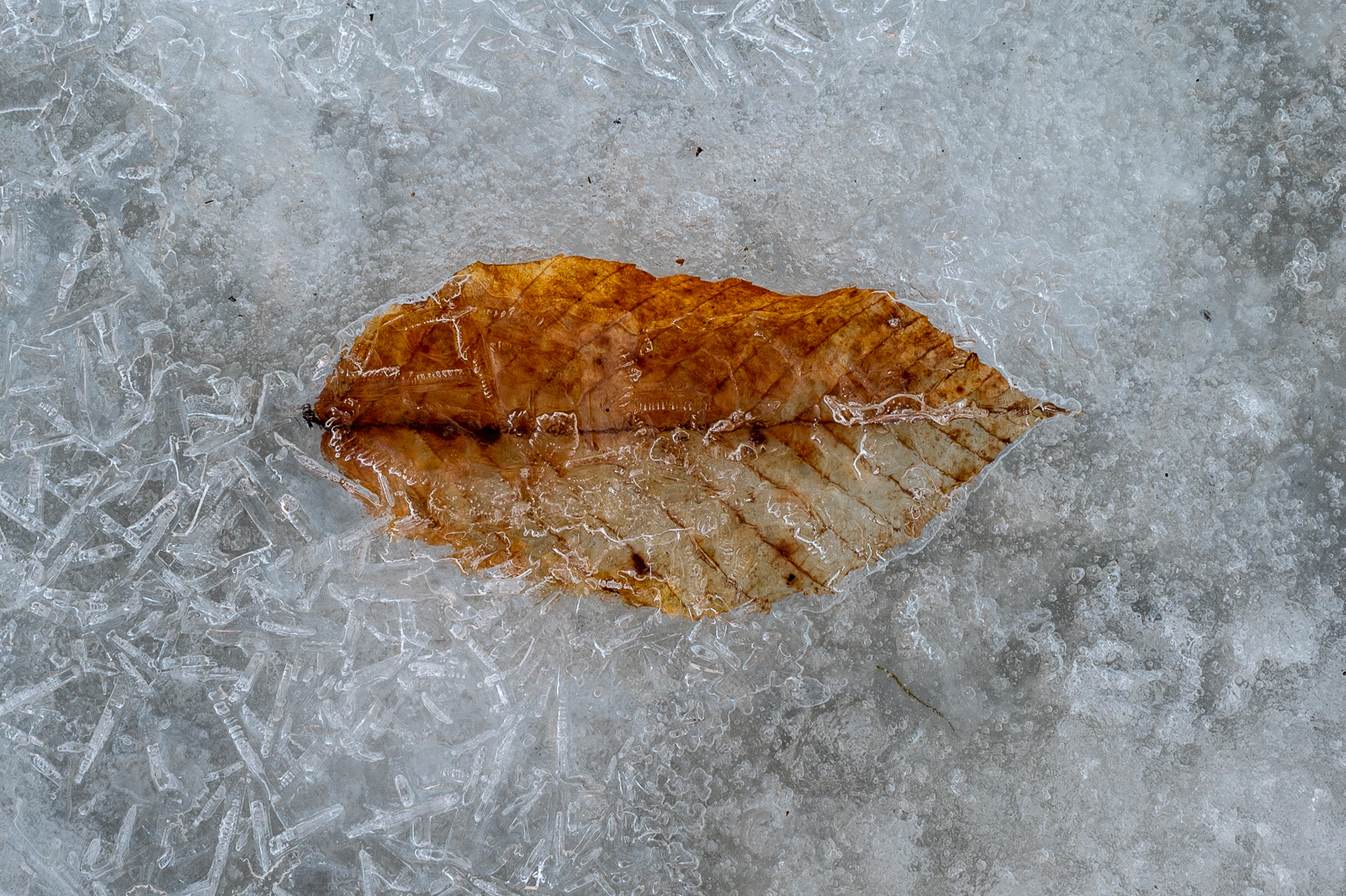
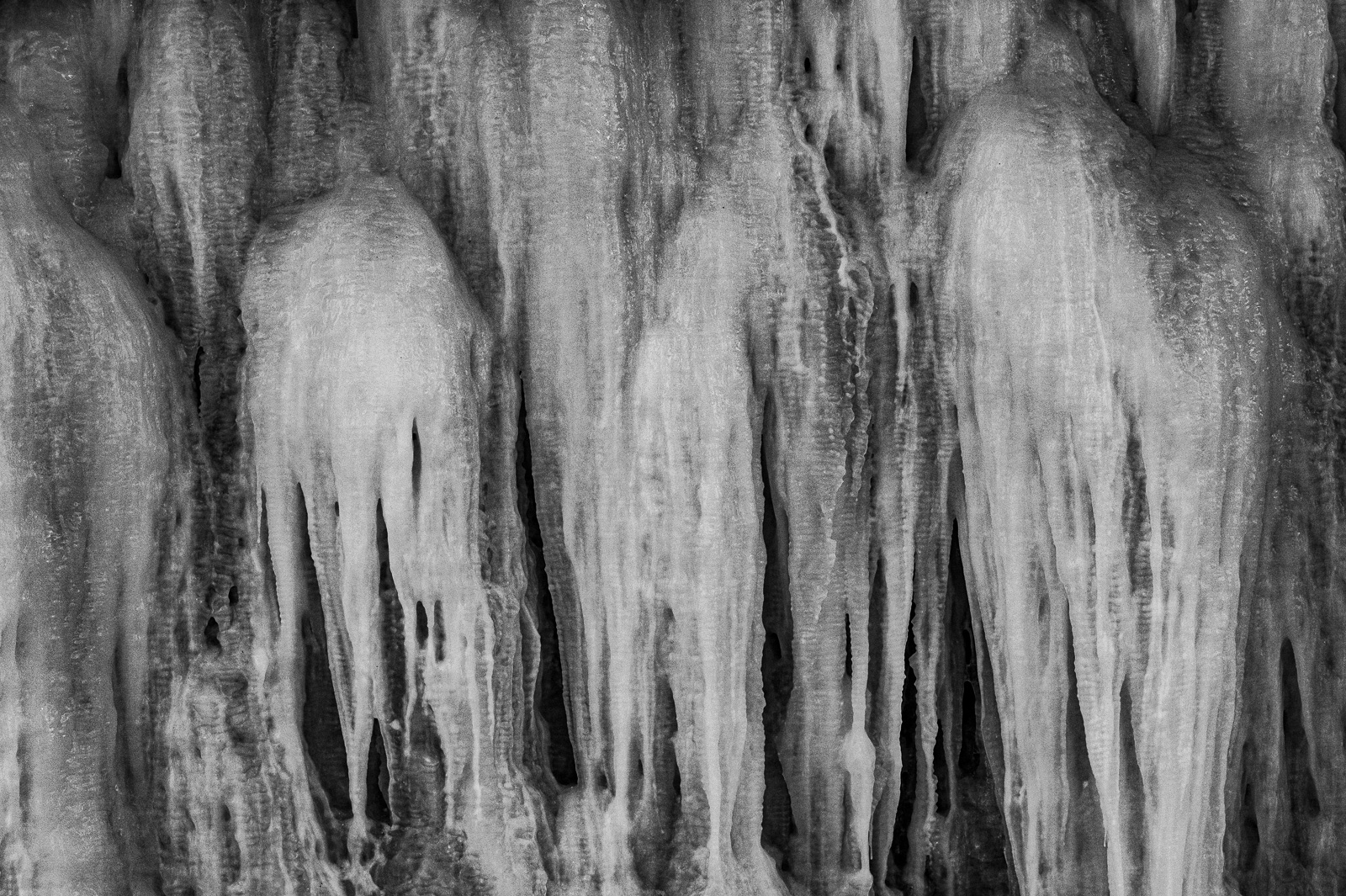
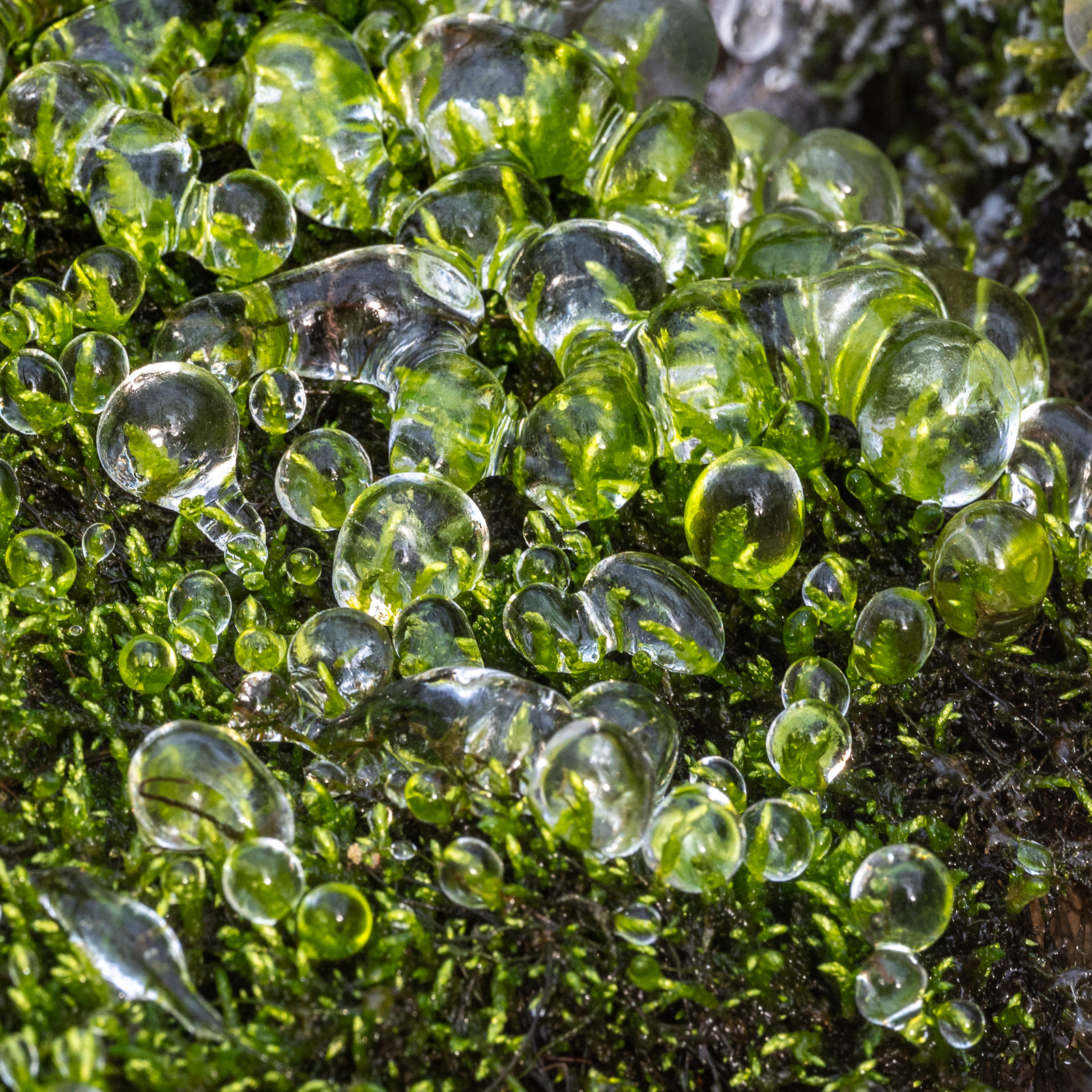
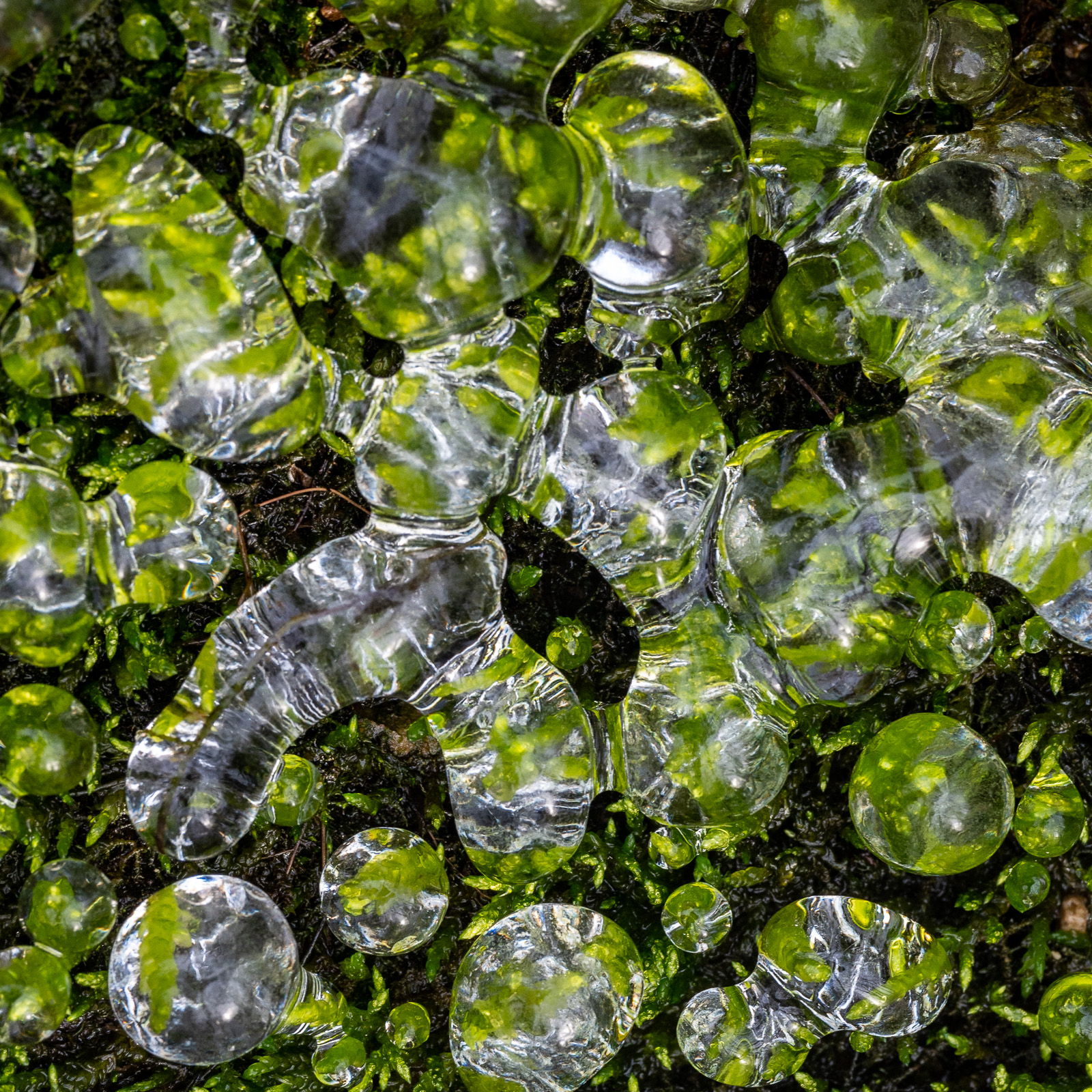
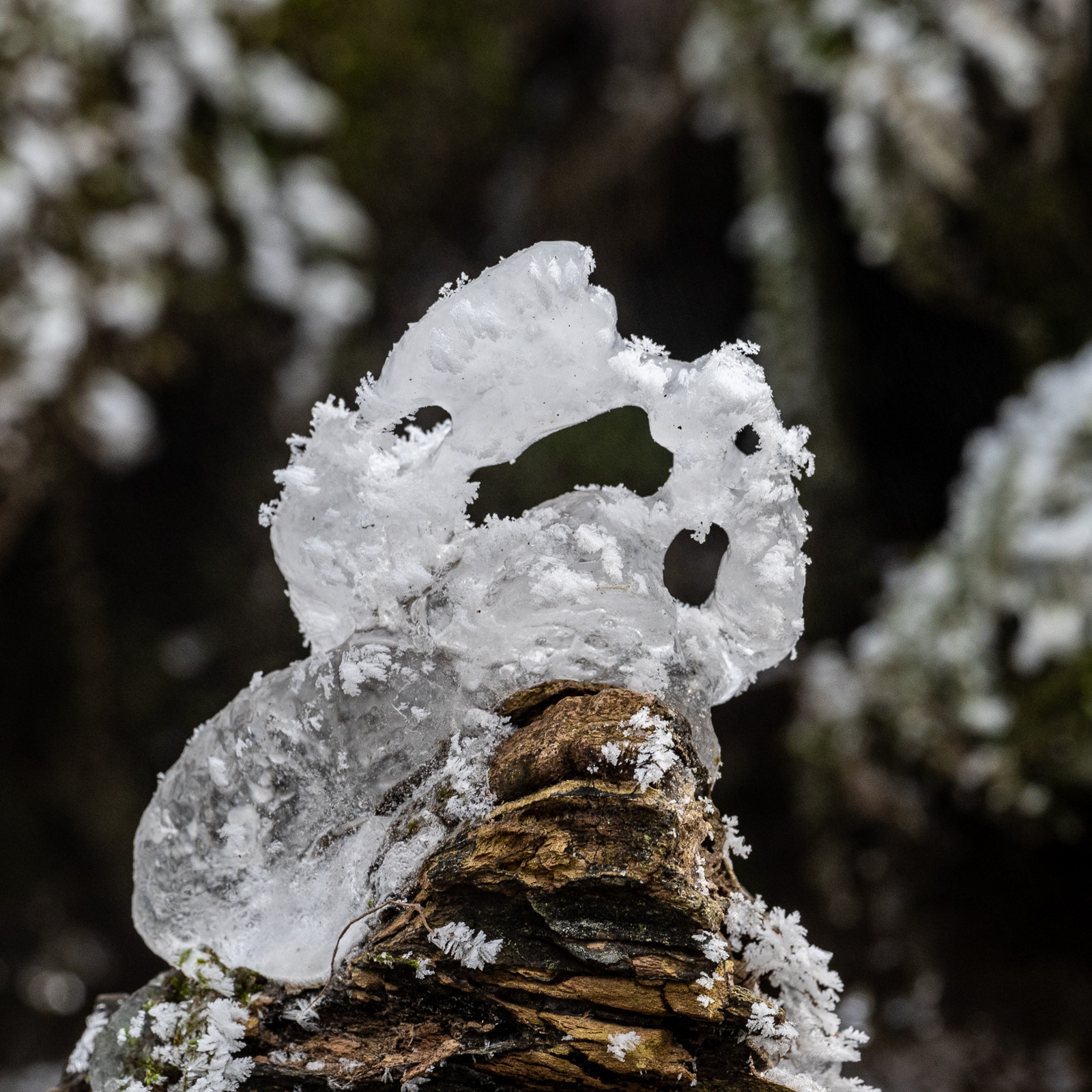
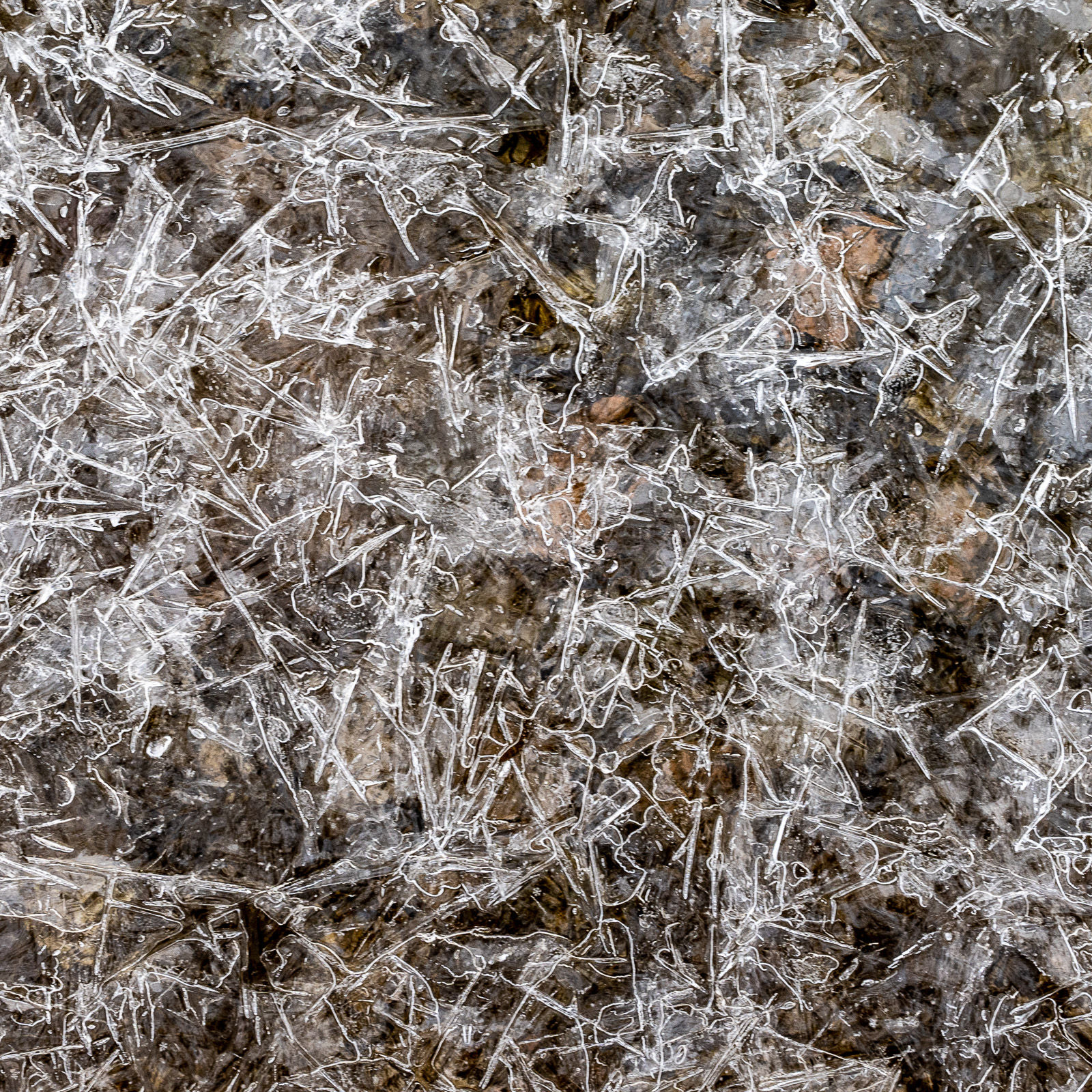
Ice is a very ephemeral thing:

Whatever we do to it, our traces will soon be gone, releasing what will never return.

What memories will the thawing time release?

And Every Poem and Every Picture

And every poem and every picture
        a sensation in the eye and heart
Something that jolts you awake
            from the rapt sleep of living
    in a flash of pure epiphany 
          where all stands still
            in a diamond light
    transfixed
        revealed
                for what it truly is
                         in all its mystery
So a bird is an animal
                    flown into a tree
        singing inscrutable melodies 
As a lover stands transparent
        screened against the sun 
    smiling darkly in the blinding light

Poem #46 from A Far Rockaway Of the Heart, 1997.

Lawrence Ferlinghetti 
March 24, 1919 – February 22, 2021

Dreams (Frost X)

DSC 2248

My little series of photos from this winter’s frost is about to come to an end for this year with a visit to Turkey Run State Park.

DSC 2249

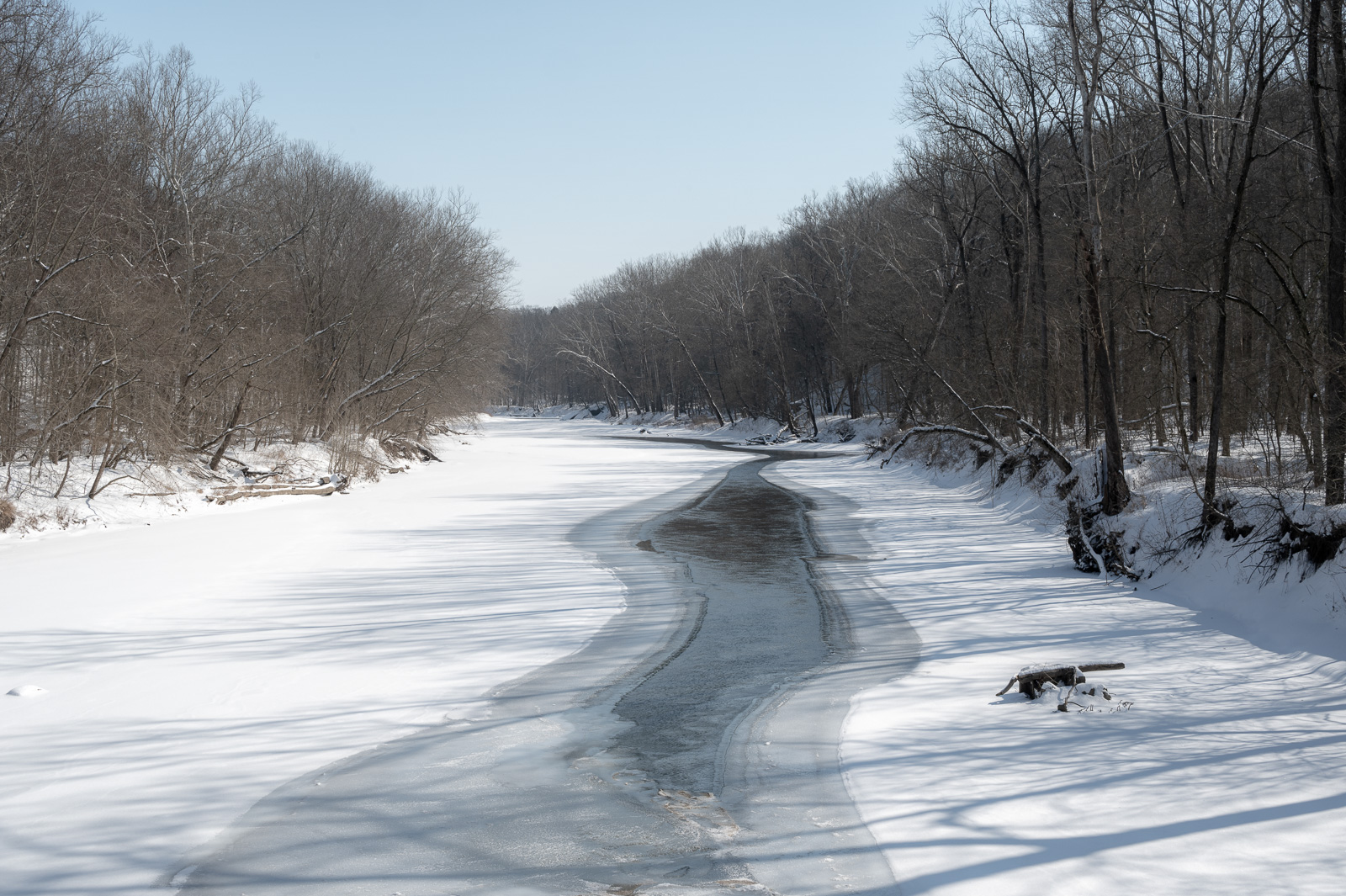
Crossing the bridge over frozen Sugar Creek offers a dream of wintry serenity.

DSC 2282

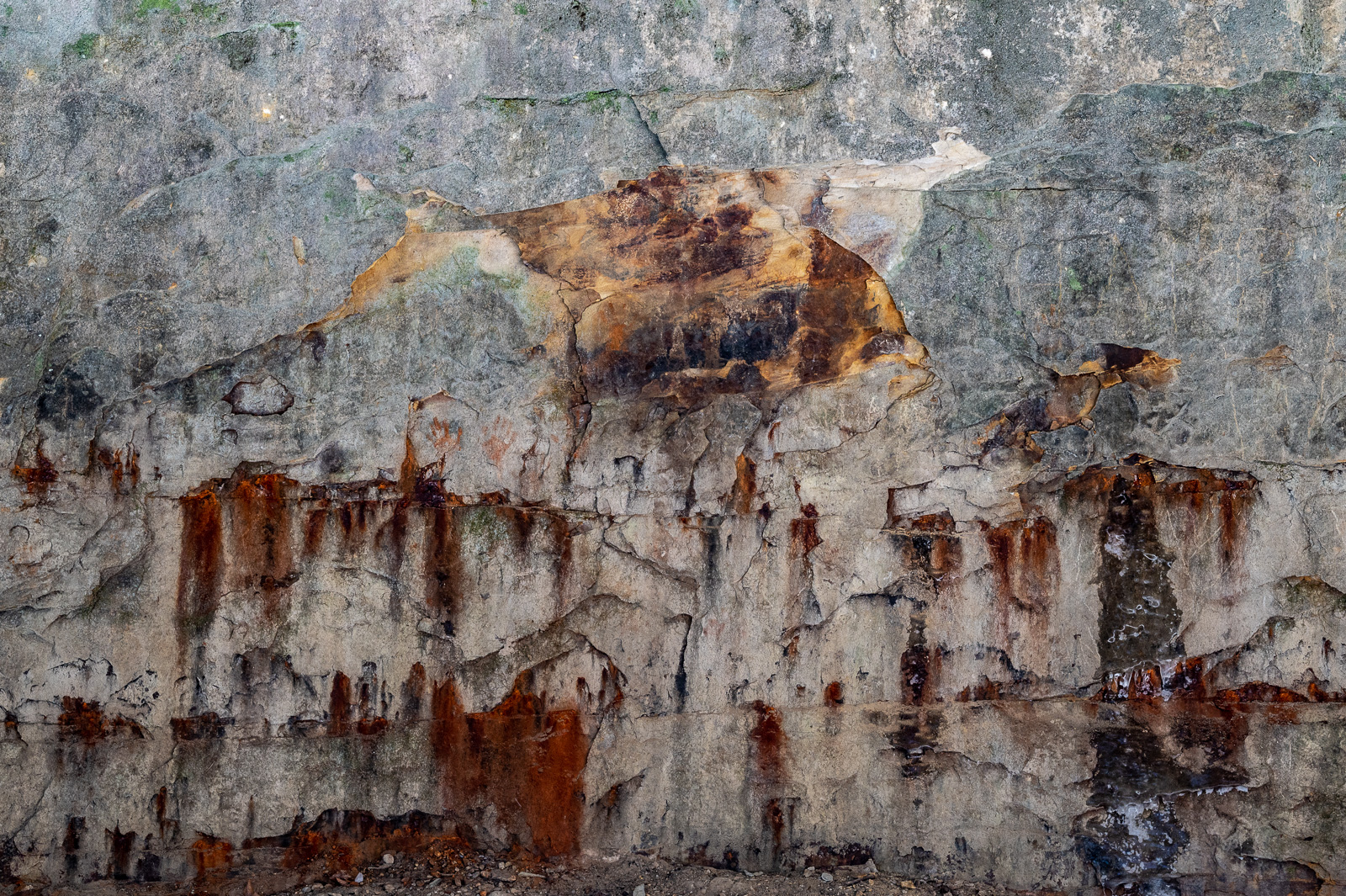
This changes dramatically when we enter the canyon — the walls seem like murals from the other side.


DSC 2264

Is this the entrance to another kind of dream?

DSC 2267

And are one imagined eye and nose enough to make me tremble?

DSC 2256

But look, the sun is shining, and the thawing has begun.

Shades (Frost IX)

DSC 2169

After leaving Pine Hill Nature Preserve I paid Shades State Park itself a brief tour, descending into Devil’s Punchbowl and from there to Silver  Cascades.

DSC 2198

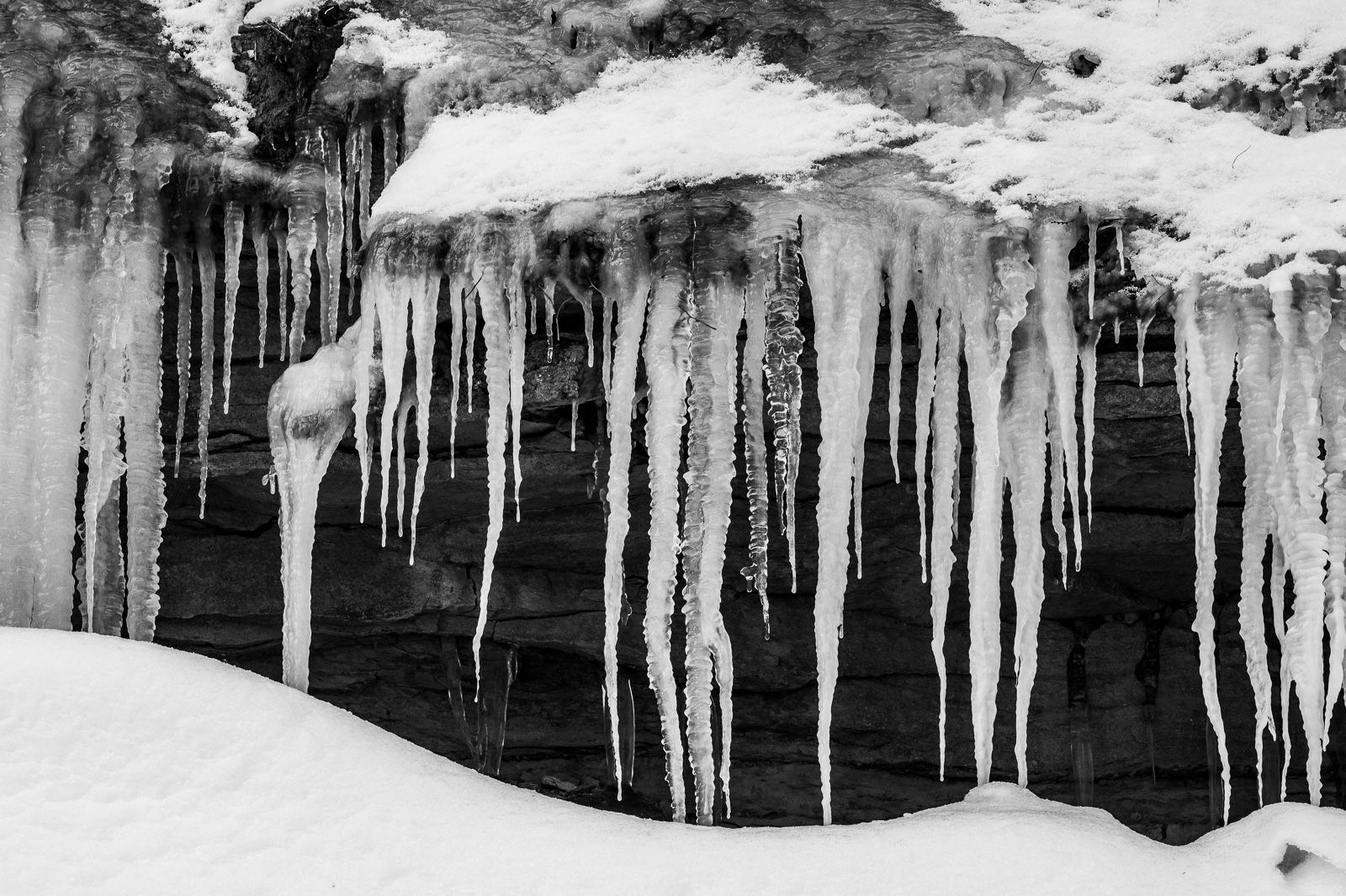
The Punch Bowl and the connecting canyon offered some pretty icicles.

DSC 2205

My favorite was the frozen heron below. That’s what happens when you wait for too long.

DSC 2212

Prospect Point has the best views, both across and down to Sugar Creek.

DSC 2224

It will be another month before this will turn green again, but it feels like it will take a decade.

DSC 2237

Trees in Color (Frost VIII)

The Pine Hills Nature Preserve at Shades State Park is one of the most beautiful places of Indiana, and in deep winter even the blunt access trail acquires a certain charm.

DSC 2023

Trees and rocks in the valley seem to be bending under the snow.

DSC 2050

 Two people had left a few footprints the days before, otherwise the landscape was as pristine as it gets.

DSC 2053

At the backbones I was grateful to see that others had been able to cross…

DSC 2059

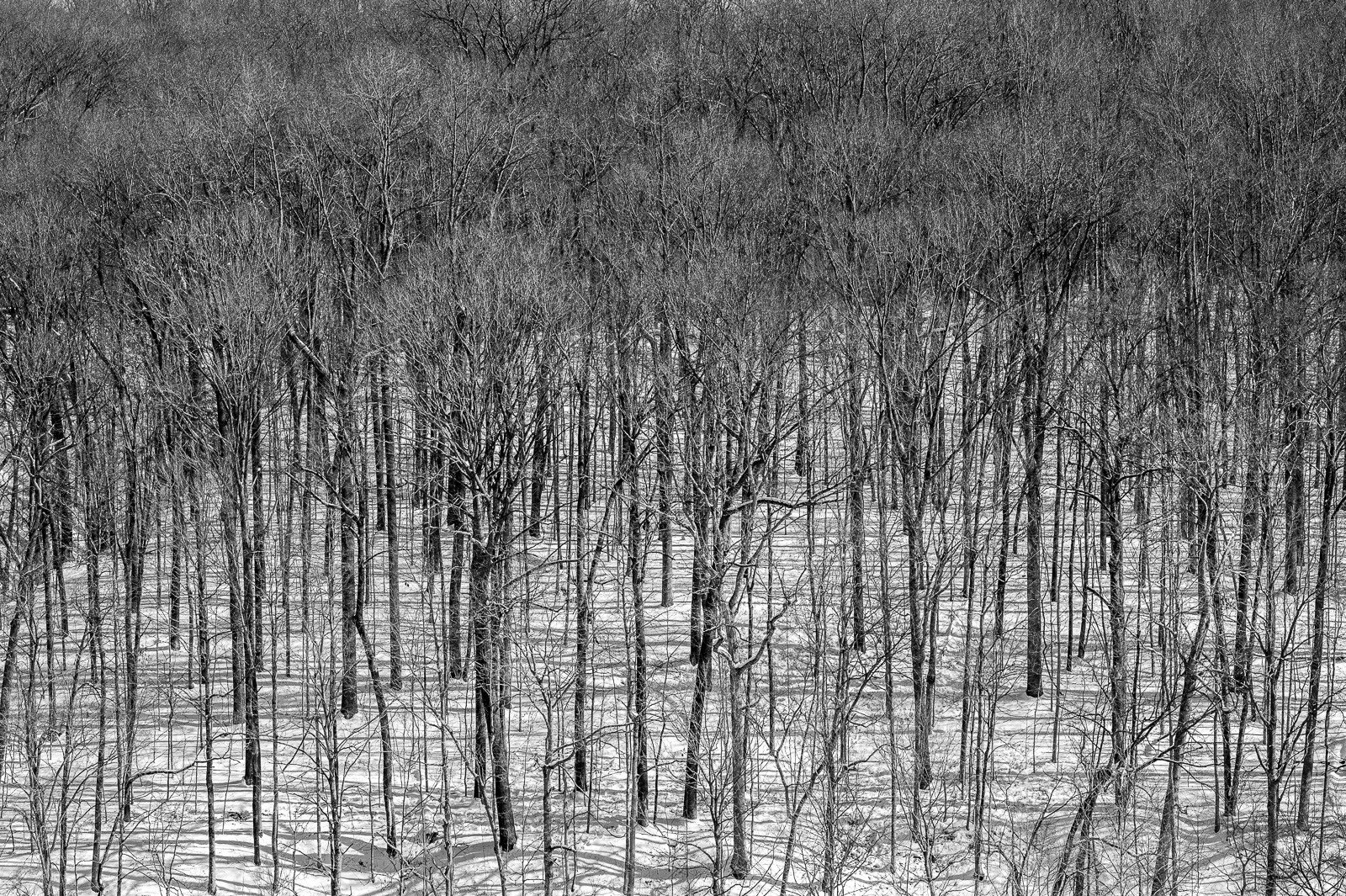
From the top the trees reveal their structural beauty.

DSC 2061

Down at the bottom the look up is mind bending.

DSC 2091

The way back follows the creek without further risks.

DSC 2115

And yes, there is color, too.

DSC 2182

HOF+ (Tetrasticks I)

A polystick is a connected finite subgraph of the grid graph, and a tetrastick is a polystick with four edges. There are 25 of them, counting mirror copies.
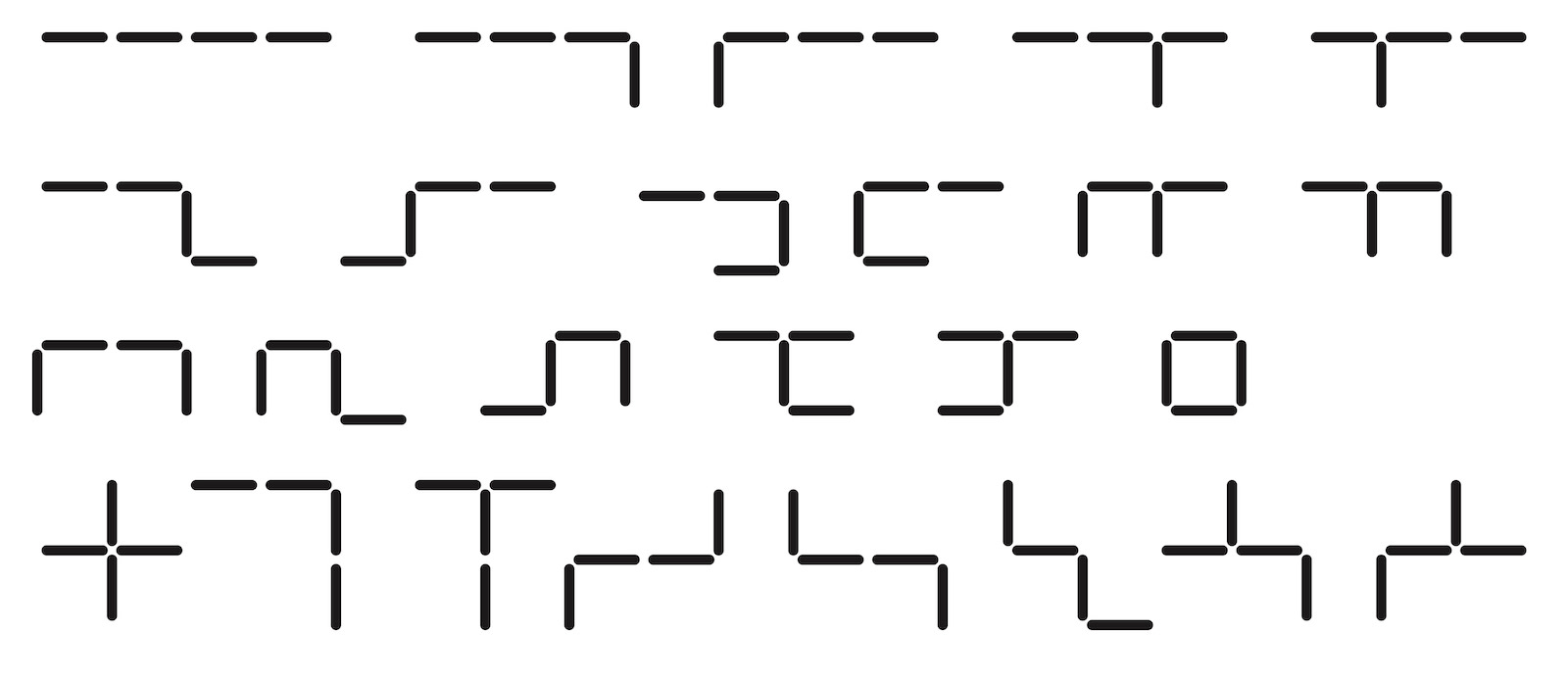
Tetrasticks 25 01

In other words, these are squiggles you can make with four strokes. They’d make a nice alphabet for people who are addicted to abstraction.
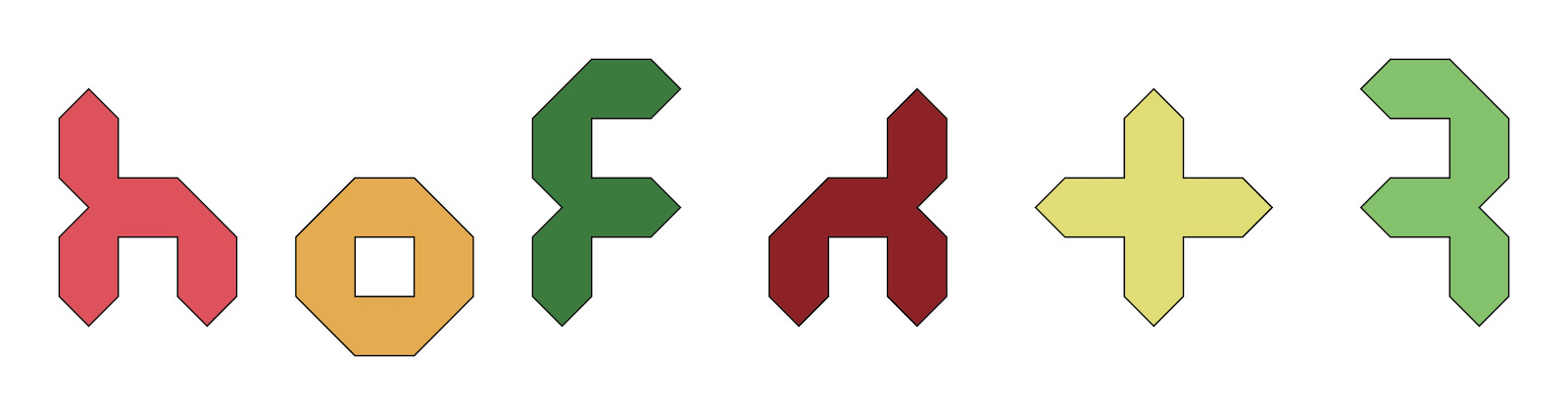
Hof 01


Today we are focussing on six of them, fattened and colored above. They are denoted by the letters H, O, F, +, and the mirrors of H and F. For reasons to become clear later we consider O and + also as mirrors of each other in a certain sense. The goal is to tile rectangles with them, like in the 3×7 and 2×12 rectangles below.
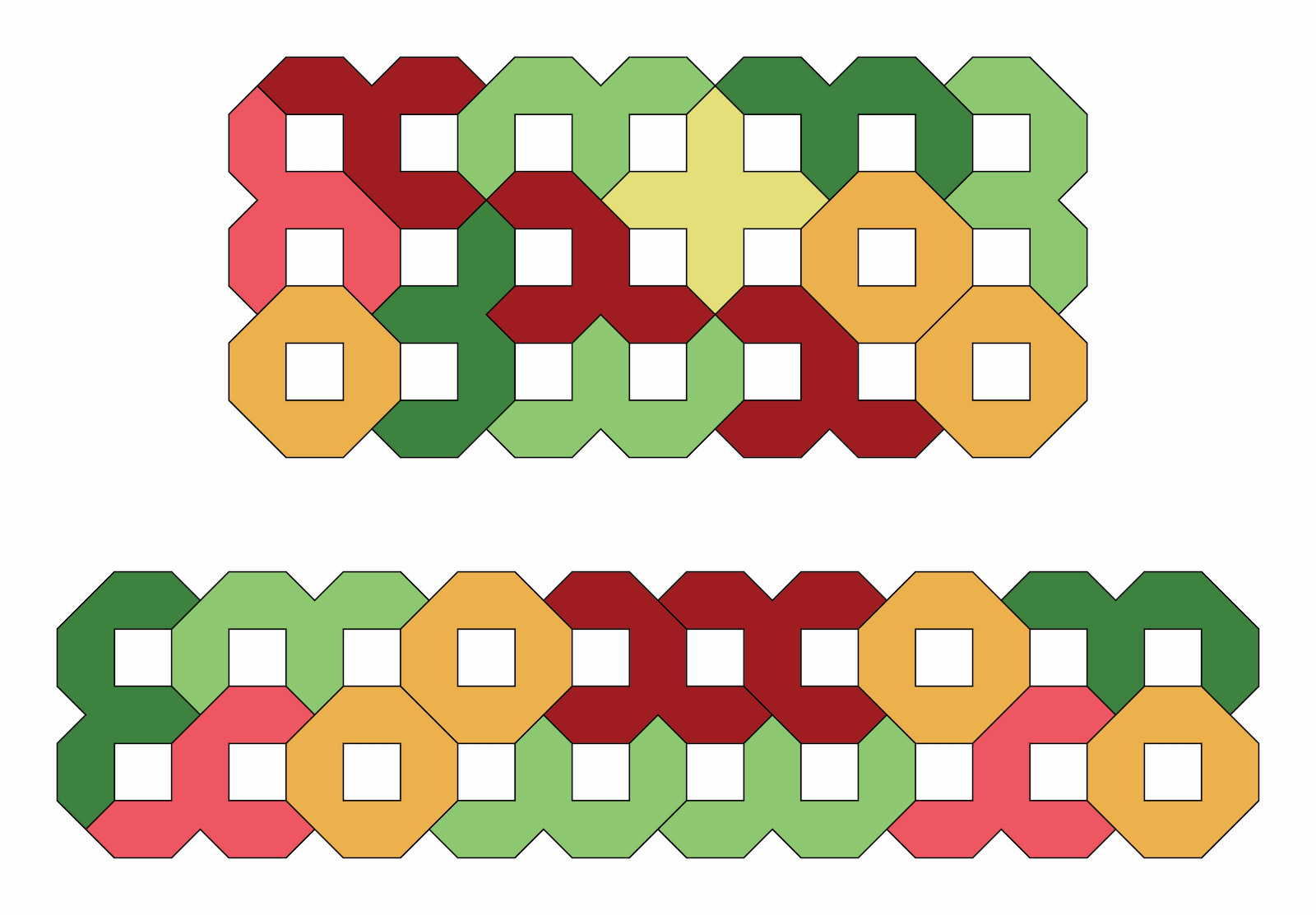
Example 01

There are many constraints on what tiles one can use, and how many. For instance, an a x b rectangular grid has a(b+1) vertical and (a+1)b horizontal edges, for a total of 2ab+a+b edges. This number is divisible by 4 only if a-b is divisible by 4, so squares are good for tiling, as are the two rectangles above. They both consist of 52 segments and thus require 13 tetrasticks. Below is a different example.
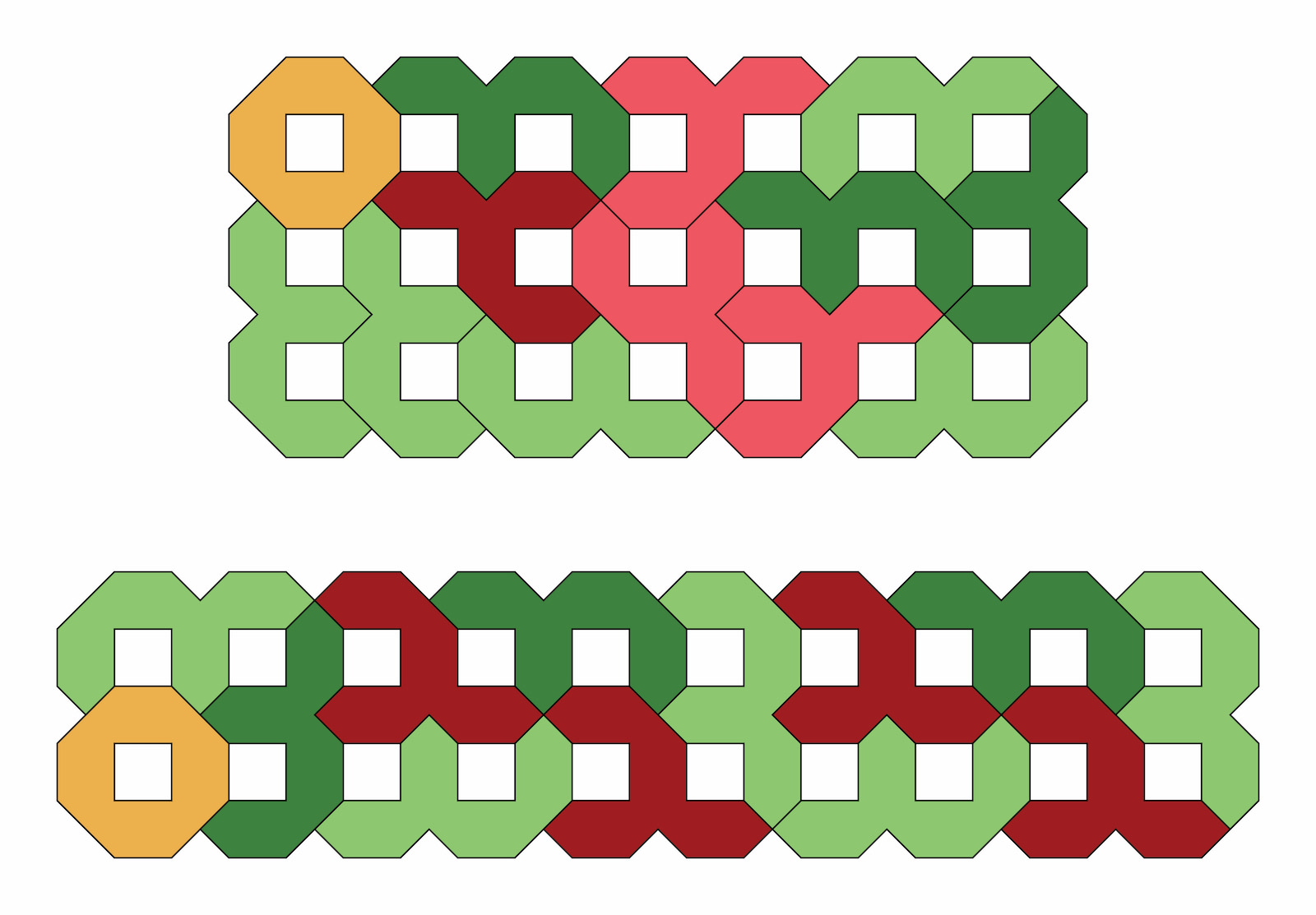
Example2 01

Note that all our 6 letter except for H and its mirror use two horizontal and two vertical segments. As the 3×7 rectangle has 4 more horizontal edges than vertical ones, we need at least four H-tetrasticks (or its mirrors) to tile this rectangle. We can use more, but then only an even number of them. Likewise, we need at least two H-tetrasticks to tile the 2×12 rectangle.
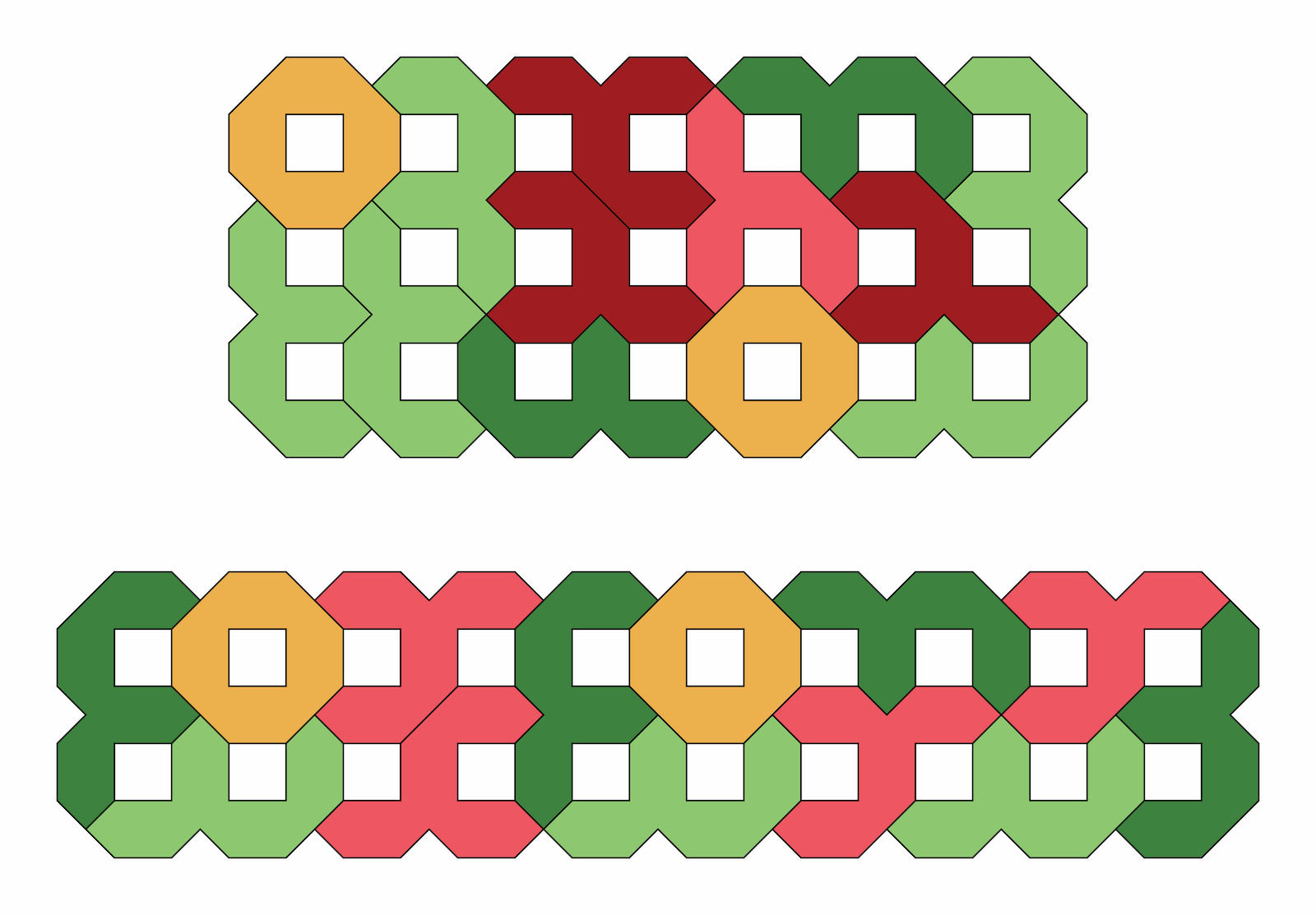
Example3 01

This brings us to today’s puzzle: Tile the 3×7 rectangle with your choice of 13 tetrasticks from our selection of six, and then use the same set to tile the 2×12 rectangle. The examples on this page are attempts that require to flip an H or an F into its mirror (or an O into +). Can you find a perfect solution that doesn’t require flipping a tetrastick over?
Shadows (Frost VII)

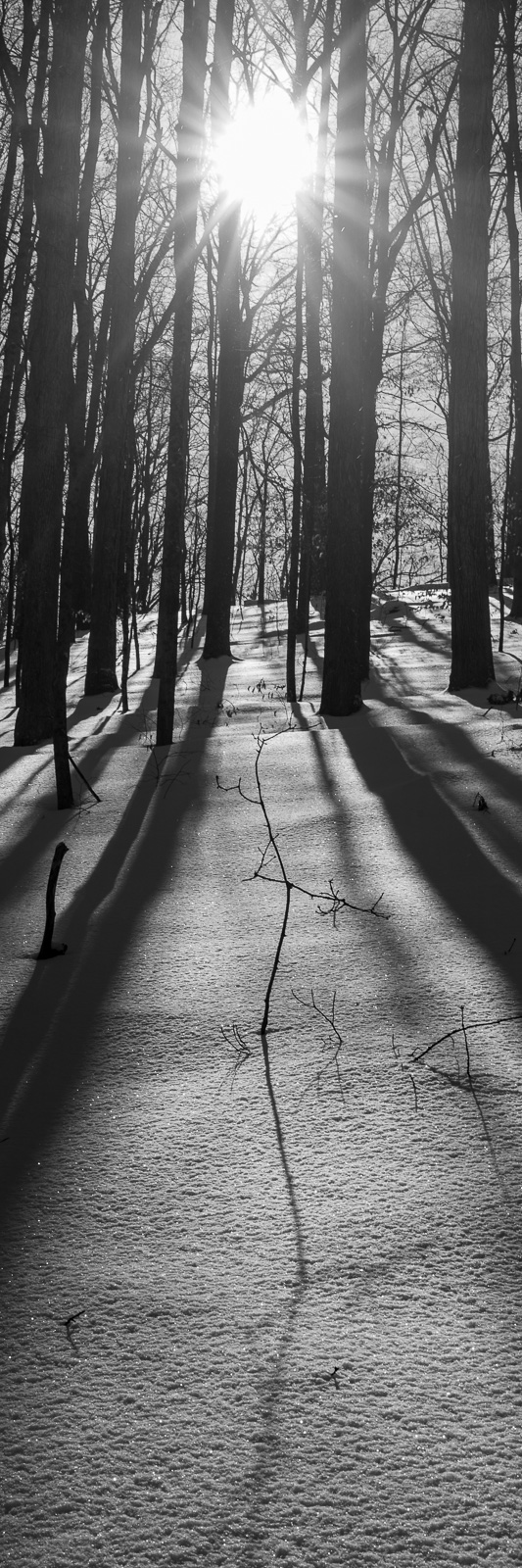
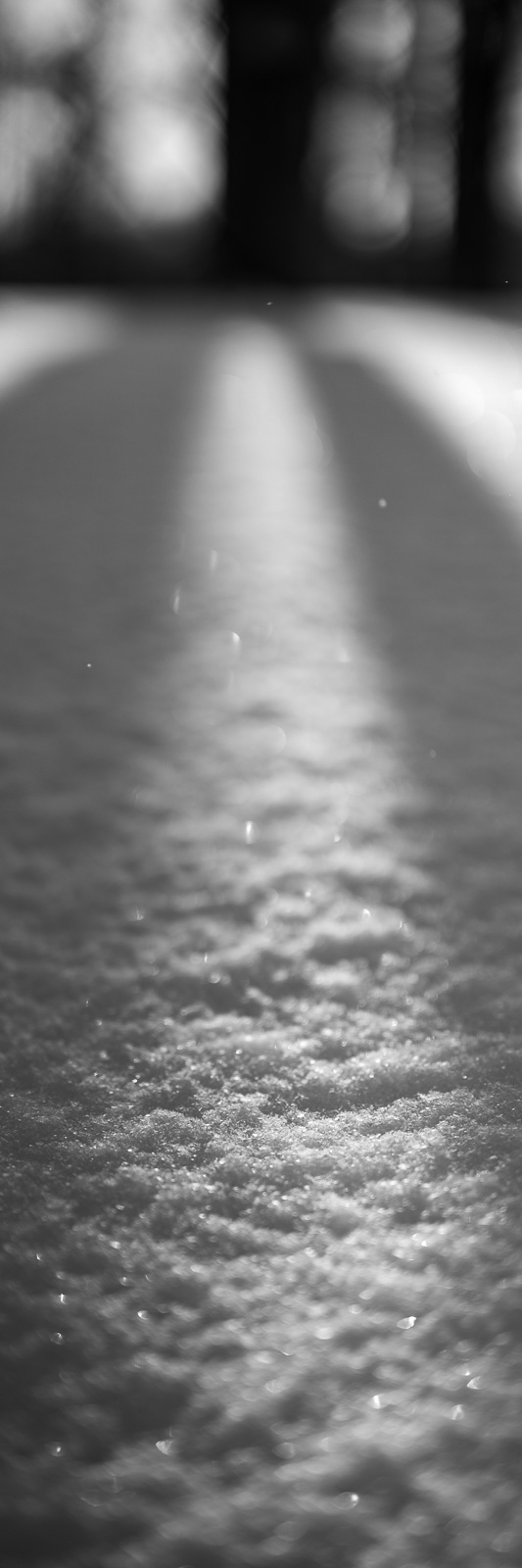
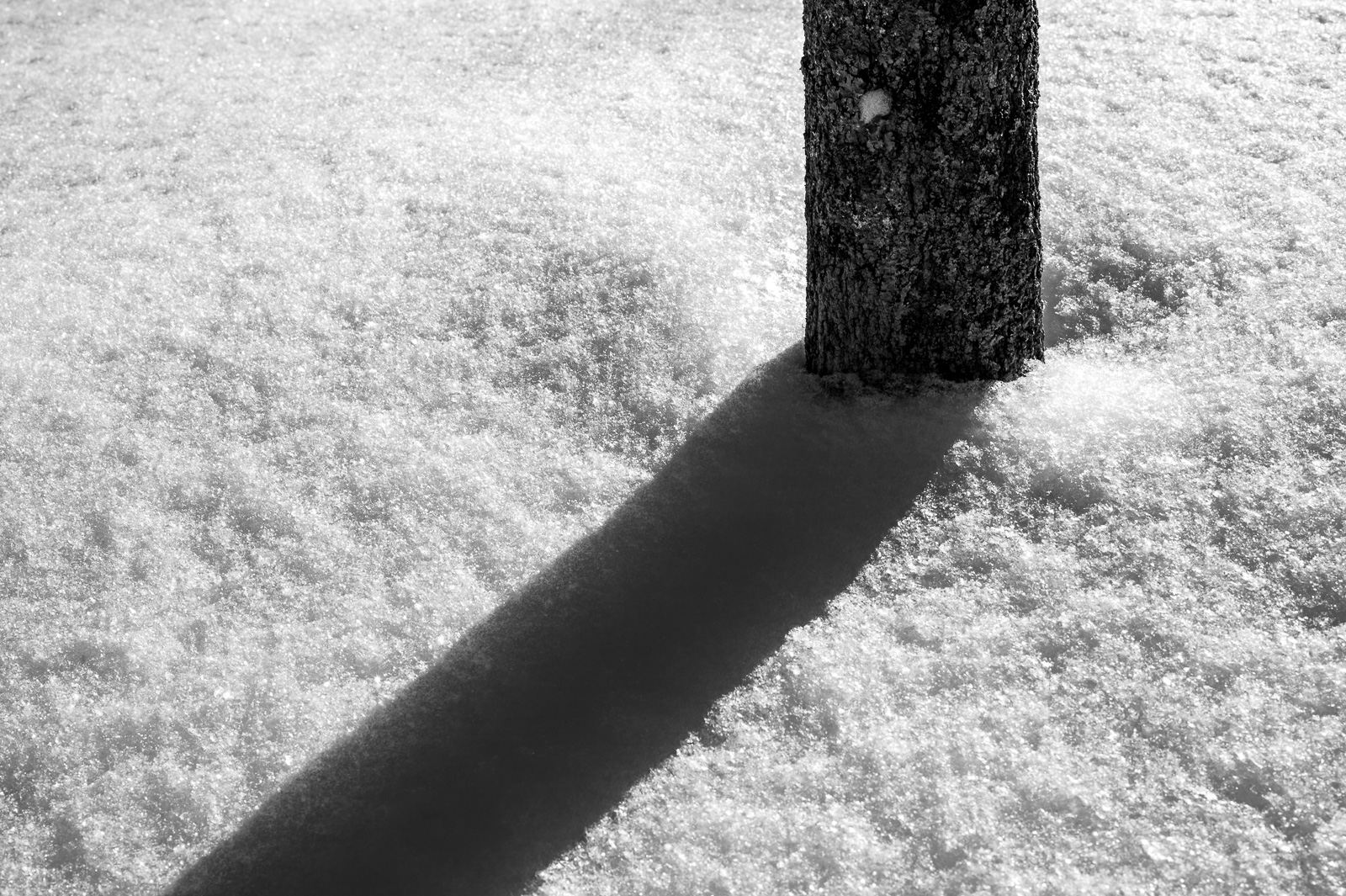
More heavy snowfall has transformed the forest floor.

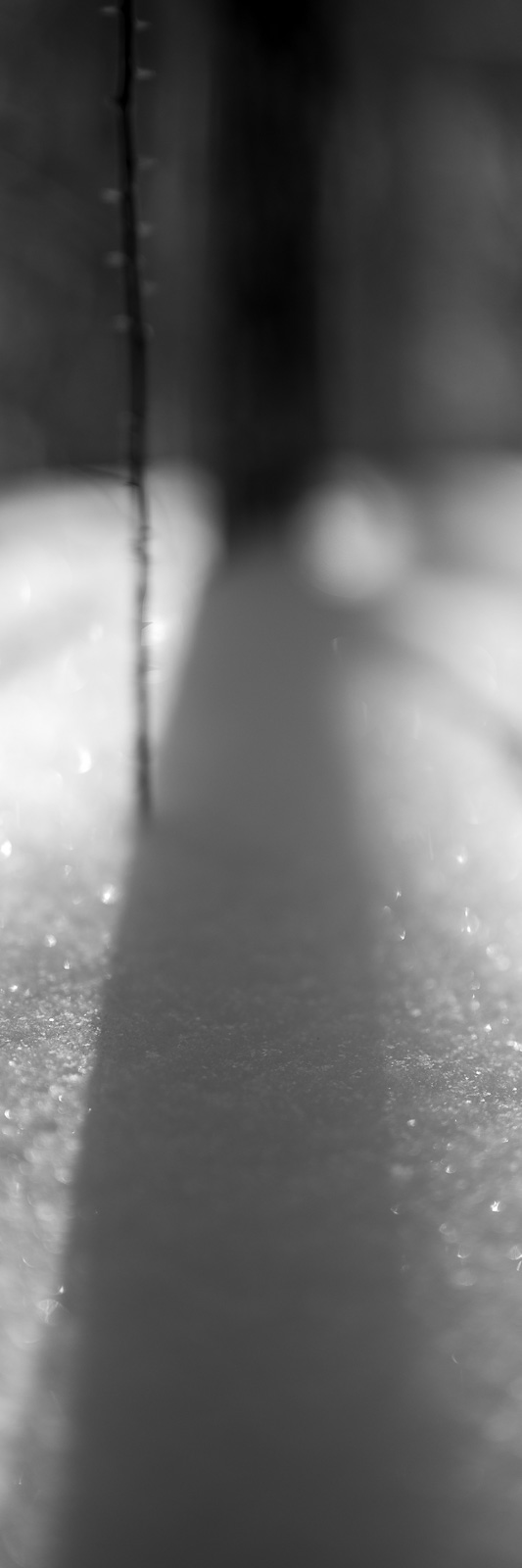
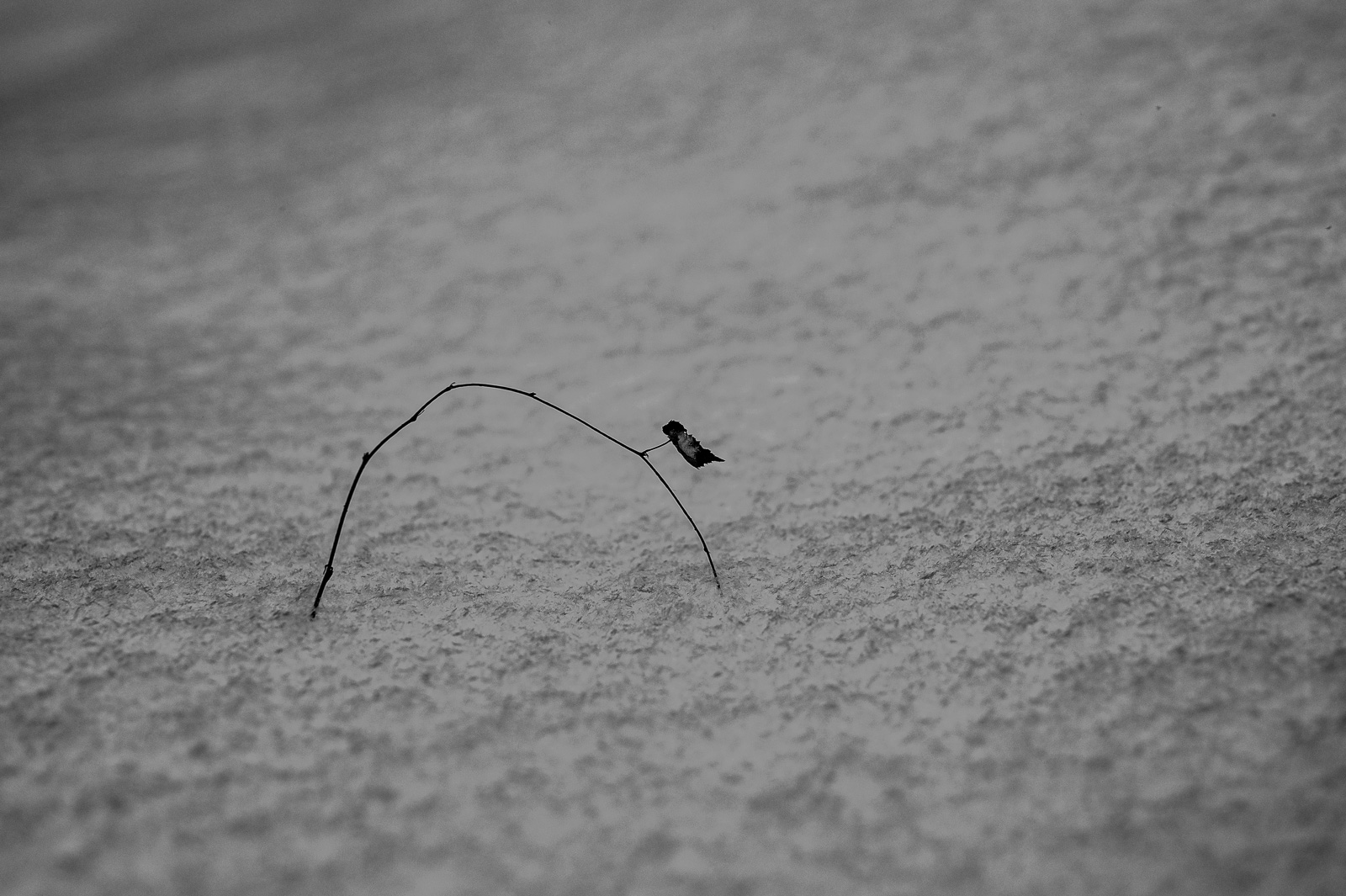
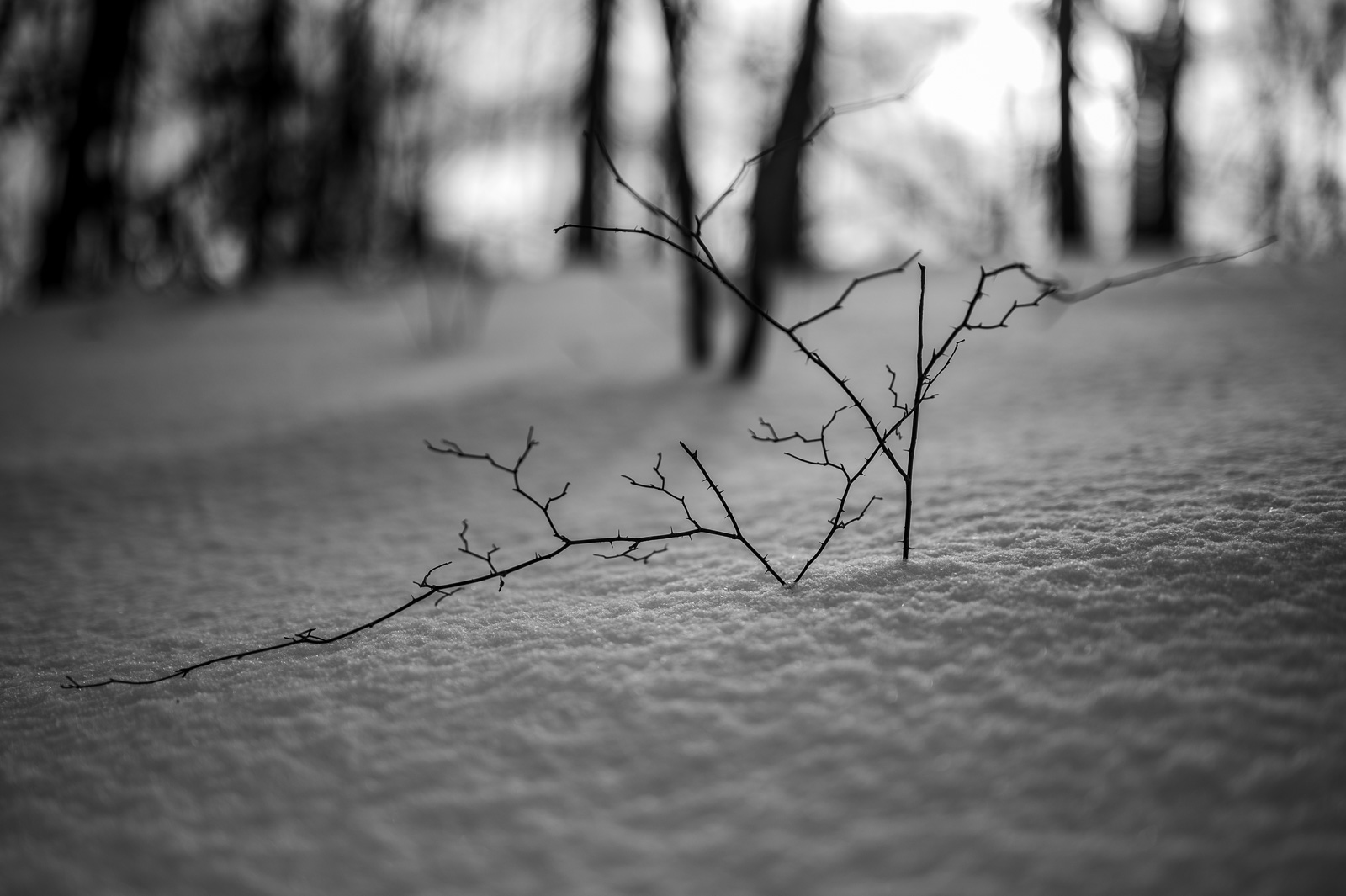
Instead of a mess of leaves and twigs and dirt, we get pristine branches in isolation.

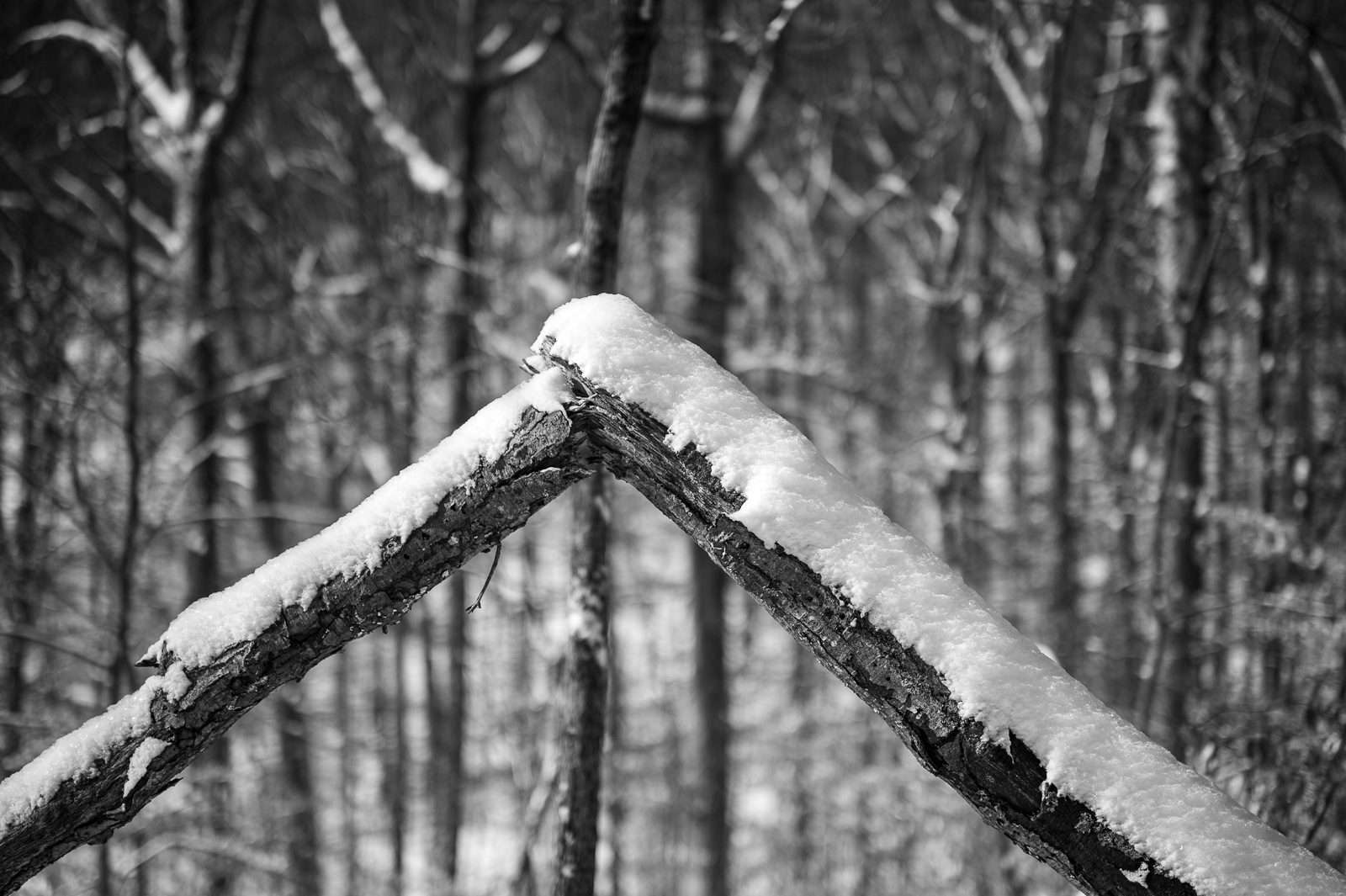
Then their bigger brothers and sisters, the trees. The Romans thought a tree to be feminine while the barbarians in the north considered tree as masculine — what do we really know about them?
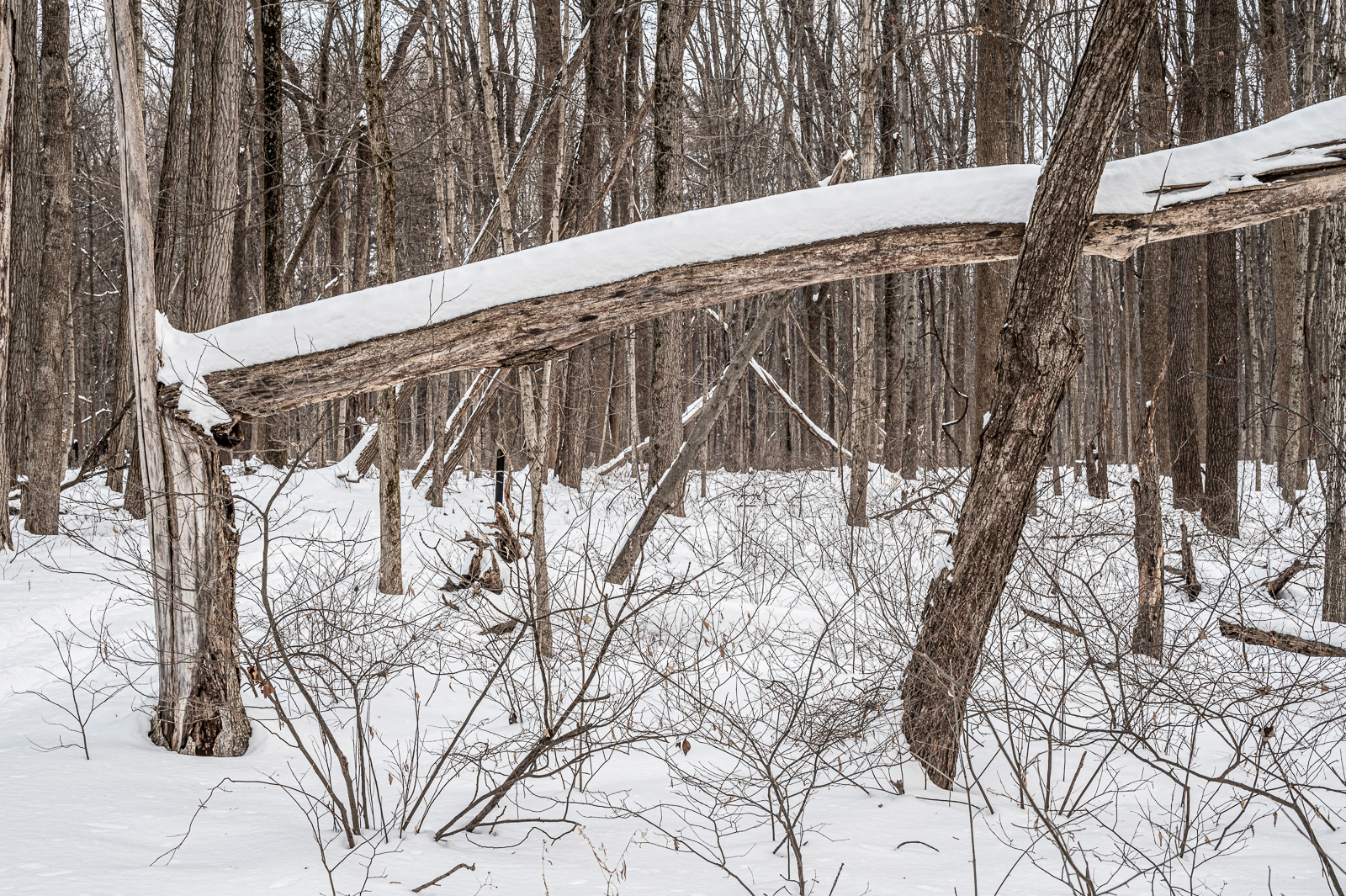
Capable of growth …

… and death, like us.

Wahr spricht, wer Schatten spricht.

The Ice Palace (Frost VI)

The ice on the lake shone so brightly that it did not look like ice at all.

Frozen into this block of ice were broad, sword-shaped leaves, thin straws, seeds and detritus from the woods, a brown, straddling ant – all mingled with bubbles that had formed and which appeared clearly as beads when the sun’s rays reached them.

And what was this?
It must be the ice palace.

But this was unexpected, too: she was standing in what looked like a room of tears.

No one is involved deeply enough to be present. A blast of noiseless chaos may cause the air to vibrate in distant bedrooms, but no one wakes up to ask: What is it?
No one knows.
Now the palace, with all its secrets, goes into the water-fall. There is a violent struggle, and then it has gone.

Quotes from The Ice Palace by Tarjej Vesaas, translated by Elizabeth Rokkan.