Columbus out of Focus

A while back I confessed that I had acquired a Velvet 56 from Lensbaby. Yesterday I decided to try this lens with street photography and architecture, abusing charming Columbus (Indiana) for that purpose. Of course, all images were taken wide open. Brace yourself.

DSC 5220

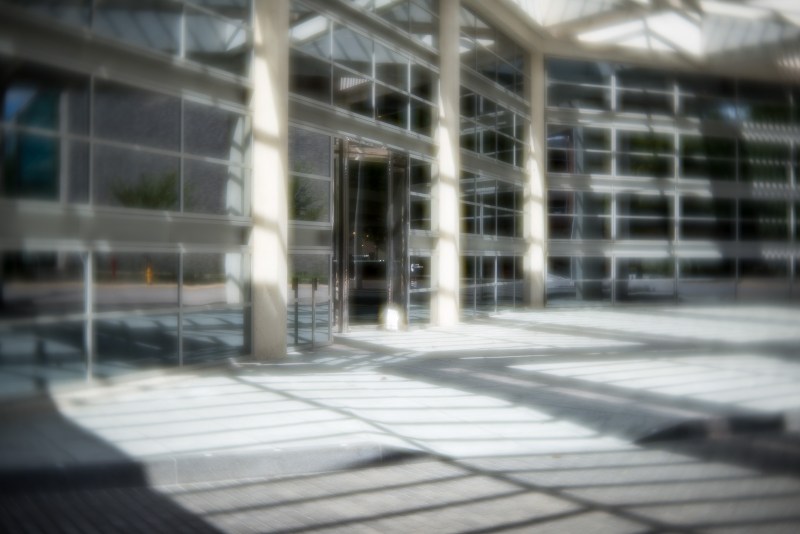
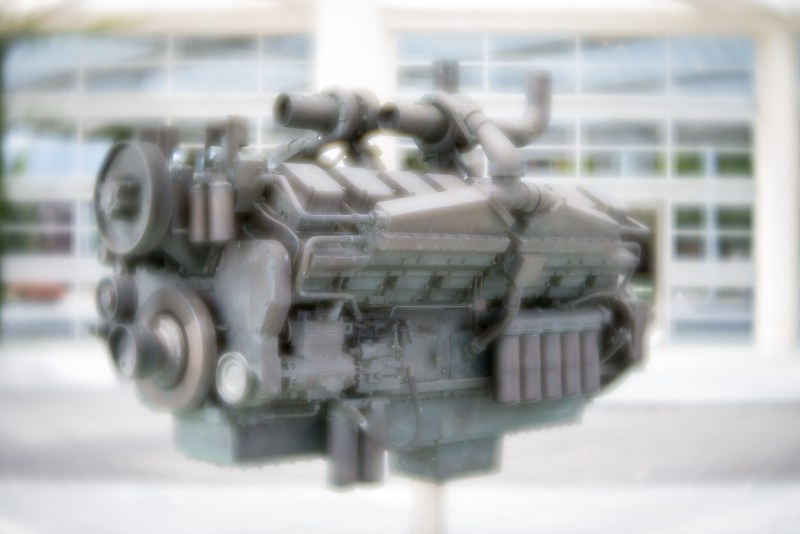
Above is the entrance of the Cummins Headquarter building. This lens has clearly difficulties here. The overall softness distracts from the graphical elements. If you don’t know what Cummins is making, you can see one of their products below. It is not a space ship, nor a gun.

DSC 5214

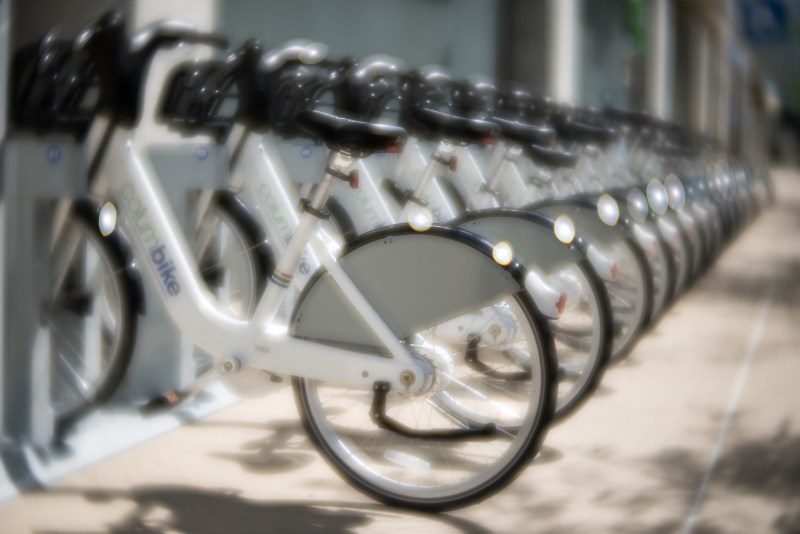
While Cummins would probably not use this image for marketing, the Velvet 56 does a much better job when there is an obvious foreground. With the rental bikes lined up below, one can see nicely how the lens progresses into unsharpness and how it deals with highlights.

DSC 5264

I still like that image, and even more so the image below. Beautiful couple on beautiful bikes.

DSC 5281

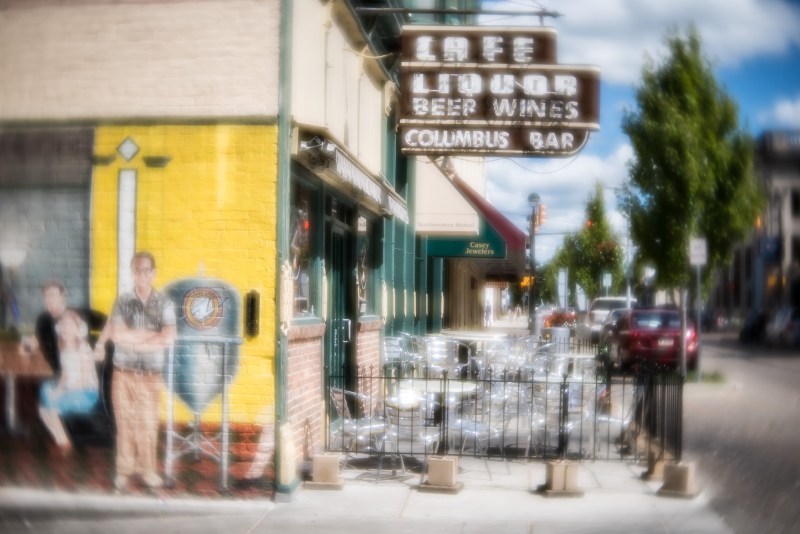
My favorite is the last one, however. The unreal mini-halos about all the highlights on the chairs complement the mural as if the lens just came out of the bar…

DSC 5269

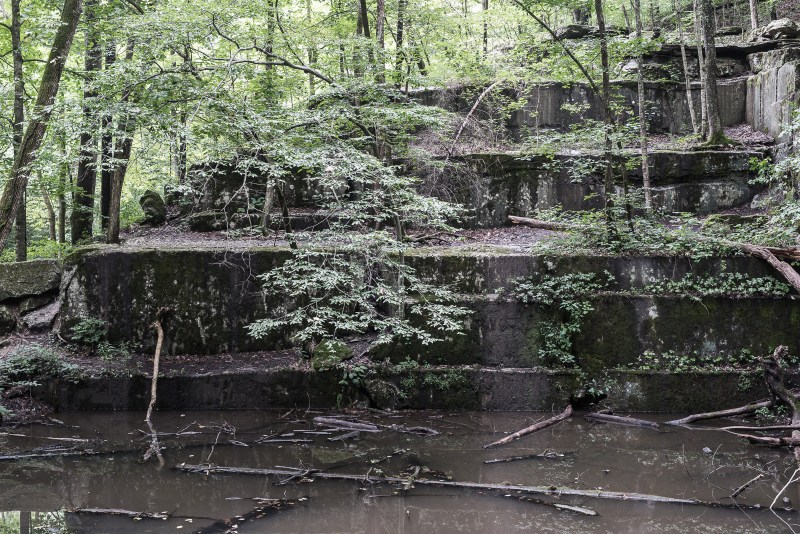
The Quarry

The quarry is an interesting design pattern. Our daily lives need nurture, and while some of the nutrients are free or at least easily available, there are some that require hard work: Seek out the sources, mine them with skills and stamina, and transport and transform the goods into desired place and shape.

DSC 4881

We all should have our own personal quarries (which is why I declared them a design pattern, not for computer science but for the architecture of our own lives). My personal quarries, in a pre-internet life, used to be bookstores. They had their own personality that you needed to get acquainted with, invited into, so to speak. There were unforgettable moments, for instance, when I went into one of these quarries in Marseille, found Marcel Béalu’s L’Expérience de la nuit, and was told by the wise person at the cash register c’est une très beau livre. Indeed it is.

DSC 4897

Another key experience was my visit to a museum book store in a city I hadn’t been before. I was instantly struck by a déjà vu experience next to none: I had been in this bookstore before. To prove this to myself, I went straight to a shelf in a particular aisle and retrieved the book I knew was there. I don’t believe in these things, and they don’t happen to me.

DSC 4877

It took me a few hours to remember that I had been to a another museum a few years back, and visited their museum store, which had the exact same layout as the one that caused my déjà vu. This was long ago, and in Europe, and I was not familiar with the fact that store owners had discovered design patterns and used them for cheap and successful replication.

DSC 4896

Since then, times have changed again. Not only are my book quarries mostly gone, but even the chains of near identical book stores have largely disappeared, replaced by electronic online retailers. I don’t object the internet (how could I). But I believe that we need to resist the total commercialization of our lives. We can do so by creating little quarries for others. Maybe.

DSC 4880

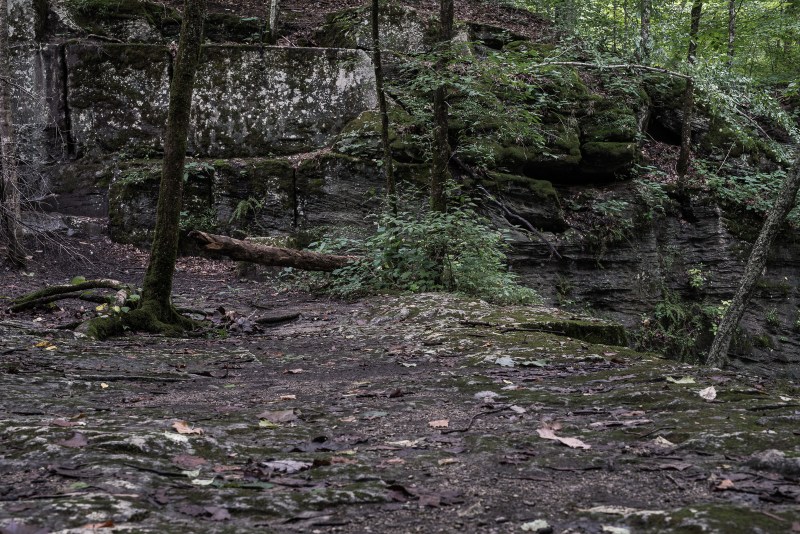
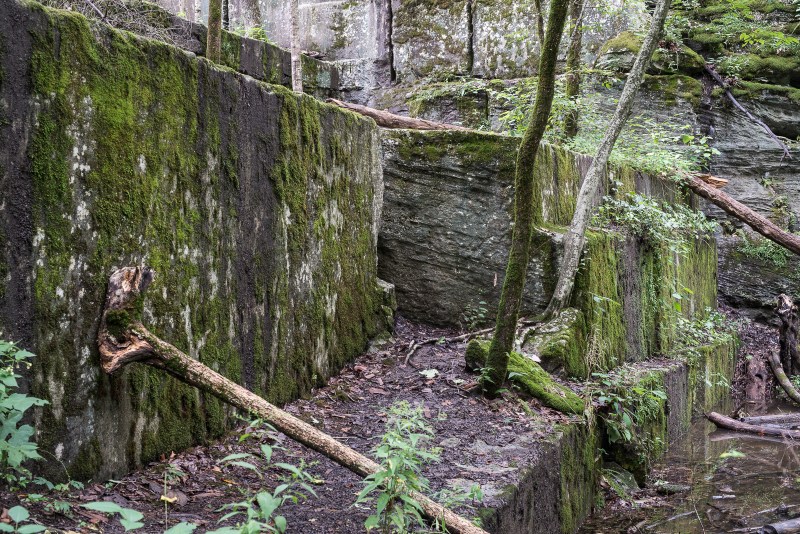
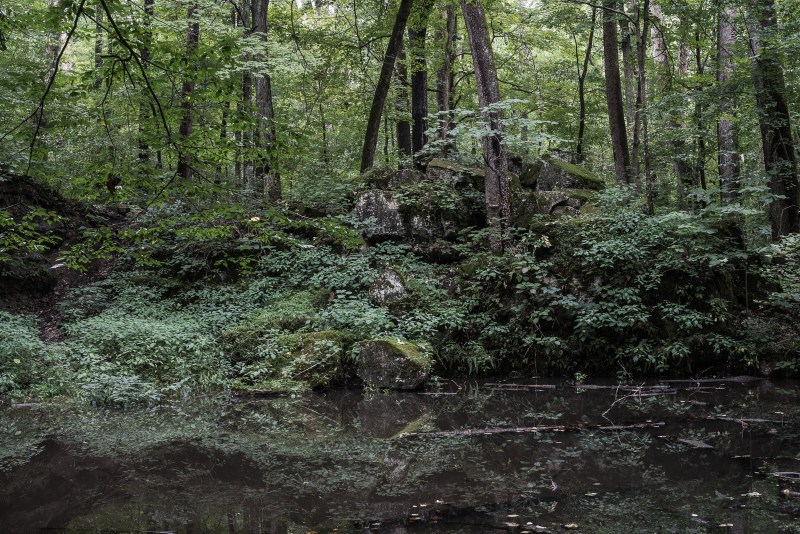
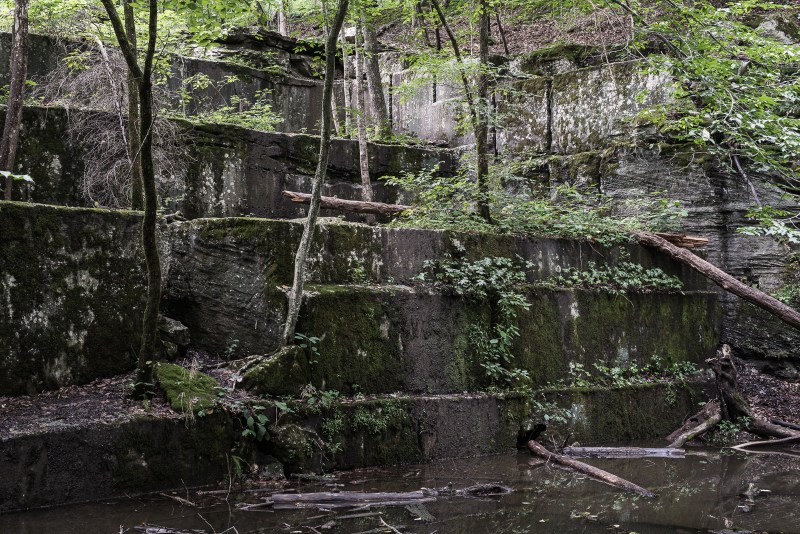
The pictures here are from the Old State House Quarry in McCormick’s Creek State Park. Southern Indiana is limestone country, and the lime stone from this particular quarry was quarried in the late 19th century.

February

DSC 3971

I am one of those people who are often oblivious of their surroundings, which gives me the advantage to discover things even after years at the same place.

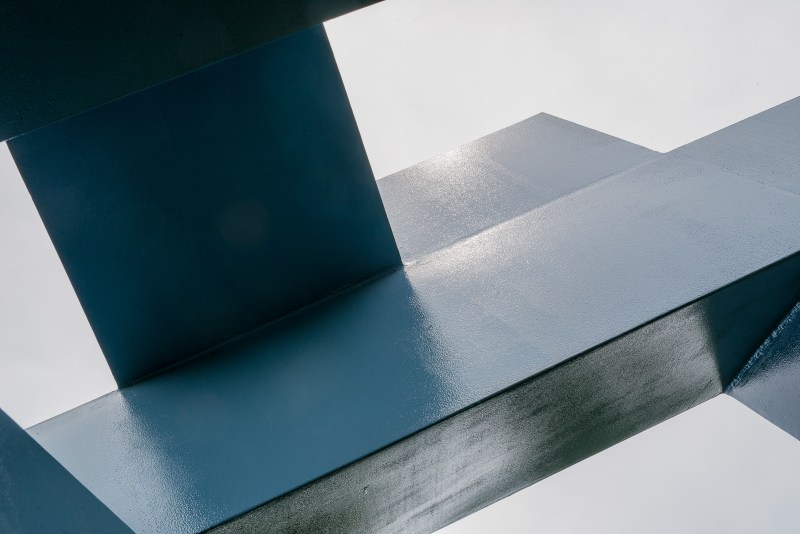
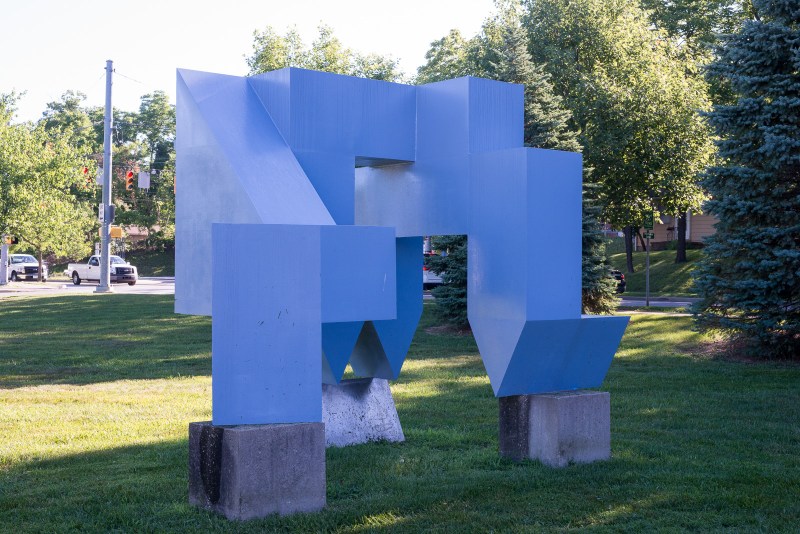
One of these things is Jerald Jacquard’s steel sculpture February, in front of the McCalla School in Bloomington.

DSC 3953

It first caught my attention through the sound it makes: Put one ear next to one of the three “legs” of the sculpture, and gently hit another part. Some ambient musician should explore this.

Jacquard4

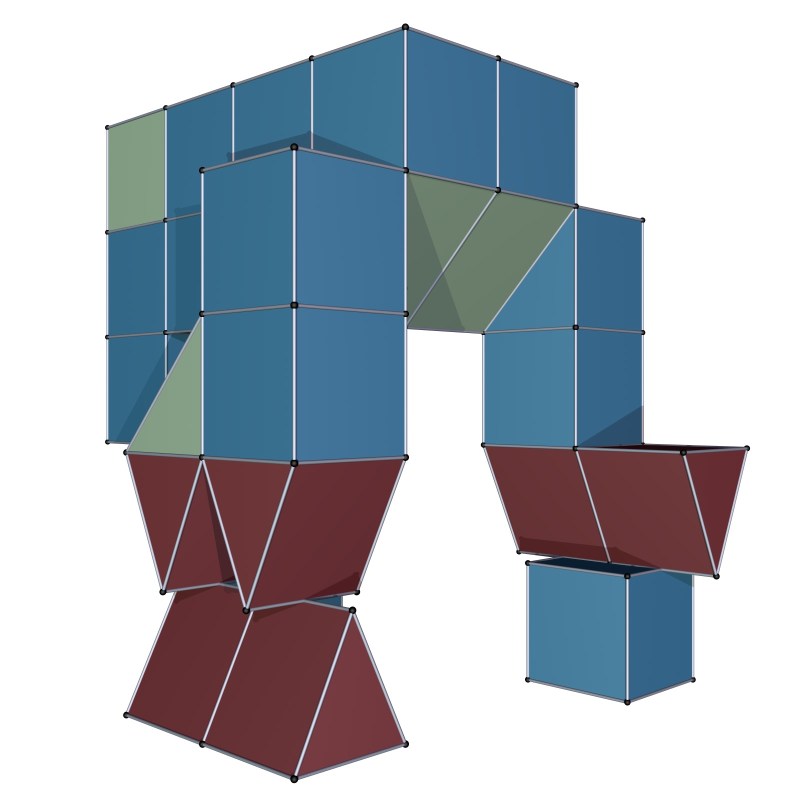
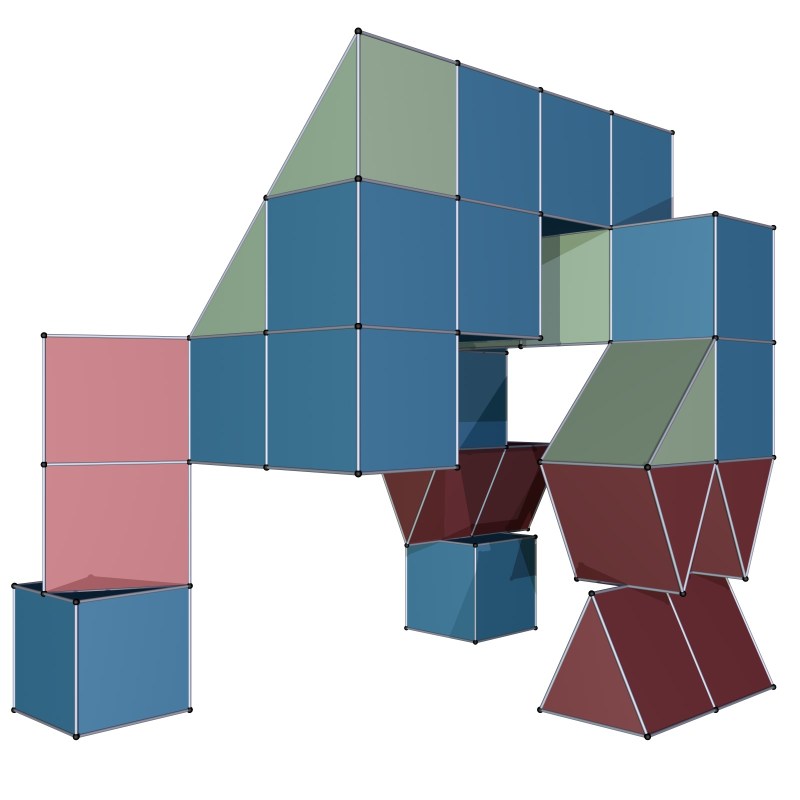
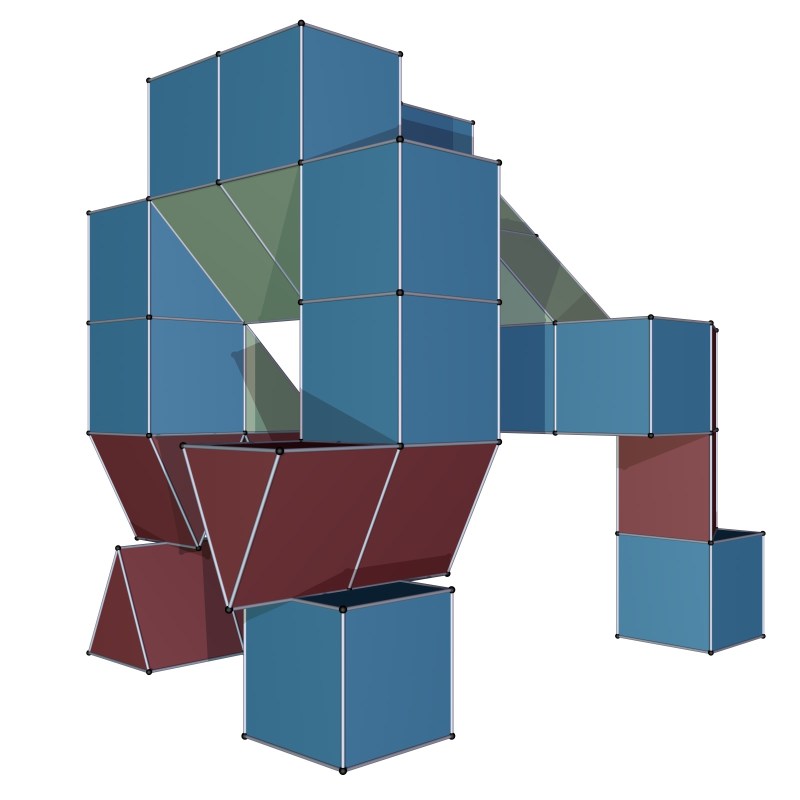
But the sculpture has more to offer. It is made of 28 blocks (one for each day of February). Each block is either a cube, or a halved cube. For halving a cube Jacquard uses two possibilities, both prisms over isosceles triangles, and both exactly half the volume of the cube. The usage of the (in my re-rendering, red) prisms is strictly limited to the lower part of the sculpture, making it to appear more open at the bottom than at the top.

Jacquard3

The other (green) prisms are used to create roof-like slopes. Almost all blocks are placed in a cubical grid, but there is one exception.

Jacquard

The front-bottom cube in the image above is moved to be able to support the two prisms above. Maybe, in leap years, one should add another cube?

Walls

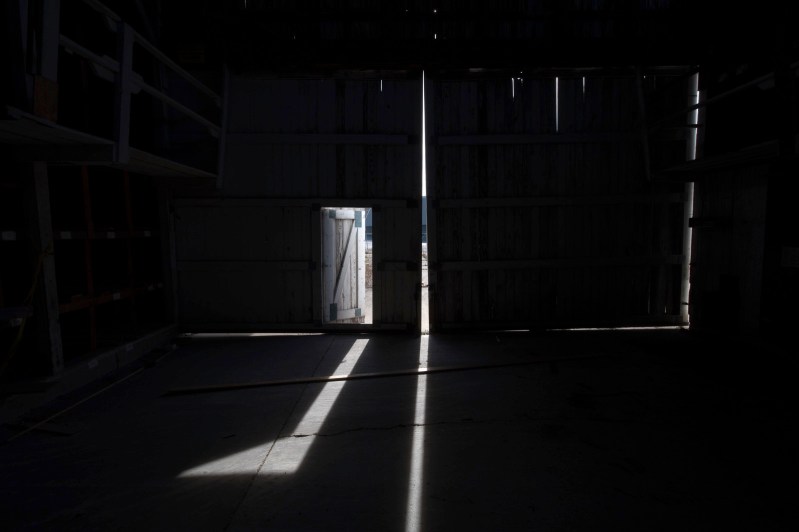
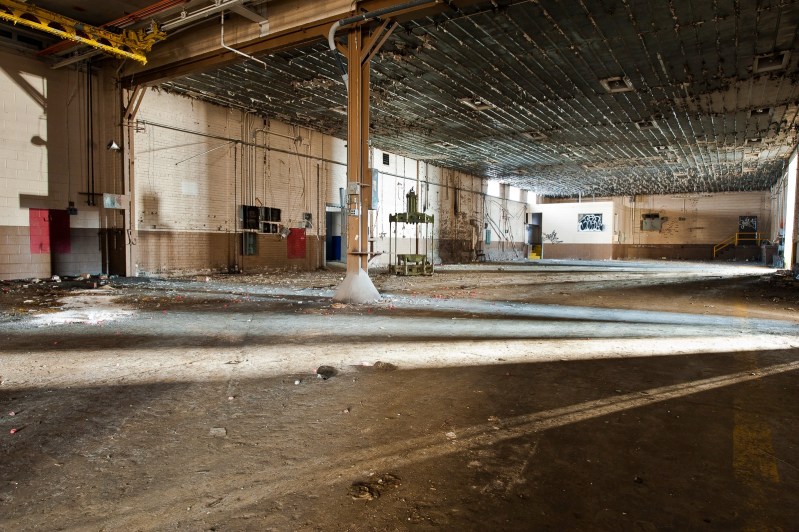
A while back I posted a few images from a nearby industrial ruin. Here are some more.

DSC6491

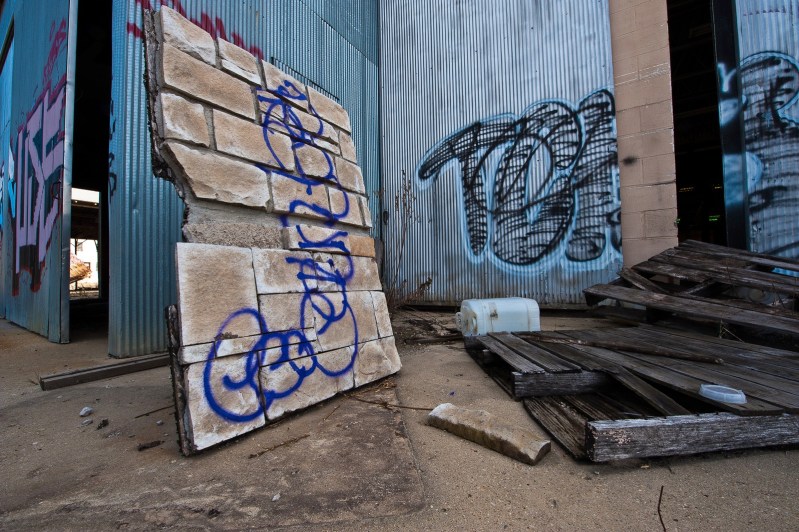
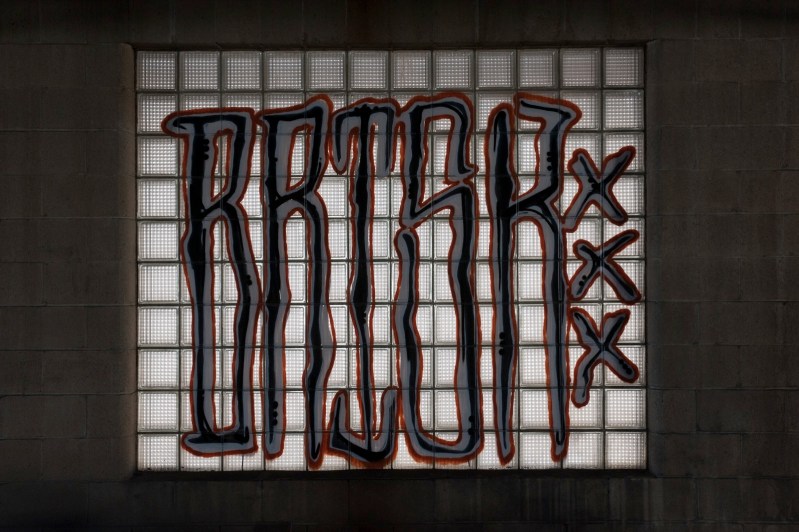
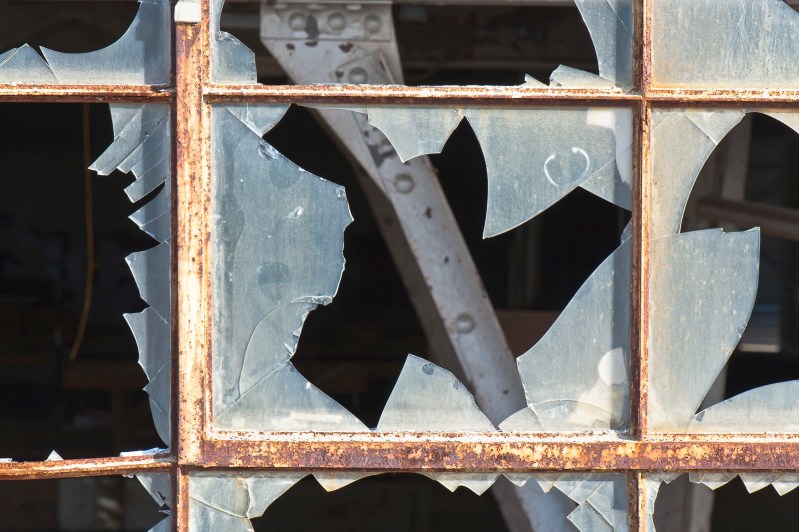
This time, the theme are walls. They are back in fashion these days, and it might help to see what inevitably happens to them.

DSC6553

The function of a wall is rarely only to separate two sides,
DSC6362

but also to be a platform for comment,

DSC6352

a target for subversion,

DSC6601

or sometimes a symbol for future obsolescence.

DSC6411

We just need to make sure that the open space is significantly better.

DSC6319

Bending but not Breaking

DSC 1414 2 2

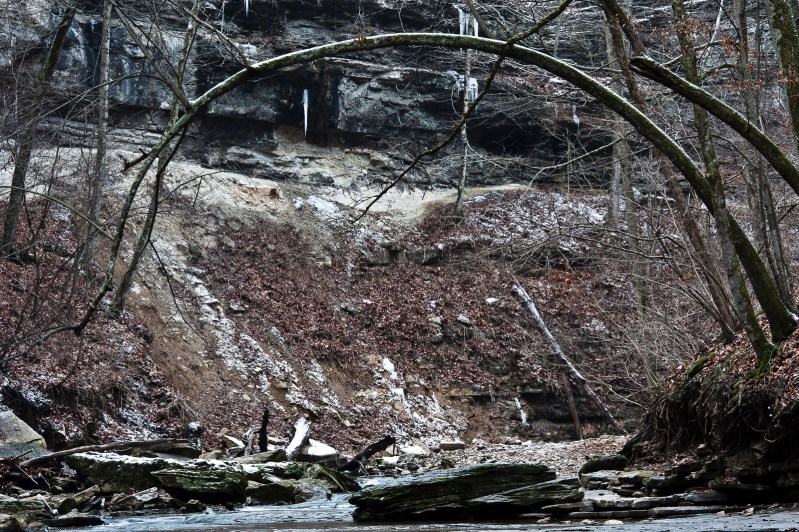
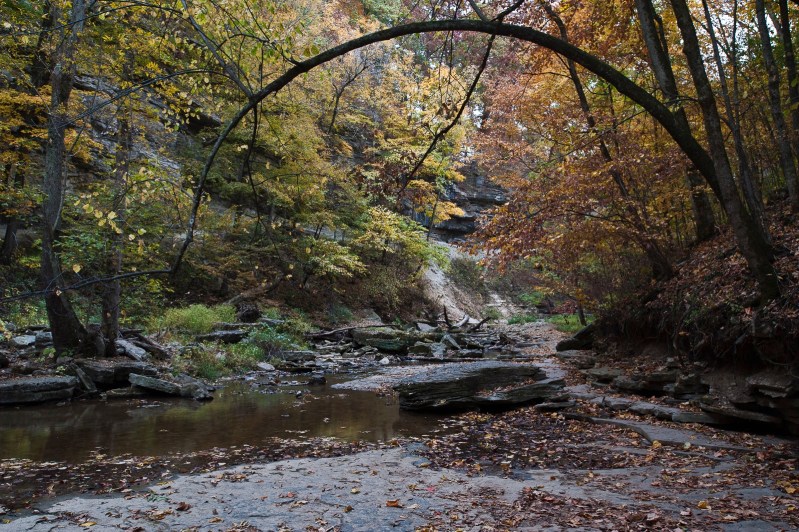
When I first saw this nicely bent tree in McCormick’s Creek State Park in the fall of 2008, I did not expect to see it again.

DSC7716

Arch like trees have become something like an archetype for me, or rather, as I am not so fond of C.G. Jung, a pattern, as in pattern language. They serve the (purely symbolic, of course) dual purpose of creating a connection between two sides and signaling a passage through, and all this under the apparent duress of being bent to the verge of breaking. In any case, this arch was still there in winter, the next summer,

DSC 4218

and the following years.

DSC4202

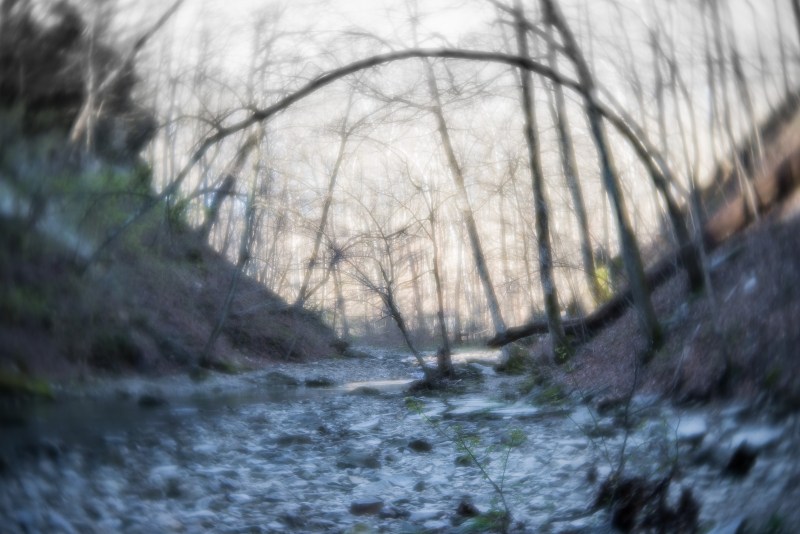
Is it still there? I leave it to you to decide whether this year’s image shows he same tree again.

DSC 2900

It does not matter. Thomas Mann explains in his tetralogy Joseph und seine Brüder his concept of time: Events, or motifs for stories, or patterns, reoccur or are at least thought to reappear over and over, with no hope to trace their origin or future repurposing.

There will always be trees ready to bend, even after countless others have been broken.

DSC 2801

In Memoriam, Orlando 6-12-2016

Trillium Luteum

PICT0009

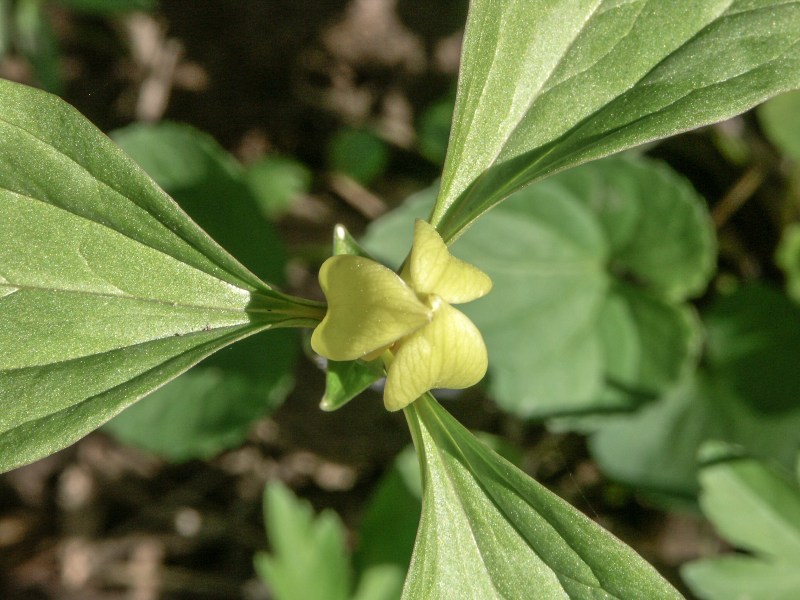
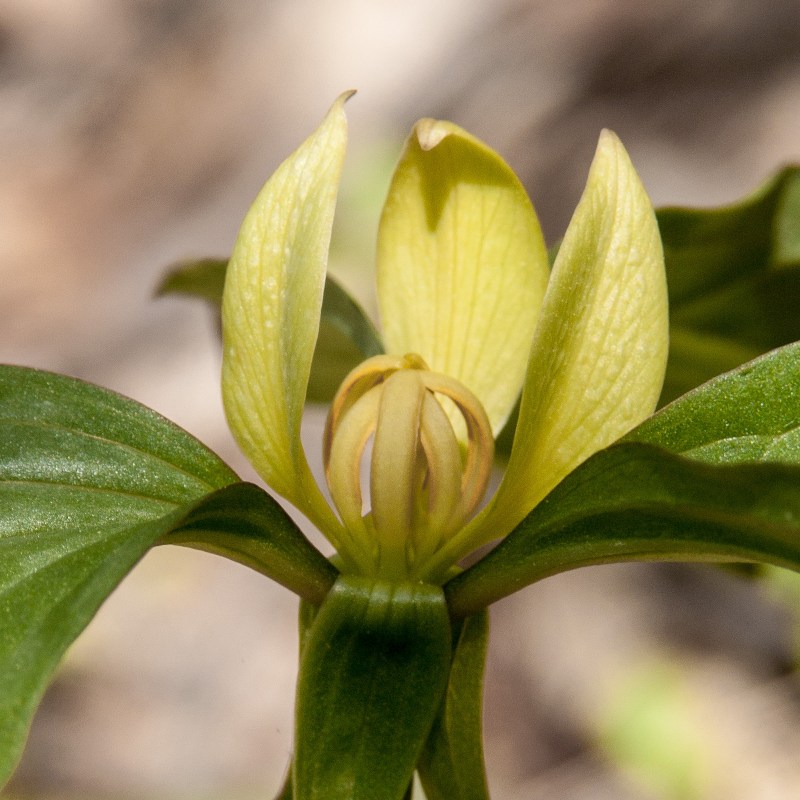
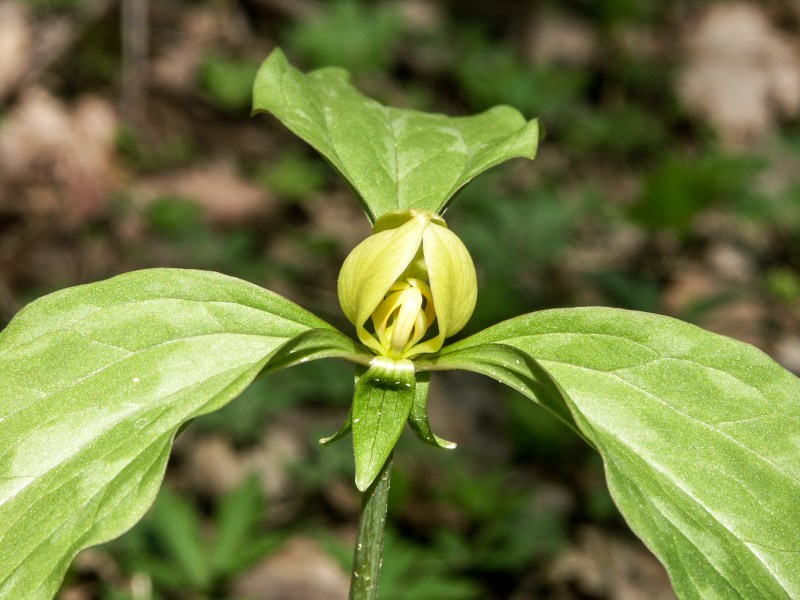
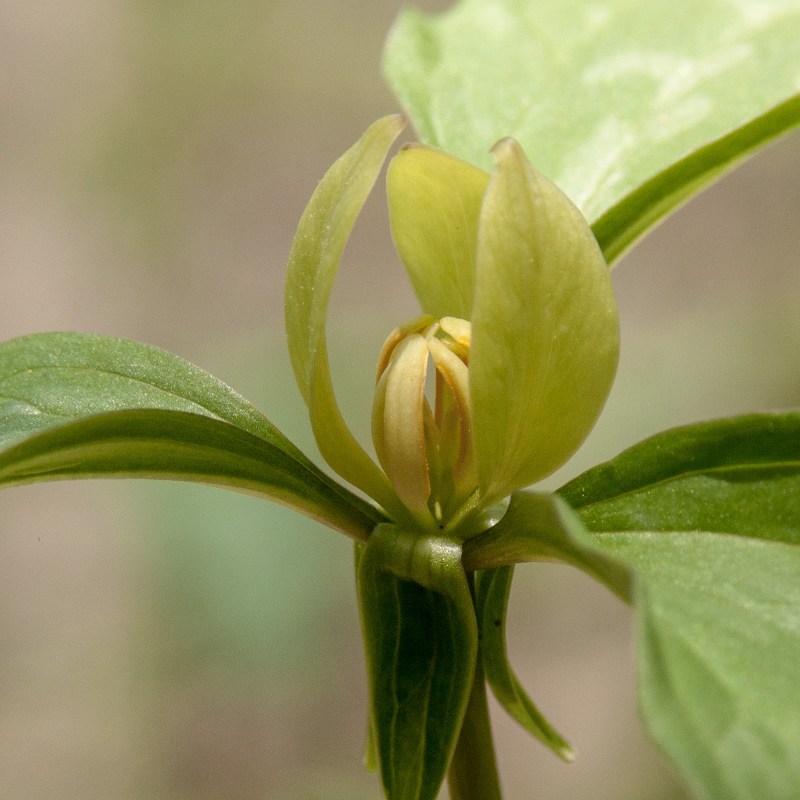
The Trillium luteum is a yellow variant of the red Trillium Sessile. Like the sessile, the flower sits right on top of the three symmetric bracts at the end of the scape.

PICT0063

These pictures were taken in 2005 and 2006 in McCormick Creek’s State Park. In April one can find there mostly the Trillium Sessile, the Snow Trillium and the drooping trillium.

PICT0011

Back then, I had just started taking pictures of the local wildflowers, and took pictures of everything that didn’t appear too common. Sadly enough, I have never seen a yellow trillium again in Indiana.

PICT0064

Out of Focus

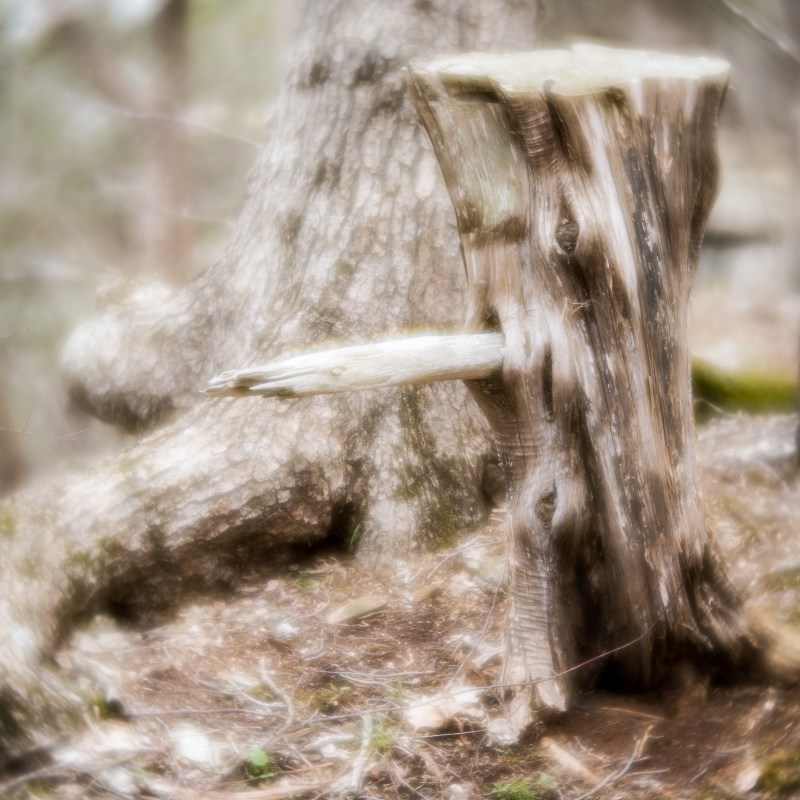
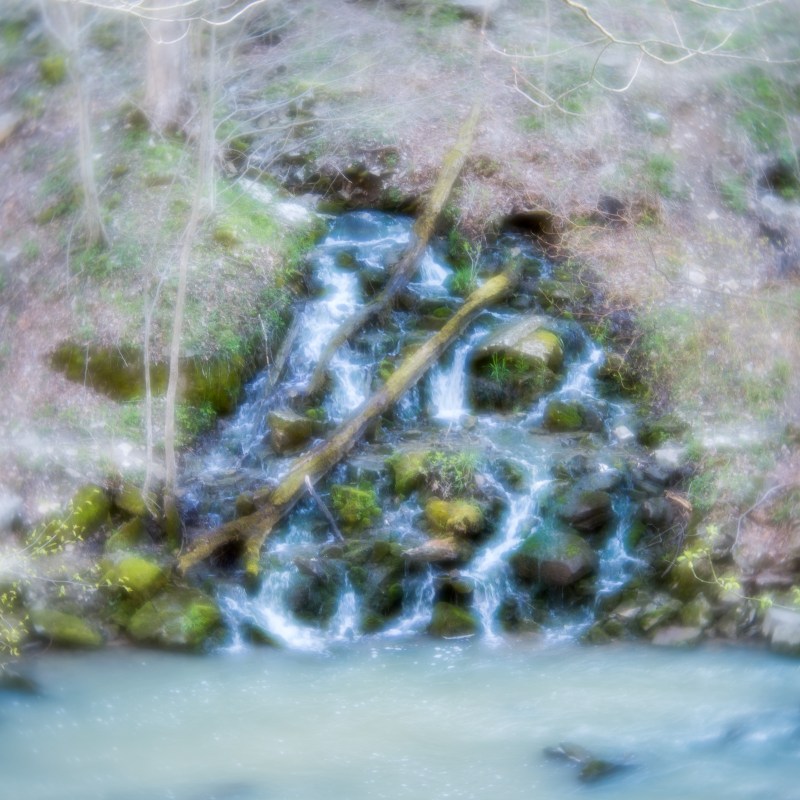
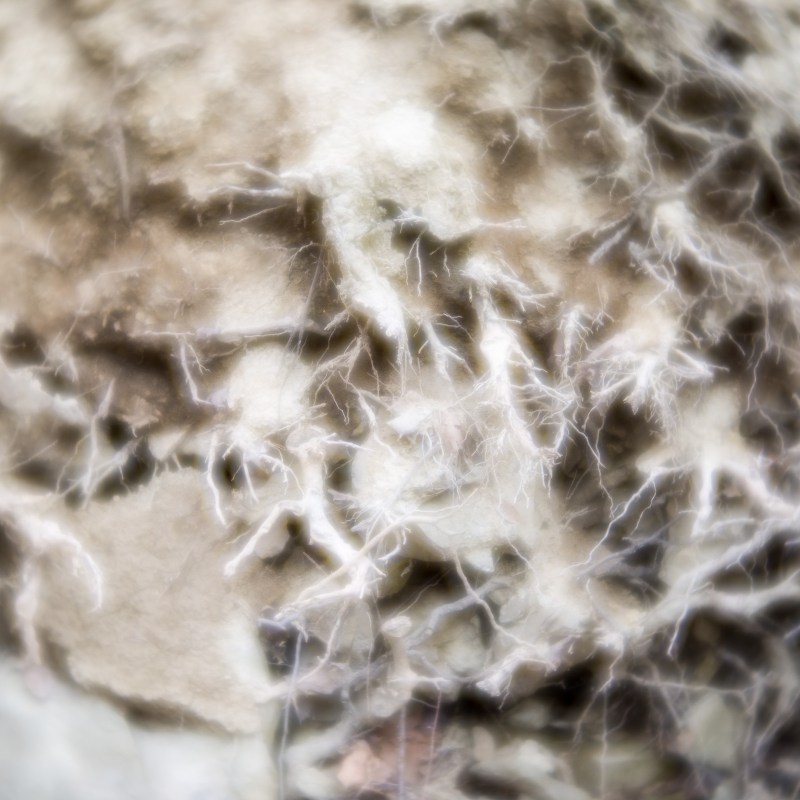
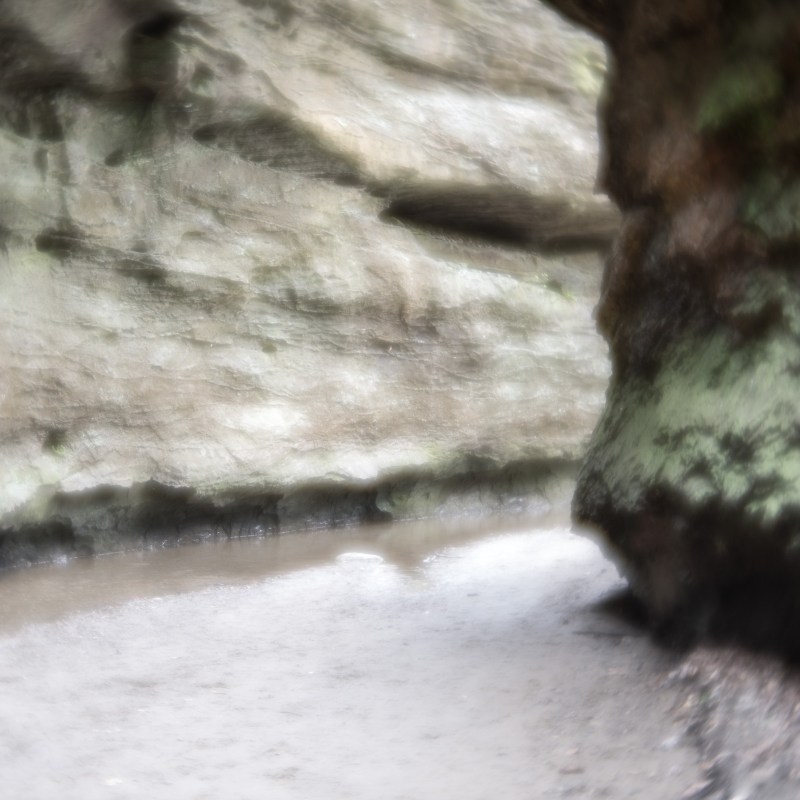
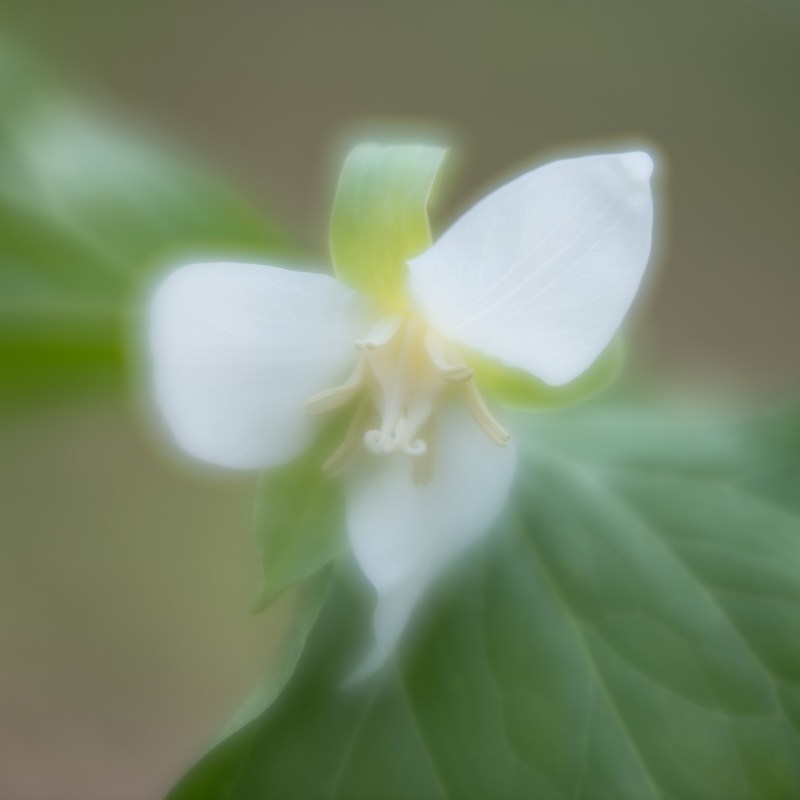
For several years, I have toyed with the idea to get one of Lensbaby’s odd experimental lenses. Against good advice, I have purchased the Velvet 56. This is a full frame 56mm lens, with maximal aperture 1.6. It is my most specialized lens by far. It excels at not being sharp.

DSC 2611

Even when stepped down, it is blurry near the edges of the frame. I decided to take it to its other extreme, and use it wide open. Then, the shallow depth of field and the radial decay of sharpness join forces. There are other artifacts, too. The glow around edges for instance is possibly caused by drastically exaggerated chromatic aberration. People have claimed that all this can easily be achieved in Photoshop.

DSC 2774

Maybe so. The images have a strange depth that might be hard to achieve. But even if somebody comes up with a Velvet 56 filter, this is not the point.

DSC 2690

For me, the most exciting aspect about photography is the moment when I take the picture. I transforms what I see and feel at this moment into a rather selective image that I hope will represent what I have seen and felt in some way. Improving the outcome in post processing is of secondary importance.

DSC 3315

The Velvet 56 is the most limiting lens I have used. No filter will make these images sharp. Some might view this as a fundamental flaw. I view this as a creative challenge. You have been warned.

DSC 3136

La terre qui penche

In Carole Martinez’ extraordinary novel La terre qui penche we encounter the Middle Ages through the eyes of adolescent Blanche (and her mysterious and timeless alter ego, the Old Soul). Nature has not been conquered yet: Imagination and poetry instead of science are the primary means of comprehension.

DSC 0633

Southern Indiana’s landscape is hard to capture, because it is full of ruthless vegetation, and the harsh sun provides unwanted contrast. I usually resort to taking pictures of carefully selected views before or just at sunrise. This works well, but doesn’t capture how it really looks like.

DSC 0637

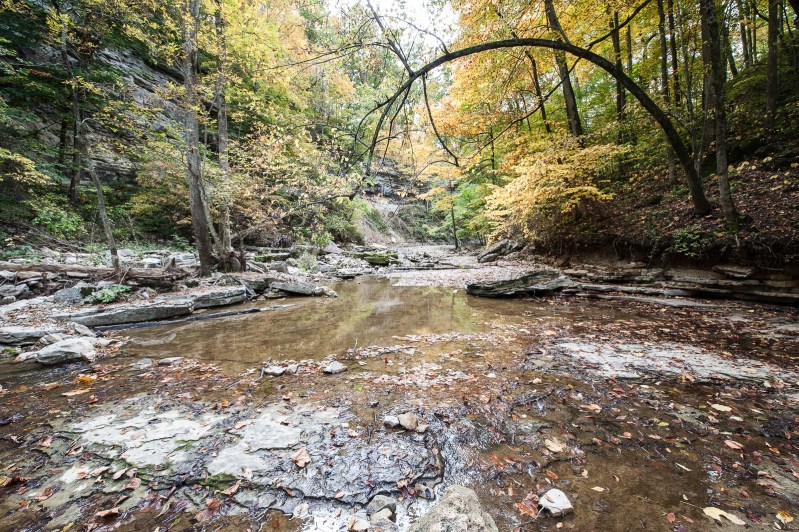
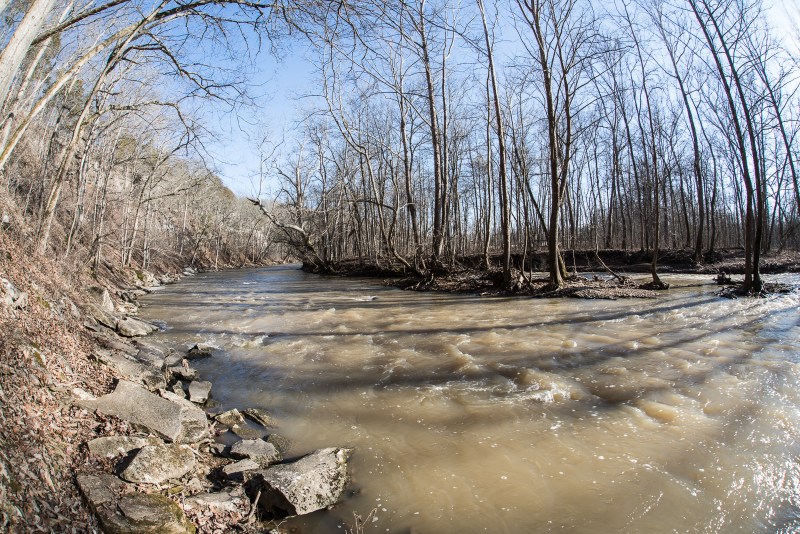
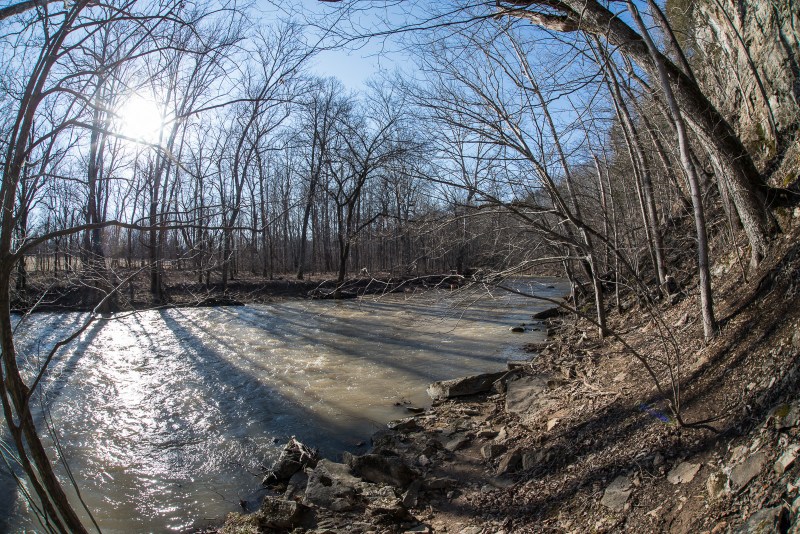
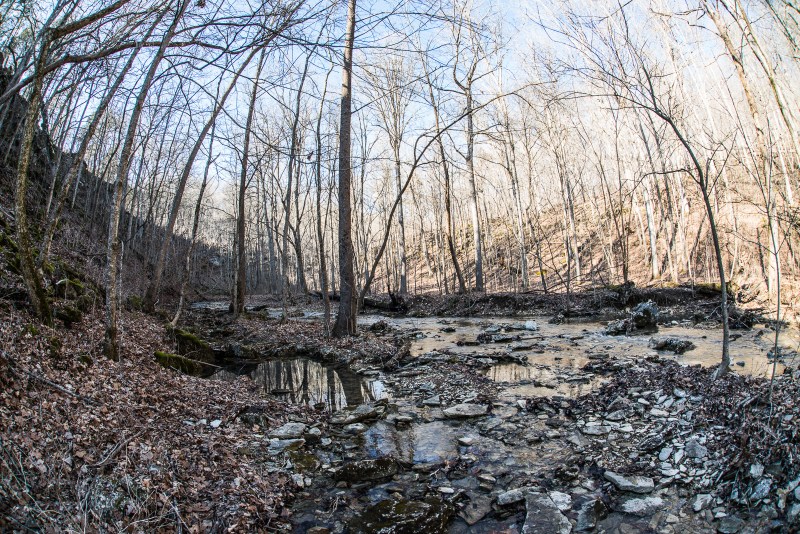
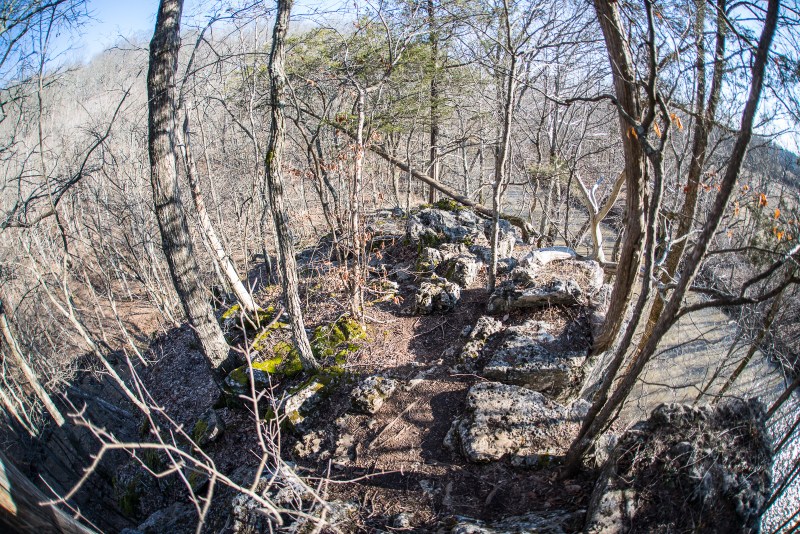
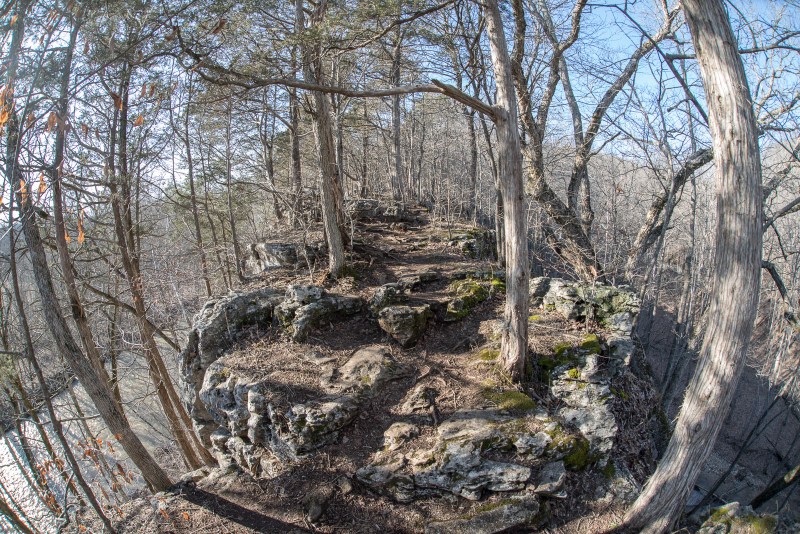
So I decided to go all the way to the other extreme, using a 15mm fisheye lens. We truly have the world tilting now, and this is how it feels like between the creek and the bluff at Cedar Bluffs Nature Preserve.

DSC 0644

Depending how one uses the fisheye, the effect can be more or less intrusive. One can have a peaceful valley that is a bit too curved, or a disorienting view down the bluff.

DSC 0653

I will need to revisit these images when I am less under the impression of La terre qui penche.

DSC 0659

Patterned Ice

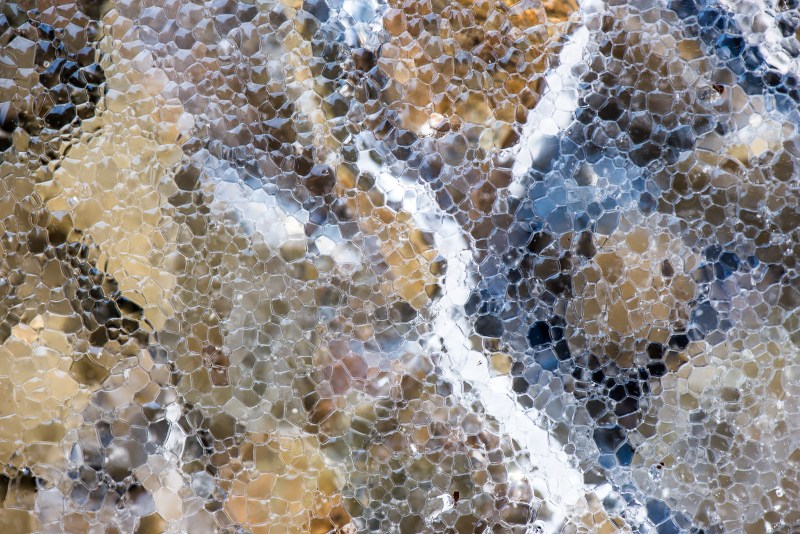
A side effect of having the temperatures vary between 10 and 60 degrees Fahrenheit within days is that one can admire interesting ice formations while hiking in pleasantly warm weather.

DSC 0428

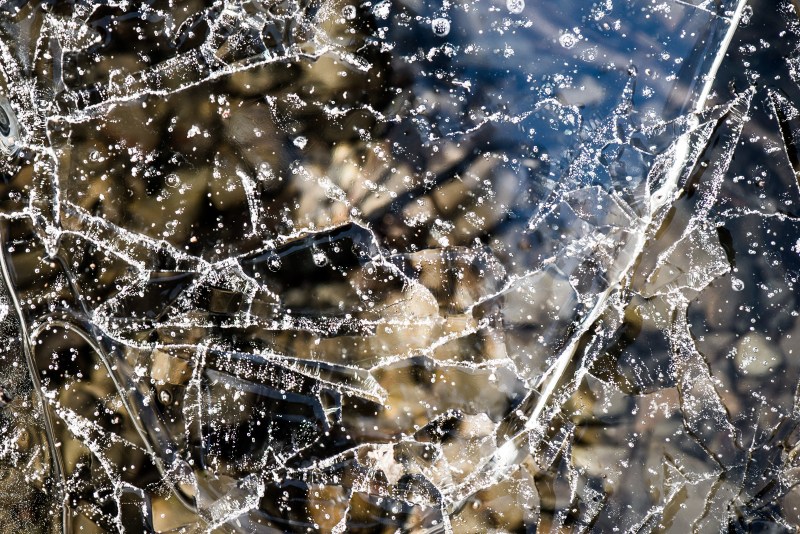
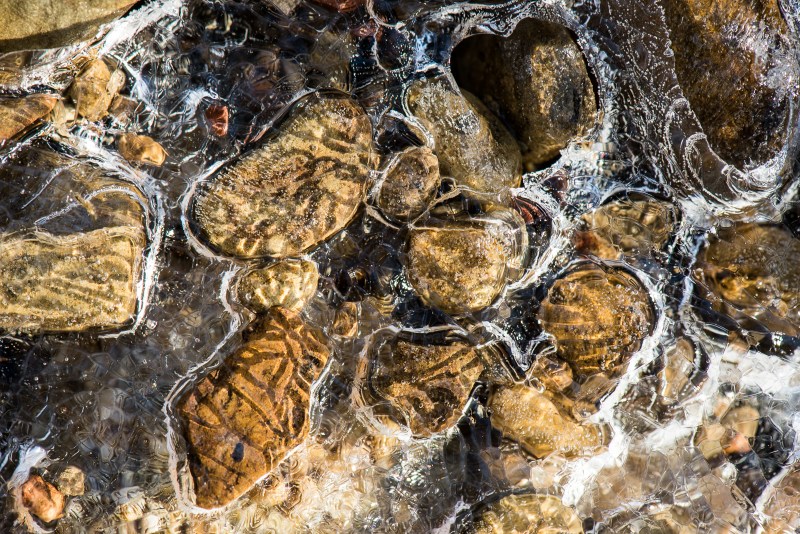
What we see here are thin layers of ice over shallow running water, in some of the little creeks that flow through Yellowwood State Forest.

DSC 0463

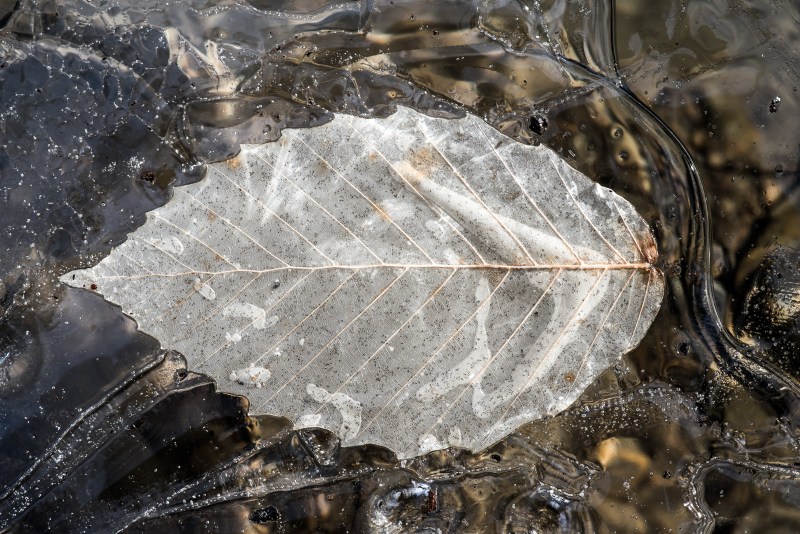
Rocks make for quicker thawing, and the hickory leaves from last fall adapt by becoming translucent.

DSC 0468

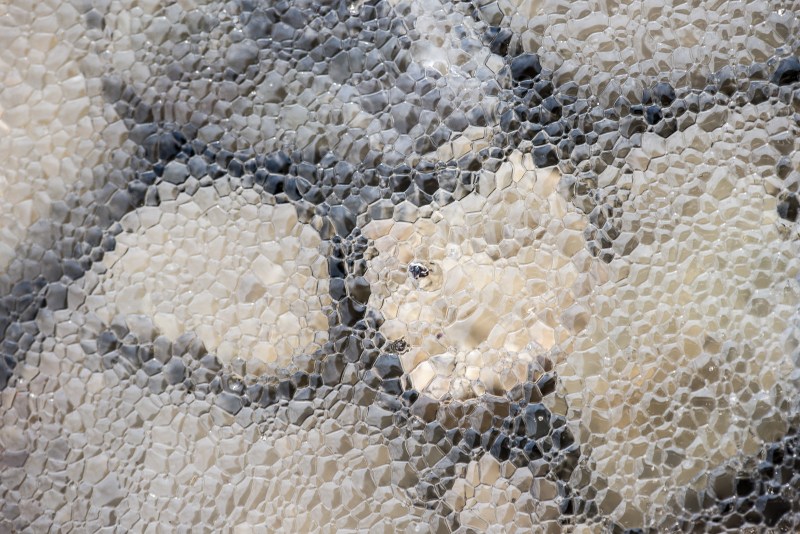
Near hexagonal patterns like this one occur often in nature when homogeneous material breaks under uniform pressure. It’s the first time I have seen this with ice, and I would love to see how it forms in a time lapse movie.

DSC 0484

Another one, at a different location.

DSC 0485

The New Petzval Lens

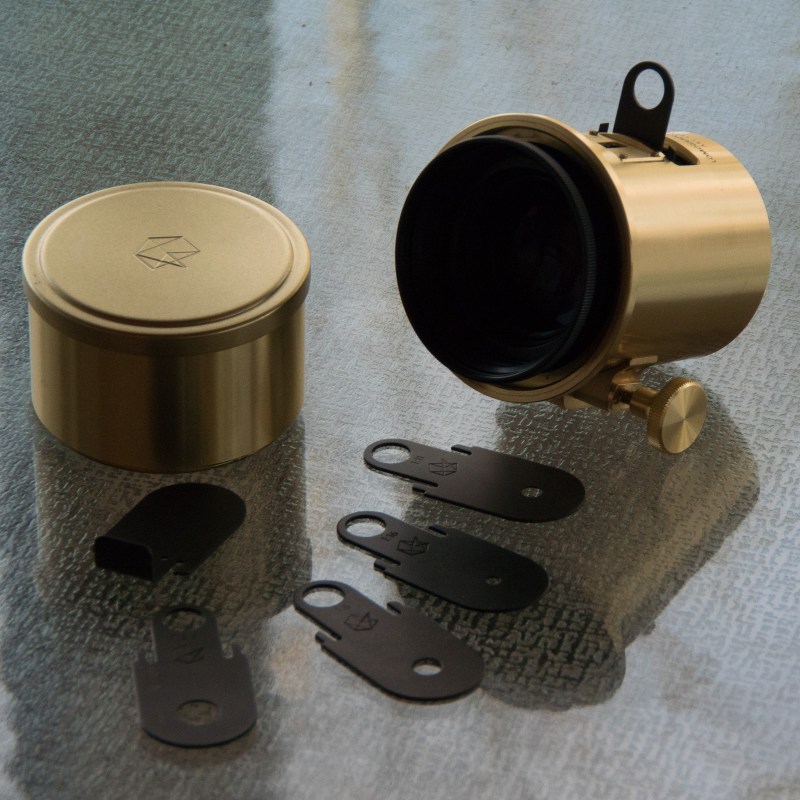
Let me introduce you to one of my Christmas presents:
DSC 0983

This is a remake of a lens design from 1840 by Joseph Petzval, then one of the leading physicists working in optics. For its time, this lens was very fast and very sharp at the center. Today, we have faster glass, and good lenses maintain sharpness across the entire frame, so why would one bother? One reason is that the progressive vignetting that occurs towards the boundary of the frame creates a radial blur unlike anything else.
DSC 0372

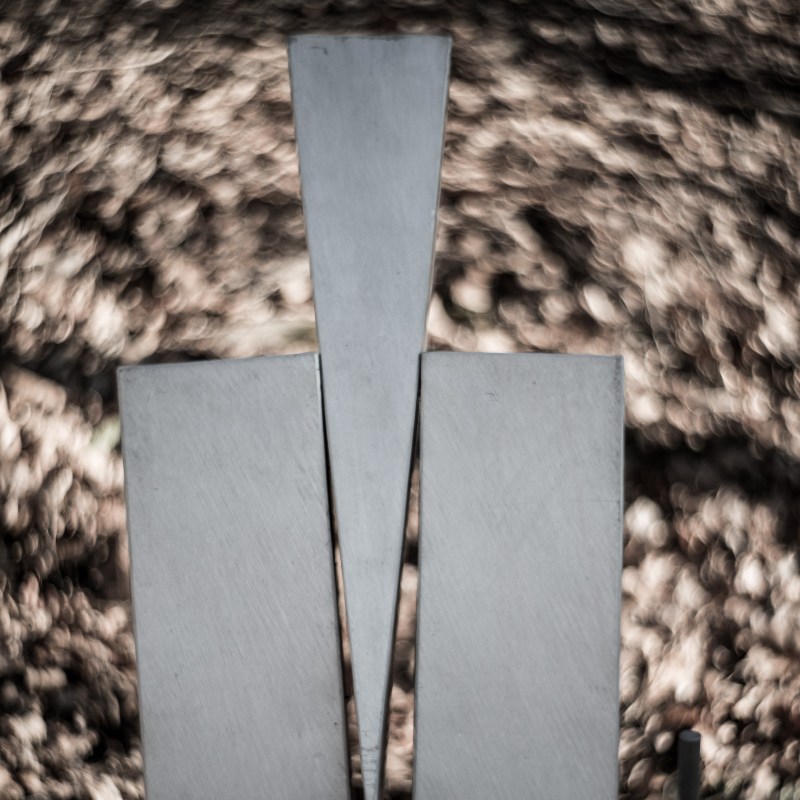
This effect can be controlled by choosing appropriately sized aperture blades. Yes, this lens is so not automatic that you have to manually insert blades with aperture holes. You see them in the top picture scattered around near the lens. The lens comes with a set that have circular holes as one would expect, but nothing prevents you (or me) to use plates with holes in different shapes.

The effect is simple: A small point-like object (like a light source) that is out of focus is usually rendered as a slightly blurred small disk. This is what makes up the bokeh of the lens, and it is one of the most important characteristics of fast lenses (where you will have a lot of the frame out of focus, usually). If the hole in the aperture blade is not a disk but (say) a square, then the small dot that is out of focus will become a small square. Likewise, you can have star shaped blurs or even multiple blurs if the aperture plates has several holes.
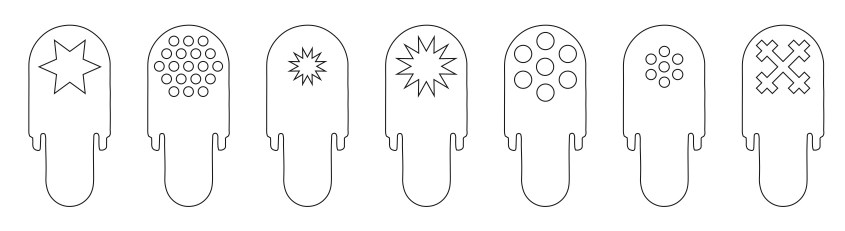
Aperture Plates

Above is my first set of self-designed blades for the Petzval lens. I created this by first scanning in the actual plates for size and shape, vectorizing them in Adobe Illustrator, adding my own design, exporting them as an AutoCAD DXF file, and importing them into the software that drives my Cameo Silhouette die cutter. The result are little pieces of card stock paper.
DSC 0414

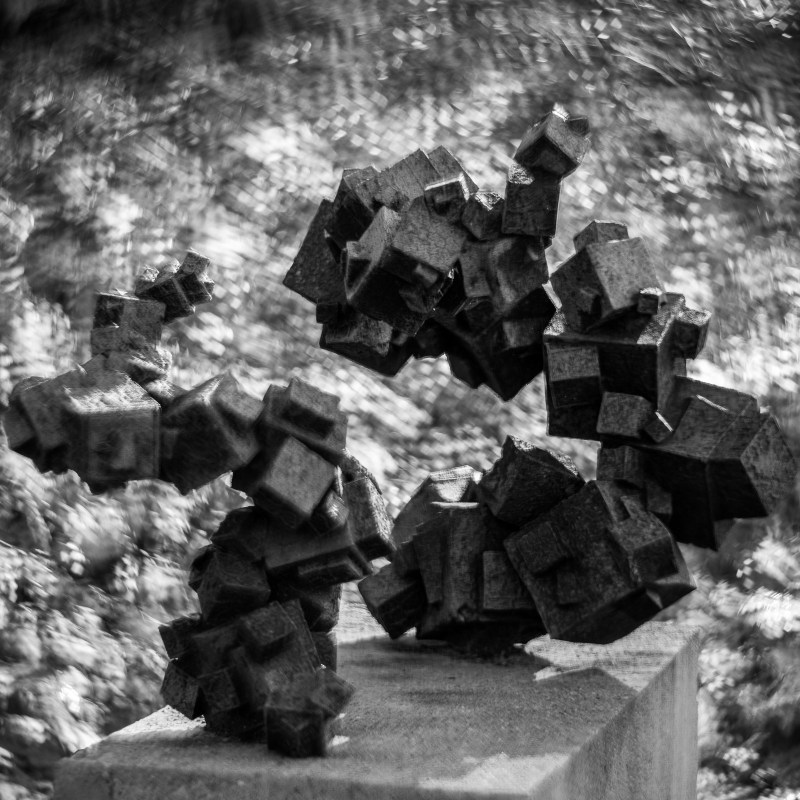
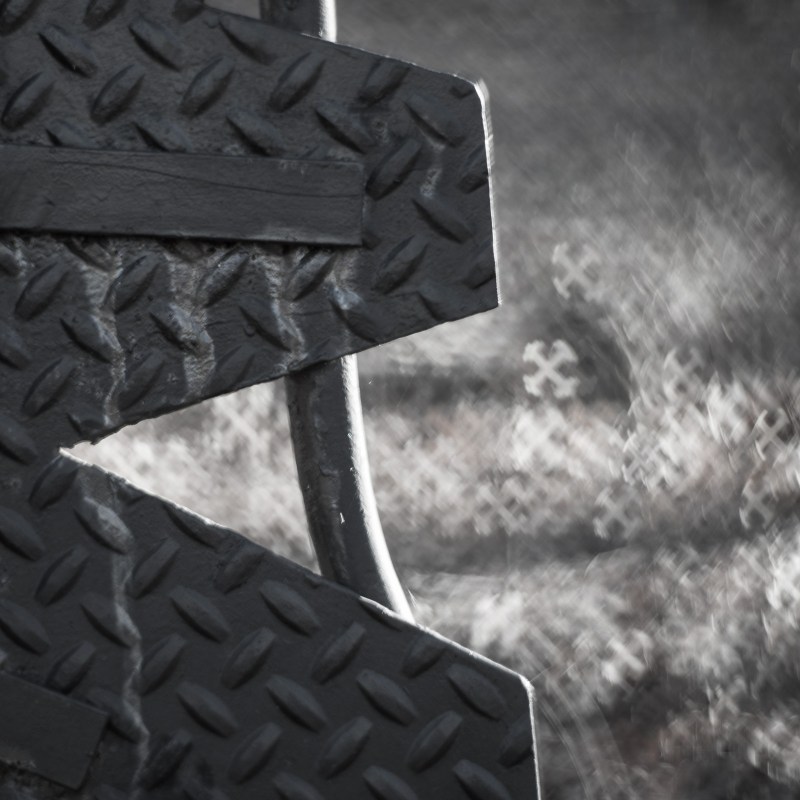
Here, for instance, is a neocubistic sculpture (from the Sculpture Trails Outdoor Museum near Solsberry, like all portraits in this post), using an aperture plate with several square shaped holes. Below is an image using a plate with a fractal cross.
DSC 0346

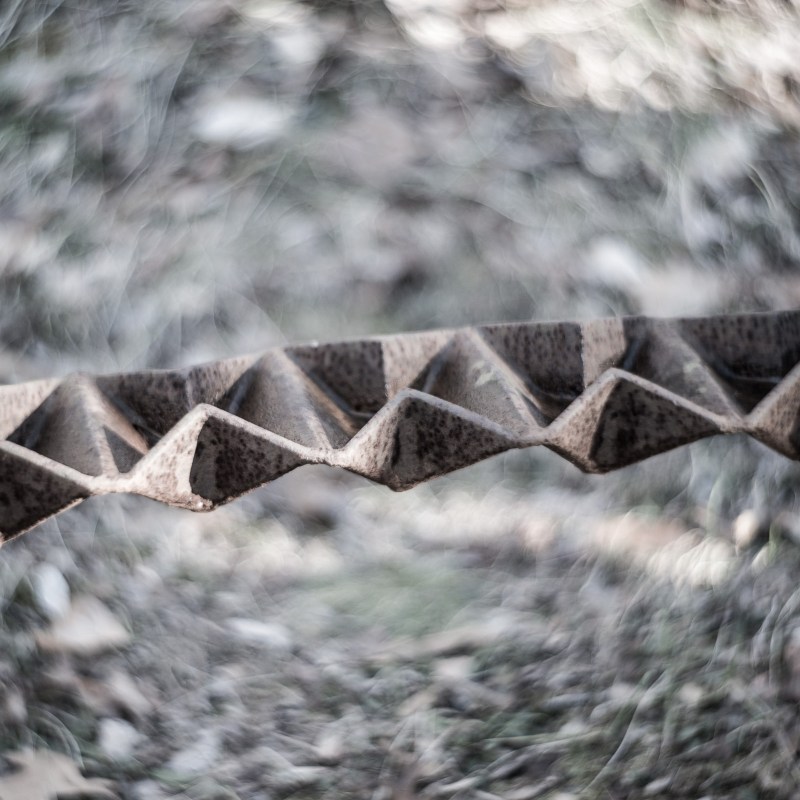
This opens up many possibilities. One can design aperture plates to complement the motive by enhancing the background, or one can distort an otherwise distractive background beyond recognition.
DSC 0378

Imagine a technology where a modern lens contains instead of regular aperture blades an electronically controlled screen that, somewhat like liquid ink, can be used to create aperture holes of any shape. In a film camera this would make it possible to continuously modify the out of focus area. Alfred Hitchcock would have used this to make the famous tower scene in Vertigo even more vertiginous.