Fern Cliff Nature Preserve (Ferns 3)

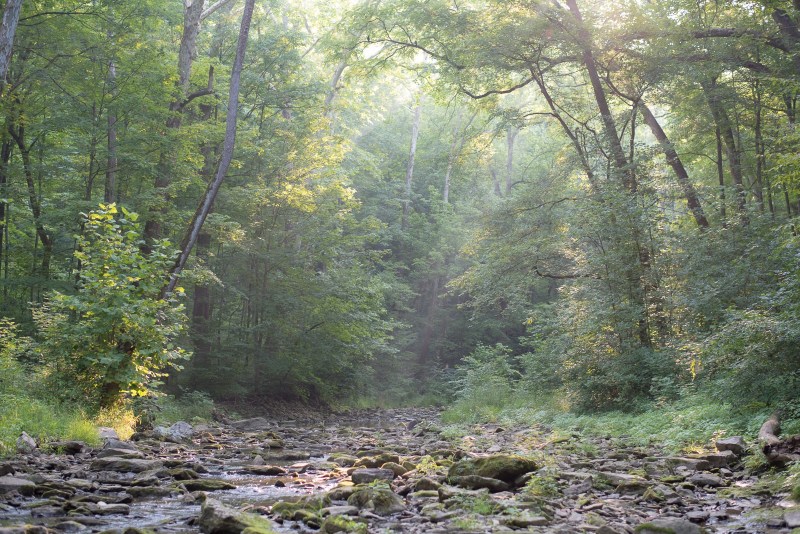
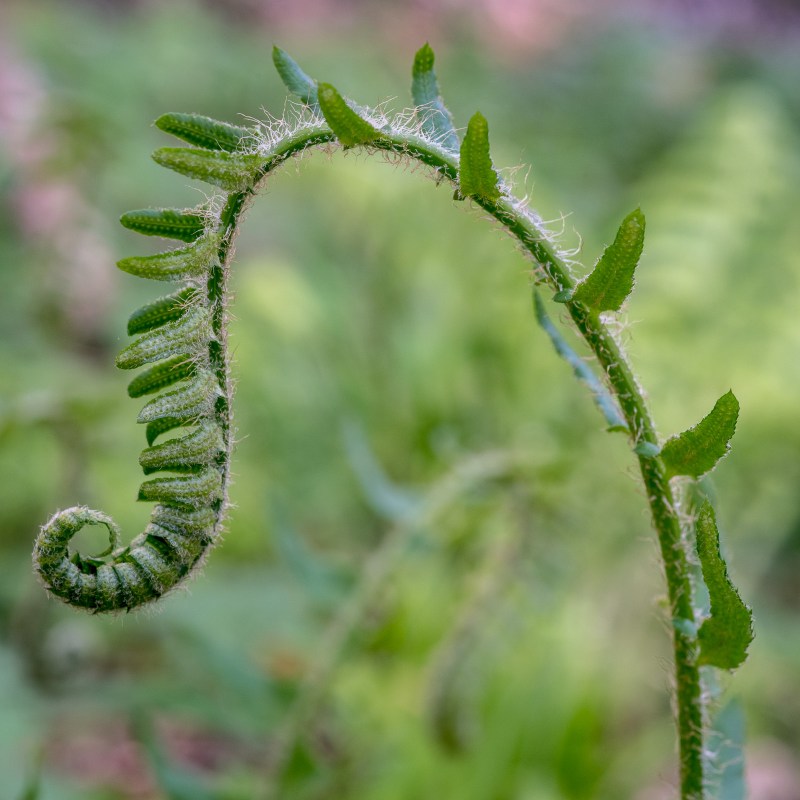
After the brief excursion to Northern California, we are back to Indiana. This state also has a Fern dedicated nature preserve, the Fern Cliff Nature Preserve, located a little west of Greencastle. Things are a little different, though.

DSC 3277

We do have a lot spooky cliff and very little path, mostly dead ends. DSC 3314

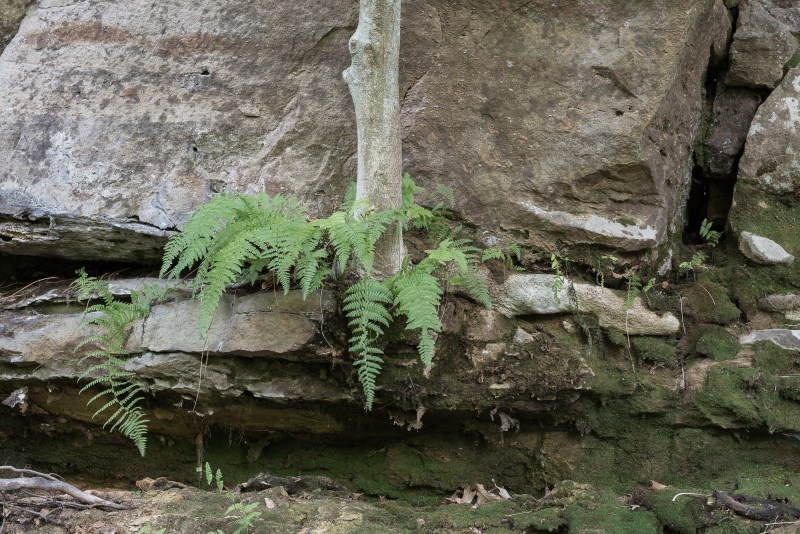
But this means one can explore, and the patient visitor will find ferns that mingle with liverworts.
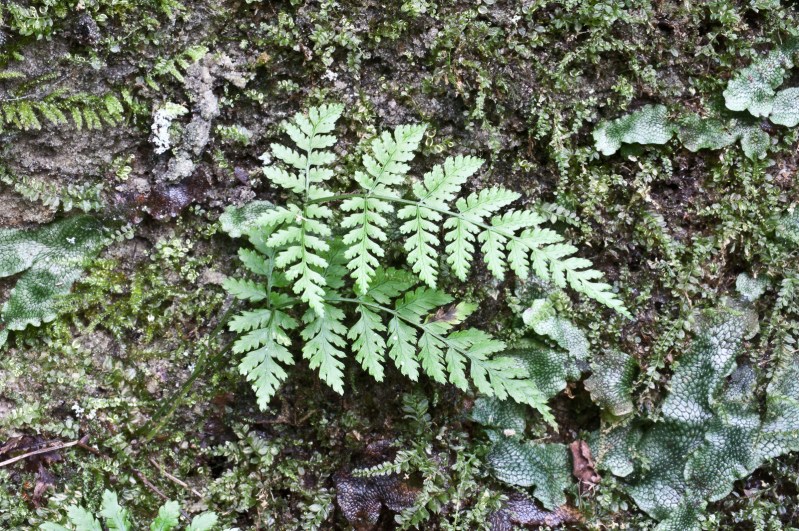
DSC 3287

I took these pictures 9 years ago, but I don’t expect that much has changed.

DSC 3321

A little bit off the (beaten) path are some views of the sandstone cliffs I really liked:

DSC 3326

I will pay this place another visit as soon as the eternal heat wave ends.

DSC 3331

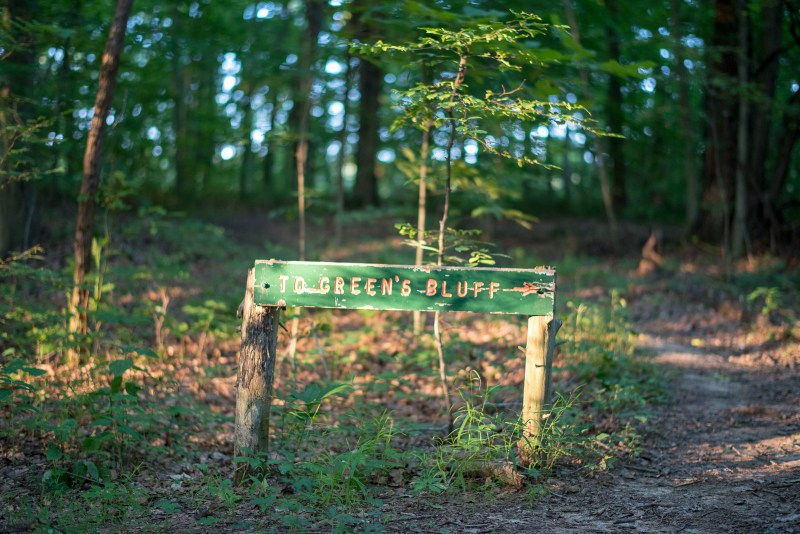
Green’s Bluff (Ferns 1)

Green’s Bluff is a small Nature Preserve near McCormick’s Creek State Park.

DSC 9721

The trail leads through woodland to a cliff above Raccoon Creek. 

DSC 9723

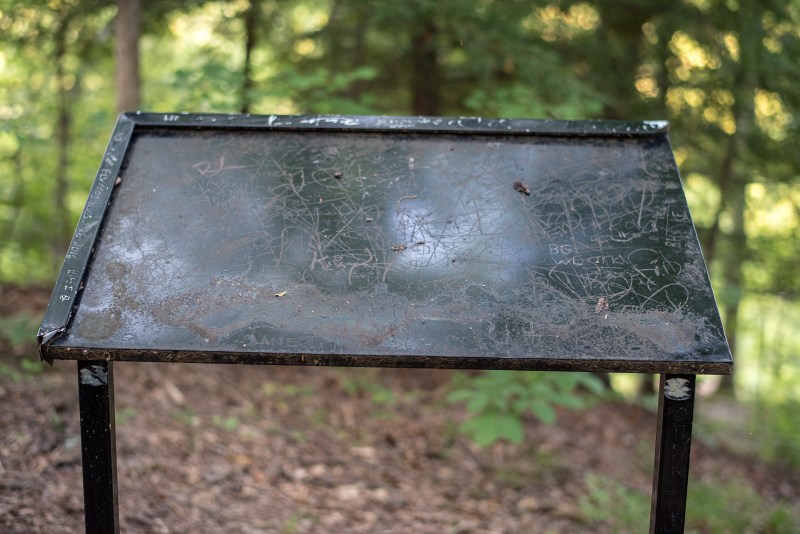
On-site information is a little vague.

DSC 9736

Not many people visit, in particular not during the hot summer days, when one of the attractions is in full growth.

DSC 9735

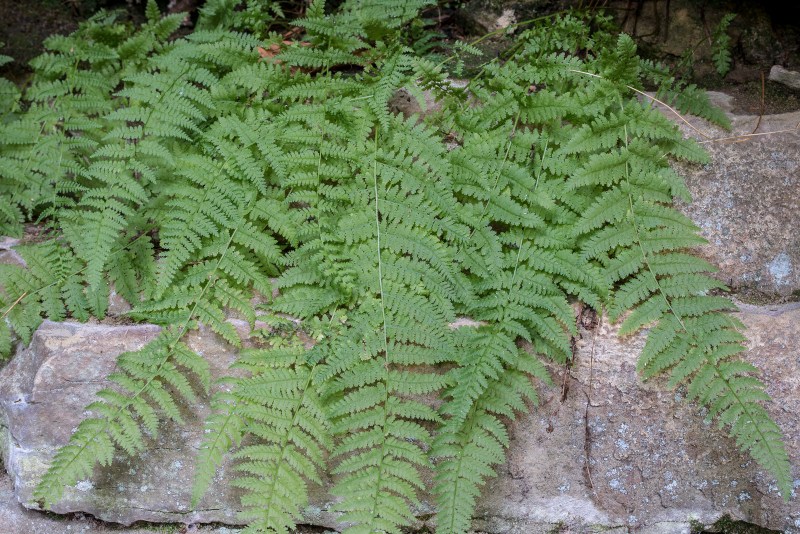
Ferns are not unusual in Indiana, but the Hay Scented Fern is pretty and not common here.

DSC 9733

The Last Days of Green

DSC 9965

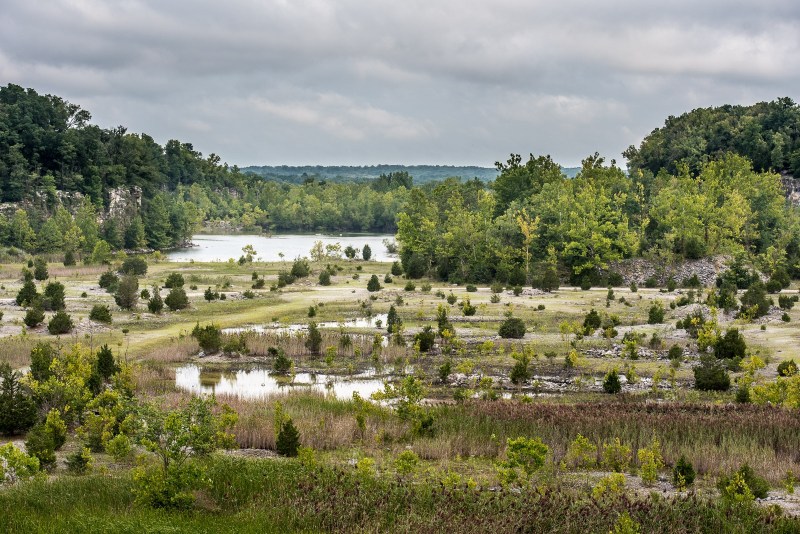
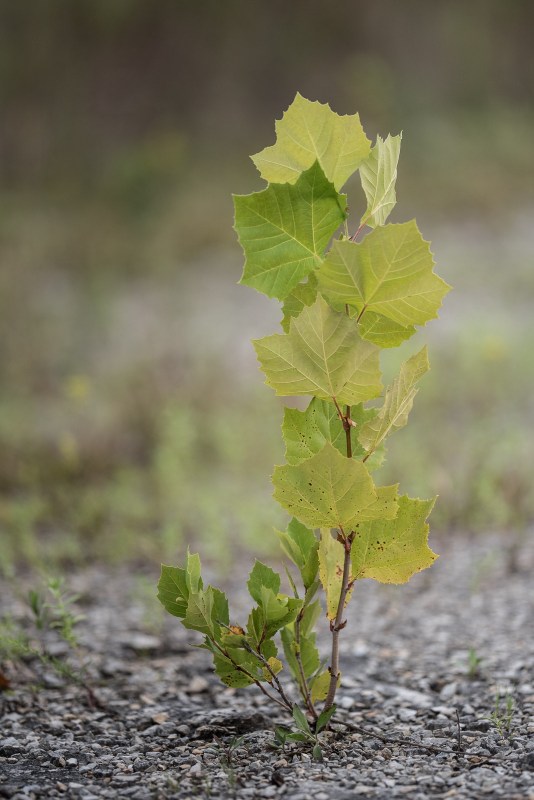
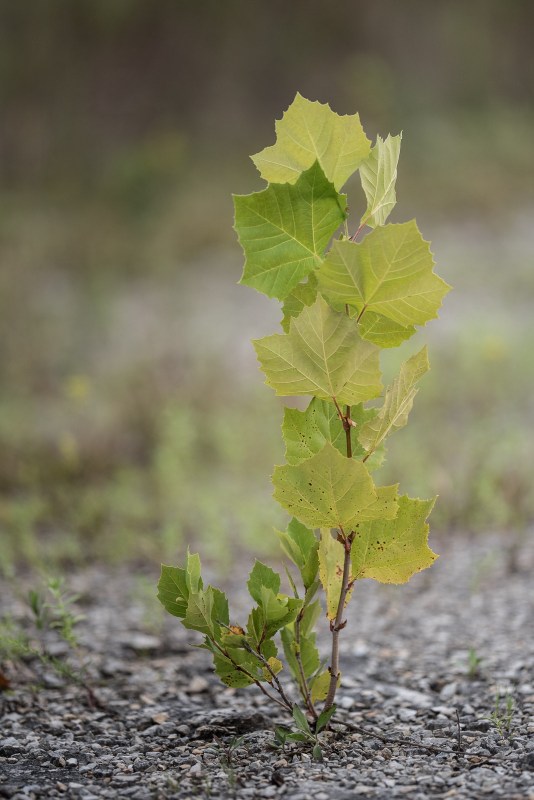
Last November I mused whether the Sycamore trees would, over the years, take over the quarry in DePauw Nature Park. My recent visit made me skeptical.

DSC 9986

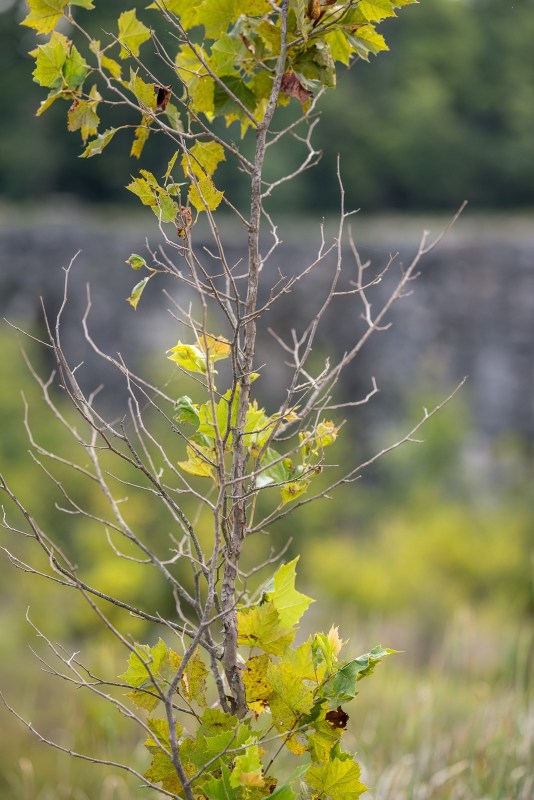
There are still lots of little sproutlings, but what I thought looks like early fall coloring in the top picture and below,

DSC 0006

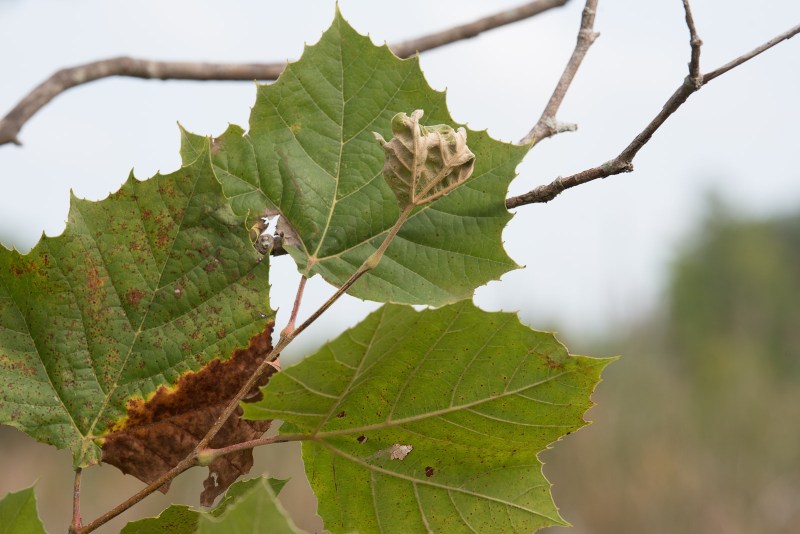
turns out to be something else up close.

DSC 9992

At least one half of the younger trees are affected by leaf loss and dead branches, and the brown color look rather unhealthy.

DSC 9990

It might be that these trees are affected by Anthracnose, or that just the generally problematic ground cover of the quarry causes malnutrition, as Bryan from DePauw University suggested. We will have to wait.

DSC 9986

The Overstory

DSC 9893


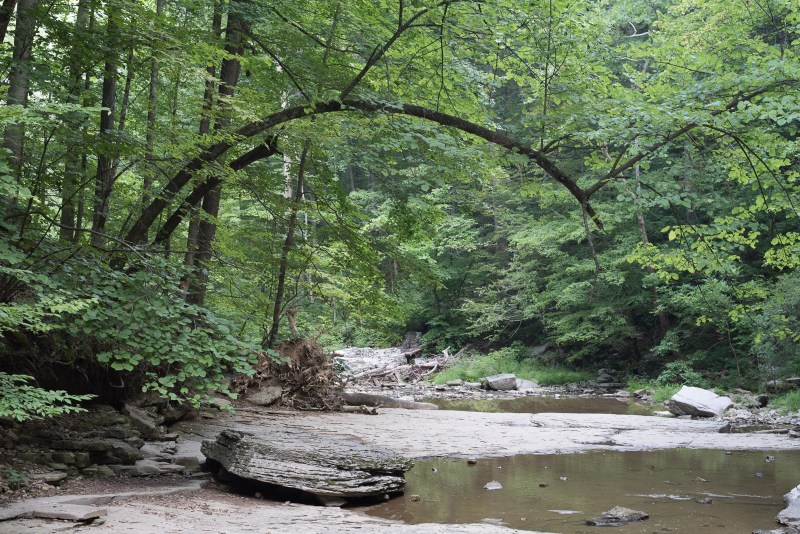
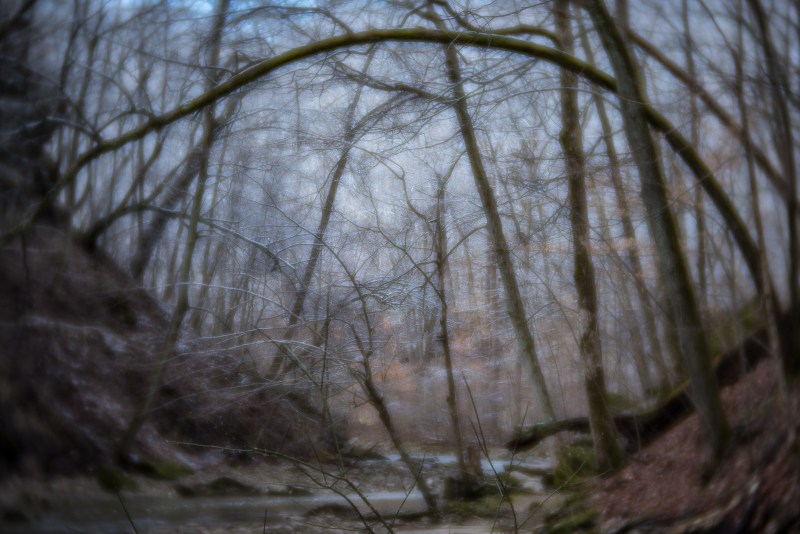
Some views and places, like the arching tree above (still there!), about which I have written before in one of the more often revisited blog posts of this remote little blog, lend themselves easily to metaphors. Others, like the one below, are more hermetic.

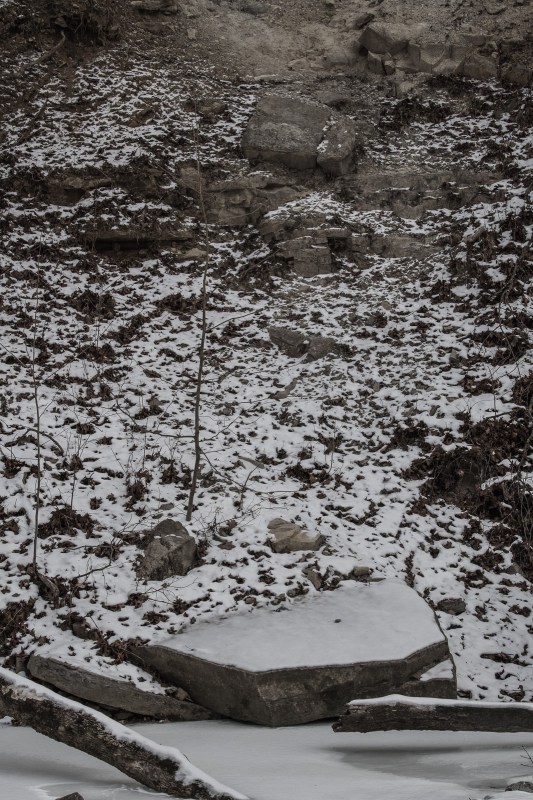
DSC 0289

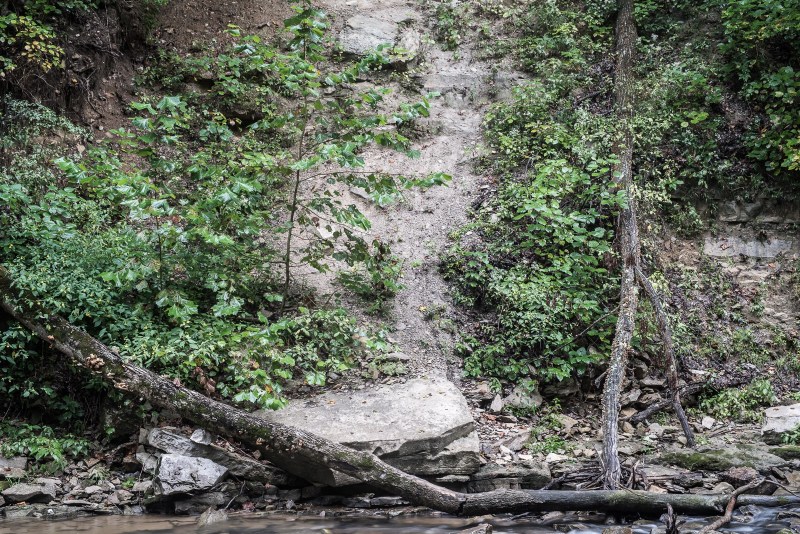
The spot is the same as in one of my earliest posts. Back then, the composition off fallen tree on rock before a steep canyon wall kept intriguing me over several seasons, triggering something I can’t put into words. After a seasonal flood swept away the tree, the place became less fascinating, until I noticed that something was happening. Two little Sycamore trees had taken possession, visible already above.
DSC 7271

If they survive a few more years rock fall, floods, and human mischief, they will have outgrown the canyon and dominate the scene for years beyond me and you.

DSC 9922

By the way, read that book in the title. It is better than I think.

Nashville

There is curious little town near Bloomington I haven’t written about that fits into my series of occasional posts about towns with a past (Hollbrook, Jerome, Leadville).

DSC 9794

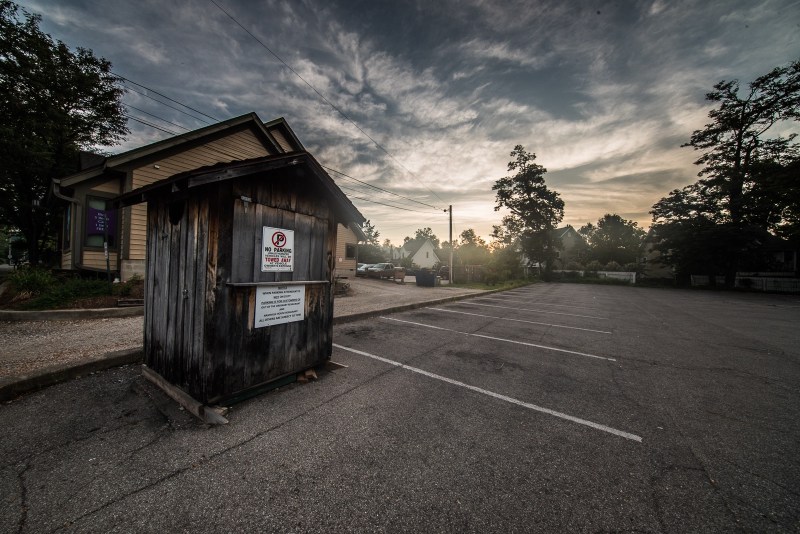
This is Nashville, Indiana. Getting there early in the morning is smart, because then you get free parking and avoid the crowds.
DSC 9796

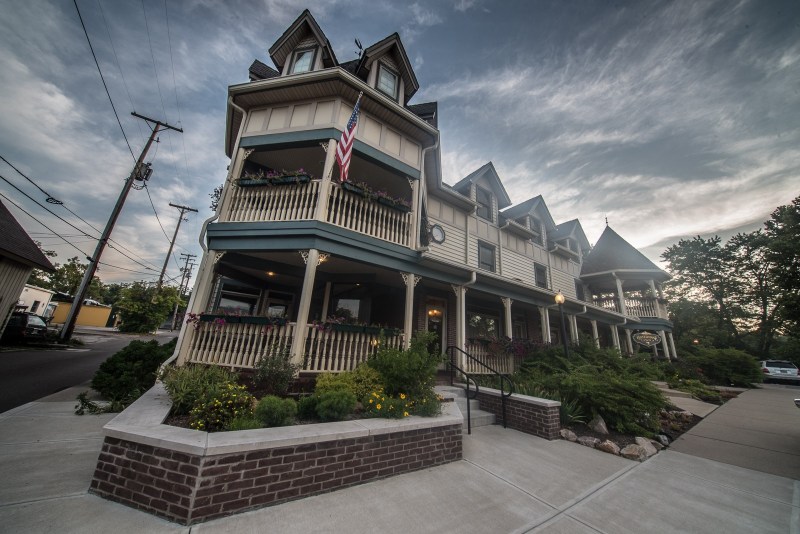
The attraction? Nashville used to be an artist colony. Locals doing their thing and having a good time. Their good sense of taste brought others with taste, and the town flourished.
DSC 9817

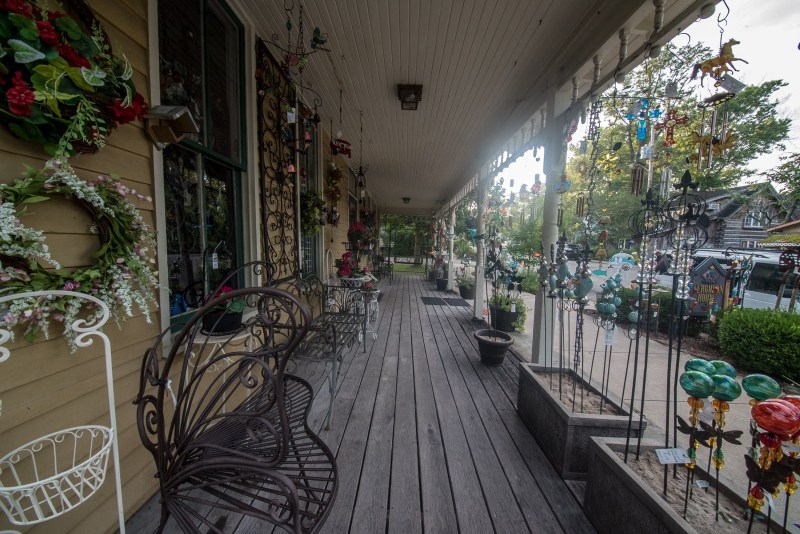
It still does, but with the money people arrived with more sense for money than taste.

DSC 9848

Occasionally there is still a trace of the former times left, like below in the inconspicuously elegant choice of a color pallette.

DSC 9859

Trillium Grandiflorum

Spring this year was short, and so was the wildflower season.  

DSC 1288

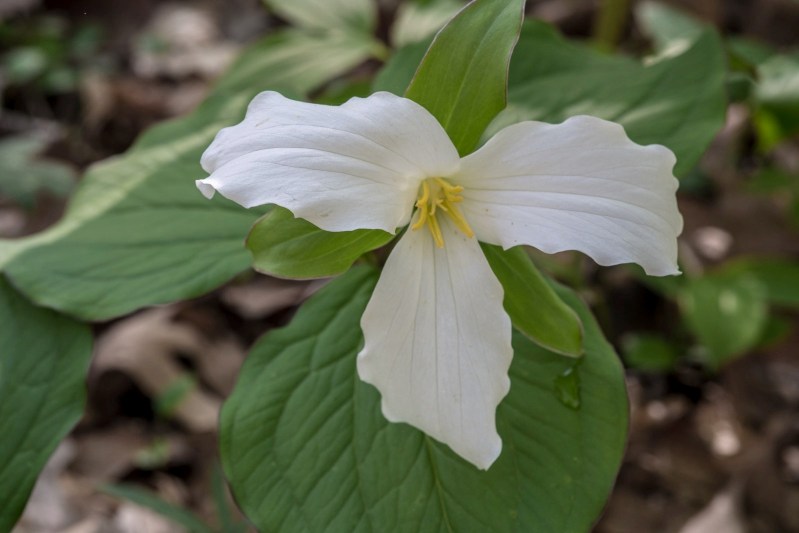
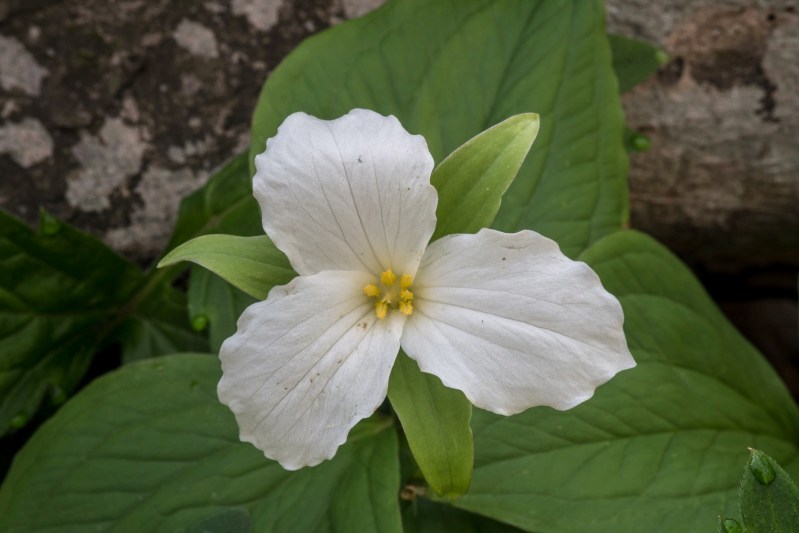
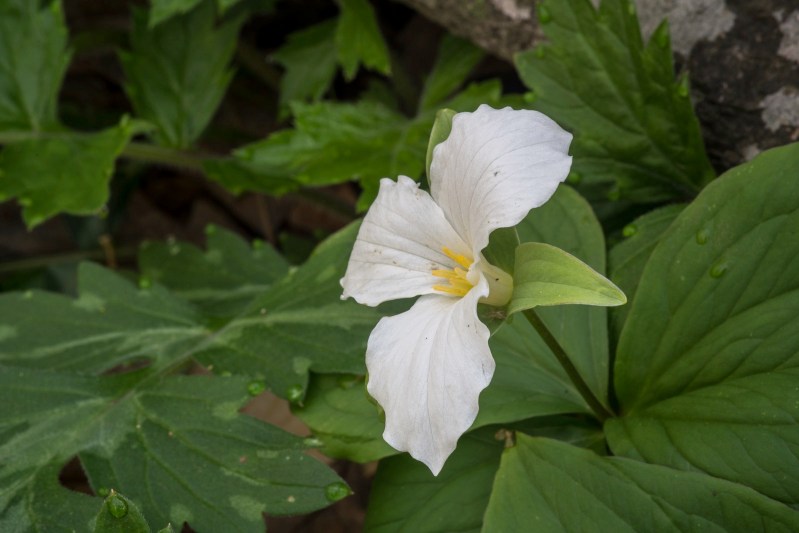
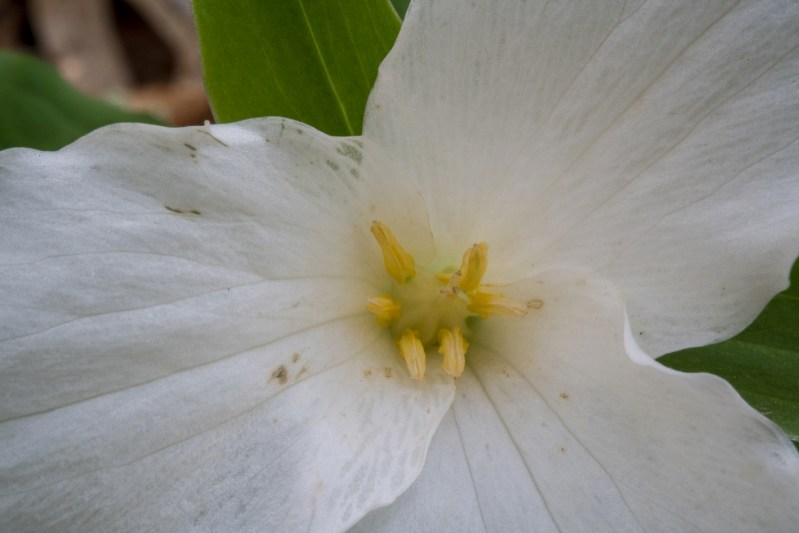
This post is dedicated to the largest trillium in the state, the trillium grandiflorum. It is not particularly rare, but the large white flower petals whither quickly, and is a favorite food of the abundant deer population.  DSC 1292

Both the petals and leaves are deeply veined. The flower sits on a stem above the leaves, in contrast to the drooping trillium where it drops down below the leaves.

DSC 1295

One of the woodland trails in Turkey Run State Park has them usually in abundance, but only this year I saw them in their prime time.

DSC 1303

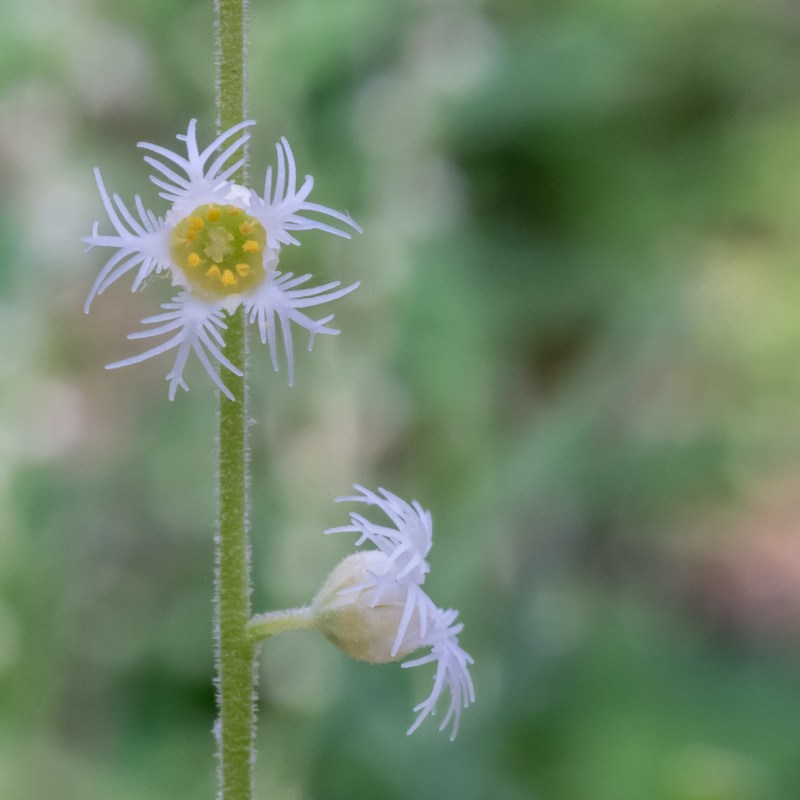
Little Things in Yellow and White and Green

The Turkey Run State Park has not only some of the most interesting rock formations in Indiana, but also an exciting vegetation.  Today we focus on the little things. Let begin with the liverworts (marchantiophyta), belonging to the bryophytes family. These bryophytes neither use roots nor make flowers, but interesting leave patterns. This stuff is what covers the rock formations, unless the rocks have been abused as slides. People should (i) look and (ii) think before they do their thing.DSC 1231

Here is another very little one I don’t know the name of. 

DSC 1241

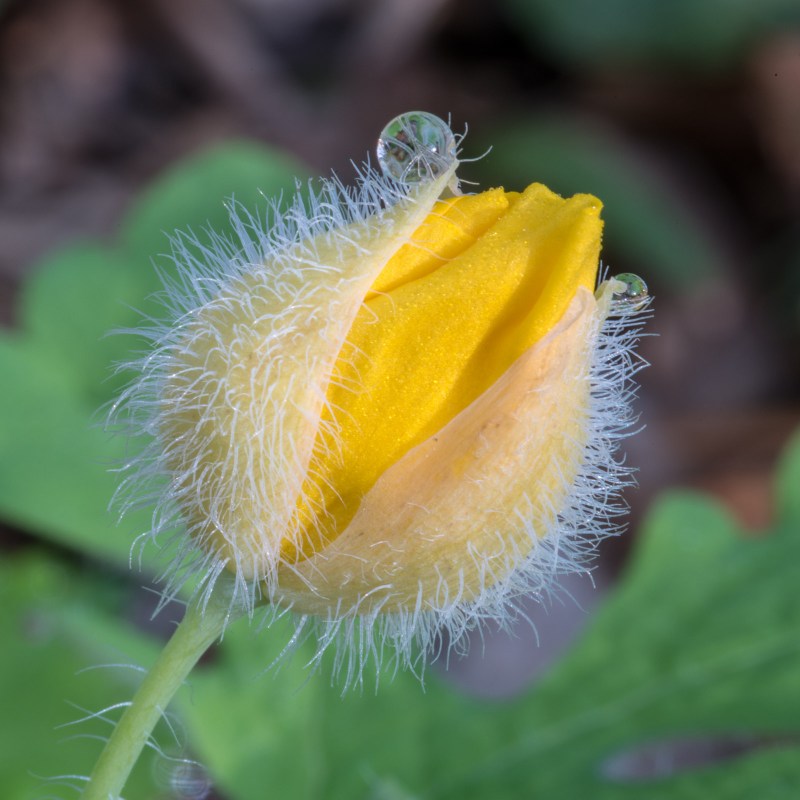
Below, I think, is a buttercup flower, getting ready.DSC 1257

Unfortunately, searching for yellow with white hair is not very helpful. So I also don’t know what this one is called. But it does know about right angles and 5-fold symmetry.DSC 1258

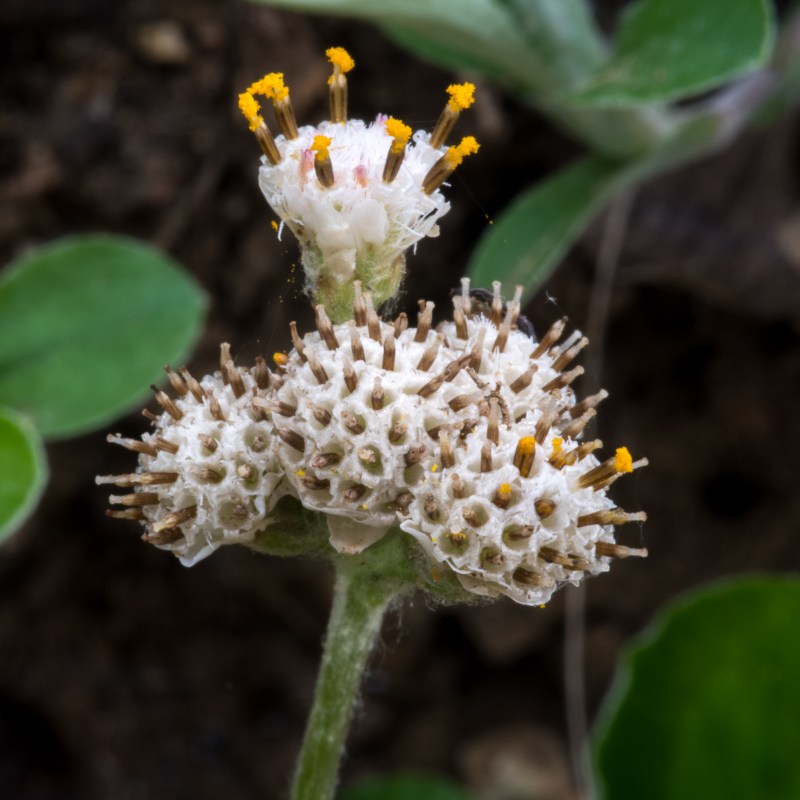
Finally, another flowerless plant with pretty hair:DSC 1286

More Smallness

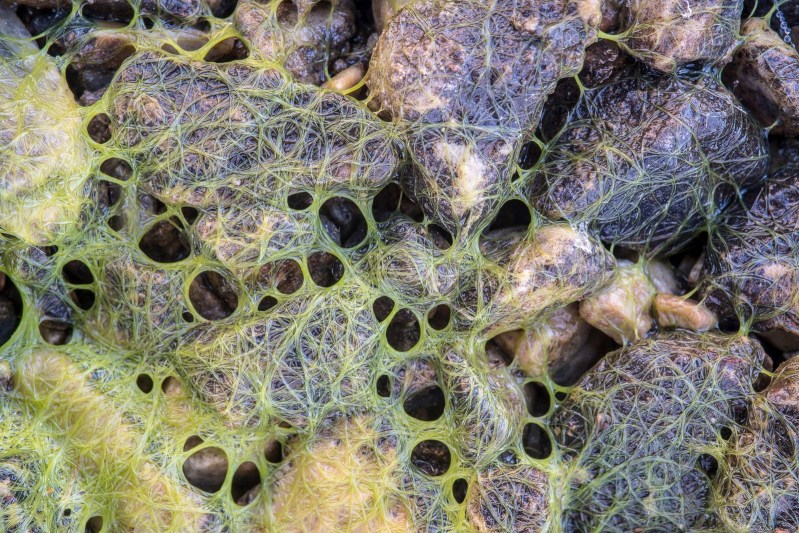
I have written before about the perspective vertically down, and complained that in Indiana, you only see mud or decaying leaves. So, let’s have a look.DSC 1030

What is this stuff? I have only seen it at the DePauw Nature Park, near water. It is likely organic, but never green. Is there a zombie-plant whose natural state of existence is that of decay?

DSC 1024

But not everything is decaying. Roots are feeling their way, and algae cover everything in wondrous patterns.

DSC 1035

Tiniest plants remind us that we are little, too.DSC 1062

Hence let us rest…

DSC 1075

The Little Ones

I am not good with names. I recognize maybe a handful of Indiana wild flowers, but that’s it. In particular the small ones I tend to ignore. So, please take the names in this post with a grain of salt.DSC 0914

This one above, for instance, I believe is called Salt and Pepper (Erigenia bulbosa), and it is tiny (the petals are just 2mm long). So you see, I have been exercising my macro photography skills.

DSC 0907

A little larger is the Bloodroot (Sanguinaria canadensis). Its white petals are extremely delicate.

DSC 0971

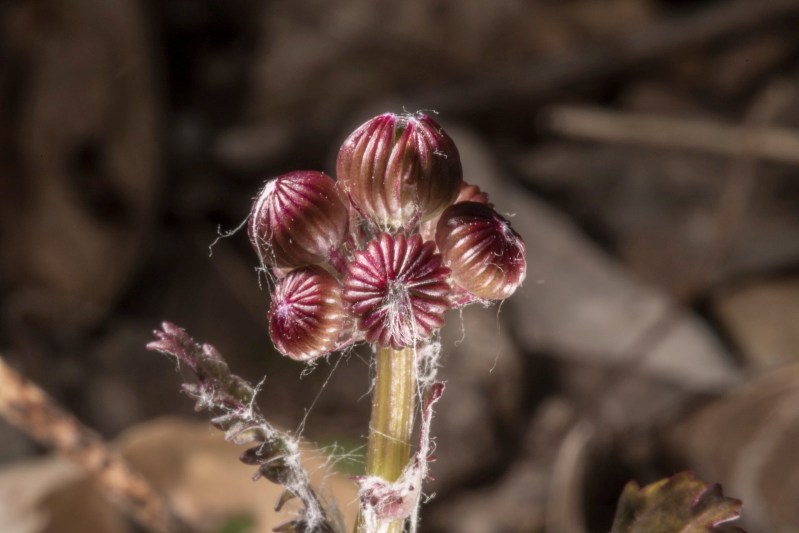
The one above was again very small, and I have no clue what it is. DSC 0995The last one I also don’t know.  The little buds or whatever they are were maybe 2mm in diameter. Very cute.


Short Lived Magic

Snow in April is a rare thing in southern Indiana. DSC 8396

The snow cover was very light and didn’t stay long on the warm ground.

DSC 8399

But the trees were decorated with lots of tiny white accents from snow flakes and water droplets, creating an unusual winter landscape.

DSC 8405

Instead of the typically harsh winter sun, everything was bathed in ambient light.

DSC 8434

The pictures were all taken with the Lensbaby Velvet 85, fully open at 1.8. The stopped down images I took also look gorgeous, but have an entirely different, less surreal character.

DSC 8470

More snow is predicted for Friday night. I can’t wait.

DSC 8491