Melancholy of Resistance

The title of László Krasznahorkai’s second novel can be seen as self-referential. The long sentences have to be pried out of this book.

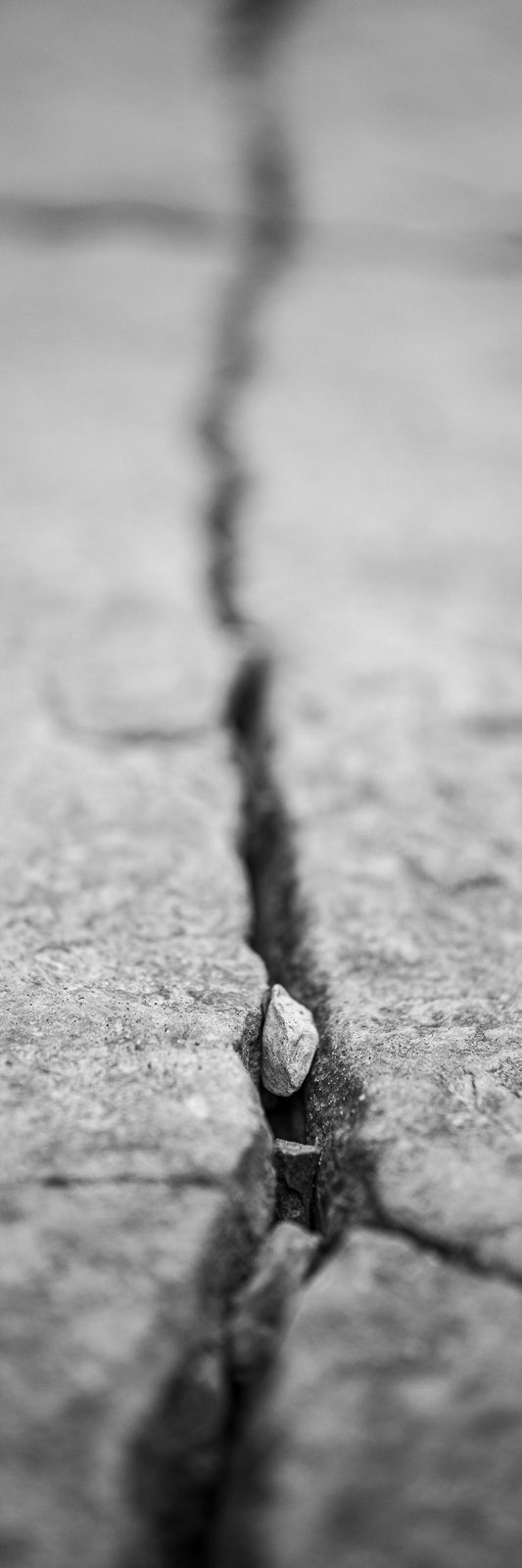
By doing so, we uncover layer after layer. At the surface, there is a small town, taken over by a demagogue and a willing mob, resulting in destruction.

Then there is the conflict between individual interests and mass euphoria. The former are represented by János Valuska, a modern day Prince Myshkin, and musicologist György Eszter. Both encounter the whale, one of the ominous riddles of the book.
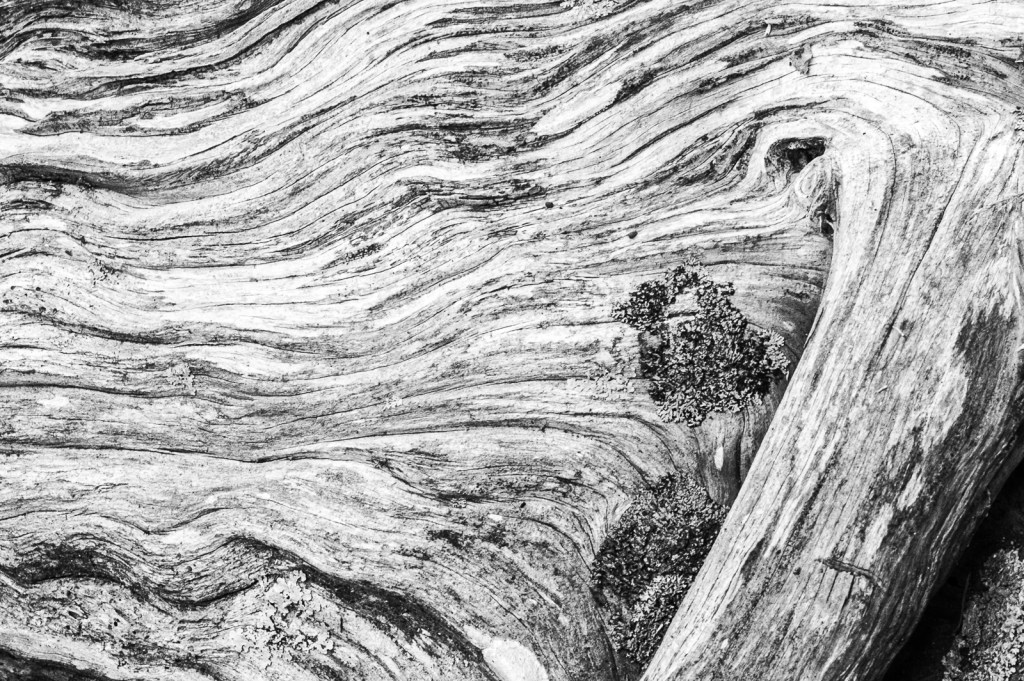
Mysterious in its incomprehensibility, it strongly affects János, but leaves György unaffected. So there is a second layer of contrast, namely how individuals resist. Neither János nor György are successful, as becomes dramatically clear when the mob enters the hospital.

After senseless destruction, the mob faces a completely unarmed victim, not understanding that the dumb fear, the utter lack of resistance which allowed that victim to bear this onslaught, was increasingly robbing them of power and that, faced by this sapping mire of unconditional surrender—though this is what had hitherto given them the greatest, most bitter pleasure—they would have to retreat.

After this, innocent János, who has witnessed this as an accomplice, descends into madness, while György seeks restitution.

There are more layers. There are the roles of art and spirituality, again represented by György and János. The brutally artificial Werckmeister harmonies that György studies are in conflict with the harmonies of the celestial bodies János dreams of.

Neither of them can succeed alone. And here we arrive at the melancholy: Maybe their resistance could have been successful if they could have found a common ground.


Housekeeping

The quotes are from Marilynne Robinson’s first novel Housekeeping. It is rare that the imagery of a book resonates so strongly with how I experience nature. The book revolves around three complex metaphors, the Lake, the House, and the Bridge. It would be a bit simplistic to view them as tokens for past, presence, and future, because they each hold much more.

DSC 2376

It seems there was a time when the dimensions of things modified themselves, leaving a number of puzzling margins, as between the mountains as they must have been and the mountains as they are now, or between the lake as it once was and the lake as it is now.

DSC 4625

Indeed, where we were we could feel the reach of the lake far behind us, and far beyond us on either side, in a spacious silence that seemed to ring like glass.

DSC 0163

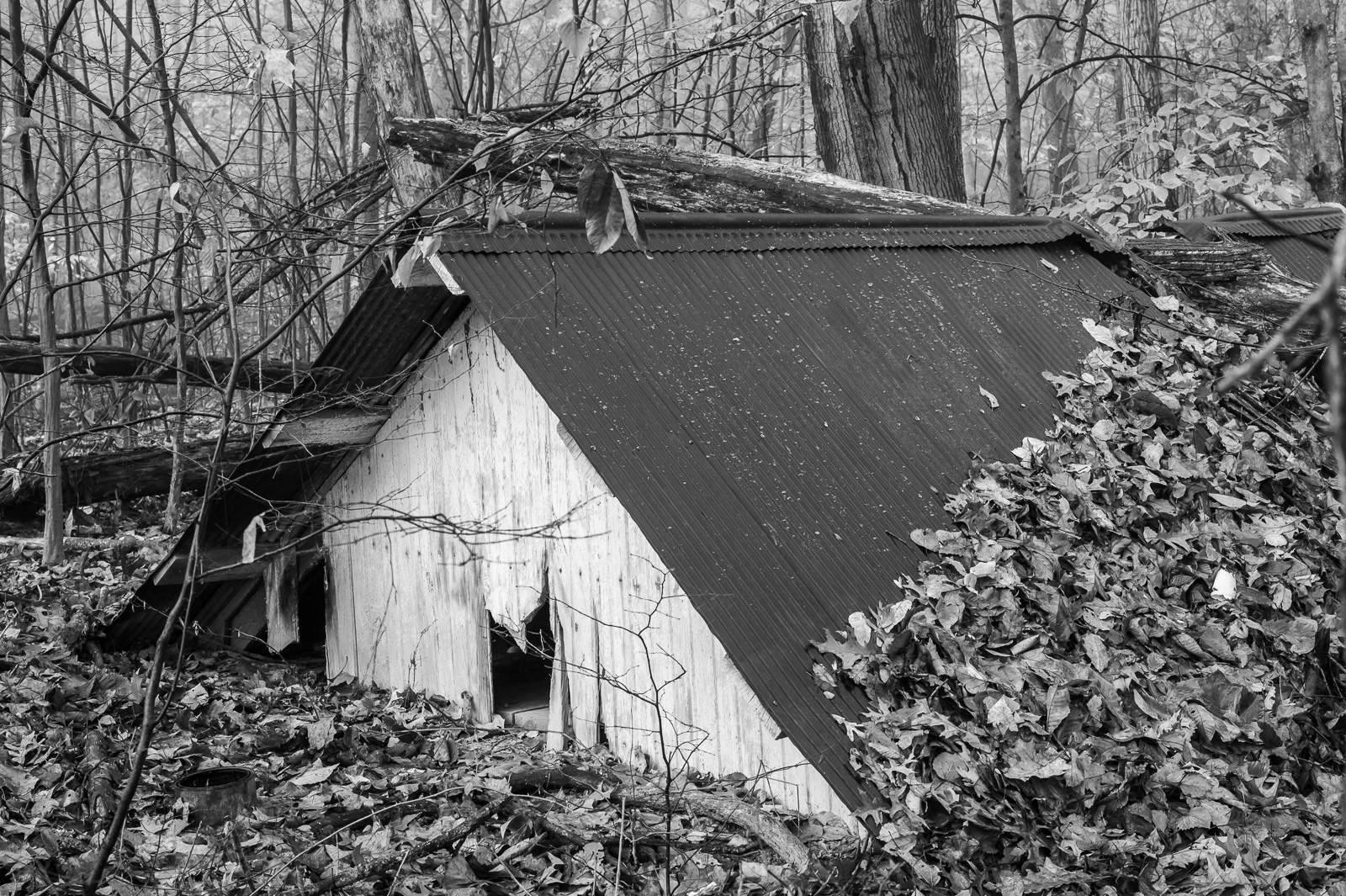
He had grown up in the Middle West, in a house dug out of the ground, with windows just at earth level and just at eye level, so that from without, the house was a mere mound, no more a human stronghold than a grave, and from within, the perfect horizontality of the world in that place foreshortened the view so severely that the horizon seemed to circumscribe the sod house and nothing more.

DSC 9001

Imagine that Noah knocked his house apart and used the planks to build an ark, while his neighbors looked on, full of doubt. A house, he must have told them, should be daubed with pitch and built to float cloud high, if need be. A lettuce patch was of no use at all, and a good foundation was worse than useless. A house should have a compass and a keel. The neighbors would have put their hands in their pockets and chewed their lips and strolled home to houses they now found wanting in ways they could not understand. 
DSC 2007

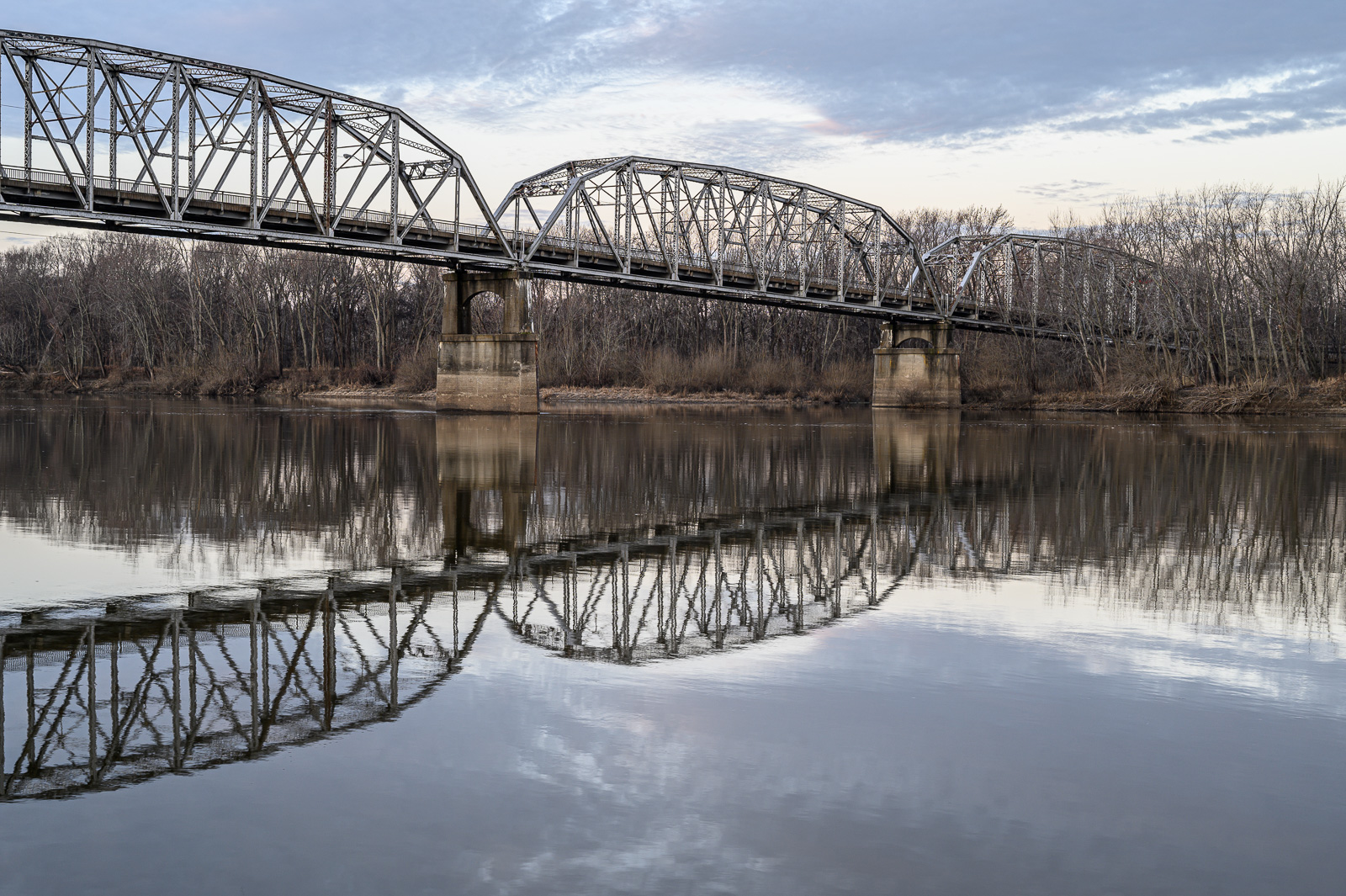
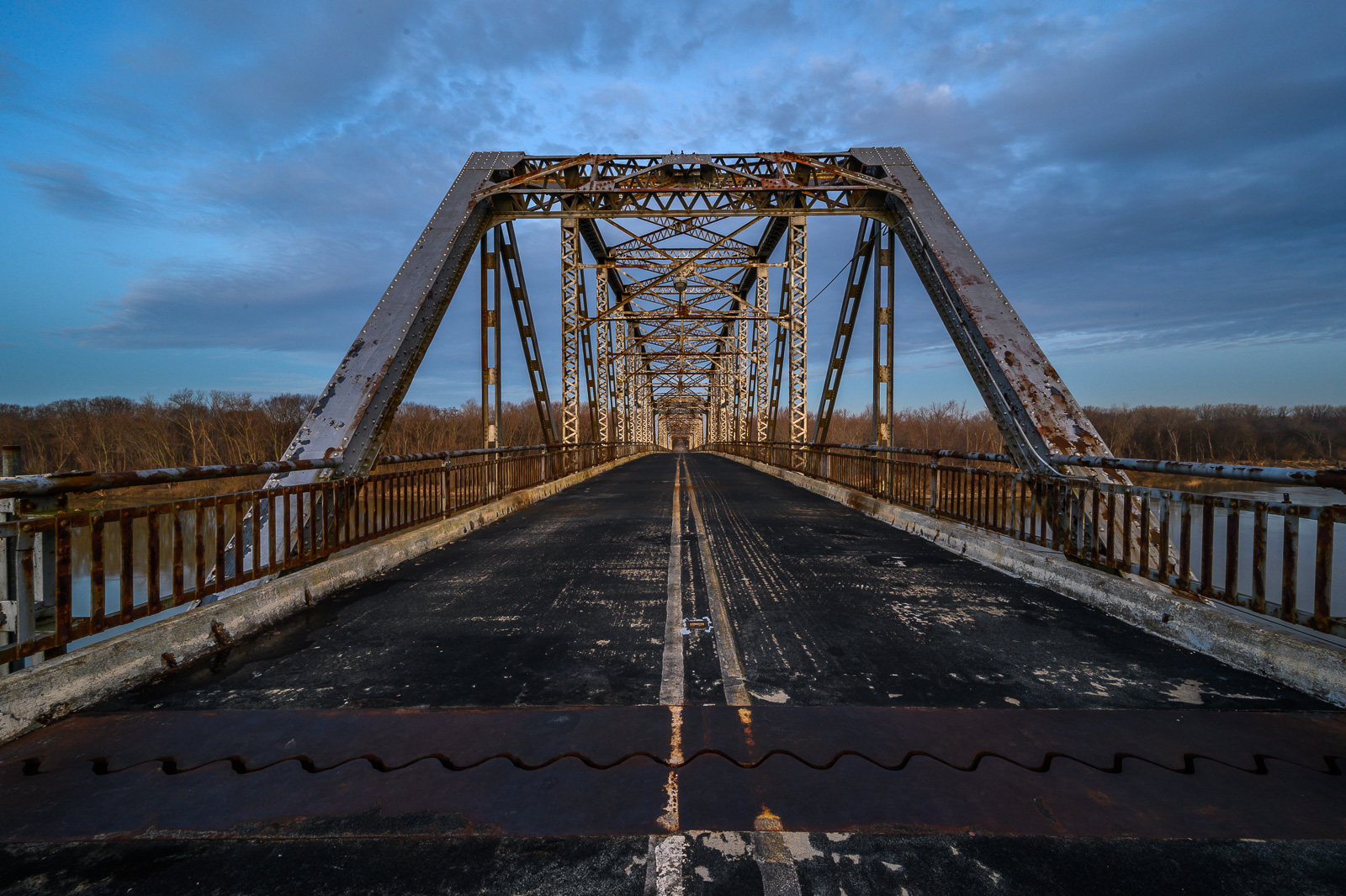
I believe it was the crossing of the bridge that changed me finally. The terrors of the crossing were considerable. 

DSC 1981

Something happened, something so memorable that when I think back to the crossing of the bridge, one moment bulges like the belly of a lens and all the others are at the peripheries and diminished.

DSC 3282

From North by Hill, From South by Lake, From West by Paths, From East by River

So the title of a little book by László Krasznahorkai, better known for Sátántangó, and responsible for the stories behind a few of Béla Tarr’s films.

DSC 3353

Main protagonist is the grandson of Prince Genji, who is visiting a monastery near Kyoto.

DSC 3227

In 49 short chapters, we get a tour, both of the monastery, and of what the grandson perceives. Everything is treacherous.

DSC 3229

It is as if the visitor and the place are resisting their fictionality: Their possibility is enough to contemplate how place and visitor react to each other.

DSC 3276

Physical reality becomes secondary, what counts is the permanence of the imagination.

DSC 3300

Darkness and Light

DSC 4288

Nino Haratischwili’s book The Cat and the General is a difficult book. It talks about guilt, and the unhealthy death wish that can come with it. It’s also a long book, and might not satisfy the reader expecting satisfying exterior context. This books is about minds.

DSC 4305

The novel often appears to be talkative, giving too many irrelevant details, but these are just part of an undercurrent of themes that connect victims with perpetrators. One such pattern is that of Darkness and Light.

DSC 4313

After Sonja’s Death, Ada had begun to be afraid of the dark. She only wanted to sleep in bright light, holding a pillow in front of her eyes.

DSC 4320

“Why is there Darkness and Light”, he heard his daughter ask, then just five years old.

DSC 4321

— Because we couldn’t see the light without darkness, and the darkness not without light, he answered, and felt doubtful.

DSC 4323

— But why do I have to see darkness at all?

DSC 4347

Darkness is nothing but a disguise for the light!

DSC 4378

This dialogue between the general and his young daughter replicates a dialogue between Nura and her father, and is one of many parallels that live in the subtext of the book.

DSC 4397

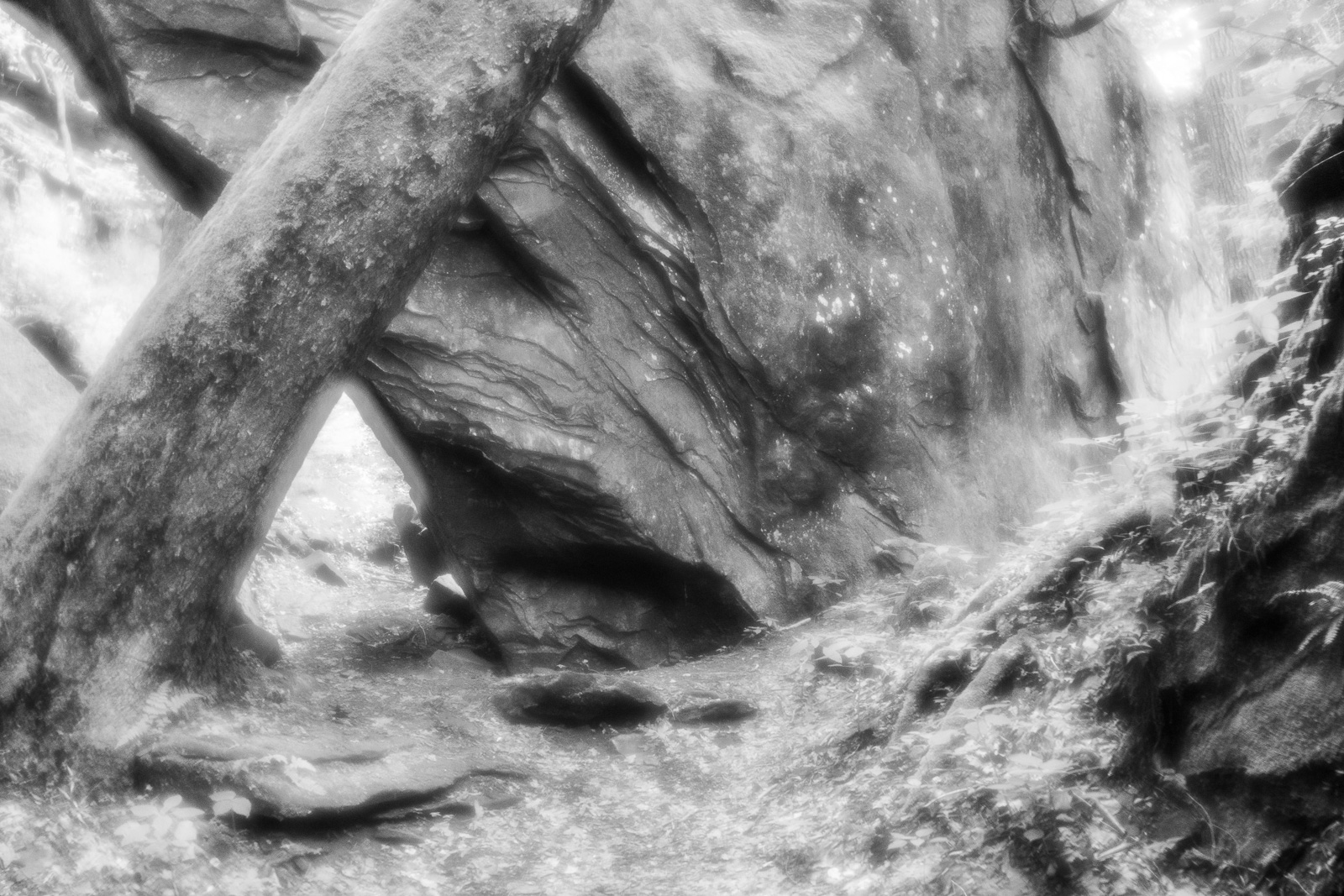
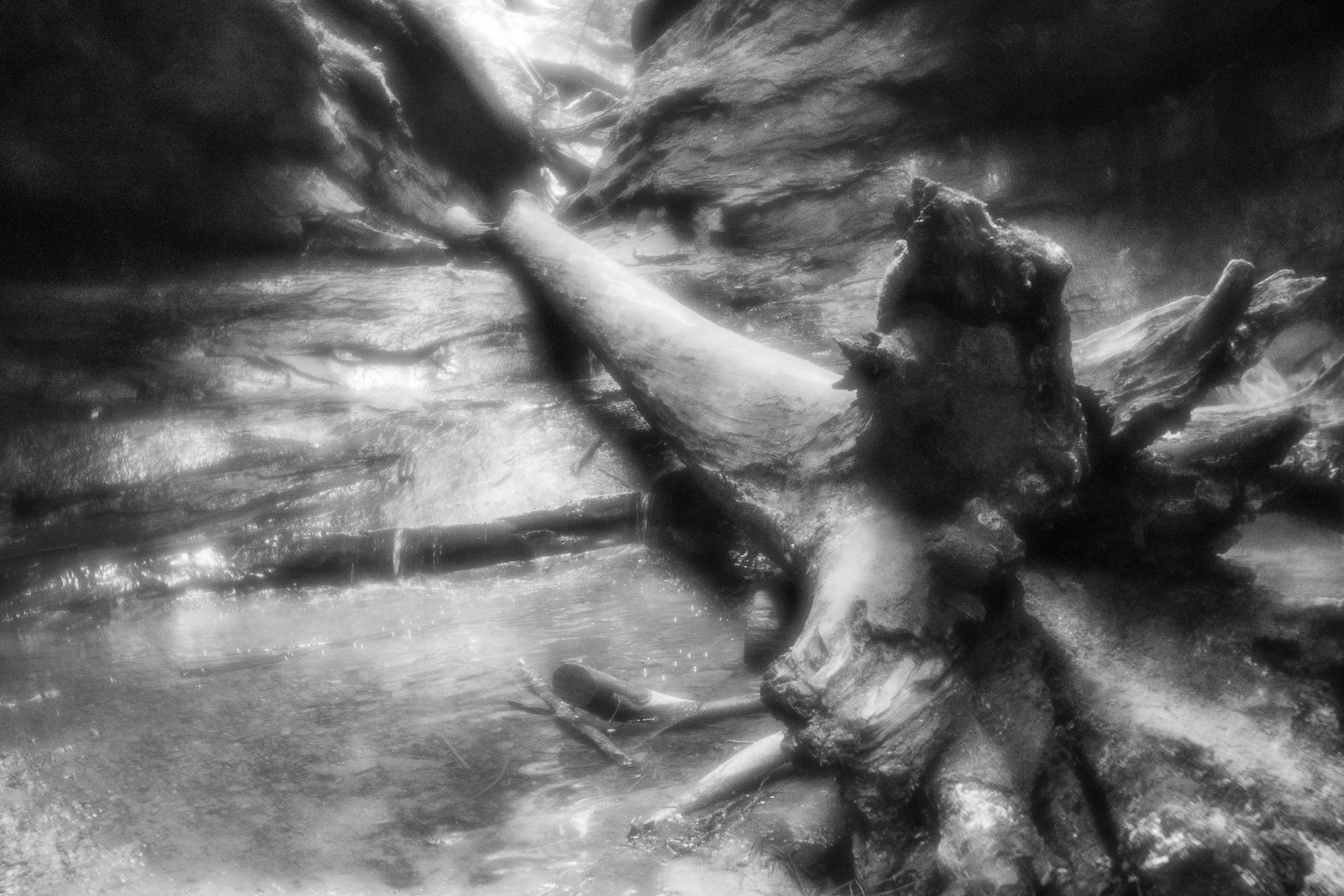
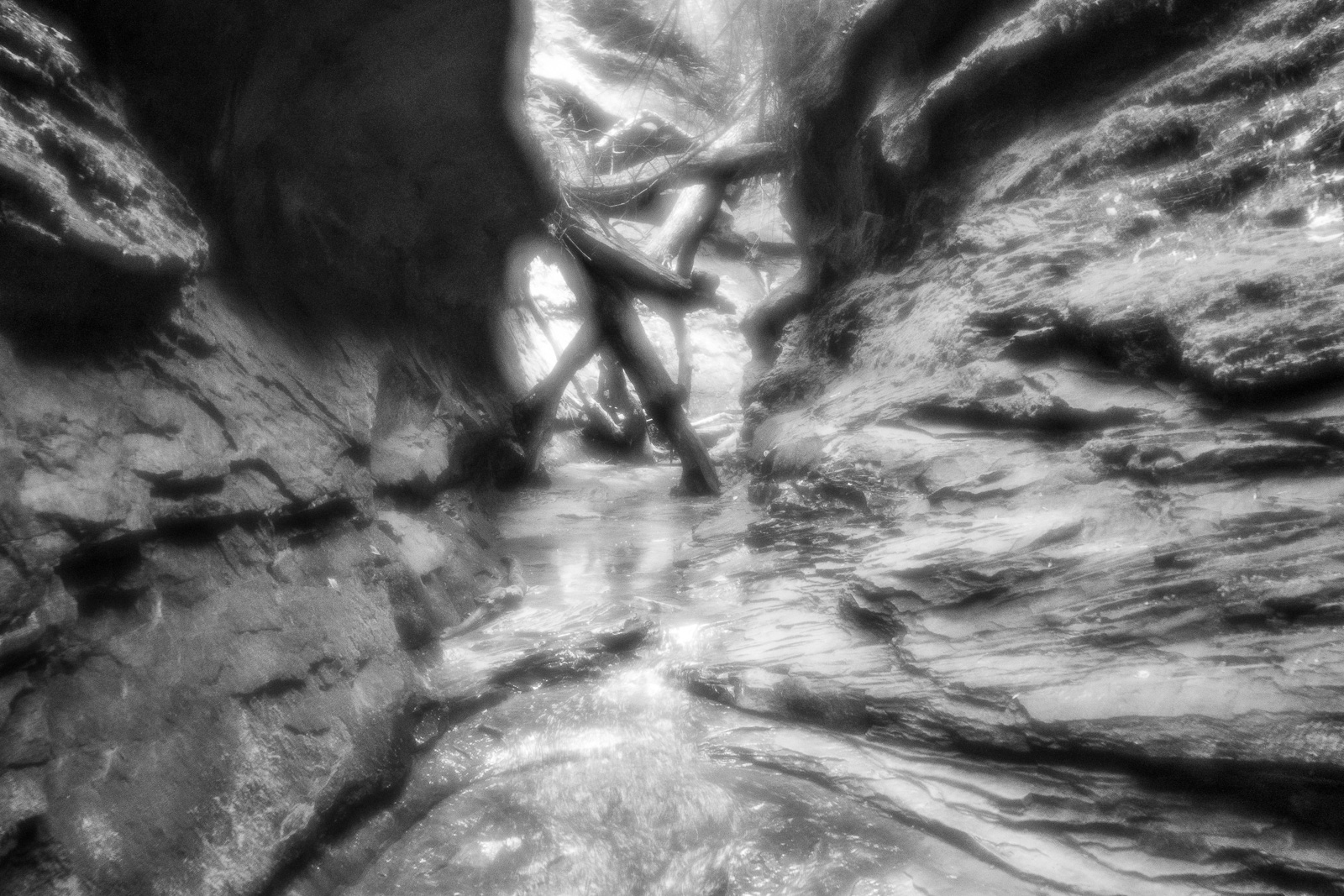
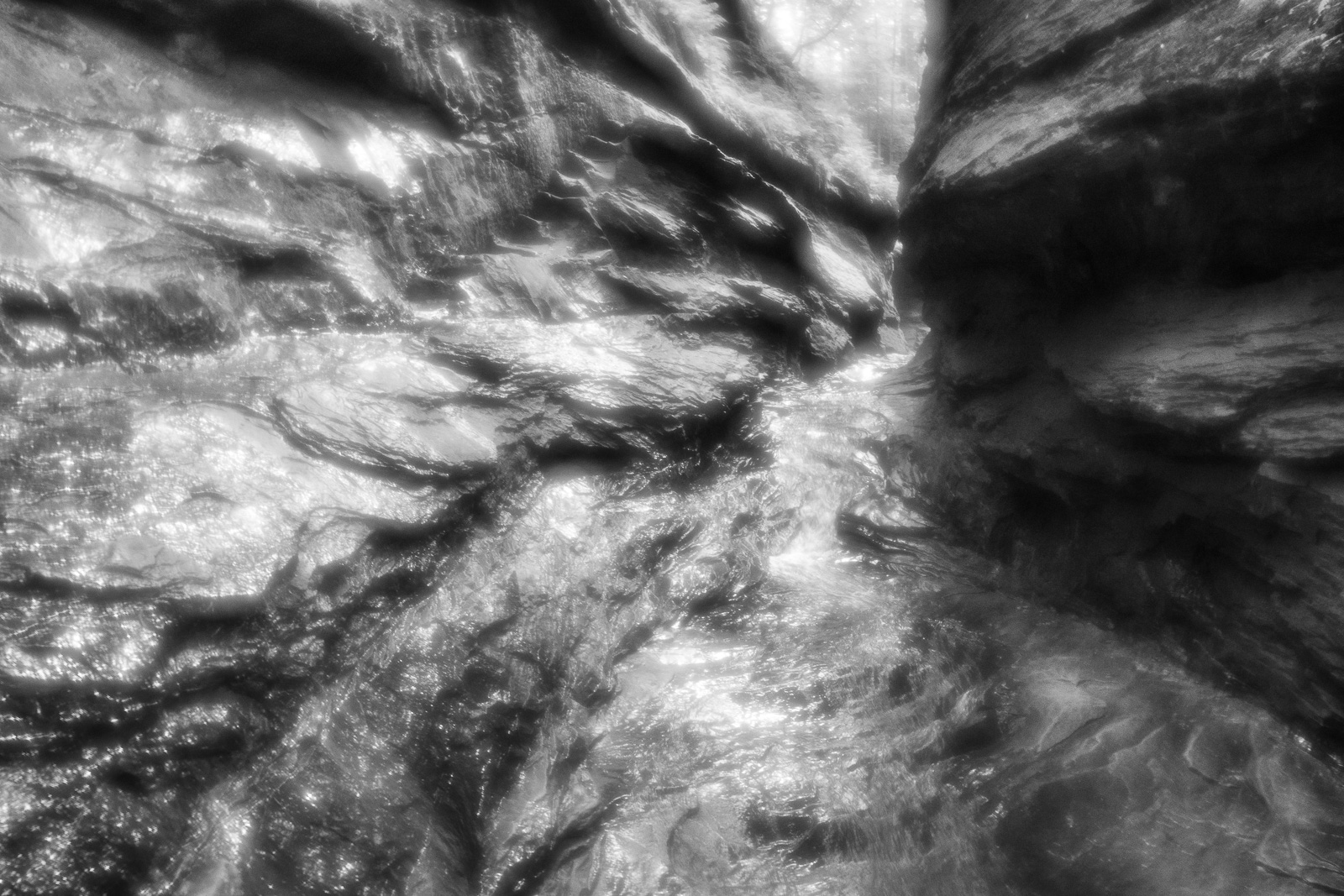
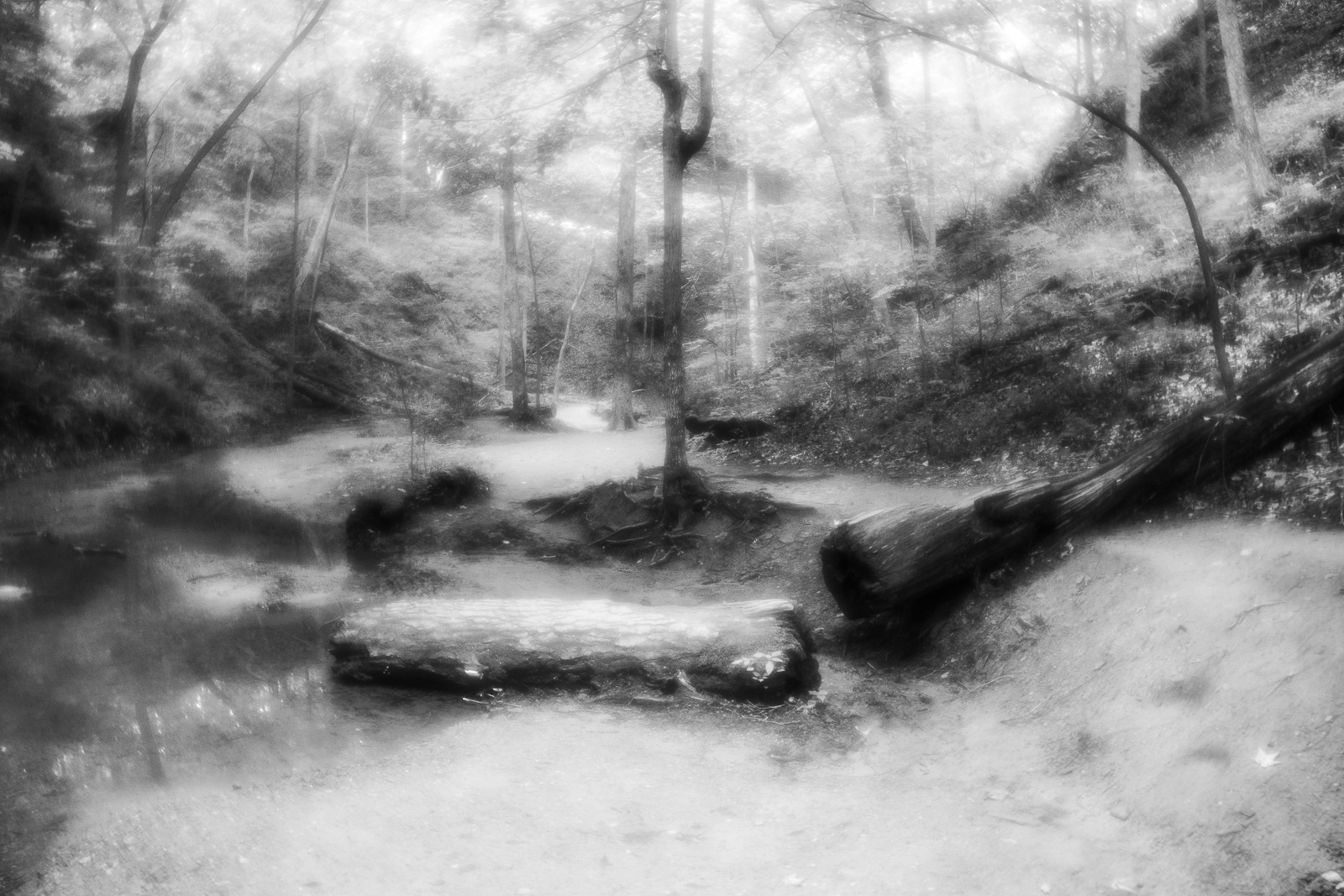
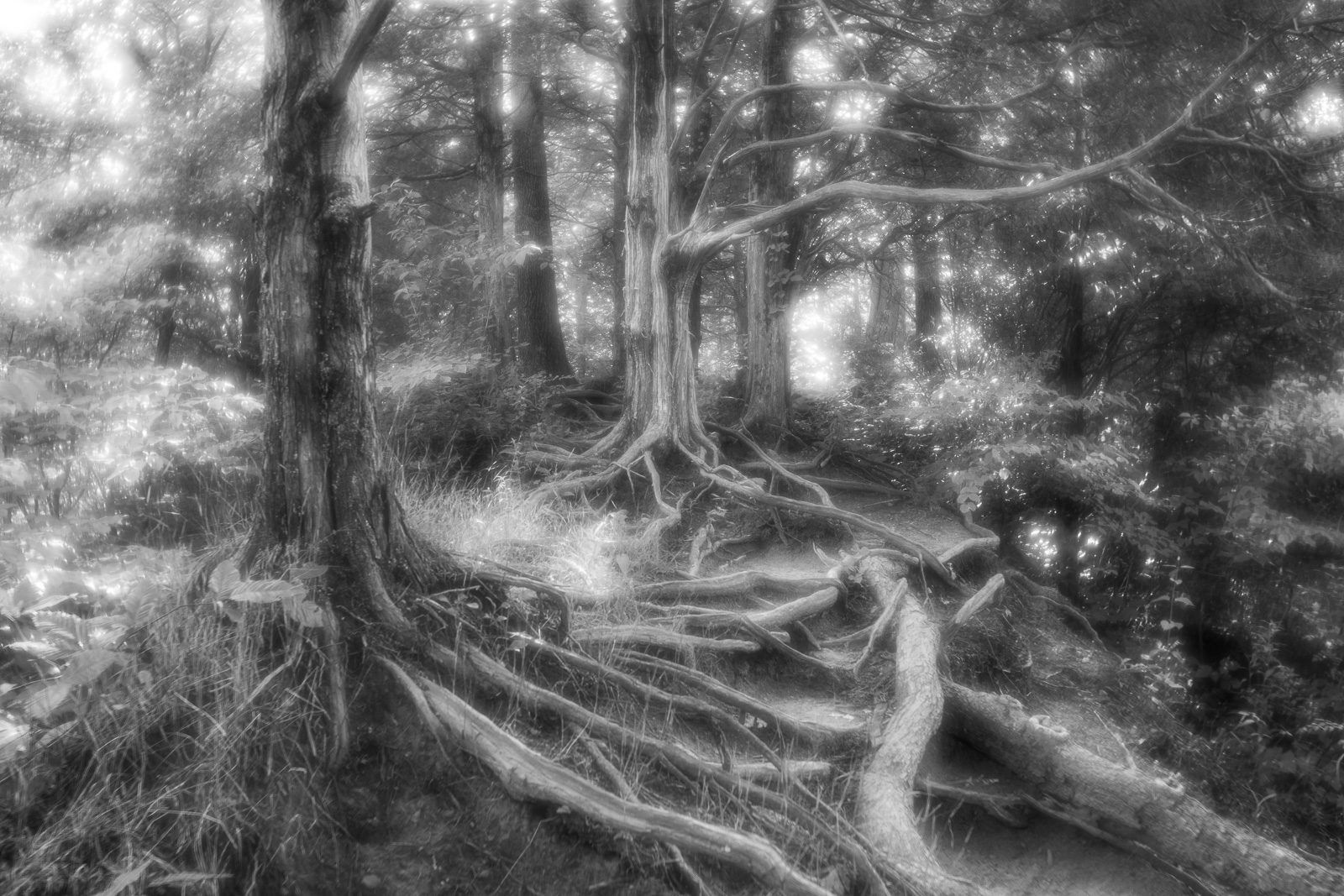
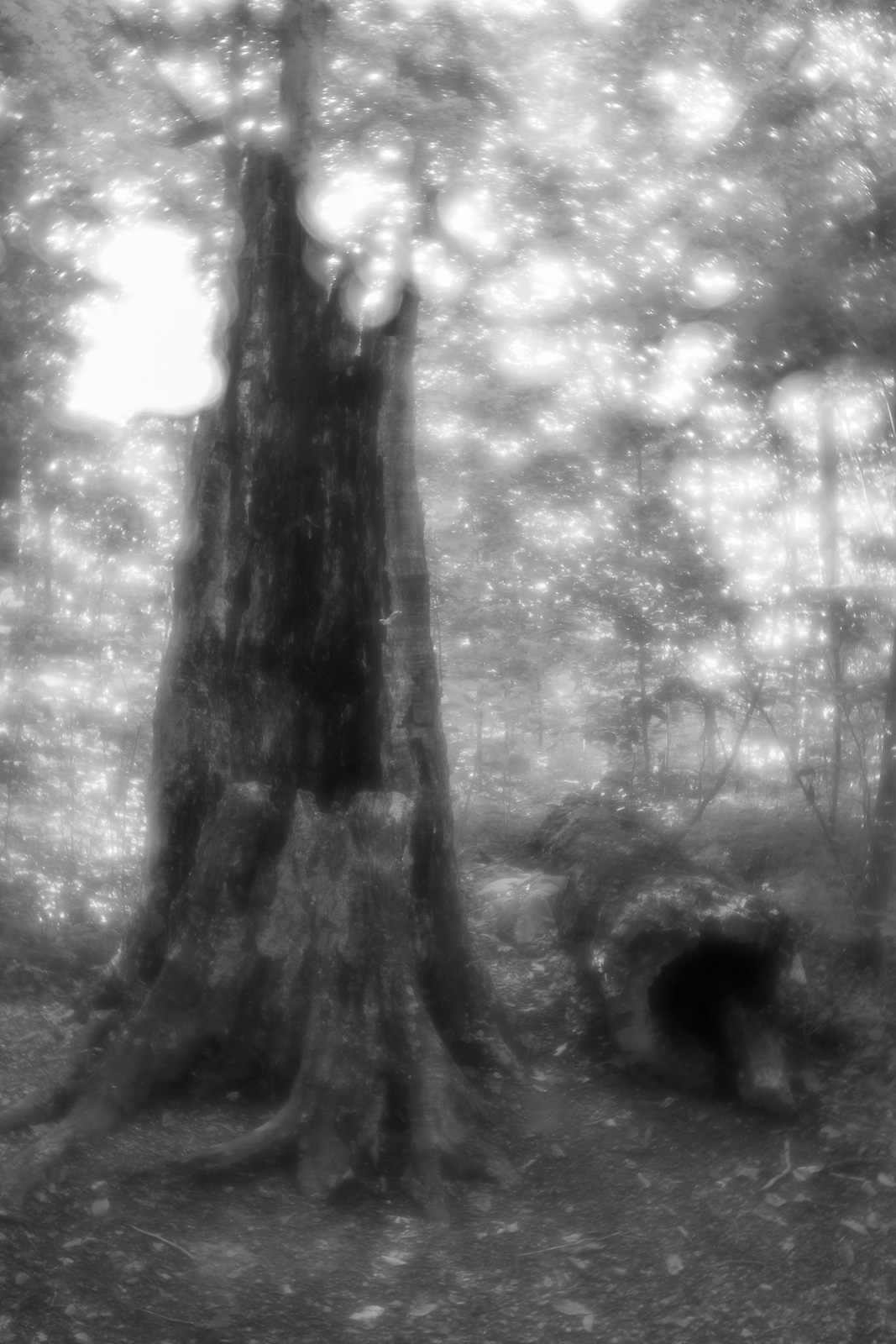
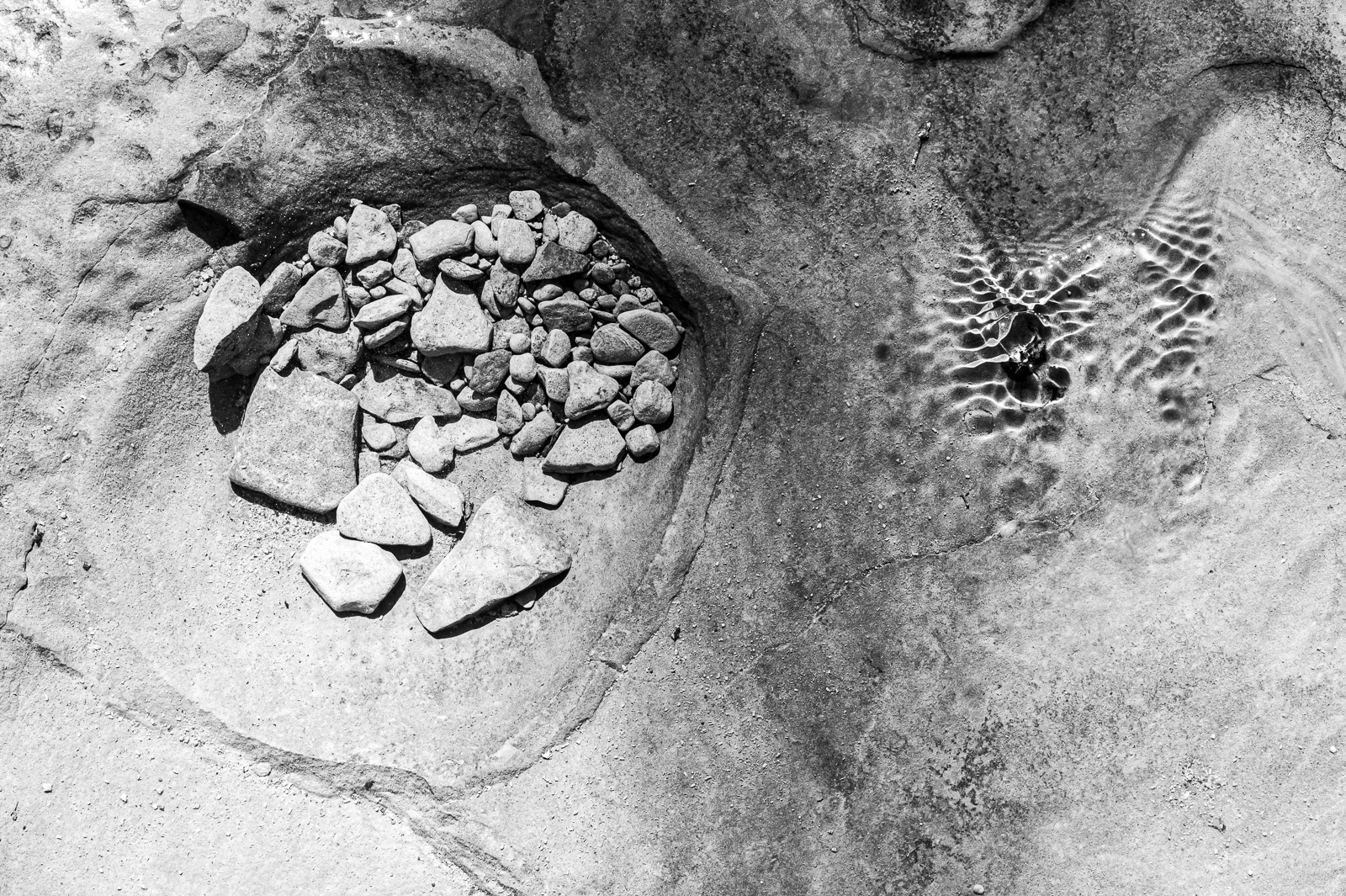
The pictures here were taken during a recent visit to Turkey Run State Park. 

DSC 4402

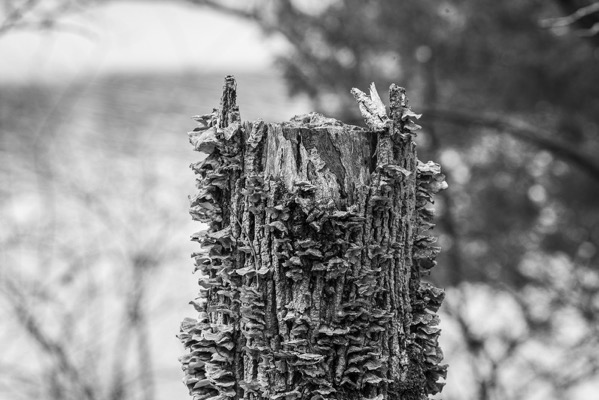
Besides Light and Darkness, there is also the theme of wood and rock in these images, of growth and strength.

DSC 4387


Nekyia (1947)

In their gray was a memory of all the colors that didn’t exist anymore.

DSC 2448

The title Nekyia of this blog post refers to a Greek rite of necromancy, and it is also the title of a little book written by Hans Erich Nossack which appeared 1947 in Germany, just after the war. The quotes are from this book.

DSC 2456

It takes place in an unnamed city which has been drained of all color and which represents the negative space of our existence:

Don’t you realize that I am talking about the life span between death and birth? A span of which we know that it stretches across far wider spaces, and about which we remain silent only because it cannot be measured by numbers.

DSC 2391

The book thus reverses time. The narrator seeks his mother, in order to be born: 

It is possible that I had been forgotten to be born, and the people didn’t like to be reminded of it.

DSC 2402

During his search, the narrator meets different people from his past, among them his teacher:

“Why does he tremble?”, these eyes that held and probed into me asked. I didn’t realize that they meant me. “It is not fear,” answered my teacher next to me (…), “it is the trembling of the leaves at nightfall. It is the uncertainty of a being that doesn’t know his mother.” 

DSC 2388

So my motherless brother took me to my mother. How could I have guessed that he knew her?

His mother tells him the story of his past, a story of war and murder, borrowing from Aeschylus’s Oresteia. But the hardest part lies ahead: The separation from the mother without forgetting the past. 

DSC 2395

Is this too high a price to pay in order to have a chance for a future?

DSC 2392

Nossack’s publisher had wanted a love story to satisfy popular demand. Unable to satisfy the request, Nossack stayed silent for six years.

Most things we were quite certain of couldn’t withstand his piercing eyes. They just disappeared, at first leaving an ice cold emptiness around him.

Presents to Self (Solitaire IV)

A birthday in quarantine is a limited experience.

DSC 5720

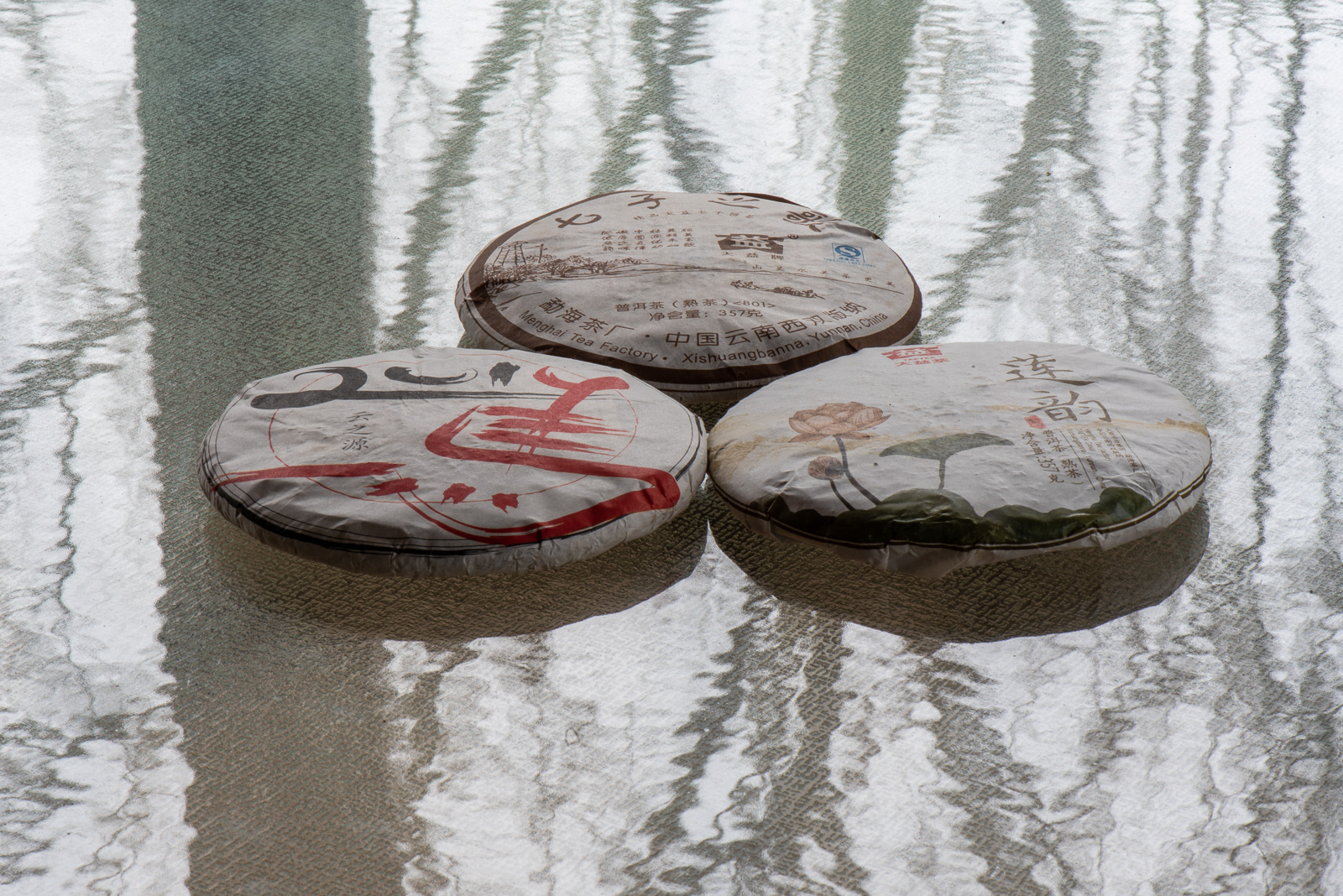
Above is the 2020 Glenburn Moonshine Elite, the only Darjeeling that has made it to me this year so far. An amazing tea.

Below are some Pu-Erh cakes that will hopefully last a year.

DSC 5730

More food, for heart and brain:

DSC 2974

Of course there needs to be a puzzle. Let’s call it Quarantine. You have to go on an errand, visiting all twenty vertices of the map below (it will take a while to walk this, I hope).Errands 01

But there is a curfew. This means that you can only visit each of the twenty places once. If you are seen somewhere a second time, you become suspicious and will be eaten by a grue. You also need to end up where you started — sleeping in someone else’s home is suspicious.

Finally, traveling from place to place requires a special permit in the color of the edge along which you travel. So you will need to carry a few permits (being eaten by a grue is unpleasant). For instance, an orange permit will allow you to use any of the orange edges as often as you dare, but only those. There are six different colors, and hence six different permits.

Permits are expensive. What is the smallest number of permits that allows you to visit each place exactly once, returning to your starting point at the end?

AE LIVE MELBOURNE 220618

Erosion (Ohio I)

This blog post is about erosion as a design pattern, or about Terry Tempest Williams’s book of essays with the same name, or about the first stop at Caesar Creek State Park of my four day escape to Ohio, away from human interaction.

DSC 4792

We typically understand erosion as decay, as an increase in entropy, and we can observe it everywhere. This is one of the themes of Erosion, Williams’s very moving book. Erosion happens not only in geological matter, but everywhere: In the laws that should protect us, in our bodies, in our mental states.

DSC 4799

Resistance against this decay appears to be the essence of life. We lean against each other in support, until we break.

Caesar Creek State Park was a random pick for me on the way, and as such a disappointment. There is one long trail around the lake, which one cannot walk, because the bridge is under repair. What is a bridge that cannot be walked?

DSC 4806

But, as keenly observed in Erosion, there is another function of this decay: The creation of soil, of fertile ground for new growth.This becomes heartbreakingly intense in the chapter where Williams recounts the cremation of her brother after his suicide. This book is not an easy read, even for those of us who agree with Williams’s view of things.

DSC 4820

My return from the unwalkable bridge took me along the beach front of Caesar Creek Lake, which is not quite ready for building sand castles.

DSC 4823

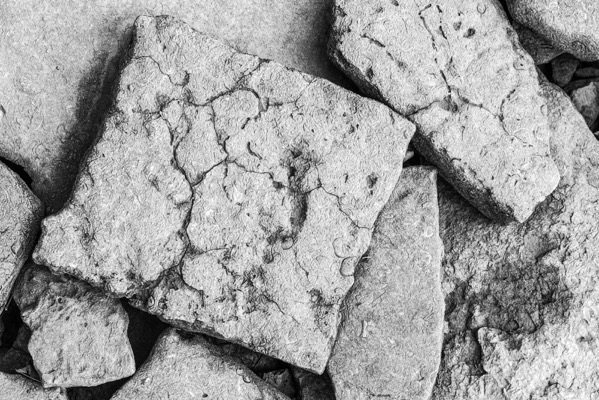
But a closer look at the debris reveals that it is composed of older debris. Fossilesque, I would call that. Sometimes erosion takes a very long time.

DSC 4830

Read the book anyway. It will help you with your own, personal erosion. 

Marzahn mon amour

A neighbor and I exchanged books over the holidays (a forgotten art?). I gave her Christoph Ransmayr’s Arznei gegen die Sterblichkeit, and she returned the favor with Katja Oskamp’s Marzahn mon amour.

DSC 4348

Marzahn is a legendary suburb of Berlin I had never been to. The name triggered childhood memories of Frau Malzahn, the wonderful dragon in Ottfried Preußler’s even more wonderful Jim Knopf books.

DSC 4342

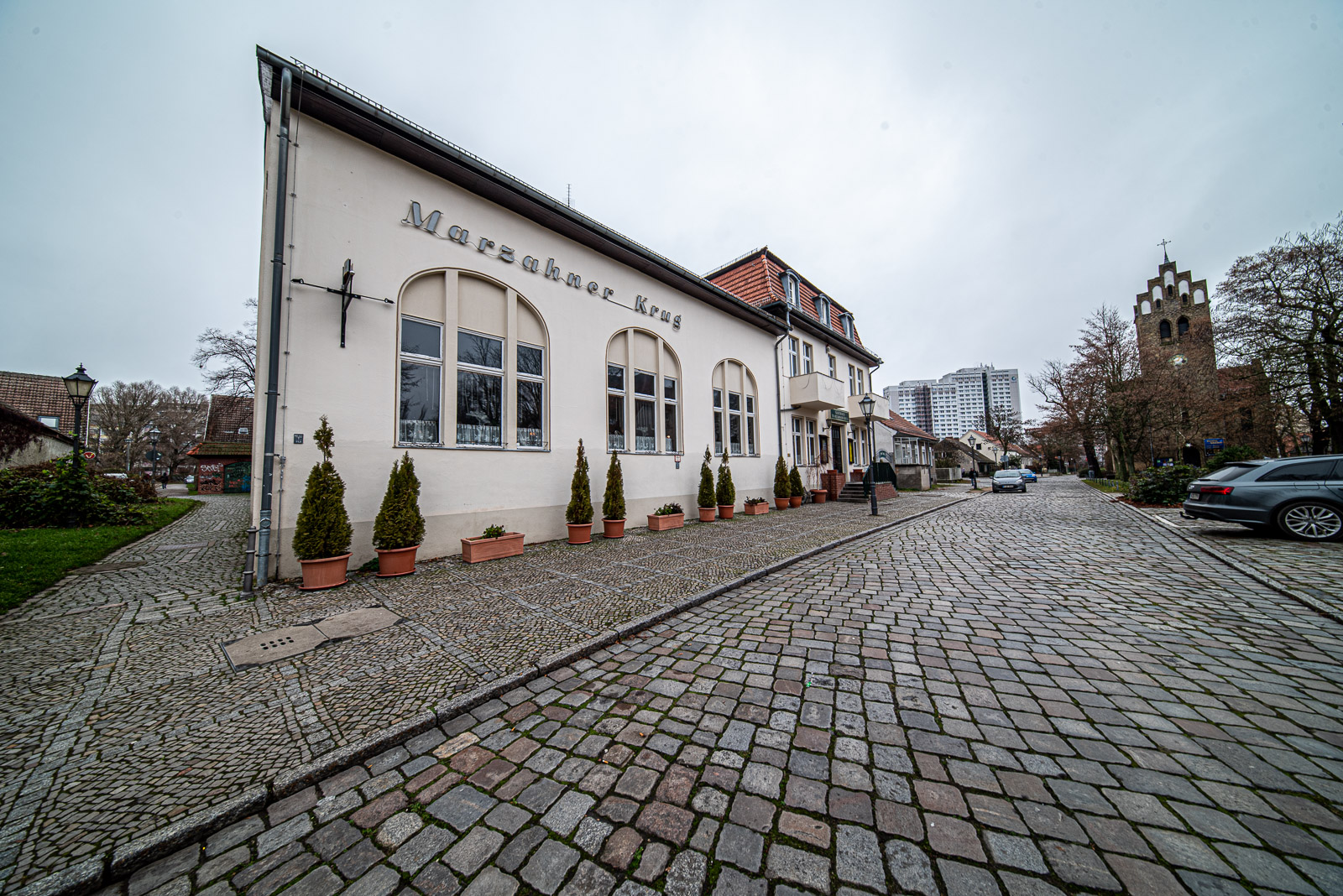
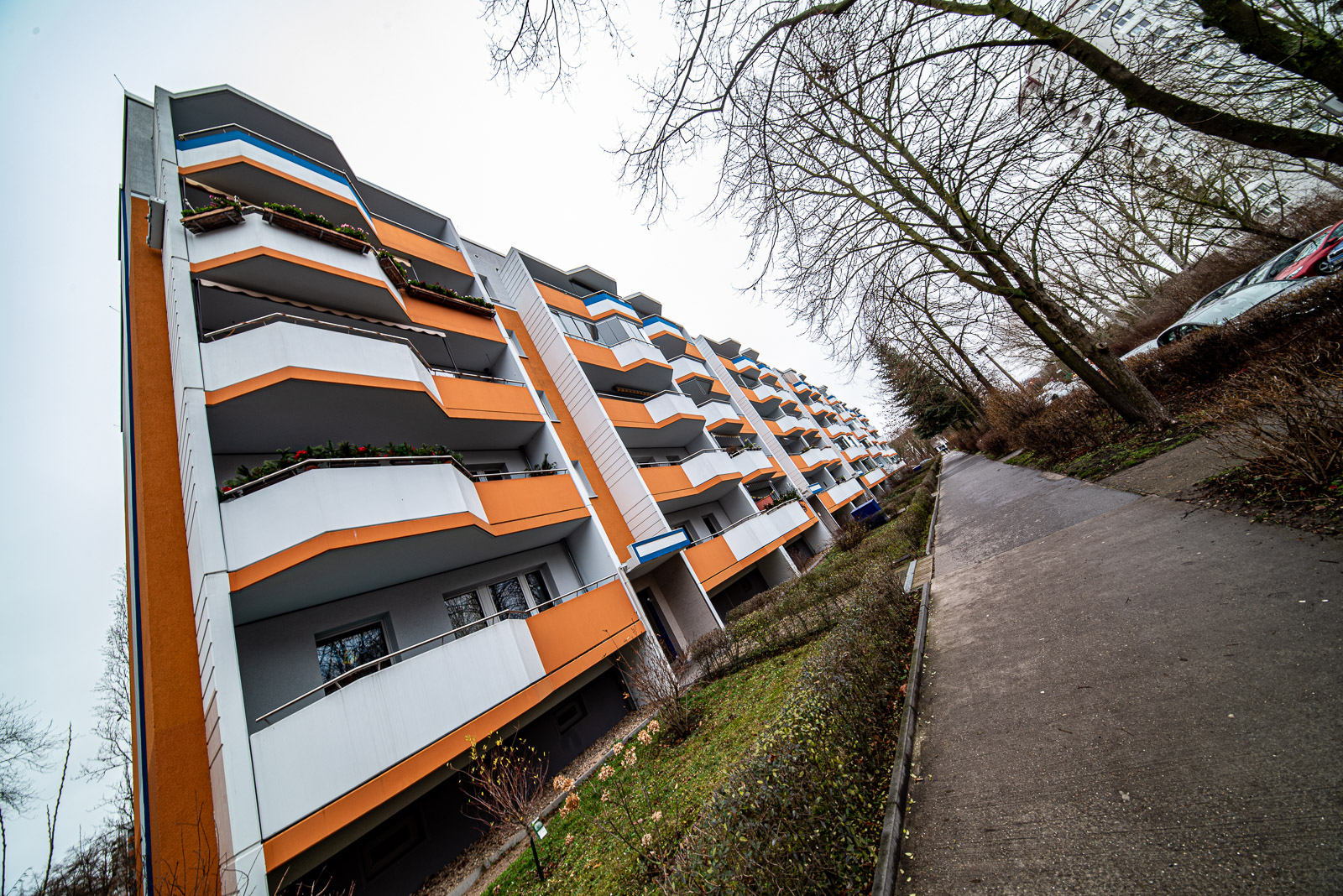
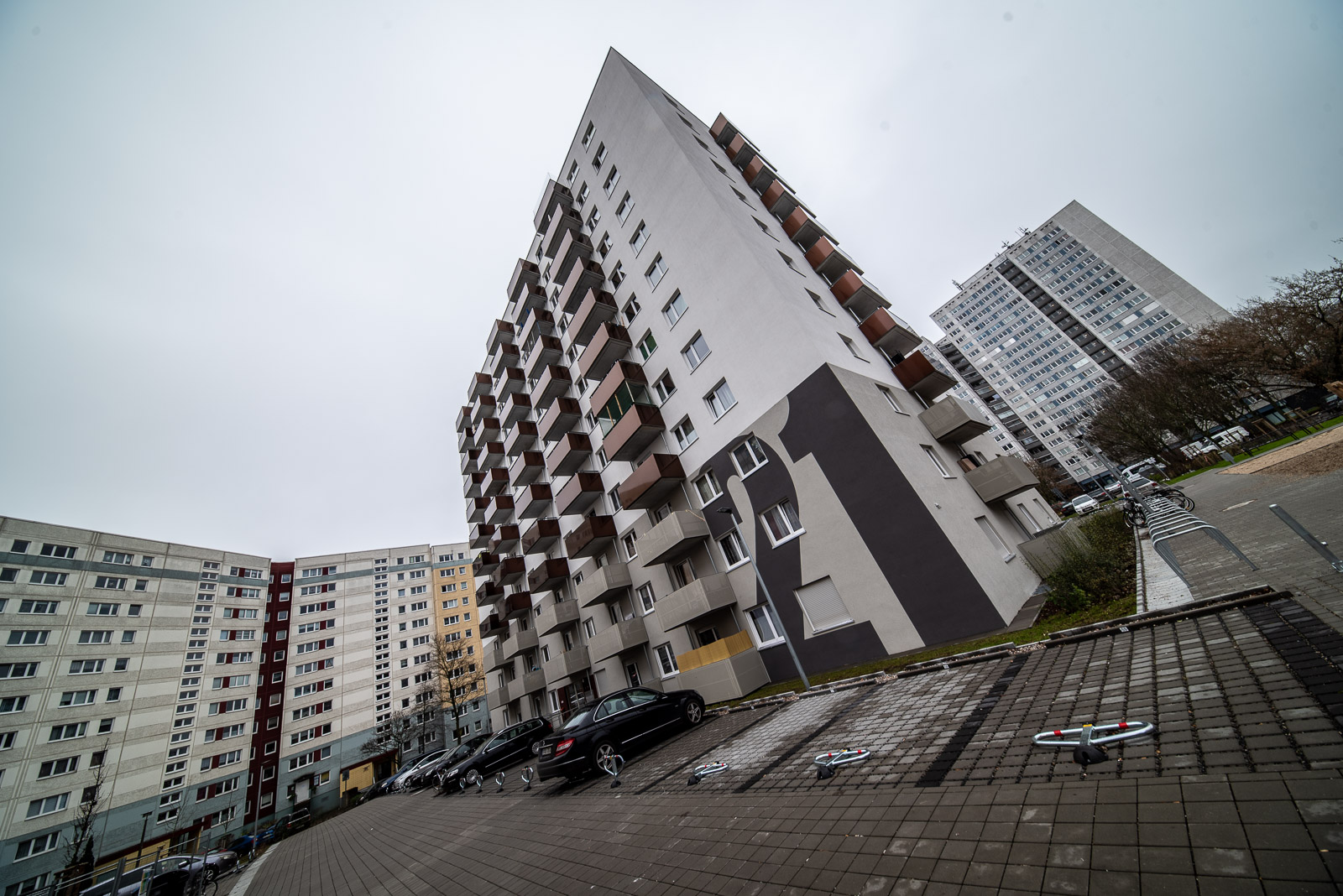
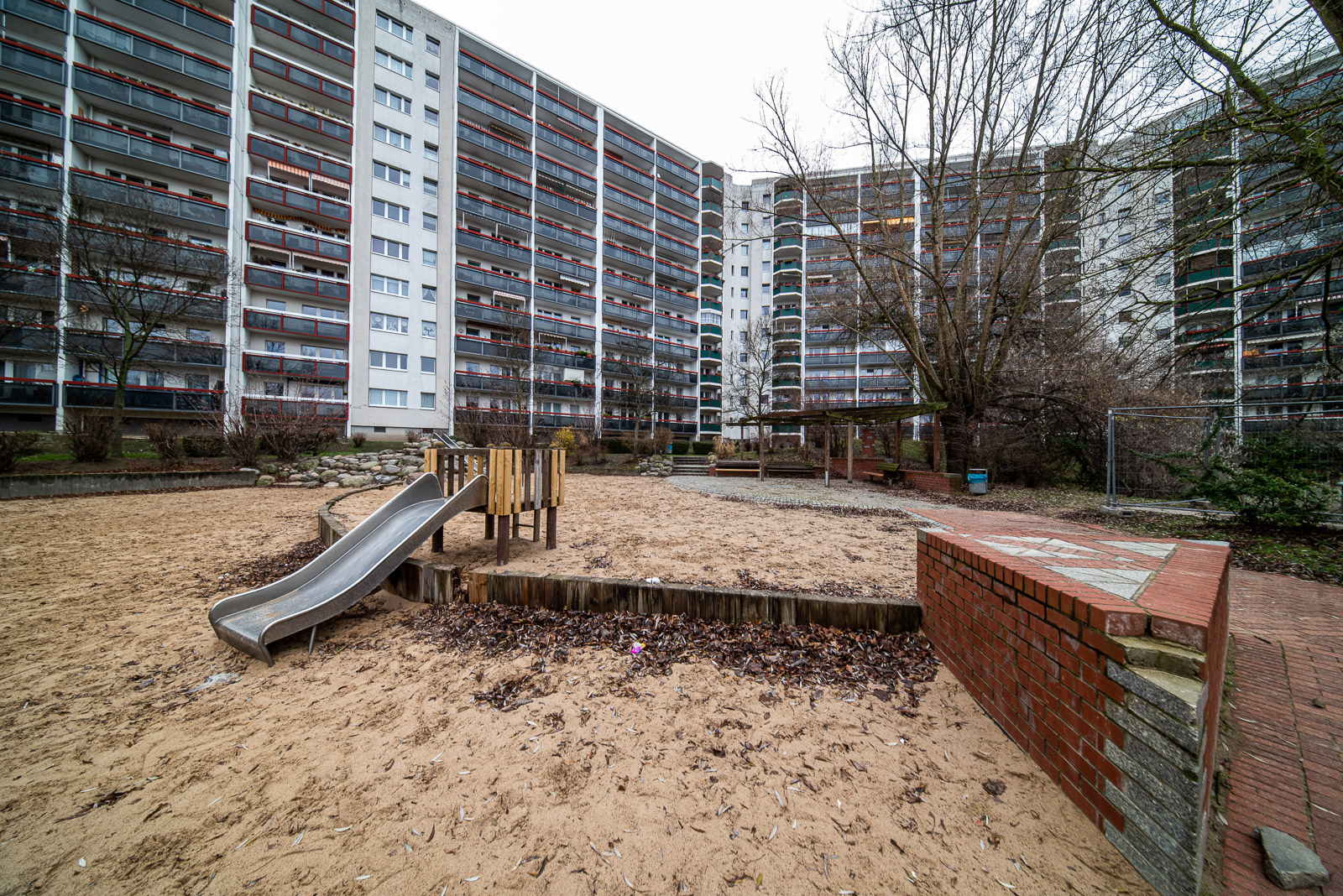
But this has nothing to do with Marzahn mon amour, nor do the pictures above, which show Alt-Marzahn, miraculously preserved among the Plattenbauten, the prefab buildings that provided a cheap solution to the growing housing problem of the former German Democratic Republic.

DSC 4385

Here is one of them, proudly announcing cosmetic studio at the entrance as if the entire building is that studio.

DSC 4365

And this is what the book is about: People living in these prefab houses, and being taken care of temporarily by the narrator, who works as a pedicurist in a cosmetic studio just like the one above (this one?).

DSC 4376

We learn to like them, the people and the buildings, maybe because they all have decided to cope with their large and small miseries by taking care of themselves, even if only symbolically.

DSC 4361

Most remarkable, however, is the insight of the narrator: That by stepping apparently down (in her case from struggling author to a pedicurist) one can in fact find happiness, and then by the way, write a charming little book. 

Absence (10mm II)

Hisham Matar’s autobiographic book The Return talks about his father’s absence.

DSC 4231

The image above show the Voided Void at the end of the Axis of Holocaust in Daniel Libeskind’s Jewish Museum in Berlin. 

DSC 4310

Matar quotes Aristoteles: The theory that the void exists involves the existence of place: for one would define void as place bereft of body.

DSC 4213

Right now, the museum is being prepared for a new standard exhibition, and hence almost completely void.

DSC 4259

Matar continues to reflect about Aristoteles. He adds: He says nothing of time here, and time is surely part of it all, of how we try to accommodate the absence. […]. Only time can hope to fill the void. The body of my father is gone, but his place is here and occupied by something that cannot just be called memory.

DSC 4254

A second accessible void in the Libeskind building is the Memory Void, containing Menashe Kadishman’s installation Shalekhet (Fallen Leaves).

DSC 4276

Matar concludes this reflection: What is extraordinary is that, given everything that has happened, the natural alignment of the heart remains towards the light.

DSC 4230

Arrivals and Departures

This is an unusual post, marking arrivals and departures.

DSC 8218

Even worse, the sea creatures on display appear to have nothing to do with that theme. Let me explain. One of the arrivals is that of my daughter arriving at the critical age of 18, and one of the departures is hers to college in California. This provides a first link: The pictures are from the Monterey Aquarium, which we visited last year.

DSC 8228

When I see these astonishing creatures, I am inevitably reminded of Denis Villeneuve’s film Arrival, a rare example of an adaptation that works independently and as well in its own way as the source, here Ted Chiang’s The Story of Your Life. The departure I will associate with this is that of the composer of the wondrous film score, Jóhann Jóhannsson, who left us last year, too early.

DSC 8250

Arrival and departure sound like beginning and end, joy and sadness. This is treacherous, because each departure is a departure to a new arrival elsewhere. Arrival and departure are like a single contraction of one of these jellyfish. What you perceive depends of where you are: inside or outside.

DSC 8255

More important than arrival and departure are the stories that are framed in between, the mysterious creatures that propel our lives forward or bring it to a halt.

DSC 8258

I am looking forward to hear more.